
When it comes to choosing a reliable vehicle, drivetrain configuration often gets pushed aside in favor of styling, horsepower, or brand recognition. However, the difference between all-wheel drive (AWD) and front-wheel drive (FWD) can significantly impact the vehicle’s performance, especially in varying road conditions.
AWD vehicles distribute power to all four wheels, giving them a distinct advantage in traction, stability, and long-term drivability. On the other hand, FWD cars, while more affordable and fuel-efficient, often fall short when the going gets tough, especially in poor weather or on uneven terrain.
Despite the technological advantages AWD has to offer, many of the most capable models are overlooked today buried under a pile of marketing hype and discontinued badges. Conversely, some FWD cars are overly praised, despite having well-known weaknesses in long-term grip and structural integrity.
This article looks at ten vehicles: five underrated AWD machines that have proven themselves over time, and five popular FWD models that continue to enjoy loyalty but don’t always live up to their reputation.
The goal here isn’t to trash the FWD platform altogether. After all, millions of people happily drive these vehicles every day. Instead, it’s about identifying those cars that have stood the test of time versus those that might look good on paper or feel fine at first, only to falter under long-term ownership.
We’ll start with the forgotten AWD warriors those cars that may have slipped through the cracks in the public memory but still have the engineering to hold the road after ten, fifteen, even twenty years. Then we’ll turn to some FWD cars that, while often praised, come with compromises that become more apparent over time.
Each entry includes an honest look at their drivetrain capability, reliability, build quality, and how they perform years after the new-car smell has faded. This is about more than nostalgia or spec sheets. It’s about how these cars actually feel on the road, especially after they’ve been through the wear and tear that defines a real-world lifespan.
Also Read: 5 Once-Popular Cars Now Selling Below MSRP vs 5 That Still Sell Above Sticker
5 Forgotten AWD Cars That Grip for Years
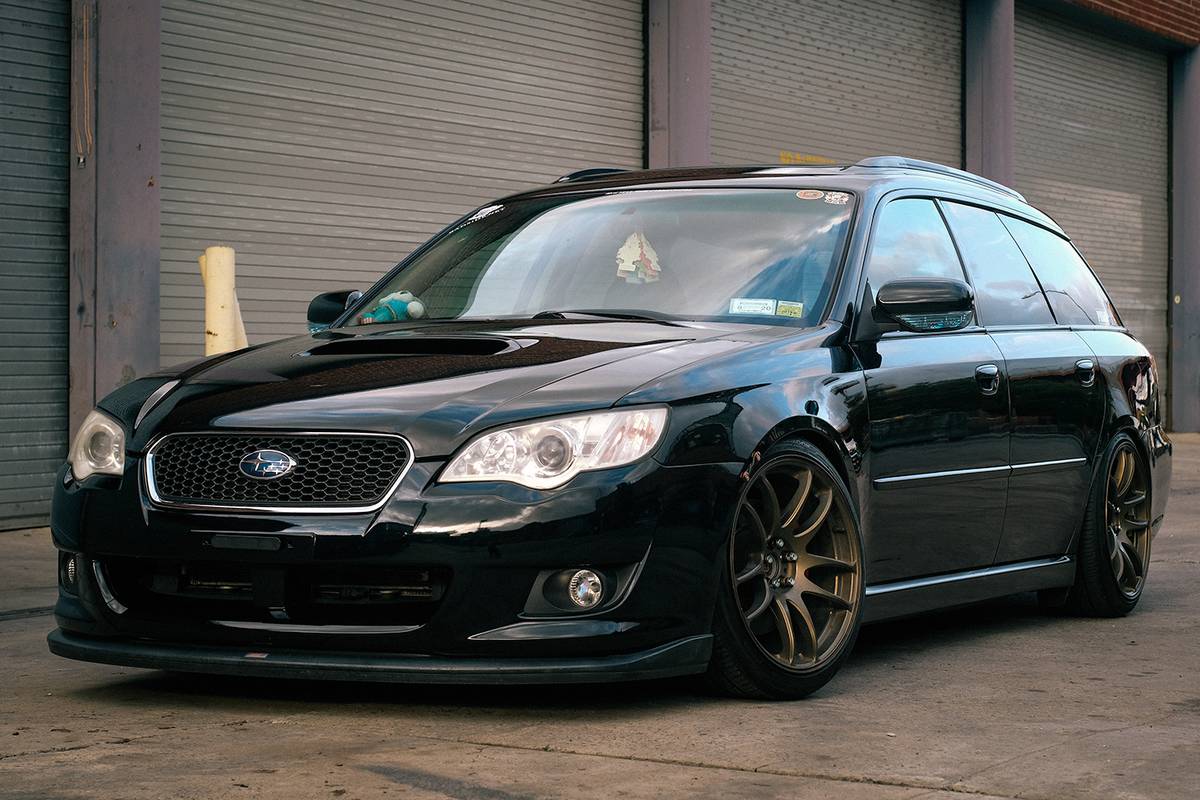
1. 2005–2012 Subaru Legacy GT
The Subaru Legacy GT from this era is often overshadowed by its more flamboyant sibling, the WRX. Yet, it holds an impressive place as a long-lasting AWD sedan that balances performance and practicality.
The turbocharged flat-four engine coupled with Subaru’s symmetrical AWD system makes it capable of tackling rain, snow, gravel, and rough pavement with ease.
Despite its sporty potential, it was also built with daily driving in mind, and this balance makes it a compelling choice for enthusiasts and commuters alike. While many WRXs and STIs were pushed hard and modified, the Legacy GT often flew under the radar, preserved by owners who appreciated its subtler design and comfort.
Build quality on the Legacy GT is another strong point. The interior materials may not scream luxury, but they’re functional, durable, and don’t fall apart easily.
The seats remain supportive over long drives, and the cabin has a solidity that resists rattles even after years of use. The car’s weight distribution and low center of gravity, thanks to the boxer engine layout, provide stable cornering and minimal body roll, making it feel more composed than other mid-size sedans of its time.
Another key aspect is its drivetrain longevity. When maintained properly, Subaru’s AWD system continues to function reliably well past the 200,000-mile mark.
While turbo seals and head gaskets can be a concern, these issues are well-known and manageable. Owners who stay ahead of regular maintenance generally report consistent performance, solid fuel economy for an AWD sedan, and minimal downtime.
Despite these traits, the Legacy GT is rarely mentioned in discussions about reliable used AWD cars. It didn’t have the street presence of an SUV or the flash of a sports coupe, but it delivered where it mattered.
Those who held onto them, or picked them up secondhand, often find themselves surprised at how well the platform ages. It’s one of the few turbocharged AWD sedans from the 2000s that you can still count on today, quietly efficient and mechanically competent.
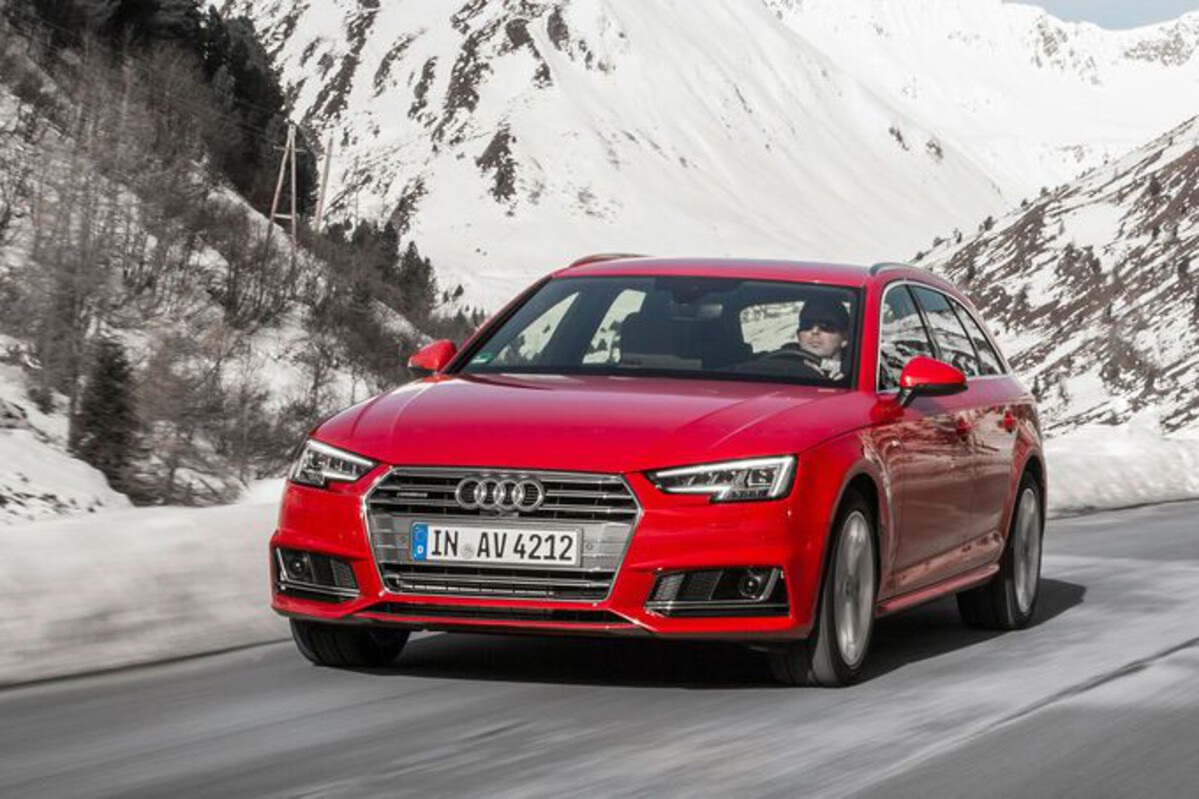
2. 2003–2006 Audi A4 Quattro (B6 Generation)
Audi’s Quattro system is legendary, yet not every model gets equal recognition. The B6-generation Audi A4 from the early 2000s is one such example. While later models became more electronic and heavier, the B6 maintained a mechanical simplicity that modern Audis lack.
With its longitudinal engine layout and permanent AWD, the A4 was capable in bad weather, engaging on dry roads, and comfortable over long distances. It wasn’t the fastest, but it held the road in ways few sedans could at the time.
Durability is what sets the B6 apart. Its 1.8T or 3.0 V6 engines were built with solid materials, and while they required regular maintenance, they didn’t often suffer catastrophic failures. The chassis aged well, and many examples are still found with their original drivetrain components intact.
While German maintenance can be pricey, the platform itself didn’t suffer from major design flaws. Many early A4s soldier on with original suspensions and AWD hardware functioning just as well as they did when new.
The Quattro system in this car wasn’t just for marketing; it truly worked. Power distribution adjusted smoothly, and understeer was kept to a minimum with the right tires.
Even after a decade or more, the car maintains composure in the rain and snow. Road noise was also surprisingly low for the time, and the car remained tight and responsive even after years of ownership.
Though overshadowed by newer models, the B6 A4 is worth a second look. It provides a rewarding driving experience, even by today’s standards. It has its quirks, but it also has a soul that many newer AWD sedans seem to lack. For drivers looking for a forgotten AWD gem that still clings to the road with purpose, this Audi deserves a nod of respect.
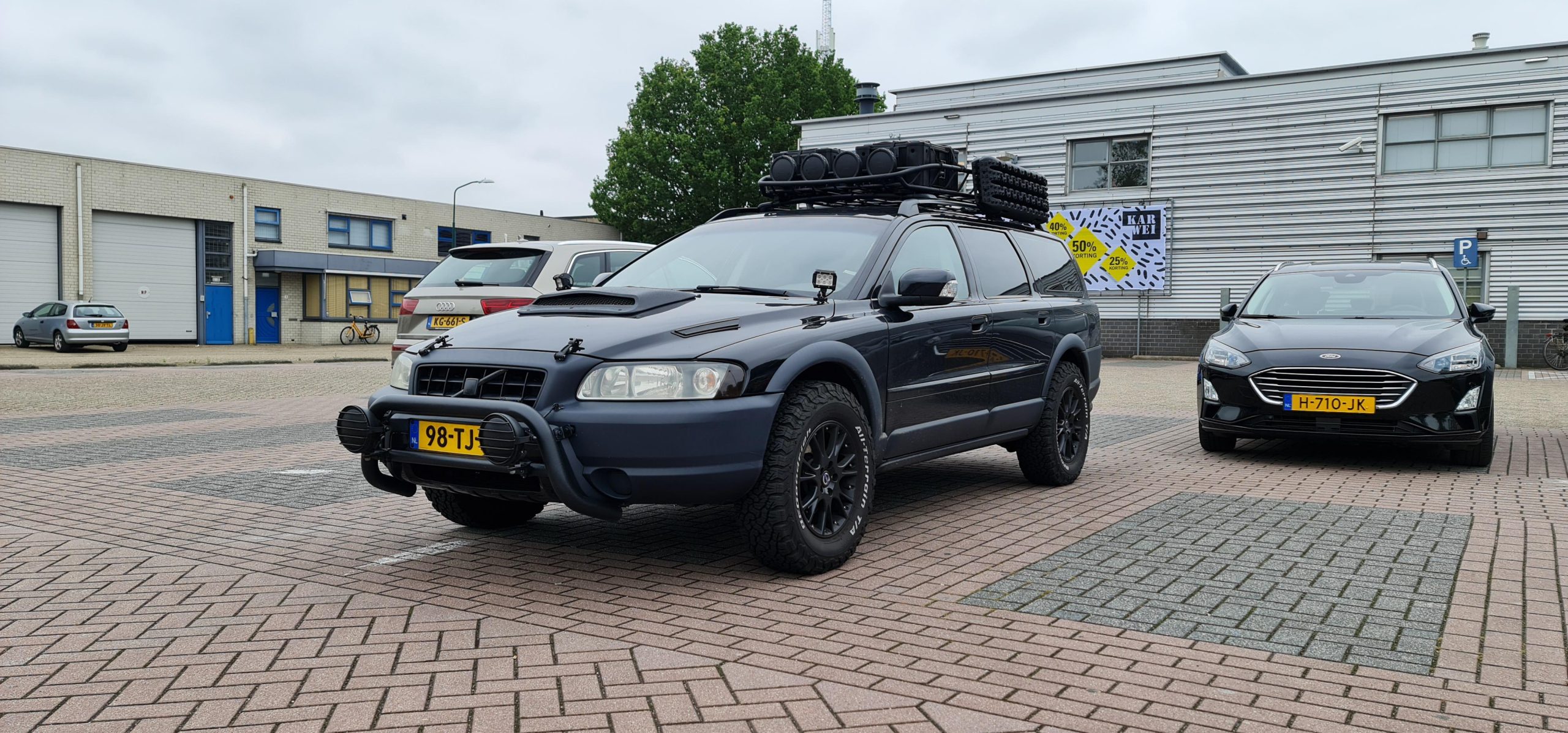
3. 2001–2004 Volvo V70 XC (Cross Country)
Volvo’s V70 XC was a unique AWD wagon that rarely shows up in modern car conversations, but it continues to serve those who still drive it with remarkable confidence.
Originally marketed as a crossover before the term exploded in popularity, the V70 XC combined station wagon practicality with light off-road capability. The Haldex-based AWD system isn’t as aggressive as a Subaru’s, but it provides excellent grip on slippery roads and loose surfaces, ideal for those in northern climates or rural areas.
Built like a tank, the V70 XC is a reminder of Volvo’s commitment to safety and long-term use. The materials inside are not only robust but also designed to hold up under abuse.
Leather that doesn’t crack easily, dashboards that don’t warp in the sun, and seats that remain some of the most comfortable in the industry, these are the touches that elevate it above average. Many owners report using theirs for long family road trips, daily commutes, and hauling without a second thought.
One of its most appreciated features is the balance between ride quality and durability. The V70 XC uses a raised suspension that gives it clearance over snowbanks and dirt roads, yet it still rides like a car, not a jacked-up SUV.
Even after two decades, the handling remains predictable, and the AWD system continues to respond well under most driving conditions. It’s not designed for hardcore off-roading, but it’s more than capable of tackling icy backroads or muddy fields.
People often overlook this model because it doesn’t shout for attention. It lacks flashy styling or aggressive marketing. But those who know it recognize the value in its design.
The V70 XC holds onto the road not just because of its drivetrain, but because it was engineered to last. It may be forgotten in the dealership brochures, but it has earned a place in the real world of long-distance, all-weather driving.
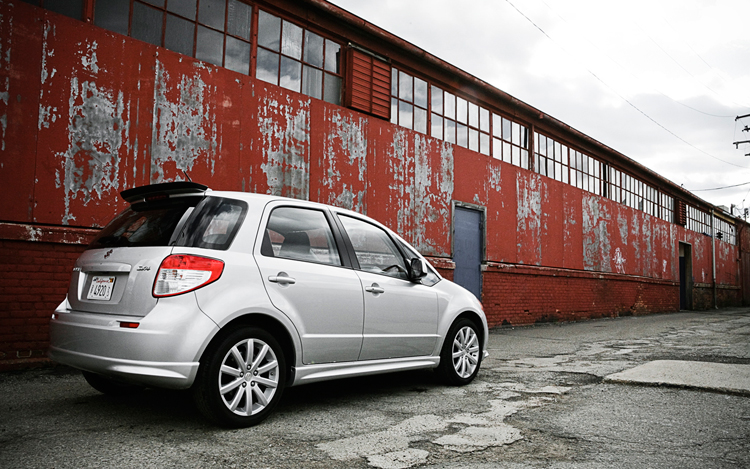
4. 2006–2009 Suzuki SX4 AWD
Suzuki rarely makes anyone’s list of top car manufacturers, but the SX4 deserves recognition. This compact hatchback or sedan came with an optional intelligent AWD system that punched well above its weight class.
In a world where AWD was mostly reserved for expensive crossovers or sports cars, the SX4 offered it in a budget-friendly package that didn’t feel like a stripped-down compromise. For snowbelt drivers or those in unpredictable climates, it was one of the best deals you could get.
The car’s size made it ideal for city driving, while the AWD gave it a leg up in foul weather. Unlike many economy cars, the SX4 felt stable during rainstorms and in icy parking lots.
While power was modest, it delivered enough torque at low RPMs to stay confident in conditions where other small cars would spin their tires. The car’s basic layout also helped its longevity. Simpler electronics, fewer gimmicks, and a durable drivetrain meant fewer things to go wrong.
What further sets the SX4 apart is how well it was built for the price. The interior may have lacked flair, but it didn’t fall apart. Door panels stayed in place, seats didn’t collapse over time, and the AWD system rarely caused mechanical problems.
In fact, many owners report exceeding 150,000 or even 200,000 miles with only minor repairs. That’s a solid return on investment for a car that originally cost far less than most of its AWD competition.
Though it never achieved mainstream popularity, the SX4 filled a unique niche. It was proof that AWD could be accessible without sacrificing function or quality.
While Suzuki left the U.S. market years ago, the SX4 continues to represent one of the most underrated choices for a compact AWD vehicle that grips the road well beyond its expected life span.
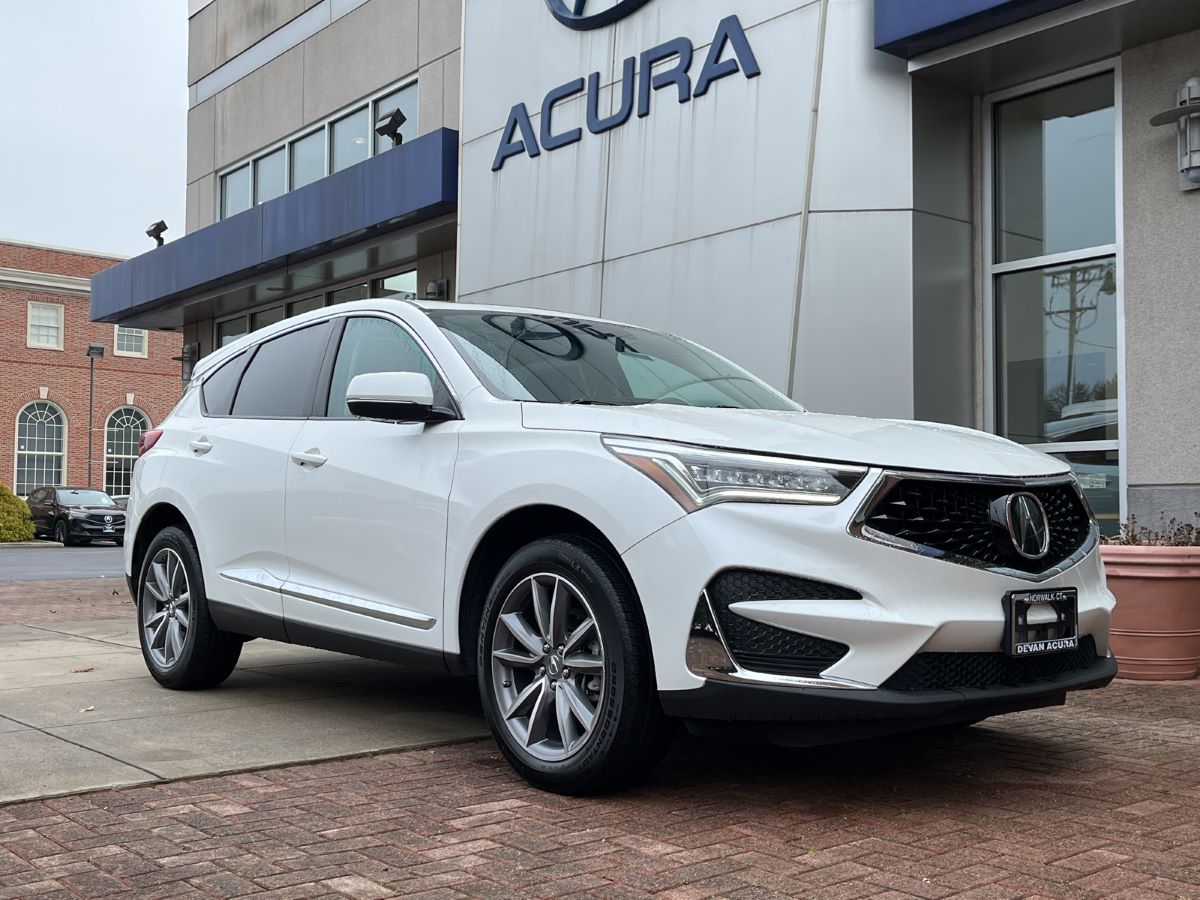
5. 2007–2013 Acura RDX (First Generation)
The first-generation Acura RDX often gets overshadowed by larger luxury SUVs or sportier models in the Acura family, but it deserves a second look.
With a turbocharged engine and SH-AWD system, it was ahead of its time in offering both agility and traction in a compact crossover format. Where many SUVs of the time struggled to combine performance and utility, the RDX managed to deliver both without excessive weight or bloat.
Acura’s Super Handling AWD system didn’t just split torque front to back, it could also send power side to side. This gave the RDX much better control during cornering and acceleration, making it feel more car-like than its competitors.
Drivers often noted that the RDX handled twisty roads with confidence, maintaining composure even under spirited driving. And unlike some luxury competitors, it didn’t require constant repairs to keep running well.
Build quality on the RDX was a strong point. The interior featured durable materials that wore well over time, and the mechanical components were built to Honda standards of reliability.
The turbocharged engine had its quirks, but with proper maintenance, it aged gracefully. Suspension parts lasted longer than average, and the AWD system rarely suffered from malfunctions or costly failures.
Despite these strengths, the RDX remains underappreciated. It lacked the flash of a European brand and wasn’t marketed as aggressively as newer crossovers. But in terms of road-holding ability, long-term value, and mechanical grip, it was one of the most complete AWD packages in its class.
Even now, older RDX models continue to offer dependable all-weather performance, showing that some of the best AWD vehicles aren’t the most talked about, they’re just the ones that keep going.
5 FWD Favorites That Slip
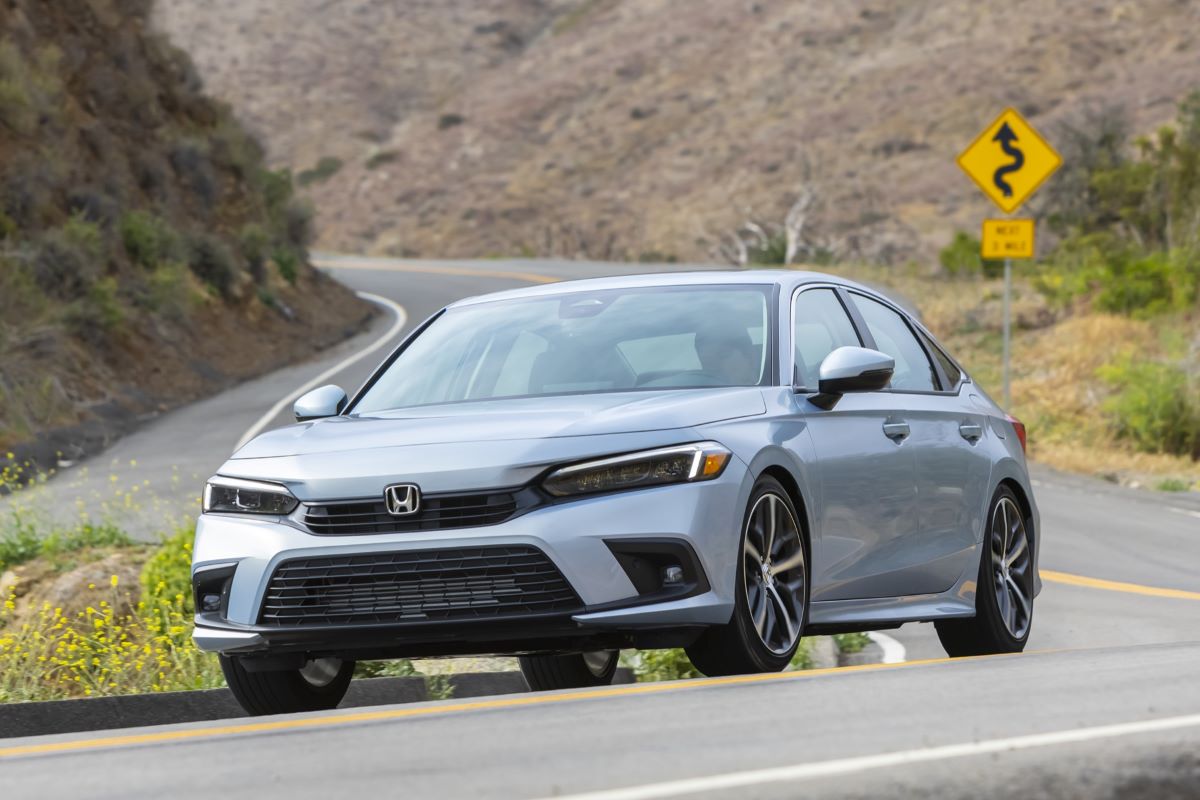
1. 2012–2017 Honda Civic
The Honda Civic has built a reputation for reliability and fuel efficiency, which has earned it a devoted fan base. But the 2012–2017 generation, particularly the early years, came with compromises that often go unmentioned.
The FWD layout, while adequate for dry pavement and city streets, struggled under harder conditions like wet roads or snow-covered driveways.
Traction control helped to some extent, but the vehicle’s light front-biased weight distribution caused it to lose composure easily, especially when turning or braking aggressively in poor weather.
This generation of Civic also drew criticism for a decline in driving dynamics compared to earlier models. Steering feedback was muted, suspension tuning felt soft, and it lacked the responsiveness that once made the Civic a favorite among compact car enthusiasts.
As road conditions deteriorated, the limits of the FWD system became more obvious. Light acceleration on a wet incline could easily result in front wheel spin. Without the assistance of all-wheel traction, the Civic showed its limitations even in basic suburban driving during winter.
Longevity-wise, the Civic still holds up in terms of mechanical reliability. However, longevity isn’t just about how long the car runs, it’s about how well it drives over time. Owners frequently report that the ride becomes rough and noisy after the first 70,000 to 100,000 miles.
The front suspension components wear faster due to the FWD layout constantly handling both propulsion and steering forces. This creates more frequent alignment issues and increased tire wear, particularly if regular maintenance is skipped.
Despite these issues, the Civic continues to sell well because of its affordability and name recognition. But for those living in climates with real winters or poorly maintained roads, the Civic’s FWD layout exposes its weaknesses.
It may be dependable in terms of starting up every morning, but when it comes to consistent grip and composed handling over years of use, it’s a reminder that not all popular cars are created equal.
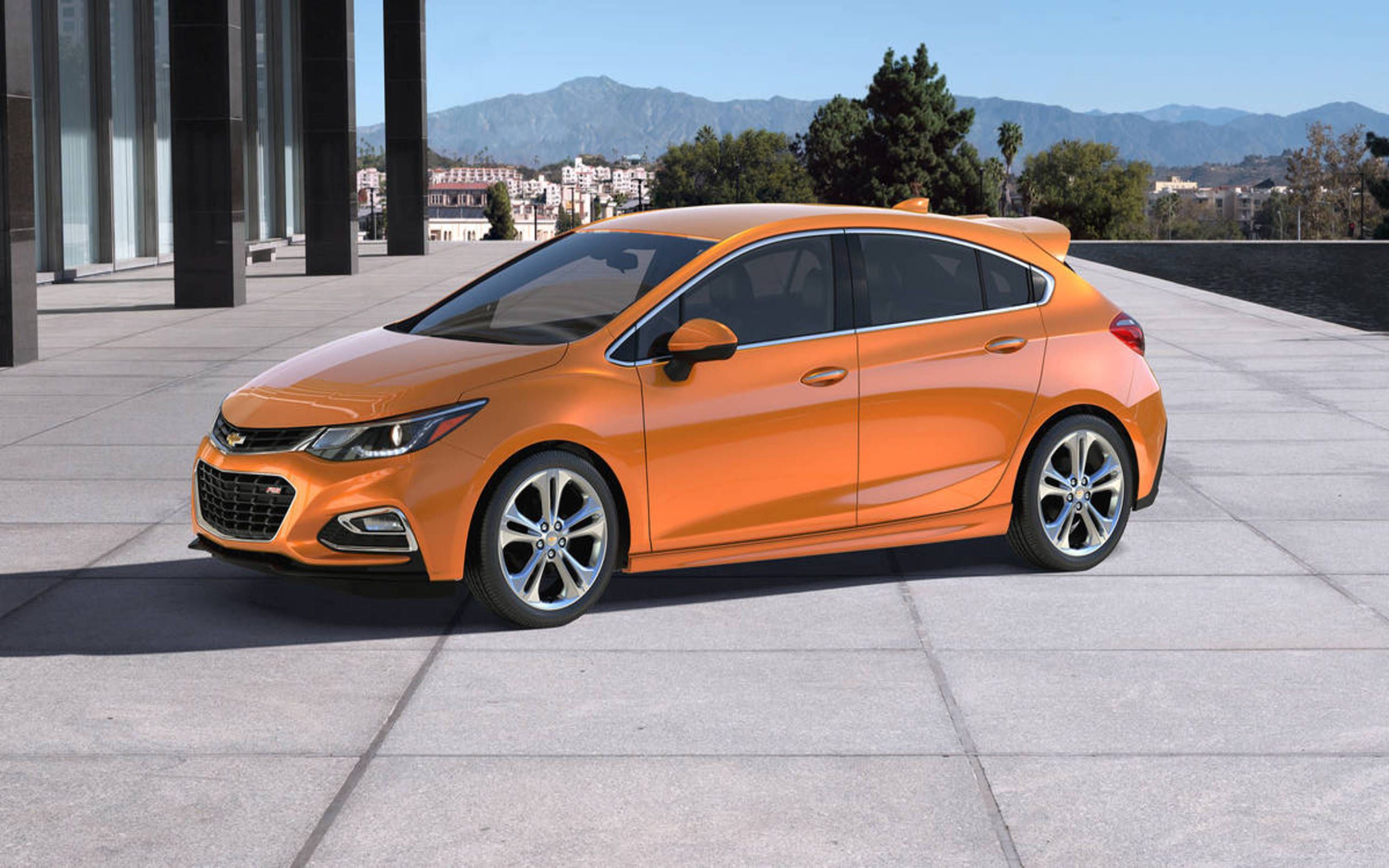
2. 2008–2016 Chevrolet Cruze
The Chevrolet Cruze gained traction as a practical choice for budget-conscious drivers. With good fuel economy, a relatively quiet cabin, and sleek styling, it became a popular FWD compact.
However, time has revealed its shortcomings, especially in how it handles road conditions that require traction and stability. The Cruze often struggles in the rain and snow, where front-wheel drive simply doesn’t cut it for confident control. It’s especially noticeable during quick lane changes or hill starts in icy conditions.
While initial impressions might be favorable, the Cruze has proven to be inconsistent in durability. The front-wheel drivetrain tends to suffer from excessive torque steer during acceleration, which gets worse as components wear down. This creates unpredictable behavior that only becomes more obvious over the years.
The suspension setup is soft and not particularly well-damped, contributing to a disconnected feel on uneven roads. Under heavy braking in poor conditions, the front tires lock up or slide prematurely, leaving the driver feeling less in control than expected.
Another area of concern is the build quality of drivetrain components over time. Owners frequently report issues with CV joints, front wheel bearings, and control arms parts that are heavily stressed in a front-wheel drive system.
These problems tend to show up earlier than they should, around the 80,000-mile mark, and contribute to a higher total cost of ownership than one might expect from an economy car. These issues are compounded by the car’s less-than-stellar resale value, making it less practical for long-term investment.
Despite these drawbacks, the Cruze has maintained a loyal following among drivers who prioritize comfort and efficiency. However, when assessing long-term grip and road confidence, the Cruze consistently falls short.
It’s not a car that inspires trust on difficult roads, and that becomes an issue for drivers who experience harsh weather regularly. Over time, the limitations of its FWD system and the strain it puts on front-end components make it one of the more slippery choices in its category.
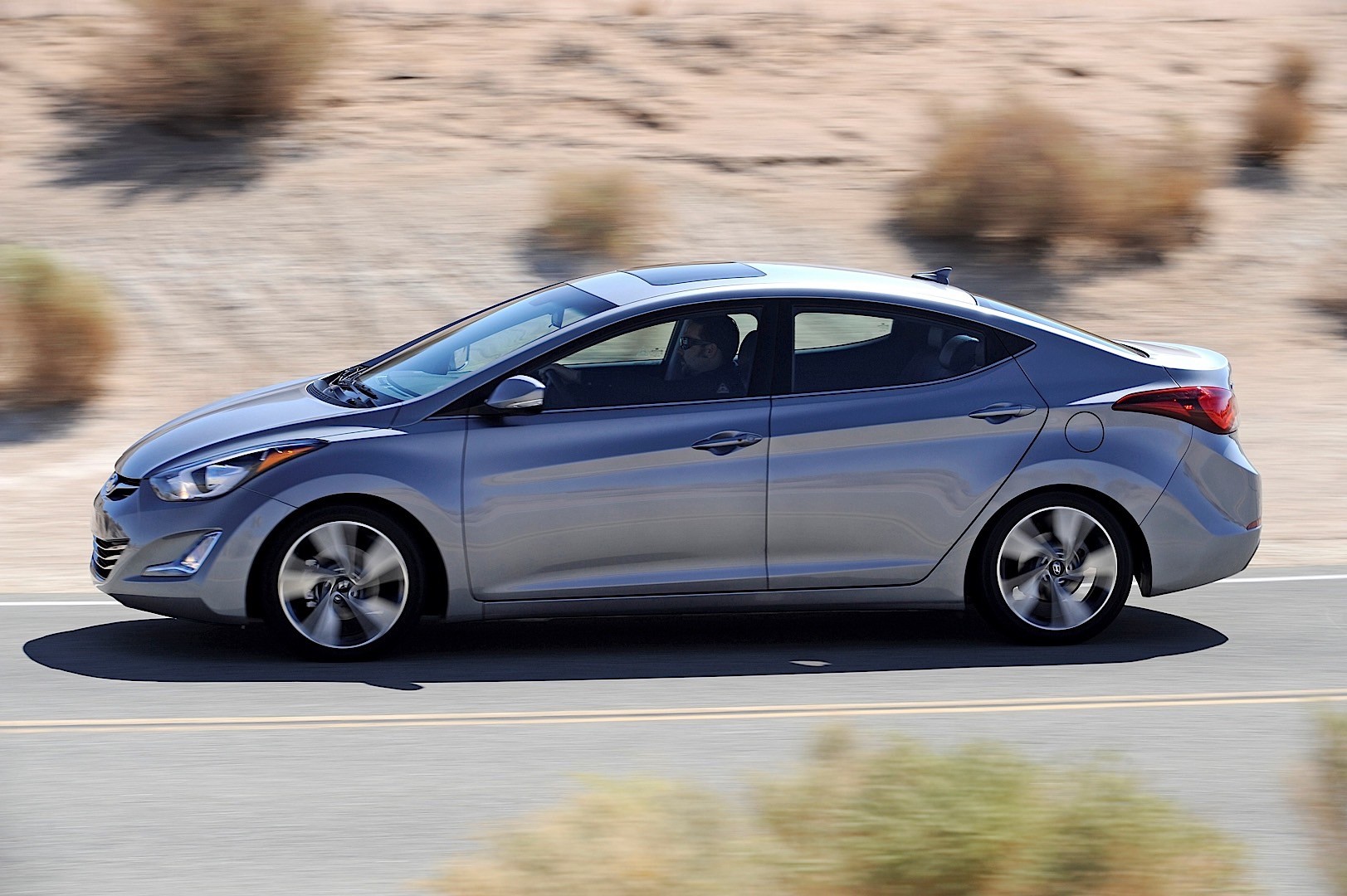
3. 2011–2016 Hyundai Elantra
The Hyundai Elantra saw a surge in popularity during this period, especially with the dramatic design refresh that gave it a more modern and premium appearance. However, beneath the stylish exterior was an FWD layout that struggled under anything but ideal driving conditions.
Light snow, heavy rain, or steep driveways all revealed the limitations of its front-driven platform. The car’s low ground clearance and light curb weight didn’t help matters, often causing it to get stuck or spin its wheels more easily than competitors.
One of the major issues with the Elantra’s FWD configuration is how it pairs with the car’s electric power steering and lightweight suspension. These components work fine for maneuvering through city traffic but lack road feedback and composure at higher speeds or in rough weather.
When the road gets slick, the car tends to understeer easily, and electronic aids like traction control struggle to compensate. Over time, especially with worn tires or aging suspension, this problem becomes even more pronounced.
Longevity concerns have also crept into the drivetrain and front-end structure. Suspension bushings wear prematurely, and many owners have noted noisy or loose-feeling front-end behavior after 60,000 miles.
This is particularly concerning in a FWD layout where the front axle is already handling the bulk of work. As components wear unevenly, traction suffers even more, leading to poor winter driving experiences and less confidence in emergencies.
The Elantra’s popularity continues thanks to value pricing and good fuel efficiency, but its front-drive dynamics reveal a significant trade-off. It may look sporty and feel fine under dry, mild conditions, but the driving experience quickly loses its polish when the road turns less friendly.
For drivers who need consistent grip across a variety of conditions, the Elantra’s FWD setup becomes a reminder that budget-minded choices can have long-term compromises.
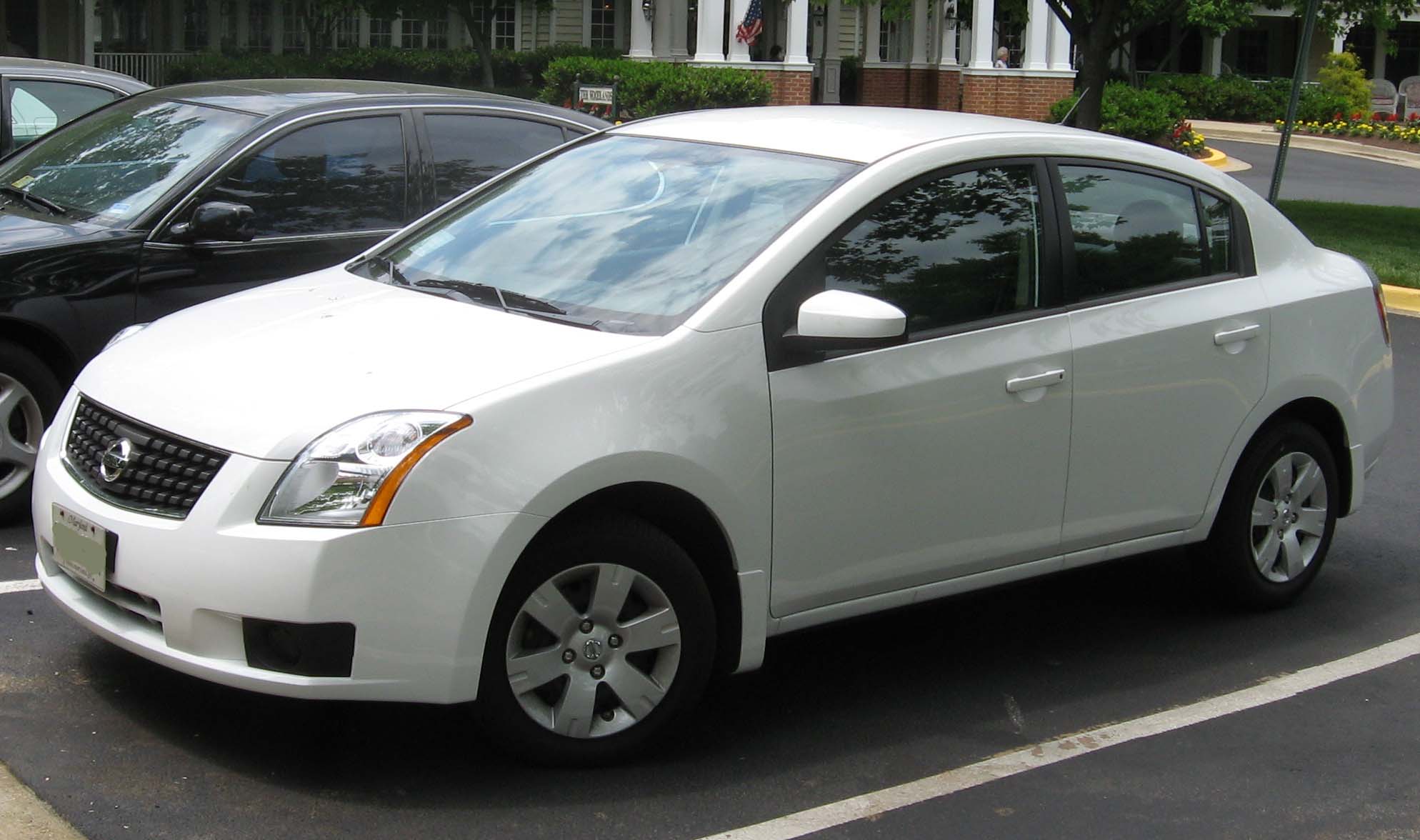
4. 2014–2019 Nissan Sentra
The Nissan Sentra from this generation is another example of a car that attracted buyers with its affordable price and smooth ride, but failed to deliver when conditions got slippery. The FWD configuration, paired with a continuously variable transmission (CVT), created a driving experience that lacked engagement and, more importantly, grip.
The CVT often delayed power delivery, making it difficult to modulate the throttle during low-traction situations like snow or gravel. Combine that with an underpowered engine and the Sentra quickly lost its composure when challenged.
The suspension and steering system in the Sentra also made matters worse. Tuning was focused more on comfort than handling, which worked fine on smooth city streets but left the car feeling disconnected and vague during high-speed turns or emergency maneuvers.
Torque steer, while not extreme, was still noticeable during aggressive driving, and the car tended to push wide in corners classic symptoms of front-heavy, front-driven platforms that aren’t tuned for performance or bad weather.
Over time, the Sentra’s weaknesses become more obvious. The CVT transmission is known for wearing prematurely, especially under strain, and many owners report failure or degraded performance around the 100,000-mile mark.
Front-end components like wheel bearings and tie rods also wear out faster than expected. All of this contributes to a car that becomes less reliable and less safe as it ages, particularly under road conditions that test grip and handling.
Despite these flaws, the Sentra was marketed as a smart, dependable choice for students, commuters, and small families. And while it may perform well enough in its early years, it doesn’t hold up when evaluated based on long-term drivability in all conditions.
The FWD system simply lacks the consistency needed for wet or uneven roads, and the rest of the car doesn’t pick up the slack. It’s a prime example of how initial appeal can fade when the driving environment becomes more demanding.
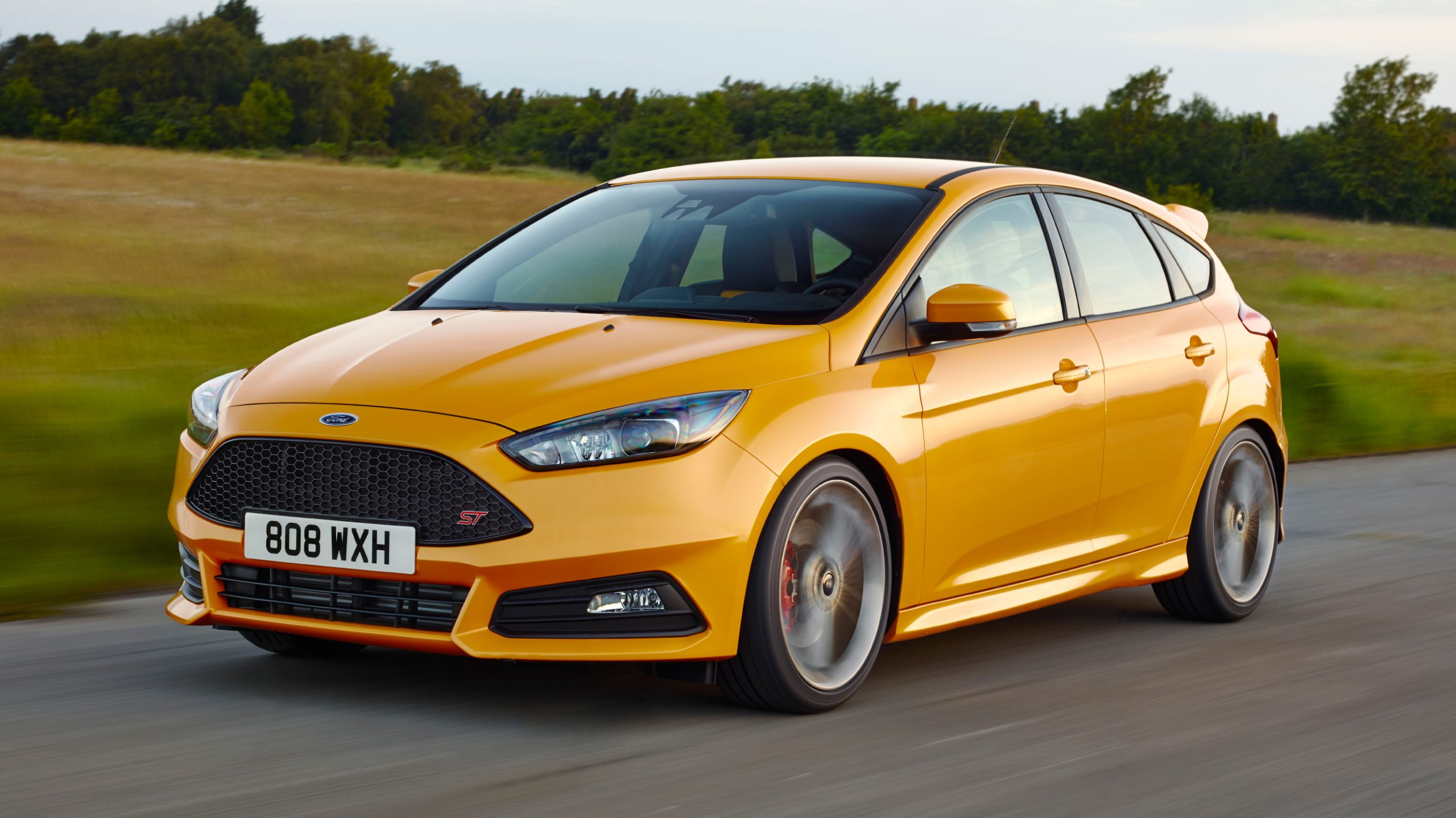
5. 2010–2015 Ford Focus
The Ford Focus during this time frame received high praise for its styling, interior quality, and driving feel. It was marketed as a European-inspired compact car that delivered both comfort and agility.
However, in real-world conditions and over long periods of ownership, it turned out to have one of the more problematic FWD setups in its class.
Most of the issues came from the infamous PowerShift dual-clutch transmission, which frequently hesitated, slipped, or shuddered, especially when traction was compromised.
While the steering and suspension tuning were better than average for the segment, the drivetrain failed to keep up. The front wheels often broke traction during acceleration, especially on wet roads.
Instead of smooth delivery, the transmission’s behavior created unpredictable throttle response, making the car harder to control when grip was limited.
Drivers often found themselves feathering the pedal just to prevent wheel spin or jerky shifts, which defeats the purpose of having a car that’s supposed to feel refined and capable.
Long-term reliability of the front drivetrain was also suspect. The dual-clutch system aged poorly, with many drivers facing expensive repairs or replacements before hitting 100,000 miles.
Front struts, control arms, and engine mounts also tended to wear out faster than expected, especially for those who drove in regions with potholes or icy winters. This led to a steady decline in handling quality and increased road noise, which reduced the car’s comfort and composure with age.
Even though the Focus had strong initial reviews and a loyal following, it became a case study in missed potential. A better transmission or a more balanced traction system could have made it a segment leader.
Instead, its FWD setup undermined an otherwise good design. The car may have looked and felt solid at first, but as the miles added up and road conditions challenged it, the flaws became harder to ignore.
Also Read: 10 Least Reliable Cars With CVT Transmissions To Avoid
When you compare these ten cars side by side, it’s clear that AWD systems, even in lesser-known models, offer long-term confidence and control that many popular FWD cars simply don’t.
The forgotten AWD machines may lack flashy marketing or widespread recognition, but they make up for it with mechanical endurance, better traction, and real-world usefulness.
They grip the road long after trends have moved on. Meanwhile, some of the most praised FWD models reveal their limitations over time. Whether it’s drivetrain wear, declining performance in poor weather, or simply a lack of lasting composure, they show how initial popularity doesn’t always translate to long-term value.
For buyers thinking ahead past the test drive and beyond the first few years of ownership, this kind of comparison is crucial. It’s not just about how a car feels when it’s new; it’s about how it handles five or ten years down the road, especially when the road is wet, icy, or worn out.
The difference between grip and slip isn’t just technical; it’s something you experience every day, every time conditions take a turn.
