
Classic cars can spark heated debates. On one side, enthusiasts argue that certain vintage machines were built with a level of care, character, and soul that today’s mass-produced models can’t match. On the other, modern vehicles offer cutting-edge technology, safety, and convenience that old cars simply can’t compete with.
But the argument isn’t always one-sided. There are a few rare classic cars that outperform new models not just in terms of charm or heritage, but in performance, durability, and driving pleasure. These aren’t just old cars with a shiny paint job. They’re machines that hold their own even decades after rolling off the assembly line.
Yet nostalgia can also cloud judgment. Many car lovers fondly remember the vehicles they or their parents once drove. The design, the sound, the feeling of cruising down the street it’s easy to romanticize these memories.
But not all nostalgic cars deserve the praise they get. Some of these beloved icons were actually engineering disasters or maintenance nightmares, even when new. A few of them gained popularity for the wrong reasons and continue to carry a reputation that’s not really earned. Sentiment can be a strong motivator, but facts are facts: not every classic deserves to be revered.
This article splits the discussion right down the middle. First, it highlights five rare classic cars that genuinely outperform many new models by holding up to modern-day standards in ways that surprise even seasoned gearheads.
These are cars that command respect not just because of their rarity, but because of how they still deliver in power, reliability, and driving experience. Then we look at five nostalgic models that, while often loved or remembered fondly, have proven to be poor performers or frustrating to own. They may appear cool, but they’re remembered better than they ever actually were.
Let’s look at both sides honestly, beginning with five classics that still shine brighter than much of what you’ll find in a showroom today.
Also Read: 5 Pioneering Cars That Introduced Reliable Safety vs 5 Early Adopters with Issues
5 Rare Classic Cars That Outshine New Models
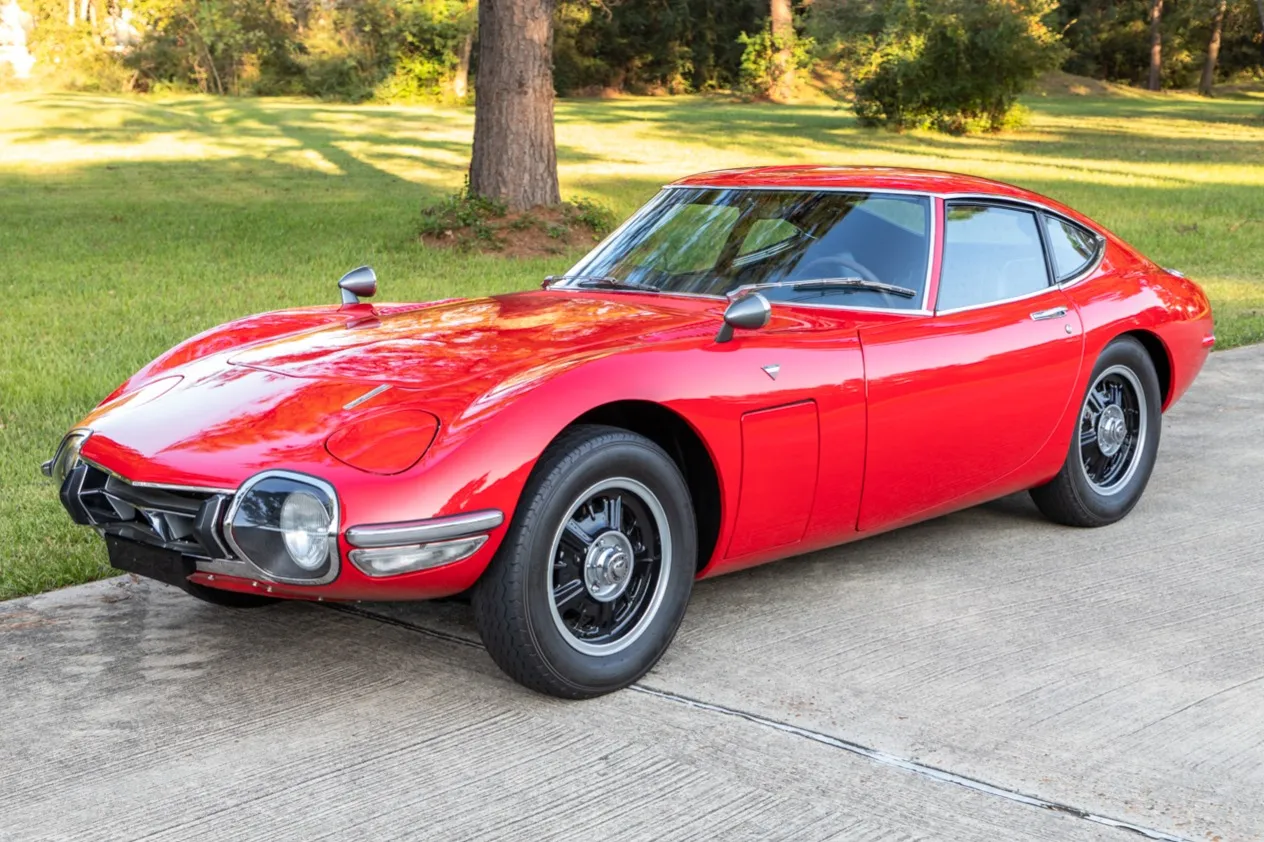
1. 1967 Toyota 2000GT
The 1967 Toyota 2000GT is often referred to as Japan’s first supercar, and for good reason. Designed during a time when Toyota was largely seen as a practical brand, this car shattered all assumptions. With its inline-6 engine producing around 150 horsepower and paired with a five-speed manual transmission, the 2000GT offered a driving experience that was smooth, responsive, and remarkably refined.
Its low center of gravity and near-perfect weight distribution made it a nimble handler, even by modern standards. While that horsepower figure may seem modest today, the car’s lightweight build made it feel more powerful than numbers suggest. It could comfortably compete with European sports cars of its time and still puts up a respectable performance on modern roads.
Beyond its performance, the 2000GT is a masterclass in design. With sleek curves and a long hood that could rival anything from Jaguar or Porsche, it looked like it belonged in a Bond film which it actually did, making an appearance in You Only Live Twice.
The materials used inside were of exceptional quality, including rosewood panels handcrafted by Yamaha. Even today, the cabin of a well-preserved 2000GT feels luxurious, personal, and engineered with real attention to detail. Unlike many modern interiors, it doesn’t bombard the driver with digital distractions but instead offers a focused and immersive driving environment.
Another factor that sets the 2000GT apart is its rarity. Only 351 units were ever built, making it not just a performance machine but also a true collector’s item. Despite its age, it remains surprisingly reliable, especially when properly maintained. Many owners report minimal mechanical issues, and Toyota’s solid engineering is evident in how well these cars have aged. Compared to today’s high-end sports cars, which often rely heavily on software and electronics, the 2000GT stands out for its mechanical purity.
Owning a 2000GT isn’t just about heritage, it’s about having a car that can still impress on both the road and the track. While modern sports cars may be faster on paper, few offer the full-package experience of the 2000GT. It’s a rare example of a car that bridges generations, not by trying to match every modern innovation, but by simply doing what it was built to do exceptionally well.
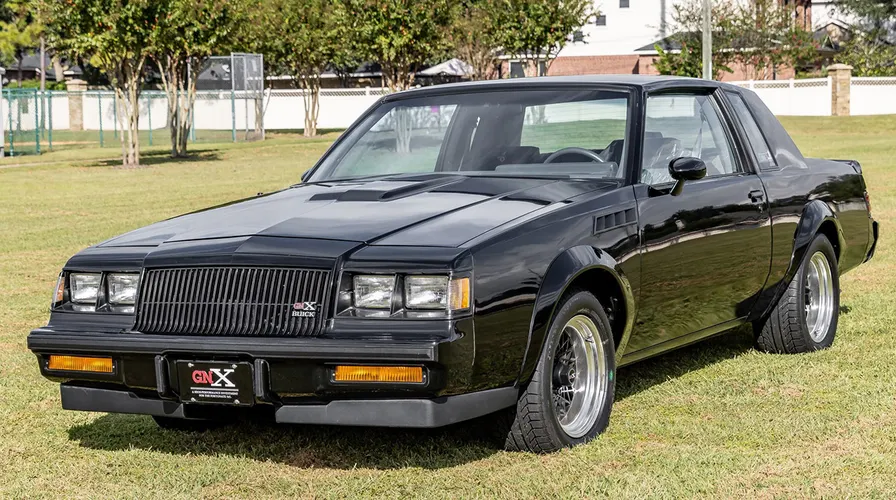
2. 1987 Buick GNX
The Buick GNX is often overlooked in mainstream discussions about performance vehicles, but among enthusiasts, it holds a near-mythical status. Built as a limited-edition send-off to the Grand National, the GNX was an absolute beast in a tuxedo. Powered by a turbocharged 3.8L V6 engine producing 276 horsepower and 360 lb-ft of torque, it could beat many V8 muscle cars of its day. Its 0-60 mph time of around 4.6 seconds made it one of the fastest American cars of the 1980s. Even today, that kind of acceleration can give newer performance sedans and sports cars a run for their money.
What makes the GNX especially remarkable is how understated it looks. It doesn’t flaunt wild wings or flashy decals. Instead, it appears almost like a standard coupe at first glance. But under the hood and in the rear differential, you’ll find engineering that rivals some of the finest performance machines. Buick worked with McLaren Performance Technologies to fine-tune the car’s suspension and powertrain, resulting in a machine that could not only go fast in a straight line but also handle with confidence in tight corners. This was not your typical boulevard cruiser.
One of the most appealing aspects of the GNX is its raw driving feel. Unlike modern muscle cars that come loaded with traction control and adaptive suspension, the GNX demands driver input and rewards those who understand it. There’s a simplicity to the mechanics that gives you complete control and makes every drive an experience. It’s fast, but it’s also physical you have to work with it, not just press a button and let the car think. That interaction is what many drivers miss in today’s tech-laden vehicles.
Only 547 units of the GNX were made, making it highly collectible. But it’s not just rarity that keeps it relevant it’s capability. Decades after its debut, the GNX is still a benchmark in American muscle, and it often surprises modern drivers who expect an outdated ride. It’s not just fast for its time. It’s fast, period.

3. 1973 Porsche 911 Carrera RS 2.7
The 1973 Porsche 911 Carrera RS 2.7 was built with a singular goal: homologation for racing. But what resulted was one of the most iconic and balanced sports cars ever made. Its 2.7L flat-six engine produced 210 horsepower in a package that weighed just over 2,300 pounds. That power-to-weight ratio gave it tremendous agility and acceleration, but more than that, it delivered an analog driving experience that few cars today can replicate. Every input, steering, braking, throttle feels direct and intentional.
What separates the Carrera RS 2.7 from newer 911 models isn’t just nostalgia. It’s how light and precise it feels. Modern 911s are faster, sure, but they’ve grown heavier and more complex. The RS 2.7 remains a reminder of what made Porsche special in the first place: performance through simplicity and balance. The car’s feedback through the steering wheel and its road-hugging suspension offer an experience that’s more involving than many of today’s performance cars. You don’t just drive it you feel everything.
Visually, the car is understated, with its distinctive ducktail spoiler and thin Carrera script along the sides. It’s tasteful and focused, a car that was designed for racing but translated seamlessly into a road car. Inside, it’s equally minimalist, with everything positioned for function over form. There’s no digital display, no infotainment, no distractions just you, the road, and the machine.
Despite being over 50 years old, many well-maintained RS 2.7s are still roadworthy and track-capable. Their engineering has stood the test of time, and their value continues to climb. It’s a car that isn’t just special because of what it was in its prime, but because of how it continues to perform decades later. For those who’ve driven both classic and modern 911s, there’s often a surprising conclusion: sometimes, older really is better.
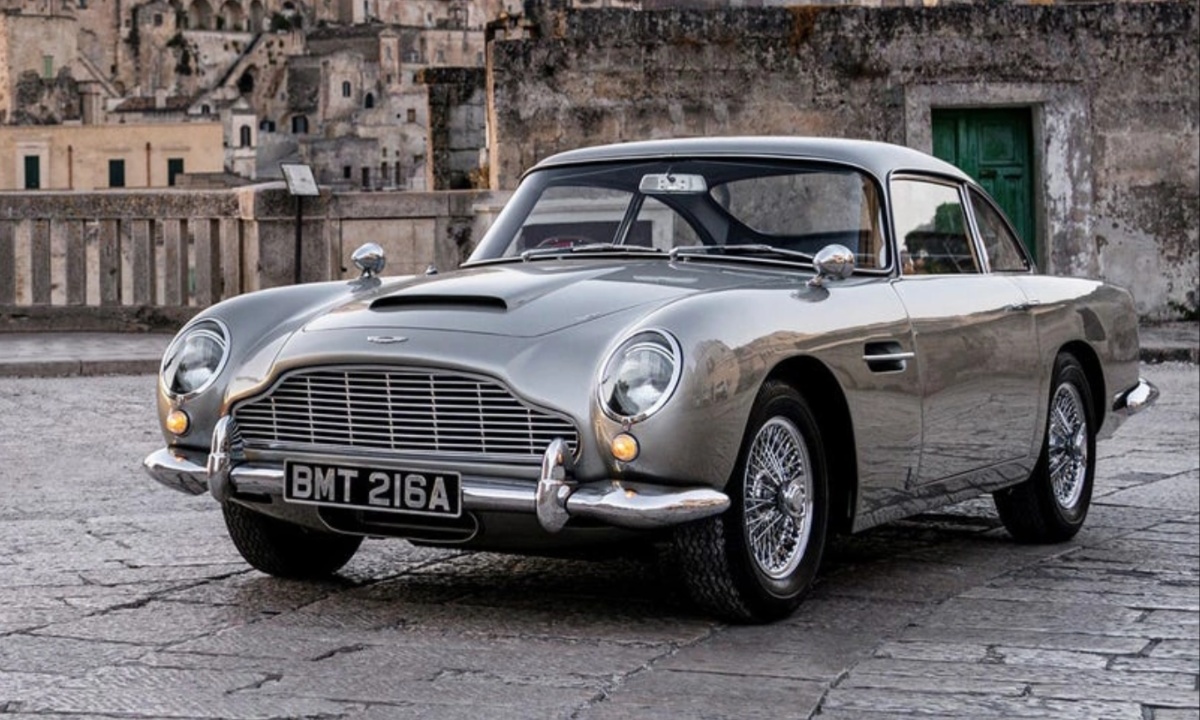
4. 1964 Aston Martin DB5
The Aston Martin DB5 is best known for its association with James Bond, but even without the cinematic fame, it would stand as one of the finest grand tourers ever made. With its straight-six 4.0L engine producing 282 horsepower, the DB5 could top 140 mph and go from 0-60 in under 8 seconds. Those figures might not shock anyone today, but combined with the car’s smooth power delivery and impressive comfort, the DB5 still feels capable even by current standards. It’s the kind of car that makes you want to take the long way home, every time.
What sets the DB5 apart is its build quality and attention to detail. Hand-built by Aston Martin, the car features aluminum body panels over a steel frame and an interior wrapped in high-grade leather and wood. Unlike many cars of its time, the DB5 wasn’t just fast it was luxurious. The ride quality is remarkably smooth, and the cabin remains a comfortable place to be, even after hours on the road. It’s a machine designed not just for speed but for the journey.
Many new luxury cars offer more features and faster acceleration, but they often feel disconnected or overly digital. The DB5 offers the opposite. There’s a directness to the controls, a weight to the steering, and a mechanical honesty to the way it shifts gears. That connection between driver and car is something modern vehicles often lose in pursuit of automation. The DB5 never feels clinical. It feels alive.
Well-preserved examples of the DB5 continue to impress even modern-day mechanics. They can be serviced and driven regularly with the right care, and unlike many cars from the 1960s, they weren’t prone to major design flaws. The DB5 remains a testament to what can happen when style, performance, and craftsmanship meet. It may be a classic, but it continues to set standards that some new models still fail to match.
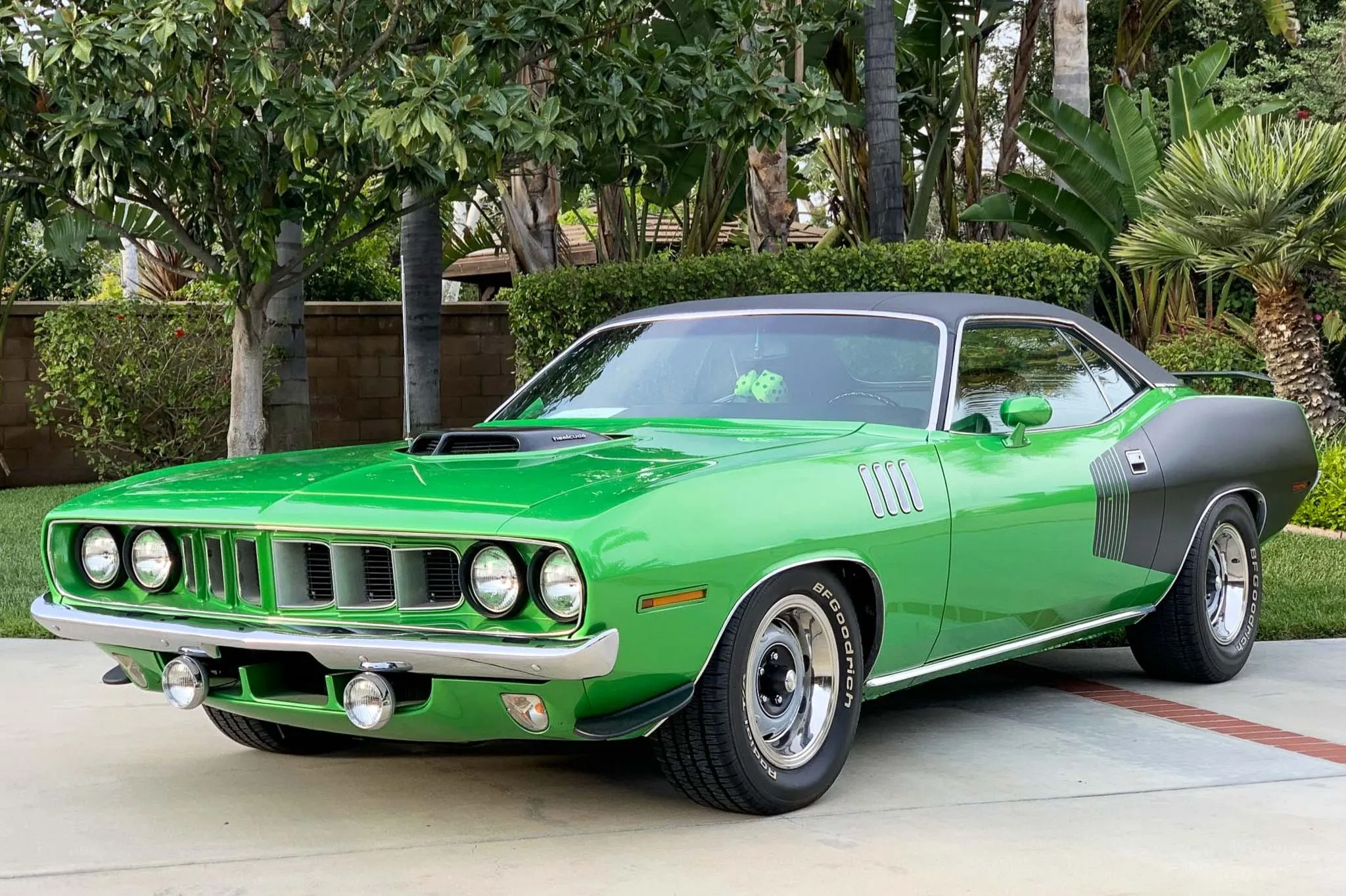
5. 1970 Plymouth Hemi ’Cuda
The 1970 Plymouth Hemi ’Cuda is one of those cars that made such a dramatic impact, it’s still whispered about in car circles like some kind of urban legend. But there’s nothing mythical about it. This machine was built to go fast, scare competitors, and dominate the road.
Equipped with a 426 cubic inch (7.0L) Hemi V8 engine producing 425 horsepower, the Hemi ’Cuda was an unapologetic brute. It wasn’t elegant. It wasn’t polite. But it was incredibly fast, even by today’s standards. This wasn’t just a muscle car; it was the muscle car that other muscle cars feared.
What makes the ’Cuda stand out is that it did more than just throw down power numbers. It had attitude baked into every curve and chrome detail. It looked aggressive because it was. Everything about the design, from the shaker hood to the fat rear tires, signaled its performance intentions.
This car didn’t need fancy software or advanced driving modes. It offered raw, unfiltered speed and demanded respect from whoever sat behind the wheel. Driving one isn’t a relaxing experience it’s thrilling and demanding in the best way possible.
Even decades later, a properly maintained Hemi ’Cuda will destroy tires and break necks. Its acceleration is still violent, and the sound of the Hemi engine is enough to turn heads two blocks away. Compare that to many modern cars, which may be faster in straight-line tests but lose their soul in the process. The ’Cuda doesn’t isolate you from the road it throws you into it. It connects you to the machine in a way few new vehicles can.
There’s also the collector value. Only a handful of Hemi ’Cudas were produced, and original models now command prices that rival high-end European exotics. But this isn’t just about rarity or investment potential. This car earns its status because it still has the performance, style, and presence to match or exceed modern muscle offerings. The ’Cuda wasn’t built to last forever, but it turns out, it kind of did.
5 Nostalgic Cars That Are Lemons
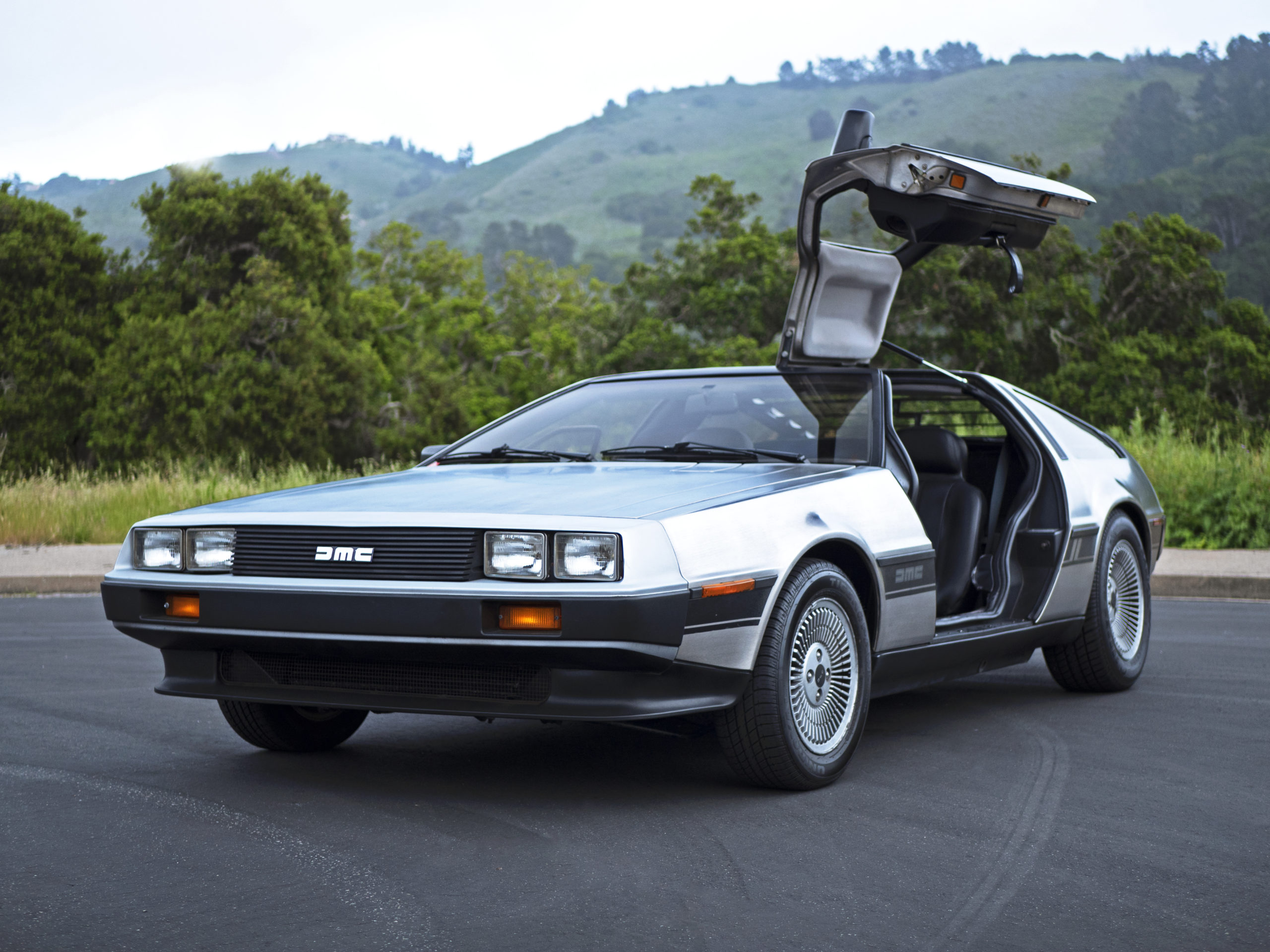
1. 1981 DeLorean DMC-12
Few cars are more iconic in appearance than the DeLorean DMC-12. Stainless steel body, gullwing doors, futuristic lines it looked like it came from outer space, which is why it fit so well into Back to the Future. But under that unique styling was a car that disappointed in nearly every way.
Powered by a 2.85L V6 engine that barely pushed 130 horsepower, the DeLorean was sluggish and uninspiring to drive. It took over 10 seconds to hit 60 mph, which was slow even by early 1980s standards. Performance wasn’t just underwhelming it was embarrassing.
Aside from being underpowered, the DeLorean suffered from a range of mechanical and quality control issues. The car’s suspension tuning was inconsistent, the electronics were unreliable, and the fit and finish on early models was subpar. Some owners reported issues with the doors refusing to open or close properly. The unique stainless steel panels were hard to repair or paint, and minor dings were almost impossible to hide. For a car that looked so futuristic, it felt outdated the moment you drove it.
The DeLorean’s downfall wasn’t helped by the company’s troubled history. John DeLorean’s controversial business decisions, financial problems, and the eventual collapse of the company meant that service and parts availability quickly became a headache. Enthusiasts who bought into the dream often found themselves with a beautiful but broken machine, stranded in the garage with little support. Even today, restoring and maintaining a DMC-12 is a challenging and expensive task.
The DeLorean’s cult status is entirely based on its design and movie fame, not its actual driving experience. Take away the Hollywood connection, and what you’re left with is a heavy, slow, and unreliable car with looks that far outshine its performance. It’s the very definition of a lemon with a strong personality. Cool to look at? Absolutely. Worth driving every day? Not even close.
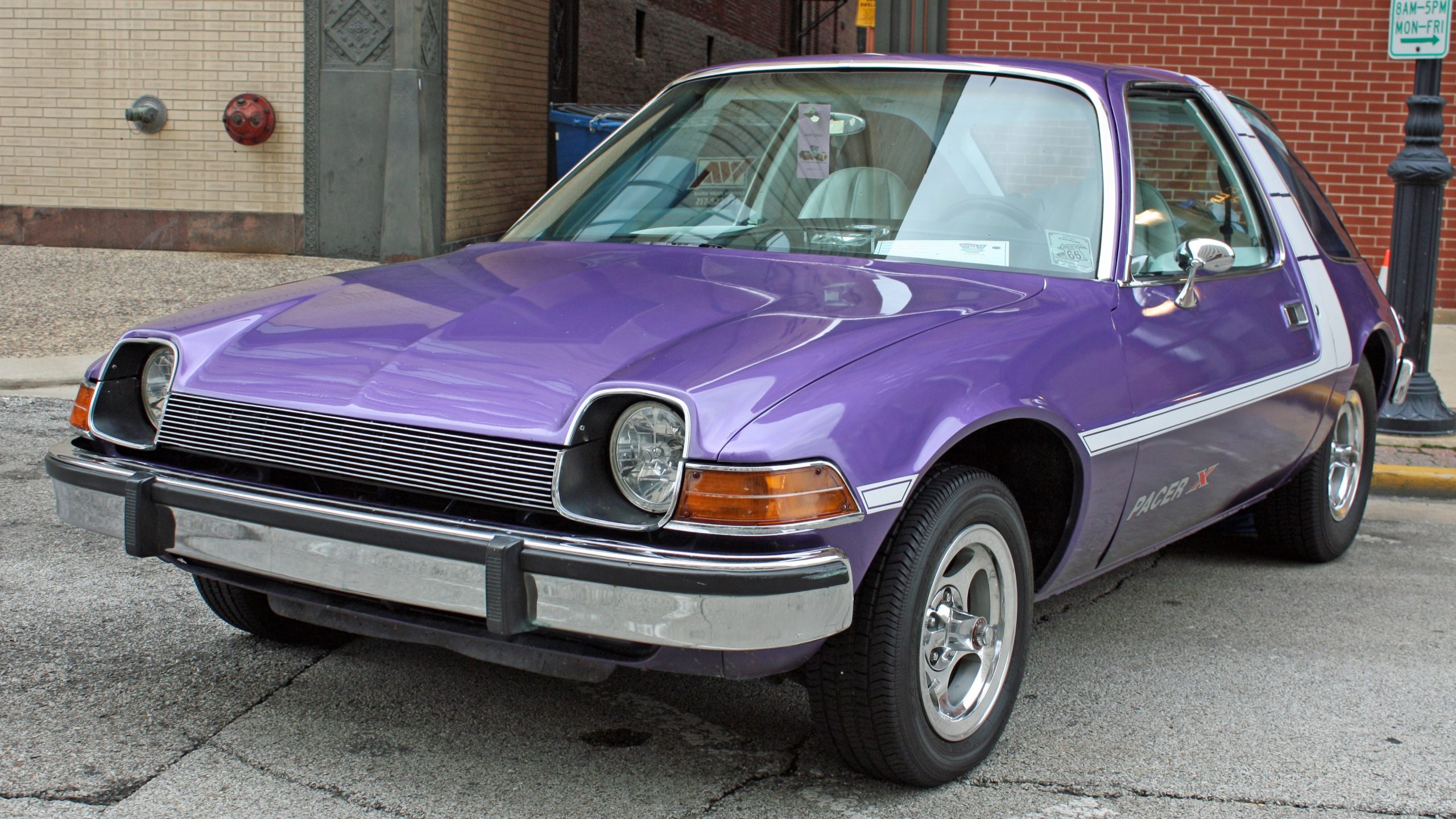
2. 1975 AMC Pacer
Some remember the AMC Pacer as a quirky symbol of the 1970s. It was compact yet wide, rounded yet boxy, and it definitely stood out. Unfortunately, standing out doesn’t always mean something is good. The Pacer was originally pitched as a futuristic design that would revolutionize compact cars. What it ended up becoming was a rolling disappointment. The car was heavy, inefficient, and awkwardly styled in a way that didn’t age well. Some thought it was cute, others thought it was a punchline. Most just avoided it.
One of the biggest issues with the Pacer was its weight. Despite being a compact car, it weighed nearly as much as some full-sized sedans of its time. This was due to thick glass, wide dimensions, and poor material choices. The engines it used were borrowed from older AMC designs, including a 3.8L inline-6 that struggled to keep up with modern traffic even when new. Fuel efficiency was terrible, which defeated the purpose of owning a compact in the first place. Combine that with sluggish acceleration and vague handling, and you had a car that looked weird and drove even worse.
The interior was roomy but not necessarily well-made. Plastics aged poorly, upholstery tore easily, and controls were clunky. Reliability was not a strong point either. From leaky windows to electrical failures, Pacer owners had to deal with problems more often than not. While some people embraced the car’s eccentricity, most drivers found it to be a headache. Unlike quirky modern compacts that balance fun with functionality, the Pacer lacked both.
In hindsight, the Pacer is mostly remembered for how unusual it was, not for being a good car. It’s a textbook case of nostalgia clouding reality. People smile when they see one at a car show, but very few would ever want to drive one regularly. It’s fun to remember, but not fun to own. The Pacer earns its spot on this list as a lemon that keeps getting credit it never deserved.
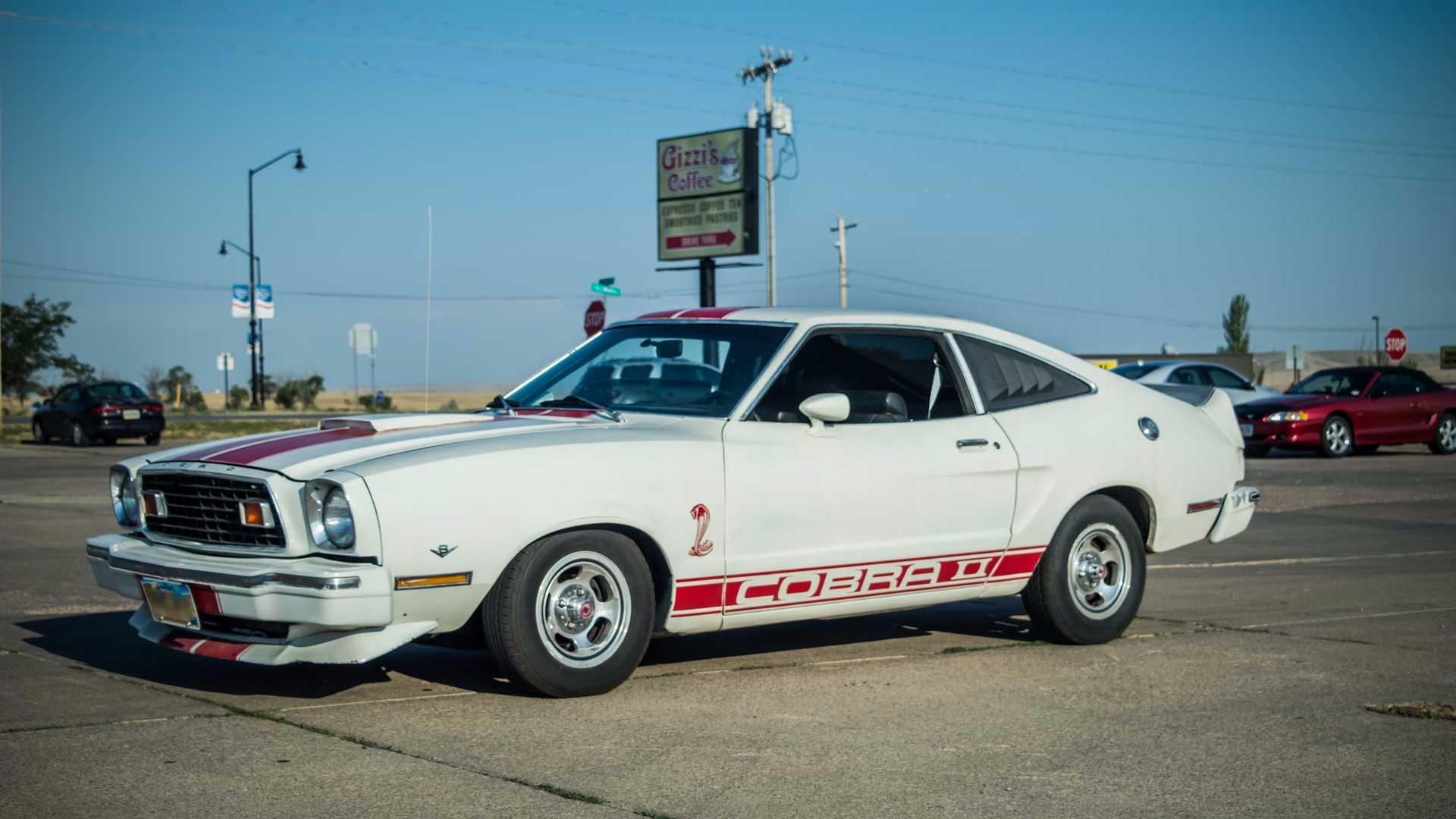
3. 1974 Ford Mustang II
The Mustang is one of the most enduring names in American automotive history, but not every generation lived up to that reputation. The 1974 Mustang II marked a major shift in the model’s design philosophy. After the oil crisis and increasing emissions regulations, Ford made the Mustang smaller, more fuel-efficient, and far less powerful. Unfortunately, that also meant it lost much of the performance and personality that made the original a legend. The Mustang II is often regarded as one of the weakest links in the car’s lineage.
One major issue with the Mustang II was its engine lineup. Most versions were underpowered, with the base models coming with a 2.3L four-cylinder that produced less than 90 horsepower. Even the optional V6 and V8 models were choked by emissions equipment and couldn’t deliver the kind of power drivers expected from a car wearing the Mustang badge. Acceleration was sluggish, and handling was nothing special. It looked sporty, but drove like a compact economy car.
Another problem was build quality. The Mustang II was based on the Ford Pinto platform, and it inherited many of that car’s weaknesses. Rust was a constant concern, especially in the undercarriage and wheel wells. Interior materials felt cheap, and trim pieces often fell apart. Many of the plastic parts cracked and discolored quickly, and the dashboard was prone to warping. Reliability was mediocre at best, and by the early 1980s, many Mustang IIs had already been scrapped or forgotten.
Despite its poor performance and reputation, the Mustang II has a small fan base, largely due to its unique appearance and collectibility in specific trims like the King Cobra edition. But even those versions can’t erase the fact that the Mustang II was a major disappointment. It might carry a legendary name, but it didn’t live up to it. Nostalgia keeps it afloat in certain circles, but history is clear: this was a low point for one of America’s most iconic cars.
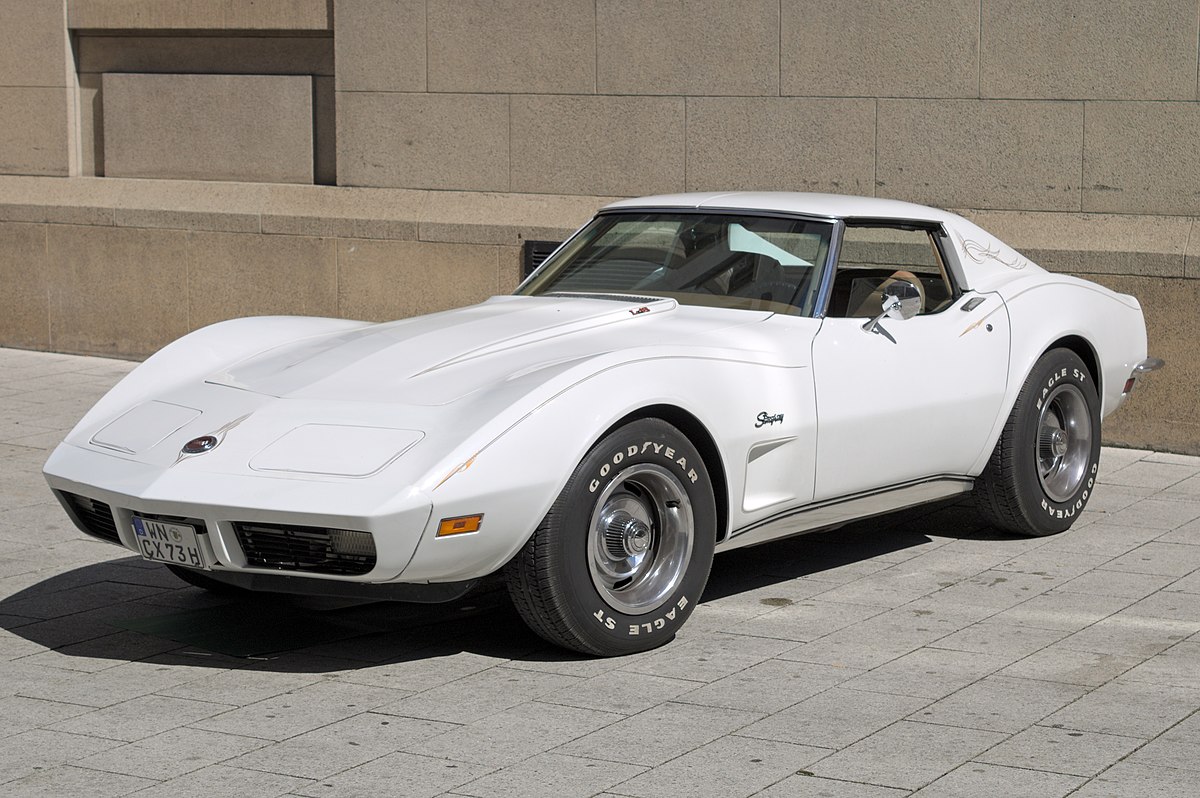
4. 1980 Chevrolet Corvette (C3 Final Years)
The Chevrolet Corvette is typically seen as America’s premier sports car, but not every version has lived up to that title. By 1980, the third generation (C3) Corvette had gone through a series of compromises that left it far from its original promise. Strangled by emissions regulations, the base engine offered just 190 horsepower, with the L82 option slightly improving that to 230. For a car that was once all about performance, this was a serious downgrade. The long hood and aggressive styling made it look fast, but the driving experience rarely backed that up.
Part of the issue was weight. Despite being a fiberglass-bodied car, the late C3 models gained weight over time due to additional safety and emissions equipment. This made the already modest power output feel even less impressive. The automatic transmissions were sluggish, and the manual gearboxes, while more engaging, still didn’t make the car feel especially athletic. The suspension was also outdated by 1980, with poor handling and a ride quality that felt more like a muscle car from the ’60s than a refined sports car.
Interior quality was another major issue. The design looked cool, but materials were cheap, prone to fading, and often rattled. Ergonomics were poor, with awkward seating positions and hard-to-reach controls. Electronics were finicky, and gauges often stopped working properly. These problems made daily driving frustrating and long-term ownership expensive. Add in frequent maintenance needs and weak rust protection in certain components, and it was clear this Corvette was struggling to meet the standards set by both its past and its rivals.
The C3’s final years were a disappointment to many loyal fans. Today, the earlier models from the late ’60s and early ’70s are highly respected, while the late ’70s and early ’80s versions are often overlooked or criticized. Some collectors still hunt them down for nostalgia or body style, but few argue they offer the kind of experience you’d expect from the Corvette name. It’s a cautionary tale of how regulatory changes and cost-cutting can turn a performance icon into a sluggish shadow of itself.
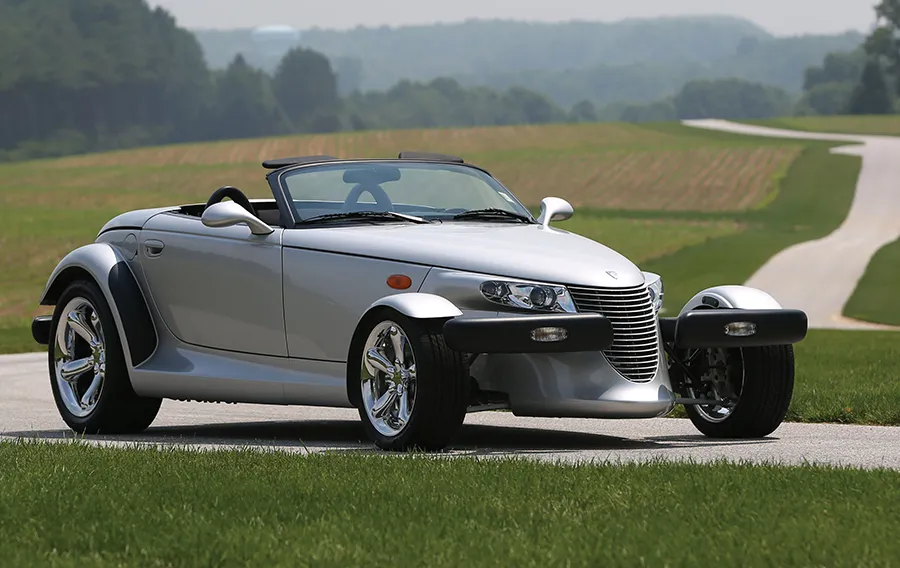
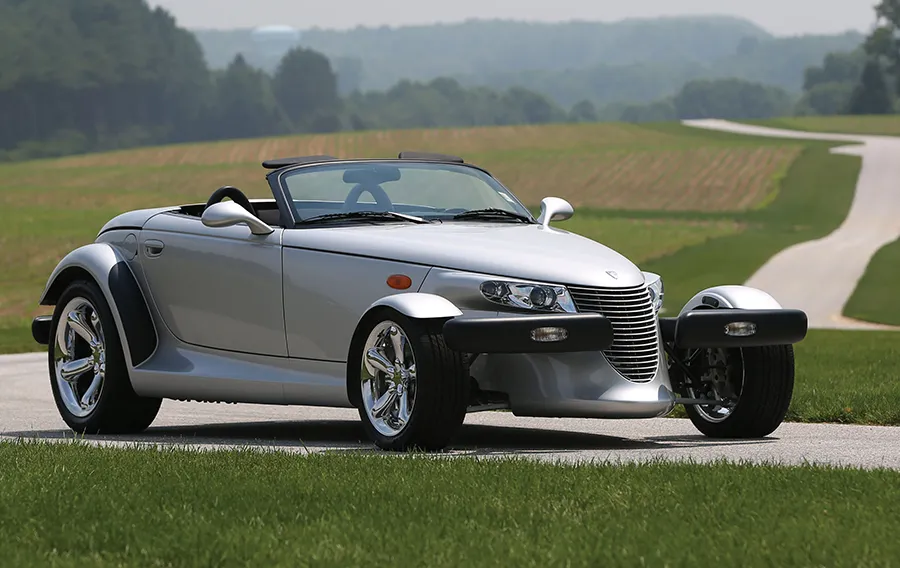
5. 1997 Plymouth Prowler
When the Plymouth Prowler was revealed, it looked like a car from another planet or at least another era. Its retro hot-rod styling immediately captured attention with open front wheels, a chopped roofline, and a rear profile that screamed custom-built show car. It was one of the most visually ambitious vehicles Chrysler ever put into production. But beneath the eye-catching design was a serious mismatch between style and substance. For all its boldness in appearance, the Prowler lacked the power and performance that its looks seemed to promise.
The most glaring problem was the engine. Rather than equipping the Prowler with a V8, Chrysler gave it a 3.5L V6 producing 214 horsepower, later increased to 253 in 1999. In a car that looked like it could destroy drag strips, this powerplant felt disappointing. It came with an automatic transmission only, which further dulled the performance feel. Acceleration was decent but unremarkable, and many drivers found the driving experience underwhelming. It simply didn’t match the visual energy the design implied.
The Prowler also suffered from limited practicality. It had virtually no trunk space due to the compact design and rear-mounted transmission, making it hard to use for anything beyond short joyrides. The suspension setup was decent but not groundbreaking, and the ride could be stiff and noisy. Inside, the interior borrowed heavily from other Chrysler models, with basic materials and styling that didn’t live up to the car’s futuristic exterior. Owners often found the Prowler more awkward than exhilarating.
Over time, the Prowler developed a cult following, mostly among collectors who appreciate its rarity and daring look. But even among those fans, there’s an understanding that the car was more about visual appeal than real driving excitement. It promised the world at first glance, but under the surface, it was more show than go. For that reason, it’s remembered fondly by some but not respected by most. The Prowler ends this list as a great idea that was never given the engine or engineering it truly needed.
Also Read: 5 Once-Popular Cars Now Selling Below MSRP vs 5 That Still Sell Above Sticker
The automotive industry is full of passion, history, and strong opinions. Classic cars often represent more than just machines ;they are reminders of certain eras, cultural shifts, and personal memories.
But looking at them with clear eyes, some of those cars were genuinely ahead of their time, while others only seem better because time has softened their flaws. It’s important to make the distinction between a car that earns its legendary status through performance and design, and a car that’s only remembered fondly because it once filled a spot in someone’s driveway.
The five rare classic cars discussed here continue to turn heads not just because they’re old, but because they were truly exceptional when new and still hold up today. Whether it’s the elegant but potent Aston Martin DB5 or the ferocious and unapologetic Hemi ’Cuda, these vehicles offer a kind of driving satisfaction and presence that even some of the best modern cars struggle to deliver. These aren’t just historical artifacts; they are benchmarks that remind us what made cars exciting long before screens and software took over.
On the other hand, nostalgia can sometimes act like a filter that hides real flaws. Cars like the Mustang II or the Pacer might evoke a smile from those who lived through their era, but their shortcomings were real, and often frustrating. They may have had unique designs or cultural moments tied to them, but in practical terms, they let a lot of people down. That doesn’t mean they’re worthless or without merit, but they should be remembered honestly. Cool doesn’t always equal quality, and memorable doesn’t always mean excellent.
Car enthusiasts should celebrate automotive history, but they should also approach it with realism. Not every old car was great. Some were unforgettable for the wrong reasons. At the same time, some classics were so good that they continue to impress even in an age of turbocharged engines, adaptive cruise control, and self-parking systems. Those are the cars that outshine not just the competition of their own time, but many of the vehicles being sold today.
So whether you’re considering a classic to collect, a modern car to admire, or simply revisiting memories from the past, it’s worth separating nostalgia from performance, and legacy from legend. Some cars were born great. Others just look good in photos.
