
Minivans have been a staple in the automotive world for families and practical drivers for decades. Offering a unique combination of passenger space, comfort, and functionality, they often serve as the go-to vehicles for transporting children, groceries, and everything life throws at a busy household.
However, not all minivans are created equal. While many buyers tend to gravitate toward well-known brands and best-selling models due to their popularity and perceived reliability, there is an important distinction to be made between vehicles that simply sell well and those that truly stand the test of time with minimal issues and maintenance costs.
The minivan market is filled with options that range from flashy, feature-packed models to simple, workmanlike vans that don’t catch the spotlight but quietly rack up the miles without major problems. This distinction is critical when considering the total cost of ownership over several years.
High repair costs, frequent trips to the mechanic, and unexpected breakdowns can quickly turn what seemed like a sensible family purchase into a financial headache.
On the other hand, certain lesser-known minivans may not have grabbed headlines or dominated sales charts, but their track record of longevity and reliability often beats out the more popular options. For families relying on their vehicle day in and day out, these quieter choices can prove to be far more rewarding in the long run.
When shopping for a minivan, many focus on initial price tags, styling, or tech features. However, longevity and repair costs should weigh heavily in the decision-making process. Vehicles that are reliable for over a decade, requiring only routine maintenance and occasional minor repairs, offer peace of mind and a better return on investment.
Conversely, even the most popular minivans can come with hidden pitfalls such as problematic transmissions, costly electronic failures, or chassis issues that lead to expensive repairs and downtime.
This article seeks to shed light on both sides of this spectrum. On one hand, it highlights five under-the-radar minivans known for their durability and lower ownership costs, offering insight into why these models deserve more recognition.
On the other, it examines five bestselling minivans that have gained popularity but are notorious for high repair expenses and reliability concerns.
By comparing these two groups, the goal is to provide prospective buyers with a clearer picture of what to expect from different models beyond the showroom and to emphasize the importance of considering long-term ownership costs over short-term appeal.
In the end, the right minivan is not necessarily the one with the biggest marketing budget or the highest sales numbers. It’s the one that fits your family’s needs today and continues to do so for many years without breaking the bank or leaving you stranded.
Understanding which minivans have proven their ability to last and which ones have left owners with costly surprises can help families make smarter choices and find vehicles that truly deliver value over time.
Also Read: 5 Electric Cars With Minimal Battery Degradation vs 5 That Lose Capacity Rapidly
5 Under-The-Radar Minivans With Longevity
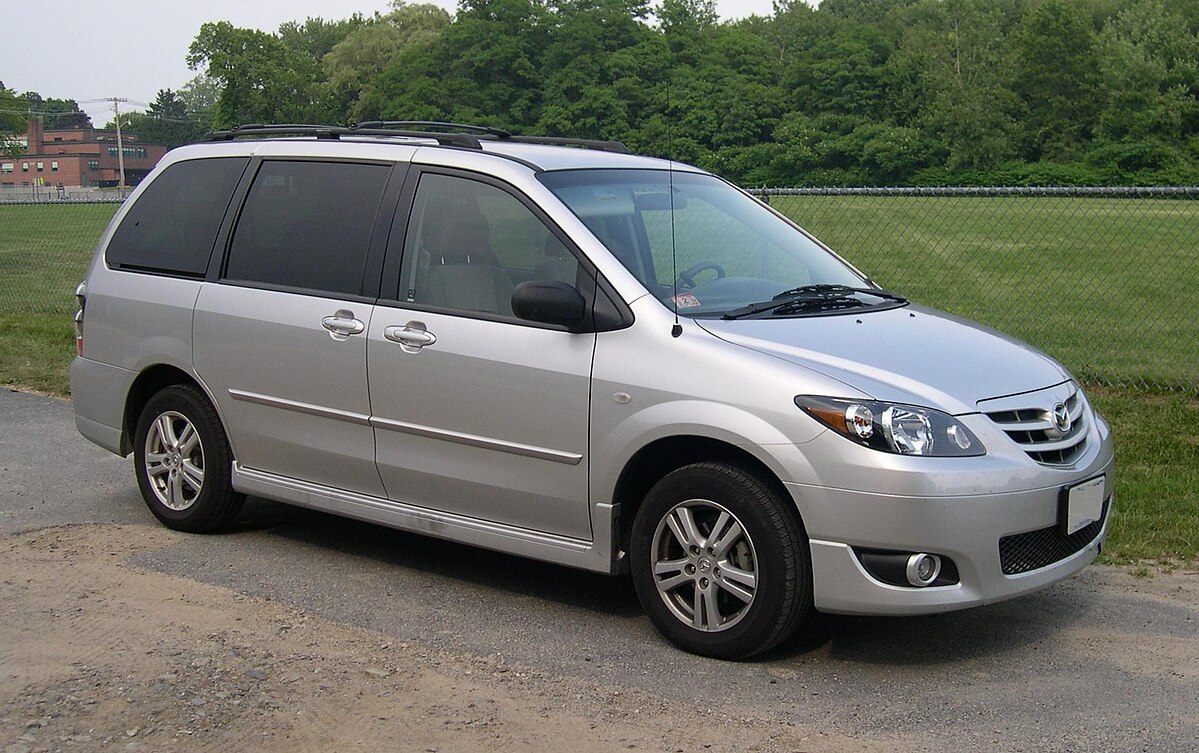
1. Mazda MPV (2000–2006)
The Mazda MPV might not be the first name to pop up when discussing minivans, but those who owned one during its run often speak highly of its reliability and practical nature.
It offered a straightforward design, intuitive features, and minimal gimmicks. What truly set the MPV apart, however, was its mechanical durability. Its V6 engine, especially in the later models, proved to be long-lasting when properly maintained.
Another advantage of the MPV was its smaller size compared to other minivans of the time, which made it easier to maneuver in tight spaces without sacrificing much interior room.
Many families appreciated the lower cost of ownership, not only in terms of fuel economy but also in routine maintenance and repairs. The parts were relatively inexpensive and widely available, and the simple layout under the hood made it easier for mechanics to perform work quickly and cheaply.
The MPV was also not plagued with the same transmission problems that affected many of its competitors from the early 2000s. This helped extend the life of the vehicle and kept it on the road long past expectations.
Despite being discontinued in North America after 2006, a significant number of these vans are still seen on the road today, often with over 200,000 miles on the odometer.
Its lack of recognition in the minivan market may have been a result of Mazda’s smaller footprint in the family vehicle space compared to giants like Honda or Chrysler.
But for those who took a chance on the MPV, the results have been rewarding. This is a case where a solid design, modest goals, and reliability-focused engineering created a vehicle that quietly stood the test of time.
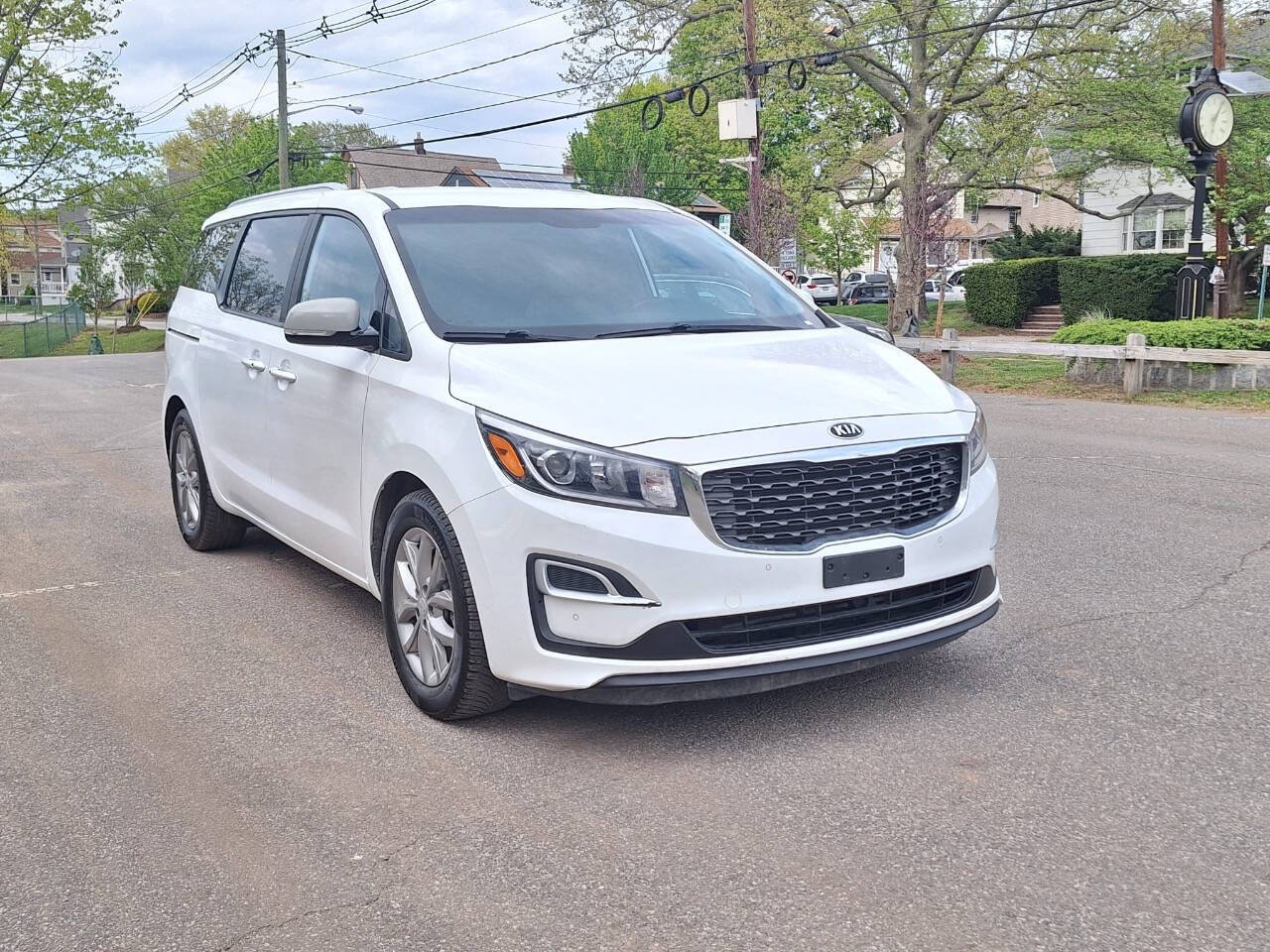
2. Kia Sedona (2006–2014)
Before Kia became known for sharp styling and cutting-edge features, the Sedona was a humble, workhorse minivan that prioritized practicality and value.
The second-generation Kia Sedona, in particular, earned respect from owners who found that its initial low cost was matched by long-term resilience. It was never a segment leader in terms of technology or styling, but where it excelled was dependability over a long service life.
The V6 engine in these models, especially the 3.8L version, was known for being durable and consistent with proper maintenance.
The transmission, often a weak point in many minivans, held up better than expected, especially after updates were made in later model years. Many of these vehicles comfortably reached the 180,000 to 200,000-mile mark without major issues. Regular fluid changes and simple maintenance routines were usually enough to keep them running smoothly.
Safety ratings were respectable, which made it a good choice for families looking for a budget-friendly yet secure transportation option. Cabin space was ample, and features like dual sliding doors, multiple seating configurations, and rear climate controls were standard in many trims, offering good comfort without unnecessary complexity.
The Sedona was often overshadowed by more popular rivals, but this kept resale prices lower and made it a smart buy for those looking for long-term value. It didn’t try to outshine anyone it just kept doing its job without fuss. That unassuming nature helped it become a quiet success in households that needed a dependable family vehicle that wouldn’t become a money pit.
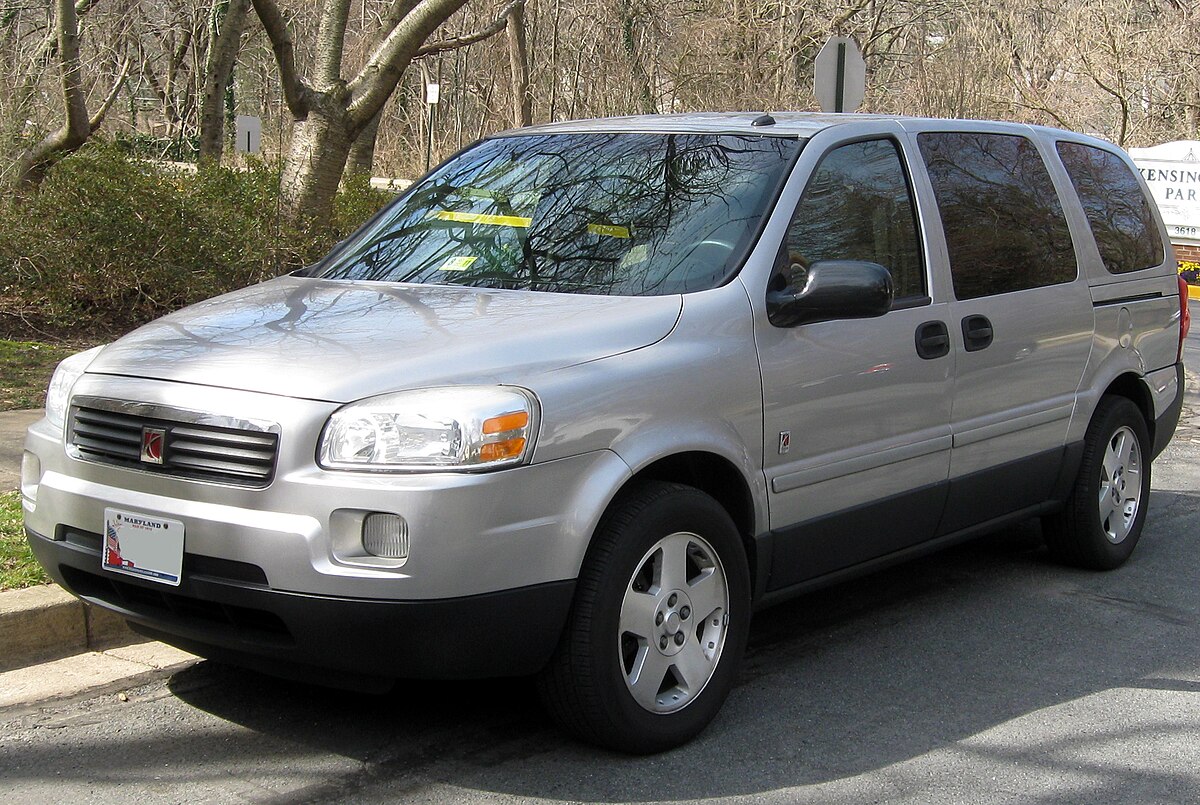
3. Saturn Relay (2005–2007)
Though Saturn is no longer around, some of its models have proven more resilient than many expected, and the Saturn Relay is one such example.
Introduced during a short time when General Motors attempted to blend SUV styling with minivan practicality, the Relay was based on the same platform as the Chevy Uplander and Pontiac Montana SV6. While it didn’t make a huge splash in terms of design or features, it had a tough, durable frame and dependable powertrain.
The 3.5L and 3.9L V6 engines offered reasonable power and had a reputation for long-term reliability. While not free of quirks, these engines weren’t prone to catastrophic failures, and many Relay owners found themselves getting years of service with just routine upkeep.
The suspension and chassis, more robust than typical minivans of the era, held up well under family use and even light towing.
Interior build quality wasn’t luxurious, but it was practical and easy to maintain. The third-row seating could fold relatively flat, and there was decent cargo space for road trips or hardware store runs.
While many overlooked the Relay because of Saturn’s fading popularity and the vehicle’s less-than-sleek exterior, it quietly earned a place among dependable options for long-term use.
Its biggest weakness was the perception that GM minivans were inherently lower in quality, but for those who maintained them and didn’t expect perfection, the Relay often proved surprisingly tough.
It lacked flash, but its bones were solid. Even after Saturn shut down, Relay models continued to hold their own in the used car market, thanks to shared parts with other GM vehicles.
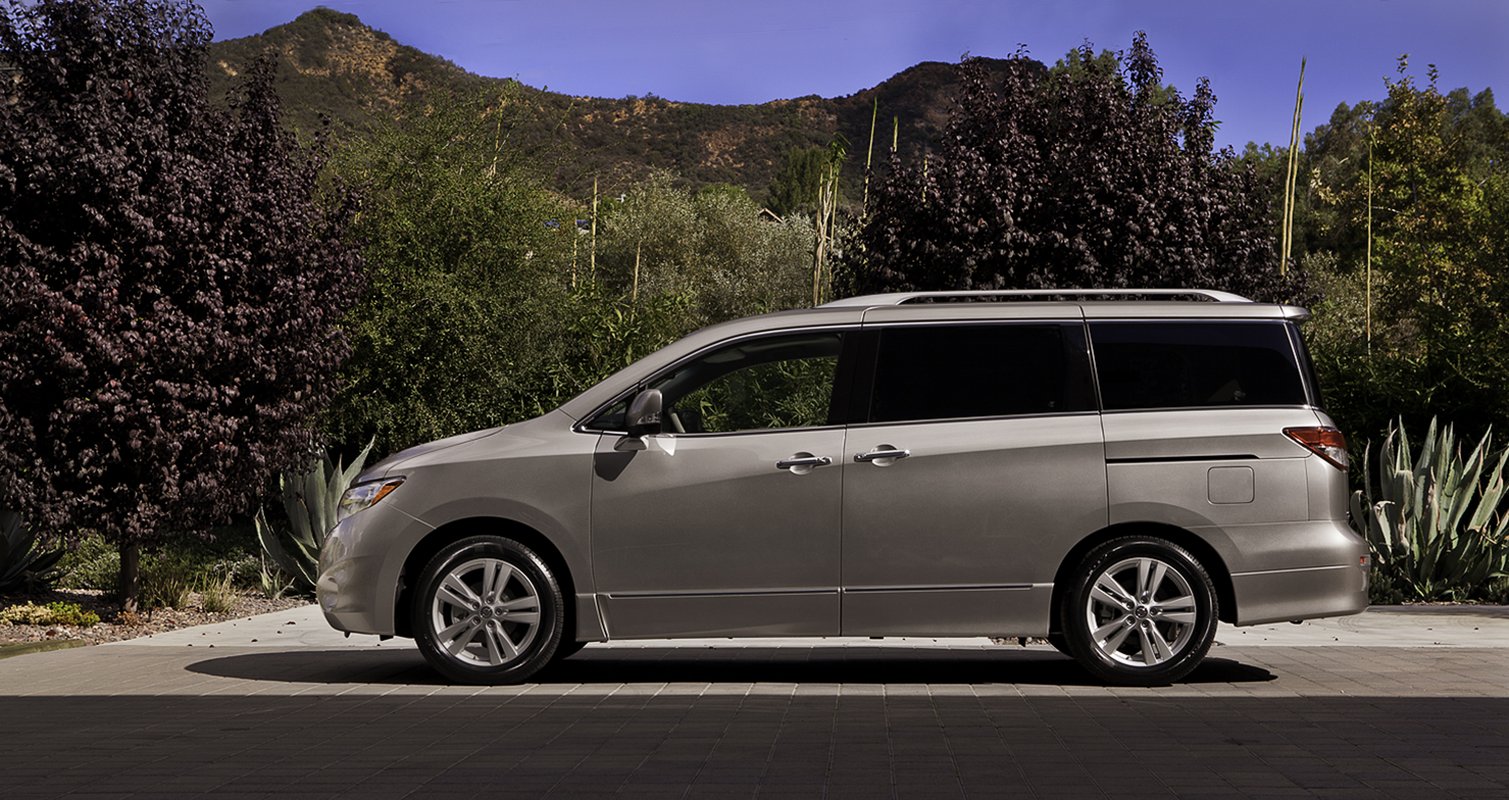
4. Nissan Quest (2004–2009)
The Nissan Quest from this generation had polarizing styling and a love-it-or-hate-it interior layout. But under that unusual design was a solid platform powered by a trustworthy 3.5L V6 engine, the same family of engines found in many of Nissan’s longest-lasting vehicles. When maintained, this engine proved capable of well over 200,000 miles.
Many buyers overlooked the Quest due to its awkward dashboard layout and spaceship-like interior. However, those who owned them often found that the vehicle was surprisingly fun to drive for a minivan and held up well under family wear and tear. It offered good acceleration, a smooth ride, and solid build quality underneath some questionable aesthetic choices.
One of the Quest’s strengths was its lower profile in the market, which meant used prices stayed lower. Yet it offered reliability on par with better-known options.
Its spacious interior and unique sliding door operation gave it practical advantages, even if the design language confused traditionalists. Families who needed space and value, and who were willing to accept unconventional looks, often ended up keeping the Quest longer than expected.
The main issues were cosmetic aging and occasional electronic glitches, but major mechanical components were rarely a problem.
As a result, the Quest gained a quiet following among those who discovered its strengths through ownership, not marketing. Today, many still run strong despite their age, a testament to Nissan’s engine engineering and basic build quality from that era.
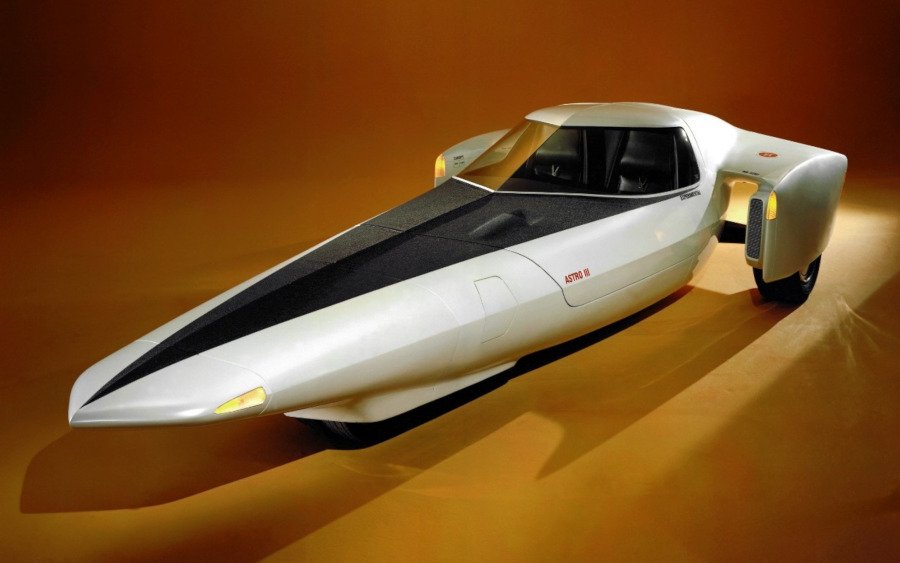
5. Chevrolet Astro (Until 2005)
The Chevrolet Astro was never quite a typical minivan. Built on a rear-wheel-drive platform shared with small trucks, it had more in common with a utility van than its front-wheel-drive competitors.
That difference made it a favorite among those who needed something tougher than a standard family hauler. Its longevity is well-documented, with many units still running strong at 250,000 miles and beyond.
Astros were often used as work vans, shuttle vehicles, and family road trip tanks. Their 4.3L V6 engine was known for its bulletproof design and was also used in other long-lasting GM products. It had good towing capacity for a van and could handle rougher use better than any other vehicle in its class. Its boxy shape wasn’t stylish, but it allowed for maximum cargo flexibility.
Because of its truck-like underpinnings, the Astro had stronger suspension components and a frame that withstood abuse better than most minivans. Maintenance was straightforward, and parts were plentiful and cheap. Some owners even converted Astros into campers or overlanding rigs because of their rugged reputation.
Despite being discontinued in 2005, the Astro remains a cult favorite for those who want a minivan with grit. It’s less common in suburban driveways, but those who appreciate durability often seek them out.
For families or businesses that need something to last well beyond the average lifespan of a vehicle, the Astro is still worth a second look.
5 Bestsellers With High Repair Costs
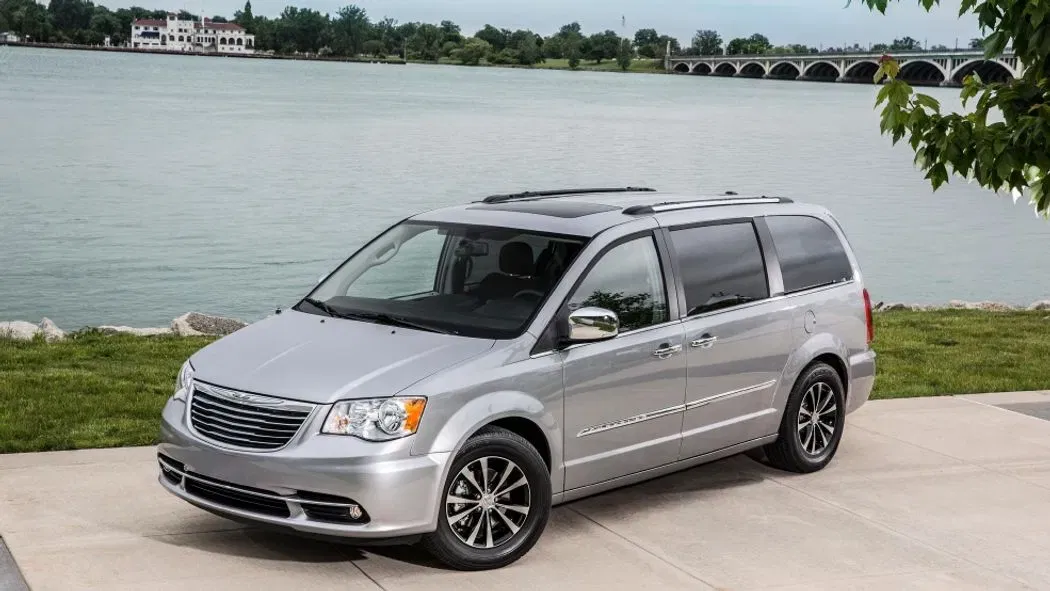
1. Chrysler Town & Country (2008–2016)
The Chrysler Town & Country was one of the most recognizable minivans on the road during its production years. With upscale trims, leather interiors, entertainment systems, and family-focused features, it looked like the ideal choice for comfort and convenience.
However, behind the appealing package lay a series of reliability concerns that often made this van a financial headache in the long run.
One of the most notorious issues was the transmission. Multiple model years were affected by premature transmission failure, sometimes as early as 60,000 miles. Owners frequently reported slipping gears, hard shifts, and eventual total breakdowns, which often required costly replacements.
Adding to that, the electronic components in the interior, such as power doors, DVD systems, and instrument clusters, were known to glitch or fail outright. These weren’t just annoying they were expensive to fix.
The 3.6L Pentastar engine used in later years had its own set of issues, including problems with the cylinder head and oil consumption.
For a minivan often praised as a top-tier family vehicle, the actual cost of ownership often ballooned over time due to these persistent mechanical failures. The “Stow ‘n Go” seating was a brilliant innovation, but even those moving parts occasionally caused problems that required dealer-level repairs.
Despite high sales numbers, especially in rental fleets and among loyal buyers, the Town & Country left many owners disappointed as the years went on.
It’s a perfect example of a minivan that starts strong but becomes a burden after the warranty period ends. Even though it carried a premium badge within the Chrysler lineup, the ownership experience rarely matched the promise for those keeping the vehicle beyond the first few years.
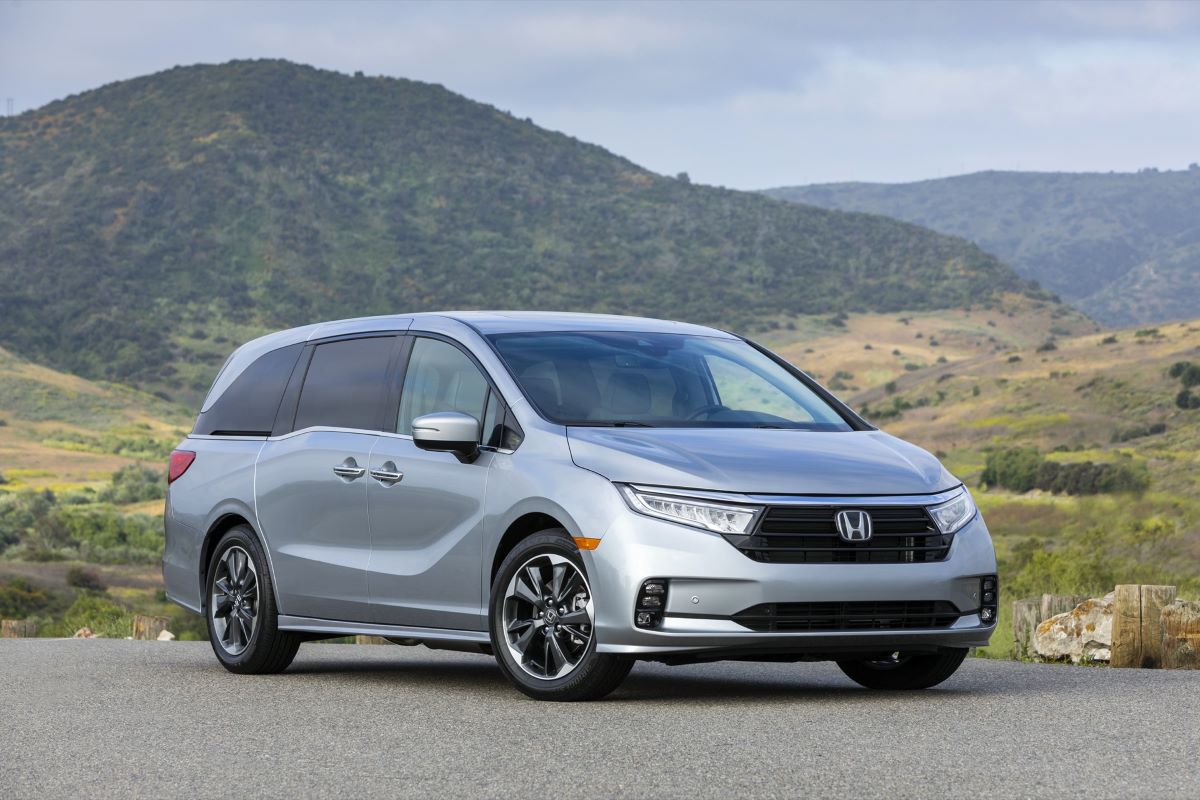
2. Honda Odyssey (2005–2010)
The Honda Odyssey has a well-earned reputation for family friendliness, ride quality, and smart features. However, certain model years, particularly between 2005 and 2010, suffered from recurring mechanical issues that led to high repair bills and a decline in long-term dependability.
Despite the Odyssey often topping sales charts and receiving critical praise, the actual ownership costs in these years could be surprisingly steep.
The biggest Achilles’ heel was the transmission. Owners frequently reported transmission failure, sometimes before hitting the 100,000-mile mark.
The issue often stemmed from overheating problems and weak internal components that would eventually lead to jerking, slipping, or complete failure. Replacement or rebuild costs were among the highest in the minivan segment.
Another problem area was the power sliding doors. While convenient, these doors were powered by cables and motors that often broke or wore out.
Repairs were not only expensive but sometimes required complete motor or track replacement, which wasn’t cheap and rarely a simple fix. There were also electrical gremlins in the climate control systems, navigation units, and dashboard lighting that added to the long-term headaches.
The Odyssey still holds a loyal customer base, but the maintenance and repair expenses during the mid-2000s era often outweighed the benefits.
Many families who expected Honda-level reliability found themselves spending thousands more than anticipated just to keep the van running properly. Its high resale value masked the potential for ongoing issues, especially for buyers purchasing used models during these years.
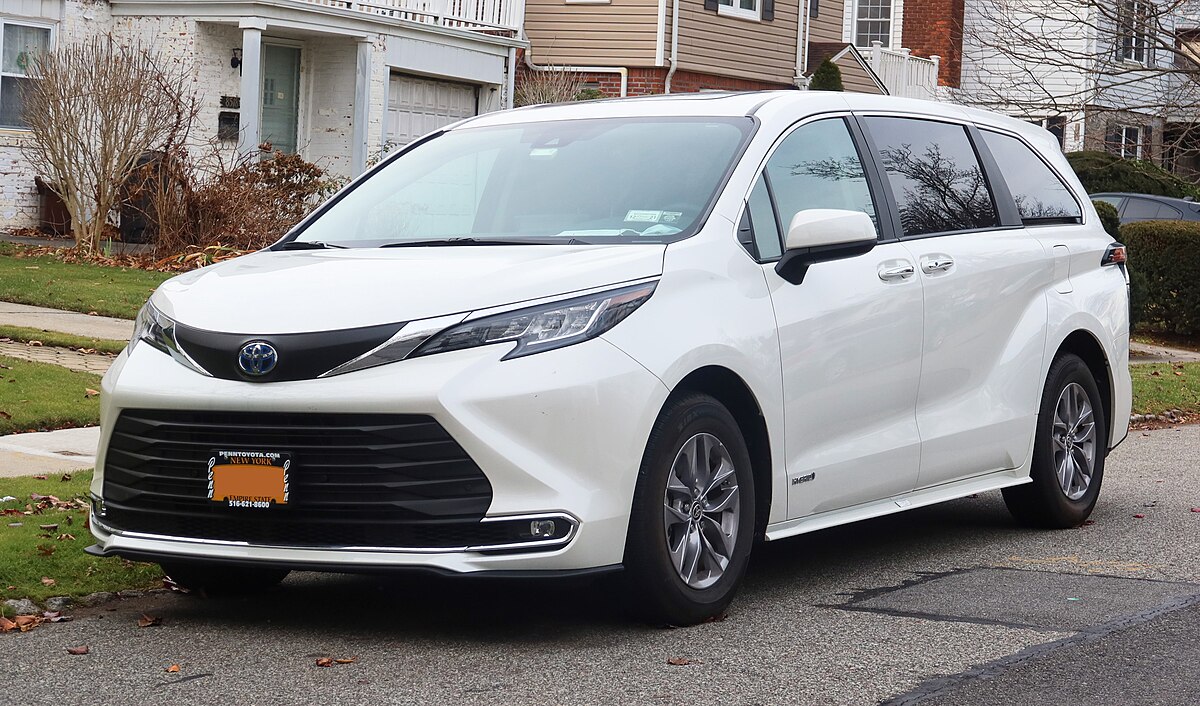
3. Toyota Sienna (2004–2010)
Toyota has a reputation for bulletproof reliability, and the Sienna has long been considered one of the most trustworthy minivans.
However, the 2004–2010 generation revealed some weaknesses that, while not catastrophic, became costly over time, especially in higher-mileage vehicles. These hidden costs often caught owners off guard, as they expected the usual Toyota resilience but faced repair bills that painted a different picture.
One of the recurring issues involved the power steering system. Fluid leaks from the rack and pinion were a frequent complaint, and replacing the whole assembly wasn’t cheap.
Owners often had to deal with noisy steering or complete system failure, especially in colder climates. The rear liftgate struts also failed prematurely in many units, leading to frustrating and expensive replacements.
Another area of concern was the oil line design for models equipped with the 3.5L V6 engine. The rubber portion of the oil lines would sometimes rupture without warning, causing rapid oil loss and potential engine damage.
Though Toyota eventually issued a service campaign to address it, the problem lingered in used models that weren’t repaired by the original owners.
The Sienna still performed well in many areas and could last long with attentive upkeep, but it didn’t live up to the low-cost ownership experience many buyers expected.
The assumption that a Toyota would require minimal investment beyond routine maintenance didn’t always hold true for these years. Repairs weren’t frequent, but when they were needed, they often weren’t cheap. For buyers who equated Toyota’s badge with long-term ease, the costs felt harder to justify.
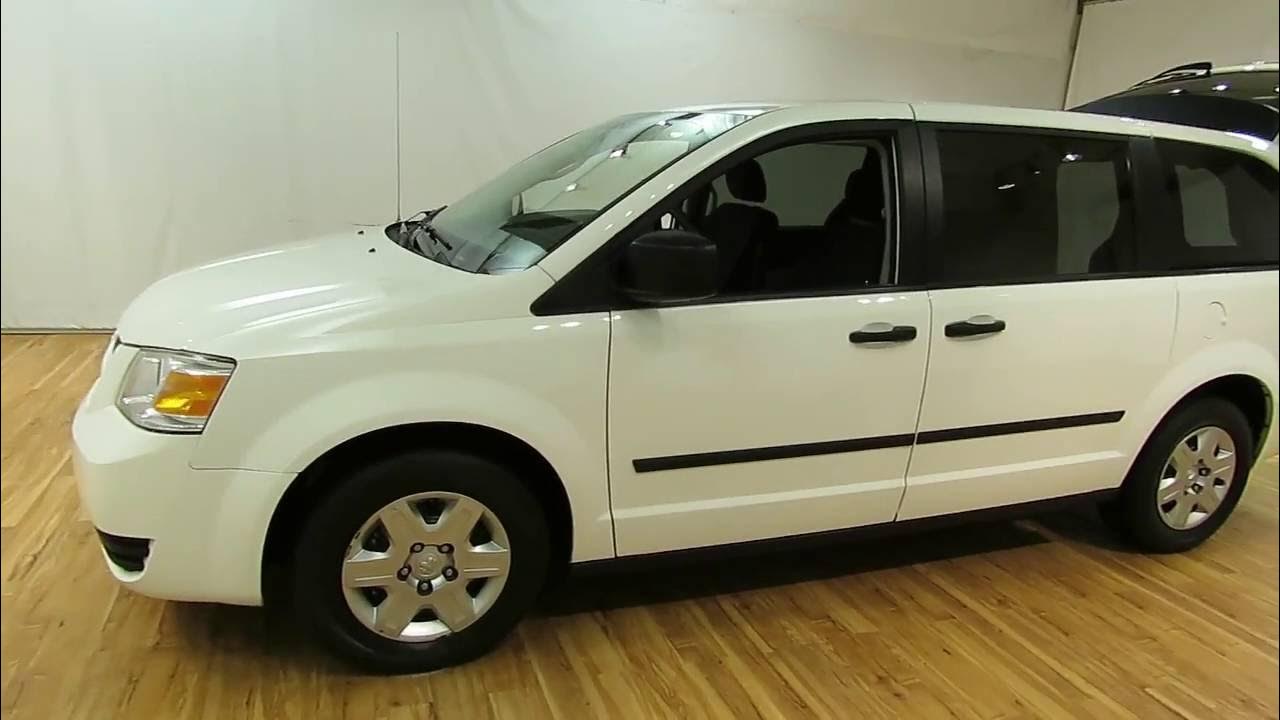
4. Dodge Grand Caravan (2008–2020)
The Dodge Grand Caravan was one of the most popular minivans in North America for over a decade, largely due to its aggressive pricing, family-friendly features, and wide availability.
It was the go-to option for many large families, rental companies, and anyone looking for basic, affordable transport. But while it excelled at affordability upfront, its reputation for mechanical issues made it one of the most expensive in the long run.
Much like its Chrysler Town & Country cousin, the Grand Caravan was plagued by transmission problems. These often appeared before the 100,000-mile mark and could require full replacements or multiple service visits.
Suspension issues, including worn bushings, sway bar links, and control arms, became common complaints as early as 60,000 miles. This contributed to a wobbly or uneven ride and increased tire wear.
The interior electronics were another trouble spot. Power sliding doors, rear entertainment systems, and the HVAC controls had a high failure rate.
These weren’t simply inconveniences; they often meant trips to the dealer, expensive diagnostics, and component replacements. Rust also became an issue in northern climates, particularly around the door frames and undercarriage, due to cost-saving materials and subpar rust protection.
Because of its low sticker price, the Grand Caravan sold in massive numbers, but owners often found themselves paying back the savings in the form of repairs.
Even though it was cheap to buy new or used, it required more attention and money as it aged. The frequency of repairs combined with the relatively high cost of certain parts made it one of the least rewarding minivans for long-term ownership, despite its popularity.
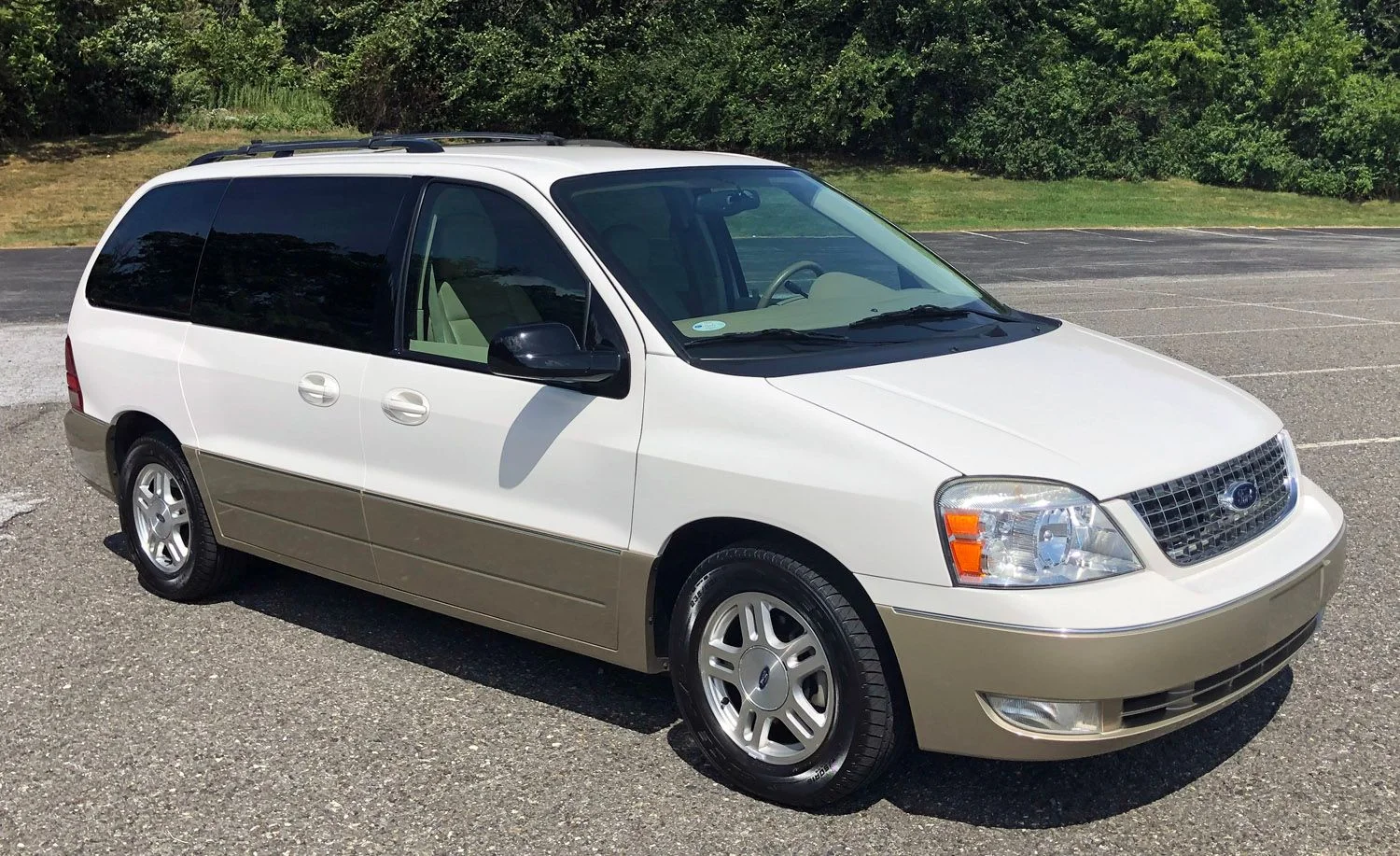
5. Ford Freestar (2004–2007)
The Ford Freestar was meant to be a successor to the Windstar, aiming to fix the reliability issues of its predecessor while offering a more refined experience.
Unfortunately, the Freestar inherited many of the same problems and introduced a few of its own, making it one of the more expensive minivans to maintain over time despite being relatively popular during its short production run.
Transmission failure was a major issue, particularly related to a defective torque converter that could fail suddenly and without warning. Ford eventually issued recalls, but many owners had already suffered catastrophic breakdowns by the time that happened.
The engine, a 4.2L V6, had its own set of concerns, including intake manifold gasket failures, which could lead to rough running and engine damage if not addressed quickly.
Water intrusion into the electrical system was another issue. Faulty seals and poor drainage design led to moisture entering critical areas like the fuse box and rear electronics modules.
This caused unpredictable behavior, electrical shorts, and expensive troubleshooting and replacements. In addition, the suspension components didn’t hold up well under weight, leading to premature wear and alignment issues.
Despite being marketed as a family-friendly and American-built alternative to Japanese minivans, the Freestar fell short in long-term performance.
Its failure rate compared to similar vehicles was significantly higher, and the average repair bill could easily exceed the value of the vehicle as it aged. For those who chose it based on national loyalty or brand recognition, the experience often ended in frustration and frequent trips to the mechanic.
Also Read: 5 Models Depreciating Due to Reliability Issues vs 5 That Stay Valuable
Choosing the right minivan is a decision that goes beyond surface-level impressions and trendy features. For many families, a minivan is more than just a vehicle it’s a mobile hub for daily life, school runs, family vacations, and countless other activities.
Given this important role, the longevity and total cost of ownership become crucial factors. While it may seem natural to lean toward the most popular or heavily advertised minivans, the experience of many owners shows that popularity and initial appeal do not always translate into long-term satisfaction or savings.
This article has highlighted two distinct groups within the minivan market. On one side are the under-the-radar models such as the Mazda MPV, Kia Sedona, Saturn Relay, Nissan Quest, and Chevrolet Astro. These vans may not have made headlines or topped sales charts, but their durability and ease of maintenance have helped them endure.
Their simpler engineering, robust powertrains, and well-thought-out designs often result in fewer headaches and lower repair costs over the years. Families who chose these models frequently found themselves with vehicles that required only routine care, allowing them to focus on daily life rather than unexpected repairs.
On the opposite side, bestselling minivans like the Chrysler Town & Country, Honda Odyssey (from specific model years), Toyota Sienna (early generations), Dodge Grand Caravan, and Ford Freestar have a different story. While their features, styling, and brand recognition attracted millions of buyers, these vans often suffered from costly mechanical failures, transmission troubles, electrical gremlins, and other persistent issues.
The financial impact of these problems often outweighed the initial savings or the convenience of their advanced features. Owners found themselves investing heavily in repairs and maintenance, diminishing the value and enjoyment of the vehicle over time.
What this comparison clearly shows is that popularity does not guarantee reliability or affordability in the long run.
A minivan that quietly racks up high mileage with minimal repairs is often a better investment than one with a glossier reputation but a history of expensive breakdowns. For families, the right choice comes from a balance of comfort, practicality, and proven durability rather than marketing hype.
In making a decision, it’s wise to research beyond sales figures and advertising claims. Considering known reliability issues, repair histories, and owner experiences can reveal hidden gems that offer years of trouble-free service. The best minivan is one that supports a family’s lifestyle without draining their time, energy, and budget on repairs.
Families deserve vehicles that earn their trust through consistent performance. Whether it’s one of the lesser-known but sturdy models or a bestseller with proper maintenance and care, the goal is to find a minivan that lasts, runs well, and remains a dependable partner for years to come.
Making that choice carefully can mean the difference between constant worry and a smooth, comfortable ride down every road ahead.
