
Muscle cars are an integral part of automotive history, especially in the United States where they have symbolized raw power, youthful rebellion, and a unique kind of freedom since their rise in the 1960s and 1970s. These vehicles are characterized by their large displacement engines, aggressive styling, and the ability to produce thrilling acceleration on straight roads.
Over the decades, muscle cars have become collector’s items, nostalgia pieces, and performance benchmarks. Yet, there is a significant difference between the muscle cars you see sitting proudly at car shows or preserved in climate-controlled garages and those that are actually driven on a day-to-day basis.
While the big names in muscle cars like the Dodge Challenger Hellcat, Ford Mustang Shelby GT500, and Chevrolet Camaro ZL1 represent the pinnacle of muscle car culture and have enormous fan followings, many owners of these beasts tend to keep them as weekend toys.
These cars demand a lot of attention, from their thirst for premium fuel and high maintenance costs to their sometimes challenging driving dynamics.
The very qualities that make these muscle cars thrilling on a race track or for a spirited Sunday drive also make them less practical for regular use.
This has led to an interesting divide in the muscle car community between the high-profile, high-performance models and the unsung, often more manageable muscle cars that quietly perform admirably every day.
On the other side of the spectrum are muscle cars that rarely make headlines but have earned a reputation for being surprisingly reliable and practical for everyday use.
These vehicles may not boast the same staggering horsepower or aggressive styling as their high-profile counterparts, but they offer a more balanced package for those who want muscle car excitement without sacrificing the ability to drive their car to work, run errands, or handle weekend commutes comfortably.
These lesser-known muscle cars often have smoother power delivery, better ride comfort, and are easier to maintain, which makes them ideal for owners who want the muscle car experience without constant worry about reliability or repair bills.
Moreover, they tend to offer more usable interiors, better fuel efficiency relative to their power, and often a more approachable personality on the road.
These traits combine to create muscle cars that many enthusiasts cherish for their daily practicality and unique character. They might not be the poster cars in magazines, but their presence on the streets demonstrates that muscle cars can be enjoyed every single day, not just on special occasions.
This article aims to provide a detailed comparison between five of these unsung muscle cars that serve as reliable daily drivers and five famous muscle cars that, while highly desirable and iconic, are often reserved for special occasions rather than regular use.
Through this comparison, we’ll understand what factors contribute to a muscle car’s usability beyond just horsepower and styling factors like ride comfort, ease of maintenance, fuel economy, and the driving experience in everyday conditions.
Understanding this contrast will help enthusiasts and prospective buyers appreciate the practical side of muscle car ownership, while also recognizing why some of the flashiest and most powerful muscle cars remain museum pieces rather than daily commuters.
Whether you’re seeking a muscle car to enjoy every day or simply curious about the realities behind the muscle car myth, this exploration offers fresh insights into a world where power meets practicality.
Also Read: 5 Cars With Easy Trunk Access vs 5 With High Lift-Over Heights
5 Unsung Muscle Cars That Run Daily
When the general public thinks of muscle cars, the focus usually falls on the most iconic, over-the-top models. However, there are several muscle cars that quietly balance performance and daily usability without drawing too much attention or requiring constant pampering.
These cars appeal to enthusiasts who want to enjoy their muscle cars regularly without the headaches often associated with high-performance models. Here are five muscle cars that fit the bill perfectly as practical daily drivers.
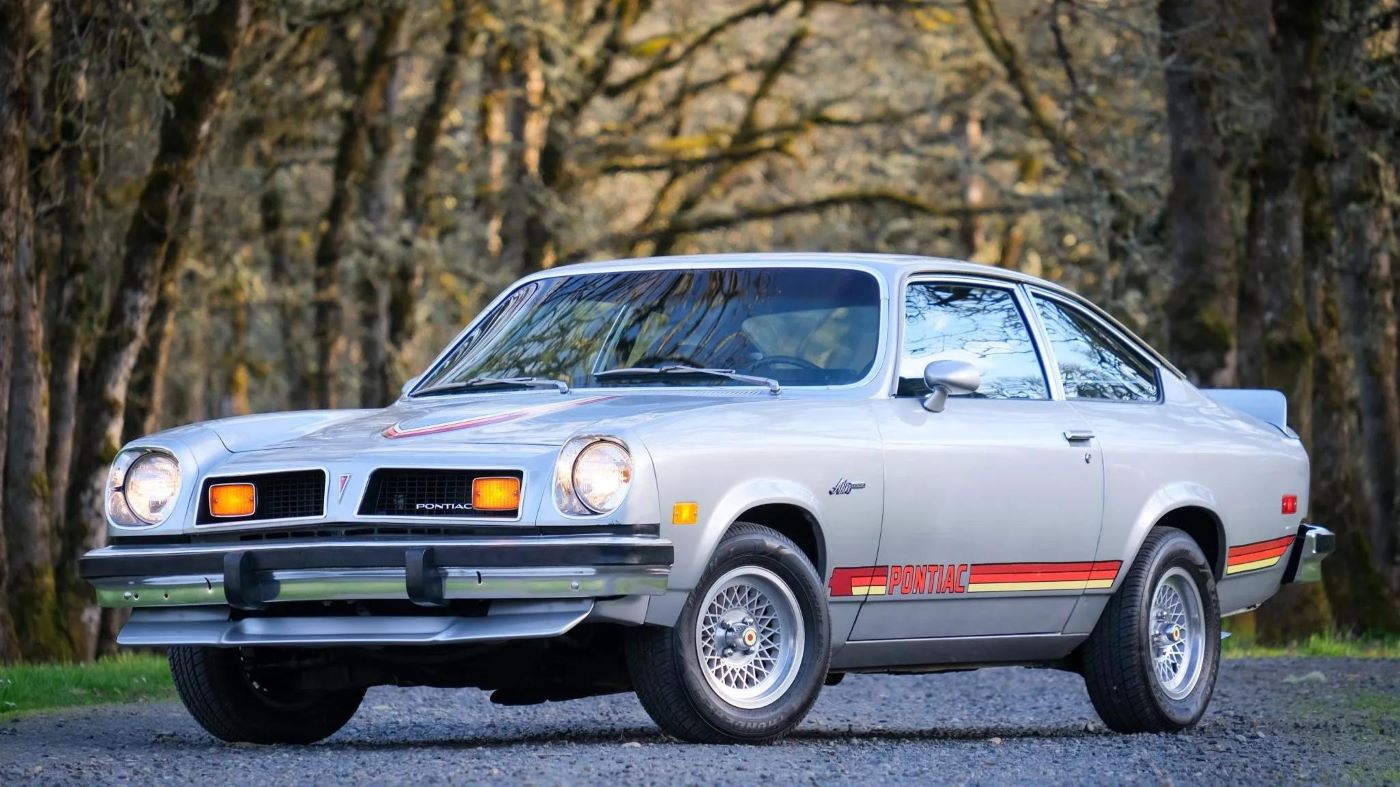
1. Pontiac GTO (2004-2006)
The Pontiac GTO from the early 2000s is a muscle car that deserves more respect than it typically receives. This modern revival of the GTO nameplate brought a Corvette-sourced LS1 V8 engine under the hood, providing a potent 350 horsepower that was more than enough to deliver exciting performance without going overboard.
Unlike some muscle cars that have a reputation for being rough or difficult to live with, the GTO offers surprisingly smooth power delivery. The LS1 engine is known for its reliability and relative ease of maintenance, which plays a big role in why the GTO can be driven daily without constant mechanical concerns.
What really sets the GTO apart from many other muscle cars is its well-rounded nature. The chassis was tuned to provide a balanced ride, meaning it was firm enough to handle spirited driving but compliant enough to soak up imperfections on bumpy roads.
This makes commuting or long-distance driving much less fatiguing. The car’s interior, while not overly luxurious, is thoughtfully designed with driver comfort in mind. Controls are logically placed, seats offer decent support, and the cabin insulation helps reduce road noise, all contributing to a pleasant driving experience day after day.
Another practical aspect of the Pontiac GTO is its fuel consumption. While it’s certainly not a fuel-sipping vehicle, the GTO’s LS1 V8 is more efficient than some of the massive-displacement engines found in classic muscle cars.
Typical fuel economy in the mid-teens means it is manageable for muscle car standards, especially when balanced against the joy of its V8 soundtrack and performance.
Maintenance costs remain reasonable due to the wide availability of parts and a large community of owners. This combination of power, comfort, reliability, and cost-effectiveness is why the Pontiac GTO from this era remains a hidden gem for those seeking muscle car excitement without daily compromises.
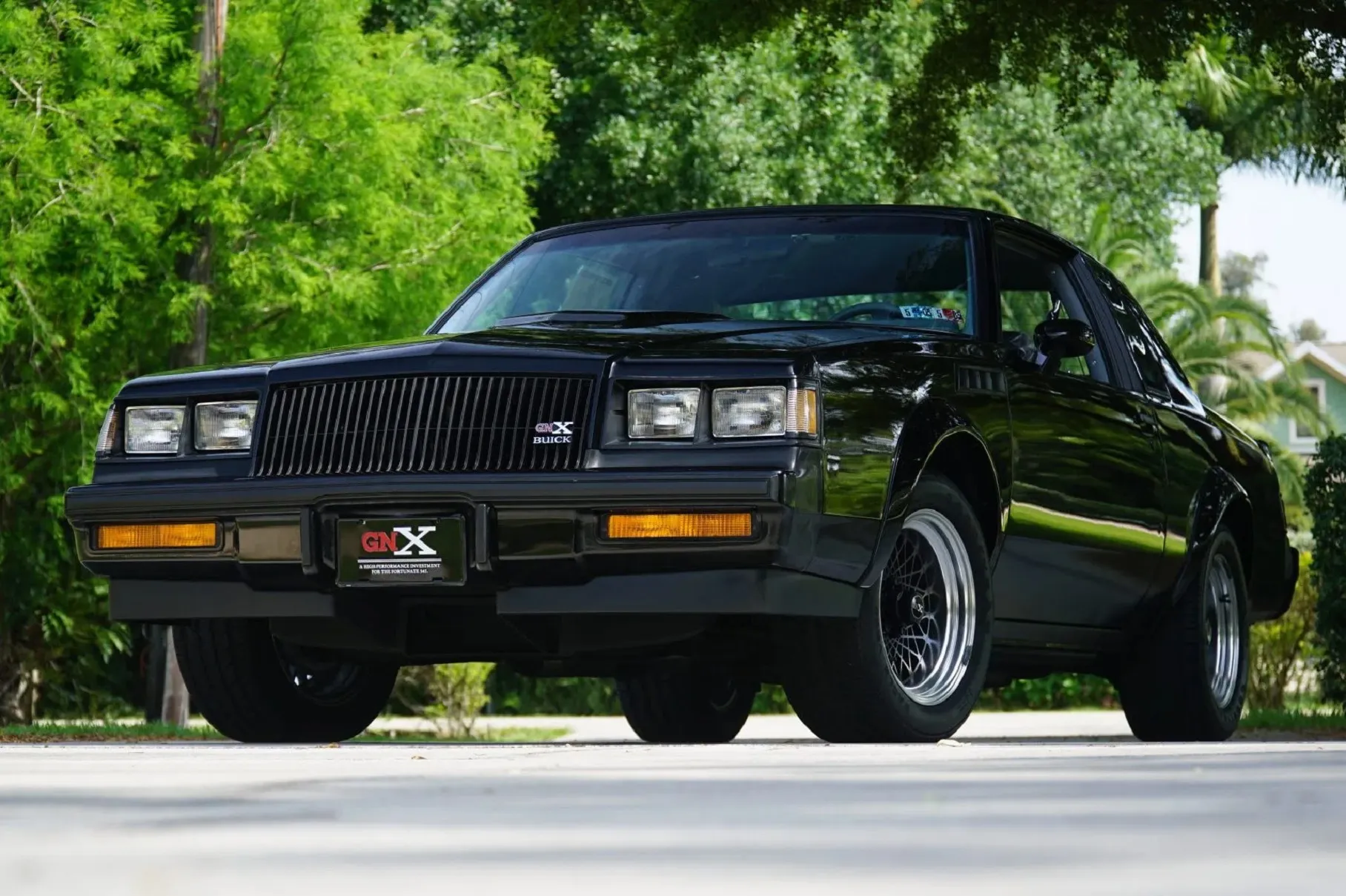
2. Buick GNX (1987)
The Buick GNX occupies a unique place in muscle car history. Produced in limited numbers, it was built as a high-performance version of the Buick Regal, equipped with a turbocharged 3.8-liter V6 engine that made 276 horsepower and an impressive amount of torque for its time.
The GNX was known for its quick acceleration and surprising agility, especially given its more reserved and less flashy appearance. This muscle car’s subtlety is one of its biggest advantages for daily driving; it doesn’t scream for attention but delivers a thrilling driving experience when asked.
From a usability perspective, the GNX’s turbocharged V6 offers a different kind of muscle car experience compared to large naturally aspirated V8s.
The turbocharger provides strong low-end torque, making city driving and highway passing effortless without the lag or heavy throttle inputs some larger muscle cars demand. Its suspension, while firm, is not excessively harsh, allowing it to absorb everyday road irregularities more comfortably than some pure performance-focused muscle cars.
The interior of the GNX was relatively well-appointed for its era, offering reasonable comfort and ergonomics. For owners willing to maintain a late-1980s muscle car, the GNX provides the added benefit of mechanical simplicity compared to more complex modern cars, which can translate to more straightforward and cost-effective maintenance.
Its relatively modest fuel consumption especially compared to big-block muscle cars makes it a more practical option for those who want to enjoy spirited driving without frequent fuel stops. The Buick GNX proves that muscle cars don’t need to be loud or showy to be effective and enjoyable daily drivers.
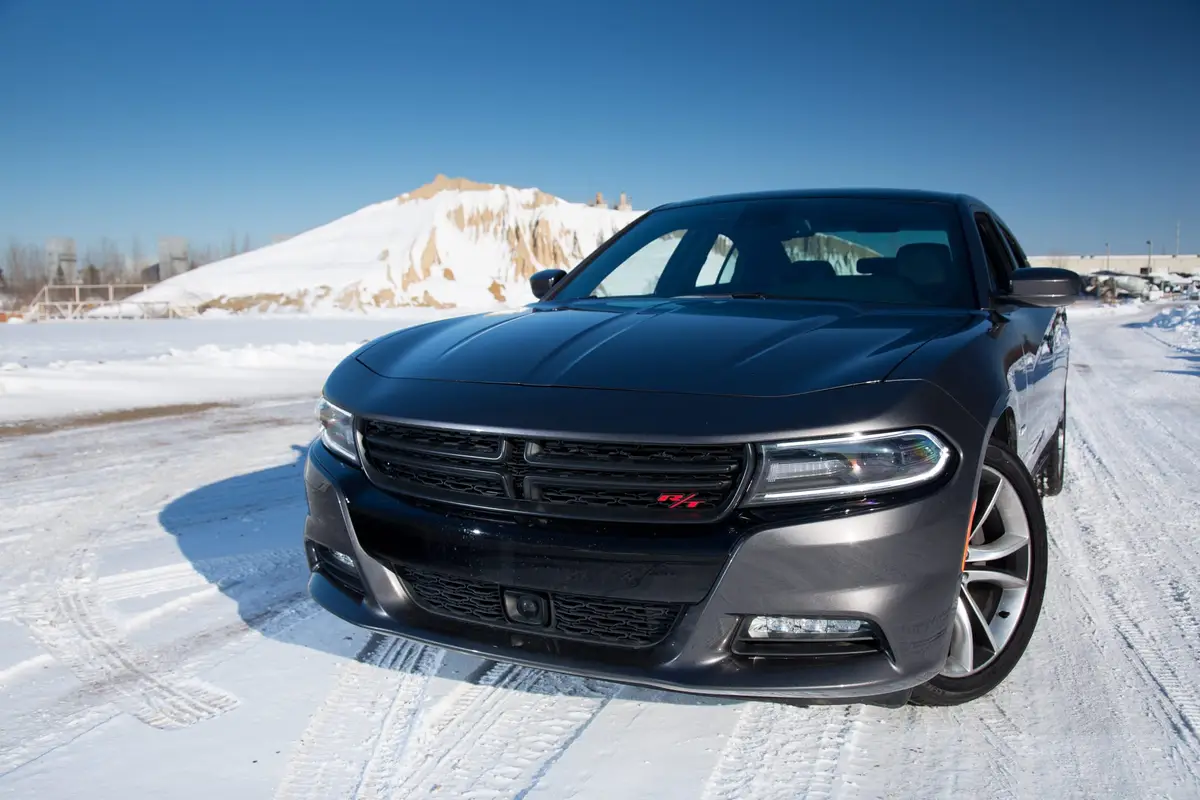
3. Dodge Charger R/T (2006-2010)
The Dodge Charger R/T from the mid-2000s marks a period where muscle cars began to incorporate more modern technology and comfort features while still delivering classic V8 power.
Under its hood, the 5.7-liter HEMI V8 engine produces about 350 horsepower, offering a lively and dependable performance that can handle daily driving situations with ease.
This model combines muscle car heritage with more practicality than earlier models, making it a favorite for enthusiasts who want a muscle car capable of handling both weekend fun and weekday responsibilities.
One of the key reasons the Dodge Charger R/T works so well as a daily driver is its spacious and comfortable interior. Unlike many muscle cars that are tight on space, the Charger comfortably seats five adults with ample legroom and headroom, making it practical for families or carpooling.
The suspension setup, though sporty, is designed to provide a smooth ride on a variety of road surfaces. It’s firm enough to manage the car’s power without sacrificing ride quality, which is crucial for avoiding driver fatigue during longer drives.
Maintenance and repair costs for the Dodge Charger R/T tend to be manageable due to parts sharing with other Chrysler models. The availability of parts and the relatively simple design of the HEMI engine contribute to its ease of ownership.
Fuel economy, while not exceptional, is balanced enough for owners to justify using the Charger as a daily driver without constant worry about fuel expenses. In summary, the mid-2000s Dodge Charger R/T is a muscle car that embraces practicality and modern comforts while retaining enough muscle to satisfy enthusiasts daily.
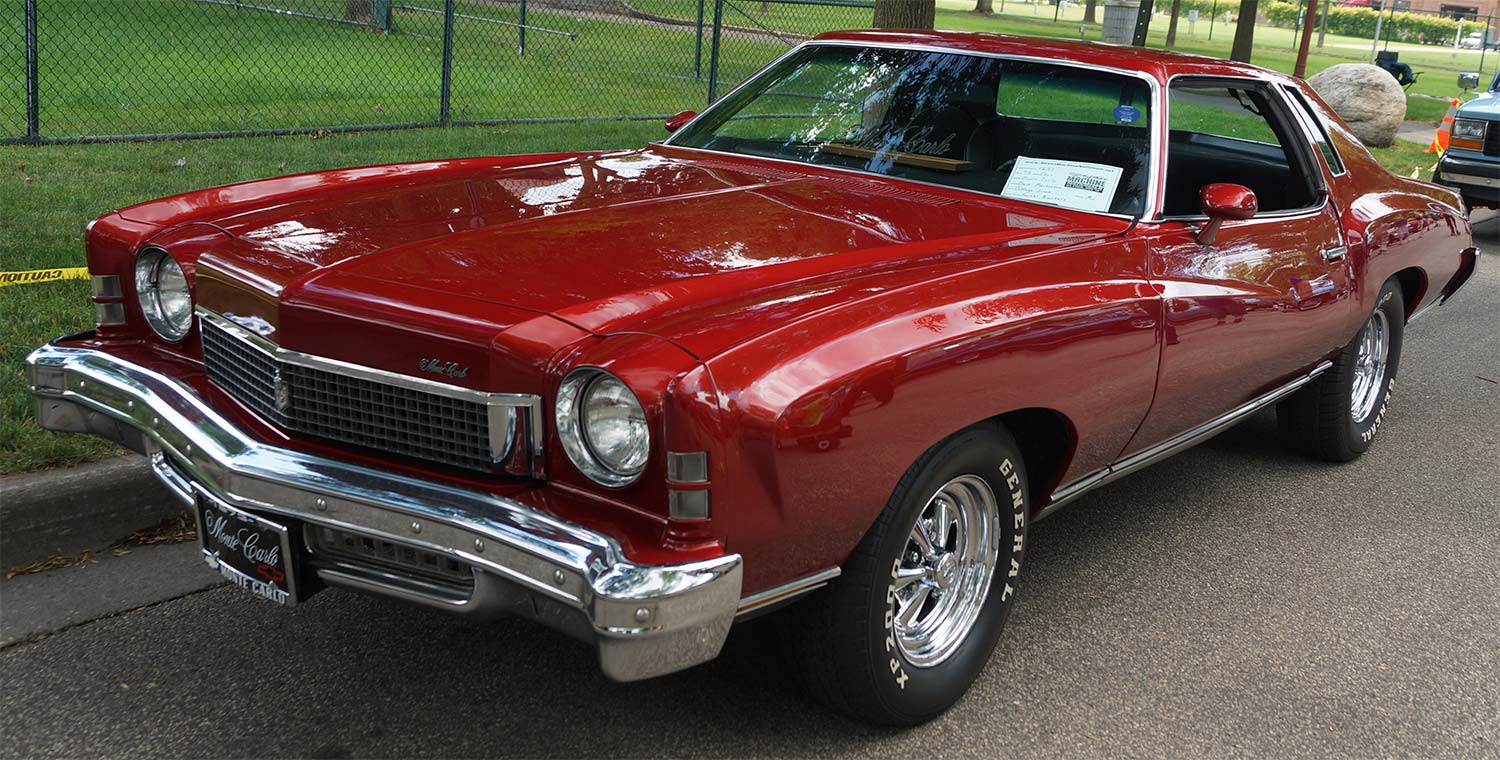
4. Chevrolet Monte Carlo SS (1996-1999)
The Chevrolet Monte Carlo SS from the late 1990s is often overlooked in muscle car discussions, yet it offers a compelling package for those who want V8 performance combined with comfort and ease of use.
Powered by the LT1 5.7-liter V8 engine, the Monte Carlo SS delivers 305 horsepower, which is sufficient to provide an engaging drive without overwhelming the driver. The car is a throwback to muscle cars that were designed with usability in mind rather than outright track performance, and it shows in its driving dynamics.
What distinguishes the Monte Carlo SS from many muscle cars is its ride quality and interior comfort. The suspension is tuned to prioritize smoothness and control, which means it handles potholes, bumps, and rough pavement better than many more performance-focused muscle cars.
The car’s body is relatively large and heavy, which contributes to a stable, planted feel at highway speeds and reduces the harshness often associated with lighter, more aggressive muscle cars.
Inside, the Monte Carlo SS offers spacious seats with cushioning that makes longer drives more comfortable. The cabin design was fairly modern for its time, with controls that are easy to use and visibility that doesn’t compromise safety.
Maintenance and repair costs are reasonable due to the simplicity of the platform and the widespread availability of parts, thanks in part to the LT1 engine’s use in several Chevrolet models. This combination of power, comfort, and practicality makes the Monte Carlo SS a muscle car that many owners trust as a daily driver without giving up the fun.
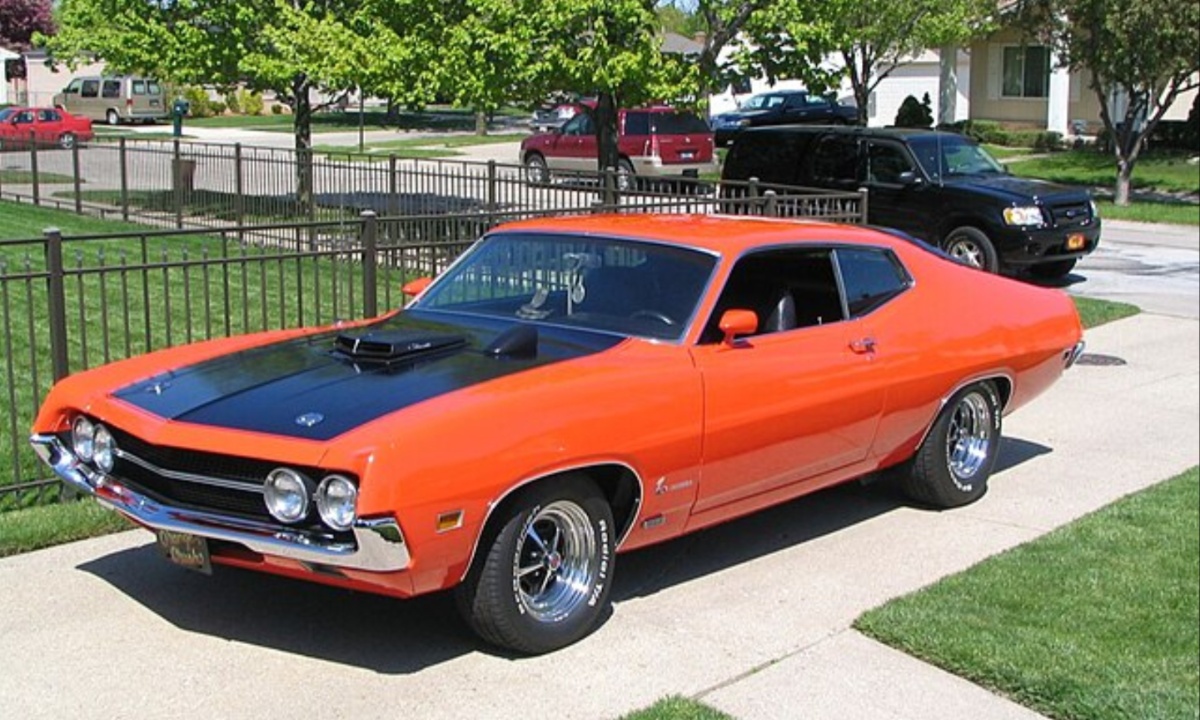
5. Ford Torino (1968-1971)
The Ford Torino might not get the same attention as the Mustang or the Shelby Cobra, but it is a muscle car that was built to be both powerful and usable.
Offered with a variety of engines including the 429 Cobra Jet, the Torino packed serious muscle under the hood but also paid attention to ride quality and interior comfort. This balance is what makes the Torino stand out as a muscle car that could feasibly be used every day, especially for those who appreciate classic American cars.
Its larger size and relatively heavy weight contribute to a smoother ride, helping to absorb road imperfections that would otherwise make daily driving unpleasant.
The car’s suspension was tuned to handle both the power and the demands of typical road conditions, providing a confidence-inspiring yet comfortable driving experience. Interior space was also generous for its time, with room for passengers and cargo that made it more versatile than smaller muscle cars.
From a maintenance perspective, the Torino benefits from being part of Ford’s large classic car ecosystem. Replacement parts are widely available and the car’s mechanical design is straightforward, making it easier for owners to keep the car running reliably without excessive costs.
While fuel economy with larger engines is not ideal, many owners consider this an acceptable tradeoff for the car’s classic styling, sound, and road presence. The Ford Torino is proof that muscle cars can be powerful, comfortable, and practical enough for regular use without losing their character.
5 High-Profile Muscle Cars That Don’t Run Daily

1. Dodge Challenger Hellcat
The Dodge Challenger Hellcat is a modern muscle car legend, boasting a supercharged 6.2-liter V8 engine that churns out an astonishing 707 horsepower in its base form, with even more powerful variants available.
This level of power and performance is jaw-dropping and makes the Hellcat one of the fastest muscle cars ever produced. However, this immense power, combined with its large and heavy body, often results in a car that’s intimidating to drive in everyday situations.
The throttle is incredibly sensitive, and the sheer torque can easily overwhelm traction control systems, especially on slippery or uneven road surfaces. This means that a Hellcat requires skill and attention from its driver, which can become fatiguing in stop-and-go traffic or during short trips where precision rather than brute force is needed.
Furthermore, the suspension setup on the Hellcat prioritizes performance over comfort, meaning that the ride quality can be quite harsh compared to more comfort-oriented vehicles. The firm, sporty suspension transmits bumps and road imperfections directly into the cabin, which isn’t ideal for daily commuting or longer drives on less-than-perfect roads.
The Hellcat’s wide tires and low ground clearance also make it vulnerable to scraping on speed bumps, driveway entrances, and potholes. Parking in tight spaces can be stressful due to its size and aggressive stance, making urban driving less convenient.
Another major factor limiting the Hellcat’s daily usability is its insatiable thirst for premium fuel. Running a supercharged V8 at full tilt means the car guzzles gas at an alarming rate, often averaging less than 15 miles per gallon. This results in frequent and costly trips to the pump.
Maintenance costs are also elevated; high-performance brakes wear quickly, tires are expensive, and any engine-related repairs or routine servicing for such a high-strung engine can get pricey.
The supercharger system itself requires regular checks, and neglect can lead to expensive repairs. Given these factors, many Hellcat owners prefer to keep these beasts tucked away in garages for special occasions, preserving them for when they can be driven hard but without the hassles of everyday wear and tear.

2. Ford Mustang Shelby GT500
The Ford Mustang Shelby GT500 represents one of the most extreme versions of the Mustang lineage, featuring a supercharged 5.2-liter V8 that produces over 760 horsepower.
This car is engineered to be a top performer on both drag strips and race tracks, with technology and engineering borrowed from Ford’s motorsport endeavors. While it is an absolute thrill to drive, the Shelby GT500’s characteristics also limit its daily practicality significantly.
The GT500’s suspension is highly tuned for aggressive cornering and track use. This results in a ride that is noticeably stiff and unforgiving over rough or uneven roads, transmitting shocks and vibrations that can quickly wear on the driver and passengers during everyday trips.
The car’s aerodynamic components, such as the front splitter, rear diffuser, and large rear spoiler, while functional at high speeds, are low to the ground and susceptible to damage from curbs, speed bumps, and uneven pavement. Maneuvering in parking lots or narrow city streets becomes a delicate task, demanding constant vigilance to avoid scraping or damaging these expensive components.
Visibility is another area where the Shelby GT500 falls short for daily use. Its aggressive hood design with large vents restricts the driver’s forward view, while the muscular rear haunches and wide stance reduce side and rear visibility.
This can make city driving and parking particularly challenging, especially for those not accustomed to the car’s size and proportions. The car’s wide performance tires, designed for maximum grip, wear quickly in everyday conditions and can be noisy on rough pavement, adding to the discomfort of daily driving.
Fuel consumption is very high, with average mileage falling well below 15 mpg, which can quickly add up in fuel expenses over time. Insurance premiums for the GT500 are also notoriously steep, reflecting its high performance and the increased risk profile associated with such a powerful vehicle.
Maintenance costs and the potential for rapid wear on specialized parts also discourage owners from using the car as a daily driver.
Many owners choose to keep their Shelby GT500s stored safely and reserve their use for weekends, track days, or special outings, thus preserving the car’s condition and value while enjoying its spectacular capabilities in controlled settings.
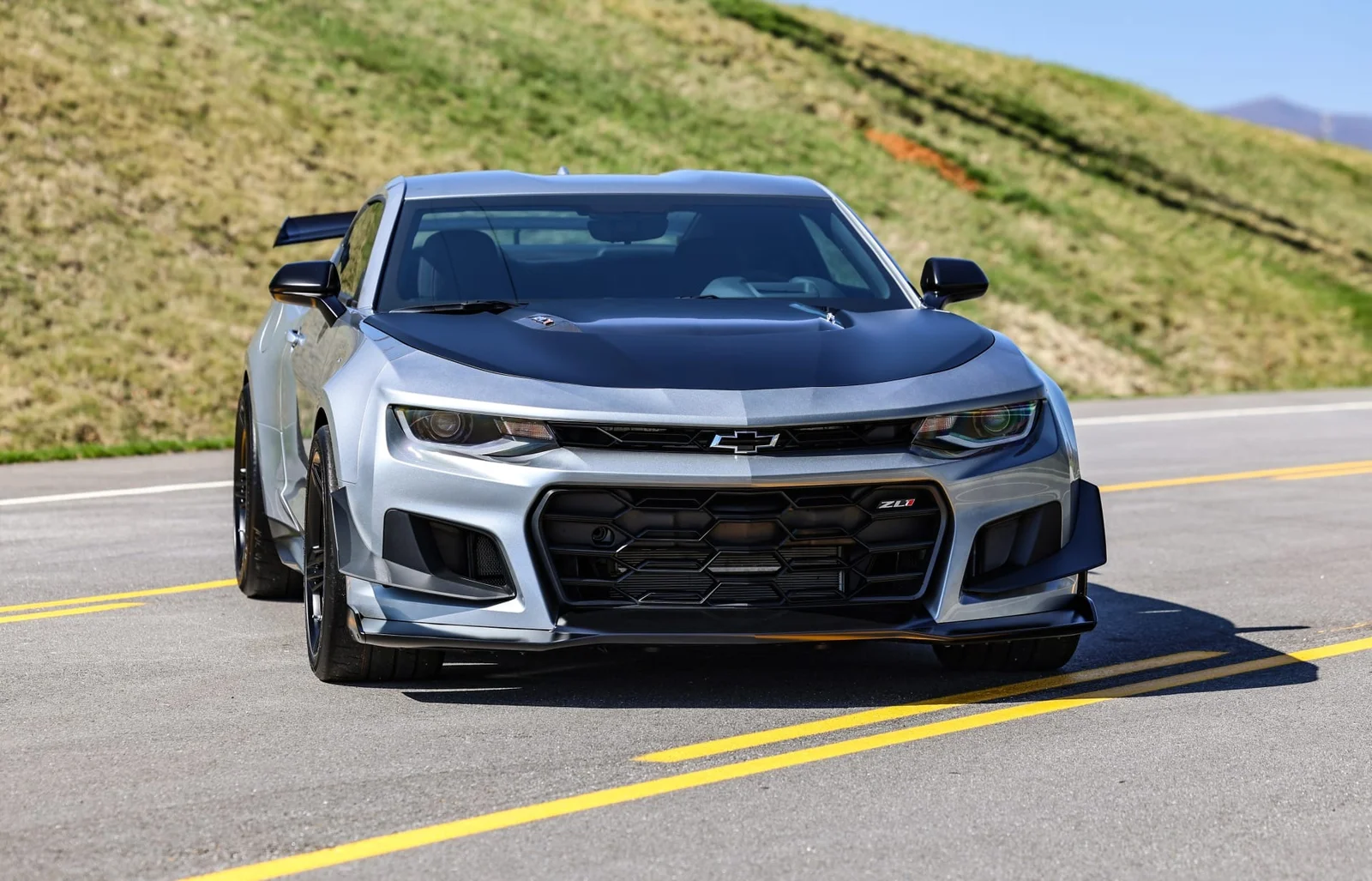
3. Chevrolet Camaro ZL1 (6th Gen)
The Chevrolet Camaro ZL1 of the latest generation takes muscle car performance to new heights with its supercharged 6.2-liter V8 engine delivering over 650 horsepower and a host of advanced technologies designed to maximize handling and acceleration. While it is one of the most capable Camaros ever built, the ZL1’s track-focused nature limits its suitability for daily driving.
The Camaro ZL1 has a low-slung body and aggressive stance, which contributes to its impressive aerodynamics and performance but also makes it vulnerable to scraping on speed bumps, driveway entrances, and uneven road surfaces.
The suspension is firm and tuned for precise handling, resulting in a ride that can be harsh and jarring when driven over typical city roads filled with potholes and imperfections. The stiff suspension and large, sticky tires also contribute to increased road noise and reduced ride comfort, which can become tiring on longer commutes or daily trips.
Inside, the ZL1 offers a modern cockpit with advanced infotainment and safety features, but the car’s design prioritizes driver engagement and sportiness over passenger comfort.
Rear seat space is limited and visibility is restricted due to the Camaro’s fastback roofline and wide rear pillars, making it less practical for everyday use, especially for families or those needing more versatile passenger accommodations.
Parking and maneuvering in urban environments can be a hassle due to the car’s size and reduced visibility, and the wide performance tires increase the likelihood of quick wear and high replacement costs.
Fuel efficiency is poor, with real-world mileage typically falling below 15 miles per gallon. The ZL1’s high-performance components, including brakes, tires, and engine parts, require regular maintenance and replacement, which can quickly add up.
Given these realities, many owners choose to keep their ZL1 Camaros as weekend cars or track toys, appreciating their exceptional capabilities while accepting the compromises that come with daily use.
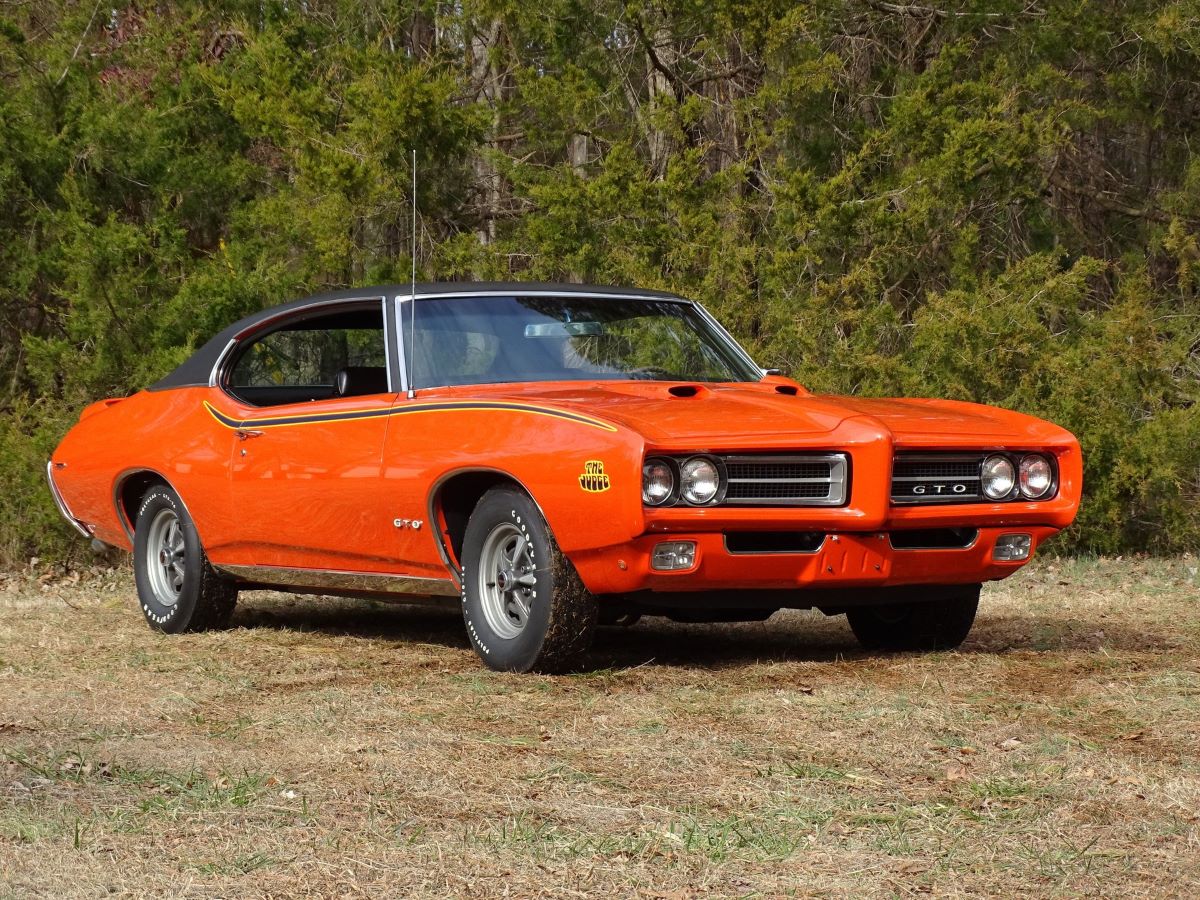
4. Pontiac GTO Judge (1969)
The Pontiac GTO Judge from 1969 is one of the most celebrated and recognizable muscle cars of the classic era, distinguished by its bold styling, unique graphics, and potent V8 engines. However, while it is a legendary piece of automotive history, the Judge is seldom driven on a daily basis today due to its age, fragility, and impracticality.
Classic muscle cars like the Judge lack many of the comfort and convenience features we expect from modern vehicles. Their suspensions are generally stiff and less refined, leading to a bumpy and sometimes uncomfortable ride, especially on the rough and pothole-filled roads common in many cities.
Safety features such as airbags, ABS brakes, and stability control were not available at the time, making everyday driving less secure by today’s standards. Visibility is often compromised by large pillars and heavy bodywork, which, combined with the car’s size, can make maneuvering in tight spots a challenge.
Maintenance and reliability also pose significant challenges for daily driving. The Judge’s mechanical components, while robust for their era, are decades old and require specialized knowledge and regular upkeep to keep running smoothly. Parts can be scarce and expensive, and mechanical failures can quickly become costly repairs.
Fuel consumption is extremely high, with the massive V8 guzzling gasoline at a rate that is simply impractical for regular use. Due to these factors and the car’s significant value as a collector’s item, most owners choose to keep the Judge in pristine condition, driving it sparingly to preserve its originality and performance.
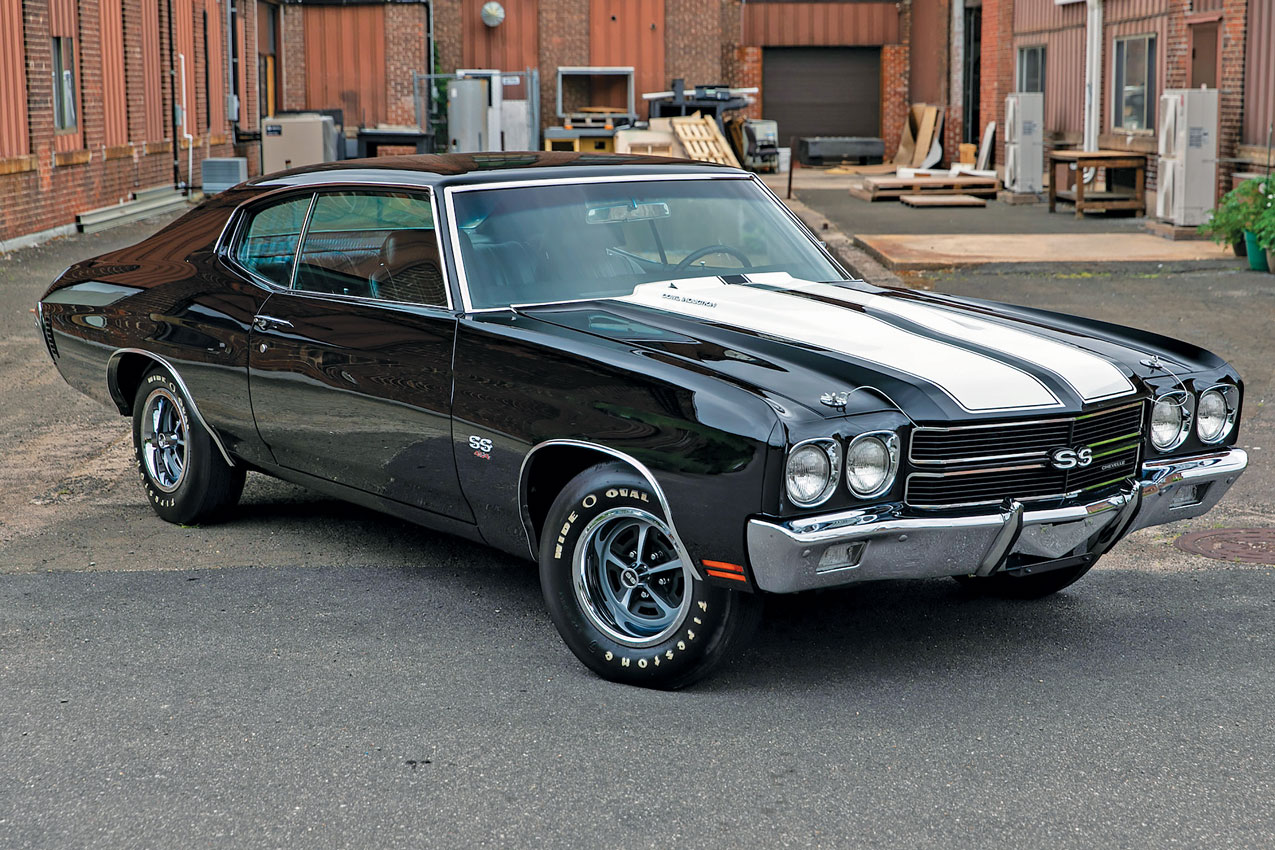
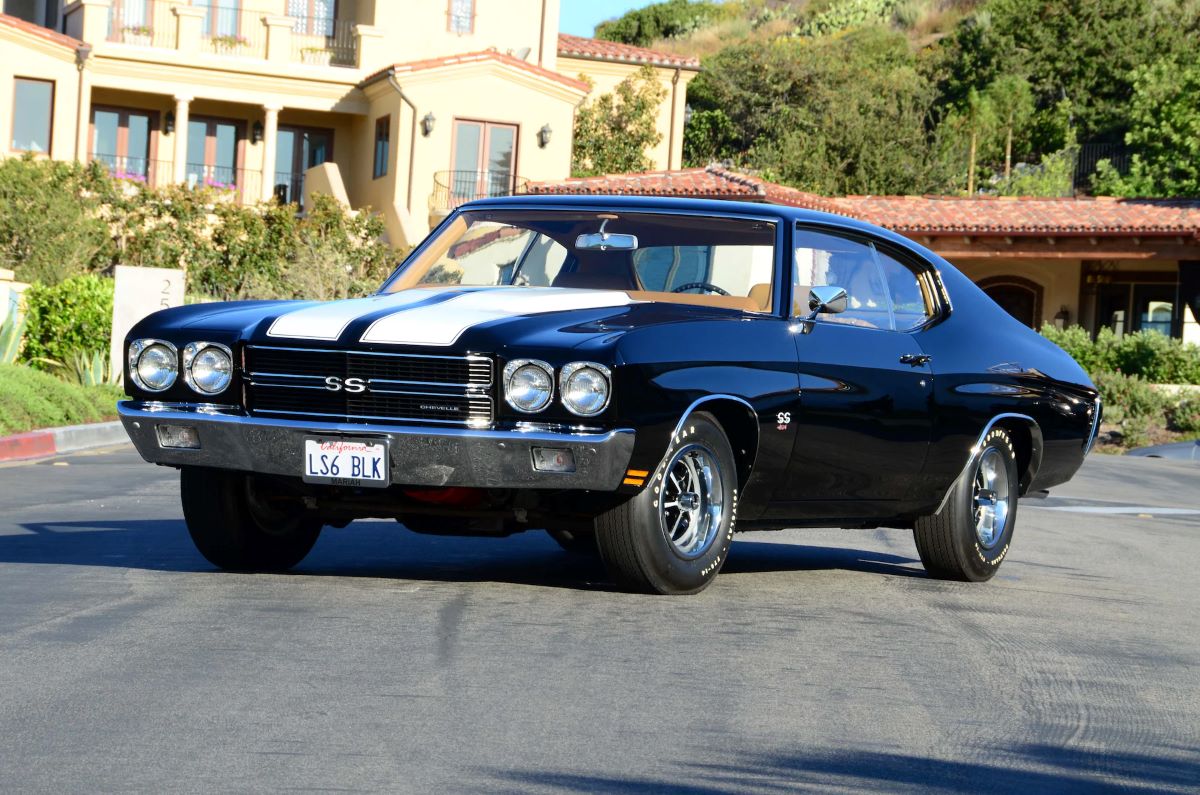
5. Chevrolet Chevelle SS 454 (1970)
The 1970 Chevrolet Chevelle SS 454 is one of the most iconic muscle cars ever built, featuring a gargantuan 454 cubic inch (7.4-liter) V8 engine that produced up to 450 horsepower or more in certain configurations. This car embodies the raw power and aggressive styling that define classic muscle cars, but it is not a practical vehicle for daily use.
The Chevelle SS 454 is a large and heavy car, which, combined with its powerful but brutal V8 engine, makes for a driving experience that can be difficult to manage in everyday situations. The suspension is designed for straight-line performance rather than ride comfort or handling finesse, so the ride quality can be rough and unforgiving on bumpy or uneven roads.
Braking distances are longer than modern cars due to older brake technology, and the car lacks modern safety features, which makes it less safe and more fatiguing to drive in daily traffic.
Fuel economy is very poor, often in the single digits depending on driving style, which leads to frequent refueling and high costs. The engine and drivetrain components require regular maintenance and careful attention, and parts for a car this old can be both expensive and difficult to find.
Many owners treat their Chevelle SS 454s as collector cars, using them sparingly to preserve their condition and avoid the wear and tear associated with daily driving.
Also Read: 5 Vehicles With Simple Hitch Setup vs 5 With Complicated Tow Prep
Muscle cars represent a fascinating blend of power, passion, and cultural significance that continues to captivate car lovers around the world. However, when it comes to daily usability, not all muscle cars are created equal.
The high-profile muscle cars, with their extreme horsepower, aggressive styling, and track-tuned suspensions, often make great statements and thrilling weekend rides but are not always practical for everyday driving.
These cars demand high maintenance, expensive fuel, and careful handling, which leads many owners to restrict their use to special occasions. In contrast, many unsung muscle cars deliver a more balanced experience offering solid V8 power, reasonable comfort, and reliability that make them truly suitable for daily driving.
The Pontiac GTO, Buick GNX, Dodge Charger R/T, Chevrolet Monte Carlo SS, and Ford Torino show that muscle cars can be practical as well as powerful. They combine usable performance with comfort and cost-effective maintenance, allowing owners to enjoy muscle car culture every day without sacrificing reliability or convenience.
Meanwhile, legendary cars like the Dodge Challenger Hellcat, Shelby GT500, Camaro ZL1, Pontiac GTO Judge, and Chevrolet Chevelle SS 454 demonstrate why some muscle cars remain treasured collector’s items rather than daily commuters. Their value, fuel consumption, ride quality, and maintenance demands often outweigh their practicality.
For anyone interested in muscle cars, it’s important to recognize that owning a muscle car is not just about raw power or historic significance; it’s also about finding the right balance between passion and practicality.
Whether you want a muscle car that can handle your daily drive or a high-profile machine that you reserve for the track and shows, the muscle car world offers something for every enthusiast. Understanding the differences in daily usability among these iconic vehicles can help you make smarter choices and deepen your appreciation for this legendary automotive segment.
