
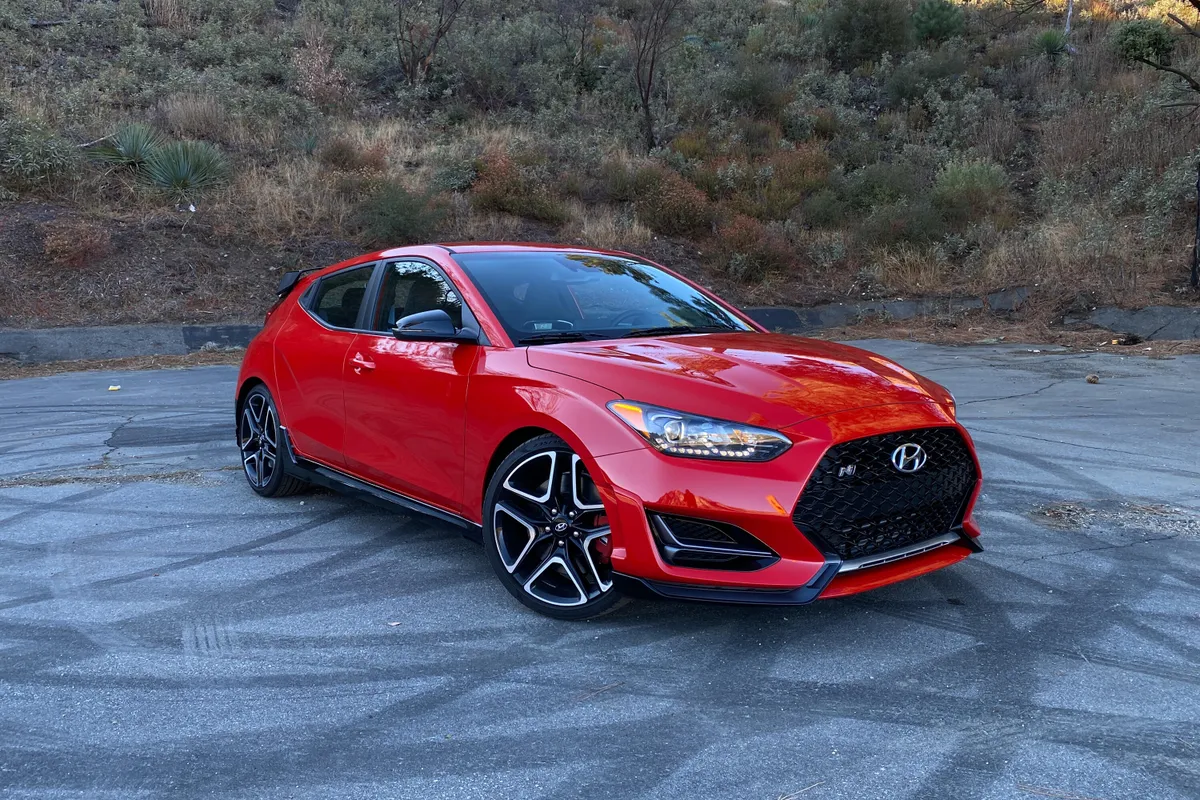
Hatchbacks have long been a popular choice among car buyers looking for practicality, efficiency, and affordability. Their compact size makes them ideal for urban driving, while their versatile cargo space appeals to a wide range of drivers, from commuters to small families.
Over the years, several hatchback models have earned strong reputations for reliability and longevity, while others, despite their popularity and impressive sales figures, have struggled to maintain their appeal beyond a certain mileage threshold.
When considering a car for long-term ownership, many buyers look not just at style or performance, but also at how well a vehicle stands the test of time.
Some hatchbacks, although not household names, consistently demonstrate remarkable durability, often surpassing 200,000 miles with proper care. Conversely, a few best-selling hatchbacks, praised for their features and driving dynamics, reveal hidden weaknesses that limit their lifespan, causing frustration for owners as the odometer climbs.
This contrast between lesser-known hatchbacks that outperform expectations and mainstream favorites that fall short presents an interesting dynamic in the automotive market. It underscores the importance of not relying solely on popularity or brand reputation when selecting a vehicle intended for long-term use.
Factors such as engineering quality, simplicity of design, ease of maintenance, and the reliability of key components like the engine and transmission play crucial roles in a car’s ability to reach high mileage milestones.
Many enthusiasts and pragmatic buyers alike have discovered that some of the most reliable hatchbacks aren’t necessarily the ones topping sales charts or boasting flashy marketing campaigns. Instead, these vehicles quietly earn respect through consistent performance and durability over hundreds of thousands of miles.
This article highlights two contrasting groups of hatchbacks: five relatively unfamous models known for their ability to surpass 200,000 miles and five chart-topping hatchbacks that surprisingly often fail to reach that mark without significant issues.
Each group offers lessons on what contributes to automotive longevity and what pitfalls to avoid. From engine design and transmission reliability to build quality and repair costs, various factors influence a hatchback’s lifespan.
The unfamous hatchbacks discussed may not have the widest recognition but offer proof that durability and long-term ownership satisfaction are achievable in unexpected places.
Meanwhile, some of the best-selling hatchbacks, despite their initial appeal and popularity, reveal challenges that prospective buyers should be aware of when considering them for long-term use.
Understanding these dynamics can help consumers make better-informed decisions, especially in a market flooded with choices and ever-increasing technology complexity. This exploration is not meant to diminish the accomplishments of popular hatchbacks but to provide insight into how long-term reliability can sometimes defy expectations.
Whether you prioritize low maintenance costs, fewer repairs, or simply want a dependable car that lasts, recognizing which hatchbacks truly stand the test of time is invaluable.
Let’s begin by looking at five lesser-known hatchbacks that consistently soar past 200,000 miles, followed by five popular models that, despite their chart-topping sales, frequently fall short of that benchmark.
Also Read: 5 Cars with Lifetime Clutch Packs vs 5 with Slipping Clutches at 100,000 Miles
5 Unfamous Hatchbacks That Soar Past 200,000

1. Toyota Matrix
The Toyota Matrix is a prime example of a hatchback that remains durable even without grabbing headlines. Introduced in the early 2000s, the Matrix was essentially Toyota’s answer to the need for a practical, reliable compact vehicle with hatchback versatility.
Sharing much of its engineering and components with the Toyota Corolla, one of the most dependable cars ever produced, the Matrix benefits from Toyota’s reputation for engineering longevity.
Its 1.8-liter four-cylinder engine, in particular, is known for being virtually bulletproof, with many owners reporting trouble-free operation well past 200,000 miles. This kind of mechanical robustness is rarely seen in vehicles of similar age and price.
One of the reasons the Matrix lasts so long is its focus on simplicity and durability rather than flashy features or high-powered performance. Unlike many modern cars loaded with complicated electronics and turbocharged engines, the Matrix sticks to basic mechanical components that are less prone to failure.
Maintenance tasks such as oil changes, brake servicing, and timing chain replacements are straightforward and can be done without expensive dealership visits. This accessibility encourages owners to keep up with regular maintenance, which is crucial for longevity.
Additionally, the Matrix’s build quality extends to the chassis and suspension, which have proven capable of handling high mileage without significant issues.
The car’s versatility offering hatchback practicality combined with the reliability of a sedan has earned it a dedicated following among drivers who want a dependable daily driver for many years.
The Matrix may not have the flashiest styling or the most powerful engine in its class, but its reputation for lasting a long time speaks volumes.
Finally, the Matrix’s relatively low cost of ownership makes it a sensible option for budget-conscious drivers who need reliability without the premium price tag.
The widespread availability of parts and the shared platform with the Corolla also mean repairs can be affordable, preventing owners from abandoning the car prematurely. This combination of factors explains why so many Toyota Matrixes have been able to surpass 200,000 miles and keep going strong.
2. Honda Fit (Early Generations)
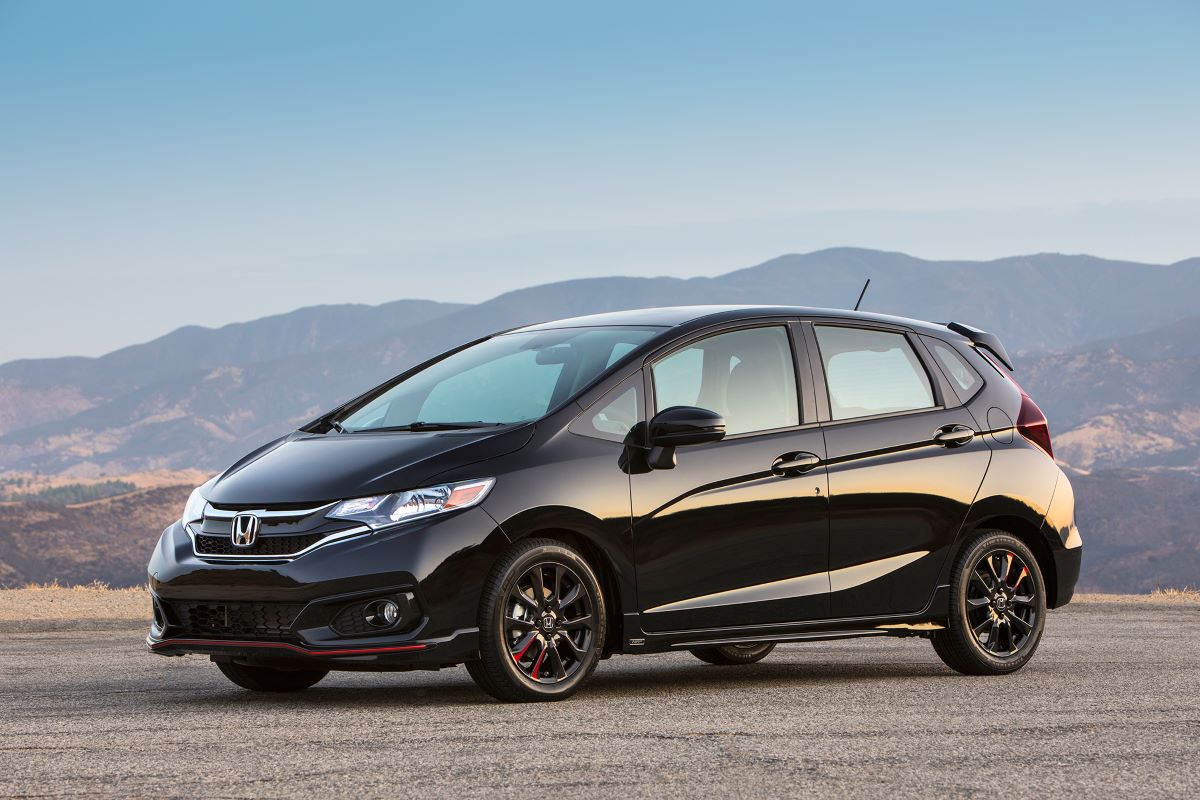
The Honda Fit has earned a loyal fanbase for its impressive packaging and fuel efficiency, but its first and second generations also deserve recognition for their mechanical durability. These early Fits come equipped with small but efficient four-cylinder engines and simple drivetrains that can handle years of driving without major mechanical failures.
One of the standout features of these early Fits is their engineering emphasis on reliability rather than peak power, which allows them to operate smoothly even after hundreds of thousands of miles.
The early Fit’s engine is relatively straightforward, relying on proven technology with fewer parts that require constant attention or replacement.
Drivers who maintain their vehicles with regular oil changes, timely spark plug replacements, and proper care of the timing chain often see minimal engine wear or failure.
This contrasts with many modern small cars that rely heavily on turbochargers and direct injection, which can introduce complexities leading to shorter lifespans or higher maintenance costs.
Furthermore, the Fit’s interior and body are known to hold up well over time, thanks to solid materials and smart design. Unlike some hatchbacks that suffer from rattles, corrosion, or interior wear, many early Fits remain comfortable and intact long after reaching high mileage.
This aspect of durability contributes to the vehicle’s longevity, making it a hatchback that owners can count on well past 200,000 miles.
Lastly, the Fit’s fuel economy and ease of parking add to its appeal as a reliable urban commuter car. The combination of mechanical simplicity, well-built components, and user-friendly features has allowed this model to maintain a strong reputation for reliability, especially among those who prioritize longevity over bells and whistles.
3. Subaru Impreza (Non-Turbo Models)
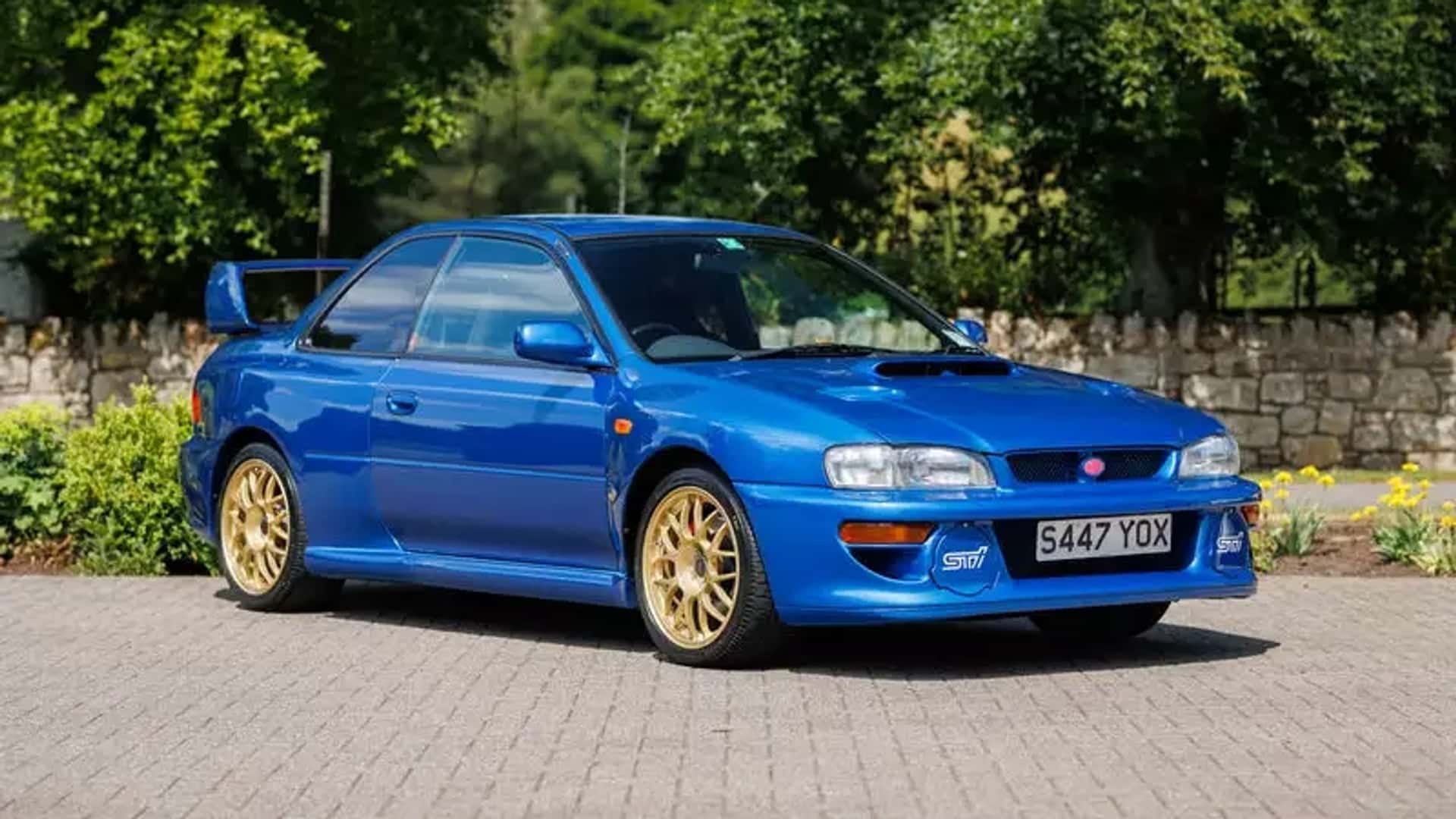
The Subaru Impreza hatchback is often associated with all-wheel-drive performance and rugged capability. However, the naturally aspirated (non-turbo) versions of the Impreza have quietly earned a reputation for exceptional durability.
Subaru’s signature boxer engine, when not boosted by a turbocharger, tends to experience fewer issues with head gaskets, overheating, or premature wear. This reliability is critical for drivers who intend to keep their vehicles running smoothly for the long haul.
The horizontally opposed layout of the Subaru boxer engine provides a lower center of gravity, which contributes to balanced handling and less vibration.
This design reduces stress on engine mounts and associated components, potentially extending the life of key mechanical parts. Many owners report their non-turbo Imprezas crossing the 200,000-mile mark with few serious problems, provided they keep up with routine maintenance such as oil changes and cooling system checks.
Beyond the engine, the Impreza’s all-wheel-drive system is built for longevity and provides excellent traction in adverse weather conditions without compromising durability.
Subaru’s drivetrain components, including the transmission and differentials, are engineered for resilience, helping the vehicle maintain steady performance even after significant mileage. The hatchback’s robust chassis and well-designed suspension further contribute to its ability to withstand the rigors of daily driving.
This combination of factors makes the non-turbo Impreza an attractive choice for buyers seeking a durable hatchback with enhanced driving confidence.
While turbocharged variants offer more power, the naturally aspirated versions demonstrate that performance does not need to come at the cost of reliability and long-term endurance.
4. Mazda3 (First Generation)
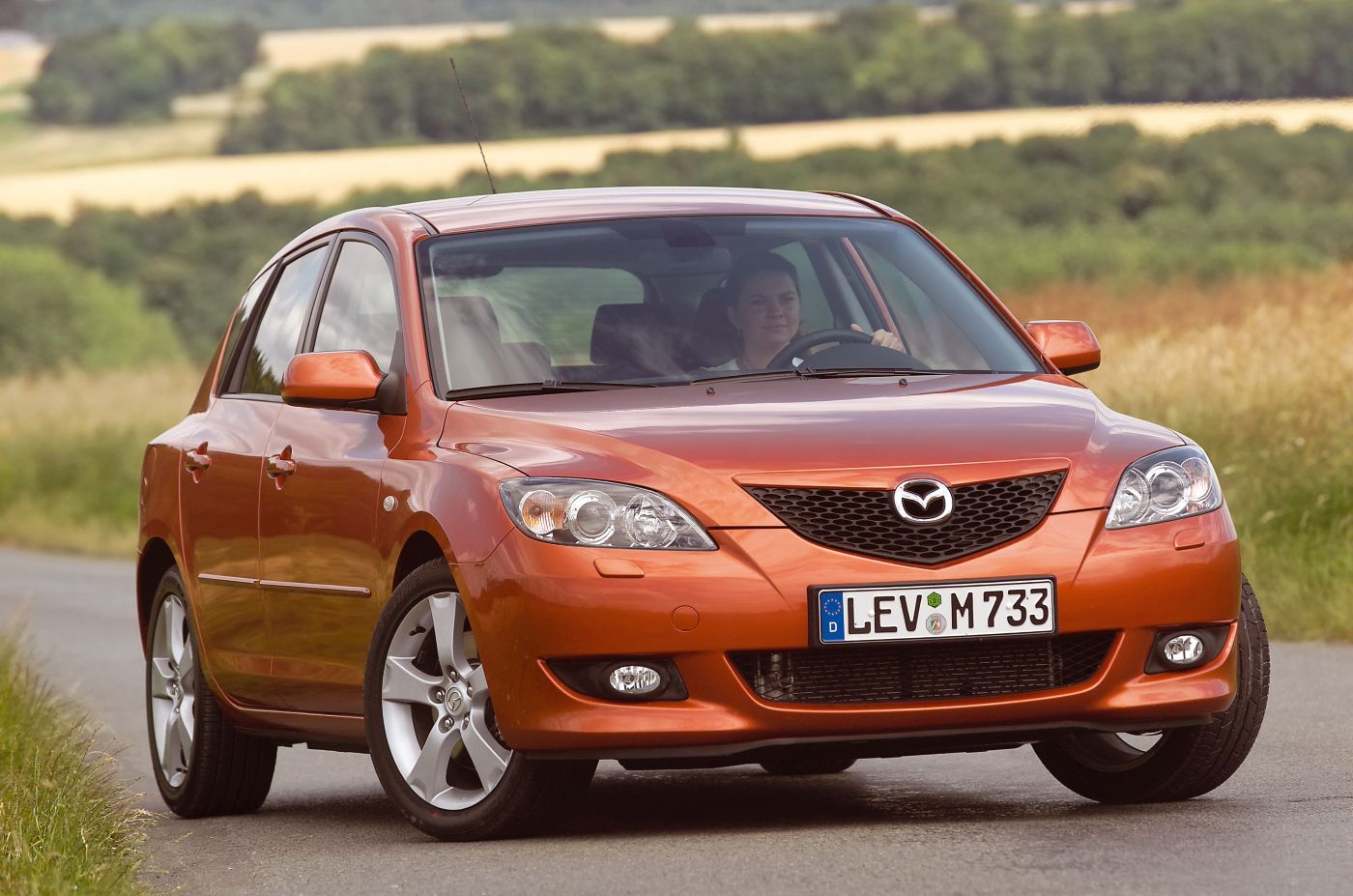
The first-generation Mazda3 hatchback has a reputation for combining fun-to-drive characteristics with mechanical reliability. Released in the early 2000s, this model offered sharp handling and a responsive engine, yet its engineering focus remained on building a durable vehicle capable of serving its owners for many years.
Unlike some later Mazda models, which embraced turbocharging and complex electronics, the early Mazda3 relied on simpler mechanical setups that aged gracefully.
The first-generation Mazda3’s inline-four engines are known for their robustness and ability to handle high mileage with minimal issues. Maintenance tends to be straightforward and accessible, with many owners able to perform routine services themselves or at low cost.
This ease of upkeep contributes directly to the vehicle’s longevity. The car’s suspension and steering components also wear well, giving the Mazda3 a reputation for maintaining its driving dynamics even after many years.
In terms of body and interior, the first-generation Mazda3 holds up well, with quality materials and a solid build that resists corrosion and excessive wear.
These attributes help maintain the car’s structural integrity and resale value over time. Owners report that their Mazda3 hatchbacks continue to offer a satisfying driving experience even after surpassing 200,000 miles, which is a testament to Mazda’s commitment to balanced engineering.
Finally, the availability of aftermarket parts and community knowledge around this generation of Mazda3 makes it an excellent candidate for long-term ownership.
Drivers who prioritize mechanical reliability and driving enjoyment often find the first-generation Mazda3 a worthy investment, especially compared to more complex or fancier hatchbacks that may falter earlier.
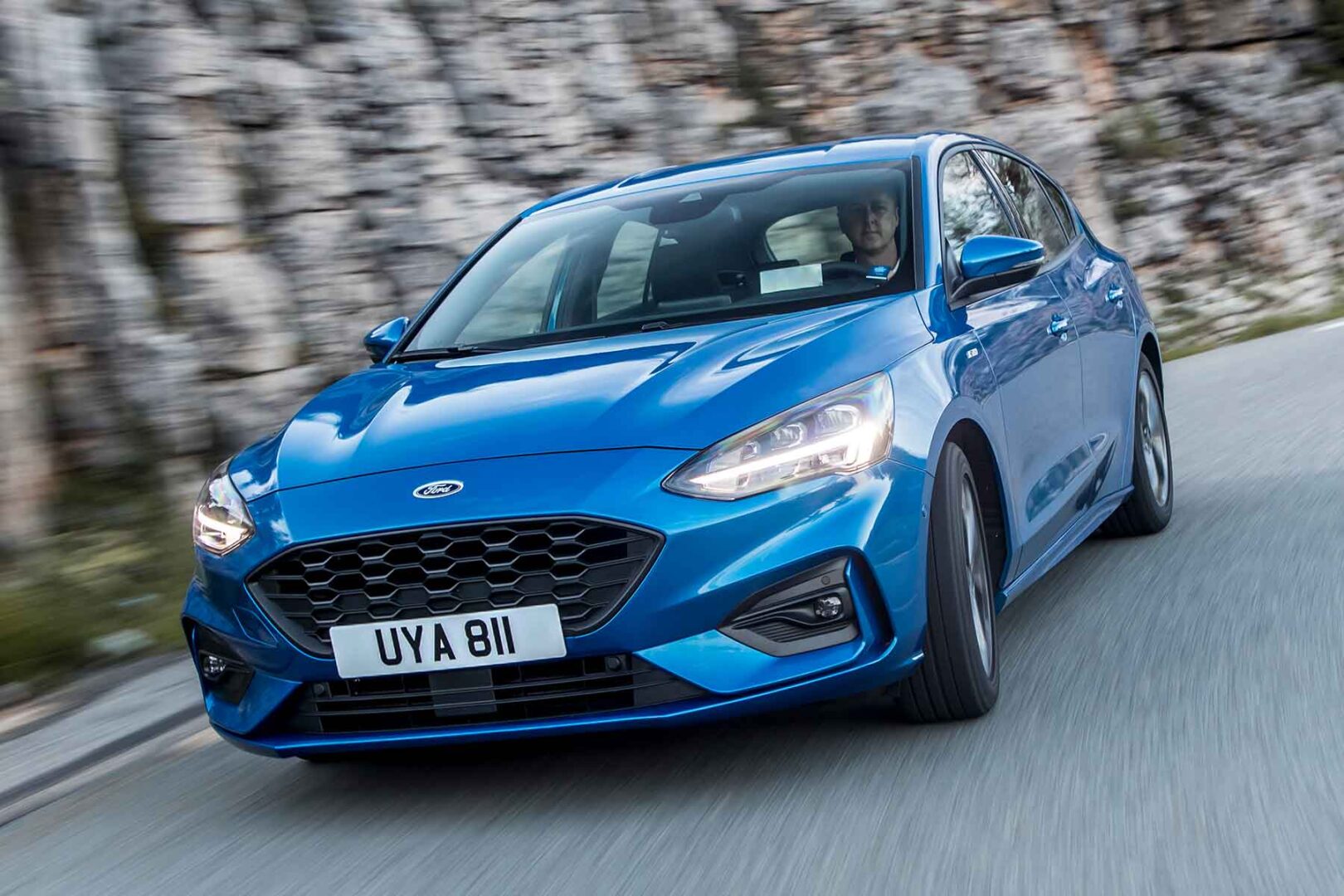
5. Ford Focus (Second Generation)
The second-generation Ford Focus hatchback, produced in the late 2000s and early 2010s, has a somewhat mixed reputation but still manages to show strong examples of longevity.
While early versions of this generation experienced transmission problems, particularly with dual-clutch automatic gearboxes, models equipped with the manual transmission or improved automatic units have demonstrated resilience. Many drivers have pushed their Focus hatchbacks past the 200,000-mile milestone with careful maintenance and a bit of luck.
The Ford Focus was engineered with a European-inspired chassis and suspension setup, aimed at providing agile handling and a comfortable ride.
These elements also contribute to long-term durability by reducing wear on suspension components when driven responsibly. Under the hood, naturally aspirated four-cylinder engines have proven more reliable than their turbocharged counterparts, with fewer reports of critical failures.
Moreover, maintenance and repair costs for the Focus tend to be moderate, especially compared to premium hatchbacks or those with advanced technologies.
Replacement parts are widely available, and many independent mechanics are familiar with the model, which helps owners keep the car running economically over many years. Drivers who avoid common pitfalls like neglecting transmission fluid changes or ignoring early warning signs often report trouble-free operation beyond 200,000 miles.
The Focus hatchback’s ability to combine practicality, enjoyable driving characteristics, and respectable reliability makes it a surprising contender among cars often dismissed for their earlier reliability issues. When chosen carefully and maintained properly, the Focus can indeed be a long-lasting companion.
5 Chart-Toppers That Don’t Soar Past 200,000
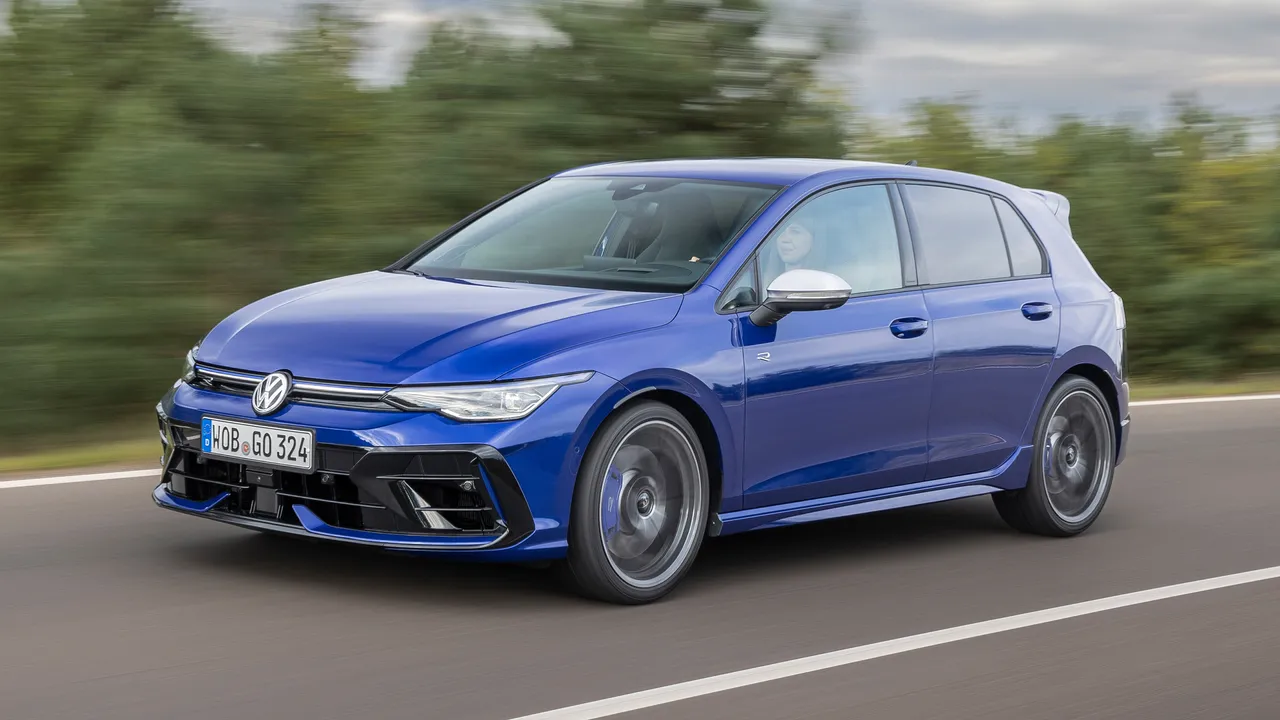
1. Volkswagen Golf (Recent Generations)
The Volkswagen Golf is often praised for its refined driving experience, well-crafted interior, and balanced performance, making it one of the best-selling hatchbacks worldwide. However, despite its strong sales figures and widespread popularity, recent generations of the Golf have shown that owning one long-term can be problematic.
The increased focus on turbocharged engines and sophisticated electronics, while enhancing performance and comfort, has introduced multiple points of failure that can significantly reduce the vehicle’s lifespan. These mechanical and electronic complexities often translate into higher maintenance and repair costs as the car ages.
Turbocharged engines in recent Golfs, especially the 1.4-liter and 1.8-liter TSI variants, have experienced common issues such as timing chain tensioner failures, carbon buildup on intake valves, and high-pressure fuel system faults.
Timing chain problems, in particular, can lead to severe engine damage if not addressed early, causing costly repairs that many owners try to avoid.
Additionally, direct injection engines tend to accumulate carbon deposits that impair performance and fuel economy, necessitating periodic expensive cleaning procedures. These factors mean the engine may not reliably reach or surpass the 200,000-mile mark without significant intervention.
Beyond the engine, the Golf’s advanced electronics and infotainment systems, which are often a major selling point, have proven to be a source of headaches. Electrical glitches involving sensors, navigation modules, and the vehicle’s numerous driver-assist systems have been frequently reported.
These faults can result in warning lights, inconsistent vehicle behavior, or even immobilization, requiring dealership visits that can be costly and time-consuming. The complexity of these systems often deters owners from keeping their cars long-term, as repair expenses accumulate.
Furthermore, maintenance costs for replacement parts and labor tend to be higher for Volkswagen vehicles than for many of their competitors in the hatchback segment. The combination of turbo engine issues, electronics complexity, and premium parts pricing causes many Golf owners to retire or trade in their cars before hitting the 200,000-mile milestone.
While the Golf remains a desirable car in its prime, its long-term durability record suggests it may not be the best option for drivers seeking dependable longevity.
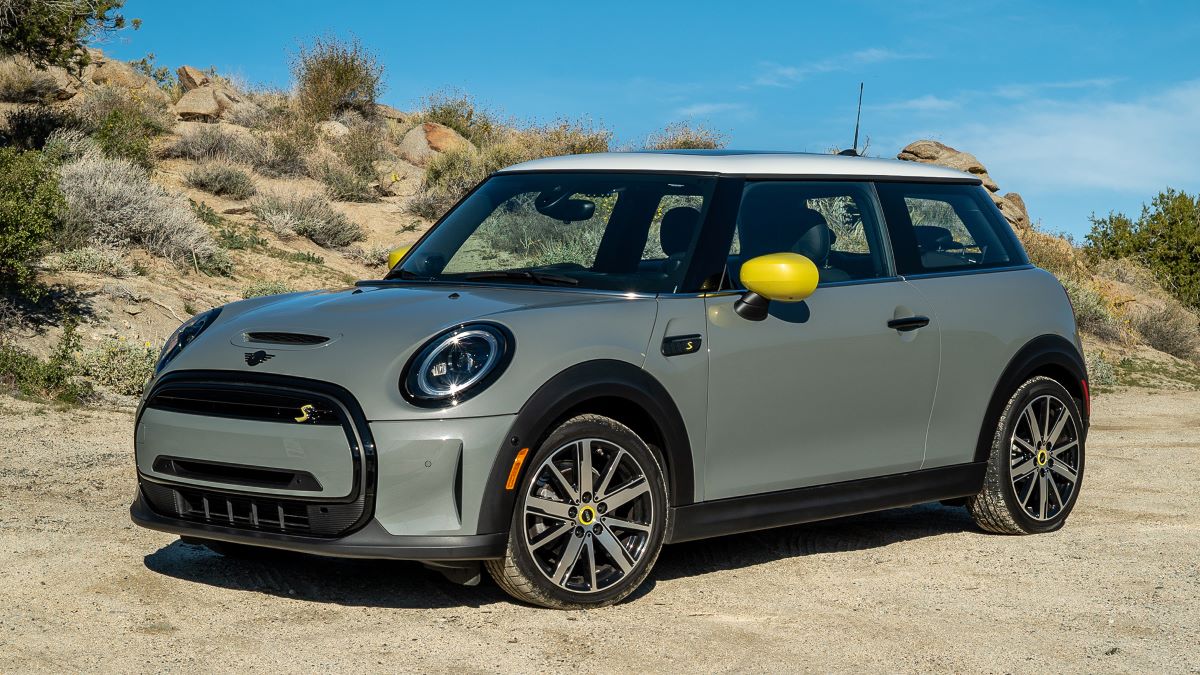
2. Mini Cooper
The Mini Cooper is an icon of style and spirited driving, earning a dedicated fanbase for its compact size, sharp handling, and distinctive looks. However, the Mini’s charm can be offset by durability concerns that often prevent it from comfortably reaching 200,000 miles.
While earlier classic Minis had a reputation for simplicity and toughness, modern Minis have become more complex machines, filled with turbocharged engines, advanced electronics, and tightly packed mechanical components that contribute to higher maintenance needs and repair costs.
The most common issues affecting the Mini Cooper’s longevity are related to the cooling system, engine components, and electrical systems. Overheating problems due to coolant leaks or failing water pumps can cause significant engine damage if not caught early.
These cooling system vulnerabilities often result from cramped engine bays, making repairs labor-intensive and expensive. Additionally, the turbocharged engines, which provide the Mini’s characteristic peppy performance, are prone to premature wear, including turbo failure and timing chain stretch, especially if maintenance is neglected.
Electrical gremlins also plague the Mini Cooper, with frequent complaints about faulty sensors, malfunctioning electronic control units, and wiring harness issues.
These electronic problems can trigger warning lights, cause erratic vehicle behavior, or even lead to engine shutdowns. Repairing electrical faults on a Mini is often complicated due to the car’s compact design and specialized parts, further discouraging long-term ownership for many drivers.
Transmission problems are another area of concern, particularly with automatic Minis. Issues such as rough shifting, clutch pack failures, and torque converter problems have been reported, leading to costly repairs or transmission replacements.
Because of the Mini’s premium positioning, parts and labor are often priced higher than in mainstream hatchbacks, making extended ownership less economically viable. These factors contribute to a common pattern where many Mini Cooper owners choose to sell or replace their vehicles before they can hit the 200,000-mile threshold.
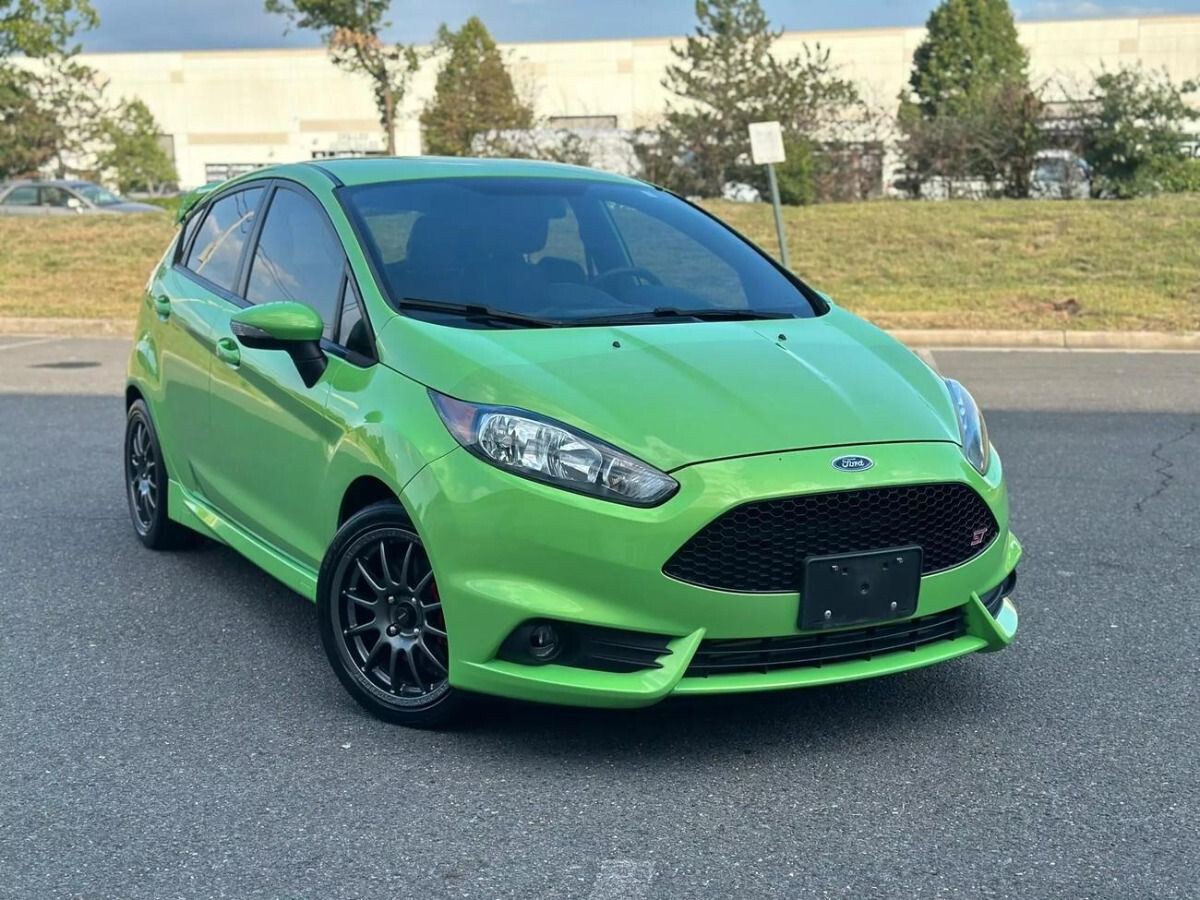
3. Ford Fiesta (Recent Models)
The Ford Fiesta has been a popular choice for city drivers and those looking for an economical, compact hatchback. In recent years, however, the Fiesta’s reliability has been questioned due to widespread issues with its PowerShift dual-clutch transmission.
This transmission was introduced to improve fuel efficiency and provide quicker gear changes but instead resulted in a plethora of problems that have seriously affected the car’s longevity and owner satisfaction.
Many Fiesta owners report symptoms such as shuddering, hesitation, slipping, and harsh gear changes, which are early signs of PowerShift transmission failure. In severe cases, the transmission completely fails, requiring a costly rebuild or replacement.
The problems were so significant that Ford faced multiple lawsuits and extended warranty programs aimed at addressing these defects. Despite these efforts, the transmission remains a major weak point, often leading to premature retirement of the vehicle well before reaching high mileage.
Besides transmission woes, the Fiesta’s turbocharged engines have exhibited some reliability concerns. Carbon buildup on intake valves, turbocharger wear, and occasional oil consumption issues have been documented, which can increase maintenance costs and affect the engine’s lifespan.
Combined with the transmission problems, these engine issues have contributed to a negative reputation for long-term dependability.
In addition to mechanical problems, the Fiesta’s interior materials and build quality have sometimes been criticized for not aging well, with complaints of rattles, premature wear, and broken components appearing over time.
These factors, coupled with escalating repair costs once warranty coverage ends, cause many Fiesta owners to opt for newer vehicles rather than investing in expensive repairs. This pattern limits the Fiesta’s ability to reach or exceed 200,000 miles in reliable condition.

4. Hyundai Veloster
The Hyundai Veloster stands out for its unique three-door design and sporty character, appealing to younger buyers and those seeking something different from traditional hatchbacks.
However, the Veloster has had its share of durability challenges, particularly in models equipped with turbocharged engines, which can impact long-term reliability and maintenance costs. Despite improvements in Hyundai’s quality over the years, the Veloster still exhibits weaknesses that can discourage extended ownership.
Turbocharged Veloster engines are susceptible to issues such as turbo failure, knocking, and early wear of internal components. These problems often arise due to aggressive tuning and the use of lower-grade parts that struggle under prolonged stress.
Turbocharger problems not only affect engine performance but can also lead to costly repairs, including turbo replacement, which is an expensive procedure. Additionally, turbo engines require strict adherence to maintenance schedules, including frequent oil changes with high-quality synthetic oils, to prevent damage.
The Veloster’s transmission has also been a point of concern, with many owners experiencing rough shifting, hesitation, or failure, especially in automatic variants.
Transmission repairs or replacements can be prohibitively expensive and often occur after the standard warranty has expired, adding financial strain on owners who wish to keep their cars longer.
Furthermore, Hyundai’s focus on styling and features sometimes comes at the expense of mechanical simplicity, which can lead to higher repair frequency and costs.
Interior materials in the Veloster, while initially impressive, have been reported to degrade over time, with rattles, squeaks, and wear detracting from the vehicle’s comfort and perceived quality.
While Hyundai offers an excellent warranty program that helps mitigate early repair costs, once this coverage lapses, many Veloster owners find themselves facing expensive fixes. This combination of engine, transmission, and build quality concerns limits the Veloster’s ability to consistently reach 200,000 miles.
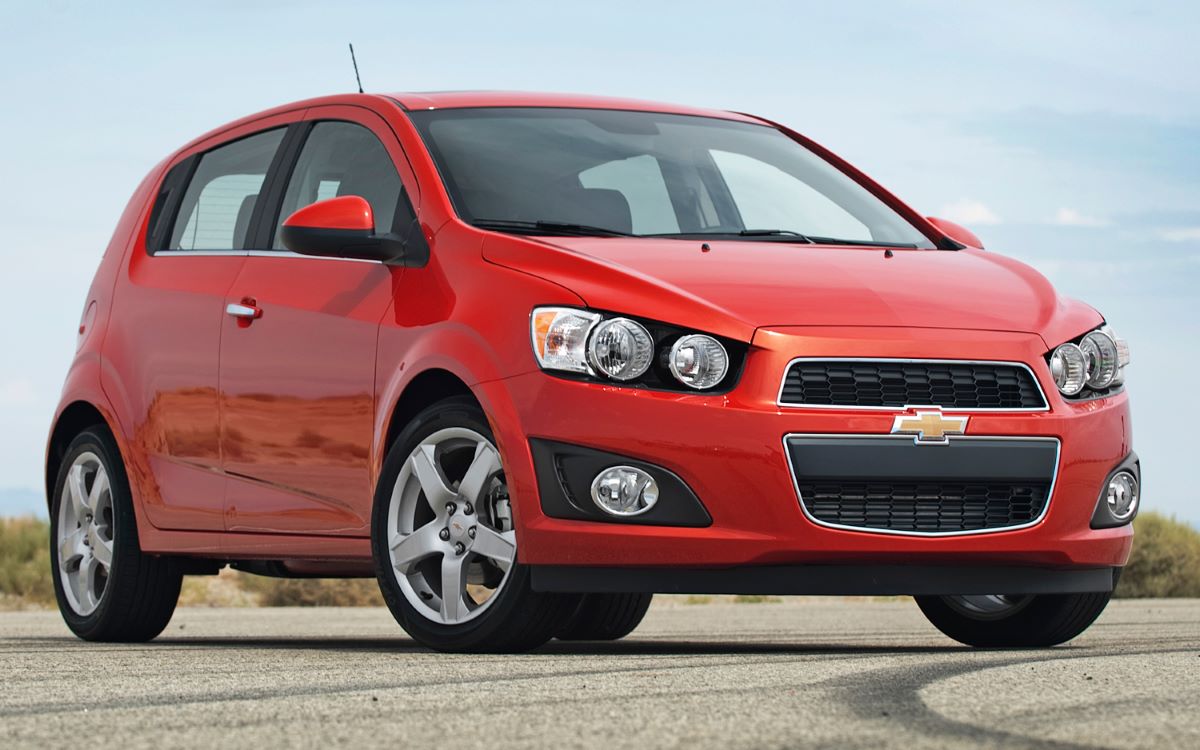
5. Chevrolet Sonic
The Chevrolet Sonic is an affordable, compact hatchback that gained attention for its safety features and roomy interior relative to its size.
Despite these positives, the Sonic’s reputation for durability is less stellar, especially when compared to more reliable competitors. Issues with the turbocharged engine, transmission, and build quality have frequently limited the Sonic’s potential to reach the 200,000-mile milestone without major problems.
Turbocharged Sonic models are often criticized for engine problems such as timing chain issues, fuel injector failures, and turbocharger wear.
These issues can cause poor engine performance, increased oil consumption, and sometimes complete engine failure if not addressed promptly. The stress placed on small turbocharged engines, coupled with occasional lapses in maintenance by owners, accelerates component wear and reduces longevity.
Transmission problems are another significant concern for the Sonic. Some owners report rough or delayed shifting, transmission slipping, and clutch issues in manual versions.
These drivetrain problems not only affect driving enjoyment but also lead to costly repairs that often dissuade owners from maintaining the vehicle long term. Given the Sonic’s position as a budget-friendly car, some owners may also be less inclined to invest heavily in expensive repairs, resulting in early retirement.
Finally, the Sonic’s build quality and interior materials have been described as below average, with reports of rattles, premature wear, and cosmetic deterioration emerging even in relatively low-mileage vehicles.
These factors reduce the vehicle’s appeal for long-term ownership, as many drivers prefer to replace their Sonic with newer models rather than face escalating maintenance bills. Combined, these issues make it challenging for the Chevrolet Sonic to consistently exceed 200,000 miles without significant intervention.
Also Read: 10 Cars No One Talks About But Run Forever
Choosing a hatchback to drive it well past 200,000 miles requires careful consideration beyond the badge on the grille or how trendy the model appears in the marketplace. While popular hatchbacks often boast impressive sales figures, features, and driving dynamics, they do not always translate into long-term durability.
Many of these best-sellers incorporate advanced technology, turbocharged engines, and complex electronic systems that, while enhancing initial appeal, can increase maintenance demands and the likelihood of expensive repairs as mileage accumulates.
This leads many owners to part ways with their vehicles before reaching or comfortably surpassing the 200,000-mile mark. The experience of these chart-topping hatchbacks highlights the risks involved when prioritizing popularity or cutting-edge features over proven reliability and simplicity.
On the other hand, several lesser-known hatchbacks quietly deliver exceptional reliability and longevity, often reaching or exceeding 200,000 miles without the same degree of mechanical troubles or costly interventions. These vehicles may not make headlines or dominate sales charts, but their engineering and build quality speak volumes in terms of durability.
Their relative simplicity, robust components, and the manufacturer’s focus on durability rather than novelty make them appealing choices for buyers who want dependable transportation for the long haul.
In many cases, these unfamous hatchbacks reward owners with low running costs, fewer visits to the repair shop, and the confidence of knowing their car can endure hundreds of thousands of miles.
The contrast between these two groups underscores a vital lesson for car buyers and enthusiasts: long-term ownership success often depends more on mechanical reliability, ease of maintenance, and the design philosophy behind the vehicle than on hype or initial driving impressions. Cars that are engineered with durability in mind, even if less glamorous, tend to provide greater value over time.
Meanwhile, vehicles that push the envelope in terms of technology or styling sometimes do so at the expense of longevity. This doesn’t mean that popular hatchbacks should be dismissed outright, but rather that prospective owners should research carefully and consider the trade-offs involved in their choices.
The goal for most hatchback buyers is to find a car that not only suits their immediate needs but also stands the test of time, providing years of dependable service without overwhelming maintenance costs.
The examples presented here serve as a helpful guide to understanding which hatchbacks have proven themselves over time and which may require extra caution.
Whether you lean toward the underappreciated champions of durability or decide to go with a popular model, awareness of these realities will help you make an informed decision and enjoy a rewarding ownership experience. In a market full of options, knowledge remains the best tool for ensuring your hatchback investment is one that truly lasts.
