
In recent years, the automotive industry has witnessed a growing interest in electrified vehicles, particularly hybrids and plug-in hybrids. Among these, all-wheel-drive (AWD) hybrids have carved out a unique niche by combining enhanced traction and stability with the efficiency benefits of hybrid technology.
These vehicles appeal to drivers who face diverse road conditions such as snow, rain, or rough terrain but still want to reduce fuel consumption and emissions. Rare AWD hybrids often represent advanced engineering efforts where manufacturers have succeeded in balancing durability, battery longevity, and drivability.
These vehicles typically boast well-designed battery systems, robust thermal management, and intelligent software control that help them maintain electric range and performance over many years.
For drivers seeking a long-lasting AWD hybrid, understanding which models stand the test of time can be invaluable when making a purchasing decision.
On the other hand, plug-in hybrid electric vehicles (PHEVs) offer another approach to electrification. PHEVs typically feature larger battery packs than traditional hybrids and can be charged from external power sources, allowing for extended electric-only driving ranges.
This combination can deliver impressive fuel savings for those who drive primarily on short trips or in urban environments. However, PHEVs face their own challenges, particularly related to battery degradation.
Not all PHEV models manage battery health equally well, and some have gained reputation for losing battery capacity rapidly. Battery degradation can reduce electric range, increase reliance on the internal combustion engine, and undermine the benefits that attract buyers to these vehicles in the first place.
This article will compare and contrast two important categories in the hybrid market: rare AWD hybrids known for their endurance, and PHEVs that struggle with battery longevity. The goal is to shed light on why some AWD hybrids maintain battery health and performance over time while certain PHEVs suffer early battery degradation.
By examining the engineering choices, thermal management systems, battery chemistries, and software strategies that impact durability, readers will gain a clearer understanding of what makes a hybrid truly reliable in the long term.
The discussion will highlight five rare AWD hybrids that have earned a reputation for battery endurance, and five PHEVs whose batteries tend to lose capacity faster than expected. This knowledge can help consumers make informed decisions based on reliability, cost of ownership, and performance expectations.
This article aims to provide a balanced perspective that goes beyond marketing claims and sales numbers. It acknowledges the exciting advancements in hybrid technology but also recognizes that not all electrified vehicles are created equal.
Battery longevity remains a critical factor for many buyers, especially as replacement costs and resale values come into play. By contrasting models that perform well with those that encounter common battery problems, readers can better appreciate the complexities involved in hybrid design.
Whether you prioritize AWD capability for harsh weather or want to maximize electric driving in a PHEV, knowing which vehicles endure and which do not can make all the difference over time.
Also Read: 10 Best Cars That Balance Horsepower With Long-Term Value
5 Rare AWD Hybrids That Endure
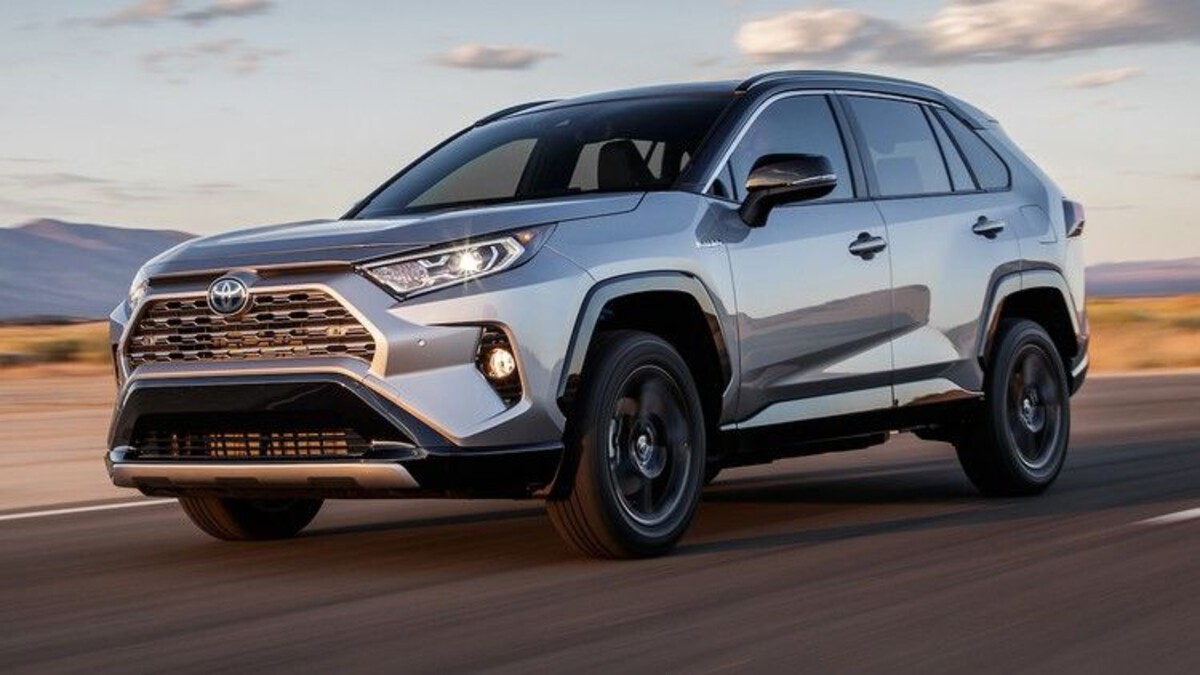
1. Toyota RAV4 Hybrid AWD
The Toyota RAV4 Hybrid AWD has carved out a reputation for being one of the most dependable hybrid SUVs available. Unlike many hybrids that focus purely on fuel economy, the RAV4 Hybrid combines an effective AWD system with a proven hybrid powertrain, resulting in an SUV that can handle rough weather and varying terrain without sacrificing efficiency.
Toyota’s hybrid technology is well-regarded for its long-term reliability, largely because of the company’s commitment to extensive testing and incremental improvements.
The hybrid system uses a combination of a gasoline engine and electric motors that work seamlessly to provide all-wheel drive capability, delivering power to the front and rear wheels as needed.
What makes the RAV4 Hybrid AWD particularly enduring is its battery pack’s longevity and the way the AWD system distributes power. Toyota uses a nickel-metal hydride battery, which has shown itself to be resistant to rapid capacity loss.
Owners frequently report driving hundreds of thousands of miles with minimal battery degradation, and the vehicle’s electronic controls ensure that the battery is never overly stressed during AWD operation.
Additionally, Toyota’s regenerative braking system helps maintain battery health by efficiently converting kinetic energy back into electrical energy.
The physical AWD hardware in the RAV4 Hybrid is designed for low maintenance. Unlike some AWD systems that use complex mechanical linkages, the RAV4 Hybrid often uses an electronically controlled rear motor to power the rear wheels when necessary.
This reduces wear and tear on mechanical components and allows for quick, precise torque distribution, enhancing traction and handling. Such a system is less prone to failure and contributes to the vehicle’s durability.
In addition to the mechanical and electrical reliability, Toyota’s strong dealer support and extensive warranty coverage on hybrid components add another layer of assurance for owners.
This confidence in the vehicle’s long-term performance is reflected in resale values, where RAV4 Hybrids tend to hold their value better than many other hybrid SUVs.
The combination of proven hybrid technology, effective AWD, and low battery degradation makes the Toyota RAV4 Hybrid AWD a standout in the category of enduring AWD hybrids.
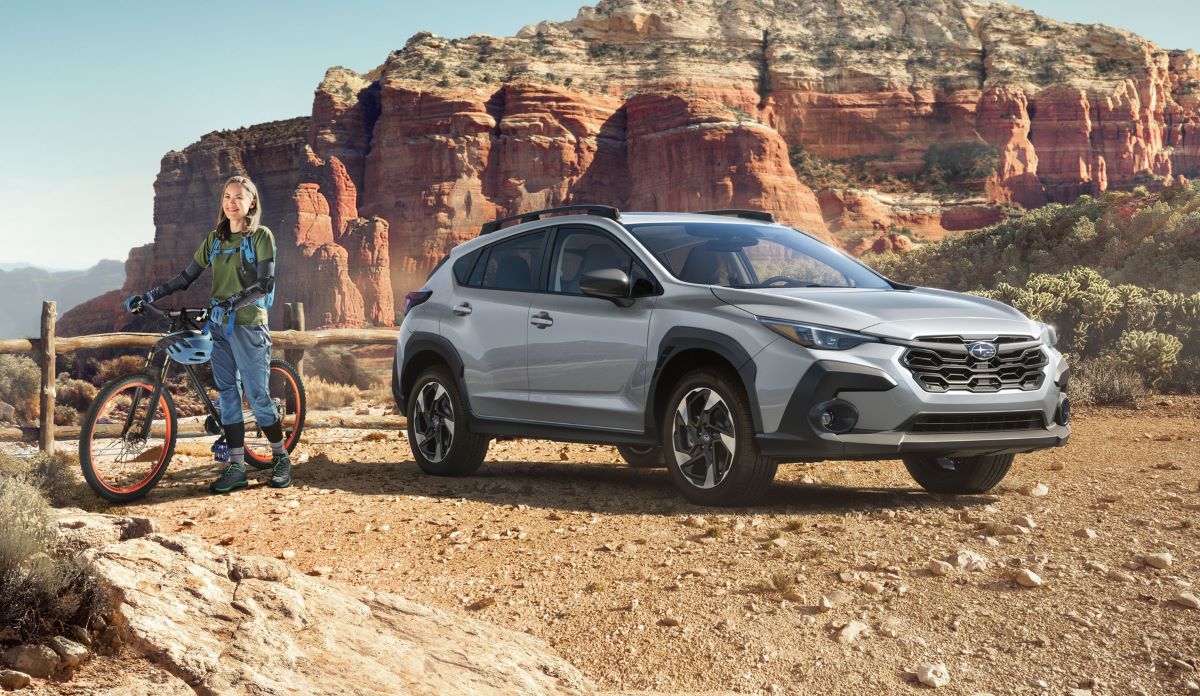
2. Subaru Crosstrek Hybrid
Subaru is a brand synonymous with all-wheel drive, and the Crosstrek Hybrid is a unique offering that blends this tradition with hybrid efficiency.
Unlike many AWD hybrids, the Crosstrek Hybrid uses a plug-in hybrid system but is still rare in that it combines Subaru’s signature symmetrical AWD with an electric motor assisting both axles. The Crosstrek Hybrid appeals to drivers who want rugged capability in a compact, fuel-efficient package.
One of the reasons the Crosstrek Hybrid is considered enduring is its robust AWD system, which is mechanical at its core but augmented with electric power assist.
This design means the vehicle can maintain traction and stability on various surfaces without over-reliance on the battery. Subaru’s engineering ensures that the battery system and electric motors are not overly taxed during AWD operation, which helps maintain battery health over time.
Battery longevity in the Crosstrek Hybrid is supported by a smaller battery pack compared to other PHEVs, which reduces thermal stress.
The battery cooling system is also well-designed to avoid overheating, which can accelerate degradation. While its electric range is limited, the hybrid components work together efficiently, and the vehicle remains usable even as the battery ages, thanks to the gasoline engine’s full capabilities.
The Crosstrek Hybrid also benefits from Subaru’s reputation for ruggedness and longevity. The AWD hardware, including the center differential and mechanical linkages, is designed to last through years of challenging use.
Owners often report that these vehicles retain their all-wheel drive effectiveness and hybrid system reliability even after significant mileage, making the Crosstrek Hybrid one of the rare AWD hybrids that truly endure in real-world conditions.
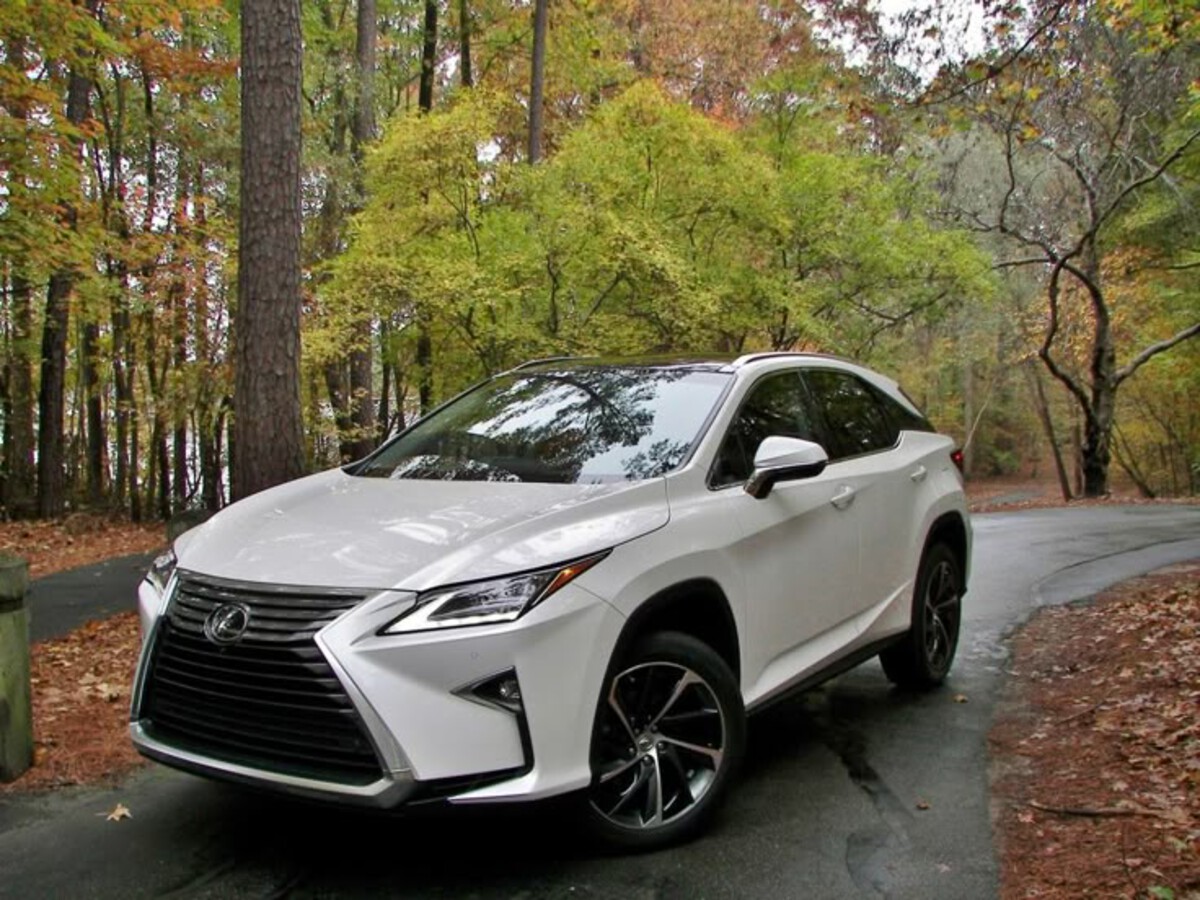
3. Lexus RX 450h AWD
Lexus, Toyota’s luxury division, offers the RX 450h AWD as a premium hybrid SUV that combines performance, luxury, and reliable AWD hybrid technology.
The RX 450h uses a full-time AWD system that is integrated with its hybrid powertrain to deliver power intelligently between front and rear wheels. Its hybrid system has been refined over multiple generations and is known for smooth operation and minimal battery issues.
One of the key features of the RX 450h that contributes to its endurance is its sophisticated hybrid battery management system.
Lexus uses nickel-metal hydride batteries in most older models and lithium-ion batteries in newer versions, both of which have been engineered for longevity. The management system carefully monitors battery temperature, charge cycles, and discharge rates to maximize lifespan and performance.
The AWD system in the RX 450h is designed to provide excellent traction while minimizing drivetrain losses. Unlike some AWD systems that engage mechanically all the time, this system can shift power distribution based on conditions, reducing wear on the rear differential and axles.
This not only improves fuel efficiency but also ensures that components do not suffer premature failure, contributing to the vehicle’s durability.
Lexus’ reputation for quality and the availability of extended warranties for hybrid components provide owners with peace of mind that their RX 450h AWD will remain functional for many years.
Additionally, maintenance costs related to the hybrid system tend to be lower than competitors, which enhances long-term ownership satisfaction. The RX 450h AWD is a clear example of a rare AWD hybrid that combines luxury, reliability, and endurance in one package.
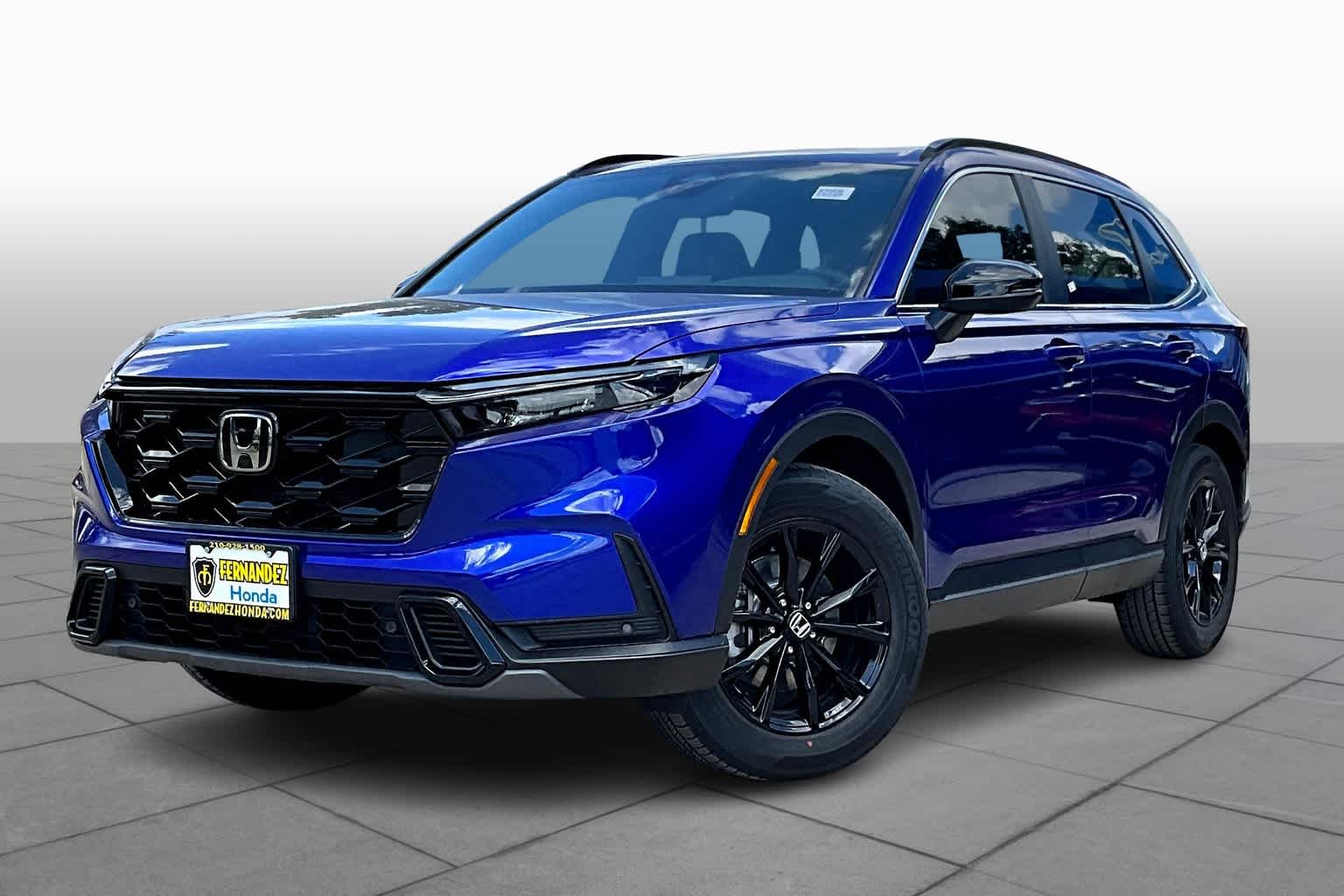
4. Honda CR-V Hybrid AWD
Honda’s CR-V Hybrid AWD has gained recognition for offering a balance of fuel economy, reliability, and AWD capability. Honda uses its innovative i-MMD hybrid system paired with an intelligent AWD setup, which relies on an electric motor to power the rear wheels when needed.
This design reduces mechanical complexity and helps extend the life of the battery and drivetrain components. The CR-V Hybrid’s battery pack is known for being durable, largely because of the way Honda controls charging and discharging cycles to avoid overuse and overheating.
The battery chemistry and thermal management systems are optimized for longevity, with many owners reporting minimal loss in battery capacity even after years of driving. This careful approach to battery management has helped the CR-V Hybrid carve out a reputation as one of the more enduring AWD hybrids.
The AWD system itself is built to provide responsive traction in slippery or uneven conditions without adding excessive mechanical drag during normal driving.
By engaging the rear electric motor only when necessary, the system reduces wear on the rear differential and extends the longevity of the AWD components. This selective operation benefits both performance and maintenance costs.
The Honda CR-V Hybrid AWD stands out for combining a reliable hybrid powertrain with an efficient AWD system that places less strain on the battery and drivetrain. Its durability and practical design make it a strong candidate for drivers looking for an AWD hybrid that will stand the test of time, even if it doesn’t have the flashy appeal of some competitors.
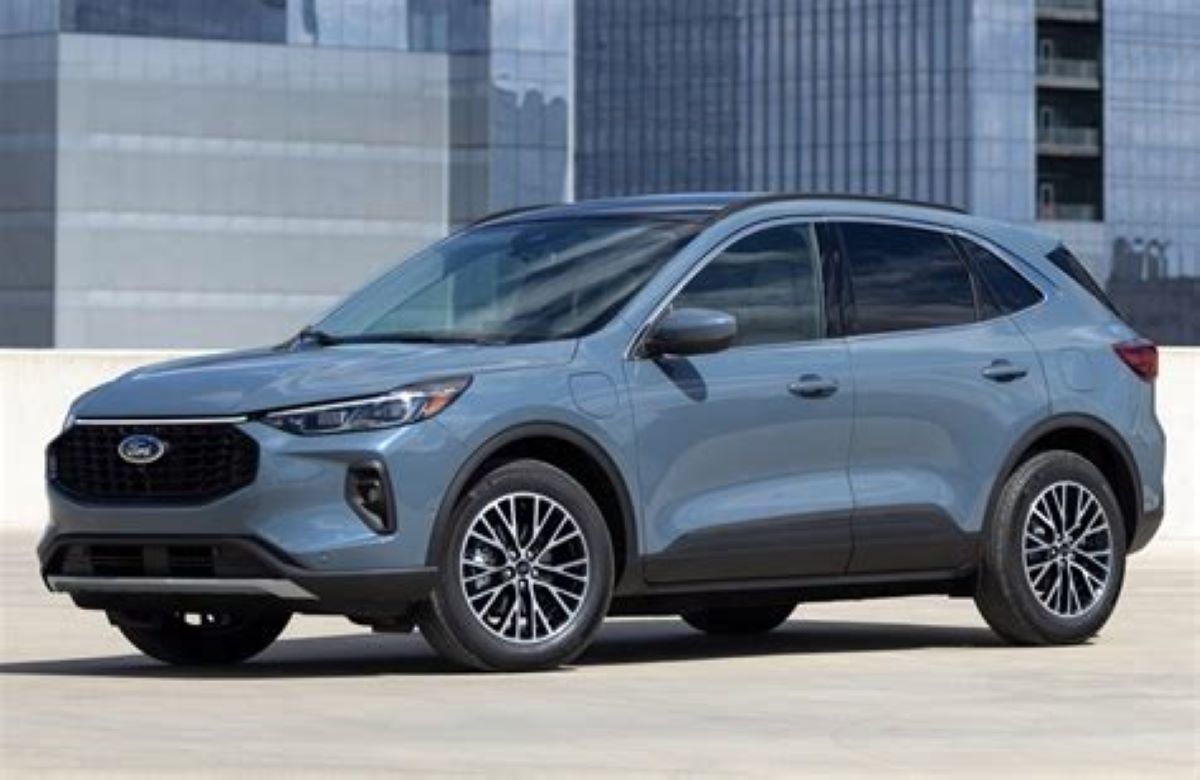
5. Ford Escape Hybrid AWD
The Ford Escape Hybrid AWD offers a compelling package for drivers who want an American-made hybrid SUV with dependable all-wheel drive.
Ford’s hybrid system is a full hybrid rather than a plug-in, meaning it does not require external charging and is designed for everyday use with minimal impact on battery longevity. The hybrid powertrain pairs a gasoline engine with two electric motors, one of which powers the rear wheels on demand.
Ford has engineered the Escape Hybrid’s battery pack and thermal management system to withstand high mileage without significant capacity loss.
The battery is sealed and liquid-cooled, which helps prevent overheating and degradation, common causes of battery failure in some hybrids. Drivers who maintain their Escape Hybrid properly often report long-lasting battery performance and strong AWD functionality even after extended use.
The AWD system in the Escape Hybrid operates primarily in a “torque-on-demand” mode, meaning the rear wheels are engaged only when needed for traction.
This selective engagement reduces unnecessary wear and energy consumption. Additionally, the mechanical components of the AWD system are robust and designed for ease of maintenance, contributing to the vehicle’s endurance.
With good fuel economy, a reliable hybrid system, and an AWD setup that balances capability with durability, the Ford Escape Hybrid AWD represents one of the rarer American AWD hybrids that consistently demonstrate endurance. It appeals to drivers who want a hybrid that can handle varying road conditions without the headaches of frequent battery issues.
5 PHEVs That Lose Batteries Fast
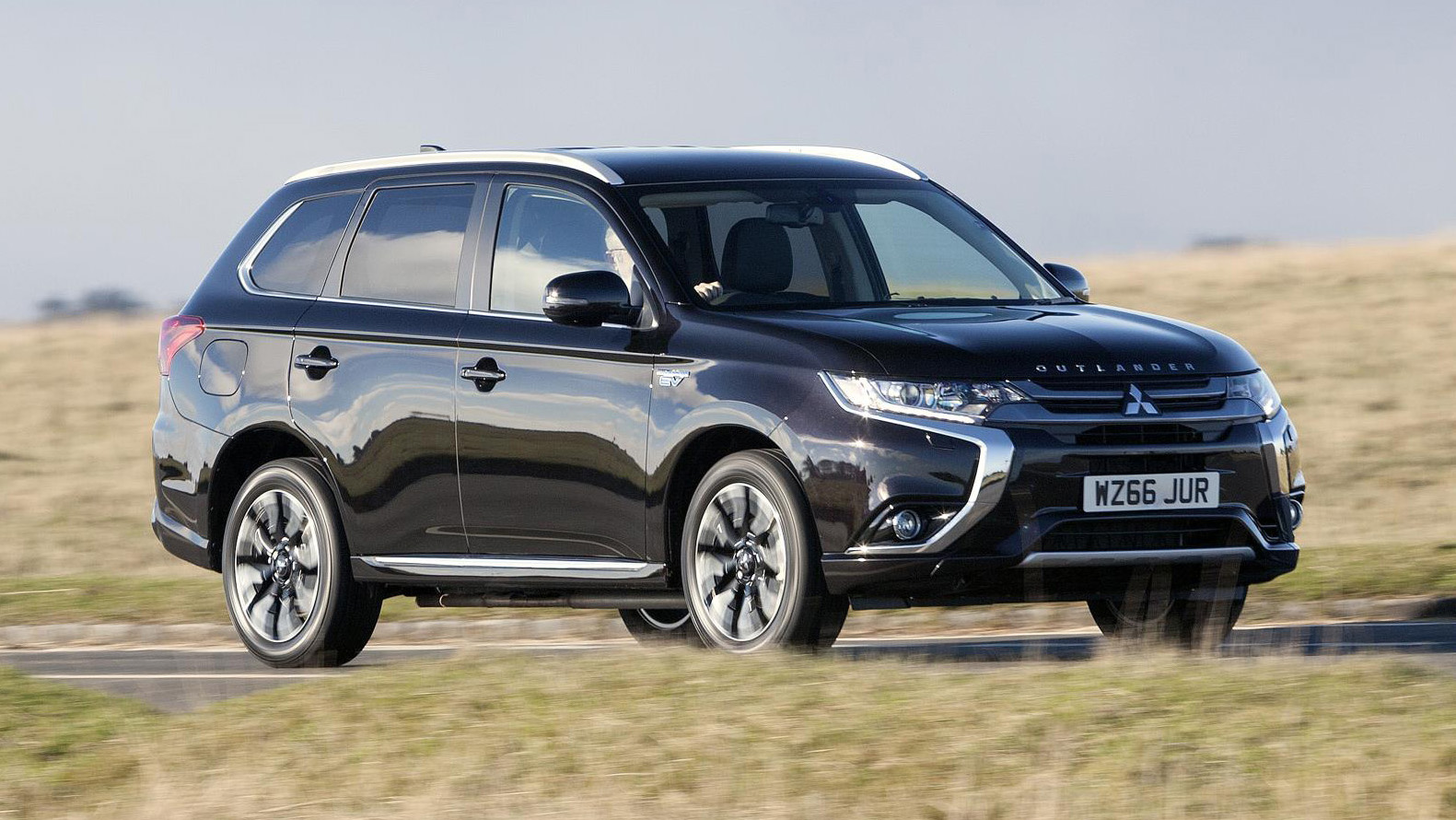
1. Mitsubishi Outlander PHEV
The Mitsubishi Outlander PHEV was among the pioneers in plug-in hybrid SUVs, offering a promising mix of electric driving and AWD capability at a competitive price point. However, despite its early success, the Outlander’s battery longevity has become a significant concern for many owners.
Numerous reports indicate that the battery capacity diminishes much faster than anticipated, often within just a few years or 30,000 to 50,000 miles. This accelerated degradation reduces the electric driving range, forcing drivers to rely more on the gasoline engine and undermining the original efficiency benefits.
One of the main contributors to the Outlander PHEV’s battery issues is its cooling system, which uses air cooling rather than liquid cooling. Air cooling is generally less effective at maintaining consistent battery temperatures, especially during heavy use or in warmer climates.
Battery cells exposed to fluctuating or high temperatures tend to degrade faster due to chemical breakdown and internal resistance increases. This means the battery pack loses its ability to hold a charge, which negatively impacts performance and vehicle range.
Additionally, the Outlander’s battery management system (BMS) has been criticized for not adequately protecting the battery from deep discharges and aggressive charging cycles.
The BMS sometimes allows the battery to be drained to lower-than-optimal levels or charged too rapidly, both of which stress the cells and shorten their lifespan. Over time, this can lead to imbalances within the battery pack, causing further deterioration and sometimes triggering warning lights or reduced power modes.
Mitsubishi has tried to address these issues by offering extended warranties and software updates designed to optimize battery use. However, these measures have only partially alleviated the problem, as the core hardware limitations remain.
For buyers interested in the Outlander PHEV, it’s important to consider the potential for reduced battery life and the impact it will have on resale value and long-term ownership costs. The Outlander’s issues serve as a cautionary tale about the importance of thermal management and conservative battery use in PHEVs.
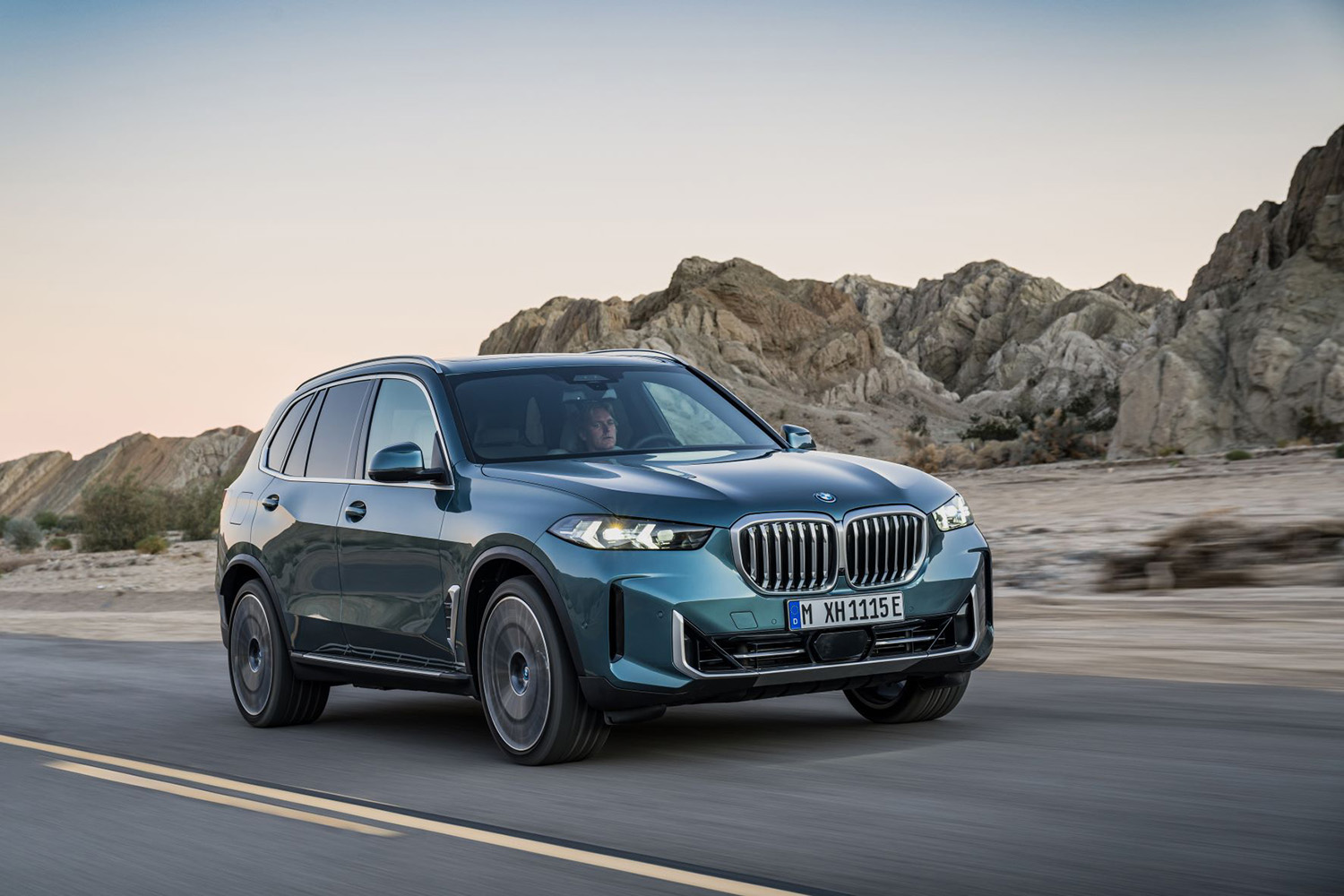
2. BMW X5 xDrive45e
The BMW X5 xDrive45e represents a blend of luxury, performance, and plug-in hybrid technology, but this combination comes with trade-offs, particularly in battery longevity. The X5 PHEV features a relatively large battery pack and powerful electric motors that encourage an aggressive driving style. While this setup delivers impressive acceleration and electric-only range, it also places significant stress on the battery, accelerating degradation more rapidly than in less performance-oriented PHEVs.
A key factor behind the battery issues in the X5 xDrive45e is thermal management. BMW employs an advanced liquid cooling system to regulate battery temperature, but the system can struggle under prolonged high-performance use or in very hot climates.
The battery’s temperature can spike during fast charging or spirited driving, hastening chemical wear inside the cells. Over time, this wear reduces the battery’s capacity, resulting in decreased electric range and performance.
In addition to thermal factors, BMW’s software strategy impacts battery longevity. While the system is designed to balance performance with battery health, some users have reported inconsistencies in state-of-charge management, leading to deeper discharges and more frequent charging cycles.
These aggressive charging and discharging behaviors put extra strain on the battery cells, speeding up their degradation and, in some cases, requiring expensive battery replacements once the warranty expires.
Owners have also noted that the X5 PHEV’s larger, more complex battery pack may have quality control variability, leading to some units experiencing greater capacity loss than others.
The premium nature of the vehicle and the high cost of battery replacement mean that these issues can significantly affect ownership satisfaction and long-term value. While the X5 xDrive45e delivers a compelling driving experience, potential buyers should be aware of the battery’s potential lifespan challenges.
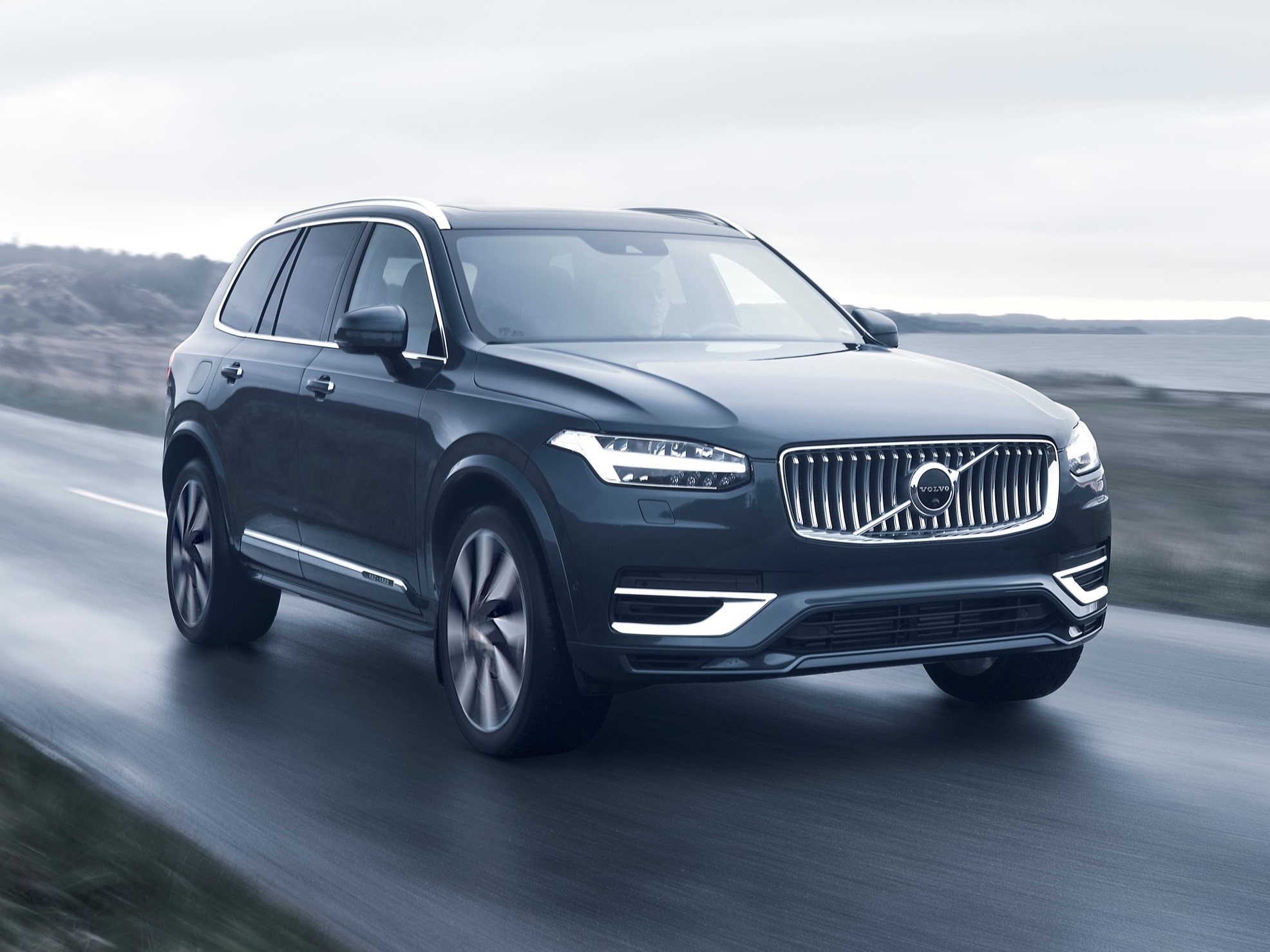
3. Volvo XC90 Recharge
The Volvo XC90 Recharge stands as a flagship luxury SUV with plug-in hybrid capability, promising a blend of safety, technology, and eco-friendly driving.
Despite these strengths, the XC90 Recharge has been reported to suffer from battery degradation issues that impact its utility and owner satisfaction. Several owners and automotive reviewers have noticed that the electric range diminishes noticeably after relatively short ownership periods, often within a few years.
One of the major factors affecting the XC90 Recharge’s battery health is the thermal management system. Volvo employs liquid cooling for its battery packs to maintain stable operating temperatures, but the system sometimes falls short in extreme weather or during repeated rapid charging.
Overheating stresses the battery cells, accelerating the chemical processes that degrade battery capacity. This degradation manifests in reduced electric driving range and sometimes triggers error codes or reduced power modes to protect the battery.
The XC90 Recharge’s battery chemistry and software control also contribute to its battery wear. Some reports suggest that the vehicle allows deeper discharges and more frequent charge cycles than optimal, increasing cell fatigue.
The battery pack’s relatively large size means that capacity loss is more gradual but still noticeable, especially given the high expectations for electric range in a premium SUV.
Volvo has acknowledged these concerns by providing software updates aimed at improving battery management and offering extended warranties on hybrid components.
However, the battery degradation issue still poses challenges for owners who expect long-term electric performance. The XC90 Recharge’s experience underscores the importance of precise thermal and cycle management for battery health in large PHEVs.
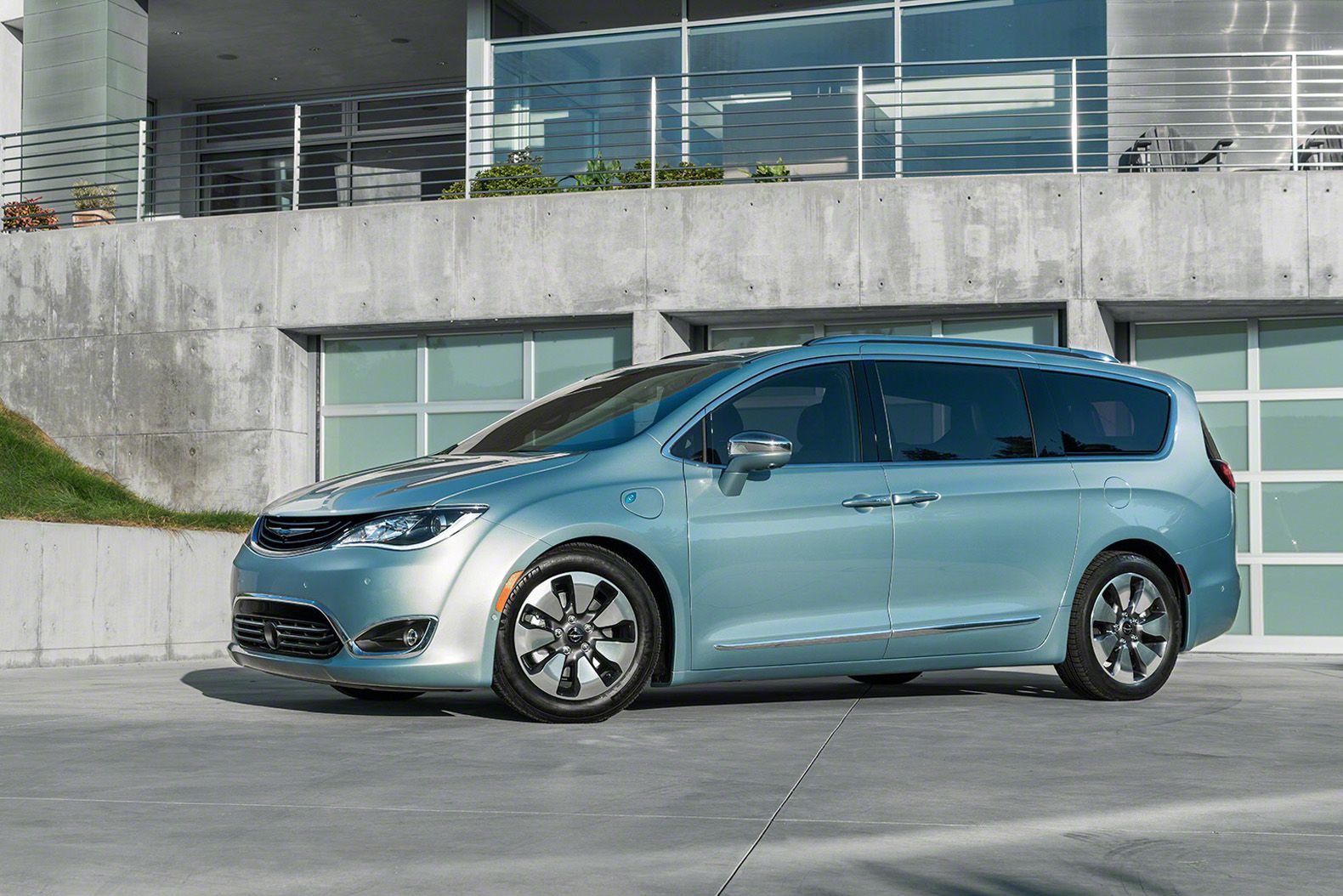
4. Chrysler Pacifica Hybrid
The Chrysler Pacifica Hybrid is a standout in the minivan market, offering a rare PHEV option for families looking to reduce fuel consumption.
However, its battery durability has been a source of frustration for some owners, who report that the battery’s capacity drops significantly within a relatively short timeframe, sometimes as early as 30,000 miles. This battery degradation reduces electric-only driving range and forces more frequent use of the gasoline engine.
Battery thermal management is a critical challenge for the Pacifica Hybrid. The vehicle’s packaging constraints limit the size and efficiency of the cooling system for the battery pack, which is prone to overheating under certain conditions, such as long drives or repeated charging sessions. Overheated batteries experience accelerated chemical degradation, shortening their effective lifespan.
The battery management system in the Pacifica Hybrid has also been criticized for allowing deep discharge cycles and rapid charge/discharge events that wear down battery cells faster than ideal.
The relatively small battery size means that even moderate capacity loss noticeably impacts the vehicle’s electric driving capabilities. This can be particularly frustrating for families who rely on the electric range for short daily trips and want to maximize fuel savings.
Stellantis, Chrysler’s parent company, offers an 8-year, 100,000-mile warranty on hybrid components, including the battery. While this provides some protection for owners, the potential inconvenience and reduced electric range during the warranty period remain concerns.
The Pacifica Hybrid’s battery issues highlight the challenges of integrating PHEV technology into a family vehicle with limited space for cooling and battery capacity.
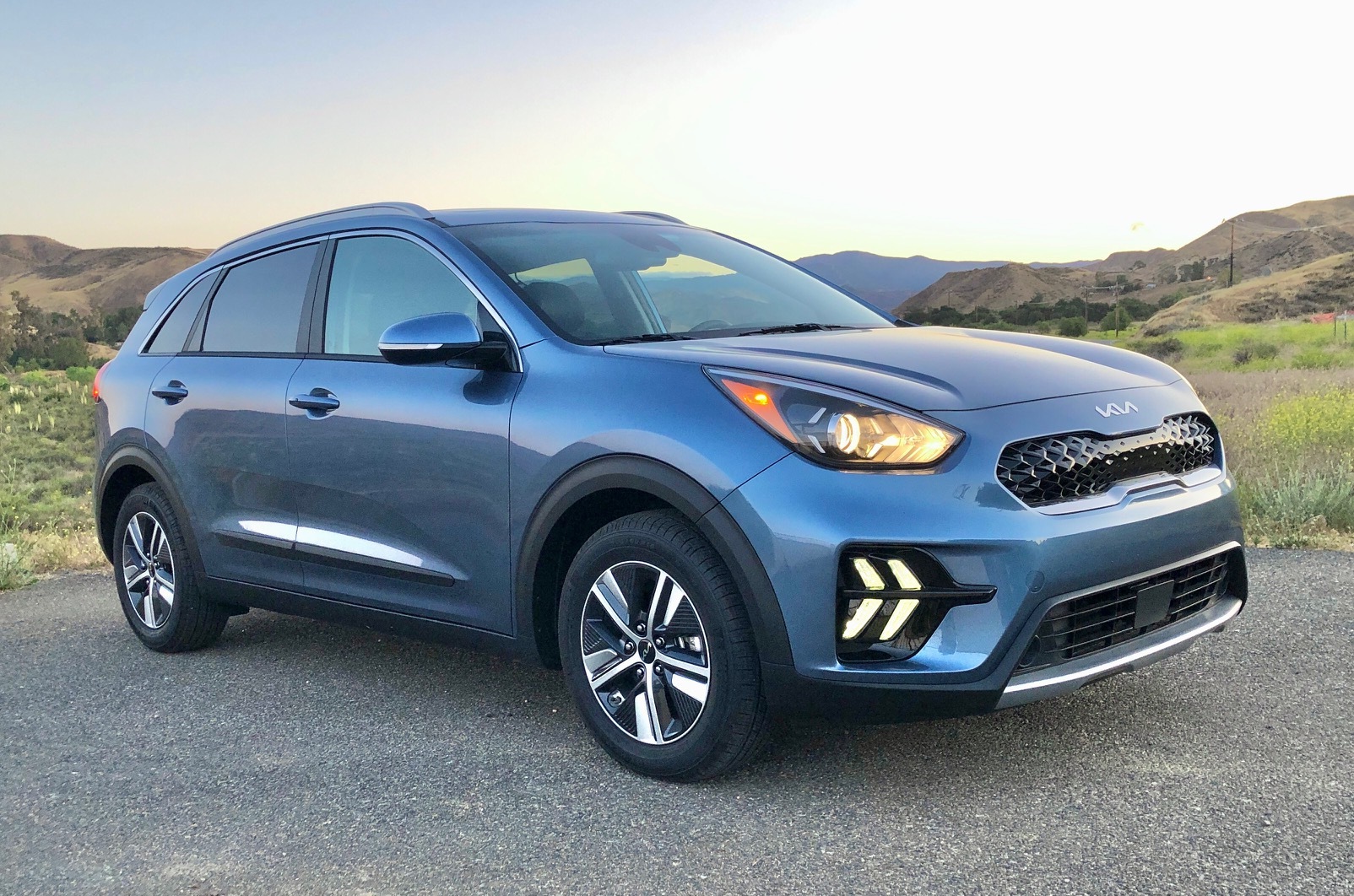
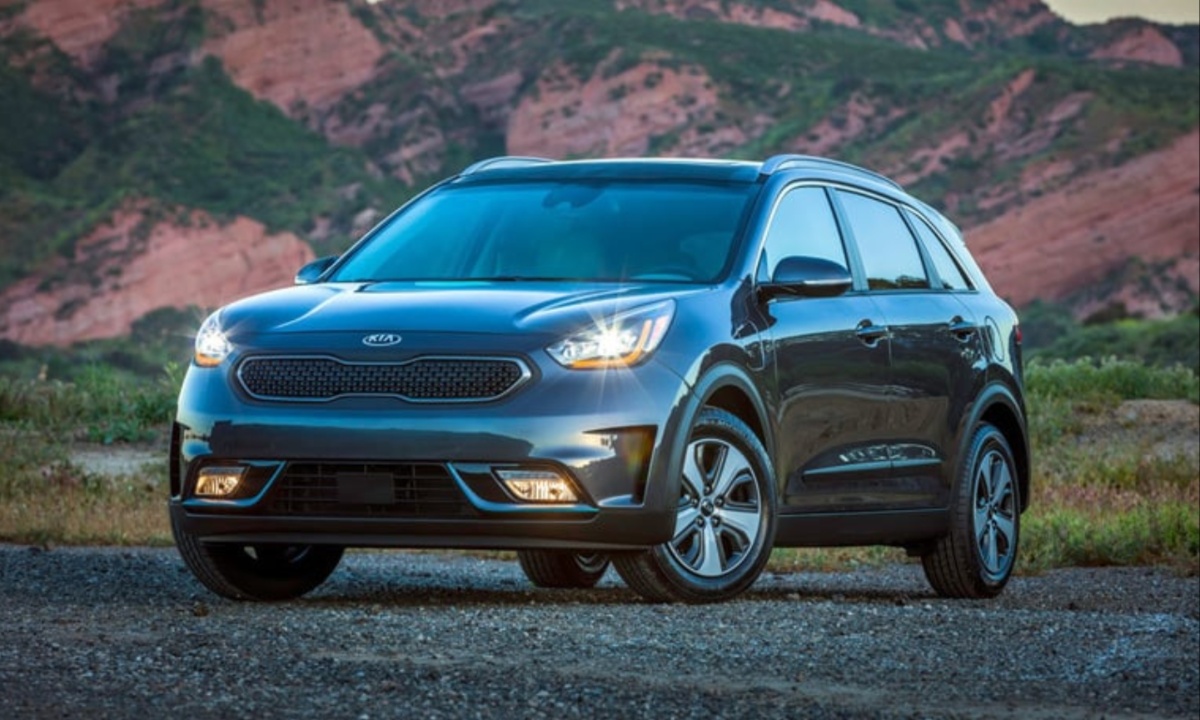
5. Kia Niro Plug-In Hybrid
The Kia Niro Plug-In Hybrid has gained popularity as an affordable, efficient compact crossover with PHEV technology. Despite its many strengths, including good fuel economy and practical size, the Niro PHEV has encountered some battery longevity issues that affect the vehicle’s appeal over time.
Many users have reported noticeable battery capacity loss within the first few years of ownership, resulting in diminished electric range and performance.
Kia uses a lithium-ion polymer battery pack in the Niro PHEV, which is generally reliable but less resilient under thermal stress compared to more advanced battery chemistries.
The cooling system for the battery relies on passive air cooling rather than liquid cooling, which can be insufficient in maintaining optimal temperatures, especially during rapid charging or in warm climates. Elevated battery temperatures accelerate cell degradation, reducing battery life.
The battery management software plays an important role in the Niro PHEV’s battery health. In some cases, the system does not sufficiently protect the battery from deep discharges or rapid charge cycles, which strain the battery cells.
Additionally, the stop-and-go urban driving environments that many Niro PHEV owners experience can lead to frequent charge/discharge cycles, further accelerating battery wear.
Kia has improved its battery warranty coverage in response to owner concerns, offering longer warranties and better service options.
Nonetheless, the history of faster-than-expected battery degradation in the Niro PHEV suggests that prospective buyers should closely monitor battery health and consider the long-term cost implications.
This serves as a reminder that battery design and thermal management are critical to the success of plug-in hybrids in real-world conditions.
Also Read: 5 Cars With Legendary Battery Life and 5 That Need Jumping Weekly
The comparison between rare AWD hybrids that endure and PHEVs that lose batteries fast reveals important insights into the intricacies of hybrid vehicle design and ownership.
AWD hybrids that maintain their battery health over many years demonstrate the value of carefully engineered thermal management systems, balanced battery chemistries, and sophisticated software controls.
These vehicles tend to provide consistent electric driving ranges and dependable performance, reducing the risk of costly battery replacements or diminished fuel savings. Their success stories emphasize that longevity requires more than just a large battery pack; it depends on how effectively the vehicle protects and manages that battery throughout diverse driving conditions.
Conversely, PHEVs with rapid battery degradation illustrate the challenges of integrating larger battery packs within certain vehicle architectures, especially when cooling systems are less effective or software management is less conservative.
Many of the PHEVs discussed suffer from accelerated capacity loss due to overheating, frequent deep discharges, and aggressive charging cycles.
This degradation not only diminishes electric-only range but also shifts the vehicle’s operating balance back toward gasoline use, reducing the environmental and economic benefits initially expected by buyers. These issues highlight the importance of ongoing advancements in battery chemistry, cooling technology, and battery management strategies to improve the long-term viability of PHEVs.
For consumers, understanding these differences is essential when evaluating hybrid and plug-in hybrid options. While PHEVs offer attractive electric range and flexibility, buyers should be aware of models with known battery longevity problems and consider warranty coverage and maintenance costs.
On the other hand, rare AWD hybrids that have proven durable may represent a more reliable investment for those who need traction and want peace of mind regarding battery health.
The decision between AWD hybrids and PHEVs depends on individual driving habits, climate, and priorities, but knowing which models tend to endure and which tend to struggle can prevent surprises down the road.
Looking ahead, the automotive industry continues to improve battery technologies and thermal management systems, which will likely narrow the gap between hybrids that endure and those that falter. Manufacturers are investing heavily in solid-state batteries, advanced cooling designs, and smarter battery software that promise longer life and greater reliability.
However, for today’s buyers, a cautious approach grounded in real-world performance data is wise. Evaluating a vehicle’s track record for battery endurance and understanding the engineering behind it can save money, reduce inconvenience, and provide more satisfaction over the life of the vehicle.
In summary, rare AWD hybrids that sustain battery health offer lessons in durability and intelligent design that PHEVs with fast battery degradation often lack. Choosing the right vehicle involves more than specs on paper—it requires knowledge of how a model performs over time in everyday use.
Armed with this information, drivers can make confident choices that align with their needs for AWD capability, electric driving range, and long-term reliability. This awareness ensures that hybrid ownership remains a rewarding experience rather than a frustrating compromise.
