
General Motors has long been one of the most influential and recognizable names in the automotive industry. For decades, GM produced vehicles that became staples on American roads and across the globe. Many of these cars earned reputations for their durability, reliability, and straightforward engineering.
Some of these older models, while no longer in production or common on the roads, have proven to be dependable over time, vehicles that enthusiasts and everyday drivers alike still rely on for basic transportation or nostalgia.
These “forgotten” GM cars often fly under the radar but remain prized for their mechanical simplicity and long-lasting performance.
On the other hand, as the automotive rapidly evolves, GM has faced significant challenges in keeping up with modern technology, emissions standards, and consumer expectations. Recent models from GM are packed with advanced electronics, complex powertrains, and cutting-edge features designed to enhance safety, fuel efficiency, and driving experience.
While these innovations can be impressive, they also bring new risks in terms of reliability and maintenance. Some recent GM vehicles have struggled with serious mechanical, electrical, or software-related issues that have led to recalls, consumer complaints, and diminished confidence in the brand.
These problems not only affect the owners but also raise important questions about the direction of vehicle manufacturing in an era of rapid change.
This article compares two contrasting sides of General Motors’ vehicle history. On one side are five “forgotten” GM cars that have earned a reputation for running well, even years after their prime, thanks largely to their solid engineering and relative simplicity.
These vehicles are often overlooked but deserve recognition for their ability to endure. On the other side are five recent GM models that, despite their promise and modern appeal, have been plagued with significant issues that have marred their reliability and performance.
Through this comparison, the discussion highlights how automotive priorities have shifted and what consumers might expect when choosing between older, more traditional vehicles and newer, high-tech models.
Understanding the lessons from GM’s past successes and recent struggles is valuable not only for car enthusiasts but also for prospective buyers, industry analysts, and anyone interested in the broader challenges of vehicle manufacturing.
As automakers push towards electric vehicles, autonomous driving, and smart connectivity, the balance between innovation and reliability remains a key concern. This comparison offers insight into how GM has handled this balance and what it means for the future of its vehicles.
Also Read: 10 Best Cars That Balance Horsepower With Long-Term Value
Five Forgotten GM Cars That Run
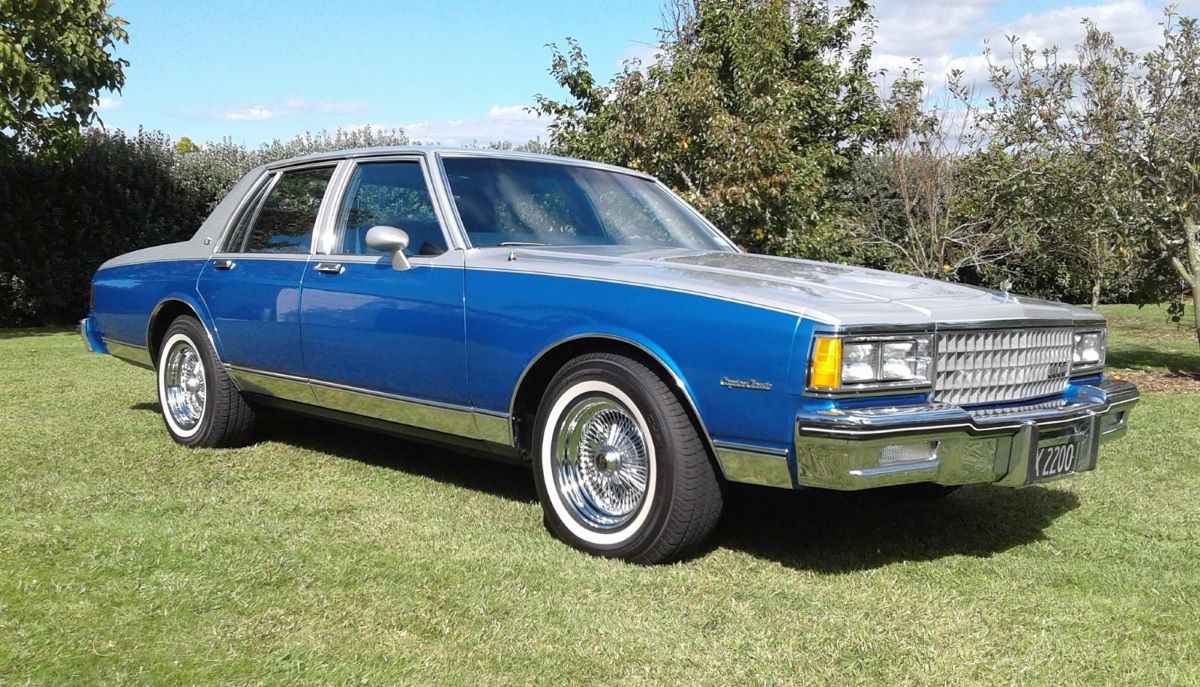
1. Chevrolet Caprice (1991-1996)
The Chevrolet Caprice, particularly models from the early 1990s, is a example of a GM vehicle that many people have forgotten but that still performs reliably on the road. Known for its full-size body and comfortable ride, the Caprice was widely used by police departments and families alike due to its durability and spacious interior.
The 1991-1996 models featured a straightforward V8 engine, known for producing adequate power without being overly complex. Owners often praise its simple mechanical design, which makes repairs easier and less costly compared to modern cars filled with electronic components.
One reason these Caprices still run well is the robust frame and solid build quality. Unlike many newer vehicles, these cars were built to withstand years of heavy use, and their parts were often over-engineered. This means that even when they have high mileage, many Caprices can continue operating smoothly with routine maintenance.
The suspension, while not sporty, is designed for comfort and longevity, helping the vehicle endure rough roads and extended use. This practicality made it a favorite among drivers who wanted reliability over flashy features.
Fuel economy was not a strong suit for the Caprice, but its V8 engine was known for longevity rather than efficiency. Given the simplicity of the engine design, many owners have been able to rebuild or maintain the powertrain with relative ease. Replacement parts remain widely available, thanks in part to the vehicle’s popularity in the used car and police vehicle markets. This availability has helped extend the lifespan of many Caprices and kept them on the roads decades after production ended.
Despite its age, the Caprice is still appreciated by collectors and enthusiasts, especially the police package variants with heavy-duty suspensions and reinforced frames.
While it may not compete with modern cars in terms of technology or safety, the Caprice’s reputation for being a tough, reliable vehicle that simply gets the job done remains intact. This car demonstrates how a well-built machine from the past can outlast newer counterparts with fewer complications.
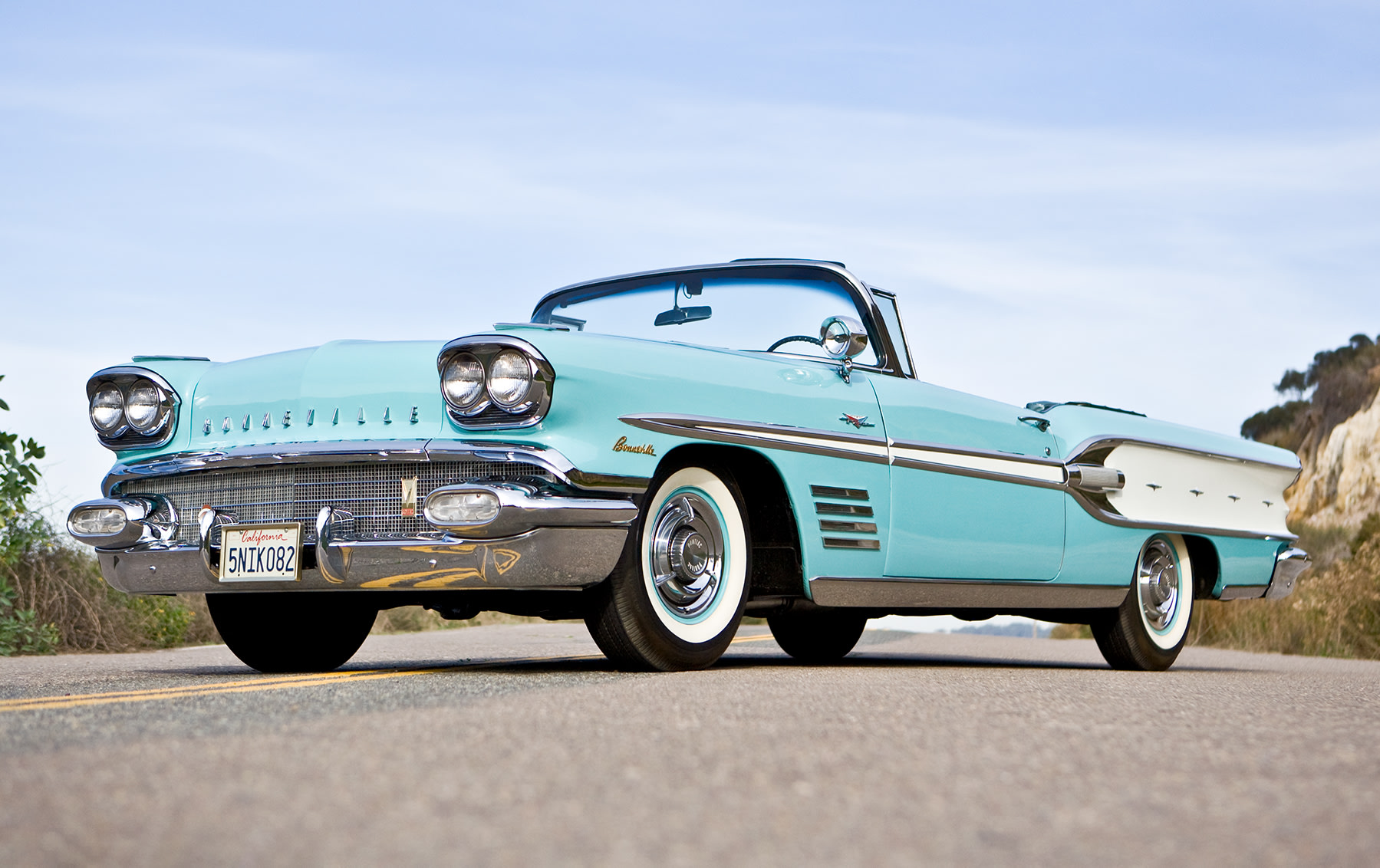
2. Pontiac Bonneville (1992-1999)
The Pontiac Bonneville from the 1990s was one of GM’s premier full-size sedans and is often overlooked today. These models combined decent power, comfortable interiors, and a smooth ride, making them popular family vehicles.
One of the standout features of the Bonneville was its reliable V6 or optional V8 engines, which offered a good balance of performance and durability. Owners frequently report that with basic maintenance, these vehicles continue to run smoothly even after reaching high mileage.
The Bonneville also benefited from relatively simple electronics compared to modern cars. While it had some luxury features for the time, such as power windows and cruise control, its systems were less prone to failure than the intricate computerized components found in recent vehicles.
This simplicity contributed to easier troubleshooting and repairs, which helped many keep their cars on the road longer. In addition, the Bonneville’s robust chassis and suspension were designed to provide a quiet and comfortable driving experience.
Another reason this car has endured is the availability of parts. Because it was produced in large numbers and shared many components with other GM vehicles, sourcing replacements has been easier than for some other cars from the same era.
Enthusiast communities for Pontiac cars also help preserve knowledge about common issues and fixes, which contributes to their longevity. This network of support makes the Bonneville a practical choice for anyone interested in a dependable older GM sedan.
Despite Pontiac no longer being an active brand, the Bonneville continues to be admired for its reliability and straightforward engineering.
It’s a good example of a car that may not have had the flashiest design or the newest technology but was built with a focus on endurance. Many drivers today look back at models like the Bonneville and wish newer cars could match their dependability.
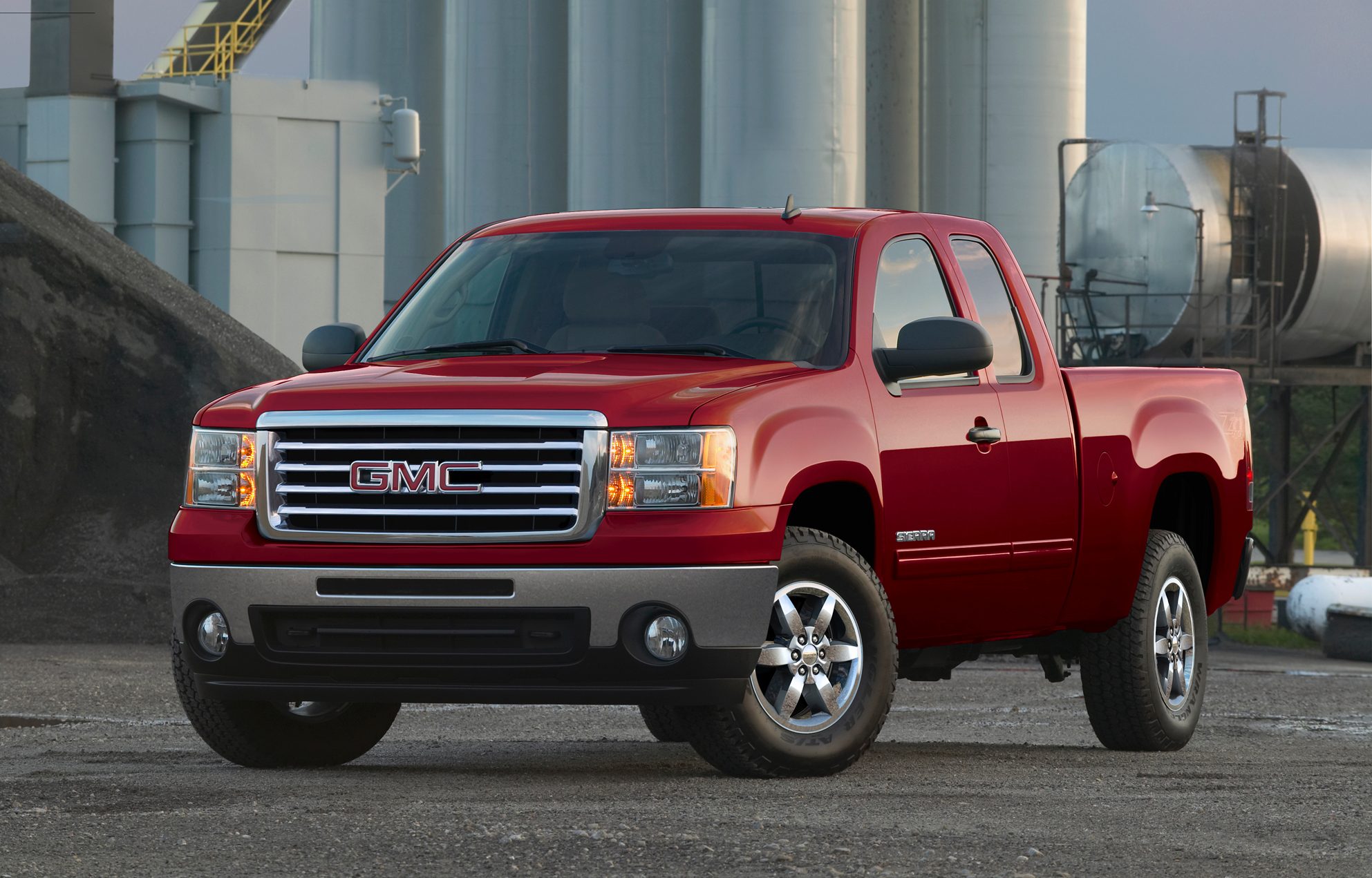
3. GMC Sierra (1999-2006)
The GMC Sierra from the late 1990s to early 2000s is a solid truck that remains highly regarded for its ruggedness and reliability. These models are known for strong V8 engines and a durable frame, making them a favorite among those who require a vehicle for towing, hauling, or off-road use.
The Sierra’s body-on-frame construction is a traditional design that provides a toughness often missing from more modern unibody trucks, which sometimes sacrifice strength for weight savings and fuel efficiency.
One key advantage of these Sierras is their mechanical simplicity. Compared to newer pickups with complex electronics controlling everything from transmission shifts to engine management, the older Sierras offer fewer electronic points of failure.
This results in lower repair costs and less downtime. Many owners find that routine maintenance like oil changes, brake servicing, and transmission care are enough to keep these trucks running well for hundreds of thousands of miles.
The interior of the Sierra may seem basic compared to today’s standards, but it is functional and built with durable materials that hold up well over time.
This practical design appeals to buyers who prioritize utility over luxury. Additionally, the availability of aftermarket parts and replacement components has kept these trucks on the road longer, as owners can easily repair or upgrade key elements without breaking the bank.
The GMC Sierra from this period stands as a testament to GM’s capability to produce vehicles that combine performance, toughness, and longevity.
Even though newer models offer more modern amenities and safety features, many drivers prefer the simplicity and reliability of the older Sierras, especially when it comes to work trucks that need to endure demanding conditions.
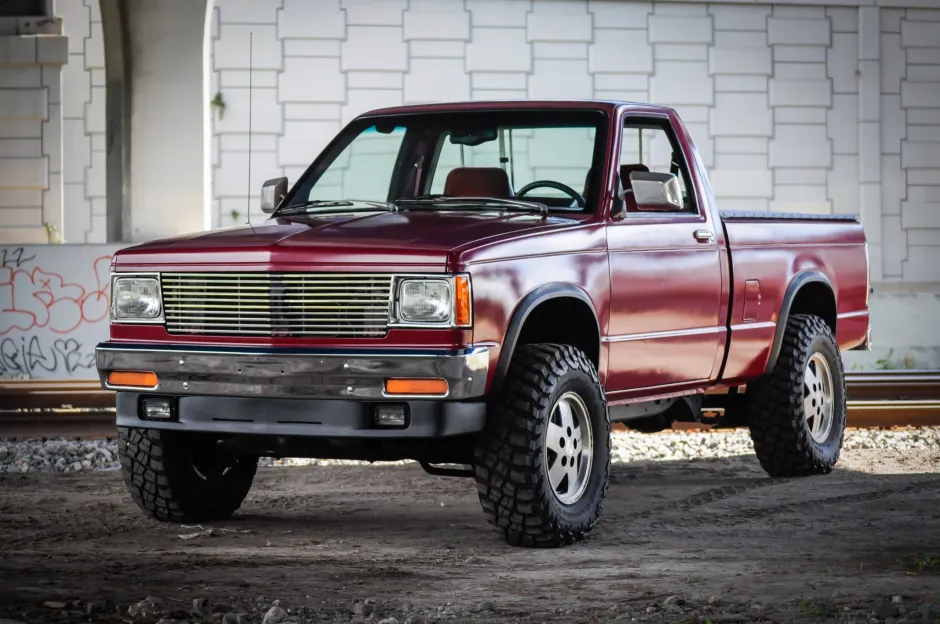
4. Chevrolet S-10 (1994-2003)
The Chevrolet S-10 compact pickup truck from the mid-1990s to early 2000s is another example of a forgotten GM vehicle that still runs well today.
Known for its small size and maneuverability, the S-10 was a popular choice for those needing a reliable truck without the bulk of a full-size pickup. It offered a range of engine options, including four-cylinder and V6 engines, both praised for their fuel economy and longevity.
The S-10’s simpler design and fewer electronic components contribute to its reliability. Unlike newer trucks packed with advanced driver assistance systems, the S-10 focuses on basic truck functionality, which makes it easier to maintain.
Many owners have reported driving these trucks well beyond 200,000 miles without major issues, thanks to regular servicing and straightforward mechanics.
In addition to mechanical reliability, the S-10 benefits from strong aftermarket support. Many parts are easy to find and inexpensive, allowing owners to perform their own repairs or upgrades.
This makes the truck an economical choice for younger drivers, small business owners, or those seeking a practical vehicle for light-duty work.
While the S-10 may not match the power or sophistication of modern pickups, its enduring reputation for reliability and ease of repair makes it a noteworthy vehicle in GM’s history. For those who appreciate a no-frills, dependable truck, the Chevrolet S-10 remains a relevant choice even decades after production ended.
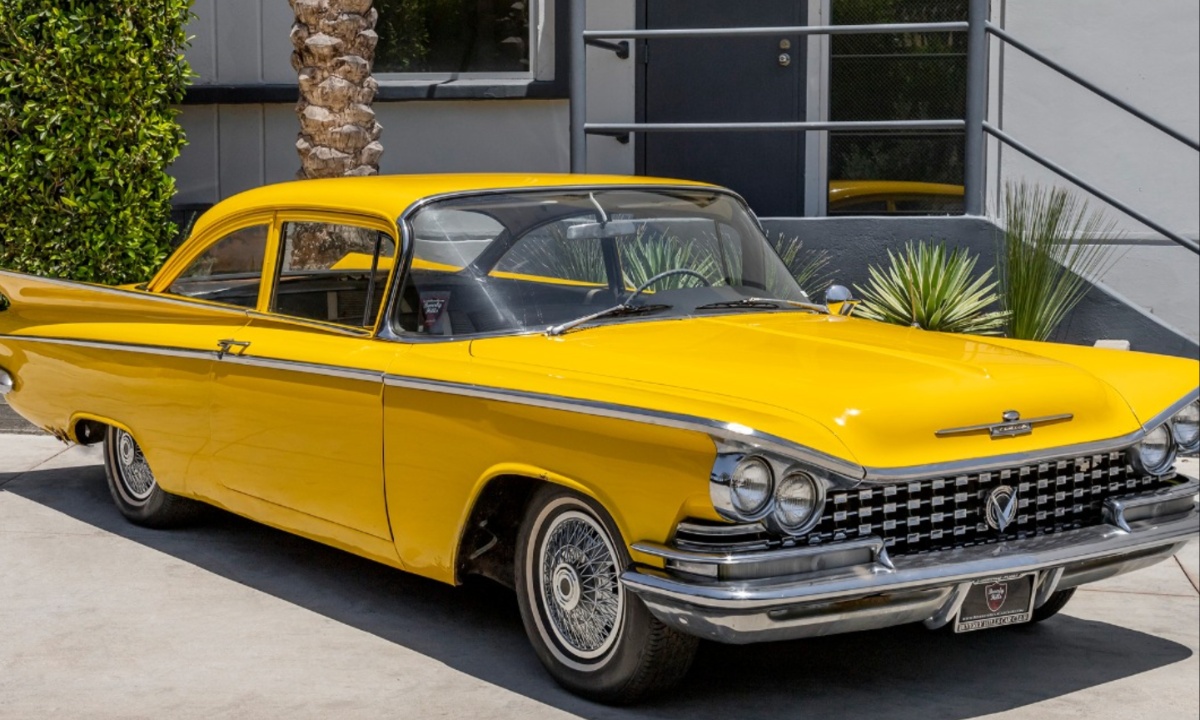
5. Buick LeSabre (1990-1999)
The Buick LeSabre, especially models from the 1990s, is often overlooked but deserves recognition for its smooth ride and dependability. Known as a comfortable full-size sedan with a focus on luxury and ease of driving, the LeSabre featured V6 engines that were both powerful and reliable.
Many owners report their LeSabres running well past 200,000 miles with minimal major repairs, reflecting the vehicle’s quality construction.
One of the key factors contributing to the LeSabre’s longevity is its well-engineered suspension system, which provides a cushioned ride while maintaining good handling characteristics.
This balance made the car popular among older drivers and families who valued comfort on long trips. The vehicle’s build quality, combined with relatively simple mechanical components, helps reduce the chance of unexpected breakdowns.
The LeSabre also benefited from being part of GM’s well-established platform sharing strategy, which meant many parts were interchangeable with other GM vehicles.
This commonality made replacement parts more accessible and affordable, an advantage that supports long-term ownership. Mechanics familiar with GM’s engines and systems find these cars easier to work on compared to newer models filled with complex electronics.
Though Buick as a brand has evolved significantly, the LeSabre remains a symbol of a period when GM produced full-size sedans that prioritized durability and comfort. Its ongoing presence on roads today is a testament to the careful engineering and thoughtful design choices that allowed this vehicle to remain dependable over time.
Five Recent GM Models With Major Issues
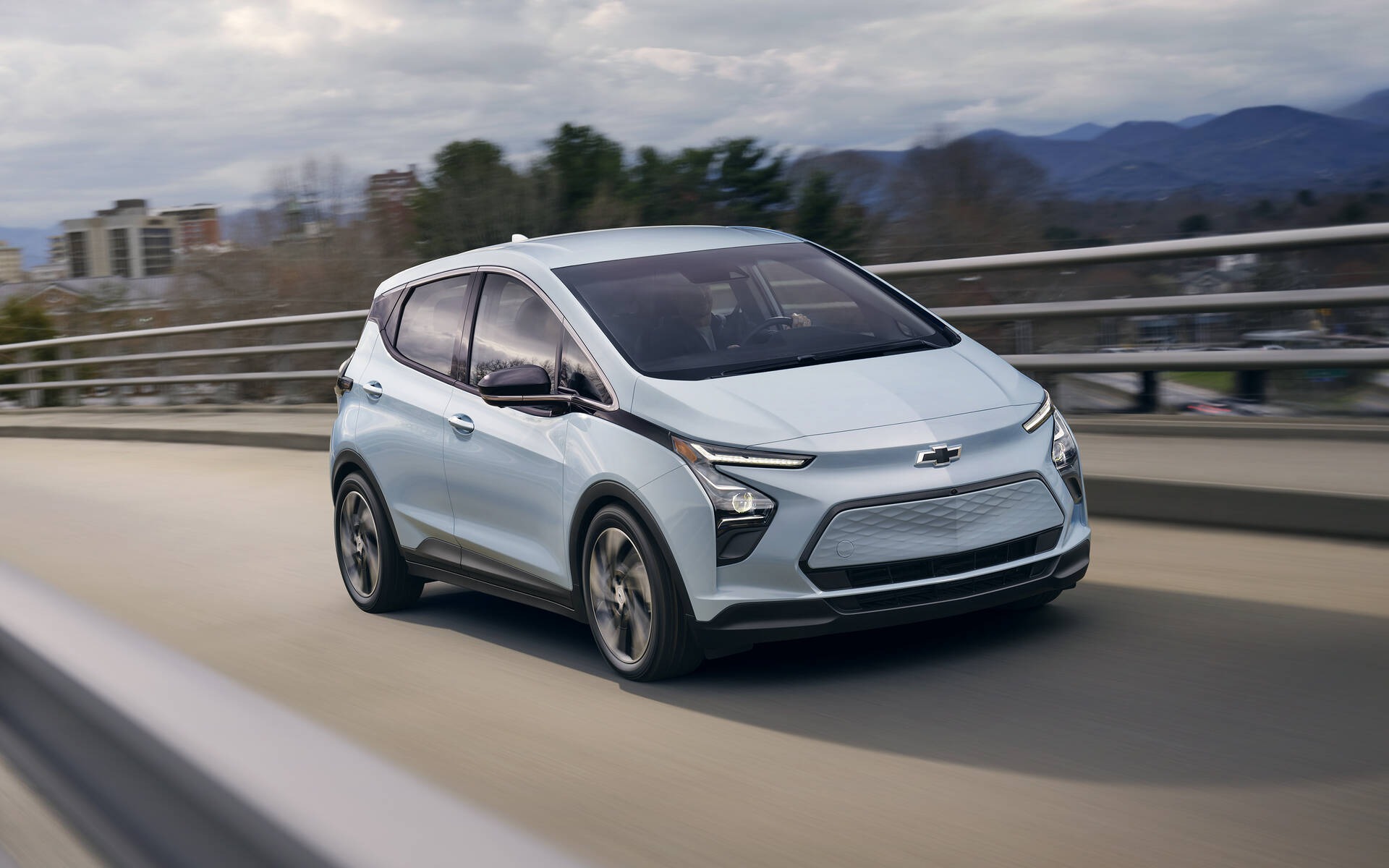
1. Chevrolet Bolt EV (2017-Present)
The Chevrolet Bolt EV was GM’s ambitious step into the electric vehicle market, aimed at offering a practical, affordable, and efficient alternative to traditional gasoline-powered cars. While the car gained praise for its respectable electric range and compact design, it has struggled with significant issues primarily related to its battery pack.
The high-voltage lithium-ion battery, supplied by LG Chem, was found to have manufacturing defects that increased the risk of thermal runaway and battery fires. These serious safety concerns led to widespread recalls, disrupting customer trust and GM’s reputation as a reliable automaker in the EV space.
GM’s response to the Bolt’s battery problems included a massive recall campaign and the replacement of faulty battery modules. However, the complexity and cost of repairing or replacing the battery packs presented logistical and financial challenges.
Owners faced prolonged wait times and uncertainty, which diminished confidence in the brand’s ability to deliver on the promise of electric vehicles.
Furthermore, the recall raised awareness about the difficulties involved in managing new technologies in mass production, especially when transitioning from internal combustion engines to electric powertrains.
Aside from battery concerns, some Bolt EV owners experienced software glitches that affected charging rates, infotainment systems, and even vehicle range calculations. These software-related issues, while not as dangerous as the battery fires, negatively impacted the ownership experience.
Occasional malfunctions in the car’s regenerative braking system and charging ports further contributed to frustrations, making what should be a smooth, futuristic driving experience somewhat unreliable.
Despite these setbacks, GM continues to invest in electric vehicle technology and has introduced newer models with improved battery systems and enhanced safety protocols.
The Bolt EV’s problems highlight the growing pains of shifting to new propulsion technologies and the importance of rigorous quality control in EV manufacturing. For consumers, these issues emphasize the need for careful consideration and monitoring when purchasing early-generation electric vehicles from legacy automakers.
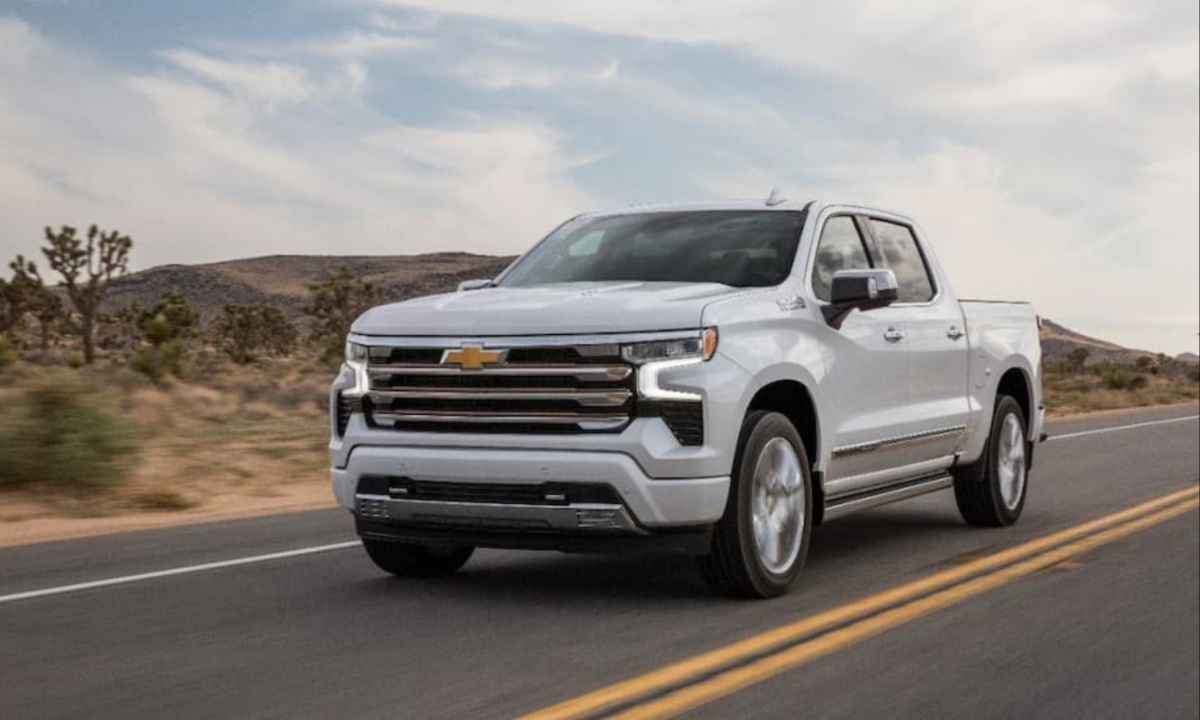
2. Chevrolet Silverado 1500 (2019-Present)
The Chevrolet Silverado 1500 is one of GM’s best-selling trucks, known for its powerful engine options and versatility. However, the recent generations of this full-size pickup have encountered a range of mechanical and electronic problems that have soured some owners’ experiences.
Transmission issues have been particularly problematic, with many drivers reporting harsh or erratic shifting, slipping gears, and even complete transmission failure within a relatively short period of ownership.
These problems not only compromise performance but also lead to costly repairs, which can be a significant concern for truck owners who rely on their vehicle for work and daily driving.
Engine stalling and unexpected shutdowns have also been reported in some Silverado models, sometimes linked to faulty sensors or fuel system components. Such malfunctions are dangerous as they can occur without warning, especially when driving at highway speeds or towing heavy loads.
The truck’s complexity, with numerous electronic control modules managing everything from engine timing to driver assistance features, means that diagnosing and fixing these problems often requires expensive visits to authorized dealerships.
The Silverado’s infotainment system and other electronic controls have also drawn criticism for being glitchy or prone to failure. Users have encountered unresponsive touchscreens, connectivity problems, and erratic climate control operation, diminishing the driving comfort and convenience.
These software-related concerns, while less critical than mechanical failures, add to the perception that recent Silverados are less reliable than previous generations.
Despite these issues, the Silverado 1500 continues to offer impressive towing capacity, engine choices, and a modern interior layout.
However, potential buyers should be aware of the reported problems and consider the impact on long-term ownership costs. Extended warranties and thorough pre-purchase inspections are recommended to mitigate risks associated with these newer models.
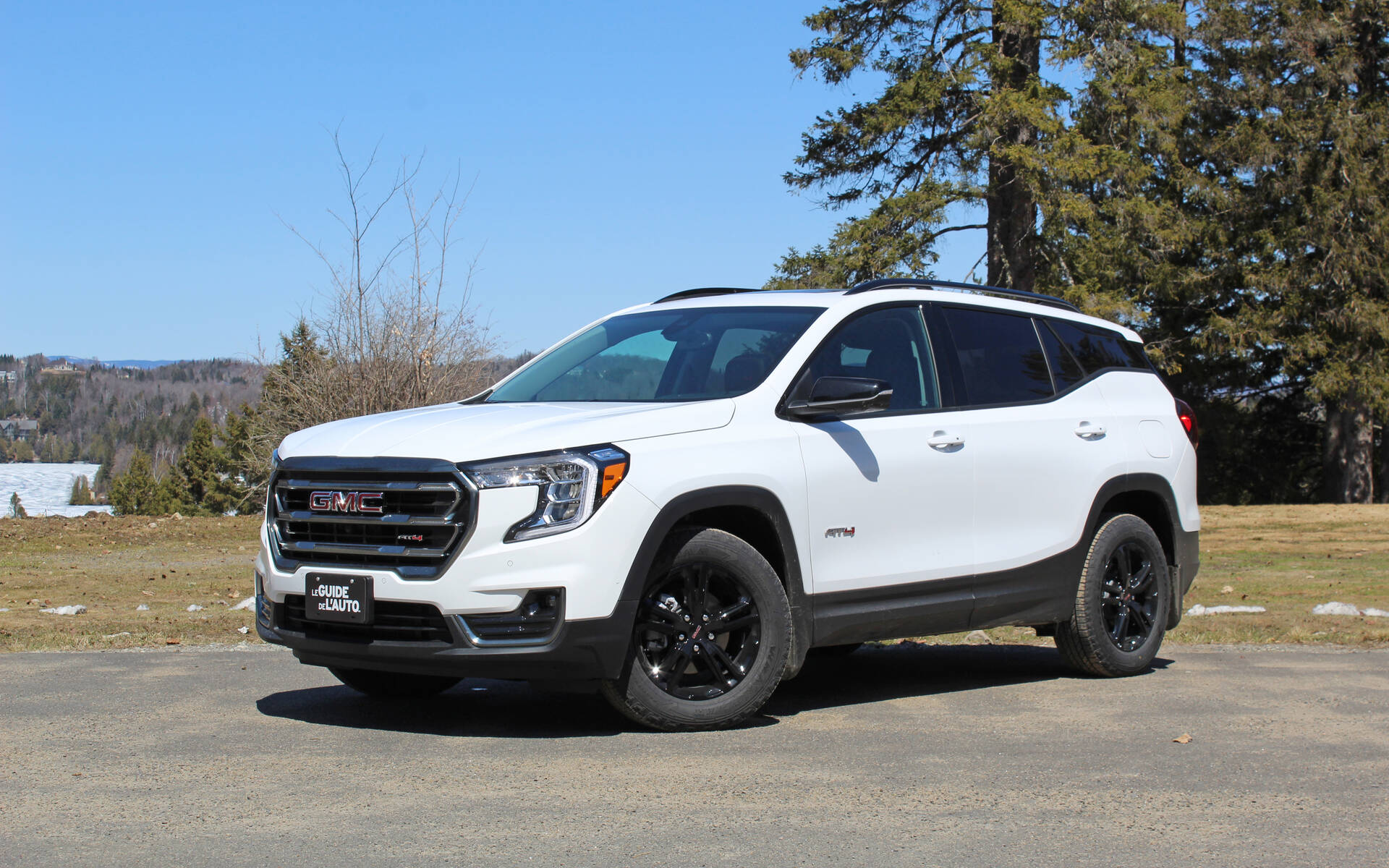
3. GMC Terrain (2018-Present)
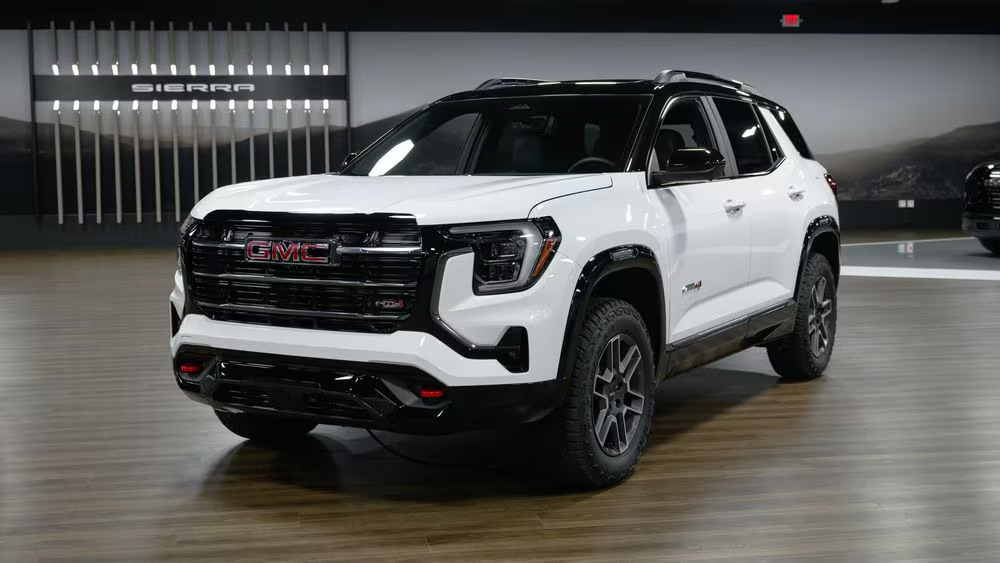
The GMC Terrain has aimed to capture the compact SUV market with a blend of style, utility, and technology. Yet, recent models of the Terrain have been dogged by a series of mechanical and electronic problems that have detracted from their appeal.
The 1.5-liter turbocharged engine, designed to balance fuel efficiency with performance, has been linked to rough idling, hesitation, and even engine stalling under certain conditions.
These issues have led to recalls and service campaigns, highlighting the challenges of delivering a smooth and reliable driving experience with increasingly smaller, turbocharged engines.
Owners have also reported premature transmission wear, characterized by jerky shifts, hesitation, or failure to engage gears properly. Such transmission problems undermine the SUV’s usability, particularly for drivers who rely on smooth and predictable power delivery in urban or highway driving.
Repairing or replacing transmissions in modern vehicles is often costly and time-consuming, which has led to frustration among Terrain owners. Beyond the mechanical issues, the Terrain’s complex infotainment and electronic safety systems have been sources of complaints.
Users have noted frequent glitches, freezing screens, and occasional failures in advanced driver-assistance features such as lane keep assist and adaptive cruise control. These malfunctions can undermine confidence in the vehicle’s safety capabilities and detract from the driving experience.
While the GMC Terrain offers competitive styling and features, its reputation is hampered by these reliability challenges. Buyers considering this SUV should weigh the benefits of modern technology against the risks of recurring mechanical and electronic problems. Staying informed about service bulletins and opting for extended coverage can help manage potential issues.
4. Cadillac CT6 (2016-2020)
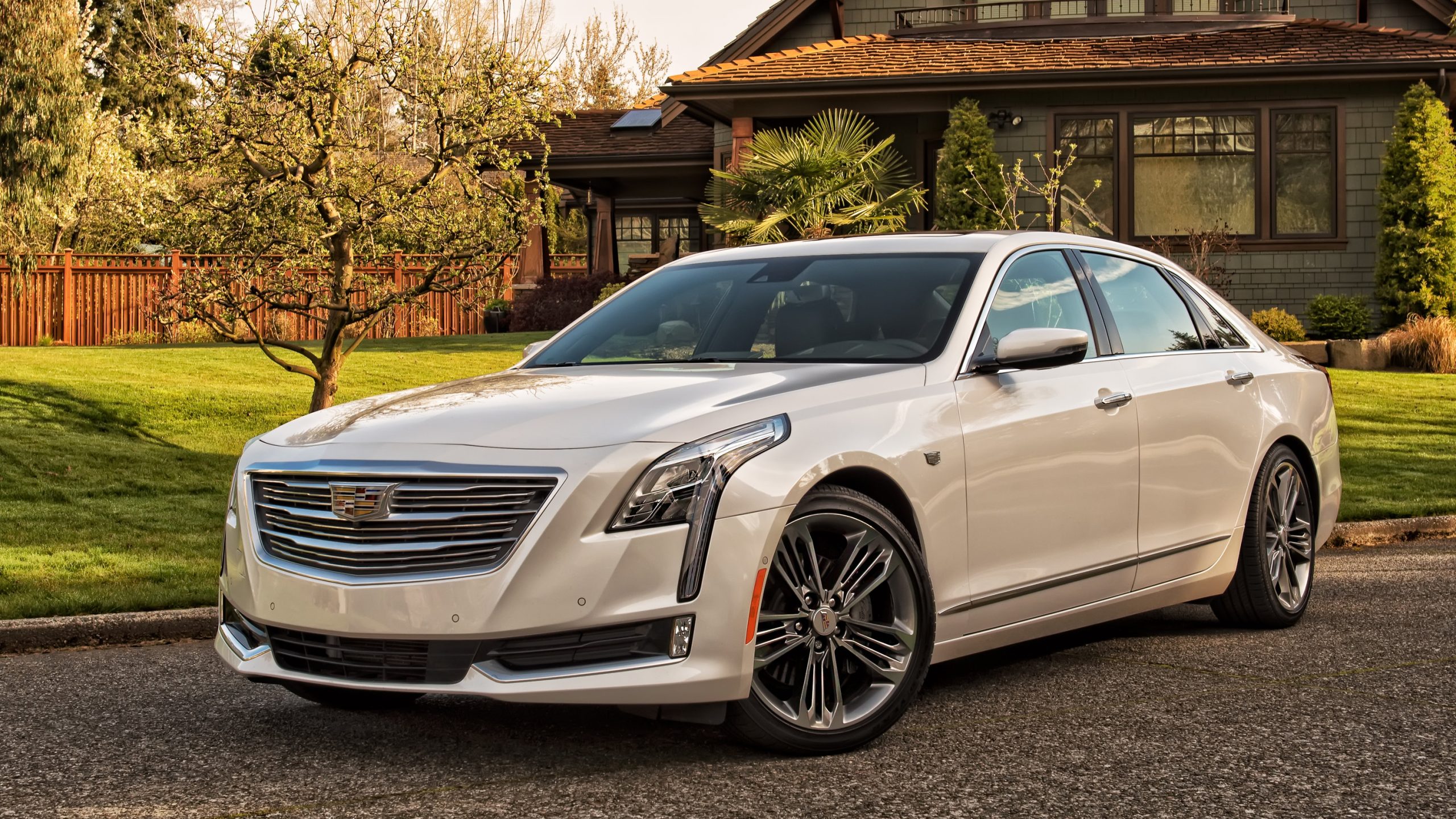
Cadillac’s CT6 was introduced as a flagship luxury sedan designed to showcase the brand’s cutting-edge technology and compete with European rivals. Despite its high-end image and advanced features, the CT6 has struggled with reliability issues that have affected its desirability and resale value.
Electrical system failures are among the most common complaints, impacting interior lighting, power seats, infotainment, and critical vehicle functions. The complexity of these electronic systems has made troubleshooting difficult and expensive, leading to customer dissatisfaction.
The infotainment system, intended to be a highlight of the CT6, was often criticized for being slow, buggy, and unintuitive. Drivers frequently reported freezes, unresponsiveness, and connectivity problems that detracted from the luxury experience.
This technology, while impressive on paper, has proven problematic in everyday use and continues to be a weak point in the vehicle’s ownership experience. The CT6 also featured a sophisticated air suspension designed to provide a smooth, adjustable ride.
Unfortunately, some owners have faced premature suspension failures, including leaks and component wear that compromised ride comfort and handling. These repairs are costly and time-consuming, further raising the vehicle’s total cost of ownership beyond initial expectations.
Despite these issues, the CT6 is appreciated for its bold styling, spacious interior, and impressive engine options. However, the combination of electronic problems and expensive repairs contributed to the model’s discontinuation in 2020.
The CT6’s challenges underscore the risks associated with integrating advanced technology without sufficient real-world testing and reliability focus.
5. Chevrolet Equinox (2018-Present)
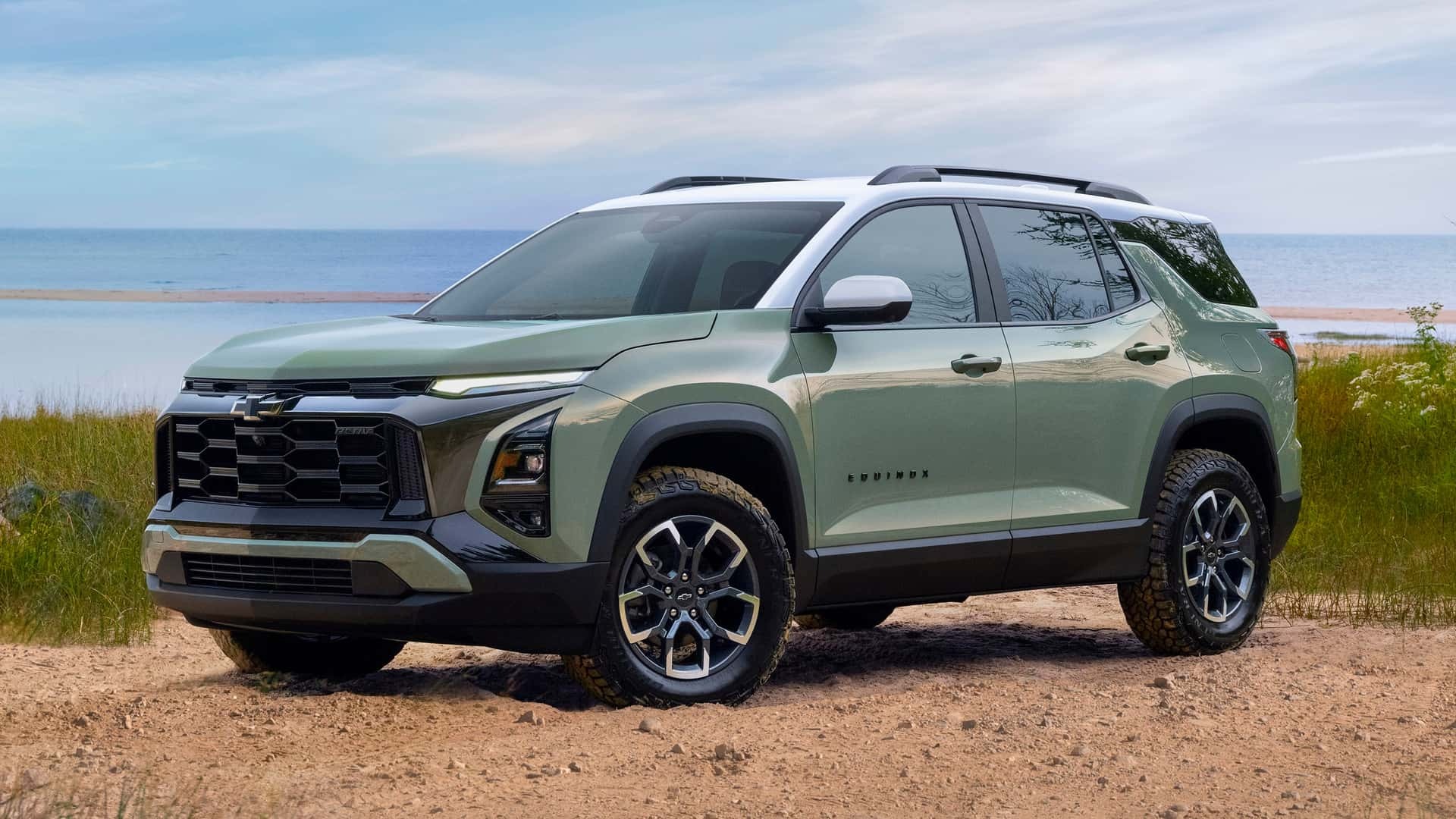
The Chevrolet Equinox is a compact crossover SUV that has been a popular choice for families and commuters. Nevertheless, since its most recent redesign, the Equinox has been plagued by a variety of mechanical problems, most with its engine and transmission.
The 1.5-liter turbocharged engine, designed for efficiency and performance, has been criticized for excessive oil consumption, rough running, and occasional engine failures. These engine troubles have resulted in recalls and frequent visits to service centers, causing inconvenience and concern for many owners.
Transmission issues have also surfaced, with reports of hesitation, rough shifting, and loss of power. These problems are especially troubling in a vehicle marketed for everyday practicality and ease of use. For owners, the need for costly repairs or replacements diminishes the vehicle’s appeal and increases ownership costs.
In addition to mechanical failures, some Equinox drivers have experienced electronic system glitches, including problems with the infotainment system, backup cameras, and various sensor-based safety features. While not as critical as engine or transmission issues, these glitches affect the user experience and can contribute to frustration.
Despite its stylish design and modern feature set, the Equinox’s reliability problems have damaged its standing in a highly competitive segment.
Prospective buyers should be cautious, researching specific model years and considering extended warranties or certified pre-owned options to mitigate risk. The Equinox’s troubles highlight the ongoing challenge for GM in balancing advanced technology, fuel efficiency, and reliability in compact SUVs.
Also Read: 5 Cars With Legendary Battery Life and 5 That Need Jumping Weekly
The contrast between five forgotten GM cars that still run reliably and five recent GM models with major issues reveals much about the evolution of automotive engineering, manufacturing, and consumer expectations.
The older vehicles, often seen as relics of a bygone era, owe their durability to simpler mechanical designs, proven technologies, and fewer electronic systems that could malfunction.
These cars were built in a time when reliability was closely tied to straightforward engineering and robust components, making them easier to maintain and repair.
Owners of these models often enjoy the benefits of their long-lasting performance, minimal downtime, and generally lower maintenance costs, despite the lack of modern amenities.
In contrast, the newer GM vehicles showcase both the promise and pitfalls of modern automotive technology. They bring significant advancements in efficiency, safety, and comfort, incorporating once-unimaginable features.
However, these benefits come with increased complexity, which has led to a variety of problems ranging from electronic glitches to critical mechanical failures.
Recalls and customer dissatisfaction among recent models such as the Chevrolet Bolt EV, Silverado, GMC Terrain, Cadillac CT6, and Chevrolet Equinox underscore the difficulties faced by GM and other manufacturers in producing reliable, cutting-edge vehicles.
These issues highlight how rapid innovation sometimes outpaces thorough testing and quality control, leading to problems that erode consumer trust.
The divide between older and newer GM vehicles also reflects broader industry challenges. As the push for electrification, autonomous driving, and connected cars accelerates, automakers must strike a delicate balance between integrating advanced technology and maintaining the dependability that consumers expect.
GM’s experience illustrates the risks of introducing new systems before they are fully refined, especially when those systems control critical aspects of vehicle operation. It also points to the importance of investing in quality assurance and after-sales support to mitigate the impact of inevitable teething problems.
For consumers, this comparison suggests the value of carefully weighing the benefits of modern features against the potential downsides of increased complexity and reliability issues.
While newer models offer exciting innovations, older vehicles with simpler designs may still represent a reliable and cost-effective choice, especially for those prioritizing durability over the latest technology.
For the industry, GM’s mixed record serves as a cautionary tale and a call to improve development processes, enhance testing protocols, and provide robust customer support to ensure future vehicles meet high standards.
The story of these five forgotten GM cars and five recent troubled models is a reminder that progress in automotive technology is not always linear or without setbacks.
It reflects the challenges of adapting to changing markets and regulatory, the growing pains of innovation, and the enduring appeal of well-built machines that keep running long after the hype fades.
As GM moves forward, the lessons learned from both the past and present will be crucial in shaping vehicles that combine the best of reliability and modern capability.
