
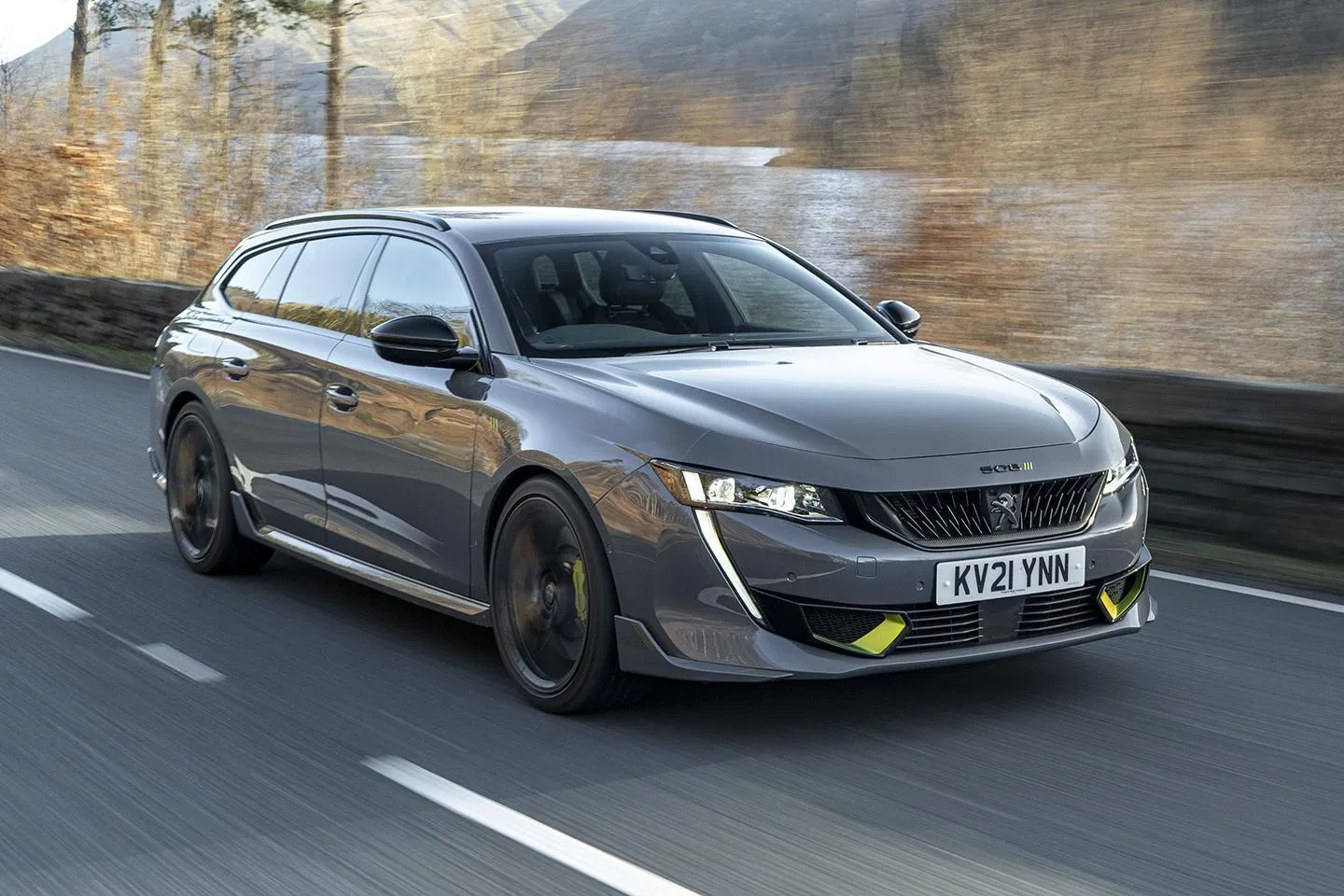
European sedans have long held a distinct place in automotive culture. The image they project often suggests a blend of sophistication, engineering finesse, and dynamic driving feel.
For decades, brands like BMW, Audi, Mercedes-Benz, and Jaguar have built their reputations on these qualities, promising drivers not only performance and luxury, but also technical superiority.
However, when the shine of a showroom floor fades and years of ownership pass, a different reality often sets in. Not every European sedan lives up to its legacy.
Some models that were hyped at launch for their design, features, or brand prestige later became notorious for mechanical headaches and high ownership costs. Meanwhile, a handful of lesser-known models quietly sitting in the background have proven to be far more dependable than their more famous counterparts.
This split between perceived value and actual reliability is often misunderstood, particularly by buyers who rely on badges and marketing.
The most talked-about European sedans are not always the ones that stand the test of time. In fact, many are packed with overly complex technology, expensive-to-maintain systems, and drivetrain choices that age poorly.
Whether it’s a timing chain buried at the back of a V6 engine, an electronic suspension system with sensors that cost more than the car itself, or turbochargers that fail prematurely, some highly praised sedans don’t just disappoint they become liabilities.
On the other side, some sedans receive little attention from enthusiasts or the press, yet quietly rack up miles with only basic care.
These models may not have the flashiest interiors or the most aggressive styling, but they carry forward the original promise of what European engineering used to stand for: solid, road-tested components and thoughtful design built for longevity rather than just a good first impression.
These vehicles are often found in secondary markets, bought by informed owners who know what to look for and how to keep them running. Their success isn’t built on hype but on actual long-term performance.
This article compares both ends of that spectrum. First, we’ll highlight five underrated European sedans that have earned respect for their long-term durability and relatively simple maintenance requirements. These cars often come from brands or model lines that are overlooked or dismissed by mainstream buyers but have quietly built loyal followings for good reason.
Then, we’ll look at five sedans that were hyped and celebrated at launch, only to reveal deep flaws over time. These models often over-promised and under-delivered, especially after warranty periods ended and real ownership costs set in.
Whether you’re a seasoned car enthusiast looking for a dependable daily driver or a first-time buyer attracted to European cars for their design and handling, it’s worth taking a closer look at which sedans last and which ones just look good in brochures.
Choosing the right car can mean the difference between years of smooth, enjoyable driving and a string of expensive trips to the shop. Let’s start with the five lesser-known sedans that prove durability still exists in European motoring if you know where to look.
Also Read: 5 Cars With Legendary Battery Life and 5 That Need Jumping Weekly
5 Lesser-Known Euro Sedans That Last
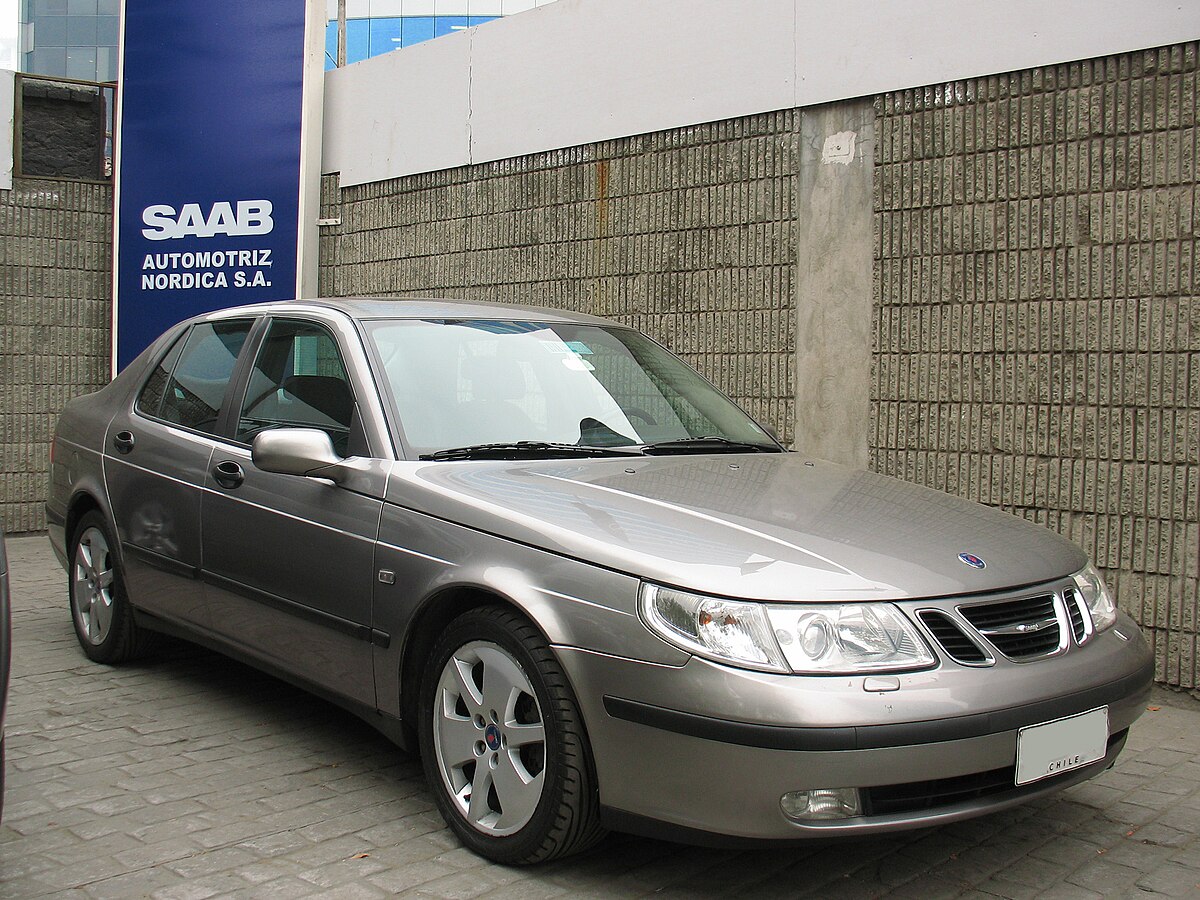
1. Saab 9-5 (1998–2010)
Often seen as an outlier in the European car landscape, the Saab 9-5 was never a volume seller like its German rivals, but it quietly built a reputation for longevity and mechanical strength. The turbocharged four-cylinder engines, particularly the 2.3-liter variants, were known for handling high mileage with routine maintenance.
Owners frequently report passing 200,000 miles with little more than regular oil changes and timely belt replacements. Despite Saab’s eventual corporate downfall, the 9-5 remains a testament to the company’s commitment to engineering cars that would last.
Interior quality may not match its German contemporaries, but ergonomics were sensible, and comfort was a key strength. The seats were designed with long-distance driving in mind, and the dashboard layout reflected Saab’s aircraft heritage.
More importantly, the car lacked the over-complication that would plague other European brands in the same era. Instead of relying on fragile electronic systems, the 9-5 kept things relatively simple and user-serviceable, a big plus for DIY-minded owners.
Rust protection was also above average for a European car from this period. Swedish winters meant the car was designed with heavy salt exposure in mind, resulting in solid underbody coating and durable paintwork. This contributed to the model’s long-term survivability, even in harsh northern climates.
Combined with a surprisingly affordable parts market, especially from specialist suppliers and used parts networks, the 9-5 continues to be a smart buy for people who want European driving character without endless repair bills.
Mechanically, the suspension and drivetrain were tough, and the automatics, especially the Aisin-sourced units proved reliable over the long haul.
Manual transmission models added another layer of durability, with clutches and gearboxes rarely giving trouble. Saab may be gone, but the 9-5 continues to represent one of the most quietly reliable European sedans of its time.
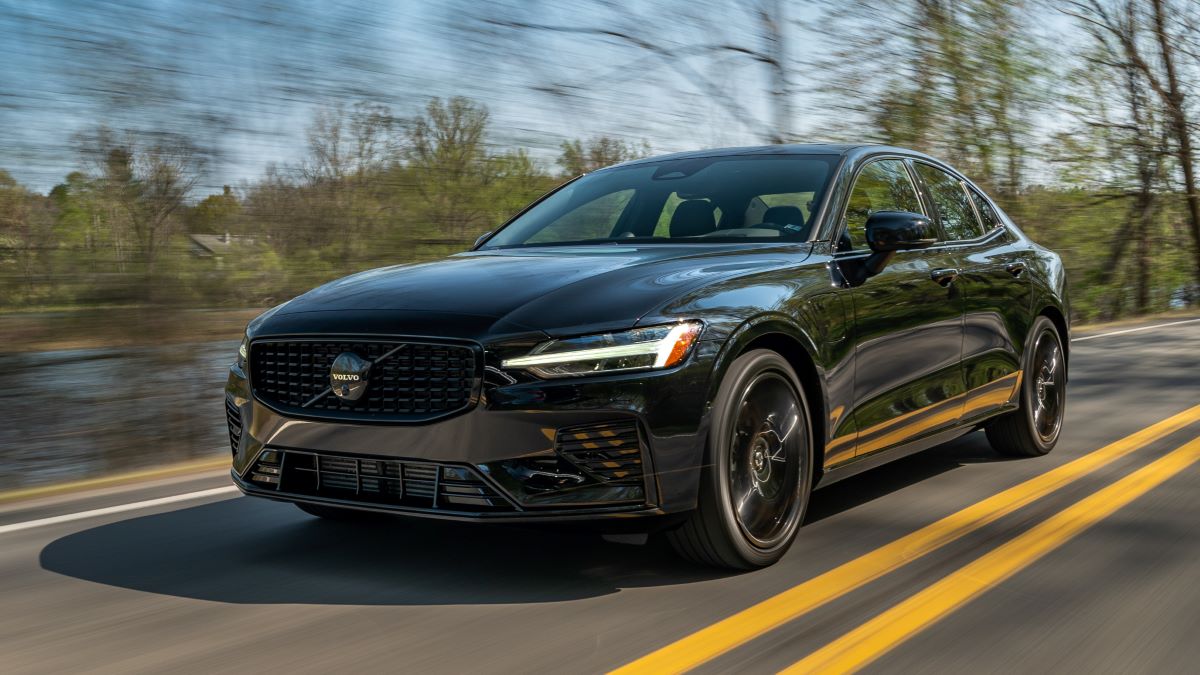
2. Volvo S60 (2001–2009)
The first-generation Volvo S60 didn’t make a huge splash in automotive circles, often overshadowed by flashier German rivals. Yet, it quietly offered exactly what many owners ended up appreciating: sturdy mechanicals, robust safety design, and long-lasting drivetrains.
Based on the same P2 platform as the Volvo S80 and XC90, the S60 was built during Volvo’s era of independence before Ford’s full influence took hold. This era produced some of the toughest Volvos in modern times.
Under the hood, the five-cylinder engines were a standout feature. The 2.4-liter naturally aspirated and low-pressure turbo variants were particularly durable, delivering decent power without stressing the components.
These engines, known for their unique sound and smooth torque delivery, could routinely exceed 250,000 miles when properly maintained. Timing belt intervals were generous, and oil leaks though present in some examples were manageable.
The body shell was overengineered by most standards. Volvo’s obsession with safety meant thicker steel panels, reinforced door structures, and an interior that aged gracefully.
Even the plastics inside the cabin tended to wear better than many contemporaries. The suspension leaned toward comfort rather than sharpness, but it contributed to fewer failures over time. Strut mounts and control arms did wear out eventually, but not unusually so.
Electronics were not perfect, but compared to many BMW or Audi systems of the same era, the S60 fared better. Fewer modules meant fewer headaches, and many of the features while less advanced were more consistent in long-term operation.
For owners willing to handle regular servicing and stick to factory maintenance schedules, the S60 proved to be one of the more dependable European sedans available during the 2000s.
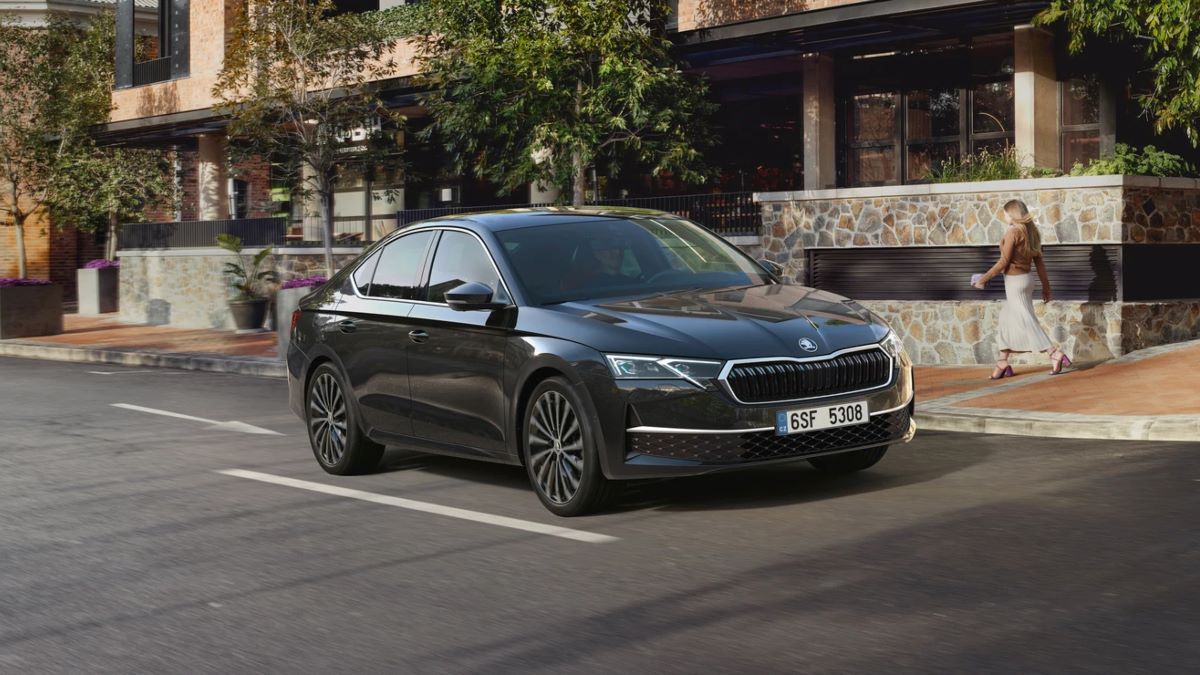
3. Skoda Octavia (2004–2013)
While largely overlooked in markets outside Europe, the second-generation Skoda Octavia was quietly one of the most durable sedans to come out of the continent in the last two decades.
Built on a Volkswagen Group platform, the Octavia benefited from shared components with VW and Audi models but was often built with less emphasis on luxury and more on practical reliability. Skoda’s use of tried-and-tested engines, like the 1.9 TDI and later 2.0 TDI units, contributed significantly to its reputation for longevity.
What set the Octavia apart was its simplicity. The diesel models, in particular, had fewer emissions components than newer generations, making them easier to maintain and more resilient in the long run.
Fuel economy was excellent, and timing belt intervals were well-documented and predictable. Interior materials were not luxurious but proved surprisingly resistant to wear and tear, even in high-mileage examples used as taxis or fleet vehicles.
Many Octavias spent their lives as workhorses used by families, delivery drivers, and fleet operators. This widespread use in demanding conditions highlighted just how tough they were.
Suspension components and brakes needed replacement in the usual intervals, but engine internals and transmissions, especially the manual gearboxes, held up exceptionally well. The DSG automatics were more complex but manageable with routine fluid changes.
The biggest strength of the Octavia was its affordability combined with endurance. Owners could get German-level engineering at a fraction of the price and enjoy far lower running costs.
It wasn’t flashy and didn’t get much attention from the automotive press, but the Octavia carved out a loyal fan base based on nothing more than doing the job reliably year after year.
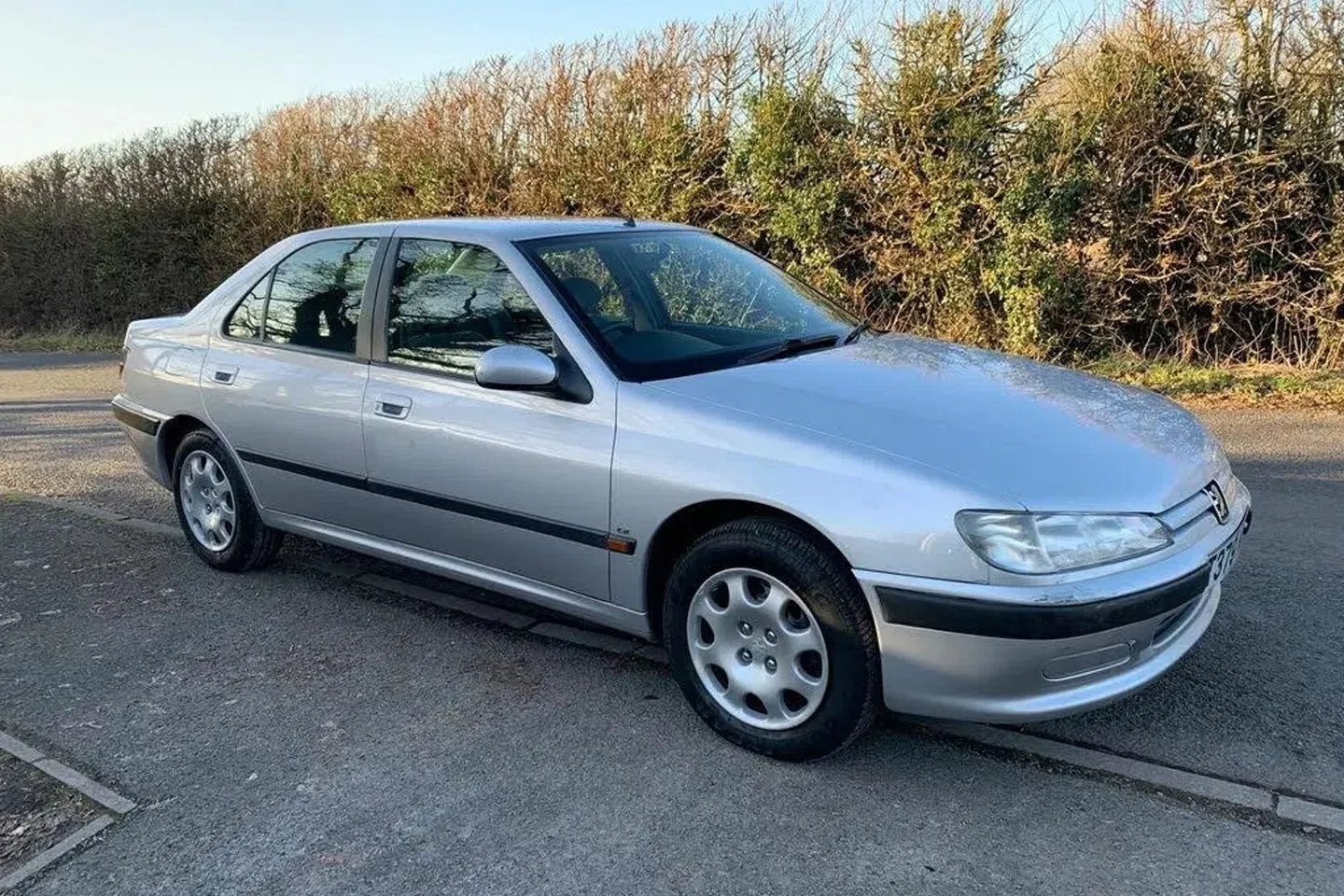
4. Peugeot 406 (1995–2004)
The Peugeot 406 doesn’t often make top-ten lists in car magazines, especially outside of France, but for those familiar with its strengths, it stands as one of the most underappreciated sedans of its era.
The 406 was offered with a range of petrol and diesel engines, and while not all were equally robust, the 2.0 HDi diesel earned legendary status among high-mileage drivers. Capable of traveling well over 300,000 kilometers with minimal repairs, the HDi was frugal, smooth, and impressively durable.
Build quality was above average for a French car of the era. The suspension was designed with French roads in mind, prioritizing comfort but handling wear well thanks to a relatively simple layout.
Front bushings, strut mounts, and shocks wore out over time but were inexpensive to replace. The rear multi-link design also proved resilient over the years, making the 406 a great long-distance cruiser without becoming a money pit.
The interior wasn’t luxurious by German standards but was ergonomic and long-lasting. Basic models with fewer electronics often outlasted their higher-spec siblings, as fewer gadgets meant fewer failures.
Climate control systems, for example, could act up in some versions, but manual heating systems rarely caused issues. The 406 kept things refreshingly simple and user-friendly.
Another point in its favor was its corrosion resistance. Many examples still survive today in good condition despite limited dealer support in some regions.
Peugeot’s reputation for electrical quirks didn’t escape the 406 completely, but the faults were more manageable and less intrusive than in later models. For budget-conscious buyers who still wanted a European sedan that could run for decades, the 406 was a rare gem.
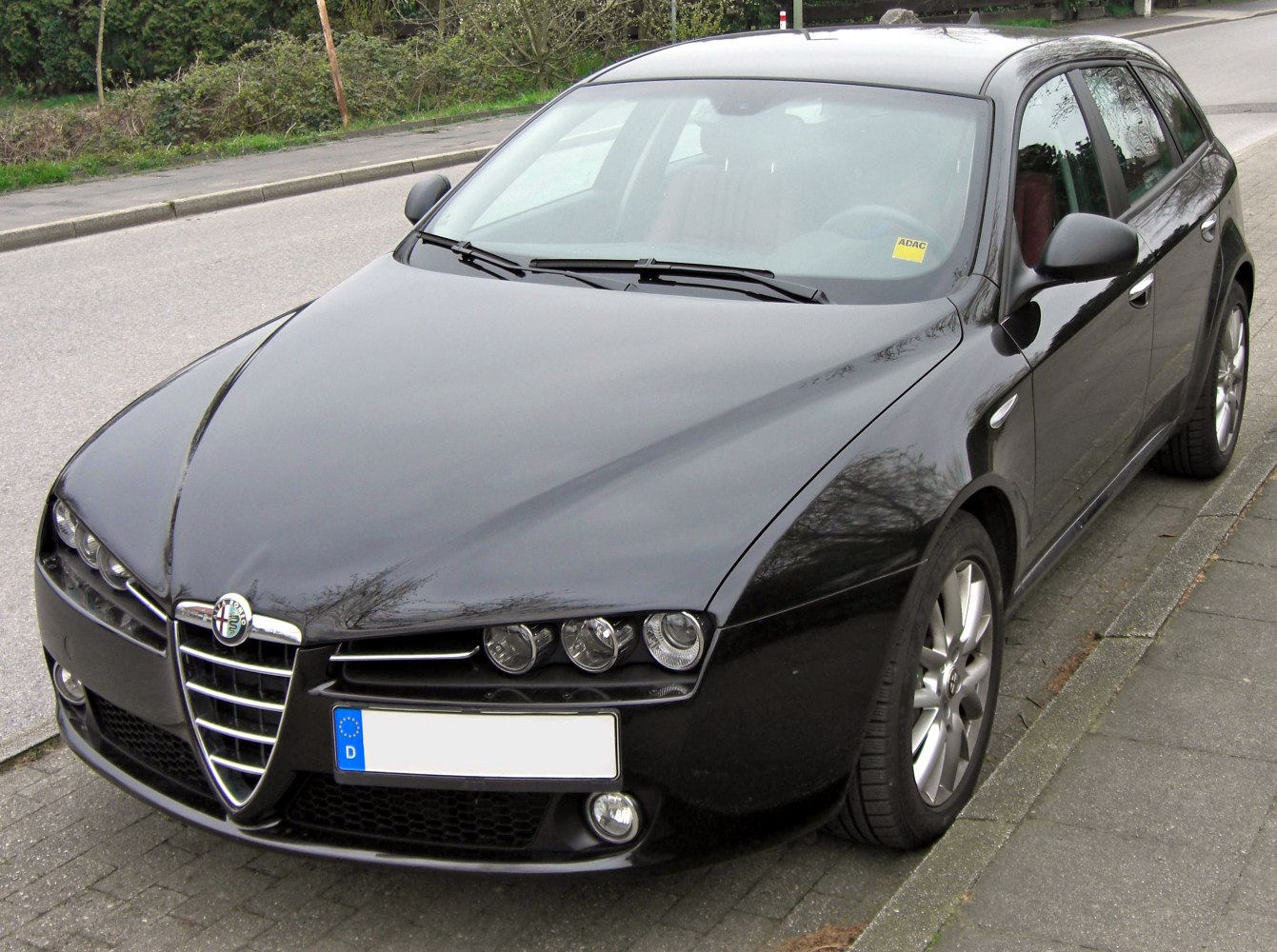
5. Alfa Romeo 159 (2005–2011)
Alfa Romeo has never had a sterling reputation for reliability, especially outside Italy, but the 159 stands out as an exception in a brand better known for its style than its service history.
Although not as widely discussed as its German rivals, the 159 proved itself to be far more robust than many expected. A solid structure, reliable diesel engine options, and a significant leap forward in build quality made it a sleeper in terms of long-term ownership.
The 1.9 and 2.4 JTDm diesel engines were the most dependable powerplants in the lineup. These Fiat-sourced engines had proven themselves in various other models and offered a strong combination of fuel economy and reliability.
Timing belt intervals were manageable, and injectors, turbochargers, and fuel pumps, while not trouble-free, generally held up better than those in many competing sedans. The trick to owning a 159 long-term was consistent maintenance rather than chasing electrical ghosts, which plagued earlier Alfas more often.
The chassis was another strong point. Shared with some GM platforms but heavily modified by Alfa’s engineers, the 159 handled well while still providing a comfortable ride.
More importantly, it didn’t suffer from the rapid suspension wear that plagued some other sporty sedans. Owners reported longer-than-expected life from bushings, control arms, and steering components, especially in diesel variants with less aggressive driving styles.
Interior build quality saw a dramatic improvement over previous Alfa Romeo models. Soft-touch plastics, tight panel gaps, and stylish yet functional controls made the 159 feel upscale. Electrical faults were present, but fewer than in the 156 that came before it.
Once considered a risky purchase, the 159 has gained a solid following among enthusiasts who appreciate its design, driving dynamics, and long-term dependability. If anything, the 159 suffers more from brand stigma than from any real mechanical failing, making it a hidden gem among second-hand European sedans.
5 Hyped Euro Models That Break
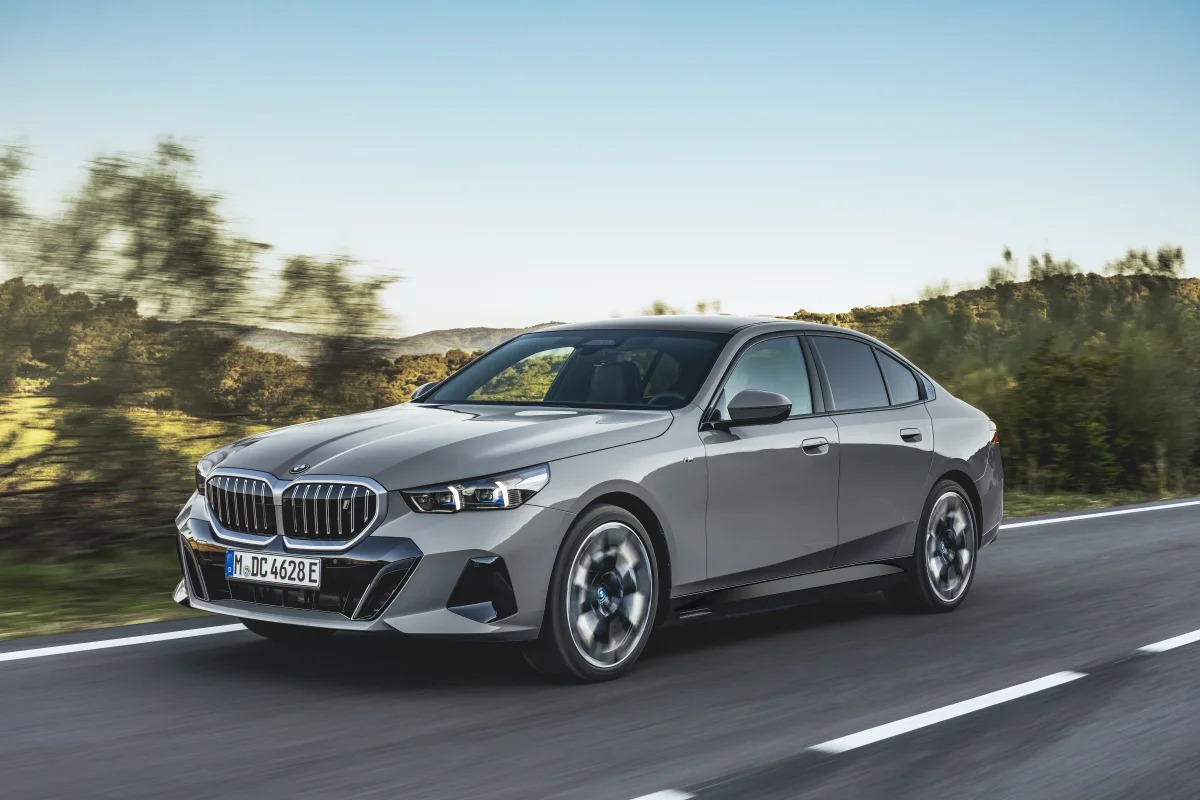
1. BMW 5 Series (E60, 2004–2010)
The E60-generation BMW 5 Series looked like a game changer when it arrived. Designed by Chris Bangle and packed with technology, it was pitched as the executive car for the modern age.
Reviews praised its dynamics, engine options, and modern design, but many owners soon discovered that the E60 was not the long-term performer its badge suggested. It introduced a host of complex systems that became ticking time bombs as the miles added up.
Arguably the biggest offender in this lineup was the N62 V8 engine, used in the 545i and 550i. Known for valve stem seal issues, cooling system failures, and the infamous leaking alternator bracket gasket, these engines required deep pockets to maintain.
Even the inline-six engines like the N52 and N54 had their share of recurring issues, including failing electric water pumps, high-pressure fuel pump failures, and oil leaks from the valve cover and oil filter housing.
Electronics were another headache. The iDrive system, particularly in early models, was clunky and prone to failure. Sensors controlling everything from the transmission to tire pressure monitoring regularly triggered fault lights and limp mode.
The automatic transmissions, especially the ZF 6HP units, were smooth when new but expensive to repair and sensitive to neglected fluid changes.
While the car offered sharp handling and a luxurious cabin, it came at the cost of long-term dependability. Owners often faced constant warning lights, costly diagnostics, and an ever-growing list of deferred maintenance. For buyers lured in by the BMW badge and performance, the E60 often became a financial drain and an unreliable companion.

2. Audi A6 (C6, 2005–2011)
The C6-generation Audi A6 was positioned as a premium sedan for tech-savvy executives, boasting clean lines, advanced MMI infotainment, and Audi’s hallmark all-wheel-drive system.
At launch, it received strong praise for its cabin quality and modern design. However, once outside the warranty period, many of these vehicles turned into expensive problems, especially those equipped with V6 and V8 engines.
The 3.2-liter FSI V6, in particular, developed a reputation for carbon build-up due to its direct injection design. Cleaning intake valves became a regular and costly maintenance item, often required every 40,000 to 60,000 miles.
The 4.2-liter V8 models suffered from timing chain tensioner failures, which required engine removal to repair. These issues could cost several thousand dollars to fix and often occurred just as factory warranties expired.
Electrical reliability was no better. MMI failures, malfunctioning door modules, and dashboard light shows became common complaints. E
ven simple repairs like fixing a power window or replacing a battery often involved a long list of diagnostic steps due to Audi’s heavily integrated electrical architecture. Quattro models added complexity to the drivetrain, increasing the chance of differential and transfer case problems.
The suspension, particularly the optional air suspension system on higher trims, frequently failed at higher mileages.
Replacing air struts and compressors was prohibitively expensive for many owners. As a result, many used C6 A6s were sold off cheaply once repairs became unavoidable. The car had plenty of showroom appeal but proved too complicated and fragile for long-term satisfaction.
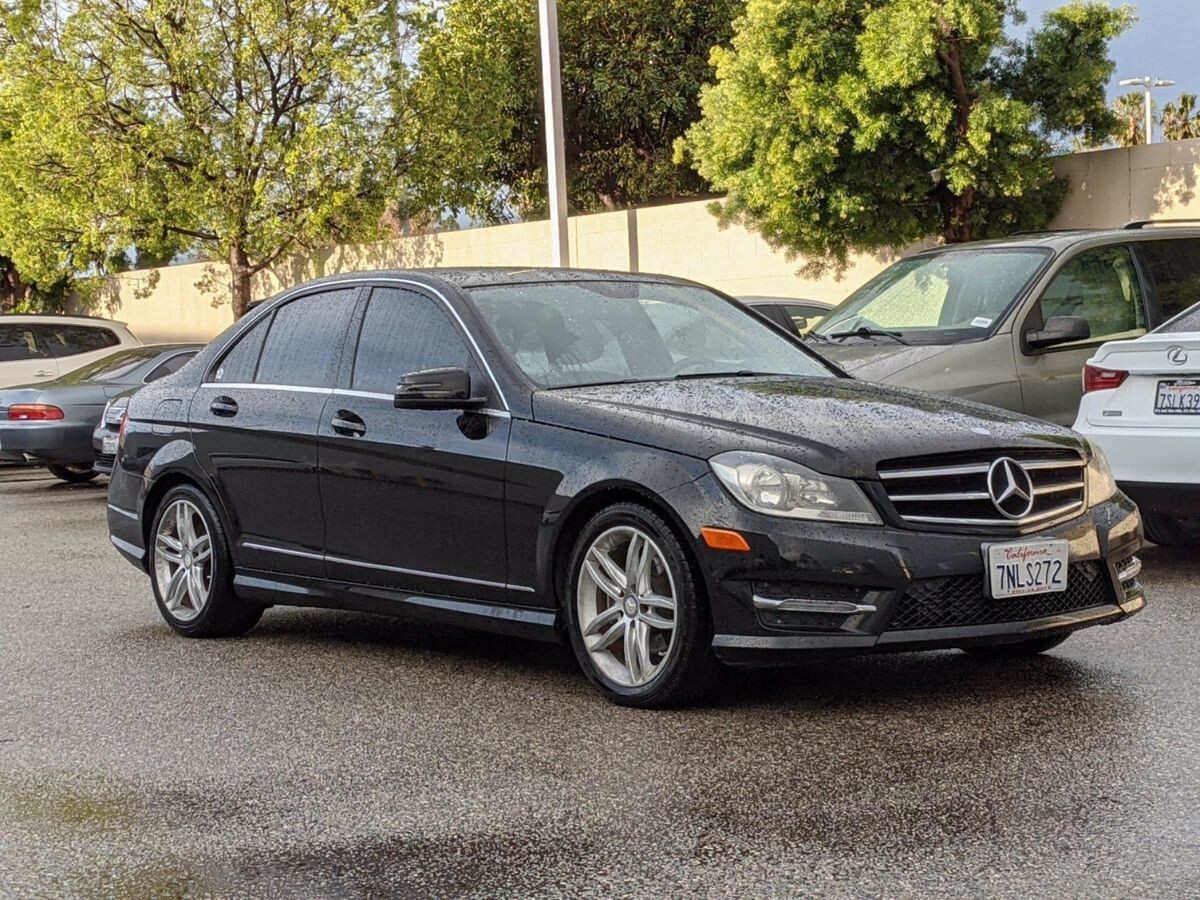
3. Mercedes-Benz C-Class (W204, 2007–2014)
The W204 C-Class was hailed as a return to form for Mercedes-Benz after the troubled W203 generation. Strong styling, solid performance from the M272 and M276 engines, and a more focused driving experience won it early praise.
But that optimism often gave way to frustration as real-world reliability lagged behind expectations. The cost of maintaining a W204 often far exceeded what buyers assumed when they saw the badge.
Engine issues were not uncommon. Early M272 engines were prone to balance shaft gear wear, leading to expensive repairs often exceeding the value of the vehicle.
Timing chain tensioners and camshaft adjusters were also known failure points. Even the seemingly more modern M276 direct injection engines suffered from fuel injector leaks and misfires related to carbon build-up.
Interior electronics became a major sore spot as these cars aged. Problems with the COMAND infotainment system, Bluetooth connectivity, and parking sensors were frequent.
Dashboards developed squeaks and rattles, undermining the premium feel that Mercedes tried hard to project. Additionally, rust remained an issue in some climates, especially around door seams and wheel arches, a problem that Mercedes supposedly addressed after the W210 debacle but never fully eliminated.
Transmission performance was another weak link. The 7G-Tronic automatic was fine when it worked, but when it failed, it required expensive and complex repair.
Valve body issues and conductor plate faults led to harsh shifting or complete failure. Many independent shops lacked the tools to reprogram or reset these transmissions, which meant frequent trips to the dealer and big bills.
Despite looking like a luxury contender, the W204 C-Class often ended up being an expensive gamble for owners hoping to enjoy prestige without paying premium maintenance fees.
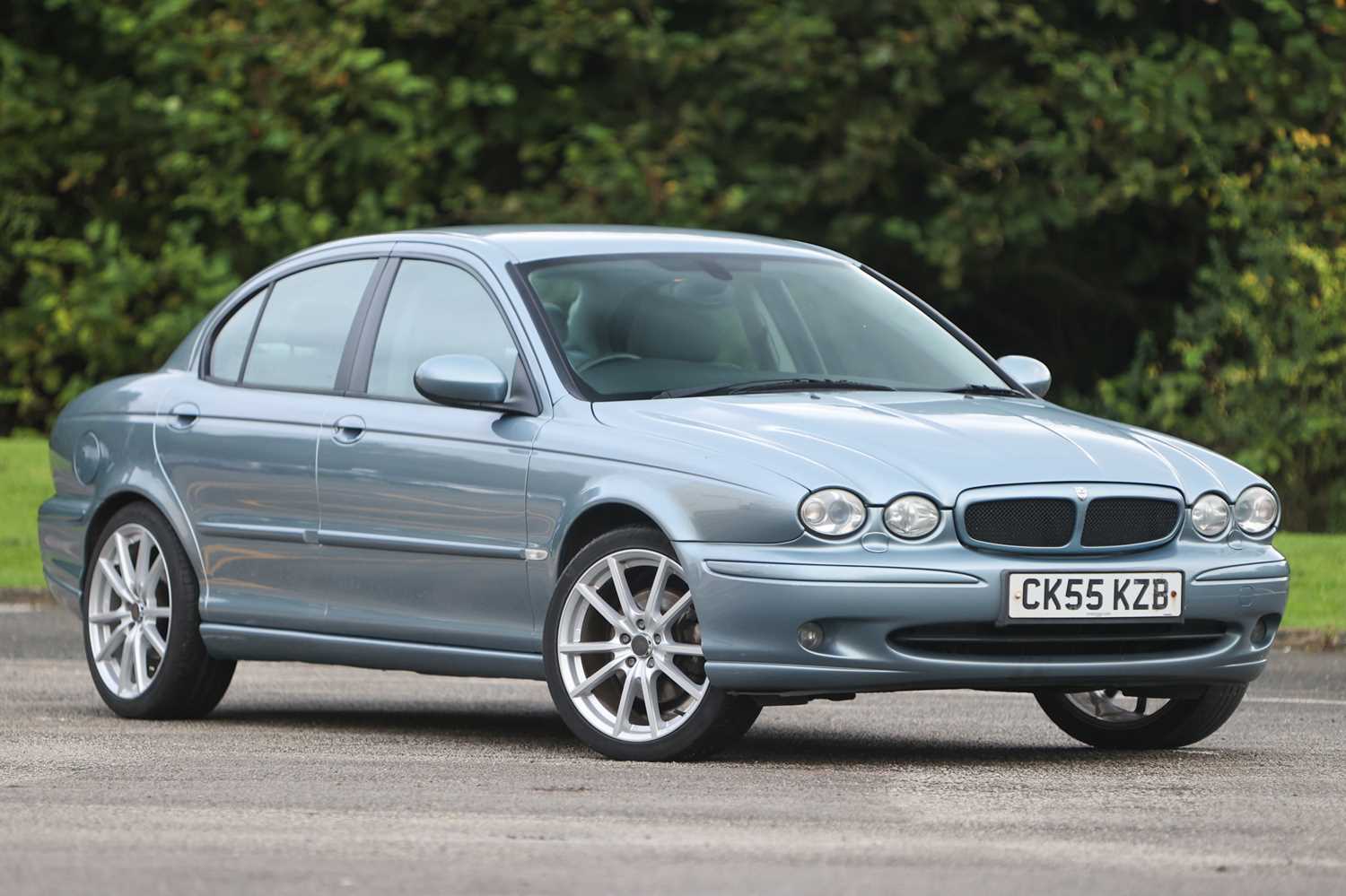
4. Jaguar X-Type (2001–2009)
Launched as a compact executive sedan to take on BMW and Mercedes, the Jaguar X-Type was backed by Ford’s ownership and aimed at bringing the Jaguar experience to a wider audience.
While it looked every bit like a proper Jag from the outside, the reality underneath the surface was far less refined. Built on a modified Ford Mondeo platform, the X-Type suffered from mixed engineering quality and high repair costs.
Engine options were limited and often underwhelming. The 2.5 and 3.0-liter V6 engines, while not inherently flawed, were coupled to transmission systems that frequently caused problems.
The automatic transmissions were known for torque converter failures and erratic behavior, especially when fluid changes were ignored, a common occurrence due to Jaguar’s “lifetime fill” claim, which didn’t match real-world needs.
Electronics were a nightmare. Dashboard warning lights came and went with no clear explanation, and many systems like power seats, window regulators, and climate control suffered from intermittent failure. Parts availability was another issue. While some components were shared with Ford, many Jaguar-specific parts were expensive or difficult to source, especially as the model aged.
Rust was also a major problem. Rocker panels, wheel wells, and trunk lids were common corrosion points, especially in areas with harsh winters.
Owners hoping to experience a touch of British luxury often found themselves buried under repair invoices and waiting on back-ordered components. While the X-Type had charm, it lacked the dependability and solid engineering needed to compete in its segment.
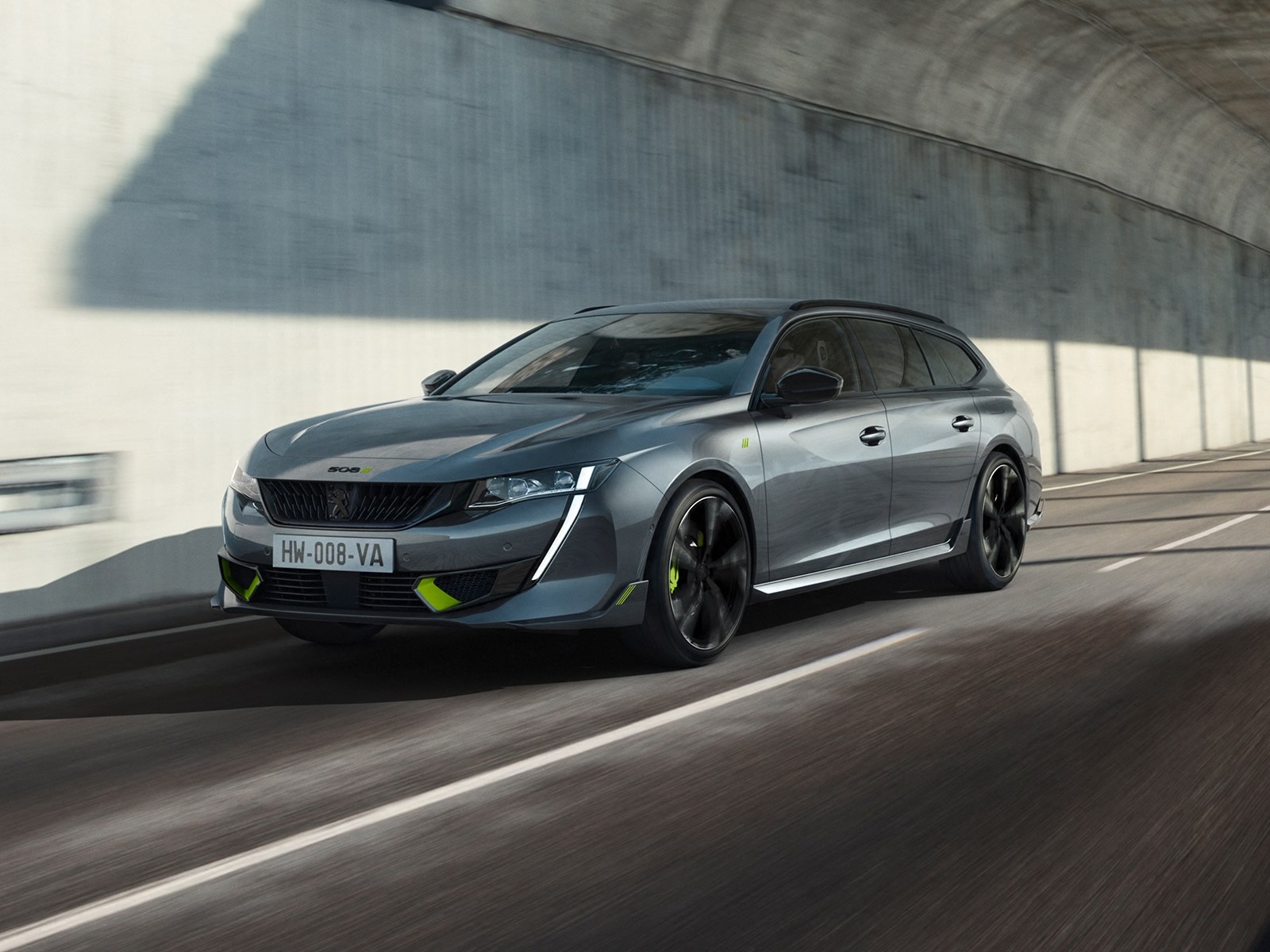
5. Peugeot 508 (2010–2018)
The Peugeot 508 was launched as the company’s attempt to go upmarket and compete with premium sedans from Germany and Sweden.
At first glance, it succeeded: sharp styling, efficient engines, and a refined ride quality. However, many of the same issues that had plagued Peugeot in the past returned with a new badge. While newer and more attractive, the 508 remained prone to mechanical and electrical issues that undermined its appeal.
Diesel models like the 1.6 HDi and 2.0 HDi were frugal but suffered from frequent EGR valve issues, turbo problems, and particle filter clogging especially in city-driven cars.
Timing belt changes came with high labor costs, and injectors were known to fail earlier than expected. Owners who ignored service schedules often faced steep repair bills, and the engine bay left little room for easy DIY maintenance.
The electrical system caused most of the headaches. Faulty sensors, malfunctioning touchscreen infotainment units, and random warning lights were par for the course.
Window switches, central locking modules, and dashboard displays frequently glitched or failed outright. Even dealer service centers struggled to keep the electronics running consistently.
Interior trim quality didn’t hold up either. Buttons wore quickly, headliners sagged, and the soft-touch plastics scratched easily. Build quality felt inconsistent across different model years, leading to a lack of trust in the product. By the time the second-generation 508 came along, Peugeot had tried to address many issues, but the damage to its reputation had already been done.
The 508 promised a lot on paper but delivered a frustrating ownership experience for many. For drivers enticed by French flair and modern design, it too often turned into a string of visits to the mechanic and mounting repair costs.
Also Read: 10 Best Cars That Balance Horsepower With Long-Term Value
The reputation of European sedans is both well-earned and often misunderstood. While the continent’s automakers have brought countless innovations to the industry, ranging from groundbreaking safety systems to refined suspension setups, not every model reflects the best of that tradition.
As this article has shown, real-world reliability doesn’t always match showroom promise. The truth is that some of the most dependable European sedans have flown under the radar, while others with more fanfare have struggled to hold up over time.
The five lesser-known sedans featured here didn’t win many awards or dominate magazine covers, but they’ve earned respect where it matters most: long-term ownership. Cars like the Saab 9-5 and Volvo S60 didn’t rely on aggressive marketing or trendy designs. Instead, they delivered consistent performance, solid mechanicals, and engineering choices that aged gracefully.
These models share a few things in common simpler electronics, proven engines, and designs that prioritized durability over cutting-edge complexity. In a time when many buyers associate European cars with high costs and frequent repairs, these vehicles stand out for being the exception.
On the other hand, the five hyped models illustrate how automakers can sometimes focus more on presentation than execution. Sedans like the E60 BMW 5 Series or C6 Audi A6 were celebrated at launch, but their long-term ownership stories have been marred by issues ranging from expensive engine repairs to failing electronic systems.
These cars often felt advanced when new, but they carried flaws in their design that only became apparent after a few years on the road.
For owners, that often meant choosing between costly repairs or selling the vehicle at a loss. And while brand prestige may soften the blow for some, the disappointment of unreliable performance can’t be ignored especially when it’s accompanied by a pile of repair invoices.
The key takeaway here is that automotive quality is more than a badge or a marketing slogan. It’s something that’s earned over time, through reliability, ease of maintenance, and sensible engineering. Cars that last are those that balance innovation with practicality.
They don’t overwhelm the owner with excessive tech or engineering experiments. Instead, they focus on doing the basics well: dependable drivetrains, straightforward maintenance, and a chassis that can handle real-world use without falling apart.
For those considering a used European sedan, the lesson is clear: don’t just follow the hype. Look beyond brand names and glossy reviews. Pay attention to the long-term track record of a model, talk to real-world owners, and consider what you need from a car.
Some of the best vehicles on the market aren’t the ones with the biggest engines or the fanciest interiors, they’re the ones that start every morning, drive without drama, and don’t leave you stranded when you least expect it.
European sedans can be excellent cars. Some just make better promises, while others actually keep them. If you’re smart about your choice, you can enjoy the unique feel of European engineering without signing up for years of mechanical headaches. That’s the difference between a car that lasts and one that breaks.
