
When people talk about reliable vehicles, the spotlight usually falls on a handful of big-name models from well-known manufacturers like Toyota, Honda, or Hyundai. These brands have earned their reputation over time, often thanks to a few flagship models that have become household names.
But there are vehicles from Asia that never received that kind of attention yet have quietly proven to be more durable and dependable than their more famous rivals.
These cars aren’t the ones plastered on billboards or constantly reviewed by major car magazines. In fact, some of them are nearly forgotten, sold only in certain regions, or were quickly discontinued despite their underlying strength. However, those who have owned or driven them know the value they bring.
On the other end, there’s the rising trend of vehicles marketed with flair and loaded with features that promise luxury, innovation, and excitement. These are the cars you see featured in promotional campaigns, topping YouTube review lists, and being hyped as “game changers.”
Yet, a number of these popular models don’t live up to the image. Whether it’s due to reliability concerns, premature wear, high maintenance costs, or even basic design flaws, they can leave buyers feeling shortchanged after the initial excitement fades.
Popularity doesn’t always mean quality, and with cars, long-term value often tells a different story than the launch buzz.
This article brings two contrasting lists into focus: five lesser-known Asian cars that consistently outperform their competitors in terms of longevity, and five trendy, hyped-up models that have revealed disappointing issues after time on the road.
These comparisons aren’t based on glossy features or tech gimmicks but center around durability, mechanical resilience, and owner satisfaction over extended use.
If you’re a buyer looking to invest in a vehicle that stays strong after the shine fades, or you’re just curious about the real-world performance behind the marketing, this breakdown offers a grounded view of which vehicles earn their keep and which don’t.
Also Read: 5 Vehicles With Simple Hitch Setup vs 5 With Complicated Tow Prep
5 Obscure Asian Cars That Outlast Competitors
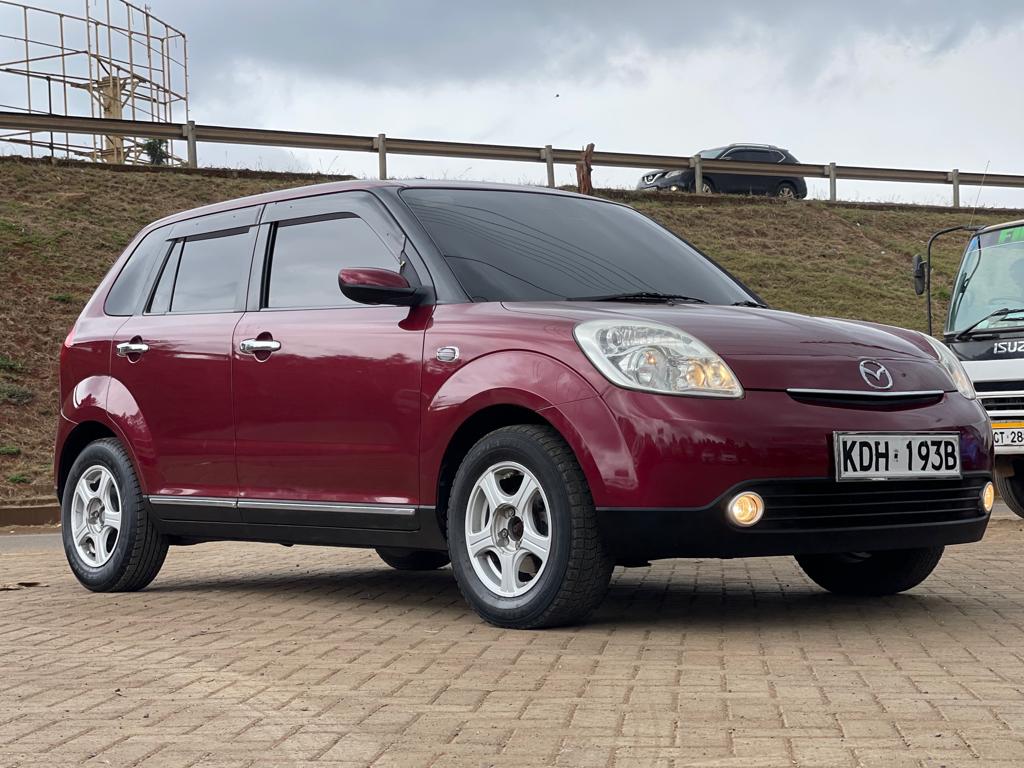
1. Mazda Verisa
The Mazda Verisa never became a global success, but it quietly held its own in the Japanese domestic market for nearly a decade. It wasn’t flashy or sporty, but it offered practical engineering that stood up over time.
Built on the same platform as the Mazda Demio (known as the Mazda2 in many regions), the Verisa was designed to be a comfortable, efficient subcompact hatchback with a strong focus on quality materials and smart interior layout.
One of the car’s strongest traits is its mechanical simplicity. While competitors added complicated electronics and fragile turbocharged engines, the Verisa kept a naturally aspirated inline-four that was easy to maintain and less prone to failure.
Owners often praised the Verisa’s trouble-free ownership experience. Many vehicles surpassed the 200,000 km mark with original engines and transmissions, needing only basic upkeep like oil changes, brake pads, and timing belts.
Its wide stance and low center of gravity gave it better handling than expected from a small city car, and the suspension tuning struck a good balance between comfort and stability. These characteristics, while not highlighted in sales brochures, made it popular with people who needed dependable transportation.
The interior was where the Verisa quietly outclassed many of its competitors. With more premium materials and a quiet cabin, it aged better than the interiors of many cars in its class.
The cloth seats held up remarkably well even after years of use, and interior electronics rarely failed. Some owners reported that even after a decade, only minor issues like power window switches or door handles needed attention. This kind of endurance was more than respectable given its modest price.
While the Mazda Verisa wasn’t exported widely and had limited international exposure, it became known among import car enthusiasts for being over-engineered for its segment.
Those who found one in good shape, even used, often reported driving it for years with minimal repair bills. It’s a great example of how substance can quietly outlast style, even when the spotlight is aimed elsewhere.
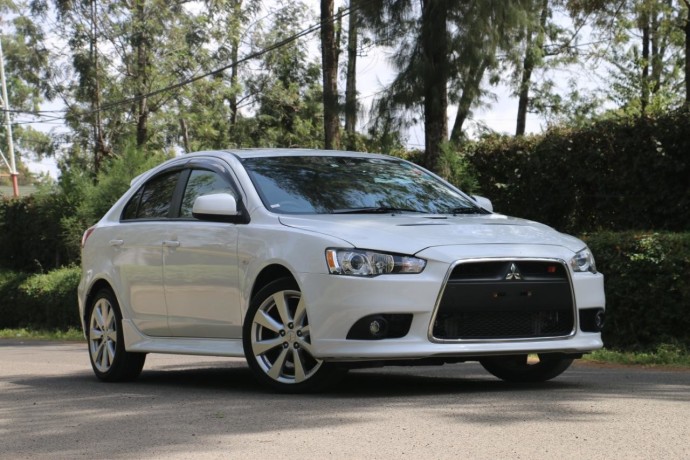
2. Mitsubishi Galant Fortis
Often overshadowed by the Lancer Evolution series, the Mitsubishi Galant Fortis was essentially the same vehicle underneath just without the high-performance image. Sold in Japan and select Asian markets, the Galant Fortis used the same chassis as the Evo X but came with more practical engines and conventional drivetrain setups.
This meant it shared a durable foundation without the extreme stress placed on its mechanical parts. As a result, it had the benefit of performance-grade engineering without the drawbacks of constant tuning or hard driving.
The Galant Fortis didn’t draw much attention during its production years, especially outside of Japan, but it quietly built a reputation for being one of the most solid sedans in its class. The 2.0L and 1.8L MIVEC engines, though not exciting, were smooth, reliable, and easy to maintain.
The CVT gearbox in most trims held up better than expected, especially when serviced regularly. Unlike more popular models that used complicated emissions systems or unreliable electronics, the Fortis kept things mostly conventional.
Its body structure was rigid and built to handle much higher power levels in the Evo models. This gave it excellent crash safety and structural longevity.
Owners often noted how tight and rattle-free the cabin stayed, even after years of use. The materials inside weren’t luxury-grade but aged well. Basic parts like buttons, knobs, and trim panels didn’t degrade as quickly as in many other sedans of the same era.
What really set the Galant Fortis apart was its underrated build quality. It was one of those cars that could go unnoticed in a parking lot but quietly outperform better-known models in reliability and comfort.
It wasn’t particularly flashy, nor did it offer cutting-edge tech, but it offered more than enough where it mattered. Owners lucky enough to hang on to one found it stuck around far longer than trendier rivals.
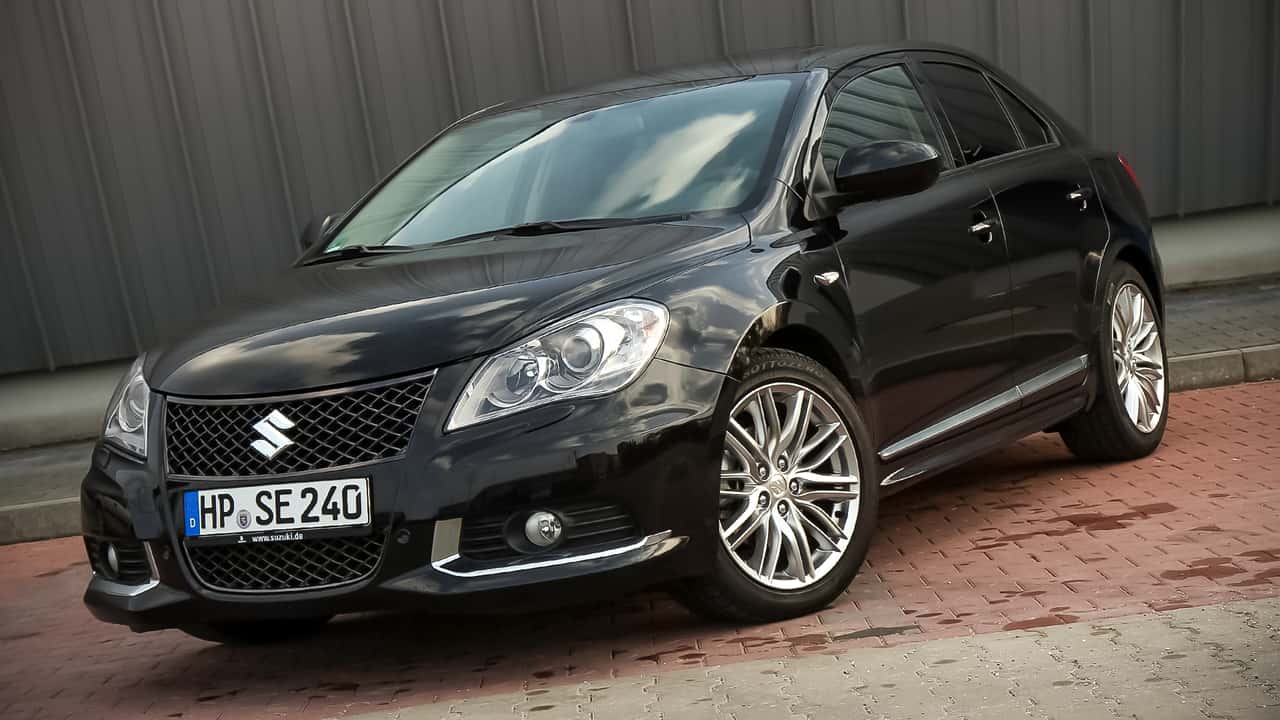
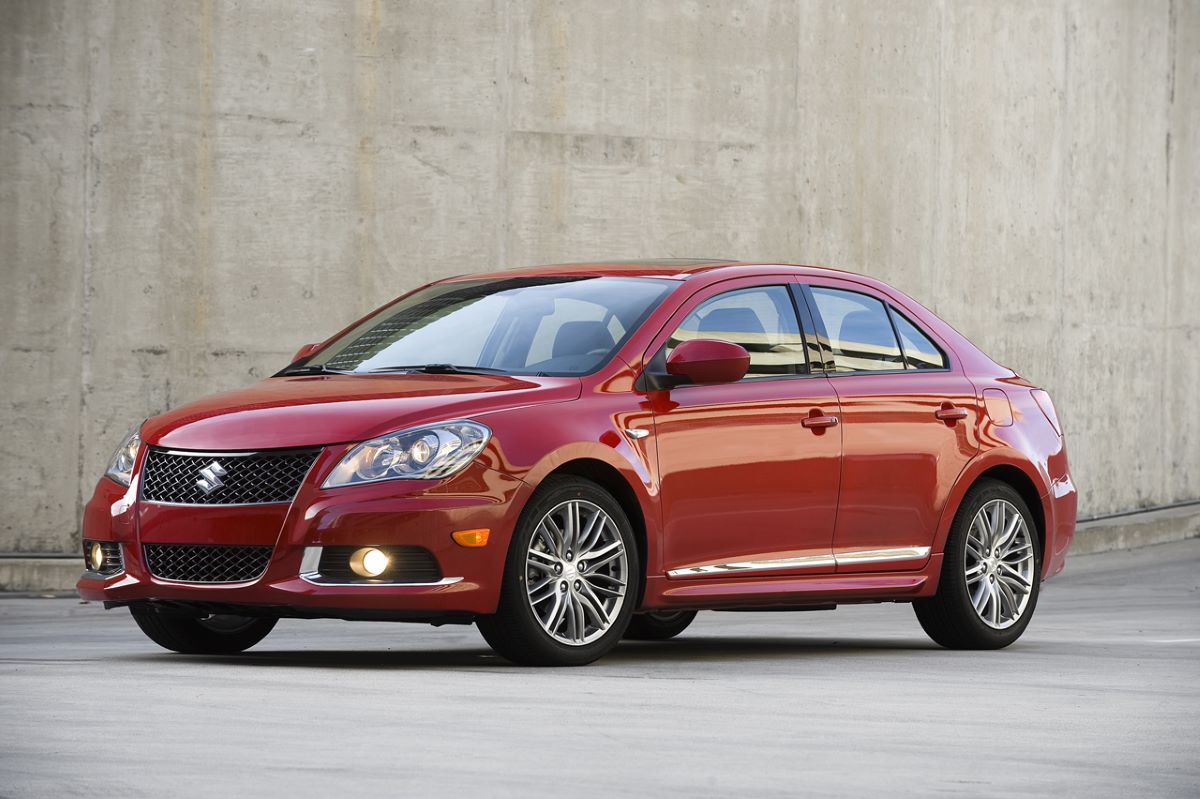
3. Suzuki Kizashi
The Suzuki Kizashi was intended to move Suzuki upmarket, positioning itself as a sporty midsize sedan to compete with cars like the Honda Accord and Toyota Camry. While it didn’t succeed commercially and was eventually discontinued, those who bought one found it to be far more robust than expected.
Built in Japan with a focus on precise handling and chassis tuning, the Kizashi combined a tough frame with a naturally aspirated 2.4L engine that rarely caused trouble. Though Suzuki lacked strong dealership support in many countries, the Kizashi itself proved dependable.
What made the Kizashi different was how seriously Suzuki took its engineering. The chassis was stiffer than most midsize sedans in its category. Suspension parts were built to take abuse, and even after several years of driving, the car stayed planted, responsive, and solid.
In markets where snow and rough roads were common, the optional all-wheel-drive versions held up especially well. They proved more reliable than many European AWD sedans in the same price range.
The cabin also aged well. While not luxurious, it was designed with tight tolerances, minimal squeaks, and long-lasting materials.
Leather trim stayed intact longer than expected, and the basic infotainment systems didn’t suffer from the kinds of glitches that newer, more complex systems often do. Parts availability became an issue only due to Suzuki’s withdrawal from certain markets, but the mechanical simplicity helped mitigate that.
In terms of long-term ownership, the Kizashi ended up as one of those vehicles that owners rarely wanted to sell. It didn’t break down often, retained its composure even with high mileage, and maintained a driving feel that didn’t fade quickly.
Though forgotten by the industry, the Kizashi stands as a hidden gem of dependable engineering from a brand that never quite got its due in the car world.
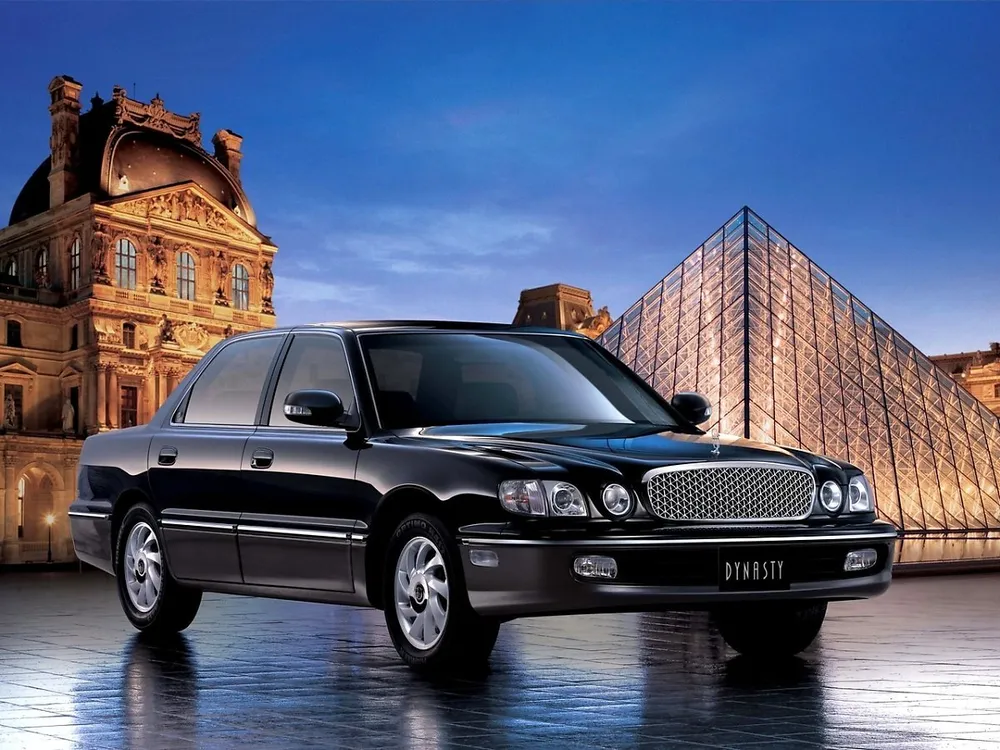
4. Hyundai Dynasty (First Generation)
Before Hyundai was seen as a serious player in the global luxury market, it produced the Dynasty, a full-size sedan meant for South Korea’s upper class.
This was before Genesis became a standalone brand, and while the Dynasty was largely unknown outside its home market, it carried qualities that helped it age better than many Western luxury competitors of the time.
Built with the input of Mitsubishi, especially on engine design and platform structure, the Dynasty blended traditional executive comfort with surprising mechanical reliability.
Despite its luxury trappings, the first-generation Dynasty wasn’t overly complicated. It used naturally aspirated V6 engines that shared DNA with Mitsubishi’s durable powertrains.
The automatic transmissions were geared for smoothness over speed but proved dependable if serviced properly. Unlike some rivals that overused fragile electronics, the Dynasty kept things relatively simple, relying on tried-and-true mechanical systems for most key functions.
Interior quality was another strong point. With thick padding, conservative styling, and durable materials, the cabin resisted the kind of wear common in many older luxury sedans.
Wooden trim didn’t peel, leather didn’t crack prematurely, and most switches and knobs worked years past the expected life span. It was a car built to be chauffeur-driven but often ended up lasting longest in private hands.
The Dynasty’s strength came from a blend of restraint and ambition. It wasn’t trying to be the most high-tech or fastest car, but it wanted to be the most refined and dependable Korean executive car of its time. It succeeded in that quiet mission.
Today, if you come across one still running, there’s a good chance it’s mechanically sound and still offers a smooth ride. That kind of longevity, in a car made during Hyundai’s formative years, is remarkable.
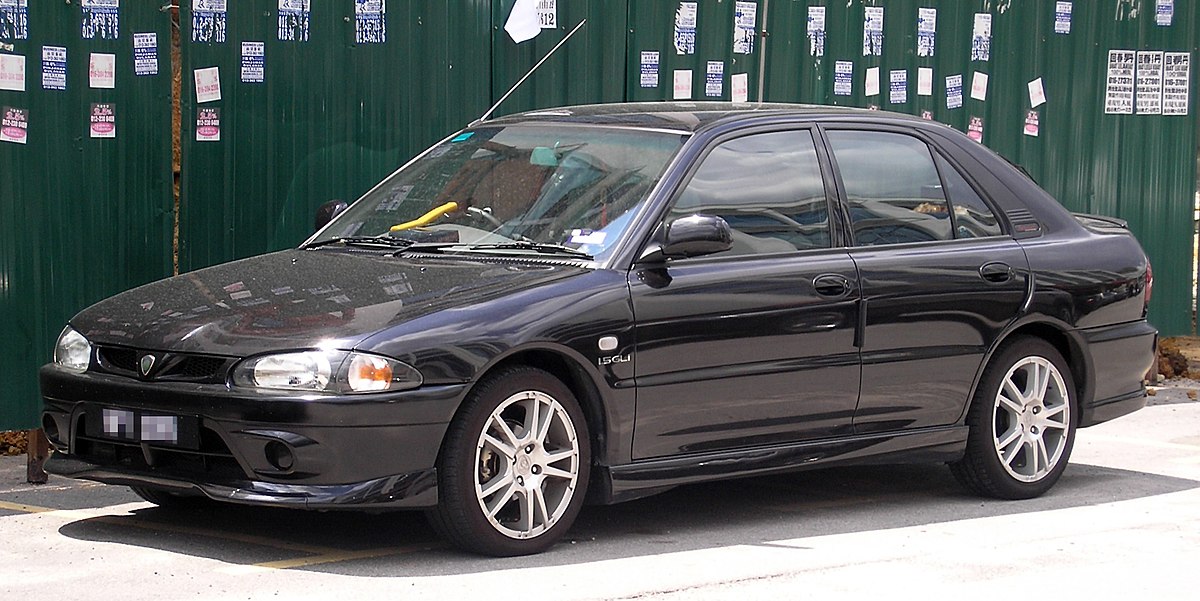
5. Proton Wira
Proton, the Malaysian carmaker, rarely features in conversations about reliable vehicles. However, the Wira, produced from the mid-90s through the early 2000s, became one of the most durable compact cars in Southeast Asia.
Built on a modified Mitsubishi Lancer platform, the Wira borrowed much of its mechanical engineering from Mitsubishi but was manufactured with locally sourced components and built to handle rough road conditions. The combination worked better than expected.
The engines used in the Wira, primarily the 4G13 and 4G15 series, were simple, naturally aspirated, and designed with long-term maintenance in mind. These engines weren’t powerful, but they rarely gave serious trouble.
Parts were easy to find, repairs were straightforward, and the layout under the hood was accessible even for amateur mechanics. This made the car especially popular among budget-conscious drivers who needed something they could maintain themselves.
Proton also emphasized affordability without sacrificing core durability. The bodywork and paint weren’t high-end, but the chassis handled rough roads with surprising grace. Suspension components lasted longer than expected given the terrain many Wiras encountered daily.
Moreover, the simplicity of the electronics kept problems to a minimum. Power windows and central locking sometimes failed, but engine and drivetrain issues were rare when basic service routines were followed.
Even now, decades after its launch, the Wira remains common in places like Malaysia, Brunei, and parts of Indonesia. Many are still used as daily drivers, taxis, or learner cars. They’ve proven themselves over hundreds of thousands of kilometers.
Though not stylish or high-performing, the Wira represents an overlooked class of vehicle: the kind that just keeps going with minimal fuss. Its staying power makes it a quietly impressive example of how old-school design and proven technology can sometimes outlast modern complexity.
5 Trending Models With Flaws
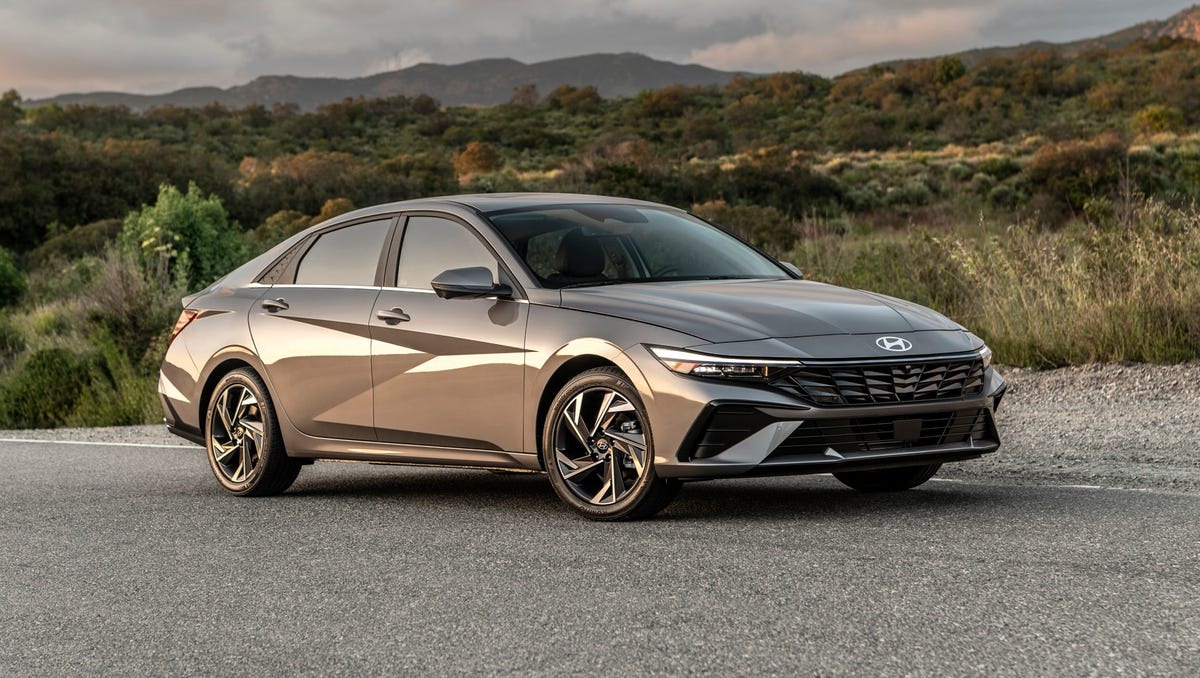
1. Hyundai Elantra (Recent Generations)
The Hyundai Elantra has seen a resurgence in popularity over the past several years, thanks to its sleek design, advanced tech features, and value pricing.
However, several recent models have developed a reputation for issues that undermine the car’s long-term appeal. While initial reviews praised the car’s styling and infotainment systems, longer-term ownership has exposed some problems that aren’t always apparent during test drives.
One major concern has been engine reliability, particularly with the 2.0L MPI engines in certain trims. Reports of excessive oil consumption and even engine knock have affected owner satisfaction, with some users reporting complete engine failures before reaching 100,000 miles.
Though Hyundai has issued recalls and warranty extensions, the damage to trust has been done in many cases. Owners expecting a low-maintenance experience often find themselves battling dealership service departments over warranty claims.
Another area that has caused concern is the dual-clutch transmission found in certain trims. While marketed as providing both efficiency and responsiveness, the system has shown jerky performance, lag, and in some cases, premature failure.
These issues are particularly frustrating in traffic or when trying to accelerate quickly. While some updates have been released to address the problem, many drivers feel the gearbox doesn’t match the ease of use or reliability of a traditional automatic.
Interior quality is also a mixed bag. While the cabin looks premium at first glance, the materials used in high-touch areas often wear out quickly.
Buttons fade, trim rattles appear after a year or two, and seats tend to lose support faster than expected. This doesn’t affect every unit, but the inconsistency in build quality is frustrating to many buyers.
Though the Elantra remains popular thanks to aggressive pricing and strong marketing, many long-term owners find that the initial savings don’t always translate into a worry-free ownership experience. It’s a case where a good first impression masks deeper mechanical and build-related issues that emerge with time.

2. Toyota C-HR
Toyota has a long-standing reputation for building cars that last, but the C-HR has proven to be a polarizing model, especially for those expecting traditional Toyota dependability.
Initially hyped for its futuristic design and compact crossover appeal, the C-HR brought a bold new look to Toyota’s lineup. Unfortunately, the style hasn’t always been backed up by substance, particularly in areas that matter to drivers who plan to keep their vehicle for years.
One of the major drawbacks of the C-HR is its underpowered engine. The 2.0L naturally aspirated four-cylinder lacks the torque needed to confidently move the vehicle, especially when loaded with passengers or driving uphill.
The car struggles with acceleration and feels sluggish in situations where responsiveness is needed. This has frustrated many drivers who expected a more balanced performance from a vehicle marketed as youthful and sporty.
The CVT transmission is another sticking point. While CVTs have become more common across the industry, the C-HR’s version doesn’t offer the smooth, intuitive feel found in some of Toyota’s other models.
It often feels rubbery and unrefined, which undermines the otherwise modern cabin design. Combined with the weak engine, the drive experience can feel uninspiring at best and annoying at worst.
Interior practicality also falls short. The rear seats are cramped and the small rear windows create a claustrophobic environment.
Visibility is poor, and rear headroom suffers due to the coupe-like roofline. For a crossover marketed to urban dwellers and small families, the interior space is less usable than it should be. Storage solutions are also limited compared to other vehicles in its class.
While the C-HR hasn’t been plagued with major mechanical breakdowns, the design choices from engine to cabin layout have left many owners disappointed. It’s a car that looks far more exciting than it feels, and for a brand like Toyota, which typically focuses on long-term customer satisfaction, that’s a significant letdown.

3. Honda HR-V (Global 2022–Present)
The Honda HR-V has enjoyed a strong launch in various markets with its new generation redesign. It offers cleaner lines, a minimalistic dashboard, and a more upscale feel than before.
However, despite the strong marketing and stylish updates, the new HR-V has shown some surprising issues that conflict with Honda’s usual strengths. Several owners have voiced concerns about both mechanical and practical shortcomings.
Ride comfort and suspension tuning have come under criticism. The new HR-V was designed with more of a European-style stiffness, which makes it feel more planted on highways but uncomfortable on rough city roads.
The stiff ride, combined with less-than-optimal sound insulation, results in a cabin that can feel loud and jittery at lower speeds. For many owners used to the comfort of older Hondas, this change has been a disappointment.
The infotainment system has also frustrated some users. While the new interface looks modern, lag and inconsistent performance are common complaints.
In some trims, the system has been known to freeze or reboot unexpectedly, and software updates have not resolved the issue across the board. Honda’s reputation for intuitive controls has taken a hit with this model.
Perhaps the most concerning for potential long-term owners is the build quality. Rattles, panel misalignments, and premature wear on seat fabrics have been reported by early adopters.
For a car positioned as a practical, everyday solution for small families or commuters, these issues detract from the user experience significantly. It’s especially disheartening given Honda’s history of attention to detail in their interiors.
The HR-V still offers a lot of positives, including fuel efficiency and a solid powertrain, but the buzz around the model has definitely created expectations that its real-world execution hasn’t consistently met. It’s a case of an attractive package being let down by questionable changes and early manufacturing issues.
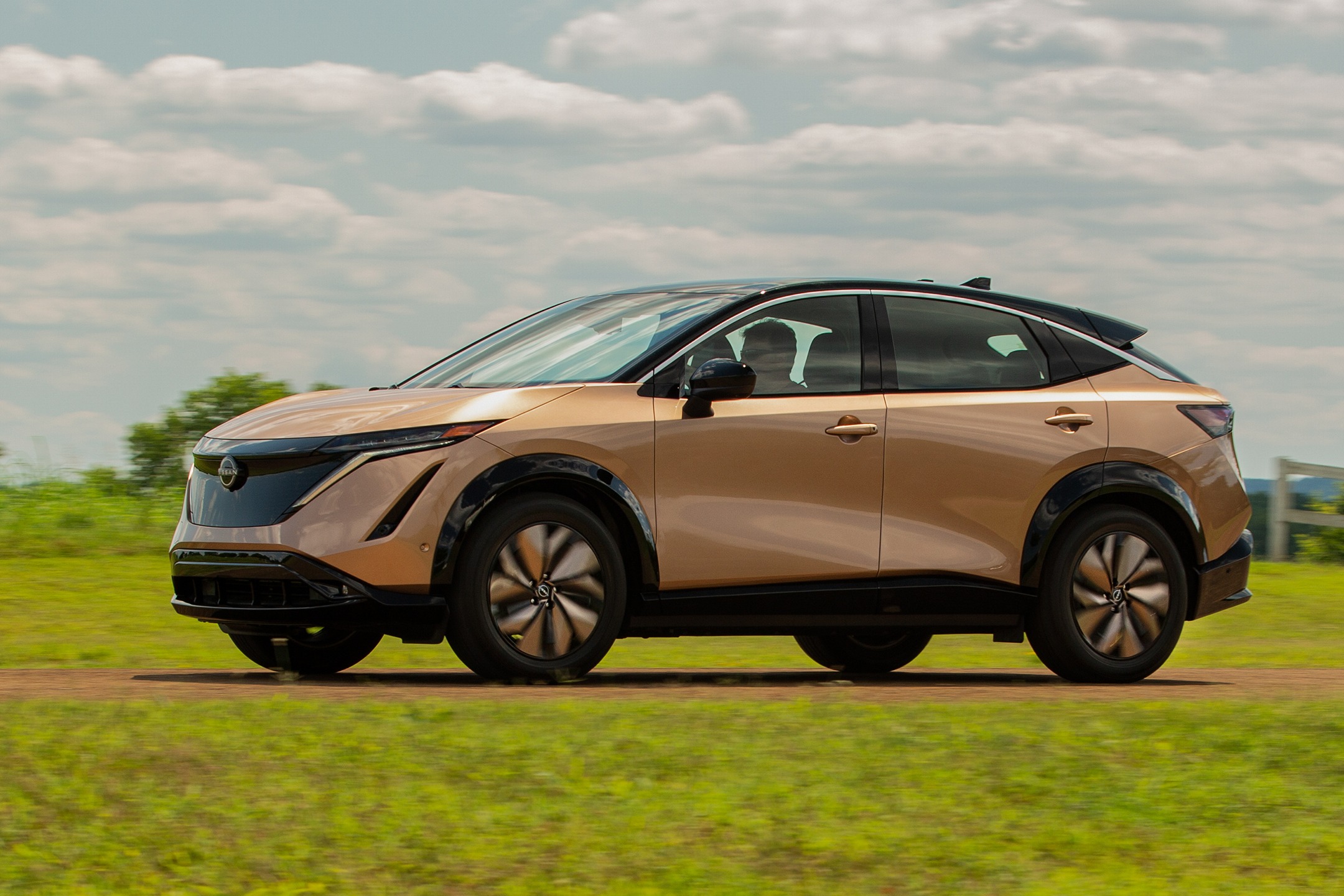
4. Nissan Ariya
The Nissan Ariya was launched as a new chapter in Nissan’s electric future. With bold styling, a roomy interior, and a focus on technology, it generated lots of anticipation.
But soon after deliveries began, user reports started to highlight several drawbacks that make it less appealing than its glowing previews suggested. While it’s still early in its life cycle, signs point to it being a model that might struggle to maintain long-term credibility.
Charging speed is a key weakness. The Ariya’s fast-charging capabilities fall behind those of competitors in the same price range.
On paper, the vehicle supports DC fast charging, but real-world speeds are lower than expected. This creates inconvenience during long trips and can lead to charging queues lasting longer than drivers plan for. With the electric market heating up, that disadvantage is hard to ignore.
The software side of the Ariya is another sore spot. Infotainment glitches, navigation lag, and inconsistent connection with phone apps have all been noted.
For a vehicle that leans heavily on digital interfaces, these kinds of bugs affect daily usability. Updates are being rolled out, but many owners feel that a car this advanced shouldn’t require constant patching to function properly.
Build quality and material choices also invite criticism. While the cabin looks stylish in photos, tactile feedback tells another story. Some interior plastics feel hollow and wear quickly, especially on the center console and door handles. Rattles from the dashboard and doors are common complaints after just a few thousand miles.
Nissan aimed to show it could go toe-to-toe with Tesla and other major EV players, but the Ariya’s execution shows the gap is still wide.
The fundamentals of a good EV are present, but too many shortcuts were taken to meet deadlines. While early adopters remain hopeful, long-term trust will depend on how Nissan addresses these flaws moving forward.
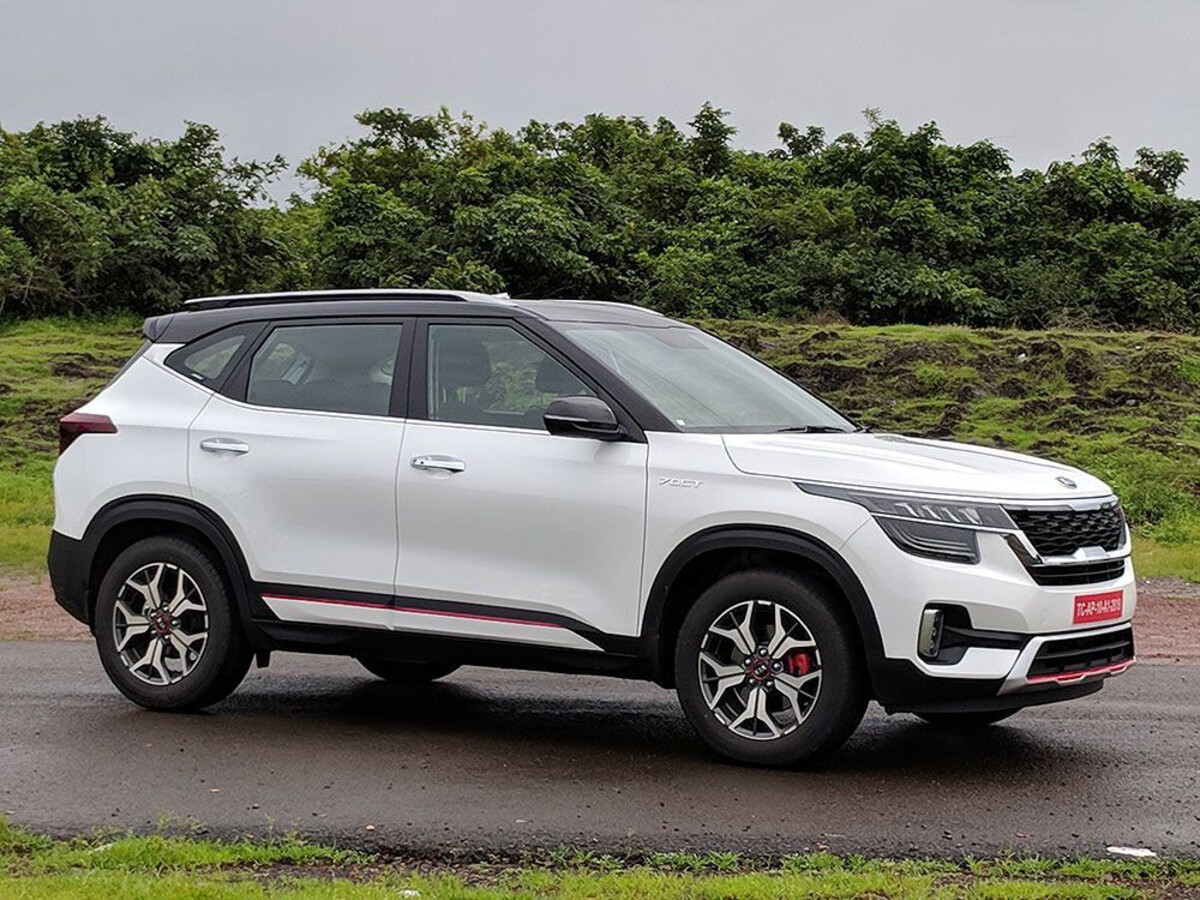
5. Kia Seltos (Global Models, Especially Lower Trims)
The Kia Seltos made an immediate splash in the compact SUV segment. With sharp styling, a well-laid-out interior, and an affordable starting price, it quickly became one of Kia’s best-selling models across multiple markets.
However, several ongoing problems have started to erode confidence in the vehicle, particularly among long-term owners and those with base or mid-level trims. While the Seltos still gets strong marks for design and features, it’s not without its issues.
One of the most widely reported problems is with the IVT (Intelligent Variable Transmission), a type of CVT used in many Seltos variants. Drivers have noted rough shifts, hesitation during acceleration, and in some cases, complete transmission failure within the first few years of ownership.
These failures can be expensive and frustrating, especially when they occur just outside warranty coverage or require multiple visits for software updates that don’t fully solve the underlying problem.
Another issue is with build consistency. Owners have reported everything from water leaks during heavy rain to poorly sealed door trims and uneven panel gaps.
In some cases, interior components like infotainment screens or climate controls have stopped working or responded sluggishly. These quality control issues are more frequent in Seltos units produced in certain factories, raising questions about Kia’s production oversight across different regions.
Ride comfort and noise isolation are also common complaints. While the Seltos rides well on smooth highways, it becomes noticeably stiff and noisy over rougher urban streets.
Tire and wind noise enter the cabin more than expected, particularly in trims without premium insulation. The seats, while stylish, lack the long-distance comfort seen in some of its competitors. For drivers who regularly commute or travel longer distances, this can become tiring over time.
Lastly, while the Seltos offers a strong list of tech features, including safety assists, these systems sometimes behave inconsistently. Forward collision warnings may trigger unexpectedly, and lane keep assist can feel overly aggressive or unresponsive depending on road conditions.
These issues, while not deal-breakers for every buyer, are disappointing given the hype around Kia’s move upmarket. The Seltos remains popular, but it’s a model that doesn’t always meet expectations once the showroom shine fades.
Also Read: 5 Cars With Easy Trunk Access vs 5 With High Lift-Over Heights
Automotive reputation often relies on visibility, marketing, and early praise, but long-term ownership tells the real story. Some cars fade into obscurity despite being mechanically sound and overbuilt, quietly earning the trust of those who depend on them daily.
Models like the Mazda Verisa, Suzuki Kizashi, or even the Proton Wira may not be household names, but their lasting value proves that under-the-radar options can outperform flashier competitors where it counts most.
At the same time, even the most hyped-up vehicles can fall short. Popular models like the Toyota C-HR, Hyundai Elantra, or Honda HR-V present sleek exteriors and compelling tech packages but reveal flaws that compromise ownership satisfaction over time.
As car buyers increasingly prioritize both reliability and innovation, the contrast between what’s marketed and what’s delivered becomes more important than ever.
For those looking to purchase a new or used vehicle, paying attention to long-term reliability rather than just first impressions can lead to more satisfaction and fewer regrets.
Whether it’s a forgotten sedan that quietly racks up miles or a high-profile crossover that starts showing cracks early, the difference is often in the details that don’t make the headlines. Knowing which vehicles truly stand the test of time can make all the difference.
