
The automotive market is traditionally dominated by a handful of well-known companies that enjoy the kind of brand recognition few others can match. When consumers think of buying a car, names like Toyota, Ford, Volkswagen, Honda, and BMW often come to mind instantly.
These companies have earned their status over decades of engineering innovation, widespread global presence, and extensive dealer and service networks. Their vehicles have been featured in movies, commercials, and countless road trips, embedding themselves into everyday culture.
Despite their prominence, these big automakers are not immune to producing vehicles with underlying issues, flaws that might not be apparent at first glance or immediately after purchase but surface over time, often after the warranty expires.
These hidden defects can range from mechanical vulnerabilities to electronic glitches, and they sometimes result in costly repairs or reduced vehicle longevity. As a result, many buyers might assume they are investing in trouble-free vehicles simply because of the brand name, unaware of potential reliability shortcomings.
On the other side of the spectrum are smaller or less recognized automakers that, although not household names, have steadily built reputations for crafting vehicles that emphasize durability, quality, and consistent performance.
These brands often operate with a different mindset, focusing less on flashy marketing campaigns and more on practical engineering and customer satisfaction.
Their models may not be as trendy or widely advertised, but they frequently offer reliability on par with or exceeding that of larger, more established competitors. This is often achieved through a combination of simpler mechanical designs, fewer unnecessary electronic components, and careful attention to the fundamentals of automotive construction.
Furthermore, these companies may cater to specific regional markets or niche segments where ruggedness and ease of maintenance take precedence, contributing to a loyal customer base that values long-term dependability.
Also Read: 5 Cars Without Touch-Sensitive Surfaces vs 5 With False Touches
5 Little-Known Automakers With Reliable Models
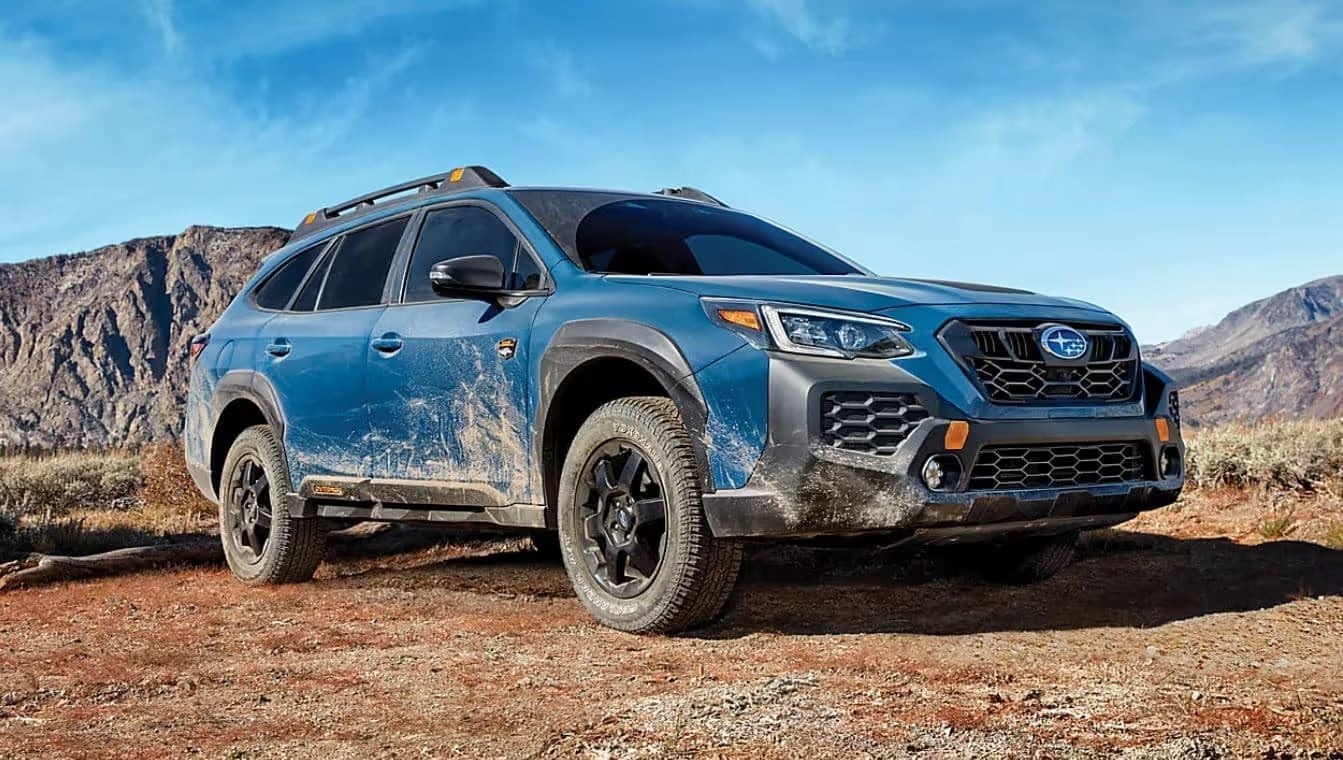
1. Subaru Tecnica International (STI) – Japan
Subaru’s reputation in the automotive world is often tied to its innovative use of the boxer engine and symmetrical all-wheel-drive system.
However, while the mainstream Subaru brand is moderately well-known, its high-performance division, Subaru Tecnica International (STI), remains relatively obscure outside of enthusiast circles.
STI vehicles, including models like the WRX STI, are engineered not only for spirited driving and rally heritage but also with a strong emphasis on mechanical reliability.
The boxer engine layout, which keeps the engine’s center of gravity low, enhances stability and handling while contributing to an engine design that is inherently balanced and durable.
This layout, combined with Subaru’s symmetrical all-wheel-drive system, creates a drivetrain known for robustness and traction in various driving conditions. Many STI models have demonstrated remarkable longevity, with enthusiasts routinely reporting vehicles that surpass the 200,000-mile mark without major engine or transmission overhauls, provided routine maintenance is performed.
The ruggedness of Subaru and STI vehicles is further highlighted by their resilience in harsh climates and challenging terrains. Owners living in areas with heavy snowfall or rough, unpaved roads often rely on these cars for dependable transportation when many others might falter.
The mechanical simplicity of Subaru’s drivetrain compared to some competitors also contributes to fewer expensive repairs or unexpected breakdowns.
Additionally, Subaru’s approach to gradual and evolutionary model changes rather than radical redesigns helps preserve the reliability traits from generation to generation. This consistency reduces the chances of new, untested components causing reliability issues, as each iteration builds on a well-understood foundation.
In terms of safety, Subaru and STI models come equipped with features such as EyeSight driver assist technology, which includes adaptive cruise control, lane keep assist, and pre-collision braking. These safety measures complement the reliability by reducing the risk of accidents and providing drivers with greater confidence behind the wheel.
The combination of proven mechanical engineering, all-weather capability, and thoughtful safety technology makes STI models not only thrilling to drive but also a sensible long-term investment for buyers focused on reliability.
Furthermore, Subaru has cultivated a passionate and knowledgeable community of owners and enthusiasts who actively share maintenance tips and performance upgrades. This community support contributes to better vehicle upkeep and prolongs the life of STI models.
While Subaru and STI may not be as universally recognized as some other automakers, their commitment to producing reliable, all-weather performance vehicles has earned them a strong reputation among those in the know.
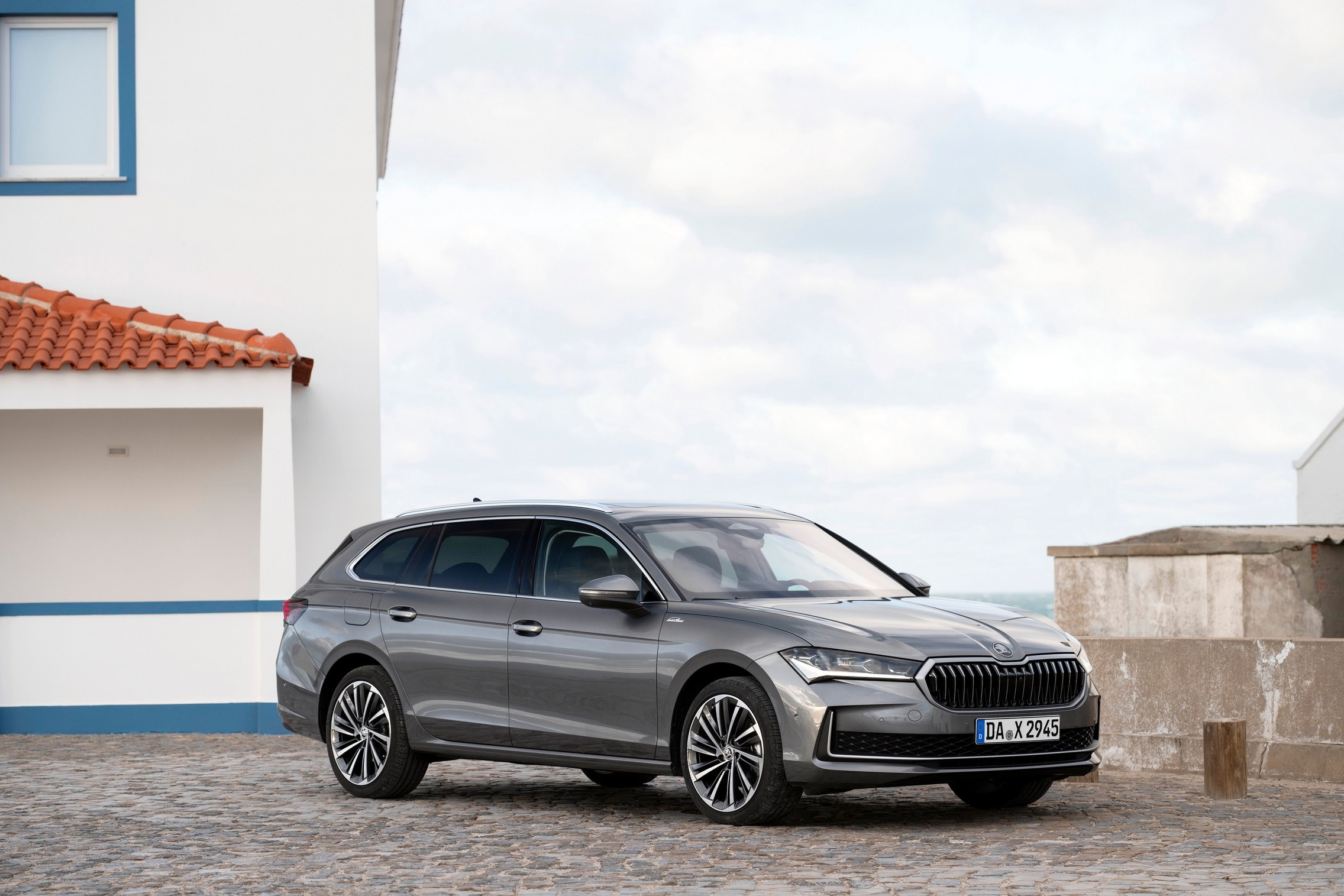
2. Škoda Auto – Czech Republic
Škoda Auto, hailing from the Czech Republic, is a prime example of a company that has quietly excelled in producing reliable vehicles without the global fanfare of its bigger competitors.
Now a subsidiary of the Volkswagen Group, Škoda has access to the engineering and technology of one of the world’s largest automotive conglomerates but has managed to maintain its unique identity.
The brand specializes in offering practical, well-built, and affordable cars that appeal to a broad demographic. Its reputation for reliability is especially strong in European markets, where it consistently ranks highly in customer satisfaction and dependability surveys.
Škoda’s vehicles benefit from Volkswagen Group mechanicals, including engines, transmissions, and chassis components, but are paired with pragmatic designs focused on maximizing interior space and user-friendly features.
One of the factors that contribute to Škoda’s reliability is the company’s conservative approach to technology integration. Unlike some brands that add increasingly complex infotainment or electronic systems, Škoda tends to prioritize functional, easy-to-use features that are less prone to malfunctions.
This design philosophy helps reduce the incidence of electronic glitches and keeps maintenance costs manageable. Furthermore, the company invests heavily in quality control and thorough testing processes to ensure that its vehicles can withstand the rigors of daily use.
This rigorous attention to detail is evident in the solid fit and finish of Škoda’s cars, as well as their ability to handle varied driving conditions with minimal issues.
Škoda’s commitment to durability extends beyond engineering to customer service and after-sales support, which are vital components of reliability. The brand’s growing network of dealerships and service centers ensures that parts and expertise are readily available, which can make a significant difference in maintaining vehicle health over time.
The company also appeals to fleet buyers and commercial customers who demand vehicles that can handle heavy use without frequent breakdowns, underscoring the real-world reliability of Škoda’s models.
Moreover, Škoda has earned a reputation for value, offering more car for the money compared to many competitors. By combining solid engineering with affordability and low ownership costs, Škoda has attracted a loyal customer base that appreciates the brand’s understated but effective approach to making reliable vehicles.
Its steady growth in international markets signals that reliability and value can trump flashy branding in the minds of many buyers.
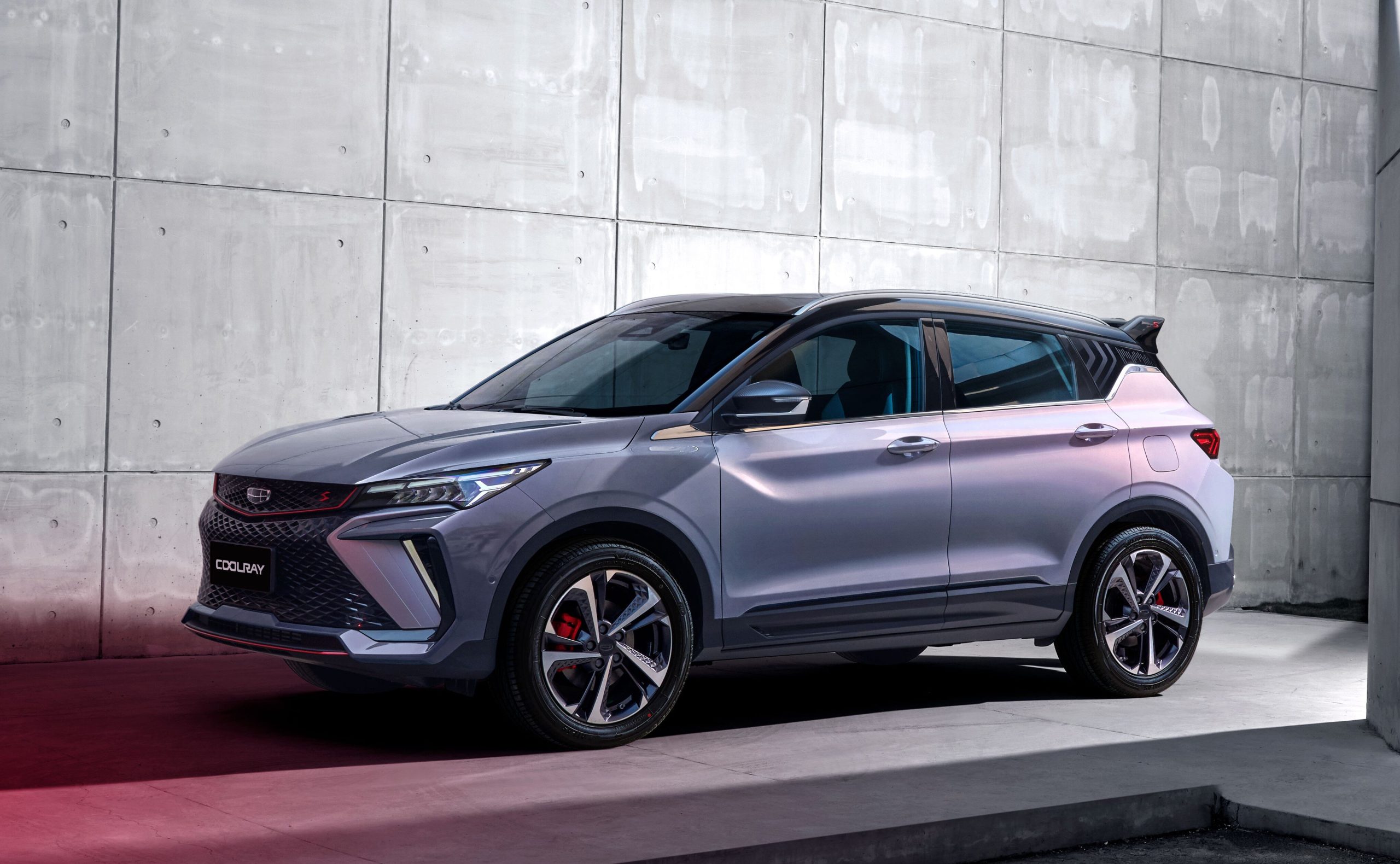
3. Geely Auto – China
Geely Auto, a major player in the Chinese automotive industry, has dramatically transformed its image and reputation over the past two decades. Historically, Chinese car brands struggled to shake off perceptions of poor quality and questionable reliability, but Geely stands as a clear exception.
The company has made substantial investments in research and development, global partnerships, and quality improvements that have propelled it onto the international stage. One pivotal moment in Geely’s growth was its acquisition of Volvo Cars in 2010, which gave Geely access to advanced Western engineering and safety expertise.
This relationship has allowed Geely to incorporate Volvo’s rigorous safety standards and refined mechanical designs into its own models, greatly enhancing the perceived and actual quality of its vehicles.
Geely’s approach to reliability centers around creating cars that are straightforward, practical, and easy to maintain. The brand avoids overly complex electronics or highly intricate mechanical systems that are often the source of issues in modern vehicles. Instead, Geely focuses on solid, proven technologies that perform consistently under various conditions.
The company also places emphasis on durability to cope with the diverse climates and road conditions found in its primary markets. In regions with rough terrain or extreme weather, having a vehicle that can withstand daily wear and tear without frequent breakdowns is critical, and Geely models have shown resilience in these demanding environments.
Another factor that boosts Geely’s reliability is the company’s comprehensive warranty offerings and strong after-sales service. The warranty programs provide peace of mind to buyers, indicating the manufacturer’s confidence in its product quality.
Additionally, Geely has expanded its dealer and service network, particularly in Asia and parts of Europe, making maintenance and repairs more accessible. As a result, customers face fewer obstacles in keeping their vehicles in good condition, which is a key component of long-term reliability.
Lastly, Geely’s continuous focus on innovation balanced with pragmatism allows it to stay competitive while not sacrificing quality.
While many automakers rush to integrate the latest tech features, sometimes at the expense of reliability, Geely takes measured steps to ensure any new additions enhance rather than complicate the driving experience. This cautious but forward-thinking strategy has earned Geely growing praise from customers and industry observers alike.
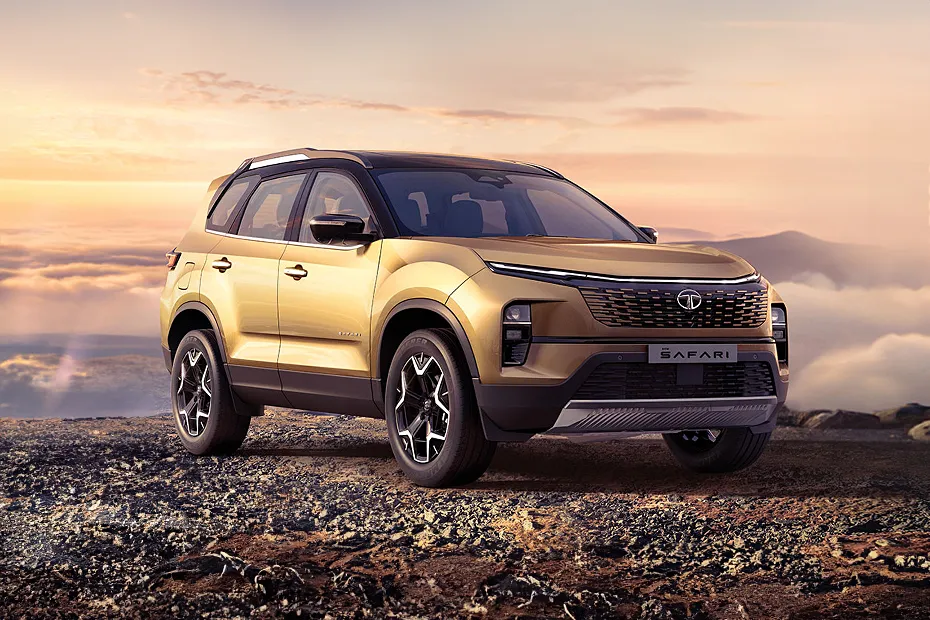
4. Tata Motors – India
Tata Motors is India’s largest automobile manufacturer and has been a significant force in the country’s automotive development for decades. Though not widely known outside Asia, Tata has made considerable strides in producing vehicles that are both reliable and affordable.
This is particularly important in emerging markets where consumers often prioritize durability and low maintenance costs over luxury or cutting-edge features.
Tata’s vehicle lineup ranges from commercial trucks and buses to passenger cars and SUVs, all built with the goal of enduring the challenging road conditions and climate variations typical in India and similar regions.
One of the standout qualities of Tata vehicles is their ruggedness. Many models are engineered to tolerate rough roads, potholes, and heavy usage, which are common realities in many parts of India and other developing countries.
The company focuses on building strong chassis and suspension systems that can absorb shocks and prevent damage from uneven terrain. This emphasis on durability extends to the drivetrain and engine components, which are designed for straightforward maintenance and repair rather than overly complicated systems that might fail more frequently.
In recent years, Tata has made noticeable improvements in quality control and manufacturing processes. Collaborations with global partners and technology upgrades have helped the company refine its designs and incorporate better materials, leading to vehicles that feel more reliable and comfortable without dramatically increasing costs.
Safety features have also become a greater priority, with newer models including airbags, ABS, and reinforced cabin structures, adding to the vehicle’s dependability.
Furthermore, Tata’s pricing strategy often makes it possible for buyers to access reliable transportation without breaking the bank. The brand’s focus on affordability combined with durability means owners can expect lower total ownership costs over the life of the vehicle.
This practical value proposition has helped Tata build a loyal customer base that values sensible, long-lasting vehicles that meet the real needs of everyday driving.
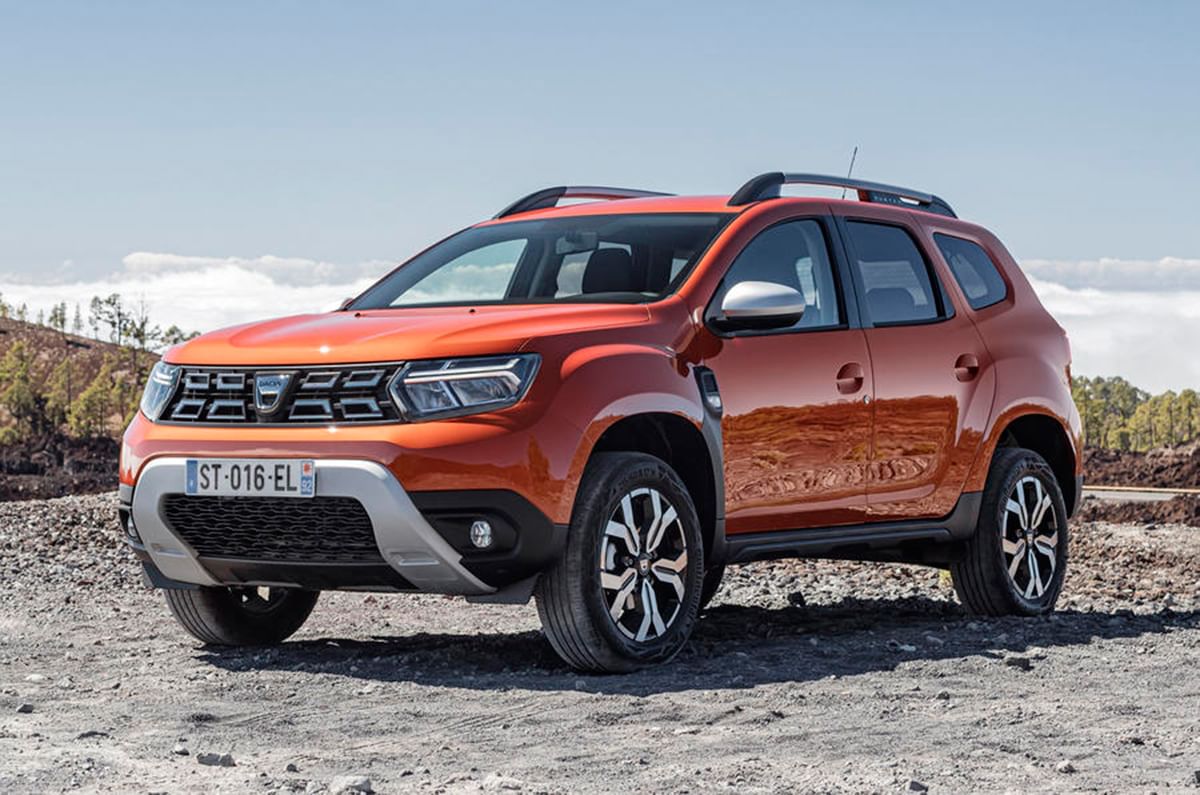
5. Dacia – Romania
Dacia, a Romanian automaker owned by the Renault Group, has earned a niche following by offering basic, reliable vehicles at remarkably affordable prices.
The brand’s philosophy revolves around producing cars that deliver essential functionality without unnecessary frills, which appeals to buyers who want dependable transportation with minimal complexity.
Dacia’s success in various European and emerging markets is testament to the reliability of its straightforward engineering approach. By stripping away non-essential features, Dacia keeps manufacturing costs low while ensuring that its vehicles remain easy to service and maintain.
The mechanical simplicity of Dacia cars plays a significant role in their reputation for reliability. Unlike many modern vehicles packed with complex electronics and infotainment systems, Dacia models focus on tried-and-true components, such as robust engines and manual transmissions, which tend to be less prone to failure.
This reduces the chances of expensive repairs related to electronic malfunctions or software bugs. Moreover, the vehicles are designed to be repair-friendly, with parts that are generally affordable and widely available in many markets.
Another factor contributing to Dacia’s reliability is the brand’s rigorous testing procedures. Even with a low-cost focus, Dacia vehicles undergo extensive durability testing to ensure they can handle a variety of road conditions and climates.
The cars are often used in taxi fleets and commercial services, where continuous daily use demands durability. Feedback from these real-world applications has helped the company refine and improve its products over time.
Finally, Dacia’s commitment to value makes it an attractive choice for those prioritizing reliability without luxury. The brand’s models tend to deliver consistent performance and low ownership costs, making them a practical option for first-time buyers, budget-conscious consumers, and fleet operators alike.
In markets where new car affordability is a challenge, Dacia’s focus on reliable essentials has proven to be a winning formula.
5 Big Brands With Hidden Flaws

1. Ford
Ford is one of the oldest and most recognizable automobile brands globally, synonymous with American automotive history and innovation. Its lineup includes some of the most popular vehicles, from the rugged F-Series trucks to the widely sold Ford Focus and Mustang models.
Despite its widespread popularity and strong market presence, Ford has faced criticism and revealed some hidden flaws in various models, particularly related to transmission and electronic system issues. One of the most notorious problems has been with the Ford PowerShift dual-clutch transmission found in models like the Focus and Fiesta.
This transmission was marketed as a fuel-efficient and smooth-shifting option, but many owners reported harsh shifts, unexpected gear hunting, and premature failures. These issues not only affected drivability but also led to expensive repairs and legal actions against the company.
Beyond transmission troubles, certain Ford vehicles have experienced electrical gremlins that affect reliability. Issues such as faulty sensors, intermittent dashboard warning lights, and malfunctioning infotainment systems have been reported by owners, often complicating diagnostics and repairs.
These electronic glitches can be frustrating for drivers and sometimes undermine the driving experience. Additionally, some Ford models have had engine problems related to timing chain failures or oil consumption, which are serious concerns that can shorten engine life or lead to costly maintenance.
While Ford has made efforts to address these problems in newer models through recalls, updates, and improved quality controls, the lingering reputation of these hidden flaws has affected consumer trust.
The company’s large production volumes and model diversity sometimes result in uneven quality across different vehicles and years. This inconsistency can make it difficult for buyers to predict how reliable their specific Ford model might be, especially on the used car market where these issues can become more apparent.
Despite these challenges, Ford remains committed to innovation, investing heavily in electric and hybrid technologies and modernizing its lineup.
However, prospective buyers should be aware that beneath Ford’s strong brand image, there may be reliability issues not immediately obvious during initial ownership, emphasizing the importance of thorough research and maintenance.
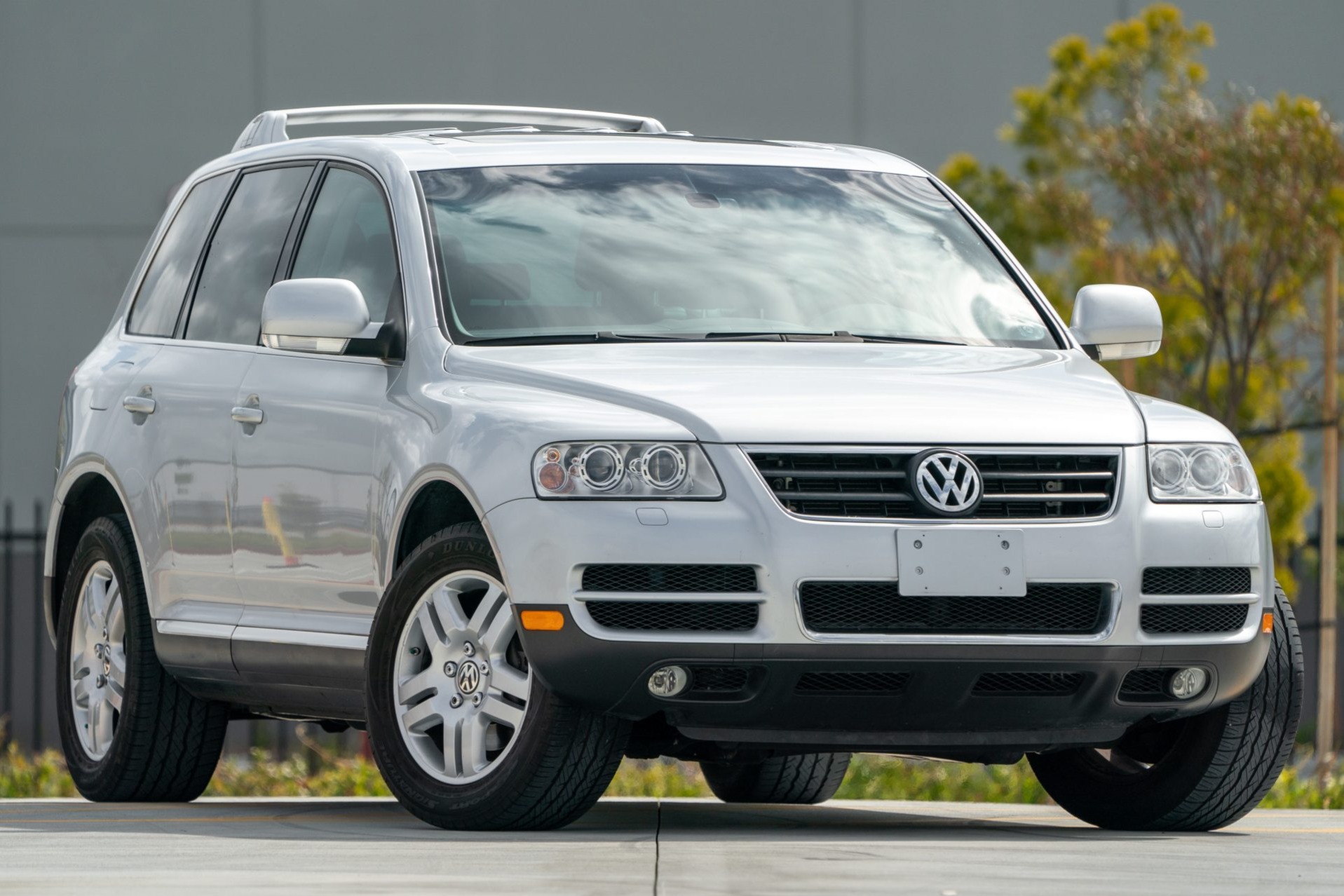
2. Volkswagen
Volkswagen, a German automotive giant, has built a reputation over the decades for engineering excellence, precision manufacturing, and a broad portfolio of vehicles that appeal to diverse markets. However, the company’s reliability record is mixed, with certain models plagued by hidden flaws that can catch owners off guard.
One of the most persistent issues with Volkswagen vehicles, especially in the U.S. market, involves the timing chain tensioners and camshaft adjusters on their 2.0-liter turbocharged engines.
These components can fail prematurely, resulting in engine noise, poor performance, and in worst cases, severe engine damage requiring expensive repairs or complete engine replacement.
In addition to engine-related concerns, Volkswagen’s cars are often loaded with complex electronics that, while enhancing driving experience and safety, can sometimes introduce new reliability risks.
Owners have reported problems with electronic parking brakes, power windows, infotainment systems, and sensors that malfunction unpredictably. These electronic issues not only create inconvenience but also add to maintenance costs, as diagnostic procedures often require specialized equipment and dealership visits.
Volkswagen’s well-publicized emissions scandal, while primarily related to regulatory compliance, has also indirectly affected consumer perception of the brand’s integrity and reliability. Many buyers question whether the company’s push to meet performance and efficiency targets might have come at the expense of long-term dependability.
Additionally, some Volkswagen models have been criticized for higher-than-average maintenance and repair costs compared to non-European competitors, making ownership less economical over time.
Despite these concerns, Volkswagen continues to command strong loyalty among enthusiasts and buyers who appreciate the driving dynamics and engineering sophistication of its vehicles.
However, the presence of these hidden flaws suggests that Volkswagen owners should maintain vigilance with regular servicing and be prepared for potential electronic and engine-related repairs that may arise during the ownership period.
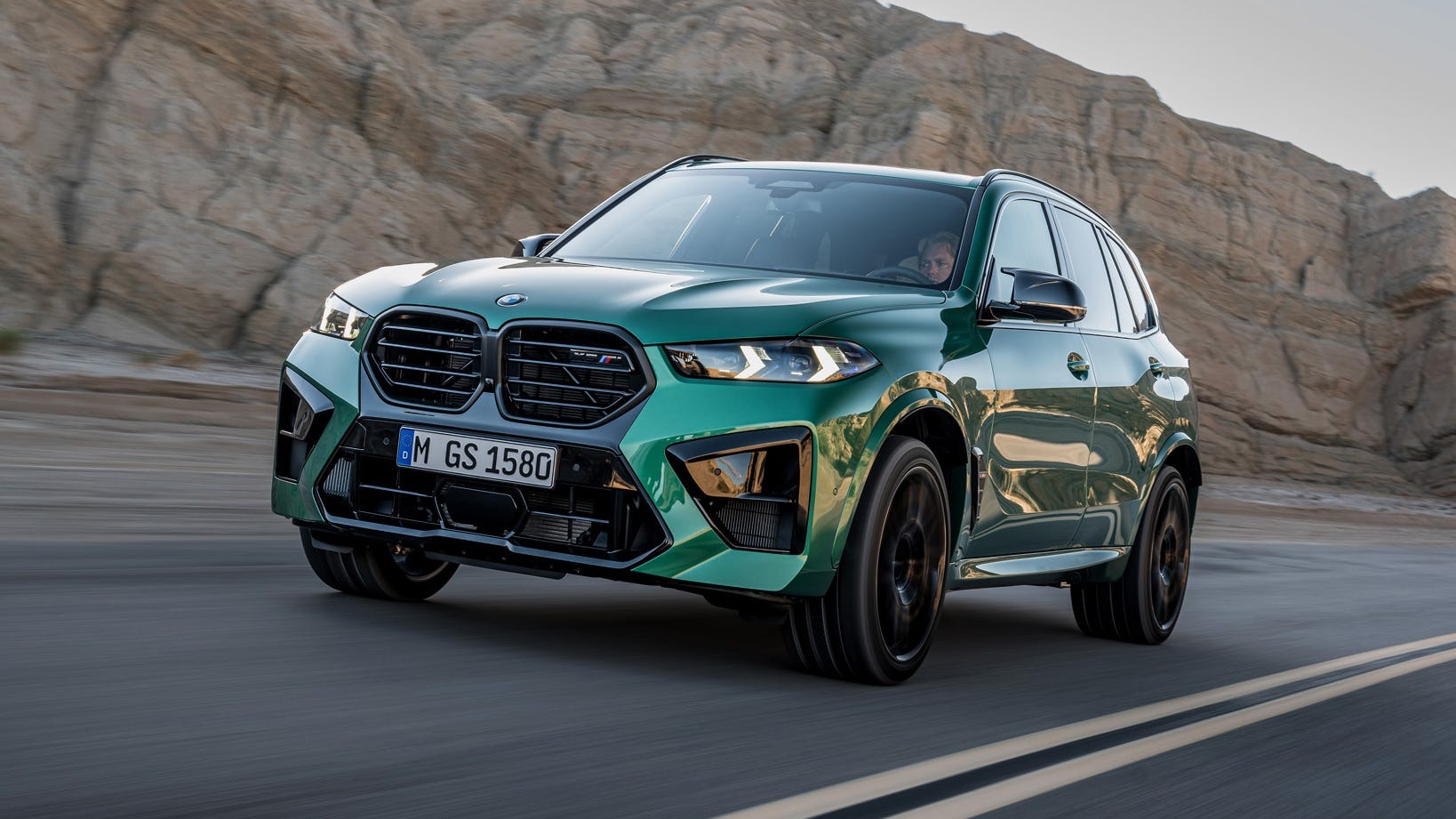
3. BMW
BMW’s reputation as the “Ultimate Driving Machine” has made it a favorite among those seeking luxury, performance, and status in a vehicle. Known for their finely tuned engines, sporty handling, and upscale interiors, BMWs often carry premium price tags and expectations of quality.
Yet, beneath the allure of the badge, many BMW models have hidden flaws related to costly maintenance, complex electronics, and some mechanical vulnerabilities.
For instance, many BMW engines are equipped with high-performance turbochargers and direct injection systems that require precise care and premium fuel. Neglect or infrequent servicing can lead to turbo failures, carbon buildup on intake valves, and other issues that diminish engine reliability and longevity.
Another common source of problems in BMW vehicles is the intricate electrical systems that govern everything from lighting and infotainment to advanced driver assistance features. These sophisticated electronics can be prone to faults such as malfunctioning sensors, failing control modules, and software glitches.
Repairs for these issues often require dealer-level diagnostics and specialized tools, leading to higher repair bills and downtime. Additionally, some BMW models have experienced transmission troubles, especially with the automatic units that can suffer from premature wear or fluid contamination.
Suspension and cooling system components in BMWs also have a reputation for wear-related failures after moderate mileage. Owners frequently report issues with control arm bushings, water pumps, and thermostat failures, which can affect ride quality and engine temperature management.
These components tend to have higher replacement costs compared to more mainstream vehicles. Although BMW offers comprehensive warranty and maintenance plans to mitigate these concerns for new cars, owners of used models should be prepared for potentially significant upkeep expenses.
While BMW’s brand prestige and driving experience remain highly appealing, it is clear that ownership comes with a trade-off between luxury and reliability. Buyers who prioritize dependability and lower maintenance costs may find that BMW’s hidden flaws make the ownership experience more demanding than it initially appears.

4. Jeep
Jeep, a quintessential American brand known for its rugged off-road vehicles and iconic designs, has a loyal following of adventure enthusiasts and outdoor lovers. The brand’s vehicles, including the Wrangler and Grand Cherokee, are designed to conquer rough terrain and deliver capable four-wheel-drive performance.
However, Jeep’s focus on off-road prowess sometimes comes with hidden reliability concerns that affect daily driving and ownership satisfaction.
One major issue affecting many Jeep models is electrical system problems, ranging from erratic gauges and warning lights to malfunctioning power windows and locks. These electrical gremlins can be frustrating, and because they are often intermittent, tracking down the root cause can be time-consuming and costly.
Beyond electrical issues, Jeep vehicles have been known to suffer from drivetrain vulnerabilities. For example, transfer case failures, differential leaks, and transmission problems have been reported by owners, particularly in older models.
These components are critical to the vehicle’s four-wheel-drive capability, and failures can result in loss of traction and serious repair bills. Furthermore, certain Jeep models have been criticized for suspension durability issues, with premature wear of bushings, ball joints, and shocks affecting ride comfort and handling stability.
Another hidden flaw in many Jeep vehicles relates to fuel economy and emissions system components. Some models experience issues with fuel injectors, evaporative emissions canisters, and oxygen sensors that can trigger the check engine light and reduce performance. These repairs, while often necessary for emissions compliance, add to the cost and complexity of ownership.
Despite these drawbacks, Jeep continues to be a leader in off-road vehicle design and enjoys strong brand loyalty. Owners willing to accept the possibility of mechanical quirks and increased maintenance often appreciate Jeep’s unique capabilities and rugged charm.
Prospective buyers, however, should carefully research specific model years and maintain regular inspections to minimize the impact of these hidden flaws.
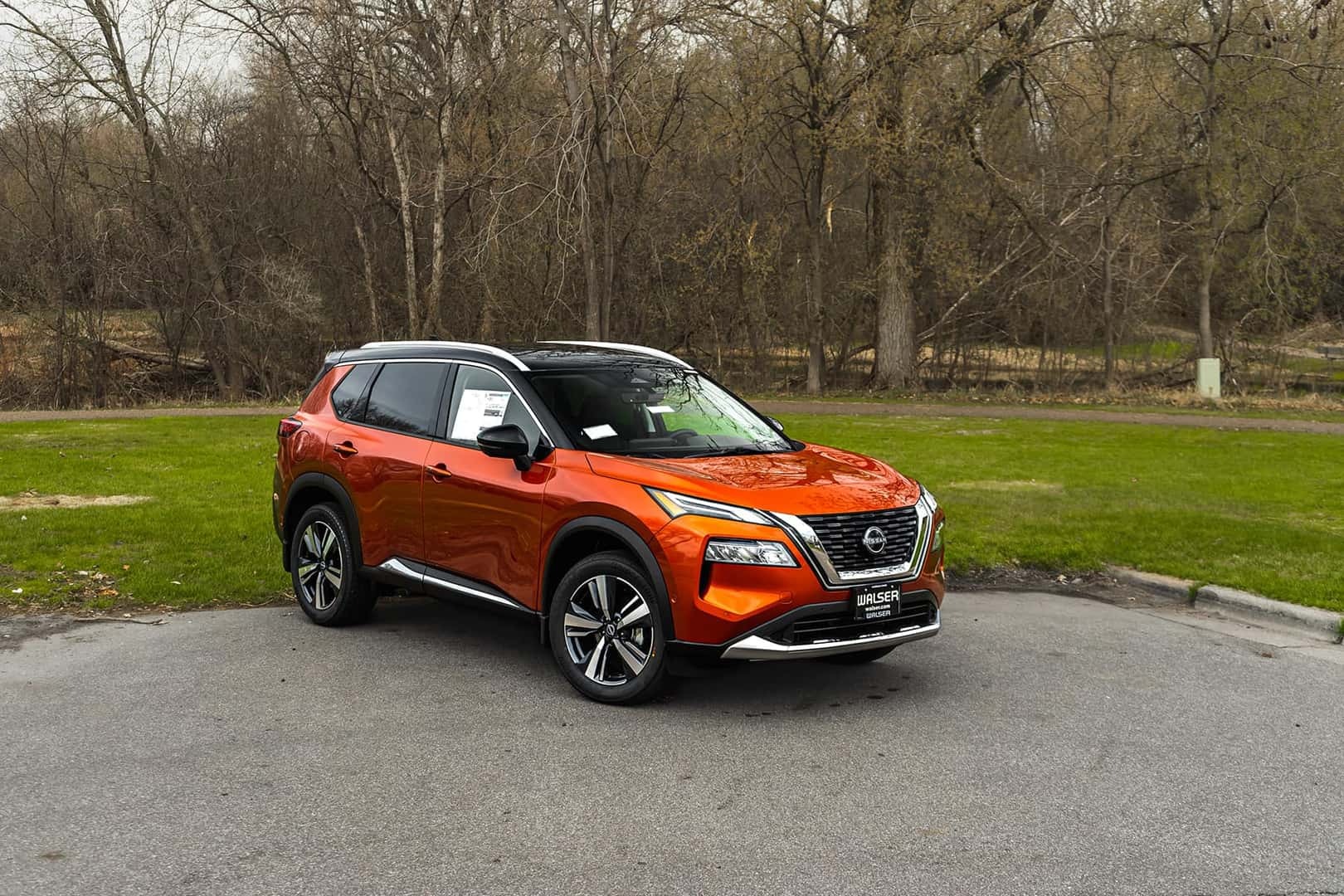
5. Nissan
Nissan is a globally recognized automaker with a broad lineup that includes everything from compact sedans and SUVs to performance cars like the Nissan GT-R. While Nissan vehicles generally offer good value and advanced features, there are several hidden flaws that prospective buyers should consider, particularly concerning engine and transmission reliability.
One of the most frequently reported issues is related to the Continuously Variable Transmission (CVT) used in many Nissan models, such as the Altima, Sentra, and Rogue.
Although CVTs are designed for fuel efficiency and smooth acceleration, many Nissan CVTs have exhibited problems, including shuddering, slipping, and premature failure. These issues often require expensive repairs or transmission replacements, sometimes before the vehicle reaches 100,000 miles.
Engine problems are another concern, especially with the 3.5-liter V6 found in models like the Altima and Murano. Some owners have reported excessive oil consumption, valve cover gasket leaks, and timing chain tensioner failures, which can lead to engine damage if not addressed promptly.
Additionally, Nissan’s focus on reducing vehicle weight and increasing fuel efficiency has sometimes resulted in components that wear faster under real-world driving conditions, contributing to higher maintenance needs.
Nissan vehicles have also been noted for intermittent electrical issues, including problems with sensors, dashboard warning lights, and infotainment systems.
These can range from minor annoyances to more serious malfunctions that affect drivability and require dealership diagnostics. Although Nissan has taken steps to improve quality and reliability in recent years, these hidden flaws remain concerns for many buyers, especially those considering used models.
Despite these challenges, Nissan continues to innovate, particularly in electric vehicle development with the Leaf and other upcoming models.
The brand’s affordability and feature-rich offerings attract many consumers, but understanding the potential pitfalls can help buyers make more informed choices and plan for maintenance needs over the life of their vehicles.
Also Read: 5 Forgotten SUVs That Grip vs 5 Bestsellers With Bad Suspension
When evaluating vehicles, it is important to look beyond the surface appeal of brand recognition and flashy marketing. While big-name automakers such as Ford, Volkswagen, BMW, Jeep, and Nissan have built powerful reputations based on decades of presence, innovation, and prestige, these brands are not without their hidden flaws.
Many of their models come with underlying issues that can impact long-term reliability, result in costly repairs, and diminish ownership satisfaction.
Problems ranging from complex electronic malfunctions and transmission failures to engine vulnerabilities demonstrate that even well-established companies face significant challenges in maintaining consistent quality across all their product lines.
These concerns highlight the importance for consumers to thoroughly research specific models, understand common issues, and consider the potential maintenance expenses before making a purchase.
On the other hand, lesser-known automakers such as Subaru Tecnica International, Škoda, Geely, Tata Motors, and Dacia prove that reliability does not always require a famous badge. These companies often prioritize durability, simplicity, and practical engineering over elaborate features or aggressive branding.
Their vehicles tend to rely on tried-and-true mechanical systems, fewer complex electronics, and robust construction, which translates into dependable performance and fewer unexpected breakdowns.
Moreover, these smaller or regional automakers frequently offer excellent value for money, combining low ownership costs with solid build quality. For buyers who prioritize long-term reliability and sensible maintenance, these brands represent strong alternatives to the more celebrated global players.
In today’s automotive industry, it is clear that reputation alone is not a guarantee of dependability. A car’s true worth is measured by its ability to deliver consistent, trouble-free transportation over many miles and years.
By considering both the hidden flaws of big brands and the strengths of lesser-known automakers, consumers can make more informed decisions that better match their needs and expectations. Thoughtful research and a balanced perspective will lead to smarter purchases and more satisfying ownership experiences.
