
Choosing the right family car is a decision that carries weight far beyond the initial purchase. For many households, the family vehicle is more than just a mode of transportation; it’s a cornerstone of daily life.
It shuttles children to school, transports groceries and sports equipment, and accompanies families on road trips and vacations.
Because of these responsibilities, reliability and durability often become the highest priorities when shopping for a car that can support a family’s needs over many years.
Yet, despite these clear priorities, not every popular or top-selling family car delivers on its promises. Conversely, some vehicles that fly under the radar have proven themselves as remarkably dependable and long-lasting options.
When families look to buy a car, it’s natural to be drawn toward models that dominate the sales charts or receive constant media attention.
Advertisements, dealership incentives, and brand reputations heavily influence consumer choices. However, the real-world experience of owning a car often tells a different story than the sales numbers alone.
Many of the best-selling family cars have, at times, been plagued by mechanical issues, costly repairs, or reliability problems that don’t always surface until years after the purchase. These problems can erode the initial enthusiasm and lead to frustration, especially for families that rely on their vehicles day in and day out.
At the same time, there are family cars that have quietly built a loyal base of satisfied owners thanks to their straightforward design, mechanical resilience, and practicality. These vehicles may not have the flashiest features or the latest technology, and they might not be the first names mentioned in car magazines or on dealer lots.
Yet they tend to outlast many of their more popular counterparts, sometimes running reliably for well over 200,000 miles with only routine maintenance. They become trusted companions that families return to again and again, often passing them down to younger relatives or keeping them for many years.
This article aims to explore this contrast by highlighting two groups of family vehicles. The first group consists of five forgotten or overlooked family cars that have earned reputations for lasting through years of use with minimal issues.
These cars may not be the stars of the modern family car market, but their durability and reliability make them worthy of attention. The second group features five bestseller family cars that, despite their widespread popularity and strong sales, have demonstrated reliability problems or recurring issues that owners have reported.
By comparing these two groups, it becomes clear that popularity and sales figures do not always equate to long-term satisfaction or dependability. For families planning a significant investment in a car, understanding these differences is crucial.
Choosing a vehicle with a proven track record of reliability can mean fewer headaches, reduced repair costs, and more peace of mind on the road.
On the other hand, being aware of common issues in popular models can help buyers make informed decisions, whether by avoiding certain years or being prepared for potential maintenance challenges.
In the end, this comparison serves as a reminder that sometimes the best family cars are those that quietly perform their duties without fanfare.
Meanwhile, flashy sales numbers can mask underlying problems that only reveal themselves over time. For families seeking vehicles that will truly last and serve them well, looking beyond the bestsellers and revisiting forgotten models can provide valuable insight and real-world benefits.
Also Read: Top 10 Cars That Stay Worry-Free After Warranty Ends Offering Unmatched Reliability
5 Forgotten Family Cars That Last
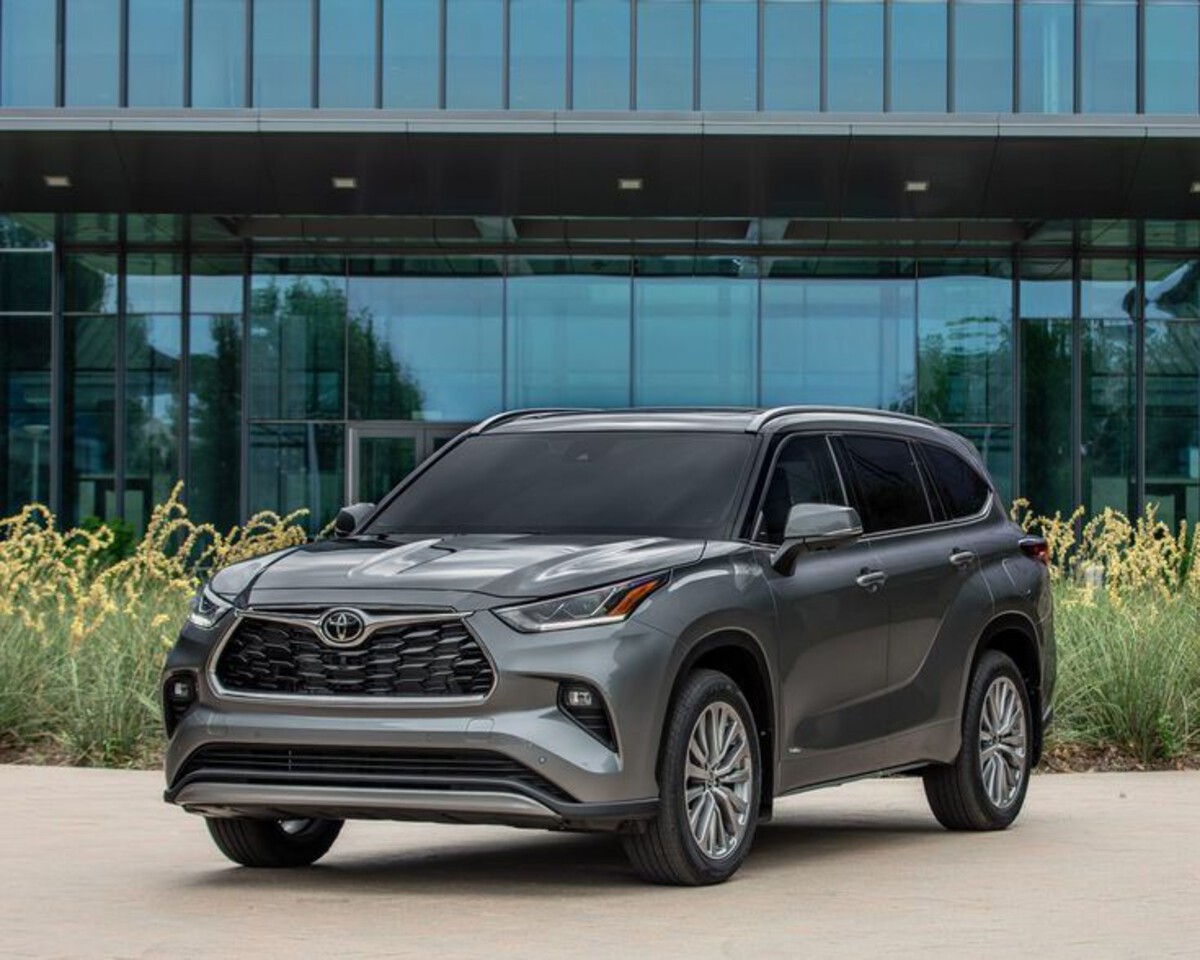
1. 2004–2009 Toyota Highlander (First Generation)
The first-generation Toyota Highlander doesn’t get talked about much today, especially compared to newer SUVs with big infotainment screens and turbocharged engines. But for those who owned one, it earned a reputation as a dependable, simple, and comfortable family vehicle.
The mid-2000s Highlander was based on the Camry platform, which helped it inherit that model’s reputation for reliability. The V6 engine in particular was noted for being smooth, strong, and capable of running for hundreds of thousands of miles with only basic maintenance.
The all-wheel-drive versions added peace of mind for families in colder climates, and the vehicle’s size made it easy to park and drive around town.
Mechanics often point to the first-gen Highlander as an example of Toyota’s engineering at its most conservative and dependable. There was nothing flashy under the hood, and the interior was plain, but it was built with durability in mind.
Owners have reported minimal issues even after 15–20 years of regular use. Suspension components, drivetrain parts, and electronics in these models tend to last far longer than average.
While newer Highlanders have shifted toward more aggressive styling and higher prices, this early model remains a strong example of a family car that simply worked.
One of the reasons this model has faded from public memory is that it never felt particularly special to drive. It wasn’t sporty, luxurious, or exciting. It didn’t make headlines for innovation.
But it was an appliance in the best sense of the word: dependable, consistent, and easy to maintain. The seats were comfortable, visibility was good, and road noise was minimal. For a family just trying to get from A to B without trips to the shop, it checked every box.
These models are often found today with high mileage and still running strong. The used car market occasionally has clean examples at reasonable prices, making it a good choice even for families today who are on a budget and need something that won’t break down. It’s a forgotten gem that shows how far quiet competence can go when it comes to long-term satisfaction.
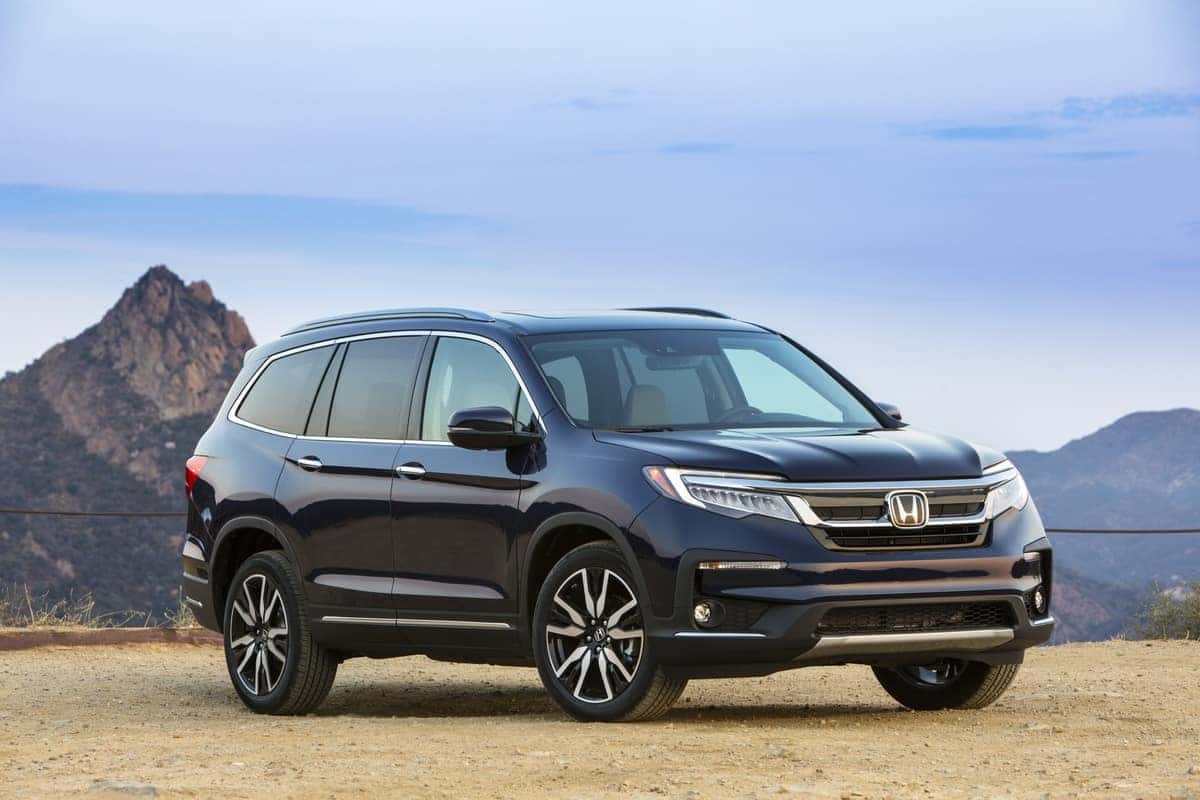
2. 2003–2008 Honda Pilot (First Generation)
The original Honda Pilot launched with little fanfare but quickly earned a reputation for being a solid, family-oriented SUV. It shared a platform with the Acura MDX but came at a much more reasonable price, which made it appealing to buyers looking for value without sacrificing quality.
The 3.5-liter V6 engine was praised for its smoothness and strength, and it paired well with the five-speed automatic transmission. This drivetrain combination proved to be highly durable, with many examples surpassing 250,000 miles with just regular oil changes and timing belt replacements.
Where the Pilot really stood out was its combination of size and efficiency. It was large enough to seat eight passengers but never felt bulky on the road.
The interior was built with practicality in mind, with wide-opening doors, flat cargo floors, and flexible seating arrangements. It wasn’t luxurious, but it was well put together. Materials held up well over time, and the layout was intuitive for drivers who didn’t want to be distracted by unnecessary controls.
Although it received strong early reviews, the Pilot often gets overshadowed by newer crossovers and bigger nameplates. It rarely appears in discussions of classic family vehicles, yet its track record for reliability and practicality rivals that of any top seller.
It was the kind of SUV that blended into the background, which may be why people forget about it today but that’s also why it stuck around for so long in many households. Honda’s reputation for engineering is well represented in this generation. It wasn’t a showpiece, but it rarely broke down, and it aged gracefully.
The resale value remained stable for years, and owners often passed it down within families. As a long-term investment, it offered excellent returns in terms of cost per mile, making it a smart pick that just didn’t get the attention it deserved.
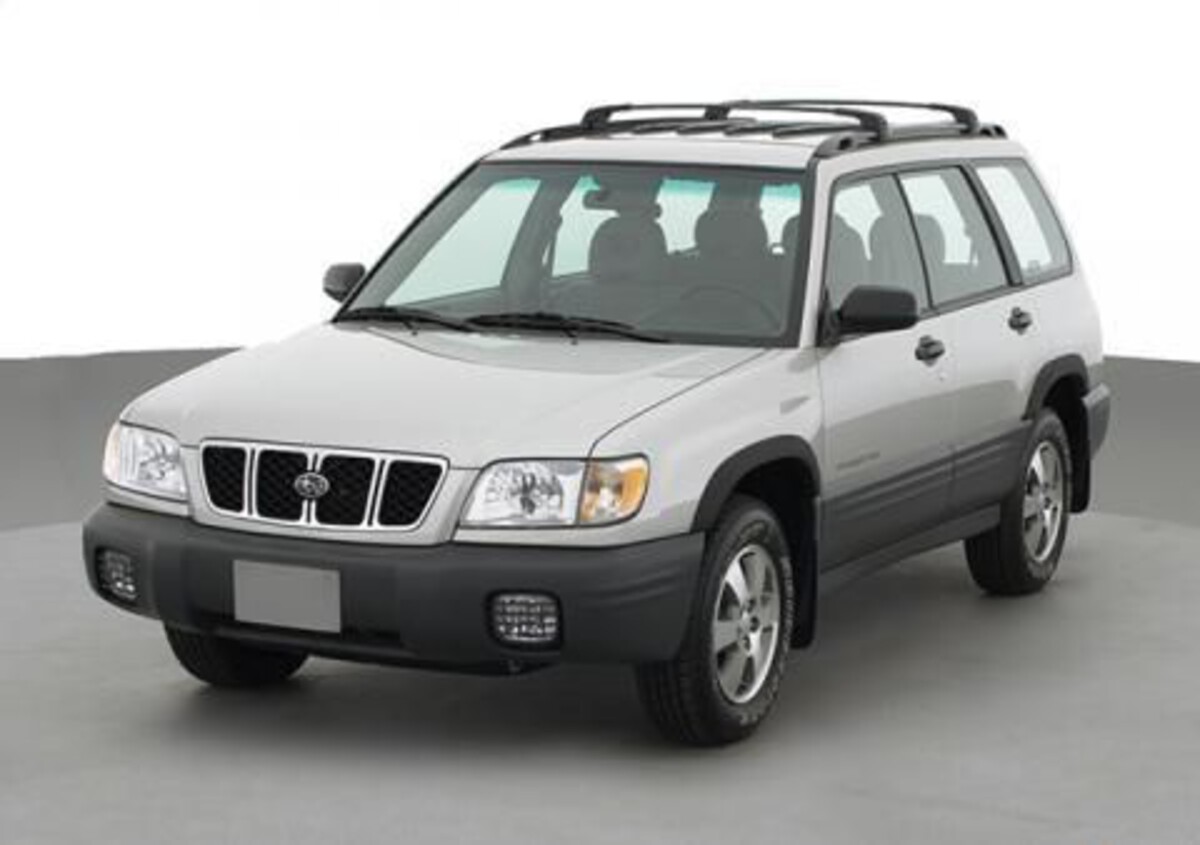
3. 1998–2003 Subaru Forester (First Generation)
The early Subaru Forester combined the best traits of a wagon and a small SUV, long before crossovers became the default family car. Launched in the late 90s, the first-gen Forester offered standard all-wheel drive, solid ground clearance, and a practical, upright interior that worked well for active families.
It didn’t rely on size or gimmicks to appeal to buyers. Instead, it focused on a simple promise: a safe, sturdy vehicle that could handle daily commutes, inclement weather, and long weekends away from the city.
What made the Forester a favorite among mechanics and long-time owners was its mechanical simplicity and balanced handling. The flat-four boxer engine was easy to work on, and Subaru’s AWD system was among the most advanced in its class at the time.
While some head gasket issues were reported in early years, many vehicles went well beyond 200,000 miles with careful maintenance. The combination of rugged engineering and a no-frills cabin made it ideal for families who needed a vehicle that could adapt to many different lifestyles.
Unlike more popular SUVs, the Forester didn’t try to project an image. It was a tool, and it was used like one. Parents used it for school runs, camping trips, and snowy commutes. It wasn’t fast or flashy, but it was consistent and predictable.
The compact size also made it easier to handle than many other AWD vehicles of the era, which was appreciated by families in urban or suburban settings. Today, the first-gen Forester is rarely mentioned outside of Subaru enthusiast circles, but those who owned one often remember it fondly.
Its boxy design, large windows, and solid feel gave it a sense of substance that is missing from many modern vehicles. It’s a reminder that you don’t need a three-row SUV to have a great family car, you just need something built to last.

4. 2000–2005 Ford Focus Wagon
Before crossovers took over, small wagons like the Ford Focus Wagon filled the needs of countless families who didn’t want or need a full-size SUV. The early 2000s Focus Wagon, particularly those with the reliable 2.0-liter Zetec engine, offered a surprisingly solid mix of practicality and driving enjoyment.
It handled better than most cars in its class, thanks to its European design roots, and provided ample cargo space for its size. While sedans and hatchbacks got more attention, the wagon quietly served as a flexible and efficient family hauler.
Owners appreciated the low running costs and ease of repair. It was an inexpensive car to maintain, with widely available parts and a design that didn’t require complex tools for basic jobs. Fuel economy was solid, and the ride was composed even on rough roads.
The interior was nothing special in terms of luxury, but it was spacious and easy to keep clean, which mattered more to families with small children or pets.
Despite being a solid performer, the Focus Wagon fell out of favor as consumer tastes shifted toward SUVs. Its low ride height and utilitarian appearance made it less appealing to image-conscious buyers, even though it performed just as well or better than many larger vehicles.
Its value proposition simply got overlooked. Yet, for families who used them, the Focus Wagon often became one of those rare cars that “just kept going” without much fuss.
While most are now aging and harder to find in clean condition, those still on the road often remain daily drivers. With proper care, they hold up well, and their simplicity is now seen by some as a virtue in an era of over-complicated vehicles. It’s a forgotten model that still represents what many families need: low cost, good space, and no drama.
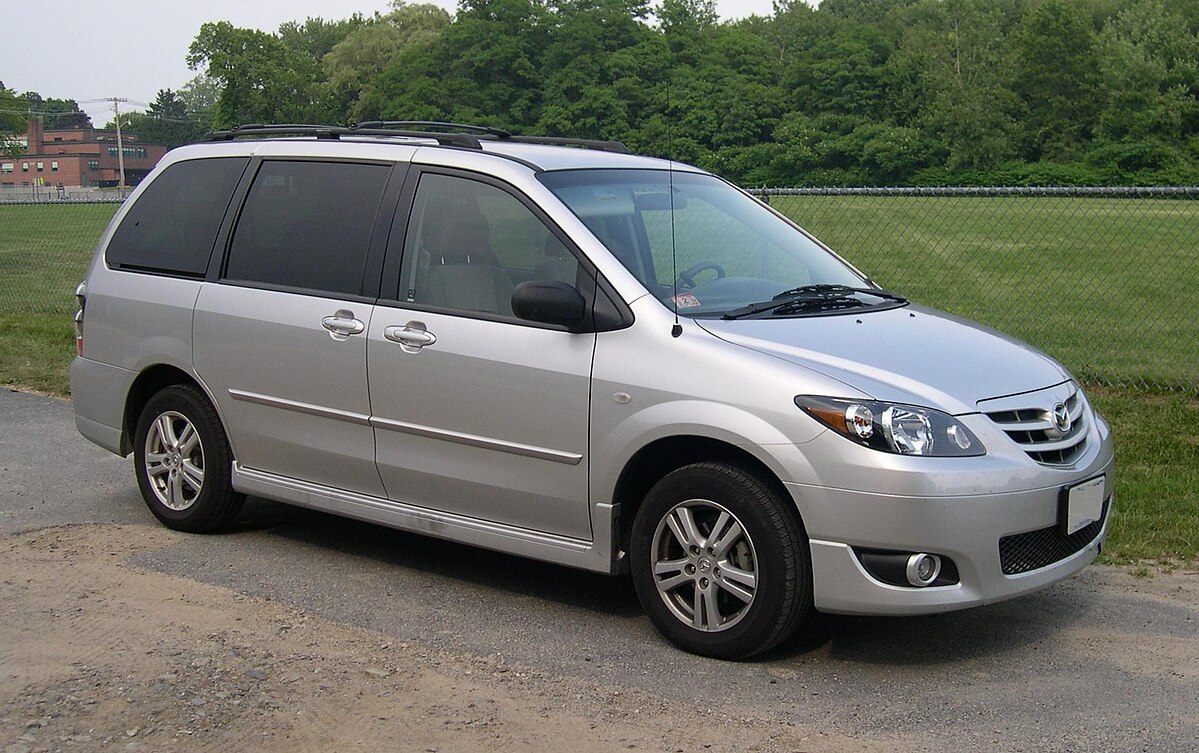
5. 2001–2006 Mazda MPV (Second Generation)
The Mazda MPV of the early 2000s was a minivan that didn’t get nearly as much attention as some of its rivals like the Honda Odyssey or Toyota Sienna. Yet, it earned a loyal following due to its straightforward design, reliable mechanics, and family-friendly features.
While minivans often get overlooked in favor of SUVs, the MPV was a solid choice for families who needed space and durability without extra complexity or high running costs. One of the main strengths of the Mazda MPV was its dependable V6 engine, which combined adequate power with good fuel economy for its class.
The 3.0-liter V6 was known for its smooth operation and longevity, often surpassing 200,000 miles with regular maintenance. The MPV also featured a well-tuned suspension that offered a comfortable ride and decent handling, which made it less cumbersome to drive than many other minivans of the time.
Owners praised the MPV for its practical interior layout, including sliding rear doors that made loading children and cargo easier.
The seats were comfortable and configurable, with enough room to accommodate seven passengers. The simplicity of the controls and durable materials contributed to its reputation as a “workhorse” family vehicle, ideal for everyday use without frequent trips to the mechanic.
Despite all these qualities, the Mazda MPV did not benefit from the same level of marketing or brand prestige as its competitors, which led to its relative obscurity.
However, those who chose it often found it to be a reliable and cost-effective solution that stood the test of time. For families today looking for a used minivan that won’t break the bank or the spirit, the MPV deserves another look as one of the forgotten gems that last.
5 Bestseller Family Cars With Issues
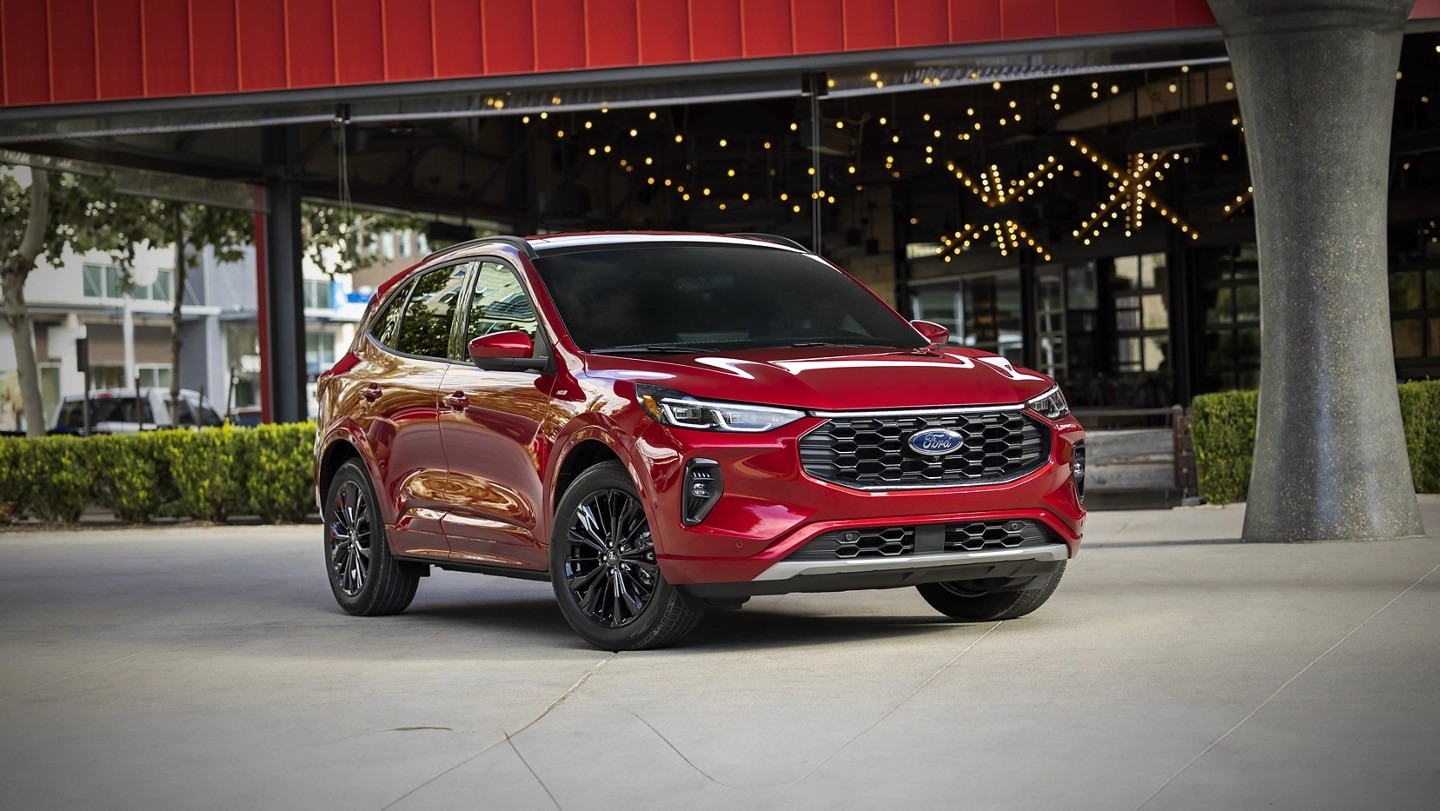
1. 2013–2018 Ford Escape (Third Generation)
The Ford Escape has been a popular choice for families looking for a compact SUV, especially in its third generation. Its sharp styling and a variety of engine options helped it sell well. However, beneath its appealing exterior, many owners experienced issues that dampened its reputation over time.
Common complaints centered around transmission problems, particularly with the six-speed automatic. Shifts could become rough or delayed, leading to costly repairs that frustrated many families who needed reliable transportation.
The Escape’s EcoBoost engines also had their share of challenges. Some drivers reported problems with turbochargers failing prematurely or excessive oil consumption.
This added to the maintenance costs and complicated ownership experience, especially when these problems emerged just a few years after purchase. Though Ford issued recalls and extended warranties to address some of these issues, the damage to consumer trust was noticeable.
Additionally, some Escape models struggled with electrical gremlins, including sensor failures and issues with the infotainment system freezing or rebooting randomly.
For a family vehicle, reliability in these areas is critical, yet many Escape owners had to contend with trips to the dealership to resolve problems that should have been rare or nonexistent in a top-selling car.
Despite these problems, the Escape remains a frequent choice for buyers drawn to its style and size. However, families looking for a dependable daily driver may want to approach these model years with caution.
The Escape’s strengths are often overshadowed by its maintenance headaches, and long-term ownership costs can be higher than expected.
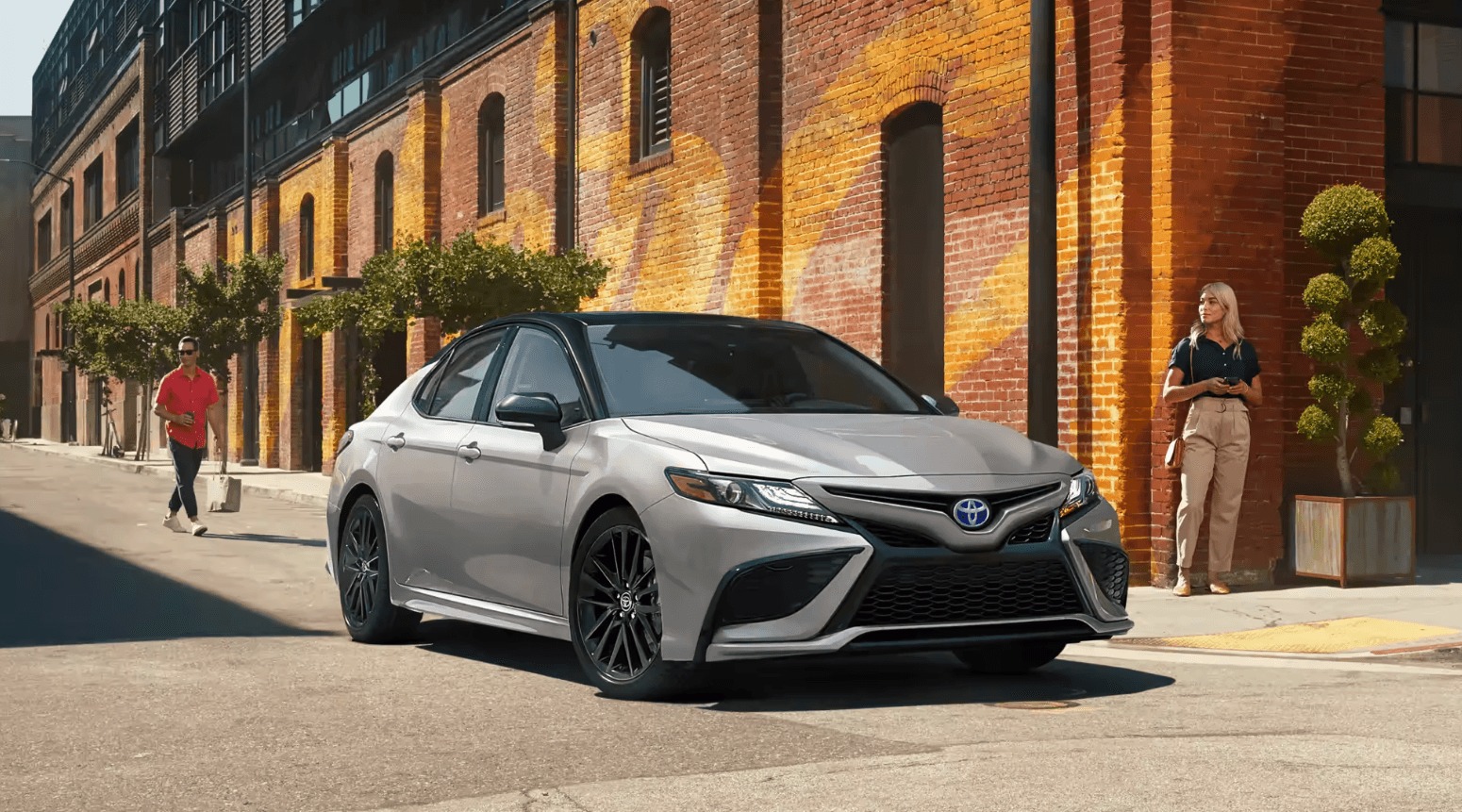
2. 2010–2015 Toyota Camry (Seventh Generation)
The Toyota Camry is one of the most well-known family sedans, and its seventh generation was a sales powerhouse. Its reputation for reliability often precedes it, but this generation had some issues that affected many owners.
The 2.5-liter four-cylinder engine was generally dependable, but the 3.5-liter V6 presented challenges, particularly with the timing chain tensioner. When this component failed, it could lead to expensive repairs or even catastrophic engine damage if not addressed promptly.
Some Camrys of this era also suffered from premature brake wear and problems with the power steering system, including leaks that led to steering difficulties.
These issues were less common but still significant enough to impact owners’ trust in what was otherwise seen as a safe and sturdy vehicle. Several recalls and service campaigns attempted to mitigate these concerns, but complaints persisted.
Another concern involved the automatic transmission in some V6 models, where shifting could be hesitant or rough, especially under load. While not widespread, these issues reduced the smooth driving experience expected from a Camry and raised questions about long-term durability in certain trims.
Still, many owners have had positive experiences with this generation of Camry, especially those who stuck with regular maintenance and avoided higher-mileage problems.
However, when compared to earlier or later Camrys, this generation sits in a more mixed position regarding reliability and cost of ownership, especially for families who rely heavily on their vehicles every day.
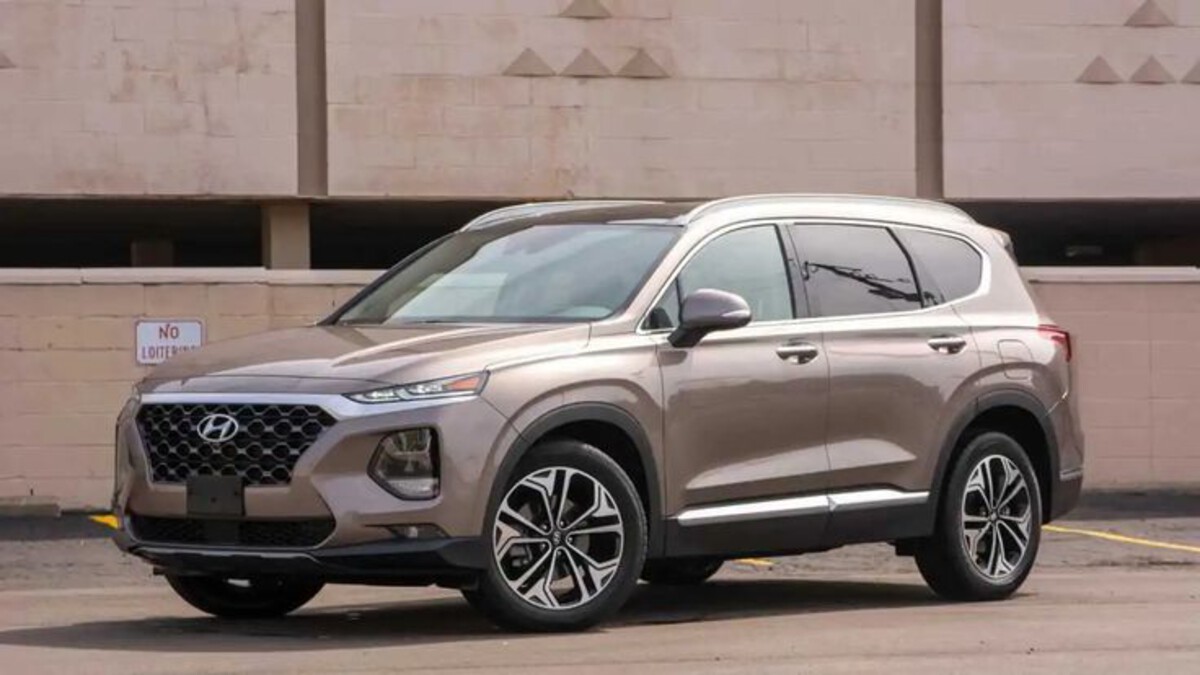
3. 2012–2017 Hyundai Santa Fe (Third Generation)
The third generation Hyundai Santa Fe attracted many family buyers with its affordable price and generous features. It represented a strong value proposition in the midsize SUV market, but over time, it revealed some recurring issues that owners found frustrating.
Among the most common problems were engine stalling and rough idling, which in some cases were traced to faulty sensors or issues within the fuel system.
The 2.4-liter four-cylinder and 3.3-liter V6 engines both experienced problems related to timing chains and oil consumption, though the severity varied by year and driving conditions.
Hyundai issued several technical service bulletins to address these concerns, but some owners still faced costly repairs. This damaged the Santa Fe’s image as a reliable family SUV, even though it offered comfort and space on par with more expensive competitors.
Electrical system malfunctions were another headache for Santa Fe owners. These ranged from dashboard warning lights activating without cause to problems with door locks and infotainment glitches. While none of these problems were typically dangerous, they caused inconvenience and lowered confidence in the vehicle’s build quality.
Despite the issues, the Santa Fe’s blend of features, warranty coverage, and pricing kept it popular with buyers. However, families prioritizing long-term reliability should weigh these concerns carefully. The Santa Fe of these years may need more attentive maintenance and diagnostic care than initially expected.
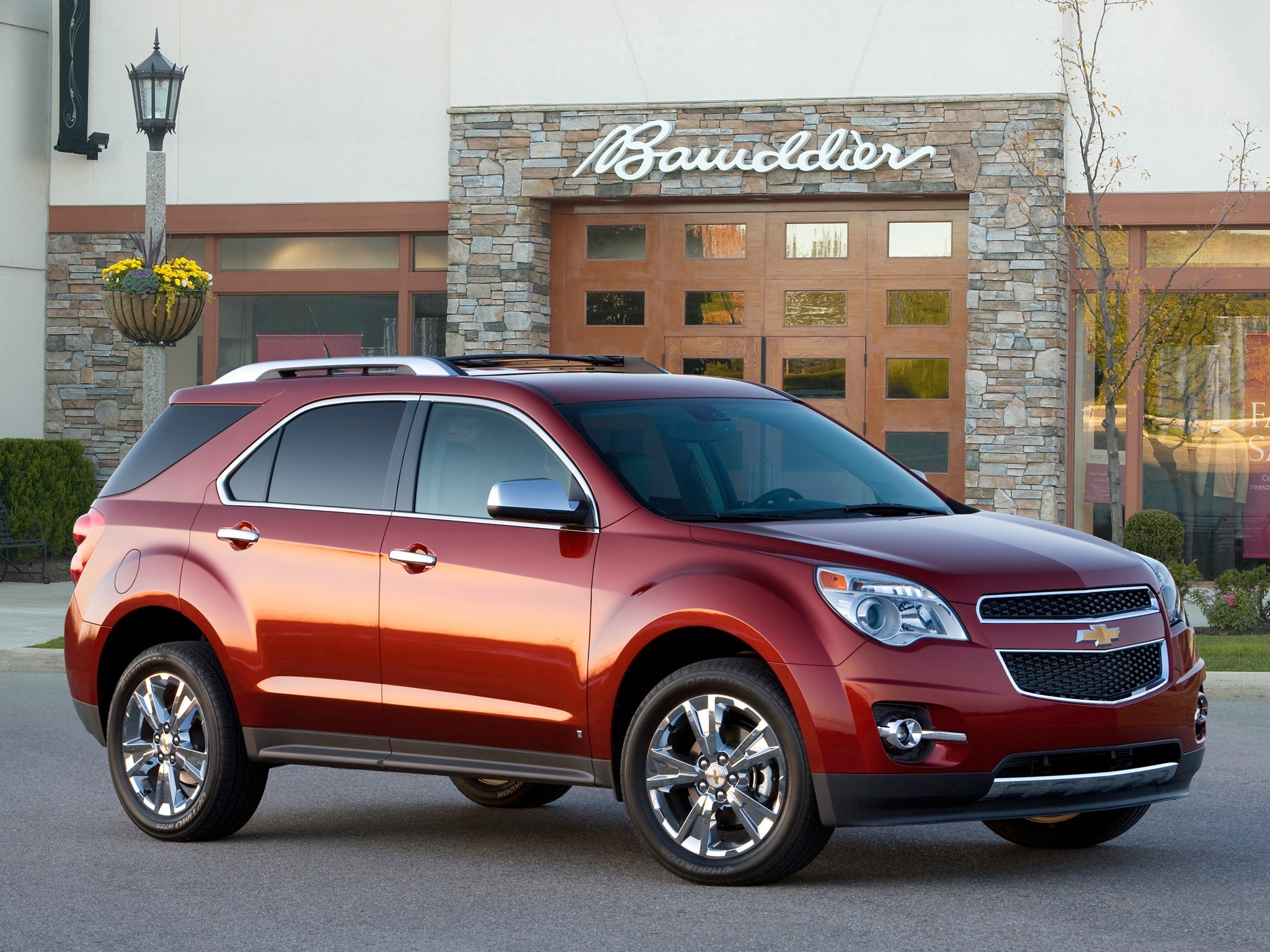
4. 2011–2016 Chevrolet Equinox (Second Generation)
The Chevrolet Equinox has long been a staple in the family SUV category, but the second generation experienced a variety of mechanical issues that troubled many owners.
The 2.4-liter four-cylinder engine, common in base models, was prone to oil consumption problems, leading to frequent top-offs and, in some cases, engine failure. This was a costly problem that significantly impacted long-term ownership satisfaction.
Transmission problems also appeared, especially in models equipped with the six-speed automatic. Owners reported hesitation, slipping, and harsh shifting, which required repairs or replacements under warranty or out of pocket. These issues made the Equinox less appealing to families who depended on smooth, trouble-free driving.
Some drivers also encountered electrical problems, including issues with the power windows and dashboard warning lights activating incorrectly. These symptoms often required visits to the dealership and sometimes multiple attempts to resolve, which added frustration and downtime for families who rely on their vehicle every day.
Despite its shortcomings, the Equinox remained a strong seller because of its comfortable ride, spacious interior, and competitive pricing. Yet, those attracted by these qualities had to be prepared for potentially higher maintenance costs and a more complicated ownership experience than initially expected.
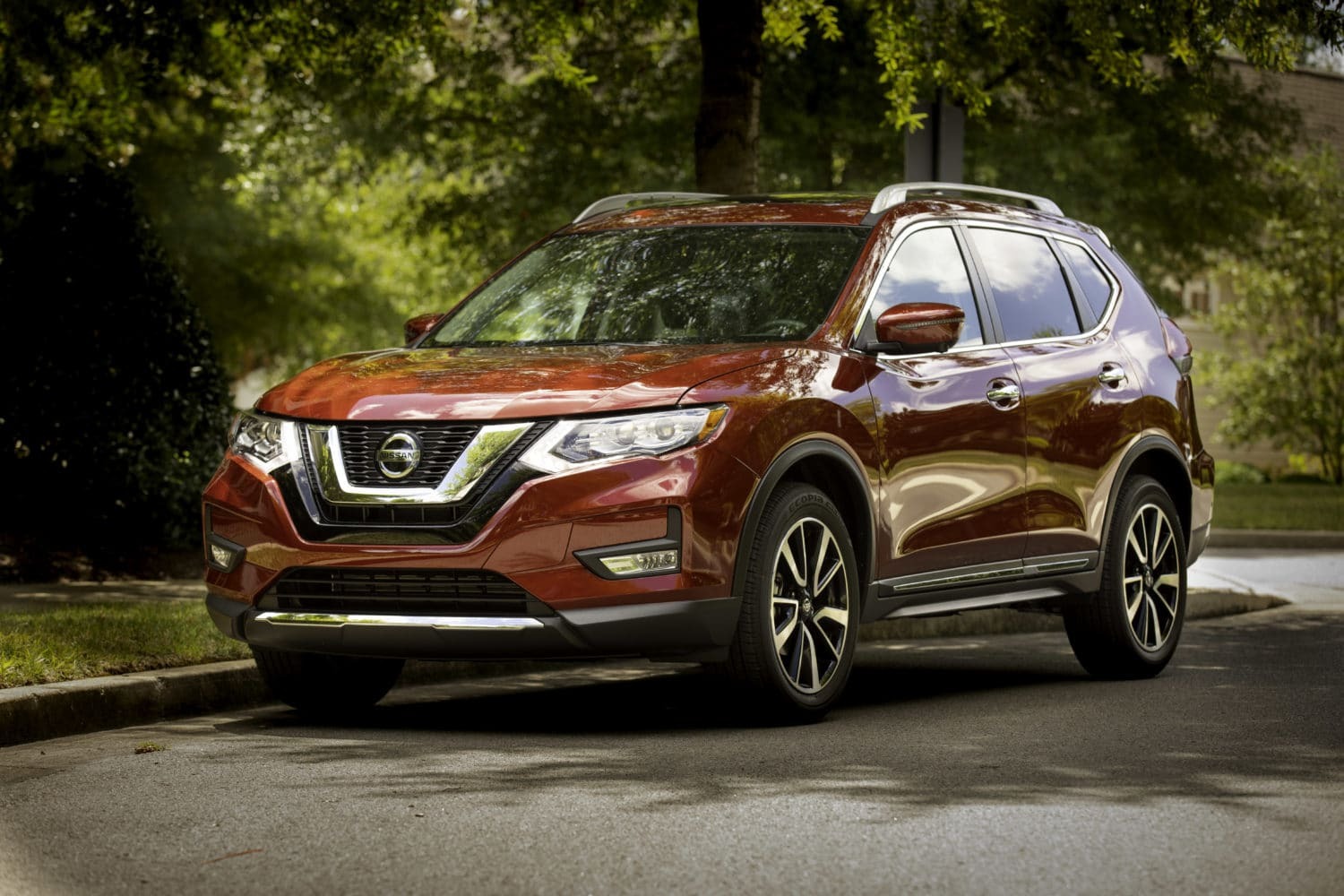
5. 2014–2019 Nissan Rogue (Second Generation)
The Nissan Rogue’s second generation enjoyed high sales thanks to its efficient engines, smooth ride, and appealing design. It was widely chosen by families for its fuel economy and standard safety features. However, behind the scenes, several recurring issues chipped away at its reputation.
One of the most significant problems was related to CVT (continuously variable transmission) reliability. Owners frequently reported hesitation, jerking, and complete transmission failures at relatively low mileage. While Nissan extended warranties on many CVT components to compensate, these issues caused anxiety and unexpected expenses for owners.
The Rogue also experienced electrical issues, including problems with sensors, warning lights, and occasional failures in electronic parking brakes. Such malfunctions not only affected the vehicle’s drivability but also required expensive diagnostics and repairs.
Additionally, some models suffered from premature brake wear and suspension noise, which reduced the vehicle’s comfort and safety appeal. Given the Rogue’s position as a family-oriented vehicle, these issues were disappointing for many buyers who expected a trouble-free experience.
Despite these challenges, the Rogue remained a bestseller because it balanced practicality with affordability and style. However, families considering a used Rogue from these years should be aware of the maintenance history and carefully inspect for known problems before purchasing.
Also Read: Top 10 Luxury Brands That Quietly Nail Reliability
When it comes to family vehicles, the decision to buy should always be rooted in careful consideration of reliability, practicality, and long-term ownership costs. The cars that best serve families are those that stand up to daily use without constant trips to the repair shop or unexpected breakdowns.
This article has highlighted a clear distinction between two types of family cars: those that have quietly earned reputations for lasting and those that, despite their bestseller status, have experienced recurring issues that challenge their dependability.
The five forgotten family cars showcased here demonstrate that durability does not always come with a hefty price tag or widespread recognition.
Models like the early Toyota Highlander and the Honda Pilot from the 2000s have proven to be steadfast companions for many families, thanks to their well-engineered engines, simple yet functional interiors, and mechanical reliability.
These vehicles often provide comfortable and practical transportation without relying on the latest trends or flashy features. Their continued presence on the road, even years after their production ended, speaks volumes about their lasting value.
Similarly, cars like the first-generation Subaru Forester and the Ford Focus Wagon reveal how thoughtful design and mechanical simplicity can lead to years of trouble-free service.
These vehicles prioritize function over form, making them practical choices for families who need a dependable vehicle that won’t drain their budgets on repairs. The Mazda MPV minivan further shows that even vehicles that didn’t command widespread attention can become family favorites because of their reliability and ease of use.
On the other hand, the bestseller family cars discussed have demonstrated that mass popularity does not always correlate with lasting quality. The Ford Escape, Toyota Camry (seventh generation), Hyundai Santa Fe, Chevrolet Equinox, and Nissan Rogue have all experienced problems ranging from transmission failures and engine issues to electrical malfunctions.
For families, these issues translate to frustration, increased maintenance costs, and sometimes compromised safety. These challenges highlight how critical it is to look beyond sales figures and marketing hype when choosing a family car.
Understanding the common problems associated with these popular models is just as important as knowing which cars tend to last. Families who already own these vehicles or are considering them should be vigilant about maintenance schedules, recall notices, and known trouble spots.
Doing so can mitigate many issues before they become serious and preserve the vehicle’s lifespan. At the same time, potential buyers can make better-informed choices by weighing the pros and cons of these popular models against more reliable but less talked-about alternatives.
This comparison underscores a vital lesson for families: durability and reliability often come down to engineering fundamentals, maintenance, and real-world performance, rather than marketing success or current popularity. Cars that last tend to be those that embrace simplicity, solid mechanics, and practical design choices. While they may lack the excitement or prestige of newer models, their consistent performance makes them invaluable in everyday family life.
For anyone shopping for a family car, these insights suggest that a broader perspective is needed. It pays to research beyond the headlines and bestsellers, considering vehicles with a history of proven longevity and owner satisfaction.
The forgotten family cars that last quietly provide comfort, safety, and dependability for years, and sometimes decades. Recognizing their value and being cautious about widely sold models with known issues can lead to better ownership experiences and fewer unexpected surprises.
In the end, the best family car is one that meets the specific needs of its owners while standing up to the challenges of daily use.
Whether it’s a lesser-known SUV or a trusted minivan, choosing reliability over hype is a decision that pays dividends in peace of mind and satisfaction. Families deserve vehicles that help make life easier, not more complicated, and the cars that last are the ones that fulfill that promise.
