
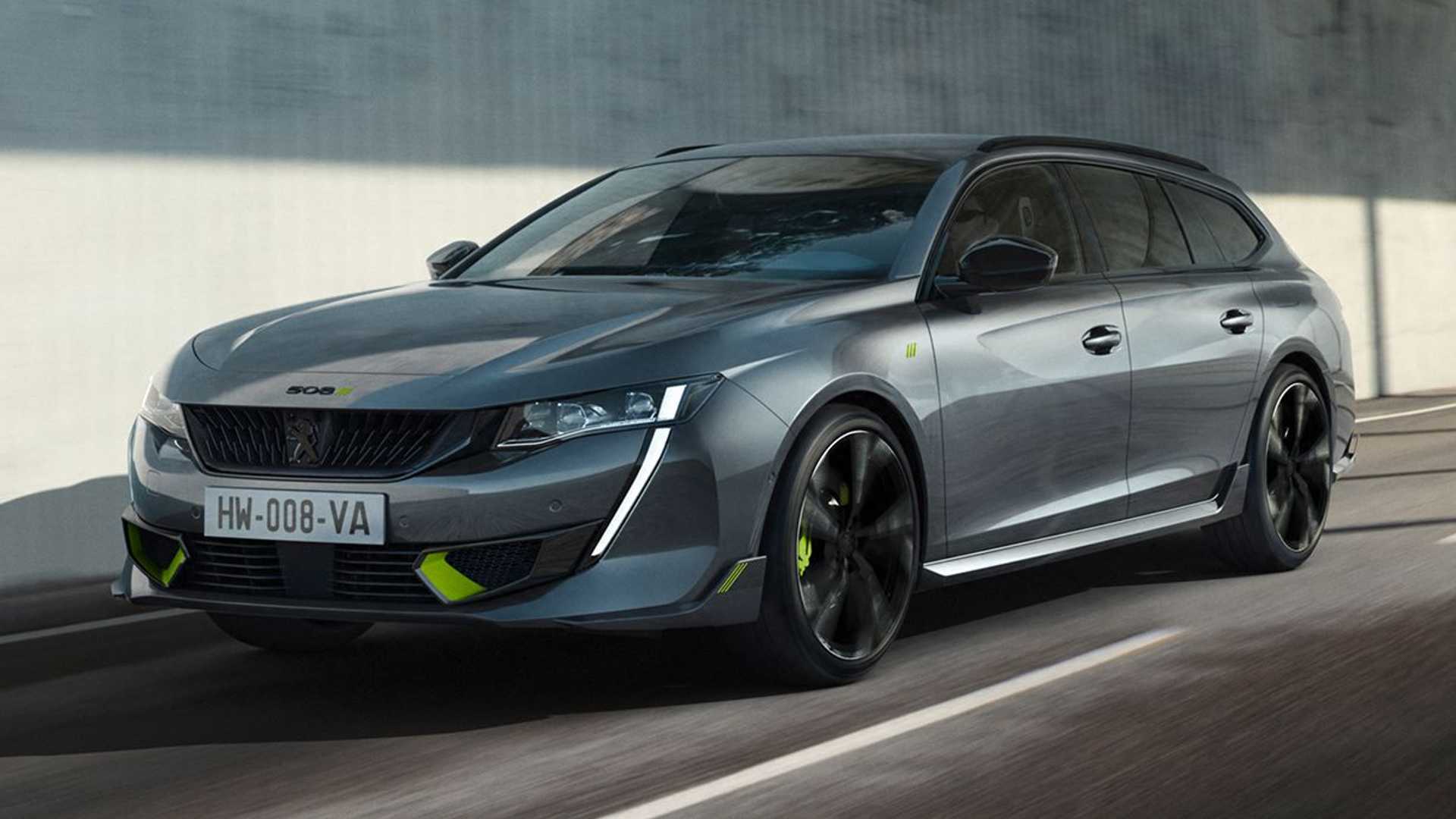
Station wagons once ruled the roads before SUVs and crossovers took over. While many drivers now chase the taller ride height and bulkier profile of an SUV, the wagon quietly remains one of the most functional, road-friendly, and practical choices for daily driving and long-haul comfort.
In Europe, wagons, often referred to as estates, continue to be loved for their blend of handling, efficiency, cargo space, and a more grounded feel.
However, not all wagons are built the same. Some are celebrated by automotive media and buyers, grabbing attention with sharp looks and badge prestige, yet hide recurring issues under their stylish hoods.
Others remain low-key and largely unknown outside of specific regions, yet have proven themselves as reliable, well-built machines over hundreds of thousands of miles.
This article compares five lesser-known European wagons that have shown strong long-term reliability against five popular wagons that, despite their fame, carry significant flaws.
The lesser-known models often fly under the radar because they come from brands that don’t enjoy massive global marketing budgets or because they were never sold widely outside Europe.
Their strength lies in consistent mechanical dependability, thoughtful engineering, and lower ownership costs. These wagons might not win beauty contests, but they are dependable travel partners for those who value longevity over image.
On the other hand, some of the most sought-after wagons from well-known brands bring with them a mixed bag of performance and disappointment.
These models often catch the eye at dealerships and turn heads on the street, but behind the scenes, many owners deal with transmission issues, electrical gremlins, or expensive service schedules. Popularity doesn’t always mean peace of mind, and a good reputation can sometimes mask recurring issues that emerge once the vehicle ages past its warranty period.
The goal here isn’t to trash popular choices or blindly praise the obscure. Instead, it’s to draw attention to models that quietly perform well and deserve recognition, while also pointing out that a car’s hype doesn’t always match its day-to-day experience.
So, let’s break it down into two clear lists: five wagons that tend to fly under the radar but stick around for the long haul, and five popular ones that haven’t earned the same respect from long-term owners.
5 Unknown European Wagons That Last
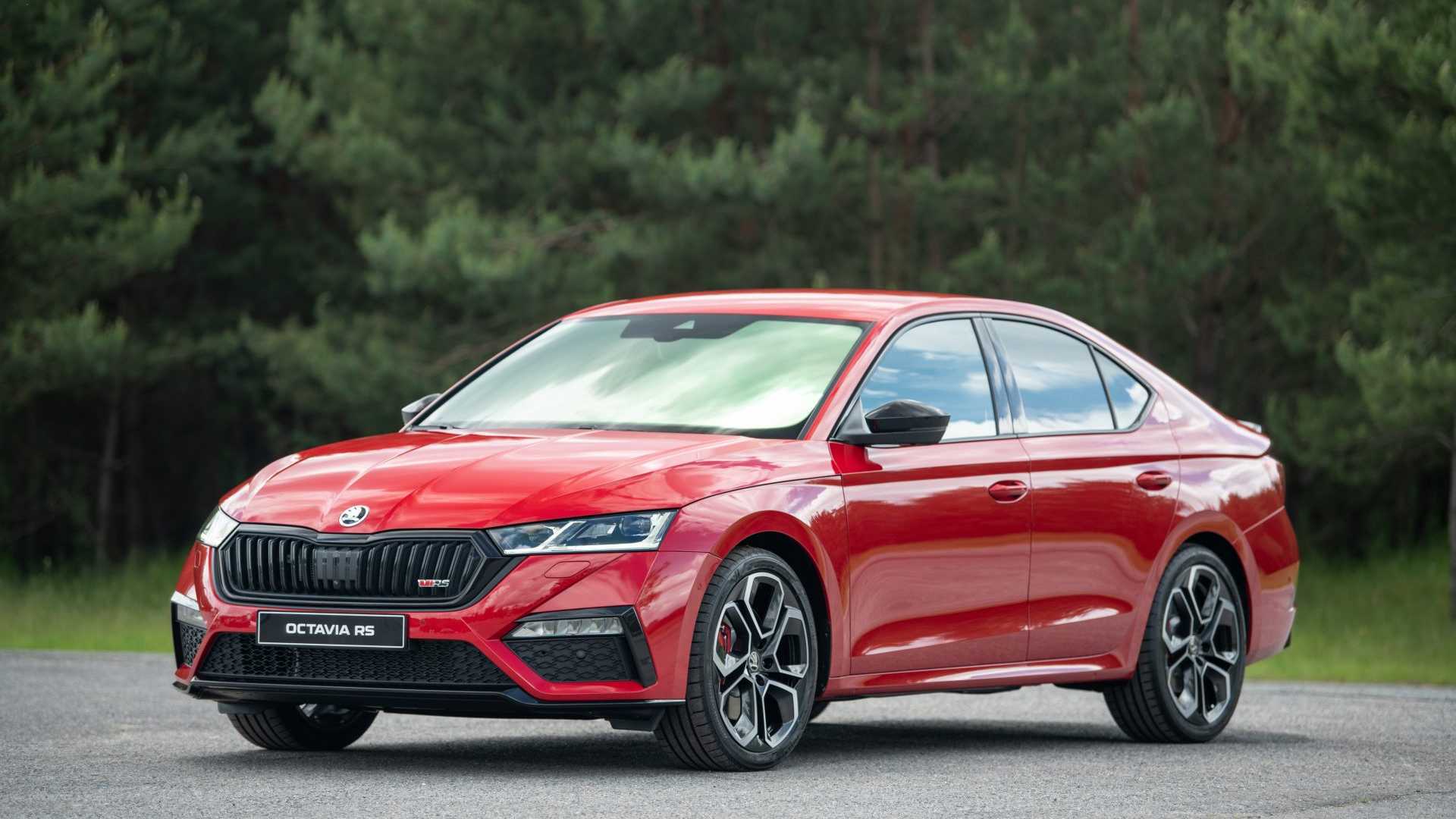
1. Škoda Octavia Combi (Diesel and Petrol)
Škoda doesn’t carry the same brand power as Volkswagen or BMW globally, but the Octavia Combi has built a quiet reputation as one of the most durable wagons in Europe.
Built on shared platforms with the VW Golf, it borrows solid engineering from its parent company while keeping pricing more sensible and maintenance less costly. Its diesel versions, in particular, have been known to cross 300,000 kilometers with only basic upkeep, while still delivering strong fuel efficiency and decent torque.
The simplicity of the Octavia is its strength. The cabin layout is functional, the electronics are straightforward, and there’s less of the complex infotainment bloat that plagues many modern cars.
Owners across Eastern and Central Europe often hold onto these vehicles for well over a decade, reporting only the occasional sensor fault or suspension bushing replacement. With regular oil changes and timely timing belt service, the engines and gearboxes keep humming for years.
Another thing that makes the Octavia Combi stand out is its cargo capacity. It offers more usable rear space than many larger cars, with low loading height and smart trunk design.
While not a performance car by any means, it handles better than expected and doesn’t wallow around corners like heavier SUVs. The steering is light but accurate, and the ride is tuned for European roads, striking a fair balance between comfort and control.
For people who need a dependable family car or daily hauler that won’t cost a fortune to run or repair, the Octavia Combi is a workhorse worth considering. It doesn’t try to be flashy, and that’s precisely what helps it avoid the pitfalls of overly complicated systems and unreliable features. If more people test drove one without badge bias, they might wonder why they ever bothered chasing flashier alternatives.
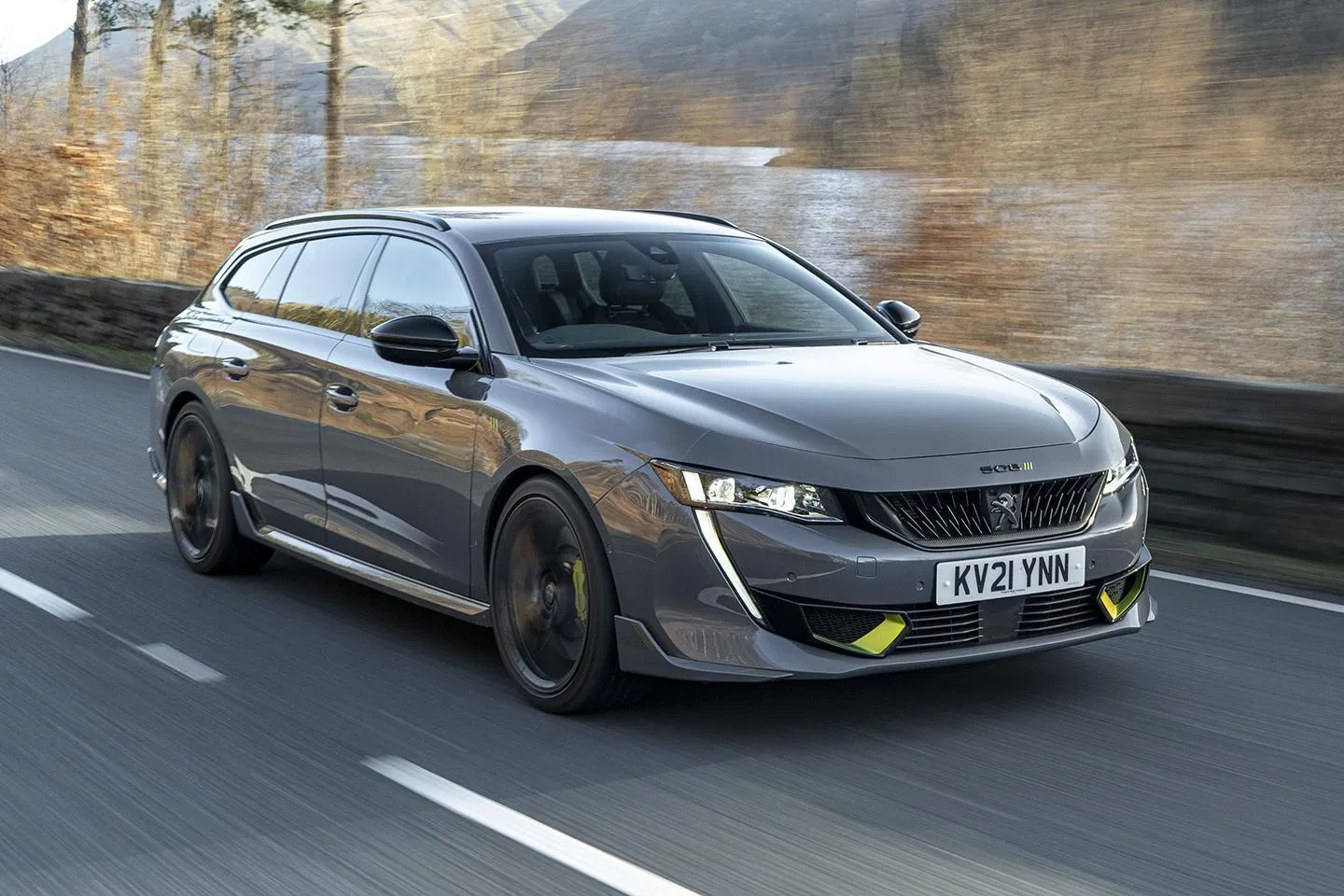
2. Peugeot 508 SW (2011–2018)
While Peugeot’s name doesn’t ring loudly in North America, the 508 SW is a sleeper hit across parts of Europe. The first-generation 508 station wagon didn’t make massive headlines, but it delivered solid build quality and above-average durability, especially with its 2.0 HDi diesel engines.
These units were known for their ability to rack up kilometers well past 250,000 with minimal mechanical drama. One reason the 508 SW has remained quietly reliable is that it avoided the over-complication of earlier French models.
Where older Peugeots were sometimes plagued by electrical quirks and questionable interior materials, the 508 marked a shift toward better quality control and more thoughtful design. It’s not a performance car, but it offers a composed, mature ride with enough torque for comfortable long-distance cruising.
The styling is conservative but handsome, and the interior is both spacious and practical. The suspension leans toward comfort, absorbing road imperfections without feeling overly soft.
It also holds up well over time; rust is rarely an issue, and the key mechanical components, particularly the diesel engines and manual gearboxes, are robust. Even the automatic gearboxes, often a weak point in other French cars, are more refined in this model.
Servicing costs for the 508 SW tend to be lower than German rivals, and parts availability is relatively strong across Europe. Independent mechanics understand these cars well, and because the systems are less complex, diagnostics and repairs don’t turn into budget-eating nightmares.
For someone who wants a no-drama wagon with a strong reputation among long-term users, the 508 SW is a smart choice, especially if bought second-hand after a fleet life with proper maintenance.
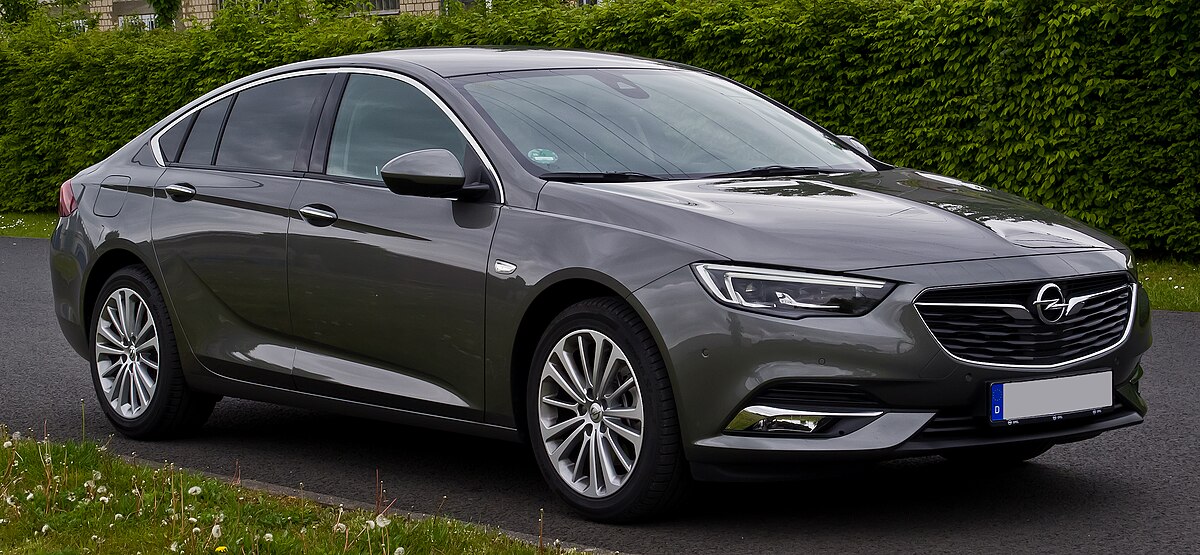
3. Opel Insignia Sports Tourer (2009–2017)
The Opel Insignia Sports Tourer is another wagon that people often forget exists, but those who drive them tend to hold onto them longer than expected.
The pre-2017 models, especially those fitted with the 2.0 CDTi diesel engine, have proven to be well-engineered and capable of high-mileage use. They strike a good balance between driving comfort, practicality, and serviceability.
While not sporty, the handling is stable and composed, especially on the highway where the car feels planted and quiet. The steering is responsive, and the build quality is better than many give it credit for.
The cabin has aged reasonably well, and the ergonomics make it easy to live with. There’s no show-off interior lighting or complex tech stack to get in the way of what the car is supposed to do: drive smoothly and carry stuff.
Mechanical simplicity is part of the Insignia’s appeal. With fewer digital gimmicks and a clear layout, it’s easier to diagnose issues when they arise.
The most common problems are usually tied to wear items like dual-mass flywheels or EGR valves, but these aren’t unusual for diesel cars of this era. Once replaced, they tend not to return as frequent faults. Regular oil changes and a careful cooling system check now and then keep things in good order.
Another plus is that parts for the Insignia are widely available and inexpensive. Many parts are shared with other GM models, and this makes ownership less stressful when repairs are needed.
While it might not win awards for innovation, the Insignia Sports Tourer has quietly built a solid track record for being a no-nonsense, long-lasting vehicle for those who need space without drama.
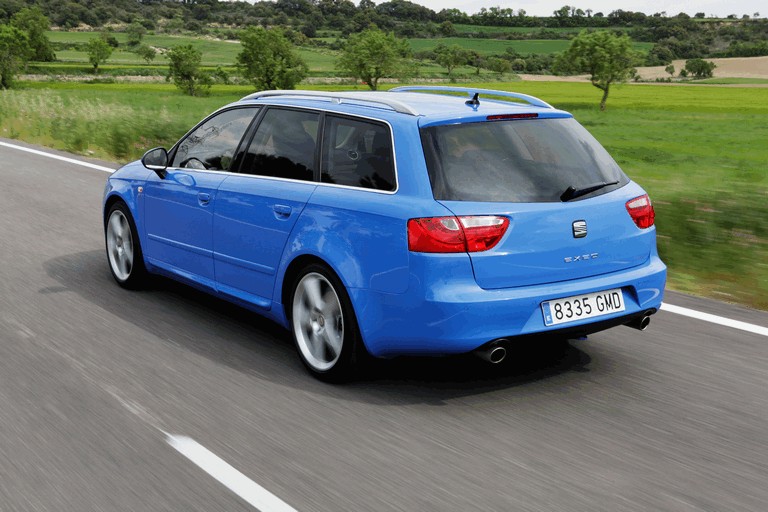
4. SEAT Exeo ST (2009–2013)
The SEAT Exeo ST is a peculiar case. It’s essentially a rebadged and lightly restyled version of the B7 Audi A4 Avant, built using older Audi tooling after production ended.
SEAT, a Spanish brand under the VW Group, decided to give the old platform new life under their badge, and the result was a wagon that most people ignored, but one that performed incredibly well in terms of durability.
The Exeo ST borrowed Audi’s solid mechanical parts, including the 1.8 and 2.0 TFSI petrol engines and the legendary 2.0 TDI diesel, which had already proven themselves in other VW Group cars.
This gave the Exeo the benefit of premium-level engineering at a much lower cost. Since it was priced below the A4 but mechanically very similar, it quietly offered one of the best value propositions in its class.
In terms of driving, it delivers a refined and confident experience. The interior quality is higher than what you’d expect from SEAT, thanks to Audi-sourced parts.
The handling feels tight, and the ride is comfortable without being floaty. Long-distance driving is stress-free, and maintenance tends to be straightforward for anyone familiar with VW Group cars.
Despite its under-the-radar profile, owners often report reaching very high mileage with relatively few problems. The diesel variants, when maintained properly, are especially strong, with some examples still on the road with over 300,000 kilometers.
It’s unfortunate that the Exeo ST didn’t catch on more widely because it combined proven parts with restrained styling and long-term reliability that outpaced many flashier rivals.
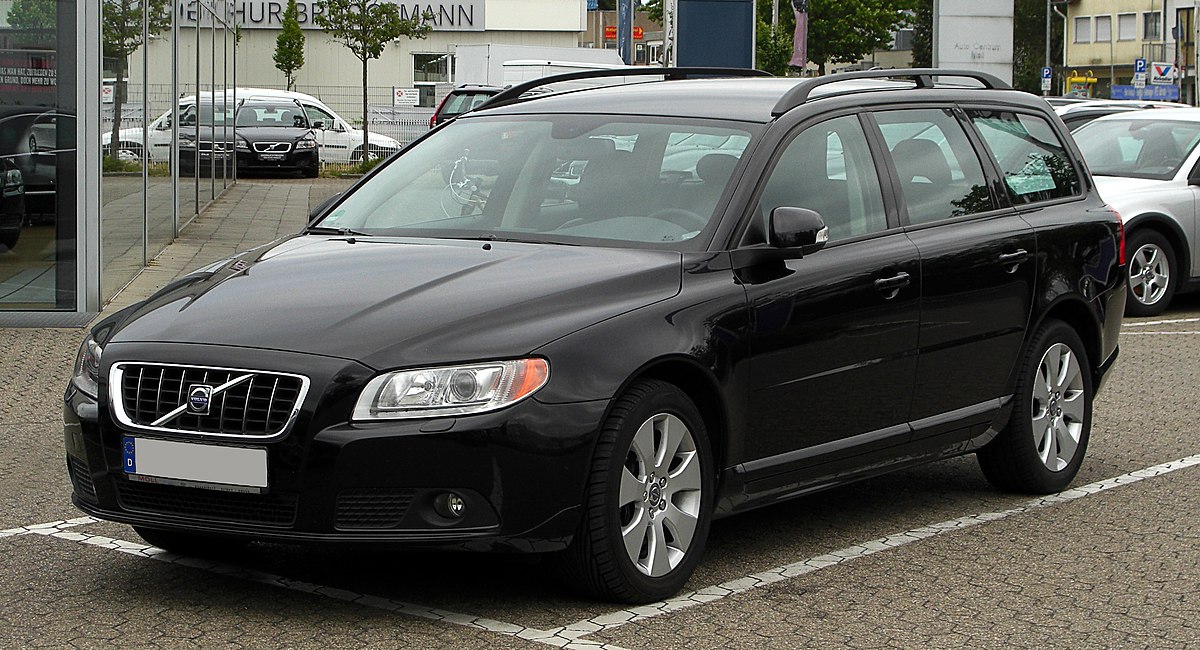
5. Volvo V70 D5 (2007–2016)
Volvo is better known today for its sleek XC-series crossovers, but the V70, especially the third-generation model fitted with the 2.4-liter D5 diesel engine, remains one of the most quietly dependable wagons Europe ever produced.
It never made waves in performance charts or flashy ad campaigns, but for buyers looking for a sturdy, long-haul machine that can easily carry a family or cargo in comfort, the V70 D5 holds a reputation that even luxury wagons often fail to match.
The D5 engine is central to this car’s reputation. It’s a five-cylinder turbo diesel that has become legendary among taxi drivers, traveling salespeople, and high-mileage users throughout Scandinavia and beyond.
The engine is known to reach 400,000 kilometers or more without needing major mechanical work, provided oil changes and timing belt intervals are respected. It’s not the quietest diesel, but it offers a satisfying combination of grunt, economy, and longevity.
The V70’s interior continues the Volvo tradition of understated, ergonomic comfort. Everything is built to last, from the soft-touch plastics to the durable fabric or leather seats. The center console design is clean and intuitive, with physical buttons that age far better than overcomplicated touchscreens.
The car feels solid even after many years, with minimal rattling or fading. And being a Volvo, safety features were never an afterthought. Many V70s came equipped with early versions of blind-spot monitoring, adaptive cruise control, and robust crash protection features.
Driving the V70 isn’t a thrilling experience, but it’s satisfying in a way that rewards steadiness and purpose. The steering is predictable, the ride is tuned for comfort over harsh roads, and road noise is well suppressed.
Maintenance is relatively straightforward for a European car of its class, and while some parts can be pricey at dealers, plenty of specialist Volvo shops across Europe keep service costs manageable.
The rear suspension and electronic tailgate mechanisms may need occasional attention, but major drivetrain issues are rare. For long-term ownership, the V70 D5 stands quietly strong reliable, practical, and built to survive where others fade.
Also Read: Top 10 Luxury Brands That Quietly Nail Reliability
5 Popular Wagons With Problems

1. BMW 5 Series Touring (F11, 2010–2017)
The BMW 5 Series Touring, specifically the F11 generation, is often regarded as a benchmark in the premium wagon segment. With its smooth inline-six engines, advanced suspension systems, and attractive styling, it’s a model that continues to draw attention on the used market.
However, beneath the luxury appeal and badge prestige lies a list of recurring problems that many long-term owners have faced, particularly when the vehicle moves past its warranty period. These problems don’t always make headlines because of the brand’s strong reputation, but those who’ve had to deal with them know the cost can add up quickly.
One of the most common complaints centers around the N47 diesel engine, which was widely used in the earlier F11 models. These engines are known for timing chain failures that often occur well before the 150,000-kilometer mark. The problem is not just the failure itself but the location of the timing chain, which is mounted at the rear of the engine.
This makes the repair extremely labor-intensive and expensive. BMW has acknowledged this issue to some extent, but most of the burden falls on owners once the warranty period has ended. Some drivers have opted to replace the entire engine due to the cost of repair being close to that of a used replacement.
Electrical issues are another weak point for this model. The F11 comes equipped with an array of advanced electronics, including air suspension on some models, complex iDrive systems, and adaptive lighting. Over time, these features tend to malfunction.
Air suspension failures are especially common in Touring versions, leading to a sagging rear end and a costly fix. The iDrive controller and digital displays can also glitch, sometimes requiring reprogramming or replacement. While these problems may seem minor individually, they become a financial headache when several issues emerge at once.
Even the automatic gearboxes, especially the 8-speed ZF units, which are generally solid, are sensitive to fluid condition. BMW claims “lifetime” transmission fluid, but real-world experience tells a different story.
Many owners who neglect regular fluid changes face early wear or shuddering shifts, particularly under heavy use or towing. Altogether, while the F11 Touring delivers excellent road manners and style, it’s a car that demands either a very large maintenance budget or strong nerves for anyone keeping it beyond 100,000 kilometers.
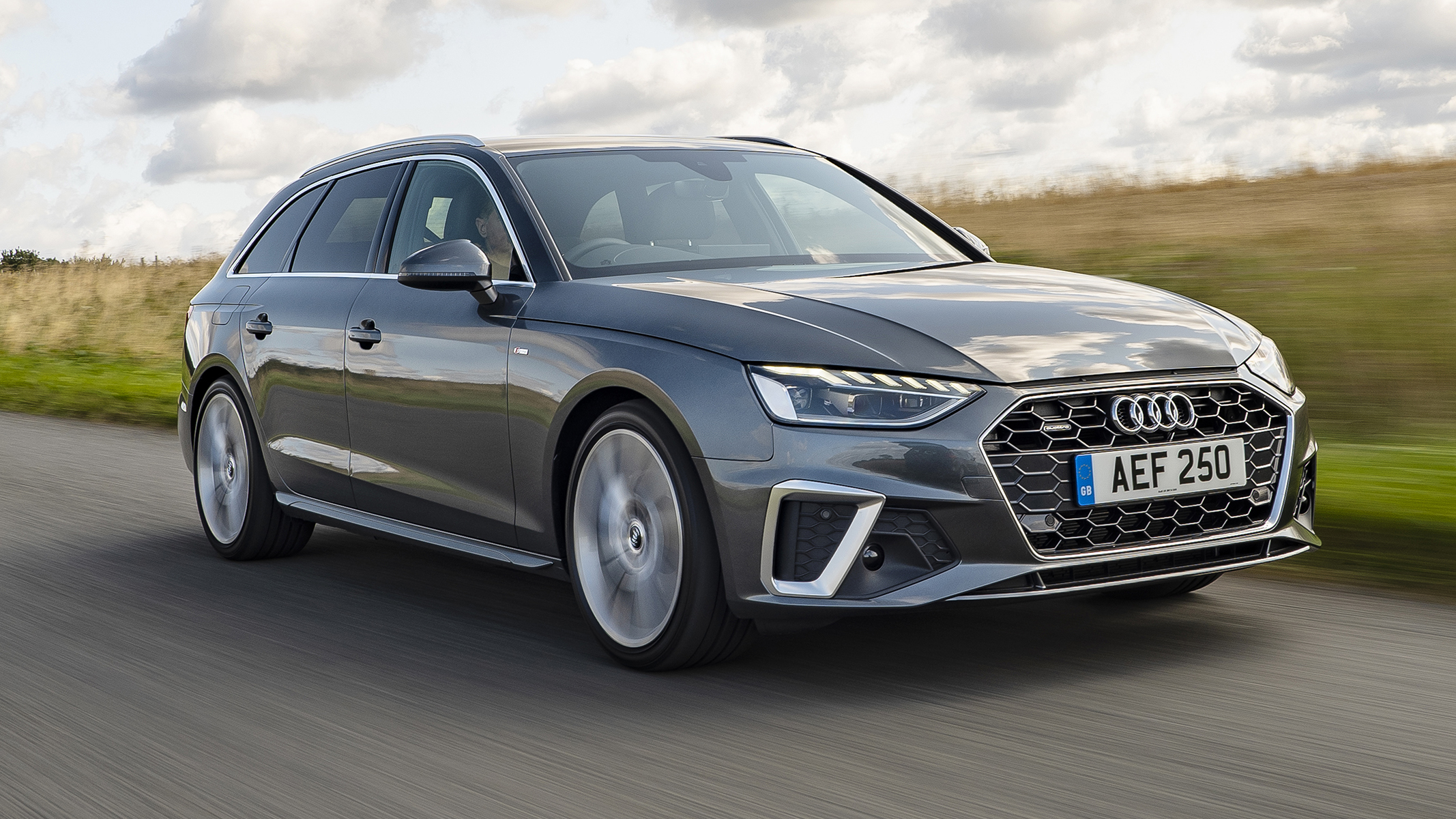
2. Audi A4 Avant (B8, 2008–2015)
The Audi A4 Avant, particularly the B8 generation, is one of the most visually balanced and refined wagons ever produced. It manages to look sharp while retaining that unmistakable Audi seriousness.
For years, it has been the default choice for many who want German engineering in a wagon form without jumping to the size of an A6 or the price of an A7. That said, many of these cars have developed reputations for reliability issues that aren’t always visible during a short test drive or within the first year of ownership.
A major problem for this generation is related to the 2.0 TFSI petrol engine, specifically the oil consumption issue. Audi enthusiasts and mechanics alike know the drill: owners start noticing their engine burning through a liter of oil every few thousand kilometers.
Audi issued service bulletins and even offered partial coverage in some markets, but only within a narrow set of conditions.
Fixing the root cause often involves replacing pistons and piston rings, a job that’s expensive and labor-intensive. Without this repair, the problem just gets worse, potentially leading to engine damage or complete failure over time.
Timing chain tensioners and water pumps have also been sore points. Many B8 Avant owners have reported premature failure of the tensioner, which can lead to catastrophic engine failure if left unaddressed. Water pumps on these cars are known to leak or fail due to the use of plastic housing parts.
Audi later revised the components, but many early models remain on the road with the original parts, and unaware second or third owners often end up footing the bill. These aren’t rare occurrences; they are known patterns that affect a significant number of units in this generation.
Beyond engine issues, the B8 Avant also suffers from suspension wear and interior electronic faults. Control arms and bushings often need replacement far sooner than expected, especially in areas with poor road surfaces.
MMI (Audi’s multimedia system) glitches, rearview camera faults, and faulty sensors are common, and while these don’t make the car undriveable, they add a layer of frustration and repair cost that contradicts the car’s premium image. The A4 Avant still appeals to many for its design and driving feel, but long-term reliability has not lived up to expectations.
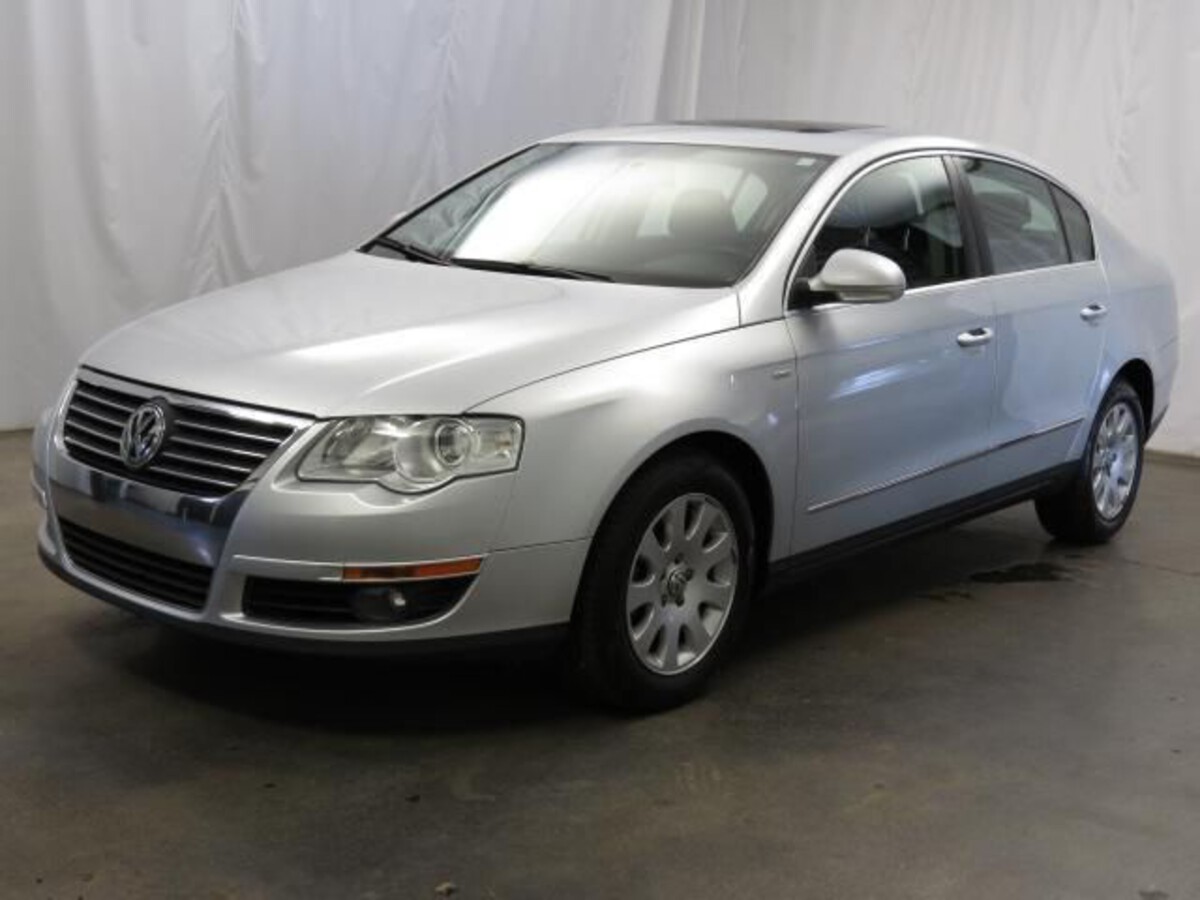
3. Volkswagen Passat Variant (B7, 2010–2015)
The Volkswagen Passat Variant has enjoyed widespread popularity across Europe thanks to its practicality, familiar design, and shared VW Group engineering. The B7 generation was seen as a logical step forward from the B6, offering improvements in refinement and technology.
Unfortunately, that step forward also introduced a variety of long-term problems that have frustrated many owners, especially in models equipped with certain TDI engines and DSG transmissions.
One of the standout issues with the B7 Passat is the 2.0 TDI engine’s EGR valve and diesel particulate filter (DPF) system. These components are known to clog easily, especially if the car is driven primarily in urban conditions.
Regeneration cycles don’t complete, the check engine light comes on, and eventually, performance suffers. In many cases, a clogged DPF can cost more to replace than the car is worth, especially as it ages.
EGR coolers also tend to fail, causing coolant loss or engine warning lights. Even when repaired, many of these emissions components remain a persistent maintenance burden.
The DSG gearbox, particularly the 7-speed dry clutch version (found in lower-powered petrol models), has its own list of issues. Known for jerky shifts, clutch pack failures, and sensor malfunctions, the DSG has been both praised for its smoothness when new and criticized for its long-term reliability.
Owners often face expensive repairs just after warranty coverage ends. VW has updated software and made hardware revisions over the years, but many earlier units remain troublesome.
Interior quality, while decent on the surface, can degrade faster than expected. Armrests begin to creak, door handles lose their soft-touch coating, and infotainment systems freeze or reboot unexpectedly.
Many owners have also complained about electrical gremlins, ranging from sensor failures to window regulators and parking brake malfunctions. For a car that built its reputation on German reliability, the B7 Passat Variant has proven that volume success doesn’t always go hand in hand with mechanical soundness.
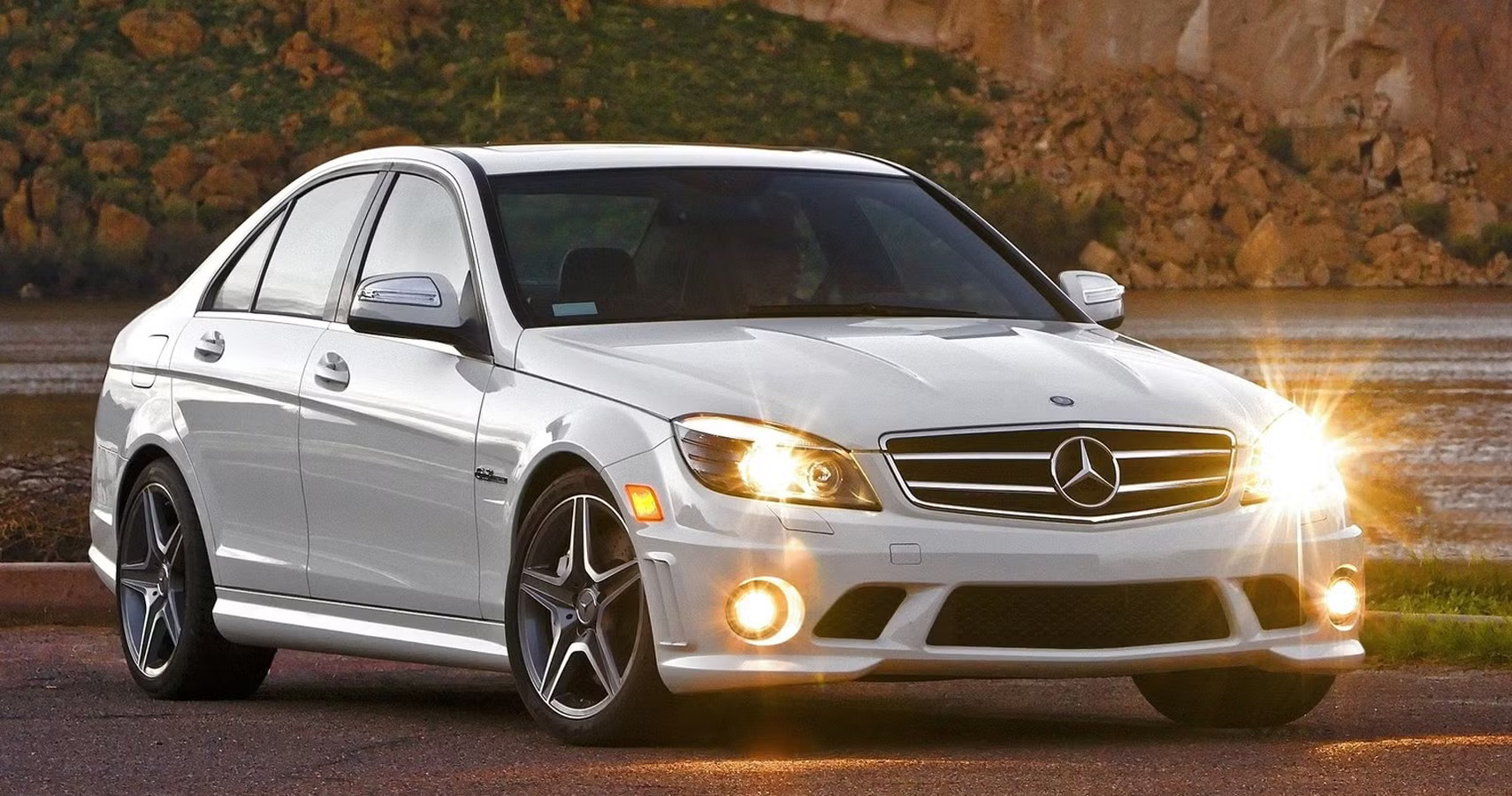
4. Mercedes-Benz C-Class Estate (W204, 2008–2014)
The Mercedes-Benz C-Class Estate of the W204 generation is a model many drivers aspire to own. It carries the prestige of the Mercedes badge, comes with a refined ride, and delivers solid fuel economy in its diesel variants. On paper, it’s everything a premium wagon should be.
However, several recurring problems have dimmed the shine of what should have been a dependable long-term vehicle. It’s a perfect example of how a respected brand and attractive design can sometimes distract from deeper issues.
Rust, surprisingly, remains a problem in the W204, despite Mercedes’ past pledges to tackle corrosion with better galvanization.
Wheel arches, boot lids, and even door edges can show signs of rust earlier than expected, especially in colder climates with road salt exposure. Owners often feel frustrated that such a premium vehicle can develop such visible decay, especially compared to more modest rivals that remain rust-free under similar conditions.
Another widespread complaint involves the balance shaft gear in early V6 petrol models. These gears, which are part of the timing system, were manufactured with poor metallurgy and often wear prematurely.
The result is check engine lights, timing issues, and eventually, very costly engine repairs. Mercedes did acknowledge the issue in some markets, but full coverage was inconsistent. Diesel variants avoid this problem, but they bring their own set of complications, especially with emissions-related components like the DPF and AdBlue systems.
Electronic faults round out the list of concerns. COMAND infotainment systems sometimes fail or freeze entirely, and air conditioning controls can stop responding. Sensors for airbags, ABS, and parking assistance tend to become unreliable with age.
These are not just minor nuisances, they can impact the safety and comfort that owners expect from a luxury brand. Mechanics familiar with the W204 often advise regular inspections and software updates, but even that doesn’t guarantee immunity.
All told, the W204 C-Class Estate is still loved by many for its driving dynamics and design, but its long-term ownership costs and frustrations make it one of the more disappointing popular wagons. The brand cachet keeps resale values relatively high, but for anyone planning to keep one past 150,000 kilometers, it’s wise to set aside a generous repair fund.
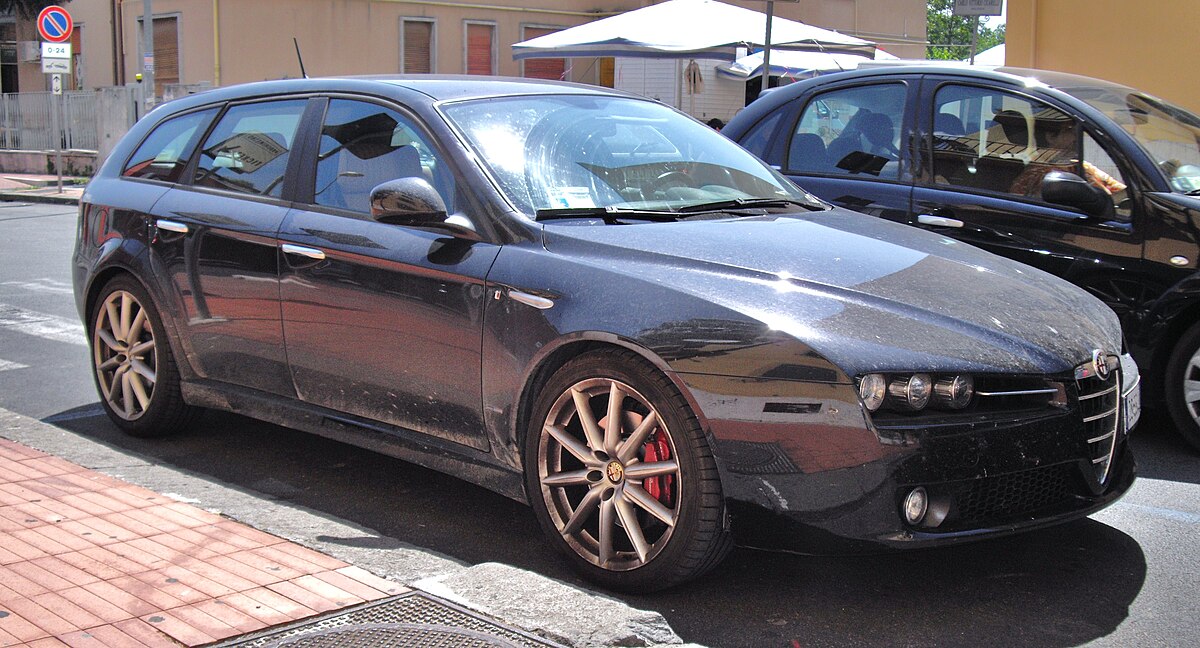
5. Alfa Romeo 159 Sportwagon (2006–2011)
The Alfa Romeo 159 Sportwagon is perhaps the most visually striking model on this list. Designed by Giorgetto Giugiaro, it combines Italian flair with wagon practicality in a way that few others manage.
It looks fast even when parked, and its interior is a refreshing break from the overly minimal or clinical layouts seen in German rivals. However, as many Alfa owners have learned the hard way, beauty alone doesn’t keep a car running smoothly for years.
The 159 suffers from a range of mechanical and electronic issues that often surface within just a few years of ownership. Suspension components, particularly front upper wishbones and lower arms, wear out quickly, leading to knocking noises, uneven tire wear, and vague steering.
Replacements aren’t necessarily expensive, but the frequency of wear adds up. Even with high-quality parts, alignment and geometry remain a constant source of headaches for owners who value precise handling.
Engine options vary in reliability. The 1.9 and 2.4 JTDm diesels offer strong performance, but suffer from clogged DPFs, worn swirl flaps, and problematic EGR valves. Timing belt failures are another known issue, especially when intervals are not strictly followed.
The petrol engines fare slightly better in terms of smoothness but lack long-term durability. Many owners complain about high oil consumption and cooling system faults, including thermostat failures and cracked radiator hoses that lead to overheating.
Electrical problems are another sore spot. Dashboard warning lights for non-existent faults are common, and parking sensors, climate control systems, and central locking often develop faults without clear causes.
Diagnosing these problems can be tricky due to the car’s complex wiring and unpredictable sensor behavior. Independent specialists exist for Alfa Romeo, but even they sometimes struggle to permanently fix recurring issues.
The 159 Sportwagon remains a car that enthusiasts defend passionately, and when everything works, it can be an incredibly rewarding car to drive.
But the ownership experience is often overshadowed by frequent repairs and unpredictable behavior. It’s a car for someone willing to accept its flaws in exchange for character, not for someone expecting dependable long-term ownership.
Choosing the right wagon comes down to more than just looks, performance stats, or brand prestige. While some models grab attention with glossy marketing or bold design, they don’t always offer the kind of long-term value and dependability that real-world drivers need.
On the other hand, lesser-known wagons, often overlooked simply because they lack flashy branding or aren’t sold in every market, have quietly proven themselves to be some of the most reliable and practical vehicles on the road.
The difference becomes clear not in the first year of ownership, but after several years and tens of thousands of kilometers, when wear and age begin to test build quality and engineering decisions.
The five lesser-known wagons covered here, the Škoda Octavia Combi, Peugeot 508 SW, Opel Insignia Sports Tourer, SEAT Exeo ST, and Volvo V70 D5, may not turn heads in a parking lot, but they have won the respect of owners who value durability, affordability, and real-world usability.
These cars avoid unnecessary complications, rely on proven engines and components, and offer practical designs that make them excellent long-term vehicles. They show that it’s possible to own a European wagon without constantly worrying about repair bills or complicated diagnostics.
On the other side of the coin, some of the most popular wagons from well-known brands, such as the BMW 5 Series Touring, Audi A4 Avant, Volkswagen Passat Variant, Mercedes-Benz C-Class Estate, and Alfa Romeo 159 Sportwagon, demonstrate that reputation doesn’t always match reality.
These vehicles may impress at first with luxury features, aggressive styling, or strong performance, but many owners have found that these benefits come with a price.
Recurring mechanical faults, expensive repairs, and fragile electronic systems can sour the experience, especially once the car is out of warranty. They serve as a reminder that brand loyalty should never replace careful research.
In the end, longevity in a wagon is less about bold promises and more about quiet consistency. A dependable wagon may not excite your neighbors, but it will start every morning, carry your family safely, and keep your wallet intact over time. That’s a trade-off many drivers are happy to make once they’ve experienced the high cost of chasing popularity.
Whether you’re shopping for your next vehicle or simply evaluating what lasts, it’s worth looking past the badge and considering the track record that often speaks louder than any advertisement.
