
Spending hours behind the wheel can either be a peaceful journey or a painful one. If you’ve ever taken a road trip, driven across state lines for work, or just spent your day shuffling between cities, you know how much the car itself can shape that experience.
It’s not just about having cupholders or a nice speaker system; it’s about how a vehicle supports your body, handles the road, filters out noise, and keeps you mentally and physically balanced across long stretches of highway.
Some vehicles make you feel like you’ve only been driving for thirty minutes even after several hours. Others will leave you counting the seconds until you can finally step out and stretch your aching back.
What defines long-distance comfort isn’t always what car ads talk about. Features like flashy screens or big horsepower numbers can be nice, but they don’t guarantee ease over time. What really matters is a blend of good seat design, well-tuned suspension, minimal noise intrusion, and thoughtful ergonomics.
These elements need to work together to reduce fatigue, protect your posture, and allow your focus to stay on the road without constant readjustment. Even small things like pedal placement, armrest height, or how intuitive the infotainment system is can make a huge difference when you’re driving hundreds of miles.
On the other side of the spectrum are vehicles that just don’t hold up well under long-distance conditions. These may be decent in city traffic or off-road use but aren’t built for the quiet grind of open-road travel. Maybe the seats are too flat, the road noise too loud, or the suspension too jarring.
Over time, these small issues pile up. They may not be a dealbreaker on short commutes, but on a five-hour drive, they become hard to ignore. It’s especially disappointing when these drawbacks show up in vehicles that otherwise seem modern or well-equipped on paper.
Drivers today expect more, and rightly so. Whether you’re looking for something premium or practical, it’s fair to assume that a modern vehicle should support you over time, not wear you out.
Yet, even in 2025, there’s still a clear divide between vehicles that understand what long-distance comfort really means and those that miss the mark.
What’s surprising is that this divide doesn’t always follow price or class. There are luxury cars that underperform and mid-range models that do a better job of keeping you comfortable and alert throughout a full day’s drive.
This comparison looks at ten vehicles, five that deliver exceptional comfort over long distances and five that come up short once the hours add up. These picks aren’t about extremes or gimmicks. Instead, they focus on real-world usability. How does the seat feel after four hours?
Does the suspension isolate or irritate? Is the cabin a quiet, relaxing space or a noisy box of rattles and wind? These are the kinds of questions that matter when you’re choosing a car that fits more than just your daily routine.
The goal isn’t just to label cars as good or bad but to highlight what works and what doesn’t when it comes to long-haul comfort. If you’ve ever ended a long trip feeling exhausted even though the car was technically “nice,” you’ll know exactly what we’re talking about.
And if you’re planning a cross-country adventure, commuting between cities for work, or just prefer road trips over airports, these insights can make your next purchase or rental decision a smarter one. After all, when you’re on the road for hours at a time, comfort isn’t a luxury, it’s a necessity.
Also Read: 5 Cars With Ergonomic Dash Layouts vs 5 With Poor Ergonomics
5 Cars With Best Long-Distance Comfort
1. Volvo XC90
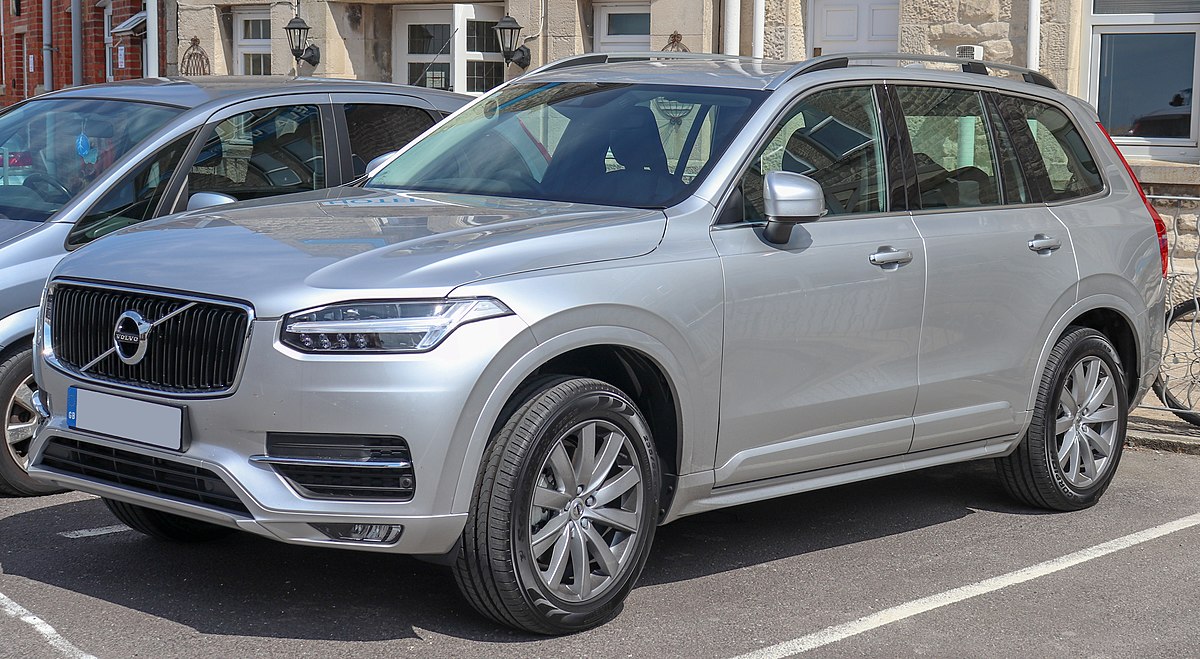
Volvo’s XC90 consistently delivers one of the most soothing highway experiences in the SUV market. The seats are arguably among the best in any production vehicle, regardless of price range. Designed with orthopedic input, the front chairs offer extensive lumbar adjustment and a sculpted shape that supports natural posture.
Even after multiple hours on the road, the seat structure holds your back and legs without causing stiffness or soreness. The air suspension, available on higher trims, irons out rough pavement and prevents jolts from transferring into the cabin.
Combined with light, responsive steering and a compliant ride, the XC90 moves confidently but gently, avoiding the common fatigue that comes from constant vibration or correction. It’s especially good for passengers, who can recline in the rear seats with excellent legroom and clean lines of sight.
Cabin insulation is another strong suit. Road and wind noise are impressively minimized, even at higher speeds. Volvo uses laminated glass and sound-deadening materials in strategic areas to create a quiet, composed atmosphere inside. This makes conversations easy and lets music or audiobooks come through clearly, contributing to a stress-free drive.
In terms of features, the XC90 offers a clean, distraction-free dashboard layout with a vertically oriented touchscreen and minimal clutter.
While not the flashiest system, it’s intuitive and doesn’t overwhelm the driver. Add in adaptive cruise control, a solid HUD, and ventilated seats on some models, and this SUV creates a setting where long hours behind the wheel feel entirely manageable.
2. Lexus LS
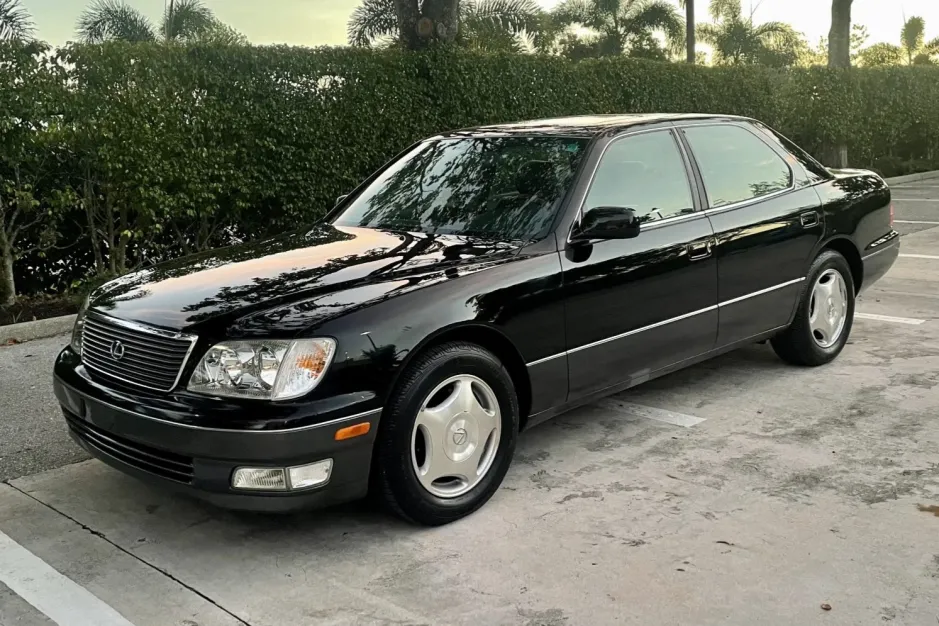
Lexus has long been associated with smoothness, but the LS flagship sedan turns it into an art form. It’s built for drivers and passengers who demand long-haul comfort without compromise.
The ride is creamy without being loose, thanks to its adaptive variable suspension and noise-reducing wheels. The result is a cabin that feels more like a luxury lounge than a traditional car interior.
Seat comfort is exceptional. Both front and rear occupants enjoy plush, contoured seating with adjustable thigh support, ventilation, and heating.
The driver’s seat includes extensive memory and posture adjustment features, making it easy to find the right position even after switching drivers. The attention to detail in cushioning and pressure distribution allows for hours of sitting without pressure points developing.
Another benefit is the lack of harsh engine or road noise. Lexus has prioritized silence, and it shows. You don’t hear the drivetrain working, and you barely notice changes in road texture unless you’re specifically listening for them. Combined with ambient lighting and a high-end sound system, the LS creates a cocoon-like experience that helps reduce mental and physical fatigue.
Finally, the long list of standard driver aids adds a layer of ease for anyone facing hundreds of miles ahead. Adaptive cruise control with lane centering, blind-spot monitors, and a proactive safety system all come standard. It’s a car designed to reduce workload and keep you at ease throughout the journey.
3. Mercedes-Benz E-Class
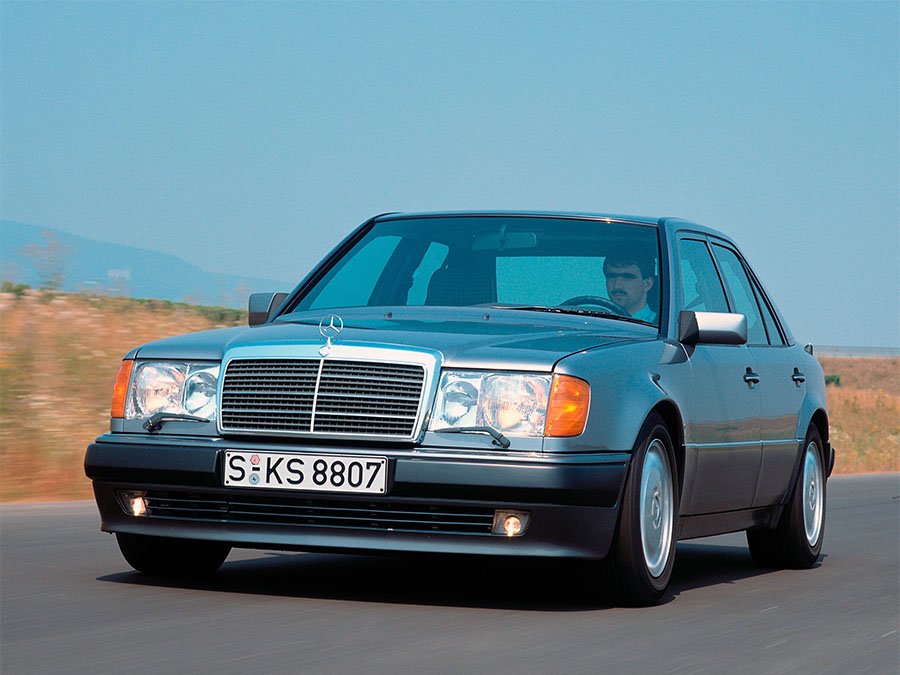
The E-Class balances refinement and engagement in a way few cars manage. It’s ideal for long distances because of its plush ride and thoroughly considered ergonomics.
The seats are firm but not punishing, with excellent lumbar control and multiple adjustments that allow fine-tuning throughout a trip. Drivers can change seat positions frequently without sacrificing comfort, a key factor on drives that stretch into several hours.
Its air suspension (when equipped) smooths out road imperfections beautifully, even over broken surfaces or expansion joints. The cabin remains composed over long stretches, helping to keep driver fatigue in check. Even the base suspension setup offers a balanced ride without leaning too heavily toward stiffness or softness.
What makes the E-Class particularly road-trip friendly is its interior design. The infotainment screen is wide, easy to read, and controlled by steering wheel buttons or voice commands, reducing the need to take your hands off the wheel. The steering is light but direct, and the cabin design creates a sense of serenity that helps you stay focused and relaxed.
The car’s efficiency also matters. While not the most frugal car on this list, the E-Class offers good highway mileage and large enough fuel capacity for extended travel without frequent stops. Add in a spacious back seat and a surprisingly quiet engine, and the E-Class is a prime choice for long-distance comfort.
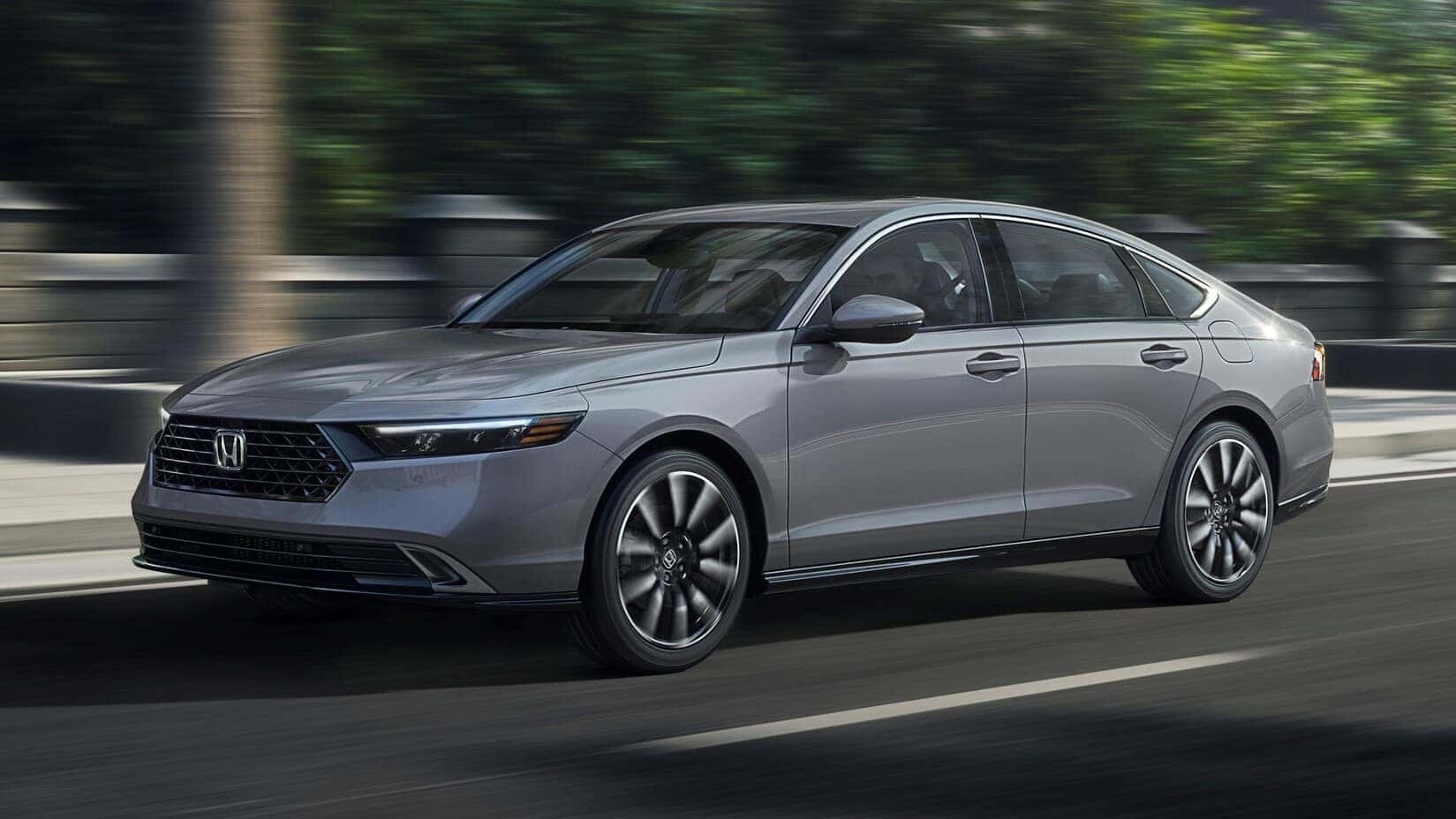
4. Honda Accord
Among non-luxury sedans, the Honda Accord remains one of the most comfortable and practical choices for long-distance driving. Its well-designed driver’s seat, with ample lower back support and wide cushions, holds up remarkably well on cross-country trips.
For many drivers, it’s the combination of familiarity and refinement that makes the Accord stand out. The seat height and steering wheel adjustability allow a comfortable posture that reduces strain on the back and knees.
The ride quality is balanced, and the suspension is tuned to absorb a variety of surfaces without letting them disturb the cabin. It’s not the softest, but it doesn’t feel harsh either, which helps reduce fatigue. Long-term ride stability is excellent, and the handling is predictable and confidence-inspiring.
Noise levels are decently low, particularly in the hybrid variant, which often cruises in near silence at lower speeds. While not as hushed as luxury cars, the Accord remains calm enough to allow clear conversation and easy listening to media without having to raise the volume excessively. Wind and road noise are kept in check, especially considering its price point.
What makes the Accord truly shine is its user-friendly nature. The touchscreen and controls are intuitive, and there’s no learning curve.
Add to that the suite of Honda Sensing features like adaptive cruise control, lane-keeping assist, and collision mitigation braking, and you get a sedan that punches above its class in long-distance comfort.
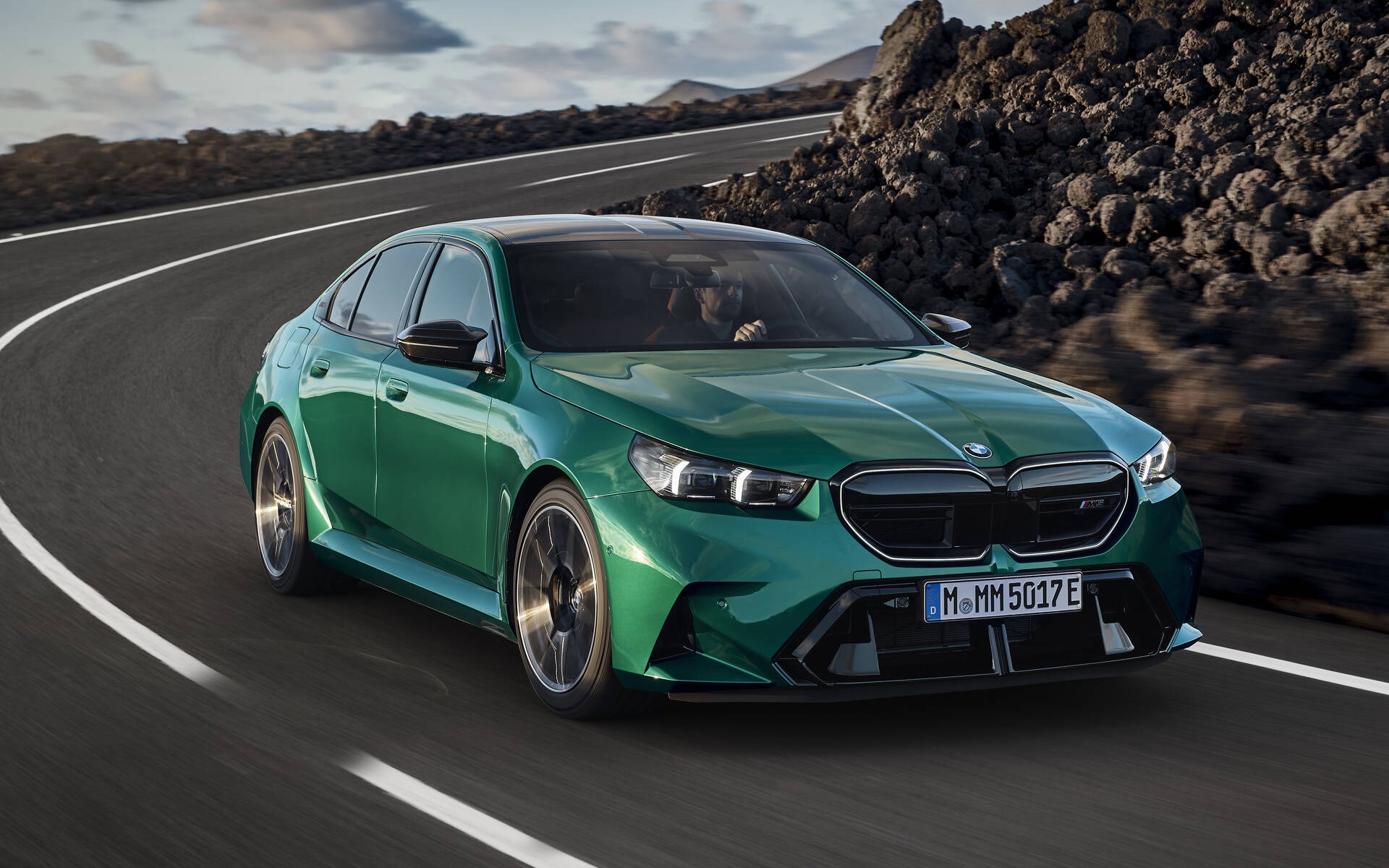
5. BMW 5 Series
The BMW 5 Series brings together driving dynamics and long-range comfort better than most vehicles in its segment. It manages to keep the driver engaged while insulating them from the road’s rough edges.
This makes it an ideal car for those who enjoy spirited driving without sacrificing day-long comfort. The sport seats, especially in higher trims, strike a near-perfect balance between firmness and plushness, holding the body in a healthy position even after hours of use.
Cabin noise is very well controlled. Whether cruising at 80 mph or rolling through rough patches of pavement, the 5 Series remains impressively quiet. Acoustic glass and extra padding under the floor help keep outside sounds from filtering in. This kind of noise control plays a big role in reducing the cumulative stress of long travel.
Another benefit is the cabin layout and ergonomics. Controls fall naturally to hand, and the seating position is adaptable to many body types. The iDrive system has been refined over years to be quick and responsive, avoiding the frustrating lag or clutter found in some competitors.
Under the hood, the 5 Series provides powerful but efficient engine options, and the car’s stability at high speeds feels rock solid. This stability reduces the micro-corrections that often add to driver fatigue over time. Combined with semi-autonomous driving aids and highway-focused systems, the 5 Series makes long-distance journeys more rewarding than tiring.
5 Cars That Sink After Hours
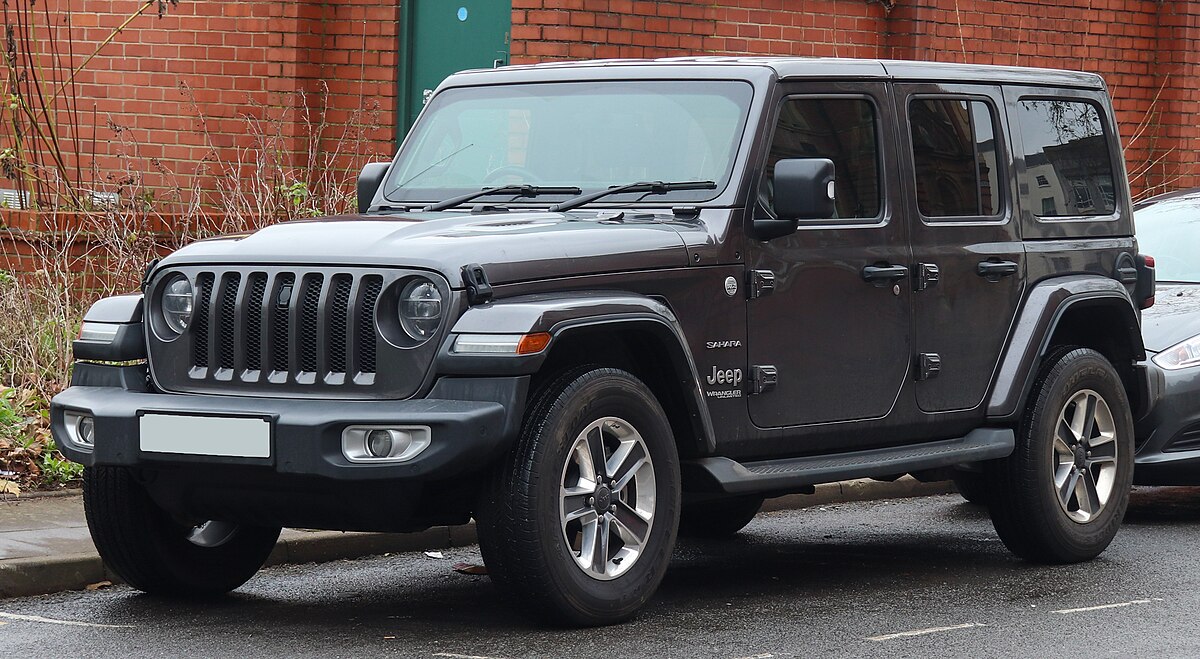
1. Jeep Wrangler
The Jeep Wrangler is built for rugged adventures and off-road excursions, but its shortcomings become obvious the moment you try to spend extended time on the highway. While its off-road prowess is unmatched, the suspension tuning is firm and bouncy, and road vibrations are transferred directly to the cabin.
This setup, while perfect for rocky terrain, becomes a source of discomfort on paved surfaces, especially over long distances. Small road imperfections that other vehicles would filter out feel magnified in the Wrangler, and it requires constant corrections from the driver to stay centered, particularly in windy conditions or at highway speeds.
The seat comfort also leaves much to be desired. The upright design and limited adjustability don’t allow for a natural long-distance driving position. While newer models have slightly improved cushioning and lumbar support, the experience still falls short of what’s needed for multi-hour stretches behind the wheel.
The rear bench, in particular, is flat and firm, which quickly becomes an issue for passengers on longer drives. Combined with limited legroom and a generally boxy layout, the Wrangler feels more like a utility vehicle than a highway companion.
Noise is another major issue. The cabin insulation, even in the hardtop models, is minimal. Wind noise becomes significant at speeds above 60 mph, and the engine’s droning sound can become fatiguing.
The doors and roof panels don’t fully seal like those on a traditional SUV, which adds to the constant stream of outside noise filtering in. This can quickly turn a scenic drive into an auditory burden, requiring louder conversations or cranked-up music just to drown it out.
Lastly, the fuel economy and general on-road handling do little to redeem the experience. Constant steering input is required to keep it in line, and the brakes can feel vague after a while. For short bursts or dirt trails, the Wrangler makes sense. But when the goal is comfort over distance, it struggles to meet even basic expectations for a road trip-worthy vehicle.
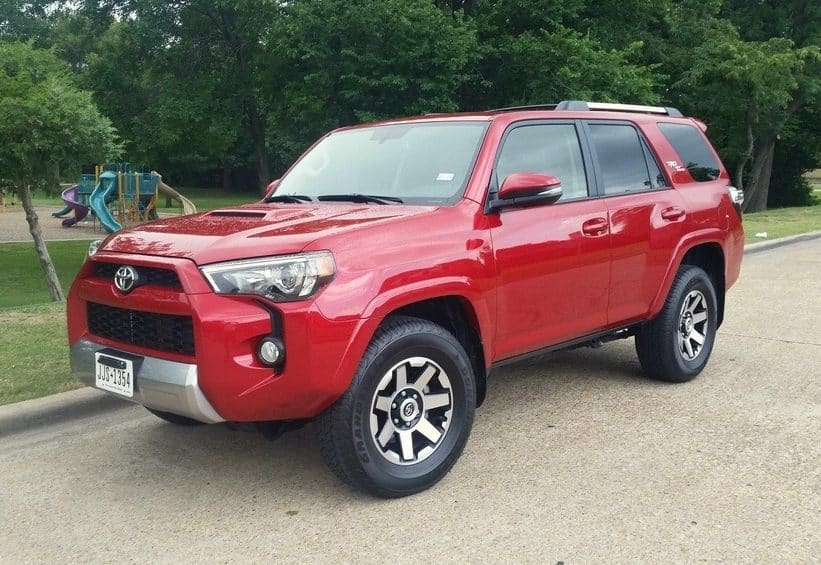
2. Toyota 4Runner
The Toyota 4Runner has a strong reputation for durability and capability, but when it comes to highway driving, especially over long distances, it falls short in several key areas. Its body-on-frame construction, while great for rugged trails, introduces a ride quality that’s overly stiff and jittery on smooth asphalt.
Over long distances, this translates to constant feedback from the road, which can wear down both the driver and passengers mentally and physically.
The suspension lacks the refinement needed to soften the blow from repetitive bumps or uneven surfaces, and the lack of adaptive dampers on most trims makes it ill-equipped to adapt to changing road conditions.
Seating also proves to be a major drawback. While the seats are large and give an initial impression of comfort, they lack depth and support over time. After just a few hours, the cushioning begins to feel insufficient, especially in the lower back and under the thighs.
Adjustments are limited in many trims, and the driving position can feel awkward, with a high floor and relatively flat seat angles that don’t promote natural posture. Rear passengers face a similar issue, with bench-style seating that’s passable for short rides but problematic for longer ones.
The noise level inside the cabin is higher than average for its segment. Tire roar, engine growl, and wind noise all filter in as the miles pass. At highway speeds, this becomes a persistent annoyance.
Unlike newer SUVs that incorporate layers of acoustic glass and sound insulation, the 4Runner still uses an older platform with minimal attention to cabin quietness. This gives it a dated, truck-like feel that might be charming in small doses but grows tiring quickly on extended journeys.
Infotainment and ergonomics also contribute to long-trip fatigue. The system is outdated in both response time and layout, requiring more focus and input than should be necessary for basic tasks.
There’s little in the way of driver assistance tech on base trims, and even higher trims lack advanced semi-autonomous features. The end result is a car that makes you work harder than you should have to, which defeats the point of a relaxed, long-distance experience.
3. Subaru Crosstrek
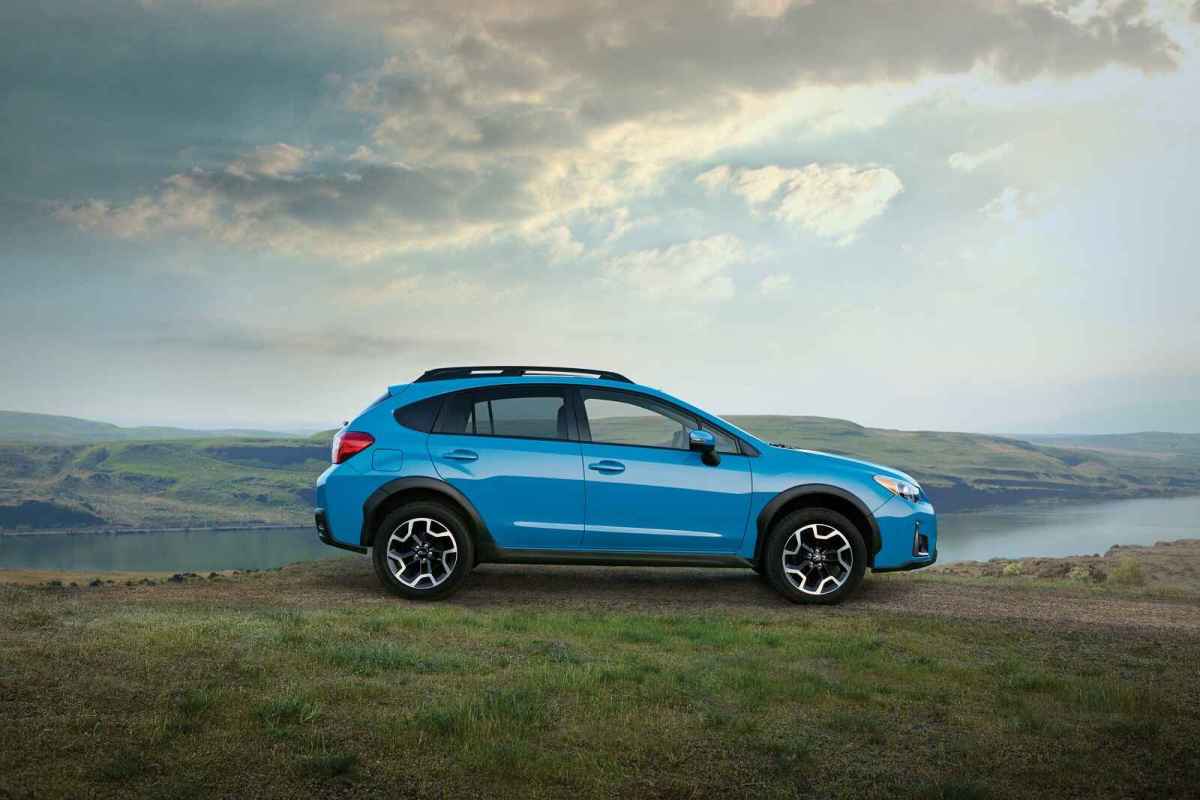
While the Subaru Crosstrek has carved out a loyal fan base due to its reliability and all-weather confidence, it’s not the best option for long-distance comfort. The biggest issue lies in the seat structure and driving posture. The seats, although recently redesigned, remain relatively flat and short in the cushion area.
On shorter commutes, they may feel adequate, but once you’re in the seat for multiple hours, the lack of contouring and lumbar support begins to show. There’s also a minimal amount of under-thigh support, which can lead to discomfort in the legs and knees after extended time behind the wheel.
The ride quality, though not terrible, leans more toward stiffness than smoothness. You’ll feel every expansion joint and rough patch, especially on poorly maintained highways. While the suspension is tuned for versatility and light off-roading, it lacks the refinement necessary to soak up pavement imperfections with grace.
Over time, this persistent low-level vibration contributes to driver fatigue and passenger discomfort, particularly for those seated in the back where the motion feels more pronounced.
Cabin sound insulation is another weak point. At highway speeds, engine drone and tire noise become prominent, and the Crosstrek lacks the quiet, cocooned feel of competitors that place more emphasis on long-distance driving.
This makes conversations harder and music listening less enjoyable, requiring frequent volume adjustments to compensate. For a car aimed at outdoor and adventure-loving buyers, the highway component of those adventures is often overlooked in its design priorities.
Another factor that undermines its long-distance credentials is the engine and transmission pairing. The Crosstrek’s base engine feels underpowered when merging or passing at highway speeds. The CVT, while efficient, often results in a droning engine note during acceleration or hill climbs, which gets old fast.
The car constantly feels like it’s working harder than it should, which translates to more tension for the driver over longer trips. It’s a vehicle well-suited to urban use and short mountain getaways, but it doesn’t hold up well when stretched over hundreds of miles at a time.
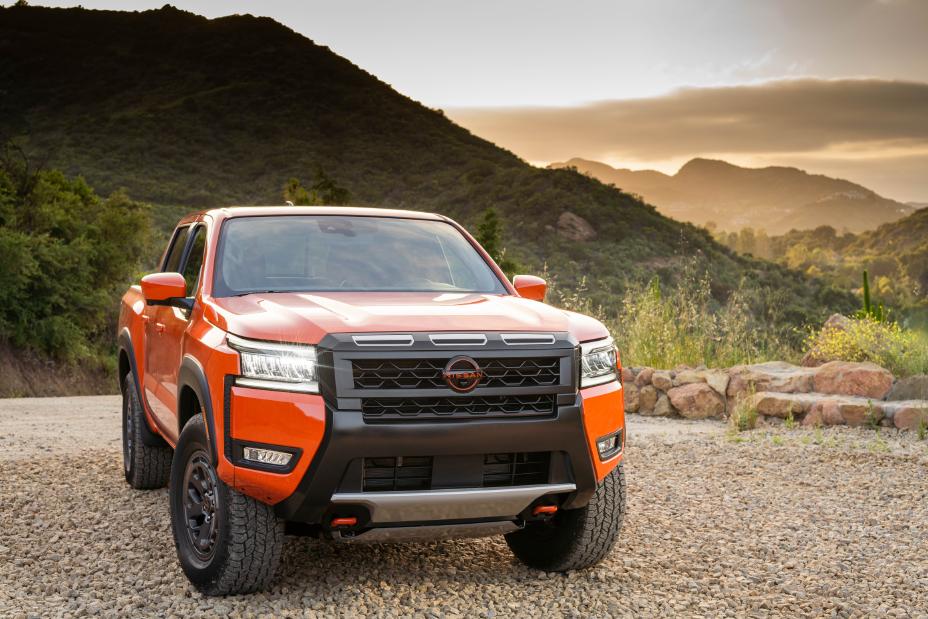
4. Nissan Frontier
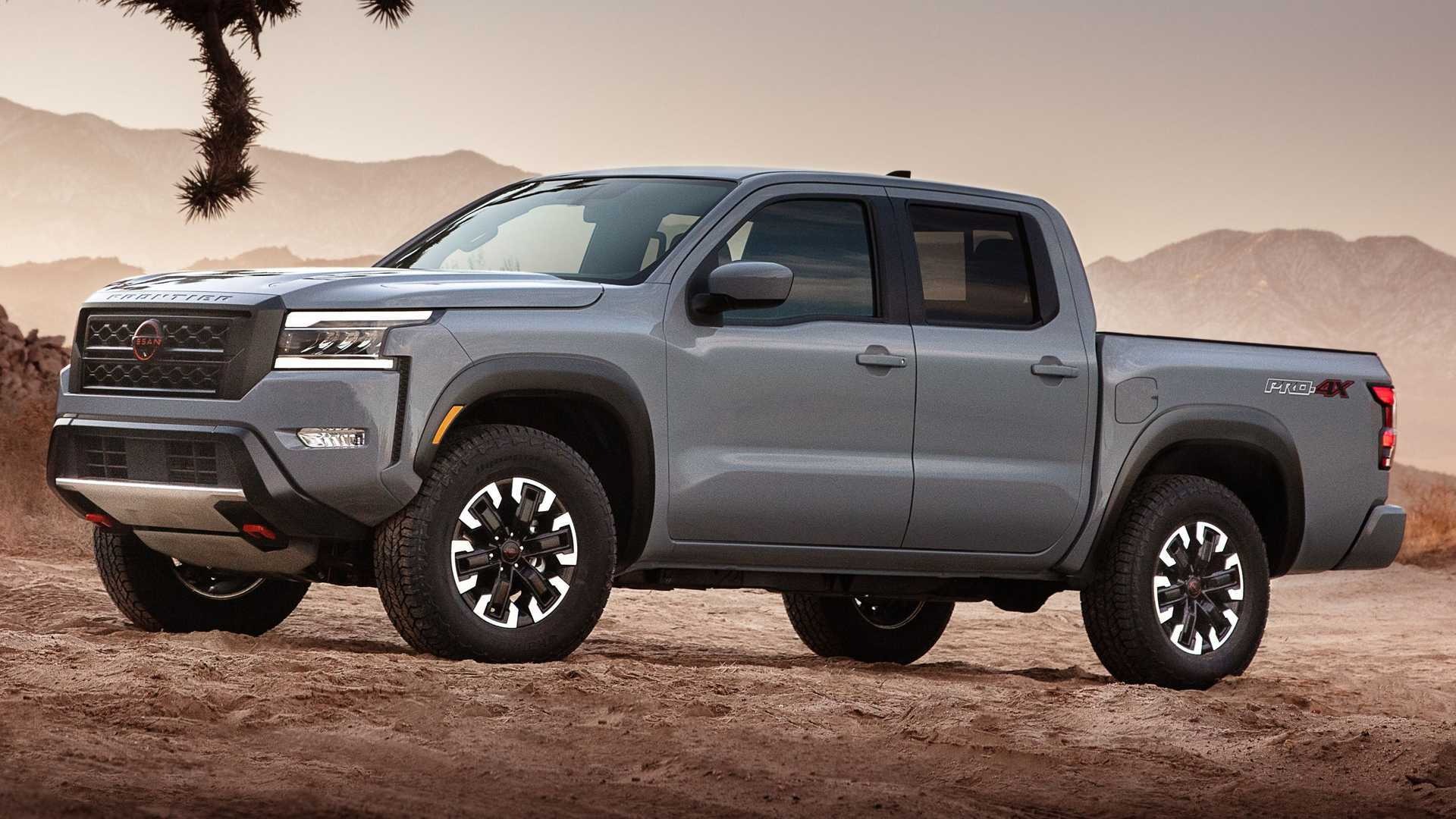
The Nissan Frontier has improved significantly in its latest redesign, but it still doesn’t stand out as a comfortable long-distance option. While it’s clearly better than the aging model it replaced, certain core limitations continue to limit its effectiveness for extended travel.
The suspension, for one, remains tuned more for payload and off-road toughness than comfort. Over smooth roads, you’ll feel a continuous stream of small bumps and frame shudders, especially when the bed is empty. These vibrations may not feel jarring at first, but after three or four hours, they become tiring to endure.
Seating is another concern. While the seats appear well-cushioned at a glance, they lack the kind of ergonomic refinement that keeps your body aligned during long drives.
Lower trims in particular miss out on power lumbar support, which becomes a critical omission during long stretches. Passengers in the rear have it worse: the upright bench and limited legroom quickly become a source of complaint, especially for adults. It’s a cab designed more for worksite shuttling than cross-country road trips.
Cabin insulation, although improved, still doesn’t compare to comfort-focused rivals. Wind and tire noise are reduced from earlier models but not fully addressed.
At highway speeds, the cabin becomes a mix of air movement and engine growl, especially during acceleration. This kind of environment makes it hard to fully relax or enjoy longer journeys, particularly if you’re trying to unwind with music, podcasts, or conversation.
Technology and driver assistance systems are also lacking compared to competitors in this price range. The touchscreen can be laggy, and many safety features are optional rather than standard. The adaptive cruise and lane keeping found in other midsize pickups are often absent or only available on top trims.
As a result, the Frontier demands constant driver engagement, and that effort compounds over time. For utility or short hauls, it gets the job done. But for anyone expecting it to be a road trip companion, it falls short.

5. Ford Mustang EcoBoost (Base Trim)
The Ford Mustang in its EcoBoost base trim may offer fun in the short term, but when it comes to long-distance driving, several compromises emerge. Its sport-focused suspension, while great for handling and agility, does not translate well to extended highway comfort.
The stiffness of the ride means that bumps, cracks, and rough pavement are directly felt through the seat and steering wheel. Over time, this constant tactile feedback becomes tiresome rather than exhilarating, especially when covering hundreds of miles in a day.
Seat comfort is another shortfall in the base trim. While upper trims and performance packages offer better bolstered, power-adjustable seats with lumbar support, the base EcoBoost’s manual seats are limited in adjustment and support. The flat cushions and short seat base make it hard to maintain a relaxed driving position for more than an hour or two.
Lower back fatigue and thigh discomfort are common complaints on longer journeys. This isn’t helped by the relatively cramped cabin, which emphasizes a sporty feel over passenger room or flexibility.
Noise isolation is also minimal. The turbocharged engine is always audible, and road and tire noise find their way into the cabin without much resistance. While some drivers may enjoy the feedback and engine character in small doses, it becomes a nuisance when all you want is a peaceful highway cruise.
Even at modest speeds, the ambient cabin environment is not designed for comfort, but rather for engagement. This focus, while appealing for enthusiasts, makes the car tiring for anyone not actively looking to be “on” the entire time.
Also Read: 5 Obscure Asian Cars That Outlast Competitors vs 5 Trending Models With Flaws
Choosing a car that genuinely excels at long-distance driving is about understanding what comfort really means in motion. It’s not just about brand reputation, technology packages, or flashy interiors. It’s about the physical and mental demands of being on the road for hours at a time and how well a car can absorb those demands so you don’t have to.
A well-designed long-haul vehicle feels like a support system, not a chore. You don’t notice it trying to impress you with constant reminders of its features, instead, it just quietly does its job, mile after mile, without adding to your stress or fatigue.
Cars like the Volvo XC90, Lexus LS, Mercedes E-Class, Honda Accord, and BMW 5 Series each represent different types of comfort done right. Whether it’s Volvo’s seat engineering, Lexus’s tranquil cabin, or the BMW’s refined driving dynamics, these vehicles show that thoughtful design matters more than flash.
They take pressure off the body, keep the senses at ease, and offer enough subtle support systems to let you focus on the drive rather than battle it. Even in the non-luxury segment, as with the Accord, it’s clear that good posture, reduced cabin noise, and proper control placement can rival more expensive alternatives when executed correctly.
On the flip side, cars like the Jeep Wrangler, Toyota 4Runner, Subaru Crosstrek, Nissan Frontier, and base-trim Mustang EcoBoost suffer when asked to perform as long-distance cruisers.
These are vehicles that might do well in short-term or niche scenarios, off-roading, city errands, or weekend fun, but they reveal their weaknesses over time.
Whether it’s stiff suspensions, poor seat ergonomics, lack of cabin insulation, or high engine noise, these flaws don’t just make things mildly inconvenient. They add up and create real discomfort, especially when there’s no easy way to take a break from them mid-drive.
What’s important to recognize is that these trade-offs are often the result of priorities in the design phase. For instance, the Wrangler and 4Runner are engineered more for toughness and off-road handling than highway comfort. The Mustang prioritizes performance and sporty feel over ergonomics.
And while that’s fine for people who use those cars accordingly, it’s a reminder that not every vehicle suits every purpose. Buyers need to be realistic about how a car will be used, not just how it looks or performs in commercials or short test drives.
This makes research and realistic evaluation more important than ever. Test drives often don’t last more than 30 minutes, which is rarely enough time to uncover the weak spots that only show up after two, three, or five.
If your lifestyle involves long road hours, whether it’s commuting across cities, weekend trips, or family vacations, then the ability to remain comfortable over time shouldn’t be treated as a luxury feature. It should be on your essentials list, right alongside safety and fuel economy.
Automakers are getting better at blending comfort into their designs, but there’s still a surprising amount of variation between models, even within the same brand. Some get it exactly right, while others miss the point entirely. The good news is, you don’t have to spend top dollar to get it right.
The list of comfortable cars proves that with smart design, even mainstream sedans or mid-tier luxury models can outperform expectations when it comes to long-term ride quality and driver endurance.
In the end, the right vehicle for long-distance travel fades into the background, allowing you to arrive feeling almost as fresh as when you left. It shouldn’t demand constant attention or compromise your posture, your hearing, or your peace of mind.
A well-designed car gives you more than transportation; it gives you a better experience. And when you’re spending serious time on the road, that experience should be as comfortable and painless as possible.
