
When selecting a vehicle, many buyers naturally focus on factors such as engine performance, styling, fuel efficiency, and technological features. However, one aspect that often receives less attention but is just as crucial to the driving experience is seat design and ergonomics.
The seats in a vehicle are where drivers and passengers spend most of their time while inside the car, making comfort and support essential elements.
Proper seating can not only enhance comfort but also influence health, safety, and driver alertness. Poorly designed seats can lead to discomfort, fatigue, and even long-term physical issues, while well-designed seats can reduce strain, improve posture, and contribute to a more enjoyable journey.
Ergonomic seat design is about more than just cushioning; it involves shaping and supporting the body in a way that aligns with natural anatomy, encouraging healthy posture and minimizing pressure points. This is especially important for drivers who spend hours behind the wheel, whether commuting daily or taking long trips.
Without proper support, muscles can become tense, circulation can be restricted, and minor aches can evolve into more serious conditions like chronic back pain. Additionally, discomfort while driving can distract the driver, increasing the risk of accidents. Thus, good seat ergonomics play a vital role not only in comfort but in vehicle safety.
Seats that are user-friendly typically feature multiple adjustable elements to accommodate a wide range of body types and preferences.
This can include power adjustments for seat height, tilt, lumbar support, and side bolsters, allowing users to fine-tune their position for maximum comfort. Intuitive controls make it easy to modify the seat while driving without losing focus on the road.
Beyond adjustability, materials used in the seat construction impact comfort. Breathable fabrics or ventilated leather options help regulate temperature, while cushioning must strike a balance between softness and support. Headrests and armrests, often overlooked, contribute significantly to reducing fatigue by providing proper neck and arm support.
Conversely, many vehicles suffer from seats that lack thoughtful design or sufficient adjustability. These seats often have a flat, uniform cushion with little contouring or lumbar support, which can lead to discomfort over time. Controls may be limited or awkwardly positioned, making it difficult to find a comfortable seating position.
Materials used might be thin or cheap, resulting in inadequate cushioning and poor durability. Fixed headrests and cramped seating dimensions can add to the strain, particularly for taller or larger occupants.
Rear seats in such vehicles frequently continue this trend, with minimal padding and legroom that make passenger comfort an afterthought. The contrast between well-designed ergonomic seats and poorly engineered ones is often more noticeable than buyers expect. Even within similar price ranges, the difference in comfort can be striking.
Some manufacturers invest heavily in research and development to create seats that reduce driver fatigue and improve posture, recognizing that comfort contributes to a better driving experience.
Others might prioritize cost savings or styling over seat quality, resulting in vehicles that look appealing but disappoint on comfort. It’s important for prospective buyers to evaluate seating comfort seriously, as it impacts both short-term enjoyment and long-term health.
This article examines examples of cars that excel at providing user-friendly, ergonomic seating, alongside those where seat design is a weakness. By understanding the characteristics that make seats comfortable or uncomfortable, drivers can make more informed choices.
Comfort in seating is not merely a luxury feature but an essential aspect of practical vehicle design. The seats are the interface between the occupant and the car’s interior environment, and when designed well, they can transform driving from a tiring task into a pleasant experience.
Also Read: 5 Obscure Asian Cars That Outlast Competitors vs 5 Trending Models With Flaws
5 Cars With User-Friendly Seats

1. Volvo XC90
Volvo has long been a pioneer in automotive safety and comfort, and the XC90 embodies this legacy, especially through its seat design. The seats in the XC90 provide a combination of luxury and ergonomic science, making them exceptionally comfortable for both short trips and extended drives.
The cushioning strikes a balance between softness and firm support, which helps reduce fatigue and maintain a healthy posture. Unlike many other SUVs that might have bulky or rigid seats, the XC90’s seats mold gently to the body while encouraging proper spinal alignment.
One of the key advantages is the broad range of adjustability available. Drivers and passengers can fine-tune the lumbar support, tilt, height, and bolster firmness to suit their preferences. The inclusion of extendable thigh support is particularly helpful for taller individuals, preventing pressure buildup behind the knees.
Furthermore, the seats come with heating and ventilation functions that regulate temperature effectively, creating a comfortable environment regardless of weather conditions. The massage feature is not just a luxury but serves a therapeutic purpose by improving blood circulation and relaxing muscles.
In addition to comfort, Volvo’s attention to safety extends to ergonomic details like the headrest and side bolsters. The headrest is designed to minimize whiplash injuries in the event of a rear-end collision, while the side bolsters keep occupants securely in place without being overly restrictive.
The controls are logically placed and easy to reach, reducing distractions while driving. Memory functions allow multiple drivers to save their seating positions, enhancing convenience for households with more than one driver.
Rear seat passengers also benefit from the same thoughtful design, enjoying ample legroom and cushioning that supports long journeys. The XC90 proves that user-friendly seating is not just about the front row but the entire cabin experience. This holistic approach sets the Volvo XC90 apart as an excellent example of ergonomics done right.

2. Mercedes-Benz E-Class
The Mercedes-Benz E-Class represents a benchmark in luxury sedans, and its seats are a key factor in delivering a premium driving experience. The seats are crafted with a deep understanding of human anatomy and leverage decades of research to optimize comfort and support.
Their advanced multi-contour design is aimed at reducing muscle fatigue and enhancing posture through precise support of the lumbar region, thighs, and shoulders. Mercedes places a strong emphasis on reducing pressure points, which is crucial during long drives or traffic jams.
What makes the E-Class seats stand out is their extensive adjustability. With electric controls offering numerous ways to modify the seat position, angle, lumbar firmness, and side bolsters, drivers can tailor their seating experience precisely.
The seats feature ventilation to keep occupants cool and heated surfaces to provide warmth in colder conditions. The massage function, often praised by drivers, offers several modes that relax different muscle groups and improve blood flow, which can help prevent stiffness and discomfort on lengthy journeys.
Mercedes-Benz also incorporates premium materials that are breathable and soft, enhancing comfort without sacrificing durability. The leather surfaces feel smooth to the touch but are engineered to avoid overheating or becoming sticky.
Ergonomic safety features like adjustable headrests and seat belts that work in tandem with the seats enhance occupant protection. Additionally, the controls are ergonomically positioned for easy access, ensuring that adjustments can be made quickly without distraction.
Rear passengers are equally well-cared-for, with the seats designed to offer generous legroom, individual heating controls, and plush cushioning. The E-Class interior showcases how ergonomics and luxury can coexist, creating an environment that supports the driver and passengers physically and emotionally, providing a restful and enjoyable ride.
3. Lexus RX
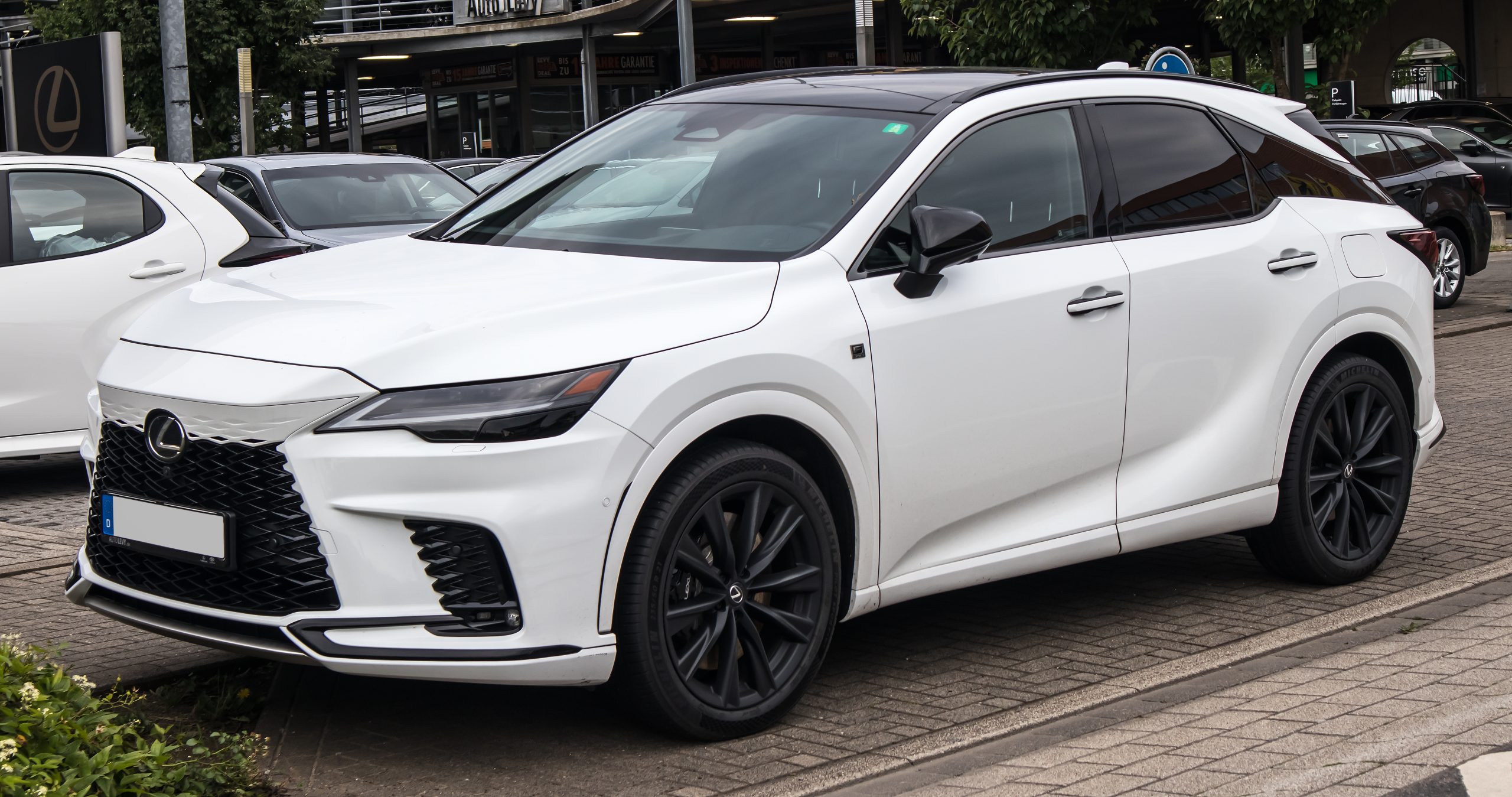
The Lexus RX has built a reputation for combining reliability with luxury, and its seat design plays a central role in that appeal. The seats in the RX balance soft cushioning with firm support to reduce pressure on critical points such as the lower back and thighs.
This combination helps prevent fatigue and discomfort, even during long hours behind the wheel. Lexus uses high-quality materials that add a feeling of warmth and softness, contributing to an inviting interior ambiance.
Adjustability is comprehensive, with electric controls allowing for precise seat positioning and lumbar support customization. The seats accommodate a wide range of body sizes and shapes, from petite drivers to taller individuals, ensuring everyone can find a comfortable and safe driving posture.
The addition of heating and ventilation features extends comfort across seasons, keeping occupants warm in winter and cool in summer. Ergonomically, the RX seats promote good posture by encouraging drivers to sit upright, which not only reduces back strain but also improves visibility and control.
Armrests and headrests are designed to provide additional support where it’s needed most, lessening tension in the neck and shoulders. The controls are easy to locate and operate, allowing adjustments to be made without taking eyes off the road.
The rear seats also benefit from the same ergonomic attention, with sufficient legroom and padding for passengers to remain comfortable on longer journeys. The Lexus RX’s seats demonstrate a thoughtful balance of luxury, comfort, and ergonomics, making the car well-suited for daily commutes and extended trips alike.

4. Audi A6
Audi’s A6 is a prime example of how to design seats that combine sporty support with everyday comfort. The seats provide firm lateral support that keeps occupants stable during spirited driving while ensuring that the cushioning is sufficient for long-term comfort.
This balance makes the A6 an attractive option for drivers who want performance without sacrificing ergonomics. The seats offer multiple electric adjustments, including lumbar support and extendable thigh cushions, which allow drivers to customize their seating position meticulously.
Materials used in the A6 seats reflect Audi’s commitment to luxury and comfort. The leather surfaces are perforated and breathable, helping regulate temperature and prevent discomfort caused by sweating.
Ventilation systems keep the seats cool in hot weather, while heating options provide warmth during colder months. These features work in combination to create a comfortable environment tailored to various climates.
Ergonomics are carefully considered in the layout of seat controls, which are positioned within easy reach and allow for smooth adjustment.
The memory function enables multiple drivers to save their preferred seating settings, enhancing convenience and comfort for households with more than one driver. The seats encourage a natural posture by supporting the natural curves of the spine, reducing the risk of fatigue and discomfort during long drives.
Rear passengers enjoy a similar level of comfort, with well-cushioned seats and ample legroom, making the A6 an excellent choice for families or those who frequently drive with multiple passengers.
Audi’s attention to detail in seating design enhances both safety and comfort, ensuring that occupants are supported and secure throughout the journey.

5. Tesla Model S
Tesla’s Model S is renowned for its innovative technology, but its seat design also deserves recognition for its functional comfort. The seats are minimalist in style but focus on providing essential ergonomic support.
With a range of electric adjustments including lumbar support and extendable thigh cushions, the seats allow drivers to find an optimal position that suits their body type and driving style. The materials used are high-quality, combining durability with comfort, without excessive padding that can sometimes disconnect the driver from the feel of the road.
Heating and cooling functions are integrated and easily controlled via the car’s touchscreen, allowing occupants to personalize their comfort effortlessly.
This integration of technology extends the seat’s functionality beyond traditional controls, making adjustments seamless and precise. The seat design encourages an upright posture that improves visibility and driving control, critical factors for safe and comfortable driving.
Tesla also includes memory settings for the seats, so multiple drivers can quickly switch between saved positions. The headrests and bolsters provide adequate support without feeling restrictive, which enhances comfort during long drives. The rear seats offer sufficient padding and legroom, maintaining a pleasant environment for passengers even on longer journeys.
The Model S’s ergonomic design reflects Tesla’s focus on user experience, blending advanced technology with practical comfort to create an interior that supports drivers and passengers alike in a modern, minimalist way.
5 Cars With Poor Ergonomics
1. Nissan Juke
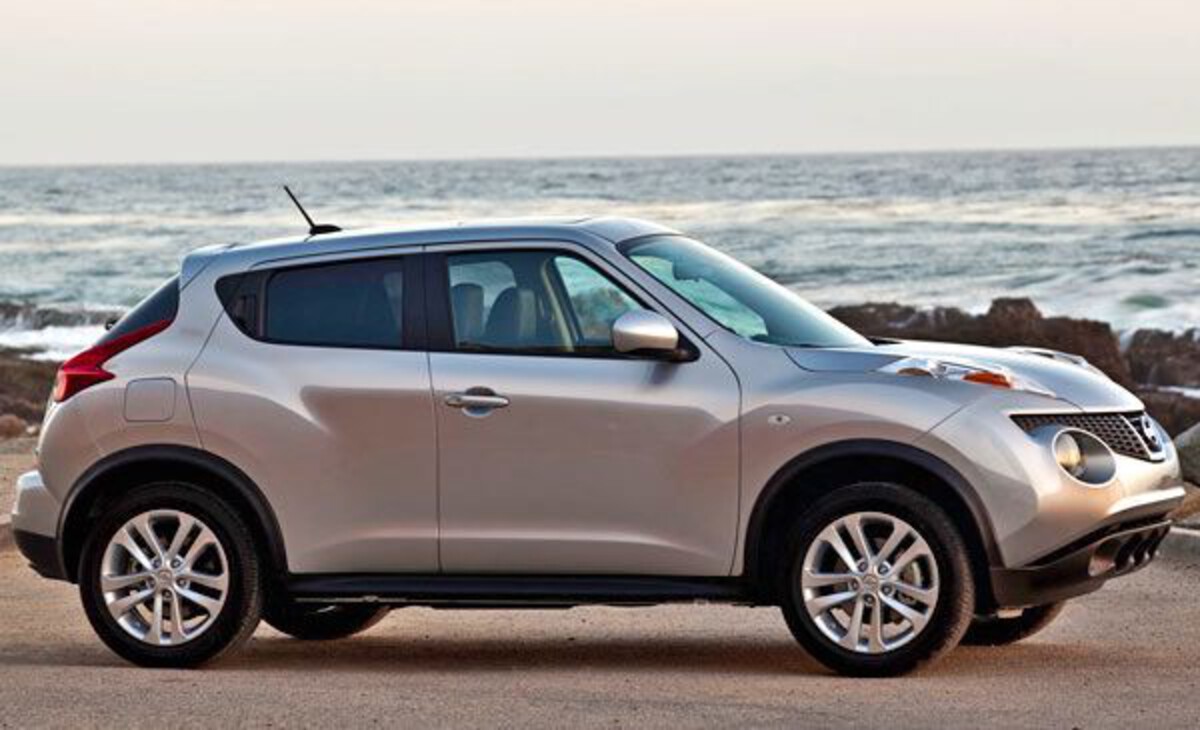
The Nissan Juke’s seats have frequently drawn criticism for their lack of comfort and poor ergonomic design. The first issue many drivers notice is the cramped seating area. The cushions feel thin and inadequate, providing insufficient padding for the lower back and thighs.
This results in uneven pressure distribution, which can cause discomfort and fatigue, especially on longer drives. Unlike competitors that offer well-contoured seats to cradle the body, the Juke’s seats feel flat and unshaped, lacking the necessary support to maintain a healthy posture over time.
Another challenge is the limited range of adjustability. Many users report difficulty in finding a comfortable driving position because the seat height and lumbar support options are minimal or absent altogether.
For taller drivers, the limited seatback recline angle and shallow thigh support mean that they often have to stretch or hunch forward, leading to awkward postures and increased muscle strain. This also negatively impacts visibility, as drivers cannot position themselves optimally behind the wheel.
The materials used in the Nissan Juke’s seats also contribute to a less-than-ideal experience. The fabric can feel cheap and does not breathe well, leading to discomfort during hot weather or extended use.
Without ventilation or heating features, the seats can become uncomfortably warm or cold, further reducing passenger comfort. The headrests, designed more for style than function, are thin and provide limited neck support, which may contribute to increased fatigue and risk of injury in collisions.
Lateral support is another weak point in the Juke’s seating design. The side bolsters are minimal, which causes occupants to slide side-to-side during cornering or sudden stops, adding to discomfort and distraction.
The controls for adjusting the seats are often awkwardly placed and not intuitive, forcing drivers to take their attention off the road to make even minor adjustments. Rear seat passengers also suffer from limited legroom and hard cushions, resulting in cramped conditions that are especially unpleasant on longer journeys.
2. Fiat 500
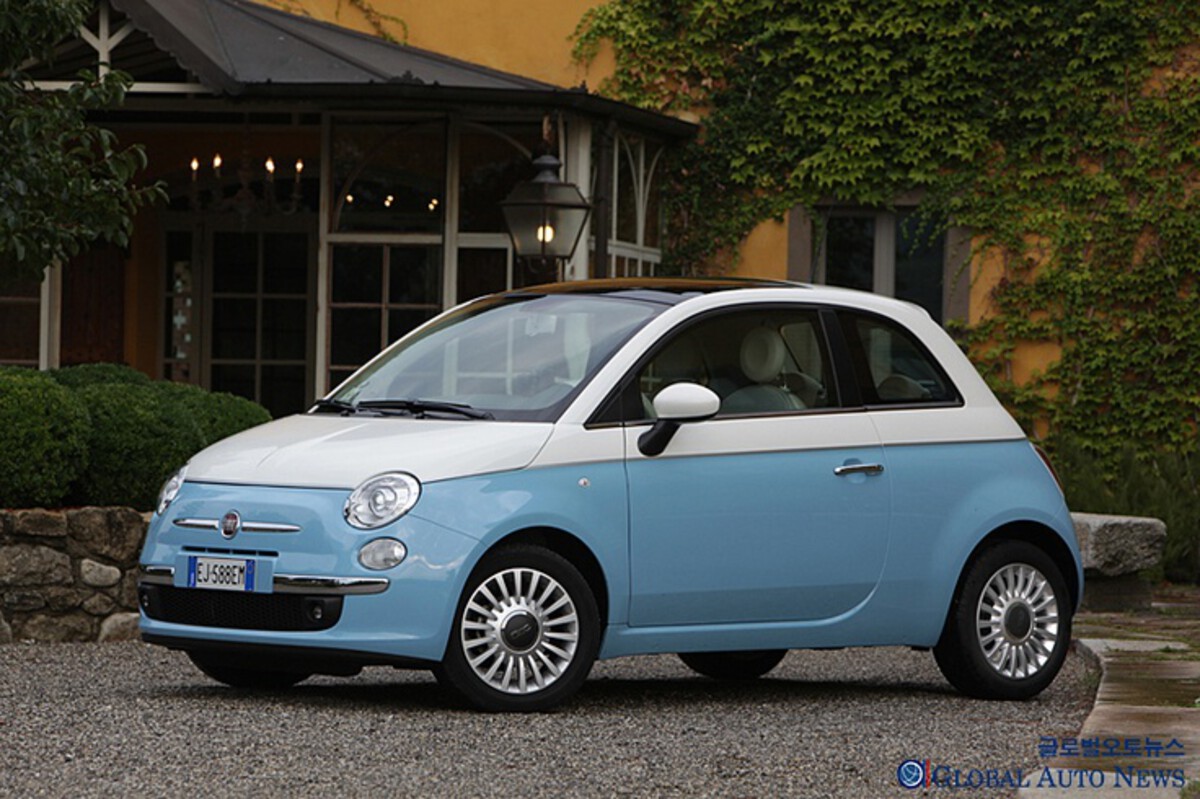
The Fiat 500 is beloved for its compact size and retro styling but is less admired for its seating comfort. The primary issue is the small size of the seats, which often feel too narrow to adequately support a wider range of body types.
The seat cushions are flat and lack the ergonomic shaping necessary to provide proper support to the lumbar region and thighs. This leads to pressure points forming quickly, particularly for those with longer legs or larger frames, and can cause significant discomfort even on short trips.
Adjustment options in the Fiat 500 are limited. The seats offer minimal height adjustment and rarely include lumbar support features.
Because of this, drivers often find themselves unable to achieve a comfortable posture, especially when driving for extended periods. The fixed position of the seatbacks means that many drivers cannot recline to a natural or relaxing angle, which further exacerbates fatigue and poor circulation during long drives.
The headrests provide minimal support for the neck and can feel misplaced for taller drivers. Without sufficient padding or adjustability, neck strain and discomfort become common complaints.
Side bolsters are virtually non-existent, which means occupants are not well-secured during turns, leading to sliding around in the seat and a loss of stability that can increase stress and fatigue.
Material choice also impacts comfort. The Fiat 500 typically uses basic fabric upholstery that offers limited breathability, causing discomfort during hot weather.
The absence of seat heating or cooling features means occupants must rely solely on the car’s cabin temperature control, which may not be sufficient to offset seat discomfort. Rear passengers are particularly affected by cramped dimensions, as the small cabin space means legroom and headroom are both very restricted, making longer rides particularly uncomfortable.
3. Toyota Yaris
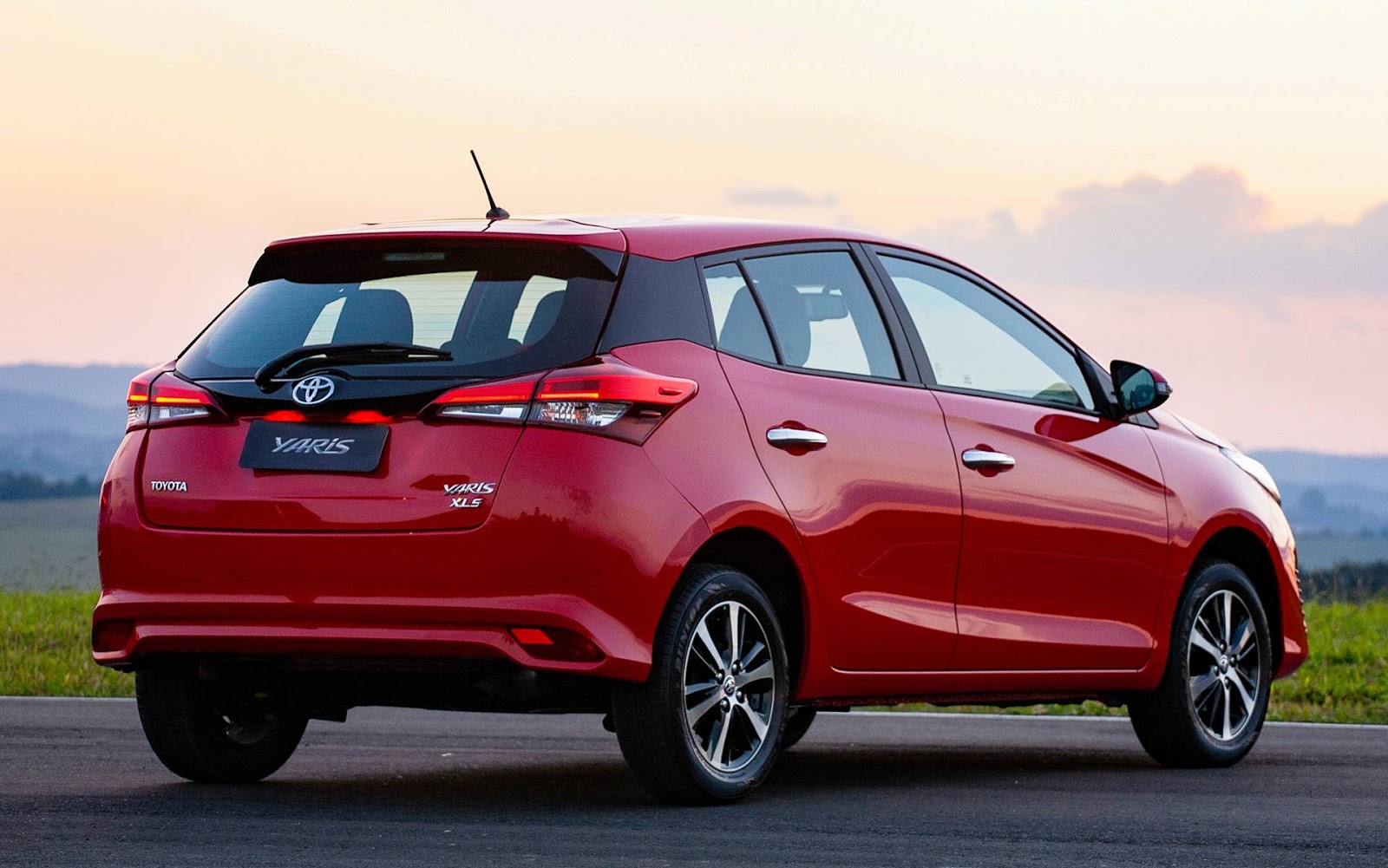
The Toyota Yaris is recognized for its affordability and reliability, but its seating ergonomics leave much to be desired. The seats tend to be narrow and offer minimal contouring, which reduces their ability to support the natural curves of the spine effectively.
Without adequate lumbar support, drivers and passengers often experience back discomfort after relatively short periods. This lack of support encourages slouching, which negatively impacts posture and can increase fatigue and pain during daily commutes or road trips.
In base models, the Yaris often lacks power seat adjustments or adjustable lumbar support entirely, which limits personalization and makes it difficult for drivers with varying body types to find an optimal seating position.
The seatback angle is often described as too upright and rigid, restricting the ability to recline comfortably or shift posture while driving. These limitations make long journeys particularly tiring, as there is little relief for pressure points that develop over time.
The headrests in the Yaris offer only basic support and are small in size, which can lead to neck strain, especially during extended driving. Side bolsters are minimal or absent, which decreases lateral stability and security during cornering.
This can cause occupants to feel less steady in their seats, leading to additional tension and discomfort. The materials used for the seats are functional but not particularly soft or breathable, making them less comfortable in extreme temperatures.
Rear seating suffers similarly, with limited legroom and firm, flat cushions that provide minimal comfort for passengers, especially adults.
The combination of limited adjustability, minimal support, and modest padding means that the Toyota Yaris’s seats are better suited to short, urban trips rather than long-distance or high-comfort driving.
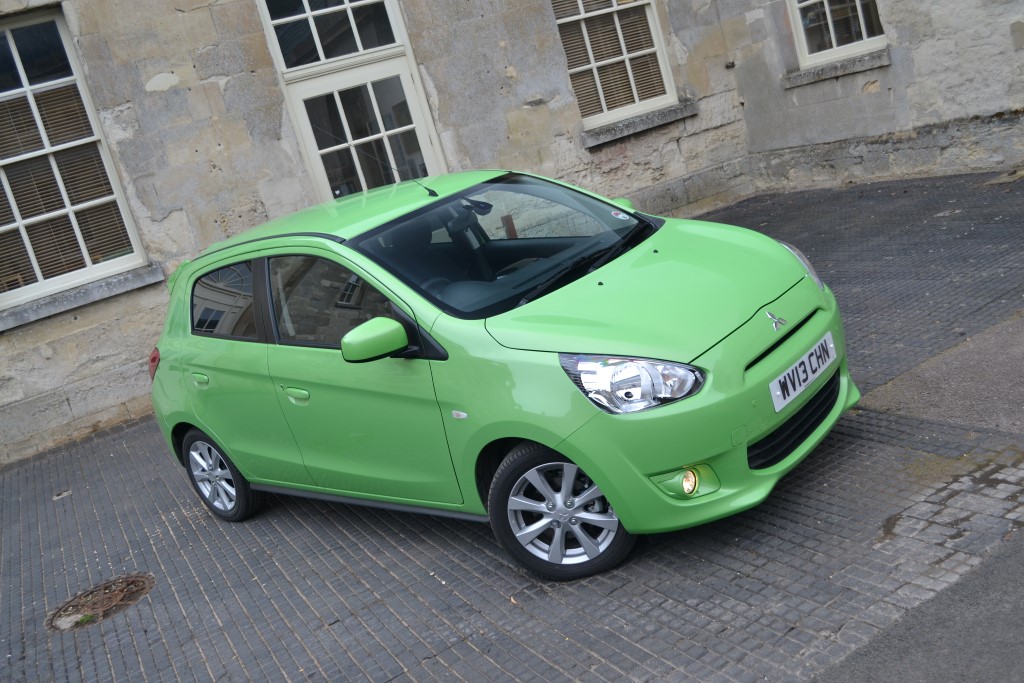
4. Mitsubishi Mirage
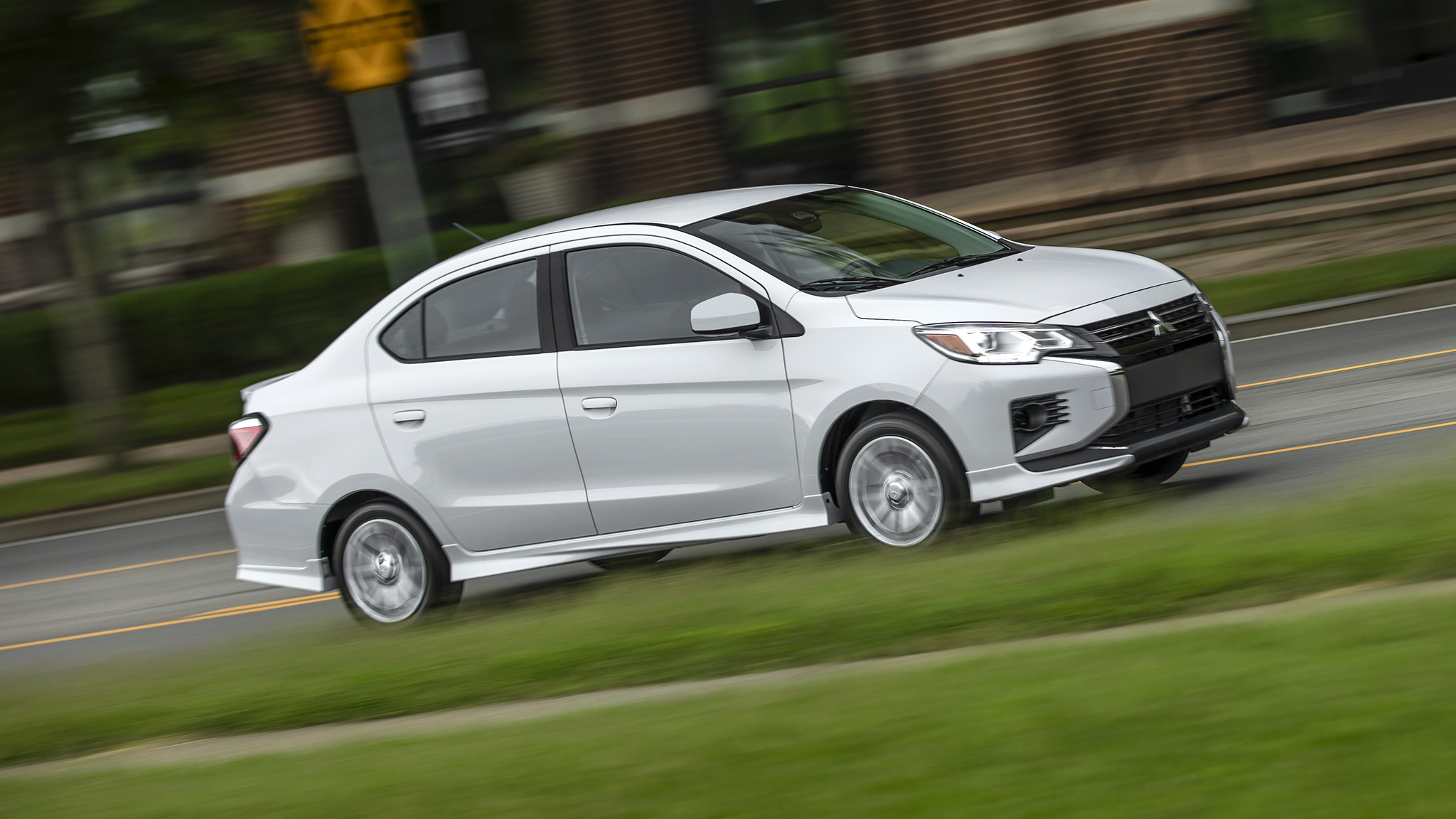
The Mitsubishi Mirage is often cited as an example of an entry-level vehicle where seat ergonomics were compromised in favor of cost savings
. The seats have thin padding that quickly leads to discomfort and fatigue, particularly during longer drives. Because the cushions lack thickness and resilience, they do not absorb road vibrations effectively, which contributes to a harsher ride experience and increased physical stress on occupants.
The seatbacks offer very limited adjustability and do not include lumbar support features. This restricts drivers from adjusting the seats to match their body shape and support needs, leading many to adopt unnatural postures to compensate for the lack of comfort.
Prolonged driving in the Mirage’s seats can cause muscle stiffness and back pain, issues that could be avoided with better ergonomic design.
Material quality in the Mirage is basic, with upholstery that feels cheap and offers little breathability. This can result in excessive sweating or discomfort, especially on warm days or during extended use.
The controls for adjusting the seats are small, poorly placed, and often difficult to operate, which can cause drivers to be distracted when attempting to reposition the seat while driving.
Headrests are minimalistic and do not offer sufficient neck support, increasing the likelihood of fatigue or injury in case of an accident. The absence of side bolsters means that occupants have less lateral support, making the seating experience less secure and more tiring on winding roads.
Rear passengers also face discomfort due to cramped space and thin cushioning, reducing satisfaction with the vehicle’s interior comfort.
5. Chevrolet Spark
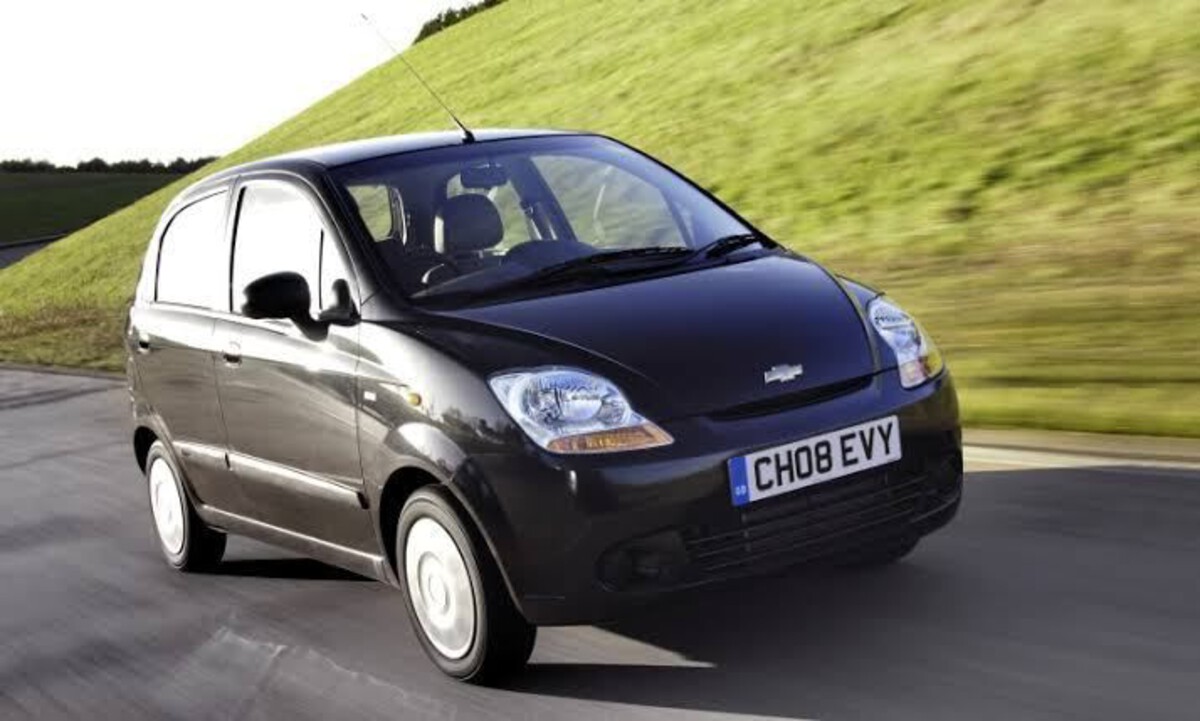
The Chevrolet Spark is known for being a budget-friendly city car, but its seats are often criticized for poor ergonomic design and limited comfort.
The seats tend to be narrow and flat, providing minimal lumbar and lateral support, which can quickly lead to discomfort during any prolonged driving or frequent stop-and-go traffic. The cushioning is basic and insufficient to prevent the formation of pressure points, especially in the lower back and thighs.
The seatbacks do not encourage proper posture, often causing drivers and passengers to slouch. This slouching leads to increased muscle tension and fatigue over time, impacting driving focus and comfort.
Seat adjustment controls are basic and sometimes difficult to reach or operate, causing frustration and potentially unsafe situations if drivers try to adjust their seats while on the move.
Headrests in the Spark are small and offer limited neck support, making it difficult to maintain comfort on longer journeys. The absence of side bolsters reduces lateral stability, meaning occupants can slide side-to-side during cornering, increasing discomfort and distraction. The seat design does not promote the kind of posture that would reduce fatigue or improve driving ergonomics.
Rear seating in the Chevrolet Spark is tight and uncomfortable, with limited legroom and thin padding that fails to provide adequate support, particularly for adult passengers. The cramped space, combined with poorly designed seats, makes longer trips less appealing and can contribute to back and leg discomfort.
Also Read: 5 Cars With Ergonomic Dash Layouts vs 5 With Poor Ergonomics
The importance of seat ergonomics in vehicles cannot be overstated. Good seating design affects more than just the immediate sensation of comfort; it plays a critical role in driver alertness, long-term health, and safety.
As drivers spend increasing amounts of time in their cars due to longer commutes and more frequent travel, the need for well-designed, user-friendly seats becomes even more pressing.
A vehicle with ergonomically sound seating supports the natural posture of the body, reduces muscle fatigue, and helps maintain circulation, allowing drivers and passengers to arrive at their destinations feeling refreshed rather than stiff and sore.
Seats that provide multiple adjustment options, intuitive controls, and well-balanced cushioning make it easier for a wider variety of people to find a comfortable position suited to their body type and driving style. This adaptability is crucial because no two bodies are the same, and preferences vary widely.
Features such as lumbar support, adjustable headrests, and armrests may seem like small details, but they add up to a significant difference in comfort, especially on longer drives.
Materials also contribute to the seat’s effectiveness; breathable and temperature-regulating surfaces enhance the seating experience, making it pleasant in all seasons.
On the other hand, seats lacking in ergonomic design can turn driving into an uncomfortable ordeal. Flat cushions, inadequate lumbar support, limited or hard-to-use adjustments, and poor materials can lead to discomfort that distracts from driving and even causes health problems.
While these issues might not be immediately noticeable on short trips, their effects compound over time, potentially resulting in chronic pain or fatigue. Many budget-friendly or compact vehicles fall into this category, where space constraints and cost considerations limit the potential for ergonomic seating design.
The difference in seat quality among vehicles serves as a reminder that comfort and usability should be key factors in the car-buying process. It is essential to test seats thoroughly in person, trying various adjustments and simulating real-world driving positions.
Paying attention to how a seat supports the lower back, thighs, and neck can prevent costly discomfort down the road. Additionally, considering the seating experience for passengers, especially in the rear, can make a significant difference for families or those who frequently travel with others.
Ergonomically designed seats contribute to a safer and more enjoyable driving experience. They allow drivers to remain focused, reduce distractions caused by discomfort, and improve vehicle usability.
Manufacturers who prioritize seat ergonomics recognize the value it brings to their customers, not just in comfort but in enhancing the entire driving experience. Conversely, neglecting seat design can detract from a vehicle’s appeal, regardless of other features it may offer.
Choosing a car with user-friendly, supportive seats can improve quality of life on the road and protect physical health over time. It transforms driving from a mundane or painful task into a more comfortable and satisfying activity.
Therefore, investing time and attention into assessing seat ergonomics is a wise step for anyone looking to buy a vehicle, ensuring that the car fits the driver and passengers as well as it fits the road. A well-designed seat is more than just a place to sit, it’s a foundation for comfort, control, and safety in every journey.
