
Noise isolation in vehicles plays a major role in the driving experience, especially during highway cruising or long-distance travel. For some drivers, the ability to hear their favorite music, speak with passengers in a normal voice, or simply enjoy a calm atmosphere is worth paying extra for.
Others may not notice the difference until they drive a car with poor sound insulation and realize how much wind, road, and engine noise filters into the cabin. Automakers design vehicles with different levels of refinement, which affects not only comfort but also driver fatigue.
Noise levels inside the cabin can influence concentration, relaxation, and even how luxurious a car feels, regardless of how many features it might offer. A quiet car feels more refined, whereas a noisy one can seem cheap, harsh, or unfinished.
There are many elements that contribute to the sound levels inside a car. The most obvious are insulation materials inside the doors, floor panels, firewall, and roof. Windshield and window glass thickness also play a part, along with how well the doors are sealed when shut.
Tire design and suspension tuning impact road noise, while engine and exhaust insulation affects how much mechanical sound enters the cabin. Premium vehicles tend to do a better job of masking outside noise because customers expect a smooth and quiet ride.
On the other hand, some manufacturers cut corners in budget models or focus more on performance, off-road durability, or weight reduction, leading to higher noise levels inside the car.
It’s important to note that noise is subjective to a degree. What one person might consider intrusive, another might find tolerable. Some drivers even prefer more engine sound to feel more connected to the vehicle.
However, many tests by automotive journalists, consumer reports, and independent reviewers have shown measurable differences in how well vehicles handle sound insulation.
Based on this broad consensus, the following list includes five cars that are widely recognized for having excellent cabin quietness, followed by five that are known for their loud interior noise, especially during highway driving or when driving on rough pavement. This contrast highlights how different vehicles perform in real-world sound isolation.
Also Read: 5 Cars with Lifetime Catalytic Converters vs 5 with Early CAT Failures
Vehicles With Top Sound Insulation
1. Lexus LS
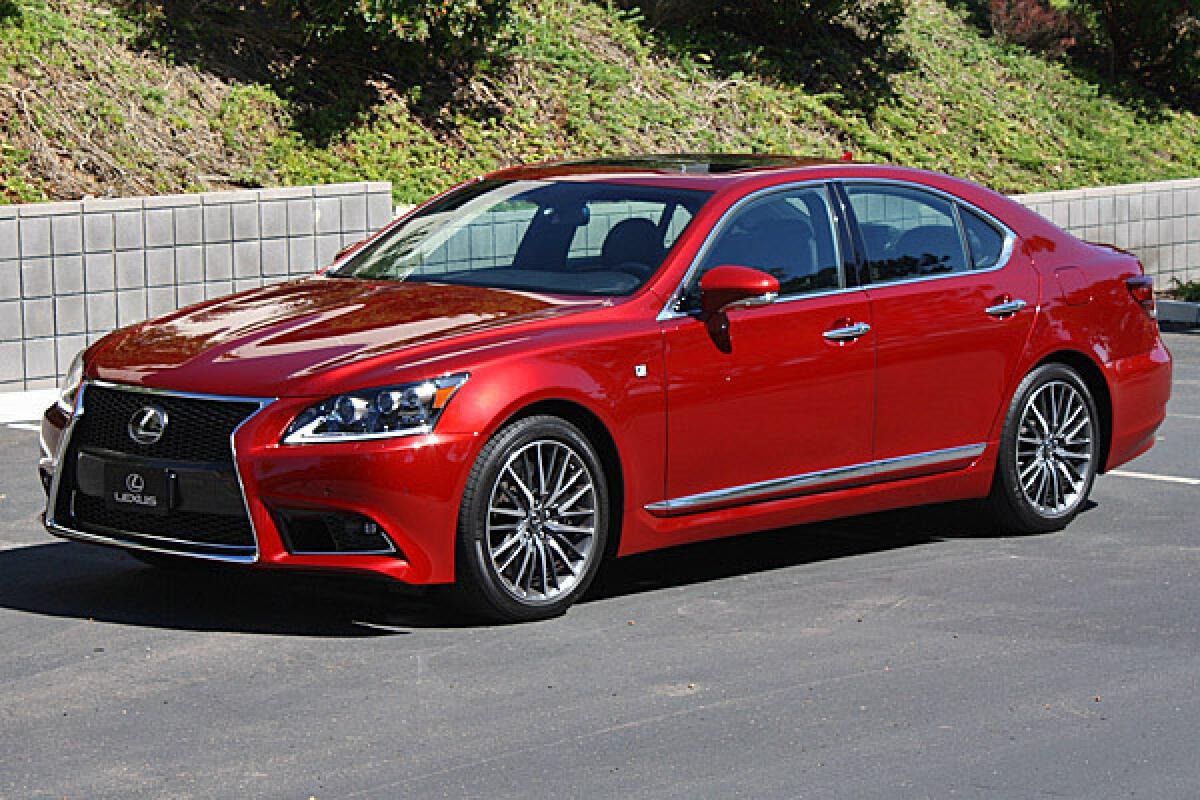
The Lexus LS has long been known for its serene cabin and excellent insulation from the outside world. From the very first generation, Lexus prioritized refinement and quietness to compete with established German rivals. The current LS continues that tradition, with an interior that feels isolated even during high-speed driving.
The engineers used extensive sound-damping materials throughout the chassis, as well as advanced window seals and acoustic glass. This leads to a cabin experience where even wind at highway speeds barely registers. Engine noise is also minimal, especially in the hybrid version, where the electric motor allows for near-silent operation in traffic.
The LS makes use of active noise control technology, which cancels out certain frequencies using the audio system. This system helps reduce low-frequency road hum and improves the ambiance inside the car.
The suspension tuning further adds to the quiet ride, absorbing bumps and cracks in the road without transmitting harshness into the cabin.
Road noise is almost completely absent unless traveling over unusually rough pavement. The interior materials, from the floor mats to the door trims, are designed with sound control in mind. This results in a ride that feels calm and luxurious, even at high speeds.
What also sets the LS apart is how it handles noise during various types of driving. Whether you’re in stop-and-go traffic, climbing a steep hill, or accelerating quickly onto a freeway, the noise level remains impressively low. The car’s drivetrain, even in V6 twin-turbo form, stays muted and unobtrusive.
Lexus has made a deliberate effort to isolate the driver and passengers from the mechanical workings of the car, which may not appeal to purists but certainly satisfies those who want a relaxed experience.
In reviews and long-term tests, the LS consistently ranks among the quietest luxury sedans available. Its ability to keep outside noise from interfering with the interior environment is on par with far more expensive models, and sometimes even better. For buyers looking for a high-end car that focuses on comfort, calm, and long-distance ease, the Lexus LS remains a top choice.

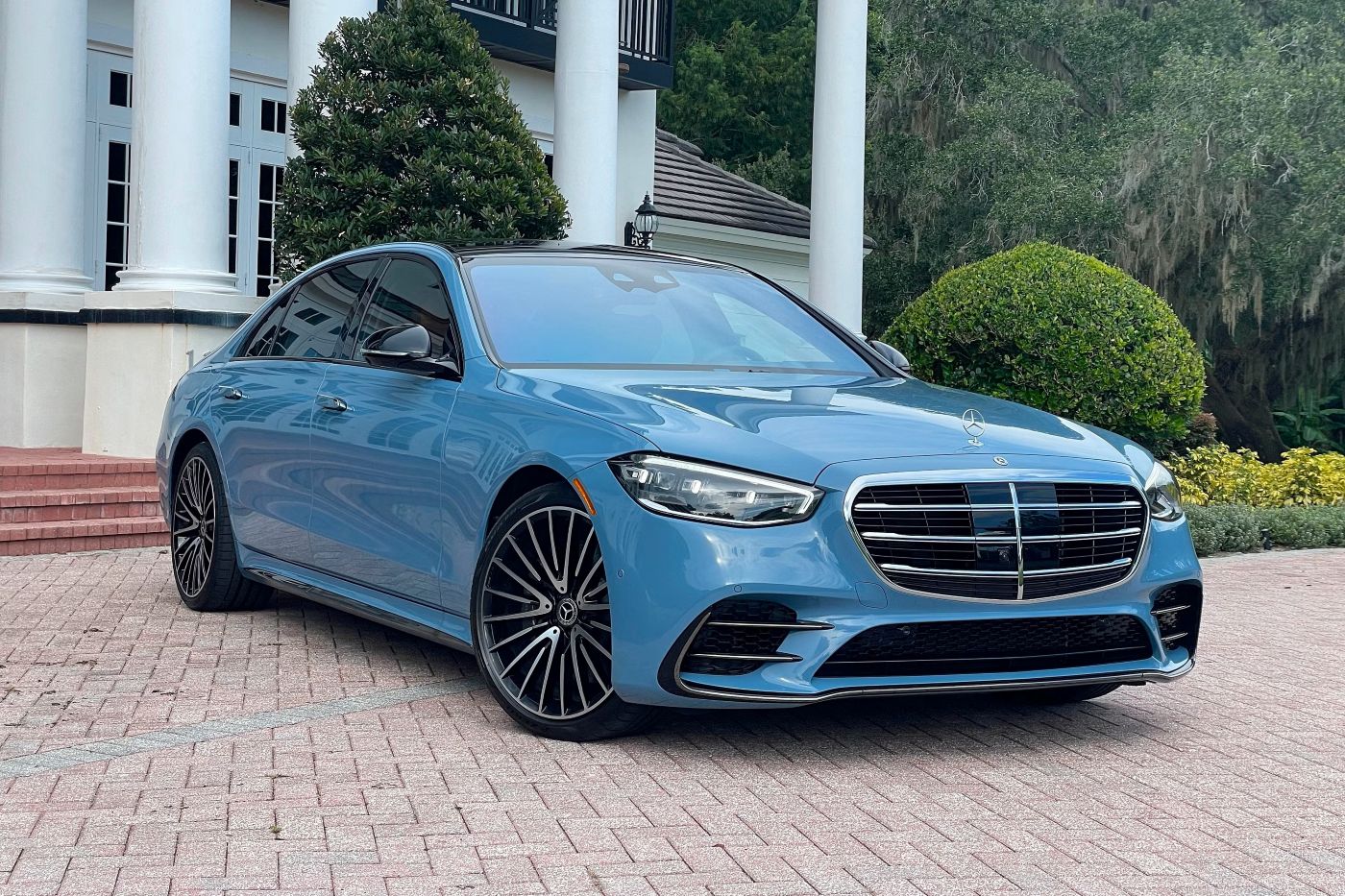
2. Mercedes-Benz S-Class
The Mercedes S-Class is another standout when it comes to interior noise reduction. This vehicle is often used as a benchmark in the luxury segment, and one of the reasons is its near-silent cabin.
Mercedes engineers have invested years into perfecting how the S-Class interacts with its environment, and that includes how it filters out unwanted sound. Whether you’re traveling on smooth highways or old city streets, the S-Class provides a hushed environment where passengers can speak at a whisper and still be heard clearly.
Much of the S-Class’s quietness comes from its structural design. The body is built to be incredibly rigid, which reduces vibrations that typically cause rattles or drone.
Multiple layers of insulation line the floor, ceiling, and doors, and all windows are laminated glass to further block out wind and road noise. The door seals are thick and layered, preventing any air leaks that might let noise in. Even the underbody is shaped to deflect wind in a way that minimizes turbulence, keeping the ride peaceful at all times.
The S-Class also uses a version of active noise cancellation technology. Combined with its advanced air suspension, which isolates the car from surface irregularities, this system helps the vehicle feel like it’s floating above the road.
Drivers and passengers can relax, take phone calls, or enjoy music at low volume without interference from engine or tire hum. The car’s advanced construction also minimizes drivetrain vibrations that can sometimes add background noise in other luxury sedans.
Mercedes has always focused on providing its flagship model with a combination of elegance, technology, and refinement. That includes controlling every aspect of the sensory experience, especially sound. The S-Class is engineered to feel like a mobile lounge, and it lives up to that expectation.
The level of quietness inside is often noted even by those who drive high-end electric vehicles, which are naturally quiet. The S-Class achieves this through craftsmanship and precise design, making it one of the most acoustically refined vehicles available.
3. Tesla Model S
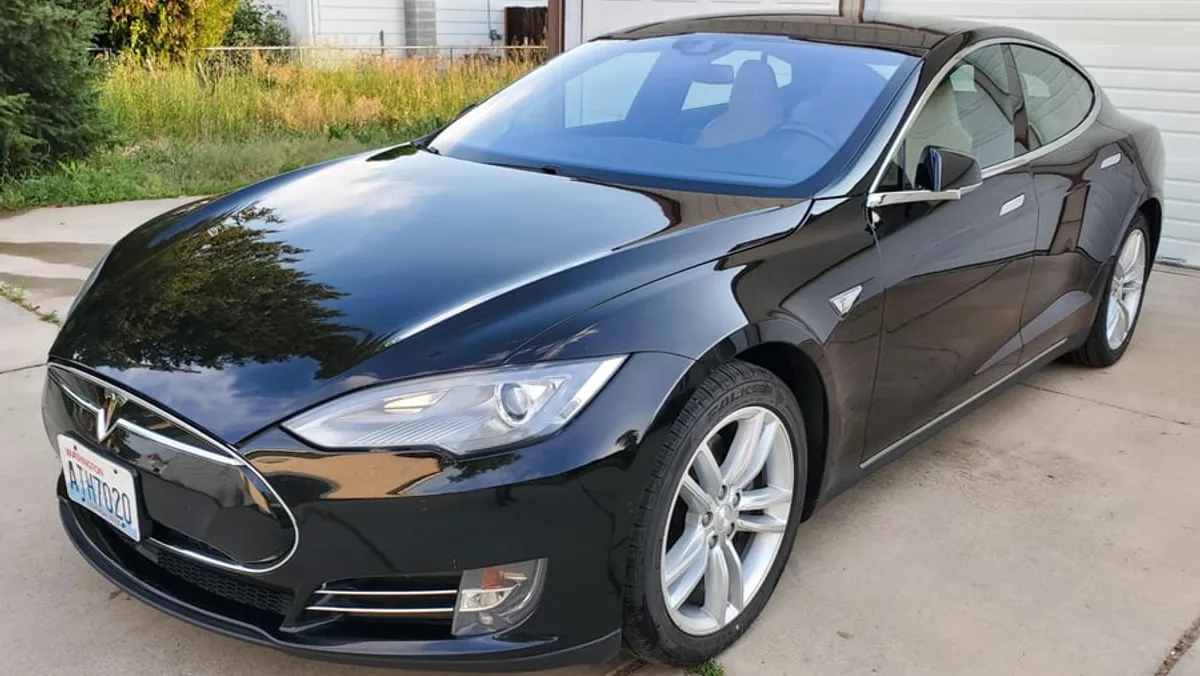
Electric vehicles naturally produce less noise because they don’t have internal combustion engines, but not all electric vehicles are equally quiet. The Tesla Model S stands out among EVs for how well it manages road, wind, and mechanical noise.
Since there’s no engine sound, it’s even more important for an EV to control other types of noise, or they become more noticeable. Tesla has upgraded the Model S over the years to include thicker glass, better sealing around the doors, and improved suspension systems to reduce vibrations.
One of the reasons the Model S feels quiet is the absence of engine vibration. This eliminates a major source of noise that typically reaches the cabin through the floor and firewall in gas-powered vehicles. Tesla has taken this one step further by refining how the tires and suspension interact with the road.
In the Plaid version, which is capable of extreme acceleration, the cabin still remains impressively quiet unless driven aggressively. Wind noise has also been minimized through careful aerodynamic design and tight body panel fitment.
Another advantage the Model S has is its clean, minimalist interior. Fewer mechanical components mean fewer parts that can vibrate or rattle over time. Tesla has also added extra insulation in recent models, which was a common request from earlier buyers who noticed higher-than-expected noise levels.
The improved cabin insulation now puts the Model S among the best in terms of quietness, especially at highway speeds. This helps emphasize the feeling of futuristic luxury that Tesla aims to deliver.
For drivers who spend a lot of time commuting or traveling long distances, the quiet environment of the Model S offers a less tiring experience. Whether driving through urban traffic or open countryside, the car provides a peaceful atmosphere with few distractions.
Although there are other EVs on the market, the Model S combines strong performance with low cabin noise, making it an ideal choice for those who want both excitement and refinement.
4. Audi A8
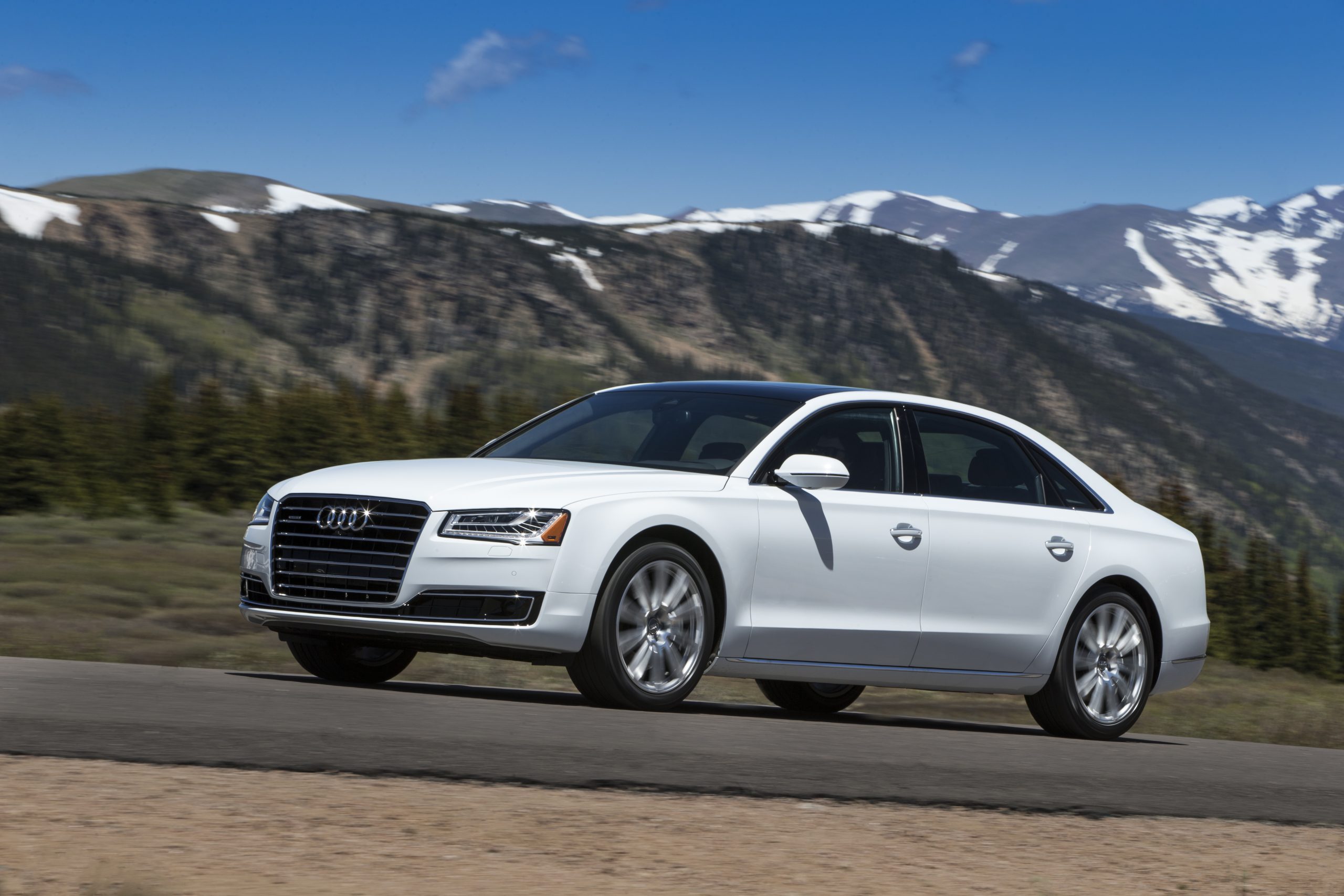
The Audi A8 is a flagship sedan that focuses heavily on comfort, and a major part of that comfort is its sound insulation. Audi has a long history of using advanced technology and high-quality materials to make their vehicles quiet.
The A8 features dual-pane acoustic glass, extensive soundproofing throughout the cabin, and active noise cancelation systems that help eliminate low-frequency road sounds. This combination results in one of the quietest rides in the luxury segment.
The A8’s construction uses a mix of aluminum and high-strength steel, which helps reduce vibration while maintaining structural integrity. Inside the cabin, materials like thick carpeting, dense seat padding, and noise-absorbing door panels contribute to a quiet ride.
Even when the car is driven at high speeds or through tunnels, outside noise remains minimal. The sound of the engine is almost completely masked, especially in the mild hybrid and plug-in hybrid versions where electric power takes over at low speeds.
One of the highlights of the A8’s noise control is how it handles different driving surfaces. Whether driving on cobblestones, cracked asphalt, or freshly paved roads, the car adjusts its suspension and steering feedback to maintain comfort.
Sound from the tires and suspension system is kept well under control. Audi’s engineering pays close attention to the mechanical interaction between the road and the cabin, and it shows in how composed the car feels even over imperfect surfaces.
For those who often carry passengers or use their car as a mobile office, the A8 provides an ideal environment. Conversations can happen easily without raising voices, and listening to audio content doesn’t require cranking up the volume.
The Audi A8 matches its rivals from Germany and Japan in offering a whisper-quiet ride that feels refined, composed, and designed for those who value tranquility.
5. BMW 7 Series
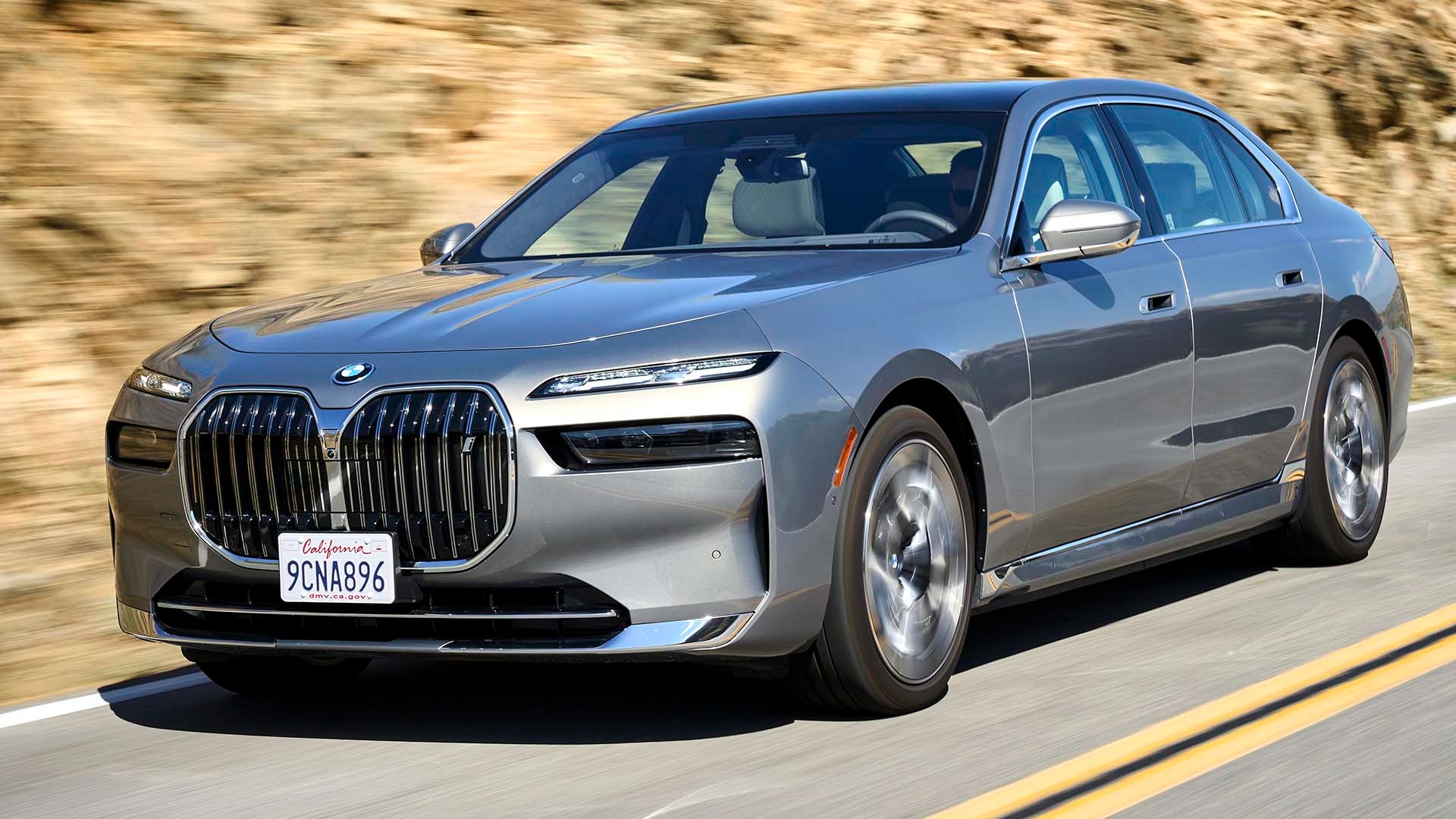
The BMW 7 Series has evolved into one of the most sophisticated luxury sedans on the market, and sound insulation is one of its strongest qualities. In past generations, BMW focused more on driving dynamics than outright quietness, but the latest models strike an impressive balance between silence and performance.
Inside the cabin, there’s a sense of separation from the outside world, whether you’re navigating a busy freeway or cruising along a quiet road. Much of this is due to improved build quality, laminated glass, and noise-absorbing materials used throughout the interior.
BMW uses a combination of techniques to reduce noise intrusion. There are sound-deadening mats under the carpet and inside the doors, as well as insulated wheel wells that help block out tire noise. The car’s adaptive air suspension also plays a key role by smoothing out rough surfaces and preventing vibration from transferring into the body.
Together, these features create a cushioned and quiet experience for the driver and passengers. The design of the vehicle also helps manage airflow in a way that prevents whistling or wind rush at speed.
The 7 Series also integrates noise canceling through the speaker system, particularly in hybrid and electric variants, where any residual road or wind sound would otherwise stand out. Even the doors are engineered with sound insulation in mind.
Closing them results in a quiet “thunk,” a small detail that reflects the quality of engineering involved. Compared to sportier BMW models, the 7 Series puts a greater focus on luxury and calmness, without completely removing the brand’s well-known driver engagement.
While many people associate BMW with performance and handling, the 7 Series shows that the company can also deliver on refinement. It competes directly with models like the S-Class and A8, and in some cases exceeds them in terms of driving comfort.
The cabin stays serene, allowing occupants to enjoy music, conversation, or complete silence depending on their mood. The car’s dual identity, capable yet composed, makes it a strong option for anyone looking for a quiet yet engaging full-size sedan.
Vehicles With Loud Road Noise
1. Jeep Wrangler
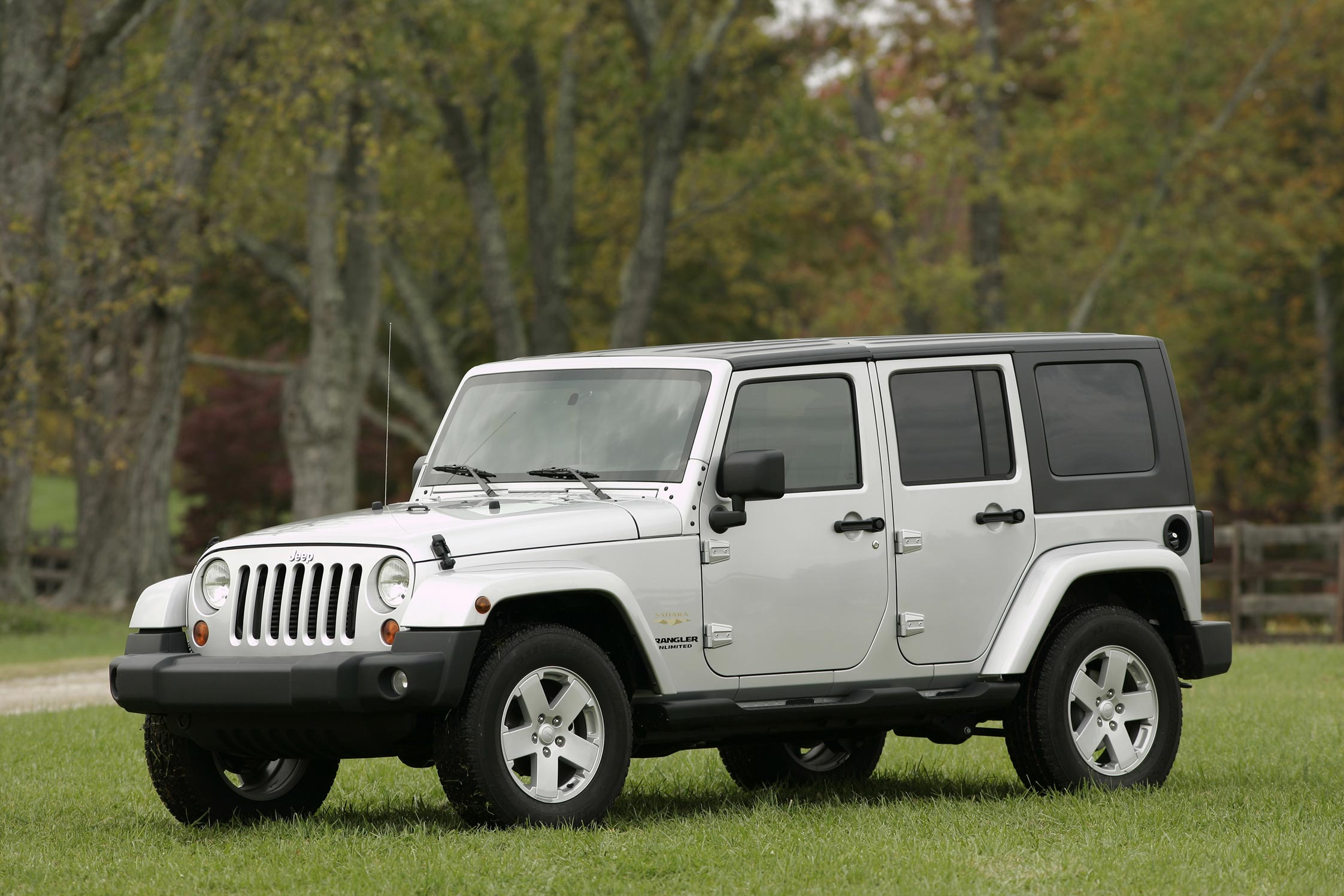
The Jeep Wrangler is built with off-road durability and utility in mind, which comes at the expense of cabin quietness. Its boxy shape, removable roof panels, and rugged tires all contribute to a noticeably louder driving experience.
On the highway, wind noise becomes apparent due to the flat windshield and large side mirrors. Even at moderate speeds, conversations often require raised voices, and road noise from the tires can drown out music or navigation prompts. While some drivers accept this as part of the Wrangler’s charm, it can be frustrating during long trips.
The Wrangler’s tires are designed for off-road traction rather than smooth, quiet operation. Their aggressive tread pattern creates a loud hum when driving on pavement, especially at higher speeds. Combine this with the relatively minimal insulation in the doors and floor, and the interior becomes one of the noisiest in its class.
Even models with hardtops suffer from wind noise, although to a lesser degree than those with soft tops. Weather sealing is also less precise than in road-focused vehicles, allowing outside air and noise to creep in.
Jeep has made some improvements in recent years, offering better materials and more sound insulation in higher trims. However, these changes only make a minor difference.
The vehicle’s body-on-frame construction, which is excellent for off-road toughness, transmits more vibration and noise than the unibody designs used in most modern SUVs. This adds to the sense of harshness, particularly over rough pavement or expansion joints. Drivers sensitive to noise may find the experience tiring over time.
Despite these shortcomings, the Wrangler maintains its popularity thanks to its rugged capability and iconic design. Owners who use it primarily for off-road fun or short urban drives may not mind the lack of refinement.
But for those expecting a quiet, relaxing ride, the Wrangler is a poor fit. Its design priorities are geared toward toughness and utility, not silence or comfort, which is something prospective buyers should be aware of before committing.
2. Toyota Tacoma
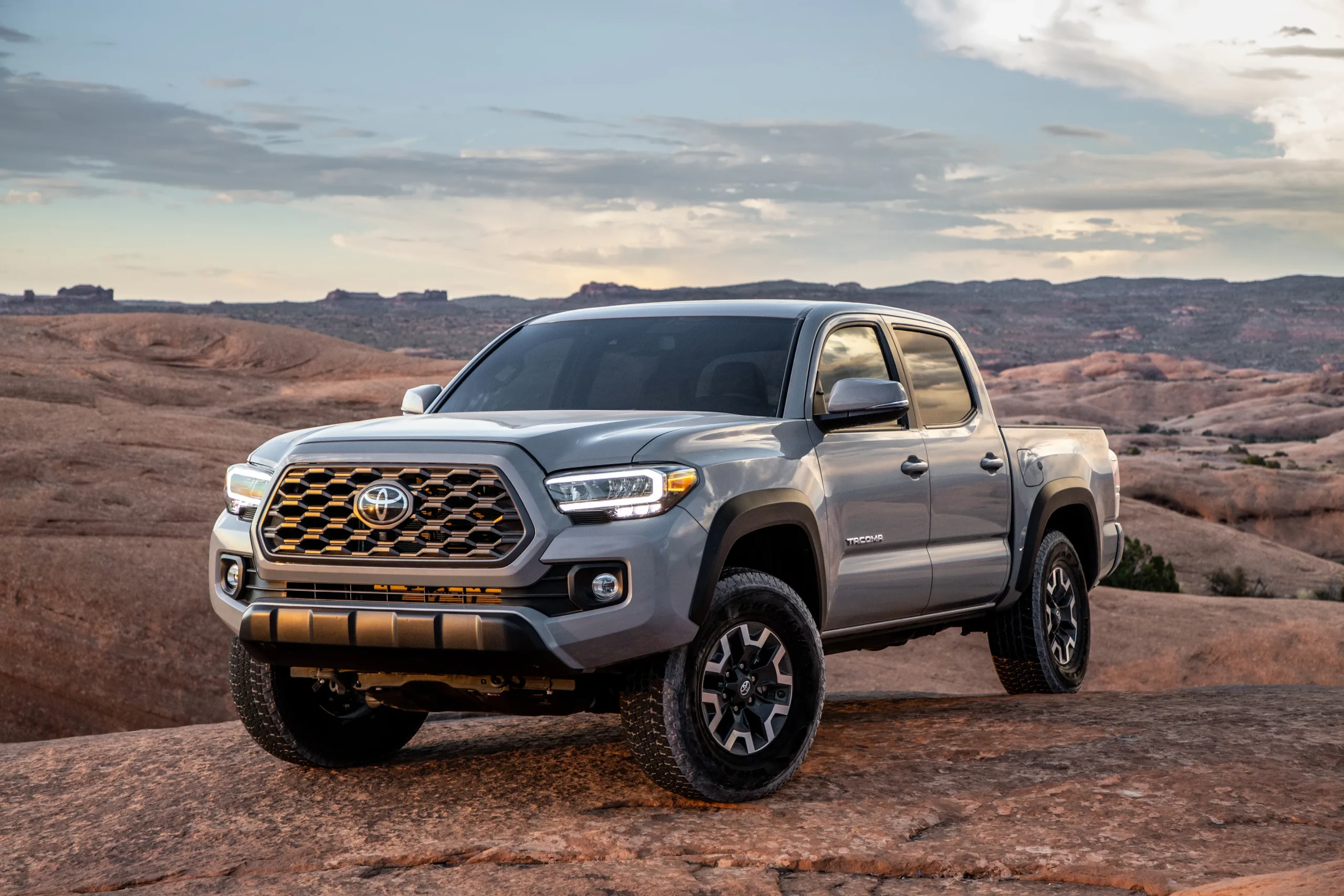
The Toyota Tacoma has a reputation for durability and off-road prowess, but it also has one of the noisiest cabins in the midsize truck segment. Road noise, tire hum, and engine sounds are all more prominent than in newer competitors.
The truck’s aging platform and relatively sparse sound insulation mean that wind and road noise often become more noticeable at highway speeds. Even on smoother roads, the cabin is not as refined as one might expect for a daily driver.
The noise issues in Tacoma are partly due to the choice of tires and suspension tuning. Designed for durability and occasional off-road use, the tires are not optimized for quietness. Additionally, the solid rear axle and firm suspension transfer more vibration into the cabin.
When combined with the thin door insulation and relatively basic window seals, the result is a vehicle that feels louder inside than most modern pickups. The engine can also be quite vocal when pushed, adding to the noise under acceleration.
While the Tacoma has strong resale value and a loyal customer base, its cabin acoustics leave room for improvement. Drivers who spend a lot of time on the freeway may notice fatigue from the constant background noise.
Conversations require more effort, especially in lower trims without upgraded audio systems. These issues are more pronounced in extended cab models, which have smaller rear cabins and less material to absorb sound.
Efforts have been made in newer versions to improve refinement, including upgraded cabin materials and minor tweaks to the frame and suspension.
However, the impression remains: the Tacoma is built tough but feels raw compared to competitors like the Honda Ridgeline or Ford Ranger. Buyers who value cabin quietness and ride comfort might want to look elsewhere, especially if their driving is mostly on pavement.
3. Mazda MX-5 Miata
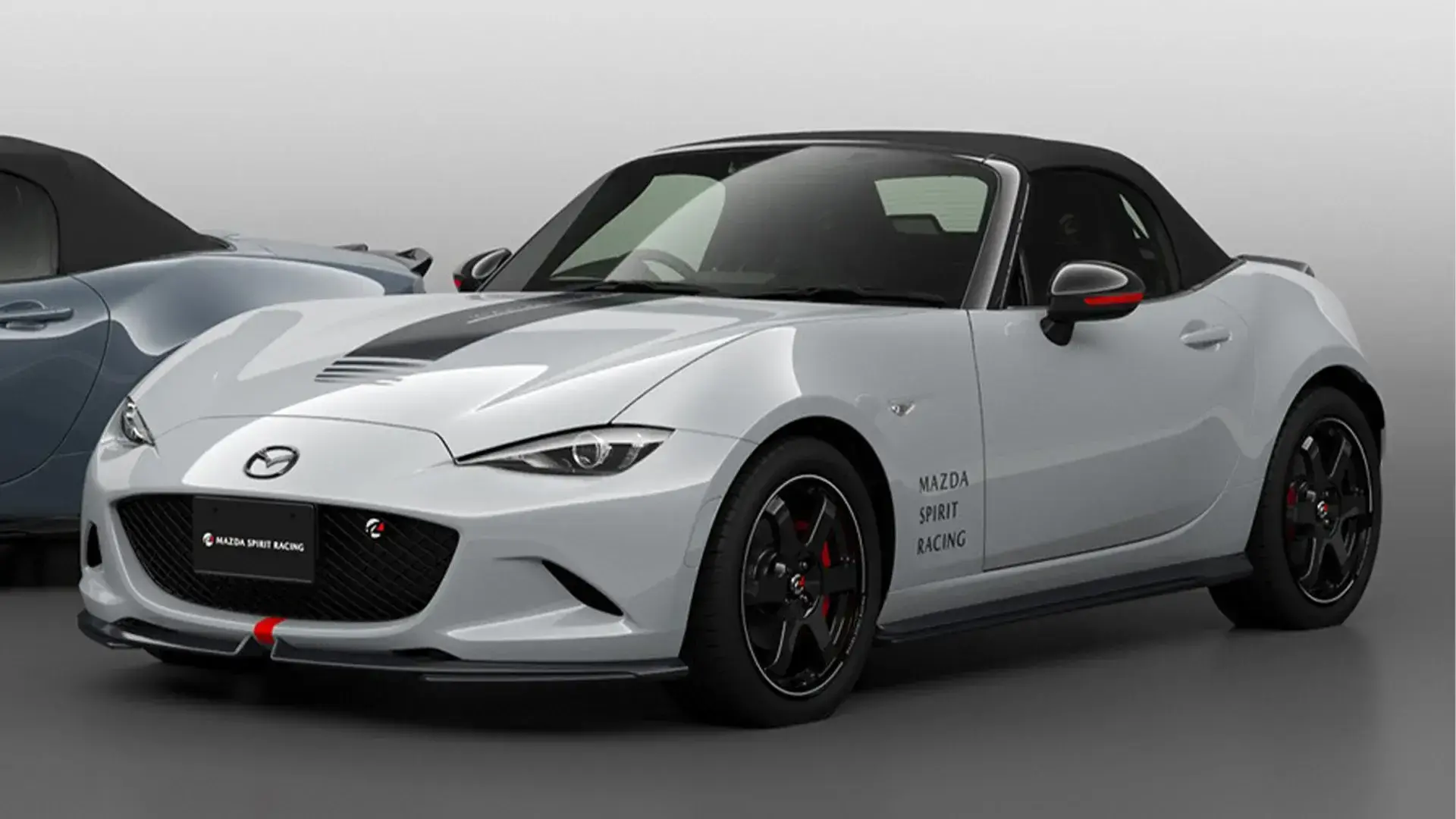
The Mazda Miata is beloved for its agility, fun handling, and lightweight design, but it is far from quiet. As a small roadster with a soft top, it lacks the physical barriers needed to keep out wind and road noise. The soft convertible roof, even when securely fastened, does not match the insulation of a hardtop or sedan roof.
On the highway, wind can be quite loud, and tire noise becomes noticeable depending on the pavement quality. These sounds become more obvious due to the compact interior, where there’s less space to dampen vibrations.
One of the challenges with the Miata is that it’s designed to be as light and responsive as possible. This philosophy leads to less use of sound-deadening material, which would otherwise add weight and reduce performance. As a result, even small bumps in the road send noise and vibration through the chassis.
The mechanical components are exposed to some degree, and when the car is being pushed hard, engine noise is encouraged rather than hidden. While this might appeal to driving enthusiasts, it doesn’t provide much in the way of acoustic comfort.
On longer trips or freeway commutes, the Miata can become tiring due to its high cabin noise. Phone conversations are difficult unless stationary, and listening to music often means turning the volume up significantly.
The RF version, which has a retractable hardtop, offers some improvement, but not enough to match traditional coupes. Noise from passing trucks, rain, and wind gusts can intrude into the cabin even with the windows up.
Still, many owners accept or even enjoy the Miata’s noisy character as part of its charm. The car is not trying to be luxurious or refined. Instead, it aims to connect the driver with the road. However, if quietness and refinement are high on the list of priorities, the Miata would not be a good match, and potential buyers should be ready for an engaging but noisy ride.
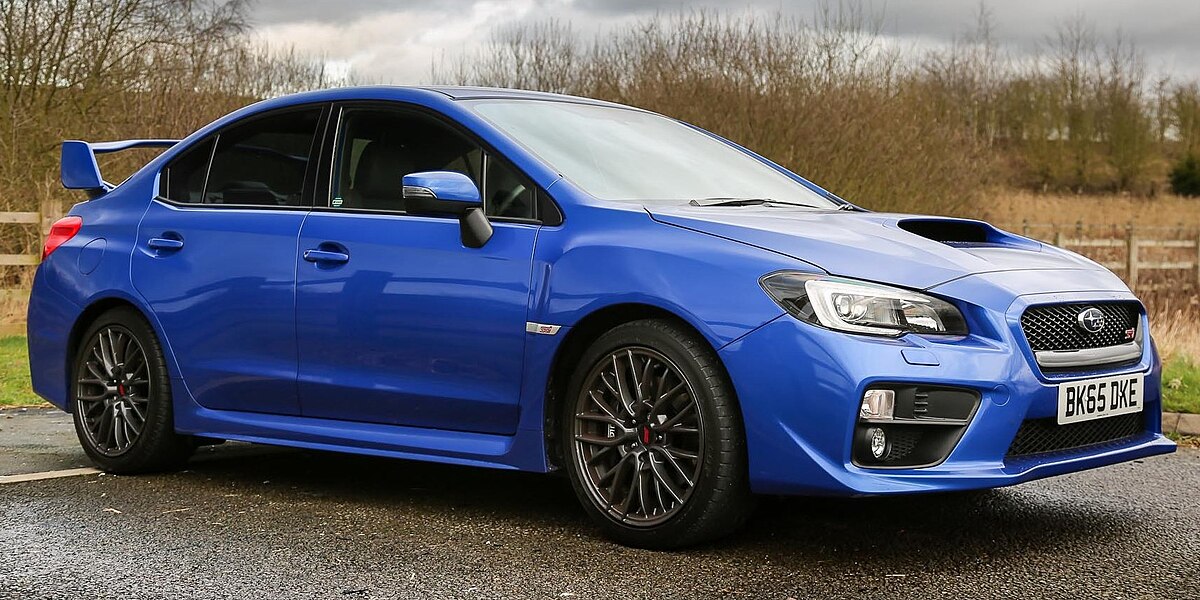
4. Subaru WRX
The Subaru WRX is known for performance and all-weather grip, but it’s also known for being louder inside than many compact cars. From the rumble of the boxer engine to the drone of the exhaust and road noise from the tires, it’s a car that prioritizes driver feedback over cabin serenity.
Enthusiasts may enjoy this, but it’s a weak point for everyday usability. Wind noise also becomes more noticeable above 60 mph, especially in earlier model years before recent updates added some modest improvements.
The WRX’s tires are usually performance-focused, which means they create more noise on rough surfaces. Combined with a stiff suspension and limited cabin insulation, the result is a car that feels raw and connected but not refined.
The interior also uses harder plastics in many areas, which do little to absorb or mute sound. There is little sense of isolation from the environment, and on coarser roads, the noise can be overwhelming during longer drives.
Engine and transmission sounds are also part of the WRX character. Shifts are pronounced, and acceleration comes with a deep, mechanical soundtrack.
While this may appeal to purists who want a car with personality, it becomes less enjoyable when trying to hold a conversation or unwind during traffic. At idle, there is still noticeable vibration and sound from the engine bay, even when the car is not in motion.
Newer versions have made some progress, with slightly better materials and door seals. However, the basic formula remains unchanged: the WRX is focused on driving performance, not refinement. If the goal is to enjoy a fun, loud, feedback-heavy experience, it delivers. But if peace and quiet are more important, the WRX falls short compared to more balanced compact sedans.
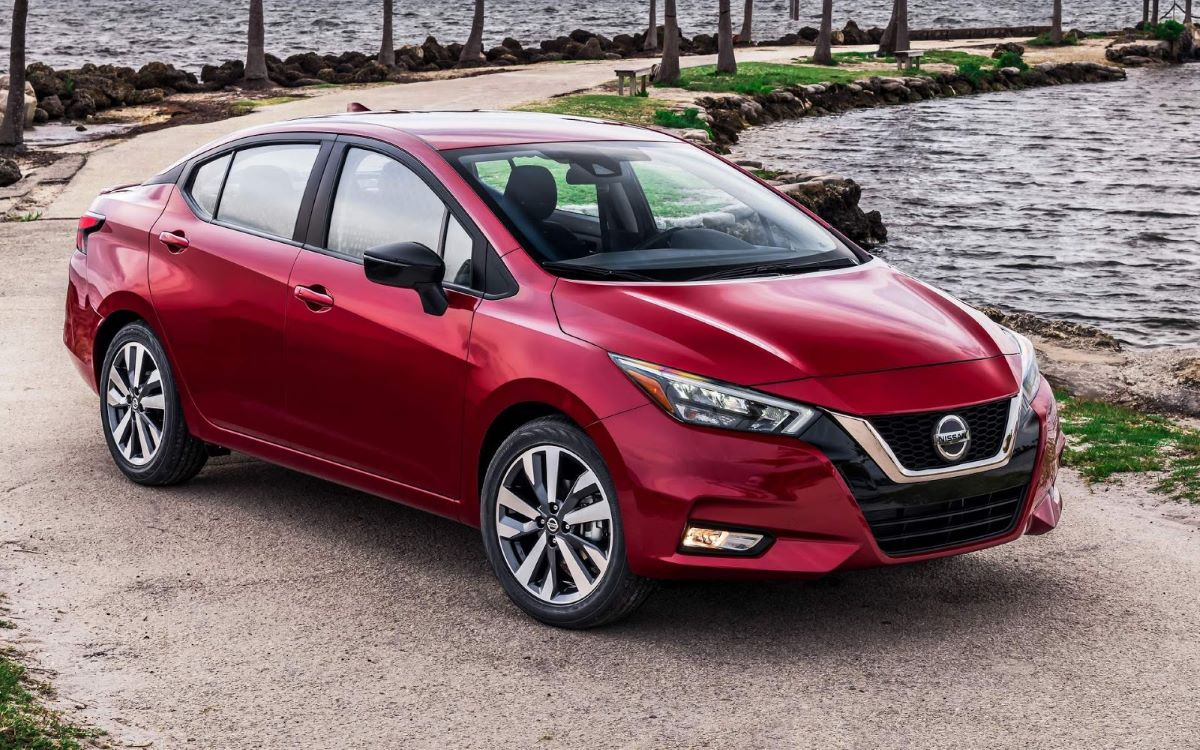
5. Nissan Versa
The Nissan Versa is one of the most affordable sedans available, and that low price comes with some compromises. One of the most obvious is the amount of road and wind noise that enters the cabin.
The Versa uses lightweight materials and minimal sound insulation to keep costs and fuel consumption down. While it offers good value in many areas, cabin noise is an ongoing complaint from owners and reviewers alike. On highways, it becomes difficult to ignore the hum from the tires and the whirring of the engine.
Because of its small size and budget-friendly construction, the Versa’s body doesn’t absorb vibration as well as more expensive models. The doors and windows are thin, and weather sealing is basic.
As a result, wind noise builds up quickly, especially when passing trucks or during gusty conditions. Even on smooth roads, tire and suspension noise filter into the cabin at a level that feels more like an economy car from a decade ago than a modern compact.
The engine, especially under load, is another source of noise. Accelerating up hills or merging onto the freeway causes the powertrain to become vocal and strained.
The CVT (continuously variable transmission) keeps the engine at high revs during acceleration, which makes the noise more prolonged. This type of drivetrain contributes to both efficiency and performance, but does little to help the car feel quiet or smooth.
For city driving or short commutes, the noise might be manageable. But for anyone who frequently drives long distances or values cabin serenity, the Versa will likely disappoint.
Even adding premium audio or additional insulation doesn’t fully solve the problem. While it makes a strong case for affordability, its noise levels remind drivers that refinement often comes at a price.
Also Read: 5 Cars with High-Flow Oil Pumps vs 5 with Stock Pumps That Overheat
Sound insulation is often an overlooked but critical aspect of vehicle design that plays a major role in how a car feels and functions in daily life. While flashy features, horsepower ratings, and exterior styling often get the spotlight, the real day-to-day experience of owning a car can be shaped just as much by how quiet or noisy the cabin is.
Whether someone is commuting to work, taking long road trips, or simply driving across town, the amount of noise inside the vehicle can influence comfort, fatigue, conversation, and even mental focus. In this regard, some vehicles excel at creating a peaceful environment, while others fall short due to design choices that prioritize other goals over cabin quietness.
The five vehicles highlighted for their top-tier sound insulation, Lexus LS, Mercedes-Benz S-Class, Tesla Model S, Audi A8, and BMW 7 Series, represent the peak of automotive refinement. Each of them has been engineered with sound control in mind, from multi-layer glass and door seals to active noise cancellation and insulated engine bays.
The result is a driving experience that feels polished and calm, even at highway speeds or on less-than-perfect roads. These vehicles demonstrate what’s possible when silence is treated as a key part of luxury.
It’s not just about muting the engine or sealing the doors; it’s about engineering every part of the car to reduce unwanted vibrations and external disturbances. For those who value peace, these models offer a clear advantage.
On the other end of the spectrum, the five vehicles noted for their loud road noise, Jeep Wrangler, Toyota Tacoma, Mazda MX-5 Miata, Subaru WRX, and Nissan Versa, highlight the compromises that can come with affordability, off-road performance, or driving engagement. In most cases, the increased noise levels are a result of practical trade-offs.
For example, the Wrangler and Tacoma prioritize ruggedness and durability, which often requires sacrificing some interior refinement. The Miata and WRX favor lightweight construction and direct driver feedback, even if that means a louder cabin.
And in the case of the Versa, cost-cutting leads to minimal insulation and materials that transmit more sound than they absorb. These vehicles aren’t poorly built; they simply prioritize other aspects of the driving experience.
That said, noise tolerance is subjective. Some drivers enjoy hearing the rumble of the engine or the feedback from the tires as part of feeling connected to the car. Others prefer a quiet, isolated space to relax or focus.
Neither preference is right or wrong, but understanding the differences can help buyers make more informed decisions.
A test drive can reveal a lot about how a car handles noise, especially if taken on a highway or over rough pavement. What feels acceptable for a quick spin around the block might become irritating after two hours on the interstate.
Choosing a vehicle with the right balance of sound insulation comes down to how the car will be used and what the driver values most. Whether it’s the whisper-quiet luxury of a flagship sedan or the unfiltered character of a rugged SUV, noise is a key part of the experience. Recognizing its impact can lead to smarter, more satisfying vehicle choices.
