
Getting in and out of a car is an activity that most people perform several times every day, yet it is often overlooked when selecting a vehicle. The importance of how easy it is to enter or exit a car becomes especially clear when considering comfort, convenience, and even safety during everyday use.
For certain groups of people, such as older adults, individuals with mobility challenges, or parents frequently loading and unloading children, the accessibility of a vehicle’s doors can significantly affect their experience and ease of use.
Cars with wide door openings, higher seating positions, and thoughtfully designed door handles can transform what might otherwise be a frustrating or physically demanding task into something smooth and comfortable.
Conversely, some vehicles, often those designed for sportiness, compactness, or style, feature narrower door openings that can make entry and exit more difficult, requiring careful maneuvering, and sometimes limiting usability in tight parking situations.
These tradeoffs often arise because of a vehicle’s design priorities, whether focused on aesthetics, performance, or space efficiency. This article aims to provide a detailed look at five vehicles that are celebrated for their easy entry and exit, focusing on the features that make them stand out.
These cars typically have wide door openings, elevated seats, and interior layouts that allow passengers to slide in and out without strain or discomfort. Understanding what makes these vehicles accessible can be particularly useful for families with young children, seniors, or anyone who values comfort in daily routines.
After discussing the benefits and designs of these user-friendly vehicles, we will also highlight five cars known for their narrower door openings.
These vehicles, while often admired for their sporty looks or compact nature, come with some accessibility challenges. Knowing these aspects can help buyers make informed decisions based on their personal needs, lifestyle, and priorities.
The design and function of car doors may appear to be minor details, but their impact on the driving and riding experience is significant. Wide, easy-to-open doors not only improve convenience but can also reduce the risk of injury by minimizing awkward movements when entering or exiting the vehicle.
This is particularly important in situations where passengers might be carrying heavy items or assisting someone who needs help. Narrow door openings, in contrast, might force people to squeeze through tight spaces or contort their bodies, leading to discomfort or even potential accidents.
These design differences also reflect broader priorities: family vehicles tend to favor spaciousness and practicality, while sports cars or compact models prioritize design flair and performance metrics. By breaking down these distinctions, this article hopes to clarify the real-world implications of door design in vehicles.
Whether you already own a car or are in the market for a new one, considering how easy or difficult it is to get in and out of the vehicle is an important yet often overlooked factor.
In busy urban areas where parking space is limited, or in suburban settings where multiple passengers need to enter and exit frequently, these considerations become even more critical.
This overview will equip you with practical knowledge about door openings, helping you choose a car that fits your accessibility preferences and lifestyle. Now, let’s begin by examining five cars that are known for making entry and exit as effortlessly as possible.
Also Read: 5 Performance Cars That Stay Valuable And 5 That Become Worthless
5 Cars With Easy Entry
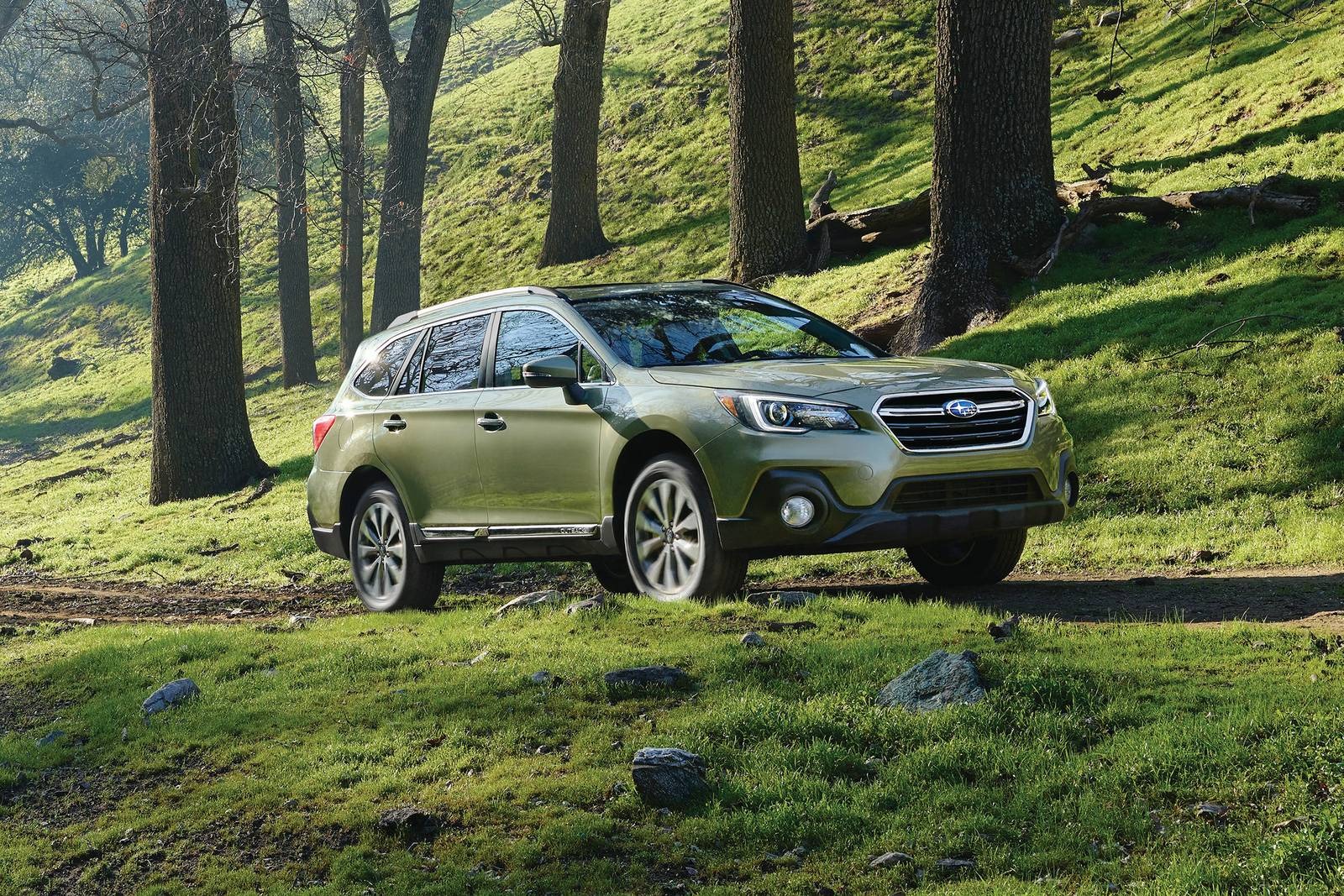
1. Subaru Outback
The Subaru Outback has established itself as a reliable and practical choice for those who prioritize accessibility and comfort when getting into and out of a vehicle. Its design offers a higher ground clearance than typical sedans, which allows passengers to enter and exit the cabin without the need to crouch excessively.
This elevated seating position is especially helpful for older adults or individuals with mobility issues, as it reduces strain on the knees and hips during the entry and exit process.
Additionally, the Outback’s doors are engineered to open wide, reaching nearly a full 90 degrees in many models. This generous door sweep ensures ample space for passengers to comfortably slide into the seats without feeling cramped or awkward.
The interior design complements this exterior accessibility by providing seats that balance comfort with ease of use. The seats are firm yet supportive, offering sufficient cushioning without being bulky or difficult to navigate around. The height and angle of the seats allow for smooth transitions between standing outside and sitting inside.
Subaru also prioritizes ergonomic placement of door handles and controls, which are designed to be reachable and easy to grip, even for people with smaller hands or those wearing gloves. This thoughtful design extends to other interior features, like the positioning of window switches and armrests, all of which contribute to an seamless entry and exit experience.
Subaru also equips many Outback models with convenient technologies that enhance accessibility. For example, keyless entry systems automatically unlock the doors as the driver approaches, eliminating the need to fumble with keys in cold or wet conditions.
This feature is particularly valuable for families managing children or pets, as it speeds up the entry process and reduces exposure to unfavorable weather. The door seals and hinges are designed to withstand repeated use, ensuring that the doors open smoothly and reliably over many years of ownership.
Furthermore, rear passengers enjoy the same level of convenience thanks to wide-opening rear doors and a spacious rear seating area. The Outback’s rear seats are easy to reach without awkward stretching, and the wide door openings make it simpler to install child safety seats or assist elderly passengers.
The combination of ground clearance, door design, and interior layout makes the Subaru Outback a standout option for anyone seeking a vehicle where entry and exit are effortless, regardless of passenger age or physical ability.
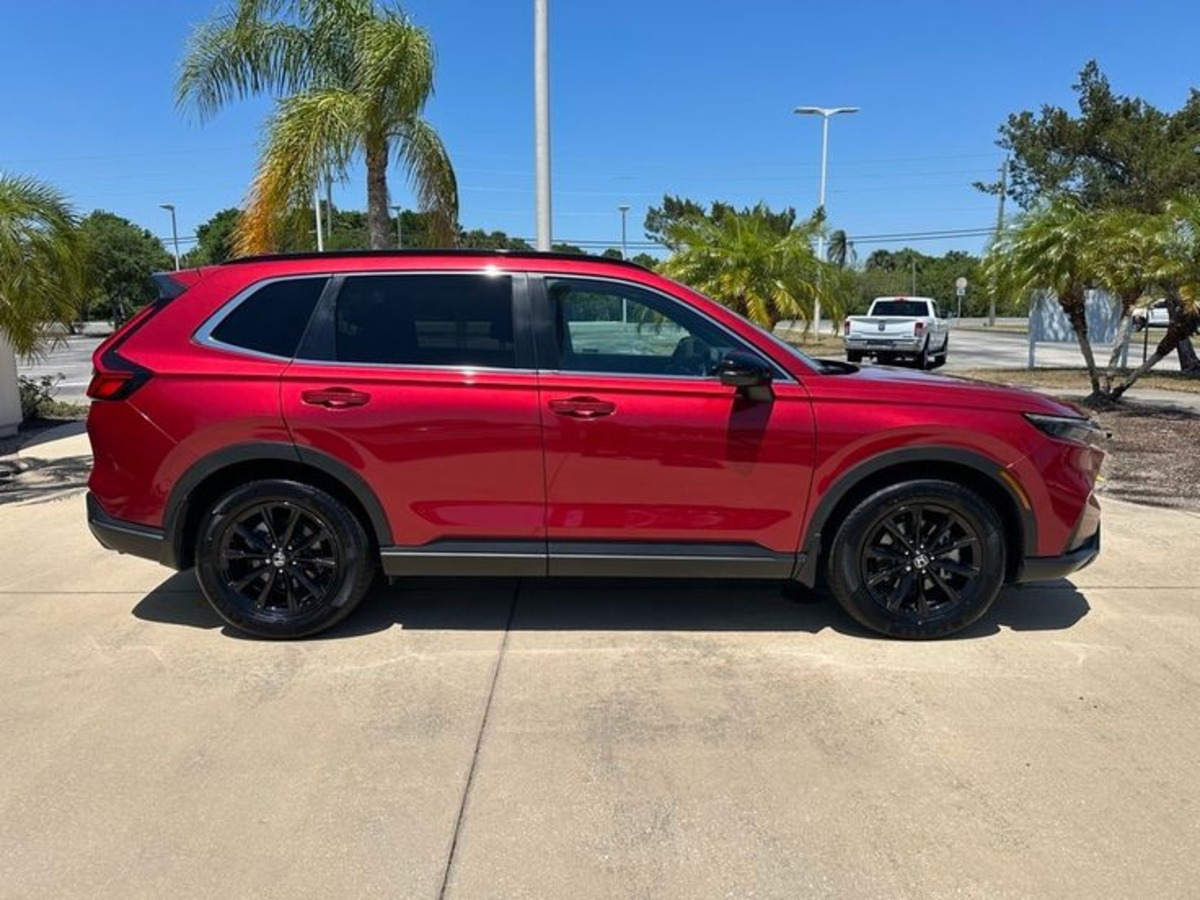
2. Honda CR-V
The Honda CR-V has built a strong reputation as a practical and user-friendly crossover, largely due to its ease of entry and exit. This vehicle’s design incorporates wide door openings and a slightly elevated seating position, which together facilitate comfortable access.
The height of the seats reduces the need to bend or crouch when getting inside, allowing passengers to slide in more naturally. Meanwhile, the door openings are large enough to accommodate a variety of passenger sizes, minimizing awkward movements or the risk of bumping into the door frame.
Inside, the CR-V’s cabin emphasizes spaciousness and accessibility. The seats are positioned strategically to offer a balance between visibility, comfort, and ease of entry.
The front seats are designed to provide enough support without being too bulky, allowing passengers to swing their legs in and out without obstruction.
The rear doors are similarly accommodating, opening wide to make rear seat entry and exit easier, which is especially helpful for families with children or for elderly passengers who might need assistance.
Honda also pays close attention to door hardware and mechanisms. The handles are placed at a natural height and shaped to be easy to grip, even for those with limited hand strength.
The doors open smoothly and quietly, requiring minimal force, which contributes to a pleasant user experience. Additionally, many CR-V trims offer power-assisted doors and keyless entry systems, further enhancing convenience by automating parts of the entry process and reducing manual effort.
Another important factor is the flat and unobstructed floor inside the CR-V. This design feature ensures that passengers can place their feet comfortably without tripping over obstacles or struggling to find a stable footing.
The interior space, combined with the vehicle’s generous door openings and moderate step-in height, means that passengers of varying sizes and physical capabilities can enter and exit with relative ease. The CR-V’s thoughtful approach to entry and exit makes it a favored option among drivers who prioritize accessibility and practicality.
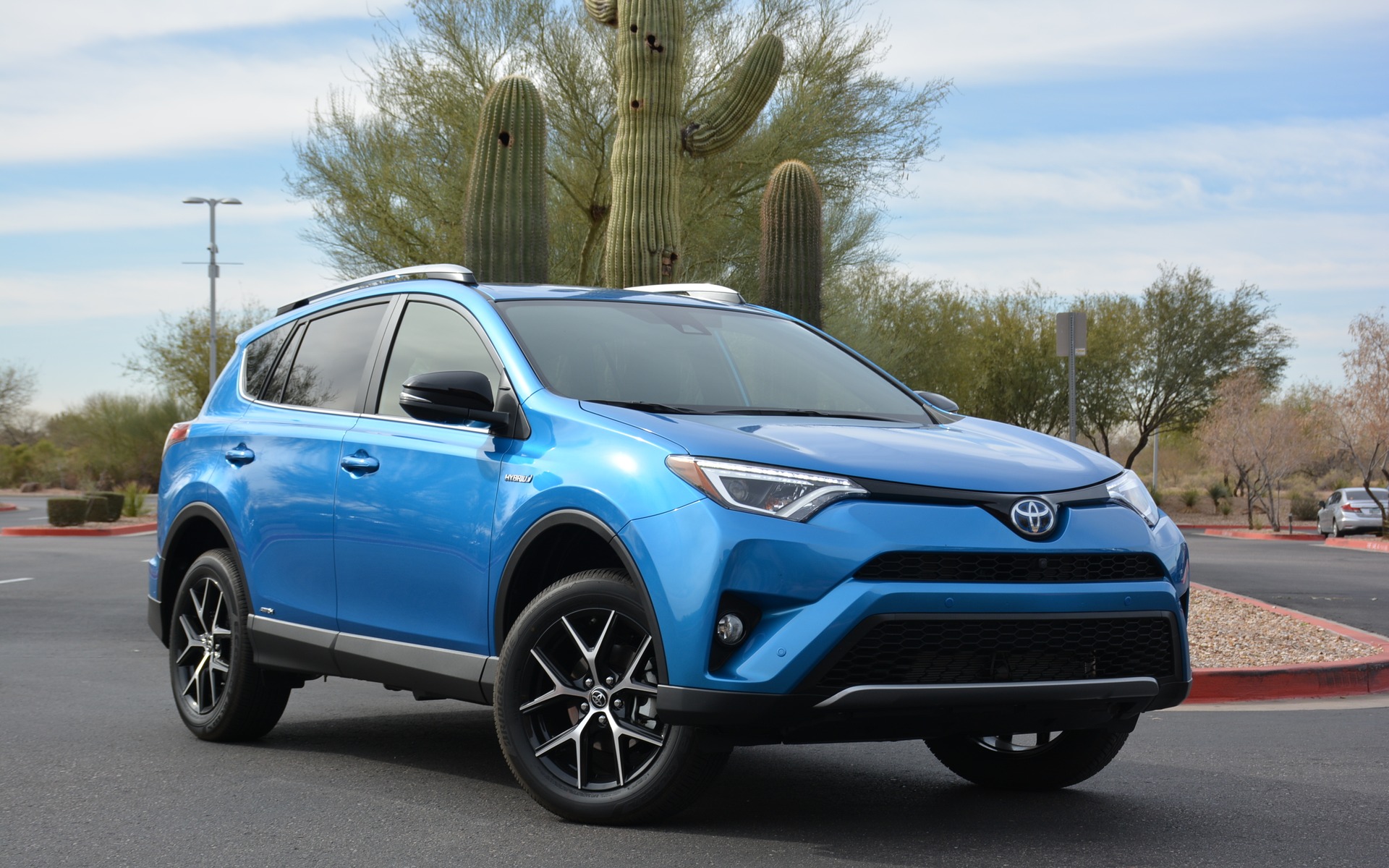
3. Toyota RAV4
The Toyota RAV4 has long been a popular choice in the compact SUV segment, not just for its performance and reliability but also for its accessible and convenient entry design. The vehicle’s door openings are wide, allowing passengers to step inside without having to twist or squeeze through narrow spaces.
This openness reduces the risk of clothes snagging on door frames or passengers bumping into the side of the vehicle. The doors also swing open to an angle that provides a large threshold for entry, which is particularly beneficial when loading children into car seats or managing bulky items.
The RAV4’s seating position complements its door design by providing a ride height that is high enough to avoid the need for excessive bending, yet low enough to ensure a safe and stable step in and out.
This balance is important because it helps passengers avoid discomfort while also maintaining vehicle stability. The low door sills enhance this effect, minimizing the effort required to place feet inside the vehicle. These elements work together to create an entry experience that is both easy and natural.
Inside, Toyota has focused on comfort and functionality. The wide, flat floor and unobstructed foot space allow passengers to move their feet easily, reducing the likelihood of tripping or stumbling.
The placement of grab handles and armrests provides additional support during entry and exit, which is especially helpful for elderly passengers or those with mobility challenges. Keyless entry options on many trims allow drivers to unlock the vehicle without needing to search for keys, which further streamlines the process.
Rear passengers benefit from the same attention to detail, with wide rear doors that open sufficiently to facilitate entry and exit. The spacious rear cabin allows for easy installation of child seats and offers ample headroom and legroom, making the RAV4 a versatile option for families.
The combination of wide door openings, elevated seating, and a well-planned interior design makes the Toyota RAV4 one of the easiest vehicles to enter and exit within its class.
4. Ford Escape
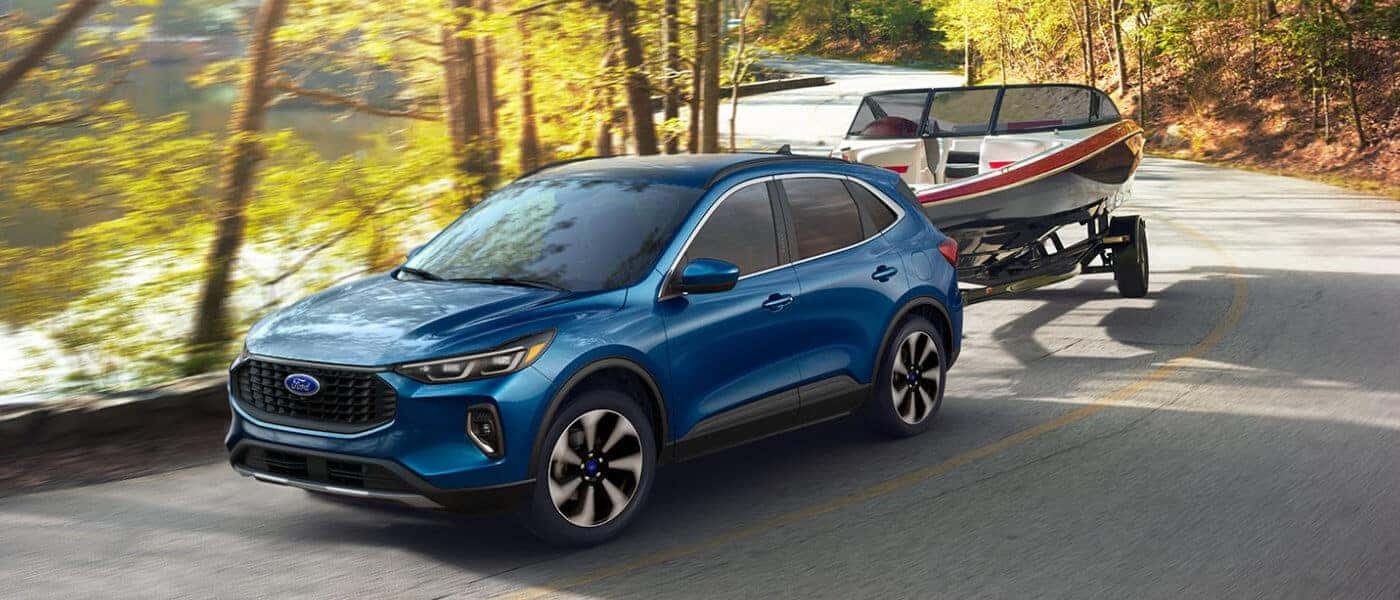
The Ford Escape is praised for combining a compact footprint with features that prioritize comfort and ease of use, including easy entry and exit. The vehicle’s door openings are wide, enabling passengers to enter without awkward twisting or contorting.
The Escape’s seats sit at a height that makes it easier to climb inside compared to lower sedans or sports cars, reducing strain on the joints and back. This height also helps drivers and passengers get a better view of their surroundings once inside, increasing confidence and comfort.
The door hinges and latching mechanisms are engineered to allow doors to swing wide open, sometimes close to a full 90-degree angle, which creates a generous access point. This is important in everyday situations, such as parking in tight spaces or assisting children and elderly passengers who may need more room to maneuver.
The handles on the doors and inside the vehicle are positioned for natural reach and offer a firm grip, even in wet or cold conditions, making them user-friendly in a variety of environments.
Inside the Escape, the seats offer firm support without being bulky, which helps passengers move in and out more easily. The step-in height strikes a balance, neither too high to feel like climbing into a truck nor too low to require significant bending.
This makes the Escape accessible to a broad range of people, including those who may have difficulties with low or high vehicles. For added convenience, many trims include hands-free liftgates, allowing users to open the rear cargo area without needing to put down bags or keys, enhancing ease of use.
The Escape’s rear doors mirror the front in providing wide openings and easy access to the back seats, which helps families and individuals who need to load bulky items or assist passengers.
The interior floor is flat and free of obstructions, making it easier for people to slide their feet in and out without difficulty. These features combine to make the Ford Escape a vehicle that is welcoming and accessible to a wide audience.
5. Kia Soul
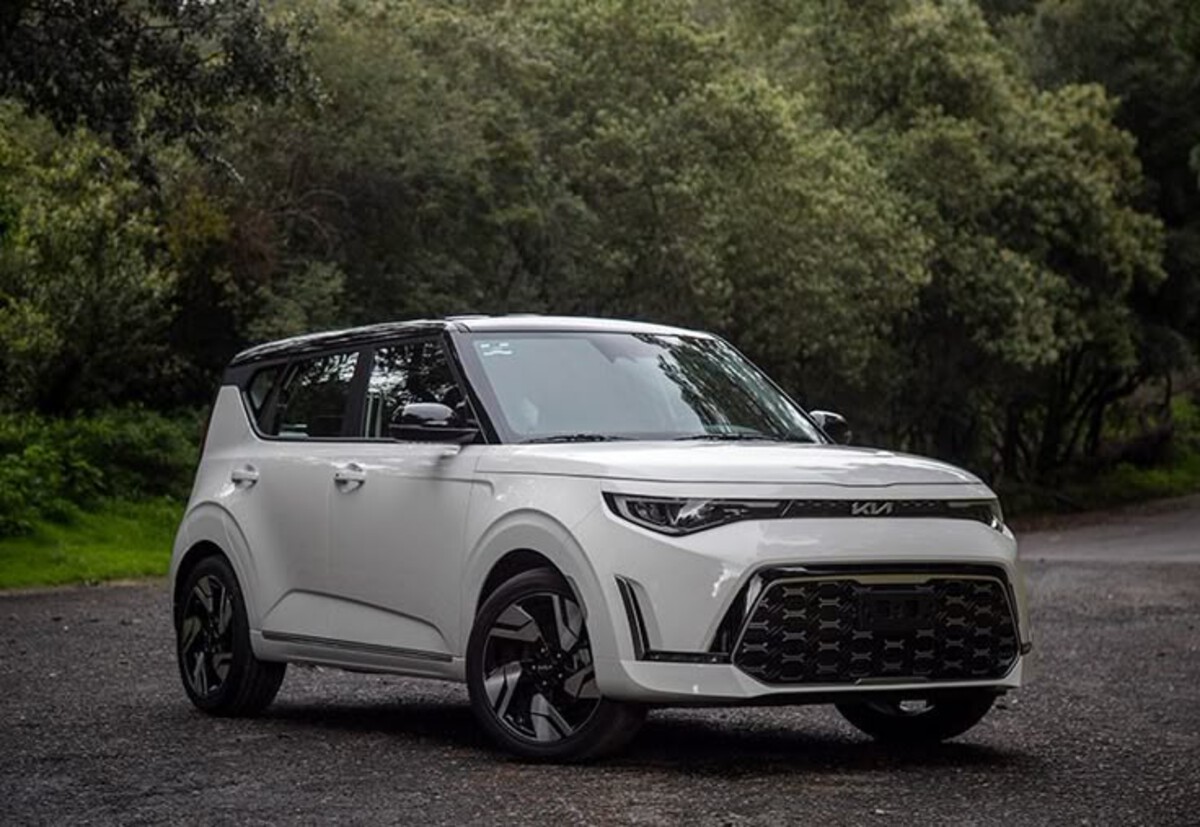
The Kia Soul offers a distinctive blend of unique styling and practical design features, which contribute to very easy entry and exit. Its upright, boxy shape and relatively high roofline create tall and wide door openings that allow passengers to enter without the need to crouch or squeeze.
This spacious access contrasts sharply with many sporty or compact vehicles, which often have sloping roofs and narrow door frames. The Soul’s doors swing open wide and feature low sills, reducing the effort required to step inside and making the process less tiring for passengers.
Inside, the Soul’s cabin emphasizes spaciousness and comfort. The seats are placed at an optimal height for easy access and exit, allowing passengers to slide in and out without difficulty.
The floor design is flat and free from obstructions, giving feet plenty of room to find a comfortable position while entering or exiting. The door handles and armrests are ergonomically positioned to provide support, helping passengers steady themselves as they get in or out of the car.
Families appreciate the Kia Soul for its practicality. The rear doors open wide to facilitate easy entry for children and adults alike, while the spacious interior ensures that taller passengers do not need to duck under sloping rooflines as in many other compact vehicles.
The vehicle’s shape allows for generous headroom throughout the cabin, contributing to a feeling of openness and ease of movement. This makes the Soul a practical choice for urban drivers who want a small car that does not compromise on accessibility.
The combination of boxy design, wide door openings, and well-planned interior layout make the Kia Soul a standout for those who value straightforward and comfortable access in a compact package. Its ease of entry and exit is among the best in its class, making it an attractive option for a diverse range of drivers and passengers.
5 Cars With Narrow Door Openings
1. Mazda MX-5 Miata
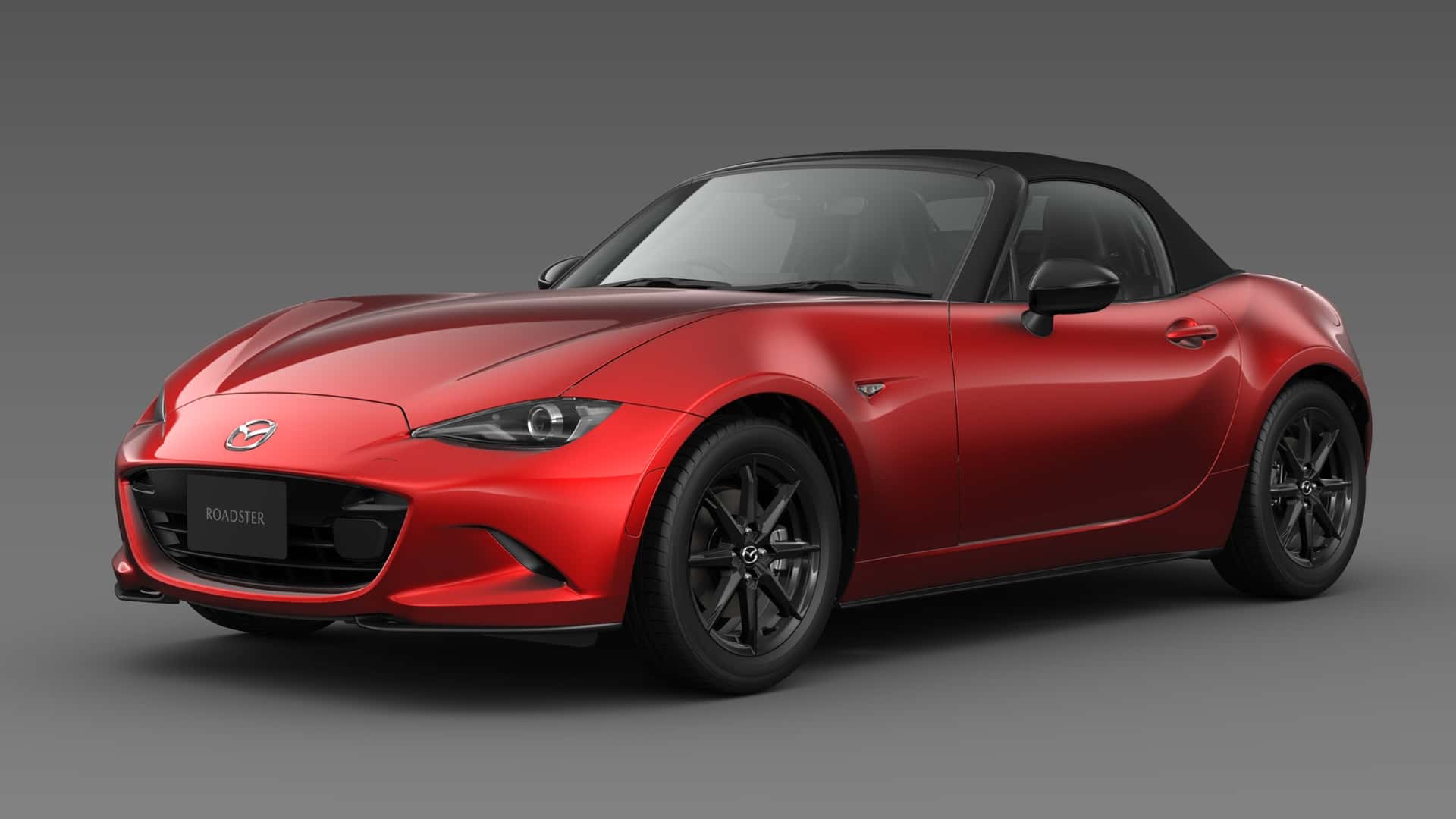
The Mazda MX-5 Miata is celebrated worldwide for its exhilarating driving experience and sleek roadster design, but these very qualities result in a vehicle with narrow door openings that present some challenges for entry and exit. The Miata’s low, aerodynamic profile means that the doors are relatively small and do not open very wide.
This tight space requires passengers to crouch low and maneuver carefully to slide into the compact cabin. For taller individuals or those with limited mobility, getting in and out of the Miata can feel awkward or physically demanding, especially over repeated uses.
Because it is a two-seat sports car, the Miata prioritizes a close-to-the-ground seating position, which contributes to its responsive handling and low center of gravity. However, this also means that the step-in height is low, requiring passengers to bend deeply at the knees and hips to enter the car.
The narrow door openings further complicate this, demanding precise movements to avoid bumping the door frame or scratching paint in tight parking spaces. The doors do not swing open widely, limiting the amount of available room to maneuver while entering or exiting.
Inside, the seats are designed to support spirited driving rather than comfort or spaciousness. The snug cabin space complements the car’s athletic purpose but leaves little room for leisurely or easy entry.
Passengers often need to twist and contort their bodies to get comfortably seated. The door handles, though functional, are mounted on doors that open less widely than in many other cars, which adds to the difficulty of entry, especially when parked in cramped spaces.
The narrow door openings make the MX-5 Miata less practical for everyday commuting or frequent stops where quick entry and exit are needed. It is a car best suited for enthusiasts who prioritize the thrill of driving over convenience, and who accept these compromises as part of the vehicle’s design philosophy.
2. BMW 2 Series Coupe
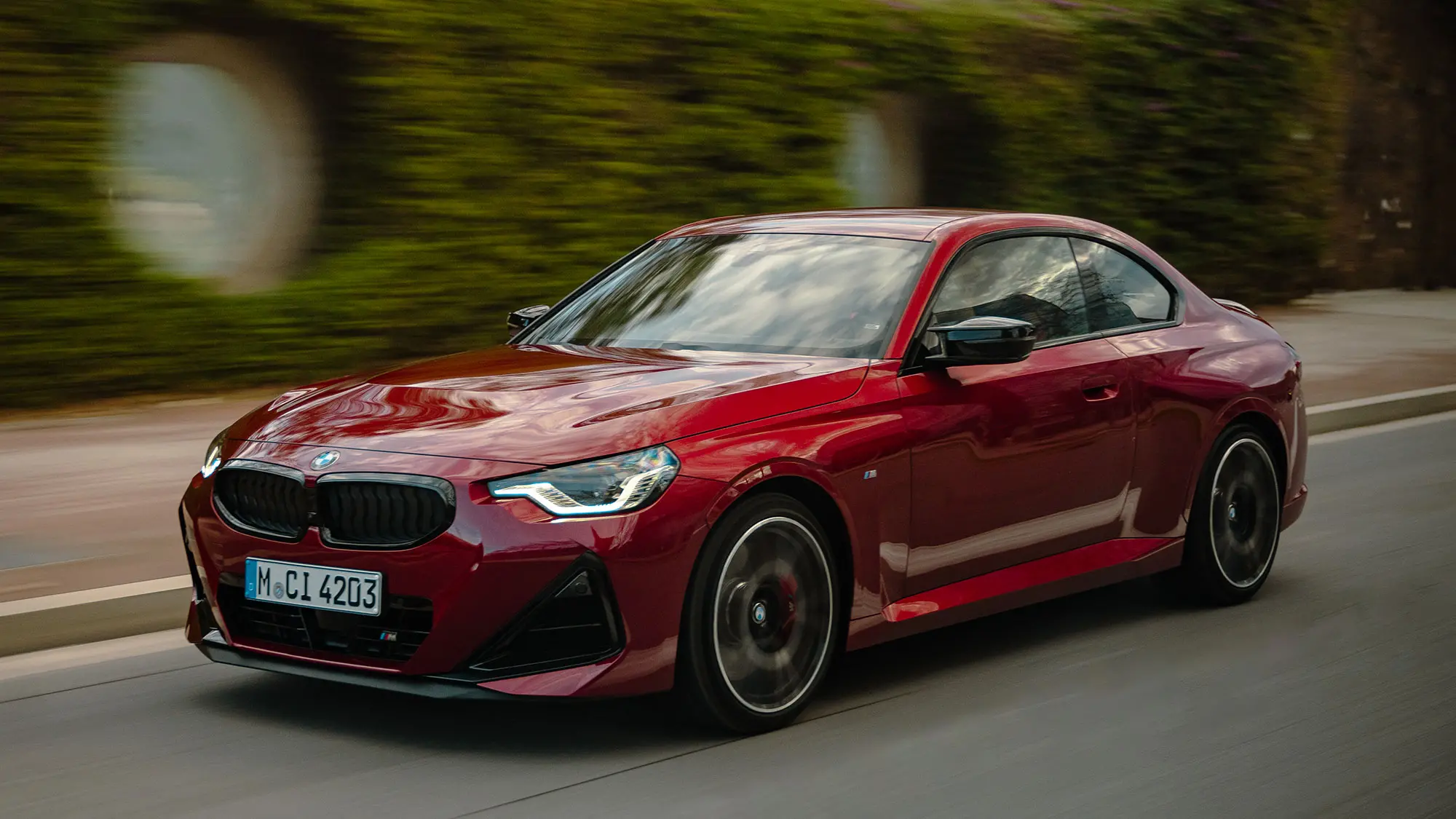
The BMW 2 Series Coupe offers a sporty driving experience wrapped in a stylish two-door body, but the design results in door openings that are narrower compared to four-door models.
While the coupe doors themselves are larger than those on some compact cars, they still don’t provide the wide entry space found in sedans or SUVs. This limited door width can make getting in and out more difficult, especially for passengers who must maneuver carefully to avoid hitting the door or vehicle frame.
Entry and exit in the 2 Series Coupe often require more effort than in vehicles with more accessible designs. The seats are positioned relatively low to maintain a sporty feel and low center of gravity, which increases the amount of bending needed to get inside.
Passengers frequently need to angle their bodies or shift awkwardly to clear the narrower doors, particularly when trying to fit larger individuals or those with limited flexibility. The front seats themselves can feel snug, adding to the challenge of ingress and egress.
Rear-seat passengers face an even greater challenge, as the two-door configuration means that front seats must be folded forward to access the back.
The narrow door opening combined with this additional step can make the process cumbersome, particularly for adults or those carrying bulky items. The door handles and latches, while sturdy and stylish, do not offset the space limitations created by the coupe’s sleek profile.
While the BMW 2 Series Coupe delivers dynamic handling and attractive styling, the tradeoff is a compromise in convenience and accessibility. Drivers who prioritize sporty aesthetics and performance may find this acceptable, but those who often carry passengers or need easy entry and exit should consider these factors carefully.
3. Audi A5 Sportback
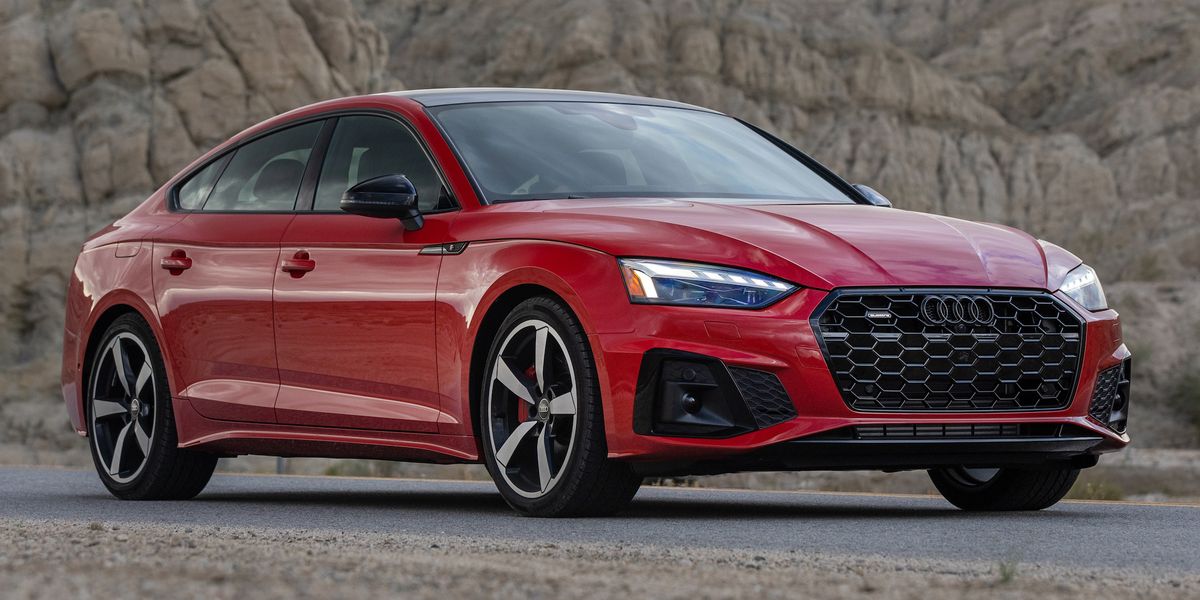
The Audi A5 Sportback is known for combining the sporty aesthetics of a coupe with the functionality of a four-door sedan, but its door openings tend to be narrower than those found on more traditional sedans or SUVs.
This design choice reflects Audi’s emphasis on sleek, flowing lines and a sloping roofline that gives the vehicle its distinctive appearance. Unfortunately, the consequence is reduced door access that can make entering and exiting the vehicle less straightforward, particularly for taller passengers or those with mobility challenges.
The doors on the A5 Sportback do not swing open as wide as those on bulkier vehicles, limiting the threshold for entry. Passengers need to be mindful when entering or leaving the vehicle, especially in confined parking spots or next to other cars.
The relatively low seating position, designed to enhance driving dynamics and comfort, adds to the difficulty by requiring passengers to bend or duck slightly to fit through the door openings comfortably.
Rear-seat access is similarly affected by the vehicle’s design. While the four-door layout offers more convenience than a two-door coupe, the sloping roofline reduces headroom and restricts the space around the door frames.
This can make it difficult for passengers to enter or exit without crouching or twisting, which can be uncomfortable on longer journeys or for frequent stops.
Despite these challenges, the Audi A5 Sportback offers a luxurious interior and excellent driving dynamics, appealing to buyers who value style and performance. However, those who place a premium on ease of entry and exit might find its narrower door openings less accommodating for daily family use or when transporting older passengers.
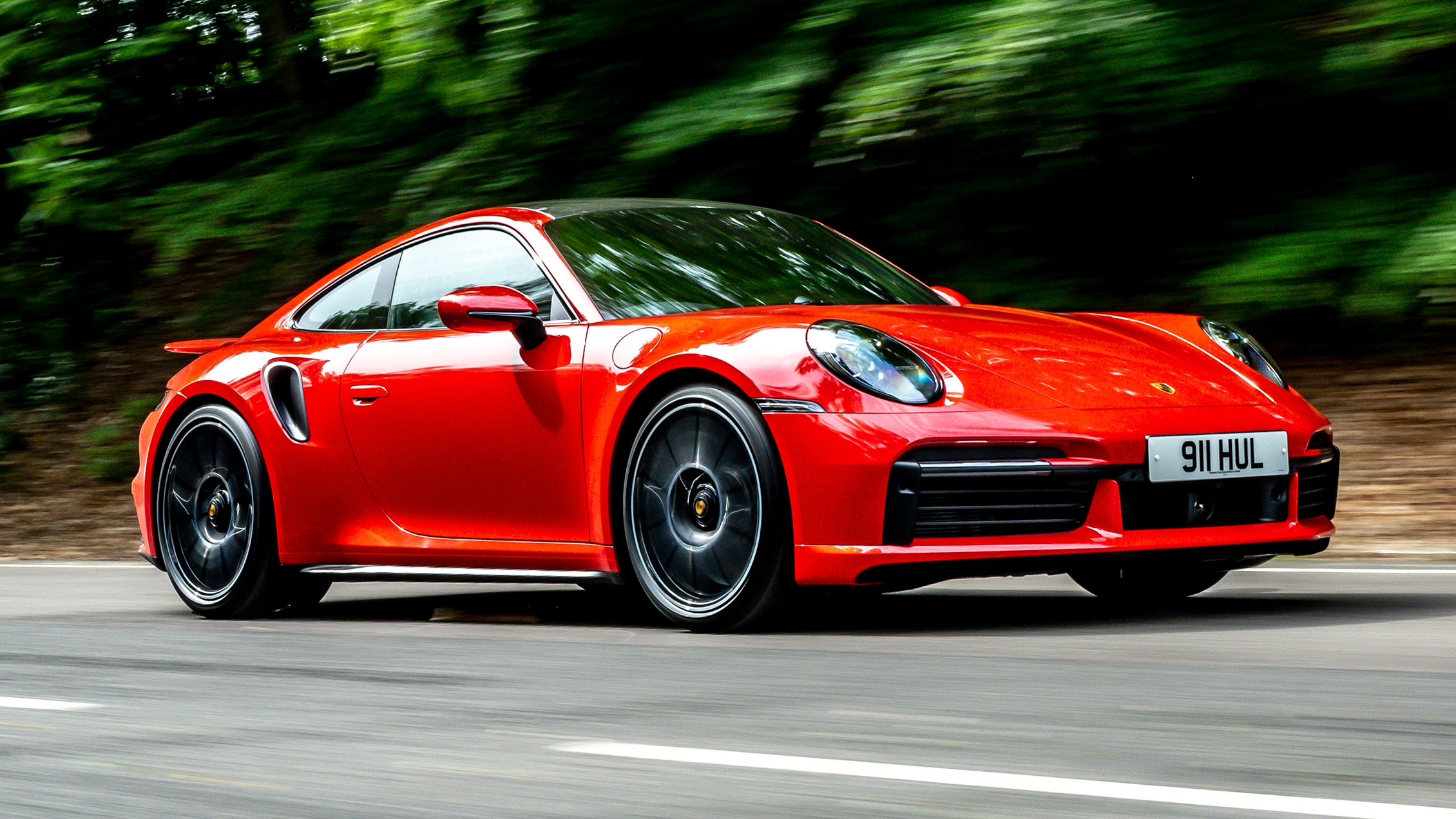
4. Porsche 911
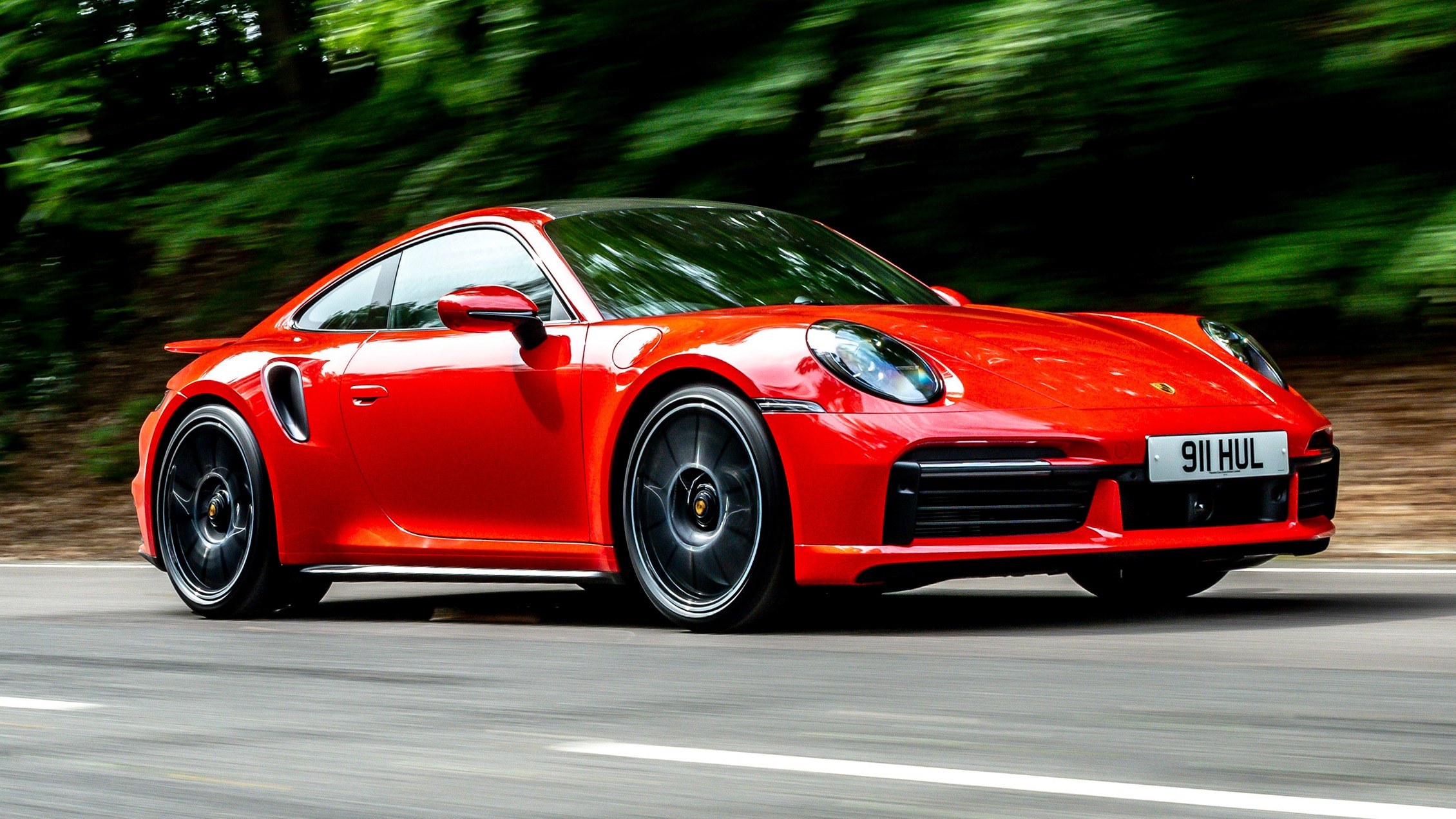
The Porsche 911 is one of the most iconic sports cars ever produced, renowned for its performance and timeless design. However, the vehicle’s compact, aerodynamic shape means that its doors are relatively narrow and do not open as widely as those on larger or more practical vehicles.
This design reflects Porsche’s commitment to maintaining the car’s low drag coefficient and classic silhouette but creates some challenges when it comes to getting in and out of the vehicle.
Entry and exit require passengers to crouch low and maneuver carefully through the tight door openings. The seats are positioned close to the ground, enhancing the car’s handling and driving feel, but increasing the physical effort needed to climb inside.
Taller individuals or those with limited flexibility may find it particularly challenging to get into the 911 without awkward movements or discomfort.
The door handles on the Porsche 911 are flush with the body to maintain its sleek exterior, which adds a slight delay when opening the doors compared to more conventional handles.
In tight parking lots, the narrow doors can be difficult to open fully without risk of scratching neighboring vehicles or hitting obstacles, making ingress and egress a delicate process.
Despite these inconveniences, Porsche focuses on making the interior comfortable and supportive within the constraints of the sports car design.
The seats provide excellent lateral support for spirited driving, but the space inside remains limited. The narrow door openings, combined with the low seating, mean the 911 prioritizes driving experience over convenience, appealing mainly to enthusiasts who accept these tradeoffs.
5. Tesla Model 3
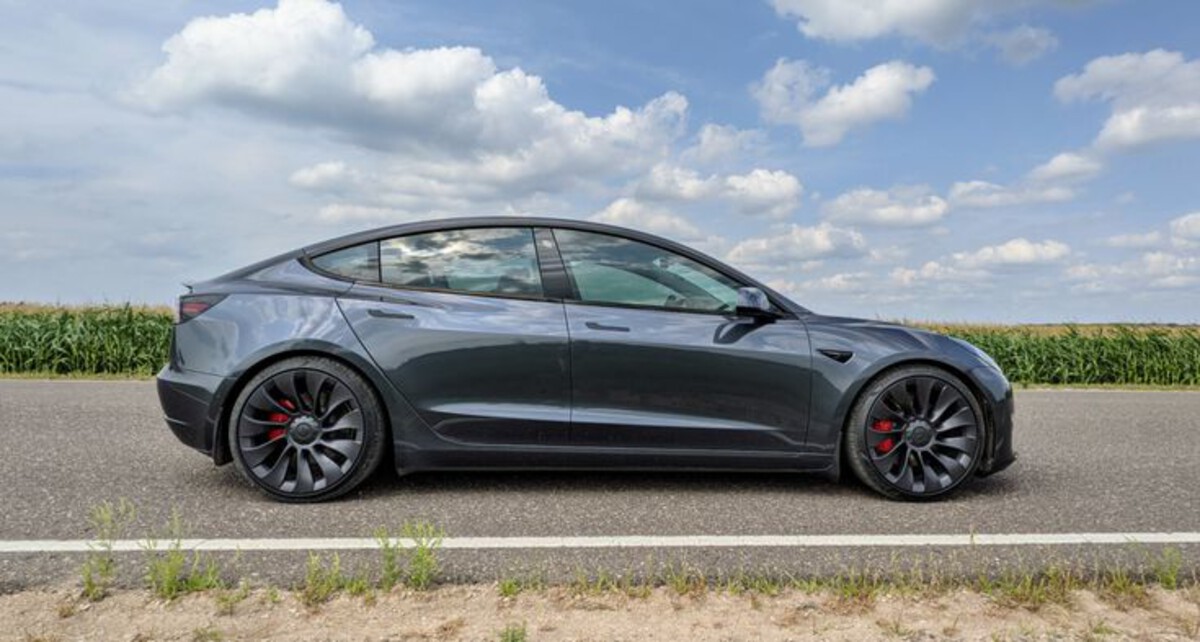
The Tesla Model 3 is widely praised for its innovative electric powertrain, sleek design, and advanced technology, but its door openings are somewhat narrower compared to traditional sedans and SUVs.
Tesla’s minimalist design and smooth body lines contribute to the restricted door width, which affects how easily passengers can enter and exit the vehicle. The door apertures do not open as wide as some competitors, which can make the process feel cramped, especially for larger passengers or in tight parking conditions.
The Model 3’s seats are positioned moderately low to create a sporty driving position, which means passengers need to bend their knees and hips more than in higher-riding vehicles.
Combined with the narrower door openings, this can make entry and exit less comfortable for individuals with limited mobility or flexibility. Although the cabin is spacious once inside, the process of getting in and out is somewhat constrained by the door design.
Tesla includes features such as keyless entry and automatic door unlocking, which help reduce the effort needed to access the vehicle.
However, these technologies do not fully compensate for the limited physical space at the door. The flush door handles, designed for aerodynamic efficiency, require a press or pull motion that can take a moment longer to operate than traditional handles, potentially complicating quick exits.
Rear passengers encounter the same limitations with narrow door openings and a somewhat lower roofline than some competitors, which can make getting in and out more difficult for taller passengers or those carrying large items.
While the Model 3 excels in many areas, its narrow door design represents a compromise that potential buyers should consider, especially if ease of entry and exit is a priority.
Also Read: 5 Cars That Stay Valuable Enough to Buy New vs 5 That You Should Always Buy Used
When considering a vehicle, ease of entry and exit is a vital yet frequently overlooked factor that can dramatically influence daily comfort, convenience, and satisfaction.
The five cars with easy entry highlighted here, including models like the Subaru Outback, Honda CR-V, Toyota RAV4, Ford Escape, and Kia Soul, exemplify how thoughtful design can make a meaningful difference in accessibility.
These vehicles tend to offer wider door openings, elevated seating positions, and spacious interiors that allow passengers of all ages and mobility levels to enter and exit with minimal effort.
Such design choices not only enhance convenience but also improve safety by reducing awkward movements that can lead to slips, falls, or muscle strain.
Whether managing children, elderly family members, or simply valuing smooth and comfortable access, these cars demonstrate how accessibility can be prioritized without sacrificing style or performance.
On the other hand, cars like the Mazda MX-5 Miata, BMW 2 Series Coupe, Audi A5 Sportback, Porsche 911, and Tesla Model 3 show how sporty design, aerodynamic efficiency, and sleek styling often come at the expense of wider door openings.
While these vehicles are often admired for their dynamic driving characteristics and aesthetic appeal, their narrower door apertures and lower seating positions can make entry and exit more challenging.
These compromises are part of a broader design philosophy that values performance and form over the practicalities of everyday accessibility.
For owners who prioritize driving excitement and appearance, these trade-offs may be acceptable, but they require a willingness to adapt to tighter spaces and more deliberate movements when getting in or out of the car.
The choice between a vehicle with easy entry and one with narrower door openings boils down to personal priorities and lifestyle needs.
For those who value convenience, accessibility, and comfort for all passengers, especially families or individuals with mobility concerns, cars with wide doors and higher seating positions often prove more practical.
Conversely, drivers who seek a sporty feel, striking design, or cutting-edge technology might accept narrower doorways as part of their package.
By understanding these distinctions and carefully considering how often and under what circumstances ease of access matters, buyers can make more informed decisions that align with their daily routines and preferences.
In any case, recognizing the importance of door design and entry ease helps shed light on an often underestimated aspect of vehicle selection.
Whether navigating tight urban parking spaces, assisting passengers with special needs, or simply wanting a smoother, more comfortable experience every time you get in or out, the difference between wide and narrow door openings is a real factor worth paying attention to when choosing your next car.
