
When choosing a new vehicle, many factors come into play: price, fuel efficiency, styling, horsepower, safety features, and infotainment systems.
But one critical feature often goes unnoticed until it becomes an issue: interior headroom. Headroom might seem like a small detail, but it plays a massive role in comfort, especially for tall drivers and passengers.
A vehicle can have all the latest technology and performance upgrades, but if it makes you feel cramped every time you get in, that novelty wears off quickly. The simple act of sitting comfortably with proper posture, without bumping your head or having to crouch, affects how relaxed and natural you feel in a car.
For taller individuals, this is not a luxury; it’s a necessity. Yet even for people of average height, a roomy cabin contributes to reduced fatigue, better visibility, and easier entry and exit.
Headroom impacts not just comfort but safety as well. When drivers are forced into awkward seating positions to avoid touching the roof, they can develop strain in the neck, shoulders, and spine.
Over time, this discomfort can turn into chronic aches or even lead to a distracted or less-responsive driver. What’s more, limited vertical space creates a feeling of confinement, which can be especially unpleasant on longer drives or in heavy traffic.
Headroom also plays a subtle psychological role. A car with more vertical space tends to feel more open and breathable. Even if the vehicle isn’t especially large in terms of length or width, that extra few inches above your head can make it feel less like a box and more like a comfortable room.
On the flip side, a car with low ceilings might feel tight and stressful, making daily commutes or weekend trips something to endure rather than enjoy. This becomes even more noticeable in back seats, where manufacturers often compromise vertical space for styling or aerodynamics, leaving adult passengers to duck, slouch, or lean awkwardly.
Some vehicles are designed with this in mind, offering thoughtful interior shapes that maintain a high roofline without sacrificing style or aerodynamics. Others, in their pursuit of aggressive styling or lower profiles, allow cabin comfort to take a back seat, literally and figuratively.
These differences can be seen clearly when comparing certain models side by side. A vehicle that looks sleek and powerful from the outside may end up feeling restrictive inside. Meanwhile, another car with a boxier silhouette might provide a far more comfortable experience, particularly for taller occupants.
This article highlights both ends of the spectrum. On one side are five vehicles that provide excellent headroom, making them great choices for those who value everyday comfort.
On the other are five vehicles where headroom falls short, potentially making them less suitable for tall drivers or those who frequently carry adult passengers.
Whether you’re car shopping for yourself or your family, knowing which models offer that extra breathing space can save you from years of frustration. Let’s take a closer look at the models that get it right, and the ones that don’t.
Also Read: 5 Cars That Stay Valuable Enough to Buy New vs 5 That You Should Always Buy Used
Vehicles With Ample Headroom

1. Honda CR-V
The Honda CR-V continues to be a popular choice among drivers for several reasons, one of which is the interior space. Known for its practical design and no-nonsense functionality, the CR-V offers impressive headroom for both front and rear passengers.
Front seat occupants get a spacious experience, with seats that sit at a natural height and plenty of clearance between the top of the head and the roof. Even with a sunroof, which often cuts into headroom, the space remains adequate for drivers over six feet tall.
Rear passengers also benefit from a high roofline that remains level from front to back. Unlike some vehicles where the roof tapers off sharply toward the rear, the CR-V maintains its height throughout, making the back seat a pleasant space for adults.
Tall passengers often remark on the surprising amount of space, even with the seats positioned upright. This adds to the vehicle’s appeal for families who need to transport older kids or adults regularly in the back seat.
The seating position also contributes to a feeling of roominess. Unlike sedans or lower-sitting crossovers, the CR-V has seats that are upright and high off the ground. This not only makes entry and exit easier but also gives passengers the feeling of sitting in the cabin rather than crouching into it.
This upright seating also means that taller drivers have better posture and less strain on their knees and hips, which can be a problem in low-slung cars with limited vertical room.
Another feature that enhances headroom perception is the shape of the roof and side pillars. The CR-V’s interior has minimal intrusion from overhead rails or interior trim pieces, allowing for a clean, boxy cabin shape that supports space and visibility.
All of this adds up to a vehicle that doesn’t feel cramped, even when fully loaded with passengers and gear. For those prioritizing comfort and space, especially for taller family members, the Honda CR-V delivers consistently.
2. Subaru Forester
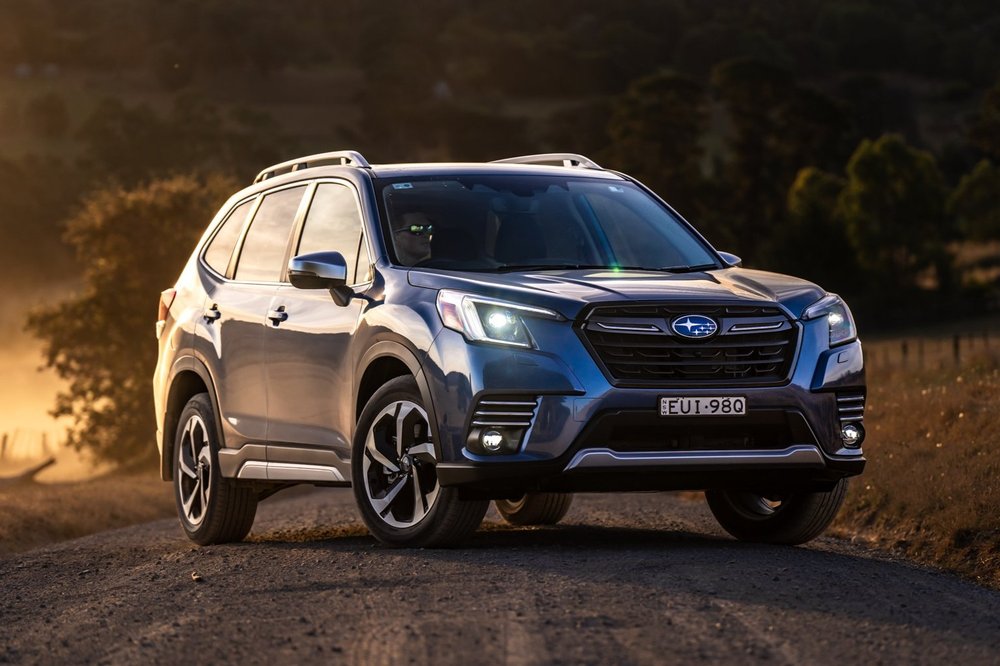
The Subaru Forester is well known for offering a no-frills, practical design, and its excellent headroom is one of its most appreciated qualities. Right out of the gate, you’ll notice that the Forester sits higher and boxier than many other crossovers in its class.
This design choice pays off in vertical space, especially in the front seats where tall drivers can adjust their seating without sacrificing comfort. The flat roofline stretches back evenly, helping maintain headroom in both the front and rear areas.
Even with a moonroof, the Forester’s cabin remains accommodating. Unlike many vehicles that lose valuable inches due to roof-mounted components or structural reinforcements, Subaru has managed to keep interior dimensions intact.
This makes it an excellent option for drivers who regularly carry passengers of varying heights. You don’t have to worry about someone complaining about brushing the ceiling with their head, even in the back.
One area where the Forester shines is its use of vertical space to improve sightlines. When you’re driving, especially on long trips, being able to see clearly out of the front and side windows without hunching over is a small but vital comfort.
The upright windshield and large windows contribute to the sense of spaciousness, and when you combine this with solid headroom, it becomes clear why so many owners stick with the Forester year after year.
For families, pet owners, or frequent adventurers who carry sporting gear or equipment, the headroom also plays a practical role. You can store more overhead or carry tall items without them interfering with visibility or passenger comfort.
It’s a utilitarian design, but one that works well. Subaru didn’t chase aggressive styling with the Forester. Instead, they focused on function, and the result is a vehicle that’s easier to live with, particularly for those who value comfort and open space inside their ride.
3. Ford Expedition
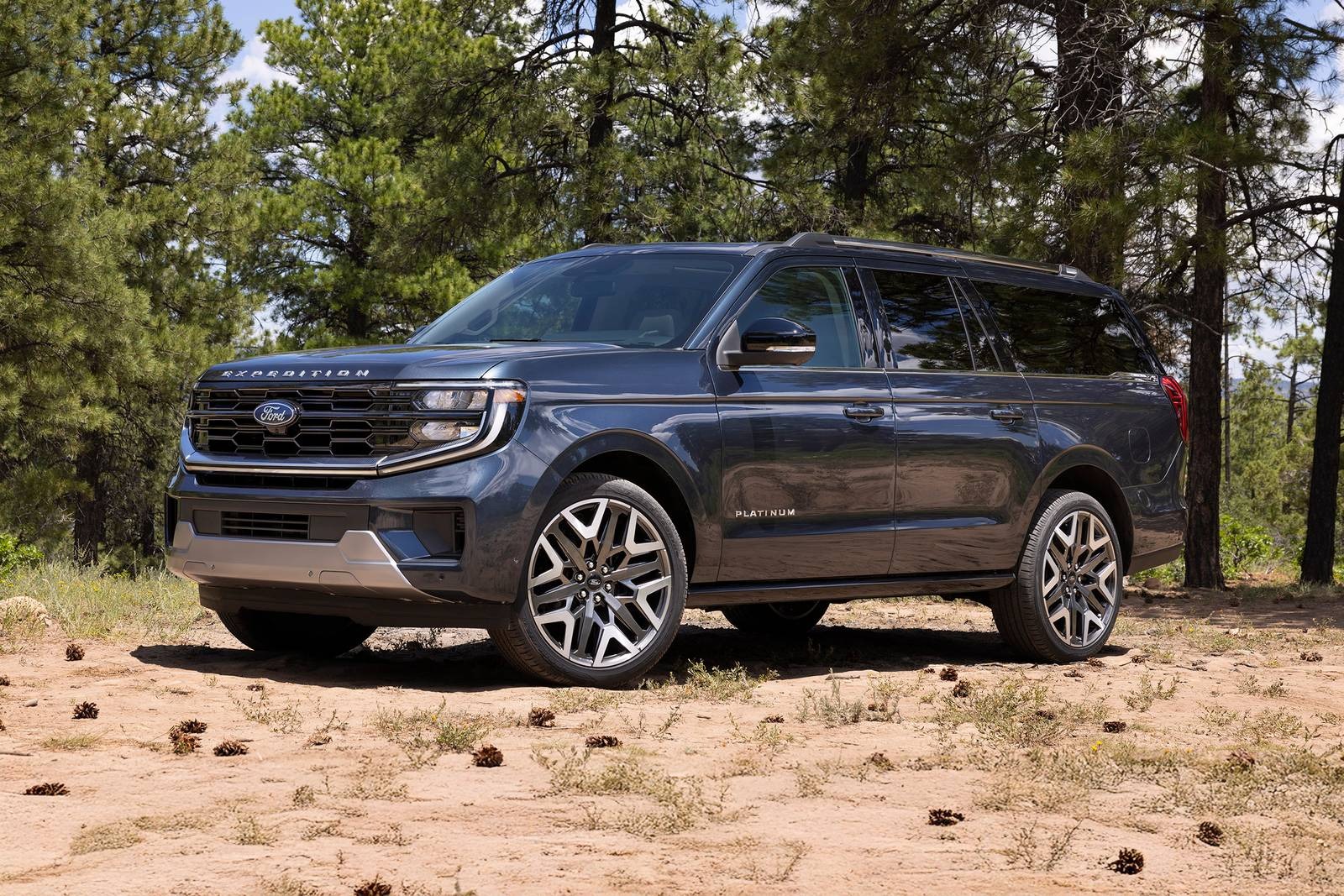
For drivers who need maximum space and don’t want to make compromises, the Ford Expedition stands out as a full-size SUV that delivers headroom in abundance.
Built on a truck platform, the Expedition naturally rides higher and offers a tall roofline, giving it an edge over crossovers and compact SUVs. The interior reflects this design, offering generous headroom in all three rows, even the third, which is often cramped in smaller SUVs.
In the front seats, the driver and passenger enjoy a commanding view of the road, aided by a wide windshield and elevated seating.
What sets the Expedition apart is not just the quantity of space, but also how it’s distributed. Instead of tapering in at the edges or sloping toward the rear, the ceiling maintains a consistent height. This gives even tall drivers and front passengers room to sit upright without tilting their heads or adjusting their posture unnaturally.
Moving to the second and third rows, the design continues to favor passenger comfort. While some full-size SUVs sacrifice vertical space to achieve a lower center of gravity or a sleeker profile, the Expedition remains true to its boxy, upright design.
This helps it accommodate adults in the third row without discomfort. For large families or groups who regularly take long road trips, this translates to less fatigue and fewer complaints from passengers stuck in the back.
The Expedition also benefits from a relatively flat floor, especially in the second row, where the absence of a large transmission tunnel allows for more freedom of movement.
Combined with ample headroom, this makes it one of the most accommodating vehicles in its class. People who are regularly on the road with full passenger loads will appreciate just how much more relaxed everyone is when they don’t have to crouch or slouch during the drive.

4. Kia Soul
While it may not look like much at first glance, the Kia Soul surprises many drivers with its interior spaciousness, particularly when it comes to headroom. It’s a compact vehicle, but thanks to its tall, boxy design, it offers an unusual amount of space for both the driver and passengers.
The Soul breaks from the standard aerodynamic curves of most hatchbacks, choosing instead to go vertical. This decision benefits anyone who’s tired of ducking into small cars or brushing their head against the ceiling.
In the driver’s seat, you’re greeted by an upright cabin with a dashboard that doesn’t encroach on your knees or head. There’s a clear effort to use all available space wisely.
Front seat occupants can raise or lower their seats without running into limits too quickly, and the door openings are high enough to allow smooth entry and exit, which can’t be said for all compact cars. For people with limited mobility or taller frames, this matters.
The real surprise, however, is in the rear seats. Many compact cars sacrifice back-seat comfort to boost cargo space or reduce weight, but the Kia Soul manages to strike a balance.
Even tall adults can sit in the back without needing to crouch or tilt their head. The square roofline means that from front to rear, there’s very little loss of height. It’s a small detail, but one that creates a more pleasant ride for passengers who might otherwise feel cramped.
Despite its size, the Kia Soul has often been praised for feeling like a larger vehicle from the inside. Part of that is due to the headroom, which makes the interior feel less enclosed.
Whether you’re using it for commuting, ride-sharing, or errands, it’s an economical car that doesn’t make you feel like you’re sacrificing comfort for fuel efficiency or price. Few other cars in its segment can offer the same airy feel inside.
5. Ram 1500 Crew Cab
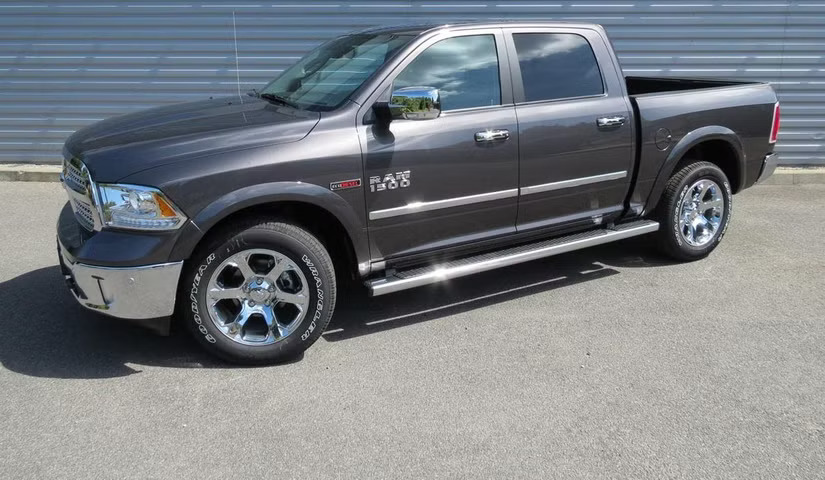
Pickup trucks are often assumed to be spacious, and the Ram 1500 Crew Cab lives up to that expectation with ample headroom. Designed for both work and comfort, this version of the Ram gives drivers and passengers generous vertical space that complements its wide cabin.
The combination of width and headroom makes the interior feel like a lounge rather than a cockpit. Whether you’re hauling tools or taking a family road trip, it gives you room to breathe.
The front seats are large and supportive, and the high roofline provides clearance even for tall individuals wearing hats or helmets. There’s no slouching required here.
The seat adjustability allows for a natural driving posture, and the windshield offers a wide view without compromising ceiling height. The ceiling doesn’t dip down aggressively toward the sides or rear, which is a problem in many trucks that try to look sportier than they really are.
In the rear, the story is even better. The Crew Cab’s rear seats offer as much room as some SUVs. The back seats are elevated and positioned in a way that keeps knees and heads from bumping into surrounding surfaces.
The roof remains high and flat, making the second row equally comfortable for adult passengers. This comes in handy on work sites, road trips, or when transporting multiple adults regularly.
It’s clear that Ram put thought into passenger comfort, not just payload and towing specs. This version of the 1500 proves that a truck can be rugged without making passengers feel like they’re sitting in a cramped utility box.
The interior is one of the key reasons many choose this truck over the competition. It’s a working vehicle with a refined cabin, where space isn’t just for your cargo, it’s for your comfort, too.
Vehicles With Cramped Cabins
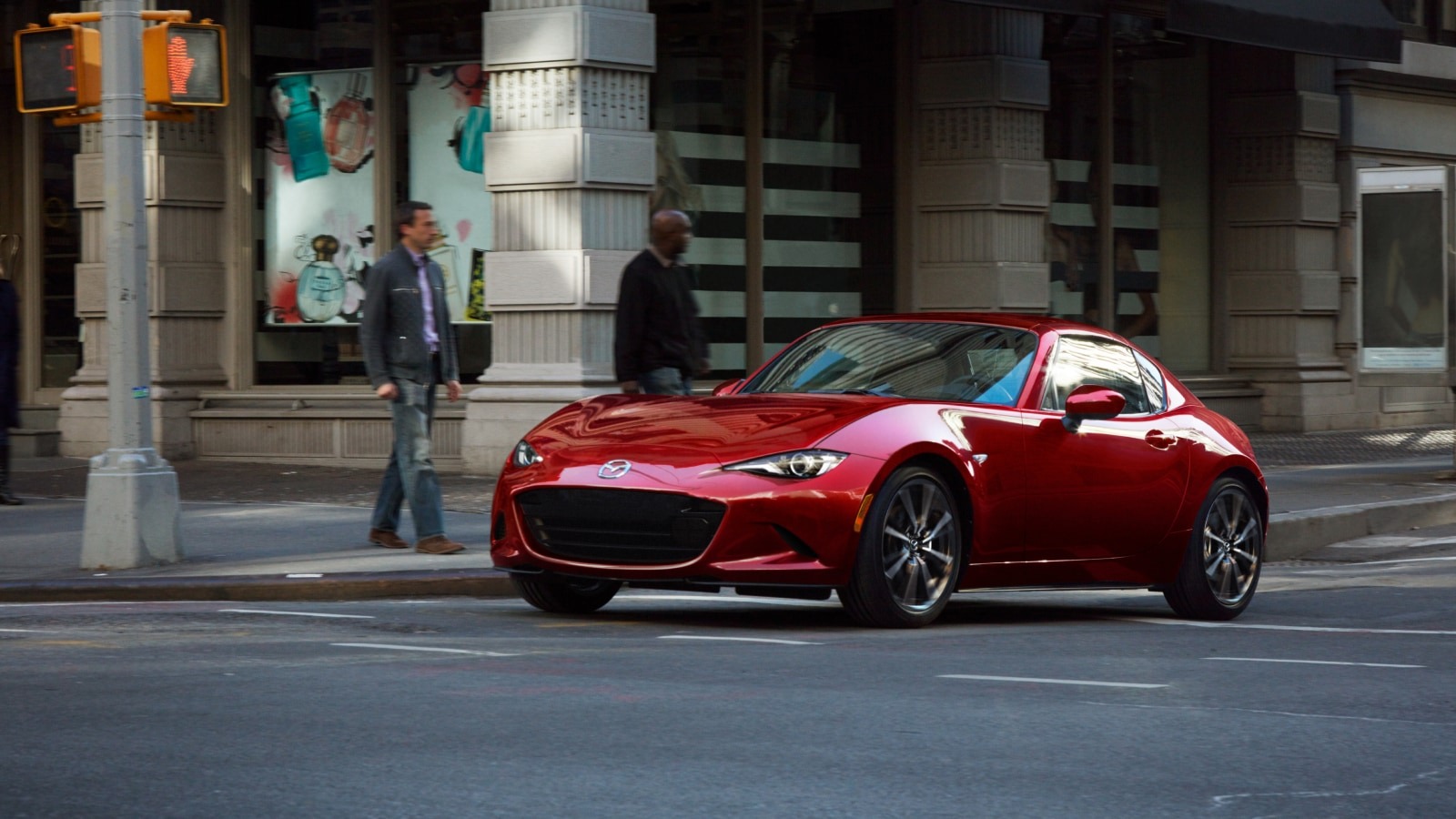
1. Mazda MX-5 Miata
The Mazda MX-5 Miata is one of the most beloved sports cars on the market, but when it comes to headroom, it’s clear the focus was on performance rather than passenger space.
With a low-slung body and a compact cabin, it sacrifices vertical clearance in favor of a streamlined look and sharp handling. For shorter drivers, the tight dimensions may not be an issue, but anyone over six feet tall is likely to find the Miata’s cabin restrictive, particularly when the top is up.
Even with the seat adjusted to its lowest position, taller drivers often find their heads either touching the ceiling or coming uncomfortably close. The windshield is raked at a steep angle, and the top of it sits quite low, forcing drivers to crouch slightly or adjust their line of sight downward.
This creates an awkward driving position, especially on longer drives, where maintaining posture becomes more challenging. For a car that’s meant to bring joy behind the wheel, this kind of discomfort takes away from the experience.
With the convertible top down, of course, the sensation of space increases. But that doesn’t solve the problem during poor weather or colder seasons when the roof must stay up.
The hardtop RF version provides a little more structural rigidity and insulation, but the vertical space remains limited. Even the act of getting in and out of the vehicle can feel like folding yourself into a compact space, especially in parking lots or garages where you can’t open the doors fully.
The cramped nature of the Miata’s cabin is a tradeoff that many buyers are willing to make, especially those who prioritize handling and open-air driving over everyday usability.
But for those who want a comfortable ride with enough headroom to sit upright, the Miata is a challenge. It might offer thrills on a twisty road, but in terms of cabin comfort, it falls short.
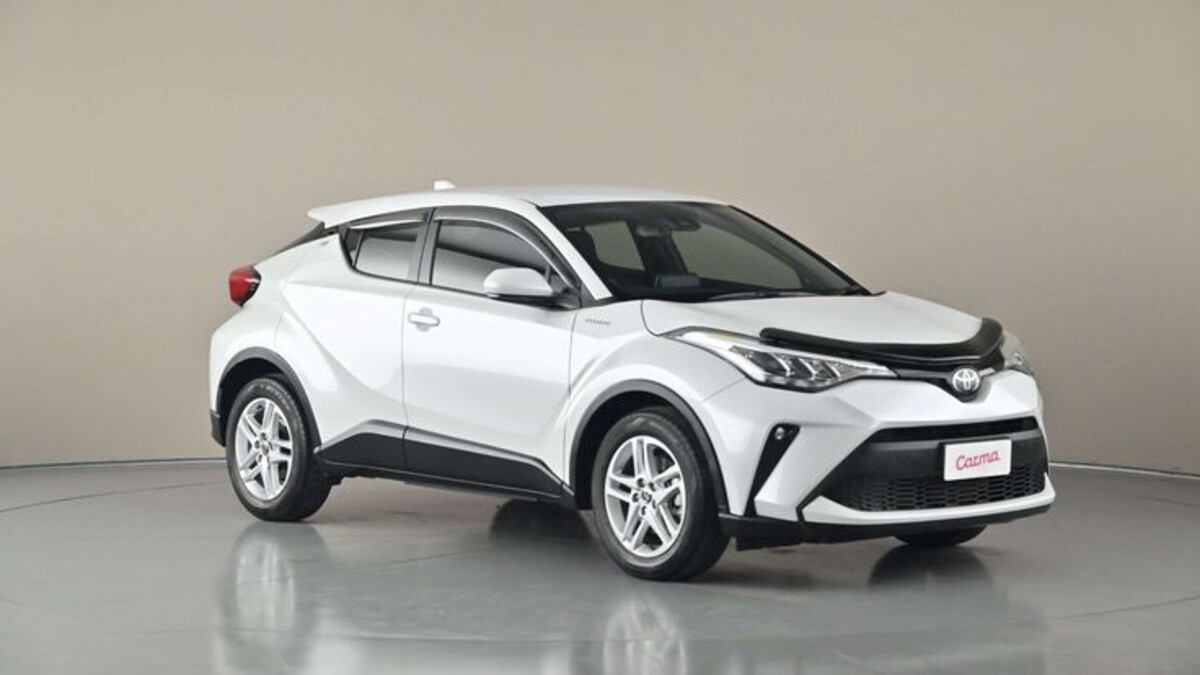
2. Toyota C-HR
The Toyota C-HR was launched with bold styling in mind, and it certainly stands out in a parking lot. However, the aggressive exterior design comes with a cost: the interior, particularly the headroom, is tighter than many expect.
The sloping roofline, meant to give the C-HR a coupe-like silhouette, cuts sharply into the cabin space, particularly in the rear seats. While the front seats offer just enough room for average-sized adults, taller passengers will quickly notice how low the ceiling feels.
The back seat is where the C-HR really shows its limitations. The roof slopes dramatically toward the rear, and the windows are positioned high on the doors, making the back seats feel dark and enclosed.
For adults sitting in the rear, headroom is limited to the point that they may have to lean forward slightly just to avoid brushing against the roof. This might be acceptable for short trips, but over longer distances, it leads to discomfort and complaints.
The interior layout doesn’t help the sense of space either. The dashboard and center console rise high, giving the feeling of being surrounded rather than supported.
While this might offer a cocoon-like atmosphere for some, taller drivers and passengers often find it confining. Combine that with thick roof pillars and limited visibility, and it starts to feel less like a cabin and more like a pod.
It’s clear that the C-HR was built more for styling than spaciousness. Buyers who value appearance over practicality might not mind the tradeoff, but for those who need an everyday commuter that can carry adults comfortably in the back, this crossover misses the mark.
Despite its bold design, the Toyota C-HR struggles to match its rivals when it comes to interior headroom and usability.
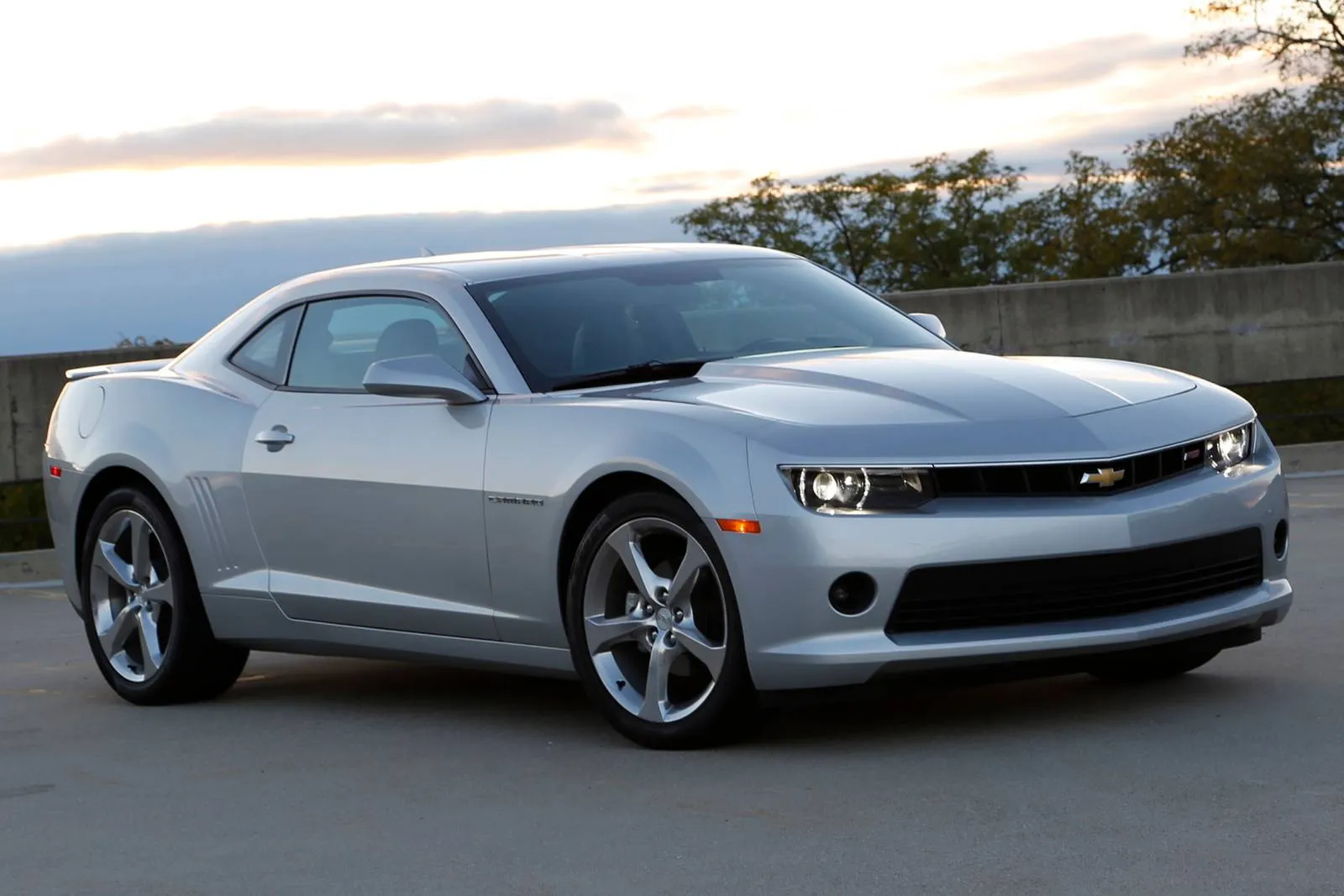
3. Chevrolet Camaro
The Chevrolet Camaro has long been a symbol of American muscle and aggressive styling, but the interior dimensions don’t reflect the car’s commanding exterior. This is especially noticeable in the area of headroom, where the sloped roofline and compact interior work against taller occupants.
The Camaro’s design prioritizes performance aesthetics, with a low stance and narrow windows, which results in a cabin that feels tight and somewhat claustrophobic.
Sitting inside the Camaro, you’re immediately aware of the limited vertical space. The roofline slopes down aggressively, especially near the sides, where the headliner curves inward.
Even with power-adjustable seats lowered as far as they’ll go, tall drivers often find their head brushing the ceiling or uncomfortably close to it. This makes it difficult to maintain a relaxed seating position without leaning back more than usual, which in turn compromises visibility.
The rear seats are even more problematic. In most trim levels, the back seats are more symbolic than practical. They’re best suited for small children or very short adults, and even then, the headroom is barely acceptable.
Taller passengers will either have to slouch or lean forward to find any reasonable position, which turns even short trips into an endurance test. The sloped rear glass and thick roof pillars only add to the sense of being boxed in.
While the Camaro offers powerful engines and a thrilling drive, it does so at the expense of interior comfort. This isn’t a problem for some drivers who prioritize looks and performance, but for anyone who plans to use their car for more than solo sport driving, the lack of headroom becomes a serious concern. It’s a reminder that flashy design often comes with real-world limitations.
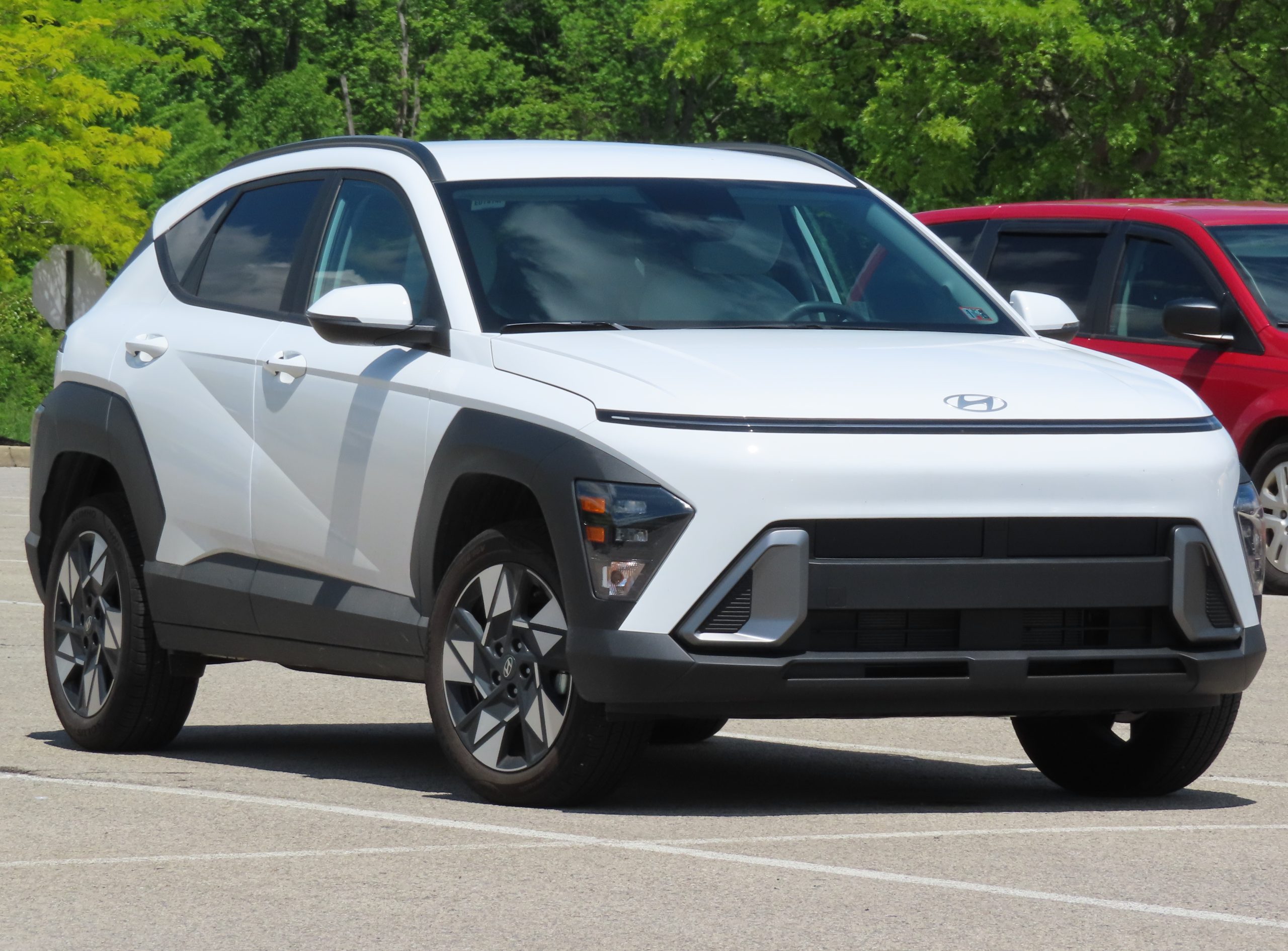
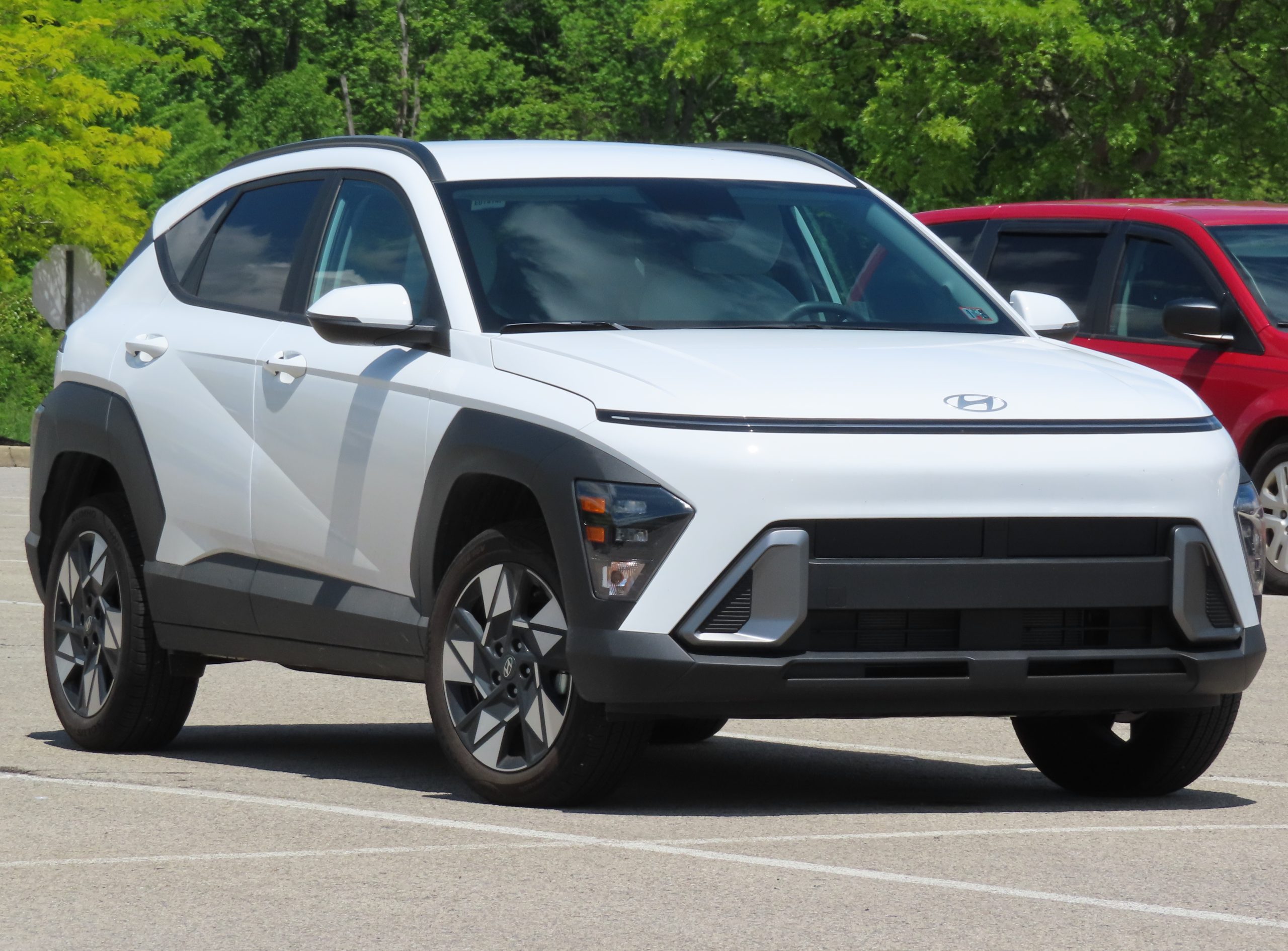
4. Hyundai Kona
The Hyundai Kona is a compact crossover with a lot going for it: efficient engines, an attractive price point, and solid tech features. However, when it comes to cabin space, particularly headroom, it doesn’t measure up to some of its competitors.
Designed with a sporty, coupe-like profile, the Kona’s roofline dips down sharply toward the back, creating a confined space for taller occupants.
In the front, headroom is borderline for adults over six feet tall. Without a sunroof, it might be manageable, but models with a panoramic roof lose even more ceiling space.
The seating position is relatively low to the floor, which helps offset some of the tightness, but it doesn’t fully solve the problem. Drivers may find themselves adjusting their seat to find a balance between visibility and vertical clearance.
Rear passengers face an even more limited experience. The sloping roof cuts into headspace, and the rear windows are smaller and higher up, giving a cocoon-like effect.
While this might feel cozy to some, it can feel restrictive to others. Kids may have no complaints, but teens and adults will likely notice how quickly the space closes in, especially on longer drives.
The Kona’s focus on style is evident, and for many buyers, it delivers a youthful, energetic vibe. But that aesthetic choice means less usable cabin space, particularly when compared to other small SUVs in its class.
For buyers who prioritize a roomy interior, especially those with taller family members or frequent passengers, the Kona may not be the best fit. It’s a reminder that compact crossovers can sometimes look more spacious than they feel.
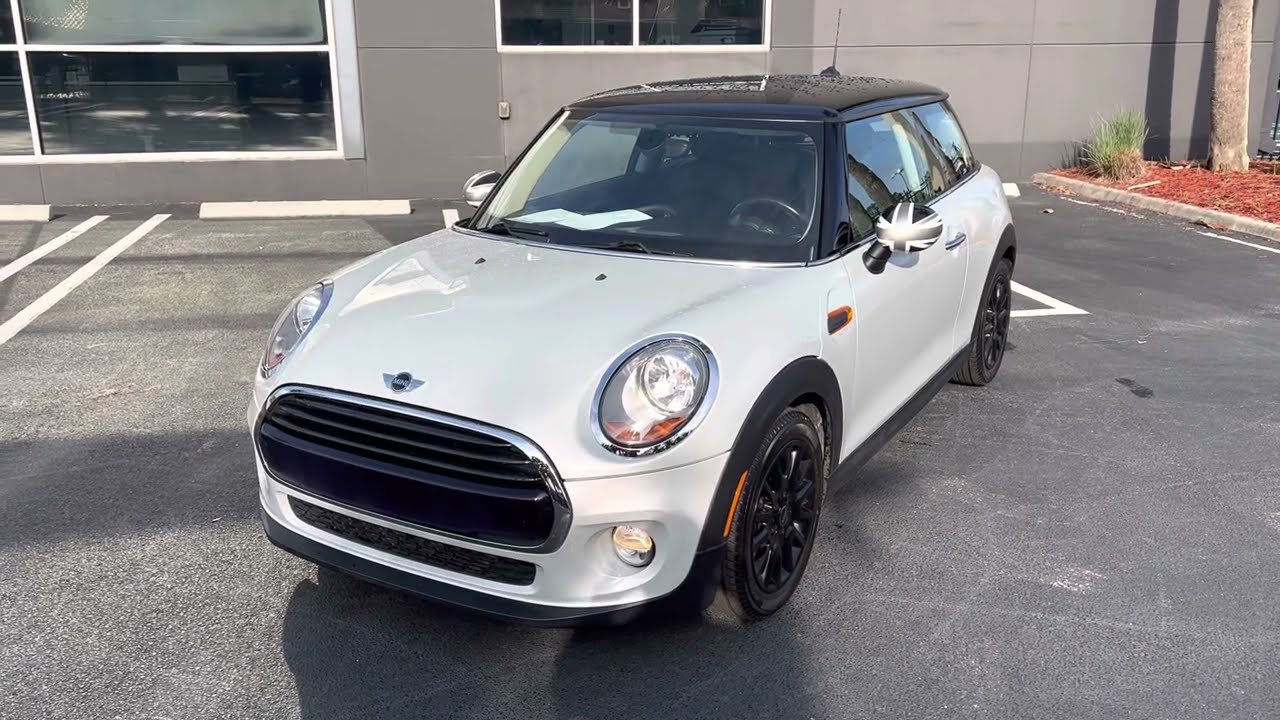
5. Mini Cooper Hardtop 2-Door
The Mini Cooper Hardtop 2-Door is known for its charm, retro design, and nimble handling, but headroom is not its strong suit. Despite being taller than it looks from the outside, the cabin is quite limited when it comes to vertical space.
The compact dimensions are part of the car’s appeal, but they come at the cost of comfort, particularly for taller drivers and passengers.
Up front, the driver and passenger sit relatively low in the vehicle, but even so, taller individuals often find themselves nearing the roofliner. This can be especially problematic in models equipped with a panoramic roof, which lowers the ceiling further and reduces usable headroom.
While the dashboard and instrumentation feel modern and well-organized, the tight dimensions mean you’ll be very aware of your surroundings, sometimes uncomfortably so.
The back seat, however, is where the Mini shows its limitations. Accessing the rear seats is already a challenge due to the two-door configuration, and once you’re back there, the headroom is extremely limited.
Adults will likely have to crouch, and anyone approaching six feet in height will be pressing against the ceiling. This makes the rear seats better suited for short trips or children rather than long rides with adults.
The quirky charm of the Mini Cooper can’t fully mask the fact that it’s built for compactness, not spaciousness. It excels as a city car or secondary vehicle, but if comfort and interior space are top priorities, especially headroom, then this model falls behind the competition.
The unique design makes it a fun choice, but buyers should be realistic about the trade-offs involved in choosing form over function.
Also Read: 5 Performance Cars That Stay Valuable And 5 That Become Worthless
As much as car buyers focus on engine size, fuel economy, or advanced safety features, it’s often the simplest things that determine daily satisfaction with a vehicle. Headroom may not seem like a priority until you experience a car that lacks it. Then, it becomes impossible to ignore.
Whether it’s brushing your head against the ceiling, struggling to find a comfortable driving position, or seeing your passengers squirm in the back seat, limited vertical space quickly turns into a daily inconvenience. It’s a clear reminder that real comfort doesn’t come from specs on a sheet, it comes from how the vehicle fits your body.
The five vehicles highlighted for their generous headroom, the Honda CR-V, Subaru Forester, Ford Expedition, Kia Soul, and Ram 1500 Crew Cab, each show that comfort and practicality don’t have to compromise style or performance. These vehicles offer a thoughtful balance, with designs that prioritize spacious interiors.
Their upright cabins, boxier rooflines, and well-designed seating arrangements make it easier for occupants of all sizes to sit comfortably. For taller individuals, families with growing kids, or drivers who spend hours on the road, that extra headroom can make a world of difference. These models show that with smart design, a car can feel inviting instead of confining.
In contrast, the five vehicles with cramped cabins, the Mazda MX-5 Miata, Toyota C-HR, Chevrolet Camaro, Hyundai Kona, and Mini Cooper Hardtop 2-Door, demonstrate how easily style and compactness can overshadow comfort. These cars each have strengths in other areas, whether it’s sporty handling, eye-catching design, or urban maneuverability.
However, when it comes to vertical space, they come up short. For some drivers, especially those of shorter stature or those who rarely carry rear passengers, this might not matter much. But for many others, these cars create an ongoing issue that can’t be solved by adjusting the seat or opening a window.
The important takeaway is not that one group of vehicles is objectively better than the other; it’s that buyers need to consider how a vehicle feels, not just how it performs or looks. Headroom is part of the broader issue of cabin ergonomics, something that affects every trip, no matter how short.
It can influence your posture, your visibility, your energy levels on long drives, and even your sense of enjoyment behind the wheel. It’s not just a number on a spec sheet; it’s a comfort factor that impacts your experience every single day.
Before making a decision, it’s worth spending time inside the cabin of any car you’re considering. Adjust the seat. Sit in the back. Close the doors and see how it feels when you move naturally. The test drive is important, but so is the test sit.
Whether you’re six-foot-four or just looking for a more spacious feel inside your next car, giving thought to headroom can lead to a much more satisfying ownership experience. Comfort, after all, isn’t optional; it’s something you live with every mile.
