
When selecting a vehicle, many people focus on engine power, fuel economy, design, or technology features, often overlooking one of the most fundamental aspects of driving safety: visibility.
How well a driver can see the road, other vehicles, pedestrians, and obstacles around them is crucial for making split-second decisions, avoiding accidents, and feeling confident behind the wheel.
Good visibility reduces blind spots and increases awareness, allowing the driver to react appropriately in all kinds of driving situations, whether that means merging onto a busy highway, backing out of a parking spot, or navigating through crowded city streets.
The quality of visibility in a vehicle depends on several design factors. The size and shape of the windows, the thickness of the pillars that frame them, the placement and size of side mirrors, and even the driver’s seating position all affect what can be seen.
Vehicles designed with tall, wide windows and slender pillars generally provide clearer sightlines and fewer blind spots. On the other hand, cars with thick pillars, sloping rooflines, or small windows may create significant blind zones that make it harder to spot other road users or hazards
This can increase the risk of collisions, especially in dense traffic or when performing maneuvers like changing lanes or reversing.
While modern technology like blind spot detection, rearview cameras, and 360-degree monitoring systems have improved safety, these should be viewed as supplements rather than substitutes for natural visibility.
Relying too heavily on electronic aids may create complacency and can’t fully replicate the intuitive awareness a driver gains from unobstructed sightlines. It’s important for drivers to consider the actual design of the vehicle and how it impacts their view of the road.
In this article, we will examine five cars known for their excellent visibility and five that present major challenges due to blind spots. The vehicles chosen demonstrate a range of styles and purposes, from compact city cars to SUVs and sports cars, highlighting how design priorities influence driver visibility.
We will discuss what makes the visibility in the better vehicles stand out and what causes serious blind spots in others. This information is valuable for anyone shopping for a car who wants to prioritize safety, ease of driving, and comfort in daily use.
Visibility affects every part of the driving experience. It shapes how easily you can judge distances, how quickly you can detect hazards, and how stress-free you feel when navigating complex environments.
Whether it’s a simple left turn or a fast highway merge, being able to see clearly builds confidence and reduces the likelihood of accidents. Conversely, poor visibility forces drivers to be hyper-alert and cautious, often resulting in slower reactions and increased mental fatigue.
Understanding which vehicles offer the best visibility can help drivers make smarter choices that protect themselves, their passengers, and others on the road. This is especially important for new drivers, those who drive in busy urban areas, or anyone who values peace of mind behind the wheel.
As you read about the vehicles with the best and worst visibility, consider how design elements impact your own driving style and needs. This knowledge can transform your daily driving from a stressful task into a safer, more enjoyable experience.
Also Read: 5 Cars That Stay Valuable Enough to Buy New vs 5 That You Should Always Buy Used
Cars With the Best Visibility
1. Subaru Forester
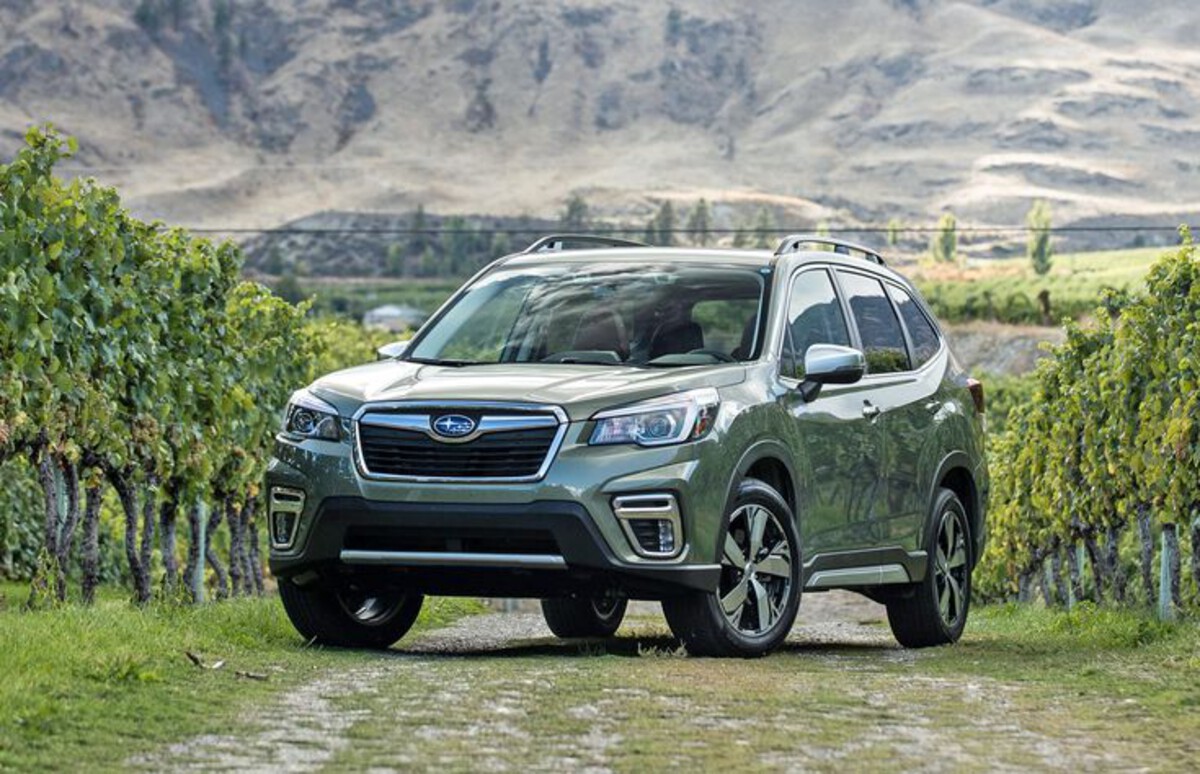
The Subaru Forester is widely praised for its wide windows, upright seating position, and minimal blind spots. One of its strongest qualities is the use of thin roof pillars, particularly in the front.
These thinner pillars are reinforced in a way that doesn’t compromise crash safety but still allows for a broad field of vision. The large front windshield and low dashboard also help the driver see more of the road without needing to crane their neck.
The side windows are tall and square, which not only improves aesthetics but makes lane changes easier and safer. You can glance over your shoulder and see almost everything alongside the vehicle without relying solely on mirrors or blind spot monitors.
Even the rear windows are generously sized, avoiding the common trap of narrowing rear visibility for the sake of styling. That wide rear visibility makes backing into tight spaces and parallel parking much simpler, even without using a rearview camera.
Another key benefit of the Forester’s visibility is its relatively upright driving position. The SUV sits high enough to give the driver a clear view over the traffic ahead without making the vehicle feel bulky or hard to control.
This height advantage is especially useful in urban environments where quick decision-making is essential. The added perspective helps reduce fatigue and boosts confidence, especially for less experienced drivers.
What sets the Forester apart is that its visibility doesn’t feel like a trade-off. You get strong sightlines in every direction without giving up on comfort or safety.
Subaru didn’t try to overcomplicate the cabin with overly thick styling elements or window lines that slope too aggressively. It’s a car that seems to prioritize what drivers actually need: the ability to see clearly in all directions while driving.
2. Honda Fit
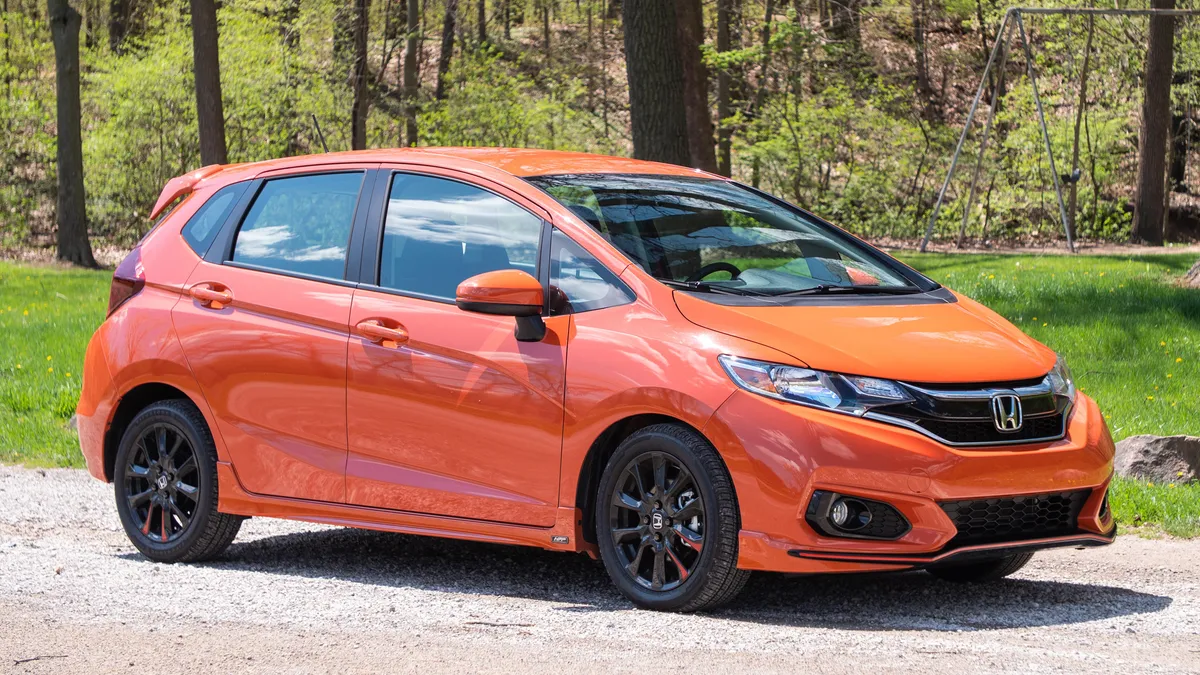
The Honda Fit may be small in size, but it offers excellent visibility that rivals many larger vehicles. Its upright, boxy design lends itself to clear sightlines all around. The front windshield is wide and slopes gently, giving the driver a panoramic view of the road. Combined with the low cowl and narrow A-pillars, it offers a front view that feels much larger than the car itself. This helps tremendously in city driving, where tight turns and sudden stops require strong spatial awareness.
The side windows are tall, and the doors sit relatively low, which enhances side visibility. One standout feature of the Fit is its large rear quarter glass behind the back doors. This panel gives drivers an extended view that would normally be obstructed in many cars of similar size. It’s especially useful during lane changes and helps minimize reliance on blind spot alerts.
Rear visibility is also strong, thanks to the Fit’s nearly vertical rear hatch and tall rear window. This is uncommon in modern hatchbacks, many of which taper aggressively for style reasons. Instead, the Fit opts for a practical, squared-off design that benefits the driver. Backing into parking spaces feels almost intuitive, and the clear sightlines make parallel parking less stressful, especially in crowded environments.
The seating position in the Fit is also worth noting. Although it’s not an SUV, it offers a slightly elevated posture that helps drivers see more of the road ahead. It avoids the sunken feeling that some compact sedans have. That combination of height, window design, and body shape makes the Honda Fit a top choice for drivers who value visibility, especially in urban or suburban areas.

3. Volvo XC90
The Volvo XC90 balances luxury and practicality with a design that supports strong outward visibility. It manages to maintain a premium look without sacrificing safety-related design elements like sightlines.
The front windshield is tall and wide, complemented by narrow A-pillars that are carefully shaped to provide strength without blocking the view. The result is a clean, unobstructed view ahead that’s rare in large SUVs.
Volvo also pays attention to mirror placement. The side mirrors are mounted in a way that reduces the typical blind spot created where the mirror meets the door frame.
This subtle detail makes a big difference during quick lane changes or when navigating busy intersections. The large side windows offer an uninterrupted view of what’s beside you, and the relatively flat window line means you don’t feel boxed in.
The rear visibility in the XC90 is another strong point. Despite being a three-row SUV, it avoids the tunnel-like feeling that some competitors have.
The rear headrests fold down when not in use, and the rear window is tall and upright. These features combine to make backing up or changing lanes much easier, even without depending heavily on camera systems. For a vehicle of its size, this is an impressive achievement.
The XC90 also benefits from a spacious and airy cabin that supports visual comfort. There’s a psychological element to visibility, where feeling less enclosed reduces stress while driving.
The XC90’s large glass panels, panoramic roof, and clear sightlines all work together to reduce fatigue on longer trips. Volvo’s design choices show that luxury and safety don’t have to be at odds when it comes to driver visibility.
4. Toyota Camry
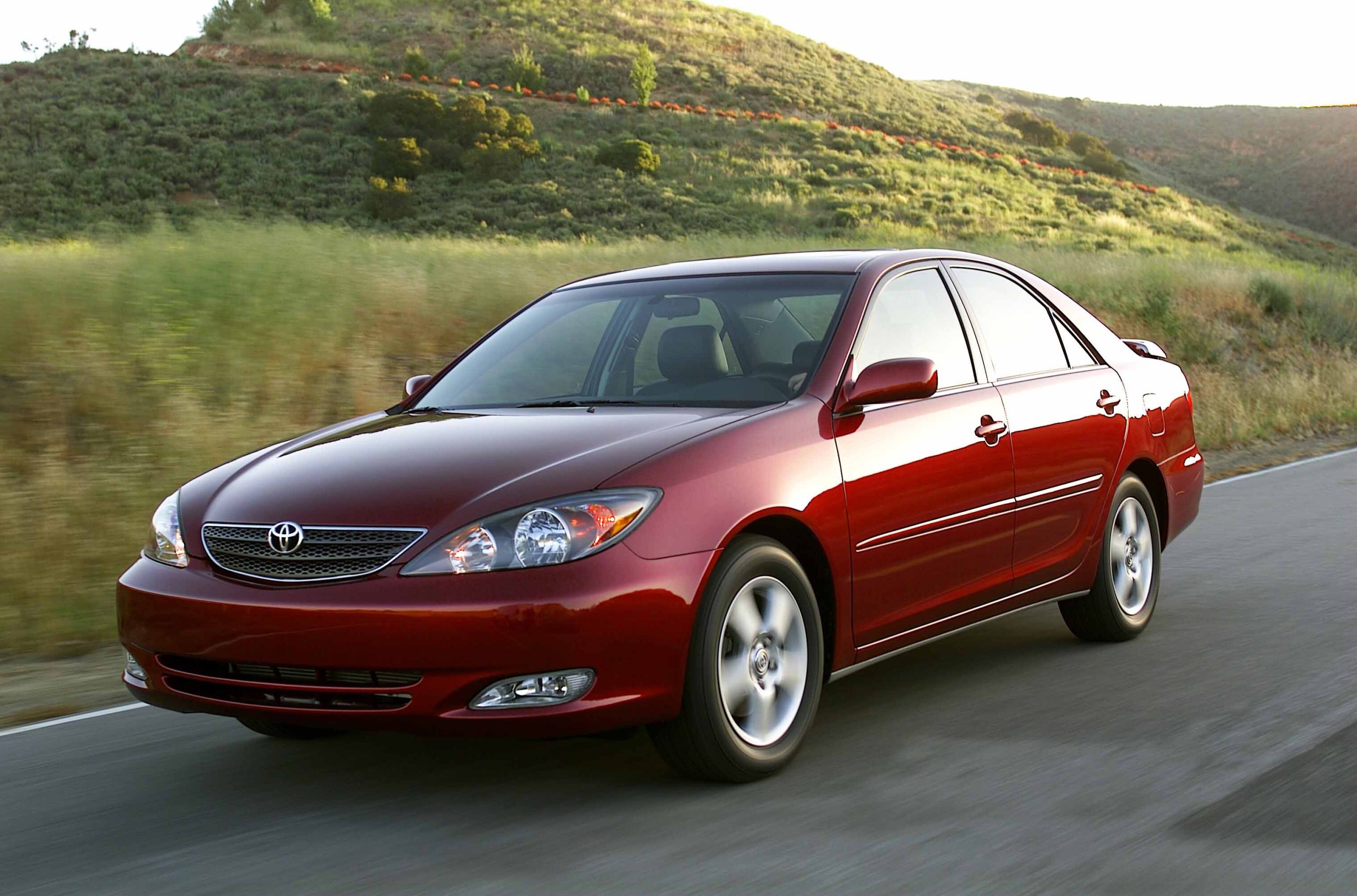
The Toyota Camry is a midsize sedan that performs surprisingly well when it comes to visibility. One of its strongest features is a relatively low beltline, which ensures the side windows are tall and useful.
Many modern sedans suffer from a coupe-like design with sloping rooflines and narrow windows, but the Camry maintains a balance that benefits the driver. The windshield is expansive and not too steep, offering a wide forward field of view.
The A-pillars on the Camry are thin enough to avoid blocking the view at intersections, which is a common problem in other vehicles.
Drivers can see clearly around curves and through turns without needing to shift their heads too much. The dashboard design also helps in this regard, as it’s set low and doesn’t obstruct the view of the road ahead. These small details combine to provide a driving experience that feels open and manageable.
Rear visibility is another area where the Camry succeeds. The rear window is large and positioned in a way that allows the driver to see other vehicles easily without relying on the rearview camera alone.
The design avoids exaggerated curves or spoilers that could limit the view. This practical layout becomes especially noticeable in crowded parking lots or when reversing into tight spaces.
Driving the Camry feels predictable and calm, partly because of how well the driver can see what’s going on around them. The vehicle’s structure supports awareness without needing excessive electronic aids. It’s the kind of car that rewards careful driving and provides the tools needed to stay alert and informed in busy traffic or on long highway drives.
5. Jeep Wrangler (with soft top or doors removed)
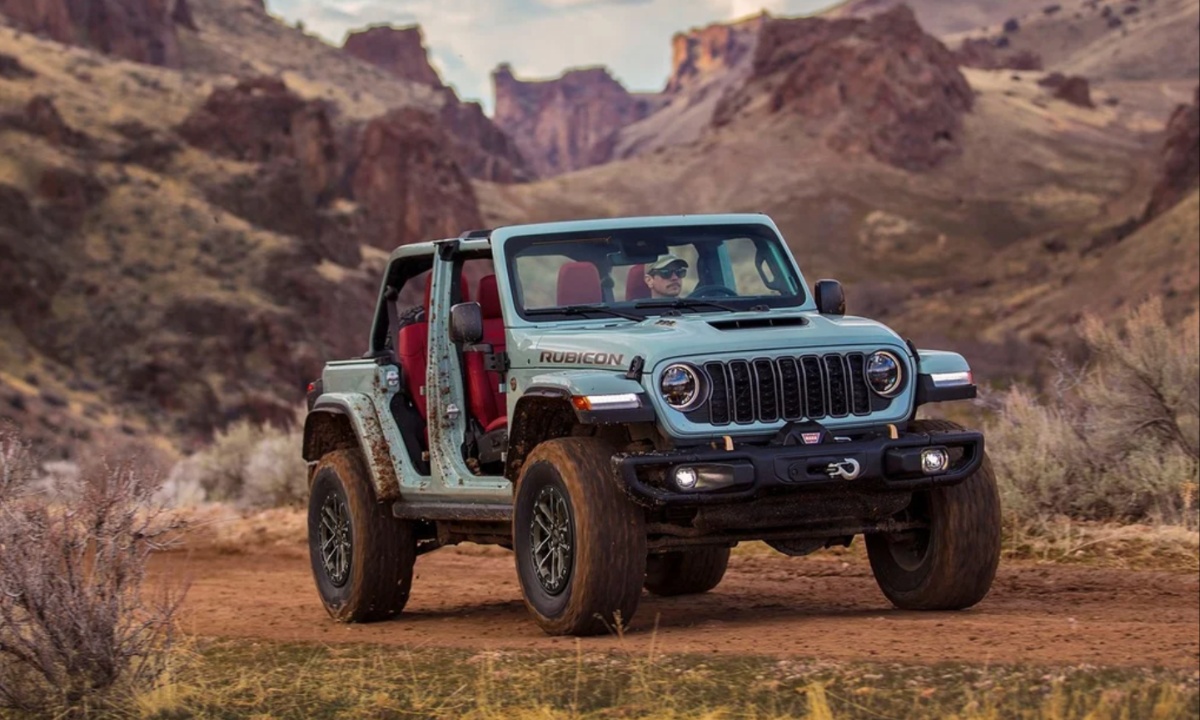
While it may seem unconventional, the Jeep Wrangler offers some of the best visibility when configured with its soft top down or doors removed. Off-road vehicles often prioritize visibility for safety in unpredictable terrain, and the Wrangler is no exception.
With the doors off and roof down, drivers get a full 360-degree view that’s unmatched by any other vehicle. This is especially helpful when navigating narrow trails or tight parking areas.
Even with the doors on, the Wrangler has large, upright windows and minimal interior obstructions. The front windshield is almost vertical, which helps reduce glare and allows for a better perspective on what’s directly in front of the vehicle.
Although the A-pillars are thicker due to roll bar reinforcements, the windshield’s flat design makes it easier to judge distance and angle when approaching obstacles.
The side mirrors are mounted on the body rather than the doors, which means they remain in place even when the doors are off. This thoughtful design element helps preserve side visibility no matter how the vehicle is configured.
In city driving, this setup also helps drivers see cyclists or smaller cars that might otherwise be missed. The squared shape of the Wrangler aids visibility on all sides, giving it an edge over many rounded SUVs.
While the Wrangler may not be the first choice for everyone, especially those focused on comfort or fuel economy, it’s an ideal option for those who value clear views of their surroundings. Whether off-roading or navigating an unfamiliar urban area, the Wrangler’s visibility helps the driver feel in control and confident behind the wheel.
Cars With Major Blind Spots
1. Chevrolet Camaro
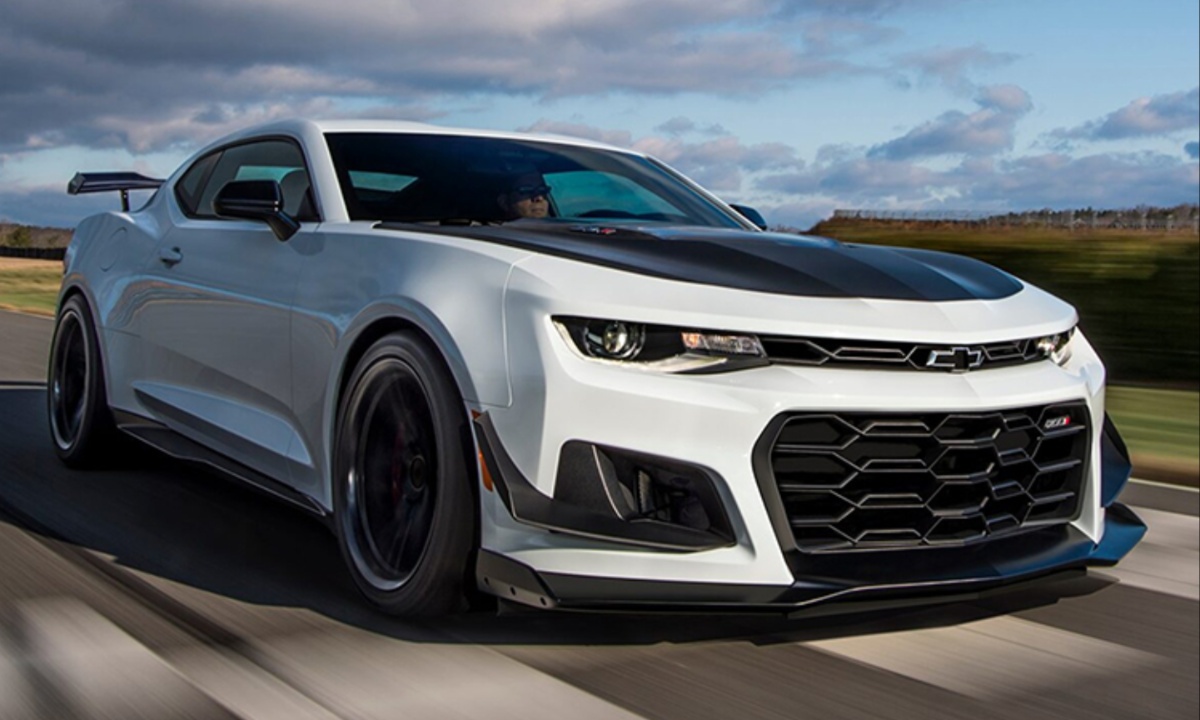
The Chevrolet Camaro is a sports coupe that suffers from serious visibility problems, primarily due to its aggressive styling. The car’s sleek, low-slung profile and narrow windows make it difficult to see much of the road unless you’re looking straight ahead.
The A-pillars are thick and angled, often blocking side views at intersections or when turning. Even with practice, the limited forward side visibility can feel restrictive and frustrating.
The side windows are extremely short in height, and the sloping roofline gives the car a hunkered-down look at the cost of situational awareness.
Shoulder checks are particularly difficult because the rear quarter view is nearly obstructed. Blind spot monitoring is standard in many trims, but that doesn’t solve the base issue. Drivers still need to make an effort to compensate manually, which increases driving stress.
Rearward visibility is another major concern in the Camaro. The rear window is very narrow, and the high rear deck makes it hard to judge the distance to vehicles behind.
Reversing becomes a slow, cautious process that leans heavily on the backup camera. Parallel parking or maneuvering in tight spaces is noticeably more stressful compared to sedans or SUVs with better outward views.
Though the Camaro is built for performance and thrills, its poor visibility creates challenges in everyday driving situations. Merging onto a highway, checking for pedestrians, or backing out of a driveway all take more effort.
For experienced drivers who value style over function, the compromise might be acceptable. But for someone who needs a daily driver with reliable sightlines, the Camaro presents too many trade-offs.
2. Toyota C-HR
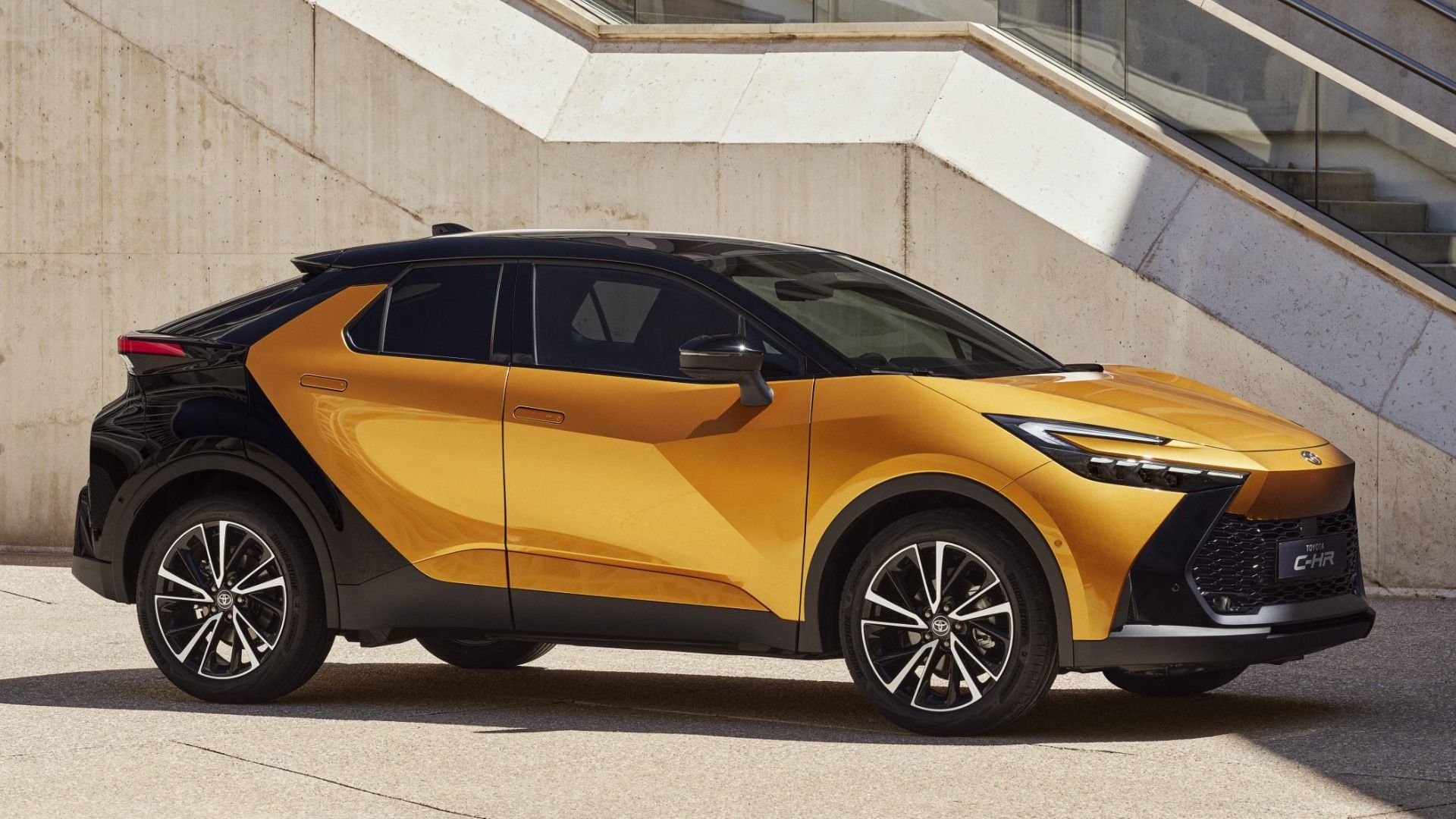
The Toyota C-HR’s futuristic design turns heads, but it also contributes to some of the worst visibility in the small SUV category. Its high beltline and aggressively sloped roof create narrow side windows that limit the driver’s ability to see what’s going on around them.
The rear door handles are placed high and blend into the frame, a sign of how little glass is actually available for rear passengers and for driver visibility.
The thick C-pillars are a major pain point. When checking over the shoulder for lane changes, there’s a large blind spot that can’t be easily addressed by mirrors alone.
This becomes particularly dangerous during quick merges or when navigating multilane roads. The side mirrors do what they can, but they can’t fully compensate for the obstructed view created by the C-H pillar design.
The rear window is also quite small and steeply angled, which cuts down on rearward visibility. The combination of high rear seats and limited window space makes reversing and parking more difficult than it needs to be.
The C-HR does come with a rearview camera and blind spot warning in higher trims, but the issues start with design choices that prioritize appearance over practicality.
The C-HR is a good example of how aesthetic decisions can interfere with everyday usability. For people who want a car that stands out visually, it may be an appealing choice. But for anyone who values confidence while driving or frequently carries passengers, the poor visibility can become a long-term frustration.
3. Tesla Model 3
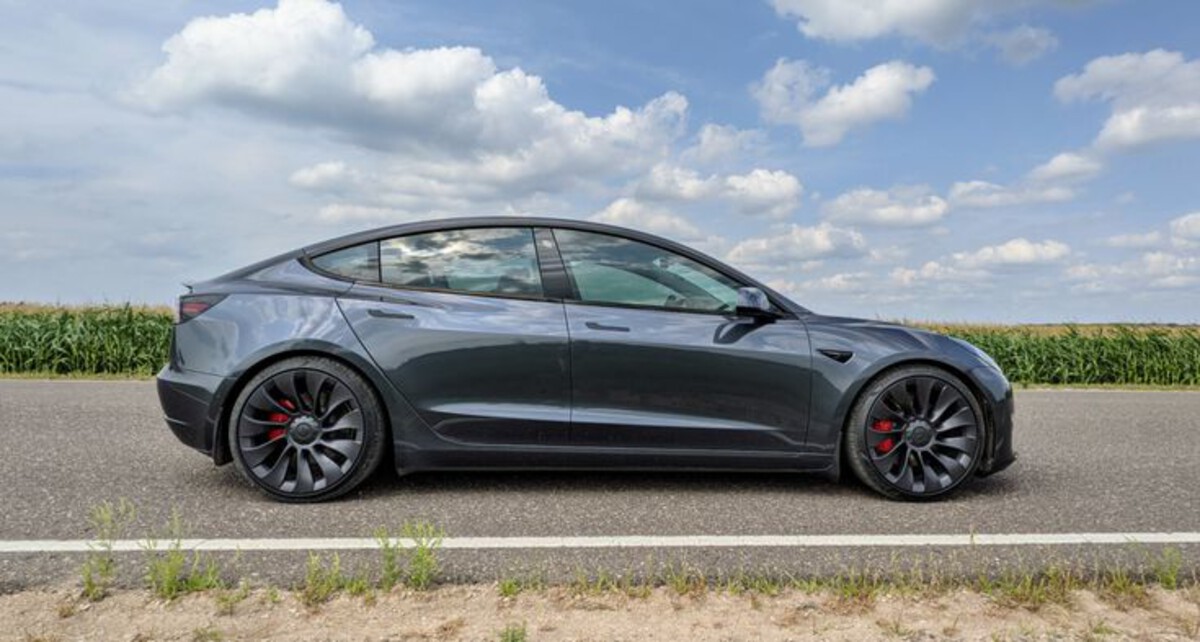
The Tesla Model 3 is known for its tech features and strong performance, but visibility is a weak spot that often goes unnoticed until after purchase. One of the major issues is the design of the rear window, which is extremely shallow and placed at a steep angle.
This makes rearward visibility surprisingly poor for a compact sedan, especially when backing out of tight spots or trying to monitor traffic behind you.
The roofline is sleek and curves sharply into the trunk area, which contributes to the car’s streamlined appearance but comes at the cost of a usable rear view.
Even the interior mirror struggles to show much. Tesla relies heavily on its camera systems to assist with backing up, but this still doesn’t match the immediacy and awareness that comes from a proper rear window view.
The A-pillars are another trouble area. They’re thicker than average and placed in a way that can block side visibility during turns or lane changes.
Tesla’s emphasis on crash safety likely led to this, but it still creates a blind zone that drivers have to work around. It becomes particularly noticeable in city traffic where quick side checks are needed frequently.
Side mirrors on the Model 3 are adequate but not large, and they don’t make up for the narrow window openings and fast-sloping rear end.
Tesla drivers often become highly reliant on the digital displays and sensors to compensate. For some, that’s acceptable, but others may find the lack of natural visibility increases stress or diminishes driving enjoyment over time.
4. Nissan Murano
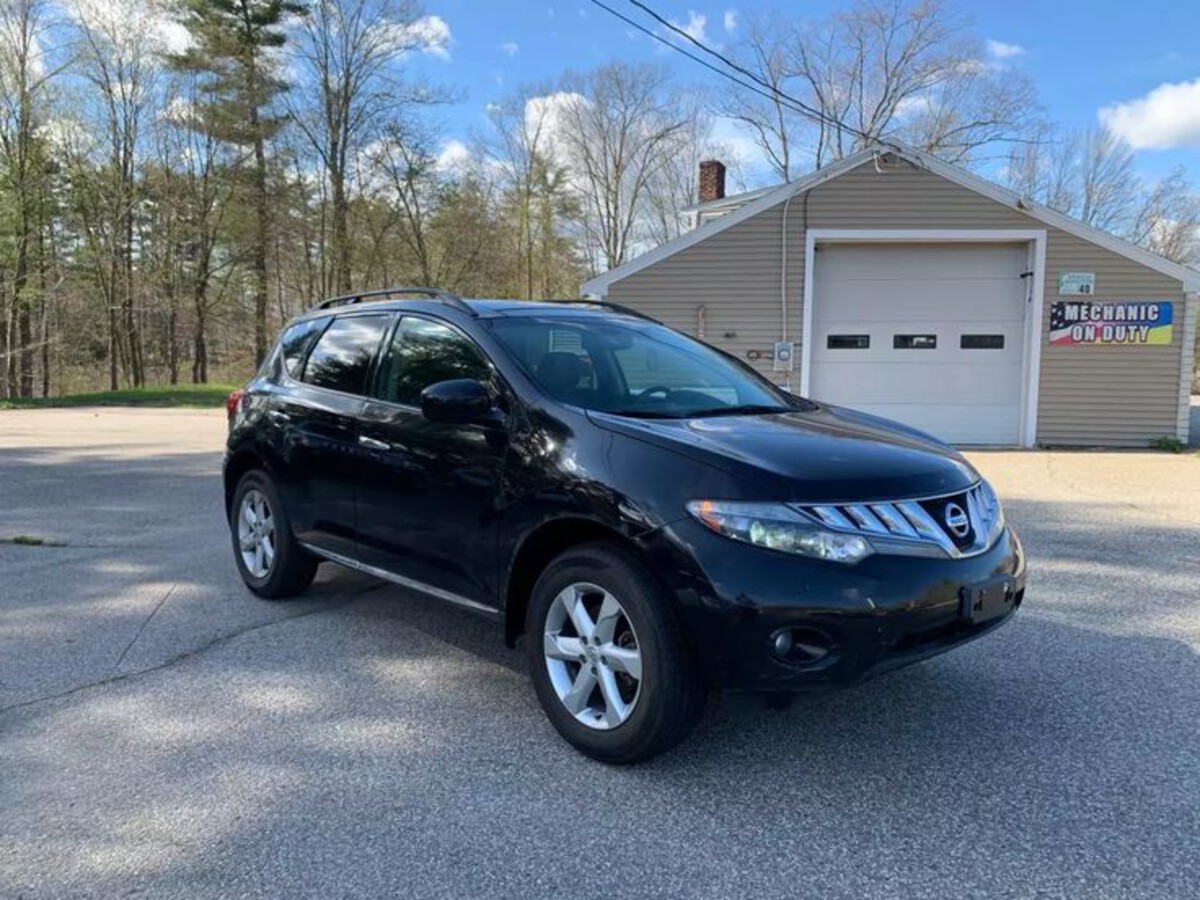
The Nissan Murano is a midsize SUV with a bold exterior, but unfortunately, that style leads to serious visibility limitations. The roofline sweeps downward toward the rear, creating a compressed rear window and thick C-pillars that interfere with over-the-shoulder checks. For such a large vehicle, the poor rearward visibility makes driving feel less secure, especially in busy traffic.
Blind spots are especially pronounced when changing lanes. The rear side windows taper off sharply, and the bulky design of the rear doors restricts what drivers can see when looking back.
Merging onto a highway or maneuvering in dense areas often requires double-checking the mirrors and relying on warning systems, which isn’t ideal when split-second decisions are required.
The front visibility is decent in the Murano, but it’s not enough to compensate for the poor rearward and side vision. Even the side mirrors, while large, can’t provide full coverage of the rear flanks due to the car’s shape.
Parking sensors and cameras are helpful but not always accurate in real time. For a family-oriented vehicle, this limitation can be especially frustrating for parents who need a clear view when reversing near pedestrians or bikes.
The interior layout also contributes to the problem. The back seats sit relatively high, which further obstructs the rear window view.
Combined with a thick rear headrest design, the driver’s ability to monitor the back row or rear surroundings is limited. The Murano is comfortable and stylish, but the lack of visibility undermines what should otherwise be a confident driving experience.
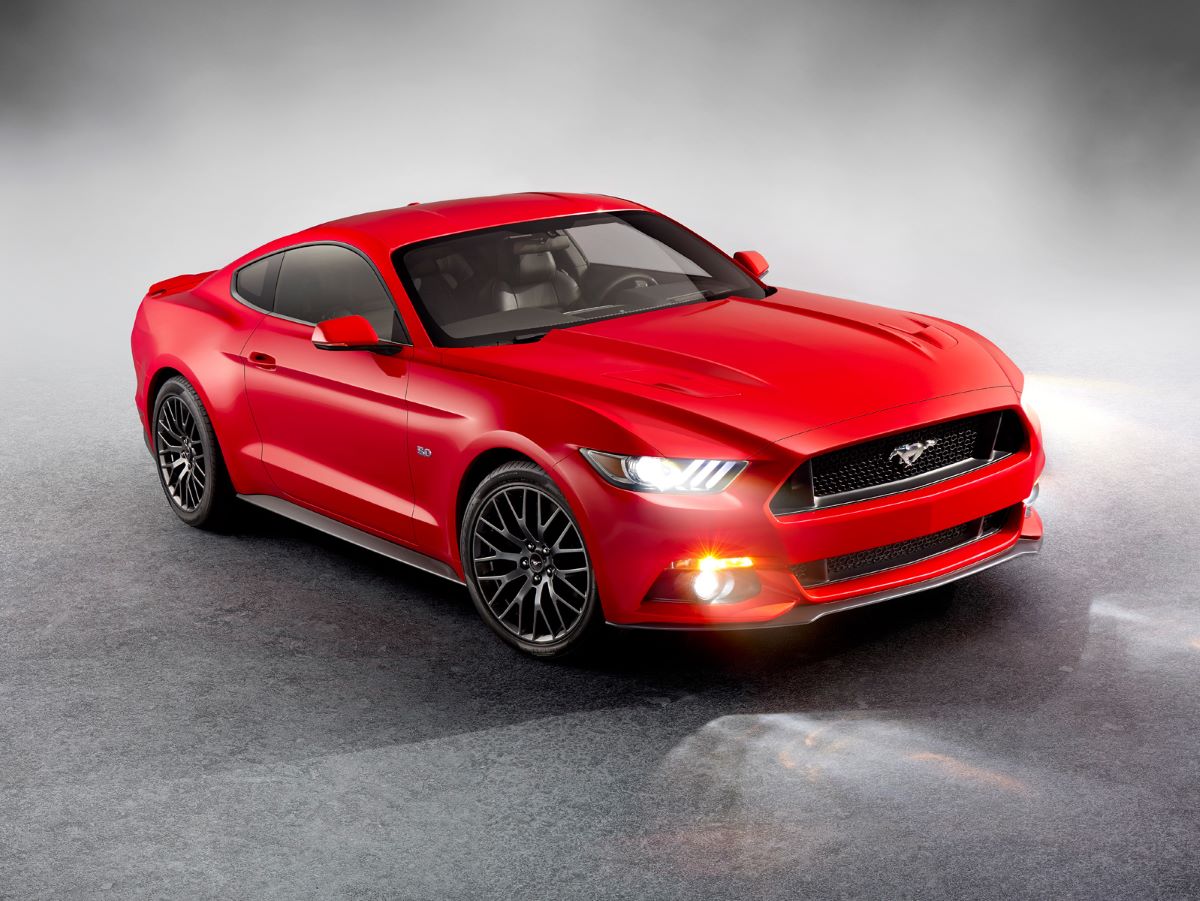
5. Ford Mustang
The Ford Mustang, like the Camaro, prioritizes performance and style, often at the expense of practicality. One of the most noticeable drawbacks is its restricted outward visibility. The high beltline and small windows give the cabin a tight, almost enclosed feeling. While that may add to the car’s sporty personality, it also limits what you can see from behind the wheel.
The roofline is low, and the rear windshield is small and sloped. That means checking for traffic when backing up or switching lanes isn’t easy.
The long hood also blocks forward-downward visibility, which can make it hard to judge tight parking spaces or stop-and-go traffic. These issues are particularly noticeable in city driving, where precision and awareness are key.
Rear quarter visibility is also limited due to thick C-pillars and the fastback-style rear. Even with large side mirrors, shoulder checks feel incomplete. The car’s profile just doesn’t allow for much visual access to the rear flanks. Drivers often find themselves second-guessing whether the lane is truly clear before committing to a move.
What makes it more challenging is that the Mustang invites aggressive driving with its power and handling, but the lack of visibility requires a more cautious approach
. It creates a mismatch between how the car wants to be driven and what’s safe given the limited sightlines. This makes it less suitable for new drivers or those who prioritize situational awareness over thrill.
Also Read: 5 Performance Cars That Stay Valuable And 5 That Become Worthless
Visibility remains one of the most critical and yet underrated factors in vehicle safety and driver satisfaction. A car that provides clear, wide sightlines allows the driver to better understand their environment and make informed decisions quickly.
This can greatly reduce the risk of accidents, especially those caused by unseen vehicles, pedestrians, or obstacles lurking in blind spots.
Cars that prioritize visibility often make routine driving activities, such as parking, lane changes, and merging, easier and less stressful. This not only improves safety but also enhances confidence and comfort behind the wheel.
Among the vehicles reviewed, models like the Subaru Forester, Honda Fit, and Volvo XC90 stand out for offering excellent visibility thanks to thoughtful design choices. Their large windows, slim roof pillars, and elevated seating positions create an open, airy feel that lets drivers see nearly everything around them.
This visibility advantage benefits drivers in urban traffic, highway cruising, and parking lots alike. Such cars prove that safety and practicality don’t have to come at the cost of style or comfort.
On the other hand, some cars sacrifice visibility in favor of aggressive styling, aerodynamics, or luxury features. The Chevrolet Camaro, Tesla Model 3, and Ford Mustang are prime examples where thick pillars, small windows, and sloped rooflines create significant blind spots.
Drivers of these vehicles often rely heavily on electronic aids like cameras and blind spot monitors, which, while helpful, can never fully replace natural vision. The challenges these blind spots introduce can increase stress and reduce safety, particularly in fast-paced or complex driving conditions.
It is important to recognize that visibility is not just a safety issue but also one that affects how enjoyable and confident a driver feels on the road.
Vehicles with poor visibility require more mental effort to drive safely, leading to fatigue and sometimes frustration. Clear sightlines reduce cognitive load by making it easier to process the surrounding environment quickly. This, in turn, fosters a more relaxed and controlled driving experience.
When shopping for a new vehicle, visibility should be a key consideration. Taking the time to evaluate what you can see from the driver’s seat during a test drive, how the windows and mirrors are designed, and how blind spots are managed can save a lot of trouble later.
While technology has advanced to help mitigate visibility issues, the foundation should always be good design. Without it, no amount of sensors or cameras can fully compensate for what the driver cannot see naturally.
Choosing a vehicle with good visibility benefits not just the driver but everyone sharing the road. Better sightlines improve reaction times and awareness, which helps prevent accidents and saves lives.
It also makes everyday driving more comfortable, reducing stress and increasing enjoyment. Whether you’re a new driver, a parent, or someone who simply spends a lot of time behind the wheel, prioritizing visibility will lead to safer, more confident, and more pleasant journeys.
