

Modern vehicle design has become increasingly focused on subtle but important quality-of-life details. While performance, safety, and infotainment often take center stage, many drivers notice a much more humble feature during daily use: windshield wipers.
Wiper noise is one of those small elements that can either make a ride smooth and calming or distractingly irritating, especially during long commutes or heavy storms. Not all wiper systems are created equal, and carmakers vary greatly in how they approach this part of the driving experience.
Some vehicles seem to glide the blades across the windshield effortlessly, producing almost no sound at all. Others make each pass feel like a chore, with chatter, squeaks, and scraping sounds that can be unnerving, especially during light rain or drizzle.
What determines how quiet or loud wipers are can involve multiple factors. Blade design, motor tuning, windshield curvature, and even the vehicle’s insulation all contribute. Cars equipped with high-quality beam blades and motors that adjust speed smoothly tend to run more quietly.
On the other hand, older designs or cost-cutting models often feature traditional frame-style blades with less forgiving materials and weaker noise dampening.
Environmental conditions also play a role, but the vehicle’s baseline design matters most. Even a luxury sedan can sound loud if it cuts corners on these small but meaningful parts, while some mid-range cars surprise with excellent execution in this department.
The contrast between cars with quiet and noisy wiper systems becomes most obvious during city driving or in the early morning when drivers want to keep things peaceful. Imagine sitting in a parked vehicle during a light rain, trying to focus or talk to a passenger, and the wipers grind loudly every few seconds.
Now compare that to a near-silent sweep that does the job without reminding you of its presence. That difference isn’t just comfort; it reflects a broader attitude by manufacturers toward user experience.
This article compares five vehicles with whisper-quiet wiper systems and five that are more commonly criticized for their noise. It looks at build quality, blade type, wiper motor behavior, and what these choices say about a vehicle’s refinement.
For each car, four detailed paragraphs break down why it stands out, for better or worse. The goal isn’t just to highlight good and bad engineering, it’s to show how something as minor as windshield wiper noise can reveal much about a car’s design philosophy.
Also Read: 5 Vehicles With Smoothest Rides and 5 With Jarring Suspensions
5 Cars With Whisper-Quiet Wipers
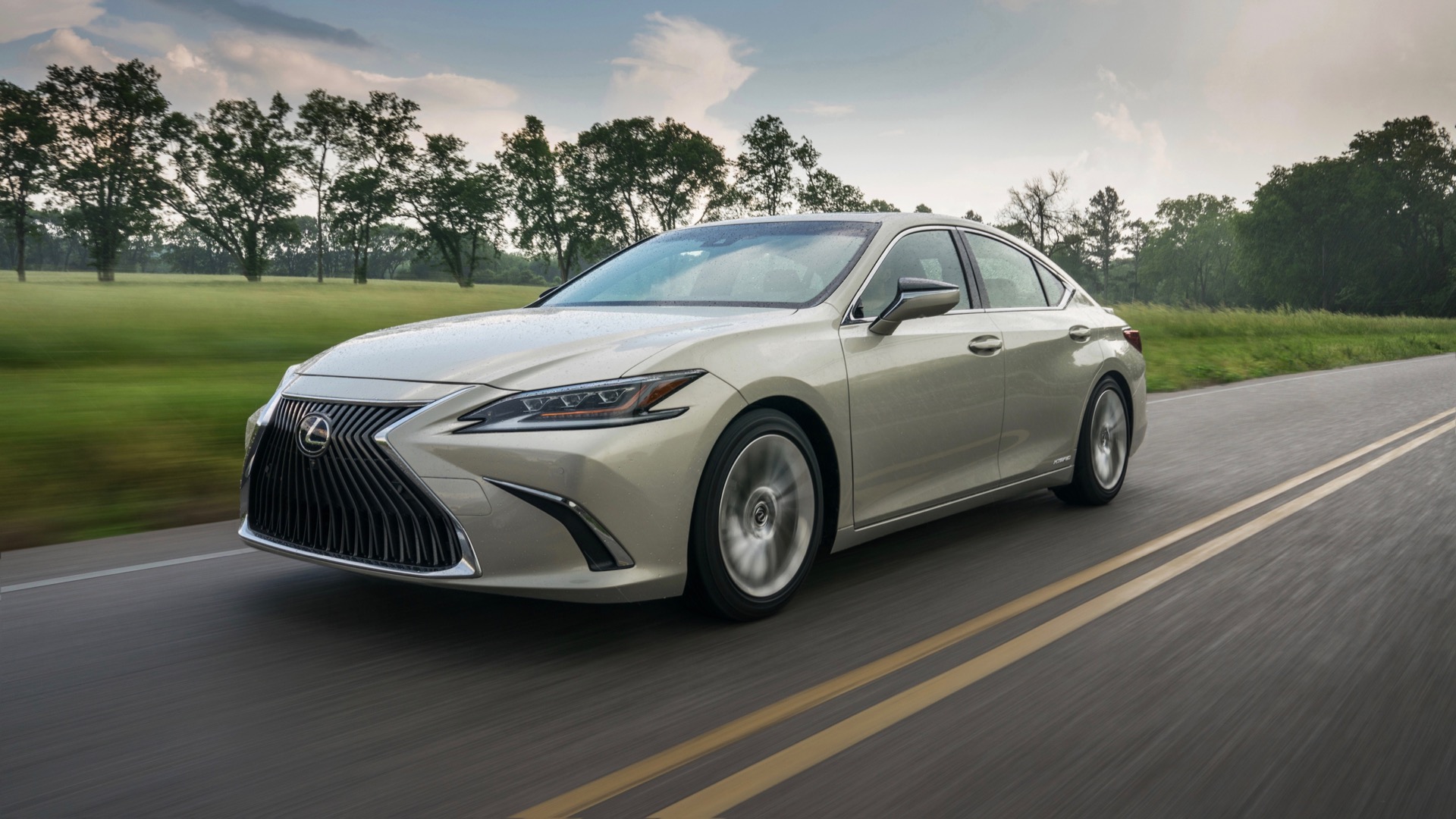
1. Lexus ES – Whisper-Quiet Precision
The Lexus ES has long been associated with serenity and a soft, cushioned ride, and its wiper system is no exception. The moment rain begins to fall, the wipers activate with a smooth and nearly inaudible motion.
Part of this silence comes from the use of premium silicone blades that maintain consistent contact with the windshield without harsh pressure.
This ensures the blades glide effortlessly, avoiding the stutter or slap often heard in less refined systems. The curvature of the glass and the aerodynamics of the wiper arms have also been fine-tuned to reduce air noise at high speeds.
Another factor that plays in the ES’s favor is its excellent cabin insulation. Lexus equips the ES with multiple layers of acoustic glass and sound-deadening materials that block exterior noises. That includes both wind and the sound of wiper blades during operation.
Even when rain is heavy and the blades are on their fastest setting, passengers report only a soft swishing sound, never a squeak or scrape. This makes it especially valuable for those who value a quiet environment, such as executives or drivers who take long road trips.
The wiper motors in the ES are calibrated to adjust speed with grace rather than sudden bursts. This avoids the common issue where wipers switch to a faster setting and produce a jarring clunk or chatter. Instead, the system ramps up gradually and maintains an even pressure across the entire blade sweep.
During intermittent settings, the pause between swipes is consistent, and there’s no audible “click” that signals reactivation. These small touches add up to an feeling of refinement that many sedans at this price point fail to deliver.
Perhaps most importantly, the Lexus ES maintains its quiet performance over time. Many vehicles start off silent and grow louder as the blades age, but the ES seems to retain its performance longer due to high-quality parts. Users often report years of near-silent operation before needing to replace blades.
When you combine this reliability with its quiet motor and excellent insulation, it’s clear that Lexus took this often-ignored detail very seriously.
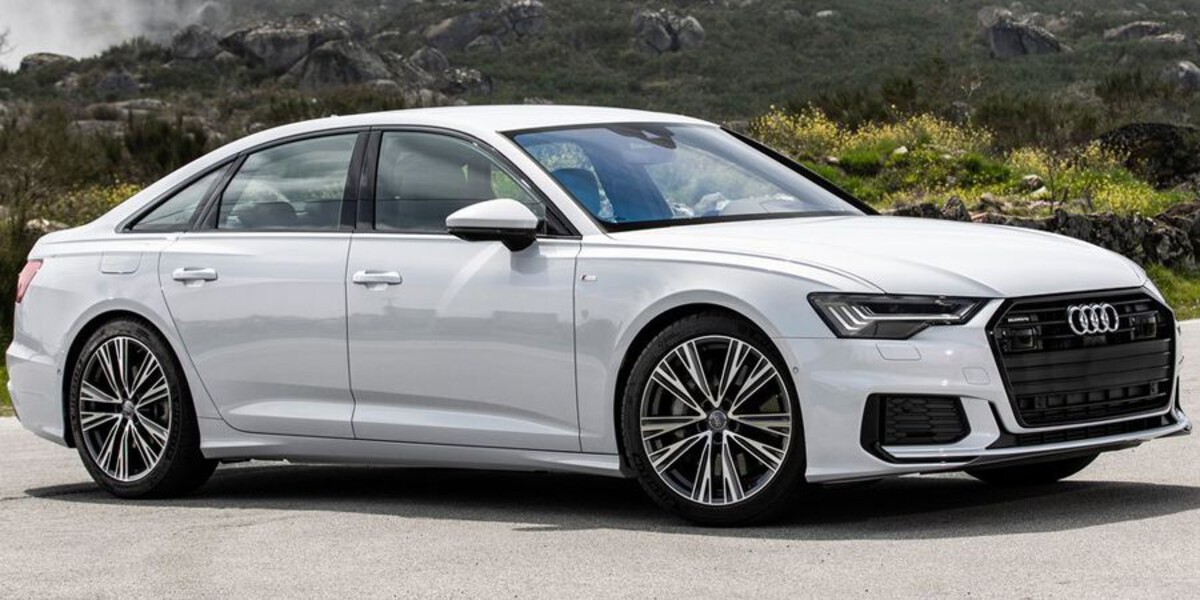
2. Audi A6 – Engineered for Silence
The Audi A6 showcases German precision not just in performance and technology, but also in the small features that most buyers don’t consciously consider.
The windshield wiper system in the A6 is remarkably quiet, blending in so well that you almost forget it’s operating. Audi uses frameless beam blades made from high-grade rubber compounds that conform to the shape of the windshield. The result is an even, streak-free wipe with minimal friction and no audible chatter or bouncing.
What separates the A6 from some of its peers is the motor’s subtle transition between speeds. During a moderate rainstorm, for instance, the car automatically adjusts the interval without any sudden change in sound. The motor engages with a faint mechanical hum, barely noticeable to the driver.
This refined behavior is paired with sensors that detect rain intensity and preemptively adjust the wiping speed, avoiding the annoying delay that many cheaper systems suffer from when trying to catch up with changing conditions.
The body structure of the A6 also plays a role in noise control. Audi incorporates a mix of laminated glass and double-sealed doorframes to reduce cabin intrusion.
That includes road noise, engine noise, and wiper noise. The windshield’s design is slightly concave, helping the wipers maintain better contact even at high speeds.
This reduces the fluttering or air-buffeting sound that many cars exhibit on the highway. It’s not just about making the car quieter, it’s about making every operation feel more controlled and less intrusive.
Many A6 owners specifically praise how little they notice the wipers, even after years of ownership. This long-term consistency indicates that Audi didn’t just install quiet wipers for show; they engineered a full system that retains its quality through wear and exposure.
Combined with premium materials and software integration, the Audi A6 represents a successful attempt to make even the most mundane parts of driving feel more pleasant.

3. Toyota Camry – Subtle but Effective
While not a luxury car, the Toyota Camry manages to achieve an impressively quiet wiper performance, especially in its most recent generation. Toyota’s attention to basic user needs is evident in how the Camry handles light to moderate rain.
Its wiper blades sweep cleanly with very little sound, thanks in part to upgraded materials and improved tensioning mechanisms in the wiper arms. Even in its base trim, the Camry avoids the loud thudding or squeaking found in many competitors.
Toyota has improved the Camry’s wiper motor responsiveness, allowing for quick activation and shut-off without mechanical jerkiness. The intermittent settings are well calibrated, with a soft and rhythmic operation that doesn’t disrupt conversations or music inside the cabin.
This is particularly appreciated during highway cruising, where the combination of good aerodynamics and well-sealed windows keeps wind and blade noise to a minimum. The effect is subtle, but drivers do notice the reduction in wiper-related sound fatigue over long drives.
Another advantage of the Camry is its ability to handle a variety of weather conditions without increasing wiper noise. Some systems begin to squeak or bounce when used during light drizzle or mist, but the Camry’s blades maintain even contact without drying out or catching.
Toyota accomplishes this by using a smoother finish on the windshield itself and pairing it with wiper blades that hold up well under different levels of humidity and grime. This balance results in consistent, quiet performance regardless of the rain type.
The Camry’s value lies in bringing this level of refinement to a mass-market audience. While more expensive vehicles may go further in soundproofing and premium materials, the Camry proves that quiet wipers aren’t just for luxury brands.
It’s a practical choice for anyone who spends a lot of time on the road and wants to avoid the irritation of noisy, unreliable wiper systems. For drivers seeking peace and consistency in everyday situations, the Camry remains a strong contender.
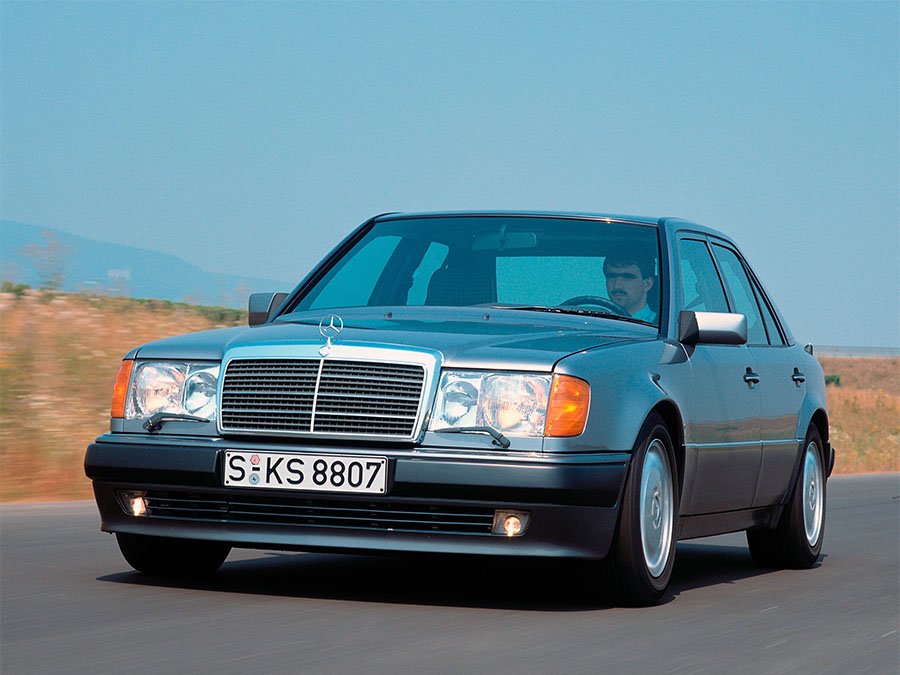
4. Mercedes-Benz E-Class – Calm During the Storm
The Mercedes-Benz E-Class is built around the concept of comfort and composure, even in unfavorable conditions. One area where this attention to refinement is evident is in the design and behavior of its windshield wipers. The system, integrated with the car’s advanced climate and rain-sensing features, operates with almost no perceptible noise.
During moderate to heavy rain, the blades move with steady precision, and instead of producing an audible swipe or mechanical whir, the movement is smooth and silent. This contributes to the sense of calmness inside the cabin, especially when cruising at higher speeds.
Mercedes uses specialized rubber compounds for its wiper blades, which provide durability and flexibility. These materials are less prone to hardening in cold weather or squeaking during light drizzles.
Additionally, the E-Class employs a sophisticated wiper arm geometry that keeps the blade in consistent contact with the windshield without requiring heavy downward pressure.
That balanced tension prevents chattering or hopping, common problems in less refined designs. When combined with the car’s laminated acoustic glass and noise insulation, the result is a wiping motion that’s nearly imperceptible.
One often-overlooked feature of the E-Class is how the wipers “park” themselves quietly under the edge of the hood when not in use. This protects the blades from drying out in the sun and also keeps the line of sight clean. When the system is reactivated, the blades ease into motion without a harsh start.
There is no sudden click or jolt. Instead, the action feels deliberate and engineered to avoid drawing attention. In a car that emphasizes elegance, this kind of restraint matters just as much as more obvious luxury features.
Owners of the E-Class often remark that it’s not just the lack of wiper noise that stands out, but the consistent, repeatable smoothness of the operation over time. The system seems engineered not only to perform well when new, but to maintain that same standard of refinement years down the line.
It reflects Mercedes’ wider design philosophy, which values long-term comfort over flashiness. The quiet wiping system may seem minor, but it subtly reinforces the vehicle’s identity as a serene and well-thought-out machine.
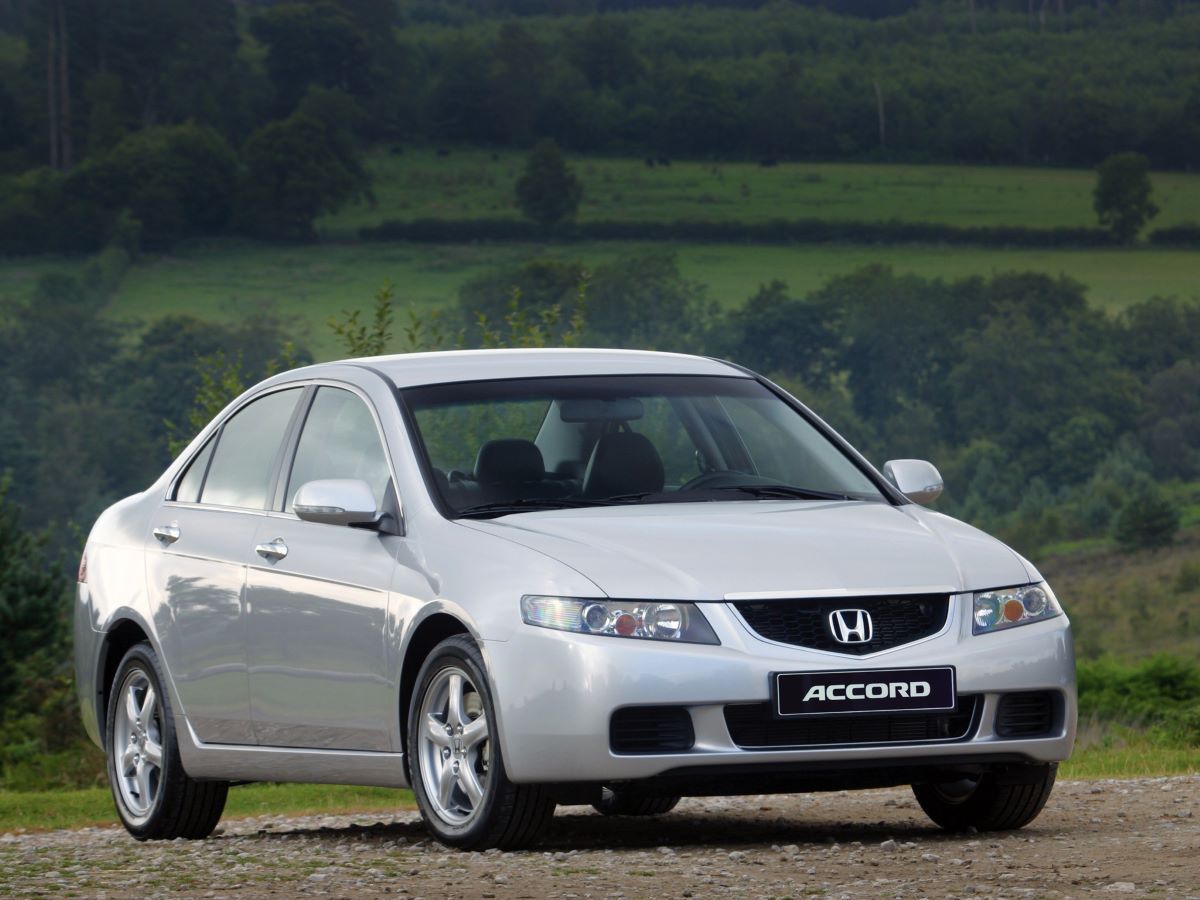
5. Honda Accord – A Surprising Standout
The Honda Accord has steadily built a reputation for blending practicality with thoughtful engineering, and its windshield wiper performance is one of the subtle areas where it excels. Unlike many other mid-size sedans in its price range, the Accord features a wiping system that behaves with remarkable poise.
The blades themselves are often beam-style, offering a better seal across the windshield, and they resist the harsh scraping sounds common to older framed wipers. Combined with a responsive wiper motor, the system maintains a quiet presence under most rain conditions.
The Accord’s advantage begins with a well-tuned intermittent wiper system. Unlike some models where pauses are awkwardly timed or restart with a sharp click, the Accord’s cycle feels smooth and consistent. Drivers can adjust the intervals in fine steps, which avoids the problem of the blades scraping at dry glass or moving too slowly to keep up.
Even in stop-and-go traffic, the wiping sound remains subdued, with the motor making a low, uniform sound that is more of a background hum than a distracting feature.
A large part of the quietness can be attributed to the Accord’s improvements in cabin insulation over the past few generations. Honda has put more effort into sound deadening in the A-pillars, windshield area, and firewall, which keeps outside noises, including wiper sounds, from reaching passengers.
During heavy storms, even when the system operates at full speed, the sweep of the blades doesn’t overpower conversation or music. That’s a level of detail you don’t typically expect at this price point, but it shows how Honda continues to prioritize a smooth driving experience.
What makes the Accord’s system stand out is its reliability over time. Many mid-range vehicles begin quietly and grow louder as parts wear down.
The Accord, however, tends to retain its wiper behavior without degradation. This is partly due to the quality of the blades used, but also due to the wiper motor’s consistent performance. Drivers often find themselves forgetting the system is even on, which is exactly how a good wiper setup should behave.
Also Read: 5 Obscure Pickup Brands With Durable Trucks vs 5 Famous Trucks With Nightmares
5 With Noisy Systems
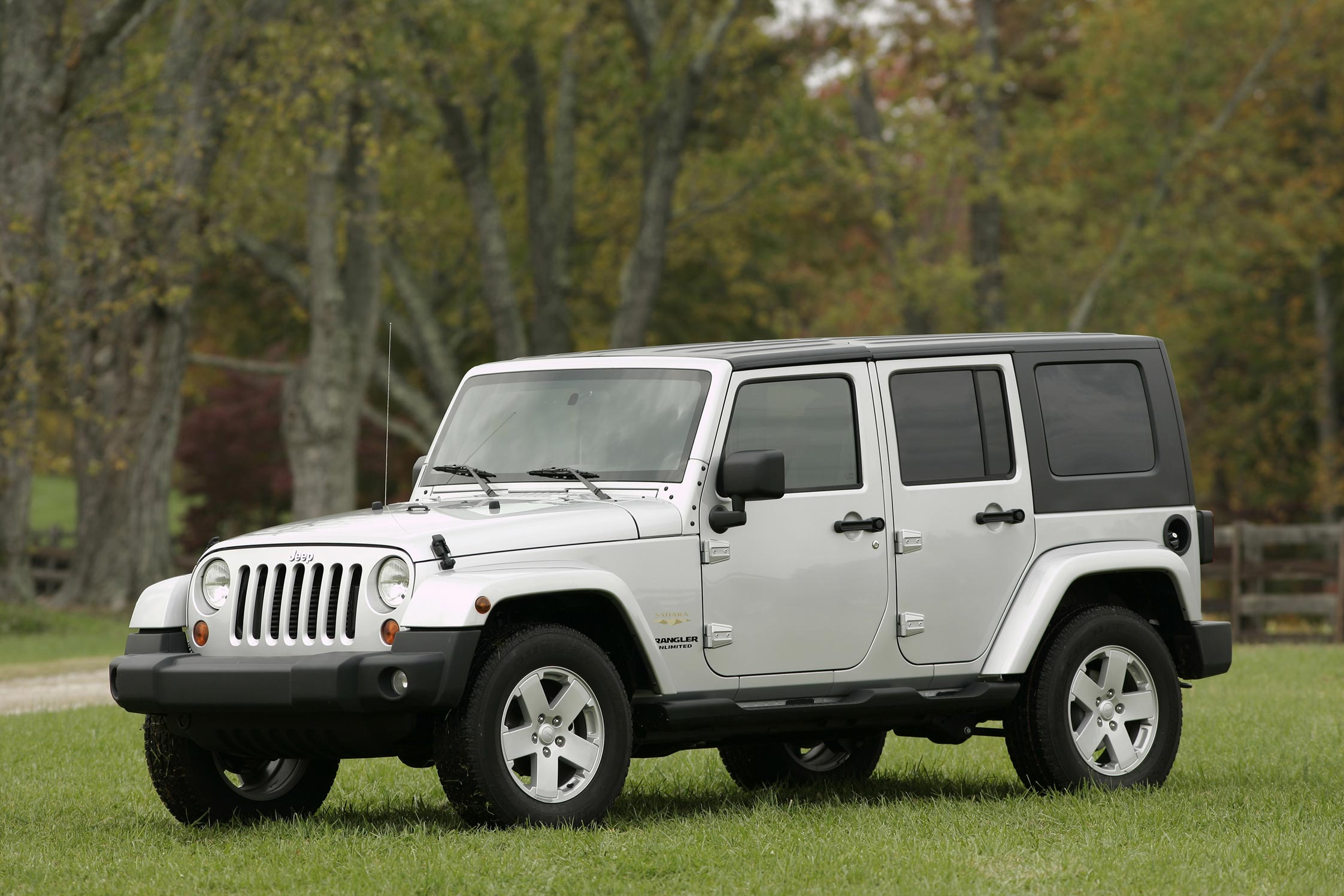
6. Jeep Wrangler – Rugged, but Rough Around the Edges
The Jeep Wrangler is built for off-road performance and rugged durability, but those strengths don’t carry over to its windshield wiper system. The Wrangler is often criticized for having one of the loudest and least refined wiper setups in modern production vehicles.
When activated, the blades often move with an audible thump as they transition from one side to the other, and the mechanical motor can be clearly heard engaging, especially during the initial sweep.
This noise becomes even more noticeable in light rain or mist, when the system struggles to maintain smooth contact with the uneven windshield surface.
A big contributor to the problem is the upright, nearly vertical windshield design. Unlike the aerodynamic slopes seen in sedans and crossovers, the Wrangler’s flat glass presents a challenge for wiper blade contact. The geometry causes the blades to squeak and chatter when not properly lubricated by heavy rain.
Additionally, since the vehicle is often used in dirt or mud environments, debris can build up along the lower windshield, making each sweep a noisy affair. Rather than a smooth motion, the blades often drag slightly, producing a scraping or skipping sound that’s hard to ignore.
The cabin insulation in the Wrangler does little to mitigate exterior noise. Built with a focus on utility rather than quietness, the interior allows engine, road, and wind noise to seep in. Wiper noise joins that mix easily, especially in the soft-top versions.
There’s very little sound-dampening material near the dashboard or windshield area, so what would be a minor hum in another car becomes an audible annoyance in the Wrangler. Even at highway speeds, the flutter of the blades is easy to hear above the general road noise.
Some owners accept this trait as part of the Wrangler’s personality. They see it as a trade-off for the vehicle’s off-road prowess and rugged construction.
However, for those using the Wrangler as a daily driver in urban environments, the wiper noise becomes a regular point of irritation, particularly during long rain spells. The system gets the job done, but it does so with the subtlety of a construction crane.
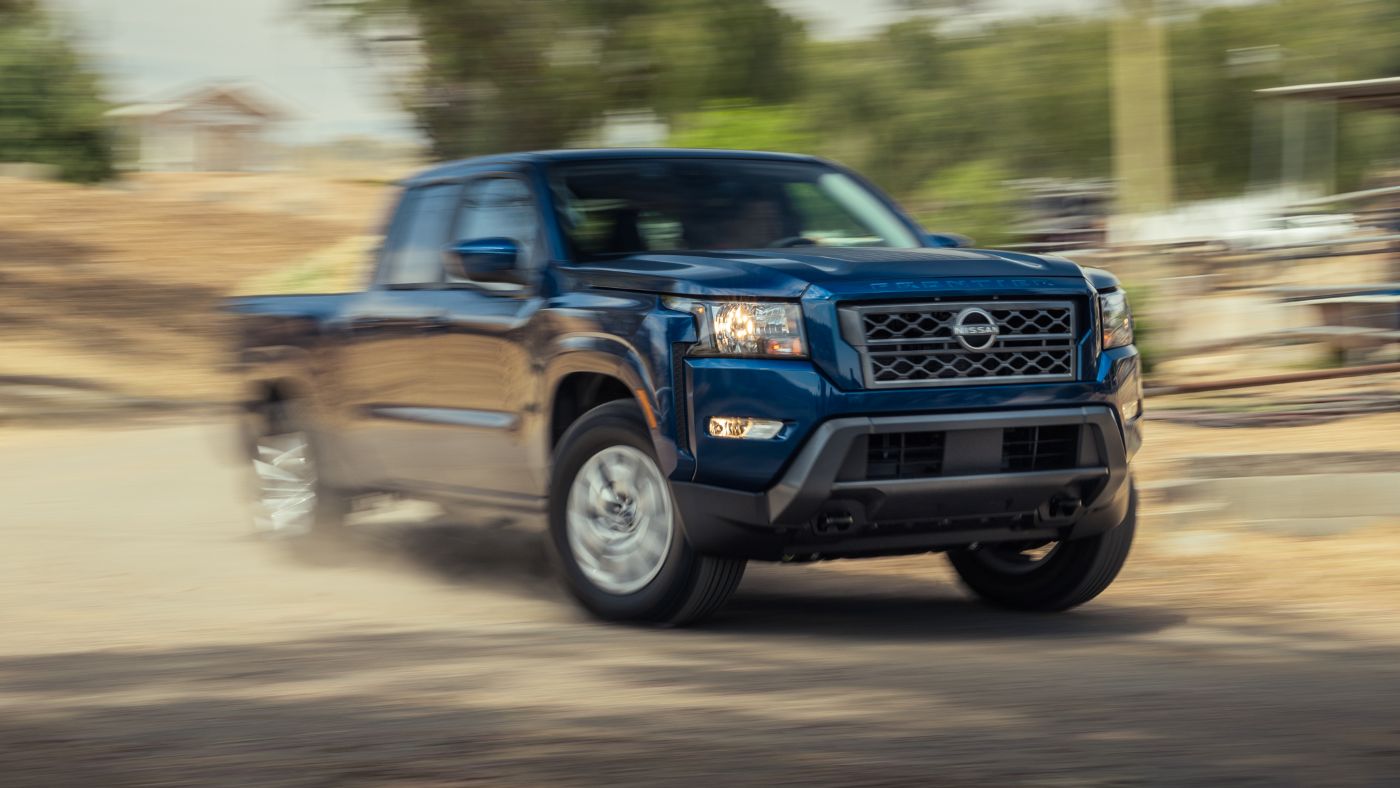
7. Nissan Frontier – Functional, But Loud
The Nissan Frontier is another example of a vehicle where function takes precedence over refinement, and that includes its windshield wiper system. On the surface, the Frontier’s wipers appear capable and reliable, but closer inspection reveals that they are often louder than expected.
Each sweep produces a noticeable mechanical hum, and under certain conditions, especially during intermittent operation, the blades tend to squeak as they pass over partially dry sections of glass. This becomes particularly apparent in drizzle, when the wipers activate sporadically and dry areas cause uneven friction.
The wiper arms on the Frontier are solid but lack the finesse found in higher-end or more recently redesigned vehicles. The blades often make full contact only in the central area of the windshield, and the edges sometimes skip or bounce. This inconsistent pressure creates not only ineffective wiping but also increases the noise level.
Drivers report that even with new blades, the system sounds harsh during both initial activation and full-speed operation. The design seems intended for durability rather than subtlety, which makes sense given the truck’s utilitarian character.
Interior noise insulation in the Frontier is not a priority, especially in older models. While recent versions have made improvements, the dashboard and windshield seal areas still transmit external sounds quite easily. This allows every bit of mechanical action from the wipers to be heard clearly by both the driver and the passengers.
Unlike cars designed for comfort, the Frontier does little to mask or dampen such routine mechanical activity. During heavier storms, the increased volume of water sometimes helps reduce blade chatter, but even then, the motor itself remains audibly noticeable.
It’s worth mentioning that Frontier owners tend to value toughness and simplicity, and may not be overly concerned with quiet operation.
However, for those using the truck in mixed environments, like city driving, school pickups, or commuting, the noisy wipers can become a recurring annoyance. The Frontier’s wipers don’t fail in terms of function, but they offer little in the way of comfort or acoustic subtlety.
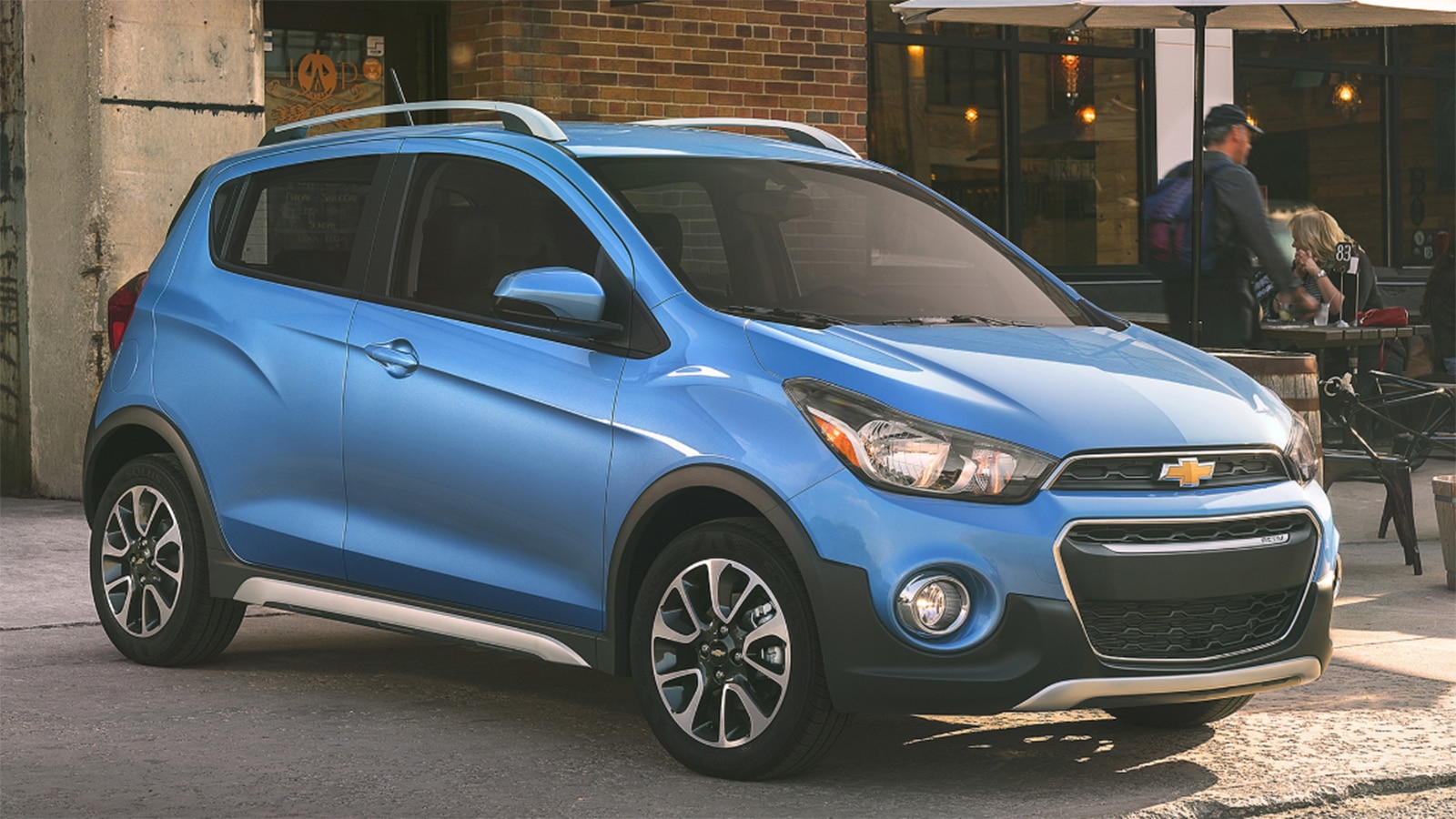
8. Chevrolet Spark – Small Car, Big Wiper Noise
The Chevrolet Spark is designed to be a compact, affordable city car, but its cost-cutting shows in several areas, one of which is the windshield wiper system. In many models, the wipers engage with a noticeable click, and each sweep comes with a rubbery squeak that’s especially loud when rain is light or unevenly distributed.
The blades themselves are often low-grade, and unless they’re replaced with higher-quality alternatives, they can wear out quickly, increasing the amount of scraping or skipping across the glass.
Because the Spark is a smaller vehicle with a limited sound insulation budget, the cabin transmits most mechanical noises directly to the driver. This includes not just the wiper blades themselves but the action of the wiper motor, which has a low-pitched hum that can be heard clearly, particularly at lower speeds or when the engine is idling.
At full speed during heavy rain, the system seems to struggle slightly to keep up, leading to vibrations or a clunky movement that undermines driver comfort during stressful conditions.
The windshield design in the Spark is relatively upright for a modern car, which complicates smooth blade contact. During lighter rains or on partially dry windshields, the blades often chatter across the surface or leave streaks. These issues generate not just visual annoyance but acoustic ones as well.
The wiping motion seems to fight against the windshield rather than glide across it, resulting in a system that draws more attention than it should. There’s no easy fix for this other than switching to aftermarket blades and hoping for slightly better performance.
Despite being a popular choice for new drivers and city dwellers due to its price and compact size, the Spark reminds us that even small design decisions have lasting impacts.
The wiper system, though functional in a basic sense, detracts from what could otherwise be a smooth urban driving experience. For those who value quiet cabins, especially in rainy climates, the Spark may be a frustrating companion during wet commutes or longer drives.

9. Ford EcoSport – Compact and Clunky
The Ford EcoSport positions itself as a compact crossover with sporty styling, but its wiper system falls short when it comes to refinement. Upon activation, the system emits a mechanical thunk followed by a sharp wipe that often squeals when the glass isn’t fully wet.
This abrupt motion is more typical of older-generation vehicles and feels out of place in a car designed for modern urban living. The blade action is not only noisy but also inconsistent, sometimes applying uneven pressure across the windshield, which contributes to more audible chatter.
Part of the issue stems from the build of the EcoSport. While it has a reasonably tall cabin, the materials used for interior trim and insulation don’t effectively mask external mechanical noise.
This becomes obvious during moderate rainfall when every sweep of the blade feels amplified inside the cabin. It’s not just the rubber meeting glass; it’s the underlying mechanical action of the motor that becomes a recurring distraction, especially at lower speeds or while parked with the engine running.
The wiper motor itself is a relatively basic unit and seems to lack the gradual speed transition seen in better-engineered systems. When changing from intermittent to full-speed wiping, the system often jerks or jumps slightly, producing a noticeable click that reverberates through the steering column or dashboard.
The blades, if not replaced regularly, tend to harden quickly in varying climates, which only worsens the issue. Instead of a gentle glide, the wipers often scrape noisily across the surface, demanding attention when they should operate quietly in the background.
For many EcoSport owners, this noisy wiper behavior is an accepted quirk rather than a dealbreaker. But it does reveal the vehicle’s priorities, function over finesse.
While the car is useful for maneuvering through tight spaces and rough city roads, it misses the mark when it comes to comfort details like wiper acoustics. For drivers who experience frequent rain, the EcoSport’s system can become a persistent source of irritation that no amount of stereo volume can truly cover up.
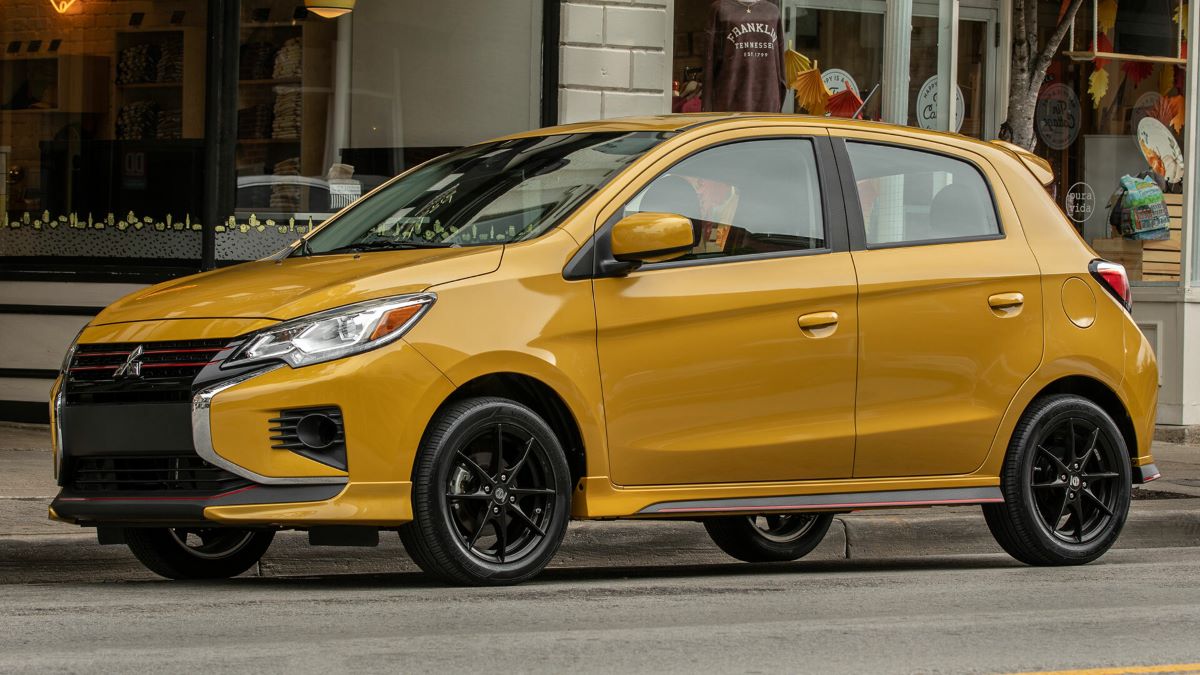
10. Mitsubishi Mirage – Budget-Friendly, but Noisy
The Mitsubishi Mirage is one of the most affordable new cars on the market, and with that price comes a fair share of compromises. The windshield wiper system is a clear example. From the moment the blades engage, there’s a noticeable dragging sound, even in normal rainfall.
During lighter precipitation, the blades squeak and skip, producing irregular tapping noises that can become distracting, especially in stop-and-go traffic. This is partly due to the stiffness of the blades used and partly a result of limited design consideration for noise management.
Another common issue in the Mirage is that the motor seems underpowered and slightly slow to respond. When drivers switch speeds, the motor doesn’t always transition cleanly, leading to sudden jerks that are audible inside the cabin.
This, combined with the generally hollow and uninsulated dashboard, means that even moderate blade activity feels loud and clunky. Passengers often notice that the wipers seem louder than expected for such a small vehicle, and some mistake the sound for mechanical strain or a malfunction.
One of the main design flaws lies in the windshield curvature and how it interacts with the blade profile. Unlike higher-end models that match blade design to the glass contour, the Mirage seems to pair generic flat blades with a windshield that doesn’t fully cooperate.
As a result, certain sections of the glass don’t get wiped clean, and those same areas are more prone to blade vibration and squealing. Even upgrading to aftermarket silicone blades doesn’t fully solve the issue because the underlying mechanics remain unchanged.
For budget-conscious buyers, these problems may seem minor, especially when compared to the low cost of ownership and fuel efficiency the Mirage offers. However, wiper noise is one of those issues that starts small and grows more annoying over time.
During long commutes or daily errands, the sound of a squeaking blade every few seconds becomes impossible to ignore. In a vehicle designed for simplicity, even a basic task like wiping the windshield can become a constant reminder of what corners were cut to save cost.
