
Cargo space may not be the flashiest feature when choosing a new car, but for many drivers, it’s among the most practical. Whether you’re loading up for a road trip, managing weekly errands, or simply need a vehicle that can handle your lifestyle without stress, the available storage room can make or break your experience.
It’s not just about numbers in brochures either. Real-world usability comes down to shape, ease of access, folding mechanisms, and how flat the floor stays with the seats down. A roomy cargo area can bring convenience, peace of mind, and flexibility, while a cramped trunk can cause frustration, especially when trying to haul luggage, sports gear, groceries, or even a baby stroller.
Drivers often find themselves choosing between two cars that look similar on the outside, only to realize too late that the trunk makes one a lot more livable than the other. Car buyers sometimes overlook how vital that trunk or cargo space is until the first time they try to fit their everyday items in and fail.
Manufacturers advertise power, safety features, and infotainment systems more than they do cargo volume, which means this aspect can slip under the radar during test drives. For families, travelers, and anyone who regularly transports more than a backpack, knowing which cars offer useful space is key. On the other hand, many stylish, compact, or performance-oriented cars sacrifice trunk room for the sake of design or speed.
This article looks at both ends of the spectrum. First, it highlights five cars known for their generous cargo areas, where practicality has clearly been prioritized. These models tend to stand out in their segments for how well they handle everyday hauling needs. Then, the focus shifts to five cars that fall short in this department.
They might be fun to drive or attractive to look at, but they can cause headaches when it comes time to pack. Whether you’re a daily commuter, road trip enthusiast, or just want to know what you’re getting into, knowing where each vehicle stands when it comes to space can make a real difference in your decision.
Also Read: 10 Cars No One Talks About But Run Forever
Cars With Ample Cargo Space
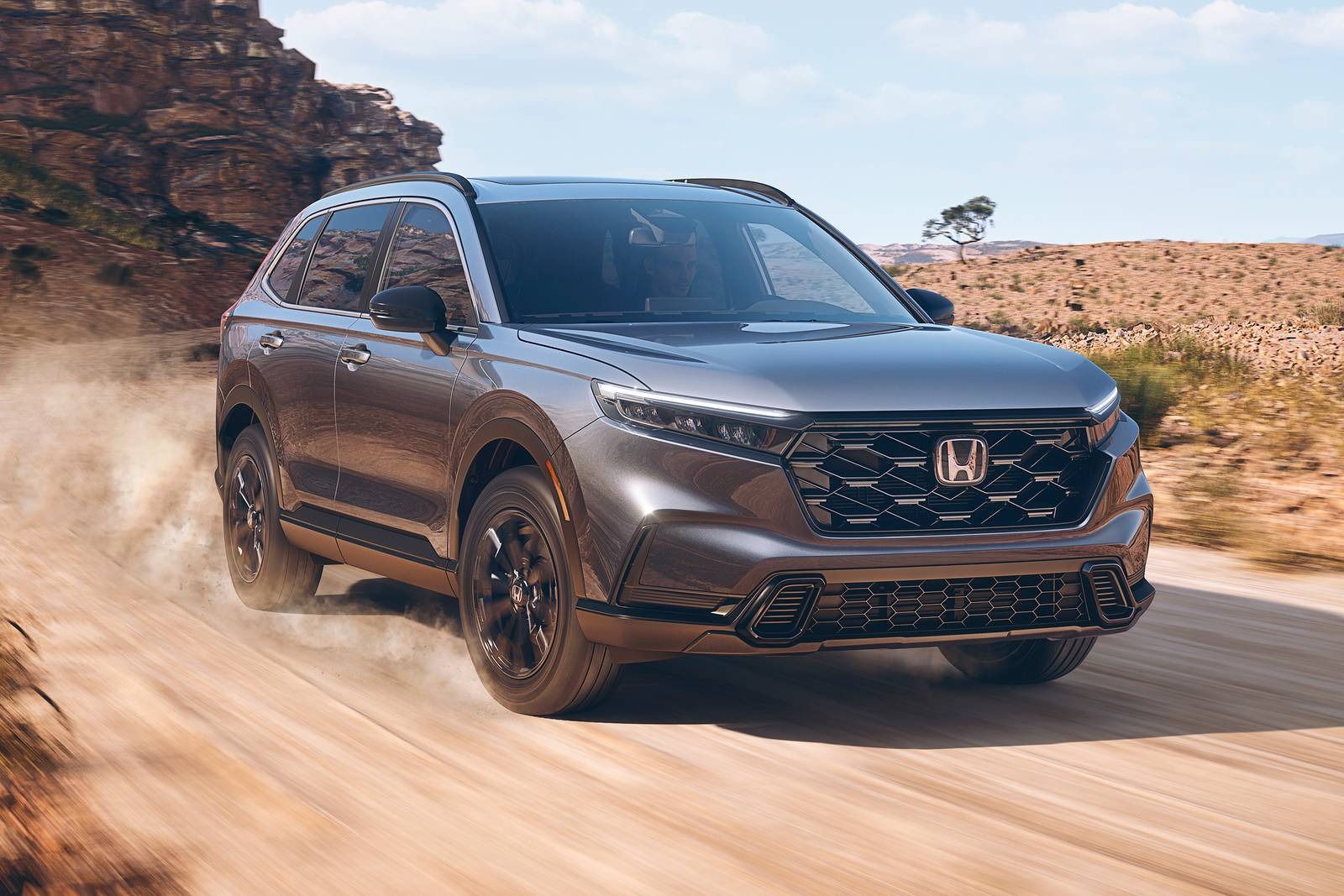
1. Honda CR-V
The Honda CR-V is one of the most reliable and well-rounded compact SUVs on the market, and part of its long-standing appeal comes from its spacious cargo area. Even with the rear seats up, the CR-V offers plenty of room for groceries, suitcases, or gear.
Once the back seats are folded down, it reveals an impressively flat load floor that maximizes space without awkward bumps or angles. This layout makes it easy to slide in longer items or stack up boxes without losing balance or wasting corners. The rear hatch also opens wide and high, so taller drivers won’t bump their heads while loading.
What sets the CR-V apart isn’t just the amount of space, but how usable it feels. Honda has engineered the interior to include thoughtful touches like underfloor storage compartments and a retractable cargo cover that tucks away when not in use. These small features add up to a better experience for daily use.
The cargo area doesn’t just hold more, it adapts to various needs. Whether someone is moving furniture or hauling camping supplies, the CR-V can do it without requiring a complicated packing strategy. Its design proves that compact SUVs don’t have to compromise on utility.
Another strong point of the CR-V’s cargo capacity is that it doesn’t sacrifice comfort for storage. Even with the seats positioned for passenger use, the trunk still offers a respectable amount of room. This is especially useful for families who need both seating and storage at once. Rear-seat passengers won’t feel squeezed even while the trunk is full, which speaks to the overall balance Honda has achieved with this model. It serves well for those who value a practical daily driver but don’t want to move up to a larger, more expensive SUV.
In recent models, Honda has also improved the technology around the cargo space. Power tailgates and hands-free opening options make loading easier when your hands are full. And with multiple anchor points and cargo nets, items stay secure even during quick stops. The CR-V manages to combine flexibility, roominess, and thoughtful engineering, earning it a place among the most cargo-friendly cars available.
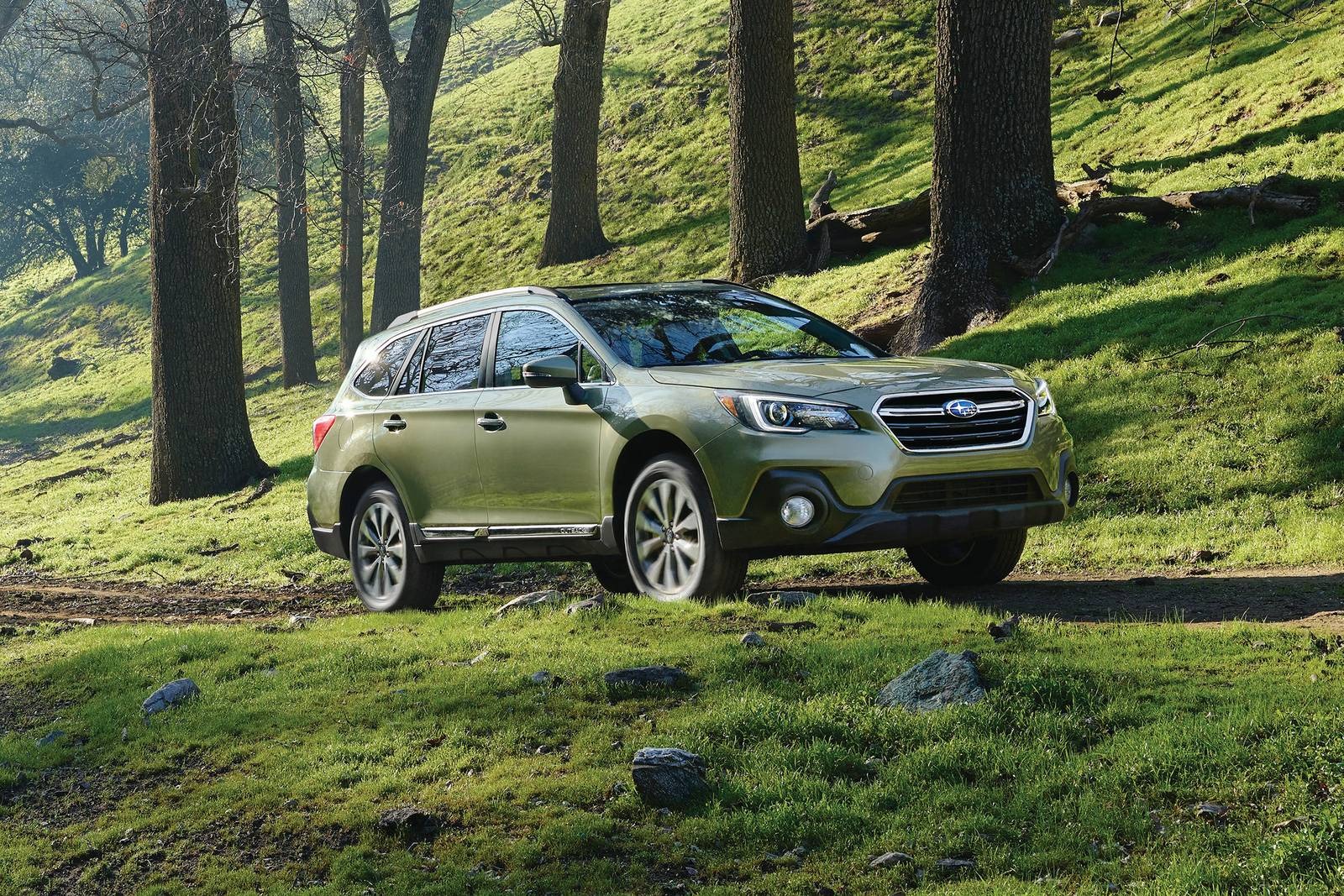
2. Subaru Outback
The Subaru Outback has long been a favorite for those who want rugged capability with the comfort of a wagon, and its cargo space contributes heavily to that reputation. With its wide rear opening and low liftover height, getting items in and out is a breeze.
The cargo floor is broad and relatively flat, making it suitable for larger loads, including things like coolers, skis, or even small furniture. With the seats folded, the total cargo volume rivals some midsize SUVs, giving drivers the room they need without the bulk of a full-size vehicle.
One reason the Outback stands out is that its shape is naturally suited for hauling. Unlike some SUVs that slope downward in the rear, cutting off headroom or space for taller objects, the Outback maintains a boxier profile. This allows for more vertical storage, which is a game-changer when stacking bins or loading taller items like standing suitcases. Subaru’s practical thinking extends to tie-down hooks, hidden compartments, and durable cargo mats that make it easier to carry messy gear without worry.
What also makes the Outback shine is that it doesn’t demand much compromise in return for its cargo space. It rides comfortably and handles well on highways, gravel, or even snowy roads thanks to standard all-wheel drive. Families who spend a lot of time on the go appreciate that the trunk isn’t just large, but built to handle life’s wear and tear.
From grocery runs to weekend adventures, it delivers consistent performance without needing constant adjustments to fit everything inside.
Technological convenience rounds out the experience. Many Outback trims include a power liftgate, adjustable cargo cover, and quick-release seatback levers that let you fold down the seats from the rear of the vehicle. These features make daily use smoother and remove unnecessary hassle from loading. Overall, the Outback’s cargo space is as practical as it is spacious, helping it hold its place in the market as a truly versatile choice.
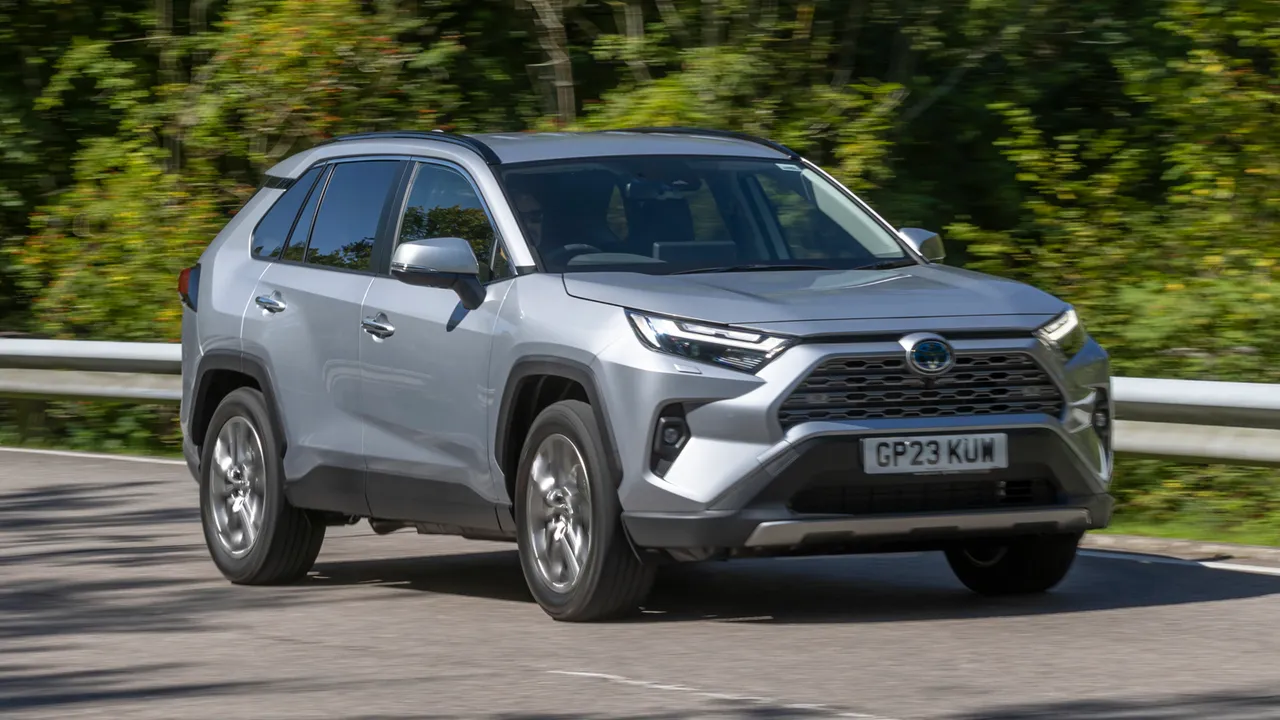
3. Toyota RAV4
The Toyota RAV4 has steadily evolved into one of the most practical choices in the compact SUV segment, and a big part of that success comes from its generous cargo space. With the rear seats in place, it already offers a healthy amount of room for daily use. Once the seats are folded down, the floor is long and wide enough to fit large suitcases, camping gear, or several storage bins. The opening is squared off and low, reducing the hassle that often comes with loading bulky items.
What makes the RAV4’s cargo area so useful isn’t just the number of cubic feet, but how intelligently the space is designed. The rear seatbacks fold nearly flat, which prevents odd angles or wasted space when trying to pack tightly. In addition, the cargo floor can be adjusted on some trims, giving drivers the option to increase vertical space or store smaller items below the floor itself. These flexible features help it adapt to different needs without feeling cluttered.
Toyota has also made sure the materials inside the trunk area are durable and easy to clean. Whether it’s muddy boots, sandy beach chairs, or leaky grocery bags, the RAV4 is built to handle the mess. Drivers with active lifestyles often appreciate this kind of rugged utility. For city dwellers, the trunk offers enough room for furniture shopping or moving boxes, which can save money and time compared to using a rental or delivery service.
Another advantage of the RAV4 is that its cargo area remains accessible even when the cabin is full of passengers. Some vehicles struggle to balance legroom and storage, but the RAV4 manages both effectively. The vehicle’s overall layout makes sure the space you get is actually usable. With features like hands-free liftgate options, cargo nets, and plenty of hooks for organizing items, it feels like a car built with real-life use in mind rather than just numbers on a spec sheet.
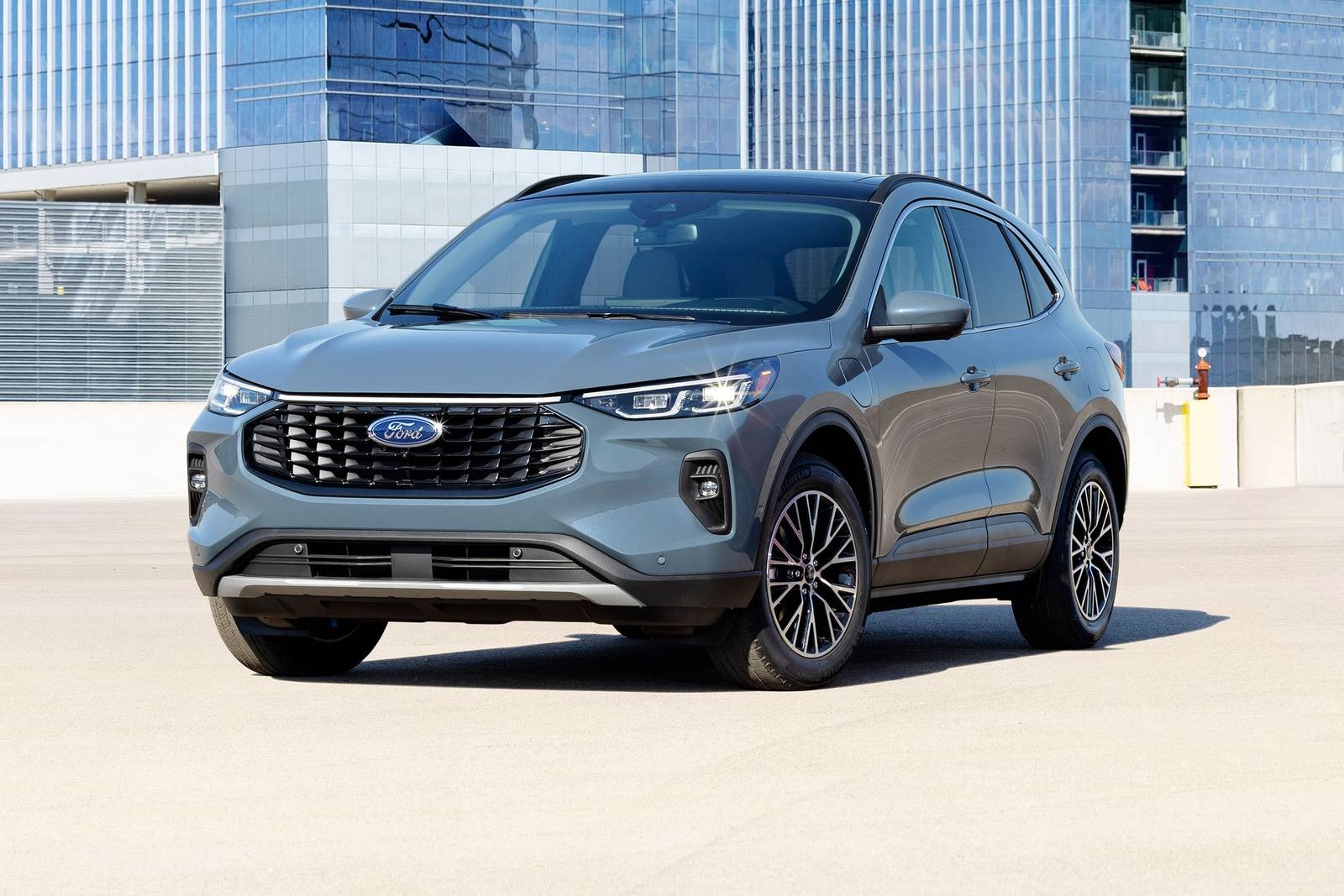
4. Ford Escape
The Ford Escape has made steady improvements over the years, especially in making its cargo space more competitive. It provides a good mix of space and comfort, and its trunk is one of the more adaptable ones in the segment. The rear seats slide forward to increase cargo capacity when needed, and when they’re folded down, the space opens up considerably. The layout makes it easy to fit wide and long items like golf bags, tools, or even bicycles with the front wheel removed.
One of the more useful traits of the Escape’s cargo area is its wide access and flat loading floor. This combination helps reduce the strain of loading heavy or awkward objects. Families will find this particularly helpful when dealing with strollers, sports equipment, or weekly bulk shopping. And the adjustable cargo floor, available in some trims, gives added flexibility for hiding valuable items or organizing supplies out of sight. It’s designed to make real-world hauling easier.
In terms of construction, the materials inside the Escape’s cargo area are practical and not overly delicate. Rubberized mats, sturdy plastics, and easily cleaned surfaces help keep the area looking good even after heavy use. Additionally, Ford includes thoughtful touches like grocery bag hooks and underfloor compartments for emergency kits or tools. These may seem small, but they enhance the daily functionality of the car.
Many drivers also appreciate how the Escape balances storage with comfort. Even when maximizing trunk space, rear passengers don’t feel cramped, which means you can use the cargo area without sacrificing the cabin. Combined with options like a hands-free liftgate and 12V power outlets in the trunk for portable coolers or vacuums, the Escape stands out as a practical and accommodating vehicle for a variety of lifestyles.
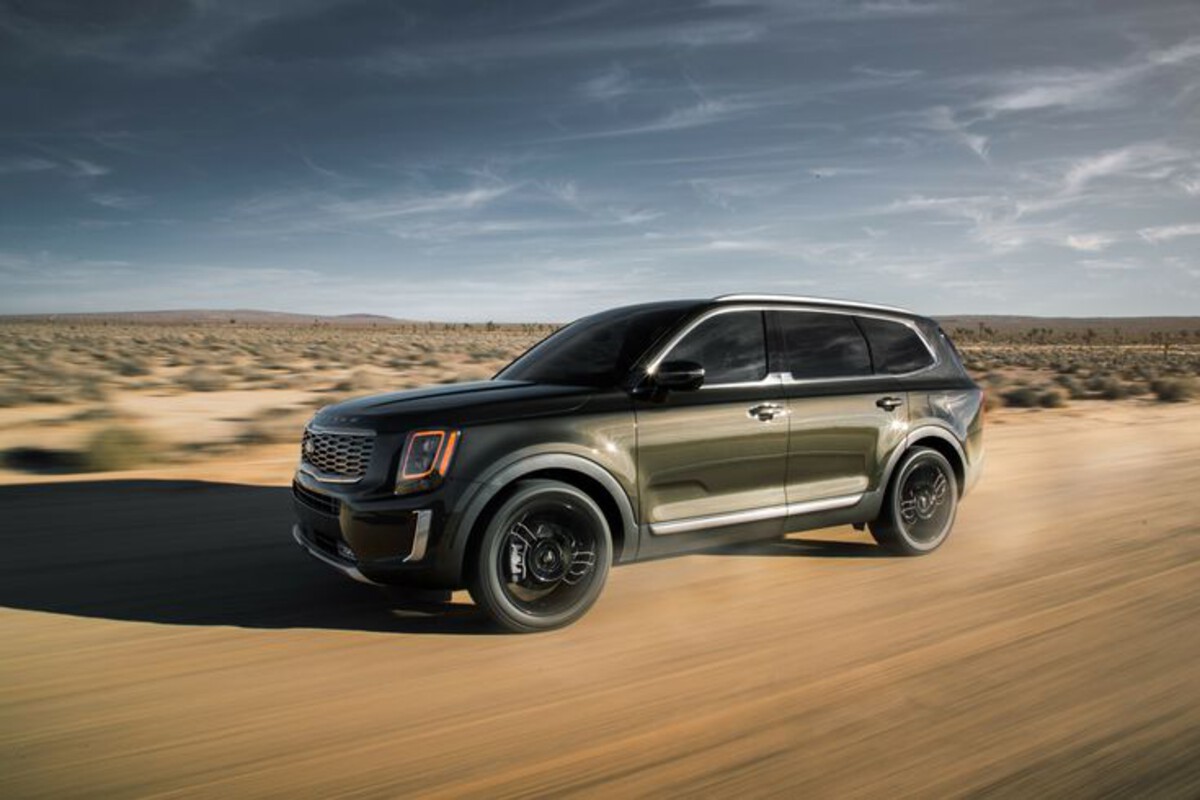
5. Kia Telluride
The Kia Telluride sits in the midsize SUV category and brings serious cargo capacity along with it. Even with all three rows of seating in place, it offers more space than many competitors. This is a major selling point for families who regularly carry both passengers and their belongings.
When the third-row seats are folded, the trunk becomes large enough to handle full vacation loads, sports equipment, or musical instruments with ease. Fold down the second row, and the Telluride transforms into a near-cargo van experience in terms of space.
One of Telluride’s biggest strengths is how easy it is to switch between seating and storage. The third-row seats fold flat quickly, and the second row drops down with the pull of a lever. This quick flexibility makes it ideal for people whose needs change frequently. You don’t need to spend time wrestling with seats or removing headrests just to create room. The wide rear opening and low bumper also make loading less of a hassle, even for heavy boxes or gear.
Inside the cargo area, the Telluride continues to impress with thoughtful details. There are tie-down points to secure items, cubbies along the side for small tools or accessories, and even underfloor storage to keep valuables hidden. This organization adds a level of convenience that goes beyond just having a big empty space. It’s this combination of size and structure that makes the Telluride so user-friendly.
Despite its generous size, the Telluride doesn’t feel bulky or hard to maneuver. Kia has managed to package a huge amount of usable space into a vehicle that still drives comfortably in urban areas. This makes it an excellent choice for anyone who needs to carry a lot but doesn’t want to upgrade to a full-size SUV or van. The Telluride proves that it’s possible to get serious cargo space without compromising comfort or convenience.
Cars With Tiny Trunks
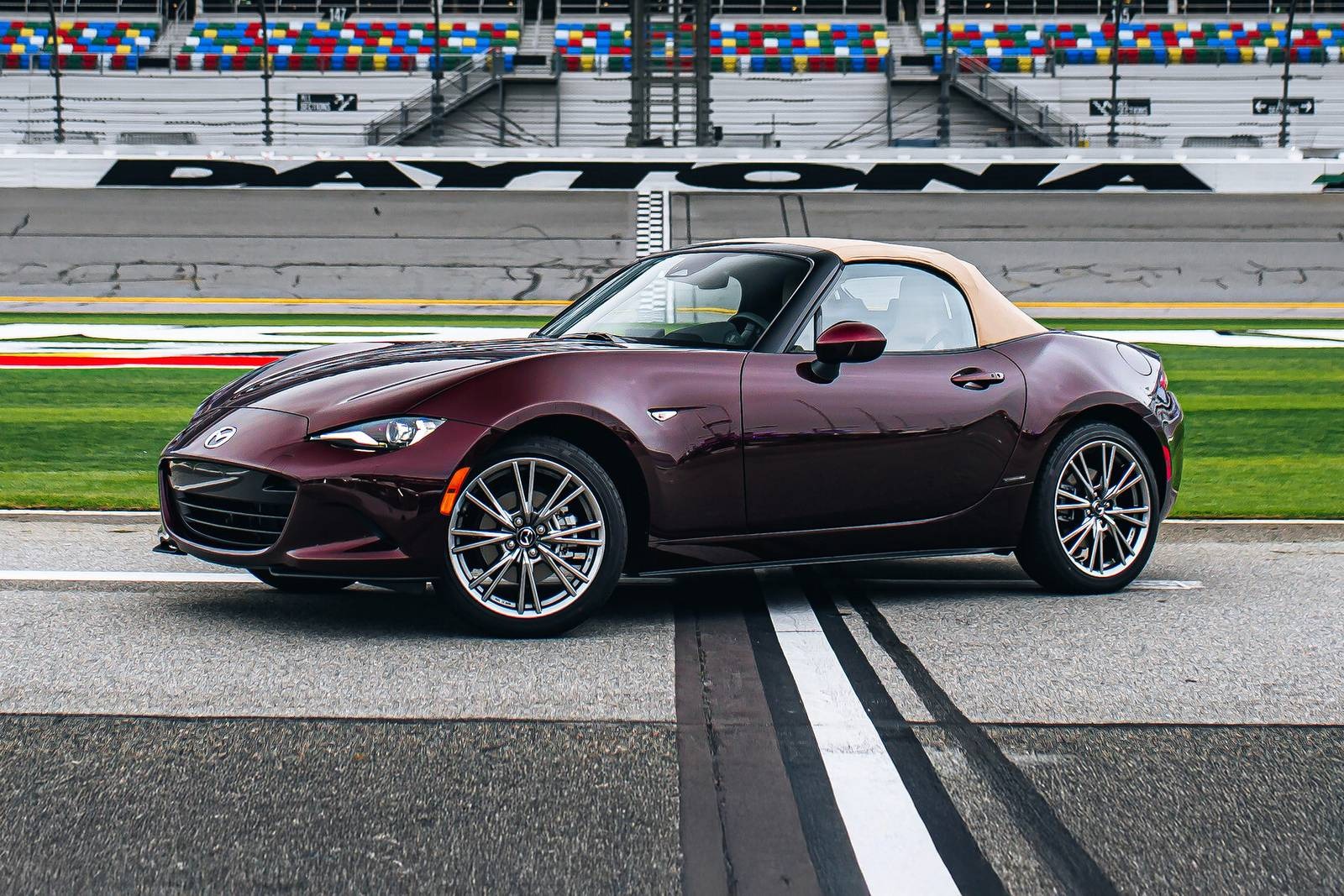
1. Mazda MX-5 Miata
The Mazda MX-5 Miata is a beloved icon aming the driving enthusiasts, known for its light weight, sharp handling, and back-to-basics sports car feel. What it lacks, however, is any sense of practicality when it comes to cargo. The trunk is undeniably small, barely accommodating a couple of overnight bags or a few grocery sacks. For road trips or airport runs, packing becomes a strategic puzzle. The lack of room can be frustrating if you’re used to tossing a gym bag or backpack into the back without a second thought.
One of the biggest constraints is the shape of the trunk. It’s not just small; it’s oddly shaped, with a shallow depth and narrow opening that limits what you can actually fit inside.
A hard suitcase may not fit unless it’s small, and even then, it might need to be placed at a specific angle. Soft bags are often the only way to make use of the space. Even items like camera gear or a folded suit can be difficult to load without contorting them or leaving other things behind.
Mazda made the decision to prioritize driving dynamics and compact dimensions above all else, and the result is a car that sacrifices everyday utility. There’s no hatchback or folding rear seat option, and being a two-seater means there’s no back row to help absorb overflow either. Even storing a jacket or purse becomes a compromise when the interior lacks compartments and the trunk has limited use. While most Miata buyers accept these limitations, it’s still a point of friction for those who attempt to use the car beyond weekend fun.
For some owners, the lack of trunk space becomes a creative challenge. They resort to cargo carriers or custom storage solutions to extend the Miata’s usefulness. Soft rooftop bags that attach to the trunk lid or luggage racks are common workarounds. But these come with their own tradeoffs in terms of style, convenience, and security. If you’re not willing to modify your vehicle or carry minimal gear, the Miata can become impractical in ways that stretch beyond occasional use.
That said, the Miata was never marketed as a utility vehicle, and to its credit, Mazda has never pretended it could be. It’s a car built for driving pleasure, and in that regard, it delivers fully. However, anyone expecting to use it as a daily driver or a weekend getaway machine with luggage in tow will find its tiny trunk to be a recurring headache. It serves a very specific lifestyle well, but for broader use, the space is undeniably limiting.
2. Chevrolet Camaro
The Chevrolet Camaro is another car that leans heavily on performance and style, often at the expense of practicality. One of its most glaring weaknesses is the trunk space, especially in the coupe version. The trunk opening is small, and the actual storage area inside is shallow and awkwardly shaped. Even if the listed cubic feet sound competitive on paper, real-world usability tells a different story. Fitting a standard suitcase or larger shopping bags can be a struggle.
The issue is compounded by the trunk’s narrow mouth, which limits the size of items that can actually be loaded. The rear seats do fold down, but the opening between the trunk and the cabin is tight, meaning only narrow objects can pass through. For a car that looks muscular and aggressive, the Camaro doesn’t offer the kind of internal muscle you might expect when it comes to utility. Carrying golf clubs, for instance, often requires angling them just right or leaving the cover off altogether.
Design choices also play a role in limiting cargo space. The sloped rear deck, thick side panels, and tight suspension packaging mean the interior volume is compromised in ways that don’t benefit storage. This isn’t a case of the manufacturer simply forgetting about space, it’s a result of prioritizing other features, like performance, aerodynamics, and rear-wheel drive hardware. While those features make the Camaro fast and exciting to drive, they don’t do any favors for cargo capacity.
The problem becomes even more apparent when traveling with a passenger. If both front seats are occupied and you need to carry bags or equipment, there’s nowhere else to put them. The rear seats are too cramped for adults and not much better for cargo due to their limited depth. Using the back seats for extra storage turns the Camaro into a two-seater with overflow space rather than a functional four-seater. It forces drivers to pack light or make multiple trips for larger errands.
Despite these limitations, the Camaro does offer thrill-seekers a strong and enjoyable ride. However, if your lifestyle involves frequent hauling, shopping, or travel, its trunk will start to feel like a liability. Buyers often fall for the car’s bold looks and strong engine options, but if they don’t assess their cargo needs ahead of time, they might end up regretting the decision once they realize how limiting the storage space truly is.
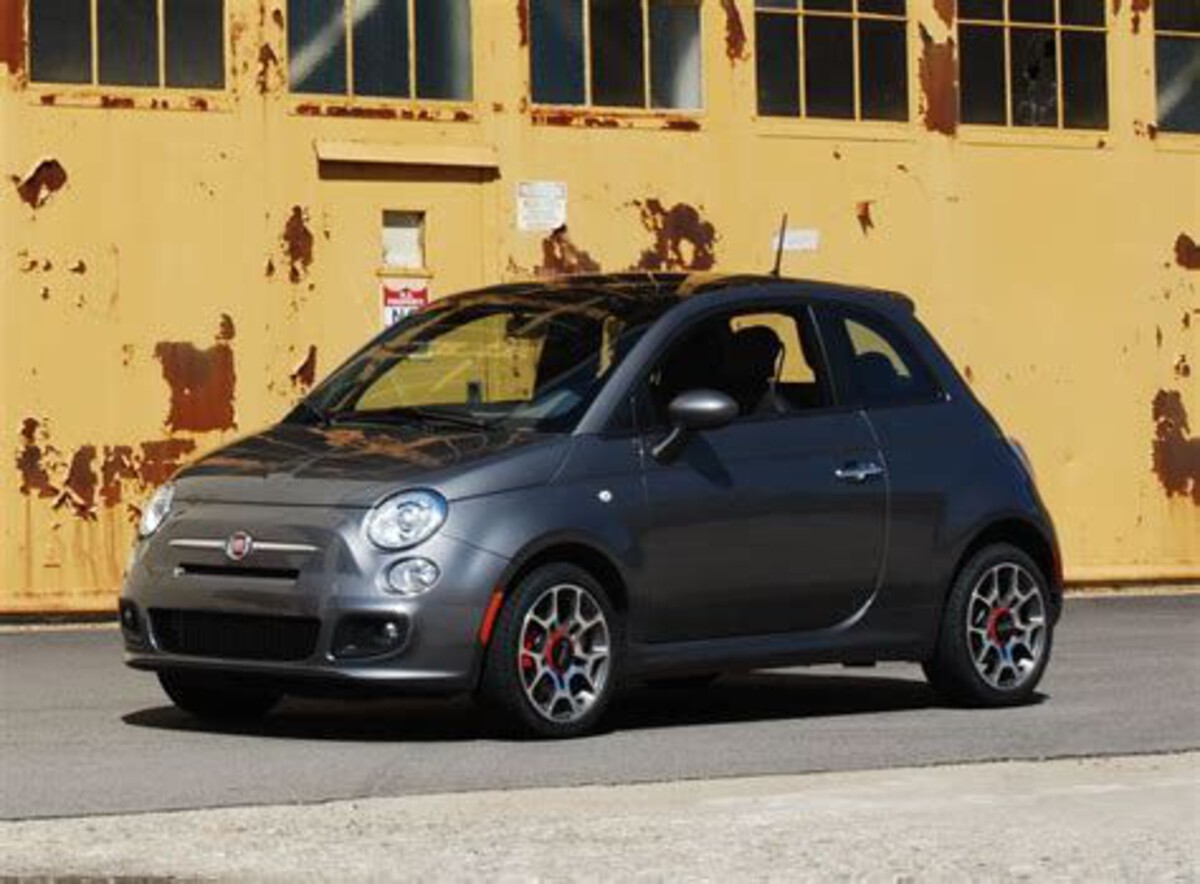
3. Fiat 500
The Fiat 500 is a compact city car that excels at parking, squeezing through tight streets, and offering a quirky personality in a small package. Unfortunately, that size translates directly into one of the smallest trunks available on any modern car. It’s clear from the moment you open the hatch that you’re dealing with a bare minimum of storage. With the rear seats up, space is limited to just a few shopping bags or a laptop backpack. Anything bulkier will require dropping the rear seats or leaving passengers behind.
The shape of the trunk doesn’t help much either. It’s narrow, with a high floor that limits vertical space. Even with the seats folded down, the overall space doesn’t rival what other subcompacts or hatchbacks provide. Items like folding strollers, suitcases, or musical instruments simply won’t fit without careful planning. This makes the 500 difficult to live with for drivers who need their vehicle to carry more than just themselves and a lunchbox.
One of the biggest tradeoffs with the Fiat 500 is its design. The retro styling and compact dimensions are charming, but they work against practicality. The short wheelbase and rear-wheel arch intrusion take up much of what little room is available. The car’s fun character makes it appealing, but it doesn’t take long for the lack of storage to become a real limitation. This is especially true in climates where people need to carry seasonal gear like coats, umbrellas, or snow brushes.
People who try to make the 500 work as a daily driver often resort to workarounds, like backseat storage or aftermarket cargo boxes. But this kind of improvisation only goes so far. The trunk’s shape and limited capacity make it impossible to carry large items or haul supplies. Even something as simple as a week’s worth of groceries might require folding seats and blocking rear visibility.
The Fiat 500 is best viewed as a short-distance commuter or second car for drivers who don’t expect much from their vehicle in terms of utility. It’s charming, efficient, and easy to maneuver, but it asks for compromises that many drivers won’t be able to accept long-term. The tiny trunk is a constant reminder that this car was built for fun, not function.
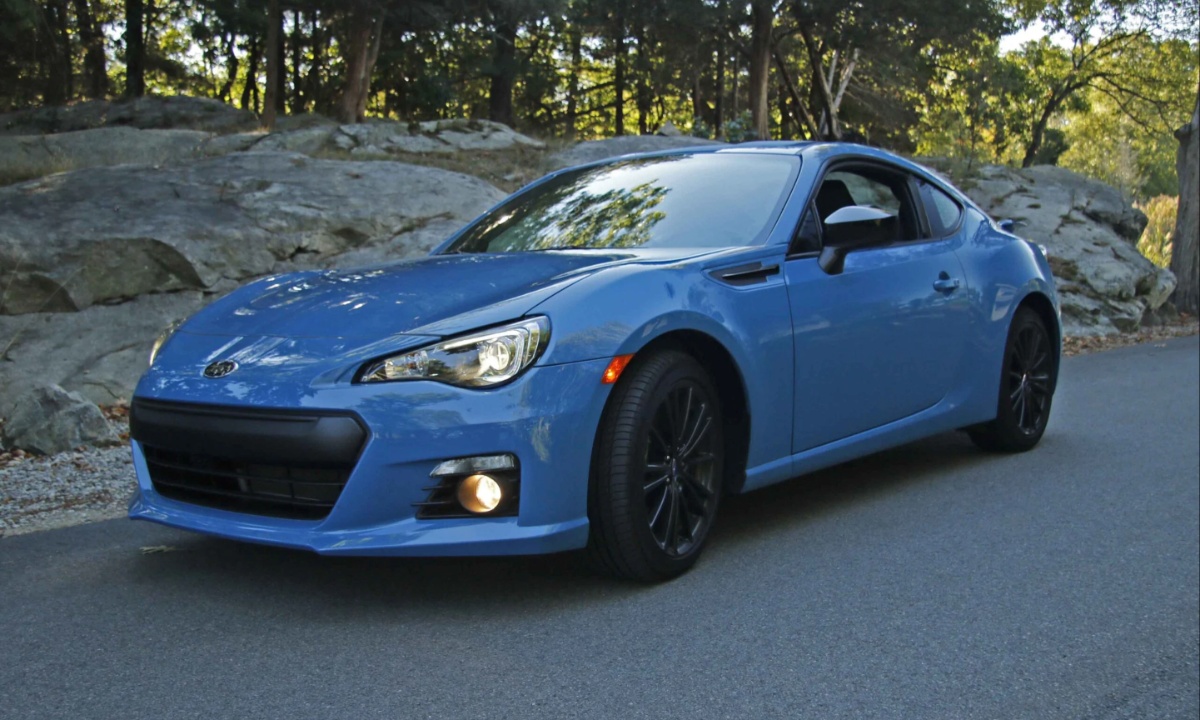
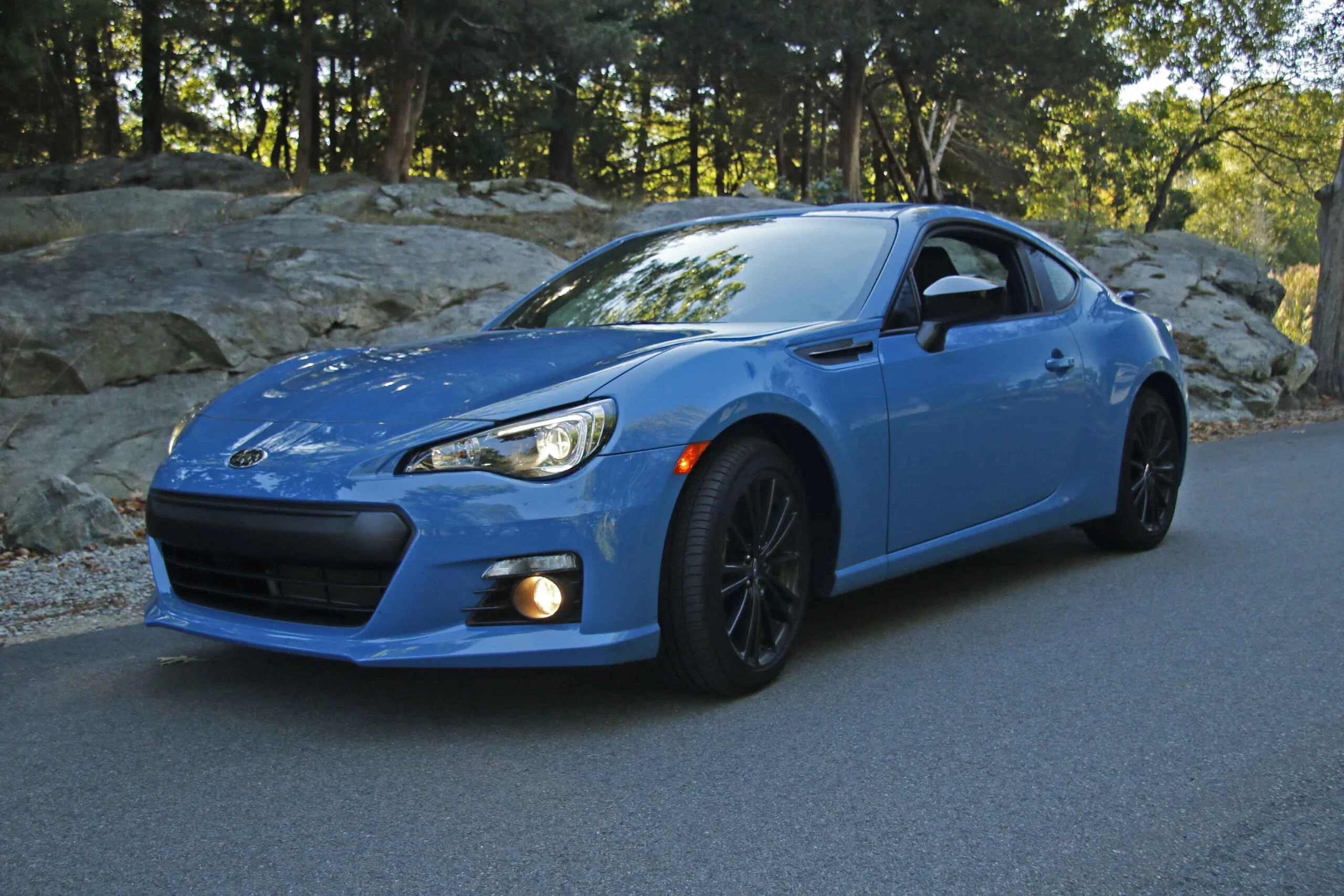
4. Toyota 86 / Subaru BRZ
The Toyota 86 and Subaru BRZ twins were designed with one goal in mind: performance at an affordable price. Their low center of gravity, rear-wheel drive layout, and engaging handling make them favorites among enthusiasts. What they do not offer is ample cargo space. The trunk is tight, with a narrow opening and shallow depth that severely limits its usefulness. While the listed cubic footage may not seem terrible at first glance, real-world use reveals the limitations quickly.
The most frustrating aspect is the shape and accessibility of the trunk. The opening is small and the load height is relatively high, making it difficult to place or remove anything that isn’t compact. The rear seats do fold down, but the pass-through is narrow, and the opening from the cabin doesn’t allow for wide items. Carrying a set of tires, a snowboard, or even two large duffel bags becomes an exercise in creativity and patience.
These cars were built for balance and low weight, not practicality. The rear-wheel drive platform means additional space is taken up by the driveshaft tunnel and suspension components. This compromises both the trunk and the backseat area, making them useful mostly as extra storage and not much more. The rear seats themselves are barely usable for passengers and often serve as overflow space for whatever doesn’t fit in the trunk.
If you plan to use the 86 or BRZ for anything more than weekend fun, the lack of storage can become frustrating. Even small trips require strategic packing. There’s no spare room for impulse purchases or last-minute bags, and the trunk is not built to handle spontaneous grocery runs. For drivers with even modest daily cargo needs, these cars may feel too restrictive.
That said, for those who prioritize driving enjoyment and don’t need much cargo space, the Toyota 86 and Subaru BRZ can still be rewarding. Just know what you’re getting into. They’re cars that serve a narrow purpose very well, but don’t try to stretch them beyond it. The tiny trunks serve as a clear boundary for what the car was meant to do, and what it wasn’t.
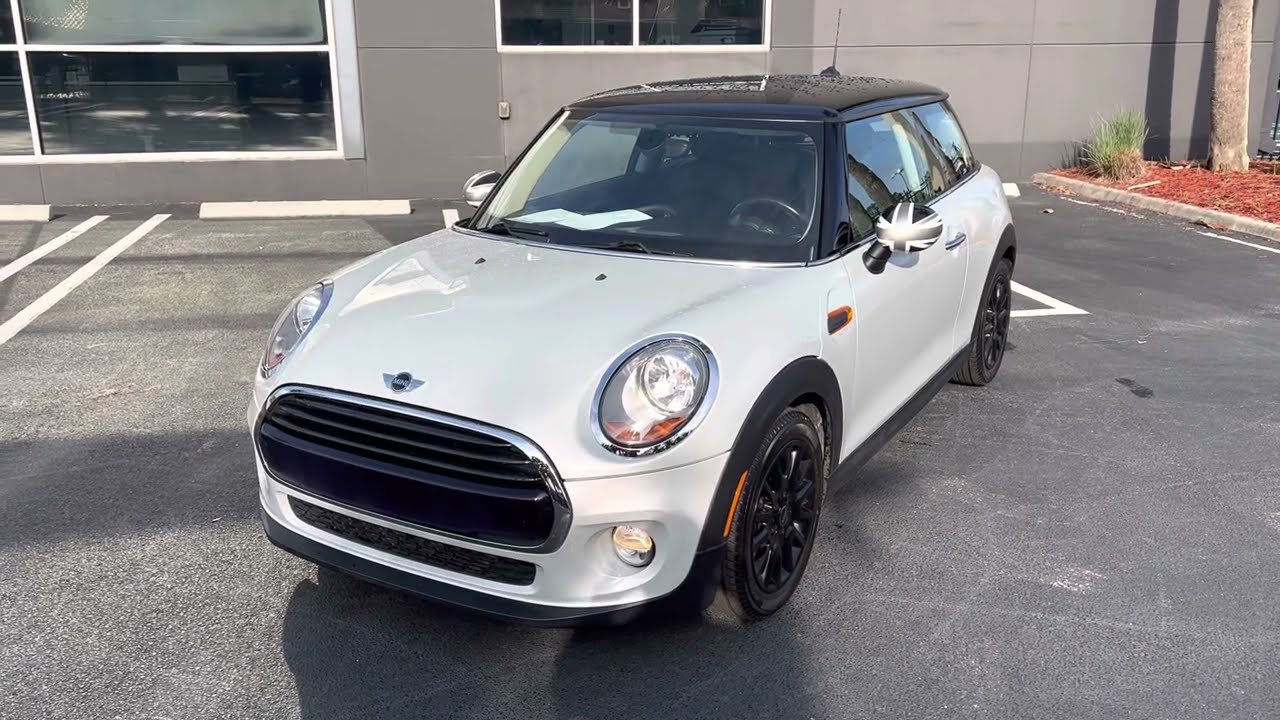
5. Mini Cooper 2-Door
The 2-door Mini Cooper has always been known for its bold design, agile handling, and urban charm. But its charm comes at the cost of trunk space. The rear cargo area in the 2-door version is extremely limited, especially with the back seats in use. You’ll find room for maybe two tote bags or a small suitcase, but anything more becomes a hassle. Even getting items in and out of the small hatch can be awkward due to the compact design and rear curvature.
When the rear seats are folded, the space opens up somewhat, but it’s still modest by any standard. The floor isn’t perfectly flat, and the seatbacks don’t always sit flush, which makes stacking or organizing luggage more difficult. Large boxes, wide sports bags, or household items often won’t fit unless they’re compressed or oddly shaped. This significantly reduces the Mini’s flexibility as a practical daily driver for anyone who hauls more than light errands.
Passengers in the rear also compete for storage space. If someone is sitting in the back, your ability to carry anything meaningful in the trunk becomes nearly nonexistent. Some Mini owners treat the car as a two-seater with a backup bench for bags, which is fine until you need to bring people and cargo at the same time. Long drives, especially with multiple occupants, often involve packing compromises or even additional bags inside the cabin floor area.
Mini tries to help with creative compartments and underfloor storage, but the total volume remains too small to compete with similarly priced hatchbacks or crossovers. Even subcompact SUVs offer more real-world utility without adding too much length or height. While the Mini is fun to drive and easy to park, that convenience ends when it’s time to carry more than a backpack or laptop case.
The 2-door Mini Cooper is a lifestyle car. It serves those who value style, individuality, and maneuverability in a small package. But it’s not for anyone who needs regular cargo space or has a growing family. The tiny trunk is one of its biggest limitations, and no amount of clever packaging can completely hide that fact. Buyers should be clear-eyed about how they intend to use the vehicle before committing to one with so little room in the back.
Also Read: 10 Cars That Can Be Repaired With Only Basic Tools
Cargo space isn’t the most glamorous feature of a car, but it often has the biggest impact on everyday satisfaction. Cars like the Honda CR-V, Subaru Outback, Toyota RAV4, Ford Escape, and Kia Telluride provide generous, practical storage that can make life easier, more comfortable, and more flexible.
Whether you’re managing daily errands or going on extended trips, these vehicles give you room to handle more without stress. On the flip side, performance-focused or design-driven models like the Miata, Camaro, Fiat 500, BRZ/86, and Mini Cooper 2-Door ask you to make sacrifices in storage for the sake of driving fun or visual appeal.
Understanding these trade-offs can help you choose a vehicle that matches your lifestyle. If you haul gear, shop in bulk, or drive with multiple passengers, cargo space isn’t optional; it’s essential. If your life revolves around compact city driving or track-day excitement, smaller trunks might be an acceptable price to pay. In either case, knowing what to expect helps you make the right decision before the driveway turns into a daily struggle over storage.
