
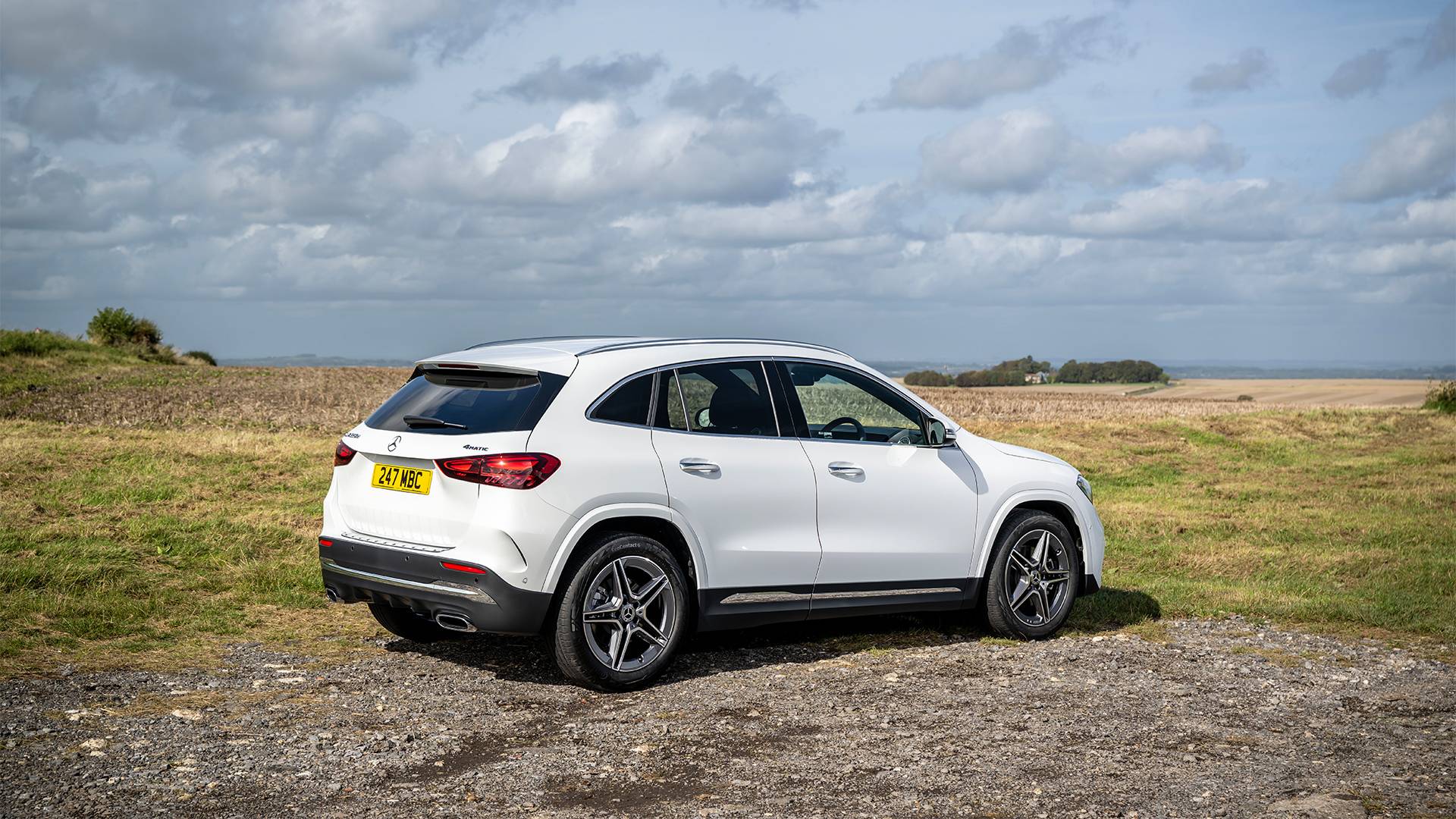
When it comes to choosing a vehicle, the amount and quality of storage space often play a more important role than many realize. Storage is not simply about having a big trunk or a large backseat; it’s about how intelligently the space inside the vehicle is used.
People carry various items daily, from groceries and briefcases to sports equipment, pets, or even bulky outdoor gear. A vehicle that offers clever storage solutions makes all these tasks easier and keeps the cabin tidy and organized. Without good storage, even the most spacious interiors can feel cluttered and inefficient. Cars and trucks are meant to serve our lifestyle needs, and storage options have a direct impact on the convenience and comfort of everyday driving.
Many automakers focus on maximizing storage by adding clever compartments, fold-flat seats, under-floor bins, or customizable cargo areas. These features help owners adapt the vehicle to a range of situations, whether it’s hauling luggage for a family vacation or simply stashing away small items like keys and phones.
Practical storage solutions help reduce distractions by providing secure places for objects, which can improve driving safety. Vehicles with flexible storage areas provide peace of mind and convenience by making it easier to organize and separate belongings, which is especially helpful during long trips or in inclement weather.
On the other hand, some vehicles waste space with poor design choices or limited storage features. Even if a car looks roomy, it may not be practical if there are few options to store everyday essentials. Wasted space can frustrate owners who constantly struggle to find places for their belongings, and it can lead to a messy interior that detracts from the driving experience.
Poorly thought-out storage can mean awkward, unreachable compartments or wasted cubic feet that do not serve a useful purpose. In such vehicles, passengers may find themselves piling items on seats or the floor, creating discomfort and distraction.
This article highlights five vehicles that succeed in making storage a strong point through innovation and thoughtful design. Each of these vehicles includes features that optimize space, protect valuables, and offer flexibility to meet the needs of different drivers.
Following that, five vehicles are examined that, despite their popularity or style, fall short when it comes to maximizing storage usability. Understanding these examples can help potential buyers assess what works and what does not in automotive storage design. It also illustrates the wide variety of approaches automakers take and how storage can be a defining characteristic of a vehicle’s practicality and comfort.
5 Vehicles With Clever Storage
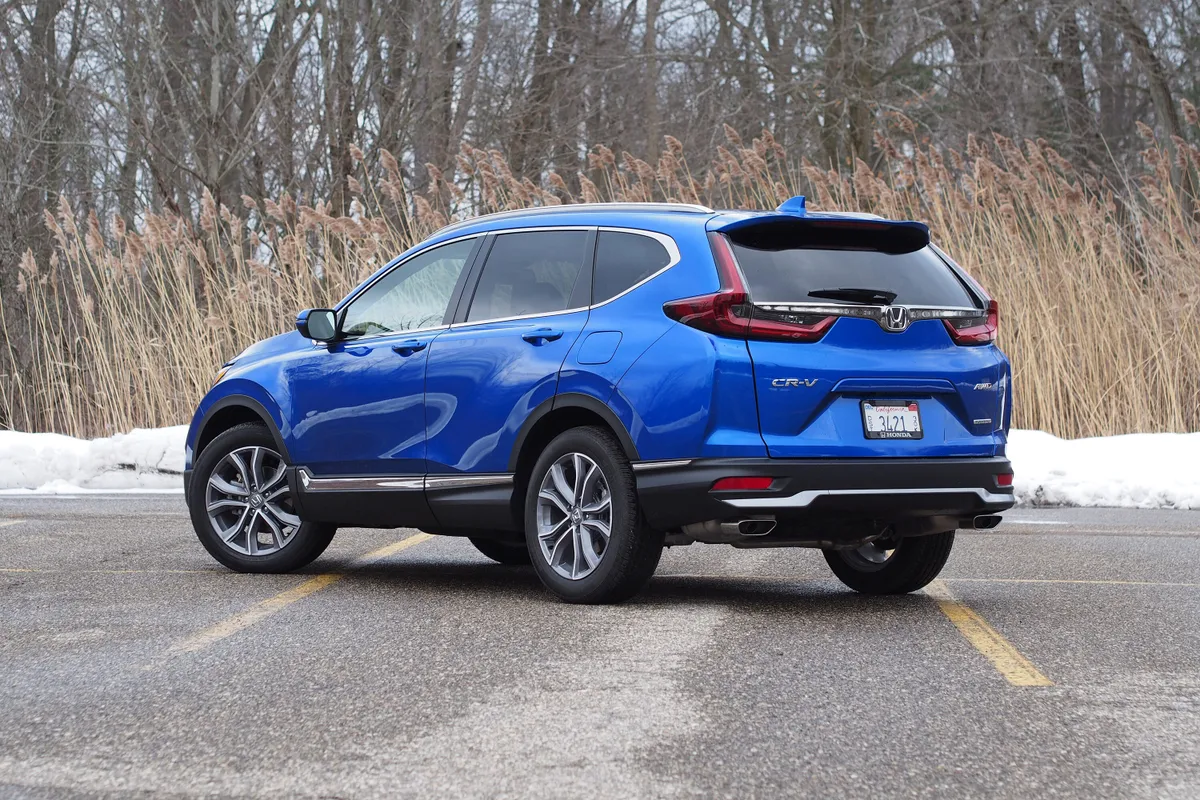
1. Honda CR-V
The Honda CR-V has earned a reputation as one of the most practical compact SUVs largely due to its exceptional use of interior space. The design team focused heavily on creating storage options that cater to families, professionals, and outdoor enthusiasts alike. One of the most appreciated features is the large cargo area accessible via a wide rear hatch, where the rear seats fold flat in a nearly seamless fashion to maximize usable volume.
This makes the CR-V versatile for carrying everything from bulky sports equipment to large shopping hauls. Underneath the cargo floor lies a hidden compartment that is deep enough to hold valuables, emergency kits, or small tools. This clever use of space is especially useful because it keeps items out of sight and secure while traveling.
Inside the cabin, storage options continue to impress. The center console is large, deep, and divided into sections that help keep various items organized and easily accessible. It’s not uncommon for drivers to store tablets, cables, snacks, and paperwork without feeling cluttered.
The armrest provides comfort while also being a cover for the storage bin below, which maximizes utility without compromising comfort. Door panels are equipped with large pockets that can accommodate tall water bottles, umbrellas, and other tall objects without difficulty, something that many SUVs overlook. The glove box is also larger than average and sometimes features a cooling option that can keep beverages chilled, a unique feature rarely seen in this class.
Additionally, the CR-V features under-seat storage compartments designed to hold smaller items such as gloves, maps, or tools. This ensures that the passenger area remains uncluttered. Another point worth noting is the multi-angle rearview camera, which is integrated with storage considerations, providing a clear view and an accessible design near the rear hatch.
The seats themselves have adjustable headrests that fold to enable more cargo space without sacrificing passenger comfort. Honda’s focus on flexibility and clever compartmentalization throughout the vehicle makes the CR-V stand out in a crowded segment, proving that smart storage design can greatly enhance everyday practicality and usability.
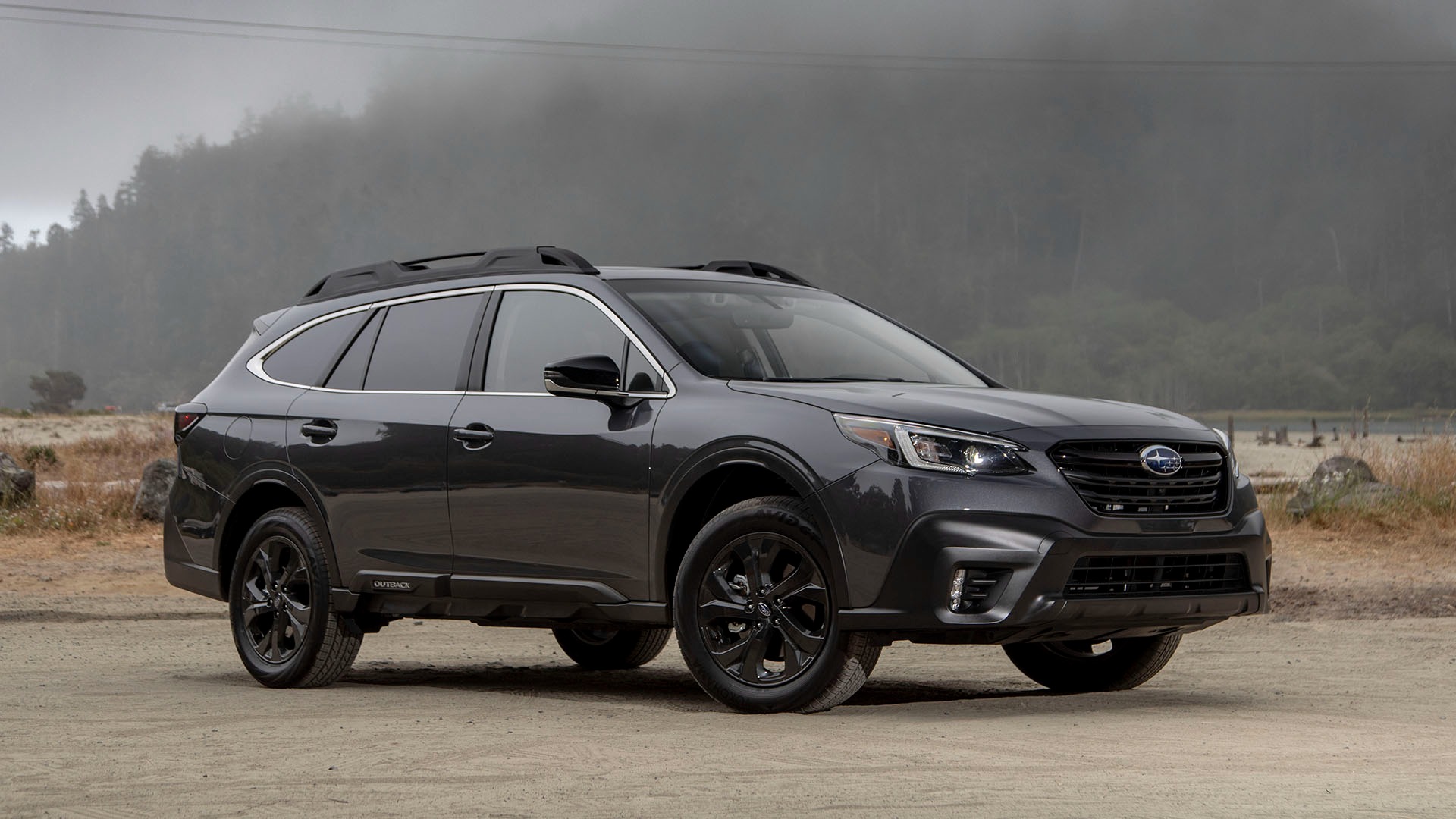
2. Subaru Outback
The Subaru Outback is often favored by drivers who seek a blend of rugged capability and everyday versatility, and its storage solutions play a crucial role in this balance. The vehicle’s cargo area is designed to accommodate large and irregularly shaped gear, which is important for those who take advantage of its all-wheel-drive system for outdoor adventures.
The rear seats fold down in a way that creates a nearly flat loading surface, facilitating the transportation of bicycles, camping equipment, and even bulky sports gear. This flat floor configuration is crucial because it allows items to slide in easily and maximizes the usable cargo volume, which can be a challenge in many crossover SUVs.
Subaru also includes a sliding cargo floor system that can be adjusted to create different height levels inside the cargo area. This feature allows users to either increase storage volume or create a concealed compartment below the main floor.
It’s particularly useful for separating dirty or heavy equipment from the rest of the cargo, maintaining order, and protecting more delicate belongings. The under-floor compartments are waterproof and lockable, which is an added bonus for those traveling on rough roads or in bad weather. It’s a smart way to use the vertical space that is often wasted in many vehicles.
Inside the cabin, the Outback continues its emphasis on usable storage with deep door pockets and a center console that offers a range of organization options. Passengers can easily stow water bottles, phones, and small personal items within reach. The glove box is one of the largest in the class, providing room for manuals, maps, and digital devices.
Subaru designers also included seat-back pockets that offer additional space for books or tablets, increasing storage without infringing on passenger comfort. Practical features like multi-purpose hooks and cargo tie-downs help keep items secure in the back, preventing them from shifting during driving, which enhances safety.
Beyond just the quantity of storage, Subaru’s design prioritizes durability and ease of use. Materials inside the cargo area are rugged and easy to clean, perfect for active lifestyles. The combination of adjustable floors, hidden compartments, and accessible interior storage makes the Outback a prime example of a vehicle that maximizes its available space intelligently. It’s a car that understands the diverse needs of its owners and provides solutions that adapt to changing cargo demands effortlessly.
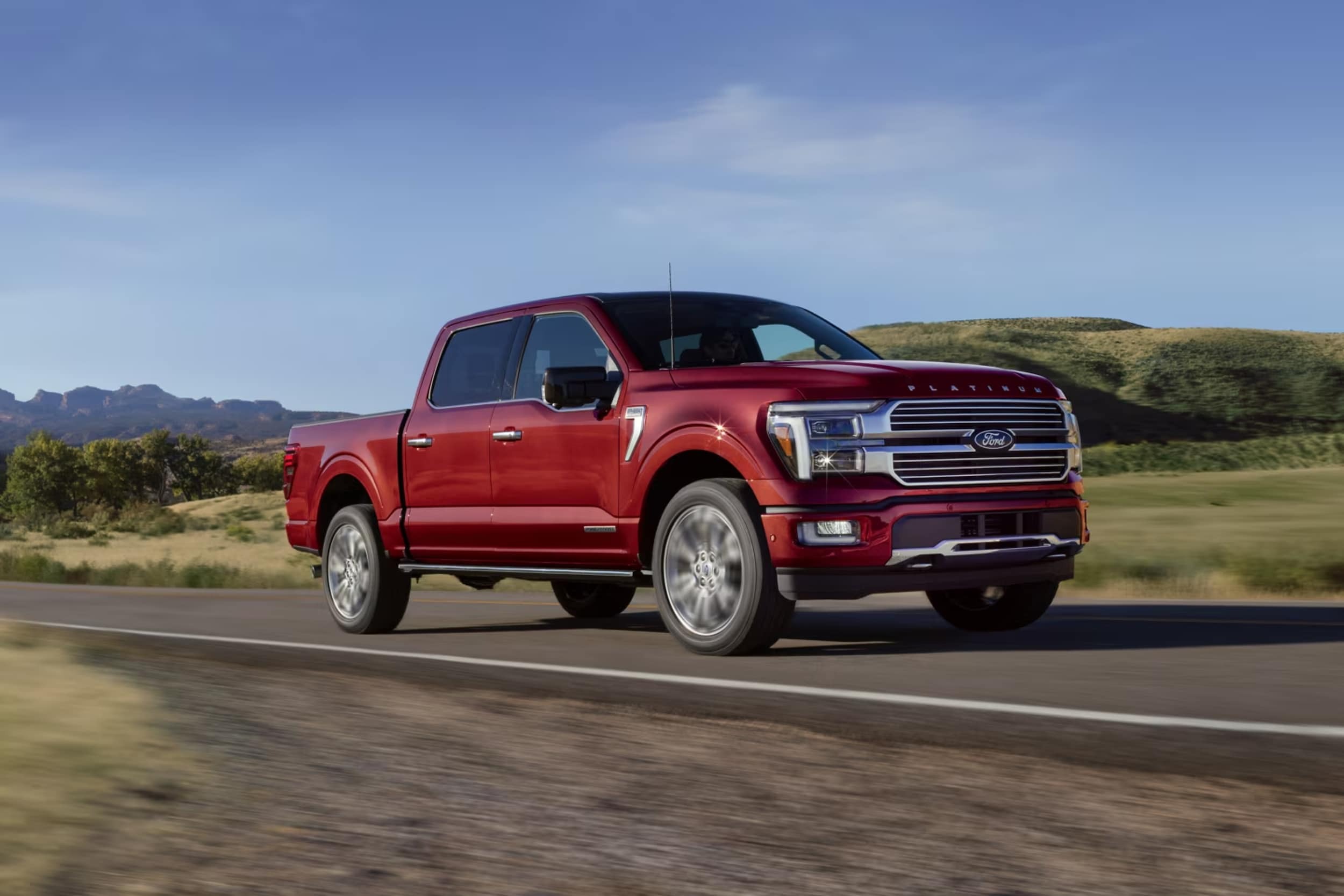
3. Ford F-150
The Ford F-150 is not only one of the best-selling trucks in history, but it is also one of the most innovative in terms of storage design, blending heavy-duty capability with user-friendly features. One of the truck’s standout features is its integrated storage compartments in the bed walls.
These boxes are lockable and weatherproof, offering secure storage for tools, ropes, and other equipment that needs to be protected from the elements. This clever design reduces clutter inside the cabin by providing dedicated external storage while maintaining easy access from the side of the truck bed.
Inside the cabin, the F-150 features a massive center console that is arguably the best in the truck segment. It offers multiple compartments and trays that are designed to accommodate laptops, paperwork, phones, and other professional essentials. This storage is especially useful for tradespeople who need to carry work equipment while keeping the cabin tidy and organized.
The console also includes smaller compartments for coins, pens, and keys, ensuring that everything has a designated place and reducing distractions while driving. Door panels are similarly designed to hold large water bottles, gloves, and other gear, contributing to the vehicle’s practicality.
Another innovative addition is the multi-function tailgate that includes a built-in step and work surface, increasing the truck’s usability on job sites or for recreational activities. This tailgate also incorporates storage features, allowing users to organize smaller tools and supplies right at the back of the vehicle.
Rear seats fold up to reveal additional storage compartments beneath them, perfect for keeping smaller items safe and out of sight. This feature is particularly beneficial for owners who want to transport both passengers and cargo without sacrificing either.
The F-150 strikes a balance between ruggedness and refinement, providing practical storage solutions that help owners make the most of the vehicle’s size and capability. Its combination of secure external storage, versatile interior compartments, and clever accessories sets it apart in the full-size truck segment. For many buyers, this makes the F-150 not just a powerful workhorse but a vehicle that understands the daily needs of its users and provides storage solutions that make life easier and more efficient.
4. Toyota Sienna
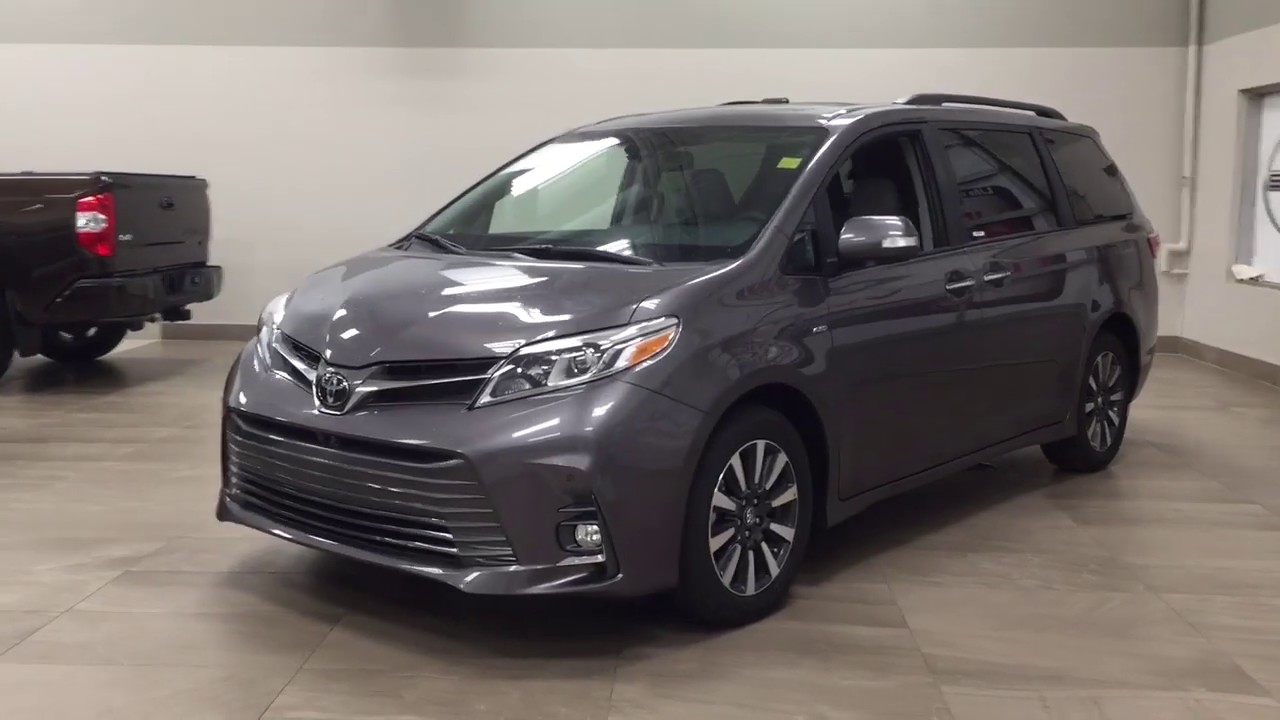
The Toyota Sienna is a standout in the minivan category, a vehicle type that is often overlooked when considering clever storage. However, the Sienna’s interior storage solutions are thoughtfully designed to meet the needs of families and anyone requiring flexibility.
One of its most innovative features is the Stow ’n Go seating system, which allows the second and third-row seats to fold completely flat into the floor. This mechanism creates a vast cargo space without raising the floor level, which means you can transport large or bulky items while still having a comfortable, accessible interior.
The Sienna is packed with storage compartments throughout its cabin. The center console is large and versatile, offering divided spaces for gadgets, books, and snacks, along with concealed storage beneath the armrest. This multi-level storage keeps items organized and prevents clutter. The door panels are also deep, lined with soft materials to prevent rattling and to protect belongings during travel. This helps keep the cabin quiet and comfortable, especially on long trips with children.
The glove box in the Sienna is one of the most spacious in its class, capable of holding everything from manuals and paperwork to electronics and small bags. Additionally, overhead storage compartments provide a convenient place for smaller items like sunglasses, sunscreen, or snacks.
The rear cargo area features under-floor compartments that are perfect for storing tools, first-aid kits, or emergency gear. Cup holders and seat-back pockets are strategically placed to enhance passenger convenience and maintain order within the vehicle.
Toyota has also considered the needs of families specifically by creating kid-friendly storage spaces, such as compartments designed for toys, books, and portable electronics. These thoughtful touches make the Sienna much more than just a people mover; it becomes a mobile storage solution that adapts to various scenarios. Its blend of space, flexibility, and accessibility makes it ideal for those who need to carry a wide range of items regularly without feeling cramped or disorganized.
5. Mercedes-Benz GLE
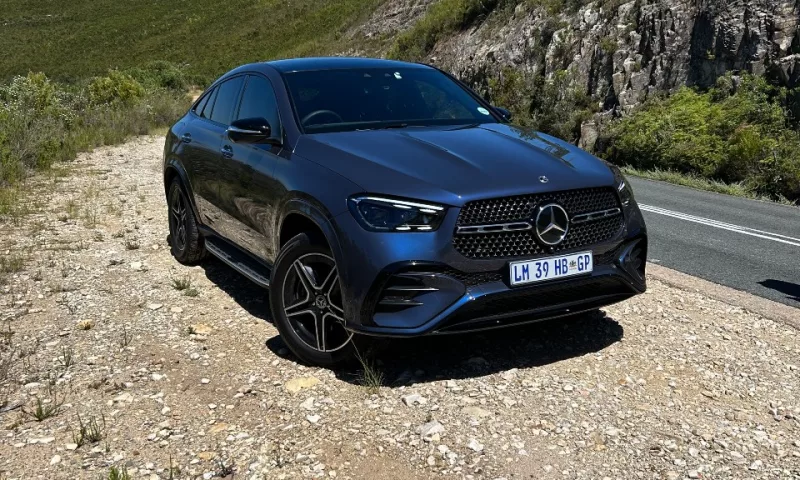
Luxury vehicles often prioritize aesthetics and comfort, but the Mercedes-Benz GLE successfully combines elegance with smart storage design. The GLE’s cargo area is generous and highly configurable, featuring an adjustable load floor that allows owners to customize the space to suit their needs. This adjustability means you can raise the floor for easier loading of lighter items or lower it to maximize vertical cargo capacity. The rear seats fold down in a 40/20/40 split, offering multiple ways to configure the space between passengers and cargo, which is particularly useful for those who carry a combination of people and luggage regularly.
Inside the cabin, storage compartments are carefully integrated without compromising the vehicle’s luxurious feel. The center console offers a deep storage bin with a sliding tray, which helps organize smaller items like keys, wallets, and charging cables. The glove box is large, well-lit, and cooled in some trims, making it easier to find items and keep them in good condition. Door panels feature storage pockets lined with soft materials that prevent rattling and protect valuables.
One of the more unique storage features in the GLE is the availability of a refrigerated compartment, which is not common in luxury SUVs. This compartment can keep drinks or snacks chilled during long trips, adding a layer of convenience and comfort. Cup holders throughout the vehicle are designed with covers that maintain the clean lines of the interior while still providing secure storage for beverages. The rear cargo area includes hooks and netting to prevent items from moving around during transit, which adds to the vehicle’s practicality.
The GLE’s interior storage design reflects Mercedes-Benz’s attention to detail and dedication to user experience. Compartments are thoughtfully placed for accessibility, with quality materials that complement the vehicle’s upscale nature. This SUV demonstrates that storage can be both highly functional and seamlessly integrated into a luxury environment, making it an excellent choice for those who desire sophistication without sacrificing practicality.
5 Vehicles With Wasted Space

1. Jeep Wrangler
The Jeep Wrangler is legendary for its off-road capabilities and rugged personality, but when it comes to interior storage, it leaves much to be desired. Its boxy exterior and utilitarian design might suggest ample space, but the reality inside the cabin is quite different. The Wrangler lacks deep door pockets or meaningful compartments for stowing personal items. The center console is shallow and narrow, unable to accommodate even basic essentials comfortably. This can be frustrating for drivers and passengers who need a place to keep phones, wallets, or snacks secure during a bumpy ride.
The rear cargo area is particularly small compared to other SUVs with similar external dimensions. The cargo floor is flat but shallow, and there are few options for creating separate storage zones or hiding valuables.
Items left in the cargo area are often exposed, and because of the Wrangler’s off-road focus, the cabin is prone to getting dirty, which makes the lack of covered storage more problematic. Passengers frequently have to leave their belongings loose or place them on seats, risking damage or loss when driving over rough terrain.
The glove box is tiny, barely able to hold a few papers or small items, which is surprising given the vehicle’s size. Cup holders are awkwardly placed, making it difficult to comfortably reach drinks without spilling. While the Wrangler excels in durability and outdoor performance, its interior storage design sacrifices everyday practicality. For those who prioritize interior usability over off-road performance, the Wrangler’s wasted space can be a major drawback.
2. Fiat 500
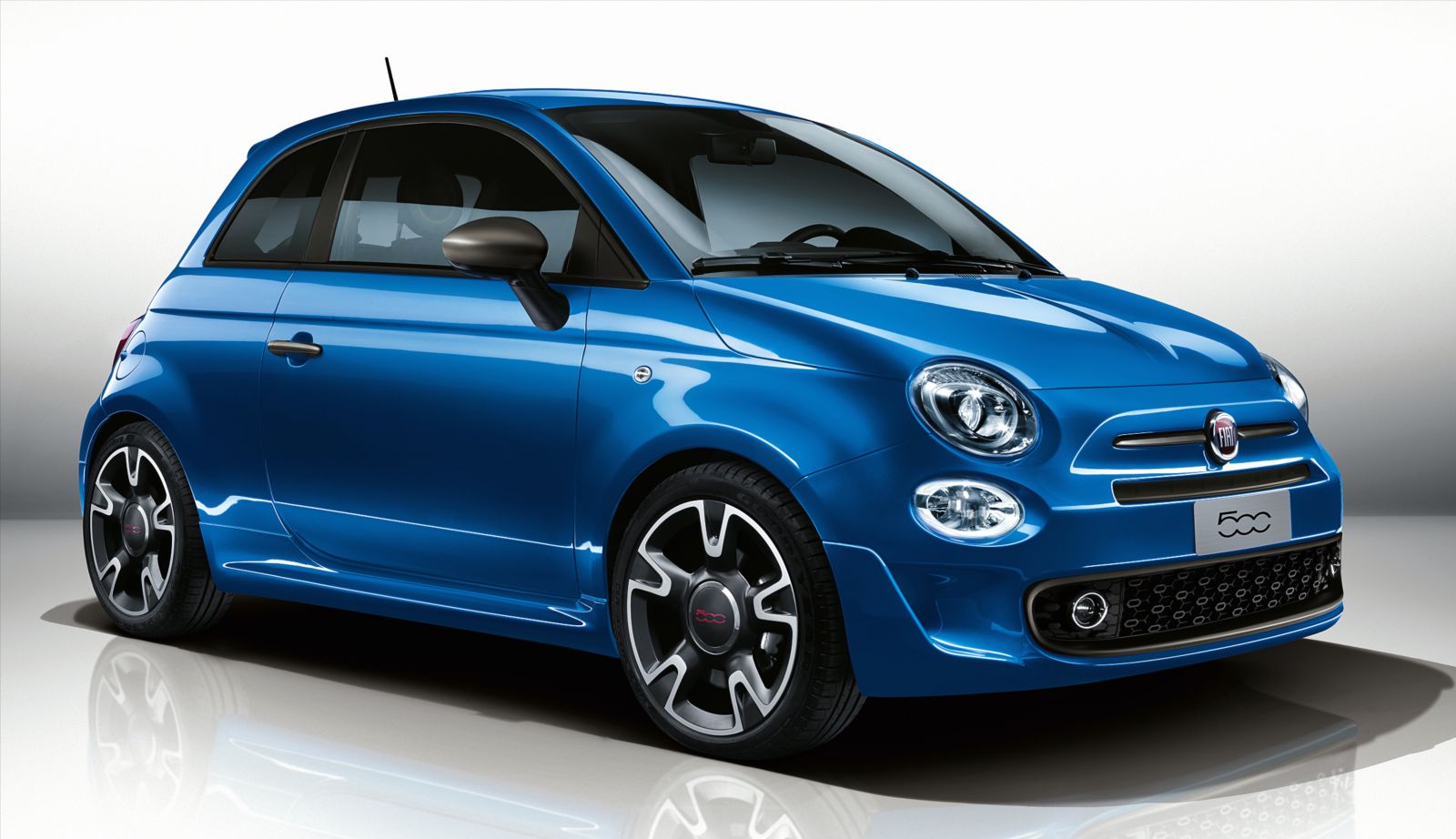
The Fiat 500 is a stylish and compact city car, ideal for maneuvering tight urban spaces, but its interior storage options are quite limited. Due to its small size, the vehicle’s cabin feels cramped and offers minimal room for stowing items. The glove box is exceptionally small, unable to fit anything beyond a few documents or small accessories. This limitation forces drivers to find alternative spots for basic necessities, which can quickly lead to clutter.
The center console area is almost non-existent in terms of meaningful storage. It lacks compartments or organizers that could help separate items, resulting in a flat, unused space that doesn’t assist with managing personal belongings. Door pockets are shallow and narrow, only capable of holding very small items such as a phone or a handful of coins. The rear seats are tiny, and the trunk space is minimal, barely suitable for a couple of grocery bags.
While the Fiat 500’s design focuses on style and convenience for city driving, its interior fails to maximize the available space in a way that supports daily practicality. Drivers who need to carry more than the bare essentials may find themselves frustrated by the lack of storage options. The vehicle’s wasted space and poor storage solutions make it a less appealing choice for anyone who values functionality as much as style.
3. Nissan Juke
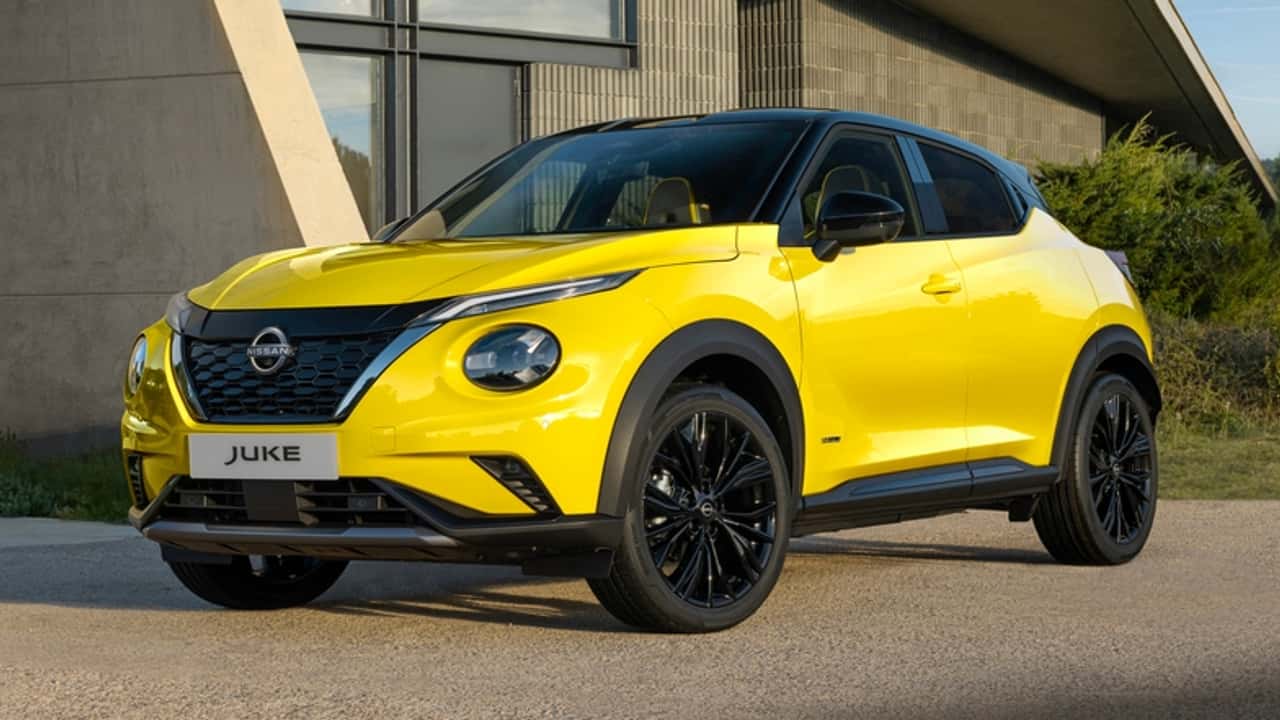
The Nissan Juke is known for its sporty looks and compact footprint, but its interior storage solutions leave something to be desired. The vehicle’s sloping roofline and tight cabin dimensions limit headroom and storage volume, making the interior feel more cramped than competitors in the crossover segment. The rear cargo area is small and oddly shaped, reducing its usefulness for carrying larger items or luggage. This results in awkward packing experiences and limited flexibility.
Storage compartments inside the cabin are minimal and poorly designed. The glove box is narrow and shallow, barely capable of holding standard paperwork or personal devices. Door pockets are tight and only suitable for small items, such as a water bottle or a mobile phone, leaving little room for anything else. The center console is compact with very limited cubbies or trays for organizing belongings, which means small items can easily get lost or clutter the area.
While the rear seats do fold down, the cargo space they create is far from ideal because it lacks a flat floor and usable shape. This limits the vehicle’s practicality for those who need to transport larger loads or frequently switch between passenger and cargo configurations. The Nissan Juke’s interior emphasizes style over substance, leading to wasted space and a less user-friendly environment for drivers who prioritize storage and organization.
4. Mazda MX-5 Miata
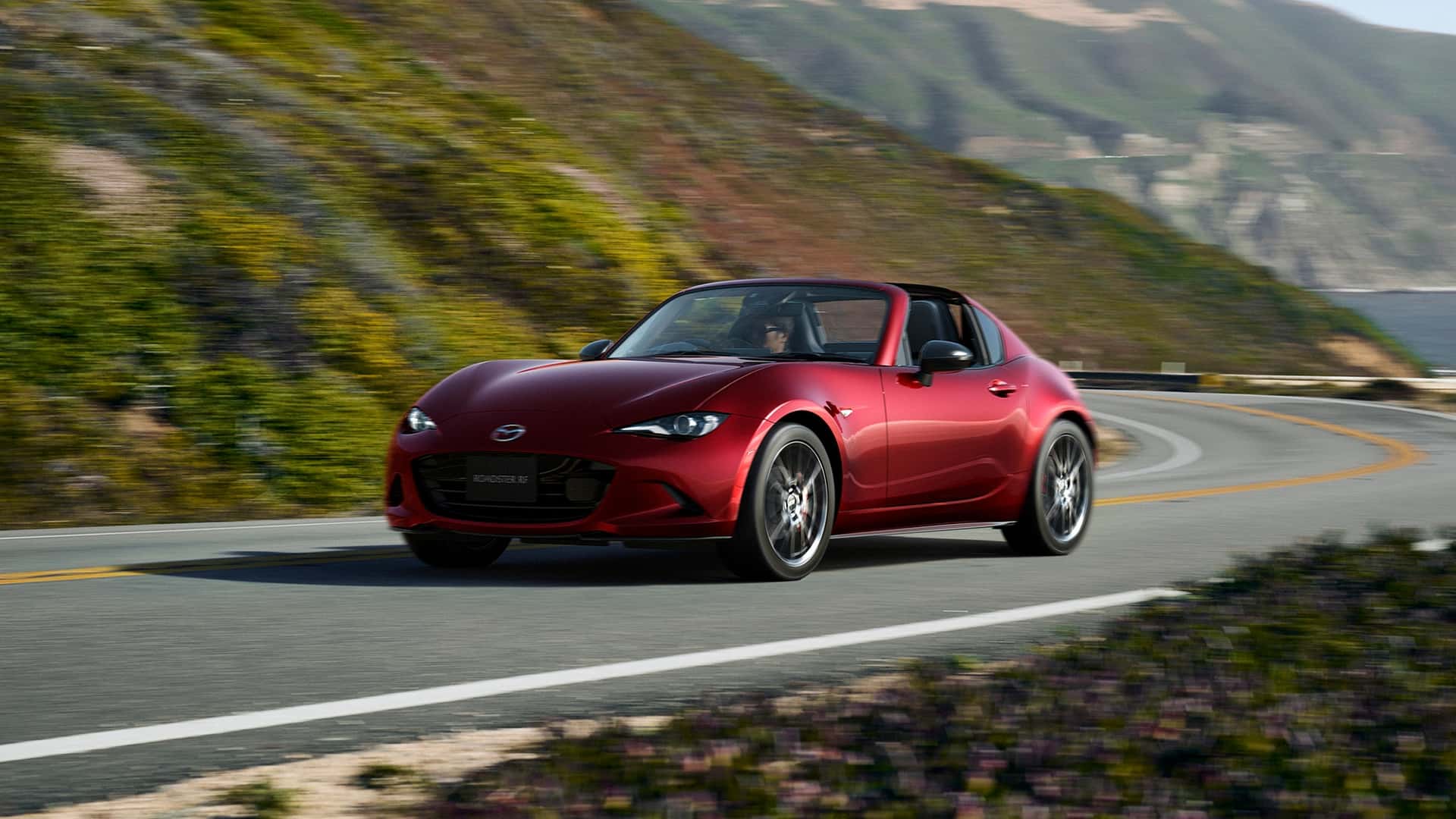
The Mazda MX-5 Miata is a beloved sports car, known for its nimble handling and open-air driving experience, but when it comes to storage, it offers very little. As a compact two-seater, the Miata’s interior space is extremely limited, and storage solutions are minimal. The glove box is small and shallow, unable to hold much more than a few essential documents or very small personal items. There is no center console storage beyond a small tray and a cup holder, leaving drivers with few options for stowing everyday items.
The trunk is also small, with just enough room for a small bag or two. Unlike many other vehicles, the Miata does not provide under-floor storage or any hidden compartments to compensate for the limited space. The door panels do not have storage pockets at all, which is uncommon even for sports cars in this class. This lack of storage means drivers have to carefully consider what they bring with them, as space is extremely tight.
While the Miata’s primary appeal lies in driving enjoyment rather than practicality, its almost nonexistent storage makes it unsuitable for those who need to carry even moderate amounts of cargo regularly. The wasted space inside the cabin highlights that the vehicle is designed for fun and performance first, with practicality as a very distant second consideration.
5. Range Rover Evoque
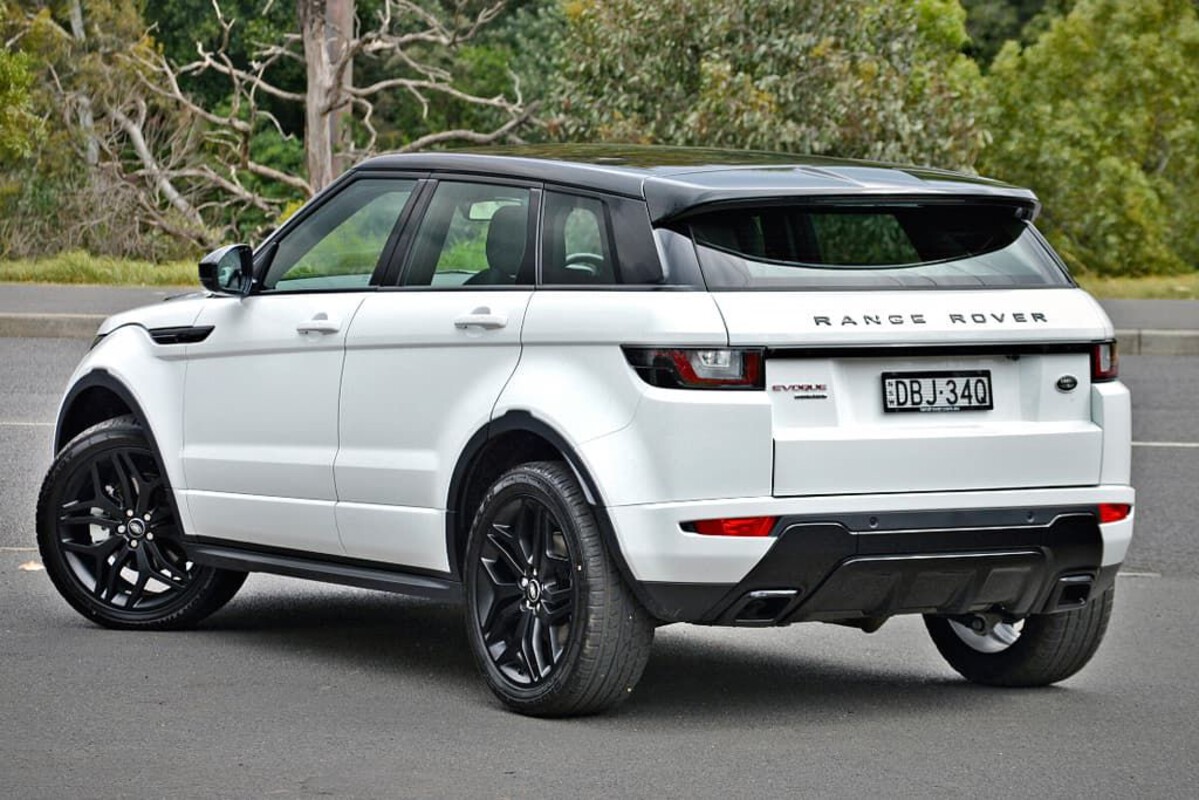
The Range Rover Evoque is a luxury compact SUV with a striking design and advanced technology features, but its interior storage is somewhat disappointing given its price point and segment expectations. Despite being an upscale vehicle, the Evoque offers limited storage space in the cabin, with small door pockets and a narrow center console that reduces the amount of usable storage. This lack of storage organization makes it challenging to keep the interior tidy, especially during longer trips or when carrying multiple personal items.
The glove box is smaller than expected for a vehicle in this class, offering just enough room for basic paperwork but not much else. The rear cargo area, while adequate for everyday use, does not include under-floor compartments or other innovative storage solutions found in some competitors. This absence limits options for organizing smaller items or hiding valuables. The cup holders are positioned close together, restricting the size and number of containers that can fit simultaneously.
Rear passengers face limited storage options as well, with shallow pockets that offer minimal capacity for holding personal belongings. This can be inconvenient during family trips or carpooling. While the Evoque excels in luxury finishes and driving dynamics, the inefficient use of storage space detracts from its practicality. Buyers expecting a well-rounded vehicle with both style and functional storage may find the wasted space frustrating.
Also Read: 10 Cars No One Talks About But Run Forever
Storage is a fundamental aspect of vehicle design that significantly impacts the daily experience of drivers and passengers. It affects not only convenience and comfort but also safety and overall functionality. Through this article, it is clear that while many vehicles offer the basic expectation of storage, only a few go beyond by incorporating truly clever and thoughtful solutions that maximize space efficiency.
The difference between vehicles that utilize their storage potential well and those that waste it can be striking and often becomes a decisive factor for buyers who value practicality.
Vehicles like the Honda CR-V, Subaru Outback, Ford F-150, Toyota Sienna, and Mercedes-Benz GLE showcase what happens when designers prioritize storage as an essential element of the vehicle’s purpose. These models include features such as adjustable cargo floors, hidden compartments, multi-use center consoles, and innovative seat-folding systems that transform how space is used.
This smart design not only enhances capacity but also adds layers of convenience and security, allowing owners to organize and protect their belongings effectively. Whether it is for work, family, recreation, or everyday errands, these vehicles adapt to a wide range of needs, making them versatile tools rather than mere transportation machines.
The benefits of clever storage are numerous. For families, having ample and organized storage means smoother trips and less clutter, reducing stress on the road. For professionals, the ability to stow equipment securely without sacrificing passenger comfort can improve productivity and peace of mind.
Outdoor enthusiasts and adventurers benefit from the flexibility to carry bulky or dirty gear while keeping the interior clean and organized. Storage solutions that are intuitive and accessible contribute to a better ownership experience, increasing satisfaction and long-term value.
On the other side of the spectrum, vehicles such as the Jeep Wrangler, Fiat 500, Nissan Juke, Mazda MX-5 Miata, and Range Rover Evoque illustrate the challenges and frustrations caused by wasted space. Despite their strengths in other areas, whether style, off-road capability, or driving dynamics, their lack of well-designed storage options limits their practical usability.
Shallow compartments, minimal trunk space, awkward layouts, and a scarcity of hidden storage make it difficult to carry everyday items comfortably and securely. This can lead to clutter, discomfort, and inconvenience, detracting from the overall driving experience.
Wasted storage space is often the result of design compromises or a focus on aesthetics and performance at the expense of practicality. While some vehicles are created with niche purposes in mind, buyers who need versatility may find these shortcomings disappointing. A vehicle that cannot adapt to the varying demands of daily life may become more of a burden than a benefit, no matter how attractive or capable it might be in other ways.
In summary, evaluating storage should be a key part of the vehicle selection process. It is not enough to simply look at total cargo volume or passenger capacity; the way space is organized and accessed is equally important. Intelligent storage design can transform a vehicle into a flexible, user-friendly space that supports diverse lifestyles.
When shopping for a vehicle, paying attention to features like fold-flat seats, under-floor bins, adjustable cargo floors, and secure compartments can make a huge difference in long-term satisfaction.
The contrast between vehicles with clever storage and those with wasted space serves as a reminder that functionality matters. Choosing a vehicle with smart storage solutions is an investment in convenience, comfort, and peace of mind. It is about having a vehicle that fits the way you live, allowing you to carry what you need without compromise.
Whether for daily commutes, weekend adventures, or family vacations, storage plays a silent yet vital role in making every journey smoother and more enjoyable.
