
Vehicle comfort isn’t just about plush seats, touchscreen interfaces, or road noise insulation. One of the most practical, day-to-day features people rely on, especially in extreme weather, is the HVAC system.
Short for Heating, Ventilation, and Air Conditioning, this system determines how quickly a vehicle can cool down in a sweltering summer or heat up in freezing winter. It’s not just about comfort either; it affects safety, visibility, and even your mood on the road.
Yet it often doesn’t get the attention it deserves in car reviews or dealership showrooms. Some vehicles excel at maintaining a stable cabin environment, offering rapid transitions to your desired temperature, while others lag, leaving passengers uncomfortable for longer than necessary.
This article compares both ends of the HVAC performance spectrum, showcasing five vehicles known for fast climate response and five that fall short.
A fast HVAC system can transform your driving experience. When stepping into a parked car that’s been baking under the summer sun, there’s a clear difference between a vehicle that cools in under five minutes and one that takes twice as long. Likewise, during cold winter mornings, the ability to defog windows and warm up seats within moments is invaluable.
Certain vehicles use electric compressors, auxiliary heaters, or pre-conditioning software to gain an advantage. These systems are not just marketing gimmicks; they deliver practical results. They work efficiently across various environments and adjust automatically to changing cabin or external conditions. In some cases, you don’t even need to touch the settings more than once.
On the other side of the spectrum, slow HVAC systems are not merely an inconvenience. Inconsistent airflow, delayed heating, or inadequate cooling can result in fogged-up windshields, sweaty backs, and frequent manual adjustments by frustrated drivers. Poor HVAC design can stem from inadequate insulation, underpowered fans, lack of venting to the rear seats, or simply outdated control systems.
Even some newer cars, despite having digital dual-zone systems or smart climate menus, underperform in practice. The advertised tech doesn’t always match the real-world experience, and drivers end up having to rely on workarounds like rolling down windows or using portable fans.
This article takes a practical approach by listing five vehicles with HVAC systems that perform reliably and quickly, followed by five cars where climate response times tend to lag. The goal isn’t to shame specific manufacturers but to highlight how much of a difference HVAC quality can make in everyday driving. For buyers prioritizing comfort and efficiency, knowing how a vehicle performs in this area is just as essential as fuel economy or infotainment features.
Also Read: 10 Cars That Can Be Repaired With Only Basic Tools
5 Cars With Fast Climate Response
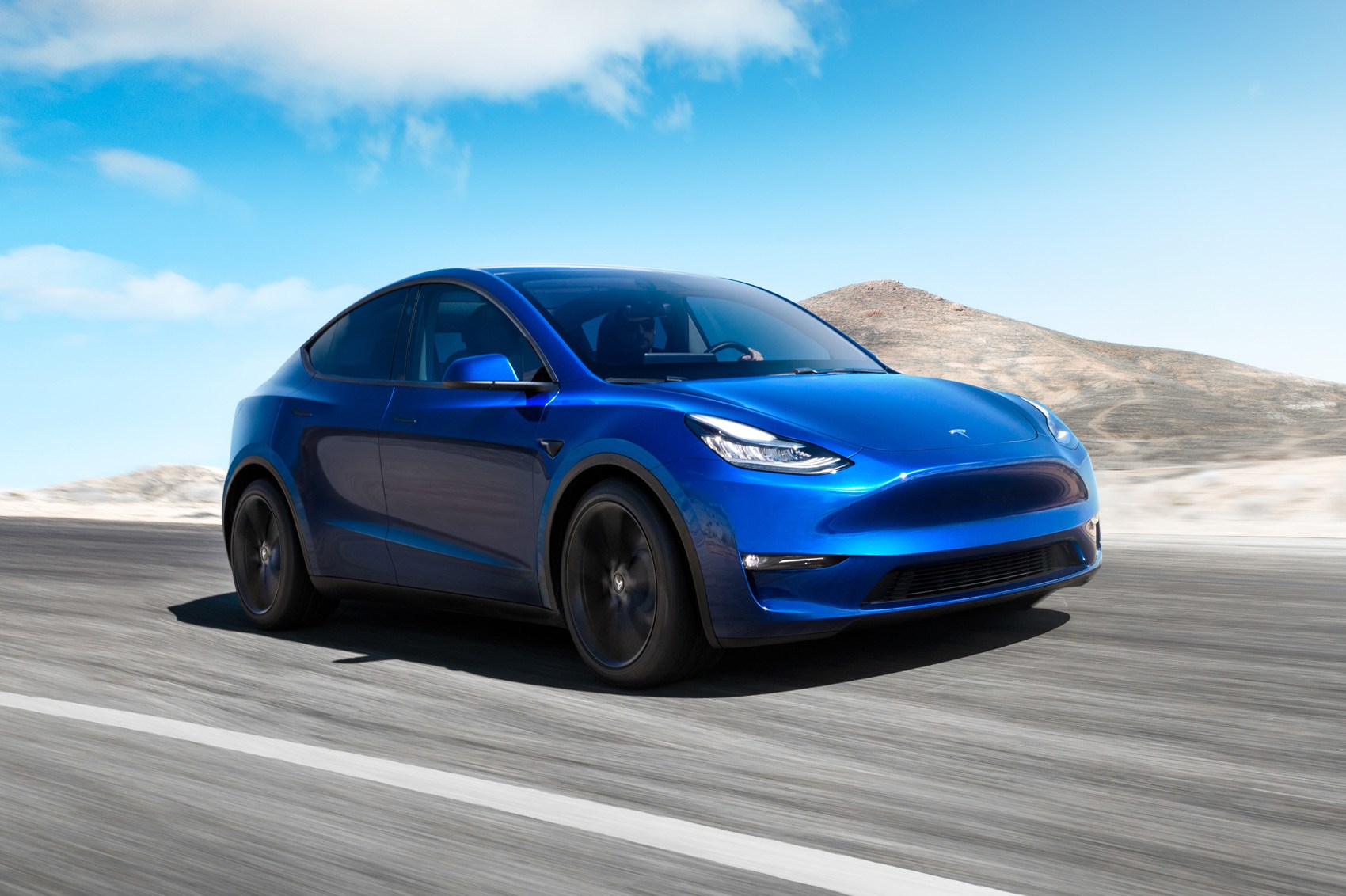
1. Tesla Model Y
The Tesla Model Y is a standout in the area of climate response, thanks to its fully electric platform and software-first design. Unlike traditional internal combustion vehicles that depend on engine heat for warming the cabin, the Model Y uses electric resistive heating elements.
This allows it to start producing warm air almost immediately upon startup, regardless of outside temperatures. In colder regions, this feature alone provides enormous relief during early morning drives.
Cooling performance is equally impressive, with a strong, efficient electric compressor that begins cooling the interior the moment it’s engaged. The seamless blend of digital controls and intelligent airflow management contributes to this car’s rapid HVAC response.
Another strength lies in Tesla’s centralized control system, which integrates climate functions into the vehicle’s software. Instead of relying on manual dials or limited physical switches, drivers can set exact cabin temperatures with a few taps on the touchscreen. Tesla’s approach allows for highly accurate cabin management, and the system dynamically adjusts based on ambient conditions and passenger load.
The Model Y also has advanced vent control, allowing directional airflow to be modified precisely on-screen, something most vehicles still cannot match. The system continues running quietly in the background, adjusting to keep cabin temperatures consistent, even during extended drives.
Tesla’s mobile app integration takes things even further. The pre-conditioning feature allows drivers to remotely start the AC or heater before entering the vehicle, which is especially useful when parked in open sun or in freezing winter conditions.
It doesn’t just set the cabin temperature but also defrosts the windshield or cools the seats based on your presets. This function becomes a daily asset for those dealing with fluctuating weather. Importantly, because the vehicle is electric, these features don’t require the engine to be on or waste fuel.
The insulation of the cabin, combined with the efficiency of the heat pump in newer variants, ensures that temperatures not only reach the desired point quickly but stay there consistently.
There’s little need for constant adjustment or fiddling with fan speeds. The Model Y essentially transforms your car into a climate-controlled mobile environment where changes are made quickly and maintained accurately.
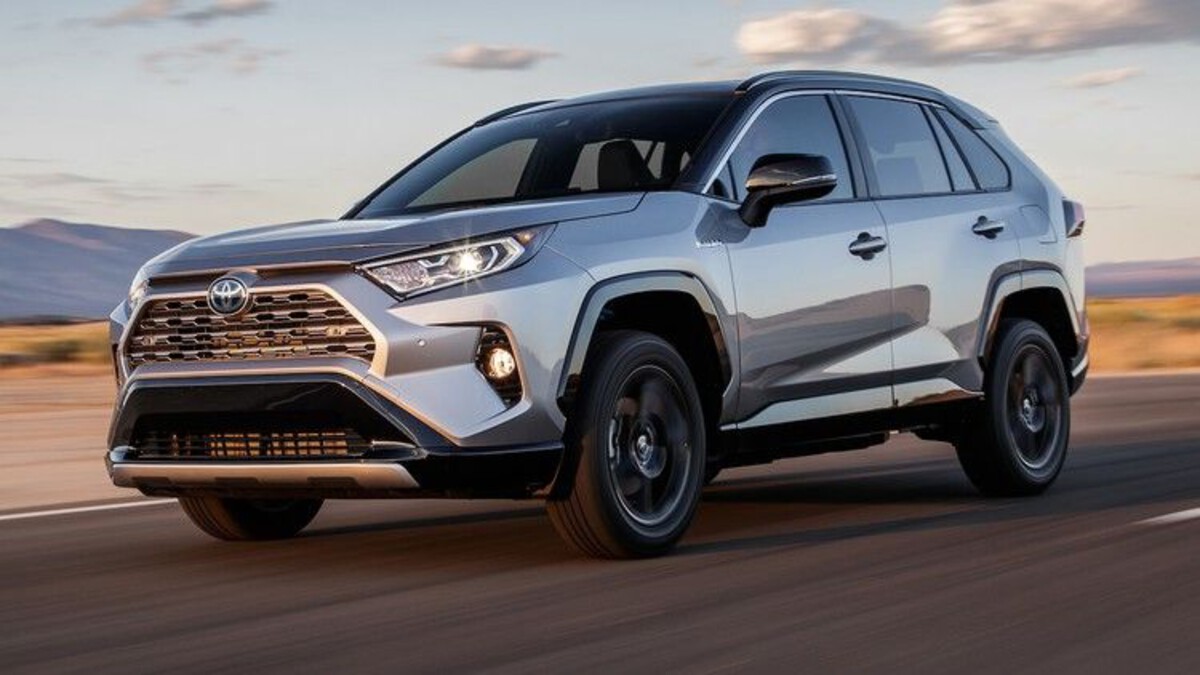
2. Toyota RAV4 Hybrid
The Toyota RAV4 Hybrid is often praised for its mix of practicality, fuel economy, and everyday comfort, and the climate control system is no exception. What sets this model apart is its use of an electric compressor powered by the hybrid battery, which allows the HVAC system to operate even when the gas engine is off.
This is particularly beneficial during stop-and-go traffic or when idling, where traditional cars might reduce AC effectiveness. With the RAV4 Hybrid, airflow remains consistent, and temperature changes occur promptly, offering a smoother experience no matter the driving conditions.
One of the more overlooked aspects of the RAV4 Hybrid’s HVAC performance is how well it handles heat retention and cabin pre-warming in cold weather. Thanks to its electrical system, the cabin can begin warming up much faster than a typical gasoline-powered SUV.
Toyota’s design also optimizes air vent placement and recirculation, helping distribute warm air to both the front and rear seats more evenly. This means that all occupants feel the benefit of a warmed cabin without one side being overly hot while another is still catching up.
Toyota has also integrated intelligent climate automation features. Sensors monitor whether the passenger seat is occupied and adjust airflow accordingly to maximize efficiency and speed. This not only shortens the time it takes to reach the target temperature but also reduces strain on the hybrid system, helping maintain fuel efficiency. Climate control settings can be remembered for each driver profile, ensuring a quick return to preferred settings without manual changes every time the car is started.
In addition, Toyota offers app-based remote start and climate prep with select trims. Drivers can initiate cabin conditioning remotely via their smartphones, setting temperature targets before getting in. Combined with excellent cabin insulation and relatively low noise levels, the RAV4 Hybrid’s HVAC performance feels effortless and efficient. It’s an ideal vehicle for climates with frequent seasonal swings, offering quick relief and stable performance without needing to constantly fiddle with controls.
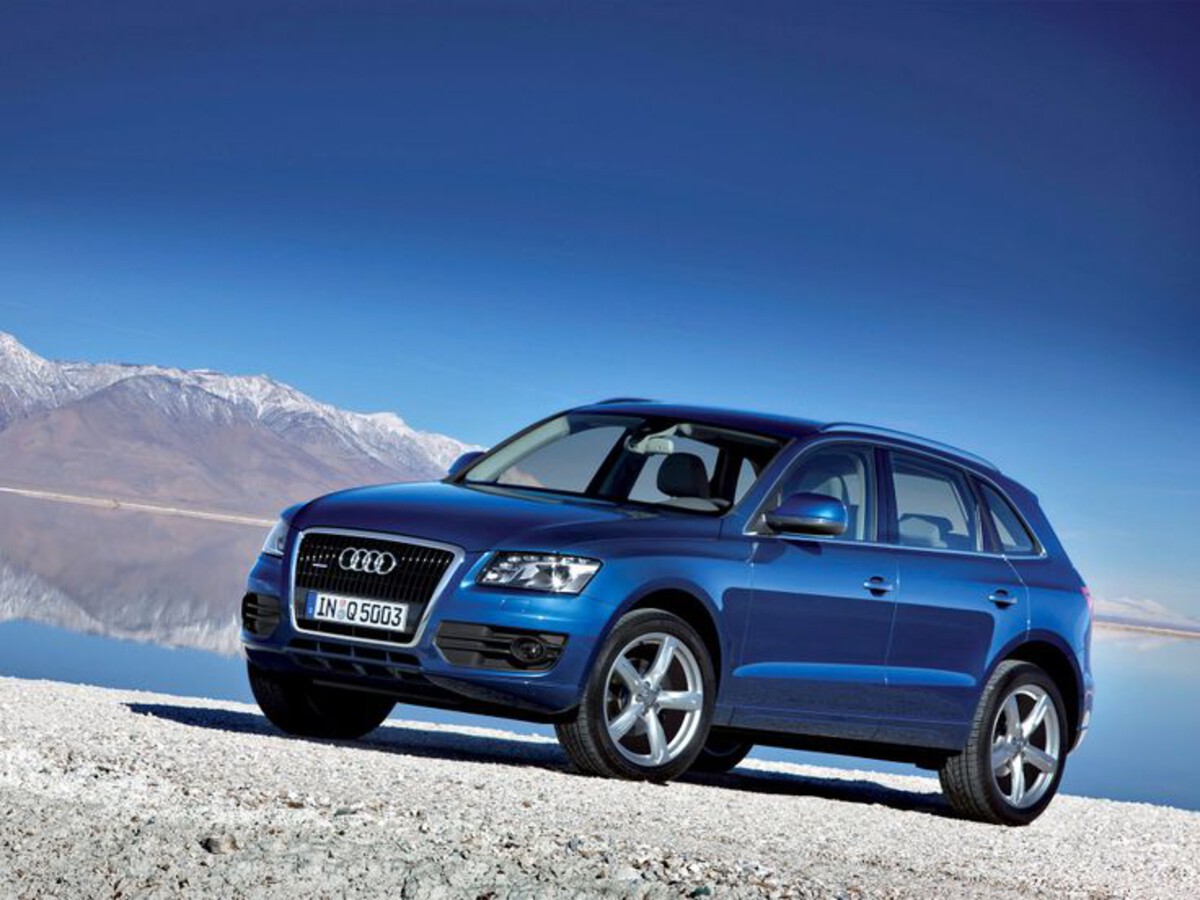
3. Audi Q5
Audi vehicles are known for their attention to detail and cabin comfort, and the Q5 exemplifies this with one of the most consistent and quick-reacting HVAC systems in its class. This luxury compact SUV includes a dual-zone or optional tri-zone climate system that makes micro-adjustments as needed to maintain steady conditions.
Whether it’s transitioning from a cold garage into the hot sun or managing airflow for multiple passengers, the system is remarkably adaptive. Heating begins quickly, especially with the supplemental electric heater engaged, making cold starts far more bearable.
Cooling is equally fast and efficient, thanks in part to Audi’s refined compressor technology and cabin airflow design. Air vents are positioned strategically, allowing both the front and rear passengers to receive cool air almost simultaneously.
The fan motors in the Q5 ramp up quickly without being overly loud, and the temperature stabilizes fast. Unlike some systems that blow cold or hot air aggressively for a minute before balancing out, Audi’s system gradually brings the cabin to the desired temperature and then holds it there without overcompensating.
The controls themselves are intuitive, mixing touchscreen functionality with physical dials. This hybrid control approach allows for quick adjustments without navigating through complex menus. Rear-seat passengers also benefit from dedicated vents and controls (on higher trims), which means they’re not waiting long for comfort. Sensors throughout the cabin monitor changes in sunlight, humidity, and passenger load, adjusting airflow dynamically for consistent results.
Audi’s cabin insulation plays a significant role in helping the HVAC system maintain its effectiveness. With quality materials and tight seals around windows and doors, there’s minimal temperature leakage. This allows the climate system to work less intensely while still delivering fast, reliable performance. As a result, the Q5 offers a luxury-class experience not just in finishes or engine response, but in one of the most overlooked yet essential aspects of driving: staying comfortable, quickly.
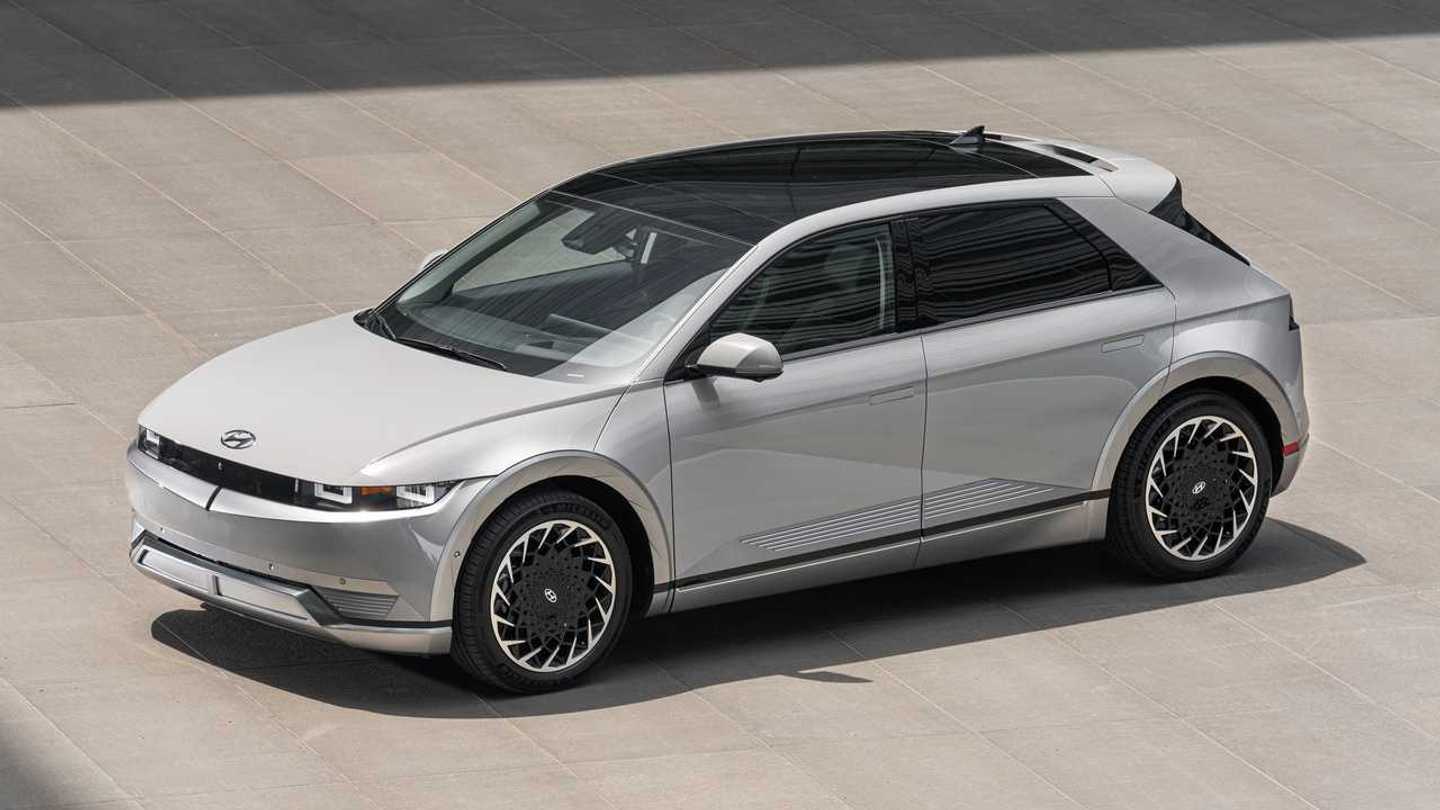
4. Hyundai Ioniq 5
The Hyundai Ioniq 5 is a futuristic-looking electric vehicle, and its climate system is just as advanced as the rest of the car. One of its standout features is a high-efficiency heat pump system that works with the battery architecture to provide rapid cabin heating in cold conditions without draining too much energy.
This is paired with a powerful electric AC compressor that provides a quick cooldown in summer. The system doesn’t feel like an afterthought; instead, it feels like an integral part of the Ioniq 5’s design, engineered to respond quickly and quietly to any changes in temperature.
Inside, the cabin has been optimized for airflow, with wide and horizontally oriented vents that ensure more even distribution of air. This design not only contributes to faster comfort but also helps reduce the number of hot or cold zones within the vehicle.
Whether you’re a solo driver or carrying passengers in the back seat, the system adapts to provide uniform airflow across the interior. The inclusion of “Driver Only” mode is especially useful when traveling alone, as it concentrates HVAC power on just the driver zone, speeding up response while saving battery life.
Hyundai also includes app-based remote control of the climate system, so users can pre-condition the cabin before entering the vehicle. This becomes especially useful in extreme weather, eliminating the typical discomfort of entering a freezing or baking car.
Once inside, seat heating and cooling systems work in tandem with the HVAC setup to provide personalized comfort almost immediately. The seats respond quickly to changes in temperature, further reducing the time it takes to feel comfortable.
The Ioniq 5 demonstrates that good HVAC doesn’t just depend on raw compressor power, it also comes down to intelligent programming, smart energy use, and practical design. The system reacts quickly, maintains stable temperatures, and adjusts with minimal user input. It’s a strong example of how modern EVs can deliver both sustainability and superior comfort without compromises.
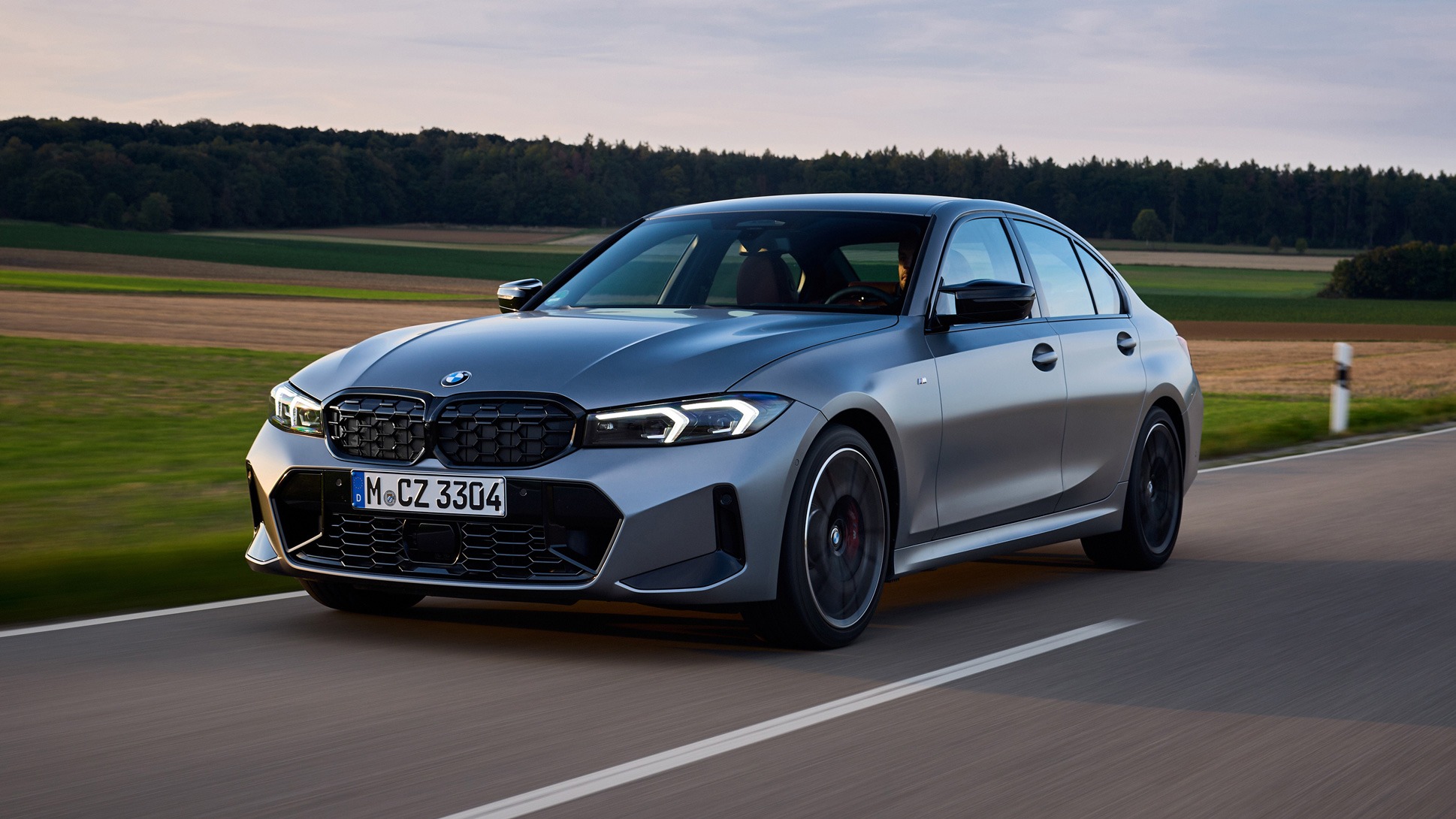
5. BMW 3 Series
The BMW 3 Series has long been considered a benchmark in the compact luxury sedan class, and part of that reputation comes from how well it handles everyday usability, HVAC performance included. The climate control system is responsive, refined, and capable of adjusting quickly to changes in cabin or exterior conditions.
This is especially noticeable in regions with rapidly changing temperatures, where some cars lag behind in catching up. With the 3 Series, transitions between cold and hot environments are managed with minimal input from the driver, allowing for a more seamless driving experience.
BMW equips the 3 Series with multi-zone automatic climate control, meaning different areas of the car can be set to different temperatures. The system’s built-in sensors detect sunlight, humidity, and cabin occupancy to adjust airflow dynamically.
One standout feature is the heated steering wheel and seats that begin warming in seconds, this is critical during winter months when comfort is a priority as soon as you sit down. For cooling, the AC compressor is fast and strong, and the vents are well-placed for effective airflow distribution throughout the cabin.
One thing that enhances the HVAC performance in this model is the high-quality cabin insulation. BMW uses acoustic glass and tight seal designs that trap conditioned air efficiently and keep outside air at bay. This helps the system maintain a set temperature with less effort, reducing noise and energy consumption. The result is not just a faster response but also a more consistent climate environment during long drives or extended idling periods.
Controls are also user-friendly. The 3 Series provides tactile buttons alongside digital menus, which reduces the time needed to make adjustments. Many vehicles today rely entirely on screen-based climate settings, which can be frustrating to use on the move.
BMW’s mix of convenience and precision makes a real difference when you need a fast reaction from the HVAC system. Whether in summer or winter, the 3 Series delivers reliable, quick, and quiet temperature management that keeps driver and passengers comfortable with little effort.
5 Cars With Slow HVAC Performance

1. Jeep Wrangler (Non-Hybrid)
The Jeep Wrangler is built with ruggedness in mind, prioritizing off-road capability and durability over modern comforts. While its performance on trails and unpaved roads is admirable, the same cannot be said for its HVAC system, particularly in the non-hybrid versions.
Many Wrangler owners have reported frustration with how long it takes to either heat up in the winter or cool down in the summer. The system feels underpowered relative to the large, open cabin space, and the boxy design of the vehicle doesn’t help airflow efficiency.
The HVAC system struggles particularly in extremely hot climates. Because of the Wrangler’s upright windshield, flat surfaces, and expansive glass, it acts almost like a greenhouse when parked in the sun.
Even with the AC on full blast, it can take 10–15 minutes before the cabin begins to feel bearable. This is compounded by basic air circulation, where vents aren’t particularly well-placed or powerful. Rear-seat passengers often receive little airflow, leading to uneven cooling and a general sense of discomfort.
In winter conditions, the heating performance is similarly lacking. The system relies heavily on engine heat to warm up the cabin, which takes longer in cold starts. There’s no auxiliary electric heater to bridge the gap in early minutes, meaning the windshield defrost can be slow, and your hands may stay cold for longer than they should.
The seats also warm slower compared to more modern systems, which adds to the impression that the HVAC hardware hasn’t kept pace with newer standards.
The climate controls are functional but basic, lacking advanced zonal controls or smart automation. There’s no remote pre-conditioning or smart cabin temperature sensing, which leaves users to make frequent manual adjustments.
While fans of the Wrangler might accept this as part of the rugged experience, those using it for daily commuting or city driving may find it lacking in basic comfort performance, especially compared to even budget-friendly modern crossovers.
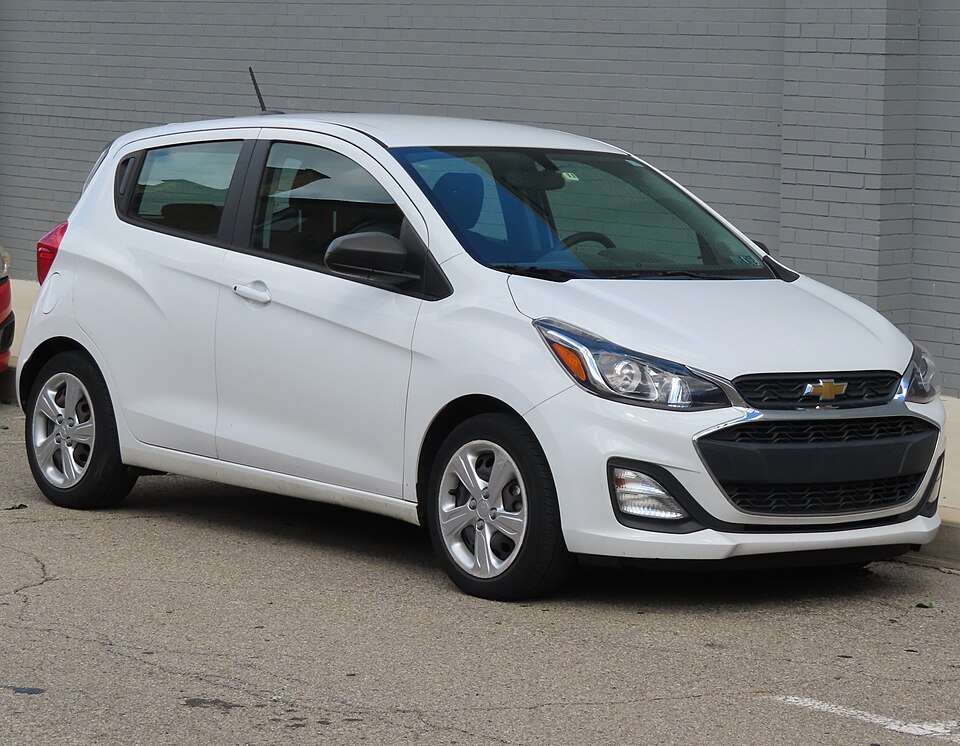
2. Chevrolet Spark
The Chevrolet Spark is designed as a no-frills city car with affordability as its key selling point, and that focus on cost savings is very evident in its HVAC performance. The system is functional but basic, and while it can eventually warm or cool the cabin, the time it takes to do so is significantly longer than in most modern vehicles.
In hot climates, the small size of the vehicle might suggest quick cooldowns, but poor vent strength and low compressor power can result in warm air circulation long after the AC has been turned on.
This issue is especially noticeable when entering a sun-heated car. The initial fan blast feels weak, and even on the highest setting, airflow can feel inadequate to quickly lower cabin temperatures.
There’s often a noticeable lag before the AC compressor fully engages and begins circulating cold air. The vents are also small and lack directional flexibility, which further limits how quickly air can be directed to hot spots like the dashboard or seats.
Heating is equally slow in the Spark, with the system heavily dependent on engine heat, which can take several minutes to build up during winter. For drivers who live in colder areas or rely on the car early in the morning, this delay is frustrating.
There are no auxiliary heaters or seat warmers in many trims, meaning you’ll be sitting in a cold car with fogged-up windows until the engine decides it’s warm enough to start sharing heat with the interior.
To make matters worse, the controls are minimalistic and don’t offer much in the way of automation. There’s no climate memory, zoned control, or even rear vents, meaning both driver and passengers often experience discomfort simultaneously. While the Spark fulfills its role as a cheap and efficient commuter, the HVAC system is a reminder that some cost-cutting measures affect real-world comfort more than others.
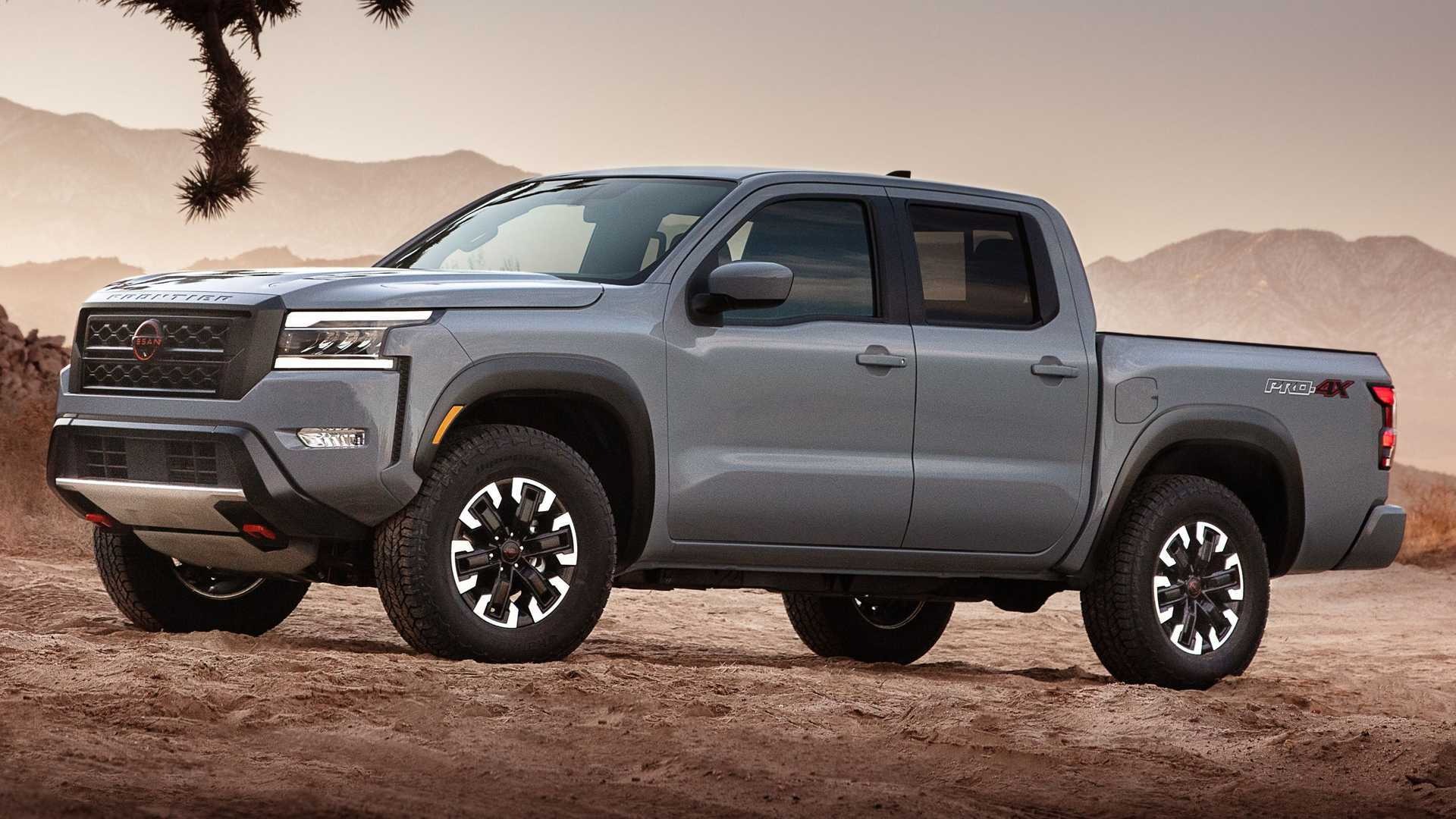
3. Nissan Frontier (Pre-2022 Models)
Before its major redesign in 2022, the Nissan Frontier was largely left unchanged for well over a decade, and this extended shelf life showed in its outdated HVAC system. The controls were simple and durable, but they lacked the performance and responsiveness seen in newer trucks or even compact SUVs.
Cooling the cabin in summer took longer than expected, and the heating response in winter was mediocre at best. For a midsize truck, where interior volume is larger than a sedan or hatchback, this lack of HVAC power became more noticeable.
The AC compressor in older Frontier models wasn’t particularly strong, and airflow didn’t circulate efficiently throughout the cabin. This resulted in hot spots in the rear seats and uneven temperature distribution.
The front vents did a decent job if you were in the driver’s seat, but passengers in the back often complained of insufficient airflow. Adding to the problem was the limited fan range, which didn’t ramp up as fast or as strongly as needed on extremely hot days.
During cold mornings, heating was equally underwhelming. Without any kind of electrical support or quick-acting seat heaters in base trims, the vehicle relied solely on engine-generated heat.
This took time, particularly in sub-freezing temperatures. Drivers often found themselves manually adjusting vents and fan speeds in an effort to circulate air faster, but even with those efforts, results were slow. Foggy windows would sometimes persist longer than safe, making early winter drives more stressful than necessary.
The lack of modern automation also meant you had to constantly monitor and change settings. There was no memory function for climate presets, no auto-mode that adjusted based on internal sensors, and no remote start options that included climate conditioning. For drivers using the Frontier in varied climates, the HVAC system felt like a weak link in an otherwise dependable workhorse.
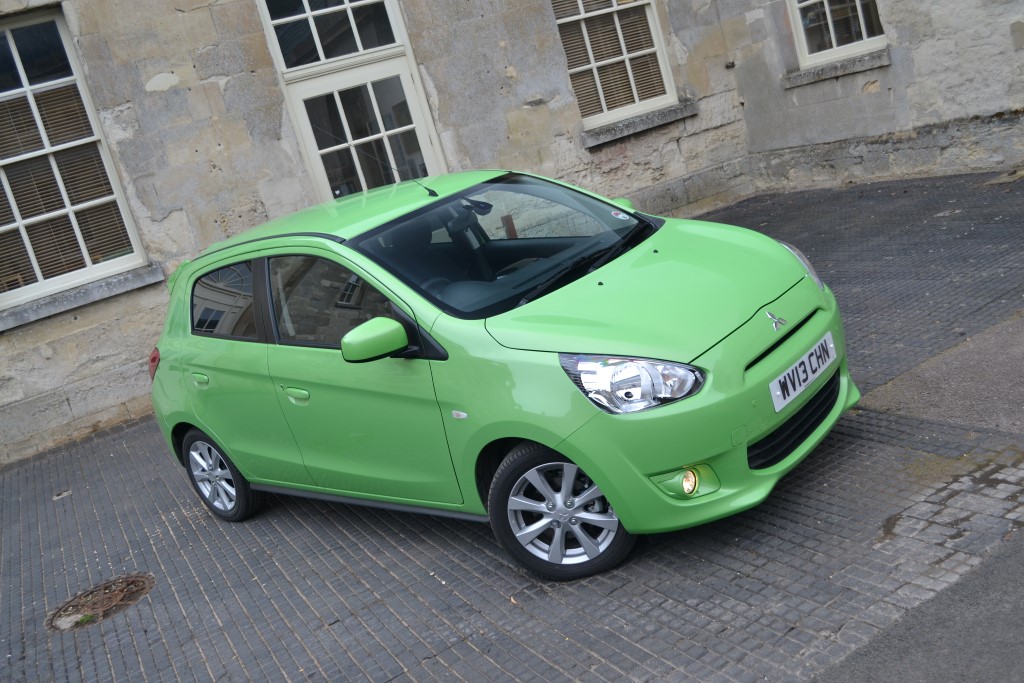
4. Mitsubishi Mirage
The Mitsubishi Mirage is one of the most affordable subcompact cars available, and while its low entry price is attractive to budget-conscious buyers, that affordability comes with clear compromises, especially in its HVAC system. The Mirage’s climate control setup is minimalistic, lacking the features and hardware needed for quick response in both hot and cold weather.
Cooling is particularly sluggish, with a small compressor that struggles to make an immediate impact on a sun-heated cabin. In hotter climates, drivers will often find themselves sweating for several minutes before the cabin starts to feel tolerable.
Even when the air conditioning finally kicks in, the airflow doesn’t feel particularly strong. The vents are small, and the fan doesn’t push air with much force, even on the highest setting. The result is a gradual cooling process that feels outdated compared to other vehicles in the same segment.
Adding to the issue is the lack of rear ventilation, which makes the air distribution extremely uneven. Passengers in the backseat often deal with significantly warmer temperatures for the duration of the ride, especially if the car is full and under load.
In colder months, the heating system in the Mirage presents similar issues. Since it relies entirely on engine heat, the cabin remains cold until the engine warms up, which takes longer than most drivers would prefer. There’s no auxiliary electric heating, no heated seats on lower trims, and no pre-conditioning functionality.
This lack of quick-start warmth means windows may stay fogged, hands remain cold on the steering wheel, and passengers stay bundled up well into the drive. In climates where temperatures drop significantly in the morning, this can be more than just uncomfortable; it can be a safety concern due to visibility delays.
The control layout doesn’t help the situation. Simple dials are easy to use, but they don’t offer any automation, no dual-zone functionality, and no climate memory. You’re constantly adjusting temperature and fan speed manually, which becomes tiresome on longer commutes.
While the Mirage may offer excellent fuel efficiency and low ownership costs, the HVAC system is underwhelming at best. For drivers who live in areas with temperature extremes, this weakness should be carefully considered before purchasing.
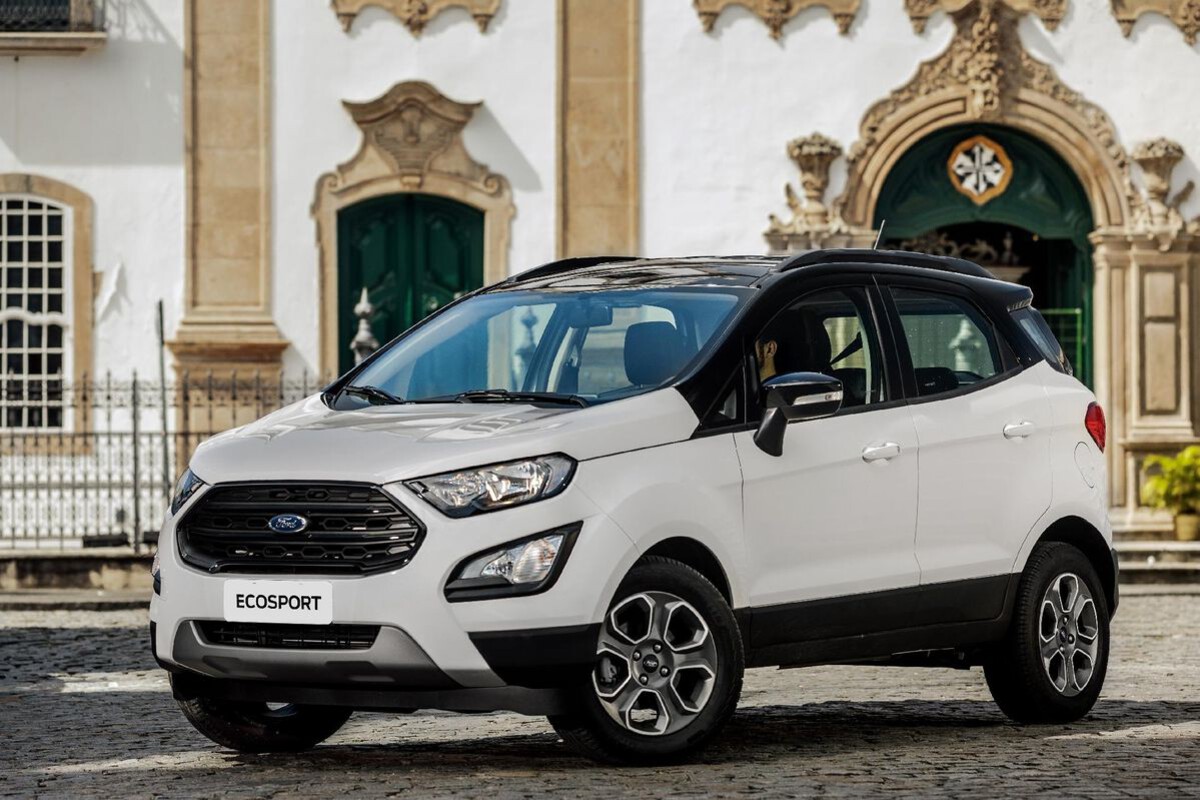
5. Ford EcoSport
The Ford EcoSport is a compact crossover that initially gained attention for its small footprint and city-friendly design. However, one of its less praised features is the HVAC system, which many drivers and reviewers have found to be slow and inefficient.
Despite being equipped with automatic climate control on certain trims, the EcoSport doesn’t deliver the level of responsiveness or power expected in modern vehicles. The cabin often takes too long to cool down in the summer or warm up in the winter, even with the system running at full capacity.
In hot weather, the EcoSport’s air conditioning system takes several minutes before it begins to deliver truly cool air. This delay can be attributed to a relatively small compressor and weak fan strength, which combine to create a sluggish airflow experience.
Once the cabin does begin to cool, the temperature may remain inconsistent, with warmer air creeping back in due to the vehicle’s average insulation and glass exposure. Passengers in the rear seats are often left out of whatever cooling is achieved up front, which makes it less ideal for families or carpooling in the heat.
Cold weather response is equally disappointing. Although some trims offer heated seats and mirrors, the core heating system itself remains heavily reliant on engine warmth.
This leads to extended cold periods when starting the car in the morning. The defrost function is also slow to clear windshields, especially when there’s a layer of ice or frost. This becomes a more noticeable issue in northern climates, where fast cabin heating isn’t just a luxury, it’s a necessity for driver safety and comfort.
The control system, while digital in higher trims, does not make up for the weak hardware underneath. There’s no tri-zone or rear-zone climate control, and the user has limited ability to tailor air distribution in a way that might help the system work more efficiently.
Add to that the noise of the fans once they’re pushed to maximum, and you get a system that feels like it’s working hard but not getting much done. For drivers seeking quick temperature transitions and dependable comfort, the EcoSport’s HVAC performance can be a letdown.
Also Read: 10 Cars No One Talks About But Run Forever
Climate control might not be the flashiest feature in a car, but it has one of the most direct impacts on day-to-day comfort. As this article shows, not all HVAC systems are created equal. Some cars manage to combine smart engineering, efficient hardware, and thoughtful design to deliver fast, comfortable cabin conditions in any season.
Others fall short, whether because of weak components, outdated tech, or simply poor layout. A car can be quiet, stylish, or even powerful, but if you’re uncomfortable inside, those qualities lose a lot of their appeal.
Vehicles like the Tesla Model Y, Toyota RAV4 Hybrid, Audi Q5, Hyundai Ioniq 5, and BMW 3 Series show that fast HVAC response is entirely possible and not limited to any one type of car.
From hybrids to EVs to gas-powered luxury sedans, these cars demonstrate how much real-world usability can be improved with a responsive climate system. Features like electric compressors, heat pumps, pre-conditioning, and intelligent airflow contribute not just to comfort but also to efficiency and convenience.
On the other hand, cars like the Jeep Wrangler (non-hybrid), Chevrolet Spark, Nissan Frontier (pre-2022), Mitsubishi Mirage, and Ford EcoSport illustrate how slow HVAC can frustrate and even hinder the driving experience.
Whether it’s a delay in heating during a frosty morning or AC that struggles in city heat, these shortcomings can turn simple commutes into uncomfortable challenges. Often, these vehicles trade performance in this area for affordability, ruggedness, or simplicity, but the impact on real-world satisfaction is hard to ignore.
When choosing a car, especially for climates with temperature extremes, HVAC performance should be part of your decision-making process. It affects your comfort, your visibility, and even your energy use.
Don’t assume that modern appearance or automatic controls mean fast results; test the system, feel the airflow, and pay attention to how quickly a vehicle can make you comfortable. A good climate system might not be flashy, but once you’ve experienced both ends of the spectrum, it becomes a feature you’ll never overlook again.
