

Fuel doors are a small yet critical part of every vehicle’s design, serving as the gateway to refueling, one of the most routine tasks drivers perform. Despite their apparent simplicity, the mechanisms behind fuel doors can vary widely, influencing how easily drivers can access their gas tanks.
A smooth and reliable fuel-door release system adds to the convenience and user satisfaction, especially for those who regularly drive long distances or find themselves refueling in less-than-ideal conditions such as dimly lit stations, rainy weather, or freezing temperatures.
Conversely, a fuel door that jams or refuses to open can cause unexpected frustration, delays, and even costly repairs. For many drivers, a problematic fuel door is an annoying inconvenience that mars the experience of owning a vehicle.
Car manufacturers approach the design of fuel doors with different priorities. Some emphasize simplicity and durability, creating mechanisms that work mechanically with few moving parts and minimal risk of failure. Others adopt more complex, electronically controlled systems aimed at integrating with modern vehicle security and convenience features.
While these advanced designs may look impressive on paper, they often carry the risk of electronic or mechanical malfunction, particularly as the vehicle ages or faces exposure to environmental stressors like dirt, moisture, and temperature extremes. Understanding these differences can help drivers select vehicles that align with their expectations for reliability and ease of use.
This article highlights two categories of vehicles: those that are known for their simple, reliable fuel-door release systems and those that have a reputation for troublesome, jammed fuel-door latches. In the first category, vehicles tend to employ mechanical levers, push-to-open doors, or well-designed cables that stand up well to regular use and environmental challenges.
These systems typically require less maintenance and deliver consistent performance, which drivers appreciate for their hassle-free experience. On the other hand, the vehicles with jammed fuel-door latches often feature more complicated or poorly protected mechanisms that are vulnerable to dirt, corrosion, or cable wear.
Such issues can lead to doors that stick or fail to open without significant effort, frustrating drivers and sometimes requiring professional repairs.
Environmental factors also play a crucial role in the performance of fuel-door mechanisms. Vehicles used in harsh climates, off-road conditions, or regions with heavy road salt application may experience accelerated wear or corrosion, particularly if the latch design does not effectively shield internal components.
This aspect emphasizes the importance of not just the initial design but also ongoing maintenance and protection to ensure the fuel door continues to function smoothly throughout the vehicle’s lifespan.
By examining specific examples of vehicles from both ends of this spectrum, this article aims to provide a clear picture of what drivers can expect regarding fuel-door usability. Whether you prioritize straightforward mechanical systems or prefer the convenience of electronic releases, understanding these designs’ strengths and weaknesses helps make better-informed choices.
Additionally, current vehicle owners can benefit from recognizing common problems and learning how to maintain or troubleshoot their fuel doors effectively. The goal is to highlight how even small components like fuel doors can significantly impact everyday driving convenience and satisfaction.
Also Read: 5 Cars Proven in Extreme Climates vs 5 That Struggle Outside Mild Weather
5 Vehicles With Simple Fuel-Door Release

1. Toyota Corolla
The Toyota Corolla is widely recognized for its reliability, practical engineering, and user-friendly design. Its fuel-door release system reflects these attributes with a design that favors simplicity and ease of use. Many recent Corolla models dispense with complicated interior release levers or electronic systems.
Instead, they use a straightforward push-to-open mechanism located directly on the fuel door itself. This design enables the driver to open the fuel door quickly and intuitively without needing to fumble inside the vehicle or look for hidden levers.
Because the Corolla’s fuel door operates through a simple mechanical latch activated by pressing the door’s edge, fewer parts can wear out, break, or jam over time. The elimination of cables or electrical components helps reduce the number of potential failure points.
Drivers frequently note that the fuel door pops open smoothly with minimal pressure, even after long periods of exposure to rain, dust, or cold weather. This reliability is particularly beneficial during colder months when many mechanisms become stiff or frozen.
Toyota uses high-quality materials and corrosion-resistant coatings on the latch components, which further prevent deterioration. The fuel door fits flush against the vehicle’s body, preventing dirt and debris from entering the latch area, which often causes problems in other vehicles.
The simplicity of the design also means repairs or maintenance are rare and relatively inexpensive if ever required. It’s a small feature that reflects Toyota’s broader philosophy of building practical, durable cars for everyday use.
Owners of the Toyota Corolla often praise the fuel-door system for its no-fuss operation. The quick access means less time spent at the pump and more confidence that the door will function as expected, regardless of external conditions. This straightforward approach to such a seemingly minor feature highlights Toyota’s commitment to creating cars that minimize hassles and enhance the driving experience.

2. Honda Civic
The Honda Civic is another vehicle praised for its reliable, intuitive fuel-door release system. Most Civic models employ a simple interior release lever positioned within easy reach of the driver, typically on the floor beside the seat or lower on the dashboard.
This lever provides a clear and direct mechanical linkage to the fuel door latch, allowing the door to pop open instantly when the lever is pulled. This setup ensures that drivers can access the fuel door without having to leave the vehicle, enhancing convenience and safety, especially in busy or dimly lit fueling stations.
The cable connecting the interior lever to the fuel door latch is designed for durability and smooth operation. Honda uses cables with reinforced sheathing and tension springs to maintain optimal functionality over years of use.
Because the mechanism relies on well-engineered mechanical parts rather than electronics, the chances of failure due to wiring or actuator faults are very low. This simplicity also makes the system easier to troubleshoot and repair when necessary, with replacement cables and latches commonly available through dealerships or aftermarket suppliers.
Honda also engineers the fuel door latch to prevent debris buildup. The door fits precisely into the vehicle’s bodywork, and the latch housing is designed to limit dirt intrusion.
This tight fit reduces the likelihood of the latch jamming due to corrosion or grime, a common cause of fuel door problems in other vehicles. As a result, drivers rarely experience difficulties opening the fuel door, even after extended periods without use or exposure to adverse weather.
Users often comment on the Civic’s fuel-door system as one of its many user-friendly features. It combines ease of access, reliability, and low maintenance, allowing drivers to focus on their journey rather than vehicle quirks. The fuel door release is one more example of Honda’s reputation for practical, well-thought-out design that holds up well over time.

3. Subaru Outback
Subaru’s Outback is widely regarded for its ruggedness and suitability for adventurous driving, which demands vehicle components that can withstand tough environmental conditions. Its fuel-door release system follows this principle with a focus on durability and straightforward operation.
Typically, the Outback uses a manual interior release lever positioned near the driver’s left footwell or under the dashboard, making it easy to locate and operate without distracting the driver.
The latch mechanism itself is designed to be robust, with heavy-duty metal parts and strong springs that resist corrosion and mechanical fatigue. When the driver pulls the interior lever, the latch disengages promptly, allowing the fuel door to open smoothly without sticking or hesitation.
This mechanical simplicity avoids the complexity of electronic systems that might fail in wet or cold conditions, making it well-suited for the environments where Outbacks are often used.
Subaru also takes special care to protect the latch assembly against external contaminants. The fuel door sits flush with the body panel and seals tightly to prevent mud, water, or dust from entering the latch mechanism.
This reduces the risk of rust and jamming, which is particularly important in off-road or winter conditions. The fuel door hinge is also reinforced with corrosion-resistant materials to maintain smooth movement through years of exposure.
For Subaru Outback owners, the fuel-door system provides confidence that their vehicle will be ready for quick fueling regardless of location or weather. The combination of simple mechanics and durable materials ensures the system performs reliably even in the most challenging conditions, reflecting Subaru’s reputation for practical, adventure-ready engineering.

4. Ford F-150
The Ford F-150, a flagship in the full-size pickup truck market, offers a fuel-door release mechanism that balances toughness with ease of use. In most F-150 models, the fuel door is opened via an interior release lever located near the driver’s door panel, usually low enough for easy access while seated.
The lever is designed to be large and well-positioned, allowing drivers wearing gloves or protective gear to operate it comfortably, which is important given the truck’s frequent use in work environments.
The latch mechanism on the F-150 is engineered with durability in mind, featuring metal components built to withstand frequent use and exposure to harsh outdoor conditions.
The cable linking the interior lever to the latch is thick and reinforced, reducing the chance of fraying or stretching. When the lever is pulled, the latch releases cleanly, and the fuel door opens without resistance, minimizing the risk of jamming.
Ford engineers have also focused on preventing contamination that could impair the latch’s function. The fuel door seals tightly against the truck’s body to block dirt, moisture, and road salt from entering the mechanism.
The hinge is reinforced to endure impacts or rough handling, a common occurrence for trucks that see rugged work or off-road use. These design features contribute to a long-lasting and reliable fuel door operation.
Truck owners often praise the F-150’s fuel-door release for its simple but effective design. It’s a system built for practicality and endurance, ensuring that even after years of hard use, drivers can open their fuel door with minimal hassle. This reliability aligns with the F-150’s reputation as a durable workhorse built for demanding conditions.

5. Mazda CX-5
The Mazda CX-5 combines modern convenience with simplicity in its fuel-door release system. Many CX-5 models feature an interior push-button release located near the driver’s seat that activates an electric actuator to open the fuel door. The button requires only a light press, providing a smooth and quiet operation that is highly convenient for drivers.
The latch mechanism that holds the fuel door closed uses a spring-loaded latch activated by the electronic actuator. Mazda’s engineers have designed the actuator to be robust and resistant to common environmental challenges, such as water ingress, dust, and temperature fluctuations. This careful engineering helps ensure consistent performance and reduces the likelihood of the latch becoming stuck or failing prematurely.
Although the CX-5 employs an electronic release, the system is praised for its reliability due to Mazda’s high-quality components and protective housing around the actuator and latch. The fuel door itself fits snugly and flush with the vehicle’s body, protecting the mechanism from dirt and moisture. This clean fit also helps contain any fuel odors and adds to the vehicle’s sleek design.
Owners of the Mazda CX-5 appreciate the ease of use the fuel-door release button provides, especially during quick fueling stops or in low-light situations. The combination of an intuitive button and a well-protected latch mechanism makes refueling a hassle-free experience. This modern yet reliable system reflects Mazda’s dedication to blending convenience with quality.
5 Vehicles With Jammed Fuel-Door Latches

1. Jeep Wrangler
The Jeep Wrangler’s reputation for off-road prowess comes with certain trade-offs, and one area that has drawn criticism is its fuel-door latch system. The Wrangler typically employs a manual release system consisting of an interior lever connected to the fuel door latch via a cable.
Unfortunately, this cable is known to stretch or become misaligned over time, causing the fuel door to jam or resist opening when the release lever is pulled.
Wranglers are often driven in demanding environments where mud, dirt, and moisture are commonplace. These elements infiltrate the fuel door latch assembly, causing buildup that makes the mechanism sticky or prone to seizing.
The plastic components in some models can become brittle or break with age, further complicating the problem. This results in fuel doors that refuse to open easily and require significant force or tools to access.
Many Wrangler owners report the frustration of having to fiddle with the lever multiple times or even manually pry open the fuel door when the latch jams. This situation can be particularly problematic in remote locations where quick and reliable refueling is critical. The design and placement of the interior release lever also sometimes contribute to difficulty in use, as it can feel awkward or flimsy compared to other vehicles.
To prevent such issues, Jeep owners often have to perform regular cleaning and lubrication of the latch mechanism. While this maintenance can help, many find it inconvenient and unnecessary for such a fundamental feature. The fuel door latch design stands in contrast to the Wrangler’s otherwise rugged and dependable image.

2. BMW 3 Series (older models)
Older BMW 3 Series vehicles, especially those from the early 2000s, have been associated with troublesome fuel-door latch systems. Unlike simpler mechanical latches, these models rely on an electronically controlled release system operated by a button inside the cabin. While this sounds modern and convenient, the actual implementation has resulted in frequent failures and jamming problems.
The electric actuator that controls the latch is vulnerable to moisture, dirt, and corrosion. When these elements penetrate the actuator or its wiring, the fuel door may become unresponsive to the release button, leaving the door locked shut.
This problem forces owners to seek manual overrides, which can involve removing interior panels or dismantling parts of the vehicle, creating inconvenience and potential damage.
The latch assembly in these BMWs consists of several small moving parts that are prone to corrosion and wear. Over time, these parts can seize up or break, causing the fuel door to stick in the closed position. The complexity of the system means that repairs are often expensive and require professional servicing.
Owners have reported having to replace the entire latch actuator or perform costly diagnostics to identify the problem. Preventative measures such as avoiding high-pressure washing around the fuel door or sealing the area from moisture have been suggested, but they do not always prevent failures. This issue detracts from the otherwise premium driving experience expected from BMW.
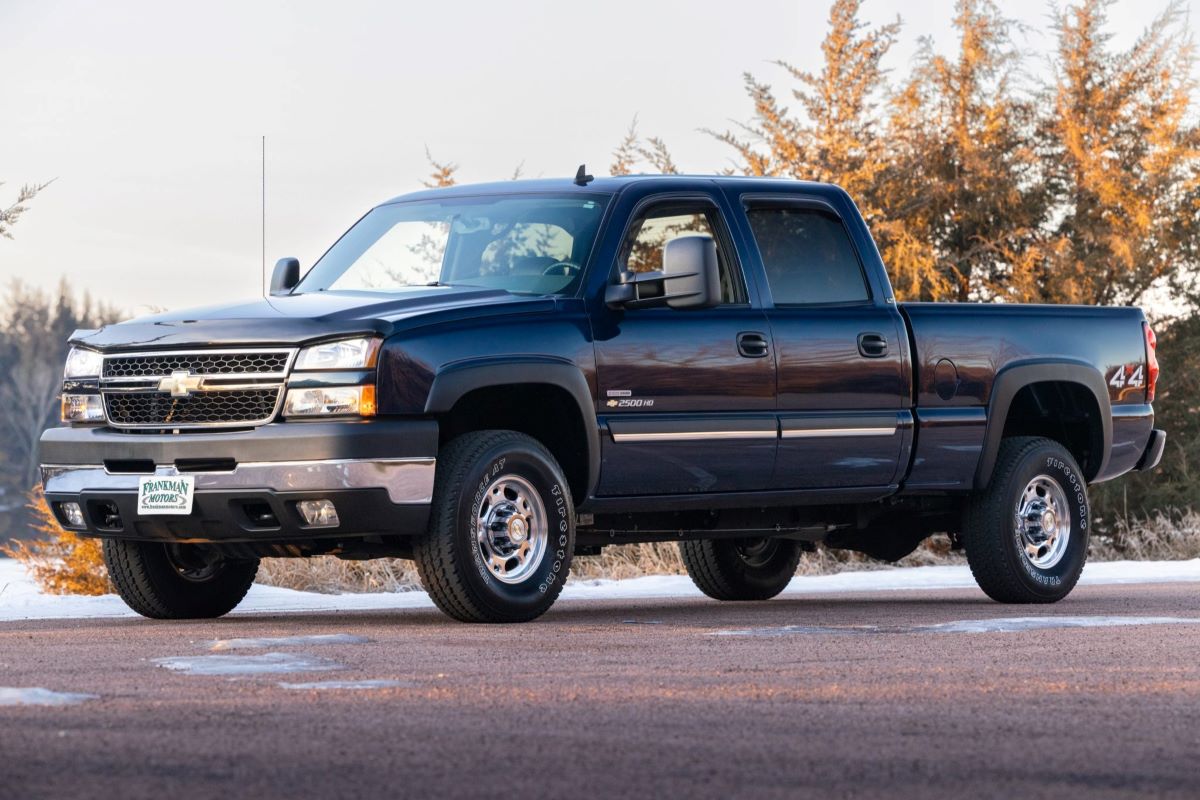
3. Chevrolet Silverado (some model years)
Certain model years of the Chevrolet Silverado have developed a reputation for problematic fuel-door latches. This full-size truck typically uses a manual interior release lever linked to the latch by a cable. However, in some versions, the cable and latch design have been criticized for being prone to wear, stretching, and binding, resulting in jammed fuel doors.
As the cable stretches or becomes frayed, the interior release lever loses its effectiveness, requiring drivers to pull it multiple times or exert extra force. This can lead to frustration during refueling stops and even damage the lever mechanism over time. Furthermore, the latch itself is vulnerable to corrosion, particularly in regions where road salt is heavily used during winter.
Owners of these Silverados often find themselves regularly cleaning and lubricating the latch assembly to maintain smooth operation. Despite these efforts, the system sometimes fails, necessitating replacement of the cable or the entire latch mechanism. Such repairs can be inconvenient and costly for truck owners who expect their vehicles to be rugged and dependable.
Another issue is that the latch housing design allows dirt, grime, and moisture to enter more easily, accelerating corrosion and mechanical failure. These problems have been common enough that Silverado owners frequently discuss them in forums and service centers. The latch design falls short of the tough image often associated with this popular truck.

4. Nissan Altima
The Nissan Altima has had its share of complaints related to its fuel-door latch, particularly in models manufactured during the late 2000s and early 2010s. This vehicle uses an electronic release system where a button inside the cabin activates an electric actuator to unlock the fuel door. Unfortunately, the actuator and latch assembly have proven to be unreliable in some cases.
Corrosion, dirt infiltration, and mechanical wear cause the latch to become stuck or unresponsive, even when the interior release button is pressed. This leaves drivers unable to open the fuel door through normal means, requiring manual intervention that can be time-consuming and frustrating. Some owners have resorted to disassembling interior panels or forcing the fuel door open, risking damage to the vehicle.
The electronic actuator is particularly vulnerable to moisture exposure, especially if the fuel door seal is compromised or if the vehicle is frequently washed with high-pressure water. Replacing the actuator often involves labor-intensive work and relatively expensive parts, adding to the inconvenience.
Owners recommend being cautious about water exposure near the fuel door and regularly inspecting the seal to prevent problems. However, despite Nissan’s general reputation for practicality, the Altima’s fuel-door latch remains a known weak point that can disrupt the ownership experience.

5. Volkswagen Jetta
The Volkswagen Jetta has experienced issues with jammed fuel-door latches in certain model years, primarily due to the use of cable-operated release systems that are prone to failure. Unlike electronic latch systems, these mechanical setups rely on a release lever inside the vehicle connected to the fuel door latch by a cable, which is vulnerable to stretching, corrosion, and dirt contamination.
The cables in Jettas often stretch or break over time, meaning the interior release lever no longer pulls the latch effectively. In addition, the latch mechanism itself can corrode or become clogged with debris, making it difficult to disengage. This is especially problematic in regions with cold winters where moisture can freeze around the latch components.
When the fuel door jams, owners are often forced to use tools or manually remove interior panels to access the fuel filler area. Such interventions are inconvenient and can lead to cosmetic damage or costly repairs. The problem is aggravated when the latch components lack adequate protection from environmental factors.
Volkswagen has addressed these issues in some models through service bulletins recommending maintenance or parts replacement. Nevertheless, the design has left some Jetta owners frustrated with repeated fuel door malfunctions, detracting from the car’s otherwise well-regarded driving dynamics.
Also Read: 5 Trucks with Engine Block Heaters vs 5 without Cold-Start Support
The importance of a reliable, easy-to-use fuel-door release system cannot be overstated, even though it is often overlooked compared to more prominent vehicle features. Fuel doors serve a fundamental role in the daily operation of a vehicle, and the design choices automakers make around this seemingly simple component can either enhance or detract from the user experience.
Through the examples presented, it becomes clear that vehicles with simple mechanical fuel-door releases generally provide better reliability and ease of use, reducing frustration and ensuring that refueling is quick and straightforward. Meanwhile, vehicles with jammed or complicated latch systems often cause avoidable inconveniences that add unnecessary stress and expense to vehicle ownership.
Among the vehicles with straightforward fuel-door mechanisms, models like the Toyota Corolla, Honda Civic, Subaru Outback, Ford F-150, and Mazda CX-5 stand out. Their designs emphasize mechanical simplicity or robust electronic components that are well-protected from environmental factors.
These vehicles often employ straightforward interior levers, push-to-open doors, or reliable actuators that rarely fail. Drivers of these cars benefit from consistent operation, minimal maintenance requirements, and fewer unexpected surprises at the gas pump. This reliability reflects thoughtful engineering focused on durability and ease of use, two qualities that enhance long-term satisfaction with the vehicle.
On the other hand, vehicles like the Jeep Wrangler, older BMW 3 Series models, certain Chevrolet Silverado years, Nissan Altima, and Volkswagen Jetta illustrate the challenges of more complex or less protected fuel-door latch systems. These vehicles frequently experience problems such as stretched or broken cables, corroded components, or electronic actuator failures.
Such issues often require costly repairs or time-consuming manual overrides, creating headaches for owners. In some cases, exposure to dirt, moisture, or temperature extremes accelerates these problems, highlighting the crucial role environmental protection plays in latch design. While these vehicles offer many other strengths, their fuel-door latch issues remain a consistent source of driver frustration.
This comparison reinforces the value of simplicity and durability in automotive design, particularly for components subjected to daily use and harsh conditions. It also suggests that buyers who prioritize reliability and low maintenance might prefer models with proven, straightforward fuel-door systems.
For current owners facing fuel door problems, understanding the root causes and typical failure modes can aid in troubleshooting and maintenance. Regular cleaning, lubrication, and inspection of the fuel-door latch mechanism can prevent or delay many common problems, especially in climates prone to corrosion or dirt buildup.
Manufacturers can take these lessons to improve future vehicle designs by focusing on materials resistant to corrosion, better sealing of fuel-door assemblies, and more durable cables and actuators.
The ongoing evolution of vehicle technology offers opportunities to combine convenience and reliability more effectively, but simplicity should not be sacrificed for complexity. A well-functioning fuel door is a small but important piece of the driving experience, and automakers that recognize this stand to improve customer satisfaction significantly.
In conclusion, the fuel door release system is a practical but critical feature that deserves attention from both car buyers and manufacturers. Choosing vehicles with simple, robust mechanisms reduces hassle and enhances convenience, while awareness of common failure points helps owners maintain their vehicles better.
Whether a vehicle features a push-to-open door, a mechanical interior lever, or an electronic actuator, durability and ease of operation should remain paramount priorities. By keeping these principles in mind, drivers can enjoy smoother refueling experiences and fewer interruptions during their daily journeys.
