
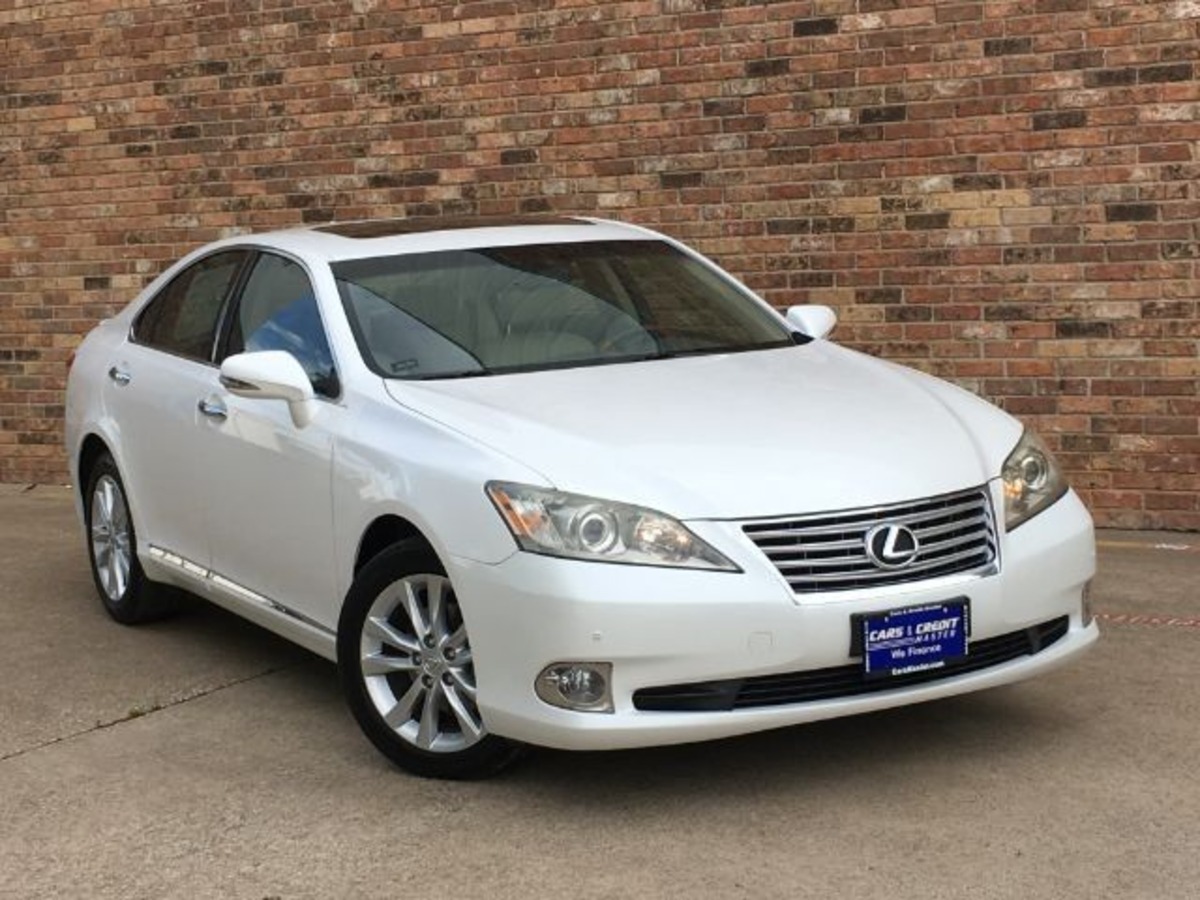
Car owners tend to focus on the usual wear-and-tear components such as tires, brakes, and fluids, but the importance of engine mounts is often overlooked. These mounts serve a crucial role in holding the engine in place and isolating vibrations, yet they’re not typically the first thing that comes to mind during routine maintenance.
When engine mounts fail, the signs can be obvious: clunking noises, excessive vibration, misalignment, and a generally rough driving experience. Despite their importance, engine mounts are built to last, and in certain cars, they rarely become an issue. This list focuses on vehicles known for the longevity and durability of their engine mount systems.
Many factors contribute to whether an engine mount lasts the life of the car. Engine design, mount positioning, vehicle weight distribution, and driving habits all play a role. However, the vehicles on this list tend to be engineered in ways that minimize engine movement and isolate stress efficiently.
Some feature hydraulic or electronically controlled mounts that absorb movement better than traditional rubber ones. Others rely on proven mount geometries that have remained unchanged over generations due to their long-standing reliability.
Longevity in engine mounts also reflects broader manufacturing philosophies. Brands that prioritize refined engineering often produce components, including mounts, that don’t easily degrade. Cars with smoother engine outputs, such as inline-4 or V6 configurations, also reduce the strain on these mounts.
Similarly, vehicles designed for comfort and daily commuting usually experience less aggressive driving, which extends the life of such components. The list that follows includes cars that are well-known in mechanic circles and among long-term owners for rarely experiencing issues with their mounts.
The following ten vehicles stand out not just for their engine performance or comfort, but for how infrequently they require engine mount replacement. Whether you’re a daily commuter, a weekend driver, or someone who keeps cars for many years, these models are often praised for keeping things running smoothly without needing that particular visit to the mechanic.
Also Read: 5 Obscure Hybrids That Last vs 5 Popular Hybrids With Fuel Pump Failures
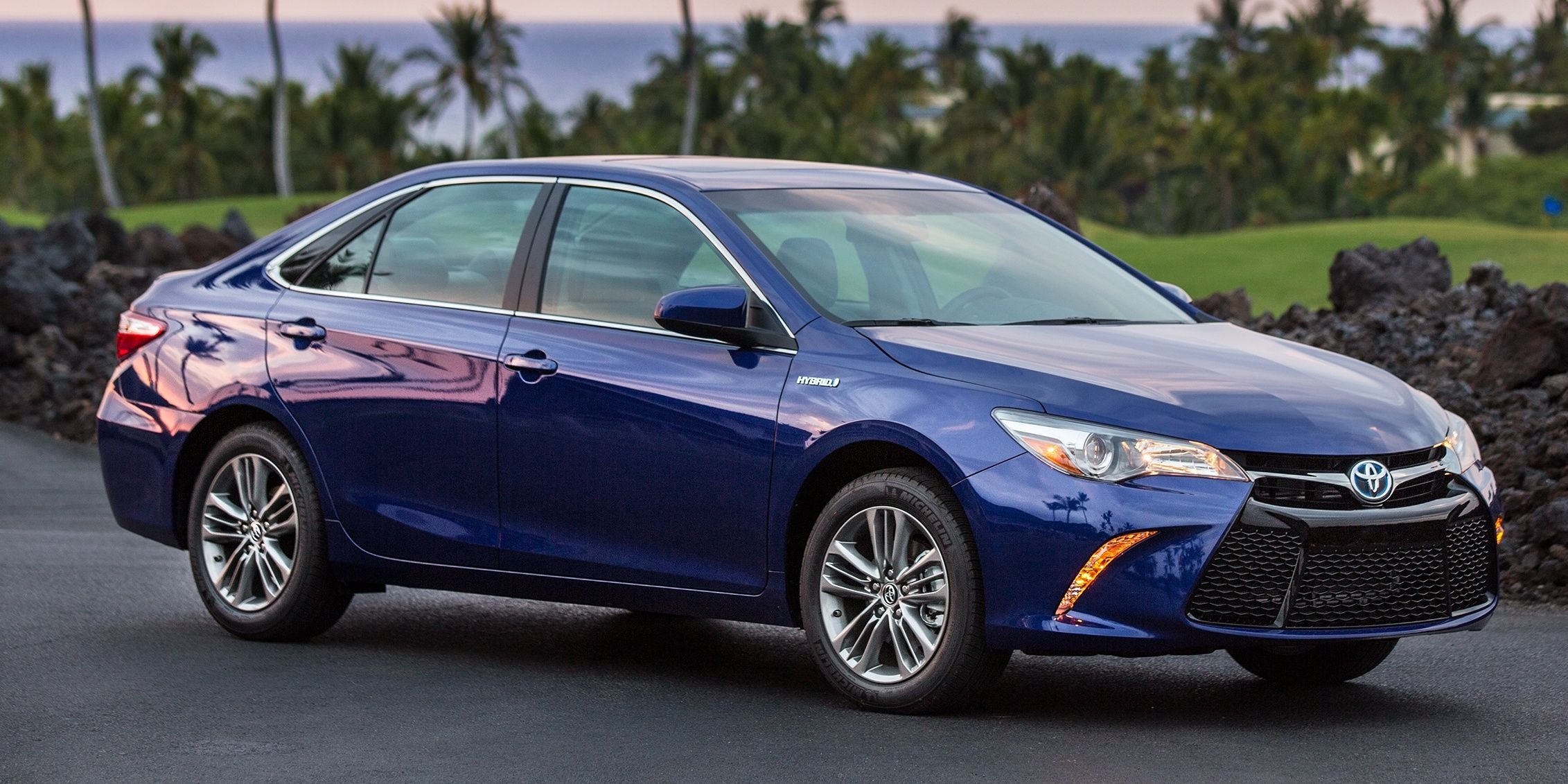
1. Toyota Camry (Especially 2007–2017 Models)
The Toyota Camry has long been seen as a benchmark for reliability. One of the more overlooked components in this car’s performance history is its engine mount system, which rarely presents problems even after extended periods of use.
This is largely due to the Camry’s smooth four-cylinder and V6 engines, which produce minimal vibration and therefore place less stress on the mounts. The mounts used in this model are built from high-quality rubber and metal composites, optimized for daily driving and long-distance comfort. Owners commonly report that even after 150,000 miles, the original mounts remain functional.
Another reason the Camry stands out in this area is Toyota’s attention to drivetrain balance. The engines in this car are mounted in a way that distributes force evenly, with minimal tilting or shifting during acceleration and braking. This balance, combined with a relatively soft suspension setup, results in very low transfer of motion from the engine to the chassis.
The more controlled the movement, the longer the mounts are likely to last. Additionally, the car’s structure helps shield the mounts from excessive heat and debris, reducing the risk of premature wear.
Mechanics often note how infrequently Camrys come in for engine mount-related repairs. Many shops see these cars regularly for oil changes, brake work, or transmission service, but it’s not unusual to see engine mounts go untouched for the life of the vehicle.
In contrast to sportier vehicles with firmer suspension or aggressive engine mapping, the Camry is tuned for smooth, consistent operation. This design approach naturally favors mount longevity and contributes to the car’s reputation as a worry-free option for everyday drivers.
Long-term owners who keep up with basic maintenance rarely face major mechanical issues in these cars. Even in models with higher mileage, the engine mount system continues to hold up well. The Camry is not flashy, but its resilience in small, critical components like engine mounts plays a big role in its status as one of the most dependable sedans in the market.
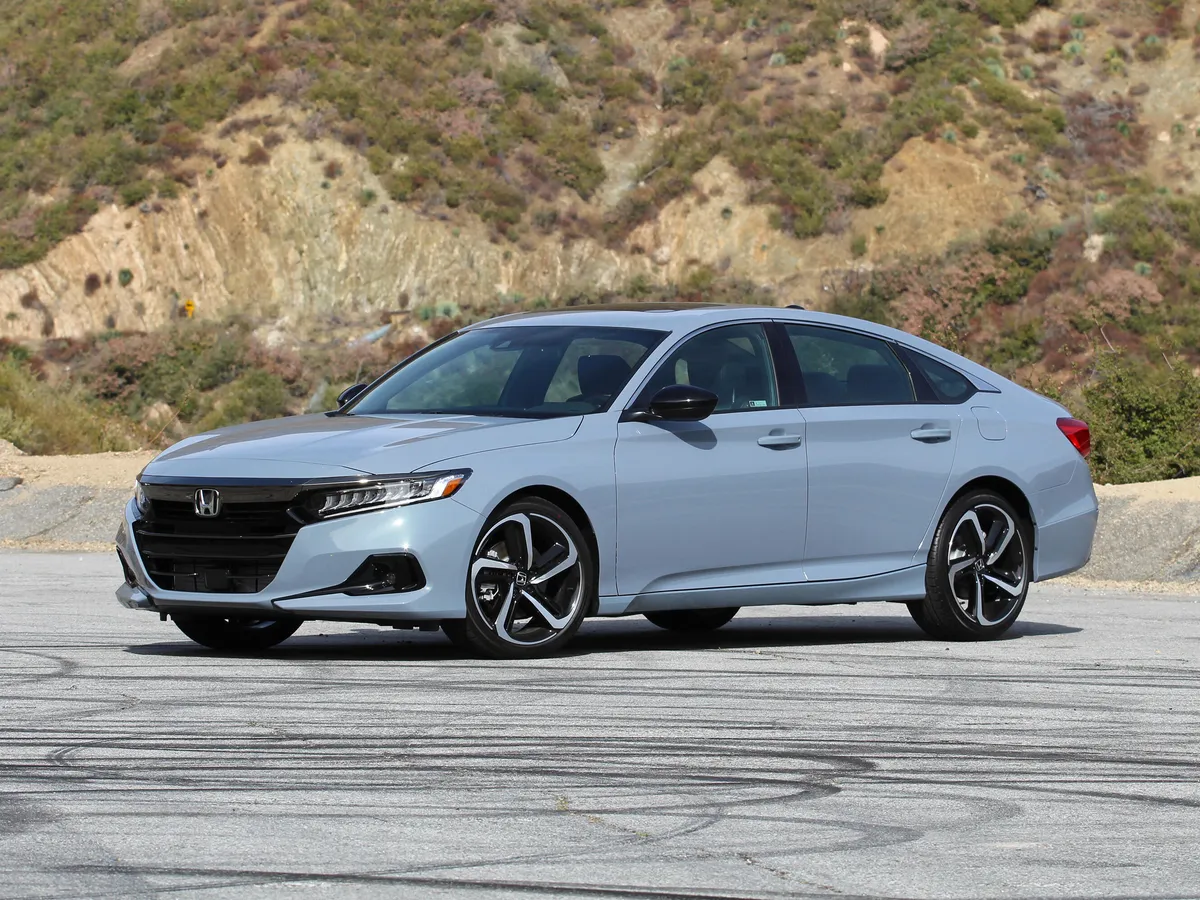
2. Honda Accord (2008–2017 Models)
The Honda Accord is another midsize sedan that has earned its place in many households for its consistent and predictable behavior on the road. Known for its solid build quality and refined powertrain, the Accord’s engine mounts are typically not a point of concern for most owners.
The use of hydraulic mounts in many models helps reduce engine vibration and distribute engine torque more effectively, allowing the mounts to stay intact over longer distances. These mounts are less likely to tear or degrade unless exposed to extreme conditions.
Honda’s engineering approach often involves integrating engine and mount design early in the development process. This results in a more harmonized interaction between the engine’s motion and the mount’s damping ability. The Accord’s engines, especially the inline-4 variants, are relatively light and smooth-operating.
This puts less strain on the mounts, allowing them to maintain their structural integrity for longer periods. While V6 models may experience slightly more stress, even those tend to have a good track record when it comes to mount durability.
One aspect that supports mount longevity in the Accord is the attention to under-hood heat management. Components are positioned in a way that limits heat exposure to sensitive parts, including engine mounts.
Overheating is one of the main causes of premature motor failure, but Honda’s design helps mitigate that risk. Many owners have driven Accords past 200,000 miles without replacing mounts, a sign that the vehicle is built with long-term ownership in mind.
It’s also worth noting that the Accord appeals to a demographic that tends to drive conservatively. With fewer instances of aggressive acceleration or hard braking, the mounts are exposed to less stress. This pattern of moderate driving, combined with Honda’s solid engineering, makes the Accord a frequent flyer on lists of cars with fewer mechanical failures in general, including issues with the engine mount system.
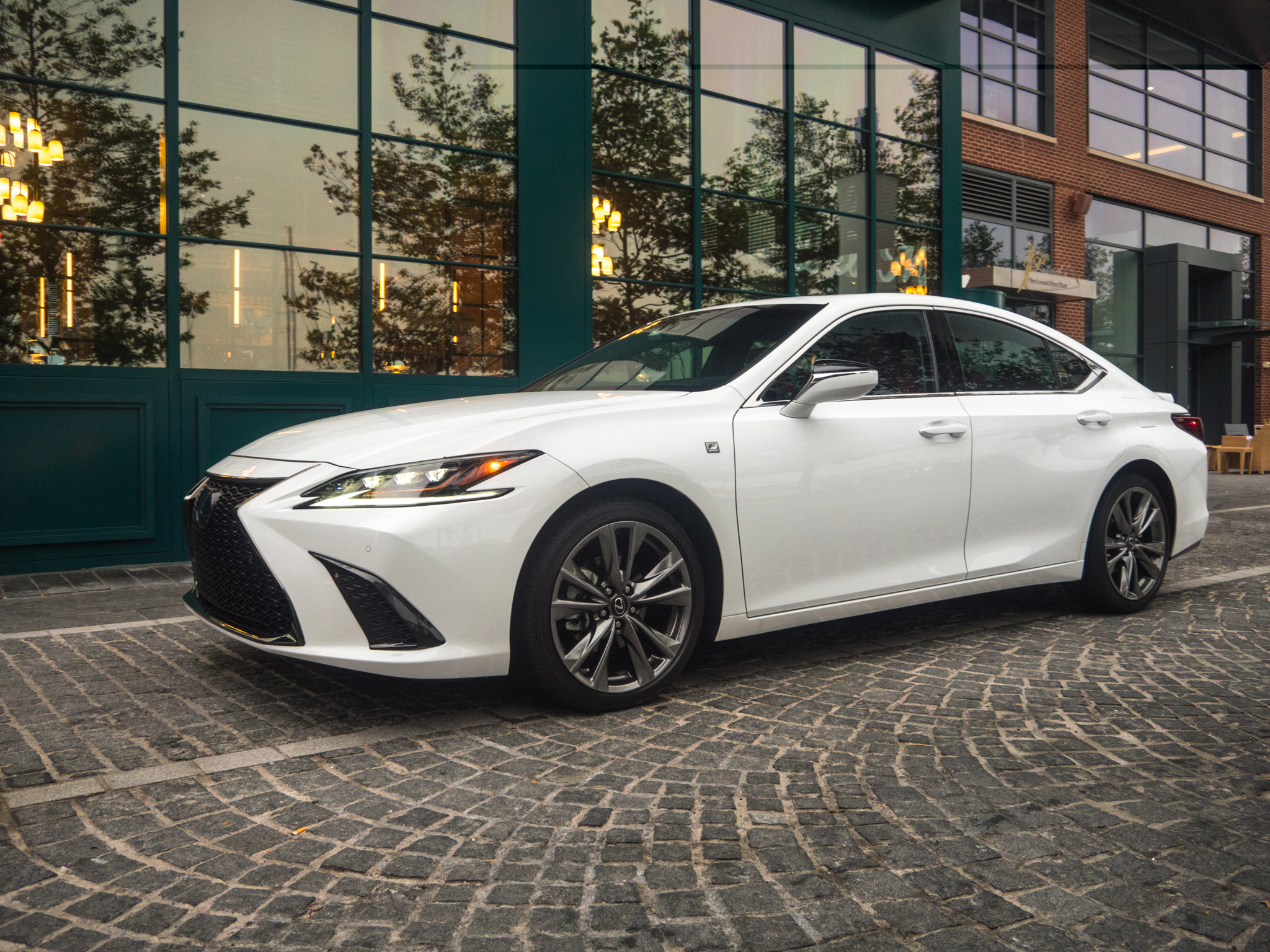
3. Lexus ES Series
Lexus vehicles are designed with comfort and refinement as top priorities, and the ES series fits that profile perfectly. One reason these cars rarely have engine mount issues is because they are not designed for aggressive driving. The ES models use smooth, naturally aspirated engines that produce gentle, linear power. The engine mounts are designed to isolate minimal movement and are built from premium materials that are unlikely to degrade under typical driving conditions. This leads to fewer vibrations and less physical stress on the mount components.
Another factor is the Lexus focus on long-term durability. Engine mounts are often constructed using advanced rubber compounds that resist cracking and drying out over time. This results in less need for early replacement even when the vehicle is driven for over a decade. The V6 engines used in many ES models are particularly known for their smooth operation, which further reduces the load on the mounts. Their relatively light construction and stable power output create an ideal environment for component longevity.
The ES series also benefits from platform sharing with the Toyota Camry, which already has a reputation for excellent engine mount performance. However, Lexus adds a layer of refinement in terms of both materials and assembly quality. Every component, including mounts, is subjected to higher levels of inspection and quality control. This enhanced oversight ensures that even something as simple as a rubber mount meets rigorous standards, reducing the chances of early failure.
Lexus ES owners often report that engine mount problems are virtually nonexistent. While other maintenance issues like battery or suspension wear might arise over time, the mounts are often forgotten, because they never become a problem. This kind of reliability appeals to drivers looking for low-maintenance luxury, and it contributes significantly to Lexus’s reputation for building vehicles that last.

4. Subaru Outback
The Subaru Outback is built for longevity, with a design that emphasizes durability in a wide range of environments. One reason the engine mounts tend to last so long in this model is the configuration of the engine. Subaru uses a horizontally opposed “boxer” engine, which sits lower in the engine bay and balances weight more evenly.
This engine layout naturally reduces engine rocking, which is one of the main causes of engine mount wear. The symmetrical layout helps spread the stress across the mounts more evenly.
The Outback is also known for a moderate driving style among its owners. These are not typically performance-driven vehicles. Most drivers use them for commuting, road trips, and occasional light off-roading. The smoother, more predictable driving patterns that come with this type of use help reduce strain on engine mounts. There’s less aggressive acceleration or braking, which often leads to a longer lifespan for mounts and similar drivetrain components.
Subaru uses strong, durable materials for its engine mounts, which are tested to withstand both temperature fluctuations and varied terrain. The Outback, in particular, is designed to be driven in snow, dirt, and other demanding conditions, so its mounts are constructed to handle movement without breaking down quickly. This makes engine mount failure a rare occurrence, even as the vehicle approaches high mileage.
Outback owners also tend to stay on top of preventive maintenance, which indirectly contributes to the health of engine mounts. Regular oil changes, engine tuning, and avoiding overheating all help extend mount life.
For many long-term Subaru drivers, engine mounts remain in good condition for well over 150,000 miles, and many never experience problems at all. When it comes to rugged, reliable performance, the Subaru Outback stands as a strong example of thoughtful engineering in even the smallest components.
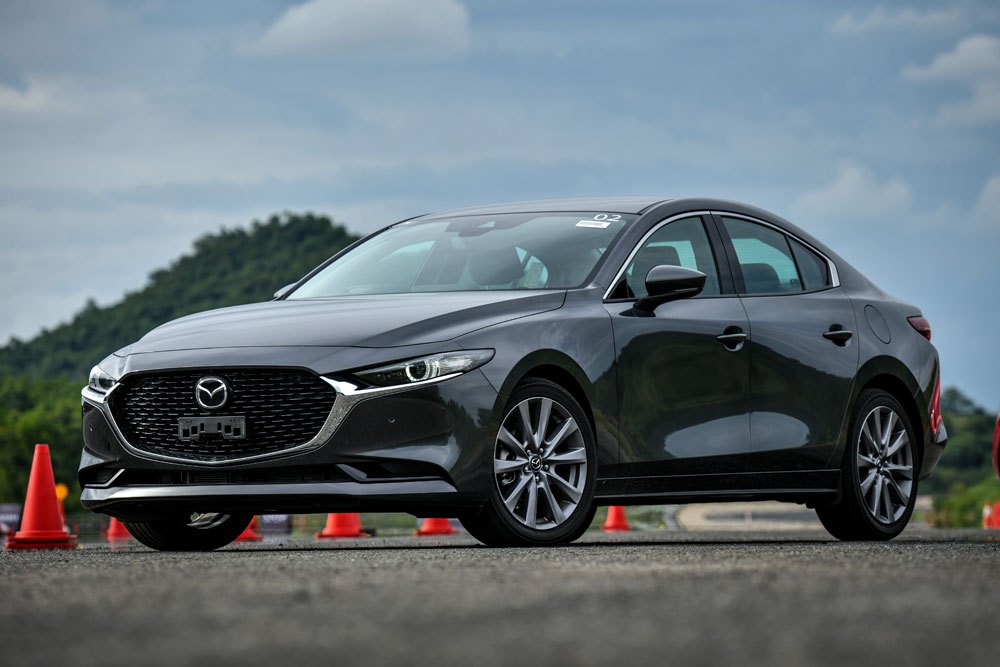
5. Mazda3 (2009–2018 Models)
The Mazda3 stands out in the compact segment for combining sporty dynamics with everyday reliability. While it’s better known for sharp steering and fun-to-drive characteristics, it also maintains impressive mechanical durability, including in components like engine mounts.
The 2009–2018 generation, in particular, uses well-engineered mounts designed to handle regular commuting with a slight edge toward spirited driving. Despite being on the firmer side for ride quality, the balance of chassis stiffness and drivetrain smoothness ensures that the engine mounts aren’t overstressed.
One reason the Mazda3 rarely requires engine mount replacement is the balance of weight and engine power. The naturally aspirated engines found in most models produce a linear, manageable torque output that reduces the engine’s tendency to rock or shift violently under load.
The compact design of the engine bay allows mounts to be placed in optimal positions, providing strong resistance against stress without compromising ride comfort. The mounts themselves use rubber compounds that withstand heat and vibration without cracking easily.
Mazda also places a strong focus on driver engagement, which leads to better throttle tuning and smoother transitions between gears. This smoother operation contributes directly to mount health. Harsh shifts and uneven torque delivery can accelerate wear on mounts, but Mazda’s tuning avoids this problem. The 6-speed automatic and manual transmissions found in many Mazda3s are also well-synced with the engine’s behavior, reducing the need for excessive shock absorption by the mounts.
Owners often keep these vehicles for extended periods, and it’s not uncommon to find them with 150,000 miles or more on the odometer without major mechanical issues. While Mazda does not market the Mazda3 as a heavy-duty vehicle, its thoughtful engineering results in a drivetrain that causes minimal wear on mounts.
Even in older vehicles or colder climates where rubber parts tend to degrade faster, these mounts remain intact more often than not, making the Mazda3 a strong choice for those looking for long-term durability.
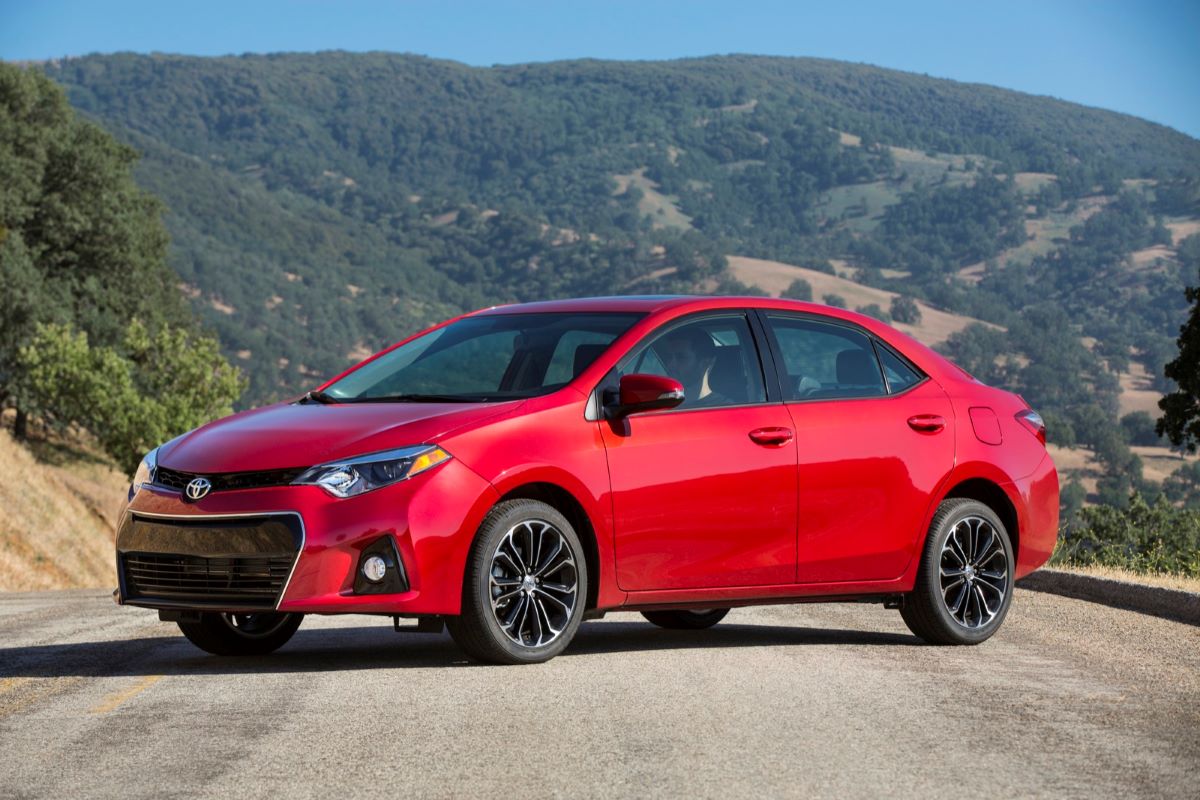
6. Toyota Corolla (2010–2020 Models)
The Toyota Corolla is often referred to as the “workhorse” of the compact sedan segment, and with good reason. It’s widely respected for its reliability and low cost of ownership, but engine mount durability is one of the lesser-discussed strengths of this model.
The 2010–2020 generation, in particular, sees very few complaints or repair records associated with engine mount failure. This is partly due to the modest engine performance, which avoids placing excessive stress on the mounts during regular driving.
Toyota’s decision to favor naturally aspirated four-cylinder engines in these models is a wise move in terms of longevity. These engines run with less vibration than turbocharged options and produce a steady, predictable torque curve. That predictability benefits the mounts, which are subjected to fewer sudden forces or jerks. Additionally, the engine bay layout allows for strong bracketing of the powertrain, keeping everything tightly in place and minimizing motion under load.
The materials used in the Corolla’s engine mounts are another factor in their durability. Toyota uses durable rubber and metal components that are treated for heat resistance. Since many Corolla owners live in urban environments and subject their cars to stop-and-go traffic, the mounts are designed to handle frequent idle time without softening or cracking. Long-term owners often remark that their vehicles continue to ride smoothly with the original mounts even past 200,000 miles.
Service records from shops and dealership maintenance logs support this trend. It’s common to see these vehicles needing basic upkeep like oil changes, brakes, and coolant flushes, but not engine mount replacements.
The fact that Toyota builds the Corolla to be a no-nonsense, easy-maintenance vehicle helps explain why so many drivers never even think about the mounts. This reputation makes the Corolla a favorite among those seeking peace of mind in long-term ownership.

7. Honda CR-V (2012–2021 Models)
The Honda CR-V is one of the most popular compact SUVs in the world, and part of its appeal lies in its balanced engineering. Whether it’s used for urban driving, light hauling, or family road trips, the CR-V maintains a reputation for resilience. Among its many strengths is its dependable engine mounting system.
These mounts rarely fail, even after years of use. The naturally aspirated engines found in many models, paired with a CVT or standard automatic transmission, lead to a smoother engine operation that protects the mounts from excess wear.
Honda places the engine mounts in locations that reduce stress and allow some flexibility while still securing the powertrain effectively. These mounts are often hydraulic, allowing them to absorb shock better than conventional rubber mounts. Their positioning also accounts for better heat dissipation and vibration isolation. Many drivers never experience symptoms such as excessive engine movement or vibration, even on higher-mileage vehicles, due to this thoughtful design.
One underrated factor in the CR-V’s mount durability is its lightweight build for an SUV. Compared to larger vehicles, the CR-V puts less strain on its components, including engine mounts.
The torque produced by its engines is moderate and is delivered in a way that avoids harsh surges. This controlled driving experience minimizes stress on the mounts, helping them last longer without requiring replacement or adjustment. It’s not uncommon for CR-V owners to drive 200,000 miles or more with their original mounts intact.
Additionally, the CR-V is often purchased by families and individuals who value smooth, comfortable driving over performance. This results in conservative driving patterns that put even less wear on mechanical parts. Combined with Honda’s long-term commitment to quality, the CR-V proves to be a smart choice for those who want to avoid surprise repair costs, including those associated with engine mount failure.

8. Ford Fusion (2013–2020 Models)
The Ford Fusion, particularly models built between 2013 and 2020, showcases a level of mechanical resilience that includes excellent engine mount durability. This mid-size sedan was designed to offer both comfort and a bit of sporty edge, yet the engineering still favored long-term reliability.
Ford incorporated rubber-insulated mounts that are larger and more robust than those found in earlier models, and they were strategically positioned to accommodate the car’s heavier frame and higher torque output.
One reason Fusion mounts tend to last longer is the refined engine calibration and transmission matching. Whether it’s the 2.5L naturally aspirated engine or one of the turbocharged EcoBoost options, the drivetrain remains relatively balanced and well-supported. This balance reduces the forward and backward rocking motion that often causes premature mount wear. Even under moderate acceleration, the engine remains well-behaved, which minimizes mechanical stress.
The structure of the Fusion’s chassis also contributes to mount health. It uses a stiff platform that resists flexing under pressure, which in turn protects engine mounts from excessive motion. Additionally, the mounts are shielded by splash guards and insulating materials that keep them safe from dirt, water, and heat exposure. This level of physical protection allows the mounts to maintain their flexibility and integrity longer than average.
Long-term Fusion owners often report driving well past 150,000 miles without any engine mount issues. When compared to other sedans in the same class, the Fusion presents a strong case for lower maintenance demands in this area. While suspension and electronic issues may arise over time, engine mounts typically remain in good working order, adding to the Fusion’s appeal for those wanting dependable performance over many years.
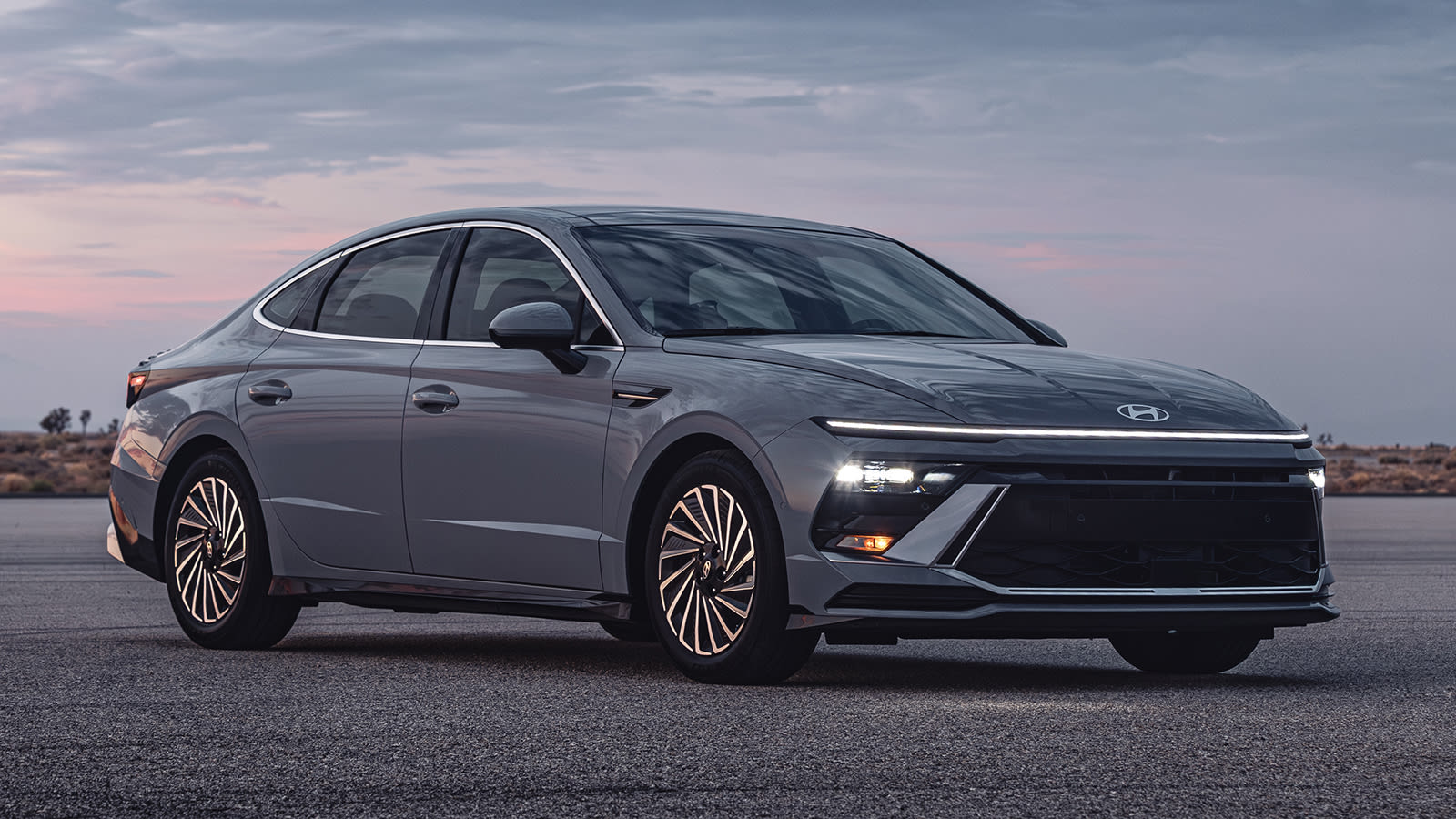
9. Hyundai Sonata (2011–2019 Models)
The Hyundai Sonata evolved considerably during the 2011 to 2019 period, transforming into a well-rounded midsize sedan known for efficiency and comfort. One of the lesser-known benefits of owning a Sonata from this era is the engine mount reliability.
These models rarely encounter mount-related problems due to Hyundai’s emphasis on smooth drivetrain operation and refined ride quality. The four-cylinder engines found in most trims are well-balanced and not overly powerful, which reduces unnecessary engine movement and extends mount life.
Hyundai invested in vibration-damping technologies that improved cabin comfort while also benefiting engine mount durability. The mounts are made from reinforced rubber and strategically placed to handle daily driving demands.
The layout of the engine bay also allows easier access for diagnostics and repairs, though in many cases, the mounts don’t need attention at all. Many owners find that engine performance remains smooth and consistent well into high-mileage ownership without any symptoms that would indicate mount wear.
The Sonata also benefits from a moderate suspension setup that works in harmony with the drivetrain. This means that engine torque isn’t fighting against the vehicle’s own structural responses, a situation that often puts strain on engine mounts in sportier vehicles. The even distribution of load and power keeps everything under the hood in a more static position. This results in less degradation of mount materials, particularly in long-term, real-world driving.
Mechanics familiar with the Sonata often note that they rarely replace engine mounts on these cars unless there’s been a collision or other external damage. With regular maintenance and conservative driving habits, most Sonata models retain their original mounts for the majority of their life. This adds another layer of value to a car already known for offering a lot of features at an affordable price point.
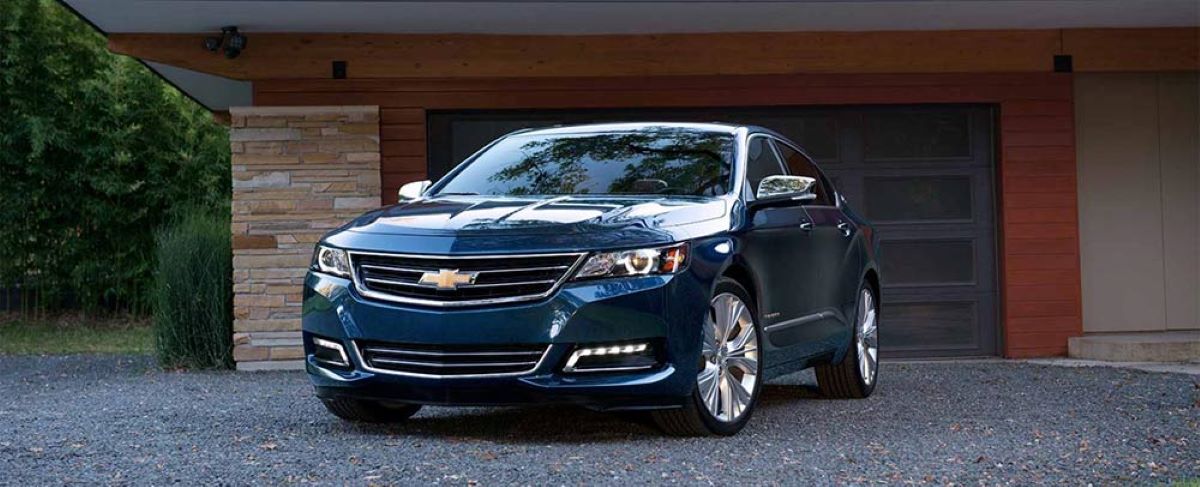
10. Chevrolet Impala (2014–2020 Models)
The Chevrolet Impala, particularly the models built from 2014 to 2020, earned strong marks for comfort, space, and reliability. Less frequently discussed is how seldom these cars require engine mount replacements. The Impala was designed to serve as a full-size sedan for both private and fleet use, which means it had to be robust enough to handle high-mileage demands.
As a result, its engine mounts were built to be durable from the outset. Whether equipped with the base four-cylinder or the more powerful V6, most Impalas from this generation show very few issues with engine mounts.
One of the factors contributing to this is the vehicle’s weight and stability. The Impala is relatively heavy, but the way its weight is distributed minimizes sudden jerking or lurching during acceleration. This gives the engine and its mounts a stable base to operate from.
The suspension is tuned for comfort rather than performance, which reduces the stress of harsh road impacts being transferred to the engine bay. That reduced stress adds years of life to the mounts, especially when combined with a well-insulated subframe.
Chevrolet also included reinforced engine mount brackets and placed them in a layout that balances out engine torque well. In the V6 models, which produce more power, special attention was given to hydraulic mount design to absorb any additional stress.
This attention to mounting strength and vibration management means that these cars remain smooth and quiet even after many years of use. Mechanics who service fleet-owned Impalas often note how the mounts, even after 150,000 to 200,000 miles, are still doing their job without needing replacement.
Another aspect that keeps Impala engine mounts in good shape is the way the car is typically driven. The Impala is not a performance car and doesn’t encourage aggressive driving habits. Most owners use it for daily commutes, business trips, or family travel. This type of driving reduces rapid engine movement and hard launches, both of which can shorten mount life.
As a result, it’s not unusual for an Impala to go through its entire service life without any attention given to its engine mounts.
Also Read: 5 Underappreciated Trucks That Tow Well vs 5 Hyped Trucks With Transmission Issues
After reviewing these ten vehicles, a pattern becomes clear: reliable engine mounts are not the result of chance but the outcome of thoughtful engineering, practical design choices, and consistent build quality. Every car on this list benefits from a combination of structural balance, smooth engine performance, and reasonable torque output that doesn’t overwhelm the mounts.
More importantly, the companies behind these vehicles understand how even minor components like mounts can have a major impact on long-term ownership satisfaction. That attention to detail is what separates a dependable car from one that becomes a maintenance headache.
In practical terms, the benefits of strong, long-lasting engine mounts go beyond just mechanical stability. Mount-related issues can affect everything from ride comfort to the integrity of the drivetrain and suspension. A car with failing mounts often feels rough, loud, and disconnected.
This doesn’t just hurt the driving experience; it also puts stress on other parts of the vehicle. By avoiding engine mount replacements, you’re not only saving money but also reducing the risk of related problems. When a car can go years or even decades without those issues, it becomes a better value in every sense.
These vehicles were chosen not only for their mount durability but also for their real-world track records. Feedback from mechanics, long-term owners, and maintenance data all point to the same conclusion: these are vehicles you can depend on. The Toyota Camry and Honda Accord are trusted across the globe for their consistency. The Lexus ES brings a touch of luxury without the costly repairs.
Subaru’s engineering gives the Outback strong mount performance even on rough roads. The Mazda3, Corolla, and CR-V offer practical solutions that don’t compromise on comfort or cost. Meanwhile, cars like the Ford Fusion, Hyundai Sonata, and Chevrolet Impala prove that even American and Korean manufacturers have stepped up in producing cars with high-quality, low-maintenance components.
For buyers, this means more confidence and less downtime. Whether you’re purchasing a new car or a used one, looking at models known for engine mount durability is a smart move. It’s one less problem to anticipate. It also speaks to the design of the vehicle, indicating that it was built with long-term performance in mind rather than short-term flair.
Many of these cars also perform well in other reliability categories, making them excellent all-around choices for families, professionals, students, and retirees alike.
Not every car owner will research something as obscure as engine mounts, and that’s understandable. Most people focus on larger features like fuel economy, interior space, or infotainment options. But small components often reflect the deeper quality of a vehicle.
When something as basic as the engine mount can last 10 to 15 years without issue, it’s a sign that the rest of the car has been engineered with similar care. That’s the kind of assurance every car owner wants: dependability that doesn’t demand attention.
In the end, the best kind of maintenance is the one you don’t have to do. These ten vehicles make that possible by doing something deceptively simple: they just keep running. Quietly, smoothly, and without interruption.
