
Maintaining a car’s interior in pristine condition despite high mileage is a challenge many vehicle owners face. Over time, daily use inevitably results in wear such as fading upholstery, cracked dashboards, worn-out seats, and scuffed panels.
Factors like sun exposure, humidity, spills, frequent ingress and egress, and just normal abrasion from hands and clothes can rapidly degrade cabin materials. Yet, certain models stand apart because their interiors appear almost untouched even after covering hundreds of thousands of miles.
This resilience comes from a combination of superior material quality, smart engineering, thoughtful design, and sometimes, the manufacturer’s commitment to durability. For drivers who put significant mileage on their vehicles or who keep their cars for long periods, these traits translate into a more enjoyable, comfortable, and visually pleasing driving experience without the need for expensive refurbishments.
The durability of a car’s interior is not merely an aesthetic concern; it also impacts comfort and the vehicle’s value. When seats maintain their supportiveness and upholstery does not crack or stain easily, drivers and passengers experience more comfort on long journeys.
Similarly, dashboards and control panels that resist fading and warping keep controls clear and usable, enhancing safety and convenience. Well-made interiors also tend to age gracefully, reflecting positively on a car’s resale or trade-in value.
While some vehicles may boast flashy features and design elements, their interiors may lack the robustness necessary to withstand years of use. On the other hand, cars that emphasize high-quality materials and durability often develop a reputation for longevity and satisfaction among owners, which can be just as important as performance or fuel economy.
This article highlights ten high-mileage cars that are known for keeping their interiors looking new long after they have been driven extensively. These vehicles represent a variety of segments, from sedans to SUVs and trucks, and showcase different approaches to material selection and cabin design.
Whether through the use of UV-resistant trims, stain-repellent fabrics, reinforced stitching, or straightforward, easy-to-clean layouts, these models have earned respect for their enduring cabin quality. They serve as great recommendations for anyone looking to purchase a vehicle that can remain comfortable and visually appealing over the long haul. Each section below offers a closer look at a particular car, focusing on its interior features and explaining why it continues to look fresh and inviting after many miles.
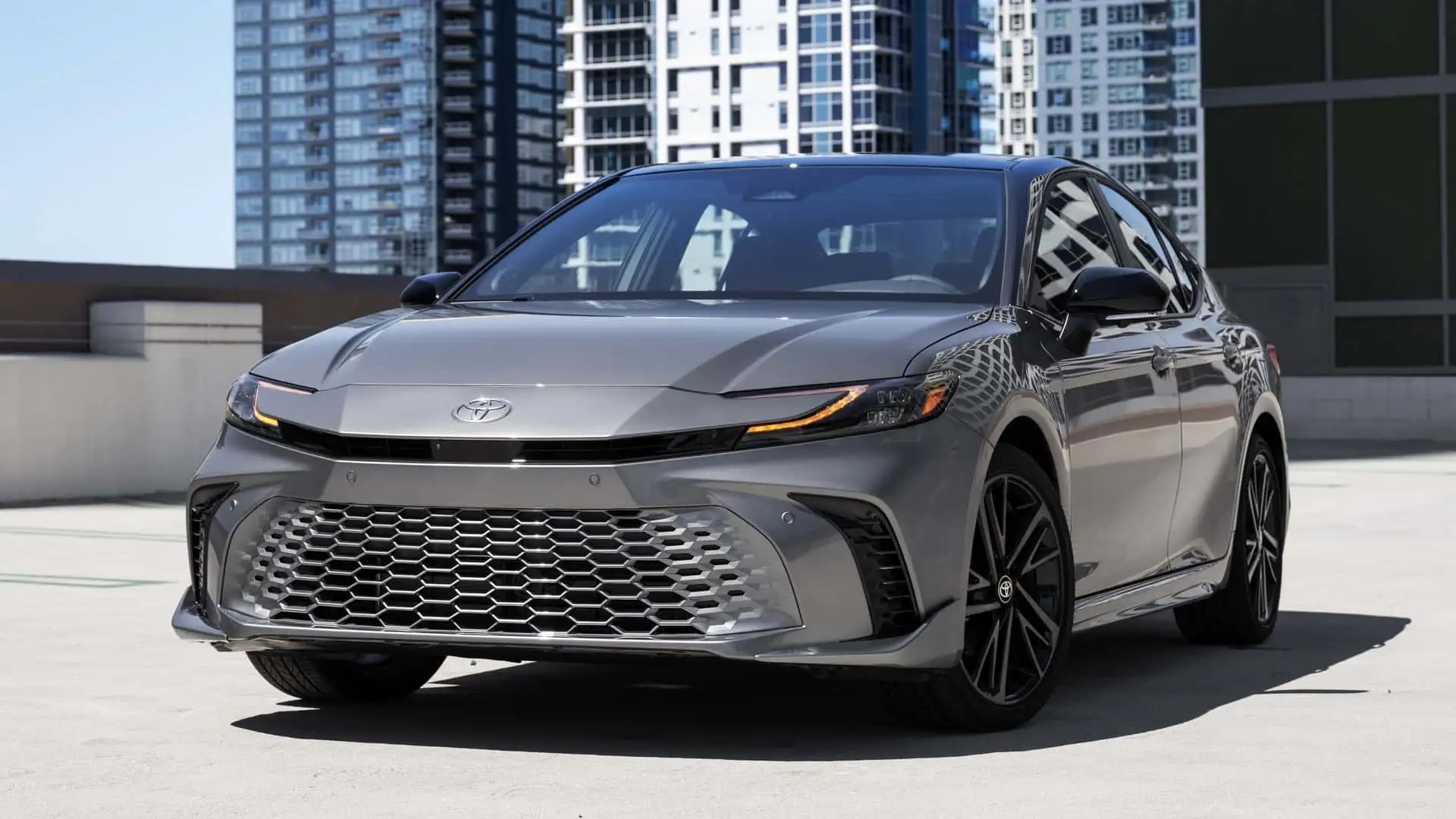
1. Toyota Camry
The Toyota Camry has been a stalwart of the midsize sedan market for decades, and part of its appeal lies in its ability to combine reliability with a long-lasting interior. The cabin materials used in the Camry are selected to withstand daily wear and tear without quickly deteriorating.
Many drivers report that even Camrys with well over 200,000 miles on the odometer retain interiors that look almost showroom-fresh. This is a testament to Toyota’s focus on durability. The fabric and synthetic leather upholstery resist fading and stains, making them ideal for families, commuters, or anyone who spends considerable time on the road.
The seats themselves are designed to maintain their firmness and support, which helps prevent the sagging or flattening that can make older cars uncomfortable.
Beyond upholstery, the Camry’s dashboard and door panels feature quality plastics and soft-touch surfaces that stand up well against cracking or discoloration caused by prolonged sun exposure. The layout is clean and simple, which not only contributes to its timeless style but also reduces the number of delicate components that could fail or degrade over time.
Door handles, window switches, and other frequently touched surfaces in the Camry tend to show very little wear even in models with high mileage. Toyota’s reputation for precision in assembly and materials sourcing means that these components remain tightly fitted and fully functional, maintaining a sense of solidity and refinement.
Another factor that contributes to the Camry’s lasting interior appeal is its ease of maintenance. Cleaning the seats and dashboard is straightforward due to the materials chosen, and replacement parts are widely available at reasonable prices. This means that owners can keep their cars looking fresh with routine upkeep rather than costly refurbishing.
Additionally, Toyota often integrates practical features like UV-blocking window tints and protective coatings on fabric surfaces in the Camry, which help mitigate damage caused by sunlight and accidental spills. These preventative measures allow the interior to age gracefully.
The design philosophy behind the Camry’s cabin emphasizes user-friendly durability. It avoids overly trendy materials that may not wear well, instead focusing on tried-and-true solutions that can last.
This approach has helped the Camry become one of the most trusted names for high-mileage drivers who want a car that will not only perform mechanically but also feel comfortable and look clean inside after years of ownership. Whether used as a daily commuter or a family sedan, the Toyota Camry stands out for the impressive resilience of its interior components.
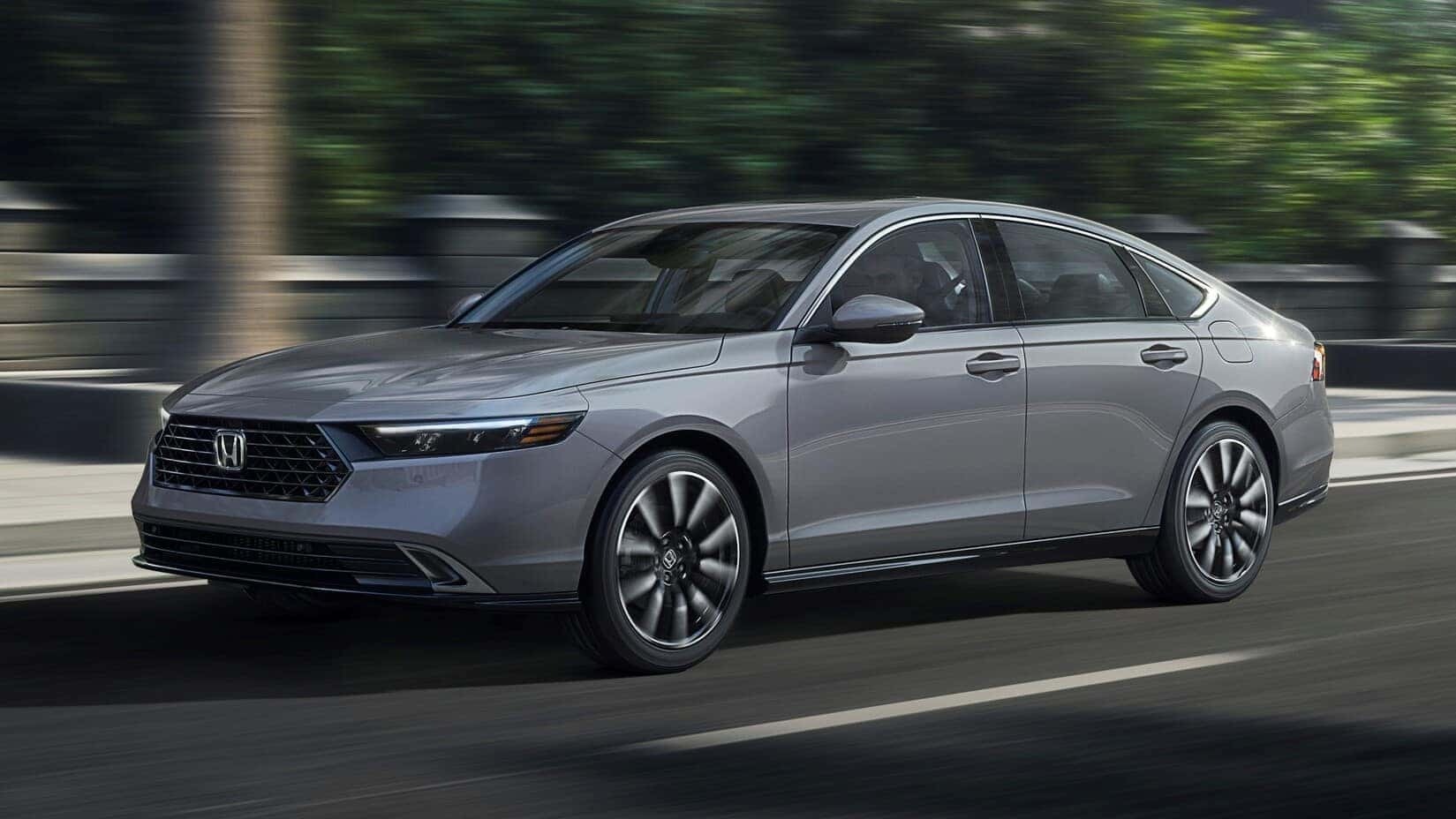
2. Honda Accord
The Honda Accord has long been a benchmark for midsize sedans, combining reliability with a well-thought-out interior that ages exceptionally well. One of the key reasons the Accord remains popular among drivers who accumulate high mileage is its cabin’s ability to retain both comfort and aesthetic appeal. Honda engineers carefully select upholstery materials that balance softness with durability.
Many Accords feature cloth or synthetic leather seating surfaces that resist tears and stains, even under frequent use. These seats also benefit from reinforced stitching and quality foam padding, which helps maintain seat shape and support over time, preventing the sagging that diminishes comfort in older cars.
Inside the cabin, the dashboard and control surfaces are constructed from a mix of soft-touch plastics and robust hard plastics, all of which are chosen for their resistance to UV damage and everyday abrasion. The Accord’s buttons, knobs, and touchscreen controls are designed to retain their tactile feel and responsiveness even after extensive use. This helps the vehicle feel well-maintained and easy to use, even if the car has covered many miles. Additionally, Honda has kept the interior design clean and intuitive, avoiding overly complicated or delicate materials that might be prone to damage.
Storage areas, cup holders, and door panels in the Accord are made with textured finishes that help hide minor scratches and scuffs, keeping the interior looking tidy. The quality of the materials also means cleaning is simpler, allowing owners to maintain a fresh cabin with routine care.
Furthermore, Honda incorporates features that reduce wear in high-contact areas, such as padded armrests and reinforced seat edges. These details may seem small but play an important role in preserving the interior’s condition over years of daily use.
Another aspect contributing to the Accord’s interior longevity is the vehicle’s thoughtful climate control and ventilation design. Efficient temperature management reduces the likelihood of materials drying out or fading due to prolonged exposure to heat.
Some models also come equipped with UV-protective glass, further preserving the dashboard and upholstery from sun damage. In all, the Honda Accord represents an excellent balance of style, comfort, and durability for drivers who expect their car’s interior to look good and feel comfortable even after high mileage.
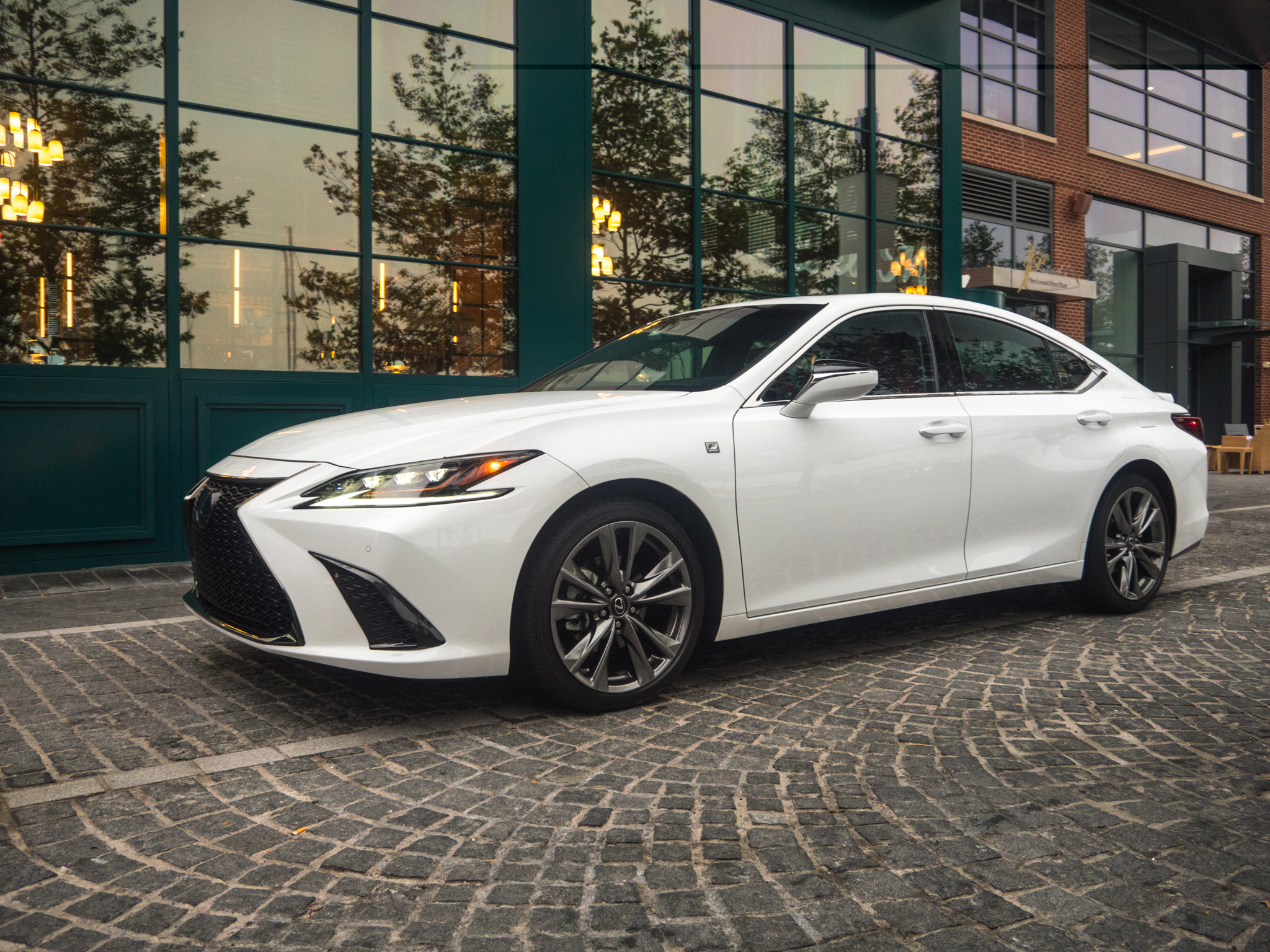
3. Lexus ES
The Lexus ES stands as a prime example of a luxury sedan that not only offers comfort and refinement but also excels in maintaining an interior that looks new for an extended period. While sharing a platform and some components with the Toyota Camry, the ES elevates the experience by using premium materials and craftsmanship that contribute to superior durability.
The leather upholstery in the ES is specially treated to resist cracking, discoloration, and stretching, which are common issues in older luxury vehicles. These seats maintain their plush appearance and comfort even after years of driving, providing a cabin that feels inviting and luxurious.
The dashboard and trim in the Lexus ES showcase high-grade soft-touch plastics, real wood, and metal accents that are carefully finished and sealed. These materials not only exude quality but also resist damage caused by sunlight, moisture, and physical contact.
Lexus engineers also design the layout to minimize weak points and areas susceptible to wear, making the cabin more resilient. Switches and controls are precision-crafted to retain their tactile response and functionality, which helps prevent the “worn out” feeling some luxury cars develop as they age.
Beyond materials, the ES incorporates advanced protection features to keep the interior looking fresh. For instance, some models include UV-blocking sunshades integrated into windows or sunroofs to reduce heat and light damage. Climate-controlled seats help maintain leather moisture, preventing it from drying out and cracking over time. The thoughtful combination of these features contributes to a cabin that not only looks refined but also stays in great condition after many miles.
The Lexus ES also focuses on driver comfort with ergonomic seating, padded armrests, and well-designed controls that reduce stress on frequently touched surfaces. This attention to detail prevents premature wear and adds to the vehicle’s feeling of luxury. Owners often praise the ES for its ability to provide a first-class experience even after long-term ownership, making it an excellent option for those who want a high-mileage car that retains a new-car ambiance in the interior.
4. Subaru Outback
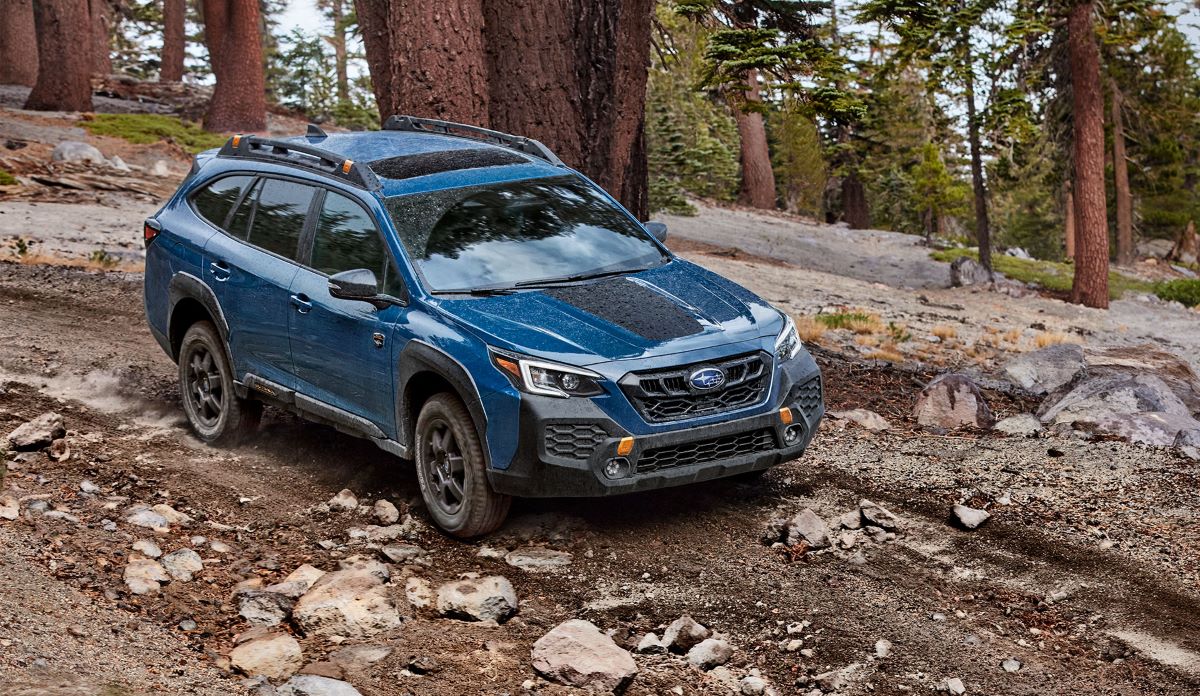
The Subaru Outback is celebrated for its blend of rugged capability and interior practicality, which extends to its ability to maintain a clean and durable cabin after extensive use. Built to accommodate active lifestyles, the Outback’s interior is engineered with materials that are easy to clean and resistant to stains and wear.
This makes it especially suitable for owners who frequently engage in outdoor activities or transport pets and gear. The upholstery options, which often include stain-resistant cloth or synthetic leather, have surfaces designed to withstand mud, dirt, and moisture without quick deterioration.
The dashboard and door panels are crafted from textured, hard-wearing plastics that do not show scratches or discoloration easily. These materials are selected to endure contact with gloves, tools, or outdoor equipment, making them ideal for a vehicle expected to handle rougher conditions. Subaru also pays attention to reinforcing areas such as the steering wheel and shift lever, where constant handling could otherwise cause early wear.
Functionality is key in the Outback’s interior design. The inclusion of removable floor mats and washable cargo liners makes it easier to remove dirt and spills, reducing the buildup of grime that can degrade cabin materials. Door seals and window trims are also designed to keep moisture out, preventing mold and mildew that could harm fabrics or create unpleasant odors. This practical approach means that the interior remains fresh and durable even in challenging environments.
Owners of the Subaru Outback often highlight the balance between comfort and resilience in the cabin. Supportive seats with durable stitching and padding ensure comfort on long drives, while the materials hold up well against everyday abuse. These qualities make the Outback a favorite among those who want a dependable, long-lasting vehicle with an interior that continues to look good after high mileage.
5. Mazda CX-5
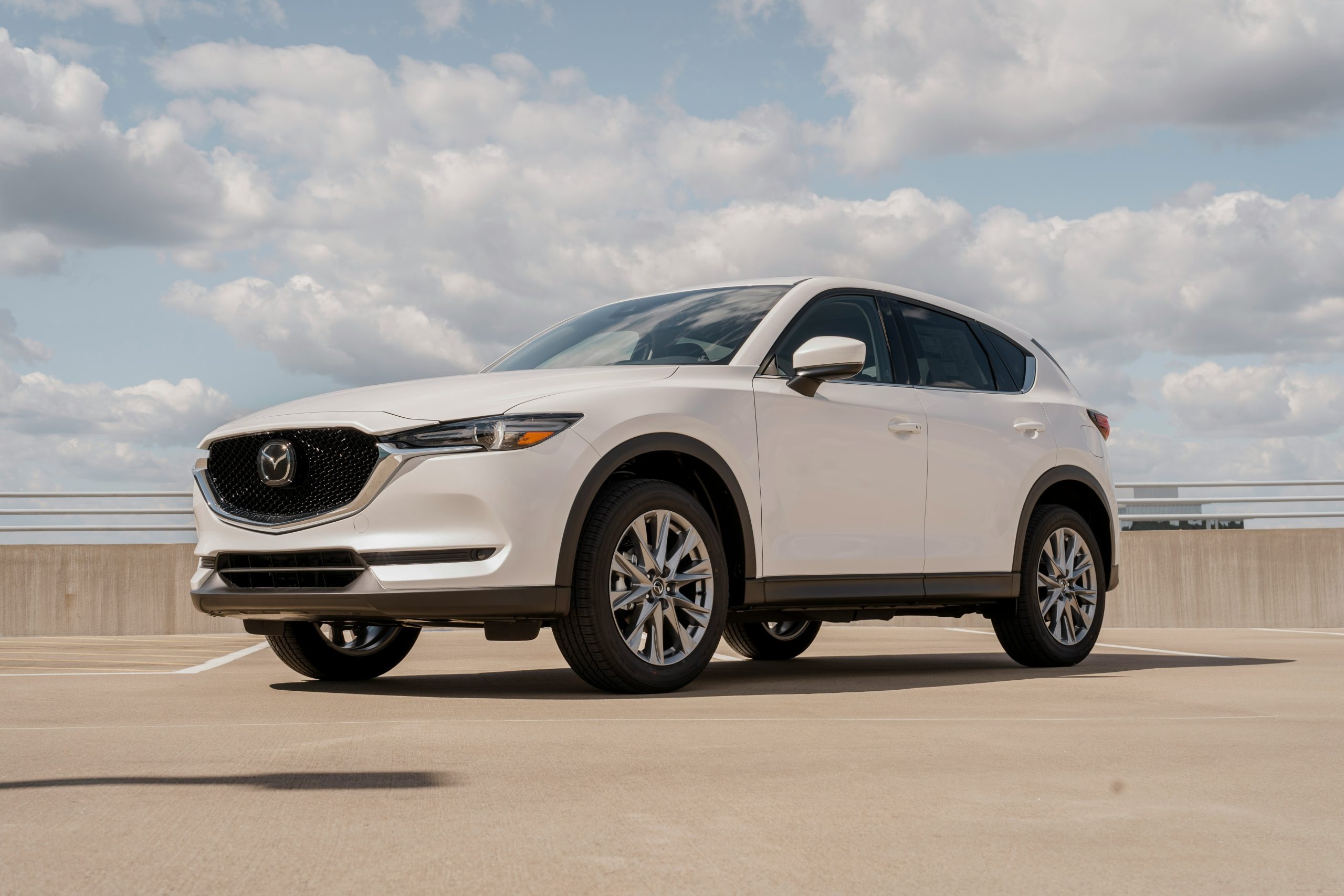
The Mazda CX-5 has garnered acclaim for delivering a stylish, driver-focused experience with an interior that resists the common signs of aging.
Mazda’s commitment to quality craftsmanship shows in the choice of materials and assembly standards that contribute to the CX-5’s ability to maintain a fresh and appealing cabin even after extended use. The seats are typically upholstered with premium cloth or genuine leather, both of which are reinforced with strong stitching and padding to avoid premature wear.
One of the CX-5’s strengths is the use of soft-touch materials on the dashboard and door panels that are not only pleasant to the touch but also highly durable. These surfaces resist cracking and discoloration that can occur with prolonged exposure to sunlight. The interior components are assembled with tight tolerances, which minimizes rattles and squeaks that sometimes plague aging vehicles. The fit and finish make the cabin feel solid and well-built.
In terms of practical design, the CX-5 incorporates features such as padded armrests and well-positioned storage compartments that reduce wear on frequently touched areas. The upholstery materials are chosen to resist stains and are relatively easy to clean, which is helpful for maintaining the cabin’s fresh look.
The carpeting and floor mats are designed to handle dirt and moisture effectively, making the vehicle suitable for a variety of driving conditions.
Additionally, Mazda integrates technology and features that protect the interior. Some CX-5 models include sunshades and UV protection that limit heat buildup and help preserve materials. Climate control systems are optimized to prevent damage caused by temperature extremes. These thoughtful inclusions contribute to the longevity of the interior, making the Mazda CX-5 an excellent choice for those seeking a car that remains attractive and comfortable over high mileage.
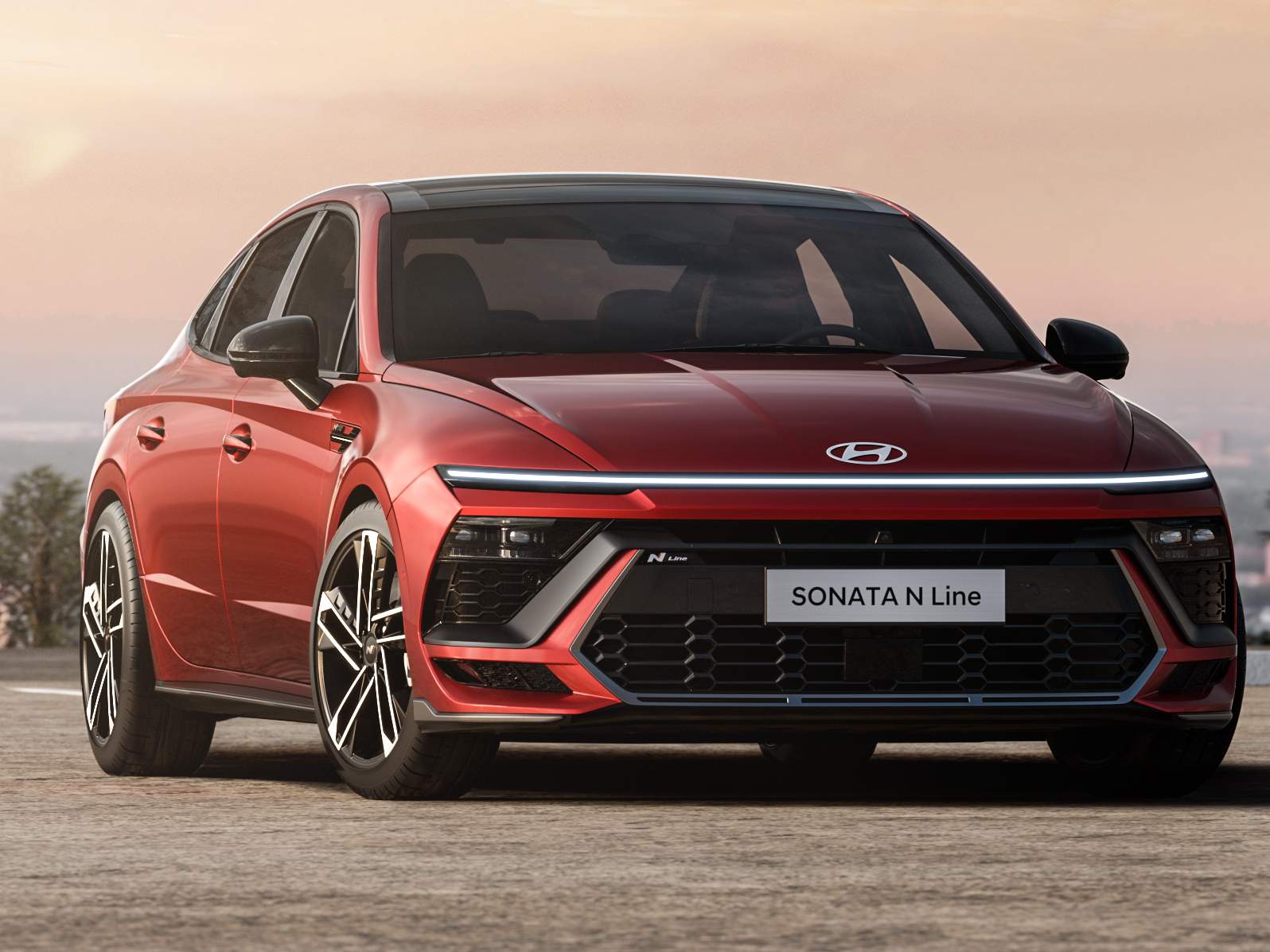
6. Hyundai Sonata
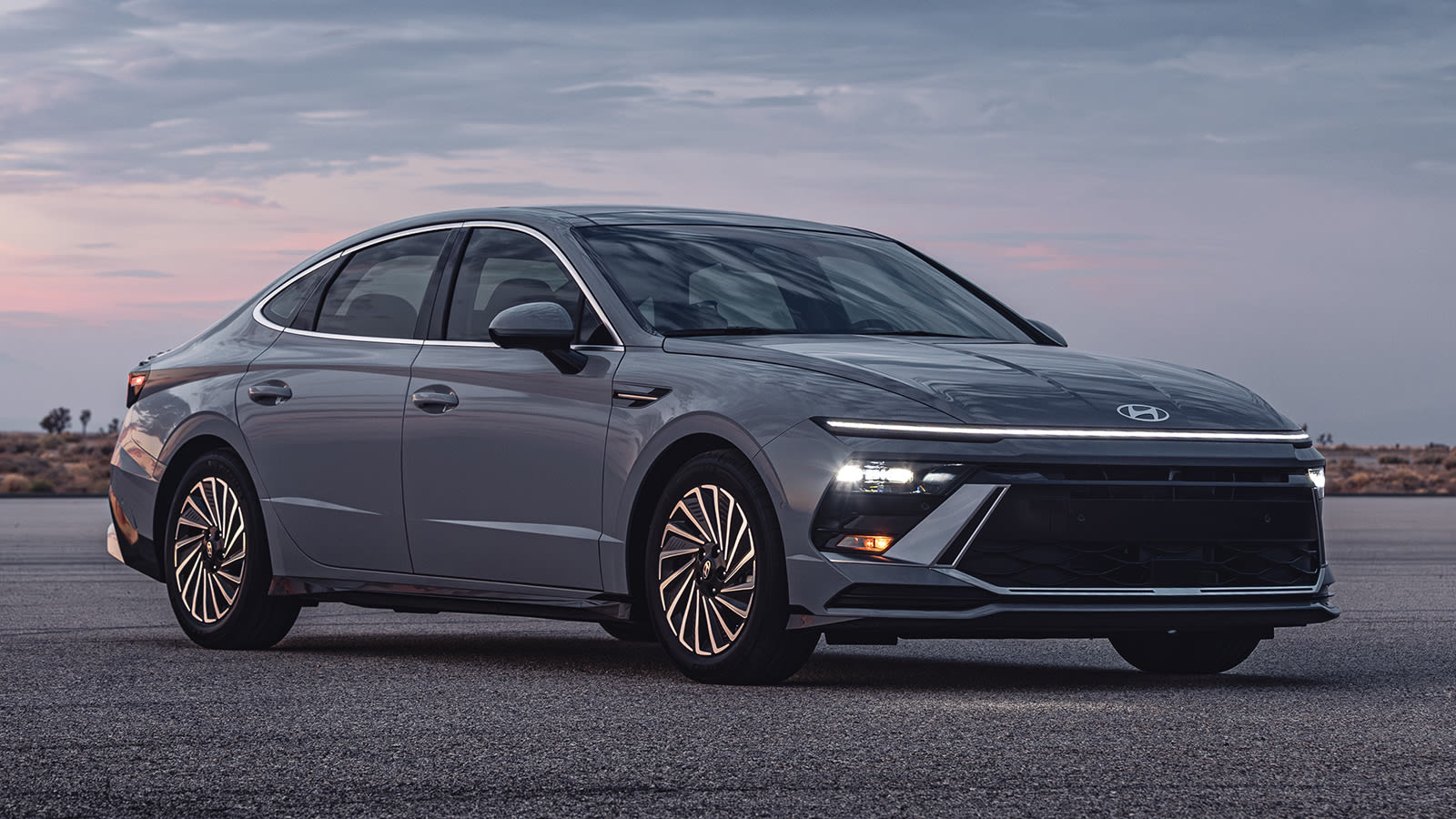
The Hyundai Sonata has evolved significantly over the years to become a midsize sedan that offers remarkable value without compromising on quality, particularly inside the cabin. Hyundai has invested heavily in improving materials and interior design, leading to a vehicle that performs well in terms of durability and comfort for long-term owners.
The upholstery, whether cloth or synthetic leather, is engineered to resist tears, stains, and fading. Reinforced stitching and high-quality foam padding contribute to seat longevity, allowing the Sonata’s seats to retain their shape and comfort through years of use.
Inside, the dashboard and door panels utilize plastics that are sturdy enough to withstand the effects of heat and daily abrasion. Hyundai’s designers have focused on creating a clean, functional layout that minimizes exposed seams or edges where dirt and damage could accumulate. Controls and buttons maintain their tactile feel and appearance, resisting the deterioration that can plague less carefully designed interiors.
The Sonata also emphasizes ease of maintenance. Surfaces are generally smooth and easy to wipe down, making it simple to remove dirt, dust, or spills before they cause lasting damage. Many Sonata models come with practical features such as adjustable seat bolsters and padded armrests, which not only improve comfort but also reduce the chance of wear in frequently used areas. These design choices enhance the vehicle’s ability to look new over time.
Hyundai’s commitment to durability is further reflected in the Sonata’s use of UV-resistant materials and window tints, which help protect against sun damage.
The climate control system also plays a role in preserving interior quality by maintaining stable temperatures and humidity levels. Together, these features make the Hyundai Sonata a compelling option for buyers who want a car with an interior that stays fresh and comfortable through many miles of use.
7. Honda CR-V
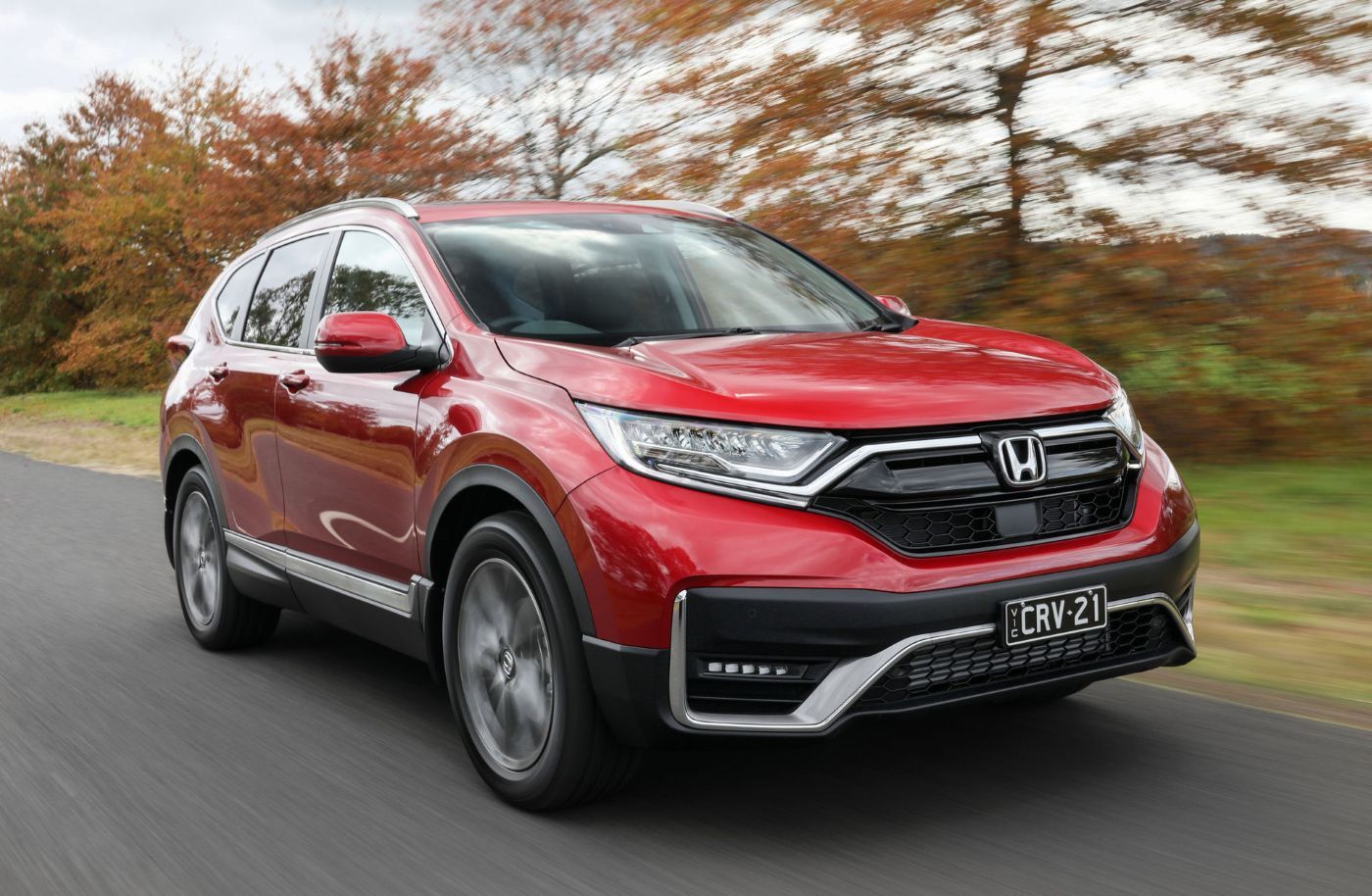
The Honda CR-V is one of the most popular compact SUVs and has earned a strong reputation for its reliable, well-built interior that stands up to high mileage. Designed with families and everyday drivers in mind, the CR-V’s cabin balances comfort with resilience. Upholstery materials, often a mix of durable fabric or synthetic leather, are selected to handle the demands of daily use, including resistance to stains and fading. The seats provide solid support and maintain their form, which is essential for comfort during long trips or frequent driving.
The dashboard and door panels in the CR-V utilize a combination of hard and soft plastics that are engineered to resist cracking and discoloration even after many years. The vehicle’s controls remain firm and responsive, which contributes to the sense of a well-maintained and functional interior. The design is straightforward but thoughtful, with a focus on durability rather than trendy but fragile materials.
One of the CR-V’s interior strengths is its practical features designed to help keep the cabin clean and fresh. Removable floor mats, washable seat covers on some trims, and easily accessible storage compartments allow owners to manage messes efficiently. These amenities reduce the accumulation of dirt and grime that could damage upholstery or plastics over time.
The CR-V’s interior reflects Honda’s philosophy of building vehicles that are both functional and long-lasting. Owners appreciate the cabin’s ability to maintain its appearance and comfort even after hundreds of thousands of miles. This resilience, combined with the CR-V’s versatility, makes it a top choice for drivers who want a vehicle with a durable and attractive interior that endures.
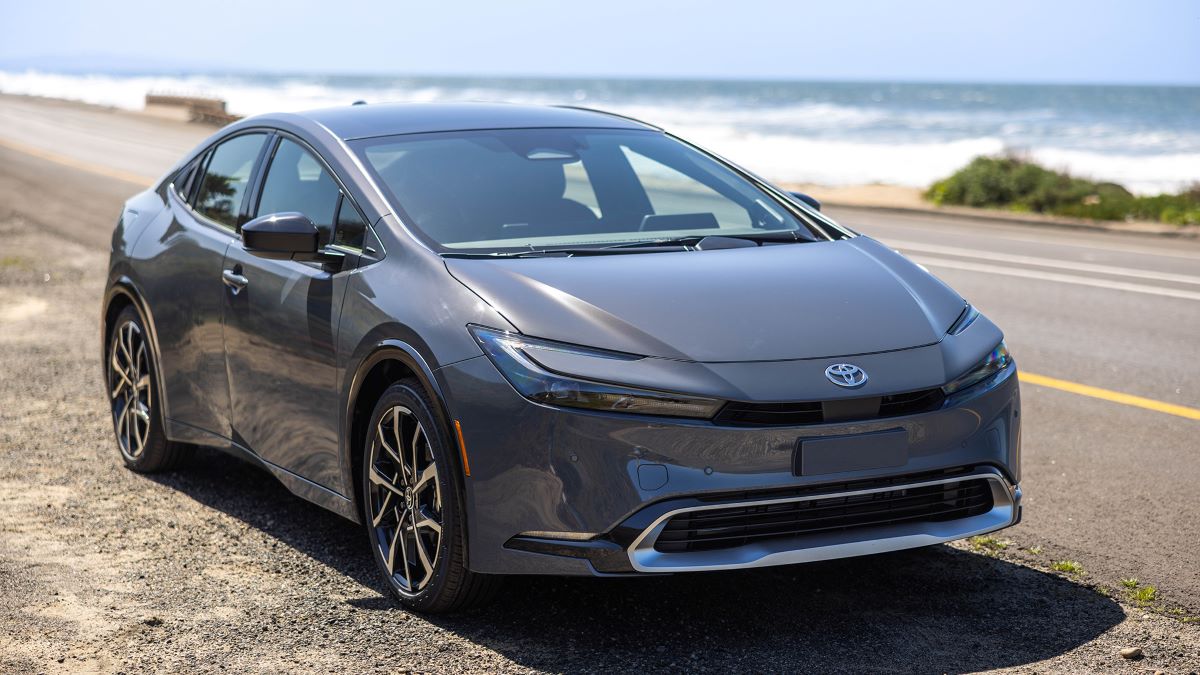
8. Toyota Prius
The Toyota Prius is best known for its hybrid technology and excellent fuel economy, but it also deserves recognition for the durability of its interior. Many Prius owners put hundreds of thousands of miles on their cars, and the cabin materials are selected to endure this level of use while remaining in good condition. Upholstery options, such as cloth and synthetic leather, are designed for longevity and ease of cleaning, which is important for those who use their Prius daily over many years.
Toyota employs stitching methods that prevent premature fraying and upholstery stretching, which helps the seats maintain their appearance and comfort even with high mileage. The seats are well-padded and supportive, helping reduce driver fatigue on long drives. The interior design of the Prius is functional and straightforward, reducing the number of delicate surfaces prone to damage.
The dashboard and control panels use durable plastics that resist cracking and fading, even under prolonged exposure to sunlight. The simplicity of the interior layout contributes to its resilience, with fewer components that can wear out or break. Toyota also integrates practical features such as UV-protective glass, which helps shield the interior from sun damage and heat buildup.
In addition to these materials, the Prius often includes easy-to-clean floor mats and surfaces that help maintain the cabin’s fresh appearance. These features, combined with Toyota’s reputation for reliability, make the Prius a compelling choice for drivers seeking a high-mileage vehicle with a durable and comfortable interior that stays looking new for a long time.
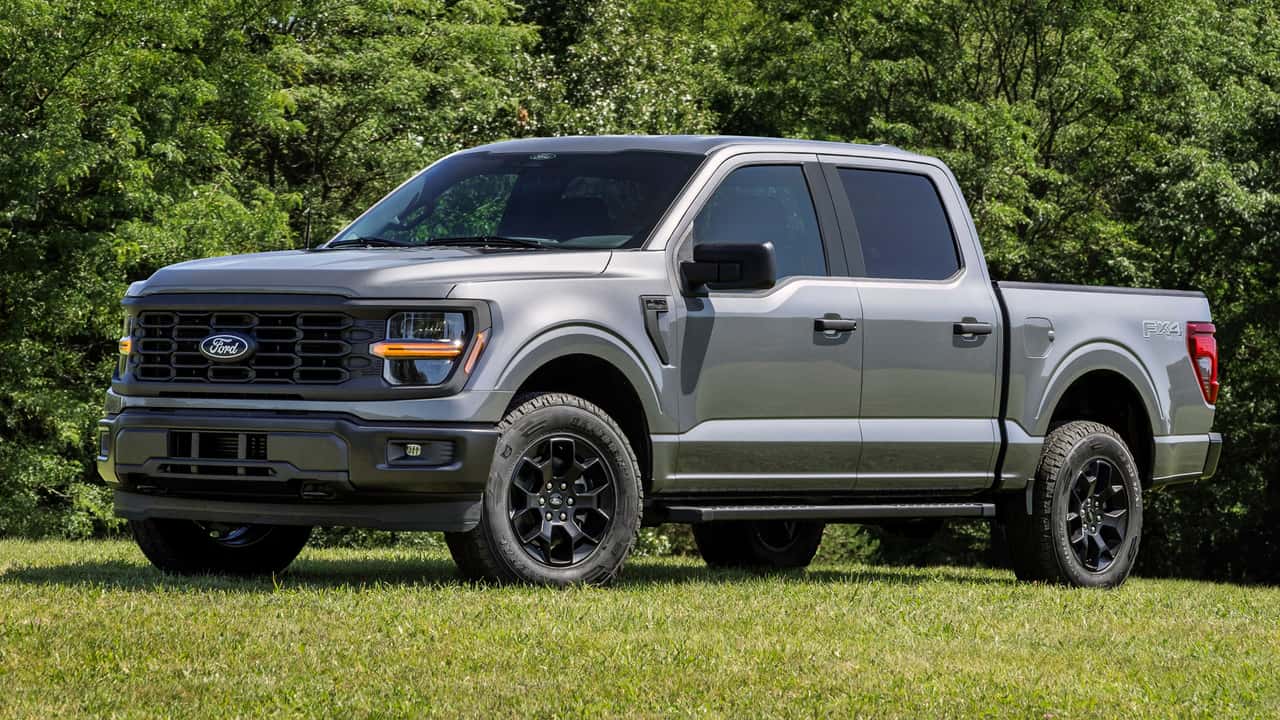
9. Ford F-150
The Ford F-150 is a flagship in the pickup truck segment, revered for its ruggedness and ability to handle demanding work and off-road conditions. What many might overlook is how well its interior withstands the rigors that come with its heavy-duty lifestyle. The cabin materials are specifically chosen for their toughness, allowing the interior to resist scuffs, stains, and fading even after prolonged use.
The seat upholstery options range from tough cloth designed for durability in muddy or dirty environments to premium leather that’s treated to repel moisture and stains. These seats don’t just look good; they maintain their structural integrity, providing solid support and comfort even after long days on the job or extended road trips. Reinforced stitching and dense foam padding prevent sagging and tearing, common issues that can make an older vehicle’s interior feel worn and uncomfortable.
The dashboard and door panels also emphasize durability. Ford employs high-quality plastics and metal trim pieces that resist scratches and fading from constant sun exposure. Unlike some trucks that rely on hard, cheap plastics, the F-150 balances toughness with a sense of quality, using materials that feel substantial to the touch but can withstand rough handling.
Controls and switches inside the cabin are designed to last; they maintain their tactile feedback and do not become loose or unreliable even after frequent use. Many F-150 owners note that the truck’s interior remains firm and tightly assembled, without the creaks and rattles that can plague aging vehicles. This level of attention to detail in materials and assembly makes the F-150’s cabin remarkably resilient.
Another key factor in the F-150’s interior longevity is the inclusion of practical features aimed at protecting surfaces from damage. Rubberized floor mats and heavy-duty liners are common in this truck, designed to trap mud, dirt, and water before they can damage carpets or wear down flooring.
Wipe-clean surfaces on the center console, door pockets, and dashboard facilitate easy maintenance, allowing drivers to quickly remove grime or spills. The truck’s design also considers ergonomic aspects, with padded armrests and durable door handles built to endure the repeated abuse of daily use, particularly important for those who use the F-150 in work environments where gloves, tools, and rough materials are common.
Ford’s evolving focus on blending utility with comfort means newer F-150 models offer enhanced interior refinement without compromising durability. Higher trims include soft-touch materials, advanced noise insulation, and premium leather that still holds up under heavy use.
This makes the F-150 not only a tough workhorse but also a comfortable vehicle that can maintain a fresh and inviting cabin environment after hundreds of thousands of miles. For owners who demand a truck that keeps its interior in good shape while facing tough conditions, the Ford F-150 remains a top contender.
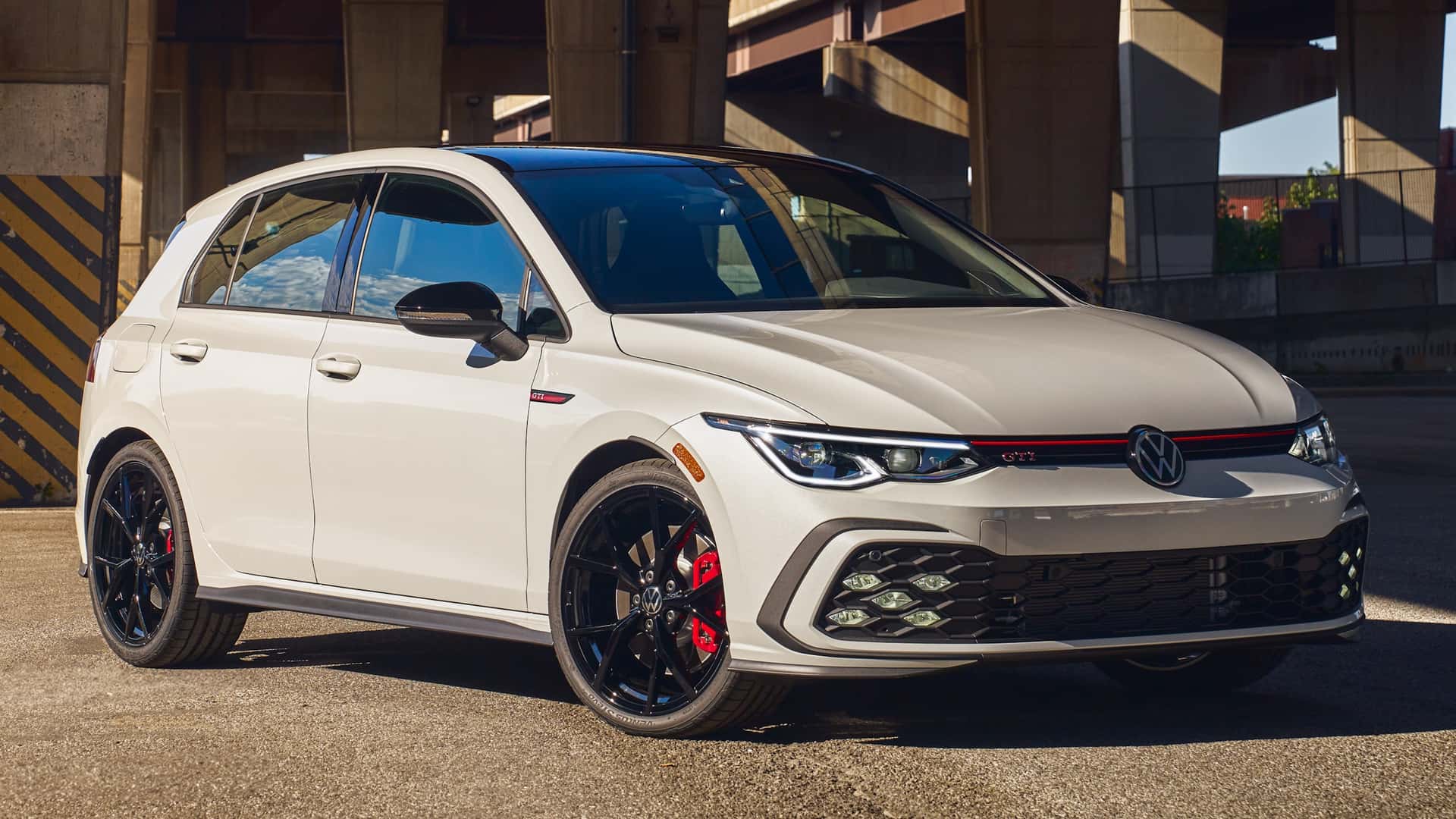
10. Volkswagen Golf
The Volkswagen Golf is widely appreciated for combining European refinement with durability, creating a compact car interior that can hold up well even under heavy use. The cabin materials are thoughtfully selected to strike a balance between comfort, style, and longevity.
The seats, whether upholstered in durable fabric or leatherette, are crafted to resist wear from daily use. Volkswagen reinforces these upholstery materials with tight stitching and high-quality foam padding, helping the seats maintain their shape and cushioning after many miles on the road. This attention to durability ensures that the Golf’s interior doesn’t quickly succumb to sagging or staining, common issues in less carefully engineered vehicles.
The dashboard and surrounding surfaces in the Golf use soft-touch plastics and expertly finished trims that withstand the typical challenges of aging such as fading, cracking, and scratching. Volkswagen’s renowned manufacturing precision results in tight assembly tolerances that reduce noise and prevent the loosening of panels over time.
Drivers often comment on the solid feel of the Golf’s interior, which retains a sense of quality long after initial purchase. The buttons, switches, and touchscreen controls continue to function smoothly and look clean even after extensive use, adding to the vehicle’s reputation for durability.
Practical design elements contribute significantly to the Golf’s ability to keep its interior looking new. The floor mats are removable and washable, making it easier to manage dirt brought in from outside. Upholstery treatments on some models help repel stains and simplify cleaning.
The cabin’s layout is straightforward and avoids excessive complexity, which reduces the number of delicate components vulnerable to damage. This simplicity is paired with a timeless aesthetic, helping the interior avoid looking outdated or worn out even after years of ownership. Additionally, Volkswagen equips many Golf models with UV-protective window glass, which limits sun damage and helps preserve the dashboard and upholstery.
The Golf also benefits from a well-designed climate control system that maintains a stable interior environment, reducing the risk of material degradation due to temperature extremes.
These combined factors, thoughtful material selection, solid build quality, practical features, and climate control, make the Volkswagen Golf an excellent choice for those who prioritize interior durability in a compact vehicle. Owners can expect their Golf to maintain a clean, attractive, and comfortable cabin environment well into high mileage, making it a practical and enjoyable car for long-term use.
Also Read: 5 Obscure Hybrids That Last vs 5 Popular Hybrids With Fuel Pump Failures
Choosing a vehicle that maintains its interior quality over time is an important factor for many drivers, especially those who plan to keep their cars for many miles and years.
The ten cars highlighted in this article demonstrate how thoughtful engineering, durable materials, and practical design come together to create interiors that resist wear, fading, and damage even after extensive use. These vehicles prove that it is possible to enjoy a cabin that feels fresh and inviting long after the odometer has climbed well past the usual milestones.
A common theme among these cars is the careful selection of upholstery materials that can withstand daily abuse without sagging, tearing, or staining. Whether it’s premium leather treated for durability, tightly woven fabrics designed to repel dirt, or synthetic blends engineered for easy cleaning, these interiors are built to last.
Additionally, durable plastics, reinforced stitching, and high-quality foams contribute to maintaining the seats’ shape and the cabin’s structural integrity.
Another factor that sets these high-mileage vehicles apart is their attention to practical details that protect against damage. Features such as washable floor mats, stain-resistant treatments, UV-protective glass, and rugged trim materials help preserve the cabin’s appearance. Ergonomic and resilient controls ensure long-term usability without developing rattles, loose buttons, or wear commonly found in older vehicles.
Maintenance also plays a crucial role in interior longevity. While these cars are engineered for durability, regular cleaning, conditioning, and prompt attention to spills can extend the life of upholstery and surfaces dramatically. Owners who invest a little time in care will enjoy a cabin environment that remains pleasant and comfortable for many years.
These ten cars showcase a balance of durability, comfort, and design that keeps their interiors looking new despite high mileage. For anyone seeking a vehicle that holds up well inside as the miles add up, these models offer reliable options that combine longevity with everyday practicality.
