
When people think of long-lasting vehicles, diesel engines often dominate the conversation. Known for their robust construction and endurance, diesel engines have built a reputation over decades, particularly in heavy-duty trucks, commercial fleets, and rural vehicles that need to withstand punishing conditions.
However, not everyone wants or needs a diesel vehicle. Gasoline-powered engines offer several advantages over their diesel counterparts, including smoother performance, lower noise levels, easier cold-weather starting, and fewer emissions-related complications.
While diesel options are typically associated with longevity, there are several gas-powered vehicles that can easily rival, and in some cases surpass, diesel longevity, often crossing the 300,000-mile mark with proper maintenance.
Modern automotive engineering has significantly narrowed the gap between gas and diesel engine durability. This comes as a result of improved metallurgy, tighter manufacturing tolerances, better engine management systems, and high-quality synthetic oils that reduce wear and tear.
Manufacturers have taken note of consumer demands for reliability and long service life, especially in SUVs, trucks, and sedans that often serve as family haulers or work vehicles.
In this context, some gas-powered vehicles have proven they are not just built for speed or fuel efficiency, but also for the long haul. These are the kinds of cars and trucks that stay on the road for decades, passed from one owner to another, often without major mechanical overhauls.
What makes a gasoline engine endure in the same way a diesel does? It often comes down to design philosophy and simplicity. Some vehicles are built with over-engineered components designed to withstand far more stress than they typically experience.
Others rely on tried-and-true mechanical layouts that are easy to service, leading to lower ownership costs and better long-term upkeep. Many of these long-lasting gas-powered vehicles also benefit from strong owner communities, with a wealth of knowledge on how to keep them running smoothly.
With the right care, they can become more than just transportation; they become dependable companions for hundreds of thousands of miles.
This article will walk through ten standout gas-powered vehicles known for their diesel-like durability. These models have earned reputations not through flashy features or aggressive marketing, but through proven reliability, simple mechanical design, and the ability to age gracefully.
Whether you’re a daily commuter, a long-distance traveler, or someone looking for a sturdy family car, these vehicles are worth considering.
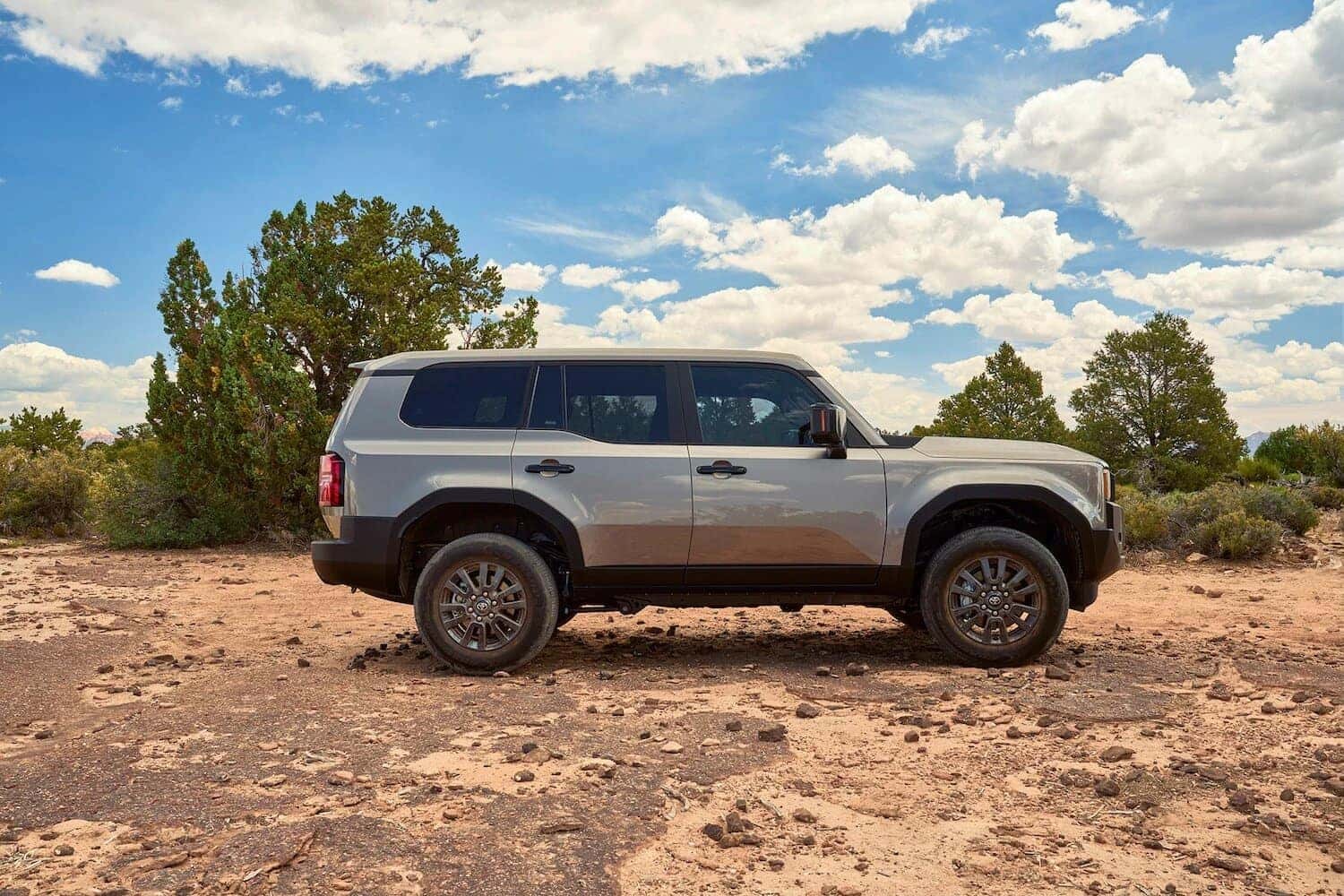
1. Toyota Land Cruiser
The Toyota Land Cruiser has long been a symbol of endurance. Known for its rugged construction and reliability, it has been a favorite among drivers who need a vehicle that can handle harsh terrain and extreme conditions. What makes the gas-powered versions so impressive is their simple yet effective engine design.
Toyota’s 4.7L and later 5.7L V8 engines are well-regarded for their low-stress power output and high-quality internals. With routine maintenance, these engines routinely reach well beyond 300,000 miles, often without requiring major engine work.
Another strength of the Land Cruiser is its global support network. This SUV has been sold in dozens of countries, and parts are widely available. Its simple mechanical layout, especially in earlier generations, makes repairs straightforward for competent home mechanics or experienced technicians.
Because the vehicle is designed for reliability in remote areas, the systems are intentionally built to be less complex, which contributes to its long life. Fewer electronic systems mean fewer failure points as the vehicle ages.
The Land Cruiser also benefits from a strong chassis and suspension setup. Unlike many modern SUVs that rely heavily on unibody construction for weight savings, the Land Cruiser sticks with a body-on-frame design.
This setup absorbs more abuse, allows for easier frame repairs, and helps the vehicle last through decades of use. It’s a setup you’re more likely to see in heavy-duty trucks than in family crossovers, and it pays off in long-term durability.
Owners also tend to keep their Land Cruisers in good shape. It’s not uncommon to see one-owner vehicles that have been carefully maintained over 20 or even 30 years.
This kind of long-term care, combined with Toyota’s conservative approach to engine tuning and cooling systems, means that these vehicles are rarely pushed beyond their limits. As a result, a well-maintained Land Cruiser is one of the best examples of a gas-powered vehicle with diesel-like staying power.
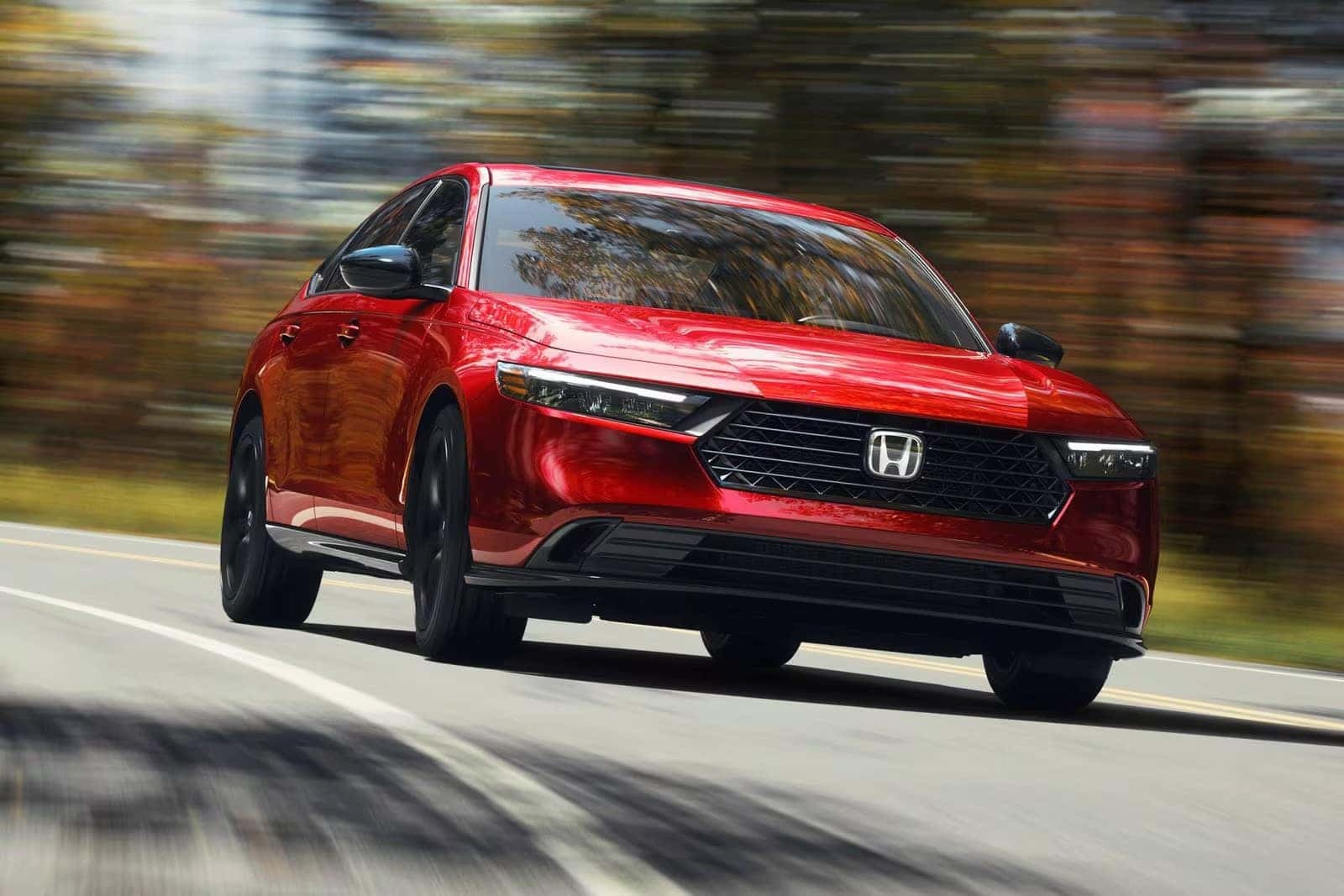
2. Honda Accord
The Honda Accord has built a reputation as a reliable and long-lasting sedan. Over multiple generations, the Accord has been a standout not because of flashy design or cutting-edge performance, but because of consistency and solid engineering.
The 2.4L inline-four engines found in many Accords are remarkably dependable. These engines are not particularly powerful by modern standards, but they are incredibly well-balanced and built with precision. Routine oil changes, timing belt replacements, and valve adjustments are often all that’s needed to keep them going well beyond the 300,000-mile mark.
One of the reasons the Accord lasts so long is its lack of unnecessary complexity. Honda has kept the core design of the Accord relatively simple, avoiding experimental technologies that could compromise long-term durability.
Even newer models, while more refined, keep the focus on straightforward engineering. The transmissions, particularly in models with manual gearboxes, are known for their smooth operation and long life. Automatics in the later generations also improved significantly, with fewer issues compared to early-2000s models.
Another factor working in the Accord’s favor is the strong ownership culture around the car. Enthusiasts and daily drivers alike tend to be proactive about maintenance.
With such a large number of Accords on the road, parts availability is excellent, and repair costs remain low. Independent mechanics are often very familiar with the car’s systems, making it easier and cheaper to perform high-quality repairs compared to more obscure models.
Beyond just reliability, the Accord is also comfortable to live with over the long term. Interior materials wear well, and the suspension offers a smooth, balanced ride.
These attributes make it not only a dependable vehicle but one that people actually want to keep driving. That’s a key part of longevity: a vehicle has to be good enough that people don’t want to get rid of it, and the Accord meets that standard consistently.
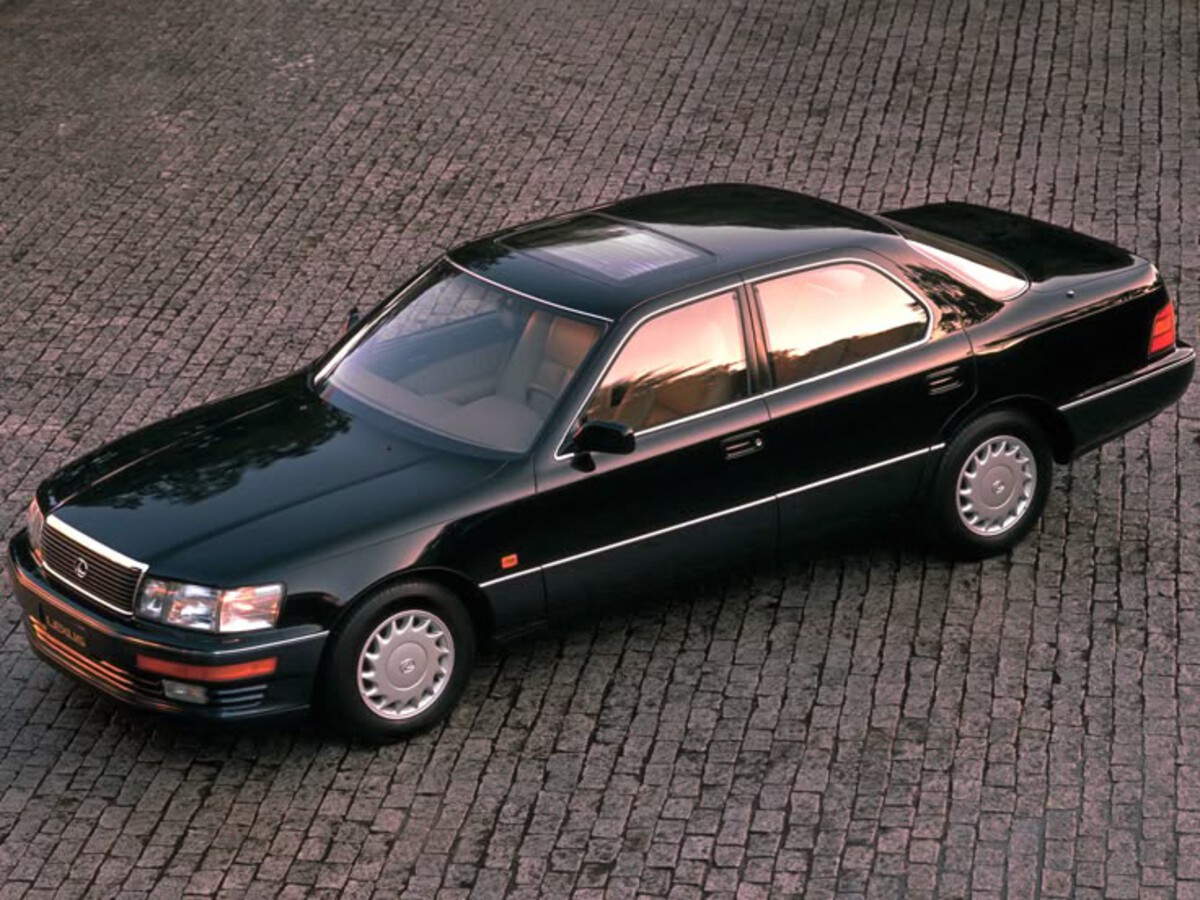
3. Lexus LS 400 / LS 430
The original Lexus LS 400, and its successor the LS 430, are icons of longevity. When Lexus entered the U.S. market in the early 1990s, its mission was to challenge the luxury dominance of German brands while maintaining Toyota’s legendary reliability. The LS 400 was over-engineered from the start.
Its 4.0L V8 engine was a marvel of refinement and durability, capable of running smoothly for hundreds of thousands of miles with very few issues. Many examples are still running today with original engines and transmissions, showing little sign of age when properly cared for.
Lexus built these cars to stand up to time. The level of detail in their design was exceptional: every component, from the window switches to the suspension bushings, was chosen for long-term durability.
The automatic transmissions, often a weak point in luxury cars, were some of the most reliable units ever made. These cars are also surprisingly easy to work on, especially the LS 400, with its straightforward engine bay and conventional layout. DIY enthusiasts often keep these models going for decades.
Part of what makes the LS series so resilient is the philosophy behind its development. Lexus engineers focused on refinement without sacrificing the kind of mechanical strength usually reserved for trucks.
The result is a luxury sedan that feels as tight at 250,000 miles as it did at 25,000. It’s common to see LS models with minimal interior wear even after 20 years of use. That kind of build quality isn’t just about materials, it’s about how everything fits together and stays that way.
The LS 430, which succeeded the LS 400, continued the trend with improved features and even more refinement. It also featured the legendary 3UZ-FE V8 engine, which is just as bulletproof as its predecessor.
These cars deliver the kind of peace of mind rarely found in luxury vehicles. They combine the comfort and quiet of high-end motoring with the kind of mechanical longevity that keeps them on the road for decades.

4. Toyota 4Runner
The Toyota 4Runner has built a well-deserved reputation as one of the most durable gas-powered SUVs on the market. Originally developed as a rugged off-road vehicle with simple mechanical systems, it has evolved over the years into a capable family SUV while retaining the toughness that made it famous.
The long-lasting 4.0L V6 engine found in many models is especially known for its reliability. These engines are often still running strong well past the 300,000-mile mark, with minimal internal repairs. Their longevity stems from conservative tuning and strong internal components.
One of the reasons the 4Runner enjoys such long life is its commitment to body-on-frame construction. Unlike many modern SUVs that use unibody designs, the 4Runner has retained a traditional truck-like structure, which allows it to endure stress and abuse that would wear out lighter vehicles.
This design also makes it easier to service key components like the suspension, axles, and drivetrain, since the frame can absorb impacts without transferring as much stress to the cabin or mechanical systems.
Another factor that adds to the 4Runner’s durability is its simplicity. Toyota has resisted the temptation to over-complicate the design of the 4Runner with unnecessary electronics or fragile luxury systems. While later models include features like traction control and navigation systems, the core of the vehicle remains straightforward.
The mechanical 4WD systems, proven differentials, and solid rear axles are dependable and built to last, with many units showing very little wear even after years of off-road use.
Owners of the 4Runner tend to be enthusiasts who value longevity. Maintenance culture plays a big role here. Regular oil changes, scheduled fluid flushes, and timing belt services are common among this vehicle’s user base.
As a result, the average 4Runner tends to be in better mechanical shape than the average SUV. Add in the vehicle’s resistance to rust and corrosion when properly cared for, and it’s no surprise the 4Runner continues to be one of the longest-lasting gas SUVs ever made.
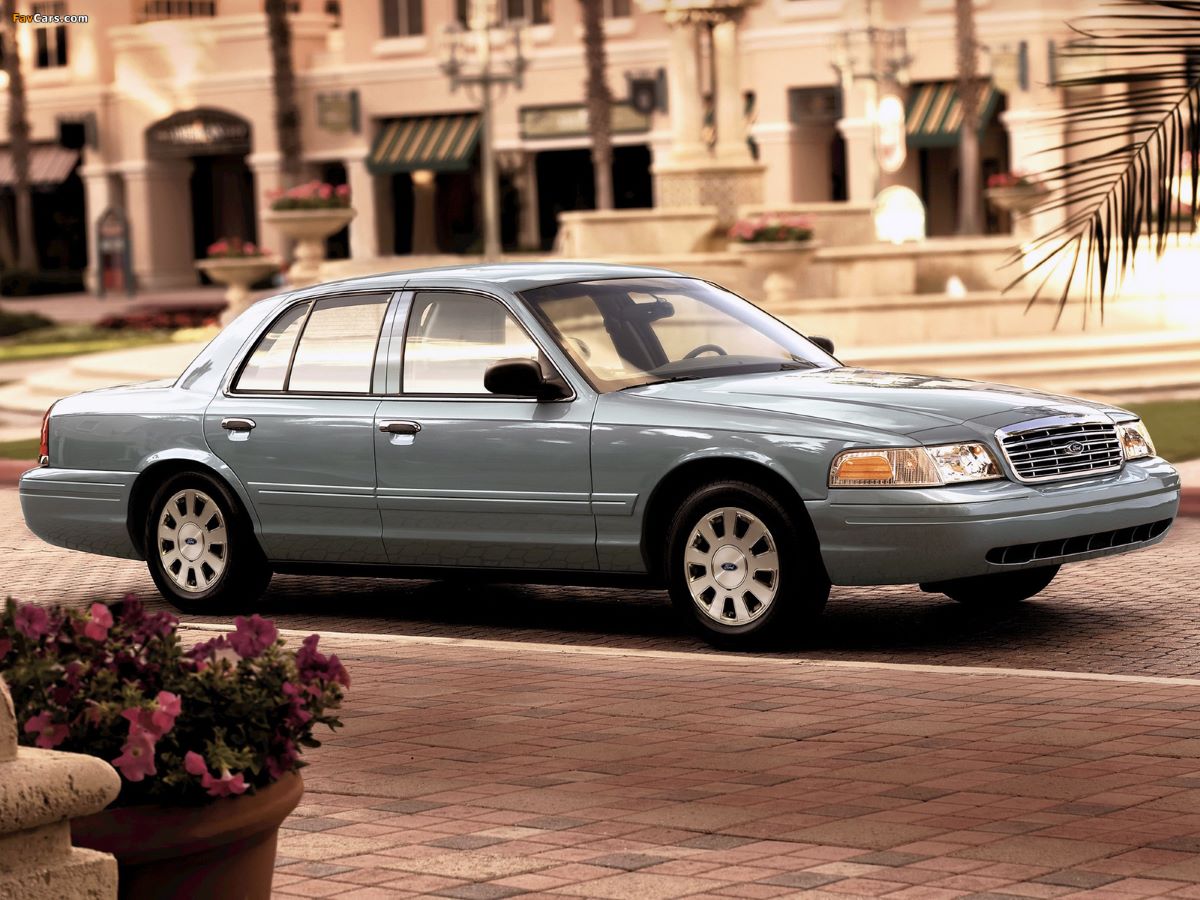
5. Ford Crown Victoria
The Ford Crown Victoria is perhaps best known for its service as a police cruiser and taxi, but it’s also one of the most dependable gas-powered sedans ever built.
What sets it apart from other full-size cars is its heavy-duty construction. The 4.6L V8 engine used in the Crown Vic was designed for long hours of idling, frequent acceleration, and tough operating conditions. As a result, these engines often see more than 300,000 miles without serious engine trouble, provided they receive basic care.
Another element of the Crown Vic’s appeal is its rugged Panther platform. This body-on-frame design is rare in passenger cars, offering durability and ease of maintenance more typical of trucks than sedans.
The separate frame structure allows the vehicle to absorb stress without twisting the body, making it more resistant to wear and tear over time. This construction, along with heavy-duty suspension components, allows the car to handle punishment that would sideline most other gas-powered sedans.
In terms of maintenance and parts availability, few vehicles compare to the Crown Victoria. Because they were produced in large numbers and shared parts with the Lincoln Town Car and Mercury Grand Marquis, finding affordable replacements is easy.
Repairs are straightforward, and many mechanics are intimately familiar with their systems thanks to years of servicing fleets. Whether it’s suspension work, engine tuning, or brake replacement, labor costs tend to be lower because of the car’s simplicity.
Crown Vics also hold up well cosmetically and structurally. The interior materials may be basic, but they resist wear better than most.
Vinyl seats, simple dashboard layouts, and low-maintenance flooring mean that high-mileage cars can still look presentable. For people who want a roomy, comfortable, no-nonsense vehicle that can handle years of daily use, the Crown Victoria remains one of the most reliable gas sedans ever built.
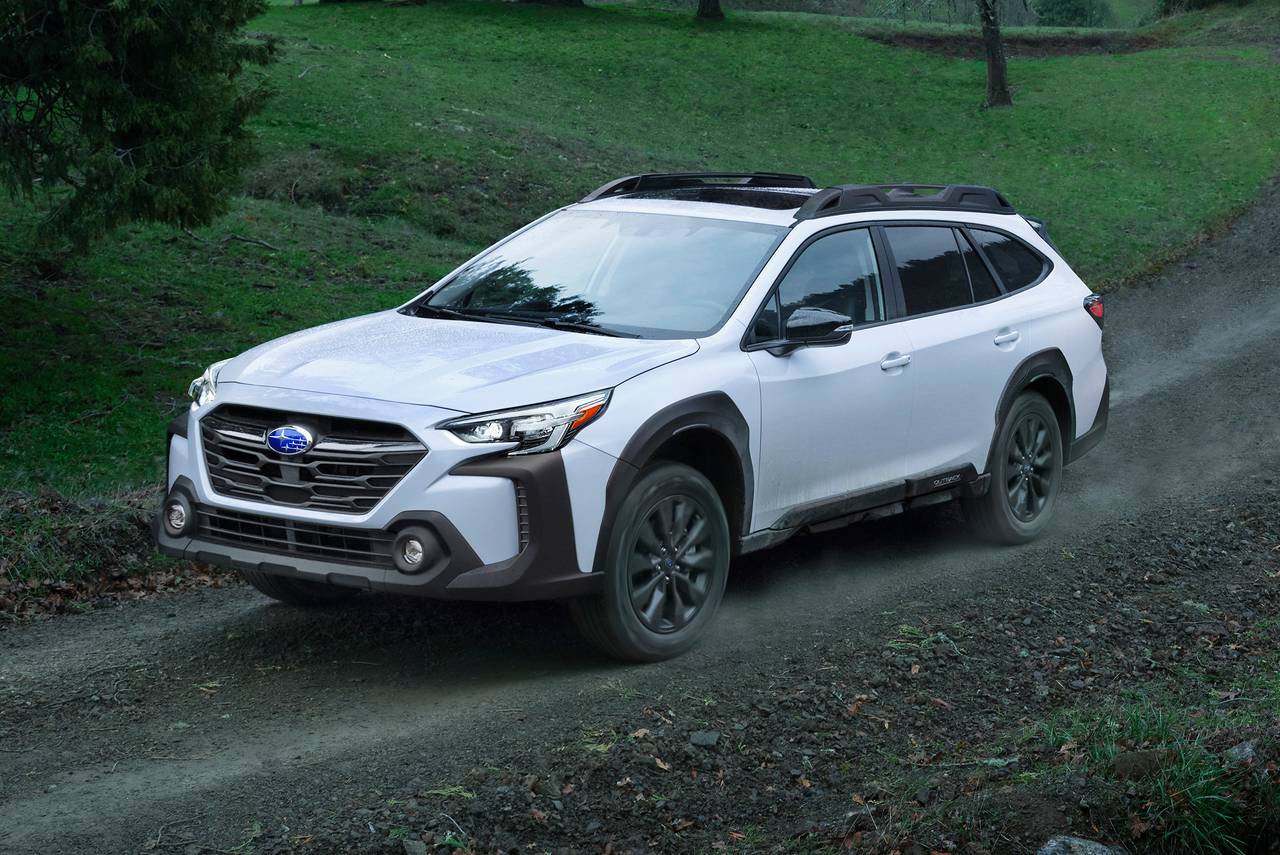
6. Subaru Outback (H6 and EJ25 Models)
The Subaru Outback has carved out a loyal following, particularly among drivers in rural and mountainous areas. Known for its all-wheel-drive system and practical design, the Outback also boasts surprising longevity, especially when equipped with the 3.0L H6 engine or the long-running EJ25 four-cylinder engine.
These engines, particularly in models from the early 2000s through the 2010s, are known for their balance of efficiency and endurance. With proper care and attention to known problem areas, many Outbacks sail past 250,000 miles and continue to run reliably.
One key to the Outback’s lasting appeal is its balanced drivetrain. Subaru’s symmetrical all-wheel drive system delivers consistent performance across a wide range of road conditions, and it’s built to last.
Unlike some AWD systems that are added onto front-wheel-drive platforms, Subaru’s system is integrated from the ground up. This approach reduces mechanical strain and uneven wear. As long as the drivetrain fluids are changed regularly, these systems typically last as long as the engines themselves.
Of course, Subaru engines have their quirks, and longevity often depends on addressing them early. For example, head gasket issues were common in the EJ25 engine, particularly in earlier versions.
However, once those issues are repaired, often with updated parts, they rarely return. Subaru owners who take a proactive approach to maintenance find that their vehicles remain trustworthy for hundreds of thousands of miles. Timing belt replacement and valve cover gasket service are also important for maintaining engine integrity.
The Outback also benefits from a strong sense of purpose. It’s not designed to be a flashy crossover or a high-performance machine. It’s designed to be dependable, useful, and versatile.
That’s part of why so many people hold on to their Outbacks for the long term. Whether it’s being used for camping trips, daily commutes, or snowy drives, it remains a trustworthy tool. And in the end, it’s that consistent dependability that gives the Outback diesel-like staying power.
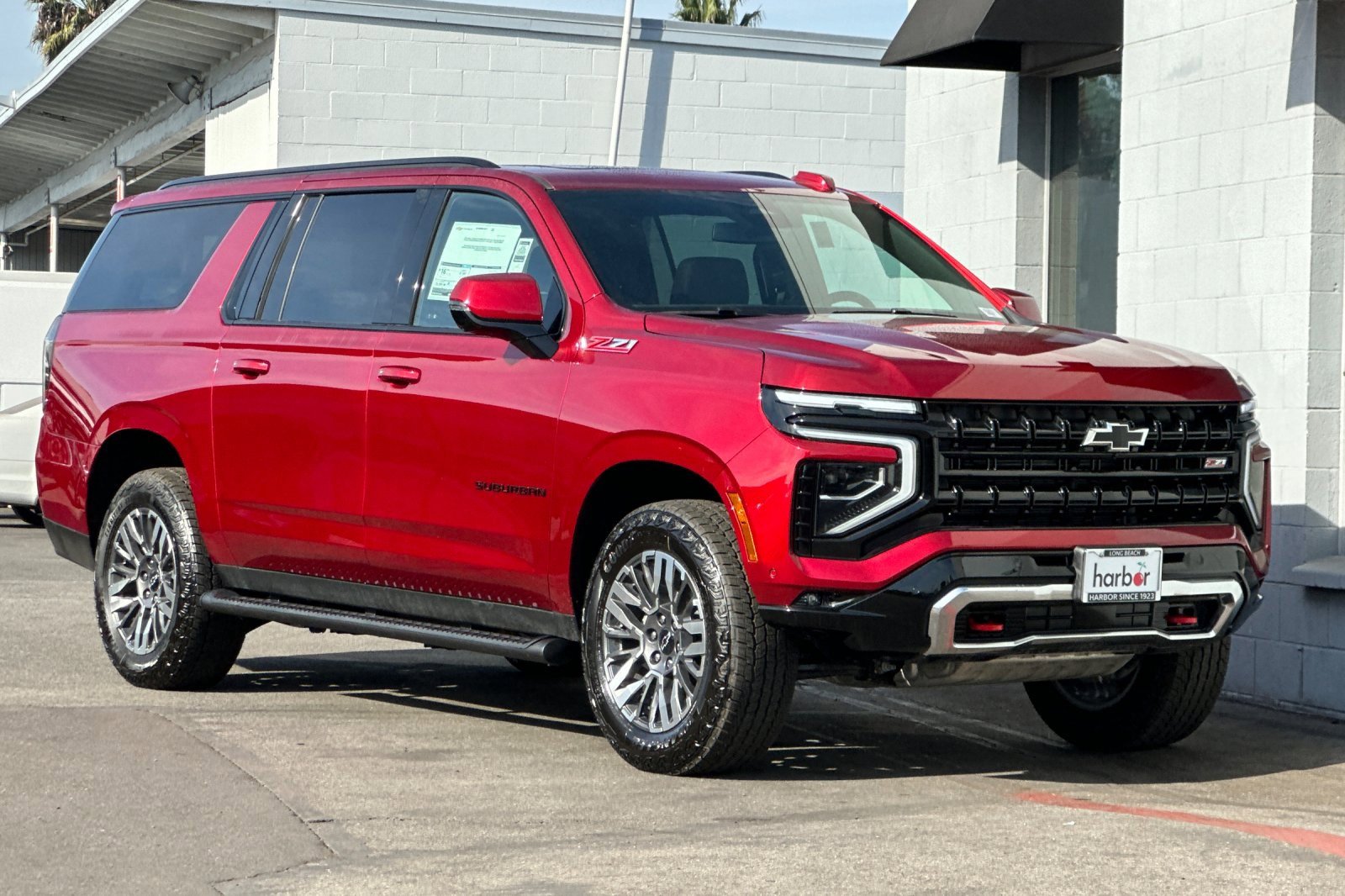
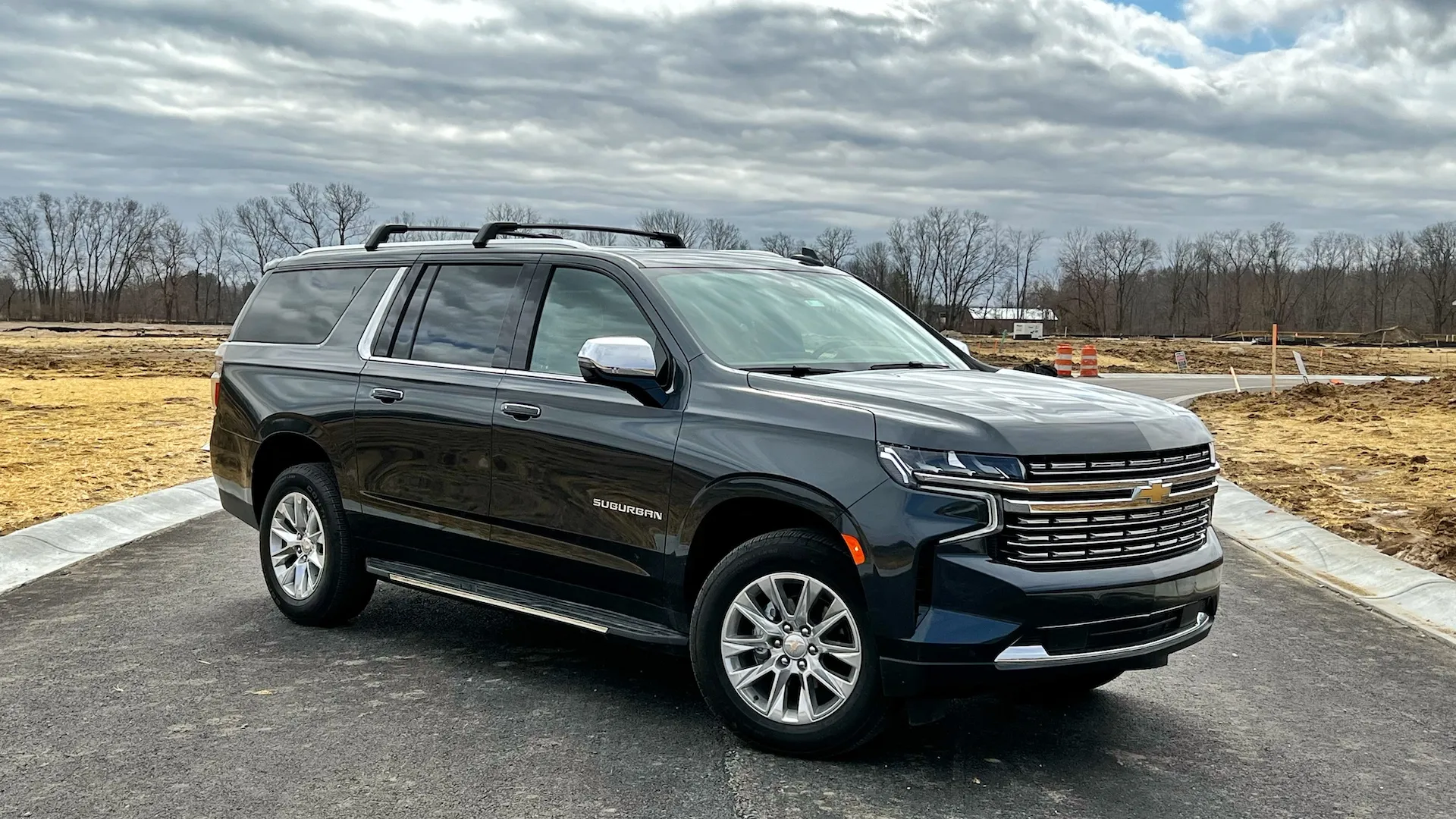
7. Chevrolet Suburban
Few vehicles have earned the title of workhorse as thoroughly as the Chevrolet Suburban. Known for its ability to carry large families, haul heavy trailers, and withstand years of hard use, the gas-powered Suburban has been a staple in rural America, government fleets, and construction businesses for decades.
Its long-running Vortec engines, especially the 5.3L and 6.0L V8s, are known for their reliability when properly maintained. Many Suburbans with these engines reach 300,000 miles or more, with some even pushing past 400,000.
The Suburban’s strength lies not only in its engines but also in its transmission and chassis design. General Motors built this SUV with towing and heavy-duty use in mind.
The body-on-frame structure allows the Suburban to absorb punishment from rough roads and heavy payloads. Even older models have frames that remain structurally sound after years of use, and suspension components are relatively inexpensive and easy to replace, contributing to a long service life.
Another advantage is that Suburbans are easy to work on. The engine bay offers plenty of space, especially compared to smaller vehicles, making routine maintenance more accessible.
Oil changes, spark plug replacements, and cooling system service can all be performed without special tools or cramped working conditions. The wide availability of parts and the vehicle’s popularity among mechanics also mean that repair costs are reasonable despite its size.
Suburban owners tend to invest in maintenance rather than replacing the vehicle. This is partly due to the initial cost of a new model and partly due to the bond many drivers form with their vehicle after years of reliable service.
Whether used to transport kids to school, haul hay across a ranch, or tow a boat every weekend, the Suburban handles it all without drama. Its proven durability and loyal following have cemented its place among the longest-lasting gas-powered vehicles in history.
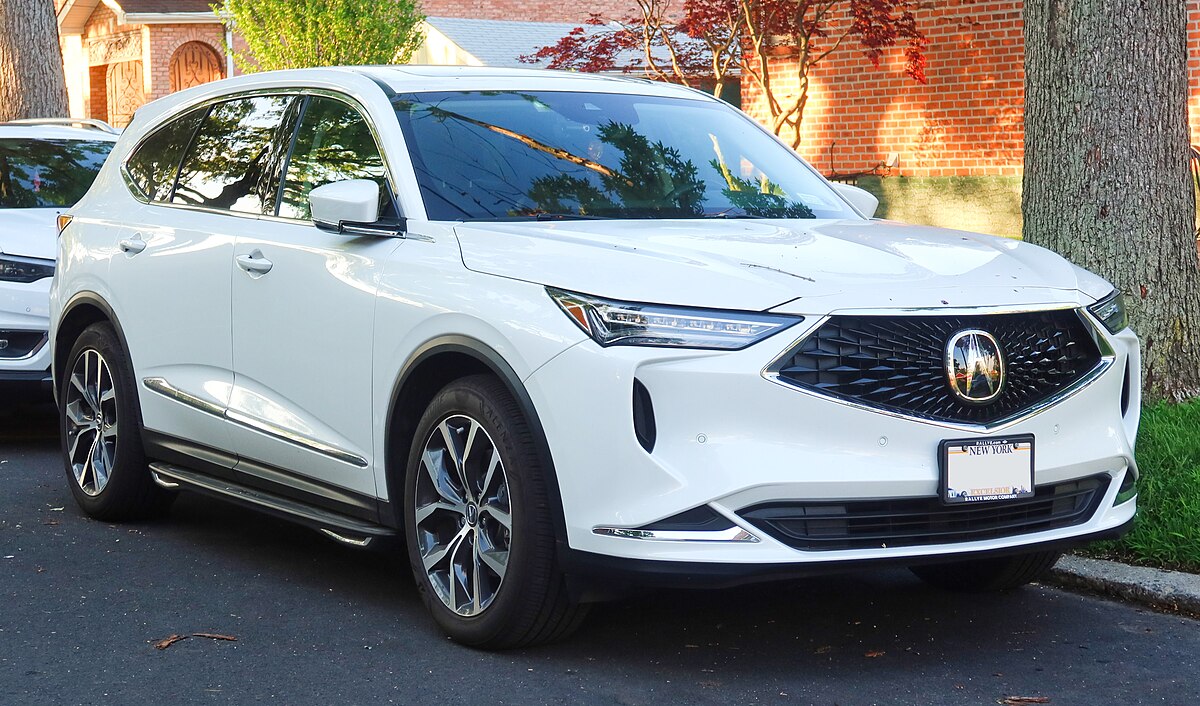
8. Acura MDX (First and Second Generation)
The Acura MDX, especially in its first and second generations, is a standout among mid-size SUVs for gas-powered longevity. Built on a platform shared with the Honda Pilot and Odyssey, the MDX benefits from Honda’s engineering focus on long-term durability and mechanical simplicity.
The 3.5L and 3.7L V6 engines used in the early MDX models are well-regarded for their smooth power delivery and long service life. These engines can easily last 250,000 to 300,000 miles or more when basic maintenance is performed regularly. Valve adjustments, timing belt changes, and regular oil changes are key service points that help preserve engine health over the long term.
The transmission in the MDX, particularly in the early models, was initially a point of concern for some owners. However, improvements made in the second generation significantly reduced the likelihood of failure.
When equipped with the revised five-speed and six-speed automatic gearboxes, the MDX delivers smooth, consistent performance without the abrupt failures seen in some other luxury crossovers. Transmission life is further extended when fluid changes are done according to schedule. Some MDX owners even choose to install auxiliary transmission coolers to increase longevity, especially in hot climates or under towing conditions.
Acura designed the MDX with high-quality interior materials, many of which wear better than those found in competing vehicles of the same era. Leather seats and soft-touch plastics tend to hold up well even after a decade of daily use.
Combined with solid ergonomics and minimal electronic gimmicks, the cabin remains functional and appealing long after the vehicle has left the showroom. These qualities encourage long-term ownership, reducing the tendency to trade in the vehicle prematurely. For many families, the MDX has proven to be a practical and dependable option that continues to deliver value year after year.
Perhaps most importantly, the MDX rides the line between luxury and reliability better than most vehicles in its class. It offers the amenities and comfort of a premium vehicle without the fragile electronics or complex mechanical systems that often lead to expensive repairs.
As a result, long-time owners are less likely to encounter catastrophic failures. With strong community support and excellent access to parts through both Honda and Acura dealer networks, the MDX continues to be a dependable long-haul companion for thousands of drivers.
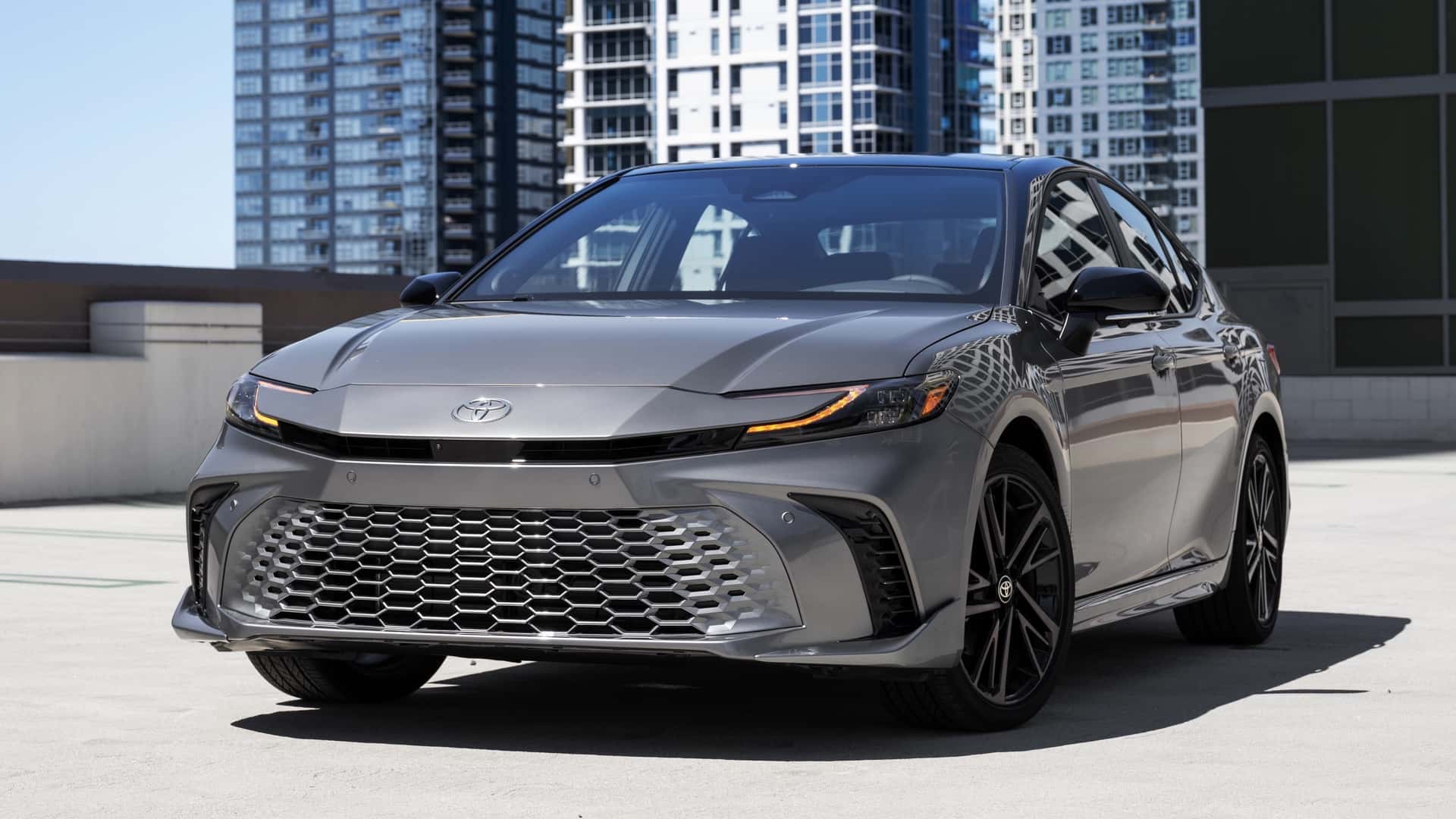
9. Toyota Camry
The Toyota Camry has long been the benchmark for midsize sedan durability. It may not offer flashy styling or exhilarating performance, but it consistently delivers exactly what most drivers need: reliability, affordability, and low-cost ownership. Camrys from the late 1990s through the mid-2010s have a reputation for being nearly unbreakable when maintained properly.
The 2.4L and 2.5L inline-four engines used in various models have become known for their ability to run smoothly well past the 300,000-mile mark. These engines use non-turbocharged layouts with robust internal components and simple maintenance requirements.
One of the reasons Camrys last so long is their engineering restraint. Toyota avoided the temptation to chase fads or overcomplicate the vehicle. Rather than piling on new technology every year, they focused on refining the vehicle’s core strengths.
Camry drivetrains are rarely overstressed, and the engines operate at moderate RPMs under normal driving conditions. This contributes to lower wear and longer life. Even the automatic transmissions, while not the quickest or most responsive, are tuned for smoothness and longevity rather than aggressive shifting.
Additionally, the Camry’s parts are plentiful and inexpensive. Because the car has sold in massive numbers globally, replacement components are widely available from both OEM and aftermarket sources. Routine maintenance like brakes, filters, spark plugs, and belts can be performed easily and at low cost.
The design is straightforward enough that even relatively inexperienced DIY owners can keep a Camry running for hundreds of thousands of miles without professional help. These factors make it a favorite among used car buyers and budget-conscious families.
Lastly, the Camry’s widespread reputation for reliability tends to attract attentive owners. People who choose Camrys often prioritize long-term ownership and are more likely to stick to a maintenance schedule. This helps perpetuate the car’s longevity, as clean fluids, regular inspections, and early repairs prevent minor issues from turning into major ones.
It’s a cycle that feeds into itself: reliable vehicles are treated well, and that treatment makes them even more reliable. The Camry is a textbook example of a gas-powered vehicle that delivers diesel-like endurance with none of the diesel drawbacks.
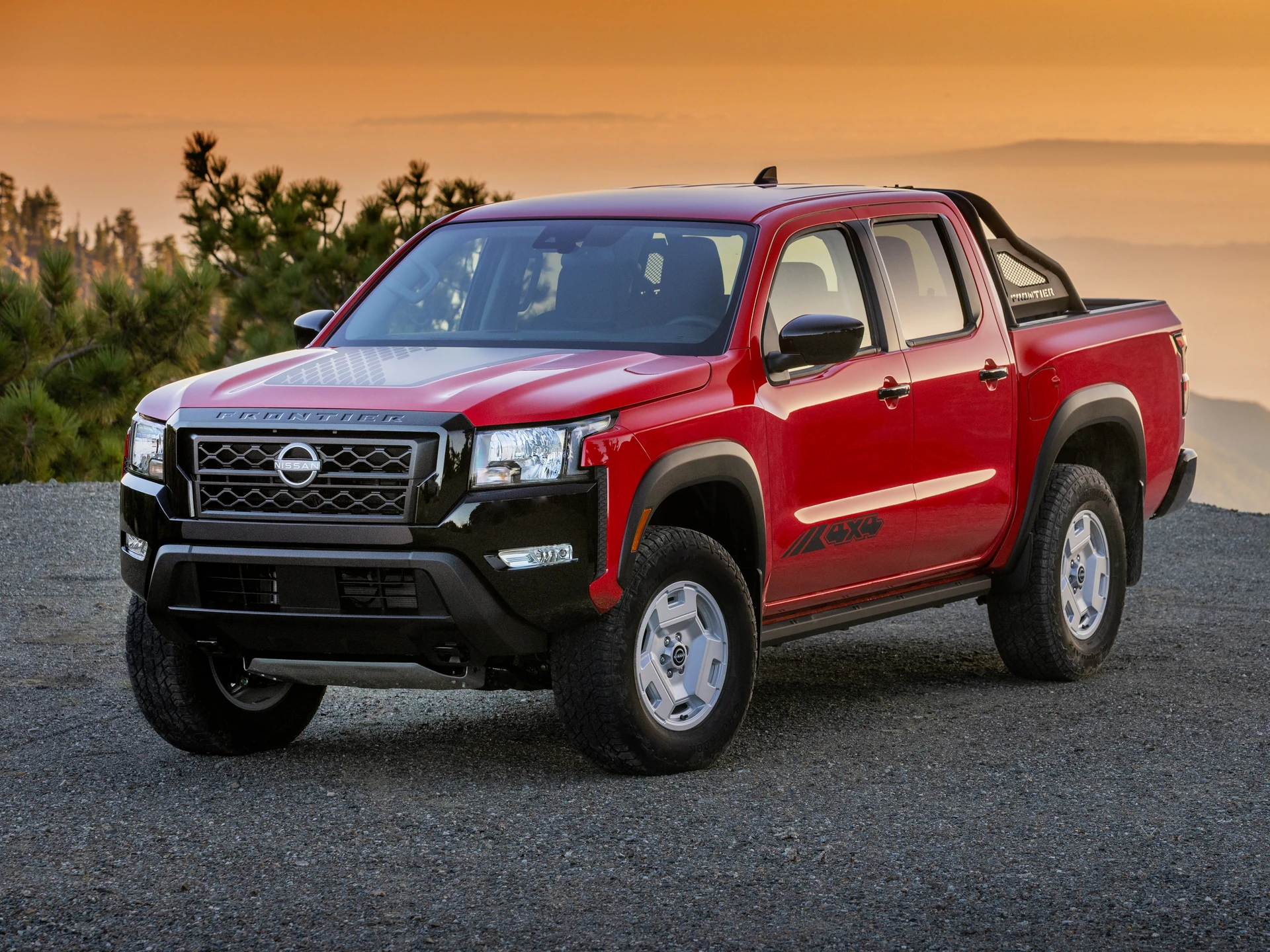
10. Nissan Frontier (V6 Models)
The Nissan Frontier, particularly models equipped with the 4.0L V6 engine (VQ40DE), is one of the most underrated long-lasting gas-powered trucks on the market. While it doesn’t always receive the same attention as competitors from Ford or Toyota, the Frontier has quietly developed a reputation for toughness and dependability over the years.
The VQ40DE engine is a naturally aspirated powerhouse that, while not especially efficient, is known for its rugged design and ability to rack up high mileage without major failures. With basic maintenance, it’s not uncommon for Frontiers to cross 250,000 or even 300,000 miles.
Part of the Frontier’s durability can be attributed to its platform. The truck uses a strong ladder-type frame that shares design elements with Nissan’s larger and heavier-duty Titan. This provides structural integrity that helps the truck withstand both work-related abuse and off-road excursions.
The suspension components, while not high-tech, are robust and easy to replace. This simplicity translates into long-term savings and fewer mechanical surprises, which is exactly what most truck buyers are looking for in a vehicle they expect to keep for many years.
In terms of drivetrain, the Frontier has maintained a conservative approach. No turbochargers, no exotic materials, and no overcomplicated electronic systems that might fail under real-world conditions. Instead, the focus has been on durability and ease of repair.
The automatic transmissions used in these trucks, particularly the five-speed and later five-speed plus overdrive models, are reliable when serviced regularly. While not especially refined by modern standards, they offer consistent performance that holds up well with age.
One of the Frontier’s strongest selling points is its value. Compared to some of its competitors, the truck is more affordable both upfront and in terms of long-term ownership. This often attracts buyers who are more focused on utility than on flash. These owners tend to value preventive maintenance and keep their vehicles for the long haul.
Combined with a simple design and a durable engine, this creates a recipe for gas-powered longevity that rivals even some well-respected diesel trucks. For anyone seeking a mid-size pickup with serious long-term potential, the Frontier is worth a second look.
Also Read: 5 Trucks That Improved Safety Over Generations vs 5 That Regressed
Gas-powered vehicles have come a long way in terms of longevity. While diesel engines are still widely respected for their durability, several gas-powered models now match or even exceed diesel performance in terms of lifespan. Advances in materials, engineering practices, and engine design have helped to close the gap.
These improvements have enabled gasoline vehicles to not only remain competitive in terms of performance and efficiency but also become credible long-term investments for drivers who value endurance.
The vehicles listed in this article all have something important in common: thoughtful design focused on durability rather than short-term appeal. Whether it’s the overbuilt Lexus LS 400, the no-nonsense Honda Accord, or the off-road-ready Toyota 4Runner, each model proves that gas-powered engines can provide dependable service for hundreds of thousands of miles.
Proper maintenance plays a vital role, but the inherent quality of design is the foundation that makes such longevity possible. These vehicles aren’t just lucky examples; they’re the product of deliberate engineering decisions aimed at long-term reliability.
Ownership habits also factor into the equation. The drivers who choose these vehicles tend to be more likely to perform preventive maintenance, keep detailed service records, and prioritize long-term performance over short-term convenience.
The widespread availability of parts, the ease of DIY repairs, and strong online communities further support owners in keeping these vehicles roadworthy for decades. It’s not just about how the vehicles are built; it’s about how they’re cared for by people who expect them to last.
While diesel engines may always hold a certain appeal for those who value brute force and towing power, the gas-powered vehicles on this list demonstrate that endurance isn’t exclusive to diesel. With the right combination of engineering and ownership, these models can stay on the road just as long, quietly racking up miles and proving that gasoline-powered longevity is not just possible, but dependable.
