
Reliability isn’t just about engine life or transmission longevity. For many drivers, the real costs of owning a car begin to pile up with the smaller mechanical systems that wear out over time. One of the most common sources of trouble past 100,000 miles is the suspension.
Worn bushings, leaky struts, loose ball joints, and noisy sway bars can transform a smooth ride into an irritating, costly experience. Some vehicles, however, have developed a reputation for keeping these systems tight and durable well into the 120,000-mile mark and sometimes well beyond.
Whether it’s due to conservative engineering, high-quality materials, or just a simpler design, some cars manage to resist the usual wear-and-tear on suspension systems far better than others.
What makes a suspension system more durable in one car than another? Several factors come into play. First is the weight of the vehicle and how it’s distributed. Cars that carry too much front-end weight or have high centers of gravity are more likely to chew through struts and control arms.
Another factor is how well the system is protected from dirt and water intrusion, especially in areas where salt is used on the roads during winter. Some automakers use better seals, tighter boot designs, and even shielding to prevent these issues. The driving style and road conditions also make a difference, but assuming average use on typical roads, some models clearly outlast others.
This list focuses on cars rather than trucks or SUVs, though some crossovers share the same benefits. It includes sedans, hatchbacks, and compact cars that are known for not needing suspension repair before they pass the 120,000-mile mark. This doesn’t mean that every car of the same model will be trouble-free, but on average, these vehicles show better-than-normal results in long-term suspension durability.
For anyone shopping used or just trying to gauge what car will be the cheapest to keep on the road long term, suspension reliability is a big part of that calculation. Here are ten models that typically avoid the shop for suspension issues until well beyond 120,000 miles.
Also Read: 5 Trucks That Improved Safety Over Generations vs 5 That Regressed
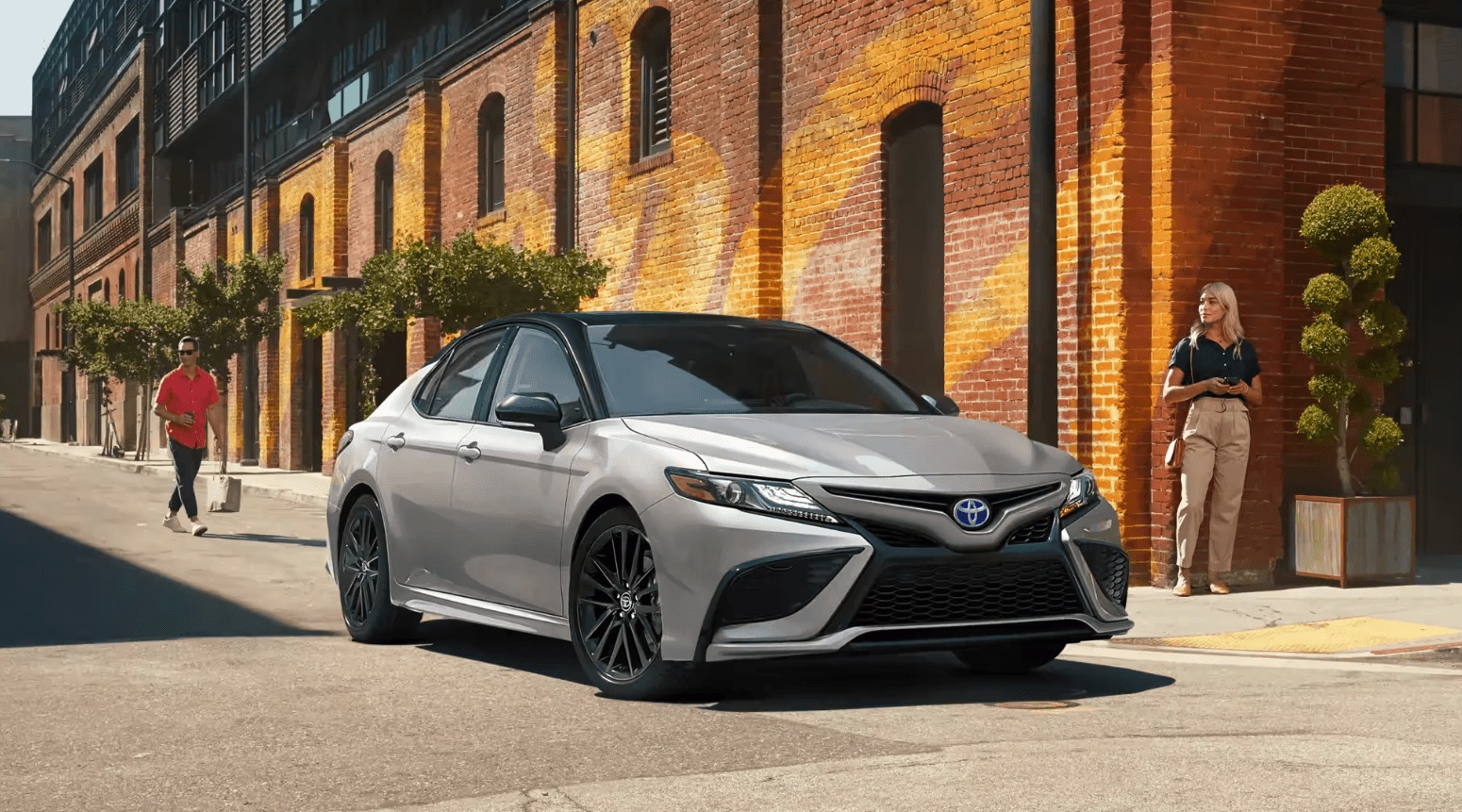
1. Toyota Camry
The Toyota Camry has long been seen as one of the most dependable sedans available. One reason it ranks high is because of how well its suspension holds up over time. Many Camrys can reach 120,000 miles without a single suspension component needing replacement.
This is largely due to the straightforward design used by Toyota. There are no overly complicated air suspension systems or fancy multi-link arrangements that might wear unevenly. It’s a proven MacPherson strut setup that resists play and continues performing reliably over time.
Another factor in the Camry’s success is Toyota’s consistent use of high-quality parts. The struts, bushings, and control arms are all built to last. Even the rubber components that typically dry out on lesser cars seem to maintain their flexibility longer.
Combined with solid subframe construction, the suspension takes less damage from potholes and rough pavement. The alignment geometry also contributes to even tire wear, which keeps the ride smoother for longer. All of this means fewer trips to the mechanic.
Most Camry owners find that ride quality stays consistent until well past the 100,000-mile mark. There might be some minor noise or softness, but nothing that affects drivability or requires major repair.
Even sway bar end links, which are usually one of the first items to go, tend to last longer on the Camry than on similar cars. This doesn’t mean the car is invincible, but the parts hold up better under regular use.
Finally, it helps that many Camry drivers tend to be cautious and stick to paved roads. The car isn’t pushed as hard as performance vehicles, which contributes to longer suspension life. Toyota designed the Camry for long-term daily use, and that conservative approach to design pays off in the durability of its undercarriage systems.
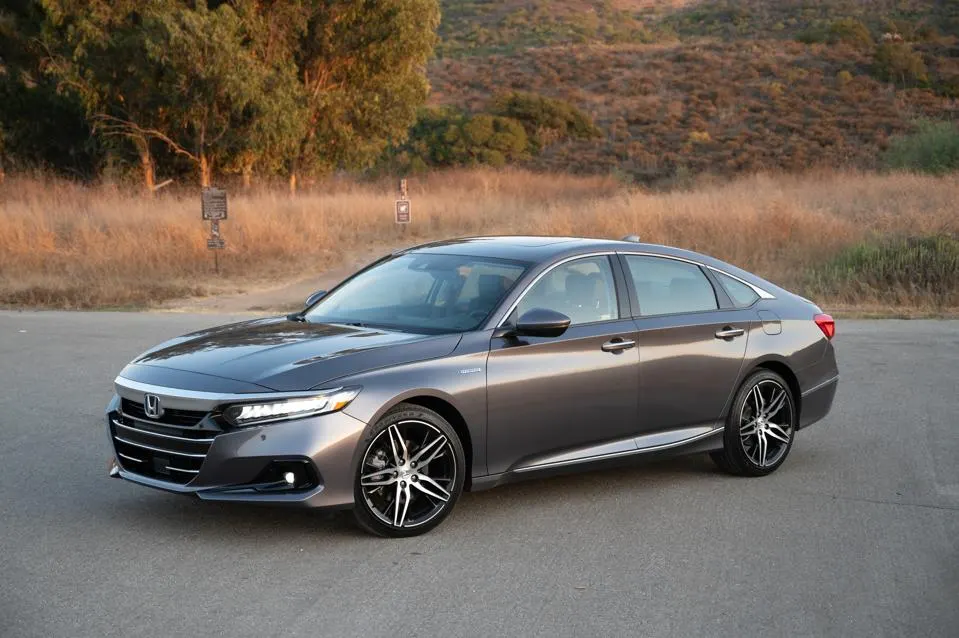
2. Honda Accord
The Honda Accord is another sedan that typically needs very little suspension work before the 120K mark. Known for a balance between ride quality and handling, the Accord has long maintained one of the most well-tuned suspension systems in its class.
What sets it apart is that this balance doesn’t come at the cost of durability. The components are robust, and unless the car is driven aggressively or through particularly harsh environments, they tend to last a long time.
One reason for the Accord’s strength in this area is the quality of its front and rear suspension mounts. The materials used resist compression and cracking better than cheaper alternatives.
This means the entire assembly stays firm and quiet, avoiding the squeaks and rattles that plague less durable cars. Honda’s manufacturing tolerances are also very tight, which leads to less play developing in the system over time.
The suspension geometry is tuned in a way that distributes stress evenly across all components. This reduces the likelihood of early bushing wear or control arm damage.
Many owners report not even needing to touch their struts until 130,000 miles or more. While regular maintenance like tire rotations and wheel alignments help prolong that life, the underlying design does most of the work.
Another benefit is that the Accord doesn’t rely on overly stiff or performance-focused tuning. The setup is soft enough to absorb bumps without transmitting shock directly into the mounts, which contributes to the longevity of the parts. The result is a suspension that continues performing well, mile after mile, with minimal intervention from the owner or mechanic.
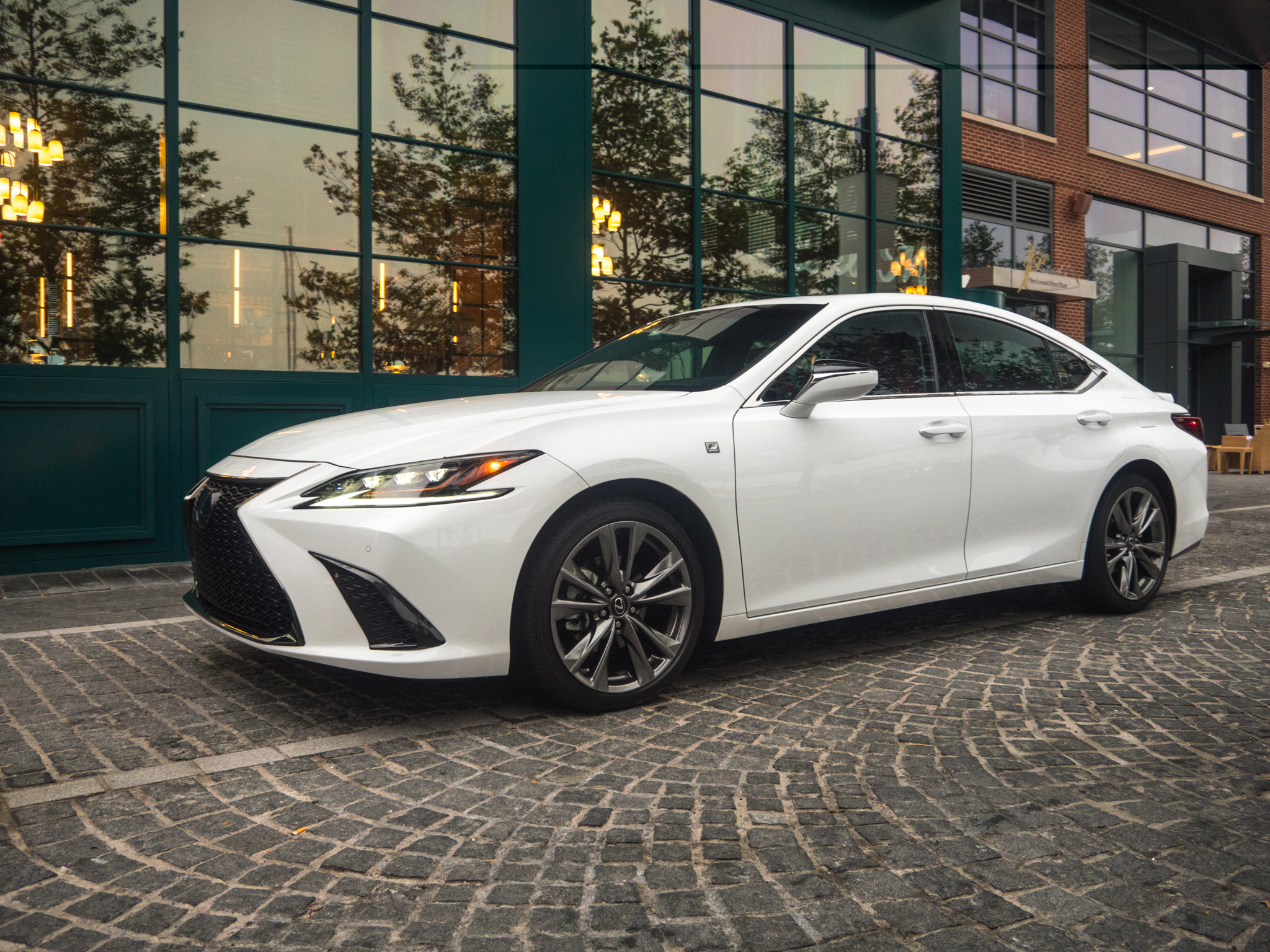
3. Lexus ES
The Lexus ES is essentially a more refined cousin of the Toyota Camry, and it shares many of the same advantages in terms of suspension durability. While it leans more toward comfort than performance, the ES is tuned in such a way that its suspension rarely shows signs of wear before 120,000 miles. This makes it a favorite among those who want a smooth ride without expensive upkeep.
Because Lexus uses higher-end materials and insulation methods, the entire suspension system is better protected from the elements. This means rubber parts stay pliable longer, joints resist corrosion better, and mounts don’t degrade as quickly. The result is a quieter, more stable ride that doesn’t deteriorate with time the way other cars often do. Even in colder climates, the ES holds up well.
Most of the suspension parts on the ES are designed to last as long as the drivetrain itself. The struts and shocks are robust, and while they might begin to soften slightly after the 100,000-mile mark, they rarely require replacement unless the car has been poorly maintained. Even then, the failure rate is far below the industry average. Lexus owners often comment on how “new” their car still feels after years of driving.
The vehicle’s weight is distributed well, and the car sits low enough to avoid the wear associated with tall or top-heavy vehicles. This helps preserve the integrity of the strut towers and control arm bushings. The Lexus ES offers a premium ride experience without premium repair bills, and that includes the suspension system.
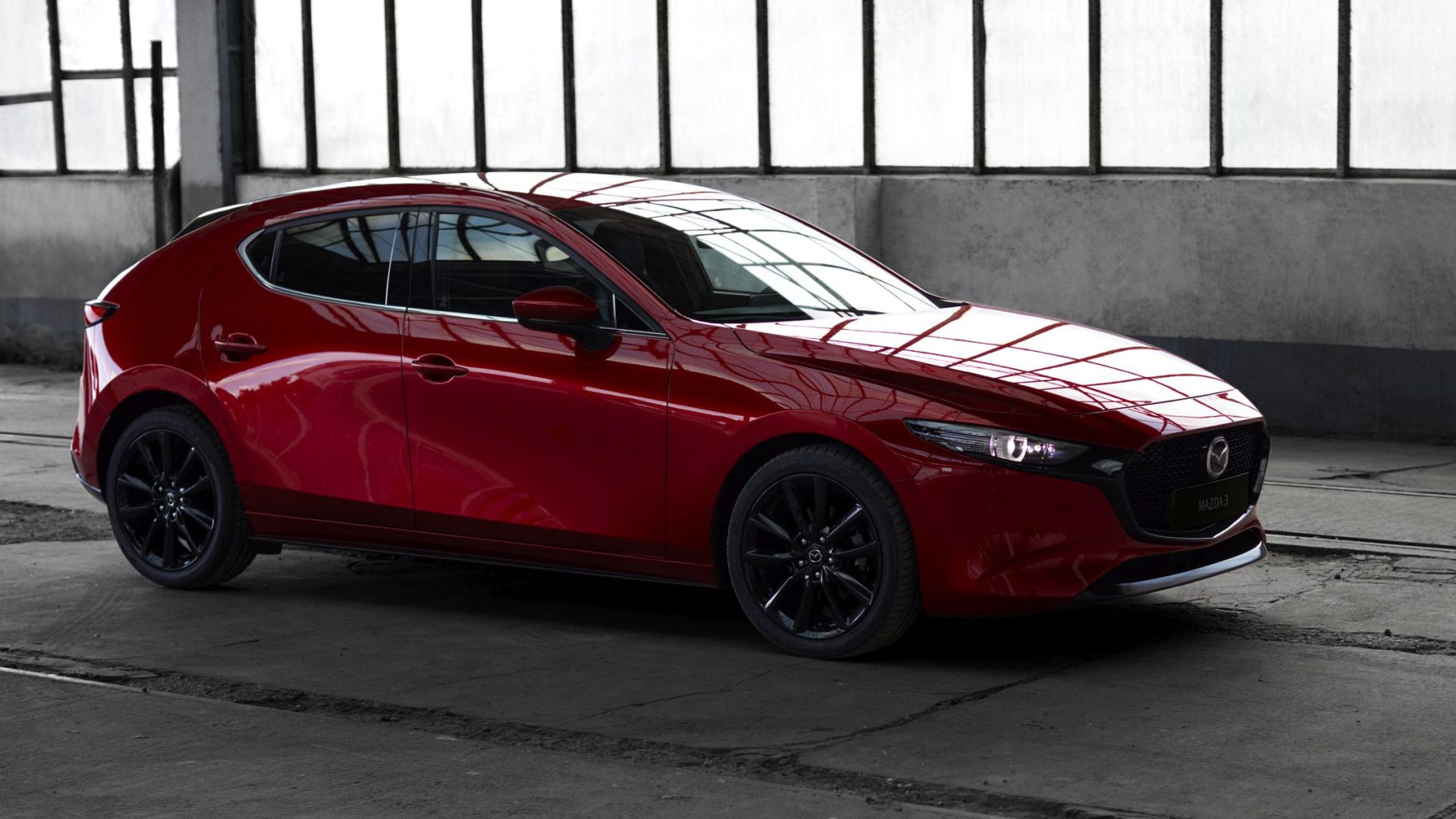
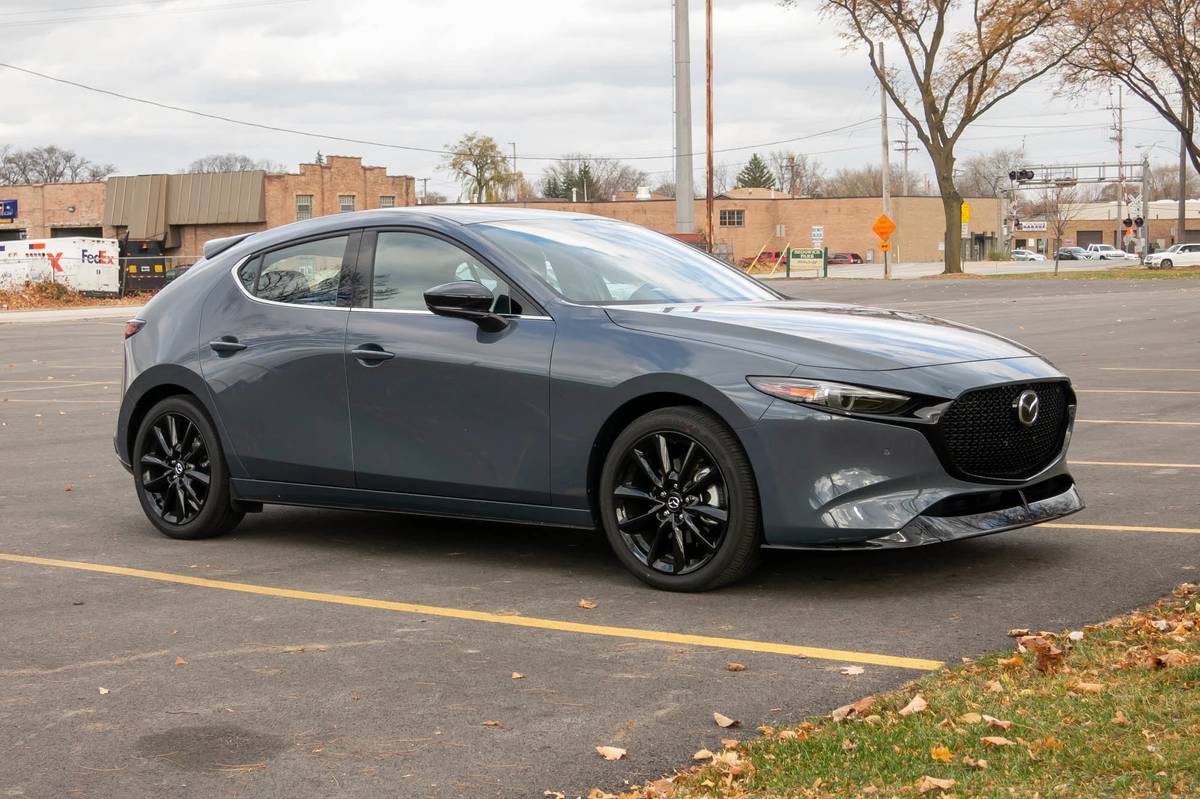
4. Mazda3
The Mazda3 may not carry the luxury nameplate of others on this list, but it punches above its weight when it comes to suspension longevity. While many compact cars suffer from clunky suspensions past 100K miles, the Mazda3 stays tight and quiet. This is thanks to the brand’s emphasis on driver feedback and vehicle balance, which has led Mazda to design more durable suspension systems than some of its competitors.
Mazda uses a combination of traditional MacPherson struts up front and a torsion beam or multi-link setup in the rear depending on the trim level. Both setups are relatively simple and have fewer points of failure compared to more complex designs.
This simplicity is a strength, as it leaves less room for wear-and-tear to occur. The shocks are firm but not stiff, allowing them to last longer while still offering decent handling.
The bushing materials used by Mazda also deserve credit. They tend to stay intact even when subjected to changing temperatures and bumpy roads.
Many owners report only minimal suspension wear well past the 120K mark, with some even saying their cars never required suspension work in that time frame. Regular maintenance helps, but the underlying parts are just better built than average.
Another thing to consider is how the car is typically used. The Mazda3 is often driven in urban and suburban settings where road conditions are relatively mild. Because of this and the car’s light weight, the suspension isn’t stressed heavily, which extends its life. It’s one of the more underrated choices for those who want long-term dependability without a high cost of ownership.
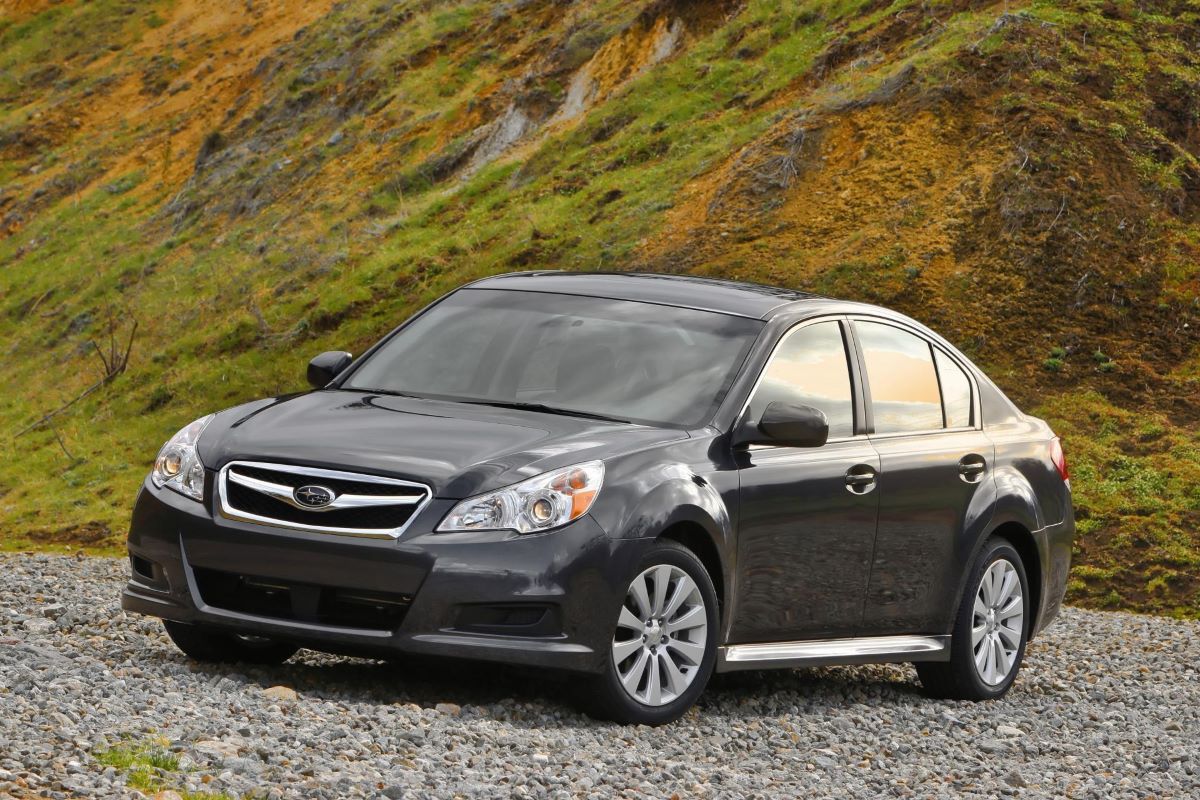
5. Subaru Legacy
The Subaru Legacy stands out not only for its all-wheel-drive system but also for its surprising suspension longevity. While many AWD vehicles suffer from extra strain on their undercarriages, the Legacy is designed to handle that weight and torque distribution with a suspension system that holds up well past 120,000 miles.
Subaru engineers built the Legacy with a focus on stability and safety in varying weather conditions, which meant designing a chassis and suspension that could perform without breaking down. As a result, its struts, control arms, and sway bar components tend to outlast those on many other mid-size sedans.
The strut towers on the Legacy are particularly well-reinforced. This is important because a weak tower can cause misalignment and added stress on the suspension parts. Subaru designed the Legacy’s suspension geometry to distribute force evenly across the frame.
That attention to balance prevents common issues like uneven bushing wear or premature failure of sway bar links. Because the car is intended to perform reliably in snowy or slick conditions, Subaru also used extra corrosion protection on many of the metal suspension components, especially in markets where salt exposure is common in winter.
Another reason the Legacy performs well in this category is the consistency in its ride height and dampening. The shock absorbers are tuned for moderate softness, absorbing irregularities without putting too much stress on the mounts.
Unlike sportier cars with stiff setups that hammer suspension components to failure, the Legacy offers a middle-ground solution that protects itself through flexibility. Even bushings and end links that normally wear out by 90,000 miles on other cars often last well into the 130K–140K range on a well-maintained Legacy.
Subaru drivers also tend to take maintenance seriously, and that makes a difference. Frequent tire rotations and regular alignment checks keep everything moving as designed, which helps extend the life of the suspension even further.
The Legacy’s combination of engineering, corrosion protection, and stable ride design makes it a strong contender among cars that rarely need suspension work before hitting the 120K mark.
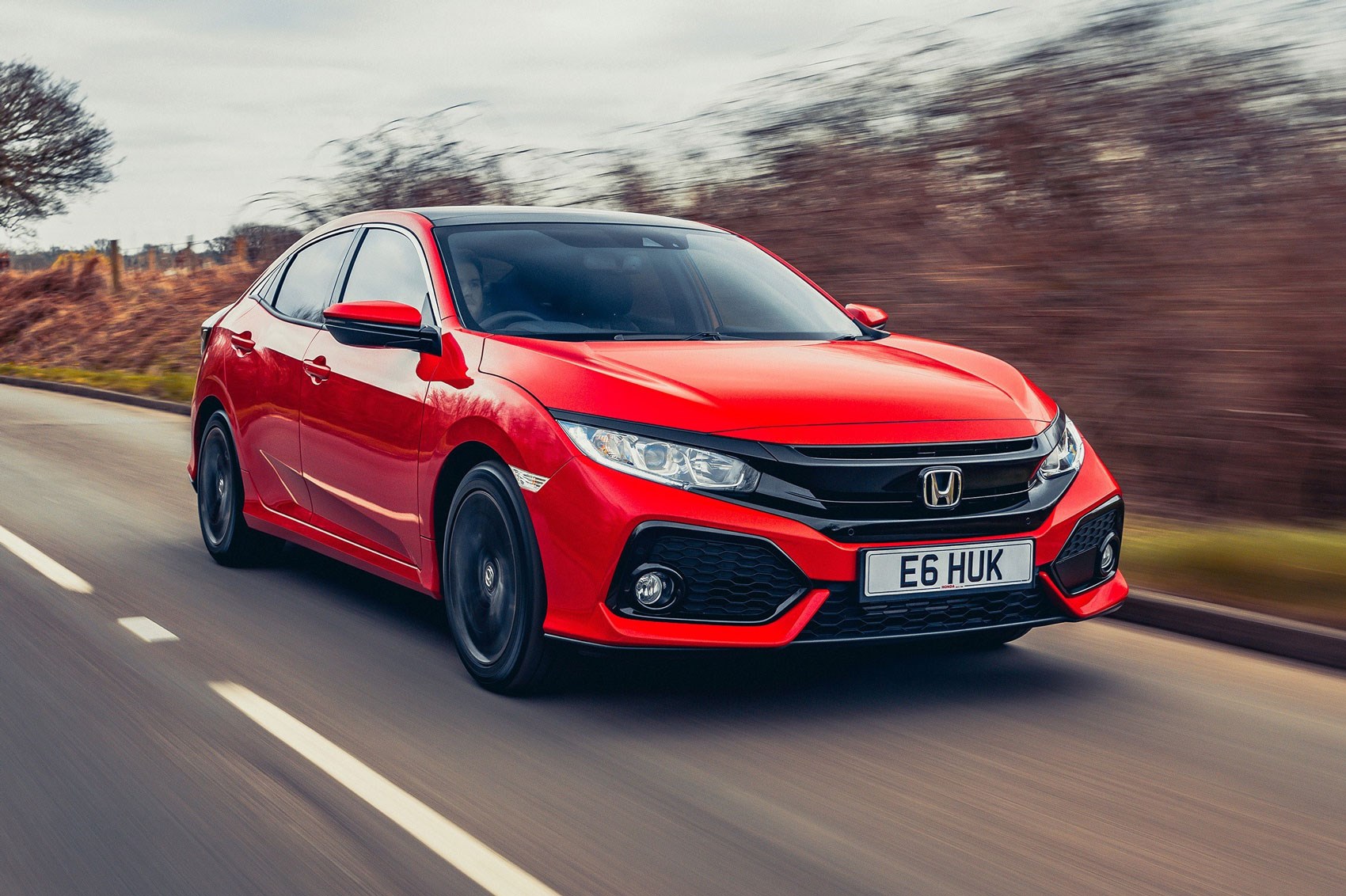
6. Honda Civic
The Honda Civic has built a reputation over decades for low ownership costs, and a big part of that is how well it holds up mechanically into higher mileage. While the Civic is a compact car, its suspension system is surprisingly tough. It may not offer the plushest ride, but it handles daily driving with a kind of consistency that helps preserve its undercarriage.
The Civic’s simple yet effective suspension layout includes a MacPherson front strut and either a torsion beam or independent rear setup depending on the model year. This balance of efficiency and durability leads to fewer problems as the miles add up.
Honda uses high-grade components in even its lower trims, and the Civic benefits from that consistency. Suspension bushings are typically well-sealed and slow to dry out. Even in older models, rubber components often stay pliable for years.
It’s not uncommon to find Civics approaching 140,000 miles with original shocks and control arms still doing their job. Sway bar links and ball joints, often weak spots in compact cars, are surprisingly resilient in the Civic. This is largely due to careful design and good part quality rather than any unique suspension setup.
The Civic’s low curb weight also contributes to long suspension life. Heavier vehicles naturally wear out components faster, especially in urban settings with frequent stop-and-go traffic.
Because the Civic is light and nimble, there’s less mass pressing down on the springs and shocks. This results in less compression over time, which is key to preserving strut integrity and bushing shape. For city drivers or those who frequently take short trips, this low-impact usage makes a huge difference.
Most Civics are also owned by drivers who tend to be conservative on the road. They aren’t typically pushed to the limit, and they’re often serviced regularly. This type of usage pattern further reduces the wear on the suspension.
Combine that with solid factory engineering and you get a car that not only stays on the road longer, but does so with fewer repair bills than many of its competitors, particularly when it comes to the underbody components.
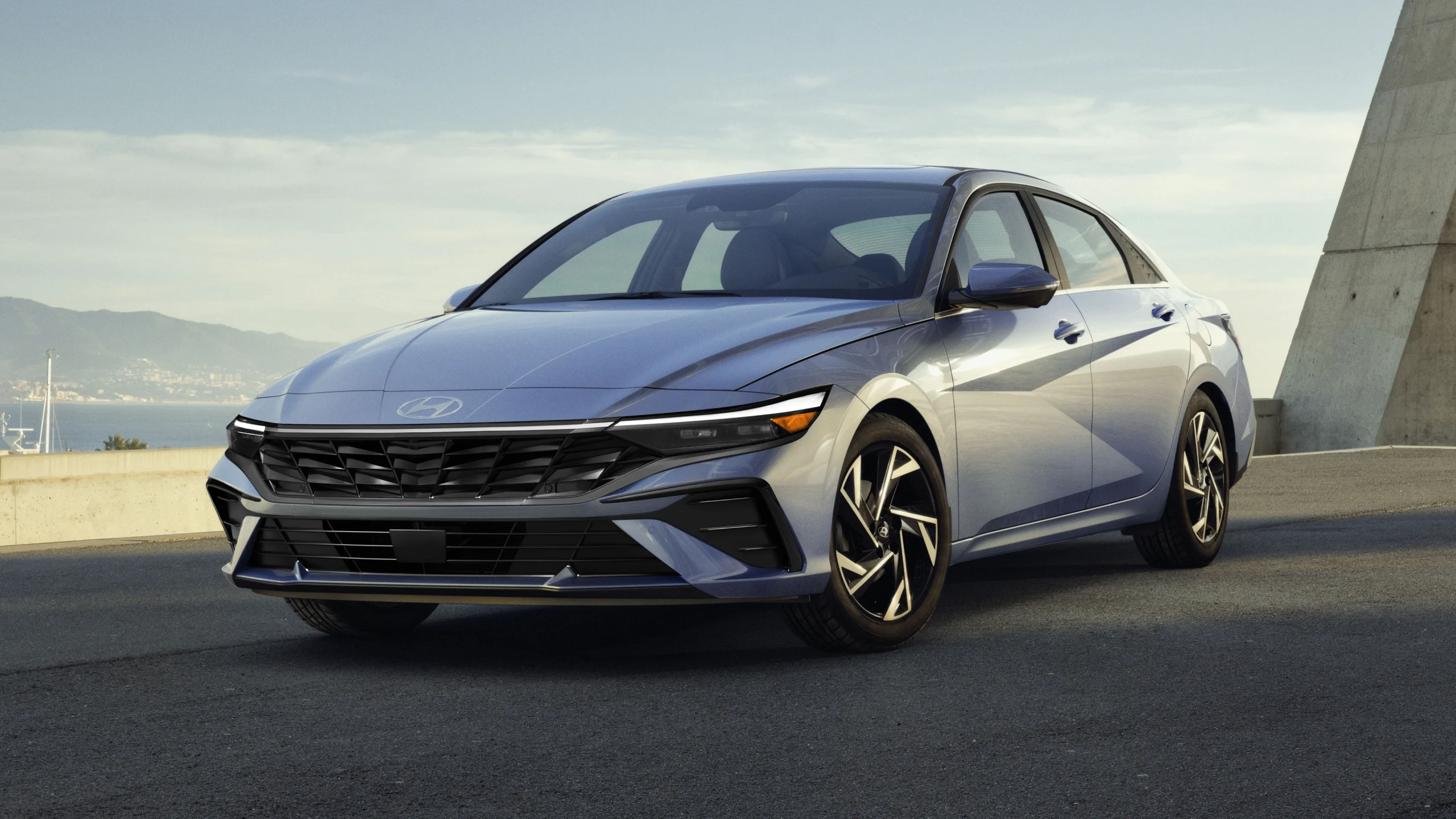
7. Hyundai Elantra
The Hyundai Elantra has gone through several redesigns, but one consistent feature in recent generations is a suspension system that holds up well under typical conditions. The Elantra’s setup is relatively simple, yet durable enough to withstand everyday wear without frequent failure.
Many owners report no suspension issues at all before the 120,000-mile mark, even without having to replace major components like struts or control arms. Hyundai’s manufacturing improvements in the last decade are a big reason for this.
Newer Elantras feature enhanced corrosion-resistant coatings on their suspension hardware, a critical upgrade for drivers in northern regions. This added layer of protection helps prevent issues like seized bolts and rotting bushings, which often lead to premature repair needs on other compact cars.
Hyundai also improved the quality of their rubber bushings, making them less likely to crack or split under load. While these parts may not be the most performance-focused, they are very good at soaking up normal road vibrations without degrading quickly.
The Elantra’s ride comfort is tuned conservatively, which helps protect the suspension from harsh impacts. Hyundai didn’t go for an overly sporty setup, and that has actually worked in the Elantra’s favor.
Instead of tight suspension that transfers force directly to the mounts and joints, the Elantra takes a gentler approach, reducing stress on all related parts. Over time, this means there’s less wear on both the visible and hidden parts of the system.
Owners of Elantras from the past decade often report driving well beyond 100,000 miles with no suspension repairs at all. Some report minimal work, like replacing a sway bar link or two, but rarely anything more significant before reaching 120,000 miles. Given the lower cost of parts and improved durability, the Elantra makes for a strong choice for anyone seeking a low-maintenance daily driver with strong suspension reliability.
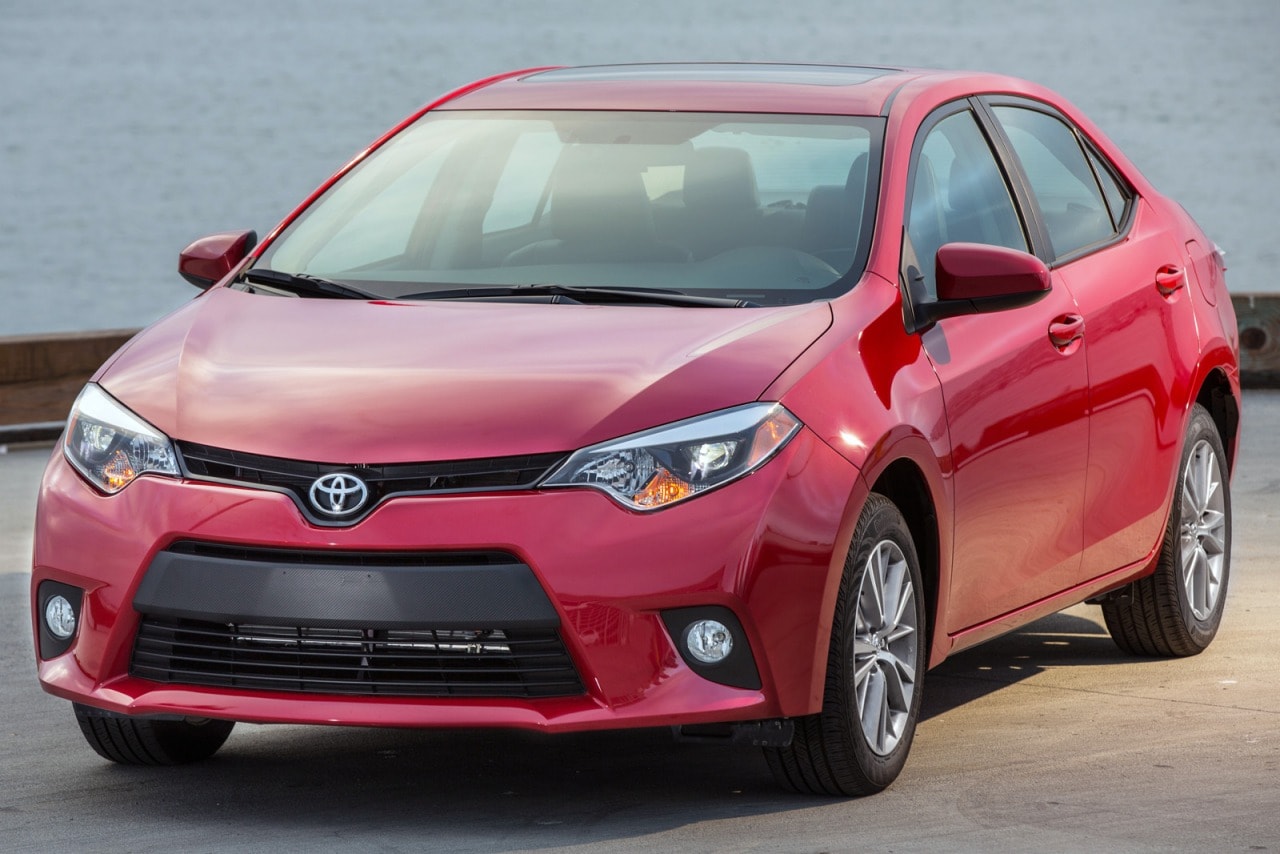
8. Toyota Corolla
The Toyota Corolla, like its Camry sibling, is built with simplicity and reliability at its core. The suspension system on the Corolla is one of the most durable in the compact car segment.
Most Corolla models use a very straightforward suspension layout, often featuring a MacPherson strut front and a torsion beam or basic independent rear. These setups may not offer high-end handling characteristics, but they excel in long-term dependability and cost-effectiveness.
Corolla suspensions rarely show signs of failure before 120,000 miles if the car is used under normal conditions. The bushings, shocks, and links are all designed with longevity in mind rather than sporty feedback. The result is a slightly softer ride but a far more durable system.
Even after years on the road, many Corollas drive quietly and without any of the typical squeaks or rattles associated with worn suspension systems. This kind of long-lasting performance makes it a favorite among drivers who want as few mechanical problems as possible.
One reason the Corolla holds up so well is that it’s engineered for global markets with variable road conditions. Toyota designs the car to function in places where roads aren’t perfect and where maintenance intervals might be longer.
This philosophy leads to parts that can handle more abuse and still function correctly. It also leads to a very forgiving design, which helps extend the life of the shocks, springs, and associated hardware.
Corolla owners tend to be practical and attentive to maintenance, which also plays a role. By sticking to factory recommendations and not pushing the car beyond its limits, they inadvertently extend the life of the suspension.
Even in urban environments with potholes and speed bumps, the Corolla’s suspension remains resilient. It’s one of those vehicles where the parts just tend to hold up better than expected, requiring minimal work even after a decade of regular driving.
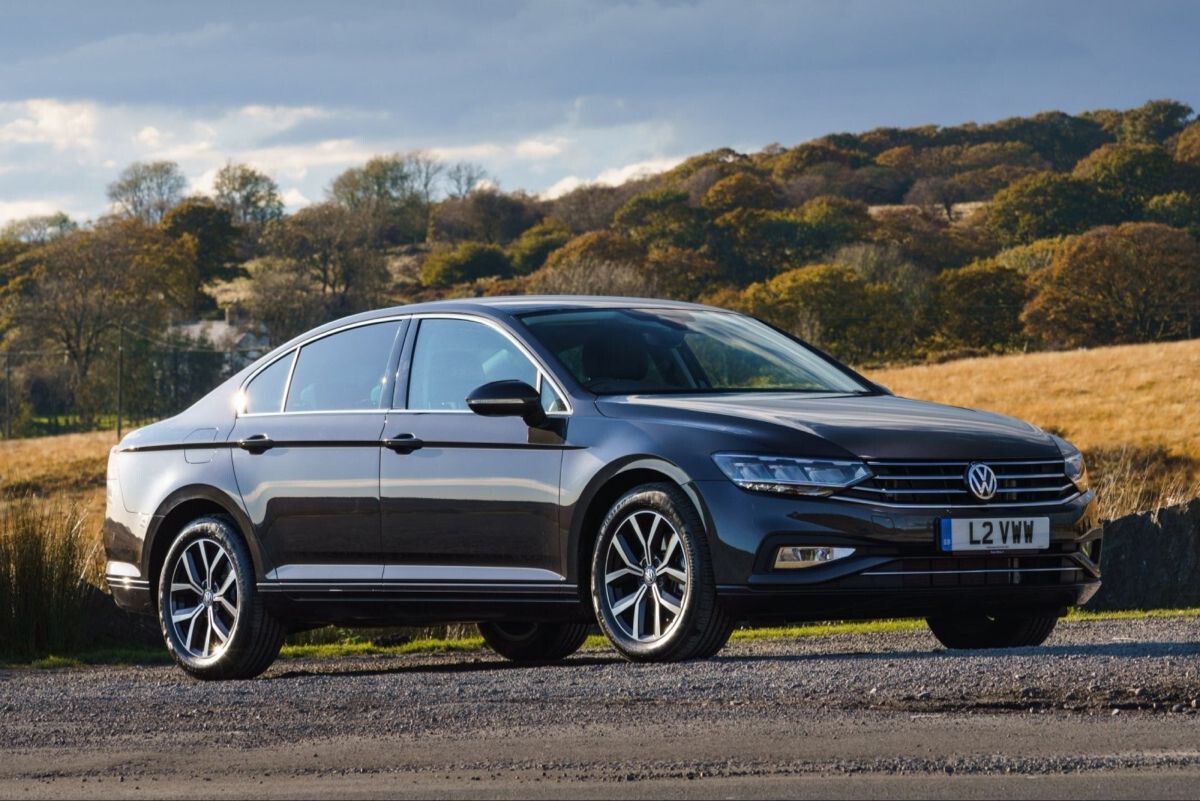
9. Volkswagen Passat
The Volkswagen Passat offers a rare mix of European comfort and durable mechanical design, especially when it comes to suspension life. While some European cars are known for wearing out suspension parts quickly due to tight performance tuning, the Passat takes a more conservative approach.
Most versions of the Passat use a well-balanced suspension system that prioritizes long-distance comfort and smoothness. This choice has made the car especially resistant to early wear on components like struts, bushings, and control arms. It’s not unusual for Passat owners to pass the 120K mile mark without replacing a single major suspension component.
A large part of this durability comes from how the Passat is engineered. Unlike some manufacturers that overcomplicate suspension geometry, Volkswagen designs its setups for balance and longevity. Even in multi-link rear suspension models, VW uses strong metal alloys and well-fitted rubber components that don’t degrade as quickly as many others.
The subframe is solid, and its connections to the suspension are reinforced in a way that reduces vibrations and delays loosening of joints over time. That added structure means less play develops as the car ages, which protects the suspension’s function.
The Passat’s weight distribution is another strength. Many front-wheel-drive sedans suffer from nose-heavy designs that wear out the front suspension faster. The Passat, though still front-heavy, balances this by using stiffer springs in front and more evenly matched dampers in the rear.
This design means that one end of the car doesn’t do more work than the other, which is a common cause of early failure in control arms and ball joints. That harmony leads to an even ride feel and a longer life span for both front and rear components.
Volkswagen drivers often take good care of their vehicles, performing regular alignments and tire rotations. This helps prevent uneven suspension wear. But even in average-use cases, the Passat often remains smooth and quiet well into higher mileage.
While it may eventually need work like any car, suspension repairs are one of the least frequent issues reported by owners. That kind of performance in a mid-size sedan gives the Passat a well-earned place among cars with excellent suspension longevity.
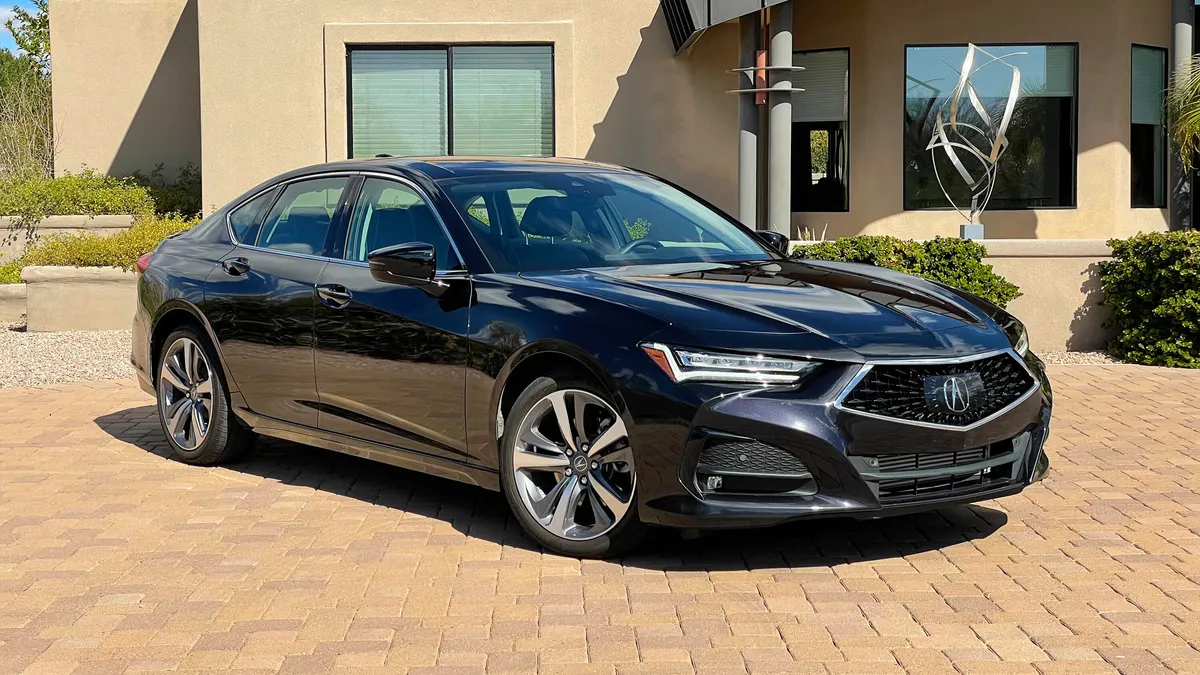
10. Acura TL
The Acura TL combines premium engineering with solid reliability, particularly in the area of suspension durability. Although it offers sportier performance than some sedans on this list, the TL was designed with a strong foundation.
The result is a suspension system that holds up impressively well, often needing little to no attention before 120,000 miles. Acura built the TL to compete with European sedans while maintaining Honda’s core values of practicality and durability. The end result is a car that handles with confidence yet resists the wear that usually accompanies spirited driving.
The front suspension design of the TL is particularly robust. Acura used reinforced strut towers and high-tensile steel in key areas to reduce flex and fatigue. This has a direct effect on how long components like bushings and ball joints last.
Many vehicles develop front-end clunking or misalignment by the 100K mark, but the TL often glides right past that point with minimal complaints. Even the control arms and mounts, which tend to be weak points in sportier sedans, hold up surprisingly well in this model.
Another reason the TL’s suspension lasts so long is the level of refinement that went into its ride-tuning. Acura took the time to fine-tune shock valving and spring rates to balance performance with everyday drivability.
That careful balance means the suspension isn’t constantly being stressed, and because of this, the wear on seals, mounts, and moving joints is reduced. TL models are often praised for maintaining a quiet cabin and a stable ride well into six-figure mileage, a testament to the strength of the design.
Maintenance also plays a role, and TL owners often invest more in preventive care than the average car buyer. Even so, the car itself doesn’t demand frequent suspension work. A well-cared-for TL can pass 120,000 miles with original struts still performing well, and sway bars that remain tight and free of noise.
This kind of reliability is part of what has made Acura a go-to brand for people who want luxury without the high maintenance costs often associated with premium vehicles. The TL delivers that with a suspension system built to endure.
Also Read: Top 10 Cars With Durable Upholstery Offering Long-Lasting Interiors
Across all the vehicles listed above, there are several patterns that explain their exceptional suspension longevity. First and foremost is simplicity in design.
Cars that avoid overly complex suspension setups with too many moving parts tend to have fewer failure points. The more straightforward the layout, the less there is to wear out or go wrong. This simplicity not only improves reliability but also makes any future repairs easier and less expensive if they do become necessary.
Another shared trait is the use of high-quality components. Whether it’s Toyota’s consistent rubber durability or Honda’s tight manufacturing tolerances, these automakers invest in materials that hold up well under stress. It’s not just about how the car drives off the lot, but how it continues to perform year after year.
Even in cases like the Passat or TL, where there’s more performance baked into the design, the parts themselves are made to take a beating and still function correctly long past typical failure points.
Weight distribution and suspension geometry also play key roles. Cars with better-balanced designs put less strain on any single part of the suspension system. That means struts last longer, bushings wear evenly, and alignment stays true for more miles.
A poorly balanced vehicle can chew through tires and suspension parts quickly, especially in real-world driving conditions that include potholes, rough surfaces, and variable loads. The cars listed here all manage that balance well, which contributes directly to their long-term durability.
Finally, the way these cars are typically driven and maintained supports their longevity. Most are commuter-oriented, daily drivers owned by people who keep up with oil changes, tire rotations, and inspections.
While any car can be destroyed by abuse or neglect, these models tend to be chosen by drivers looking for reliability, and that ownership pattern helps preserve their suspension systems even further.
Together, the combination of design, parts quality, and typical use makes these 10 cars stand out when it comes to avoiding suspension issues until well after the 120,000-mile mark.
