
Choosing a car that can reliably reach 200,000 miles without major engine issues is a priority for many drivers, especially those who want to avoid costly repairs. One of the most feared problems in engines is a blown head gasket. This component plays a critical role in sealing the combustion chamber and maintaining the proper flow of coolant and oil.
When a head gasket fails, it can cause engine overheating, loss of power, and severe damage that often requires an expensive rebuild or replacement. Because of the potential consequences, knowing which cars tend to avoid this problem is incredibly valuable for anyone considering a long-term vehicle purchase.
Head gasket failure often results from excessive heat or poor cooling system performance, which causes warping or cracking between the cylinder head and engine block. Cars with engines that manage heat well and are engineered with durable materials tend to avoid this issue even after many years and high mileage.
Some manufacturers have established strong reputations for producing engines that last well past the 200,000-mile mark without significant gasket problems. These vehicles typically feature well-designed cooling systems, robust gaskets, and engines that don’t run excessively hot or under undue stress.
In this article, we highlight ten vehicles known for their ability to maintain head gasket integrity beyond 200,000 miles. Each car has proven to be reliable, with engines designed to withstand the rigors of daily driving over many years.
From popular sedans like the Toyota Camry and Honda Accord to more specialized models like the Subaru Outback and Ford Crown Victoria, these vehicles share a common trait: durability. For anyone looking to invest in a car with long-term dependability and minimal risk of catastrophic engine repairs, these ten models deserve serious consideration.
Also Read: 5 SUVs with Integrated Skid Plates vs 5 that Rust Beneath
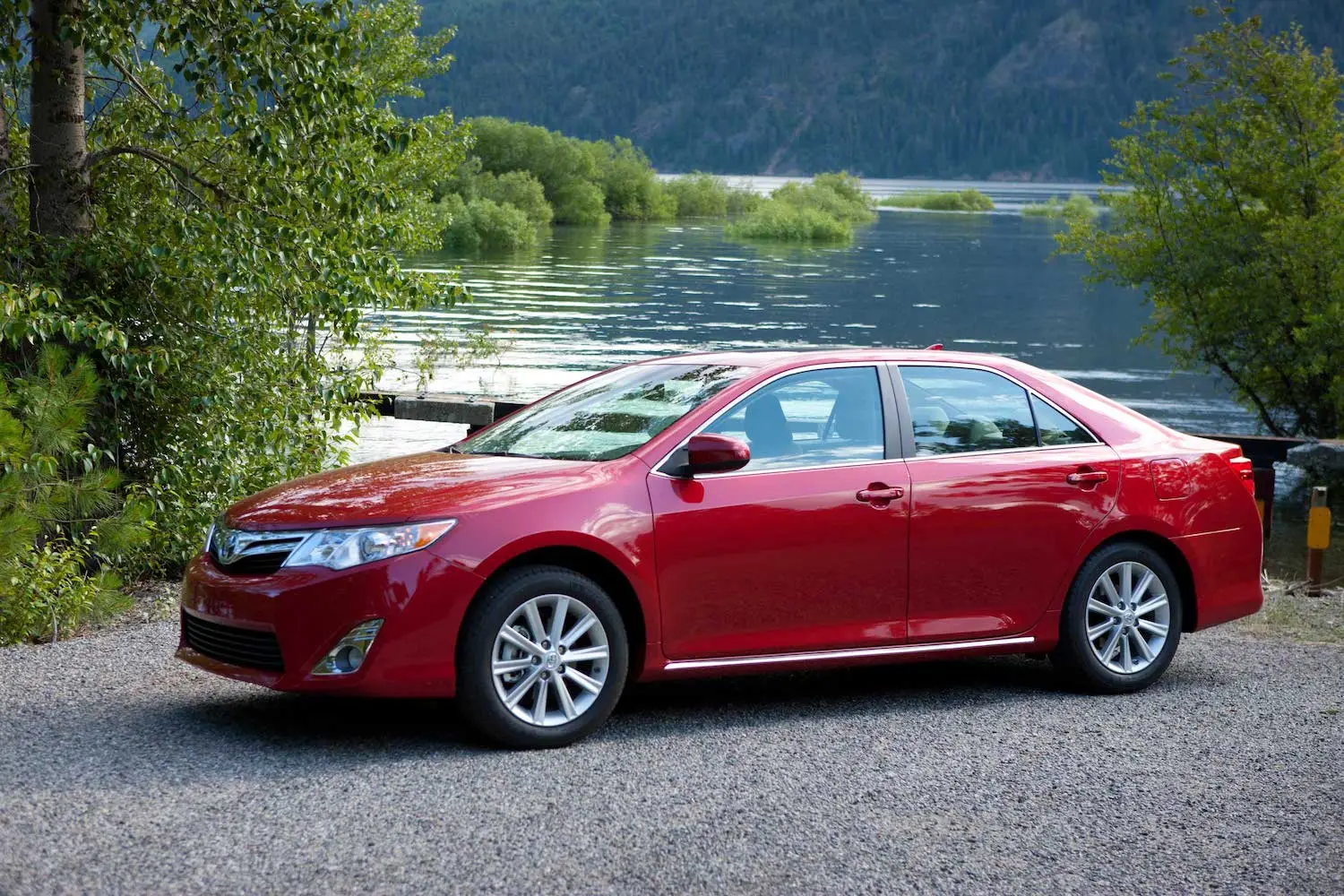
1. Toyota Camry (4-Cylinder Models)
The Toyota Camry, particularly the 4-cylinder models like those with the 2.4L 2AZ-FE or 2.5L engines, has long been recognized for its incredible reliability. These engines are known for their simple yet robust design, with components that are over-engineered for longevity.
Toyota’s consistent focus on thermal management and balanced engine tolerances helps prevent common issues like overheating, which is a major contributor to head gasket failure. With proper maintenance, these engines can often surpass the 200,000-mile mark without significant internal engine repairs.
One major reason the Camry excels in this area is the way Toyota tunes the engine for conservative output. Unlike performance engines that are constantly running under stress, the Camry’s powertrains are made for daily usability, where moderate throttle and lower RPMs are the norm.
This limits the amount of heat and pressure the head gasket is exposed to, which directly contributes to its longer lifespan. The materials used in the gasket itself are high-quality and are seated properly within the engine from the factory, which also reduces the likelihood of failure later on.
Cooling systems on Camrys are generally well-designed and sufficient even in harsh climates. They include well-placed thermostats and radiators that handle heat dispersion without struggle. Owners who stick to routine coolant flushes and keep the radiator clean typically report minimal engine problems even after 15–20 years. This strong thermal management helps prevent the engine from running hot, which is a common trigger for head gasket damage in other vehicles.
Another element in the Camry’s favor is its massive production volume, which means Toyota has had years to refine and perfect the engineering. Any systemic problems tend to be identified and fixed quickly in later model years. As a result, owners benefit from decades of iterative improvements. It’s this focus on long-term durability rather than flashy features that keeps the Camry running strong for years without catastrophic issues like head gasket failure.
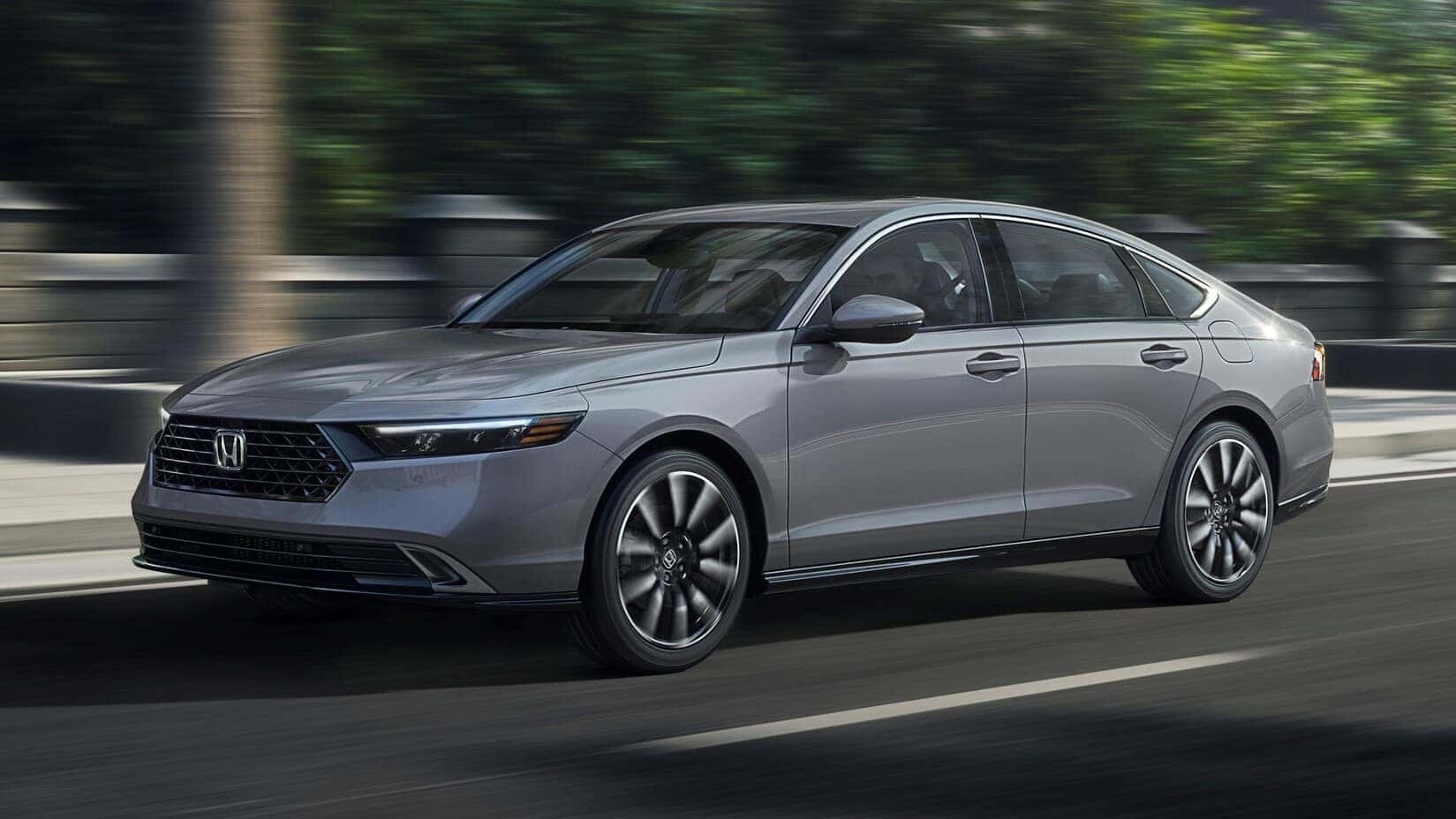
2. Honda Accord (4-Cylinder Models)
The Honda Accord, especially those with the K24 2.4L 4-cylinder engine, is another standout in terms of long-term reliability. These engines are praised for their bulletproof construction, efficient thermal handling, and smart engineering. The K-series engines, in particular, are known to go well beyond 200,000 miles without any major repairs. Honda’s approach to engine design emphasizes simplicity, accessibility, and reliability, all of which contribute to the engine’s longevity and the head gasket’s resilience.
One advantage of the Accord’s engine is its aluminum block paired with an aluminum head, which means that expansion rates under heat are similar, minimizing gasket stress during thermal cycles. This compatibility helps prevent the warping or uneven expansion that often leads to gasket failure in other engines with mixed metal construction. Additionally, the engine’s design disperses heat evenly, reducing the possibility of hot spots that can damage the gasket over time.
Routine maintenance is straightforward on these models, and the engines are forgiving even when oil changes are slightly overdue. That said, those who follow the manufacturer’s recommendations closely are almost guaranteed to hit high mileage without engine issues. Unlike some high-strung engines that rely on exotic materials or complicated systems, the Accord’s powertrain is relatively simple, which limits the number of things that can go wrong. This mechanical simplicity benefits long-term durability.
Even as the car ages, parts availability remains high, and costs for upkeep are low. This encourages owners to keep up with preventative maintenance instead of putting off needed repairs. With thousands of examples still running reliably beyond the 200K mark, the Accord remains one of the most dependable vehicles on the road today when it comes to head gasket integrity and engine life. It’s a practical choice for anyone who wants a long-lasting, low-stress vehicle.
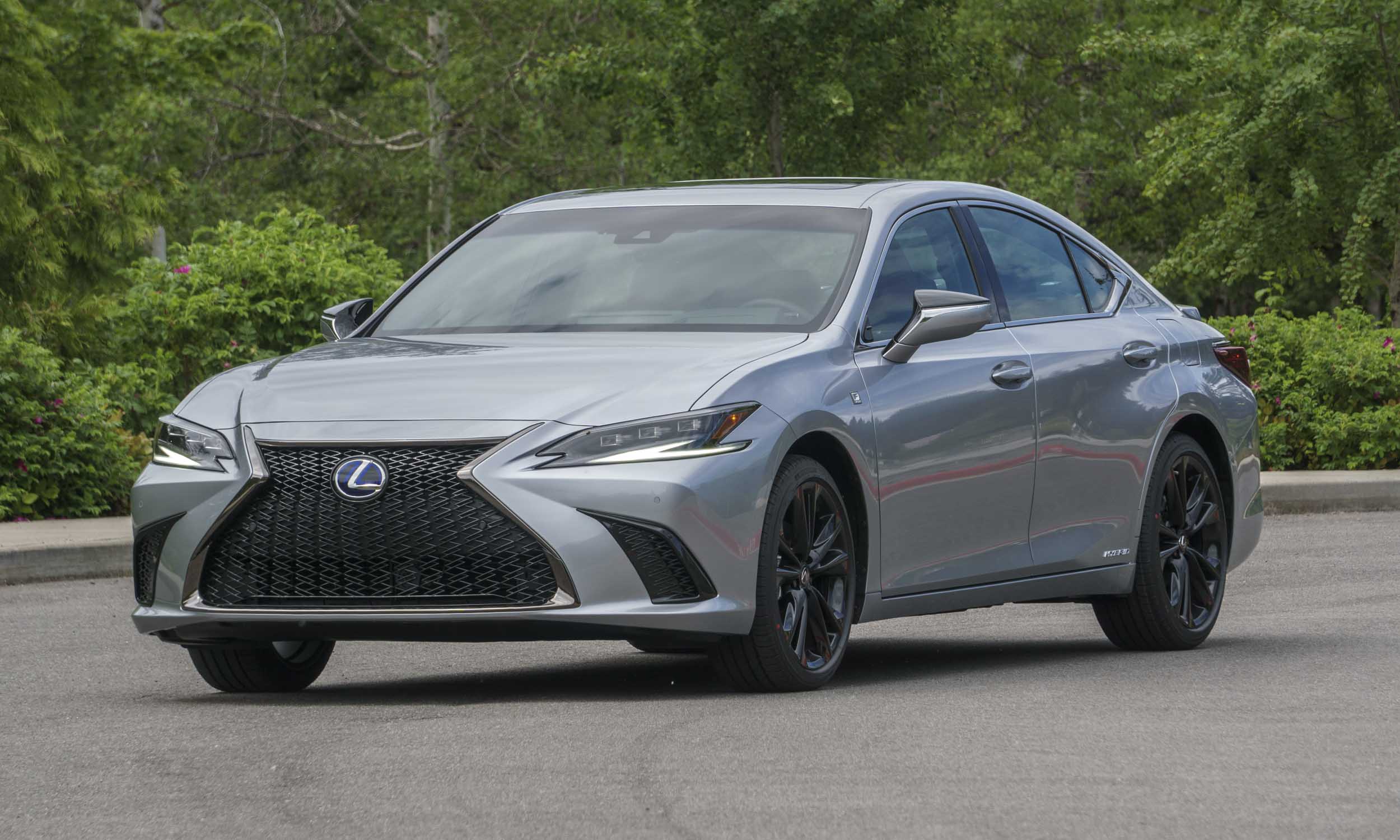
3. Lexus ES 300/330
The Lexus ES series, particularly the ES 300 and ES 330, benefits from Toyota’s engineering heritage while adding luxury touches. These models typically feature the 1MZ-FE or 3MZ-FE V6 engines, which are known for smooth performance and strong reliability.
Despite being more complex than 4-cylinder engines, these V6 powerplants are well-known for reaching 250,000 miles or more with no major engine problems. Lexus built these vehicles for long-term ownership, and the engines reflect that commitment.
The head gasket in these engines is rarely a point of failure, largely due to the way the engine compartment manages heat. There’s plenty of airflow, and the engine never seems to run hot under normal conditions. The V6 configuration spreads out heat more evenly than a turbocharged 4-cylinder, and the cooling system is up to the task of keeping everything within a safe temperature range. This thermal stability protects the gasket from repeated expansion and contraction stress.
These cars also benefit from owners who are more likely to follow maintenance schedules. Luxury car buyers often treat their vehicles with more care, which translates to better longevity. Timing belts, water pumps, and coolant are replaced as needed, which reduces the chances of a head gasket issue ever arising. These preventative repairs are easier and cheaper than waiting for a catastrophic failure, and they often make the difference between a car that dies early and one that lives well past expectations.
Even when used as daily drivers, Lexus ES models maintain composure and mechanical consistency. Their engines don’t strain easily, and most of the power comes low in the RPM range, minimizing internal stress. The result is a vehicle that can age gracefully, with its drivetrain remaining reliable even as the odometer creeps toward and beyond 200,000 miles. The head gasket is rarely a topic of concern, which says a lot for a car in this class and era.
4. Toyota Corolla
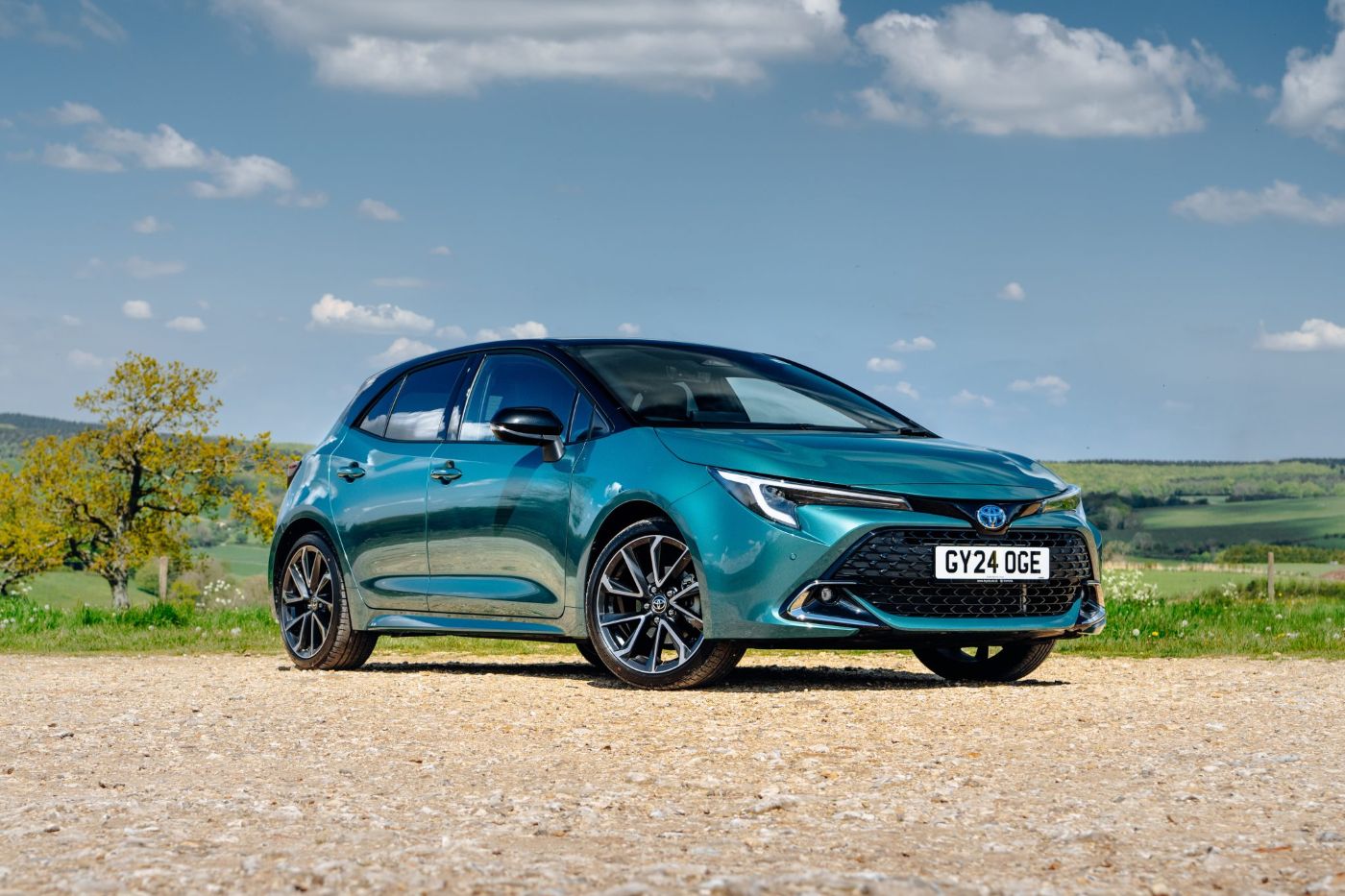
The Toyota Corolla’s reputation is built on being economical, simple, and virtually indestructible. Particularly in models with the 1.8L 1ZZ-FE or 2ZR-FE engines, the Corolla is a car that can easily see 250,000 miles with just oil changes and basic upkeep. Its powertrain is not flashy or powerful, but it’s precisely this low-stress design that allows the engine to run for decades without mechanical breakdowns, especially head gasket problems.
The combustion chamber in these engines is built to handle heat well, with a strong focus on thermal stability. Gasket materials and block design were carefully engineered to minimize pressure loss or wear around the seal. These engines don’t run hot unless something else fails first, which is rare if the cooling system is maintained. Even in high-mileage vehicles, overheating is unusual unless the radiator or water pump fails, and those are generally easy and inexpensive to replace.
One major factor in the Corolla’s longevity is how it’s driven. These are not performance cars, and most owners tend to drive them conservatively. That means fewer hard accelerations, lower RPM usage, and a smoother operational life for the engine. All of these habits reduce stress on internal components, including the head gasket. The engine stays clean, stable, and cool during regular use, which is the ideal condition for preserving the head gasket’s life.
Toyota’s manufacturing consistency also plays a role here. The Corolla has been produced in massive numbers and refined over many generations. Each version tends to improve slightly on the last, and major flaws are ironed out quickly. This means the engines have evolved into some of the most reliable in the industry, and their head gaskets are built to last the life of the car under normal circumstances. It’s rare to hear of a Corolla blowing a head gasket before reaching 200K, and that’s not just a coincidence.

5. Subaru Outback (Non-Turbo Models)
Subaru has a mixed reputation when it comes to head gaskets, mainly due to the early 2000s turbocharged models that often suffered from failures. However, the naturally aspirated (non-turbo) Subaru Outback models, especially those equipped with the EJ25 and later FB25 engines, have proven to be much more durable.
These engines tend to avoid the extreme heat and pressure that turbocharged versions generate, which reduces the risk of head gasket leaks. Many owners report hitting 200,000 miles or more without any gasket concerns, making these models a solid choice for longevity seekers.
The horizontally opposed boxer engine design used by Subaru provides excellent balance and helps reduce vibration, which in turn lowers stress on the head gasket. Additionally, the engine’s flat layout allows for better cooling because the heads are spread out and exposed more evenly to airflow and coolant passages.
This design minimizes hotspots that can cause warping and gasket deterioration over time. Maintaining a healthy cooling system is critical, but the engineering foundation is very strong on these naturally aspirated engines.
Unlike some other engines, the Subaru non-turbo units run cooler under typical driving conditions. This is partly because the lack of forced induction reduces thermal loads and combustion pressures. The head gasket in these engines is subjected to fewer cycles of extreme heat, allowing the seal to hold firm much longer. Routine maintenance, including timely coolant flushes and head bolt torque checks, ensures that these engines continue to operate smoothly for well over 200,000 miles.
One downside of some Subaru models is the occasional head gasket oil leak, which doesn’t always indicate a catastrophic failure but can cause minor maintenance headaches. However, when it comes to coolant leaks and total gasket failure, the non-turbo Outback models tend to stay clear of such problems if properly maintained. For buyers looking for an all-wheel-drive vehicle with longevity and good head gasket durability, this Subaru lineup is a very reliable choice.
6. Honda Civic (Especially the R18 Engine)
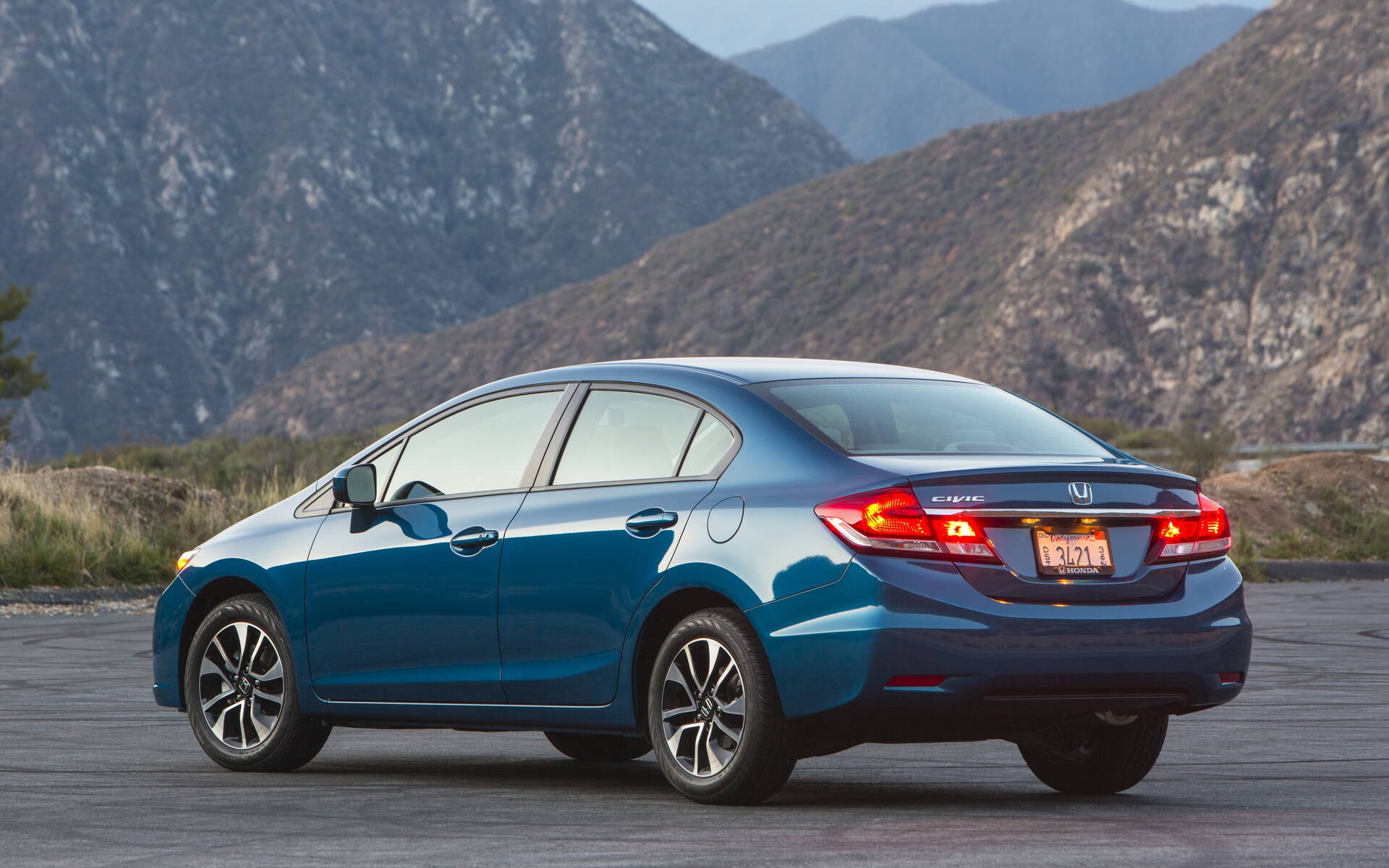
The Honda Civic is another legend when it comes to longevity and reliability, with several generations capable of running for hundreds of thousands of miles with little trouble. The R18 1.8L engine found in Civics from around 2006 to 2011 is particularly well-regarded for its durability and head gasket reliability. This engine features modern design improvements, such as improved head gasket materials and more efficient cooling passages, which contribute to its ability to avoid common gasket failures seen in older or more stressed engines.
The R18 engine’s design emphasizes efficient cooling and moderate combustion pressures, which work together to reduce the risk of head gasket failure. Honda engineers optimized the head gasket’s composition to withstand repeated thermal cycles without losing its seal. Combined with a well-designed cooling system that prevents overheating, this makes the R18-powered Civic one of the most reliable choices in the compact car segment.
Owners of Civics equipped with this engine often report very few engine-related problems even after surpassing the 200,000-mile mark. The engine runs smoothly, uses oil conservatively, and doesn’t suffer from major overheating issues. Additionally, the availability of inexpensive parts and straightforward maintenance procedures encourages owners to keep the engine in good condition over the long haul.
The Civic’s reputation for reliability is reinforced by the fact that many of these vehicles remain on the road for well over a decade without engine rebuilds or gasket replacements. This longevity makes the R18 engine a favorite among budget-conscious drivers who want a dependable daily driver that won’t be sidelined by costly repairs.
7. Mazda3 (Skyactiv Models)
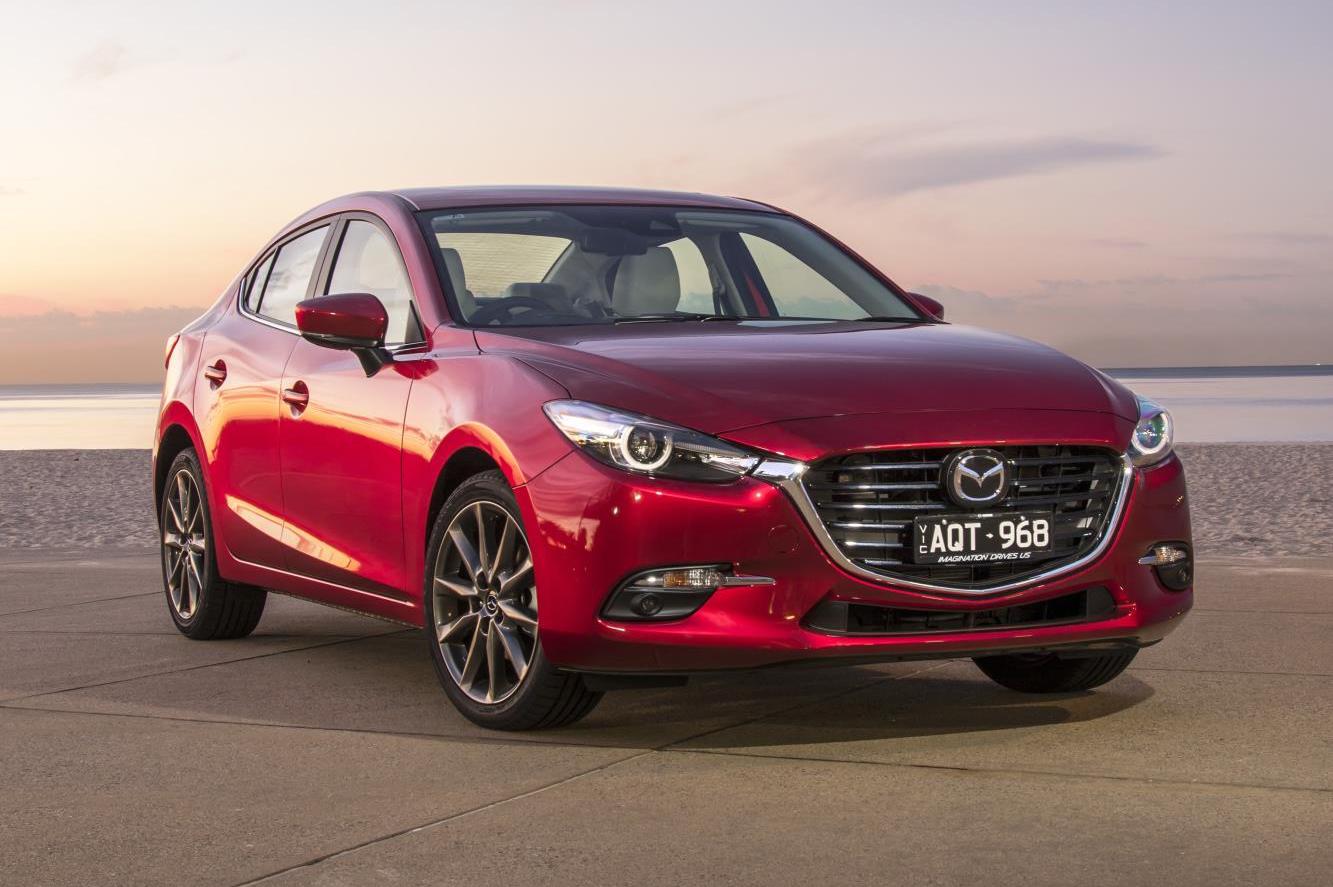
Mazda’s Skyactiv technology marked a turning point for the brand, focusing on efficiency, performance, and longevity. The Skyactiv-G engines used in Mazda3 models, particularly those from 2012 onward, have been praised for their durability and improved engine design that reduces common problems such as head gasket failure. These engines feature high compression ratios managed by advanced combustion chamber designs and efficient cooling systems, which help protect the head gasket even during prolonged use.
The Skyactiv-G engine utilizes aluminum blocks and heads with carefully engineered gasket materials that can withstand heat and pressure changes without deteriorating prematurely. Mazda’s focus on reliability also extends to the cooling system, which is designed to maintain consistent operating temperatures across different driving conditions. This reduces thermal stress on the gasket and helps maintain a tight seal over many years.
Owners of Mazda3 Skyactiv models often remark on how smooth and reliable the engine remains well past 150,000 miles, with many reaching or exceeding 200,000 miles without major repairs. Mazda’s attention to detail in sealing surfaces and engine assembly reduces the risk of leaks, making the head gasket one of the least likely points of failure in these vehicles.
Another factor contributing to the Mazda3’s longevity is the balance between performance and durability. The engine delivers lively power but isn’t pushed to extremes, which helps avoid the high stress that can cause gasket failures in sportier engines. This balance makes it a great choice for drivers who want a fun yet dependable car that won’t be troubled by premature engine troubles.
8. Ford Crown Victoria
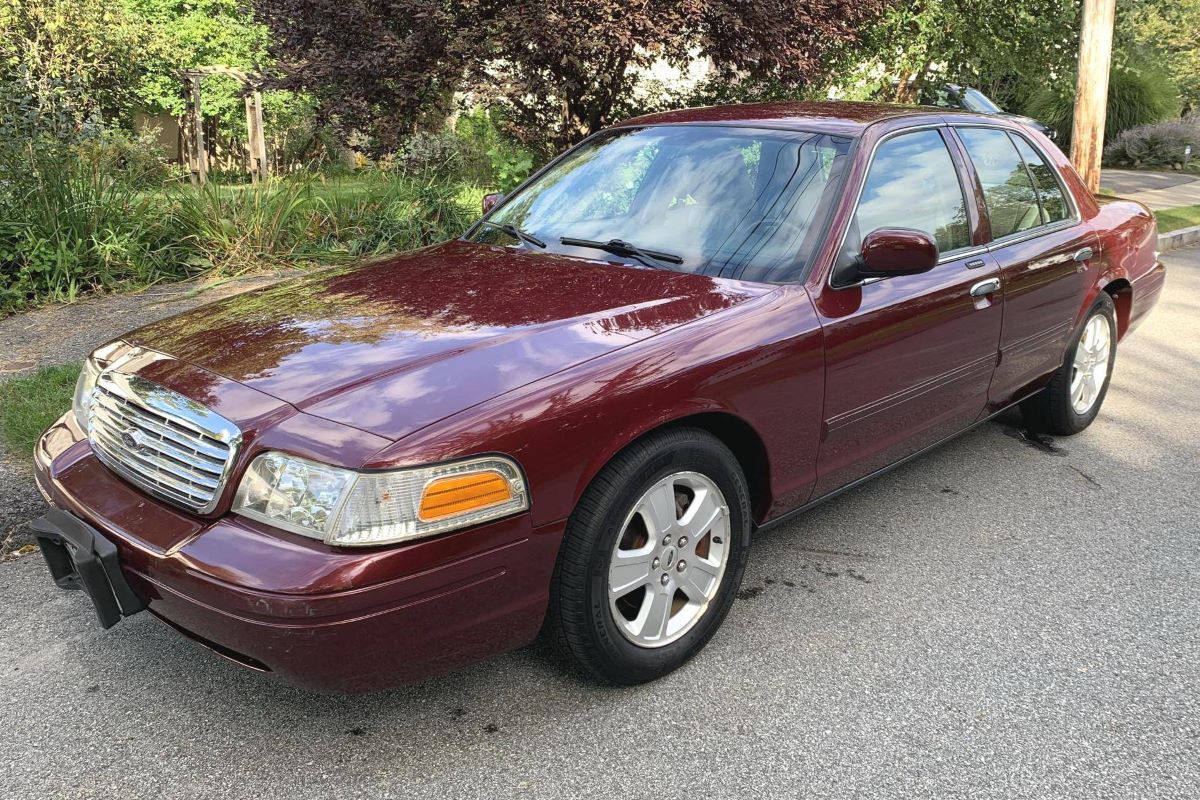
The Ford Crown Victoria, especially those equipped with the 4.6L Modular V8 engine, is known for its durability and long service life. Popular among taxi and police fleets, the Crown Vic was designed to handle hundreds of thousands of miles of continuous use without major mechanical failures, including head gasket problems. The engine’s robust construction and conservative tuning contribute to its ability to pass the 200,000-mile threshold with minimal risk of head gasket failure.
The 4.6L Modular V8 engine has cast iron blocks and heads, which offer excellent thermal stability and reduce the risk of warping that could compromise the head gasket seal. This material choice helps the engine manage heat well, despite being a V8 with relatively high power output. The cooling system is also highly efficient, designed for heavy-duty use, which keeps operating temperatures stable and prevents overheating.
Routine maintenance such as regular coolant flushes and timing chain inspections are essential, but when performed consistently, these steps ensure that the Crown Victoria remains a reliable workhorse for many miles. The engine’s simplicity and ruggedness make it less prone to unexpected failures compared to some modern, more complex powertrains.
Owners of Crown Victoria vehicles frequently report very few head gasket issues even at very high mileage. Its reputation as a fleet vehicle means parts availability and service knowledge are widespread, helping to keep repair costs low and making it an attractive choice for drivers who prioritize durability and long-term reliability.
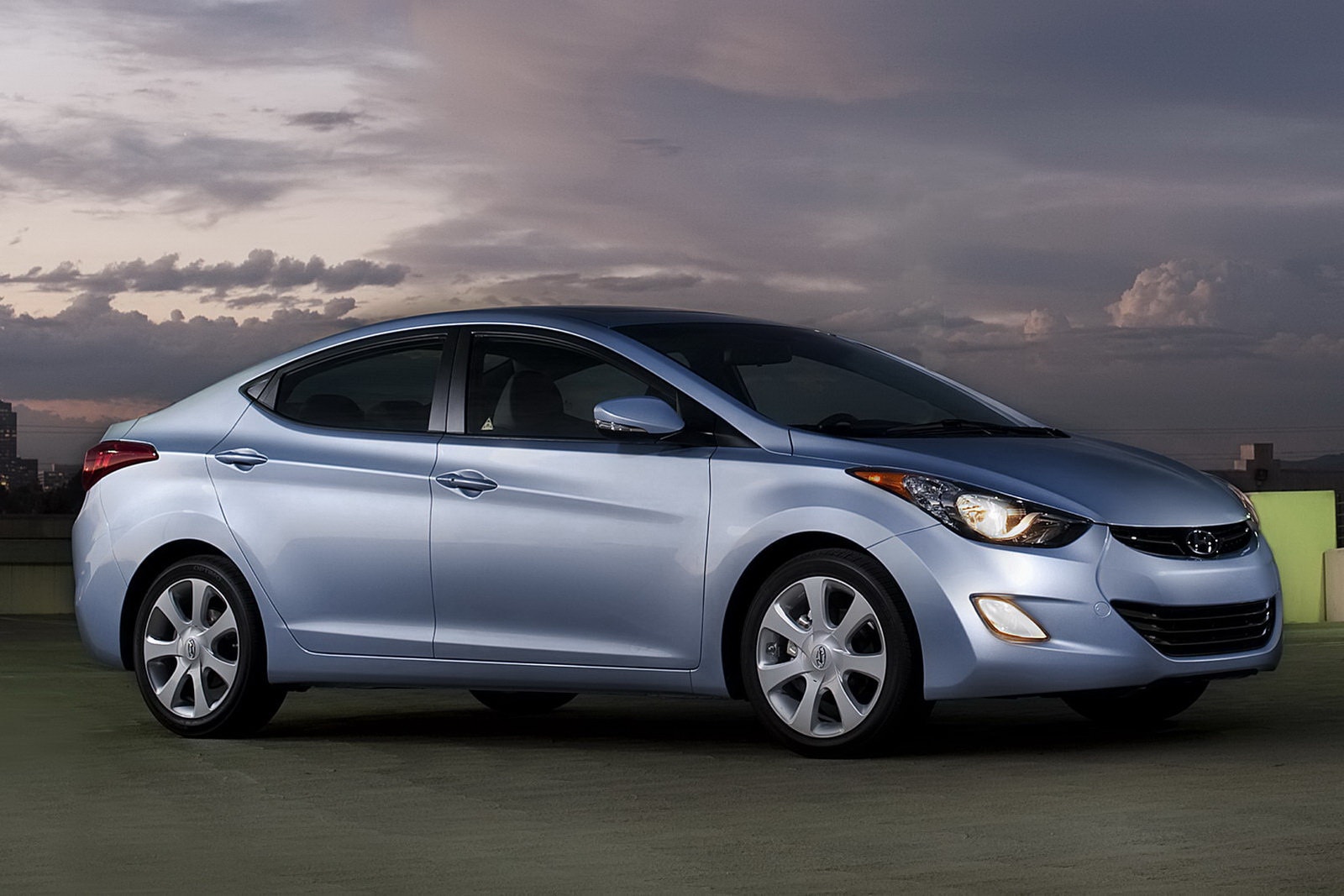
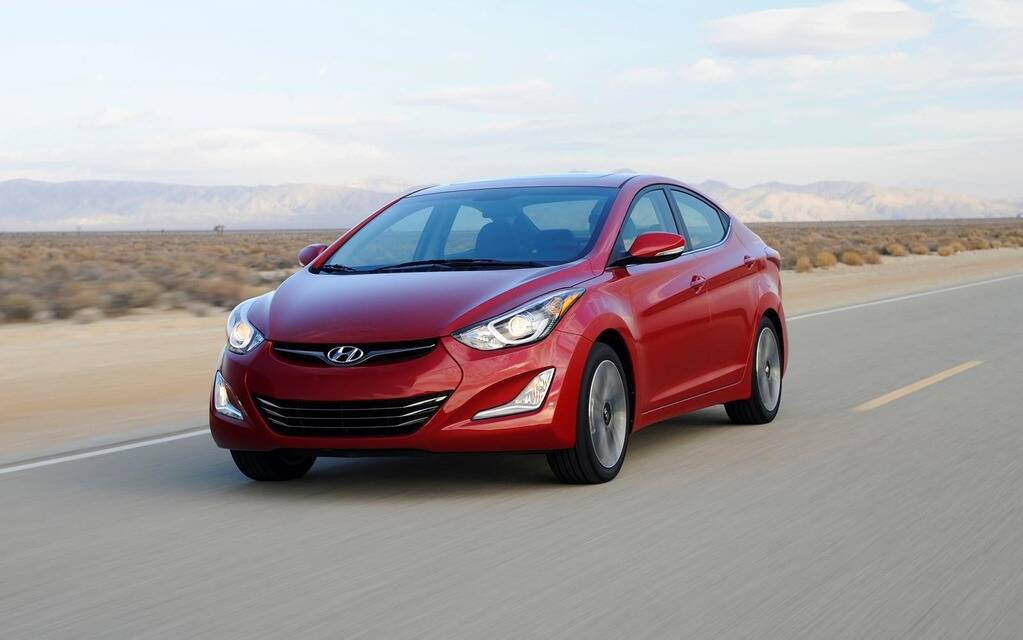
9. Hyundai Elantra (2011 and Later)
The Hyundai Elantra models from 2011 onwards have shown significant improvement in engine reliability compared to earlier generations. The 1.8L and 2.0L engines in these vehicles benefit from Hyundai’s renewed focus on quality and durability. The head gaskets in these engines tend to hold up well past 200,000 miles, provided the vehicle has been maintained properly. These improvements came after Hyundai invested heavily in engineering and manufacturing processes to reduce earlier issues that once plagued their engines.
The engines in the newer Elantras feature enhanced cooling pathways and better gasket materials that improve sealing under pressure and heat. Hyundai also improved the torque specifications for head bolts and revised gasket designs to reduce the chance of leaks or failures. The combination of these factors makes it possible for the engines to operate reliably over extended periods.
Owners who maintain the cooling system and perform regular oil changes typically find the Elantra’s engine to be very dependable. Overheating is less common in these models, reducing one of the main triggers for head gasket damage. As a result, the likelihood of a blown gasket before 200,000 miles is quite low.
These advancements have helped change the perception of Hyundai as a manufacturer of reliable, long-lasting vehicles. The Elantra, in particular, is now frequently recommended as a budget-friendly car that can provide many years of trouble-free driving with minimal risk of costly engine repairs.
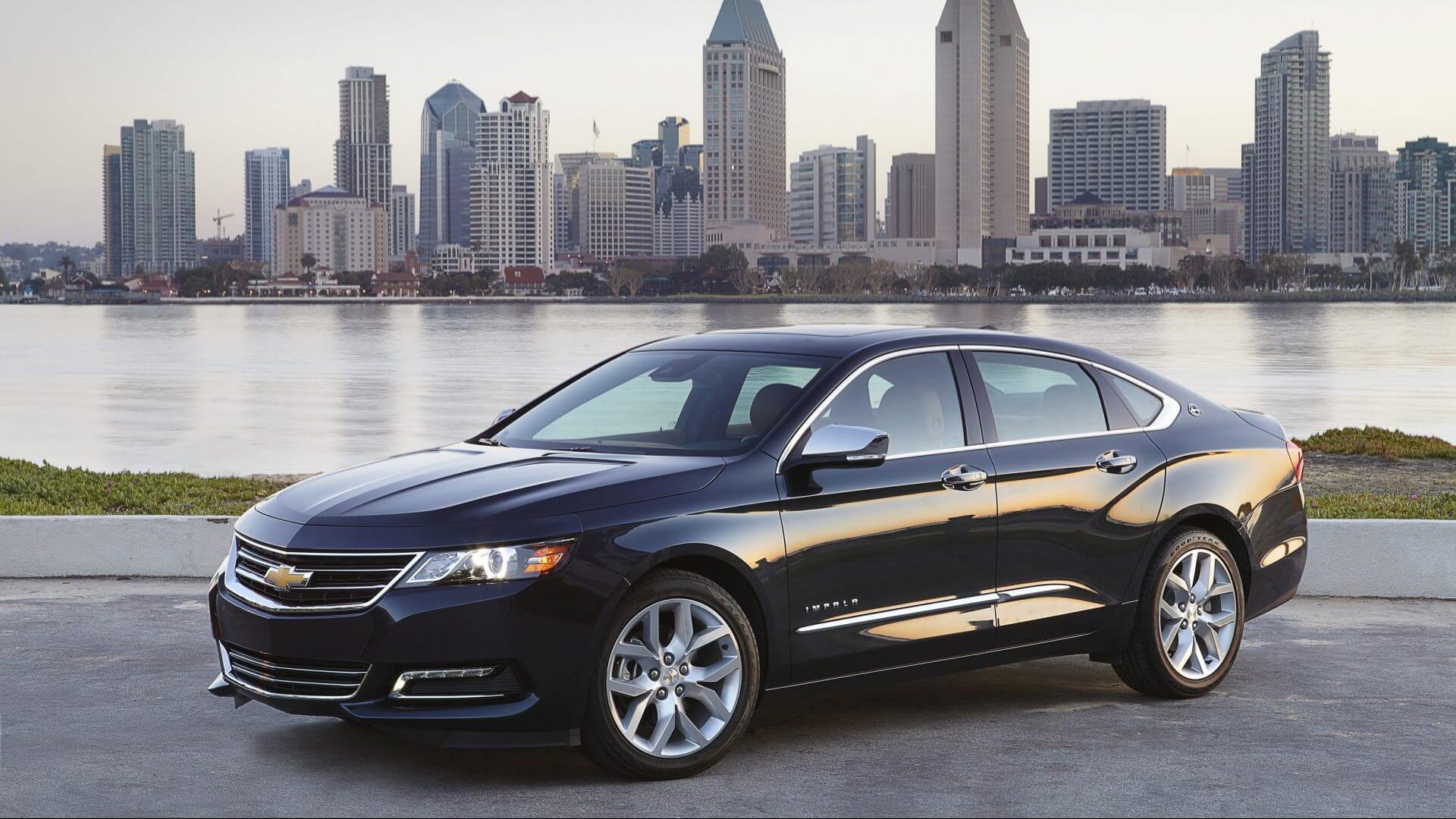
10. Chevrolet Impala (3.8L V6 Models)
The Chevrolet Impala equipped with the 3.8L V6 engine is another solid example of a vehicle that rarely experiences head gasket issues before reaching 200,000 miles. This engine, known as the Buick 3800 series, has a long history of dependability and durability. Its design includes cast iron blocks and heads with reliable gasket materials that have stood the test of time. Many Impala owners have reported hitting high mileage without significant engine repairs.
The 3.8L V6 engine manages heat well and operates efficiently without excessive pressure on the head gasket. Its conservative power output and robust construction mean that it does not run at extreme temperatures or stresses that would accelerate gasket wear. The engine’s cooling system is also known to be effective at maintaining safe operating temperatures in a variety of conditions.
Routine maintenance and proper care remain essential, but with consistent attention to coolant levels, oil changes, and timing belt replacements, this engine remains highly reliable. It is common to find Impalas with the 3.8L V6 still running strong after 200,000 miles, with the head gasket intact and no major issues.
This engine’s long reputation for toughness makes the Chevrolet Impala a popular choice among buyers looking for a full-size sedan that can last a long time without expensive repairs. The 3.8L V6 powertrain offers a good balance of performance, economy, and durability that few other engines in this class can match.
Also Read: 5 Cars with Lifetime Drive Shafts vs 5 with U-Joint Failures
A head gasket failure can quickly turn what seemed like a dependable car into a costly headache. For drivers focused on long-term reliability and lower maintenance expenses, picking a vehicle with a proven history of avoiding such failures is essential.
The ten cars discussed here are excellent examples of models that combine thoughtful engineering, durable materials, and solid cooling systems to minimize the chances of head gasket problems even after 200,000 miles of use. Their track records offer peace of mind and demonstrate that it’s possible to find a vehicle that can provide decades of dependable service without major engine issues.
Many factors contribute to a car’s ability to avoid head gasket failure. Proper thermal management stands out as a key element. Engines that run cooler, or maintain stable operating temperatures, put less strain on the gasket material. This helps prevent warping or cracking between the cylinder head and engine block.
Additionally, manufacturers that invest in high-quality gasket materials and design their engines to minimize extreme pressure spikes tend to have fewer problems over time. Vehicles that avoid turbocharging or high-performance tuning often benefit from lower stress on internal components, contributing to longer gasket life.
Regular maintenance also plays an important role in preventing head gasket failure. Coolant changes, radiator upkeep, and timely repairs to water pumps or thermostats help keep the cooling system working as intended. Neglecting these elements increases the risk of overheating, which is the main cause of gasket damage.
Many of the vehicles on this list are easy to maintain and have widespread parts availability, making it easier for owners to keep up with preventive care that protects the engine’s integrity.
The models included represent a range of vehicle types and manufacturers, but all share a reputation for toughness and reliability. The Toyota Camry and Corolla continue to impress with their conservative engine tuning and strong manufacturing standards.
Honda’s Accord and Civic show how smart engineering and material choices can build an engine that stands the test of time. Subaru’s non-turbo Outback and Mazda’s Skyactiv engines demonstrate that balanced design can deliver both performance and durability. Meanwhile, vehicles like the Ford Crown Victoria and Chevrolet Impala offer rugged, proven V8 and V6 engines that rarely suffer gasket woes.
In the end, the decision to purchase a vehicle should consider these reliability factors alongside personal preferences and needs. While no engine is immune to problems, choosing one with a solid reputation for avoiding head gasket failure is a wise step toward long-term satisfaction.
These ten cars have shown that with proper care and design, engines can endure well past 200,000 miles, giving owners confidence and value for many years. For those prioritizing durability and peace of mind, these models remain some of the best choices on the market.
