
Many drivers know the frustration of sitting behind the wheel, turning the key or pressing the start button, and hearing nothing more than a weak click or slow crank after the vehicle has been parked for days.
Whether it’s a second car in the household, a weekend cruiser, or a daily driver in a busy life that sometimes goes unused, a car that refuses to start after sitting idle is a major inconvenience.
This issue often forces owners to call for roadside assistance, jump-start their battery, or perform time-consuming troubleshooting before they can begin their journey.
More than just an annoyance, frequent starting issues can indicate underlying mechanical or electrical problems that may lead to costly repairs if ignored. As a result, choosing a car known for its ability to start reliably, even after extended periods of inactivity, offers significant peace of mind.
The problem of a car not starting after sitting still for a week or more can stem from various causes. Batteries lose charge over time, especially in colder or hotter climates, or if the car has parasitic electrical drains from aftermarket devices or factory-installed systems like alarm sensors or infotainment units.
Fuel systems can also be a culprit; in older or poorly maintained vehicles, fuel tends to degrade or evaporate, causing difficulties during startup. Additionally, ignition components like spark plugs and coils can deteriorate or become fouled, particularly if the vehicle isn’t regularly driven.
Cars that combine robust design, advanced fuel injection systems, well-maintained electrical components, and smart engine management software tend to mitigate these issues, providing a start-up experience that is both quick and dependable, regardless of the downtime.
The following twelve vehicles are recognized for their remarkable reliability in starting instantly after sitting idle for a week or longer. These models cover a broad range of styles and sizes, from efficient sedans and luxury crossovers to rugged trucks and versatile SUVs.
What connects these cars is not just their general reputation for dependability but specifically their ability to avoid common startup pitfalls, including battery drainage, fuel system complications, and ignition difficulties.
Each vehicle has features or engineering characteristics that help preserve battery life, maintain fuel quality, and optimize ignition timing, ensuring the driver can turn the key or push the start button with confidence even after days of non-use.
Understanding why these particular cars excel in this area is useful for anyone considering a new vehicle purchase or maintaining an existing one. Beyond manufacturer specifications, owner experiences and anecdotal evidence often confirm that some cars perform noticeably better when it comes to reliable starting after sitting.
These reliable starters reduce stress and increase convenience, particularly for people with irregular driving patterns or those living in areas with challenging weather conditions. The detailed profiles below offer insight into what makes these twelve cars stand out, helping you identify a model that aligns with your needs and lifestyle.
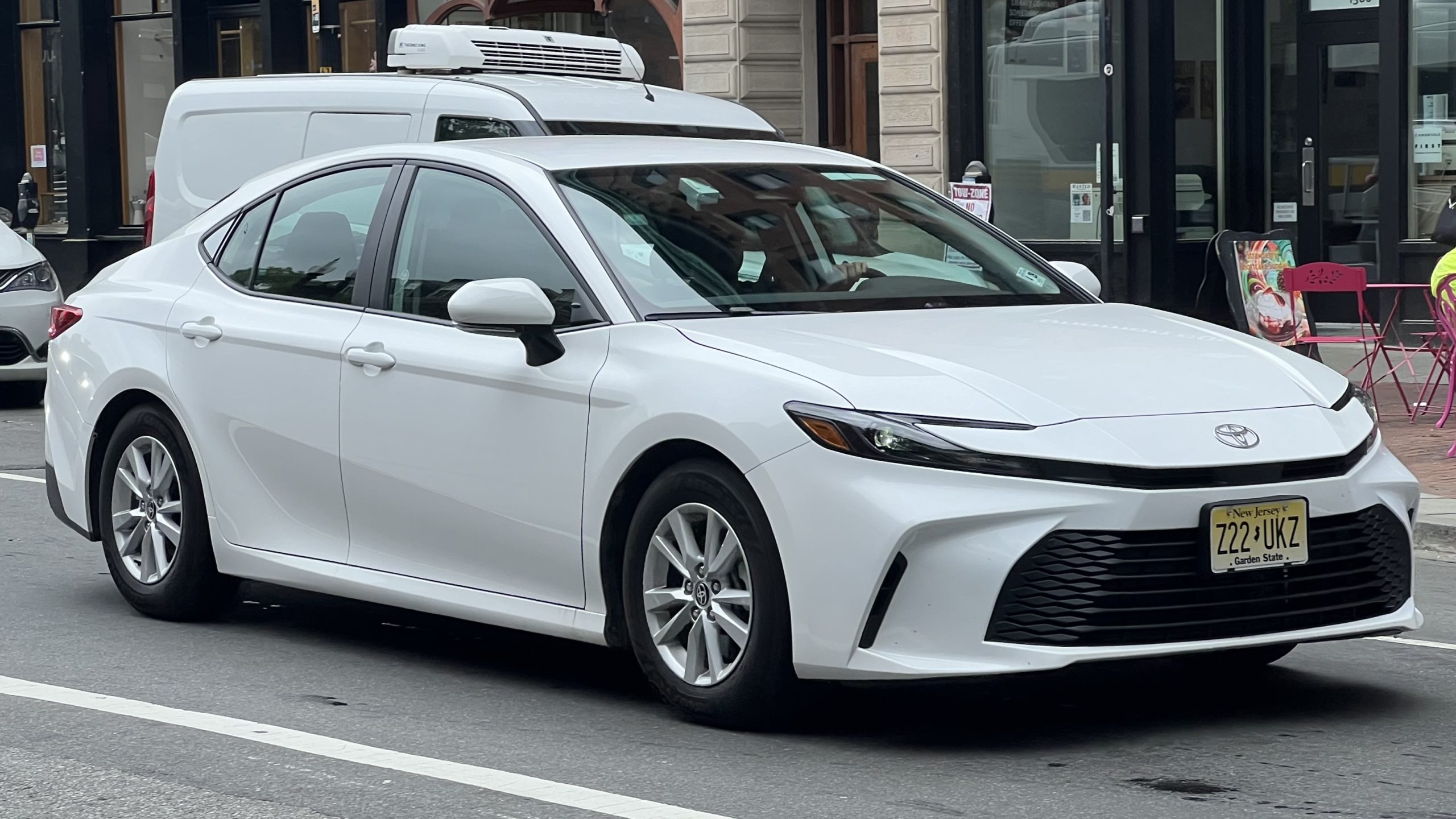
1. Toyota Camry
The Toyota Camry has long been regarded as a benchmark for reliability and practicality in the midsize sedan segment. One of its standout features is its ability to start instantly, even after sitting idle for an entire week or more.
This trait is largely due to the combination of Toyota’s carefully engineered fuel injection system and an efficient electrical system designed to minimize battery drain.
The Camry’s fuel injection ensures that fuel remains fresh and is delivered in the precise amounts needed during startup, preventing common problems like fuel vapor lock or stale fuel buildup that might otherwise cause slow or difficult starts.
Moreover, Toyota’s attention to quality manufacturing ensures that components like fuel pumps and injectors maintain their function consistently over time, contributing to the Camry’s reputation for dependable starts.
Beyond fuel system engineering, the Camry’s battery and charging system are built with the everyday driver in mind, especially those who might leave their car parked for days at a time.
The alternator is efficient at keeping the battery charged during use, and the vehicle’s electrical architecture limits parasitic drain, the slow depletion of battery charge caused by electronics drawing power while the car is off.
Toyota integrates smart power management technologies and solid battery models that retain charge better than many competitors, allowing the Camry to deliver strong crank power even after extended periods of inactivity. This means owners rarely need to worry about jump-starting or replacing batteries prematurely due to regular periods of non-use.
Another critical aspect of the Camry’s quick start performance is the engine control module (ECM), which plays a central role in managing ignition timing, fuel delivery, and air intake during startup. The ECM adjusts the engine’s behavior to accommodate changes in temperature and idle time, ensuring smooth combustion from the moment the engine fires.
This dynamic adjustment reduces the strain on the starter motor and results in less cranking time, which translates to a quick, clean start. These intelligent adjustments also help prevent excessive wear on engine components, further enhancing the vehicle’s long-term reliability.
Toyota’s focus on build quality and consistency means that many Camrys remain reliable and ready to start even after years of ownership and varied usage patterns. Whether parked in a garage or outside in different climates, the Camry’s design and engineering ensure it can be counted on to fire up without hesitation.
This characteristic makes it a preferred choice for drivers who value dependability and minimal hassle when starting their vehicle after a week or longer of downtime.
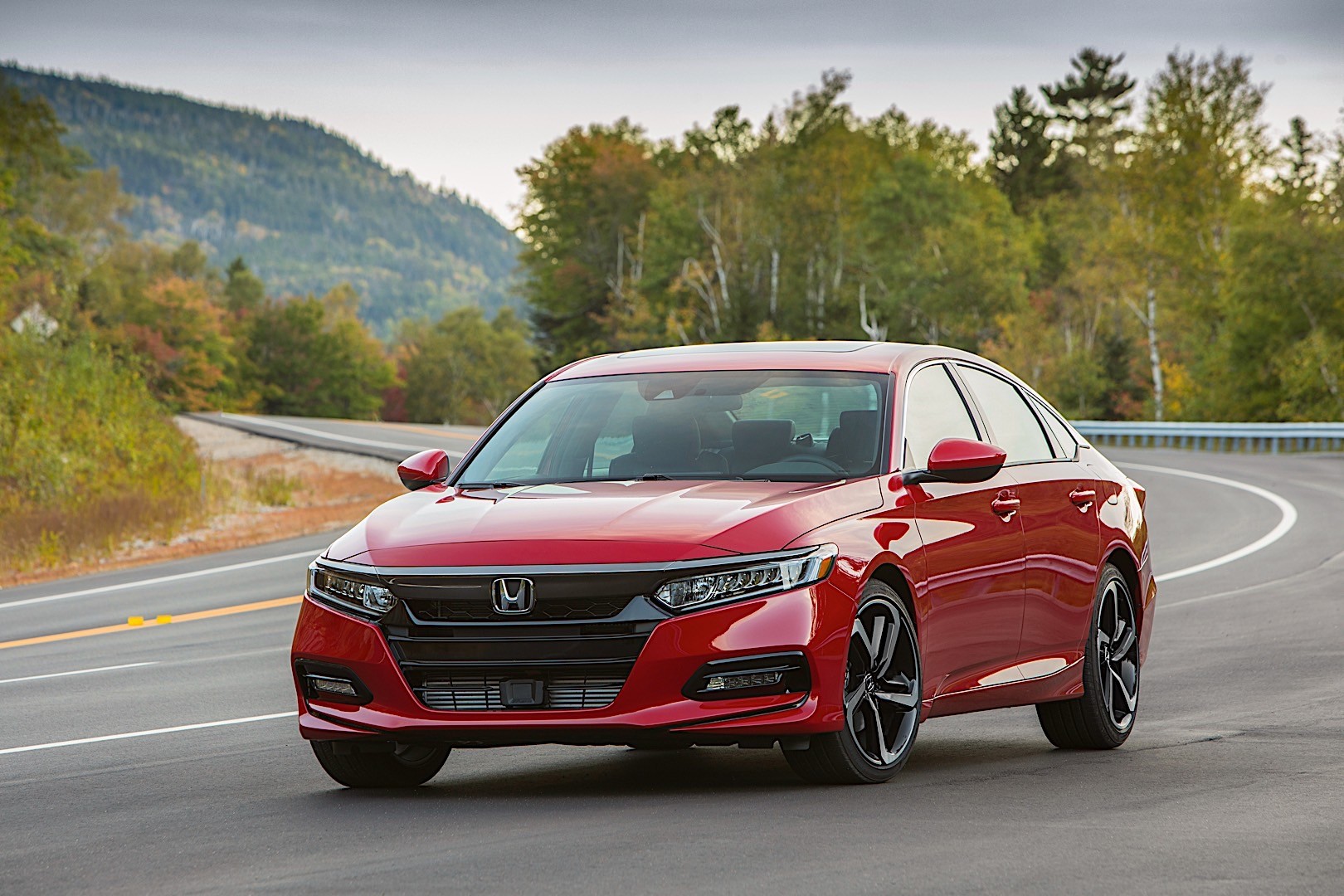
2. Honda Accord
The Honda Accord is another midsize sedan widely praised for its dependable starting performance, especially after being parked unused for several days. Honda’s engineering philosophy emphasizes durability and efficiency, and this extends to its fuel delivery and ignition systems.
The Accord’s electronic fuel injection system is designed to maintain fuel quality by preventing evaporation and contamination, ensuring that fuel reaches the combustion chamber in optimal condition.
This technology greatly reduces the likelihood of vapor lock or fuel clogging, issues that commonly plague older or poorly maintained vehicles after sitting idle. As a result, the Accord reliably provides a consistent fuel supply that enables smooth and immediate ignition.
The electrical system in the Accord is similarly designed to support infrequent use without compromising startup reliability. Honda integrates advanced battery management technology that reduces parasitic drain from accessories and onboard electronics when the vehicle is off.
Modern Accords often feature battery sensors that monitor and regulate battery health, alerting owners to potential issues before they cause a failure. This system, combined with the use of high-quality batteries and alternators, ensures that the car’s battery remains sufficiently charged to provide the necessary power for a quick start, even after days of no driving.
In addition to hardware, the Accord’s engine control unit plays a vital role in adjusting engine parameters during startup. The system continuously monitors ambient temperature, engine temperature, and other factors to optimize ignition timing and fuel injection.
This adaptive response minimizes crank times and helps the engine reach stable idle conditions rapidly. The ignition system itself, including spark plugs and coils, is built to last and consistently generate strong sparks that ignite the air-fuel mixture efficiently, even after the vehicle has been sitting for a week or more.
Owners of the Honda Accord frequently cite its ease of starting as one of its key strengths. The combination of intelligent fuel and electrical management, paired with durable ignition components, contributes to an ownership experience free from common startup frustrations.
This makes the Accord a favorite among those who may not drive daily but require a vehicle that will start instantly when called upon.

3. Subaru Outback
The Subaru Outback is recognized for its rugged design, all-wheel drive capabilities, and reliable engine performance, including its ability to start without delay after extended periods of inactivity. The Outback features a unique boxer engine layout that contributes to balance and efficiency, but equally important is its advanced fuel injection system.
This system ensures that fuel remains stable and is injected with precision, avoiding common startup problems like clogged injectors or fuel line blockages that can develop when a vehicle sits unused. Subaru’s engineering focuses on maintaining clean fuel pathways and stable pressure, which promotes immediate engine firing after days of non-use.
Subaru also pays close attention to its electrical system design. The Outback’s battery and alternator are sized and optimized to maintain charge levels longer when the vehicle is off.
The company minimizes parasitic electrical loads through careful design and circuitry that disables unnecessary systems when the car is parked. This strategic management of electrical power ensures that the battery can deliver enough energy to the starter motor for a quick and effective ignition, reducing the risk of a no-start condition after a week or more of parking.
An essential part of the Outback’s ability to start reliably lies in its onboard computer, which controls fuel injection and ignition timing dynamically. This computer takes into account factors such as ambient temperature, engine temperature, and time since last start to fine-tune combustion parameters for optimal performance.
This system helps the vehicle avoid extended cranking times and reduces strain on starting components. The high quality of ignition coils and spark plugs, along with regular maintenance, further supports dependable starting performance.
Subaru Outback owners often praise the vehicle’s readiness and reliability, noting that it rarely suffers from the typical startup issues experienced by other cars after sitting idle. This makes the Outback especially attractive for drivers who live in rural or variable weather conditions where the car may not be used daily, but must perform reliably every time it is started.
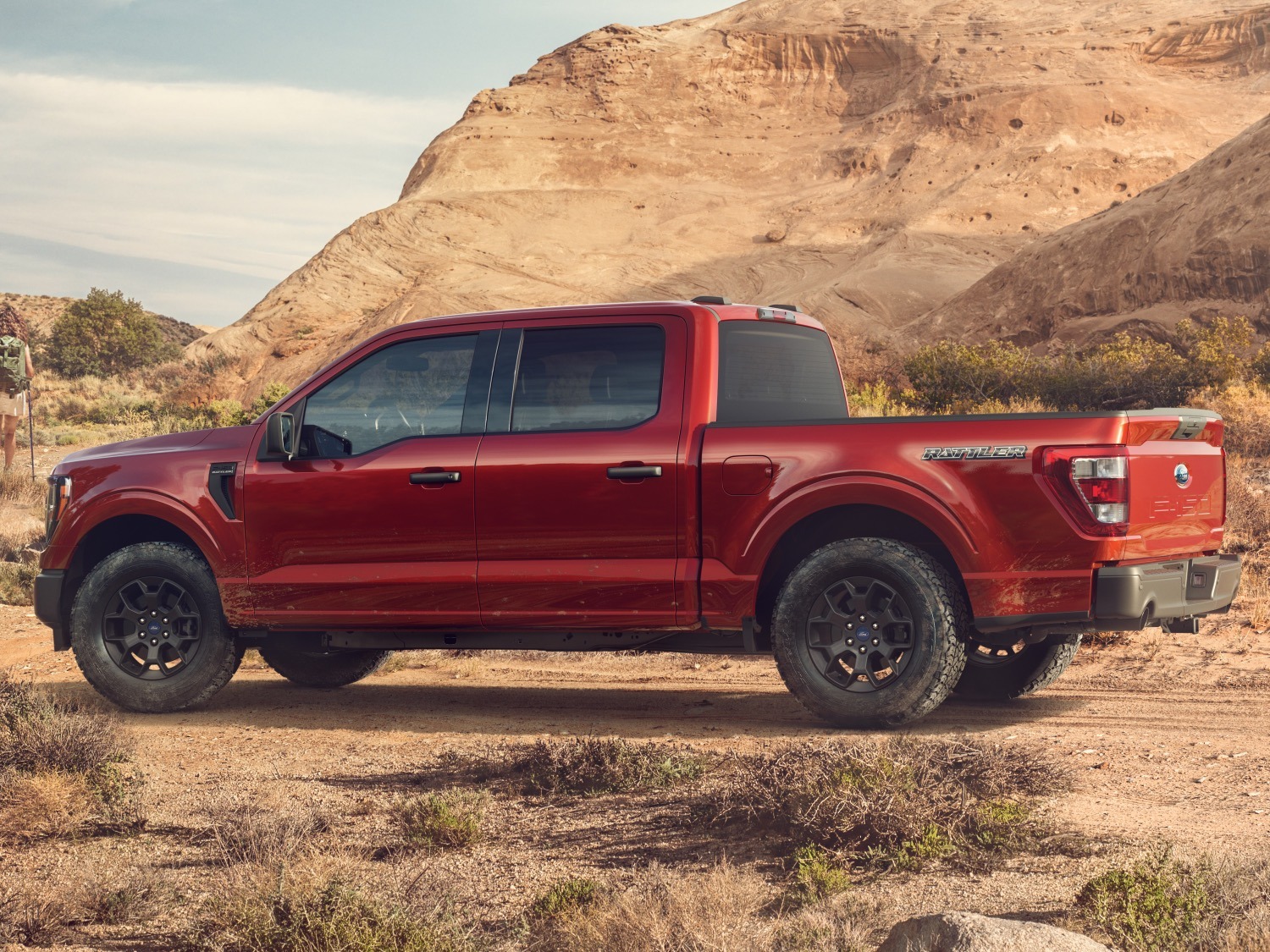
4. Ford F-150
The Ford F-150 has earned its reputation as a durable and dependable full-size pickup, and part of that reputation is its ability to start promptly after sitting idle for days. The truck is equipped with a well-engineered fuel injection system that maintains fuel quality and prevents issues such as stale fuel or vapor lock.
This system ensures that, when the ignition is engaged, fuel is delivered in the right quantity and pressure for immediate combustion. The F-150’s fuel system components are built to endure heavy-duty use and long periods of inactivity without degradation that could impair starting.
Electrical reliability is a key factor for the F-150’s quick start performance. The battery and alternator are designed to sustain charge levels over time, even when the truck is parked. Ford implements power-saving strategies that reduce battery drain caused by onboard systems such as alarm modules, keyless entry systems, and infotainment devices.
These features help keep the battery ready to provide strong starting power after several days without driving. Additionally, the F-150 typically uses heavy-duty starter motors and ignition components capable of withstanding demanding conditions and infrequent use.
The truck’s large displacement engines provide inherent advantages in reliable starting. A higher compression ratio and robust fuel delivery allow the engine to achieve combustion more easily, even after extended downtime.
The engine management system plays a crucial role in regulating fuel injection timing and ignition spark to maximize start-up efficiency. This helps minimize crank times and reduces the likelihood of starting problems, such as flooding or misfires.
Many F-150 owners, especially those who use their trucks as secondary or work vehicles, appreciate the confidence that their truck will start immediately, regardless of how long it has been sitting. The combination of rugged construction, smart fuel and electrical system management, and durable components makes the Ford F-150 a preferred choice for those seeking a vehicle ready for instant use at any time.

5. Chevrolet Silverado
The Chevrolet Silverado is another heavyweight when it comes to full-size pickups that start reliably after sitting unused for days. Its engineering focuses on providing both power and endurance, which extends to how the fuel and electrical systems are designed to maintain optimal performance even during long idle periods.
The Silverado employs a modern fuel injection system that keeps fuel flowing smoothly and cleanly, preventing issues like clogged injectors or fuel evaporation that could hinder startup. This attention to fuel system integrity means that drivers can expect the engine to fire up quickly, even after a week or more without operation.
In addition to fuel management, the Silverado’s electrical system is built to support the power needs of the vehicle while minimizing unnecessary battery drain when the engine is off. The battery used in Silverado trucks is typically high-capacity and paired with an alternator that efficiently replenishes charge during operation.
Chevrolet engineers have implemented smart power management that disables non-essential systems during downtime, preserving battery life and ensuring there is sufficient power available to crank the engine immediately upon ignition. This design reduces the frequency of jump-start scenarios and contributes to the truck’s reputation for dependability.
The Silverado’s ignition system complements its fuel and electrical components, employing durable spark plugs and reliable ignition coils engineered to deliver consistent sparks needed for combustion, even after extended downtime.
The onboard engine control module constantly adjusts parameters such as spark timing and air-fuel mixture, tailoring these for optimal starting conditions regardless of external factors like ambient temperature or fuel age. This ensures the engine runs smoothly from the moment it starts, with minimal cranking or hesitation.
Many Silverado owners who use their trucks for work, towing, or recreational purposes appreciate the peace of mind that comes with knowing their vehicle will start immediately, regardless of how long it’s been parked.
The combination of rugged components, intelligent systems, and quality engineering means the Silverado can be relied upon to perform in demanding conditions without the common frustrations associated with hard starts after extended idle periods.
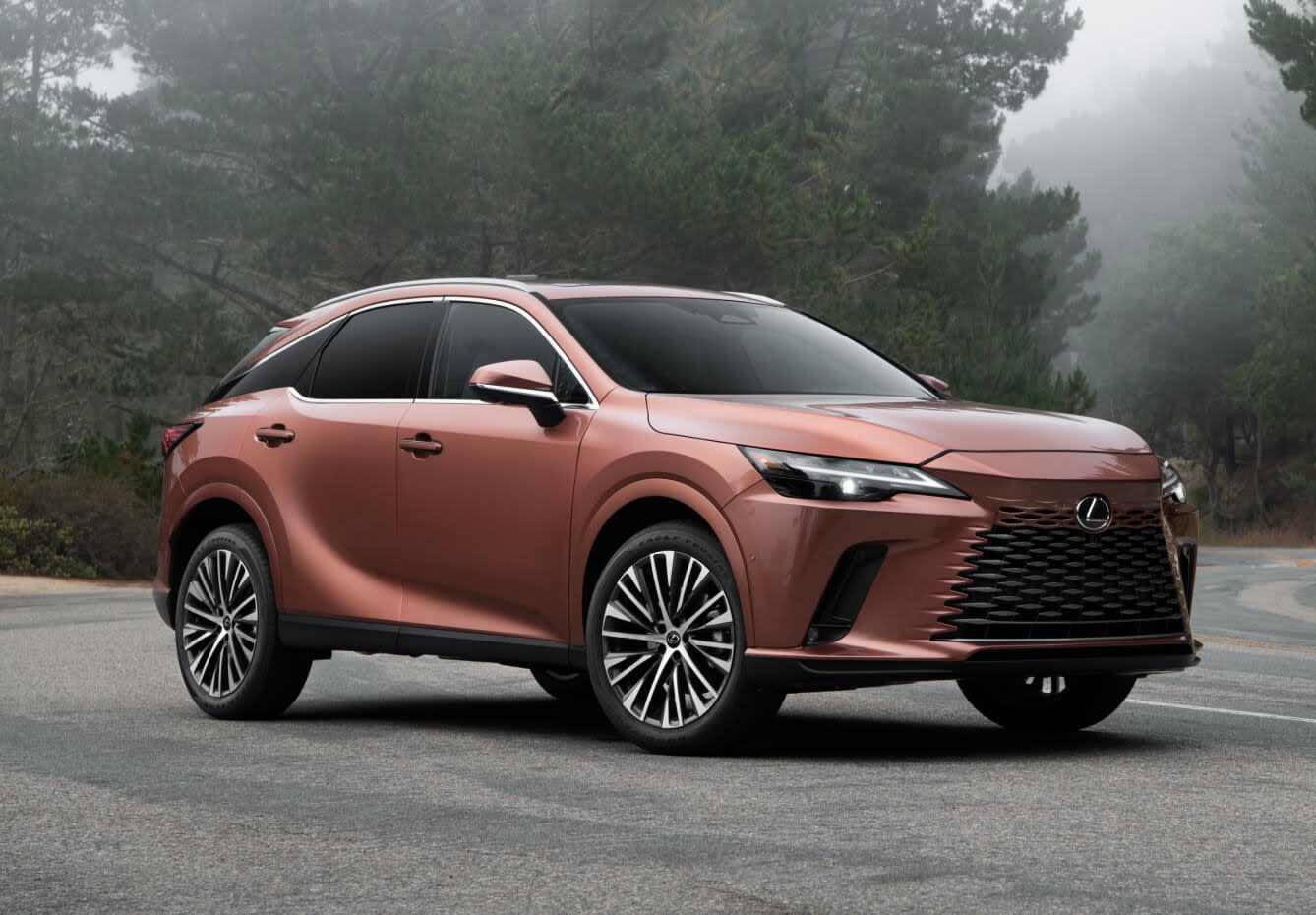
6. Lexus RX
The Lexus RX is a luxury midsize SUV known for blending comfort with impressive reliability, including the ability to start quickly even after sitting unused for an entire week. Lexus, as Toyota’s luxury brand, builds upon Toyota’s reputation for dependable engineering, but adds enhanced components and technologies aimed at ensuring seamless vehicle operation.
The RX features an advanced fuel injection system designed to maintain fuel quality and consistency, reducing issues like fuel degradation or vapor lock which can make startup difficult. This system guarantees that fuel delivery is precise, enabling the engine to ignite quickly and smoothly regardless of how long the car has been parked.
The electrical system in the Lexus RX benefits from sophisticated battery management technology and high-quality batteries that retain charge efficiently. Lexus vehicles often include features like battery sensors and energy recovery systems that regulate the vehicle’s power consumption when it is off, limiting parasitic drain.
These smart features ensure the battery remains adequately charged and ready to deliver the power needed for a quick start. Additionally, the RX’s alternator works effectively to replenish battery life during driving, supporting consistent electrical system health over the vehicle’s lifespan.
Another important factor in the RX’s reliable startup is the vehicle’s engine control system, which continuously monitors multiple sensors to optimize ignition timing and fuel injection based on temperature, humidity, and time elapsed since the last start.
This allows the RX to adapt its engine behavior to maintain fast and clean starts, reducing crank time and improving engine life. The ignition components themselves, such as spark plugs and coils, are engineered for longevity and dependable performance even after long intervals of inactivity.
Owners of the Lexus RX often note that their vehicle starts without hesitation, providing a smooth and quiet startup experience that aligns with the SUV’s luxury appeal. This capability makes the RX especially appealing to drivers who appreciate a combination of comfort, style, and rock-solid reliability, even when the vehicle sits unused for extended periods.

7. Mazda CX-5
The Mazda CX-5 is a compact crossover SUV that has gained popularity for its sporty handling, fuel efficiency, and dependable engineering. One of the qualities that Mazda emphasizes is the CX-5’s ability to start instantly after sitting idle for several days.
This is largely thanks to Mazda’s Skyactiv technology, which integrates advanced fuel injection and ignition systems designed to optimize combustion efficiency and engine responsiveness. The precise fuel delivery system prevents problems like fuel degradation or vapor lock, enabling consistent fuel flow that supports reliable startups even after a week or longer of non-use.
Mazda pays special attention to the CX-5’s electrical system by equipping it with batteries that maintain a stable charge and an alternator designed for efficient energy recovery. The vehicle’s electrical architecture limits power consumption from non-essential systems when parked, thereby reducing parasitic battery drain.
This careful management ensures that the battery has enough stored energy to crank the engine effectively, avoiding the frustration of a slow or failed start that can occur in vehicles with less optimized systems.
The CX-5’s engine control module is also key to its dependable startup performance. It adjusts fuel injection timing, spark intensity, and air intake based on current conditions such as engine temperature and ambient environment.
These adjustments help the engine achieve combustion quickly and consistently, minimizing the time spent cranking. Furthermore, Mazda’s use of high-quality ignition coils and spark plugs contributes to generating a strong, reliable spark for clean ignition, even after extended inactivity.
Drivers who own the Mazda CX-5 often appreciate its readiness and reliability, finding that it starts immediately without hesitation regardless of parking duration. This makes the CX-5 an excellent choice for people who may not drive every day but need a vehicle that is dependable, efficient, and ready to go at a moment’s notice.
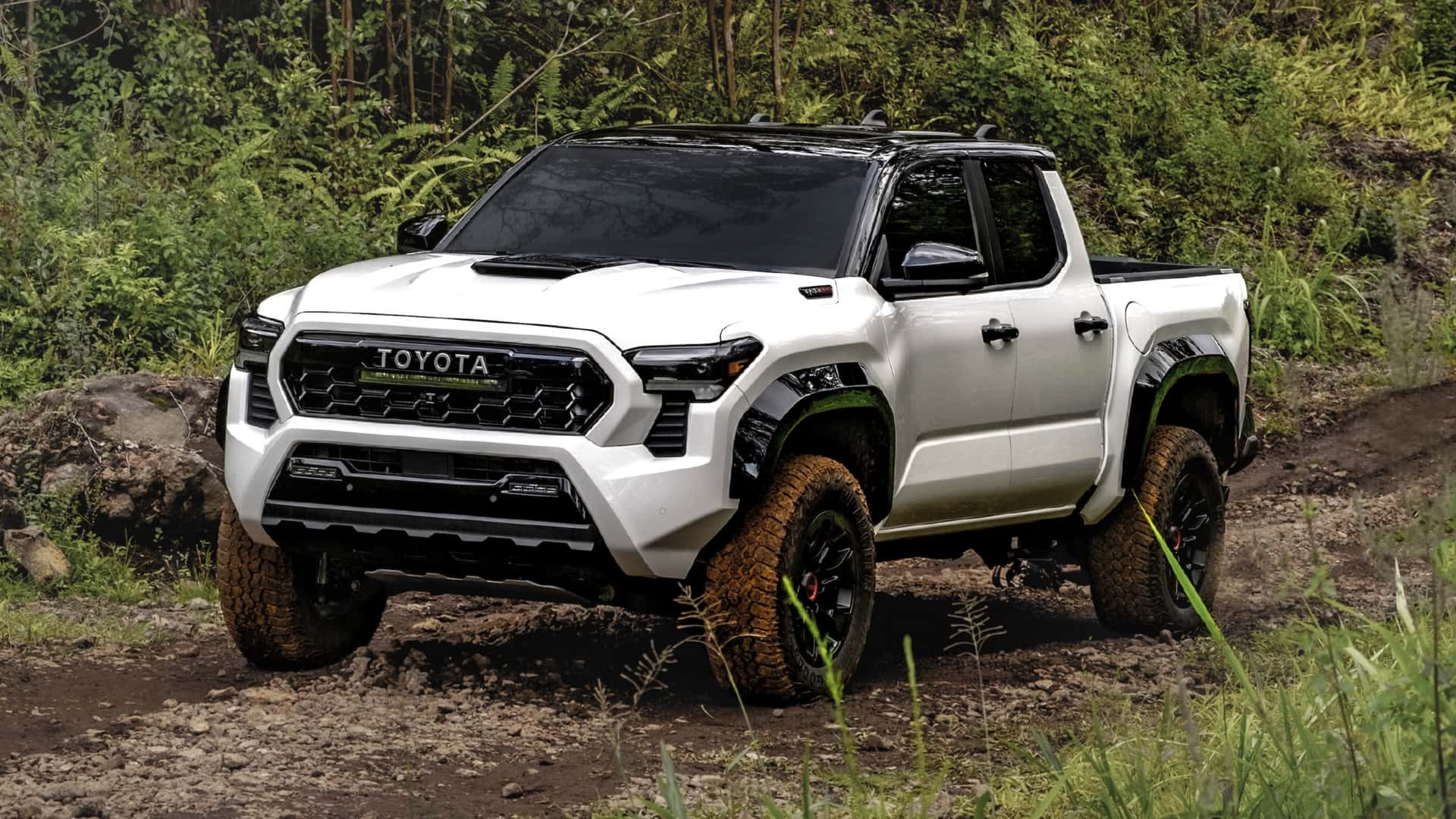
8. Toyota Tacoma
The Toyota Tacoma is a midsize pickup truck renowned for its rugged durability and exceptional reliability. A key part of Tacoma’s reputation is its ability to start instantly, even after being parked for a week or more.
This is primarily due to Toyota’s efficient fuel injection system that preserves fuel freshness and ensures the proper air-to-fuel mixture reaches the engine during startup. The Tacoma’s fuel system avoids common issues like vapor lock or stale fuel buildup that can delay ignition, enabling consistent and dependable starts in various conditions.
The electrical system in the Tacoma is engineered to support frequent starts after extended downtime. The battery and alternator combination is robust and reliable, designed to hold a strong charge over longer periods.
Toyota’s engineers have minimized parasitic electrical drain through smart wiring and control modules, ensuring that the battery retains sufficient power to start the engine immediately when needed. This means fewer instances of dead batteries and reduced dependency on jump starts or battery replacements for owners who don’t use their trucks daily.
Additionally, the Tacoma’s ignition system is built for durability and consistency. High-quality spark plugs, ignition coils, and a responsive engine control unit work in tandem to provide precise ignition timing and fuel delivery. This intelligent system adapts to changing environmental conditions, optimizing startup performance and ensuring the engine fires cleanly and quickly even after a prolonged period of inactivity.
Owners of the Toyota Tacoma appreciate that the truck starts reliably in a variety of situations, from weekend recreational use to worksite downtime. This reliability combined with its off-road capability and strong build makes the Tacoma a favorite among those who need a vehicle that performs without hesitation regardless of parking duration.
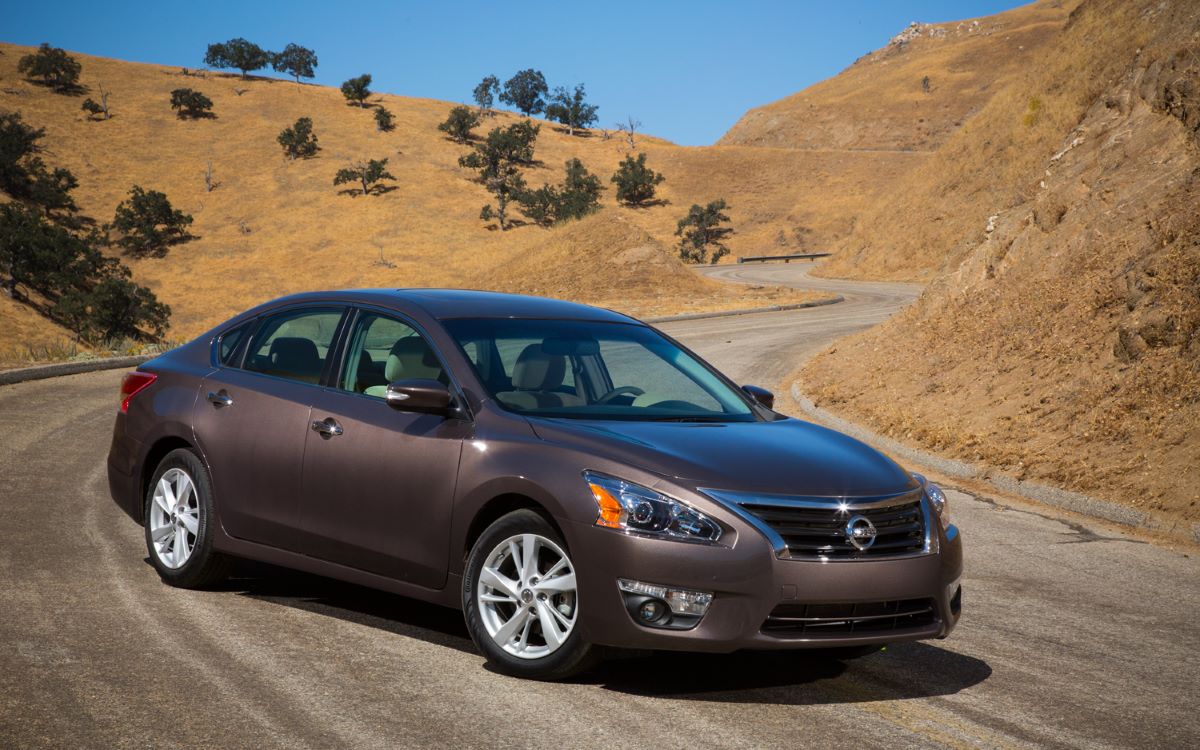
9. Nissan Altima
The Nissan Altima is a popular midsize sedan that combines comfort and technology with a reputation for reliable starting performance after extended idle periods. The Altima’s fuel injection system is designed to maintain fuel quality and prevent common startup issues such as vapor lock or clogged injectors.
By ensuring a steady and clean supply of fuel, the Altima can start smoothly and quickly after sitting unused for a week or more. This makes it particularly well-suited for drivers who may not drive every day but want a vehicle ready when needed.
Nissan’s electrical system design for the Altima incorporates efficient battery management that reduces parasitic drain during parking. The vehicle uses quality batteries paired with alternators capable of quickly restoring charge during operation.
Additionally, the Altima’s onboard systems are designed to minimize power consumption when off, helping preserve battery life and ensuring a strong cranking current for fast engine starts. This reduces the risk of a dead battery caused by prolonged inactivity.
The Altima’s engine control module plays a vital role in ensuring rapid and reliable startup. By continuously adjusting ignition timing, fuel injection, and air intake based on sensor data, it optimizes combustion efficiency and reduces crank time. The ignition system itself is reliable and durable, with spark plugs and coils built to perform consistently even after extended downtime.
Altima owners often note the car’s readiness and reliability, appreciating how it starts promptly without fuss. This makes the Altima a practical choice for people seeking a dependable, easy-to-start vehicle that balances everyday usability with dependable engineering.

10. Hyundai Santa Fe
The Hyundai Santa Fe is a midsize SUV praised for its blend of comfort, technology, and reliability. A strength of the Santa Fe is its ability to start immediately after sitting idle for a week or more.
Hyundai employs a fuel injection system designed to maintain optimal fuel delivery and prevent issues such as fuel evaporation or contamination that could cause starting problems. This ensures that fuel remains fresh and properly pressurized, facilitating reliable combustion and quick engine starts.
Hyundai’s electrical system in the Santa Fe features battery management technology that minimizes parasitic drain when the vehicle is off. This helps preserve battery life and ensures sufficient power is available for starting.
The vehicle uses durable batteries and alternators designed to maintain charge efficiently, even during long periods of non-use. This reduces the chances of a weak or dead battery and contributes to consistent startup performance.
The Santa Fe’s engine control unit monitors multiple parameters to optimize ignition timing and fuel injection during startup, adapting to environmental conditions and time since last use.
This fine-tuning helps the engine reach stable idle quickly and reduces crank time. High-quality ignition components such as spark plugs and coils further support dependable ignition, even after days without operation.
Owners of the Hyundai Santa Fe value its quick and reliable starting ability, which enhances convenience and reduces stress. This reliability makes the Santa Fe a strong choice for families and individuals who may not drive daily but need a vehicle that performs consistently every time it is started.
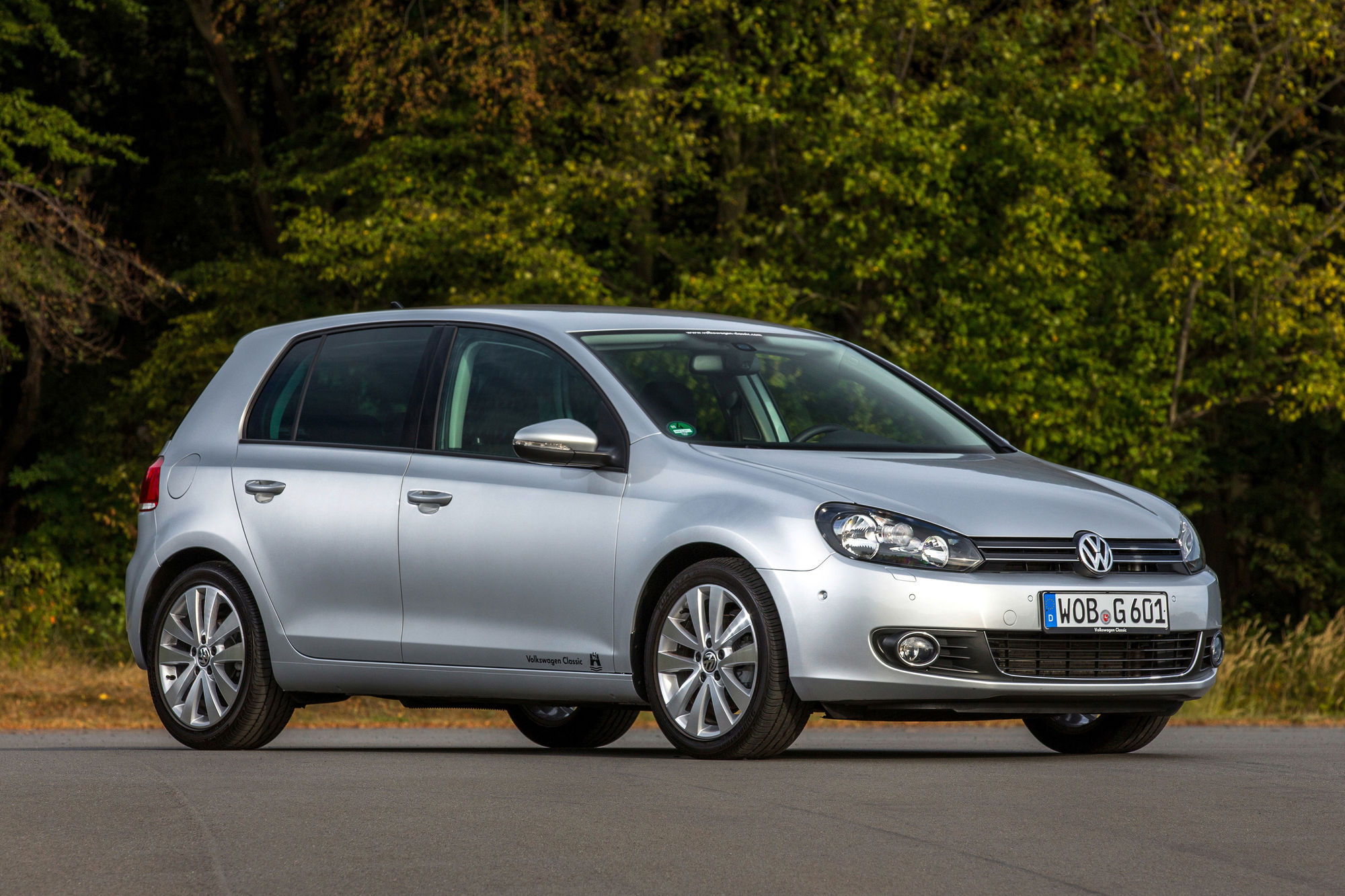
11. Volkswagen Golf
The Volkswagen Golf is a compact hatchback known for its agile handling and refined engineering. One of its strengths is the ability to start reliably and quickly after sitting idle for several days.
Volkswagen uses advanced fuel injection systems that maintain fuel quality and prevent vapor lock or injector clogging. This precision ensures the fuel reaches the engine in optimal condition for combustion, allowing the Golf to start without hesitation, even after extended downtime.
Volkswagen’s electrical system for the Golf incorporates efficient battery management to minimize parasitic drain. High-quality batteries combined with well-designed alternators help maintain the charge needed for strong engine cranking.
Additionally, the vehicle’s onboard systems reduce power consumption when parked, preserving battery life and supporting immediate engine starts.
The Golf’s engine control unit dynamically adjusts ignition timing, fuel injection, and air intake to suit current conditions and the time since the last start. These adjustments ensure a smooth and quick startup, minimizing crank time and reducing wear on starting components. The ignition system is built with durable spark plugs and coils that deliver reliable sparks consistently.
Golf owners often praise the vehicle’s readiness and ease of starting after periods of non-use. This dependability makes the Volkswagen Golf a practical choice for drivers seeking a compact car with reliable startup performance, especially for those with irregular driving schedules.
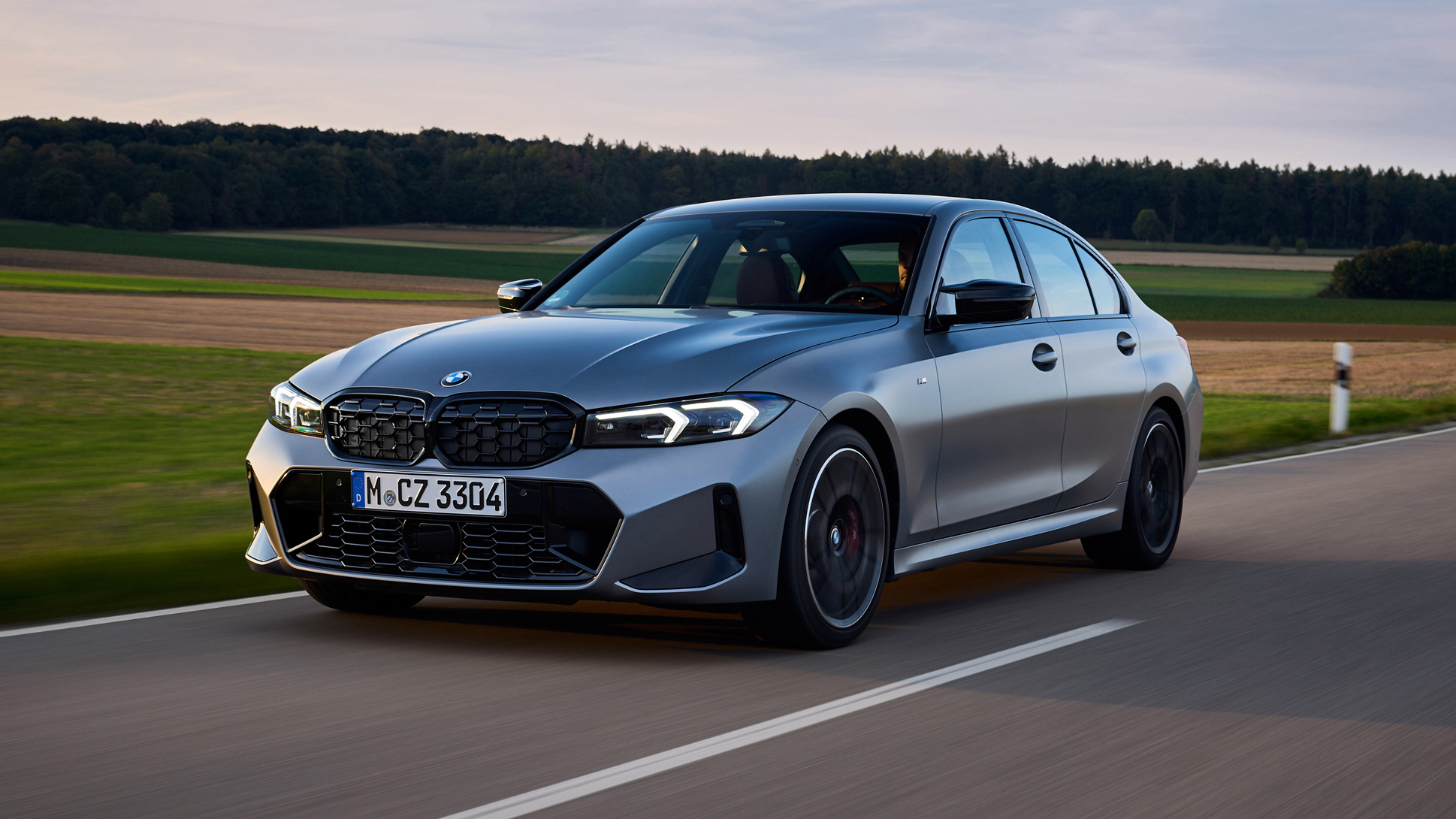
12. BMW 3 Series
The BMW 3 Series is a luxury compact sedan celebrated for its dynamic driving experience and high-quality engineering. Part of its appeal lies in its ability to start promptly and reliably after sitting unused for extended periods.
BMW employs sophisticated fuel injection technology that ensures fuel is delivered cleanly and consistently, reducing the risk of vapor lock or stale fuel-related starting issues. This precise fuel management allows the engine to ignite quickly and efficiently even after a week or more of inactivity.
The electrical system in the BMW 3 Series includes advanced battery monitoring and management features that help maintain charge and limit parasitic drain.
The vehicle’s battery and alternator are designed to work seamlessly, ensuring there is enough power for the starter motor to engage immediately when the key is turned or the start button is pressed. These systems contribute to the car’s reputation for dependable starting in various conditions.
BMW’s engine control module plays a crucial role by continuously adjusting ignition timing, fuel injection, and other parameters to optimize startup.
This adaptation helps the engine reach stable idle conditions quickly and reduces crank duration. The ignition components, including high-performance spark plugs and coils, are engineered for reliability and longevity, supporting consistent ignition even after long idle periods.
Owners of the BMW 3 Series often report that their car starts without hesitation regardless of parking duration, reflecting the vehicle’s blend of luxury, performance, and engineering precision. This quality makes the 3 Series attractive to drivers who want a premium vehicle with proven dependability for everyday usability.
