
Driving on rough roads is not just a test of patience; it’s also a major challenge for your vehicle’s suspension, steering, and structural integrity. Whether it’s potholes, loose gravel, uneven pavement, or unpaved rural stretches, poor road conditions often result in misalignment, vibration, and steering pull.
For the average car, a few months of rough road driving can cause enough damage to require regular wheel alignments, which can lead to extra costs and early wear on tires. For people who live in areas with bad roads or often drive on uneven terrain, having a car that naturally holds its alignment better becomes not only a matter of convenience but also a financial advantage.
Certain vehicles are designed in such a way that they handle these challenges more effectively. They manage to stay aligned longer, reduce the chance of steering drift, and preserve tire wear even when frequently driven on poor surfaces.
This ability to remain stable despite constant jolts and shakes depends on several factors. Some of the most important include the quality of the suspension components, the rigidity of the chassis, the durability of the steering linkage, and how well the vehicle’s weight is distributed.
Vehicles with softer, more forgiving suspension might provide comfort, but they’re not always the best at keeping alignment over time. On the other hand, vehicles built with off-road durability in mind tend to be more resistant to shifting alignments.
Some sedans and hatchbacks also manage to perform well in this regard due to their engineering and weight distribution, even if they are not marketed as off-road capable. Then some SUVs and pickups are built to take constant punishment from bad roads and still retain consistent handling characteristics.
In this article, we’ll look at twelve cars known for maintaining alignment longer than most under rough driving conditions. This includes a mix of sedans, hatchbacks, crossovers, and full-size SUVs. Each of them has its own strengths, but what they all share is an ability to hold their alignment over time. That means fewer trips to the mechanic, longer-lasting tires, and more confidence behind the wheel when the road ahead is anything but smooth.
Also Read: 5 Cars with Lifetime Hatch Hinges vs 5 with Sagging Tailgates
1. Toyota Land Cruiser
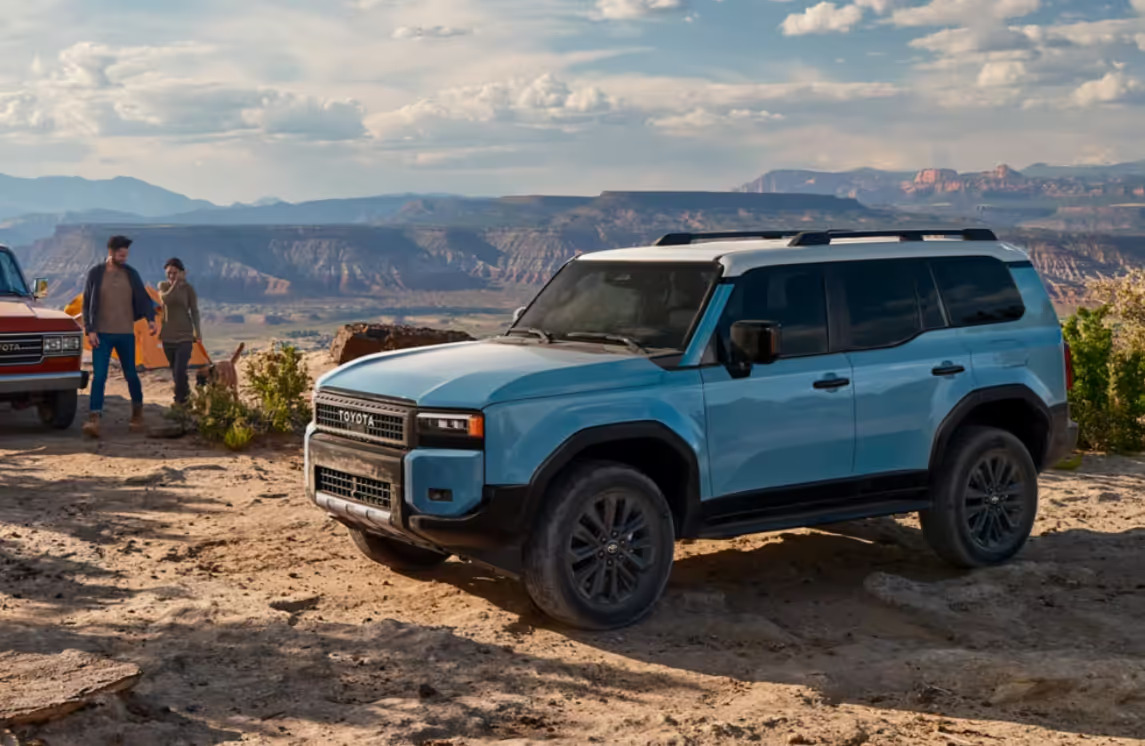
The Toyota Land Cruiser has long been recognized for its durability, particularly in environments where roads are almost nonexistent. Originally designed for military use, the Land Cruiser has developed over the decades into a full-sized SUV with an emphasis on long-lasting mechanical components.
One of the main reasons it remains aligned even after long stretches on poorly maintained roads is due to its robust suspension and frame design. It uses a body-on-frame construction, which allows it to absorb major shocks without compromising the alignment of the wheels.
This structural integrity provides a more stable platform, making it resistant to misalignment even after repeated contact with potholes or off-road conditions. The vehicle’s suspension system is built to handle extreme conditions. It often features high-articulation components and long-travel suspension, which means the wheels can move up and down without shifting the geometry of the alignment.
Independent front suspension paired with solid rear axles allows the Land Cruiser to stay grounded while minimizing the stress on steering components. Many of these models are also equipped with adaptive dampers that adjust based on road quality. This doesn’t just provide comfort, but also prevents excess jarring that could push the wheels out of alignment.
Steering geometry in the Land Cruiser is another major factor in its alignment stability. The components used are over-engineered for longevity, meaning they can take abuse and still maintain precise alignment.
Ball joints, tie rods, and control arms are all strengthened compared to standard passenger vehicles. These features help prevent the kind of wear and deformation that would normally affect wheel alignment over time. The design prioritizes control, so the steering stays tight and centered, even after miles of rough terrain.
Finally, the Land Cruiser’s weight distribution and tire size contribute to its ability to resist misalignment. With a wider track and balanced design, it distributes pressure more evenly across its frame.
That means when it hits a large bump or crack in the road, the shock is absorbed throughout the structure, rather than concentrated on just one wheel or component. This reduces the cumulative effect of rough roads, preserving alignment longer than most SUVs in its class.
2. Subaru Outback
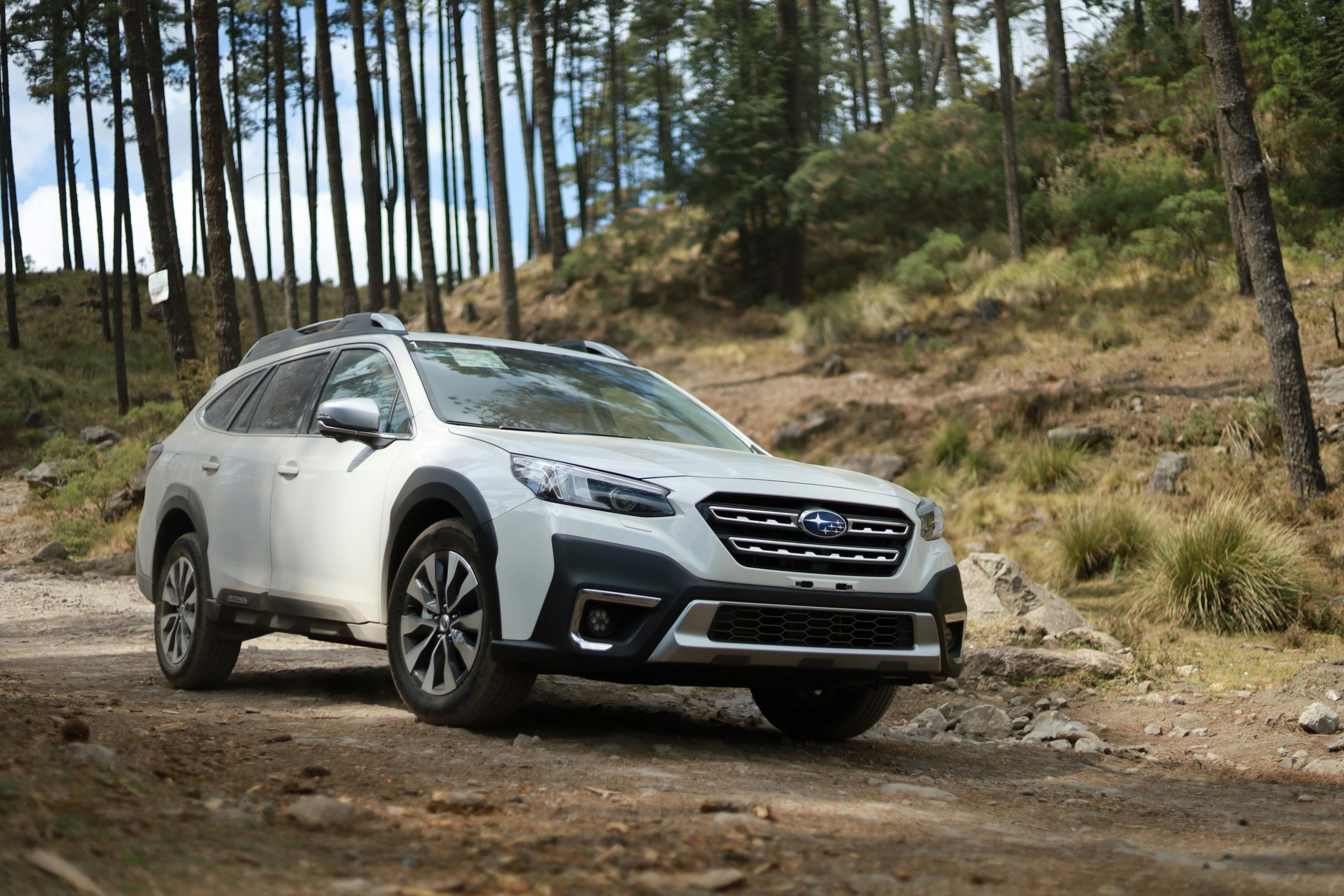
The Subaru Outback is often chosen by people living in rural areas, mountainous regions, or places with unpredictable weather. It’s not just its all-wheel-drive system that gives it an advantage; it’s also the way the car is built to handle uneven and broken road surfaces without compromising alignment.
What helps the Outback in this regard is its symmetrical all-wheel-drive layout, which contributes to a very balanced and stable ride. The engine is mounted in line with the drivetrain, helping distribute weight more evenly from side to side.
This allows all four wheels to absorb road shock in a synchronized manner, which lowers the chances of misalignment due to uneven pressure or torque shifts. The suspension is not too soft, which can sometimes increase the likelihood of misalignment, but not overly stiff either.
Subaru has managed to find a solid middle ground where the system can absorb the punishment of poor road conditions while still keeping the alignment geometry stable. Over time, this leads to fewer steering issues and less frequent visits for realignment.
Another factor that helps the Outback maintain alignment is its ground clearance. With about 8.7 inches of clearance, the Outback sits higher than many other wagons or sedans. This extra space allows the vehicle to handle deeper potholes, rocks, or uneven pavement without bottoming out or over-compressing the suspension.
When a vehicle bottoms out or slams its undercarriage into the ground, it can throw off the alignment. The Outback’s ride height helps it avoid this risk. That protection translates directly to better long-term alignment.
The quality of the steering and suspension components is also a plus for the Outback. Subaru builds their vehicles with reinforced subframes and bushings that can take repetitive impacts without deforming.
Tie rods, ball joints, and wheel hubs are designed to remain tight and secure, even after months of rough usage. Owners of the Outback often report that their vehicles go years before needing realignment, despite being driven in harsh conditions regularly.
3. Ford F-150
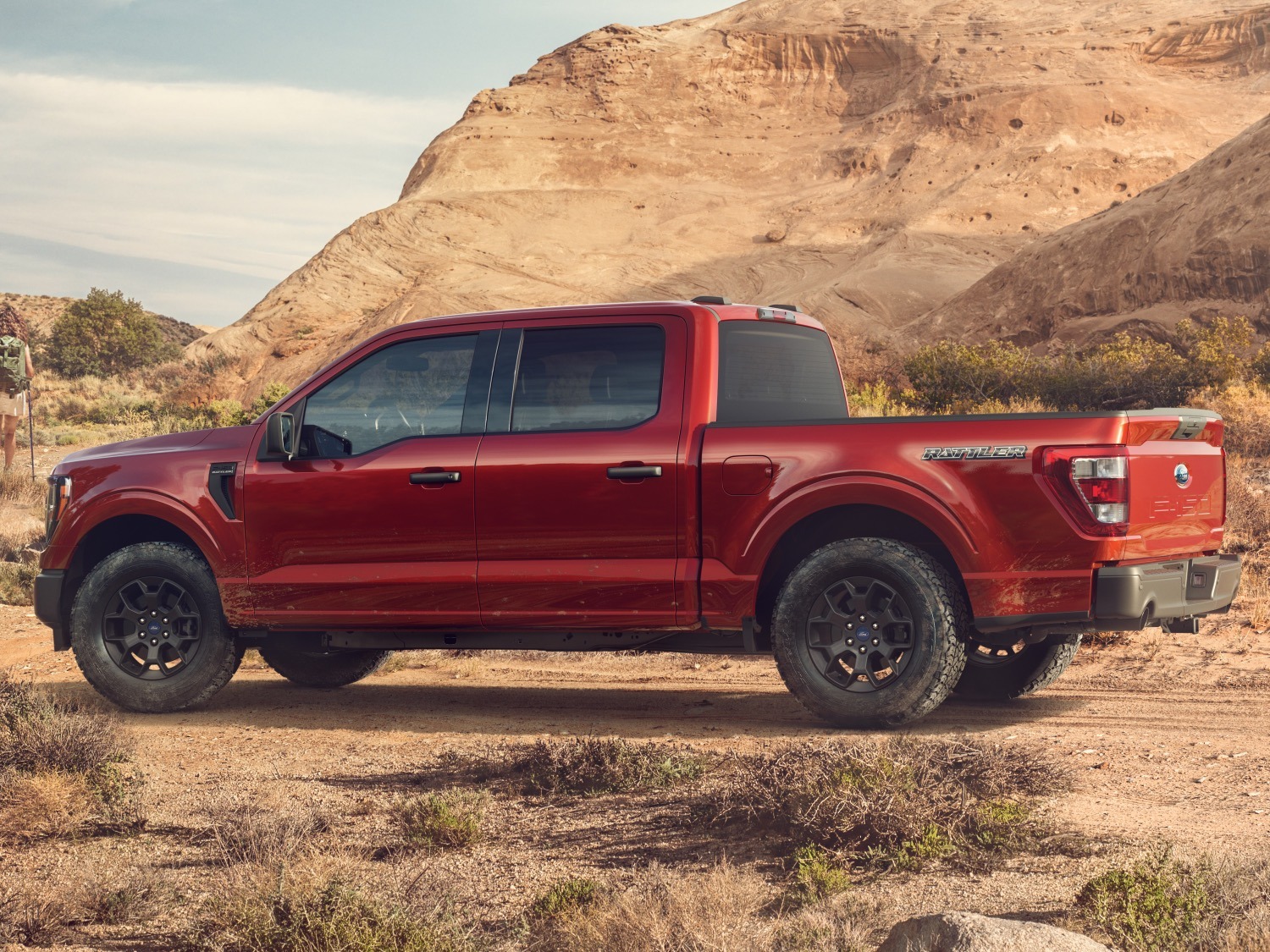
The Ford F-150 has long been the best-selling pickup in the United States, and for good reason. It’s not just about power or hauling capacity. One of the key reasons for its popularity, especially in rural and working environments, is its resilience to rough driving conditions.
The F-150 maintains alignment better than many other pickups because of its body-on-frame construction combined with high-quality suspension components. Whether being driven on a ranch, a construction site, or down unpaved roads, the F-150 keeps its wheels properly positioned relative to the chassis for longer periods.
The front suspension system on the F-150 typically uses independent double-wishbone architecture with coil-over shocks. This setup provides better control over the wheel’s motion compared to simpler systems. In rough terrain, this helps absorb impacts evenly across the front axle.
The rear often uses leaf springs, which are not only strong but also consistent in how they distribute force. When these two suspension systems work together, the alignment geometry stays more consistent, even when the truck is hauling heavy loads or traveling over uneven surfaces.
What also plays a role in the F-150’s strong alignment stability is the ruggedness of its steering linkage. The tie rods and ball joints are made to handle serious force, and they’re housed in components that resist deformation.
The truck’s steering knuckles and hubs are reinforced, which helps prevent shifts in camber or toe alignment when driving over harsh bumps or dips. The power steering system, whether hydraulic or electric depending on the model year, is tuned to provide feedback without being overly sensitive.
This also reduces strain on the components responsible for keeping the wheels pointed in the correct direction. Lastly, the wheel size and tire profile on the F-150 offer natural protection against misalignment. Trucks like the F-150 usually ride on thicker, higher-profile tires.
These tires absorb more of the shock from potholes and curbs, reducing the chance that the impact transfers to the suspension or steering system. That kind of insulation allows the truck to handle punishing roads while preserving the alignment far better than lightweight cars or SUVs built strictly for city use.
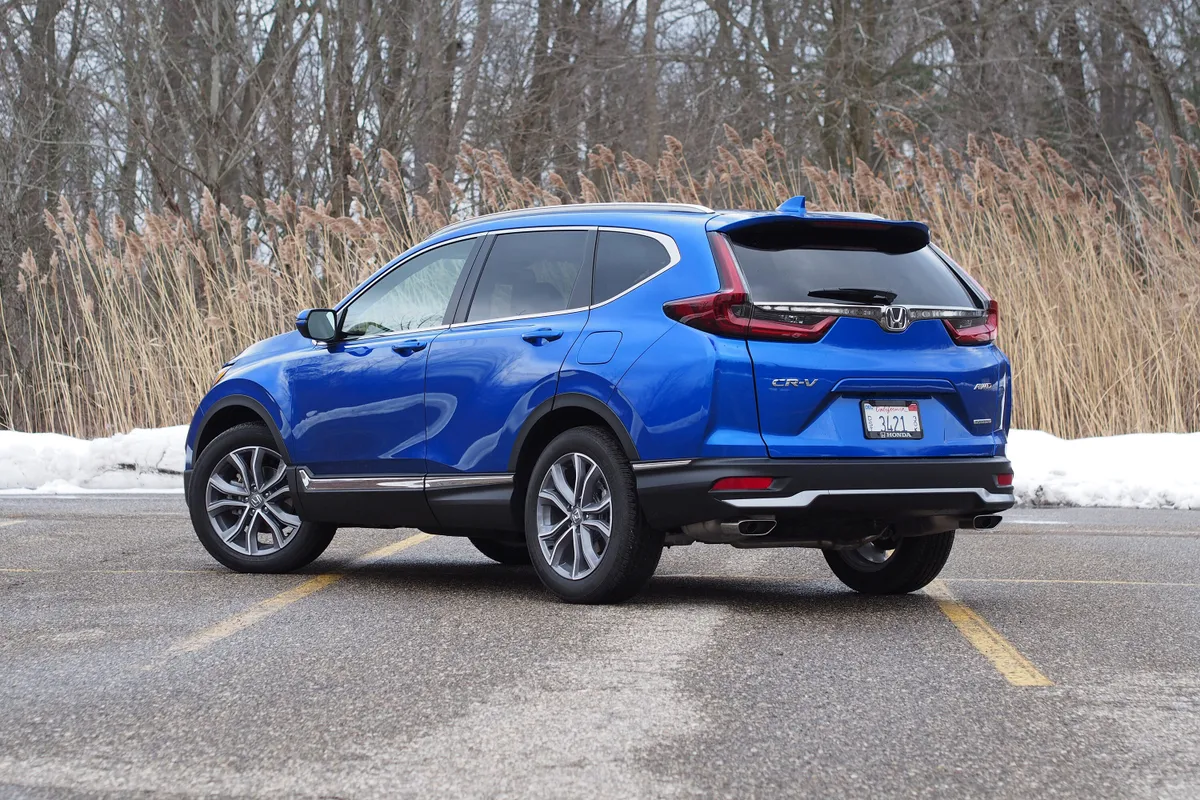
4. Honda CR-V
The Honda CR-V is often labeled as a practical crossover SUV, but its performance on poorly maintained roads often surprises people. Unlike many other crossovers that focus purely on comfort or interior features, the CR-V is known for its durable design and its ability to stay mechanically consistent over time.
One of its lesser-known strengths is how well it holds its alignment, even when subjected to bumpy or uneven roads. Honda’s chassis tuning, along with careful attention to suspension geometry, helps this crossover maintain a stable and predictable ride under less-than-ideal driving conditions.
It begins with the CR-V’s well-balanced suspension. The MacPherson front struts and multi-link rear suspension give the vehicle the right blend of flexibility and control. These components are tuned to minimize body roll while still absorbing the jolts from road imperfections.
That means when the wheels hit a pothole or a series of bumps, the alignment geometry isn’t easily disturbed. The subframes are also built with rigidity in mind, helping the car avoid flexing under stress. Less flex means the wheels stay where they should, preserving alignment angles like camber and toe.
Another point worth mentioning is the CR-V’s steering system. Honda uses electric power steering in most recent CR-V models, and it’s calibrated to be responsive without being twitchy. That steadiness in steering helps reduce the chances of one-sided wear or alignment issues over time.
More importantly, the steering column and tie rods are made with extra rigidity. These reinforced parts don’t easily shift or warp under rough road pressure, so the front wheels remain pointed in their correct orientation even after repeated use on damaged roads.
The way the CR-V distributes weight also helps it stay aligned. It’s designed with a relatively low center of gravity for a crossover, and this helps reduce excess movement or pitch when going over uneven surfaces. When vehicles sway too much side to side or front to back, it increases stress on the steering and suspension components, which often leads to alignment drift.
Because the CR-V stays more level and composed, it doesn’t put unnecessary stress on its own alignment-sensitive parts. That’s one of the key reasons drivers often report going tens of thousands of miles without needing an alignment, even when regularly driving on cracked or potholed streets.
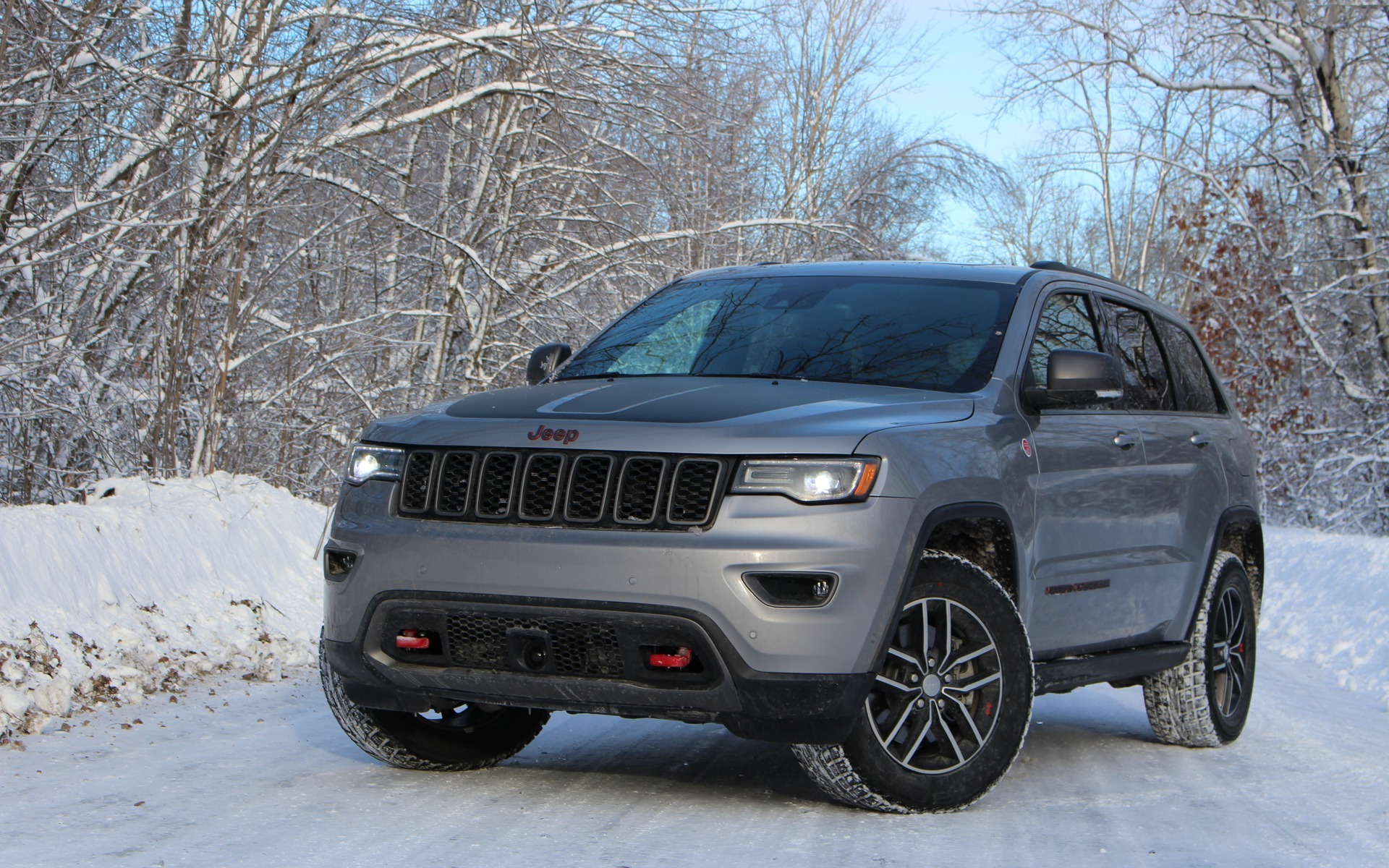
5. Jeep Grand Cherokee
The Jeep Grand Cherokee is built with a strong focus on off-road ability, and that foundation gives it a natural advantage when it comes to maintaining wheel alignment on poor-quality roads. Unlike vehicles that are adapted for light off-road use, the Grand Cherokee is designed from the ground up to tackle challenging surfaces.
It features a unibody construction reinforced with high-tensile steel, giving it the rigidity needed to withstand hard jolts and sharp impacts. This structural stiffness prevents the frame from twisting excessively under stress, which is one of the main causes of misalignment over time.
The suspension design is another key reason for its alignment durability. Most models come with either a multi-link independent suspension system or an optional air suspension system, depending on trim level. These systems provide both shock absorption and adaptability to different surfaces.
The multi-link layout allows for controlled movement of the wheels without affecting their angle relative to the road. The air suspension system, meanwhile, can raise or lower the vehicle depending on conditions, helping to minimize the impact from large bumps or deep ruts. This adaptability keeps the vehicle’s alignment angles more consistent, no matter what the road looks like.
Additionally, the Grand Cherokee benefits from its off-road-focused steering components. Jeep engineers design these parts to endure high torque, repeated movement, and aggressive driving conditions. Tie rods, steering knuckles, and control arms are reinforced and often shared with more rugged Jeep models.
This durability ensures that the alignment settings do not shift easily, even after prolonged use in uneven terrain. The steering system remains centered and responsive, which keeps the driver in better control without needing constant readjustments or alignments.
Its 4×4 systems and balanced chassis contribute to even weight distribution, reducing the amount of stress placed on individual corners of the vehicle. Because the load is spread out and the drivetrain continuously adjusts torque between wheels, the car experiences fewer situations where one wheel absorbs all the shock.
That even distribution keeps the alignment steady, extending the lifespan of both the tires and the suspension components. People who use the Grand Cherokee for both on-road and off-road driving often report fewer issues with drift, uneven tire wear, or steering pull.
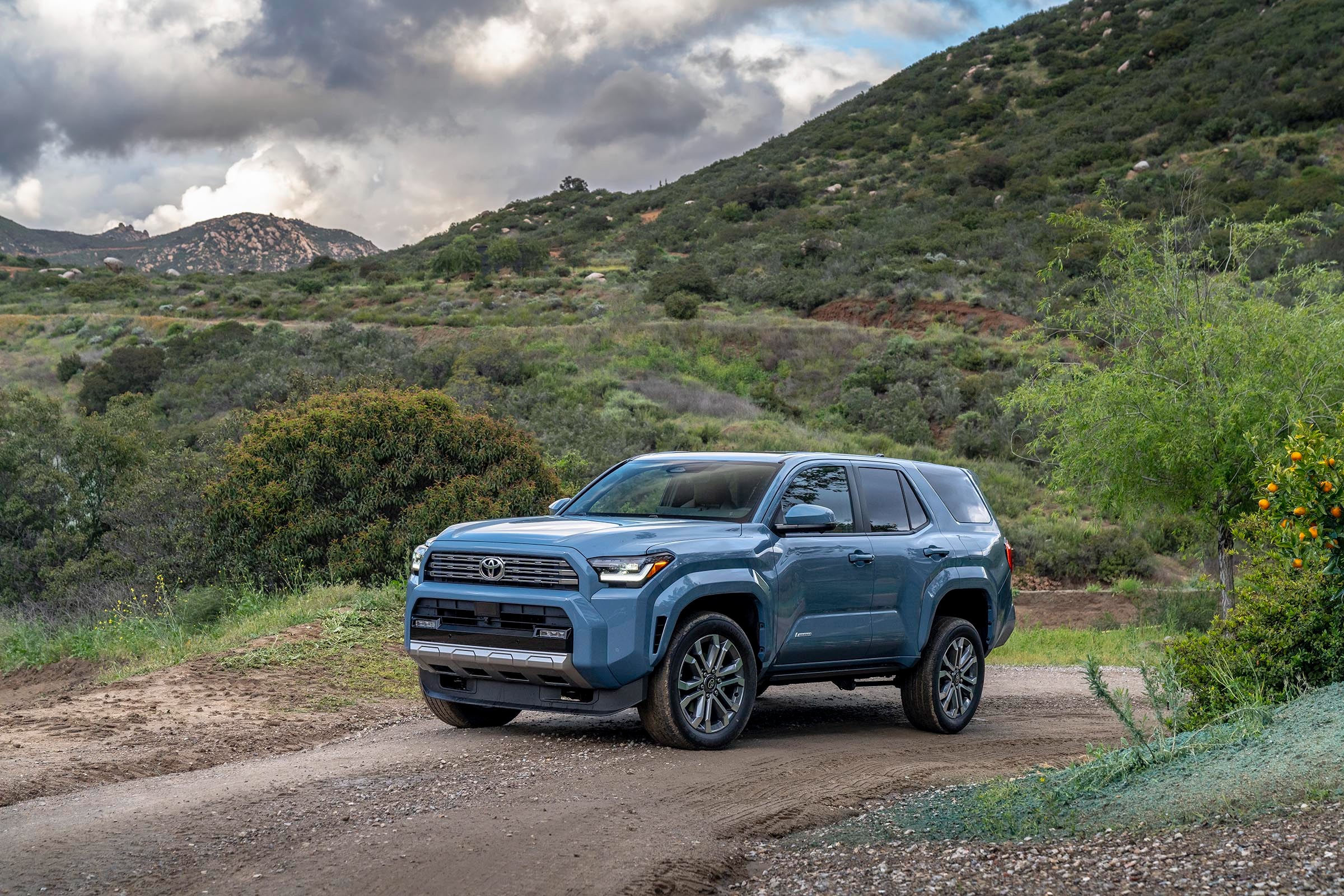
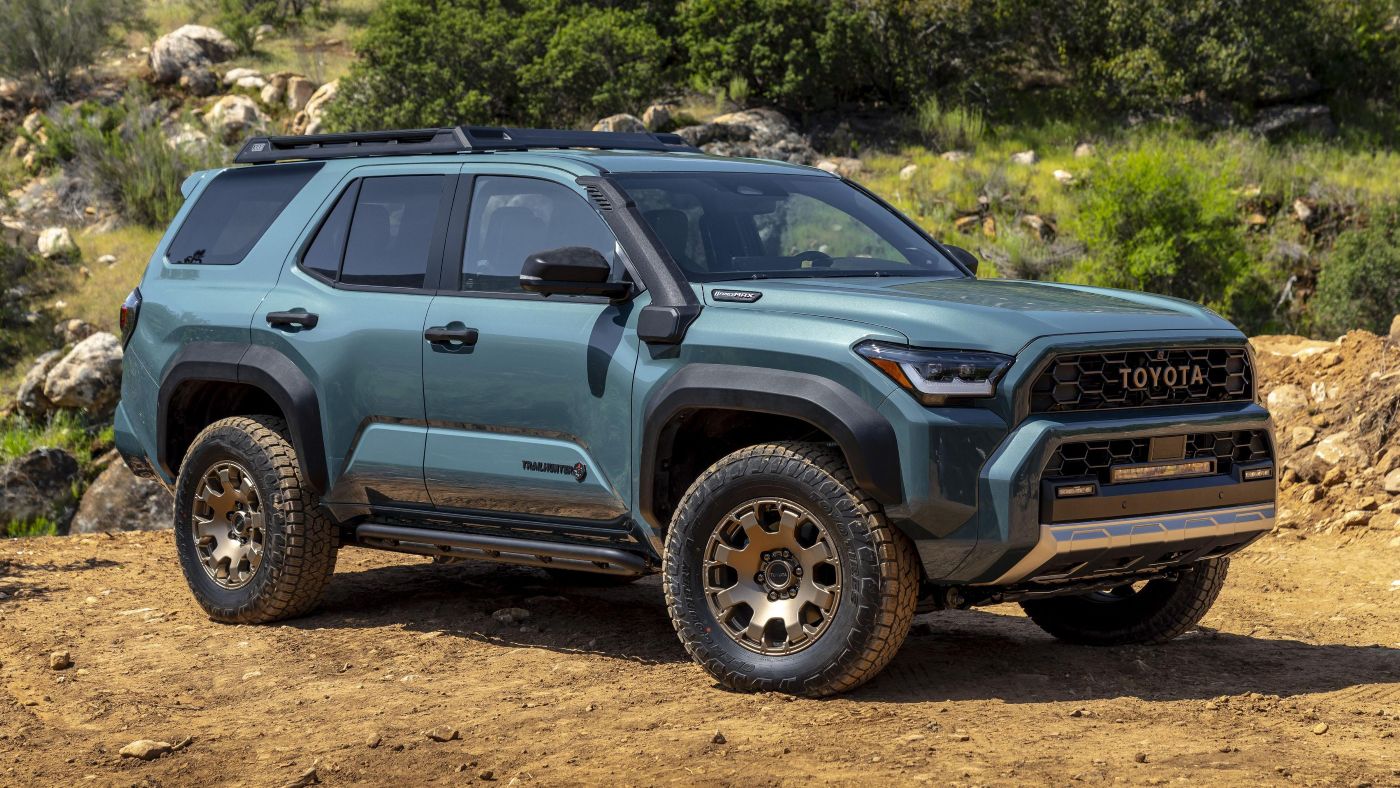
6. Toyota 4Runner
The Toyota 4Runner is another SUV known for its off-road reliability and structural toughness. It has a reputation for longevity and is a favorite among those who frequently travel on dirt roads, rocky trails, or unpaved backcountry paths. Much of this ruggedness comes from its body-on-frame design, which separates the vehicle’s body from its underlying chassis.
This setup not only helps in durability but also ensures that impacts from the road are better absorbed by the frame instead of directly affecting the suspension geometry, which plays a crucial role in maintaining alignment.
One of the highlights of the 4Runner is its simple but effective suspension system. The front uses independent double-wishbone suspension, while the rear often uses a solid axle with coil springs. This configuration is designed to handle vertical wheel movement without altering the alignment of the wheels too much.
Solid rear axles, in particular, are very resistant to alignment changes because both wheels move together, reducing the chances of toe or camber misalignment in the back. The front suspension is also heavily reinforced, with large control arms and shock mounts that can handle repeated abuse.
Toyota equips the 4Runner with steering components that are built to last. Unlike many modern vehicles that rely on lighter parts to improve fuel efficiency, the 4Runner uses thicker steering racks, stronger tie rods, and bushings that are designed to resist deformation.
Even after thousands of miles on rough surfaces, these components often remain tight and within spec. That means fewer steering issues and less need for realignment services, especially for drivers who stick to regular maintenance and avoid neglecting worn-out shocks or ball joints.
Another contributing factor is the 4Runner’s generous tire profile. Most models come equipped with tires that have higher sidewalls, which absorb shocks and impacts more effectively. When the tires are able to cushion some of the blow, the stress on the suspension system is reduced.
That lowers the risk of alignment changes caused by sudden jolts or repetitive small impacts. Combined with its durable design and purpose-built engineering, the 4Runner is a vehicle that resists going out of alignment, even when subjected to harsh environments for extended periods.

7. Volvo XC70
The Volvo XC70 is a vehicle that blends comfort, safety, and toughness in a way that is often underappreciated. It may look like a family wagon, but it’s been built to handle rough and unpredictable roads without losing its alignment.
This car was specifically designed with rugged driving in mind, especially in markets like Scandinavia, where roads are often icy, uneven, or riddled with gravel. One of the reasons it maintains alignment so well is because it shares many underpinnings with Volvo’s more traditional SUVs, giving it a solid foundation and above-average road tolerance.
Structurally, the XC70 benefits from Volvo’s emphasis on frame rigidity and safety. Its reinforced subframes and cross members help distribute force throughout the chassis when it encounters a bump or hole in the road. This prevents the structure from flexing too much and affecting wheel angles.
The suspension is engineered to provide both comfort and resilience, with MacPherson struts up front and a multilink setup in the rear. This combination allows each wheel to react independently to the road while keeping the alignment angles in check.
Another major advantage is Volvo’s attention to detail in component quality. Suspension arms, bushings, and tie rods in the XC70 are built from high-grade materials designed to resist fatigue and wear. The components are tuned not just for daily city driving but for extended use on bad roads.
Drivers who frequently encounter cracks, loose gravel, or uneven pavement will notice that the steering remains tight and the car continues to track straight. This consistency comes from the car’s ability to resist small, cumulative shifts in alignment geometry over time.
Volvo also focused on drivetrain balance with the XC70, which uses an all-wheel-drive system that keeps power distributed evenly. This results in better weight transfer during acceleration and cornering, reducing the chances of one side of the car becoming overloaded and altering wheel angles.
The extra ride height on the XC70, compared to standard wagons, also helps prevent bottoming out and keeps the suspension from getting over-compressed. All these design decisions result in a car that stays aligned even under rough and demanding conditions.
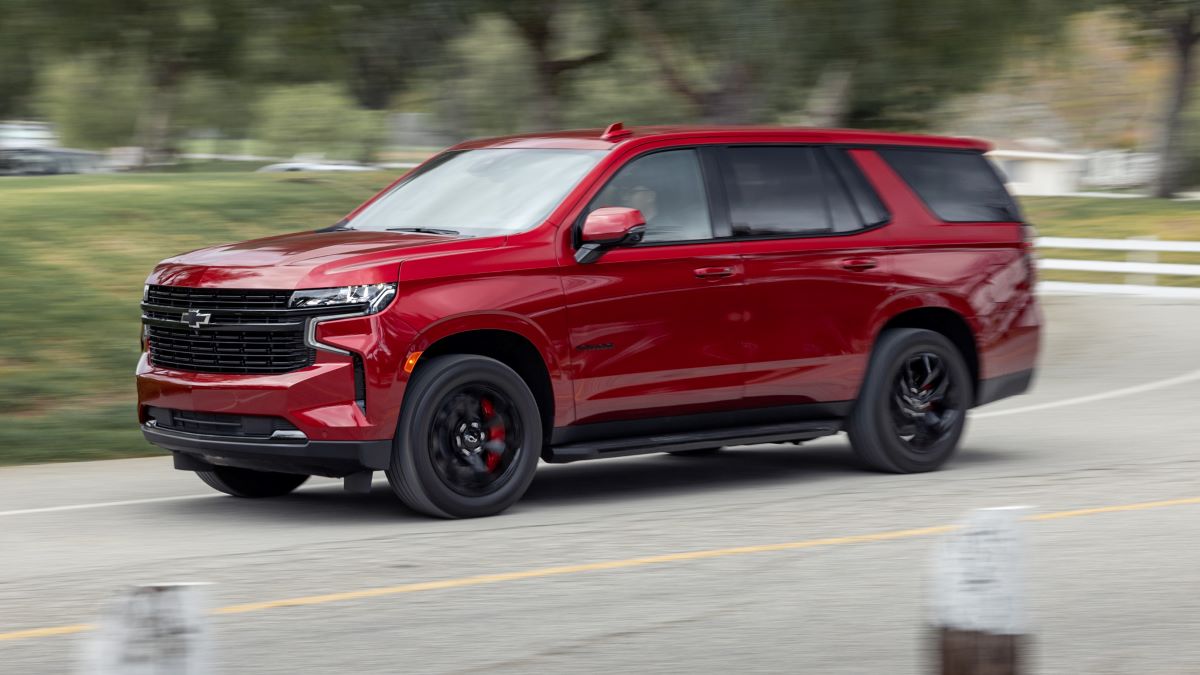
8. Chevrolet Tahoe
The Chevrolet Tahoe is one of the most popular full-size SUVs in the U.S., and much of its reputation comes from how well it performs in harsh driving situations. This vehicle is often used by law enforcement, outdoor enthusiasts, and families alike, partly because of its durability and partly because it doesn’t require constant maintenance to keep running straight.
The Tahoe’s size and structure play a major role in its alignment stability. It uses a traditional body-on-frame design, giving it the toughness needed to resist distortion from road impact. This makes it naturally better at maintaining wheel alignment than unibody crossovers.
The Tahoe features a front independent suspension and a solid rear axle with coil springs. This setup is both rugged and simple. The solid rear axle is especially useful for alignment retention because both wheels are fixed about each other, which makes them less likely to shift.
The front suspension is engineered to absorb impacts without transmitting too much force to the wheel hubs or steering components. That means that even after driving over poor road surfaces, the wheel geometry remains mostly unchanged.
Chevrolet also designs the Tahoe with a heavy-duty steering system. The ball joints, tie rods, and steering knuckles are larger than those found in smaller SUVs. These components are meant to carry a lot of weight and resist wear even under heavy use. On rough roads, this strength translates to consistency.
The steering remains centered and responsive without needing constant adjustments or alignment corrections. Drivers often report going for long intervals without experiencing uneven tire wear or steering pull, even if they regularly drive over bumpy roads.
Another helpful feature is the Tahoe’s wide track and relatively tall tire profile. The vehicle spreads its weight over a larger surface area, which reduces the likelihood of one wheel taking all the force during a pothole hit or curb impact.
Taller sidewalls on the tires cushion the blow further, acting as the first line of defense before the shock ever reaches the suspension. All these characteristics allow the Tahoe to hold its alignment better than many similarly sized SUVs, especially under tough road conditions.
9. Lexus GX
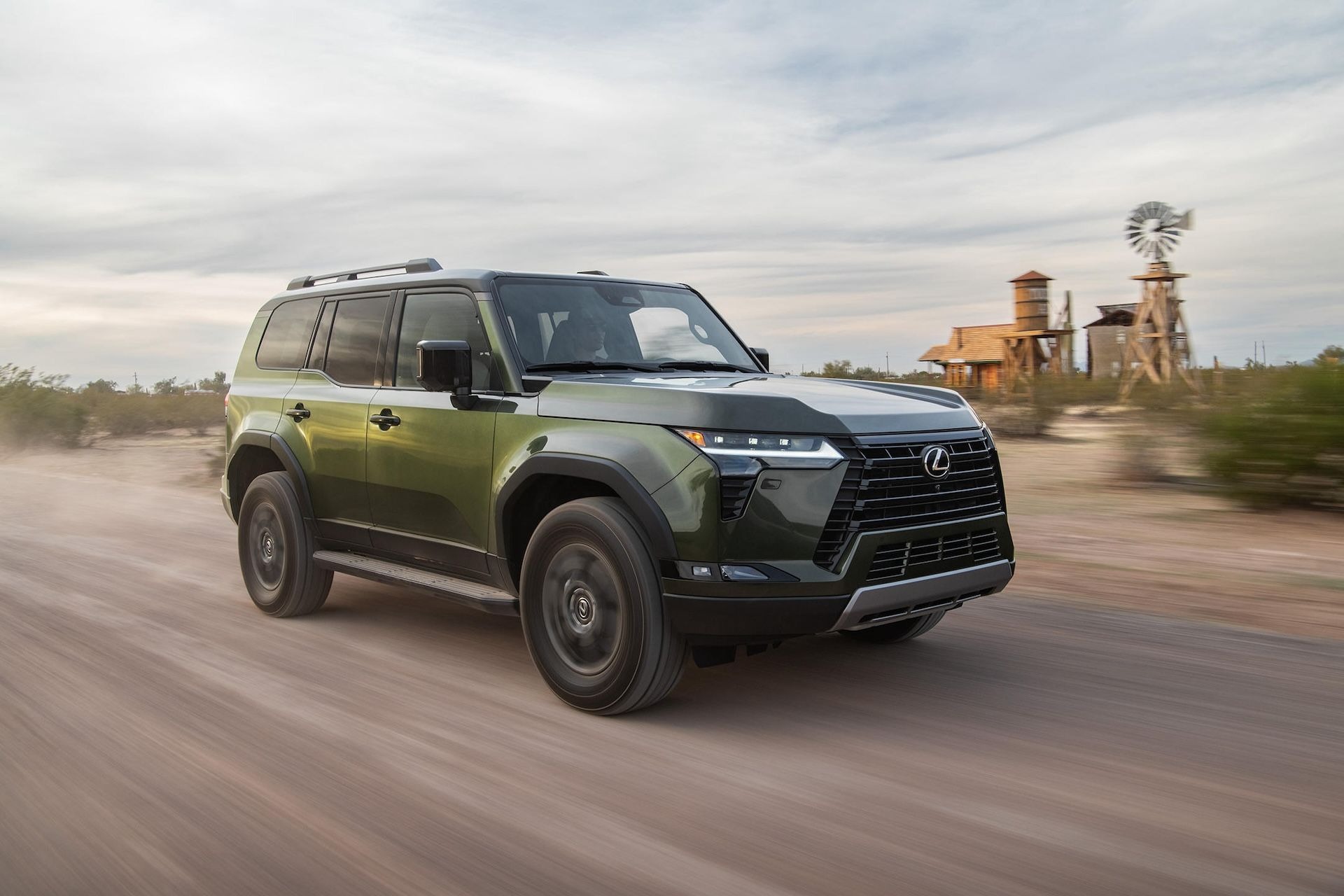
The Lexus GX is a luxury SUV that shares much of its DNA with the Toyota Land Cruiser Prado, giving it real off-road capability beneath its premium finish. It may look polished and refined on the outside, but under the hood and underneath the chassis, it is built to perform in demanding environments.
One of the standout qualities of the GX is how well it retains alignment even when exposed to challenging driving conditions. That comes from the combination of body-on-frame construction, carefully engineered suspension, and heavy-duty steering components that resist wear and deformation.
The suspension system in the Lexus GX is designed with both performance and comfort in mind. It features a double-wishbone front suspension and a four-link rear suspension with coil springs. Some versions also offer an adjustable air suspension system that allows the vehicle to adapt its ride height depending on the road.
These features reduce the impact of bumps and ruts, helping the wheels stay positioned as intended. The flexibility of the system means it can move in response to the road without changing the car’s overall alignment geometry.
Steering and structural elements in the GX are also engineered for toughness. The vehicle uses reinforced steering knuckles, beefy tie rods, and a rack-and-pinion system that resists fatigue even after repeated off-road excursions.
The result is a vehicle that maintains precise steering control for longer periods, even when driven on roads that would cause lesser cars to pull or vibrate. Many GX owners who frequently drive on gravel, rocky paths, or poorly maintained pavement often report little to no alignment issues over long periods.
Another factor in the GX’s strong alignment retention is the vehicle’s overall balance. Its weight distribution and underbody protection help keep road impact forces from damaging alignment-sensitive components. When a car takes a hit to the undercarriage or wheel assembly, it often leads to changes in camber, caster, or toe angles.
The GX is built to handle that kind of punishment without slipping out of spec. Its ability to pair luxury comfort with rugged durability makes it a unique choice for drivers who want performance on both city streets and rugged terrain without frequent trips to the alignment shop.

10. Mazda CX-5
The Mazda CX-5 is often praised for its nimble handling and stylish design, but what sets it apart in rough-road situations is its ability to maintain solid steering and alignment without constant correction.
Mazda focuses heavily on chassis engineering and balance, and the CX-5 is one of the best examples of how that philosophy translates to real-world durability. It uses a unibody structure that is both light and rigid, which gives it the strength to absorb road impacts without allowing the frame to flex or shift in a way that affects wheel alignment.
Its suspension system is tuned with a slight bias toward sportiness, meaning it is stiffer than many crossovers in its class. That stiffness pays off when it comes to alignment preservation.
A stiffer setup means there’s less uncontrolled movement in the suspension system, which reduces the chance that impacts from potholes or uneven pavement will change the geometry of the wheels. The front uses MacPherson struts and the rear a multi-link setup, giving each wheel independent movement without sacrificing structural control.
Mazda also puts a lot of effort into making its steering components precise and responsive. The electric power steering in the CX-5 is calibrated to be direct but not overly sensitive. That helps avoid unnecessary stress on the system when encountering small road imperfections.
The mounting points for the suspension and steering components are reinforced with strong subframes that prevent alignment drift. Together, these factors result in a front end that remains stable and tracks straight, even after extended use on broken roads.
In addition to the engineering itself, the CX-5 benefits from a well-balanced weight distribution and a lower center of gravity compared to many SUVs. This reduces side-to-side motion and vertical bounce that could stress alignment components.
Its tire size also complements its alignment stability, with a profile that provides enough cushion to absorb road impact without compromising control. For drivers who want something smaller than a full-size SUV but still durable enough to handle rough roads, the CX-5 is a strong candidate that won’t wear out its alignment every few thousand miles.
11. Ram 2500
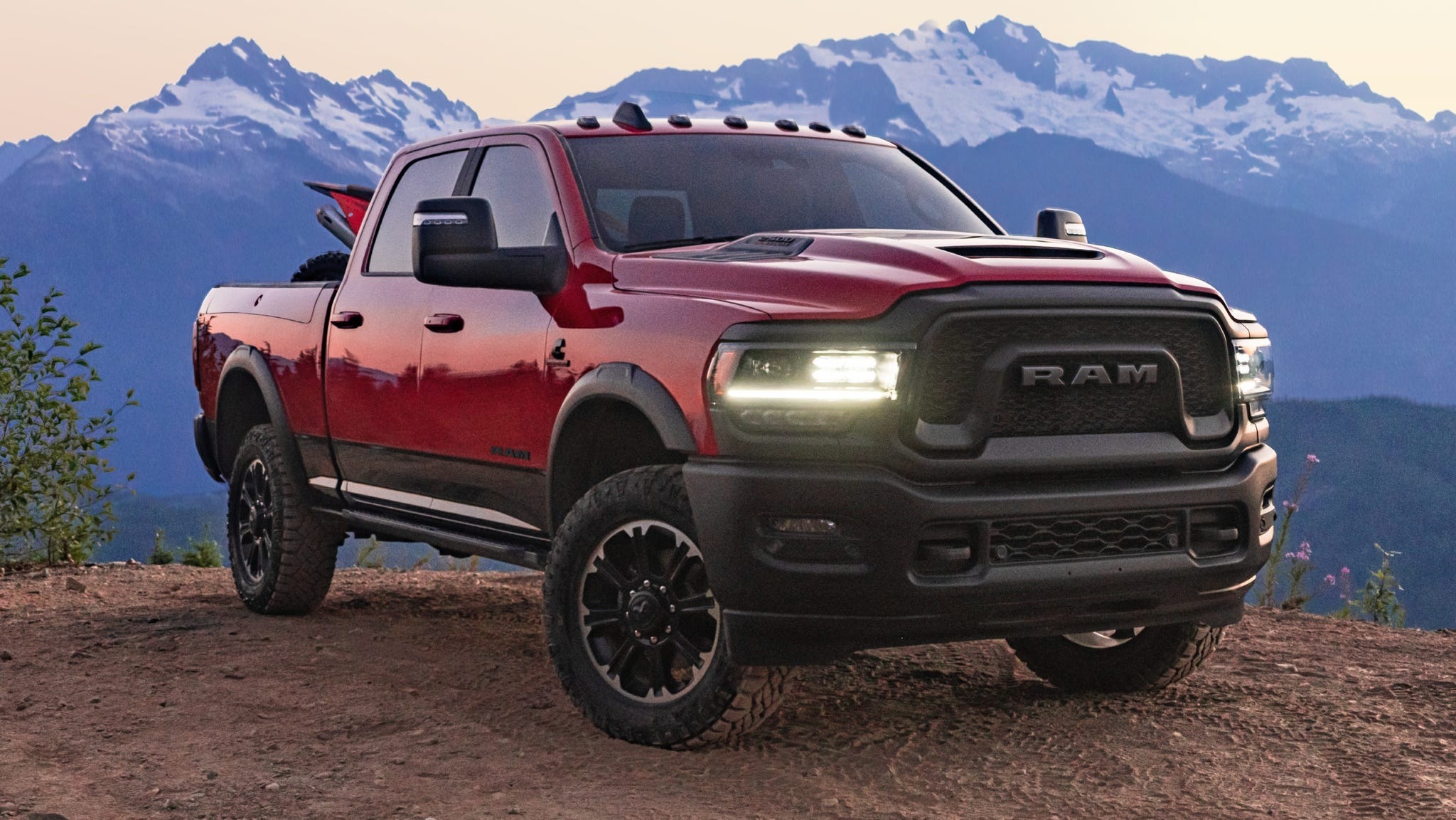
The Ram 2500 is a heavy-duty truck designed with the specific intention of handling massive loads and difficult environments. It’s often used in construction, agriculture, and other tough industries where the road may be more like a trail.
Because of its strength and heavy-duty design, the Ram 2500 has a natural ability to maintain wheel alignment, even when subjected to forces that would quickly knock most vehicles out of spec. This makes it a strong performer on poorly maintained roads, rocky surfaces, and rugged work environments.
At the core of the Ram 2500’s toughness is its suspension. The front typically uses a solid axle with coil springs, while the rear has leaf springs or coil-spring options depending on configuration. The solid front axle in particular, is extremely resistant to alignment changes.
Because both wheels are connected through a rigid axle, they move together rather than independently. This eliminates many of the forces that cause camber or toe shifts in independent front suspension systems. While this may slightly reduce comfort, it dramatically improves alignment stability in harsh conditions.
The Ram’s steering and structural components are also designed for durability. It uses large ball joints, tie rods, and control arms that are made to last under significant strain. The steering system is geared to provide strength and control rather than lightweight responsiveness, which helps prevent minor road imperfections from transmitting enough force to change wheel alignment.
These parts are often designed with off-road use in mind, meaning they are less likely to bend, wear out, or shift even after months of heavy-duty use.
Another aspect that helps the Ram 2500 keep its alignment is its massive frame and tire profile. The body-on-frame construction gives it a rigid platform that doesn’t flex easily, while the tall and wide tires provide a large contact area that absorbs shocks before they reach sensitive suspension parts.
Drivers of the Ram 2500 report that despite carrying heavy loads and operating in challenging conditions, their trucks often go longer than expected without needing realignment. That makes it a strong choice for anyone who demands both capability and long-term reliability from their vehicle.
12. Audi Allroad
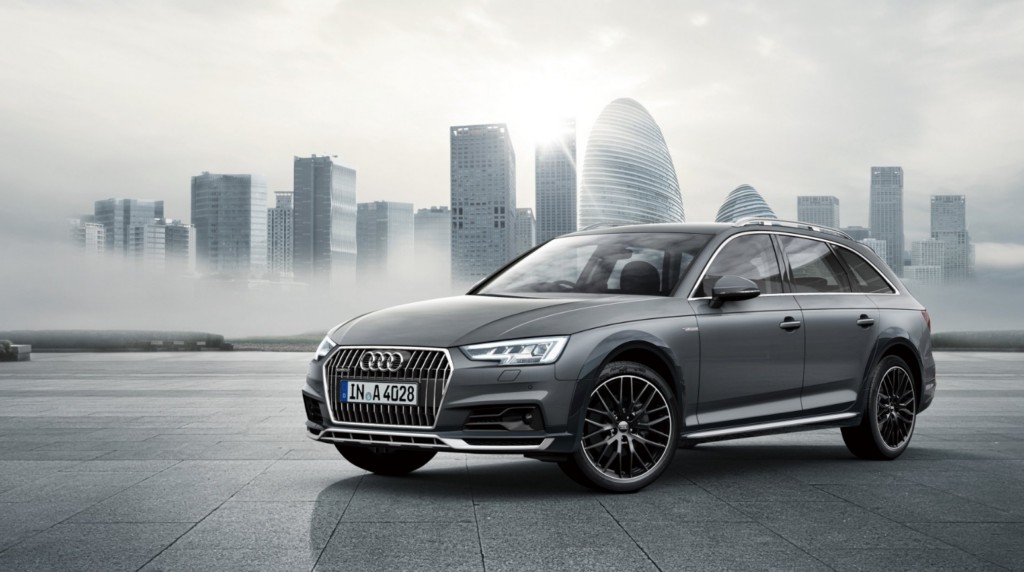
The Audi Allroad may not be the first vehicle people think of when discussing rugged conditions, but it was designed to handle a mix of paved and unpaved driving. Built on the A4 platform, the Allroad features increased ground clearance, underbody protection, and a revised suspension system, all of which contribute to better resilience when driving on uneven or damaged roads.
What makes the Allroad particularly good at maintaining alignment is its balance of road handling and structural durability. It’s not a full-on off-roader, but it’s not just a city car either.
One of the key features of the Allroad is its adaptive suspension system. This system can adjust the vehicle’s height and stiffness based on driving conditions. When traveling on rough surfaces, the car can raise itself to provide additional clearance and reduce the chance of the suspension bottoming out.
Preventing bottom-outs and hard impacts is crucial to maintaining proper wheel alignment, since those types of hits are some of the most common causes of misalignment in vehicles with low ground clearance.
The Allroad’s suspension uses a multi-link setup front and rear, providing excellent control over wheel movement. These systems are engineered with precision and built using materials that resist deformation.
Even after hitting a pothole or a sharp bump, the components return to their original position rather than shifting slightly off-angle. This helps preserve alignment angles like toe and camber, which are often the first to be affected on vehicles with less resilient suspension systems.
Audi also equips the Allroad with the Quattro all-wheel-drive system, which contributes to even power distribution and weight balance. This system provides traction in poor conditions and reduces wheel slippage, which can otherwise result in uneven wear and eventual misalignment.
Add to that the use of high-quality steering components and a rigid chassis, and the Allroad becomes a surprising but solid option for those who frequently encounter rough roads but want the comfort and features of a luxury vehicle. Its blend of control, structure, and tech makes it well-suited for long-term driving without constant alignment concerns.
