
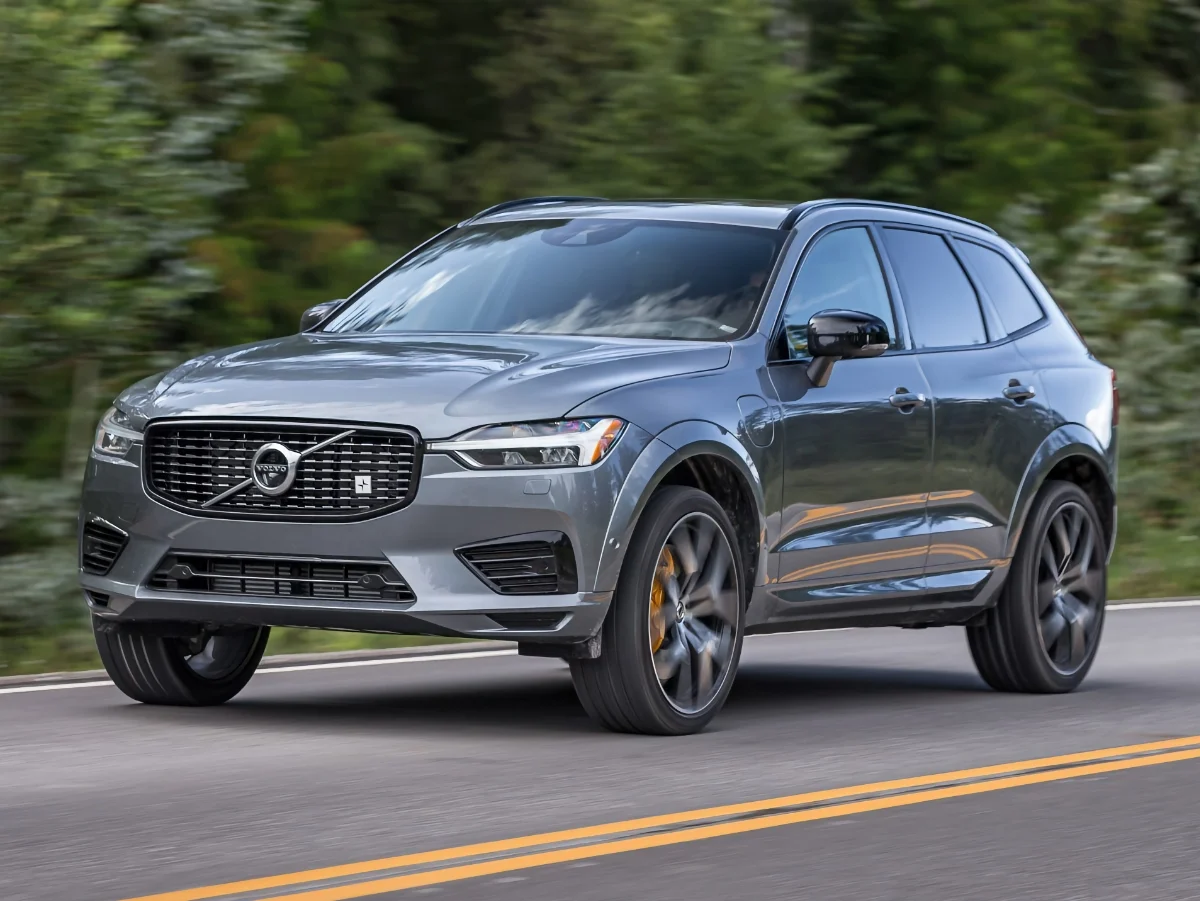
Plug-in hybrid electric vehicles (PHEVs) have gained popularity among drivers who want improved fuel efficiency without the range anxiety that can come with fully electric vehicles. Offering both an electric motor and a gasoline engine, plug-in hybrids strike a practical balance between eco-conscious driving and long-distance convenience.
They allow for short daily commutes powered entirely by electricity, while still maintaining the flexibility to travel hundreds of miles on gasoline when needed. For many consumers, this combination delivers the best of both worlds.
However, not all plug-in hybrids are created equal, especially when it comes to battery performance. The battery is arguably the most critical component in any electrified vehicle. It determines how far a car can go on electric power, how efficiently it uses stored energy, and how dependable the system remains over time.
A plug-in hybrid with a stable, long-lasting battery will offer a better ownership experience, lower running costs, and more reliable performance in the long run. On the other hand, a poorly managed or quickly degrading battery can lead to frustration, higher maintenance expenses, and reduced resale value.
Battery stability refers to how well a vehicle’s battery holds up over time, including its ability to retain charging capacity, deliver consistent range, and function properly under a wide range of environmental conditions. Factors that influence stability include the battery’s chemistry, the cooling system, how it’s managed by onboard software, and the vehicle’s charging behavior.
Manufacturers that prioritize battery preservation typically use thermal management systems, intelligent charge limits, and buffer zones to protect battery health. These technologies may slightly reduce available electric range in the short term but significantly extend battery lifespan.
In recent years, several plug-in hybrids have emerged as leaders in battery stability. Some benefit from years of hybrid experience by their manufacturers, while others employ innovative designs that minimize wear on battery cells. From compact sedans to full-size SUVs, these models offer consistent performance and aging characteristics that give drivers confidence in the technology. Whether used for city commutes, school drop-offs, or cross-country trips, they provide reliable battery performance without requiring constant attention or special care.
This article highlights twelve plug-in hybrid vehicles known for their stable battery performance. These selections are based on real-world data, user reports, manufacturer strategies, and industry analysis. Each model brings something different to the table, whether it’s advanced cooling, robust software, or proven longevity.
What unites them is their ability to maintain electric driving capability over time with minimal degradation. For buyers considering a plug-in hybrid as their next vehicle, battery stability should be a top priority, and these twelve vehicles offer peace of mind, efficiency, and consistent power delivery where it matters most.
Also Read: 5 Once-Popular Cars Now Selling Below MSRP vs 5 That Still Sell Above Sticker
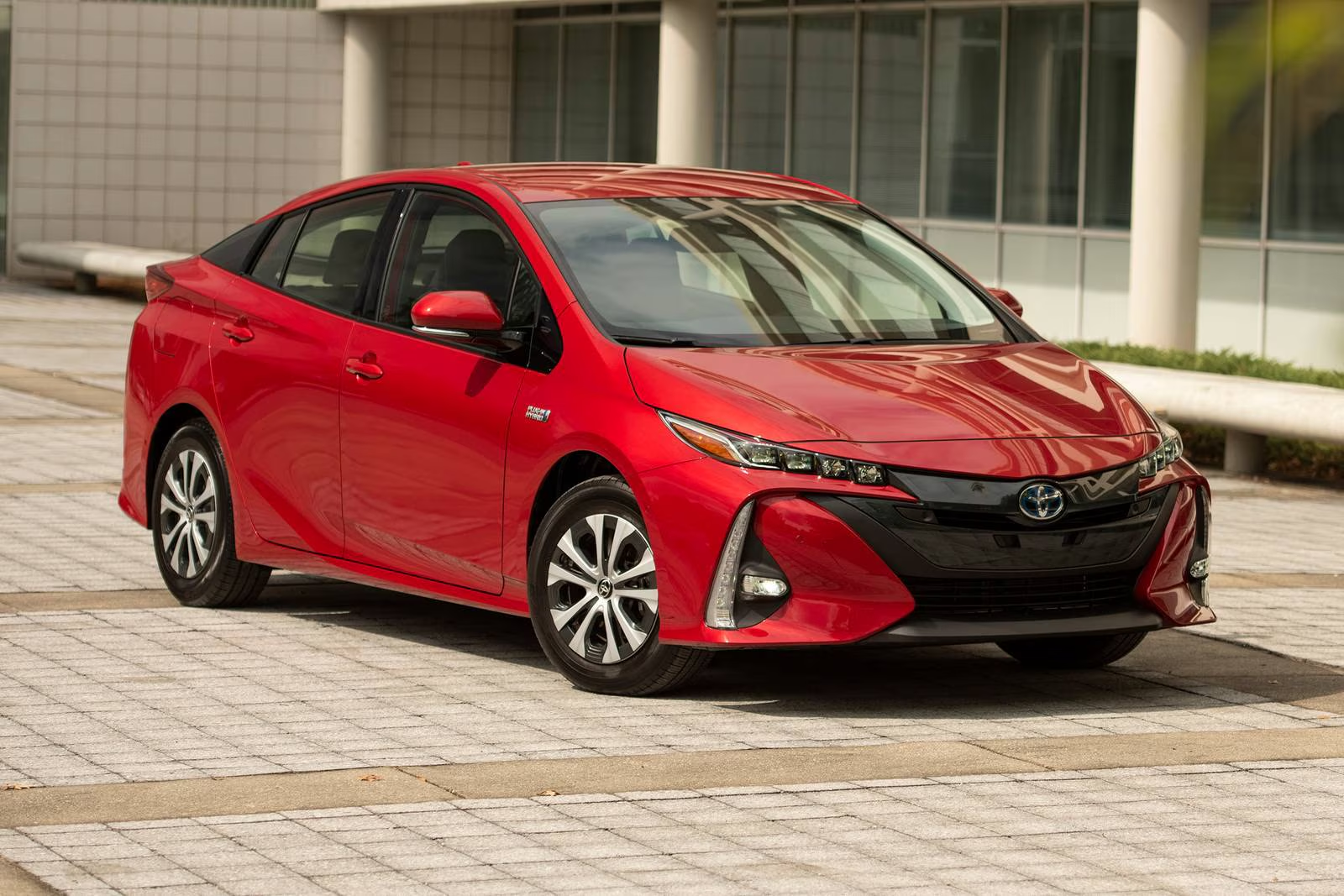
1. Toyota Prius Prime
The Prius Prime is one of the most widely recognized plug-in hybrids on the market, and much of its reputation comes from Toyota’s long-standing track record in hybrid technology. The Prime takes that legacy and applies it to a system that allows for around 25 miles of all-electric range, which is more than enough for many daily commutes.
What makes the Prius Prime especially is its battery’s longevity. Many owners report minimal range loss even after years of use, and Toyota’s conservative approach to battery management helps preserve its health.
Toyota uses a robust thermal management system that helps keep the battery at a consistent temperature, regardless of whether the vehicle is being charged or driven. This feature plays a critical role in reducing the stress on the cells, especially during extreme weather. By avoiding rapid charging and limiting the upper and lower thresholds of charge, the system reduces the likelihood of degradation.
Another factor contributing to the battery’s stable performance is the vehicle’s software. The Prius Prime doesn’t push its battery aggressively to extract maximum range; instead, it prioritizes consistency and longevity. This makes it less thrilling to drive on electric-only power compared to some competitors, but that trade-off is part of what makes the battery last longer.
Routine servicing is also minimal. Most issues reported with the Prius Prime involve general maintenance or the gasoline engine rather than battery problems. Combined with Toyota’s warranty coverage and a strong support network, this plug-in hybrid remains one of the safest bets for buyers concerned about battery stability over time.
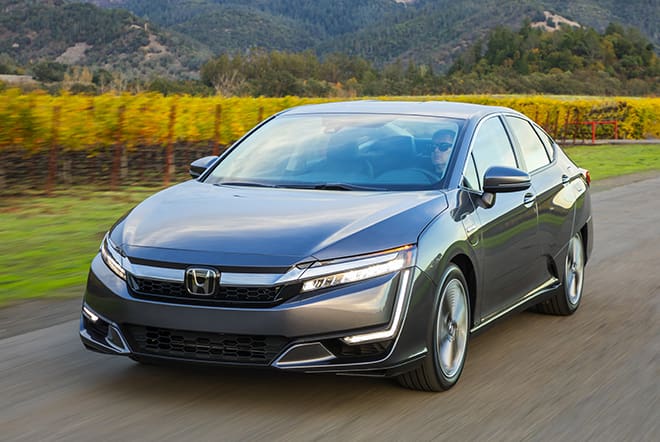
2. Honda Clarity Plug-In Hybrid
The Honda Clarity Plug-In Hybrid, although discontinued, still garners attention due to its battery durability and efficient hybrid system. It came equipped with a 17 kWh battery that provides around 47 miles of electric-only range, making it one of the leaders in its class during its time. Despite no longer being in production, many Clarity units continue to perform well years after purchase.
What sets the Clarity apart is how conservatively Honda configured the battery system. Unlike some plug-in hybrids that attempt to push the battery close to its actual capacity to maximize range, the Clarity uses a management strategy that only allows part of the battery’s full potential to be used. This buffer ensures that the battery is less likely to suffer from early degradation, even with regular charging and discharging.
Additionally, the vehicle’s liquid-cooled battery system helps stabilize cell temperature. This type of system is generally more effective than air cooling, especially in climates with extreme temperature swings. The battery pack is also well-integrated into the vehicle’s chassis, which helps with both cooling and protection from road conditions.
Owners frequently report consistent range performance even after tens of thousands of miles. While other components of the car might need attention, such as tires or brakes, the battery itself tends to be low maintenance. For anyone picking up a used Clarity or keeping their current model for the long haul, battery performance remains one of the vehicle’s strongest features.
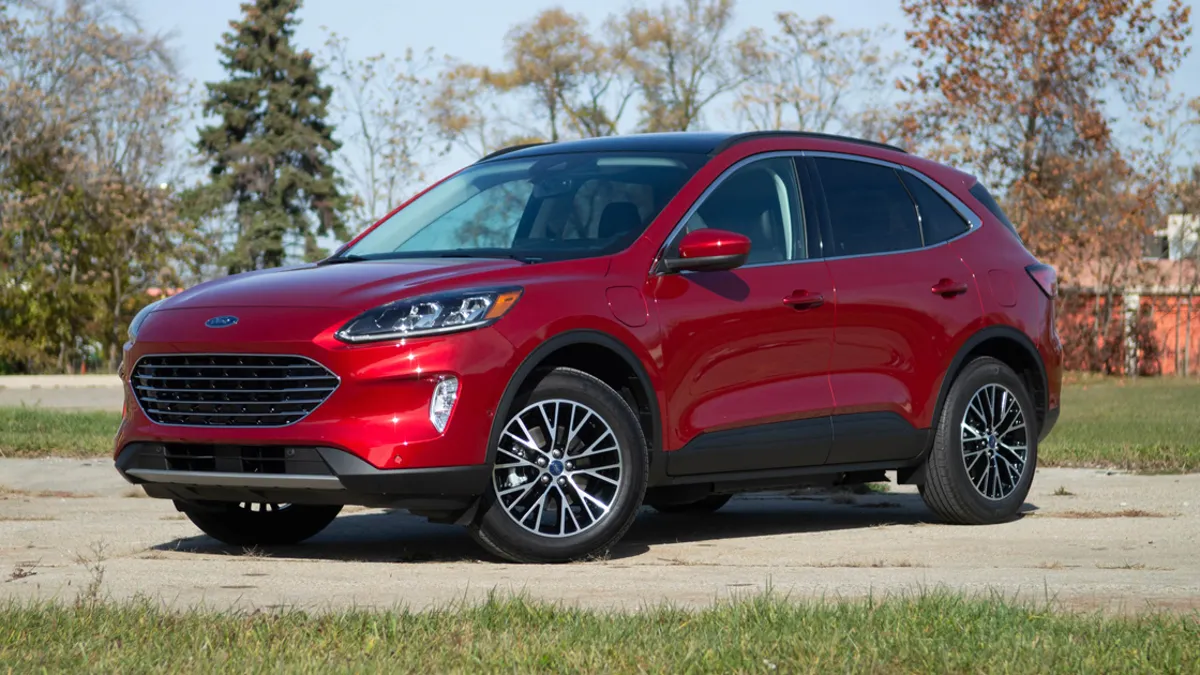
3. Ford Escape Plug-In Hybrid
The Ford Escape Plug-In Hybrid combines the versatility of an SUV with the efficiency of a plug-in system. It comes equipped with a 14.4 kWh battery, delivering an estimated 37 miles of electric-only range. Ford’s recent hybrid systems have shown improvement in both energy management and battery durability, making the Escape a well-rounded choice.
One of the strongest aspects of the Escape’s battery system is its advanced software calibration. The car uses predictive algorithms to adjust how the electric motor and gasoline engine interact. This reduces stress on the battery by avoiding unnecessary high-drain situations, especially under acceleration or while climbing hills. The software also adapts to driving habits over time to optimize battery life.
Thermal management in the Escape is handled through a liquid cooling system, which maintains even temperature across all cells during charging and driving. This minimizes the risk of localized hotspots that can lead to premature battery wear. The system is particularly effective during fast-charging sessions, although most PHEV owners typically use Level 1 or 2 charging at home.
Longevity reports for the Escape’s battery have been promising. Owners generally experience minimal capacity fade even after extensive usage. Since the Escape is a relatively recent entry into the plug-in segment, long-term data is still building, but early indicators are positive. Ford’s warranty support and over-the-air software updates also help maintain system health throughout the vehicle’s life.
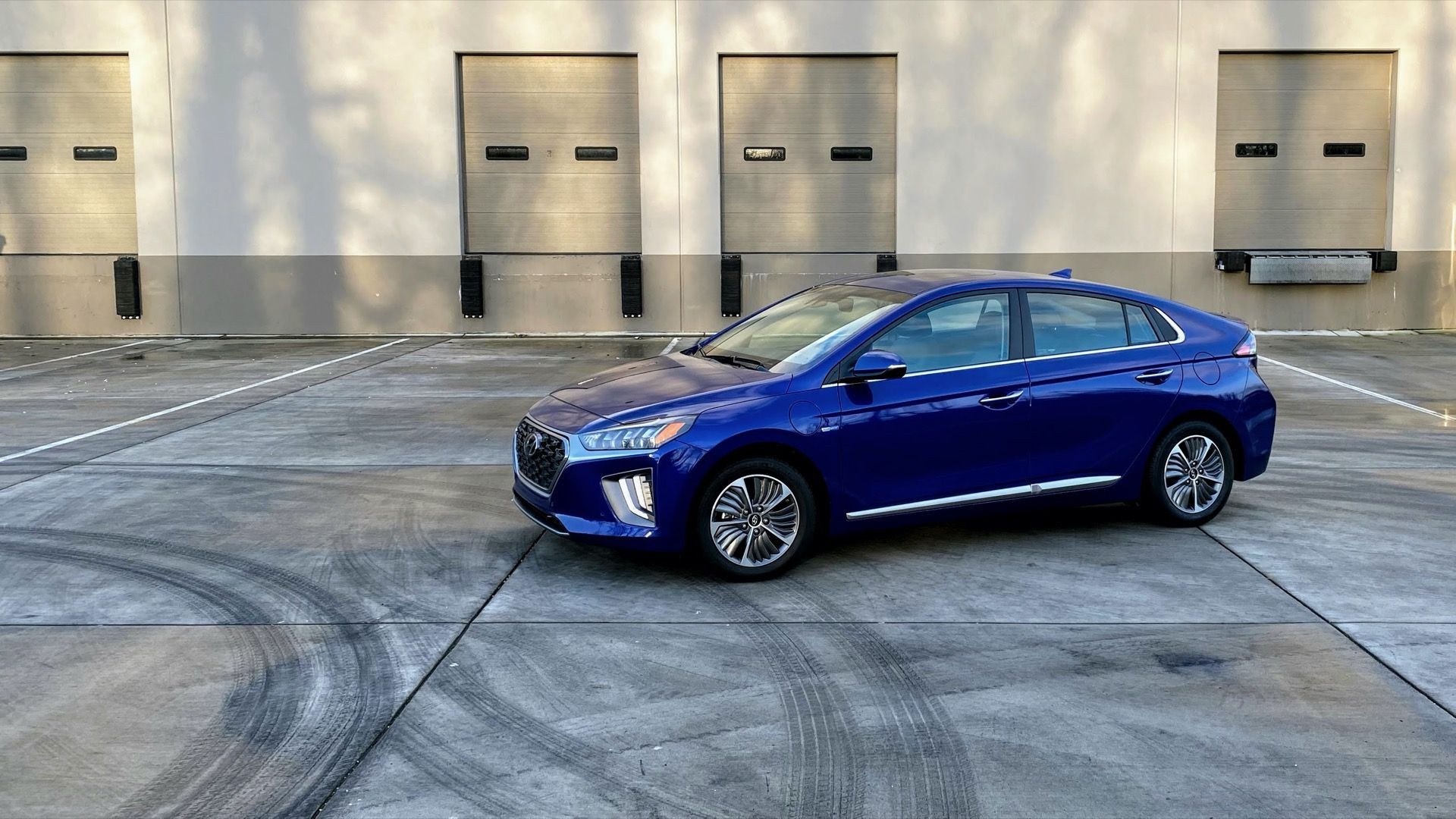
4. Hyundai Ioniq Plug-In Hybrid
The Hyundai Ioniq Plug-In Hybrid stands out with a well-balanced design focused on efficiency and reliability. Its 8.9 kWh battery supports about 29 miles of electric range. While the battery is smaller than some competitors, its performance is stable and consistent over time.
Hyundai employs a conservative battery management strategy. The system never fully charges or fully discharges the battery, maintaining a buffer that helps protect the battery’s health. This design limits the available range slightly but significantly increases the lifespan of the battery cells.
The vehicle features a well-designed air-cooling system, which, while not as efficient as liquid cooling, is more than adequate for the battery size and intended use of the Ioniq. The battery is located beneath the rear seats, offering good protection from external temperature extremes and road debris.
Owners frequently report high levels of satisfaction with the battery’s reliability. Unlike some plug-in hybrids that show reduced range after only a few years, the Ioniq maintains its electric range well. Additionally, Hyundai’s long battery warranty adds peace of mind, making this model a dependable option for those prioritizing battery performance over maximum electric range.
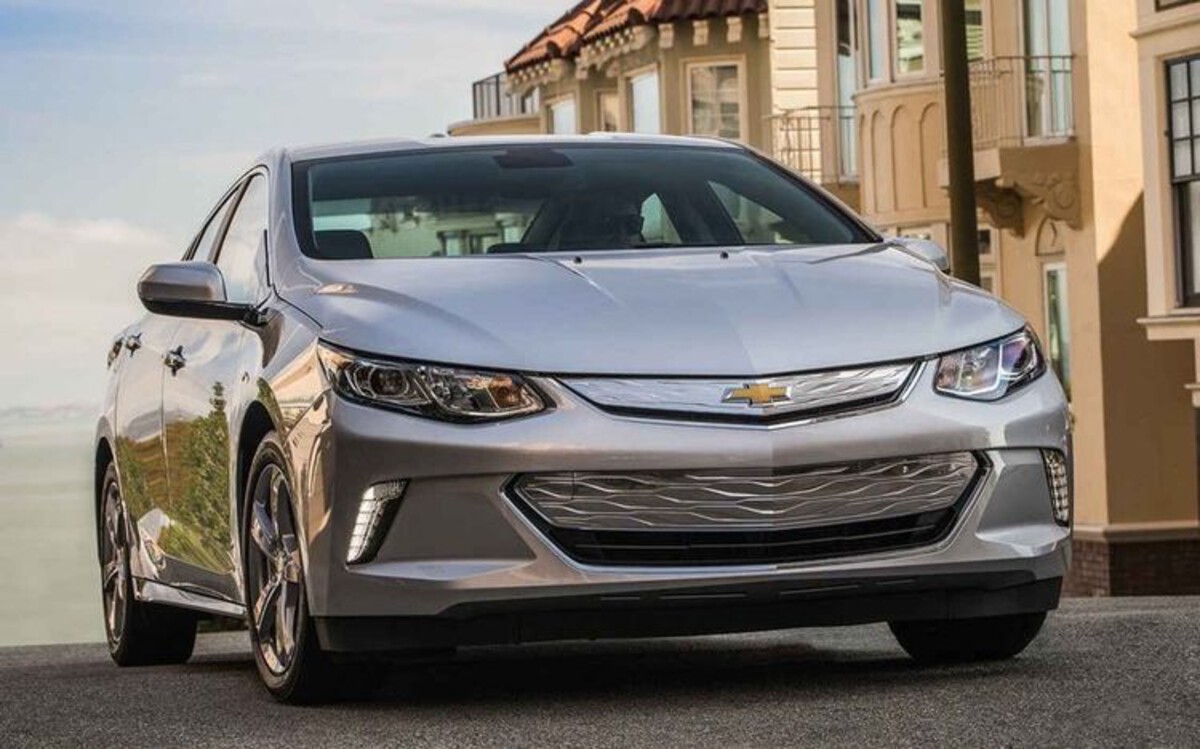
5. Chevrolet Volt (Second Generation)
The second-generation Chevrolet Volt is often praised for its impressive electric range and exceptional battery longevity. Its 18.4 kWh battery offers about 53 miles of electric-only driving, which was class-leading during its time. Though no longer in production, the Volt remains a popular used plug-in hybrid because of how well its battery holds up over time.
General Motors equipped the Volt with a thermal liquid management system that keeps battery temperatures well within optimal operating conditions. This prevents overheating during high-demand driving and keeps cells from dropping below critical temperatures in winter. The result is a system that maintains consistent performance, regardless of the climate.
Another reason the Volt’s battery system is so reliable is due to its sizable buffer. GM engineers made the decision to never use the full capacity of the battery, which reduces wear and tear. This helps extend the usable life of the battery, even after years of daily charging and hybrid use. Many Volt owners report minimal capacity degradation after 100,000 miles or more.
Software updates also played a role in improving the Volt’s efficiency and reliability. GM issued firmware refinements over the years to enhance charge retention and motor efficiency. These improvements contributed to its reputation as one of the most stable battery systems in any PHEV. Even though the Volt is no longer being manufactured, its battery remains one of the best examples of plug-in durability.
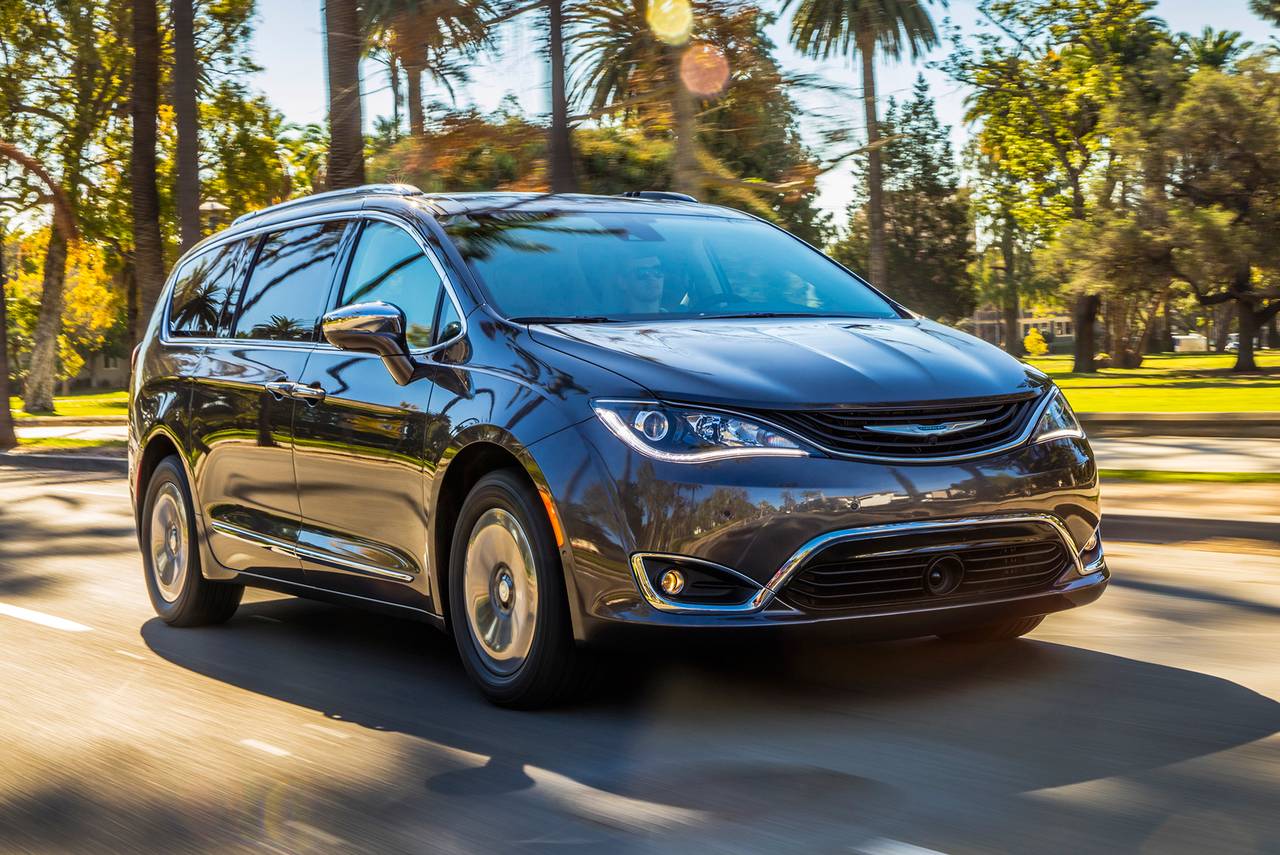
6. Chrysler Pacifica Hybrid
For families looking for a spacious plug-in hybrid, the Chrysler Pacifica Hybrid offers something unique: a full-size minivan with enough electric range for local errands. It uses a 16 kWh battery and provides about 32 miles of electric range under ideal conditions. While minivans aren’t typically known for battery innovation, the Pacifica’s system performs admirably over time.
One reason the Pacifica Hybrid performs well is its thermal regulation. The battery is managed through a liquid cooling system that actively moderates temperature across the entire pack. This helps avoid performance drops in hot weather or cold starts during winter. It’s particularly helpful given the vehicle’s weight and passenger load, both of which put more demand on the battery.
Another advantage is the design of the hybrid system itself. The vehicle uses a dual-motor eFlite electrically variable transmission, which blends the electric and gasoline inputs smoothly. This means the battery is not constantly pushed to its limits to propel a heavy vehicle, which contributes to longer battery health and better performance under load.
Reports from owners and industry reviews consistently note that the Pacifica’s battery retains range well into its later years. Chrysler also extended the vehicle’s battery warranty in many regions, recognizing the long-term potential of its hybrid system. It remains one of the few plug-in minivans on the market, and battery performance is one of its key strengths.
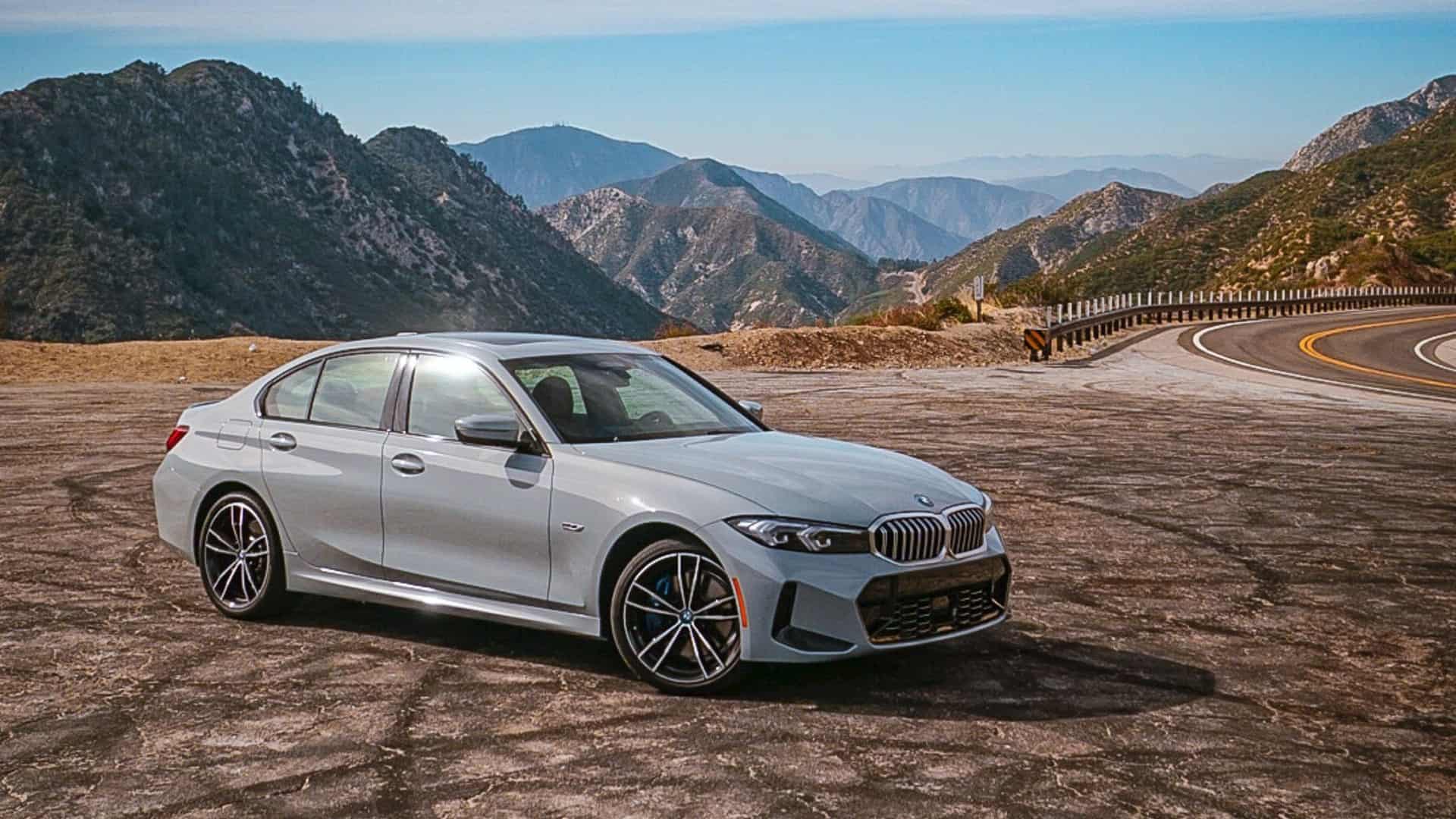
7. BMW 330e
The BMW 330e blends performance and efficiency, offering a plug-in hybrid experience in a sporty sedan package. Its battery capacity varies slightly depending on the model year, with more recent versions offering up to 22 miles of electric-only range. While not the longest range on the list, the battery’s reliability and resilience are significant.
BMW’s thermal battery management system keeps cells within an optimal range during both driving and charging. This helps avoid sharp drops in performance and maintains capacity over time. It also ensures that the vehicle performs consistently in both warm and cold climates, which is essential for a sports sedan that may be driven year-round.
The integration of BMW’s eDrive technology ensures smooth coordination between the electric motor and the gasoline engine. By reducing unnecessary cycling of the battery during aggressive driving or city traffic, the system minimizes battery wear. Additionally, the software allows the driver to choose between different driving modes, including a “battery hold” mode that saves charge for later use.
Battery degradation reports for the 330e are generally low. Owners report a stable range over several years, and warranty support from BMW adds confidence to long-term ownership. Although the electric range isn’t class-leading, the battery’s durability and system design make the 330e a reliable option for those wanting a premium plug-in hybrid with consistent performance.
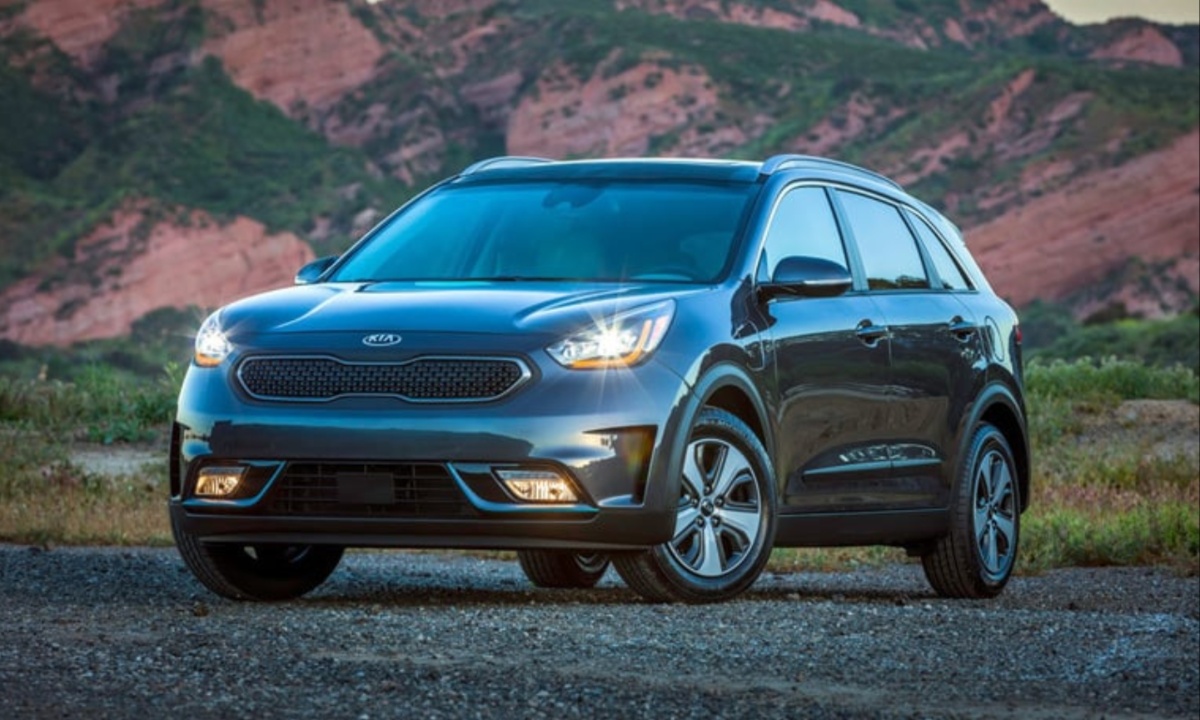
8. Kia Niro Plug-In Hybrid
The Kia Niro Plug-In Hybrid is a compact crossover that emphasizes efficiency and practicality. It offers a 8.9 kWh battery and around 26 miles of electric-only driving. While the range may seem modest, the battery’s stability and Kia’s system design make it a strong performer in real-world conditions.
One of the strengths of the Niro’s battery system is its passive thermal management combined with effective cell architecture. Though it doesn’t use a liquid-cooled system, the battery pack is designed with enough insulation and passive airflow to keep temperatures stable in most climates. This setup proves to be more than sufficient for the vehicle’s energy needs.
The hybrid control unit in the Niro does a solid job of maintaining balanced energy use. It prevents deep discharges, avoids overcharging, and allows the electric motor to handle low-speed city driving with minimal involvement from the gasoline engine. This strategy protects the battery from excessive wear and reduces the frequency of full charge cycles.
Long-term owner feedback suggests that the Niro Plug-In maintains its battery range well, even with daily use and routine charging. The model is supported by an extended battery warranty, and Kia’s reliability ratings add further reassurance. For those looking for an efficient crossover that won’t suffer from early battery problems, the Niro is a dependable choice.
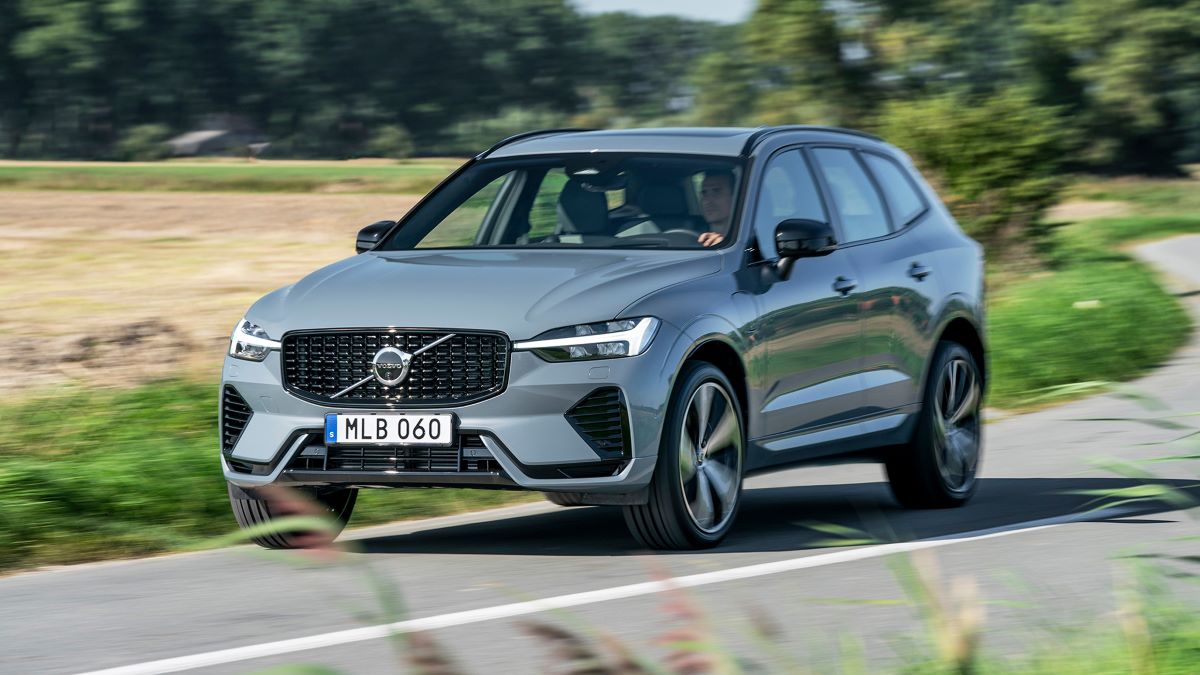
9. Volvo XC60 Recharge
The Volvo XC60 Recharge is a midsize luxury SUV that delivers both comfort and plug-in capability. Its battery system has evolved over the years, with recent versions featuring a 18.8 kWh battery pack providing up to 36 miles of electric-only range. The vehicle combines elegant design with strong electric integration.
A key feature of the XC60 Recharge is its advanced battery cooling system. Volvo uses a liquid cooling network to keep cell temperatures consistent, which greatly reduces degradation. The system is especially important in an SUV, where power demands can vary widely depending on load and driving conditions.
Volvo’s hybrid software also contributes to the battery’s durability. The system seamlessly switches between gasoline and electric modes, prioritizing electric use at lower speeds while limiting high-load stress on the battery. It also offers regenerative braking, which not only improves efficiency but reduces the need for full recharges as often.
Drivers of the XC60 Recharge report minimal drop in electric range over time. The combination of physical battery protection, effective cooling, and careful software tuning creates a package that maintains consistent performance even after several years. The model is particularly suited for those who want a luxury SUV without the worry of early battery fatigue.
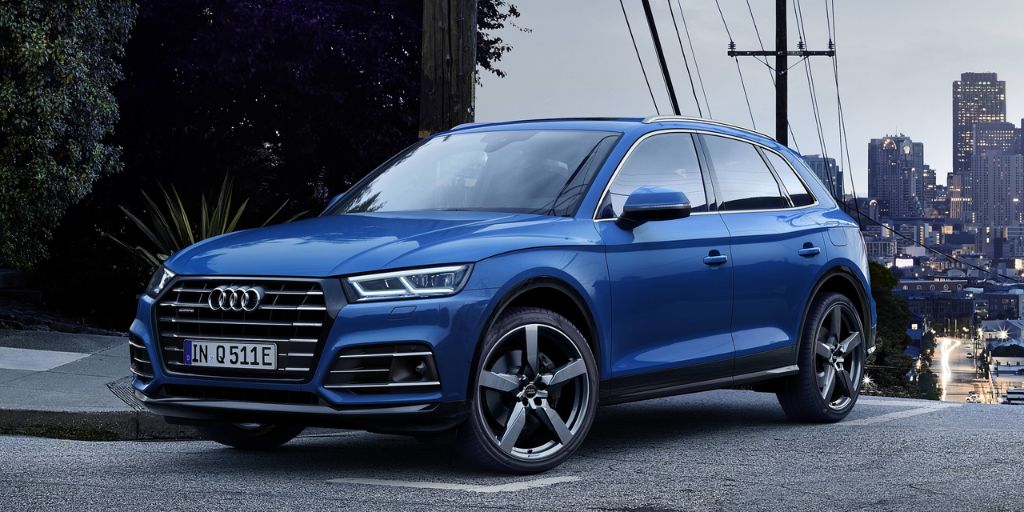
10. Audi Q5 TFSI e
The Audi Q5 TFSI e represents a luxury SUV offering from Audi that incorporates plug-in hybrid technology without compromising its refined driving experience. Equipped with a 17.9 kWh battery in recent models, it delivers around 23–25 miles of all-electric range, depending on driving style and conditions. What it lacks in total electric range, it makes up for in reliability and battery management.
Audi has put considerable effort into ensuring battery stability in its plug-in hybrids. The Q5 features a liquid-cooled battery system that minimizes temperature fluctuations. This system proves particularly useful in both hot and cold weather, maintaining efficient operation without exposing the cells to thermal stress, which is a common cause of degradation over time.
The Q5 also benefits from a smart hybrid control system that manages power delivery based on navigation input, terrain, and driver habits. If you’re approaching a city center or a known traffic zone, the vehicle prioritizes electric power to maximize efficiency and reduce unnecessary strain on the gasoline engine and battery. This intelligent behavior helps preserve battery cycles, contributing to longer-lasting performance.
Reports from Q5 TFSI e owners have shown relatively consistent electric range and battery health after multiple years of ownership. The car’s premium build and focus on efficiency do not come at the cost of long-term reliability. For those looking for a luxury PHEV SUV with a focus on dependable battery operation, the Q5 TFSI e is a well-balanced option that continues to perform solidly over time.
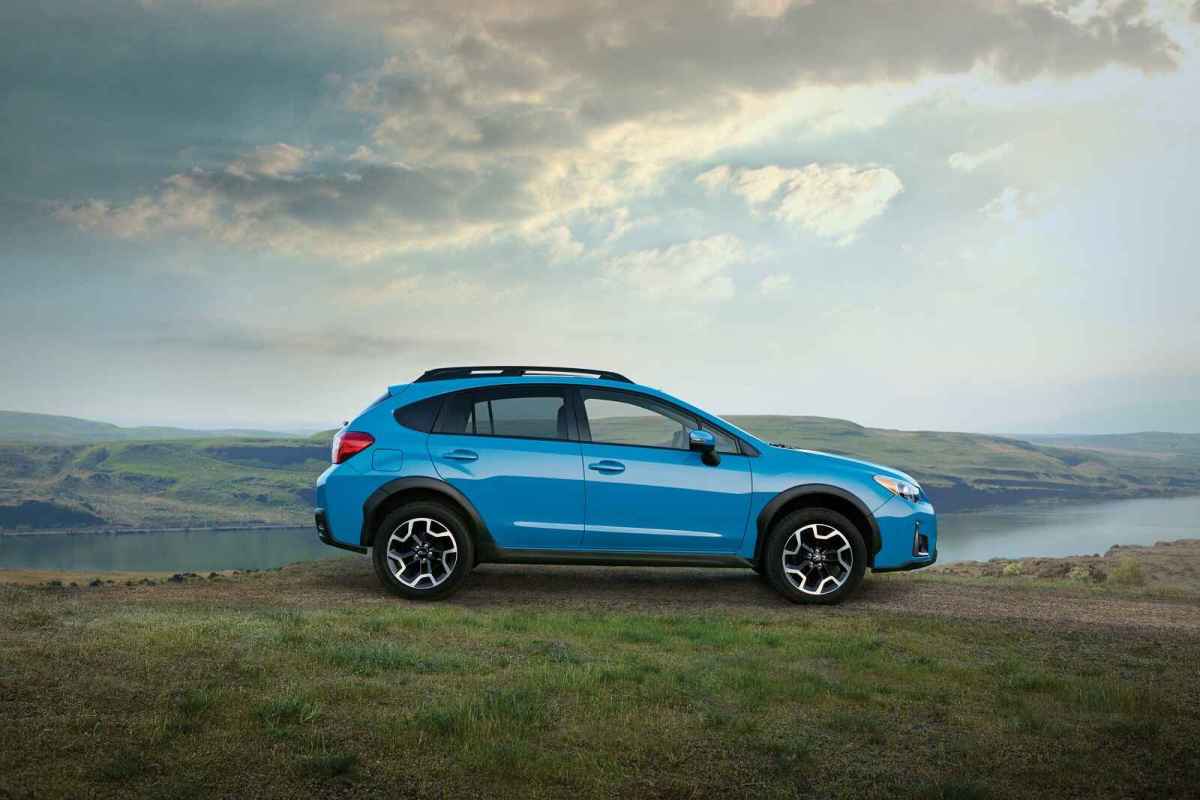
11. Subaru Crosstrek Hybrid
The Subaru Crosstrek Hybrid blends plug-in efficiency with all-wheel drive and off-road readiness, a rarity in the plug-in hybrid world. It features an 8.8 kWh battery and delivers about 17 miles of electric range. Though the range isn’t its strongest trait, the battery’s stability and performance in varied conditions are where it excels.
The Crosstrek Hybrid benefits from Toyota’s hybrid technology, as it shares core components with the Prius Prime. This partnership ensures a high level of battery efficiency and management. Despite being packed into a more rugged platform, the battery system maintains the same principles: conservative charge cycles, integrated thermal protection, and cautious energy use.
While the Crosstrek uses an air-cooled battery system, its smaller battery capacity and conservative use strategy mean it doesn’t overheat or become stressed under normal driving conditions. The all-electric range may dip in colder weather, but it generally returns to normal levels once temperatures stabilize. Most users report consistent performance from the battery system even after regular daily charging.
The vehicle is particularly popular in regions with snow and varied terrain. Despite the harsher environments, the battery system continues to deliver predictable performance. Subaru’s reputation for reliability carries into the hybrid system, making the Crosstrek Hybrid a practical choice for buyers who want both electric capability and long-term dependability.

12. Mini Cooper SE Countryman ALL4
The Mini Cooper SE Countryman ALL4 brings character and utility to the plug-in hybrid market. With a 10 kWh battery providing around 18 miles of electric-only driving, this PHEV is aimed at urban and suburban users who value style and flexibility. While the range is modest, the battery system’s stability and durability make it stand out in its segment.
Mini employs BMW’s battery management system, which is designed to avoid deep discharges and fully saturated charges. This limits wear on the battery cells and helps extend their usable life. The system also incorporates automatic adjustments based on driving style and ambient temperature, giving the battery the best chance of maintaining optimal performance year after year.
The Countryman ALL4 features a liquid cooling system, which is uncommon in small plug-in hybrids. This extra protection reduces thermal fatigue and ensures stable operation even in heavier city traffic or during stop-and-go commutes. It also helps the car maintain range consistency across different weather conditions.
Feedback from long-term owners indicates that battery degradation is minimal over time. Range stays relatively steady with routine charging, and the hybrid system does not rely heavily on the battery alone. This shared load between the electric motor and gasoline engine helps reduce strain. For those who want a PHEV with a unique personality and dependable battery performance, the Countryman ALL4 is a fun and capable choice.
Also Read: 5 Cars With Best Visibility and 5 With Major Blind Spots
As the automotive industry continues its shift toward electrification, plug-in hybrids offer a crucial bridge between traditional internal combustion vehicles and fully electric models. They cater to a wide range of drivers by combining the benefits of electric mobility with the reassurance of a gasoline backup.
But while features like fuel savings and electric range often receive the spotlight, battery stability is what truly determines a plug-in hybrid’s long-term value. A vehicle might boast impressive numbers when new, but what matters more is how those numbers hold up after years of driving, charging, and weather exposure.
The twelve vehicles covered in this article prove that stable battery performance is achievable across various price points and segments. From compact hatchbacks to midsize SUVs and luxury sedans, these models demonstrate that thoughtful design, proven engineering, and conservative battery management can result in systems that stand the test of time.
Some rely on tried-and-true hybrid technology that’s been refined over decades, while others use newer, more sophisticated software to preserve battery life without sacrificing daily usability.
What each of these vehicles has in common is a balanced approach. Rather than pushing the battery to its absolute limits for maximum electric range, they operate within margins designed to minimize stress on the cells. Strategies like thermal management, buffer capacity, and controlled charging speeds help prevent premature degradation.
These protective measures ensure that, even after tens of thousands of miles, the battery still performs close to its original specification. For owners, this translates into consistent range, fewer service issues, and better satisfaction.
It’s also worth noting that a stable battery doesn’t just benefit the primary owner. It also makes the vehicle more attractive on the used market. Buyers are more confident investing in a plug-in hybrid with a track record of dependable battery health.
With more people now looking into used electric and hybrid options, having a car that can deliver consistent performance over time is a major asset. This makes these twelve plug-in hybrids a smart choice not just from a driving perspective, but from a financial one as well.
As battery technology continues to evolve, we can expect even greater improvements in future models. However, current PHEVs already offer impressive levels of durability and consistency when designed and managed correctly.
Whether you prioritize eco-friendly driving, long-term reliability, or cost efficiency, stable battery performance should be a key part of your buying decision. The vehicles highlighted here offer not only technological reliability but also peace of mind, something every driver can appreciate in a world where energy efficiency and sustainability are becoming essential values.
