
Insurance premiums can be a major consideration for anyone looking to buy a vehicle. Often, people assume that more expensive or newer cars automatically come with high insurance costs. However, the relationship between a vehicle’s price tag and its insurance premium is not always straightforward.
Many factors influence insurance rates, including the car’s safety features, repair costs, likelihood of theft, and reliability. Some vehicles stand out because they combine affordability, safety, and low repair expenses, which translates into surprisingly low insurance premiums.
For budget-conscious drivers or those looking to keep their ongoing costs manageable, choosing a car with low insurance premiums can make a big difference over time.
Insurance companies carefully analyze data from past claims to assess the risk associated with insuring each type of vehicle. Factors such as engine size, horsepower, vehicle weight, and crash-test ratings affect how much a driver will pay for insurance. In addition, vehicles with high theft rates or costly repair parts often result in higher premiums.
On the other hand, models that are easier to fix, less likely to be involved in accidents, or that have strong safety ratings tend to be cheaper to insure. Interestingly, some cars that might seem modest or ordinary have these characteristics in abundance, which means their owners benefit from more affordable insurance costs.
Choosing a car with low insurance premiums can be a practical strategy, especially for younger drivers or those with limited budgets. For many people, insurance premiums add hundreds of dollars to their yearly expenses, sometimes surpassing loan payments or maintenance costs.
Being aware of vehicles that are inexpensive to insure can help buyers make better financial decisions without compromising on quality or features. It’s also worth noting that low insurance premiums often reflect strong safety records and dependability, so these cars can provide peace of mind beyond just saving money.
This article lists twelve vehicles that have earned a reputation for surprisingly low insurance premiums. Each vehicle comes from a range of categories, including compact cars, midsize sedans, SUVs, and hybrids, showing that there are many options available for different tastes and needs.
The following sections explain why these models offer affordable insurance rates and highlight their other benefits, making them smart choices for anyone looking to save on insurance without sacrificing reliability or comfort.
Also Read: 5 BMW Engines That Last and 5 That Drain Your Wallet
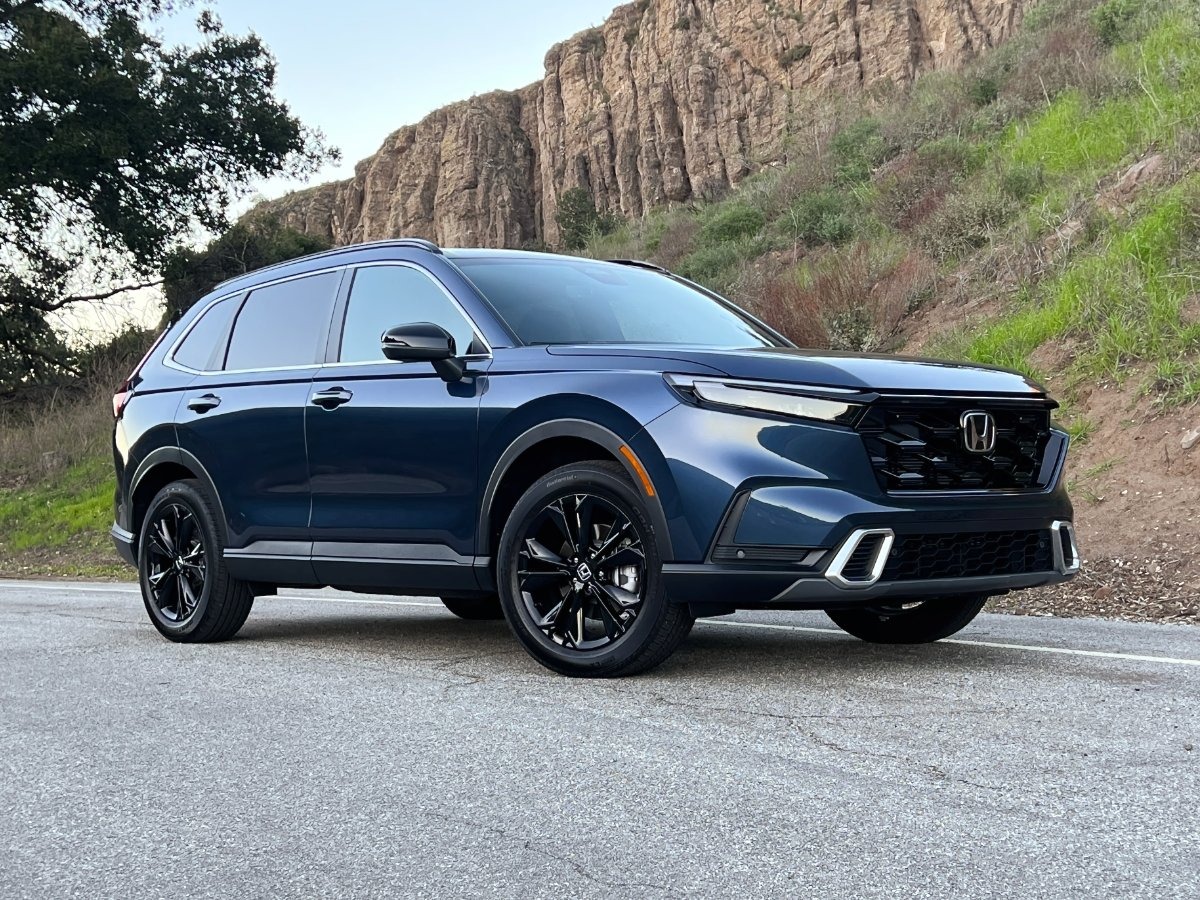
1. Honda CR-V
The Honda CR-V is one of the most popular compact SUVs in the market and is well-known for combining practicality with affordability. One key advantage of the CR-V is its strong safety record, which insurers highly appreciate.
It consistently earns good crash-test scores from various safety organizations, and its range of active safety features helps reduce the chances of accidents. Because of this, insurance companies consider it a lower risk, which often results in reduced premiums. Beyond safety, the CR-V’s solid build quality and reputation for reliability contribute to its lower insurance costs.
In addition to safety, the cost and availability of replacement parts for the CR-V are factors that keep insurance rates down. Honda’s widespread presence means that parts are relatively easy to find and affordable, which lowers repair expenses after accidents.
When repairs are cheaper and quicker, insurance companies tend to reward the vehicle owners with better rates. This also benefits the owner by reducing out-of-pocket costs in case of minor collisions or damages.
The CR-V also appeals to a broad audience, including families and commuters, which makes it a stable and well-understood choice for insurers. Its moderate engine size and controlled performance mean it is less likely to be involved in high-speed collisions or risky driving behaviors.
This combination of safety and moderate performance makes it an attractive option for those looking to keep insurance premiums manageable without giving up utility or style.
Finally, the Honda CR-V offers versatility in terms of trims and features, allowing buyers to select models that fit their budget while maintaining good insurance rates.
Whether it’s a base model or a fully loaded version, the vehicle’s core safety and reliability features remain strong. This makes the CR-V a dependable choice for many people, especially those who want a well-rounded vehicle that won’t cost an arm and a leg to insure.
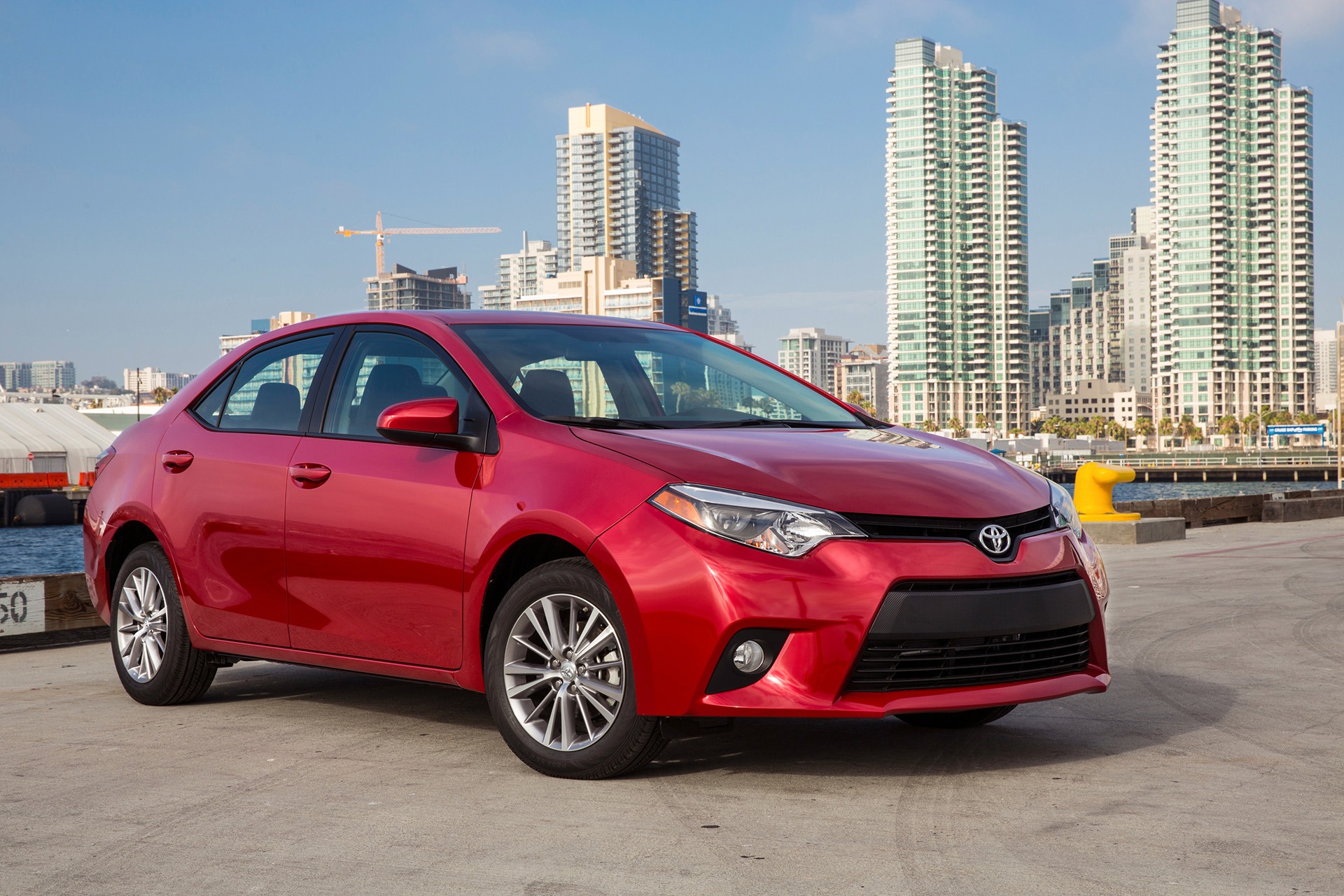
2. Toyota Corolla
The Toyota Corolla has been a mainstay among compact sedans for decades, and one reason for its enduring popularity is the low cost of ownership, including insurance. This model has earned a reputation for outstanding reliability and ease of maintenance, which insurance companies factor into their risk assessments.
The Corolla’s excellent safety ratings, particularly in crash tests and preventive safety features, help keep insurance premiums at a reasonable level. Drivers who choose the Corolla often benefit from lower-than-average insurance costs compared to other vehicles in the same class.
Insurance companies also consider theft rates when calculating premiums, and the Toyota Corolla has historically had low theft incidence compared to other cars. This makes it a less attractive target for thieves, which insurers like because it reduces the likelihood of claims related to stolen vehicles.
Additionally, the Corolla’s parts are widely available and inexpensive, further lowering the cost of repairs. This contributes to a more affordable insurance experience for owners.
Performance characteristics also influence insurance rates, and the Corolla’s modest engine size and well-balanced handling make it less likely to be involved in reckless driving or speed-related incidents.
Insurance providers see the Corolla as a low-risk vehicle because it encourages safer driving habits due to its focus on fuel efficiency and comfort rather than speed or power. These factors make it a popular choice for new drivers or anyone seeking reliable transportation with reasonable insurance costs.
Finally, the Corolla’s large market presence and strong resale value add to its appeal. Since insurers have extensive data on this model, they can price premiums more accurately, often resulting in favorable rates for owners.
The combination of safety, reliability, low theft rates, and affordable repair costs makes the Toyota Corolla a vehicle that many drivers turn to when looking for low insurance premiums without compromising quality.
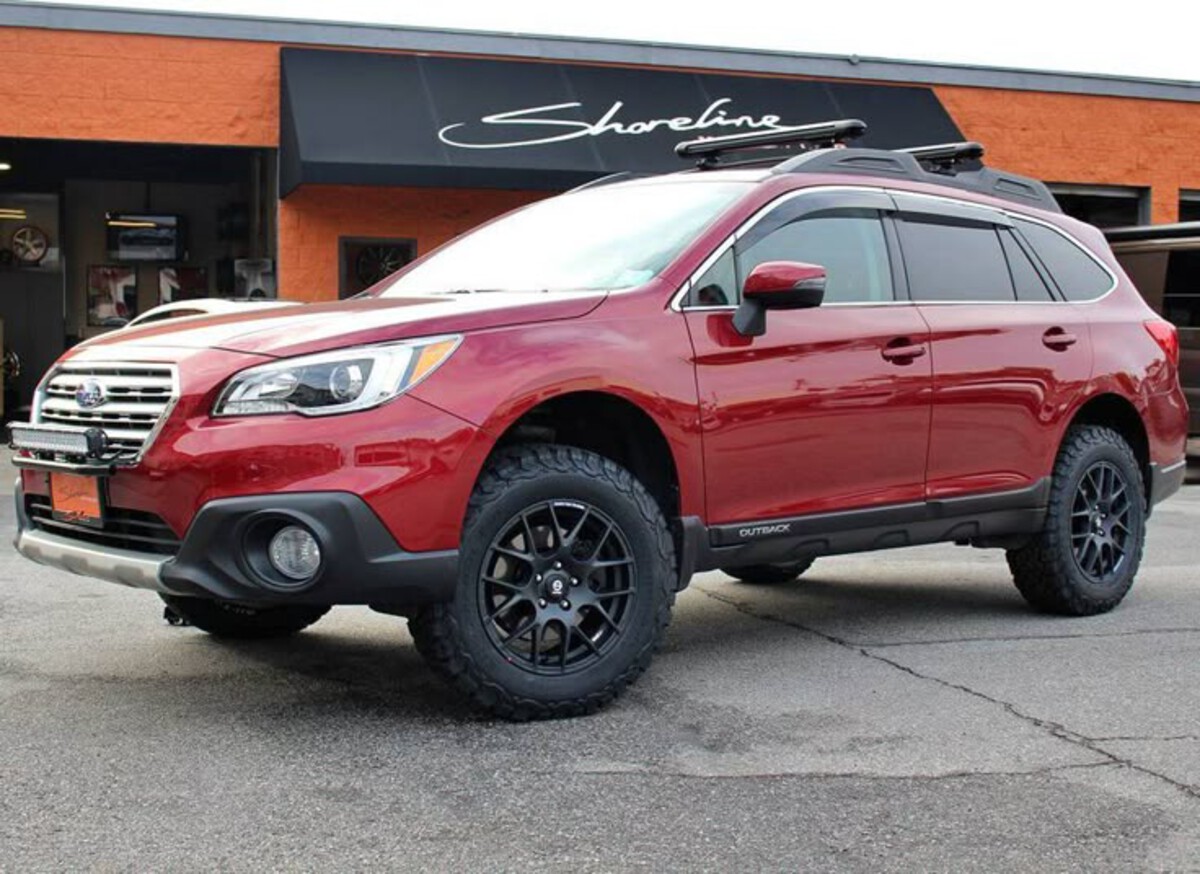
3. Subaru Outback
The Subaru Outback stands out in the crossover and wagon segment for its strong safety features and rugged utility. This vehicle is well-regarded for its all-wheel-drive system, which enhances traction and stability, particularly in adverse weather conditions.
From an insurance perspective, the Outback’s safety technology, including driver assistance systems like adaptive cruise control and lane departure warnings, reduces the risk of collisions. As a result, insurers often offer competitive premiums to owners of this model.
Another reason the Subaru Outback enjoys low insurance premiums is its solid crash-test ratings. It consistently performs well in front, side, and rollover tests, reassuring insurers that the car provides significant occupant protection in accidents.
This translates to lower medical and injury claims, which are a major factor in determining insurance costs. The Outback’s sturdy construction and emphasis on safety help keep premiums down compared to other SUVs or wagons with less impressive safety profiles.
Repair costs also influence insurance pricing, and Subaru’s parts and service network are generally accessible and affordable. The Outback’s popularity means that parts are produced in large quantities, which helps keep replacement costs lower than for rarer or more exotic vehicles.
Since repair expenses are a key consideration for insurance companies, the Outback benefits from this advantage by being cheaper to insure in the long run.
Finally, the Outback appeals to drivers who need a reliable vehicle for a variety of conditions, such as rural areas or regions with harsh winters. This practical appeal is supported by its durable design and reputation for longevity.
Drivers who own a Subaru Outback often experience fewer claims related to breakdowns or accidents, which insurers reward with lower insurance premiums. Its combination of safety, utility, and affordability makes it a solid choice for anyone wanting to reduce insurance expenses.
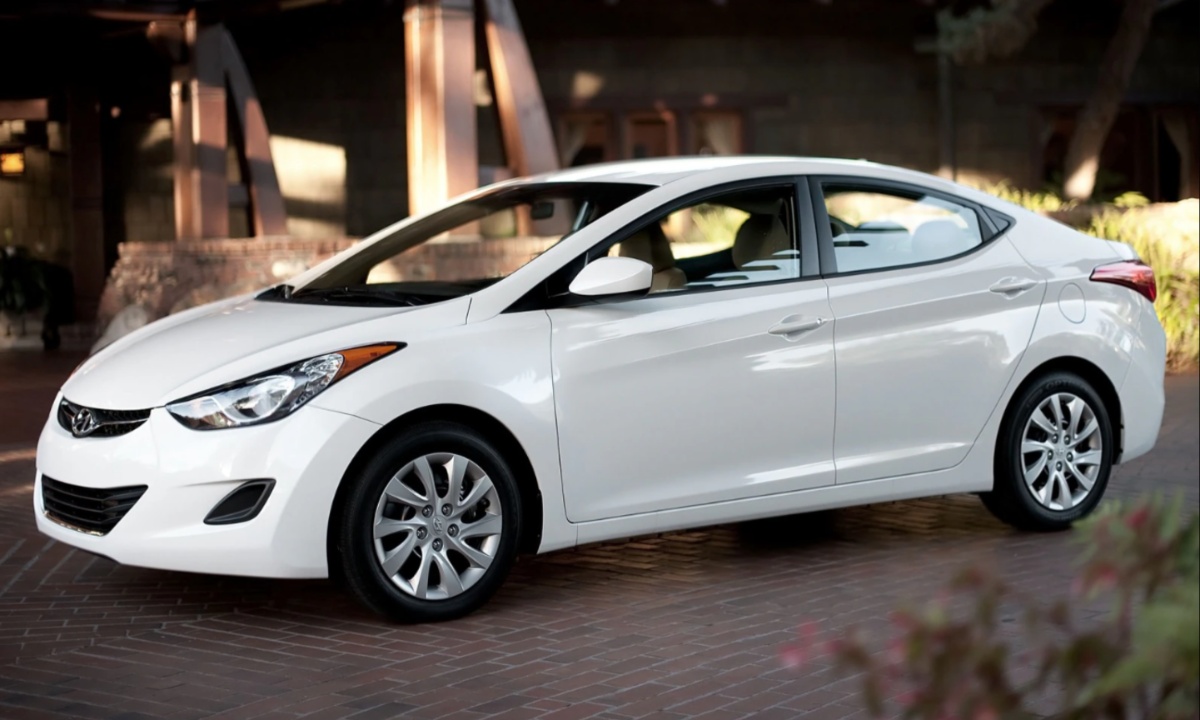
4. Hyundai Elantra
The Hyundai Elantra is a compact sedan that has gained attention for its affordability and comprehensive warranty. This model offers a strong package of safety features, including multiple airbags, stability control, and driver-assistance technologies on newer models.
Insurance providers take these features into account when assessing risk, often resulting in lower premiums for Elantra owners. Its well-rounded safety performance helps reduce the likelihood of injury claims, which are a significant part of insurance costs.
Repair costs and part availability also play a crucial role in the Elantra’s insurance affordability. Hyundai’s extensive dealer and service network means parts are readily accessible and repairs can be performed quickly and cost-effectively.
This availability reduces the expense for insurers when processing claims. When combined with the Elantra’s moderate repair complexity, insurance companies often view it as a budget-friendly model to insure.
The Elantra’s moderate engine size and controlled performance profile also contribute to its lower insurance premiums. With a focus on fuel efficiency rather than high speed or aggressive acceleration, the Elantra tends to encourage safer driving habits. Insurance companies consider the risk profile of vehicles with less powerful engines to be lower, which benefits drivers in terms of insurance rates.
Lastly, the Hyundai Elantra has steadily improved in terms of technology, comfort, and style, making it an attractive choice for younger drivers and first-time car buyers.
This demographic often faces high insurance costs, so the Elantra’s lower premiums offer a significant financial advantage. Its combination of safety, low repair costs, and accessible features help position it as a smart choice for those looking to keep insurance expenses manageable.
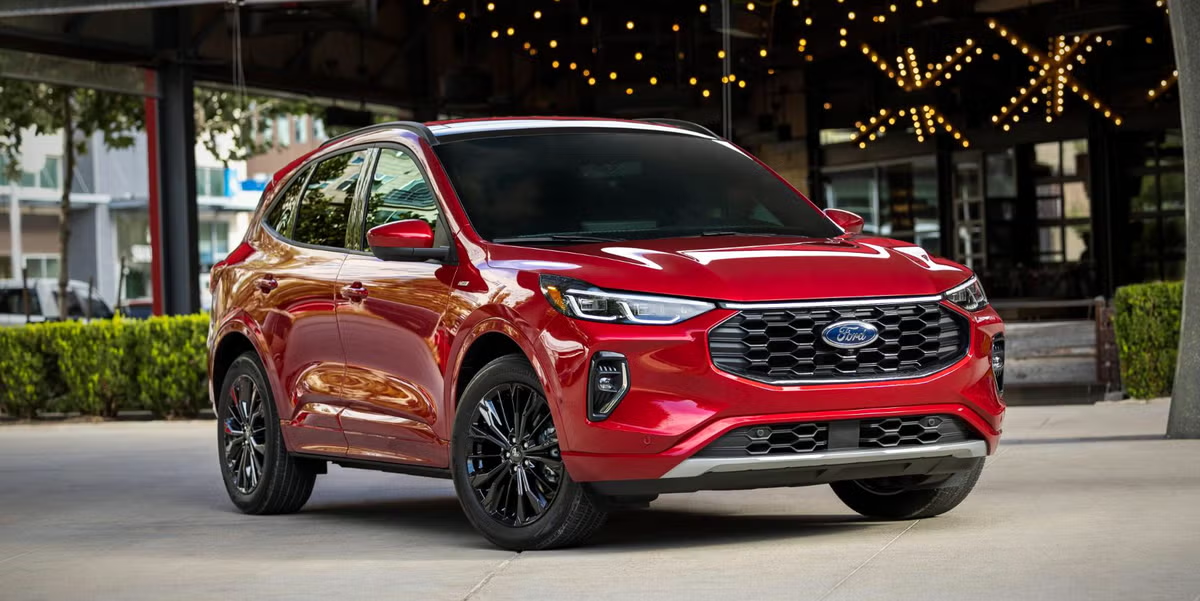
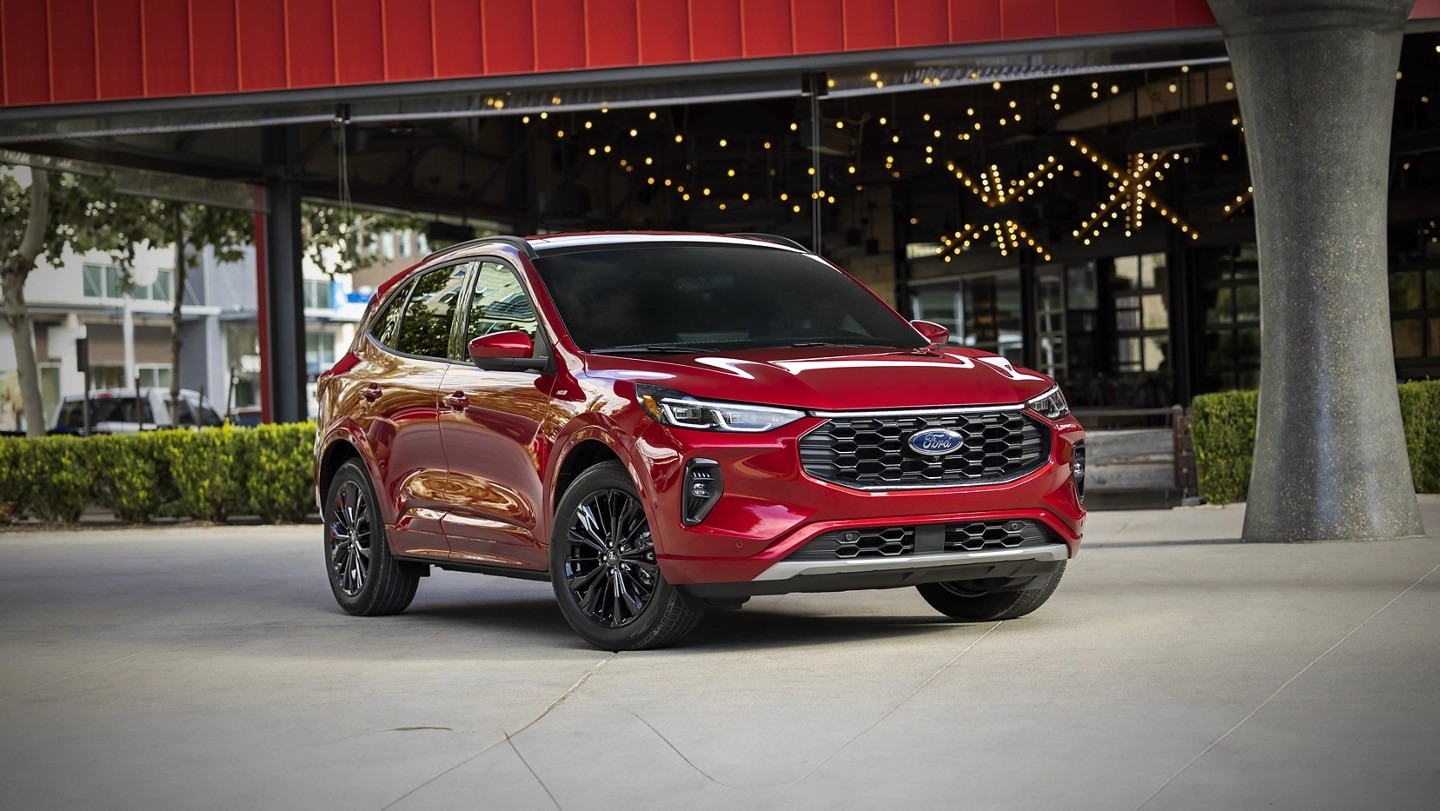
5. Ford Escape
The Ford Escape is a compact SUV that balances performance, utility, and affordability. One of the reasons it maintains low insurance premiums is its comprehensive safety suite, which includes features like automatic emergency braking, blind-spot monitoring, and rear cross-traffic alerts.
These technologies help reduce accident rates, which insurers take into account when pricing premiums. The Escape’s good crash-test results further reinforce its reputation as a safe vehicle.
Insurance companies also consider the cost of repairing or replacing the Escape’s components. Ford’s extensive parts network and the vehicle’s popularity mean that repairs are relatively affordable.
Insurance providers factor in these costs to determine premiums, and vehicles with lower repair expenses often receive better insurance rates. The Escape’s design favors durability and ease of repair, which is a plus in the eyes of insurers.
The Escape’s engine options tend to favor fuel efficiency and balanced power rather than high-performance variants. This reduces the risk of reckless driving or speeding-related claims.
Insurance companies typically assign higher premiums to vehicles with powerful engines due to the increased risk of accidents. The Escape’s moderate performance profile makes it less of a liability and lowers insurance costs.
Finally, the Ford Escape offers versatility with a variety of trims and features, appealing to a wide range of drivers. Its combination of safety, reliability, and moderate repair costs helps keep insurance premiums competitive. For families or individuals who want a practical SUV without breaking the bank on insurance, the Escape is a compelling choice.
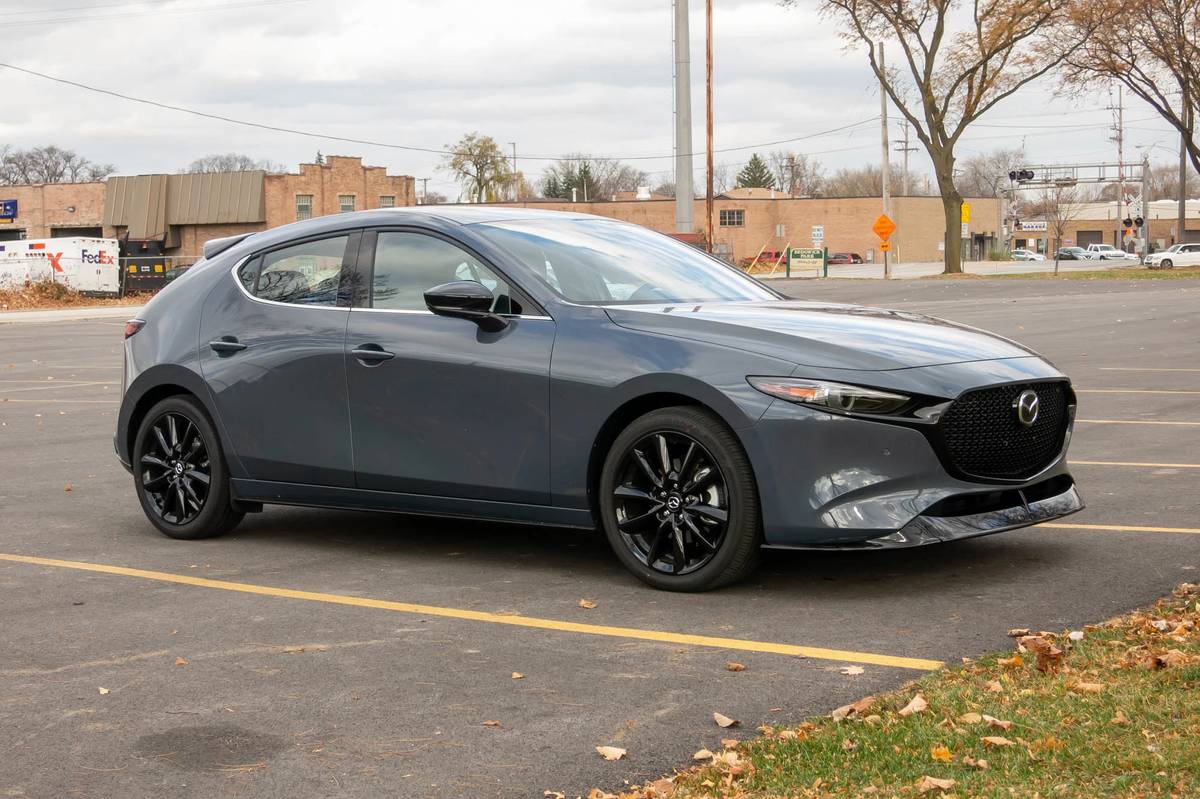
6. Mazda3
The Mazda3 is a compact car known for its sporty handling and upscale interior while maintaining affordability. Insurance companies appreciate the Mazda3 because of its solid safety ratings and relatively low repair costs.
The vehicle offers advanced safety features such as collision avoidance systems, lane-keeping assist, and adaptive cruise control on many models. These technologies help reduce the frequency and severity of accidents, which insurers reward with lower premiums.
Another factor influencing the Mazda3’s insurance costs is its repairability. Mazda has established a good network for parts and service, and the cost of repairs tends to be moderate compared to luxury or imported vehicles with expensive components. Lower repair costs mean insurers can save money on claims, which benefits policyholders with reduced insurance premiums.
The Mazda3’s engine options typically focus on efficiency and balanced performance rather than high horsepower. This tends to encourage safer driving behaviors and less risk-taking, factors insurers evaluate when setting premiums. The car’s nimble handling and responsive controls also contribute to accident avoidance, supporting its lower insurance costs.
Finally, the Mazda3 is a popular choice for a wide demographic, including young drivers and commuters. This broad appeal ensures insurance companies have substantial data on claims history and vehicle reliability, leading to more accurate and often favorable premium pricing. For buyers looking for a vehicle with a balance of style, safety, and affordable insurance, the Mazda3 stands out as a top contender.
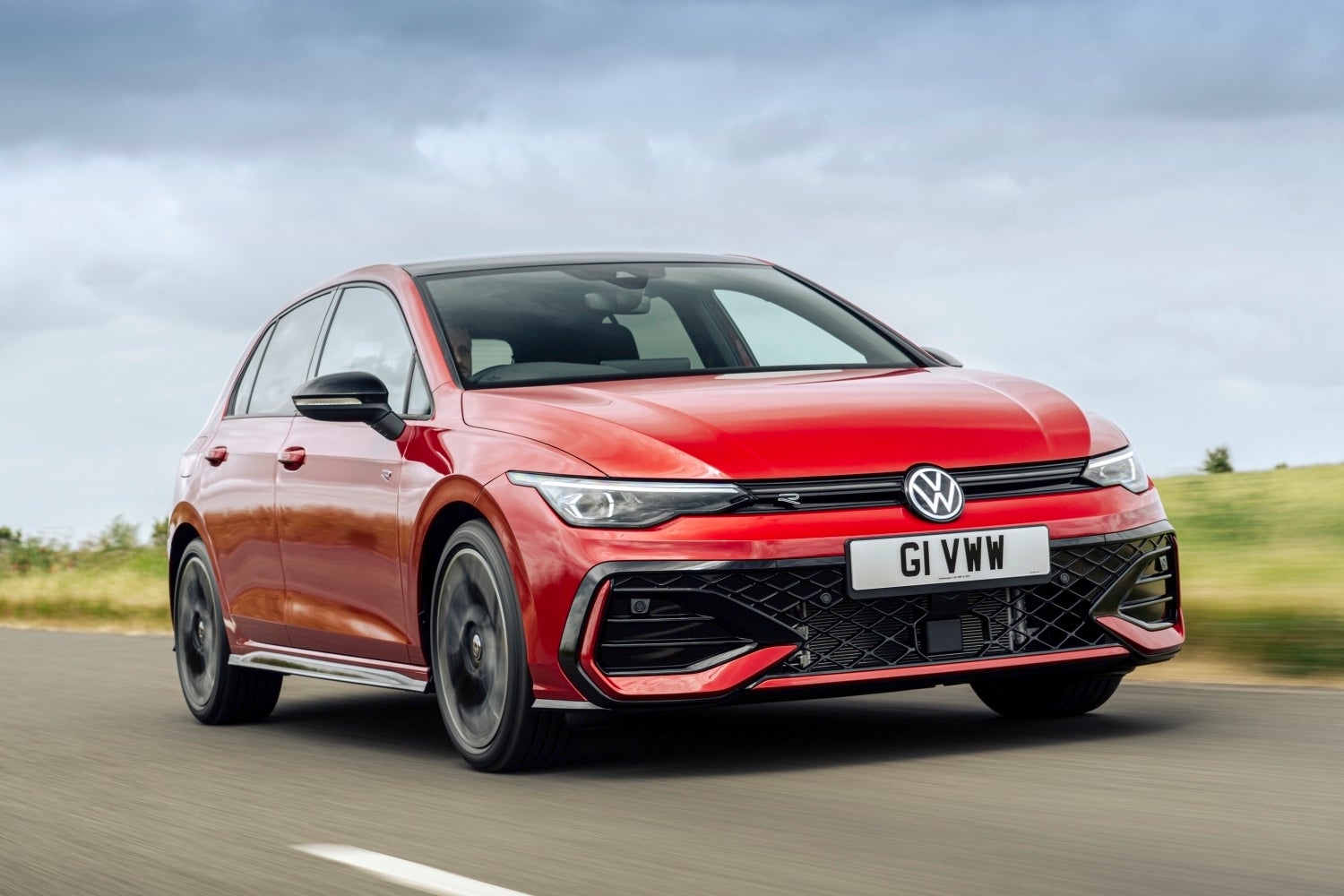
7. Volkswagen Golf
The Volkswagen Golf is a compact hatchback that has a loyal following due to its solid build quality and practical design. Insurers view the Golf favorably because it offers strong safety features and maintains good crash-test ratings. Features such as multiple airbags, stability control, and anti-lock brakes come standard on many Golf models, helping to reduce the likelihood of severe accidents.
Repair costs and parts availability also influence the Golf’s insurance premiums. While Volkswagen parts can be slightly more expensive than some domestic brands, the Golf’s widespread popularity and production volume keep repair expenses moderate. This balance between quality and repair cost helps insurers price premiums more competitively for this model compared to higher-end European cars.
Performance is another aspect insurers consider. The Golf’s engines range from modest to sporty, but even the more powerful versions tend to be manageable and encourage responsible driving. The Golf’s reputation for solid handling and stability contributes to its safety profile, which insurers reward with reasonable premiums. It is not considered a high-risk vehicle for reckless driving or excessive speeding.
Finally, the Golf appeals to a diverse group of buyers, from urban commuters to small families. Its practical size and versatility make it a reliable daily driver with manageable insurance costs. This combination of safety, moderate repair expenses, and balanced performance secures the Volkswagen Golf a place among vehicles with surprisingly low insurance premiums.
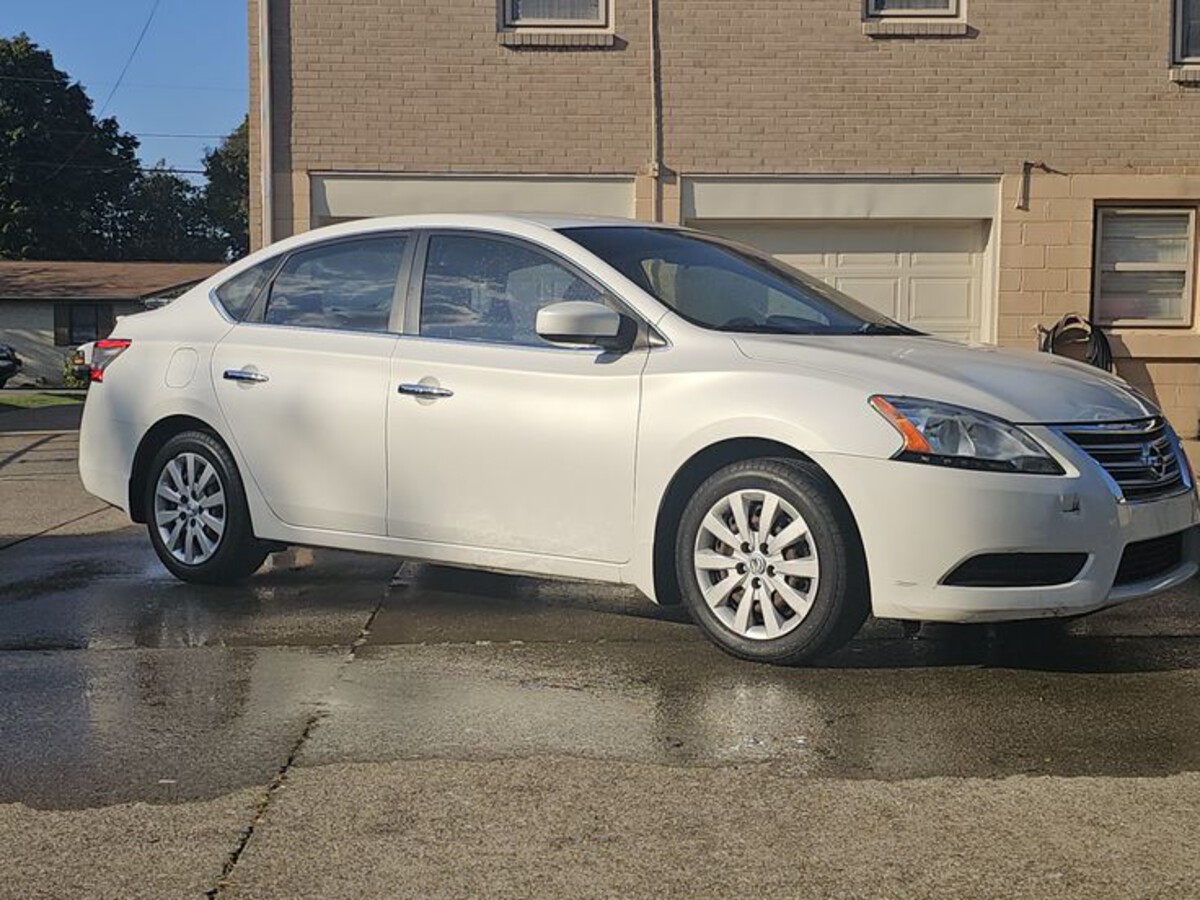
8. Nissan Sentra
The Nissan Sentra is a compact sedan that balances affordability and efficiency with a good safety record. Insurance companies often recognize the Sentra as a low-risk vehicle due to its suite of safety features, including advanced airbags, stability control, and automatic emergency braking on newer models. These features help reduce the chances of accidents and injury, which plays a significant role in lowering insurance premiums.
The Sentra’s repair costs and parts availability are also factors that insurers consider. Nissan has a broad service network, and parts for the Sentra are generally easy to source and affordable. This reduces the cost to insurers when processing claims related to repairs, which translates to lower premiums for policyholders.
Performance-wise, the Sentra tends to have modest engine options focused on fuel economy rather than speed. This lowers the likelihood of speeding-related accidents or reckless driving behaviors, which insurers use to calculate risk. A vehicle with moderate power is less likely to attract high premiums, which benefits Sentra owners.
Lastly, the Sentra has a strong reputation for reliability and owner satisfaction. These factors contribute to fewer claims related to mechanical failures or breakdowns, helping to keep insurance premiums down. For drivers seeking a budget-friendly, low-insurance vehicle, the Nissan Sentra is a solid choice with a proven track record.
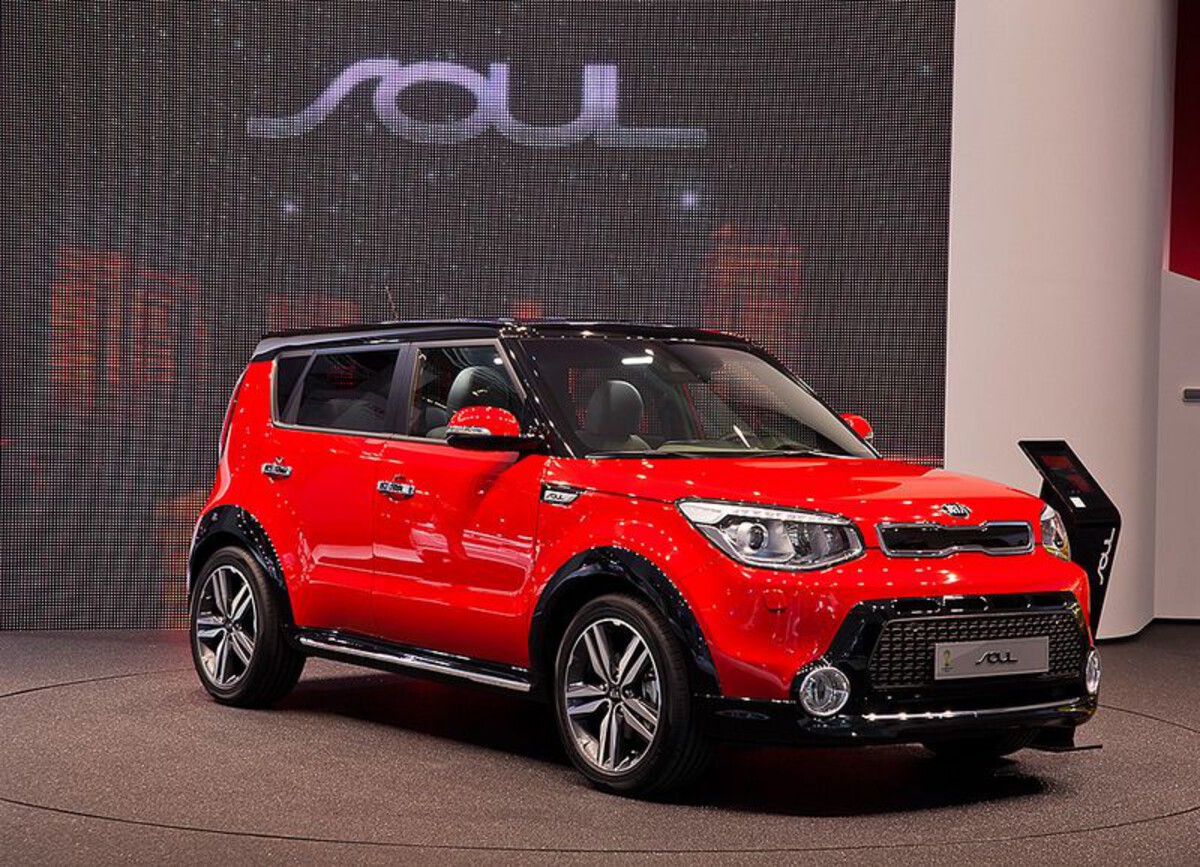
9. Kia Soul
The Kia Soul is a compact crossover that combines quirky styling with practical features and affordability. It stands out for its comprehensive safety package, which includes features like forward collision warning, lane-keeping assist, and multiple airbags. These safety technologies reduce the risk of serious accidents, which insurers appreciate when setting premiums for the Soul.
Insurance companies also consider the cost of repairing a Kia Soul after a collision. Kia’s growing parts network and the vehicle’s popularity contribute to affordable repair costs. This factor helps lower the expense for insurers and often results in lower premiums. The Soul’s relatively simple mechanical layout further aids in keeping repair costs manageable.
Performance-wise, the Soul typically features small to midsize engines that prioritize efficiency and city driving. This makes it less likely to be involved in high-speed crashes or risky driving scenarios, which can drive up insurance costs. Its easy handling and stable ride contribute to safer driving experiences, leading to lower insurance rates.
Finally, the Kia Soul’s appeal to a younger demographic, often first-time buyers, makes its lower insurance premiums especially valuable. With strong safety ratings and affordable repair costs, the Soul offers an attractive package for drivers wanting to save on insurance without sacrificing style or comfort.
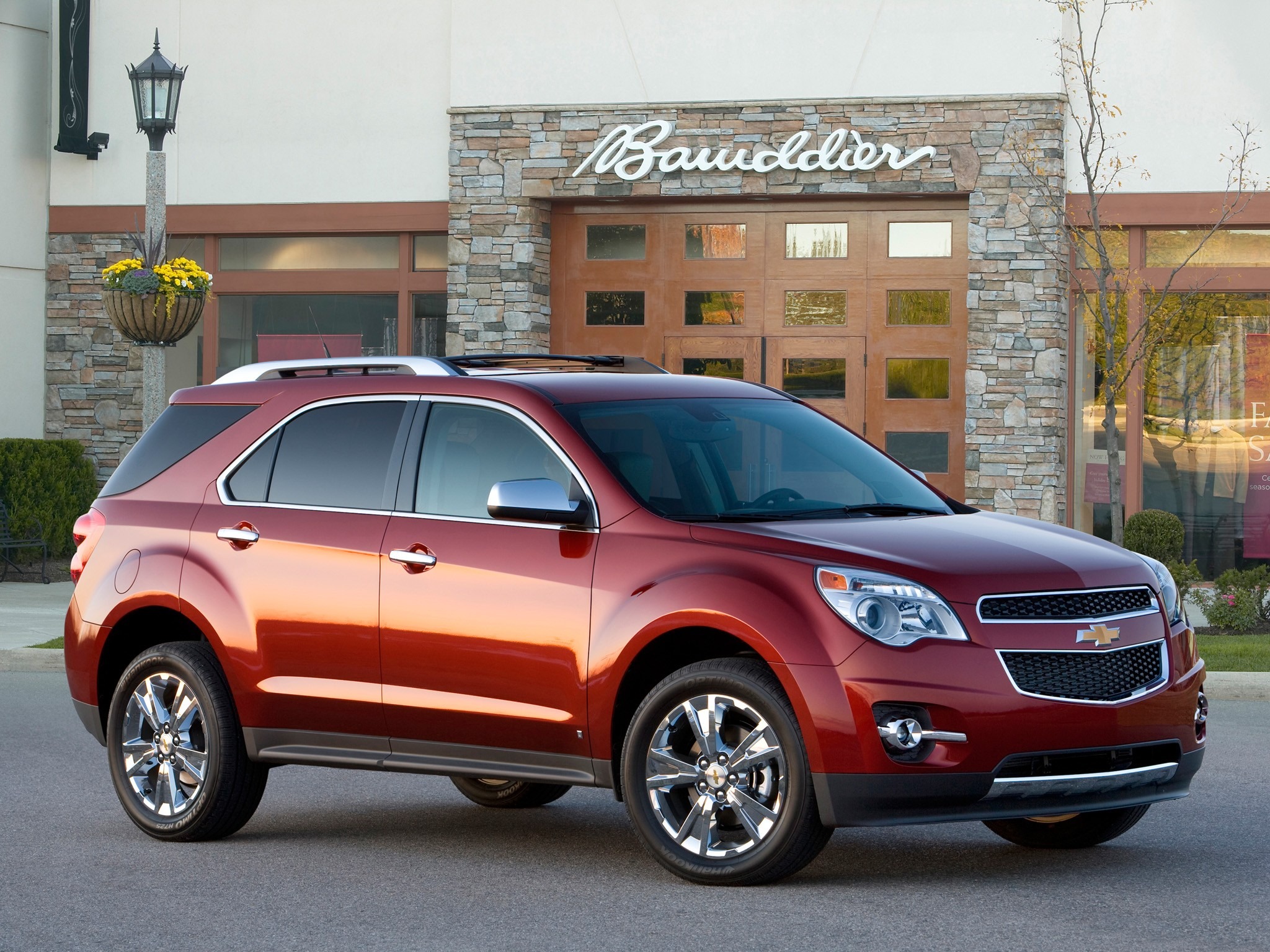
10. Chevrolet Equinox
The Chevrolet Equinox is a compact SUV that offers a blend of safety, comfort, and affordability. Its insurance premiums tend to be reasonable due to a solid suite of safety features, including automatic emergency braking, lane departure warnings, and multiple airbags. These features reduce the likelihood of accidents and injuries, which insurance companies view positively when determining rates.
The Equinox benefits from Chevrolet’s extensive dealer and parts network, which helps keep repair costs moderate. The availability and cost of parts play a significant role in how insurers price premiums, and the Equinox’s accessibility keeps these costs manageable. This translates into more affordable insurance for drivers.
Performance in the Equinox is typically geared toward efficiency and smooth driving rather than high power or aggressive acceleration. Insurance providers often consider vehicles with moderate performance profiles to be safer, reducing premiums. The Equinox’s balanced approach to power and handling encourages safer driving, which lowers the risk of costly claims.
Lastly, the Equinox is a practical choice for families and individuals alike. Its reputation for dependability and moderate insurance costs makes it a popular pick for those seeking an affordable SUV that won’t cause insurance expenses to spike. The combination of safety, repair affordability, and performance makes the Equinox an attractive option for cost-conscious buyers.
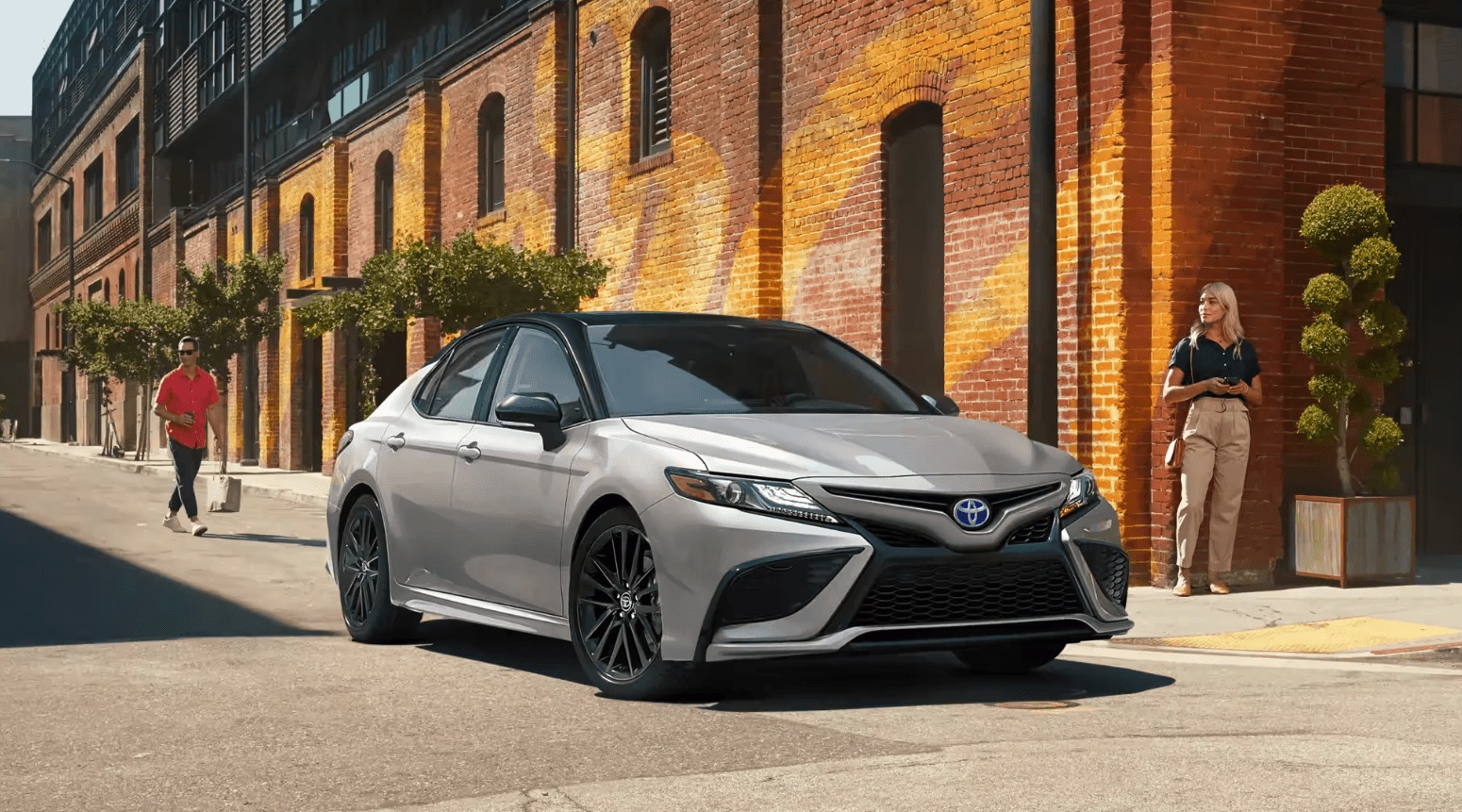
11. Toyota Camry
The Toyota Camry is a midsize sedan that has built a long-standing reputation for reliability, safety, and efficiency. Insurance companies favor the Camry because it consistently earns high marks in crash tests and comes equipped with numerous safety features such as adaptive cruise control, automatic emergency braking, and lane-keeping assist. These features reduce accident risk and injury severity, which helps keep insurance premiums down.
Repair costs for the Camry are generally reasonable, thanks to Toyota’s widespread parts availability and the vehicle’s straightforward design. The insurance industry recognizes that vehicles with lower repair costs result in fewer expensive claims, which benefits Camry owners with more affordable premiums. The Camry’s high production volume also means that insurers have ample data to accurately assess risk.
The Camry’s engine options strike a balance between fuel efficiency and adequate power, reducing the likelihood of reckless driving. Insurers often charge higher premiums for vehicles with large, powerful engines because they are statistically involved in more accidents. The Camry’s moderate power output contributes to its lower risk profile.
Finally, the Camry appeals to a broad audience, including families, commuters, and older drivers. This widespread appeal, combined with its dependable safety and repair record, keeps insurance costs manageable. For anyone seeking a midsize sedan with low insurance premiums and solid performance, the Toyota Camry remains a top contender.
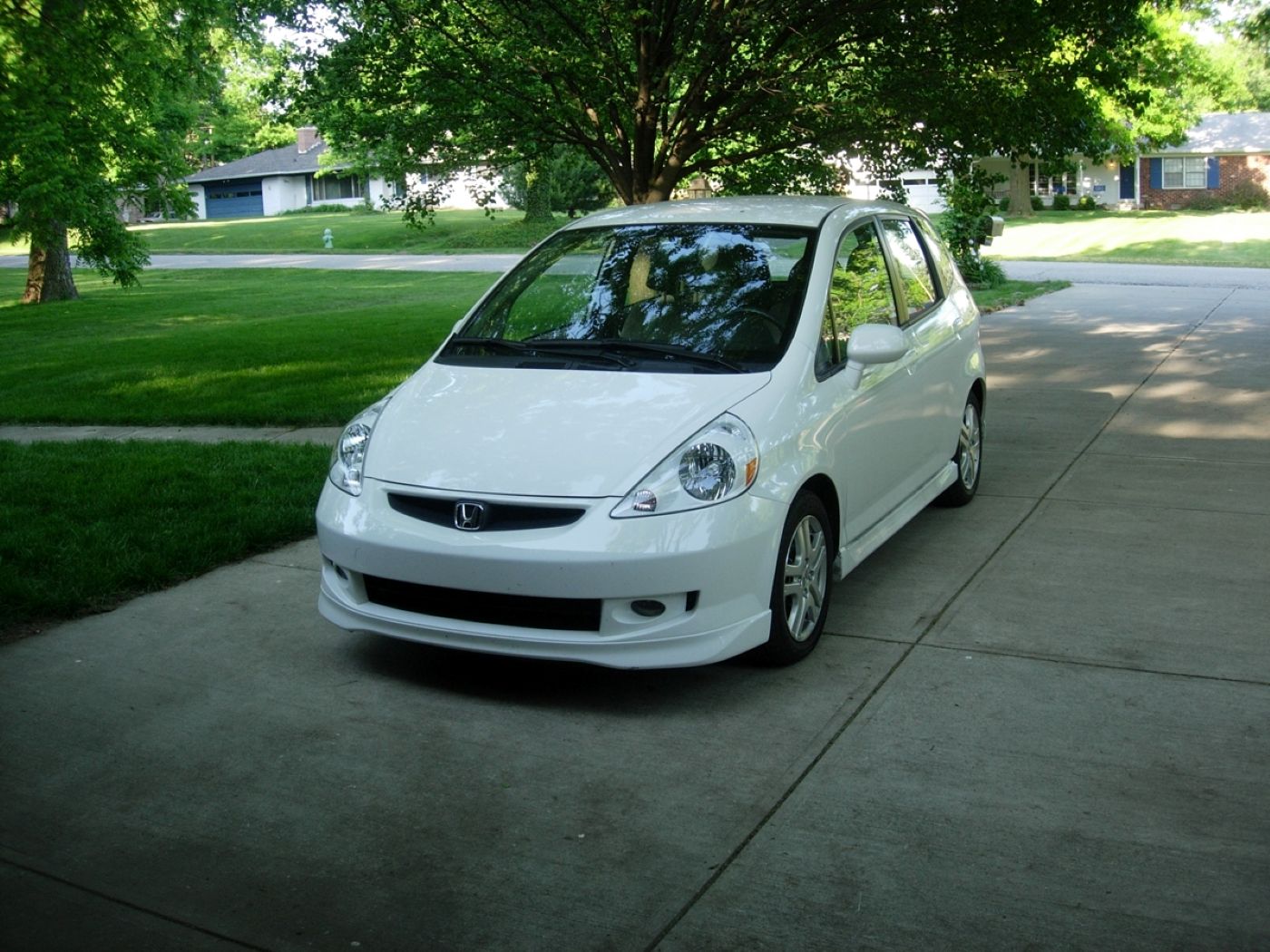
12. Honda Fit
The Honda Fit is a subcompact hatchback known for its surprising interior space, fuel efficiency, and affordability. It is often noted for its excellent safety ratings, which contribute significantly to its low insurance premiums. The Fit includes many standard safety features, such as stability control, anti-lock brakes, and multiple airbags, which help reduce the likelihood and severity of accidents.
Repair costs for the Honda Fit are generally low, as Honda parts are widely available and affordable. Its simple mechanical design means repairs can be completed efficiently without excessive costs. Insurance companies favor cars like the Fit that keep repair expenses down, translating into lower premiums for owners.
The Fit’s modest engine size and easy handling encourage safe driving and reduce the chance of high-speed collisions. Insurance providers consider these factors when assessing the risk profile of a vehicle, and the Fit’s characteristics work in its favor. Its role as a practical city car for many drivers means it is less likely to be involved in serious accidents.
Lastly, the Fit’s appeal to young drivers, urban commuters, and budget-conscious buyers makes its low insurance premiums an important advantage. It offers an excellent combination of safety, efficiency, and affordability, making it a smart choice for anyone looking to keep insurance costs under control.
Also Read: 5 Fords Built to Last vs 5 That Need Constant Repairs
Choosing a vehicle is about much more than just appearance, performance, or price. For many drivers, the ongoing costs of ownership, especially insurance premiums, can have a significant impact on the affordability of a car. Insurance rates vary widely based on factors that go beyond the sticker price, including safety features, repair costs, theft rates, and even the driving habits typically associated with certain models.
The twelve vehicles highlighted in this article demonstrate that it is possible to find cars that are both practical and affordable to insure, making them excellent choices for drivers seeking to manage expenses without sacrificing reliability or safety.
Each of the vehicles discussed has a unique combination of qualities that contribute to their low insurance premiums. Strong safety ratings are among the most critical factors insurers evaluate, and the cars listed here consistently perform well in crash tests and come equipped with advanced driver-assistance technologies.
These safety systems not only protect occupants but also help prevent accidents altogether, which reduces the frequency and severity of insurance claims. By choosing a car with comprehensive safety features, drivers are often rewarded with lower premiums, reflecting the decreased risk they represent on the road.
Repair and replacement costs also weigh heavily in insurance calculations. Vehicles that are inexpensive to fix after accidents generally carry lower insurance premiums because insurers face less financial risk. The vehicles featured have widespread parts availability and relatively simple mechanical designs, which contribute to reduced repair times and expenses.
This benefit is not only reflected in insurance costs but also in the owner’s out-of-pocket repair bills. The synergy between affordable maintenance and insurance premiums is an essential consideration for anyone wanting to minimize the total cost of car ownership.
Another important factor influencing insurance premiums is the vehicle’s performance characteristics. Cars with smaller engines and moderate power outputs tend to have lower insurance rates because they encourage safer driving behaviors and are less likely to be involved in high-speed accidents.
The majority of the vehicles covered here prioritize fuel efficiency, controlled acceleration, and balanced handling rather than raw horsepower or sportiness. This combination reduces the likelihood of reckless driving and lowers the risk of severe accidents, which insurers take into account when setting premiums.
The market presence and reliability of a vehicle also play crucial roles. Popular models with extensive sales histories provide insurers with robust data to accurately assess risk, often resulting in more competitive premium rates.
Moreover, well-known brands with reputations for reliability tend to experience fewer breakdowns and related claims, further lowering insurance costs. Many of the cars listed, such as the Honda CR-V, Toyota Corolla, and Subaru Outback, have earned strong reputations over many years for their dependability and owner satisfaction, reinforcing their appeal for drivers wanting low-cost insurance.
Beyond financial considerations, choosing a vehicle with low insurance premiums often aligns with other positive traits, including strong safety, ease of repair, and practical design.
For families, young drivers, or anyone conscious of budget constraints, these vehicles offer peace of mind by balancing protection and affordability. The variety in this list, from compact sedans and hatchbacks to SUVs and crossovers, ensures there is an option for nearly every lifestyle and driving need.
While insurance premiums can sometimes be overlooked in the vehicle selection process, they represent a vital part of the total cost of ownership. By focusing on cars that combine safety, affordability, and manageable repair costs, drivers can reduce their insurance expenses significantly.
The twelve vehicles discussed here exemplify this balance, proving that it is possible to own a reliable, safe, and stylish car without paying exorbitant insurance premiums. When shopping for a vehicle, considering insurance costs alongside other factors can lead to smarter, more cost-effective decisions and a better ownership experience.
