
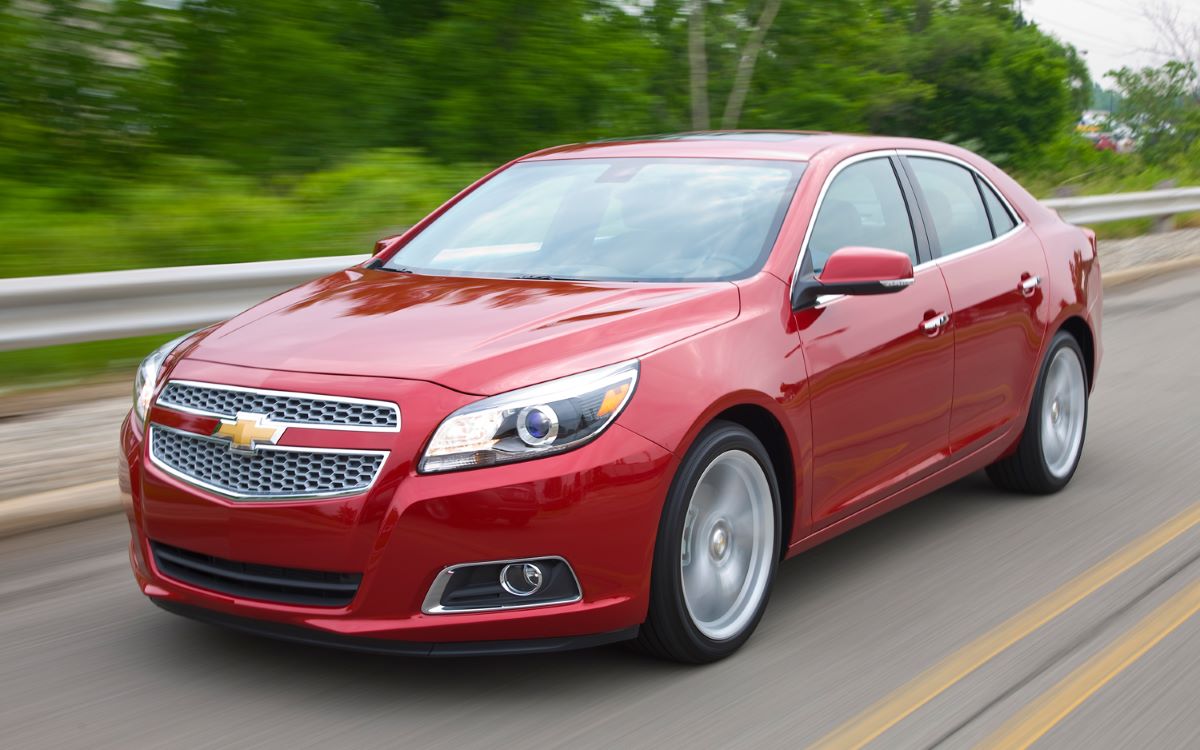
Many people think of cabin air filters as minor components, but the truth is, neglecting them can lead to far more than just musty smells and dirty airflow. Cabin filters are designed to clean the air coming into your vehicle’s HVAC system, trapping dust, pollen, debris, and other pollutants.
When left unchanged for long periods, they become clogged. This affects airflow, causes the blower motor to strain, and in several models, it can even lead to the engine or HVAC system overheating.
This might seem far-fetched, but it’s rooted in how various components work together to maintain temperature and ventilation across the vehicle. Some car models are more sensitive to this than others, with particular designs that make a clogged cabin filter more than just an inconvenience.
Certain vehicles rely heavily on consistent air circulation, not only for the comfort of passengers but also for managing the heat generated by electronic components and systems. When airflow drops due to a blocked cabin filter, these systems are put under pressure.
The HVAC unit has to work harder, sometimes triggering thermal shutdowns or sensor errors. In some cases, reduced airflow causes poor defrosting, inefficient cooling, and, heat build-up in areas that should remain regulated. For a handful of cars, the issue is more severe, directly impacting engine cooling or leading to system errors that spiral into overheating events.
This article walks through ten specific vehicles where ignoring the cabin filter isn’t just a maintenance shortcut, but a real risk. These cars have shown patterns, whether through their owners’ forums, mechanic reports, or manufacturer service bulletins, indicating that a simple cabin filter can become a root cause for larger temperature control issues.
While it’s always wise to follow regular maintenance intervals, if you drive one of the vehicles below, paying close attention to the cabin filter isn’t optional; it’s essential. For each model, we’ll discuss how the cabin filter affects cooling and ventilation, why it leads to overheating, and what signs indicate it’s time for a replacement. Taking this one step seriously can save a lot of repair costs and hassle down the line.

1. Toyota Camry (2007–2011)
The Toyota Camry is often considered a reliable and well-balanced midsize sedan, but the 2007–2011 models have a design issue that links cabin airflow closely with temperature management.
When the cabin air filter becomes clogged, the blower motor has to work harder, resulting in excess heat buildup around the HVAC system. While this doesn’t directly cause the engine to overheat, the restricted airflow can result in diminished cooling efficiency, particularly on long drives or in warm climates.
One of the major issues lies in how the blower motor resistor operates under strain. If the airflow is restricted due to a dirty cabin filter, this component can overheat, triggering a failure.
When this happens, the entire ventilation system may cut off or behave erratically. Without proper ventilation, the interior can get excessively warm, and the system responsible for cooling down electronics around the dashboard and control modules may begin to suffer.
Another important connection is the A/C system load. A clogged filter makes it more difficult for the A/C to circulate cooled air, increasing pressure in the compressor and other refrigerant lines.
Over time, this strain can affect the condenser’s efficiency, which is mounted near the radiator. If the condenser doesn’t stay cool, it can transfer excess heat to the radiator, increasing coolant temperatures and putting stress on the engine’s cooling system.
Drivers often ignore early signs like musty smells or weak airflow from the vents, assuming it’s just an old car. But these small signs in a Camry can be indicators of an overheating chain reaction.
It’s not uncommon for drivers who overlook a cabin filter replacement for multiple years to experience overheating sensors tripping, especially during hot summers or while using the A/C for extended periods. Replacing the cabin air filter every 12,000 to 15,000 miles is a simple, inexpensive way to avoid this cascade of problems.

2. Ford Escape (2013–2016)
The Ford Escape is a popular compact SUV, but owners of the 2013–2016 models often report issues related to the HVAC system and engine temperature. One of the commonly overlooked causes is a neglected cabin air filter.
In these Escapes, the design of the airflow system puts a great deal of reliance on unobstructed ventilation. When the filter becomes blocked, it doesn’t just reduce comfort, it affects temperature regulation in more critical systems.
A key problem in these models is their tightly packed engine bay. Without enough airflow through the HVAC vents, interior sensors and cabin temperature regulators begin to overcompensate.
The blower motor draws more current trying to force air through a restricted filter, which can overheat and fail. This might sound like a minor issue, but when the HVAC system is unable to regulate air correctly, the interior heats up, and components near the firewall can get dangerously hot.
There’s also a thermal management system in the Escape that includes a sensor-based loop for monitoring cabin and engine temperature. If the cabin filter is dirty and airflow is weak, the sensors may misread interior heat levels, prompting the system to delay or disrupt engine cooling fan cycles.
This can cause the engine to heat up even if the cooling system itself is in good condition. Over time, the strain may result in blown head gaskets or warped components.
For drivers in hotter regions or those who use their A/C frequently, the risks increase significantly. The difference between a properly functioning HVAC system and one struggling with blocked airflow can be the difference between a stable engine temperature and a sudden overheat light on the dashboard. Cabin filter replacement is a quick process on this model and should be done twice a year if driving in dusty or urban environments.
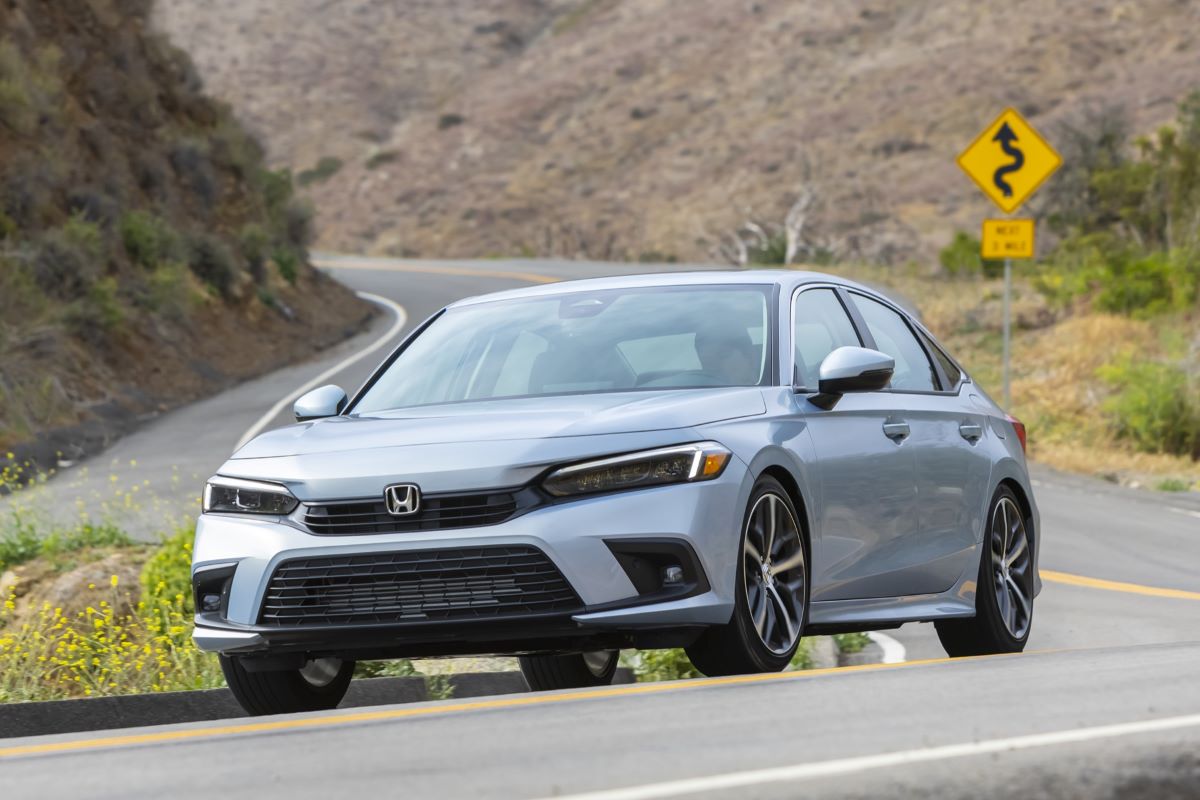
3. Honda Civic (2012–2015)
The Honda Civic has a reputation for being a reliable daily driver, but the 2012–2015 generation comes with an HVAC setup that depends heavily on clean airflow. A blocked cabin filter doesn’t just reduce air quality; it leads to major pressure imbalances within the climate control system. This affects fan speed regulation, cooling performance, and indirectly, engine thermal behavior.
One of the unique challenges with this Civic generation is how closely the climate system works with the onboard computer to regulate interior comfort. If airflow drops due to a blocked filter, the climate control unit continues to demand more from the fan and compressor. This puts extra stress on electrical relays and fan motors, both of which are known to overheat in these Civics when overworked.
The condenser and radiator placement in this model further complicates things. They’re tightly aligned, and efficient airflow is necessary to ensure that heat exchange happens properly.
If the cabin filter is clogged and the A/C system strains to work harder, it raises internal refrigerant pressures and adds heat to the condenser. In warm climates, this has a cumulative effect on the radiator, risking coolant boiling over or fan failure.
Owners often don’t realize these symptoms until it’s too late. What starts as weak airflow or longer A/C cool-down times can escalate into serious engine temperature spikes during summer months.
Some drivers have also reported misfiring or sensor errors linked to engine heat levels, all traced back to HVAC strain. Replacing the cabin air filter every 10,000 to 12,000 miles in these Civics isn’t just good practice, it prevents a costly domino effect.

4. Subaru Outback (2015–2019)
Subaru Outbacks from the 2015–2019 model years come with an HVAC system that interacts heavily with onboard thermal sensors and electronic modules. When the cabin air filter becomes clogged, a series of small but important functions start to degrade.
Reduced air output causes the blower to overheat, and in extreme cases, the heat buildup reaches under-dash modules that manage airflow, seat heating, and climate controls.
Another issue in these Outbacks is the multi-zone climate system. The vehicle uses sensors to balance air distribution between front and rear passengers. If airflow drops, the system compensates by running the blower harder or cycling between different zones more frequently, which generates excess load. The constant overcompensation has been linked to HVAC control board failures and erratic temperature readings that confuse the main control unit.
Beyond the comfort system, the cabin filter indirectly affects engine temperature as well. The air conditioning condenser sits in front of the radiator. If airflow from the cabin system is blocked, the entire A/C loop works harder, generating more heat at the condenser.
This added thermal load on the radiator means that engine cooling fans must work harder. In prolonged traffic or during towing, this added load can tip the scale toward overheating.
Some owners assume that because the Outback is built for rugged use, it can handle any internal strain. But a simple cabin filter left unchanged for 25,000 miles or more has led to real engine temperature problems, particularly in urban driving. Weak vent airflow, delayed defrost, or warm air during idle are all signs that the filter is long past due. Regular replacement can prevent HVAC motor burnout and reduce unnecessary heat stress across systems.
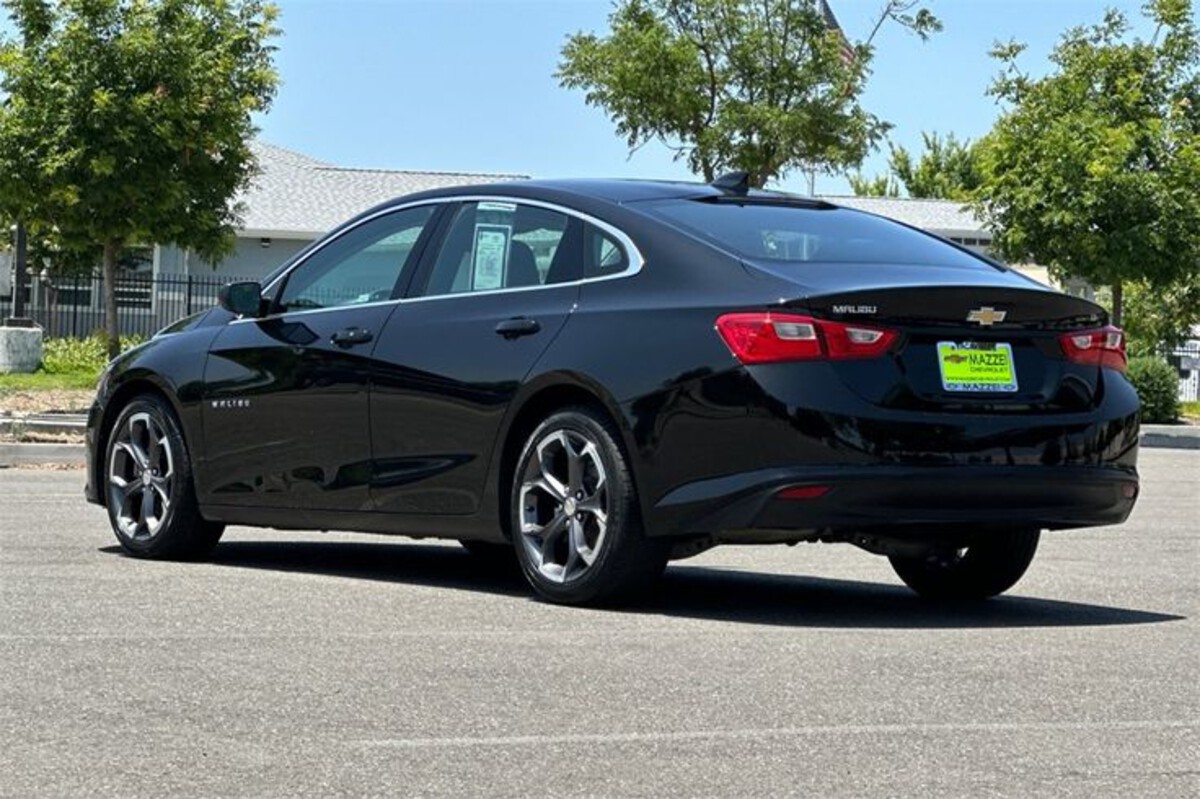
5. Chevrolet Malibu (2016–2020)
The Chevrolet Malibu from 2016 to 2020 has a relatively modern climate control system that is more complex than in earlier generations. One of the key design traits is its electronically controlled airflow regulation system, which heavily depends on consistent intake through the cabin air filter.
When that filter is blocked, the motorized actuators that regulate airflow across zones and vents begin to work inefficiently. This creates an imbalance in temperature readings between the cabin and under-hood compartments.
A dirty cabin filter reduces the system’s ability to move fresh air over the evaporator coil, resulting in higher interior humidity and less cooling efficiency. This not only reduces passenger comfort but also causes the compressor to work harder and stay engaged longer than necessary.
Over time, this excess runtime creates more heat at the condenser, which is placed directly in the path of air entering the radiator. As that area warms, the radiator receives hotter air, raising engine coolant temperatures.
On top of that, the electronic sensors used to monitor climate conditions rely on accurate airflow to function properly. If the filter is clogged, the system interprets airflow loss as a temperature imbalance and may overcompensate by switching into high-output mode.
This results in the HVAC system pulling more electrical power, increasing alternator load, and raising engine temperature under load, especially during city driving or idling.
This issue can also trigger a chain reaction where the blower resistor and motor begin to fail. Once this happens, airflow may be lost entirely, leading to a hot interior cabin and system shutdowns. Since the engine’s thermal balance partially depends on removing internal heat through the A/C system, the risk of overheating grows substantially when cabin airflow is compromised.
Routine filter maintenance is often skipped by drivers who prioritize oil changes or tire rotations but underestimate the role of air circulation. With the Malibu, skipping even one replacement interval can result in higher-than-normal engine bay temperatures, faulty temperature sensor readings, and premature failure of climate components. A new cabin filter costs far less than dealing with blown relays or heat-damaged wiring.

6. Jeep Cherokee (2014–2018)
The Jeep Cherokee models from 2014 to 2018 use a high-efficiency HVAC system that includes a dual-zone climate setup and integrated humidity control. This design works well in varied weather conditions, but it’s sensitive to airflow disruptions caused by a clogged cabin filter. If that filter is not replaced regularly, the system cannot draw in sufficient fresh air, which creates a ripple effect through the entire thermal management cycle.
The HVAC blower in these Cherokees is mounted relatively high in the dash, and if airflow is restricted, the fan motor has to spin faster to compensate. This leads to overheating of the blower assembly, which is known to be a weak point in these models. A failing blower motor reduces airflow further, which then disrupts the vehicle’s ability to cool the cabin and relieve internal heat, particularly when the vehicle is under heavy engine load.
One unusual feature of the Cherokee’s design is the way its A/C and cooling fans are programmed to operate together. If the cabin doesn’t cool properly due to poor airflow, the system interprets that as a need for increased fan speed.
The radiator fans then work harder to match that demand. Over time, this creates additional heat generation and can push the cooling system past its design limits, especially in hot climates or off-road conditions.
Some Cherokee owners have reported overheating that was later traced to weak HVAC output and restricted evaporator flow. The original cabin filter often goes ignored well beyond its recommended service interval, and in some cases, rodents or debris worsen the blockage. Once airflow is lost, not only does the blower strain but the interior defroster also becomes ineffective, leading to foggy windshields and reduced visibility.
This model highlights how a blocked cabin air filter isn’t just a comfort issue but can be a true reliability concern. Jeep designed the Cherokee to work across all types of environments, but even a rugged platform can suffer when airflow is obstructed. Swapping in a clean cabin filter every 10,000 to 15,000 miles keeps the vehicle’s complex HVAC and cooling systems working in harmony.
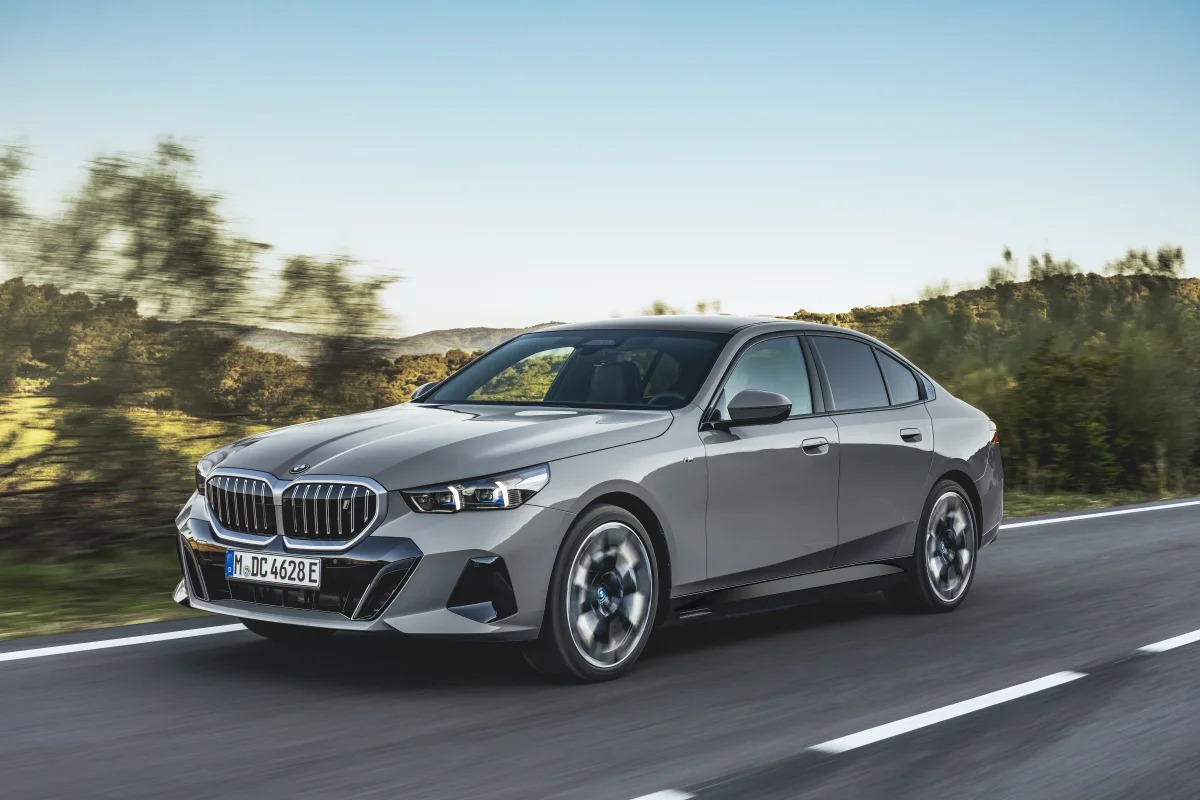
7. BMW 3 Series (2012–2018)
The BMW 3 Series, particularly from the F30 generation (2012–2018), comes with a sophisticated climate and cooling system. As a luxury vehicle, it features multi-zone climate control, high-capacity cabin fans, and sensors that constantly monitor temperature distribution. The cabin air filter plays a central role in keeping this system running efficiently. When it becomes clogged, the car’s ability to regulate both cabin and engine temperature is noticeably compromised.
A major issue with this generation is the car’s dependence on electronically actuated climate valves that require clean air for accurate readings. If the cabin filter is dirty, airflow is disrupted, and the temperature sensors begin to misread data. This leads to overactive fans, compressor cycling, and higher heat output from components that should stay cool. This added demand causes strain on the engine’s alternator and battery, increasing heat in the engine bay.
The placement of the A/C condenser and transmission cooler also contributes to the problem. These components rely on proper airflow from both outside and inside the cabin system to prevent overheating. If the cabin filter is blocked, the entire loop becomes inefficient, and excess heat is transferred to the radiator. Under load, especially during long drives or spirited driving, the coolant temperatures rise faster than they should.
BMW’s onboard diagnostics often report temperature sensor faults or erratic cooling behavior in vehicles with neglected cabin air filters. Owners sometimes replace thermostats or coolant without realizing the real culprit is reduced airflow inside the car. In some cases, warning lights and limp mode may be triggered, all because the airflow inside the dash isn’t keeping up with sensor demands.
Because this model relies heavily on electronic monitoring, even a slight change in airflow resistance caused by a clogged filter can spiral into electrical and thermal inefficiency. A clean cabin filter doesn’t just improve air quality, it helps maintain the car’s intricate balance between performance, cooling, and comfort. Given the cost of BMW repairs, replacing this filter on schedule is a small step with a significant impact.
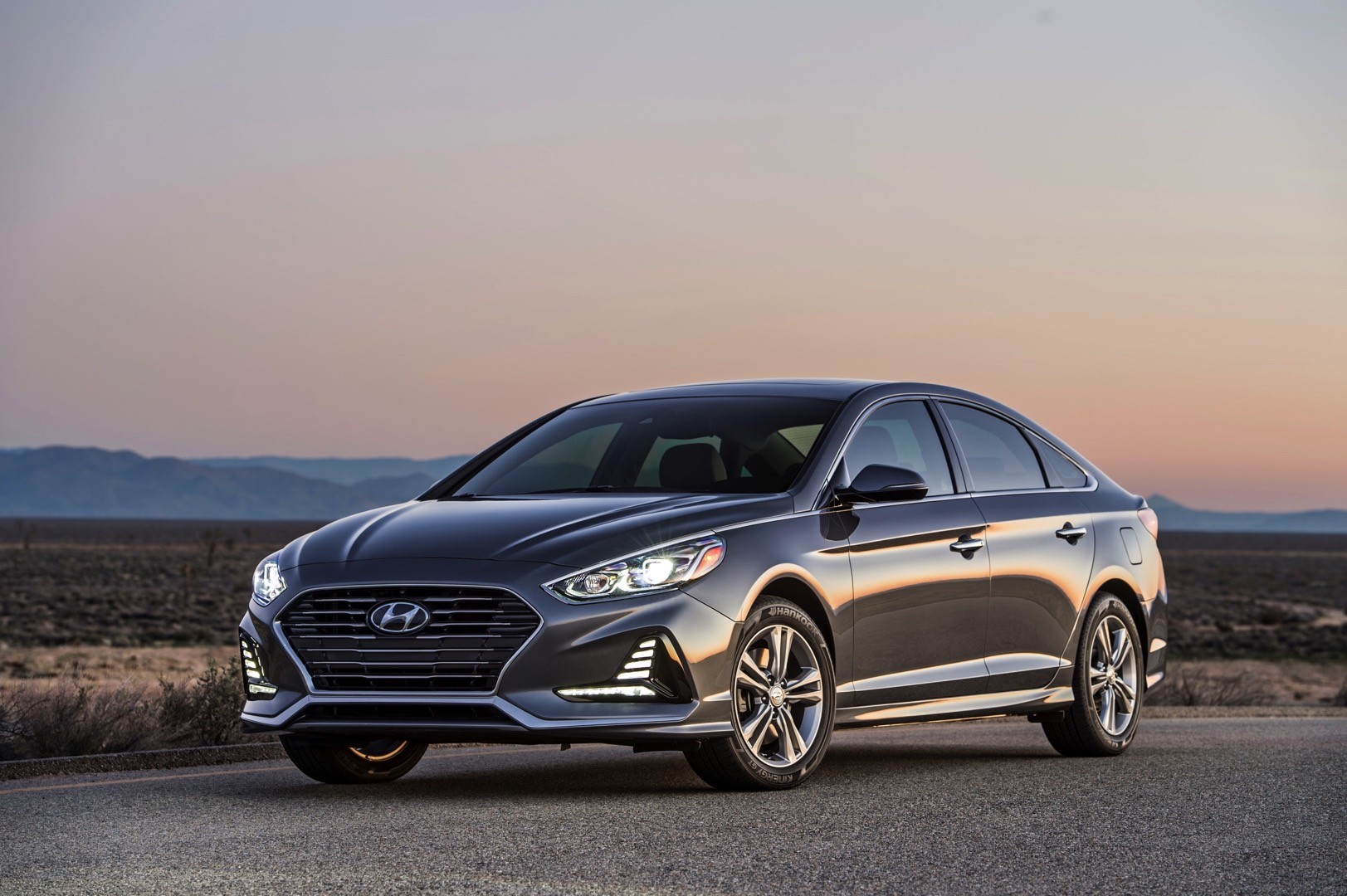
8. Hyundai Sonata (2015–2019)
The Hyundai Sonata, redesigned for 2015, features an HVAC and engine bay design that is efficient but sensitive to pressure changes. The cabin filter is integrated directly into the intake air path for the blower motor, and if that filter is filled with debris or dust, the system rapidly loses efficiency. Many Sonata owners report that they don’t realize the problem until airflow drops dramatically or the A/C fails to cool effectively.
One of the main challenges in the Sonata is that the blower motor doesn’t adjust well to resistance. Instead of reducing output gradually, it pushes harder, drawing more current and building heat internally. Over time, this overheats the blower control module, which may fail. When this happens, no air reaches the cabin at all, and the entire ventilation loop becomes compromised.
What makes things worse is how the A/C system links to engine load. When cabin airflow is insufficient, the A/C compressor must work at higher pressure, raising refrigerant temperatures and condenser heat. This heat is absorbed by the radiator assembly, which increases engine coolant temperature. On hot days or under load, this may push the cooling system past its capacity and lead to an overheating alert.
Some Sonatas also experience fogging inside the windshield and poor defrost performance due to this issue. As airflow drops, moisture builds up on the evaporator coil, and the inability to push that moisture out leads to both mold growth and poor visibility. Replacing the filter fixes both issues and improves system health across the board.
In this model, signs of a clogged filter are subtle at first, slightly slower defrost, a faint smell when the fan is on, or inconsistent cooling during idling. These symptoms grow over time until a system shutdown or engine overheating occurs. Changing the cabin filter every 12,000 miles, or sooner in high-dust environments, is an essential part of owning a Sonata during these model years.
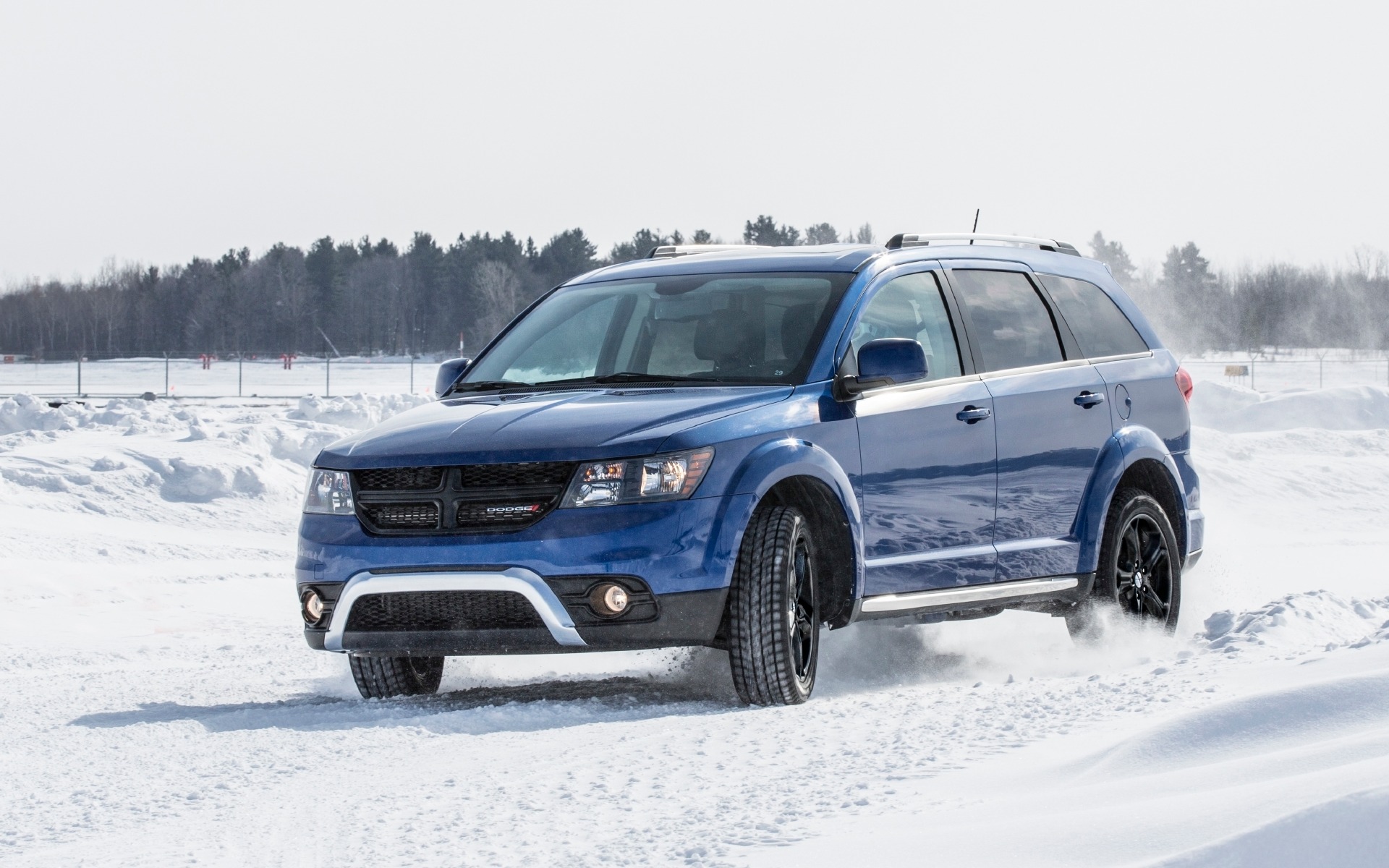
9. Dodge Journey (2011–2019)
The Dodge Journey, though often marketed as a budget-friendly crossover, has some quirks in its HVAC design that make cabin filter maintenance more important than most expect.
The vehicle relies on a relatively narrow duct design that becomes highly inefficient when the filter is dirty. Reduced airflow can’t circulate air properly across the large cabin, and the system ends up straining to maintain target temperatures.
Blower motor burnout is a known issue with Journeys, especially in vehicles where the filter has been ignored for years. A clogged filter creates high resistance, which forces the blower to run at maximum output far more often than designed. This not only increases the risk of failure but can also cause overheating of electrical wiring and fuses tied into the HVAC system.
Additionally, the Journey’s engine cooling system doesn’t always compensate well for increased heat from the A/C system. Since the condenser is stacked with the radiator, extra load from the A/C spills over into the coolant system. If the cabin filter is clogged, the A/C system becomes inefficient, leading to longer cooling cycles and more heat absorbed by the radiator during idle or traffic.
Many owners mistake a faulty thermostat or radiator fan as the cause of rising engine temperatures. But a surprising number of those cases are linked to restricted airflow from the cabin filter. Dodge’s design does not allow for much airflow flexibility, so the system becomes stressed faster than others. A dirty filter not only impacts comfort but increases the likelihood of HVAC failure or engine overheating.
Given the widespread use of the Journey in family transport, long road trips, and variable climates, cabin air quality and system strain are more than minor concerns. Checking the filter during oil changes and replacing it every 10,000 to 15,000 miles helps prevent unexpected HVAC issues and keeps the vehicle’s temperature systems working reliably.
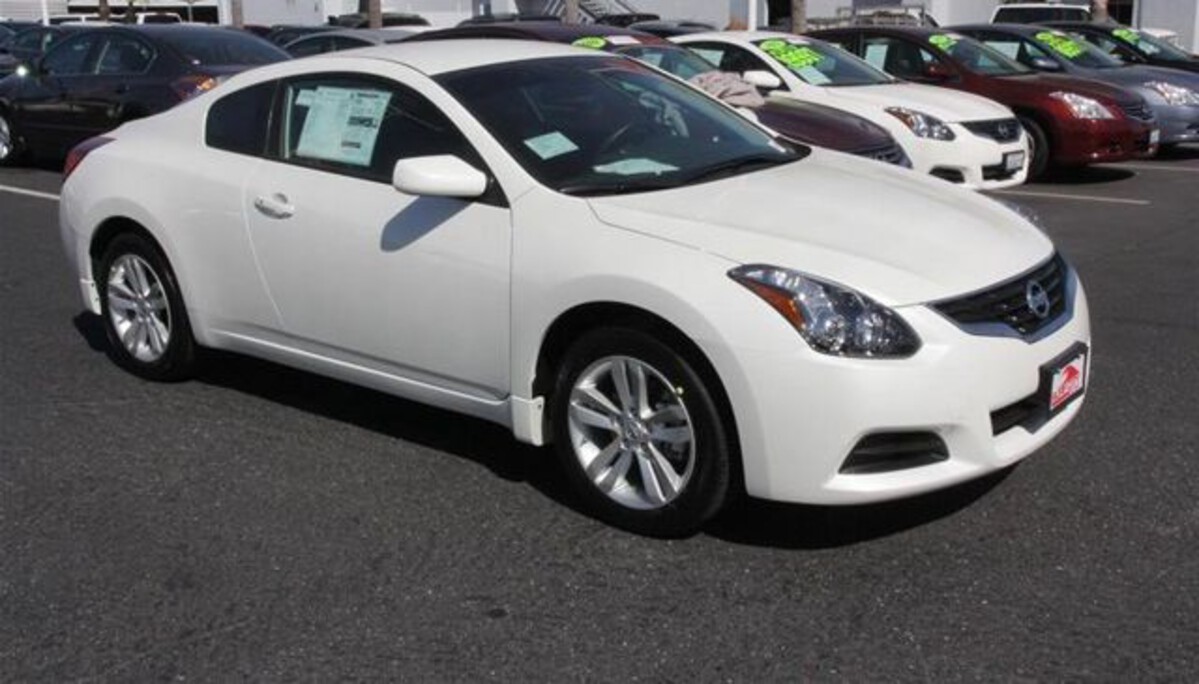
10. Nissan Altima (2013–2018)
The Nissan Altima is a high-volume sedan with a reasonably strong HVAC setup, but the 2013–2018 models have shown signs of sensitivity to internal airflow disruptions. The cabin air filter sits directly behind the glove box and filters air before it reaches the evaporator coil. When this filter gets blocked, pressure drops across the entire system, leading to increased load on the A/C compressor and blower fan.
This generation of Altima uses electronic climate controls that attempt to adjust automatically to temperature feedback from the cabin. When the airflow is restricted, the sensors misread cabin conditions and demand higher performance from both the A/C and heater core. This leads to longer compressor cycles and hotter condenser output, which then warms the radiator area.
The engine fan system in these Altimas isn’t designed to run at full capacity for extended periods. When it does, due to the increased cooling demand triggered by a stressed HVAC system, it can wear out the fan motor prematurely. In some cases, this contributes to rising coolant temperatures and sensor failures, especially in models with the 2.5L engine.
Altima owners also report common signs of HVAC strain: loud blower noise, weak airflow, delayed defrost, and strange odors. These are all linked to filter neglect. If the filter is removed and found to be filled with leaves, dust, or pet hair, the airflow system has likely been under stress for quite some time. This situation leads directly to overheating complaints if not addressed.
For drivers who use their Altima daily, especially in city traffic or high-heat areas, a blocked cabin air filter can add measurable strain to both HVAC and cooling systems. Timely replacement every 10,000 to 12,000 miles is the easiest way to avoid expensive repairs or unexpected engine heat issues in these models.
Cabin air filters are often seen as low-priority maintenance items, especially when compared to oil changes, brake servicing, or tire rotation. Yet, as seen across the ten vehicles discussed in this article, ignoring this one part can result in serious and sometimes costly consequences.
The assumption that a clogged cabin filter only affects air quality or causes a musty smell is misleading. In many modern cars, a blocked cabin filter becomes the starting point for a chain reaction that affects ventilation, electrical components, and even engine temperature regulation.
Each of the vehicles listed, whether a Toyota, Ford, Honda, or BMW- shows how manufacturers design airflow systems that depend on consistent, unimpeded movement of air through the cabin and HVAC system. When the cabin filter is neglected, the airflow drops, and other components are forced to work harder to compensate.
Blower motors overheat, A/C compressors stay active longer, fans draw more power, and heat accumulates in places it shouldn’t. In some models, the result is a drop in cooling efficiency; in others, it’s enough to trigger engine overheating warnings, limp mode, or even shutdowns.
Another overlooked aspect is the way internal sensors interact with airflow and climate data. Today’s vehicles use a network of sensors to decide how hard to run fans, how to adjust air distribution, and when to activate or shut off cooling cycles. If those sensors receive incorrect input due to poor airflow, the car’s control modules begin to make incorrect decisions.
This is how something as small as a dirty filter can influence the timing of radiator fan activation, the load on the alternator, and even the thermal balance of electronic control units. It doesn’t take long for minor inefficiencies to turn into larger mechanical problems.
These issues are magnified in certain conditions. Vehicles operated in urban environments, dusty regions, or areas with frequent climate changes are more vulnerable to filter-related problems. Long idling in traffic, heavy A/C use during summer, or high-altitude driving all increase the workload on the HVAC and cooling systems.
For cars with more complex HVAC setups, like multi-zone climate systems or smart airflow regulation, the risks climb higher. Some of the models listed in this article even show signs of under-dash heat damage or failed blower resistors, all because a simple filter went unchanged for too long.
The cost of a replacement cabin filter is small, often between $15 and $40, and most can be installed in under 10 minutes. Compared to the cost of replacing blower motors, damaged fan control modules, or worse, addressing an overheated engine, the savings are obvious.
More importantly, keeping the cabin air filter clean helps maintain a stable environment inside the vehicle, reduces stress on the entire HVAC system, and protects key components from unnecessary wear. Whether you’re driving a rugged SUV, a family sedan, or a performance vehicle, airflow matters.
Neglecting a cabin filter is more than just a comfort issue; it’s a risk to the mechanical health of your car. By changing it on schedule, drivers can prevent overheating, preserve electronic reliability, and maintain a smoother, safer ride. A clean filter might not be glamorous, but it’s essential.
