
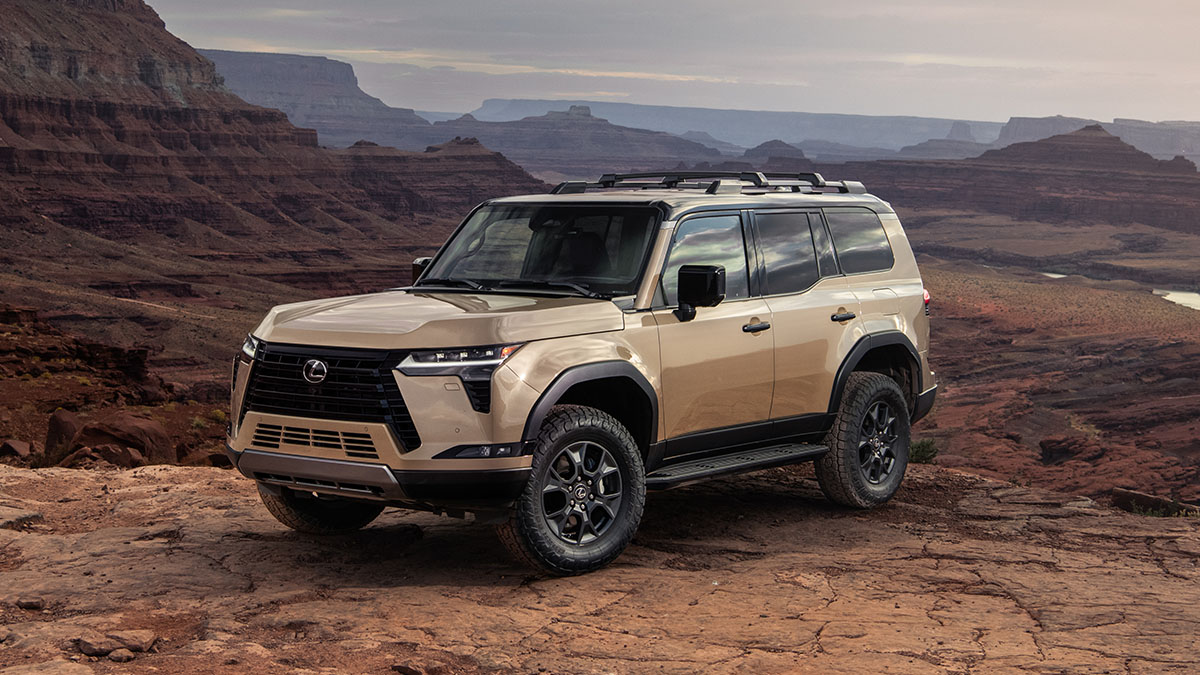
Accidents are a reality of vehicle ownership. Whether it’s a light fender bender or a scrape in a parking lot, even a minor incident can trigger concern over a car’s resale value. For most vehicles, a reported accident, no matter how small, can knock off a significant chunk of market value.
This depreciation isn’t always fair, especially when the damage is cosmetic or professionally repaired. However, certain vehicles defy this trend. Their value holds strong, even when they’ve been in a minor accident.
These vehicles benefit from a combination of factors: reliability, reputation, strong brand loyalty, robust construction, and a resale market that places higher emphasis on longevity and performance than cosmetic perfection.
Cars that tend to hold value well after minor accidents typically belong to brands with proven durability records or high market demand. Their popularity provides a cushion for minor blemishes in their vehicle history reports.
Often, these vehicles come from brands known for engineering consistency, and they are usually priced more according to mileage, condition, and maintenance history rather than isolated incidents.
Buyers of these vehicles know they are investing in long-term dependability, and as a result, are often willing to overlook light accident reports, especially when proper repairs are documented.
Some of the vehicles on this list are high-demand SUVs or trucks, which tend to depreciate more slowly in general. Others are sedans and compacts with cult followings or reputations for outlasting their competitors. What sets all of them apart is that a minor accident won’t send their value plummeting the way it might for more fragile or image-based vehicles.
These cars have proven resilient not just on the road, but also in how the market treats them after wear and tear. The pre-owned auto market has shown time and time again that some cars remain desirable and financially stable even with an imperfect record. Below is a detailed look at 12 vehicles that manage to hold their value remarkably well, despite experiencing minor accidents during their lifetimes.
Also Read: 5 Little-Known Wagons That Last vs 5 Trendy SUVs That Don’t
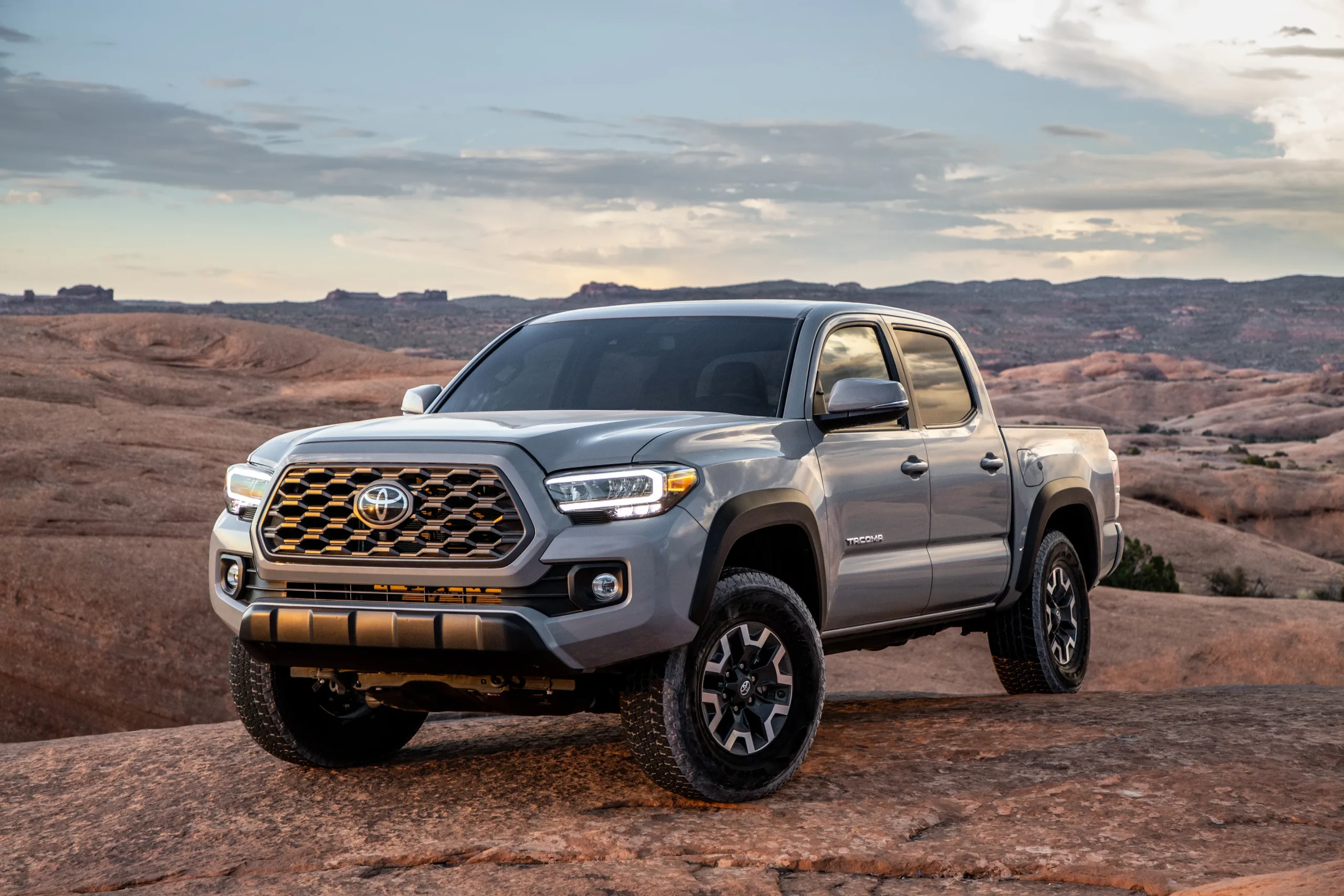
1. Toyota Tacoma
The Toyota Tacoma has long held a reputation as one of the most durable and reliable mid-size pickup trucks available. Its rugged build and off-road capability make it a favorite among outdoor enthusiasts and tradespeople alike. Because of this strong demand, the Tacoma holds its value better than nearly every other truck in its class.
Even with a minor accident on its record, the vehicle is often seen as mechanically sound and functionally unaffected, which helps it maintain a high resale value.
Buyers shopping for a used Tacoma usually prioritize the vehicle’s mechanical integrity over cosmetic perfection. A minor accident that resulted in a replaced bumper or dented panel won’t raise red flags for these buyers.
As long as the engine, transmission, and frame are in good shape, the Tacoma is seen as a dependable workhorse. Toyota’s reputation for long-lasting trucks further strengthens buyer confidence, minimizing the impact of a blemished accident report.
Another key factor is the Tacoma’s relatively low depreciation curve. The truck’s resale value tends to plateau rather than sharply decline over time, especially for models that have been properly maintained.
This means that even after a minor mishap, sellers can confidently price their Tacoma competitively without much compromise. Market data consistently shows that Tacomas maintain a resale value that’s higher than most other mid-size trucks, even those with clean histories.
Finally, the availability of quality aftermarket parts and a large network of repair shops specializing in Toyotas ensures that any minor damage can be restored to near-original condition. This reduces long-term concern for potential buyers, as repairs won’t be prohibitively expensive or difficult. A Tacoma with a documented repair and service history will almost always find a buyer willing to pay close to its market value.
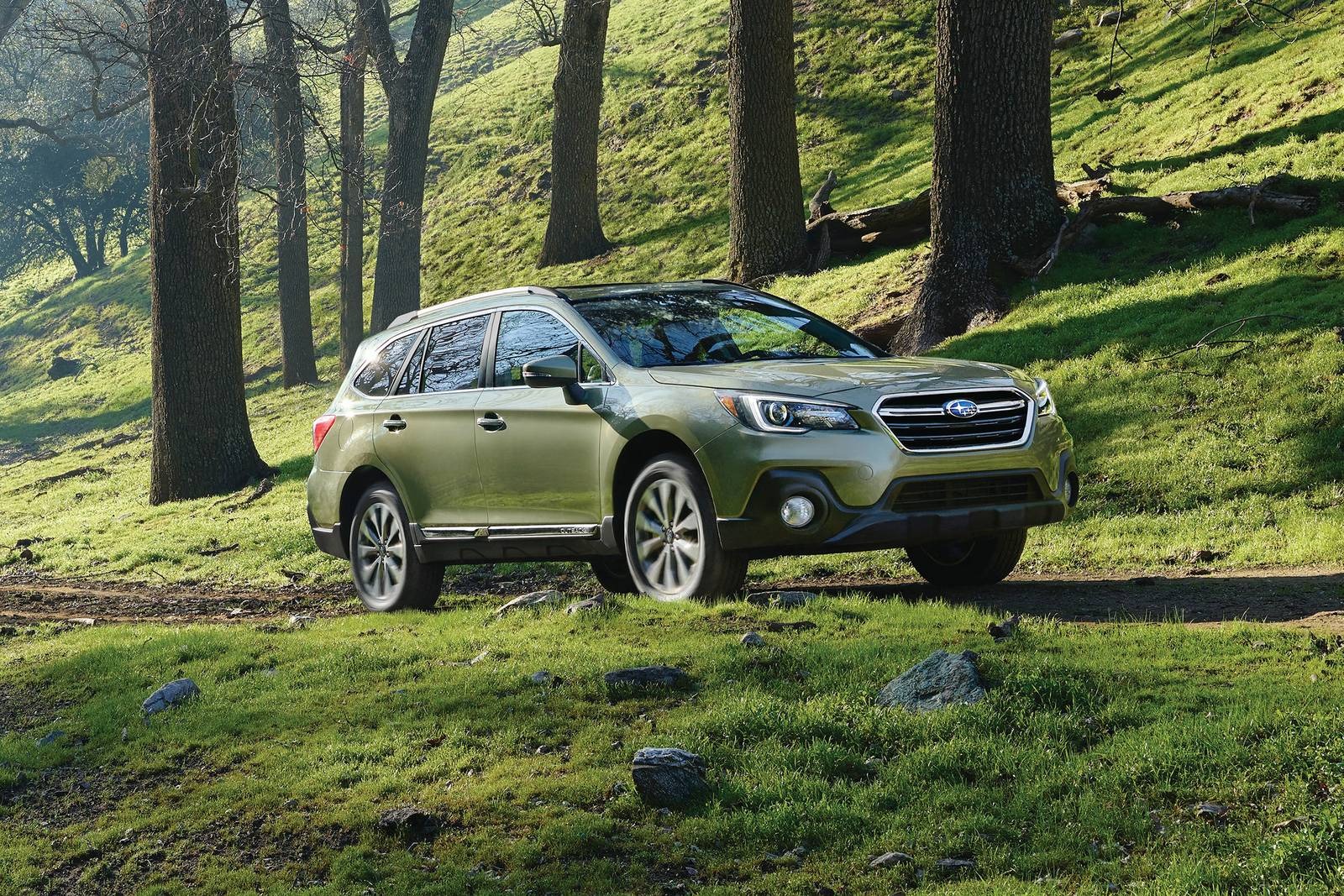
2. Subaru Outback
The Subaru Outback is known for its all-weather performance, practicality, and loyal customer base. It blends the features of an SUV with the comfort of a car, making it a popular choice in both urban and rural markets. Thanks to its strong reputation and high demand, the Outback holds value well, even when it has a minor accident in its history.
Subaru buyers often prioritize utility over appearance. This makes them more tolerant of cosmetic issues, provided the damage is well-documented and the vehicle’s core systems remain untouched.
A fender repaired after a parking mishap or a bumper replacement after a light collision won’t be dealbreakers. This forgiving attitude in the market means an Outback doesn’t lose much value under such circumstances.
Another important reason is Subaru’s emphasis on safety and engineering. The Outback is consistently rated highly in crash safety and reliability studies, which further reassures buyers. Even if a vehicle has been in a minor accident, buyers are less likely to worry about structural weaknesses or hidden issues if it’s a Subaru.
Confidence in the vehicle’s long-term performance outweighs hesitation over its cosmetic past. Additionally, the Outback’s resale value is buoyed by its appeal across multiple demographics.
From young families to retirees and outdoor adventurers, the vehicle appeals to a wide range of people. This broad interest keeps demand high in the used market. A minor accident won’t stop a buyer from purchasing an Outback that otherwise meets their needs, especially if priced fairly and properly maintained.
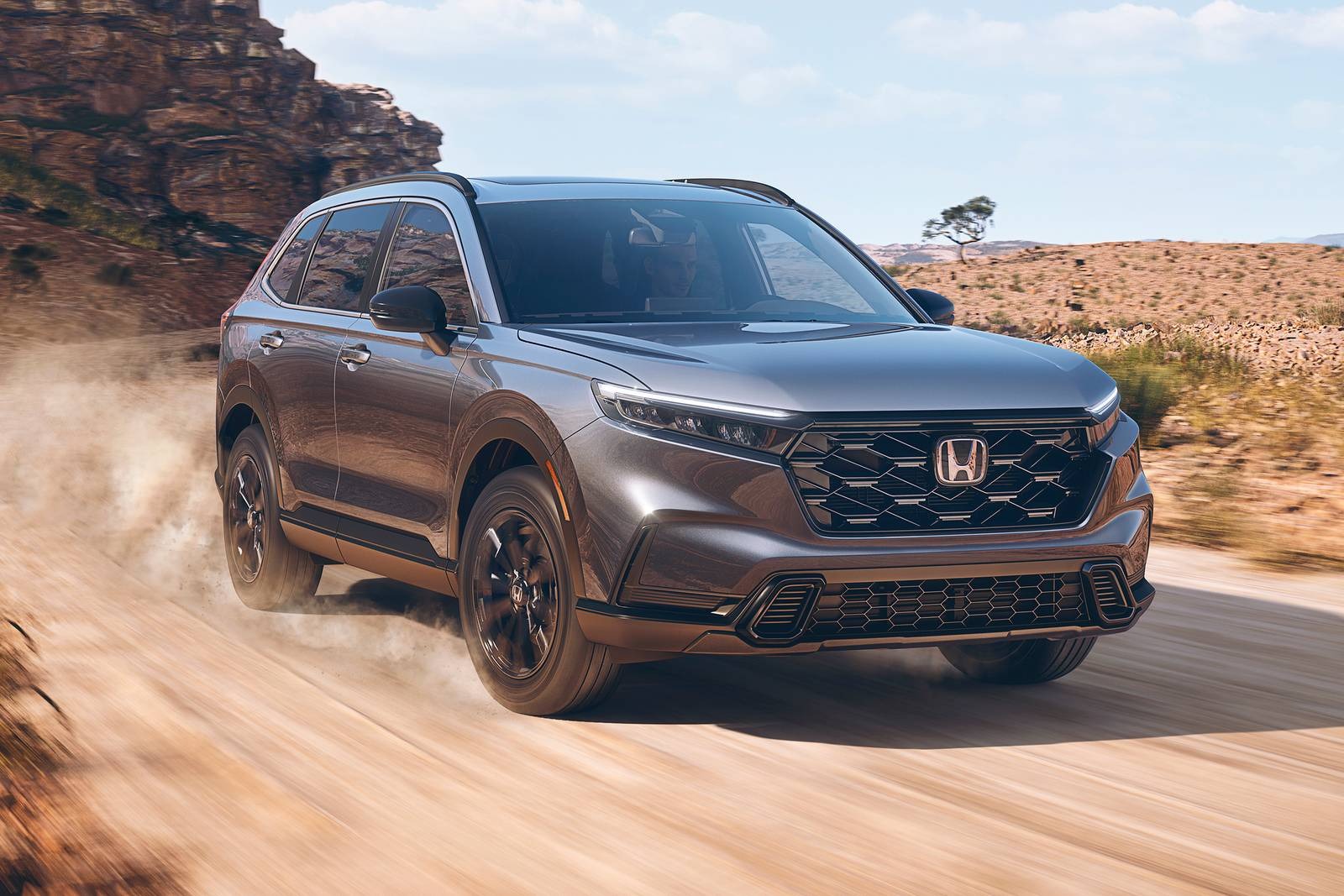
3. Honda CR-V
The Honda CR-V is one of the most consistently top-selling compact SUVs for a reason. It offers practicality, low ownership costs, and dependable performance year after year. When it comes to holding value after a minor accident, the CR-V performs better than many of its competitors. That’s largely because Honda’s reputation helps cushion the financial impact of a light blemish.
Used CR-V buyers often expect to see some wear and tear. A small scratch, a replaced mirror, or a lightly dented door panel isn’t going to scare most people away. As long as the accident hasn’t affected critical systems like the suspension, frame, or engine bay, buyers typically won’t hesitate. This makes it easier for sellers to ask close to market value without concessions.
Honda vehicles are also easy to repair and maintain. A minor accident can usually be fixed with minimal investment, especially given the availability of affordable OEM and aftermarket parts. Body shops are familiar with Hondas, which keeps labor costs low and results in faster turnaround. Buyers who see repair receipts and maintenance records often feel more confident in the condition of the vehicle.
Finally, the CR-V’s slow depreciation curve means that values are already stable by the time most reach the used market. Even with an accident reported on the vehicle history, a well-maintained CR-V with moderate mileage remains attractive. This reliability in both mechanical performance and resale value is why it continues to perform well after minor incidents.
4. Jeep Wrangler
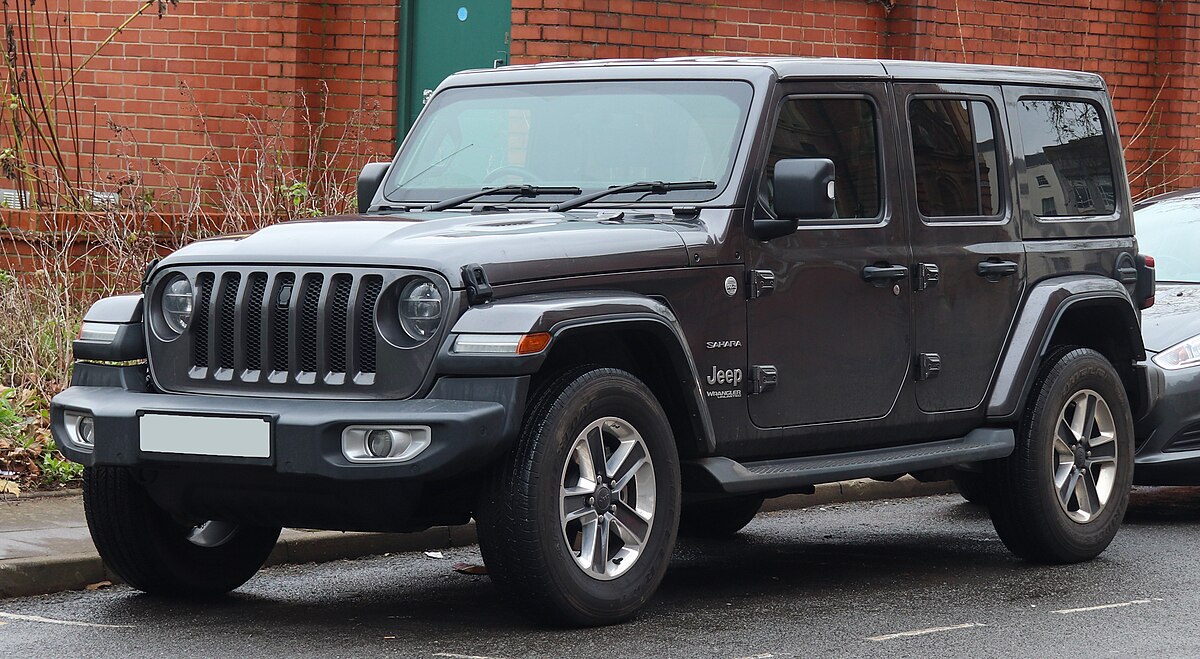
Few vehicles have a resale market as forgiving as the Jeep Wrangler. Known for its rugged design, off-road capabilities, and unique styling, the Wrangler is one of the rare vehicles where signs of use and adventure enhance its appeal. A minor accident, particularly one involving body panels or bumpers, rarely has a significant effect on its value.
Jeep owners and buyers often expect their vehicles to have a few battle scars. Scratches, dents, and minor repairs are part of the Wrangler’s identity. The community that surrounds this vehicle embraces its imperfections as signs of real-world use. As a result, a small incident logged in its history doesn’t raise many eyebrows during resale negotiations.
Mechanically, the Wrangler is built to take a beating. Its frame, drivetrain, and suspension are over-engineered for durability, making buyers more concerned about those elements than cosmetic details. If an accident hasn’t affected the frame or alignment, most buyers remain confident in the vehicle’s reliability and off-road worthiness.
Another reason the Wrangler’s value stays high is due to its highly customizable nature. Many owners modify their Wranglers with aftermarket bumpers, lights, and even fender flares.
This makes it easier to replace or upgrade damaged parts without hurting resale. Minor damage often leads to upgrades, which some buyers even prefer. The market is conditioned to accept used Wranglers with “character,” especially if well-documented.
5. Toyota 4Runner
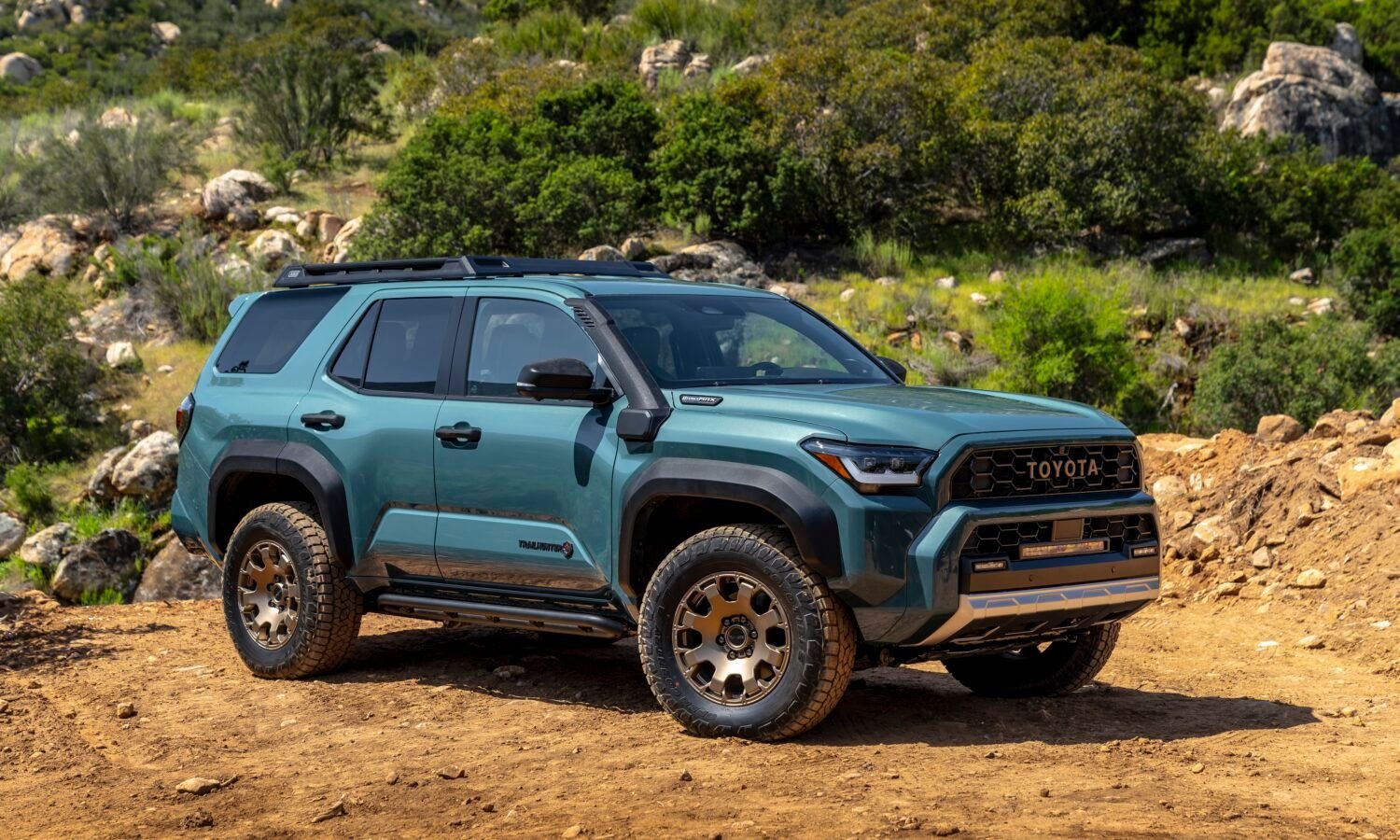
The Toyota 4Runner is one of the most respected midsize SUVs when it comes to longevity and off-road capability. Its body-on-frame construction and sturdy drivetrain have earned it a strong following among off-roaders, families, and utility-focused drivers.
Because of its tough engineering and strong secondary market demand, the 4Runner doesn’t suffer heavily in value after minor accidents. A small cosmetic incident is unlikely to deter a buyer who’s looking for rugged reliability and proven dependability.
Unlike luxury SUVs that rely on image and perfection, the 4Runner benefits from a buyer base that values function over flawless appearance. For this reason, slight imperfections or minor accident records, such as a side scrape or front bumper repair, are often seen as trivial.
A 4Runner’s frame, 4WD system, and powertrain are far more important in determining its resale value. As long as those components remain intact and well-maintained, buyers are still willing to pay near top dollar in the used market.
Another factor supporting the 4Runner’s resilience in value is its relatively low depreciation rate compared to other SUVs in its class. Even older models with high mileage tend to command respectable prices.
When combined with Toyota’s high ranking in reliability studies, it creates a strong incentive for buyers to overlook a minor blemish on the history report. This attitude is especially prevalent in regions with tough weather or rugged terrain, where the 4Runner is often seen as a practical necessity.
The 4Runner also benefits from a well-established parts supply and repair ecosystem. Independent shops and dealerships alike are well-versed in Toyota repairs, and that helps keep post-accident repair costs manageable.
Sellers with service receipts for proper repairs are typically able to convince buyers that the vehicle is still in excellent mechanical condition. This trust, reinforced by Toyota’s brand strength, gives the 4Runner lasting resale power, even after a bump or two.
6. Ford F-150
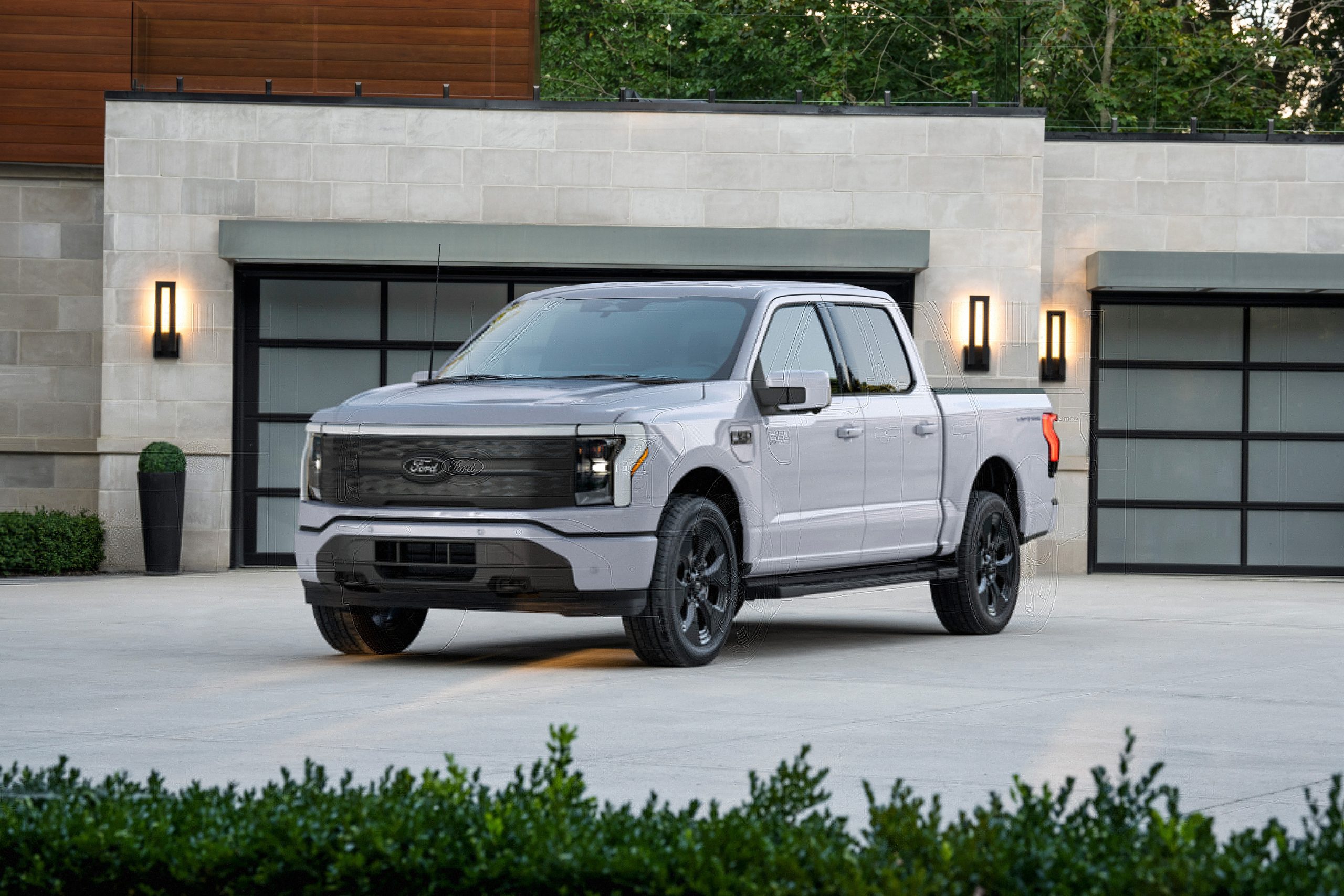
As one of the best-selling vehicles in North America for decades, the Ford F-150 has built a reputation for versatility, strength, and dependability. Whether used as a work truck, family hauler, or daily driver, the F-150 appeals to a wide demographic.
This demand plays a huge role in its ability to retain value, even when the vehicle has experienced a minor accident. In most cases, buyers shopping for a used F-150 are more concerned with capability than cosmetic perfection.
Trucks like the F-150 are frequently exposed to rough conditions, so it’s almost expected for a used model to have some wear, including the occasional accident.
A dented bed, a replaced tailgate, or front-end touch-up is unlikely to cause concern unless the damage was severe. Truck buyers tend to place value on powertrain health, towing ability, and the integrity of the frame. As long as those areas are unaffected, the accident has limited bearing on value.
Another reason the F-150 is resilient to minor damage depreciation is the truck’s ease of repair. With such a large presence in the market, parts are plentiful, and mechanics are familiar with common fixes.
Minor bodywork can be done quickly and affordably. More importantly, buyers feel reassured knowing that Ford dealerships and third-party shops can handle repairs efficiently. A well-maintained F-150 with a single incident is far more appealing than a pristine-looking truck with no service history.
Lastly, the strong aftermarket and enthusiast community surrounding the F-150 provides additional security in value retention. Many buyers plan to modify or upgrade parts anyway, so a scratch or non-structural repair is less relevant to them.
It also helps that insurance rates and replacement part costs for F-150s tend to be reasonable, further softening any hesitation about minor damage. For a truck that’s built to work, a small accident won’t slow it down or drag down its value.
7. Honda Civic
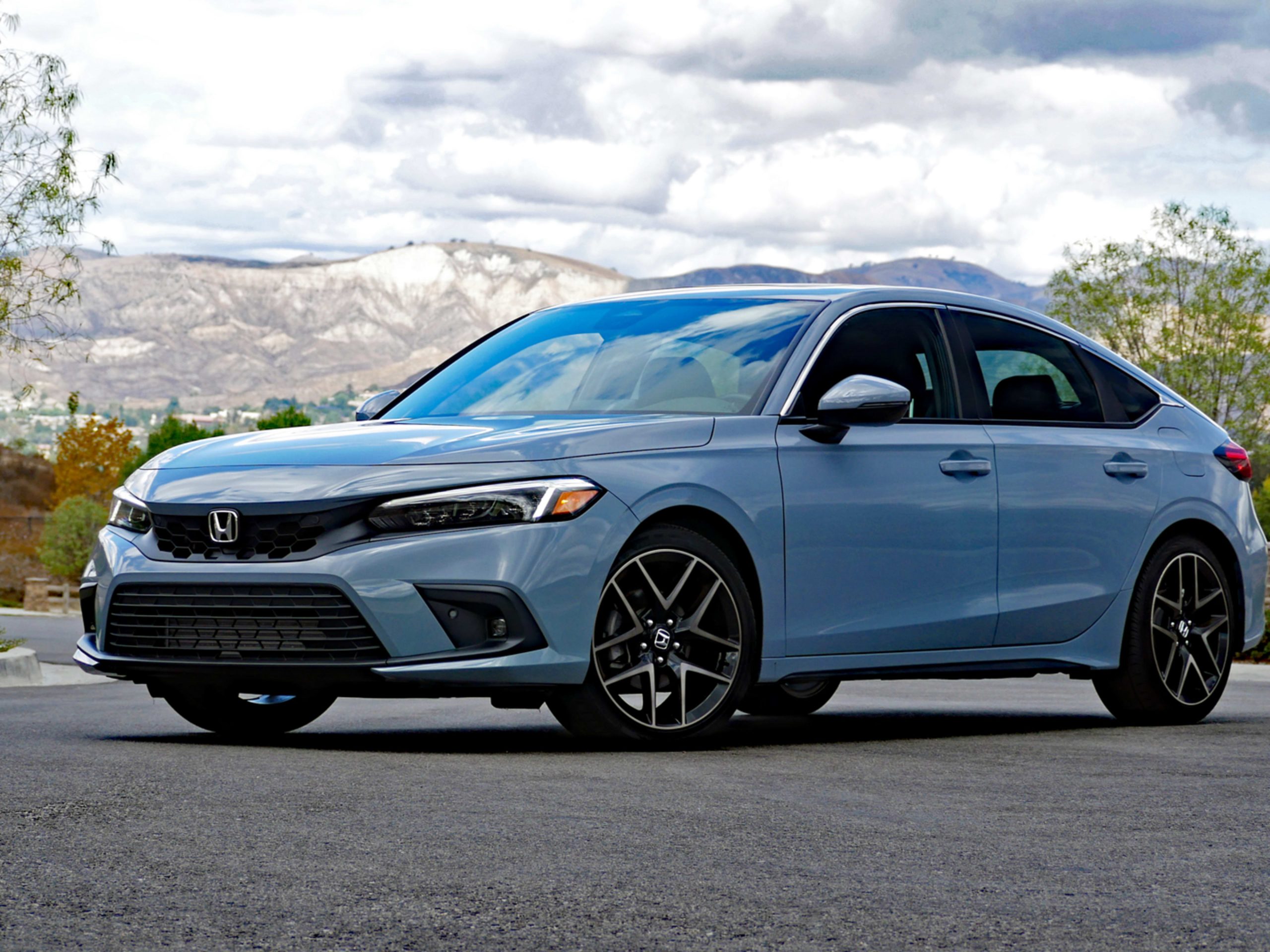
The Honda Civic is a compact car that has built its reputation on efficiency, reliability, and low cost of ownership. Over decades of consistent performance, it has gained a devoted following across generations.
Because of its widespread appeal and strong resale market, a Civic can still hold its value well after a minor accident, especially when compared to other compact cars in its class. A fender bender or scratch typically doesn’t send its resale price tumbling.
Civic buyers are often looking for a reliable daily driver, not a perfect showroom car. This mindset makes them more tolerant of minor cosmetic issues, particularly if the car is newer or has low mileage. If repairs have been made properly and documented, most potential buyers see it as a non-issue. This is particularly true for older models where the primary concern is reliability and fuel economy rather than aesthetic condition.
Affordability of repairs is another major reason the Civic performs well in the used market after a minor accident. Whether it’s a bumper, side mirror, or tail light, replacement parts for the Civic are readily available and reasonably priced.
Insurance companies also tend to favor Civics due to their low-cost claim history, which means accidents are less likely to trigger large premium hikes. This further reduces the impact on resale because it’s easier and cheaper to restore the car to good condition.
The Civic’s widespread recognition also plays into its post-accident resilience. A buyer is more likely to choose a Civic with a minor issue than an obscure model with no damage but unknown reliability.
The car’s established record in terms of fuel economy, engine life, and low maintenance costs makes it an easy choice. As long as the mechanical systems are sound and the repairs were done properly, buyers continue to pay a fair price.
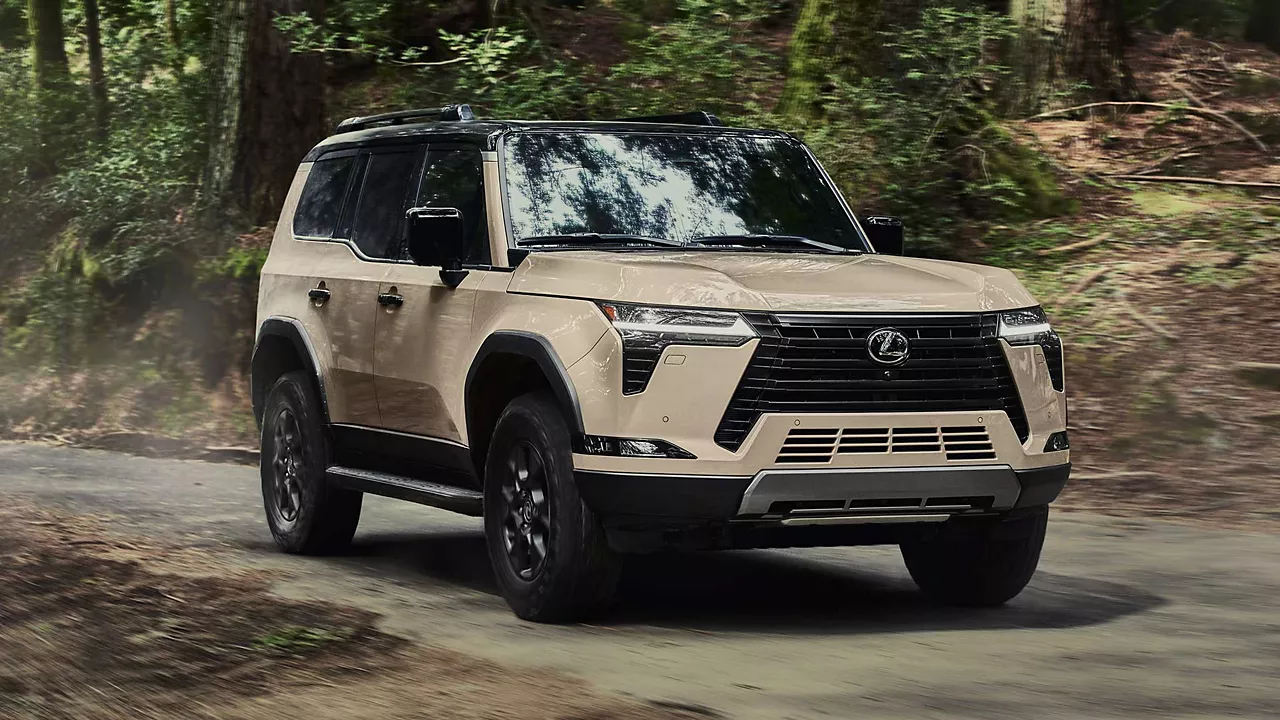
8. Lexus GX
The Lexus GX is a unique entry in the midsize luxury SUV market, combining true off-road capability with refined interior comfort. Based on the same platform as the Toyota Land Cruiser Prado, the GX is engineered for long life and rugged conditions. This foundation makes it one of the few luxury SUVs that can still maintain strong resale value after experiencing a minor accident. Its construction and reliability help it stand apart from more fragile luxury options.
Unlike many other luxury vehicles, the GX does not rely heavily on exterior aesthetics for its value. While it does feature premium materials and a high-end cabin, its real appeal lies in its long-term dependability and go-anywhere capability. Buyers are often less concerned with small imperfections if the drivetrain and frame are intact. A light accident involving a bumper or quarter panel isn’t typically a major deterrent when the rest of the vehicle is in good shape.
The Lexus brand’s reputation for quality is another major reason the GX stays valuable. Buyers of used Lexus SUVs generally have confidence in the vehicle’s longevity, particularly when maintenance has been done regularly.
Documentation showing that the vehicle was properly repaired following a minor accident often satisfies buyer concerns. Compared to other luxury SUVs, the GX is viewed as a workhorse that happens to offer comfort, so minor flaws don’t weigh heavily on pricing.
In addition, the cost and availability of Lexus parts, especially when shared with Toyota platforms, make repairs less intimidating. Many repair shops have experience working on both brands, and this reduces downtime and expense after minor accidents. Since the GX retains mechanical similarity to popular Toyota SUVs, maintaining it after an incident is relatively hassle-free. These qualities help the GX command strong resale prices, accident history or not.
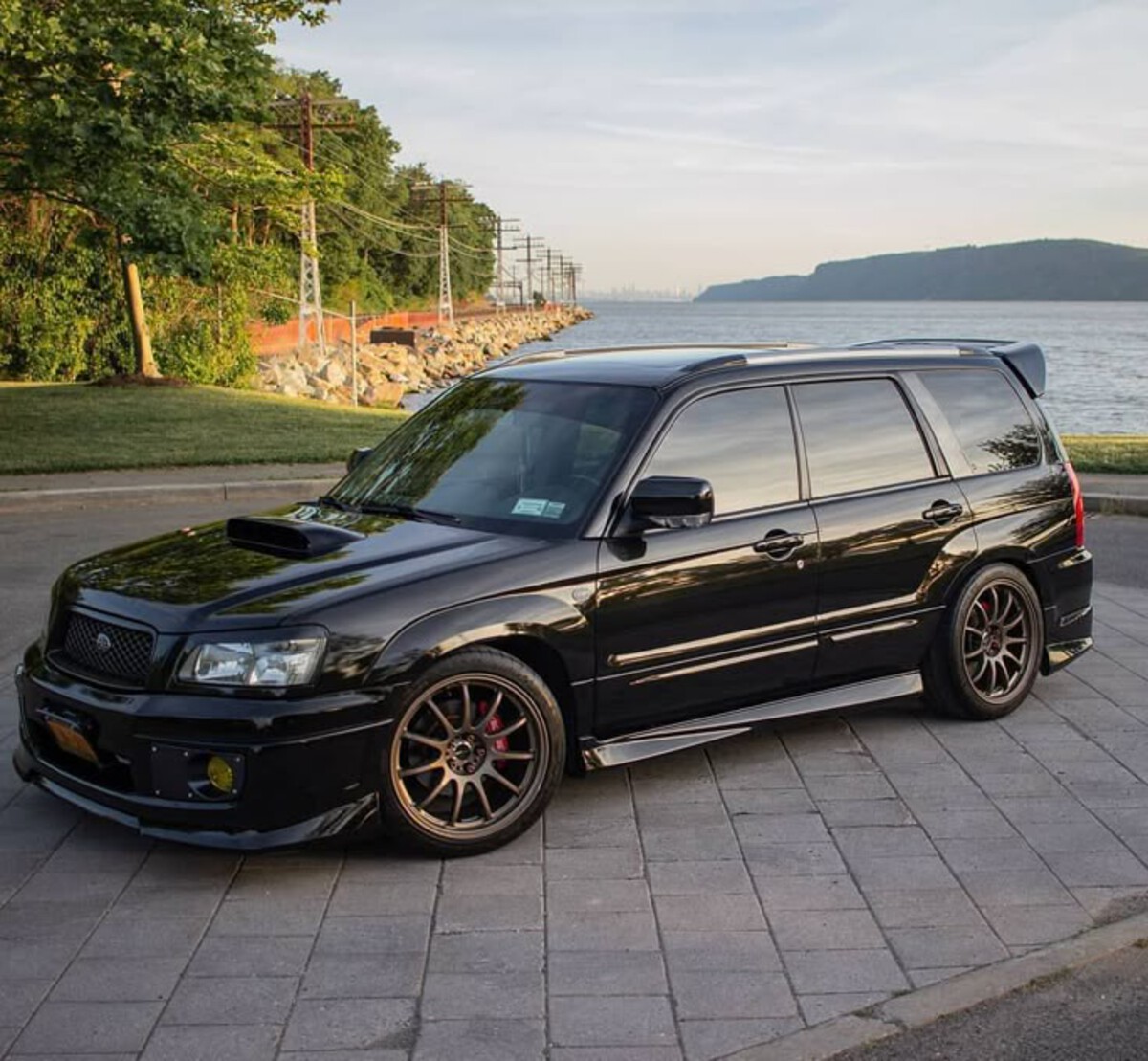
9. Subaru Forester
The Subaru Forester, like its sibling the Outback, has developed a strong following due to its practicality, reliability, and standard all-wheel drive. It’s a vehicle often chosen for its ability to handle varied weather and road conditions with ease. Its target audience is generally more interested in performance and dependability than visual perfection, which allows the Forester to retain value after minor accidents.
A small scrape or dent usually doesn’t matter much to Forester buyers. If the car has been repaired correctly and no major components were involved, it continues to be seen as a sound investment. Many Forester drivers are families, students, or outdoor enthusiasts, groups that value function over flawlessness. If it starts, runs well, and passes inspection, a clean look isn’t always required for a fair price.
Foresters also tend to be easier to repair than many might assume. Subarus share a lot of parts across different models and years, which makes finding replacement components less complicated. Shops are familiar with the platform, and the repair network is broad enough that bodywork after a minor accident can be resolved with little fanfare.
Buyers who see a small mark on the history report usually ask for service records and move forward with the purchase if repairs were documented. Another element that supports the Forester’s value is its excellent safety ratings. Buyers assume that even after a minor accident, the car’s core integrity remains strong.
This is reinforced by Subaru’s consistent rankings in safety and customer satisfaction. A well-maintained Forester with a slight blemish in its history will often sell quickly and close to market price, thanks to strong buyer confidence in the vehicle’s ongoing reliability.
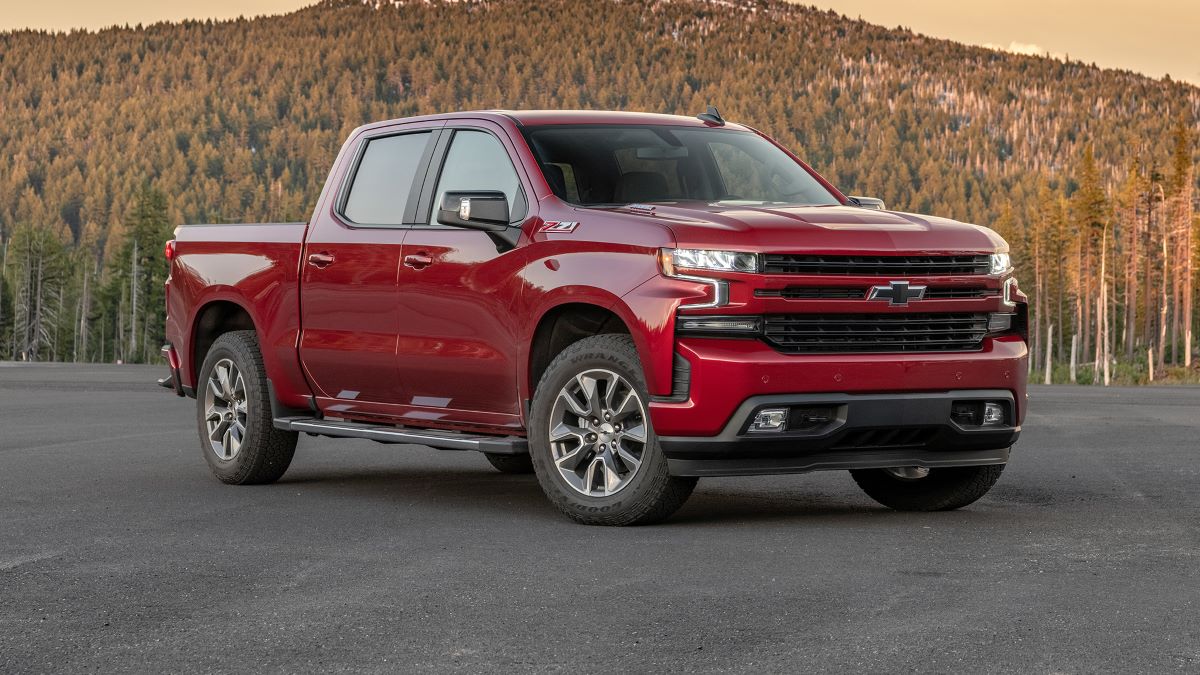
10. Chevrolet Silverado 1500
The Chevrolet Silverado 1500 is another full-size truck that has proven itself in terms of capability, durability, and market presence. It competes directly with the Ford F-150 and Ram 1500, but holds its own when it comes to value retention after minor accidents.
Its strength lies in its workhorse appeal and the trust it has built among tradespeople and everyday drivers alike. For many buyers, the Silverado’s ability to get the job done far outweighs concerns over a small accident history.
Used Silverado buyers usually understand that trucks aren’t showroom ornaments. They’re used for towing, hauling, and general utility, which means a dent or scratch is often expected.
As long as the damage didn’t involve the powertrain or chassis, it doesn’t significantly affect how the vehicle is valued. A minor rear-end incident or a door replacement due to a low-speed collision is unlikely to prevent a sale or demand a drastic discount.
The Silverado also benefits from a wide parts supply and a strong aftermarket. Replacement body parts, panels, and trim pieces are widely available, and repairs are straightforward for most shops.
This reduces the stigma attached to minor incidents, as it’s often difficult to tell whether the damage even occurred once repairs are complete. A Silverado that has been professionally fixed and comes with full documentation is still a desirable vehicle in the used market.
Another factor that supports post-accident value is Chevy’s large, loyal customer base. Many Silverado buyers are returning customers who prioritize power, towing capacity, and long-term value.
These repeat buyers are more comfortable with a truck that has a minor blemish if it otherwise checks all the boxes. As long as the vehicle has been well maintained and the accident wasn’t structural, the Silverado remains a financially safe choice in the resale market.
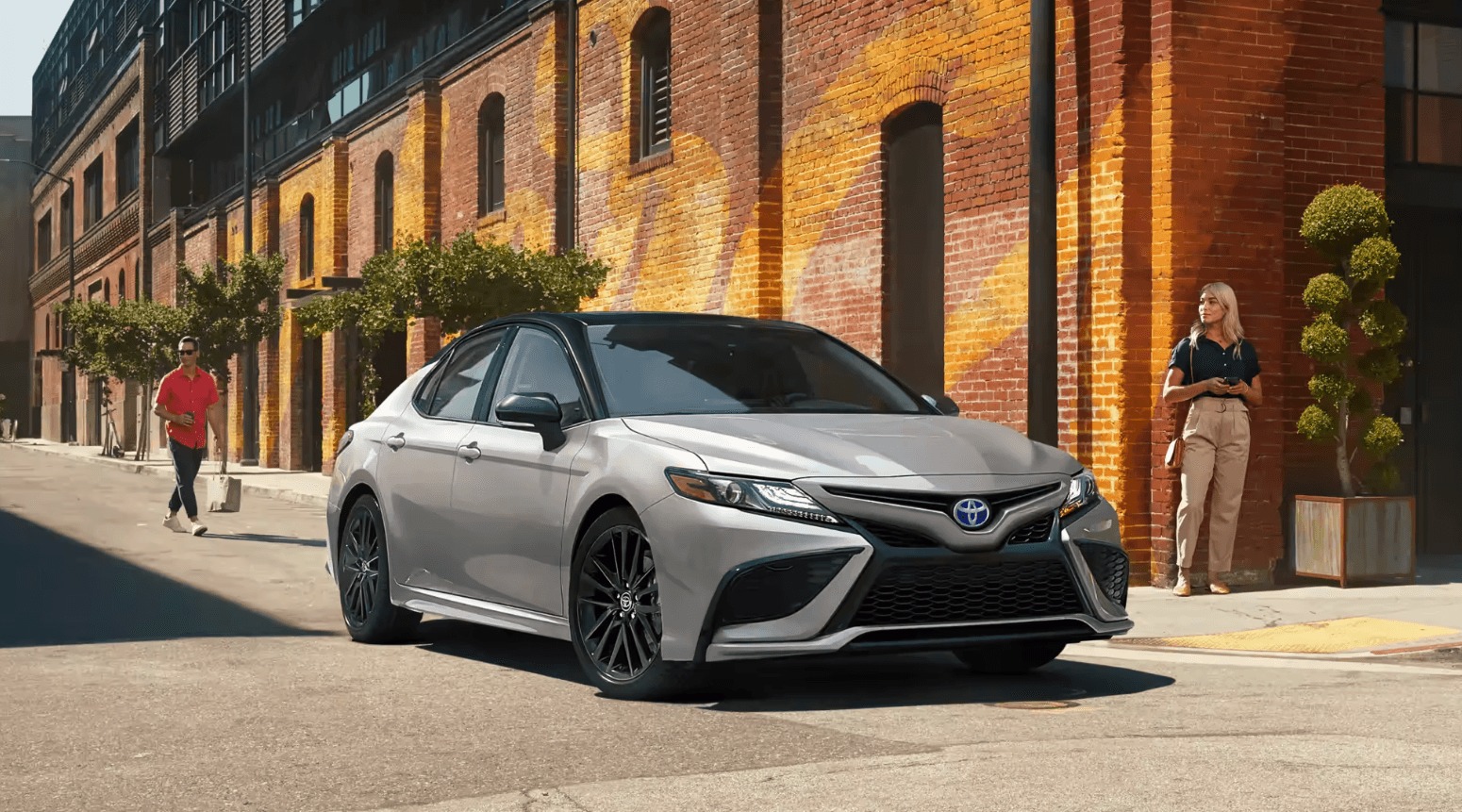
11. Toyota Camry
The Toyota Camry has built a long-standing reputation for being one of the most reliable and low-maintenance sedans on the road. Known for longevity and low total cost of ownership, it has become a go-to choice for commuters, families, and first-time drivers.
This widespread trust means that a minor accident doesn’t drastically hurt the Camry’s resale value. Most buyers are focused on the long-term benefits of owning one rather than a flawless past.
Camry buyers often prioritize how well the vehicle runs, not whether it has a perfect exterior. If the damage was superficial, a cracked headlight, a replaced bumper, or a scratch on the door, it’s generally not a dealbreaker.
These kinds of incidents don’t affect the mechanical function of the car, and many buyers are prepared to overlook them, especially when the price is right. It helps that the Camry is frequently praised for its predictable and stable performance, which gives buyers peace of mind even if there’s a minor ding in its history.
Repair costs for Camrys are generally lower than average due to the abundance of parts and experienced mechanics. Whether the vehicle is five or fifteen years old, body shops can usually complete minor repairs quickly and affordably.
This makes it easier for sellers to fully restore a Camry after an accident without investing an unreasonable amount. Buyers who see evidence of proper repairs and routine maintenance are typically not dissuaded from purchasing.
The Camry’s consistent high resale value is a reflection of how it performs over time. Its long service life, low repair frequency, and broad customer satisfaction make it a safe used car choice. Even after a small accident, buyers feel confident they’re getting a vehicle that will continue to serve them for years. That confidence allows the Camry to retain strong pricing power, even when its history isn’t spotless.
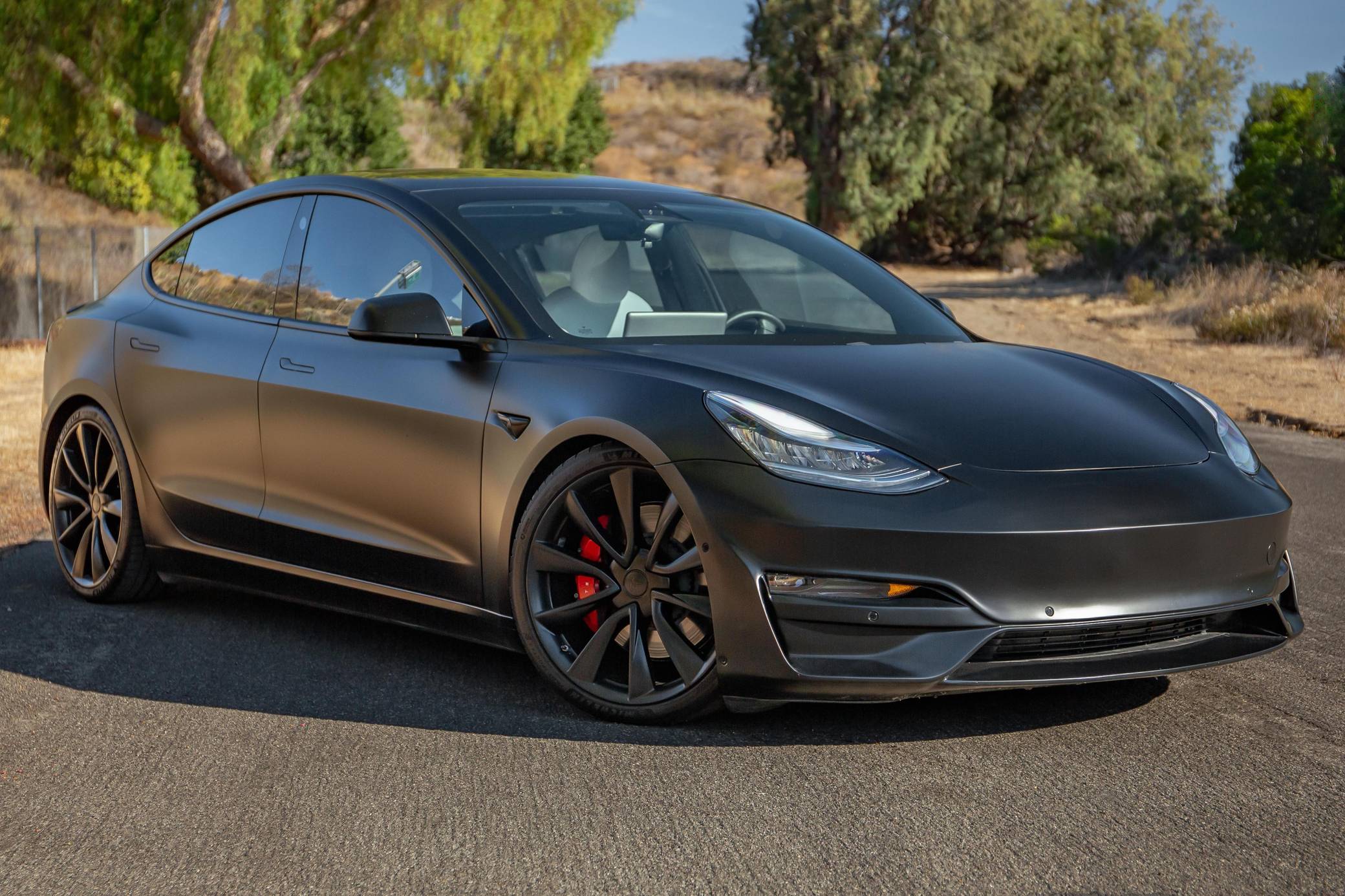
12. Tesla Model 3
The Tesla Model 3 is a relatively new entry compared to others on this list, but it has already proven to be an exception in the used car market. Due to its high demand, limited inventory, and forward-thinking design, the Model 3 tends to hold value exceptionally well, even after a minor accident.
While luxury and electric vehicles often suffer sharp depreciation, the Model 3 bucks that trend thanks to its unique market position and loyal customer base. Because Teslas are still a relatively niche product compared to combustion-engine vehicles, used examples remain in high demand.
Many buyers are more concerned with getting into the EV market than they are with a minor scratch or bumper repair. Especially when it comes to cosmetic-only damage, the Model 3 retains most of its resale value. Buyers familiar with Tesla know that minor issues are often more about panels and sensors than critical systems, and that alleviates concern.
One reason the Model 3 resists post-accident value drops is that Tesla vehicles have fewer mechanical parts to worry about. No transmission, fewer fluids, and minimal maintenance mean buyers see less risk over the long haul.
When buying used, they tend to care more about battery health and software updates than accident reports. If the accident didn’t impact the battery, Autopilot sensors, or structural frame, it’s often not considered a significant issue.
The Model 3 also benefits from Tesla’s over-the-air software updates and robust warranty coverage, which gives used buyers a sense of modernity and protection not often found in used cars.
When combined with rising interest in electric vehicles and relatively stable battery degradation over time, this makes the Model 3 a strong candidate for value retention. A fender bender might show up on a vehicle history report, but it won’t prevent it from fetching a strong resale price if the core technology remains intact.
Also Read: 5 Rare Diesel Cars That Keep Running vs 5 Common Diesels With Early Turbo Failures
Not all vehicles suffer the same fate after a minor accident. While many cars lose significant value over a cosmetic incident, the 12 vehicles listed here have something in common: they’ve earned the trust of drivers through a combination of durability, strong brand identity, and consistent performance.
Buyers looking for vehicles in these categories tend to place greater importance on reliability and function than on flawless history. Whether it’s the Toyota Tacoma’s indestructible reputation, the Wrangler’s adventure-first image, or the Model 3’s cutting-edge appeal, these vehicles manage to hold their value even when they’ve experienced minor mishaps.
It’s also important to recognize that the used car market is influenced by practical realities. Vehicles that are known to last hundreds of thousands of miles, or those with highly available parts and low repair costs, are more forgiving of slight imperfections.
Buyers are not just shopping for a shiny exterior; they’re looking for cars and trucks that will continue to serve them reliably and affordably. This is why vehicles with reputations for mechanical integrity continue to fetch high prices, regardless of a small ding in their record.
Another factor is perception. Vehicles that are widely recognized for certain traits like off-road toughness, exceptional safety ratings, or unbeatable value carry that perception into the resale market.
When buyers see a nameplate that consistently performs, they’re more willing to overlook a minor incident, particularly when the repair has been done properly. Transparency, documentation, and maintenance history go a long way in easing concerns and justifying asking prices.
So, for owners who’ve had the unfortunate experience of a minor accident, owning one of these 12 vehicles offers a degree of financial protection. While no accident is ideal, the strong reputations of these models help soften the financial blow and keep resale values competitive.
If you’re shopping for a used car and spot one of these with a minor incident on its record, don’t walk away too quickly; it might still be one of the smartest purchases you can make.
