
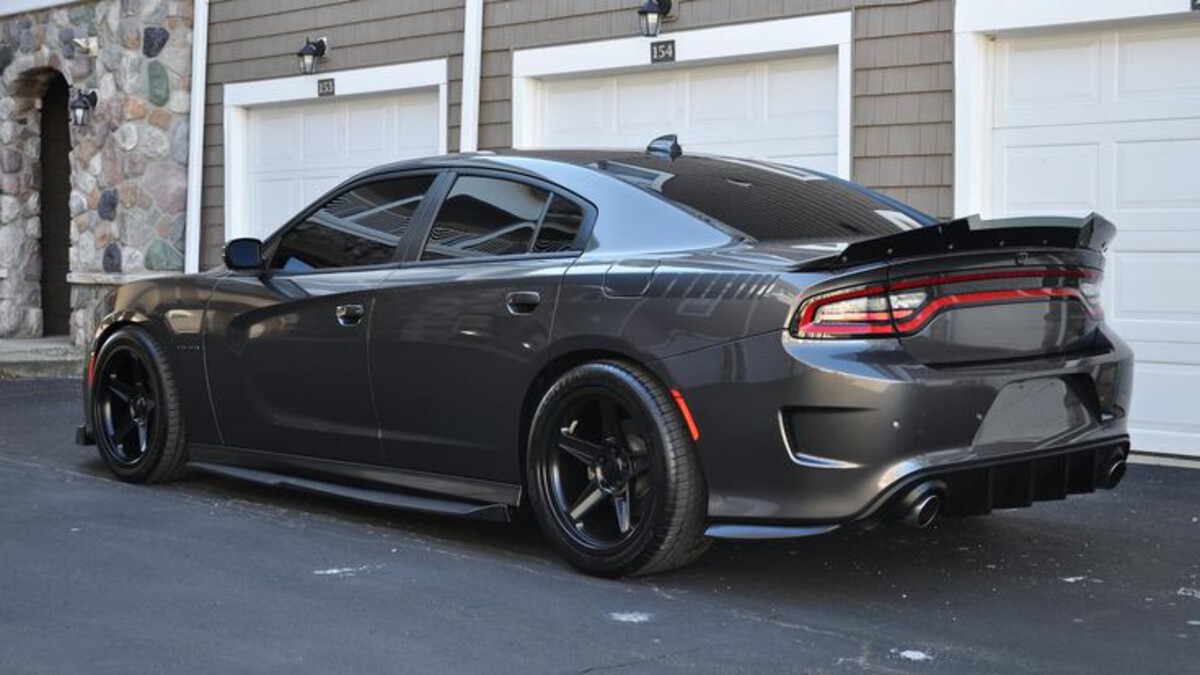
The thermostat in a vehicle plays a critical role in regulating engine temperature, helping maintain optimal performance and longevity. It’s a simple component, but when it fails, it can cause serious and costly problems. A stuck thermostat can lead to overheating, reduced fuel efficiency, and even engine failure if not addressed in time.
While most thermostats are built to last over 100,000 miles, some vehicles seem to fall short. Whether due to design flaws, inferior parts, or higher-than-average operating temperatures, there are specific makes and models that tend to develop thermostat-related issues much earlier than expected.
Routine maintenance schedules often overlook the thermostat unless symptoms appear, which can be risky for certain vehicles. Drivers may not notice a problem until they see fluctuating temperature gauges or feel their heater blowing cold air in the winter.
These symptoms might be brushed off at first, but they often point directly to thermostat failure. Ignoring these signs could result in the engine running too hot or too cold, both of which can have long-term effects. For vehicles known to have early thermostat problems, preemptive replacement can save money and reduce stress.
Certain cars, SUVs, and trucks are more susceptible due to how their cooling systems are designed or how the thermostat is integrated. In some cases, manufacturers have even revised thermostat parts or designs in later production years, acknowledging recurring problems. Thermostat replacement in these vehicles before the 80,000-mile mark isn’t just about avoiding inconvenience; it’s about protecting the entire engine from preventable damage.
This article highlights ten vehicles that have shown a consistent tendency for thermostat issues before reaching 80,000 miles. These aren’t necessarily bad vehicles, but they do come with a maintenance caveat that owners and buyers should be aware of.
For each model, we’ll explain why early thermostat failure is a concern, what symptoms to watch for, and why it’s a good idea to address the problem early rather than waiting for it to turn into something more serious.
Also Read: 5 Cars with Lifetime Drive Shafts vs 5 with U-Joint Failures

1. BMW 3 Series (E90/E92, 2006–2013)
The BMW 3 Series models from this era, particularly the ones equipped with the N52 or N54 engines, have a known history of thermostat and water pump issues. These engines are sophisticated, featuring electric thermostats that work alongside an electronically controlled water pump.
This level of complexity, while great for precision cooling, unfortunately, increases the risk of early failure. In many cases, the thermostat begins malfunctioning before the vehicle even reaches 70,000 miles. Symptoms often include erratic temperature readings or the engine taking too long to warm up. In some cases, the thermostat will stick closed, leading to overheating and a potential cylinder head failure if not addressed quickly.
Another reason why the 3 Series needs an early thermostat swap is the placement of the component. Tucked deep within the engine bay, accessing the thermostat isn’t easy, and its proximity to the electric water pump often means both parts fail together.
Because of this, BMW specialists often recommend replacing both components at the same time. Neglecting the thermostat on these vehicles can also affect the car’s emissions and fuel economy, as the engine won’t reach its ideal operating temperature quickly or consistently.
The material quality of the OEM thermostats has also come into question. Plastic housings and components are more prone to cracking and warping over time, especially under high thermal stress, which the turbocharged variants tend to generate.
Even if the thermostat itself doesn’t fail catastrophically, a crack in the housing can cause coolant leaks and leave the engine vulnerable to overheating. This combination of part design and placement makes preventive maintenance especially important for owners of these models.
Finally, BMW’s diagnostic systems will often throw a fault code for thermostat issues long before symptoms are physically noticeable. Owners using diagnostic tools or checking for codes may catch the issue early, but if they ignore those signals, the problem usually escalates quickly. This makes early replacement of the thermostat on E90/E92 3 Series cars not just recommended, but almost necessary to maintain reliability and avoid major repair bills.
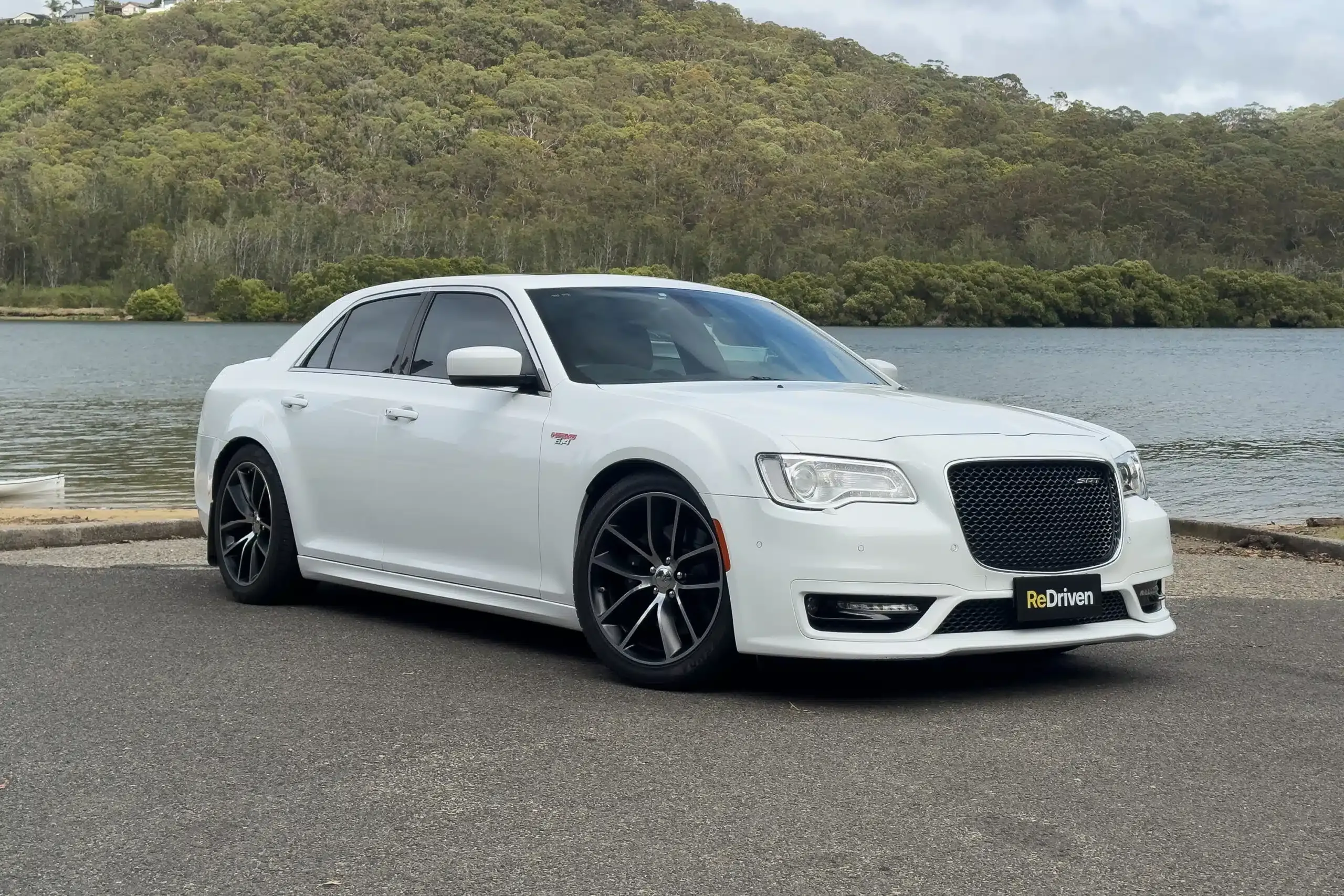
2. Chrysler 300 (3.6L Pentastar Engine, 2011–2016)
The Chrysler 300 equipped with the 3.6L Pentastar engine has earned a reputation for thermostat issues early in its lifespan. This engine, while generally reliable, tends to develop coolant system problems as it ages, especially around the 60,000 to 80,000-mile range.
One of the key concerns is the thermostat sticking closed, which causes the engine to overheat during warm months or heavy driving conditions. The 3.6L design uses a housing that combines the thermostat and coolant outlet, meaning a failure in one often means replacing the entire unit.
The plastic components used in this assembly are particularly vulnerable to cracking from heat cycles. Once these cracks form, they can lead to coolant leaks that may not be immediately visible but can result in gradual overheating.
This is particularly dangerous because the engine doesn’t always show clear signs of distress until damage has already begun. Many drivers report the temperature gauge staying in the normal range while the engine is running hotter than it should internally.
A common symptom with this engine is the check engine light coming on with codes related to thermostat performance. In some cases, the heater may start to blow cold air even when the engine is warm.
These are early signs that the thermostat is failing to regulate temperature properly. If the issue goes unresolved, overheating can lead to warped heads or even a blown head gasket, especially if the coolant level drops without the driver noticing.
Thermostat replacement on the Chrysler 300 is not overly expensive if done as preventative maintenance, but it becomes much more costly if done reactively after damage has occurred.
Given how common these issues are with this powertrain, many independent mechanics recommend changing the thermostat by 70,000 miles, or sooner if any warning signs appear. Doing so can prevent more serious cooling system failures and help the Pentastar engine maintain its otherwise good track record for durability.

3. Ford Focus (2.0L EcoBoost, 2012–2018)
Ford’s Focus, particularly the models with the 2.0L EcoBoost engine, is another car that benefits from a thermostat swap before hitting 80,000 miles. The EcoBoost platform is known for delivering strong performance from a small engine, but its forced induction system generates high engine bay temperatures.
Unfortunately, this heat accelerates the wear and degradation of key cooling system parts, including the thermostat. Premature failure has been a known problem in this setup, with many owners experiencing issues as early as 50,000 miles.
In some Focus models, the thermostat housing is integrated with sensors and plastic hoses, which makes it more prone to failure than conventional metal designs. Heat cycling causes these plastics to become brittle and leak, which in turn affects thermostat operation.
If the housing develops a small crack, it can create air pockets in the system, further complicating temperature regulation. Some drivers first notice slight coolant loss or intermittent overheating before the thermostat itself fails.
Temperature fluctuations with this engine often go unnoticed until they trigger a warning light or the car goes into limp mode. That’s because the thermostat can stick open just as easily as it can stick closed, and in either case, the engine won’t maintain the correct temperature.
Running too cool can increase wear over time and reduce fuel economy, while running too hot poses a more immediate risk of engine damage. In worst-case scenarios, continued overheating leads to turbocharger problems due to oil breakdown and poor lubrication.
The cost of replacing the thermostat on this model is relatively low compared to the damage it can prevent. Some owners take it a step further and upgrade to aftermarket housings made of aluminum, which handle heat better and last longer.
Given the number of reported failures and the difficulty of catching the issue early, replacing the thermostat around 70,000 miles is a smart move for any Focus owner looking to preserve the health of their EcoBoost engine.

4. Jeep Wrangler (3.6L Pentastar, 2012–2018)
Like the Chrysler 300, the Jeep Wrangler models using the 3.6L Pentastar engine face similar thermostat concerns. However, Wranglers often experience these issues more quickly due to the demands of off-roading and harsher operating conditions.
Whether it’s stop-and-go traffic, trail driving, or carrying heavy loads, the engine endures more thermal stress. This makes the thermostat more likely to fail before 80,000 miles, sometimes even before 60,000 depending on usage.
Thermostat problems in the Wrangler typically present as random overheating, coolant leaks, or irregular temperature readings. Some owners also report their heater stops producing warm air, which is a telltale sign that coolant isn’t flowing properly.
As with other Pentastar-powered vehicles, the integrated thermostat and housing are made of plastic and tend to degrade with heat exposure. The location of the thermostat in the Wrangler also subjects it to vibrations and dirt, which can shorten its service life.
For Wrangler enthusiasts who use their vehicles in extreme temperatures or for towing, thermostat failure isn’t just an annoyance; it can be the start of a breakdown. If the thermostat sticks closed on a hot day while climbing hills or crawling rocks, the engine can overheat in minutes. That kind of heat damage can destroy seals, warp heads, or even damage pistons if the driver doesn’t notice in time. It’s a high-risk situation that can be avoided with a relatively inexpensive part swap.
Early thermostat replacement in these Jeeps also provides peace of mind for long-distance driving or trips into remote areas. Since many owners use Wranglers for adventure and travel, a cooling system failure away from home can turn into a logistical nightmare.
Given the predictable pattern of thermostat wear in these vehicles, replacing it around 60,000 to 70,000 miles is not only smart but almost essential if you want to ensure reliability when it matters most.
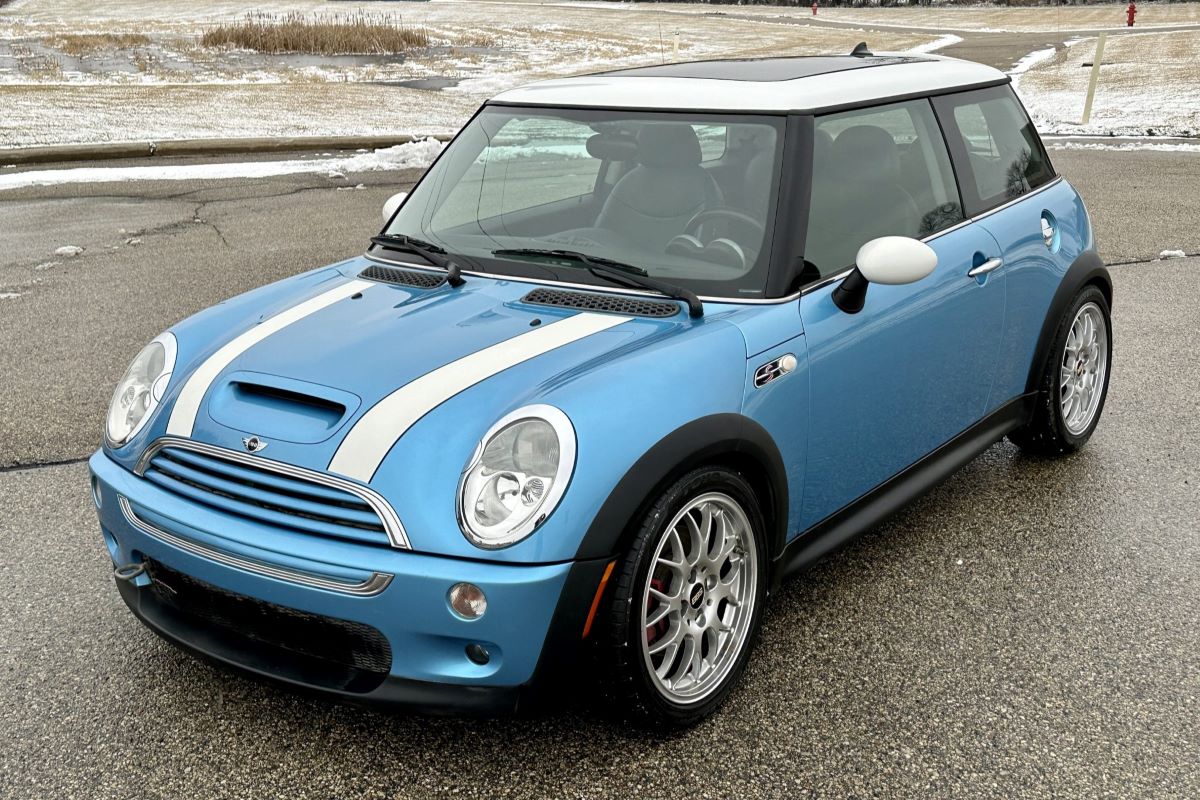
5. Mini Cooper (Turbocharged 1.6L Engine, 2007–2015)
Mini Coopers from this generation, particularly those equipped with the turbocharged 1.6L Prince engine, are known for early thermostat and cooling system troubles. These vehicles feature a thermostat housing made of plastic that integrates multiple components, including sensors and coolant routing passages.
With time and heat cycles, these plastic parts tend to warp or crack, resulting in leaks that compromise the thermostat’s ability to function. Owners commonly report temperature warnings, check engine lights, or low coolant messages well before 80,000 miles, often as early as 40,000–50,000 miles.
One of the key issues in the Mini’s thermostat design is its placement and integration. The housing is bolted to the engine block in a tight area, surrounded by heat-producing parts like the turbo and exhaust manifold. This environment exposes the thermostat to constant thermal stress.
The result is not just early failure, but in some cases, a cascade of failures involving the water pump, coolant sensors, and even the turbocharger if the engine overheats severely. Because of this, what starts as a thermostat problem can quickly become a multi-component repair if not addressed early.
Many Mini Cooper drivers notice symptoms such as inconsistent cabin heat, a slowly rising temperature gauge, or surging fan speeds, all of which suggest the thermostat isn’t operating consistently. On some occasions, the thermostat sticks open, which causes the engine to run cold and leads to rough idling and reduced fuel economy.
While this might seem less urgent than overheating, it can still cause longer-term problems, including oil sludge buildup from incomplete combustion. Ignoring these early signs often results in more expensive repairs and lost confidence in the car’s reliability.
Given the compact and performance-oriented nature of the Mini, proactive maintenance is a necessity. Replacing the thermostat and its housing before 70,000 miles is widely recommended by Mini service specialists, even if symptoms haven’t appeared yet.
Upgraded aftermarket options with aluminum parts are available and preferred by many experienced owners. Failing to address this weak point in time can shorten the life of the engine and turn the Mini’s fun-to-drive nature into a source of constant mechanical headaches.
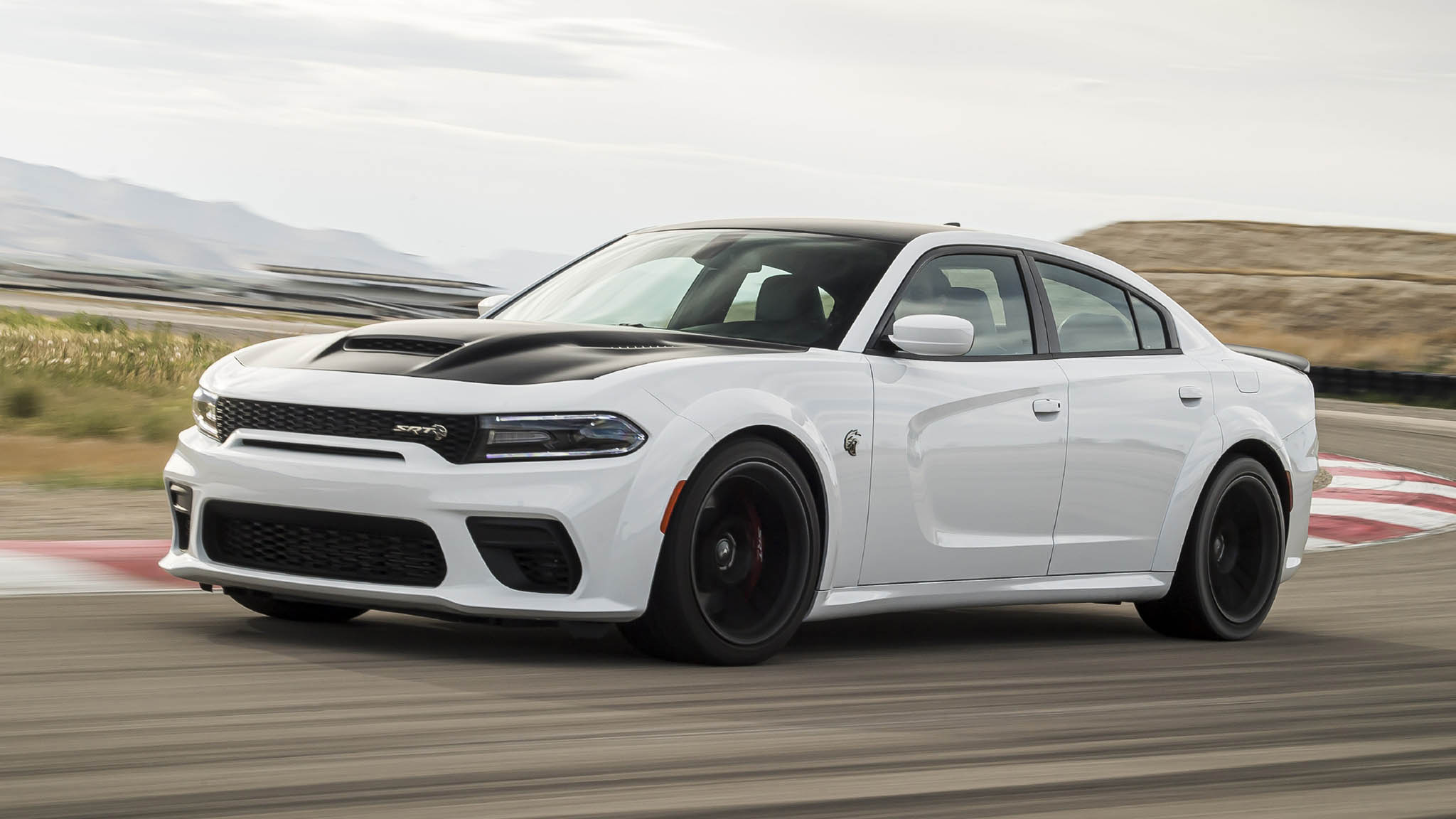
6. Dodge Charger (5.7L HEMI, 2006–2014)
The Dodge Charger with the 5.7L HEMI engine is well-regarded for its performance and power, but like many Chrysler-engineered vehicles from this period, it carries certain weaknesses in its cooling system. The thermostat, although relatively simple in design, is positioned in a way that makes it vulnerable to heat soak from the surrounding engine components.
Over time, repeated heat exposure wears out the thermostat’s internal spring and wax pellet mechanism. Drivers often start to experience cooling issues between 60,000 and 80,000 miles, with overheating or delayed warm-up being among the first signs.
In the HEMI-equipped Charger, a malfunctioning thermostat can have broader consequences because of the engine’s heat output under load. If the thermostat fails in a closed or partially closed position, it restricts coolant flow and traps heat in the heads and cylinder walls.
This is particularly dangerous when towing, idling in traffic on hot days, or accelerating aggressively. Once the engine overheats, it puts strain on the head gaskets and increases the risk of cylinder warping, repairs that are far more costly than a routine thermostat replacement.
One of the reasons for early thermostat wear in this model is the choice of materials. While the thermostat itself may use a metal body, it’s often housed in a composite or plastic flange that degrades faster than the thermostat does.
In some instances, this housing cracks before the thermostat stops working, resulting in coolant loss and unpredictable cooling behavior. Small leaks may not trigger warning lights immediately, but they can lead to chronic low coolant levels, which puts extra strain on the cooling system and eventually causes the thermostat to fail.
For HEMI owners who want to preserve engine life and avoid costly repairs, replacing the thermostat around 70,000 miles is a wise choice. It’s not just about the part itself but about maintaining consistent temperature regulation for an engine that runs hot under normal conditions.
Preventative replacement, especially with upgraded thermostats and housings, can provide added reliability and is often recommended during scheduled coolant service or water pump replacement. By addressing it early, owners can continue to enjoy the performance benefits of the Charger without risking major engine problems down the line.

7. Chevrolet Cruze (1.4L Turbo, 2011–2016)
The Chevrolet Cruze with the 1.4L turbocharged engine is another vehicle that often requires a thermostat replacement well before reaching 80,000 miles. This compact sedan was designed with fuel efficiency and affordability in mind, but certain compromises in the engine’s cooling system have led to premature thermostat failures in many cases.
The main problem is the design of the thermostat housing, which is integrated with other coolant components and made largely of plastic. These plastic parts are vulnerable to warping and cracking from repeated heat cycles, and the thermostat itself can get stuck as a result.
Drivers often begin noticing issues with temperature regulation between 50,000 and 70,000 miles. One common sign is the check engine light illuminating due to a P0597 or P0128 code, which indicates that the engine isn’t reaching the proper operating temperature.
This usually means the thermostat is stuck open. When the engine runs too cold, it uses more fuel, emits more pollutants, and may trigger rough idling or stalling. While this may not seem urgent, prolonged operation at incorrect temperatures can shorten engine life and lead to additional repairs.
Another common failure point in the Cruze is the coolant outlet, which is part of the thermostat housing assembly. It tends to leak over time, creating puddles under the car or causing slow coolant loss that results in overheating under load.
This becomes especially problematic on long highway drives or in hot climates. Once coolant levels drop and air enters the system, the thermostat may stick due to lack of proper coolant flow, leading to sudden spikes in engine temperature.
Although replacing the thermostat on the Cruze is a relatively inexpensive job, it’s one that’s often delayed until it’s too late. For proactive drivers, replacing the entire housing assembly between 60,000 and 70,000 miles is highly recommended. Many aftermarket options have improved durability and metal reinforcement.
Performing this task during scheduled coolant service or alongside a water pump replacement is an efficient way to maintain reliability and avoid future headaches with the Cruze’s sensitive cooling system.

8. Subaru Outback (2.5L Boxer Engine, 2010–2014)
Subaru’s 2.5L boxer engine, found in the Outback and several other models, is well-known for its durability and unique layout. However, it also has its quirks, one of which is a thermostat that often begins to malfunction earlier than expected.
Due to the engine’s horizontally opposed design, the cooling system must manage temperature balance between cylinder banks more carefully than in traditional engines. A failing thermostat in this setup can result in uneven heat distribution, which may lead to increased engine wear or even overheating in one section of the engine.
Thermostat issues in these models typically emerge before 80,000 miles, especially for drivers who live in areas with frequent temperature fluctuations. Owners might notice delayed warm-up times, sudden temperature changes, or loss of cabin heat, particularly in winter.
Because the Subaru’s heater core is located relatively high in the engine bay, air pockets caused by small leaks or a sticking thermostat can affect both heating performance and engine cooling. In some cases, overheating can occur even with seemingly normal coolant levels, a symptom often tied to a sticky or restricted thermostat valve.
Subaru used a wax-based thermostat for these engines, which performs well when new but tends to wear down more quickly due to the engine’s vibration and heat cycling.
Additionally, the OEM thermostat housing and gaskets may start to leak, introducing air into the system and compromising the thermostat’s function. Replacing the thermostat early can help avoid more serious problems like head gasket failure, a known risk for older 2.5L engines, especially when cooling performance is compromised.
Because of the unique layout of the boxer engine, thermostat replacement should be part of a more comprehensive cooling system inspection. Most Subaru specialists recommend replacing the thermostat before 75,000 miles, especially if any signs of coolant seepage, erratic heat, or temperature fluctuations are observed.
It’s a small investment that helps preserve the reliability these vehicles are known for and reduces the likelihood of costly repairs related to overheating or imbalance in thermal management.
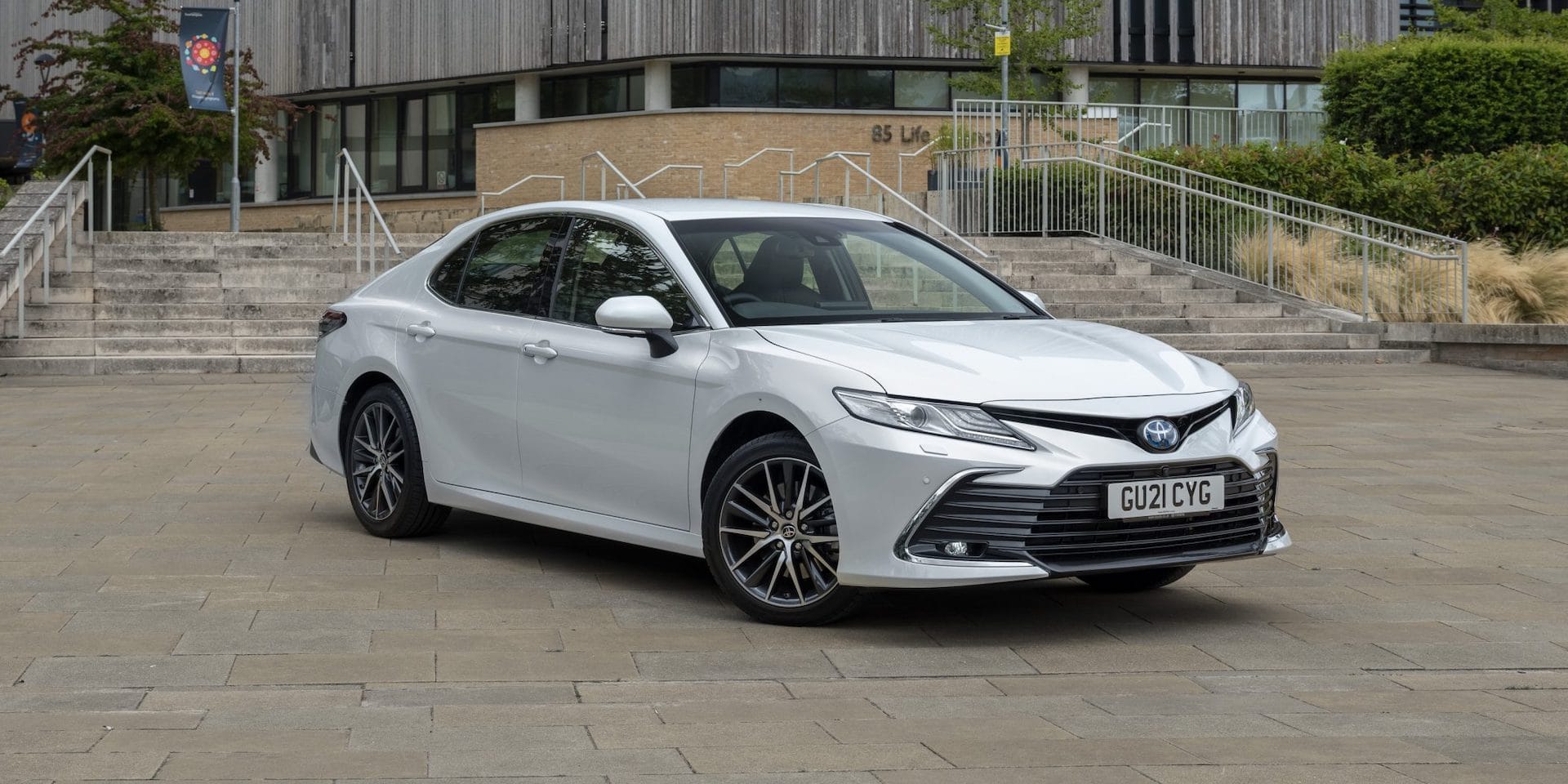
9. Toyota Camry (2.5L 4-Cylinder, 2012–2017)
The Toyota Camry has a well-earned reputation for reliability, but even this dependable sedan has a few weak spots, one being its thermostat on certain model years with the 2.5L 4-cylinder engine. The thermostat in these vehicles can fail prematurely due to the quality of materials used in the thermostat housing and the design of the cooling system.
Though Toyota engines generally run cooler and more efficiently than many competitors, some Camry owners report thermostat failure or erratic temperature readings before the 80,000-mile mark, especially in regions with hotter climates or stop-and-go driving patterns.
A common sign of thermostat trouble in the Camry is inconsistent cabin heating. Owners may notice the heater blowing cold air after the engine has been running for some time or a temperature gauge that fluctuates rapidly between normal and overheating.
The thermostat in the Camry controls coolant flow through the radiator and heater core, so when it sticks open or closed, it disrupts this balance. Running too cold can increase fuel consumption and emissions, while overheating puts engine components under stress, leading to premature wear.
Toyota’s OEM thermostat housing is made of plastic, which is prone to becoming brittle after repeated heat cycles. Small cracks or warping can lead to slow coolant leaks that go unnoticed until the engine begins to run hotter than normal.
While the Camry’s cooling system is designed to be fairly robust, these minor leaks create air pockets and reduce cooling efficiency, causing the thermostat to malfunction more quickly. Routine inspections often miss these subtle leaks, which makes early replacement a smart preventive measure.
Many independent mechanics recommend swapping out the thermostat during scheduled maintenance at around 70,000 miles for Camrys in high-temperature environments or heavy traffic conditions. Doing so can prevent overheating-related damage to the cylinder head or gasket, which are expensive repairs.
Upgrading to a higher-quality aftermarket thermostat or replacing the housing with a more durable unit can also extend service life. While Toyota’s engineering is excellent, the thermostat remains one of the more vulnerable parts requiring early attention on these models.
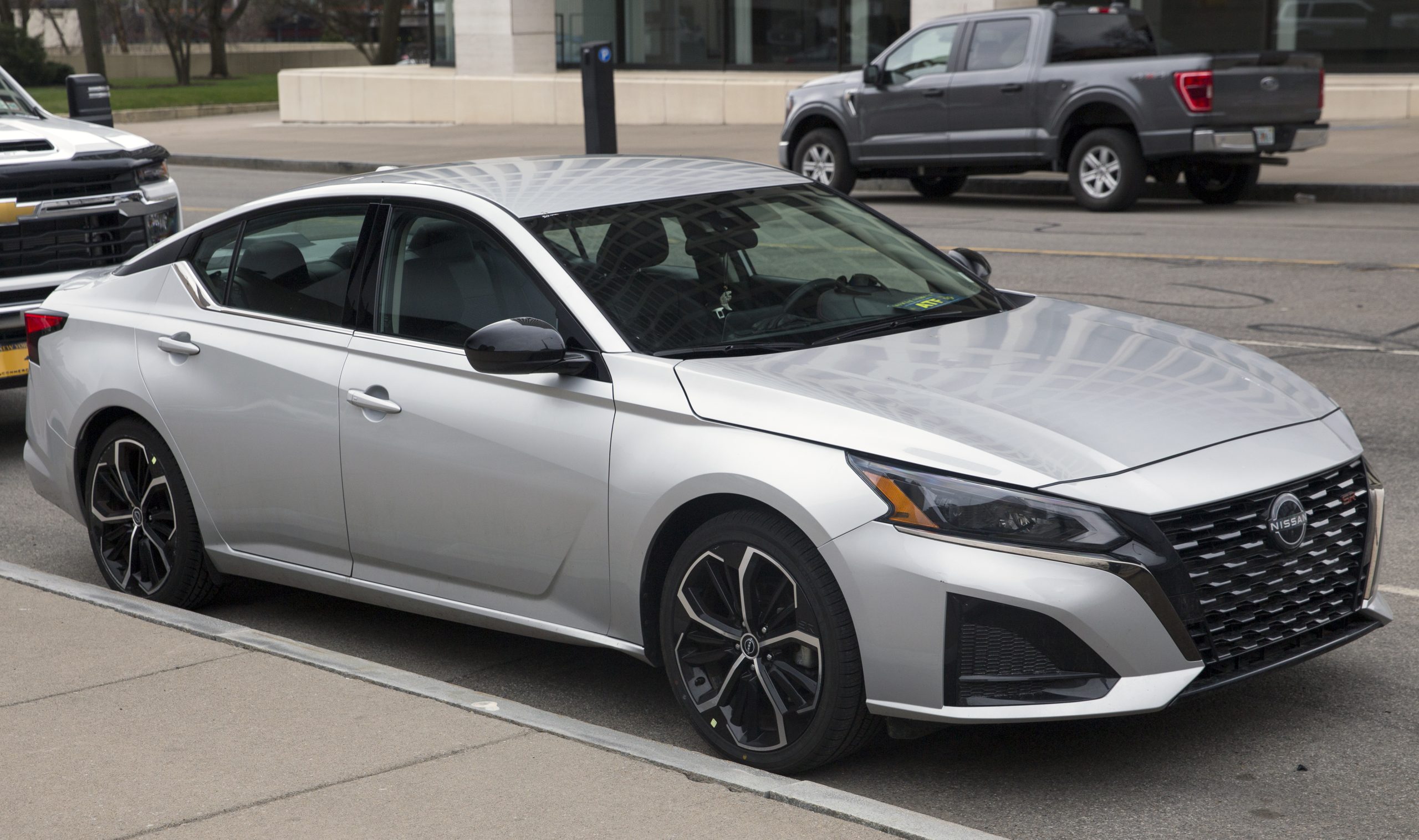
10. Nissan Altima (2.5L 4-Cylinder, 2013–2018)
The Nissan Altima equipped with the 2.5L 4-cylinder engine is another vehicle prone to thermostat problems that appear before 80,000 miles. This model uses a plastic thermostat housing integrated with coolant sensors, which makes replacement a bit more complex but necessary due to the design weaknesses.
The combination of a plastic housing and the engine’s operating temperature profile results in a thermostat that can stick or crack prematurely, causing inconsistent engine temperatures or overheating.
Owners frequently report symptoms such as erratic temperature gauge behavior, reduced heater output, and warning lights related to the cooling system. The thermostat may stick open, causing the engine to run cooler than optimal, which can trigger the check engine light and affect fuel economy.
Alternatively, it can stick closed, causing overheating and putting stress on engine components like the cylinder head and gasket. Either condition is harmful if left unchecked and can escalate to more serious engine damage.
Nissan’s choice to integrate sensors directly into the thermostat housing means that when the thermostat fails, sensor readings may become inaccurate, complicating diagnosis. Sometimes, these sensor errors cause the engine control module to enter a failsafe mode, limiting power and performance to prevent damage.
This can be frustrating for drivers who may not immediately associate the problem with a failing thermostat. Early replacement simplifies this by restoring proper coolant flow and accurate temperature monitoring.
Because thermostat failure is common on these Altimas before 80,000 miles, proactive maintenance is recommended. Changing the thermostat and its housing as part of routine coolant system service can save owners from unexpected breakdowns and expensive repairs.
Upgrading to a more durable housing or aftermarket thermostat designed to withstand the engine’s heat cycles can improve long-term reliability. For those who drive in extreme conditions or high temperatures, earlier replacement (around 60,000 miles) is often suggested to ensure the cooling system remains fully functional.
Also Read: 10 Cars That Don’t Blow Head Gaskets Before 200K
Thermostats are small components, but they play a crucial role in managing engine temperature and ensuring reliable vehicle operation. The ten vehicles discussed here each have specific reasons why thermostat failure tends to occur early, typically before the 80,000-mile mark.
These issues range from design choices like plastic housings vulnerable to heat damage, to engine layouts that increase thermal stress on cooling system parts. In all cases, thermostat failure can lead to a cascade of problems, including overheating, poor fuel efficiency, and even severe engine damage.
Vehicle owners of these models should pay special attention to warning signs such as fluctuating temperature gauges, erratic heater performance, coolant leaks, or warning lights related to the cooling system.
Waiting until a thermostat completely fails often results in costly repairs that could have been avoided with a simple preemptive swap. Mechanics familiar with these models frequently recommend thermostat replacement as part of scheduled maintenance or even earlier if symptoms arise.
Replacing the thermostat before major symptoms develop not only protects the engine but can improve the vehicle’s reliability and longevity. In many cases, upgrading to thermostats and housings made from more durable materials is a worthwhile investment that reduces the risk of repeat failures. Considering the relatively low cost and ease of replacement compared to other engine repairs, it’s a smart preventive measure for owners of these vehicles.
By understanding which vehicles tend to experience thermostat problems early and taking proactive steps, drivers can avoid unexpected breakdowns, maintain consistent engine performance, and extend the life of their vehicles. If you own any of these models, keeping an eye on your cooling system and planning for an early thermostat replacement can save time, money, and frustration down the road.
