
When it comes to buying a car, most shoppers rely on reliability ratings, online reviews, and word of mouth. But there’s another perspective worth considering, what do the dealers themselves think? Dealerships know which models sell quickly, retain their value, and keep customers happy. They also know which ones sit on the lot forever, rack up repair costs, and ultimately hurt their reputation.
In the Toyota lineup, there are clear winners and losers. While many models uphold Toyota’s reputation for bulletproof dependability, some have tarnished the brand’s image due to design flaws, high complaint rates, or poor driving experiences. Here are five Toyotas that dealers are eager to recommend, and five they often advise buyers to steer clear of.
5 Toyota Models Dealers Can’t Stop Recommending
These models are dealer darlings, known for their reliability, strong resale value, and overall customer satisfaction. They’re easy to sell and even easier to stand behind.
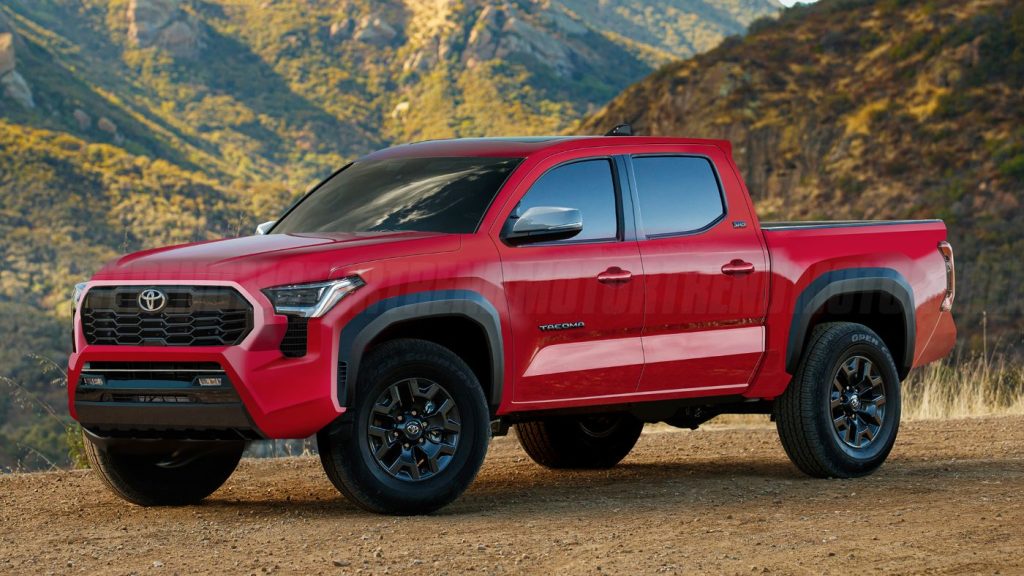
1. Toyota Tacoma
Dealers absolutely adore the Tacoma. Known for legendary reliability and longevity, many surpass 200,000 miles with ease, it holds resale value like few trucks can.
Dealers can move Tacomas fast with minimal incentives needed, and demand spans contractors, recreation enthusiasts, and everyday buyers. Its rugged build, strong aftermarket presence, and return on trade-ins make it a profitable staple on dealer lots.
The midsize pickup truck market has been steadily expanding, yet the Toyota Tacoma remains a clear favorite for many buyers. Whether you’re looking for a no-frills work truck, a comfortable daily driver with luxury touches, or an off-road warrior, the Tacoma continues to stand out as one of the most versatile pickups available.
The updates introduced for the 2020 model, combined with Toyota’s reputation for exceptional resale value, make this year’s Tacoma an even more appealing choice than before.
Inside the cabin, Toyota has made meaningful improvements that enhance the overall driving experience. The 2020 Tacoma now features a larger touchscreen along with a new infotainment system that finally supports Apple CarPlay and Android Auto.
This integration makes it easier to bypass Toyota’s own Entune software, which many drivers have found to be less user-friendly. Additional upgrades include a recalibrated automatic transmission that addresses the sluggishness of previous models, as well as a power-adjustable driver’s seat offering enhanced comfort and greater customization for different body types.
While the Tacoma’s ride height is relatively tall, which may make getting in and out of the cabin a bit challenging for some, this design serves a purpose. The extra clearance ensures that every Tacoma is prepared to tackle off-road environments without hesitation.
This capability is amplified in the off-road-focused trims, which boast superior approach angles, robust shock absorbers, and a lockable center differential, allowing for confident navigation over rough terrain. The addition of downward-facing cameras further aids drivers by helping them spot and avoid potentially damaging obstacles along the way.
These refinements address several of the biggest criticisms from earlier versions of the Tacoma. It’s worth noting that the ride is still slightly rougher compared to competitors like the Chevrolet Colorado and Honda Ridgeline, and when it comes to extreme rock crawling, the Jeep Gladiator holds a slight advantage.
However, the Tacoma’s ability to strike a balance between daily usability and off-road adventure, paired with its outstanding resale value, cements its status as one of the best-rounded midsize pickups on the market.
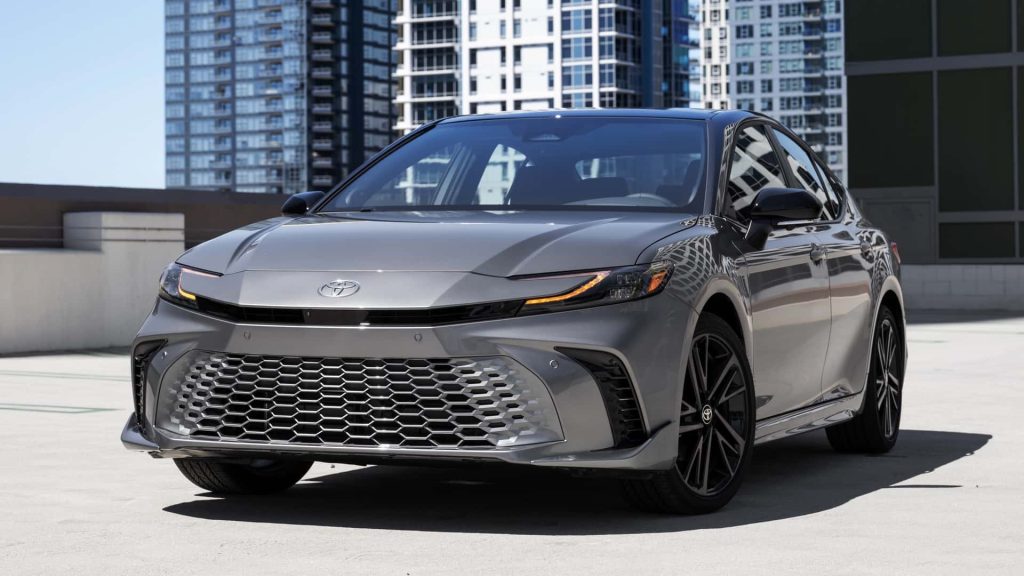
2. Toyota Camry
The Camry is dealer gold. Its broad appeal, safety record, and bulletproof reliability make it an easy recommendation for uncertain buyers. Even high-mileage examples move quickly with low reconditioning costs. Hybrid Camrys also offer high resale value and broad interest, making the Camry a low-risk, high-turnover centerpiece for dealerships.
The Toyota Camry continues to be a cornerstone of the midsize sedan market, even as the segment shrinks due to the overwhelming popularity of SUVs. Despite this shift, the Camry has consistently held its position as the best-selling passenger car in the United States for the past two decades.
This success stems from its reputation for reliability, a wide range of trims, and the availability of a hybrid version that delivers impressive fuel economy.
The current generation Camry pushes the boundaries of its traditional image with styling that borders on sporty, particularly with the Nightshade package, which for 2023 adds bronze wheels that give it a unique edge. The TRD trim, on the other hand, injects an athletic look and feel into the lineup.
Unlike many competitors, such as the Honda Accord and Hyundai Sonata, which now rely solely on four-cylinder engines, Toyota continues to offer an optional 301-hp V-6, giving drivers more choice. While the Camry isn’t known for thrilling performance, its combination of safety features, efficient engines, and a spacious interior make it an easy sedan to live with day to day.
In the 2023 rankings for midsize family sedans, the Camry holds the fourth spot. It trails behind the Honda Accord, Kia K5, and Hyundai Sonata, yet remains ahead of the Nissan Altima and Subaru Legacy. This placement highlights its strong standing despite growing competition and changing consumer preferences.
For 2023, the Camry SE trim with the optional Nightshade package gains black headlight and taillight accents to match its black grille, spoiler, mirror caps, and badges. The package also introduces striking matte bronze 19-inch wheels, which complement the car’s aesthetic without appearing out of place.
This package is available in Midnight Black, White, or the new Reservoir Blue color. Across the rest of the Camry lineup, Toyota has added more driver-assistance technologies, including automatic high beams and a forward-facing camera capable of reading certain road signs and displaying them on the digital cluster.
3. Toyota 4Runner
The 4Runner consistently ranks near the top for long-term reliability. It’s known to last and keep running, which boosts resale and trade-in value. Its off-road ability, interior space, and Toyota’s proven durability make it a solid dealer favorite—especially among buyers looking for adventure-ready SUVs.
Every Toyota 4Runner is powered by a 270-horsepower 4.0-liter V-6 engine paired with a five-speed automatic transmission. Buyers can choose between rear-wheel drive and either full-time or part-time four-wheel-drive setups.
While reliable, this older powertrain delivers only modest acceleration, with the last model tested requiring 7.7 seconds to reach 60 mph. The automatic transmission’s sluggish responses don’t do the engine any favors, often demanding heavy throttle input to encourage a downshift and get the SUV moving with more urgency.
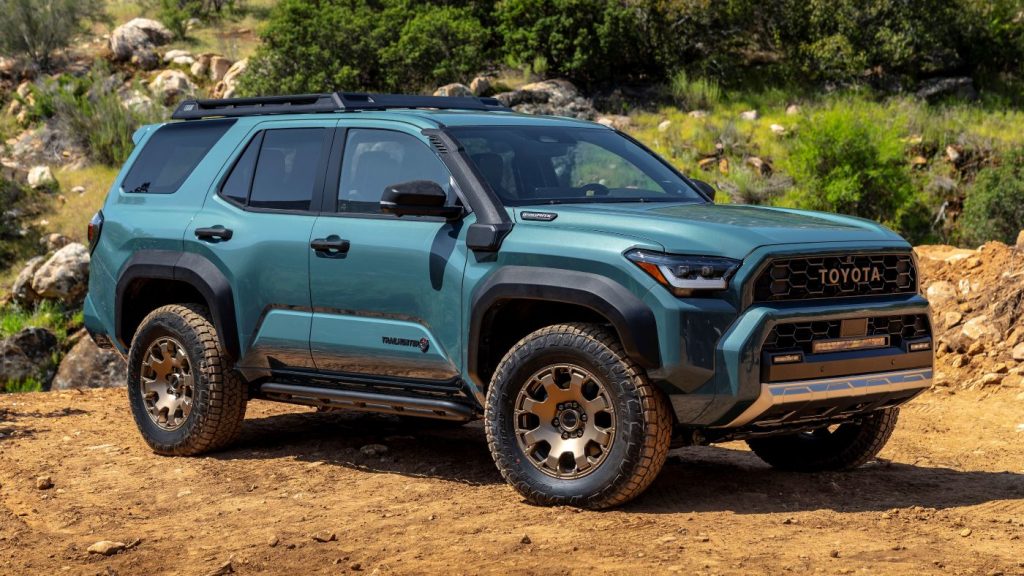
On the road, the 4Runner feels more composed than the less refined Jeep Wrangler. During testing with the off-road-focused Venture trim, the SUV’s impressive ground clearance and body-on-frame construction shined, while its soft suspension soaked up rough terrain with ease. The steering, though light and somewhat vague, works adequately for both trail driving and going through tight parking lots.
While its driving dynamics show its age, the 4Runner’s overall performance holds its own against more modern rivals like the V-6 Dodge Durango. Additionally, its rugged frame and torque-rich engine provide a towing advantage over models such as the Ford Edge and the Wrangler, offering a 5000-pound towing capacity. However, it still trails the far stronger Durango, which boasts an 8700-pound limit.
4. Toyota Prius Prime
While the Prius hybrid has had mixed reviews, the Prius Prime plug-in hybrid stands out. Owners and dealers favor it for its reliability, efficiency, and strong resale. Lower complaint counts and consistent performance make it a dependable choice in the PHEV segment.
The Toyota Prius Prime uses a four-cylinder engine paired with an electric motor, a battery pack, and a continuously variable automatic transmission (CVT) to deliver maximum efficiency. In terms of fuel savings,
it excels, but the overall powertrain lacks excitement. The Prime transitions seamlessly between gas and electric power, and it offers three drive modes, Power, Normal, and Eco, to influence how acceleration feels. However, none of these modes provide anything that could be considered quick performance.
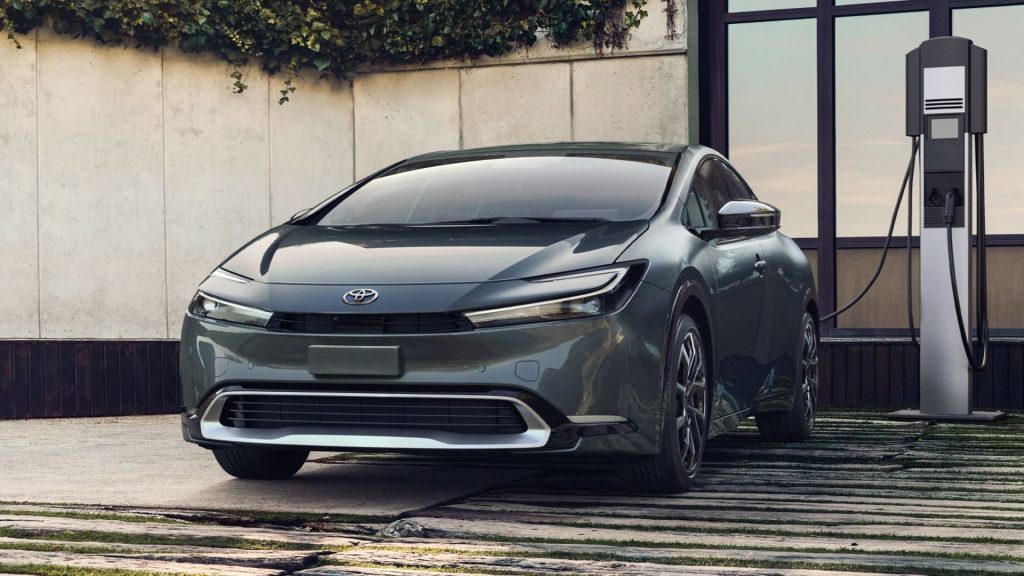
Charging the Prius Prime is straightforward. Using a standard 120-volt household outlet, a full charge takes about 5.5 hours, while a 240-volt outlet cuts that time down to roughly two hours. On city streets, the Prime feels comfortable and well-suited for everyday commuting. However, its ride can become jittery and harsh when driving over rough or damaged pavement.
Drivers can engage the shifter’s B position to increase regenerative braking, causing the Prime to decelerate noticeably as soon as they lift off the accelerator. In Normal mode, regenerative braking is barely noticeable, and while the transition between regenerative and friction braking is smooth, it can be challenging to brake gently enough or early enough to remain within the Eco zone on the Prius’s driving meter.
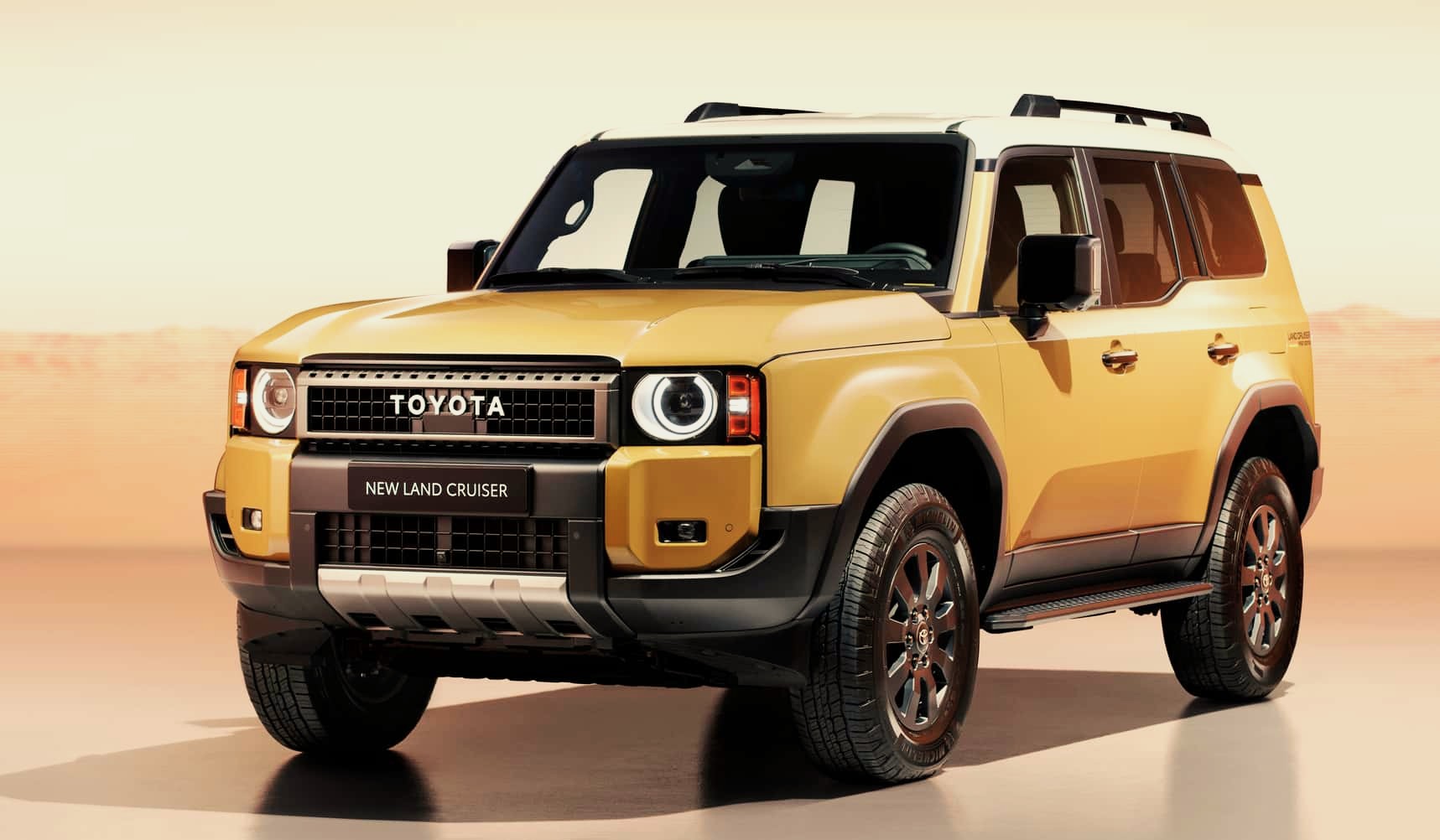
5. Toyota Land Cruiser
Despite its premium price tag, the Land Cruiser is beloved for its durability, off-road chops, and luxurious build, especially in older generations. Fewer recalls and minimal complaints contribute to high owner satisfaction and dealer trust.
A nearly six-figure price tag from a mainstream automaker might surprise most buyers, but enthusiasts of the Land Cruiser understand that this SUV justifies its cost. The 2021 Toyota Land Cruiser features traditional body-on-frame construction combined with a sophisticated suspension system, allowing it to deliver outstanding off-road capability.
At a time when many competitors have shifted toward comfort-oriented, luxury crossovers, the Land Cruiser stands out with rock-crawling abilities that few in its class can match.
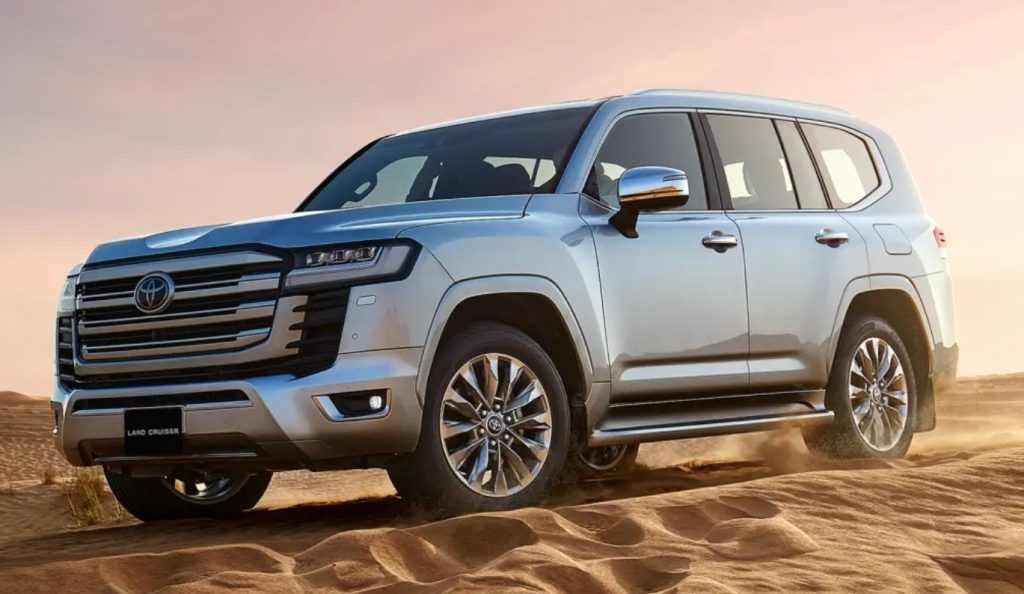
However, this legendary SUV is not designed to appeal to everyone shopping in this high-end market. Its on-road behavior feels unrefined, with heavy steering, overly sensitive brakes, and cumbersome handling that detracts from its driving experience on pavement.
Inside, the technology is dated, lacking features such as Apple CarPlay and Android Auto that are common even in more affordable vehicles. Furthermore, its only available engine is notably thirsty, with fuel economy figures reflecting its old-school design.
Despite these drawbacks, the Land Cruiser’s unmatched durability, off-road prowess, and proven track record make it an icon for those who view off-roading not just as a hobby, but as a way of life. For this audience, there are few, if any, viable alternatives.
5 Toyota Models Dealers Often Warn Buyers About
Not every Toyota is a slam dunk. Some models have reliability issues, problematic components, or lackluster driving experiences that make even the most loyal dealers hesitate before recommending them.
1. Toyota Camry (2007–2011, 2002–2006)
While the Camry line overall is well-regarded, specific generations suffer serious durability issues. The 5th-gen (2002–06) and 6th-gen (2007–11) earn notably high complaint rates, especially in transmission and engine reliability. Dealers often advise buyers to avoid these model years.
The Toyota Camry has long been a staple in the midsize sedan market, consistently ranking as one of the best-selling vehicles over the past two decades. Many buyers remain loyal, often purchasing their third or even fourth Camry thanks to positive experiences with previous models.
The 2009 Camry continues to deliver on what most shoppers expect from a mainstream family sedan: a spacious cabin, a comfortable ride, an easygoing driving experience, and the reputation for reliability and low maintenance costs. Its strong resale value further adds to its appeal. However, much like an aging classic, this once unshakable constant shows signs of fading.
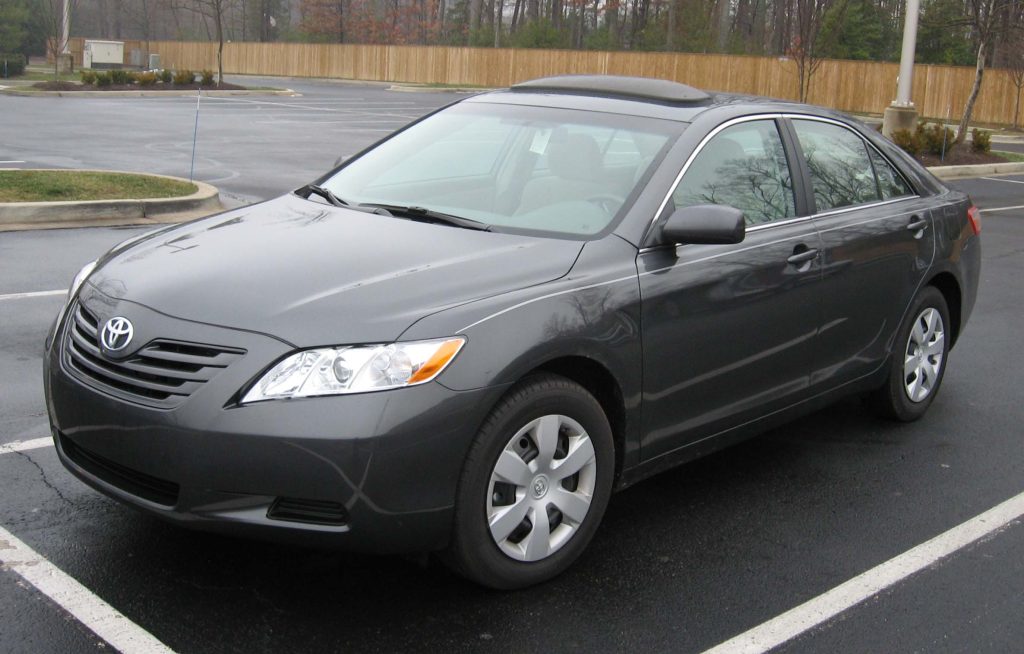
This generation of the Camry is the largest to date, offering generous passenger space in both the front and rear seats. Under the hood, it’s also the most powerful version ever built. The available 268-horsepower V6, paired with a smooth-shifting six-speed automatic transmission, gives this sedan surprising muscle.
It can sprint from 0 to 60 mph in just 6.5 seconds, a performance level that rivals some sport sedans and coupes. Even with this extra power, the V6 manages fuel economy that comes impressively close to the four-cylinder variant, blending performance with efficiency.
Meanwhile, competitors have closed the gap and, in some areas, have overtaken Toyota’s long-standing leader. Handling is a key example: while the Camry is quick and easy to drive, it lacks the communicative steering and engaging dynamics that driving enthusiasts crave.
2. Toyota Corolla (2009)
The 2009 Corolla, part of Corolla’s 10th generation, has amassed over 1,500 complaints, including sticking accelerator pedals and Takata airbag failures. Numerous recalls and safety risks make dealers cautious and often prompt them to steer buyers away from this vintage.
The Toyota Corolla has long been a go-to choice for buyers who value excellent fuel economy, and the 2009 model continues to deliver on that promise. Most versions of the sedan stick with an efficient 1.8-liter four-cylinder engine, which has been heavily revised for this year.
Under the hood of most 2009 Toyota Corollas is a 1.8-liter four-cylinder engine producing 132 horsepower and 128 pound-feet of torque. This engine is paired with a standard five-speed manual transmission, with a four-speed automatic available as an option.
Regardless of the transmission, drivers can expect an EPA-estimated 27 mpg in the city and 35 mpg on the highway, making it a strong choice for commuters.
For those seeking more power, the XRS trim features a 2.4-liter engine delivering 158 horsepower and 162 pound-feet of torque. It comes with a standard five-speed manual transmission, while a five-speed automatic is available as an upgrade. The trade-off for the increased performance is reduced fuel economy, with the XRS earning an EPA rating of 22 mpg city and 30 mpg highway.
Overall, the 2009 Toyota Corolla remains a solid, fuel-efficient commuter car with a high level of refinement. However, for drivers craving a more spirited ride, alternatives in the segment may hold greater appeal.
3. Toyota RAV4 (2001–05, 2006–12)
Early to mid-2000s RAV4 models show elevated reliability issues, particularly excessive oil consumption and engine complaints. Later generations up to 2012 continued similar problems. Dealers frequently recommend moving toward newer SUVs instead.
Toyota’s designers, recognizing a shift in consumer preferences, decided to move away from the bulky truck frames and fuel-thirsty engines that defined traditional SUVs. In 1996, they introduced the Toyota RAV4 — short for “Recreational Active Vehicle with four-wheel drive.”
This innovative model combined the utility of a truck with the maneuverability of a car, all wrapped up in a sporty, compact package with an economical engine. The formula clicked instantly with buyers, propelling the RAV4 to success as the pioneer of the car-based SUV segment.
Its popularity inevitably invited competition, with rivals like the Honda CR-V and Suzuki Grand Vitara arriving shortly after, offering bigger engines and more refined interiors. As a result, the original RAV4 began to lose its competitive edge in the very segment it created.
Toyota answered back with the second-generation RAV4 in 2001, restoring its reputation and placing it back near the top of the class. But as competitors continued to evolve, so did Toyota’s approach.
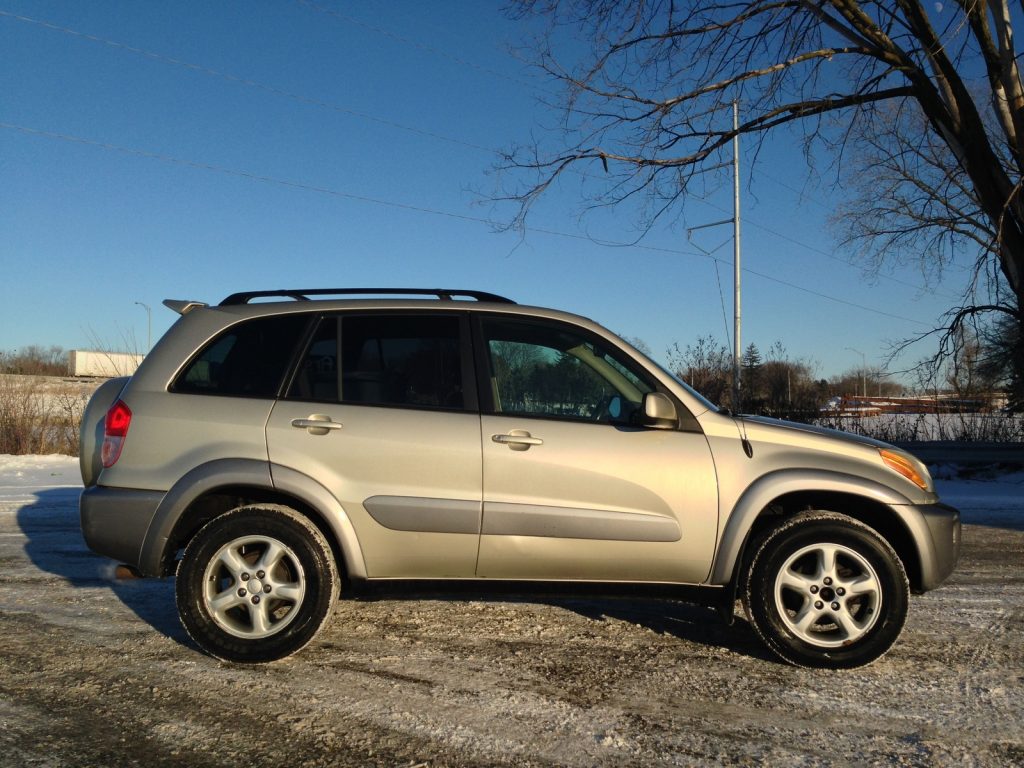
By 2006, Toyota rolled out the third-generation RAV4, a model that marked a significant transformation. The once-small SUV had grown in almost every dimension, moving it closer to the mid-size territory while retaining its user-friendly nature.
The exterior adopted a more mature, chiseled appearance, shedding the “cute” design cues of the past. Inside, the cabin took on a premium feel with fewer hard plastics and a more refined layout.
Toyota also introduced clever functionality, including rear seats that not only split and recline but also slide back and forth by 6.5 inches to prioritize either passenger comfort or cargo space. For larger families, an optional third-row seat was made available.
The changes under the hood were just as dramatic. While a four-cylinder engine remained standard, Toyota added a powerful 269-horsepower V6 to the lineup, giving the RAV4 an edge in performance that few compact SUVs could match at the time. The redesigned suspension struck a balance between ride comfort and handling precision, further enhancing its appeal.
With these updates, the 2006 Toyota RAV4 successfully evolved from a “cute ‘ute” into a capable and fully functional crossover SUV, proving that Toyota could adapt and innovate to stay ahead in an increasingly crowded segment.
4. Toyota Highlander & Sienna (2017–2018 UA80 Transmission)
Highlander and Sienna models equipped with Toyota’s UA80 8-speed transmission encountered harsh shifts, delayed acceleration, whining noises, and even failures, leading to lawsuits and customer support programs. These experiences have made dealers leery of that specific transmission setup.
The Toyota Highlander hits a sweet spot for families who need space without sacrificing maneuverability. It’s large enough to accommodate growing kids and all their gear, yet compact enough to handle tight parking lots and city streets without stress.
Under the hood, the updated V6 engine, standard on most trims, delivers confident acceleration and commendable fuel efficiency for its size. On the road, the Highlander strikes a fine balance: it’s comfortable and quiet, but still provides enough feedback to keep the driver engaged.
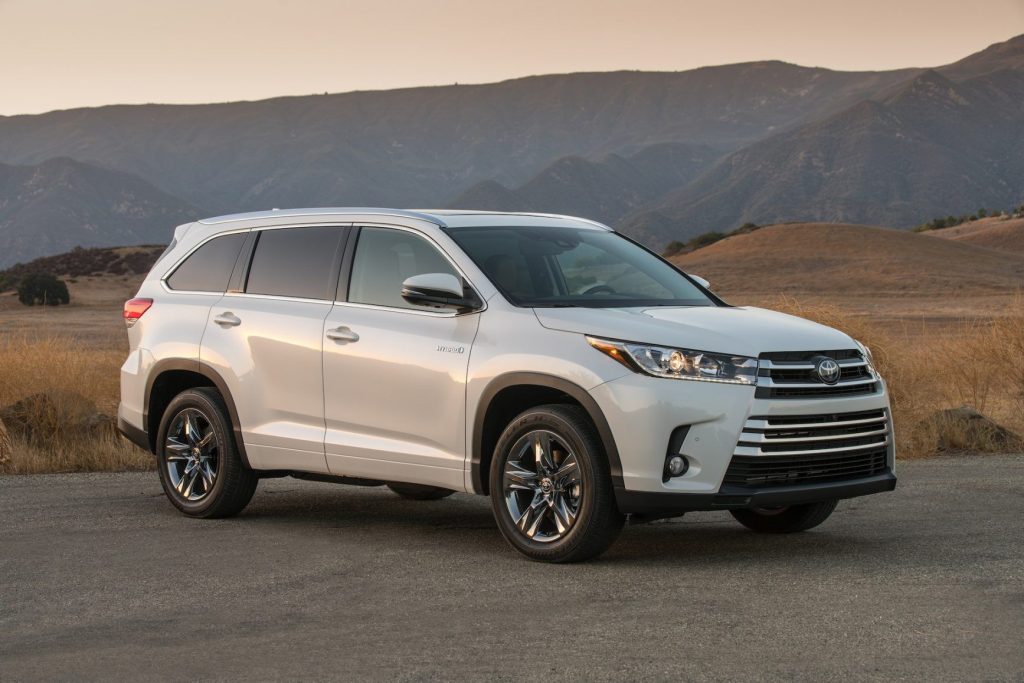
Inside, Toyota focuses on practicality and comfort. The cabin feels solid and well thought out, offering plenty of versatility for passengers and cargo alike. For 2017, Toyota added four extra USB ports, a simple but appreciated upgrade for families juggling multiple devices.
Safety is another highlight. Every Highlander now comes with Toyota’s Safety Sense package, which includes advanced driver aids like autonomous emergency braking to help prevent or lessen collisions.
That said, the three-row SUV segment is crowded with strong contenders. The Highlander delivers on many fronts, but testing out the competition ensures you’ll drive away in the SUV that feels right for your family.
5. Toyota Prius c and Yaris
The tiny Prius c suffered criticism for its noisy ride, cheap interior materials, and fuel economy that trailed the standard Prius. Meanwhile, the Yaris, especially early 2000s models, was widely panned for unimpressive performance, rattly plastics, and peeling clear coat. Dealers often discourage buyers interested in long-term value in this entry segment.
The Prius C offers little to get excited about behind the wheel. It struggles to reach highway speeds with any sense of urgency, and its hybrid powertrain fails to deliver efficiency levels high enough to offset these drawbacks.
With only 99 total system horsepower, it’s no wonder this small Toyota feels sluggish. Power is routed through a continuously variable automatic transmission (CVT) to the front wheels, but the CVT doesn’t do much to improve the car’s lackluster performance.
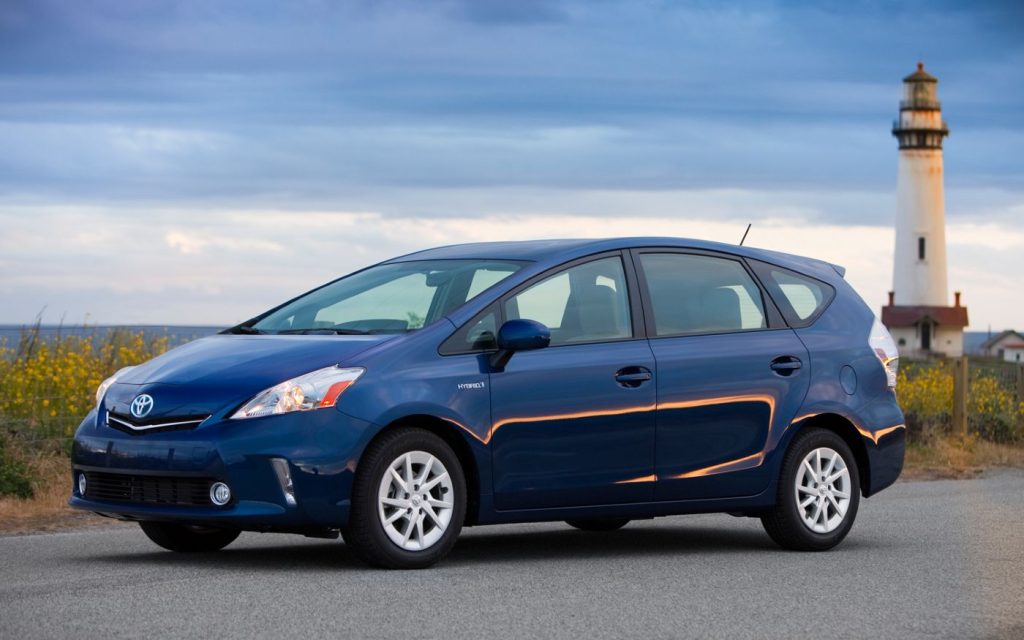
Its short wheelbase contributes to a ride that feels jittery and unsettled over uneven pavement. While the steering responds quickly, it lacks road feedback, and the Prius C often feels top-heavy and awkward when cornering. These handling quirks highlight its uninspired driving dynamics.
On the bright side, the braking system stands out as the car’s best feature. Unlike many hybrids that struggle to blend regenerative and mechanical braking, resulting in a mushy pedal feel, the Prius C’s brake pedal is well-tuned. It delivers consistent feedback, neither too soft nor overly firm—making it one of the few redeeming qualities in an otherwise underwhelming performance package.
For U.S. buyers, choosing a Toyota backed by dealer confidence is smart insurance. The Tacoma, Camry, 4Runner, Prius Prime, and Land Cruiser consistently deliver long-term value, strong resale, and smooth dealership turnover.
On the flip side, be cautious around specific older Camry generations, the 2009 Corolla, early RAV4s, Highlander/Sienna with the UA80 transmission, and entry models like the Prius c and Yaris—dealers know these can be headaches in resale or maintenance.
