
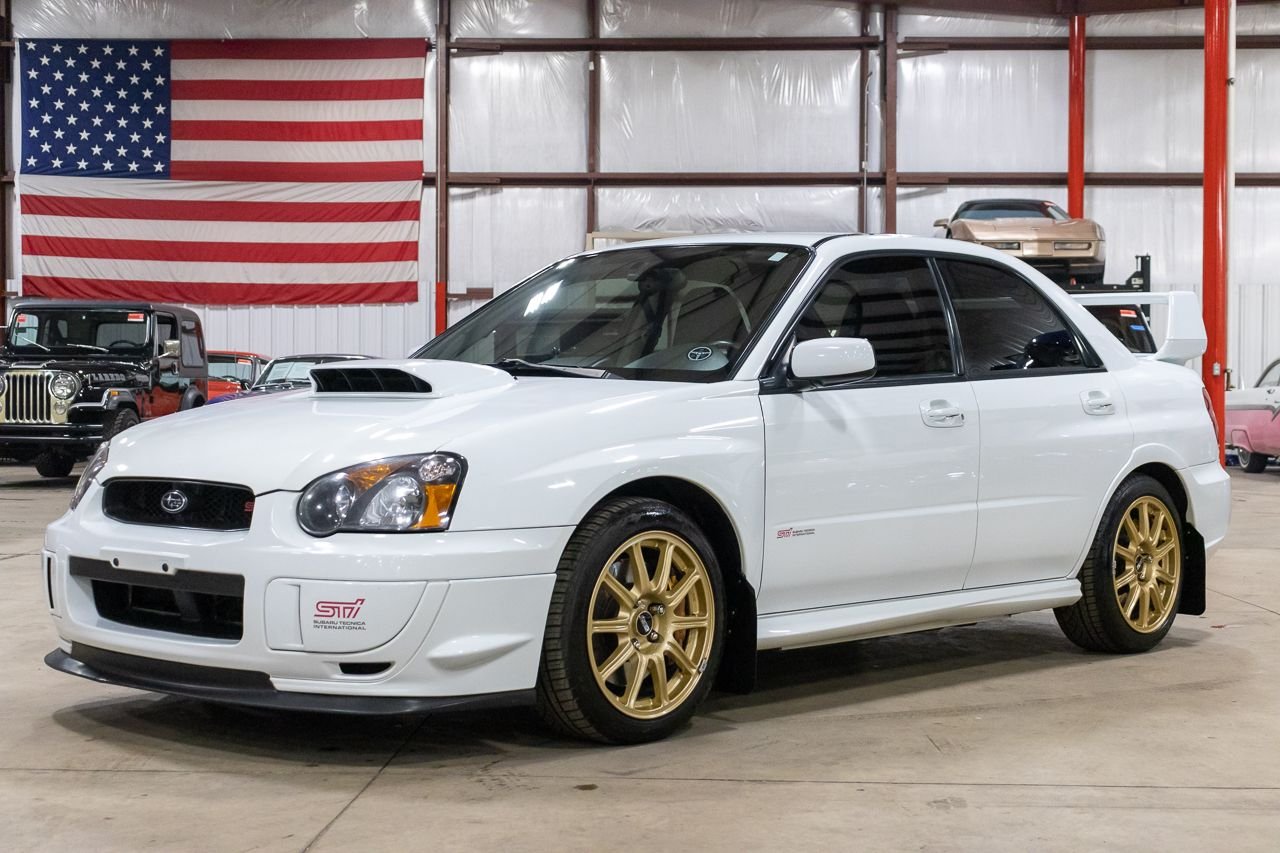
Boxer engines have long stood out in the combustion industry due to their unique flat layout and distinct mechanical characteristics. Rather than stacking cylinders vertically or in a V-shape, boxer engines use a horizontally opposed design.
This configuration offers a lower center of gravity, better balance, and smoother performance, especially in high-performance and rally-inspired vehicles. Subaru and Porsche are the most recognizable champions of the boxer engine, having built their reputations on the strengths of this design. However, while these engines offer advantages, not all boxer engines are built to the same standard of durability.
Over the decades, some boxer engines have developed a reputation for being near-indestructible, reliably running for hundreds of thousands of miles with minimal intervention. Others have frustrated owners with recurring head gasket failures, oil leaks, and cooling system breakdowns.
The design of the boxer engine itself, placing the cylinder heads flat and at the sides, creates certain vulnerabilities. Cooling distribution can be inconsistent, access to some components is more complicated, and sealing the head gaskets properly is more critical than in an inline or V-engine layout.
This article compares five boxer engines known for their exceptional longevity against five notorious for reliability issues, especially head gasket problems. The contrast between these two groups underscores how critical design refinement, material quality, and engineering decisions are when building a reliable boxer engine.
Each engine will be discussed in terms of its real-world performance, known mechanical tendencies, and how it fits into the manufacturer’s history. These aren’t simply speculative judgments; they’re rooted in years of owner feedback, technician reports, and performance data.
Whether you’re a seasoned mechanic, a boxer engine enthusiast, or just someone looking to buy a used Subaru or Porsche, understanding which engines to trust and which ones to approach with caution is vital. It could mean the difference between years of worry-free driving and countless hours chasing leaks and repairs. Let’s start with the five boxer engines that have truly stood the test of time.
5 Boxer Engines That Last Forever
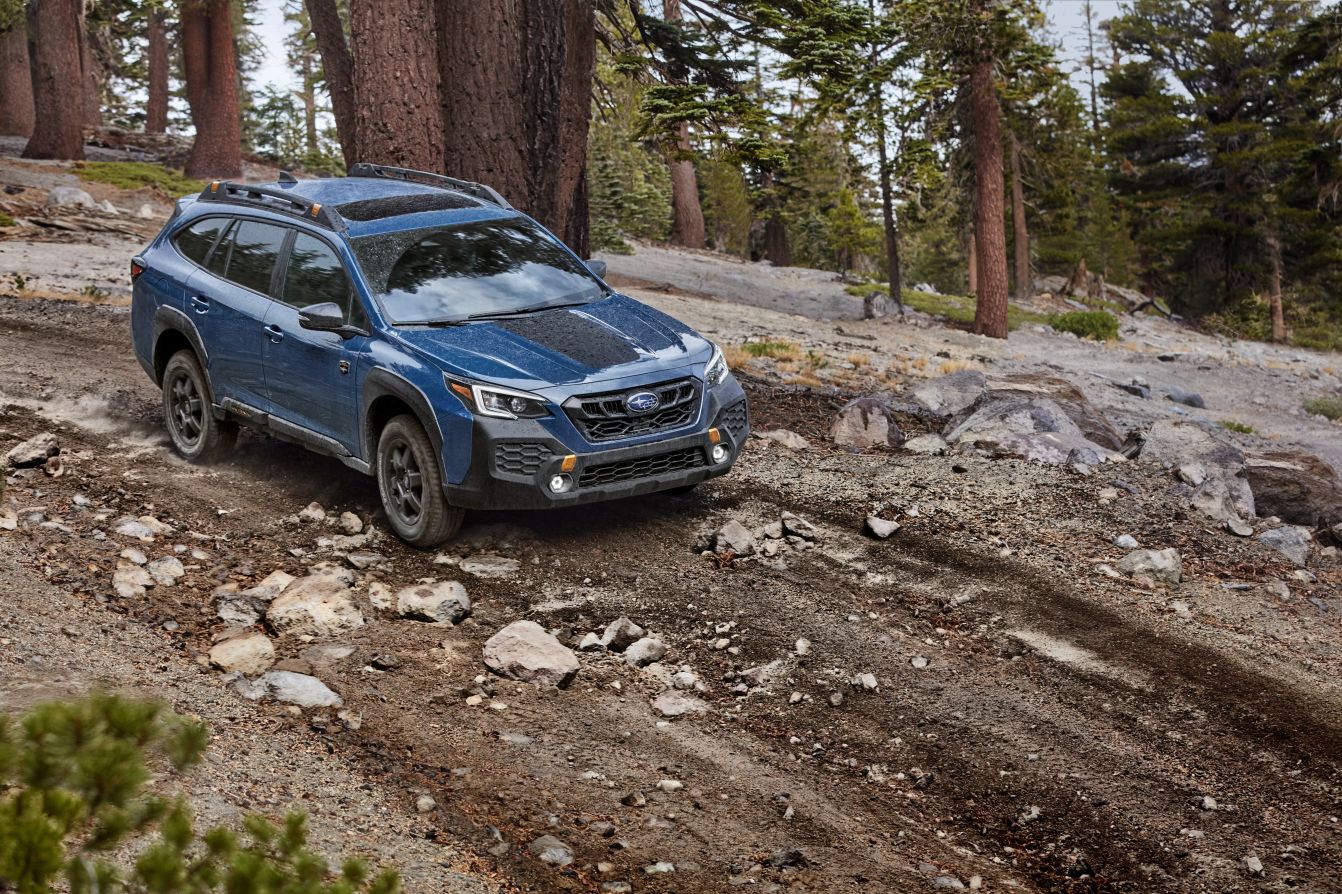
1. Subaru EJ22 (Phase I)
The EJ22 Phase I engine, found in early Subarus from the late ’80s through the mid-’90s, has developed a nearly legendary status for reliability. With its iron block and conservative output, it was a simple engine built to last, not to impress on paper.
Power output was modest, typically around 130 horsepower, but what it lacked in speed, it made up for in resilience. This was the kind of engine that could take years of neglect, poor maintenance, and extreme weather without skipping a beat.
What made the EJ22 Phase I so durable was its low compression and sturdy internal components. The non-interference design meant that even if the timing belt snapped, a common failure point on many engines, the pistons wouldn’t hit the valves, avoiding catastrophic engine damage.
This gave owners peace of mind and a financial break when it came time for service. It wasn’t flashy, but it was dependable and simple to work on, especially in an age when many engines were becoming more electronically complex.
Head gasket problems, which plague many later Subaru engines, were extremely rare in this version of the EJ22. Its cooling system was relatively basic, and it didn’t generate excessive heat.
The block casting was robust, and the gaskets used during this era were thicker and of better quality. Combined with its non-turbocharged nature, the engine stayed within safe thermal limits and avoided the warping and leaks that haunt other models.
This engine is still on the road today in many high-mileage Subarus, from old Legacy sedans to Outback wagons. It’s not unusual to see these vehicles with well over 300,000 miles on the original power plant, with only basic maintenance like timing belts and oil changes.
It serves as a gold standard in boxer engine design for longevity, proving that with the right choices in materials and engineering, a boxer engine can be just as long-lasting as any inline-four or V6.
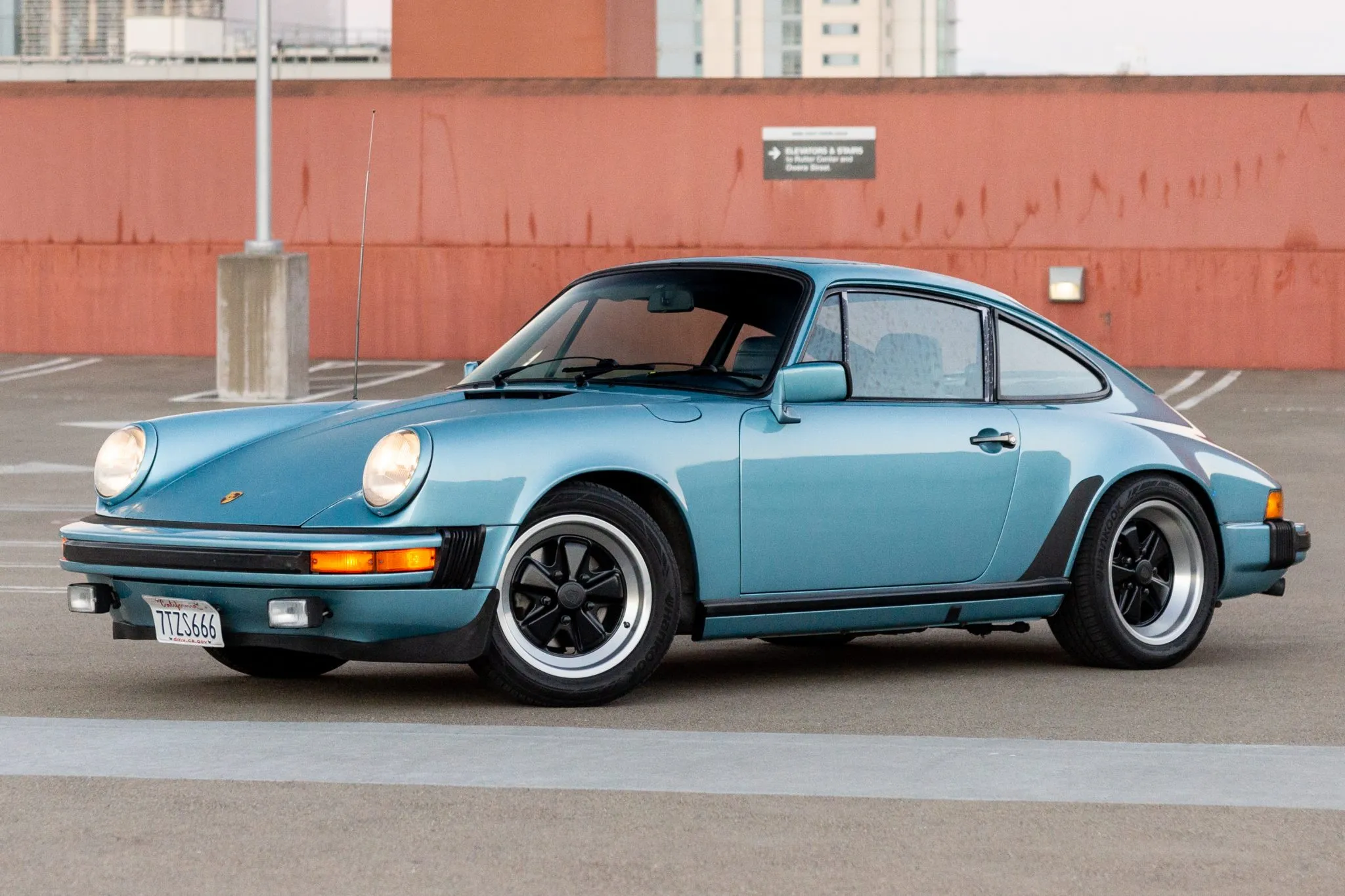
2. Porsche 3.6L M64 (964/993 Series)
The Porsche 3.6L M64 engine, used in the iconic 964 and 993 911 models, is often considered the last of the truly bulletproof air-cooled flat-sixes. Designed in the late ’80s and refined through the mid-’90s, the M64 series combined decades of Porsche’s flat-engine experience with the benefits of improved materials and better manufacturing techniques.
It represents the peak of Porsche’s air-cooled engineering before the company transitioned to water cooling in the late ’90s. The M64 engine was built with longevity in mind. It had a forged crankshaft, sturdy connecting rods, and a well-constructed magnesium or aluminum crankcase, depending on the variant.
Porsche used high-quality cylinder heads and valves that withstood years of thermal cycling without suffering the issues seen in earlier air-cooled engines. Oil cooling was improved compared to older models, using both engine-mounted and external coolers to manage temperatures.
What sets this engine apart is its combination of precision engineering and simplicity. It’s mechanical in all the right ways, and there’s nothing overly electronic to fail.
The lack of forced induction reduces stress, and the 3.6-liter displacement provides plenty of torque without overtaxing internal parts. The engines are known to exceed 200,000 miles easily when maintained properly. While oil leaks are a known issue, they rarely affect performance and can usually be addressed without major engine disassembly.
The M64 remains one of the most beloved Porsche engines for enthusiasts and collectors. Its reliability adds to the appeal of the 964 and 993 models, which are now some of the most sought-after air-cooled 911s. This engine exemplifies how a high-performance boxer engine can also be a long-lasting one when designed with attention to thermal management, mechanical balance, and structural integrity.
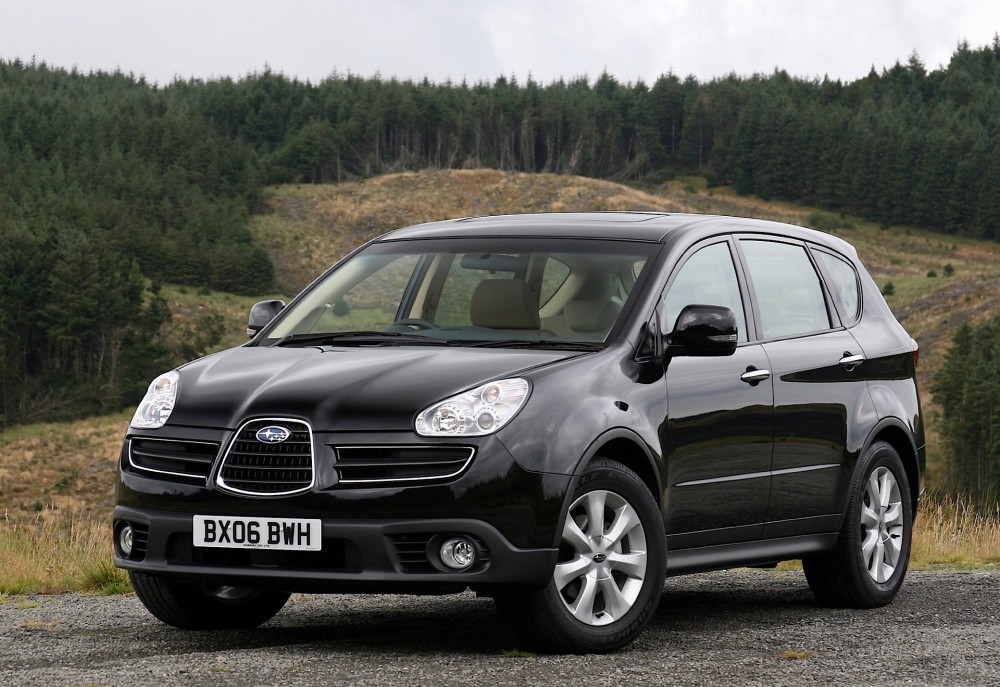
3. Subaru EZ36 (3.6L Flat-Six)
The Subaru EZ36 flat-six engine, found in models like the Outback 3.6R and Tribeca, offers a different kind of boxer experience. Unlike the smaller EJ-series four-cylinders, this six-cylinder engine is smoother, more refined, and has proven to be far more reliable in terms of long-term ownership. Produced starting in the late 2000s, it remains one of Subaru’s most dependable modern engines.
The EZ36 was built with updated metallurgy, redesigned coolant passages, and revised head gasket designs that addressed many of the chronic issues seen in earlier flat-fours.
The added displacement allowed Subaru to keep the engine relaxed under normal driving conditions, reducing strain and keeping temperatures more stable. It also benefited from a timing chain rather than a belt, removing one of the major maintenance items from the ownership list.
Unlike its turbocharged siblings, the EZ36 doesn’t suffer from oil starvation issues or high thermal stress. Owners routinely report passing the 200,000-mile mark with few complaints. Oil changes and occasional valve cover gaskets are about all that’s needed, assuming the cooling system is maintained properly. It’s the kind of engine that just keeps running, delivering strong torque and smooth power without drama.
For those who wanted a Subaru with the feel of a luxury car and the capability of an SUV, the EZ36 was a perfect match. It proved that a boxer engine could scale up in size without becoming fragile. While it may not have the enthusiast following of the WRX or STI platforms, it has earned a quiet reputation for dependability and smooth performance that many owners swear by.
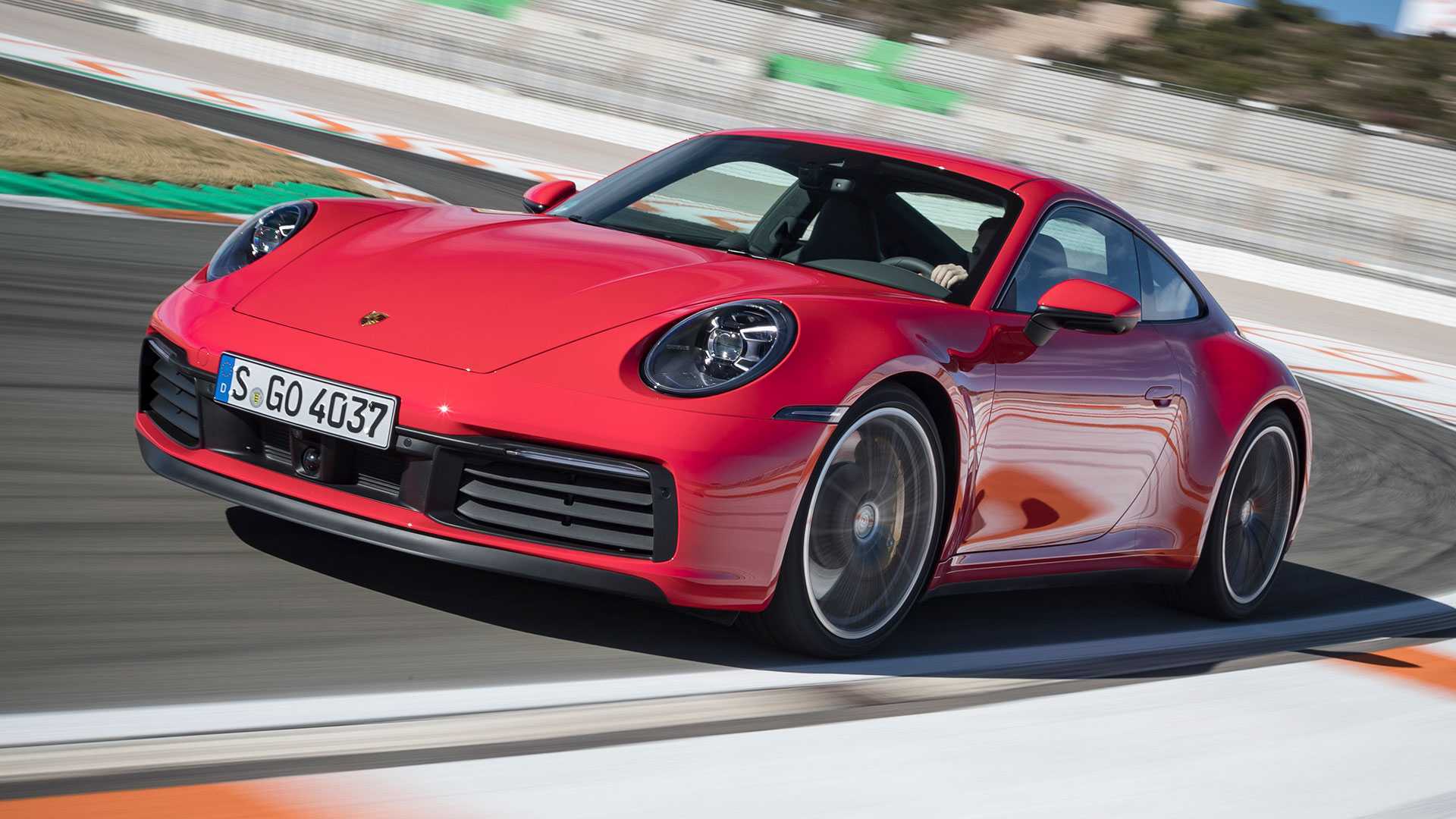
4. Porsche 2.7L Flat-Six (Type 911/83 – 1973 Carrera RS)
The 2.7L flat-six used in the 1973 Porsche 911 Carrera RS has become an icon for more than just performance. While many later 2.7 engines had trouble due to emissions-related compromises, the version used in the RS had forged internals, enlarged oil cooling capacity, and a well-designed induction system that made it one of the strongest engines of its era. It was designed without the thermal reactors that plagued U.S.-market engines, giving it a massive reliability advantage.
The RS-spec 2.7 used a high-compression setup and mechanical fuel injection, which delivered sharper throttle response and kept combustion more consistent.
The engine had a magnesium crankcase, which was tricky in terms of long-term durability, but Porsche’s improved casting process and attention to tolerances made it work well in this particular application. Many of these engines are still running today with only periodic rebuilds, a testament to their robust construction.
Owners and collectors often point to this engine as one of the most engaging yet reliable air-cooled setups Porsche ever made. It didn’t suffer from the pulled head studs or overheating problems that hit later 2.7-liter engines. The performance was strong for its time, and the mechanical simplicity makes it easier to maintain than later electronic or turbocharged versions.
In the classic sports cars, longevity and reliability are not always guaranteed. But this engine has proved that with proper engineering and a balanced design, even a performance-focused power plant can last decades. The 911 Carrera RS is valued not only for its handling and historical significance but also for the engine that made it all possible.
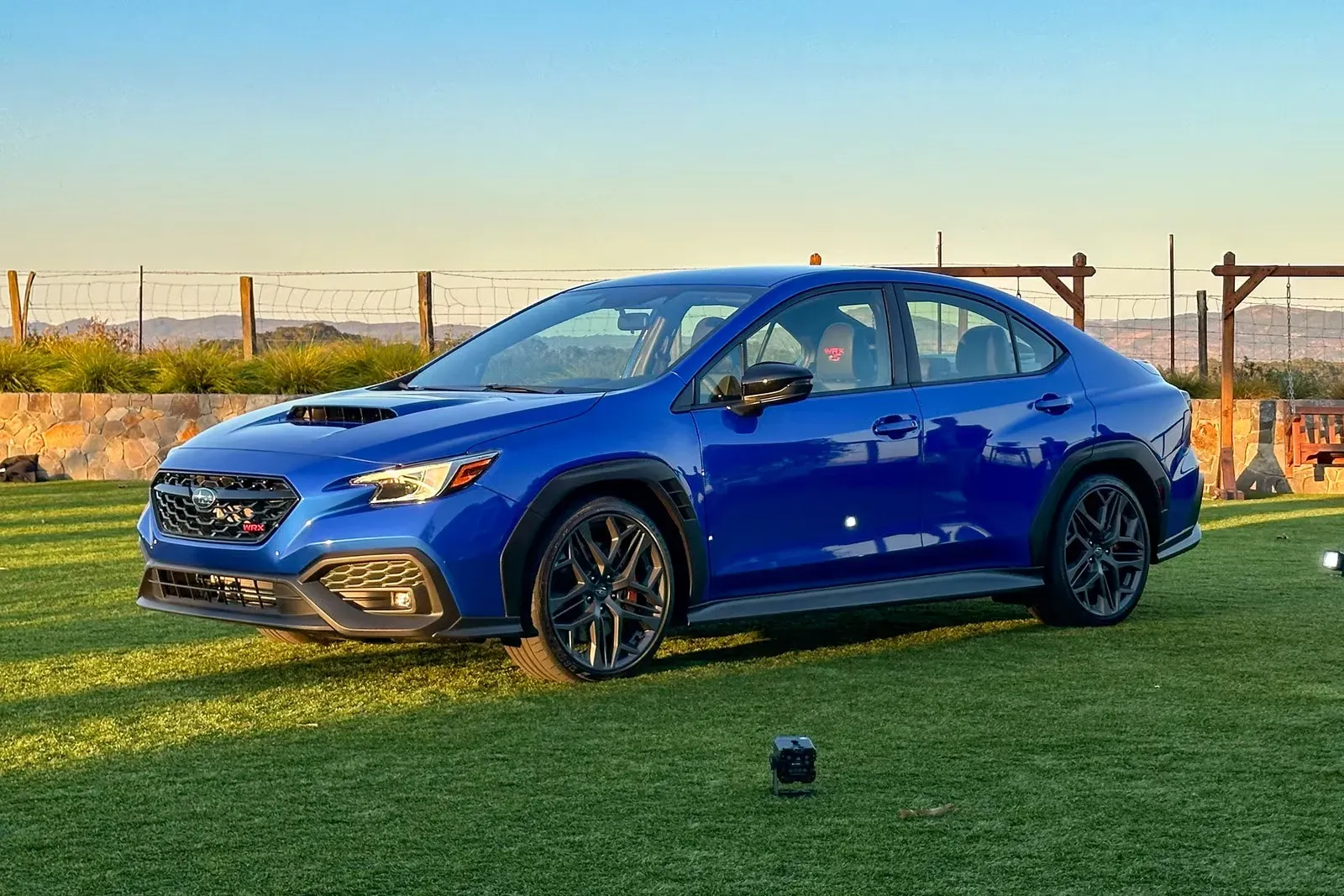
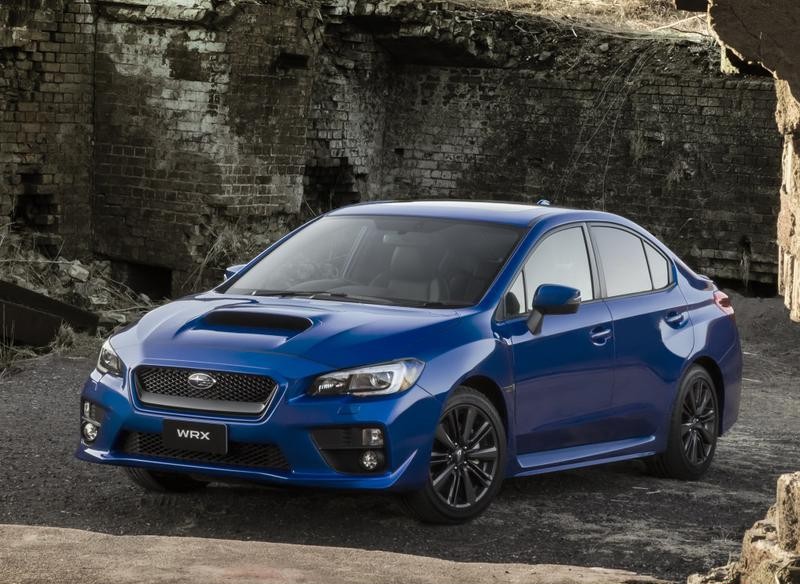
5. Subaru FA20DIT (Turbocharged 2.0L Boxer in WRX 2015–2021)
The FA20DIT engine, used in the Subaru WRX from 2015 to 2021, is one of Subaru’s most refined turbocharged boxer engines to date. While many older turbo Subarus had issues with reliability under boost, the FA20DIT showed that Subaru had learned from past mistakes.
This engine introduced direct injection, a twin-scroll turbocharger, and improved internals compared to the previous EJ-series engines. What made the FA20DIT stand out was its combination of power and balance. It delivered around 268 horsepower, which was a significant number for a 2.0-liter engine, but it did so in a more controlled and thermally stable way than the older EJ motors.
One of the keys to the FA20DIT’s longevity is its strengthened pistons and improved cylinder head design. The heads were cast with better cooling flow and were paired with multi-layer steel head gaskets, which greatly reduced the risk of failure under boost.
Subaru also paid more attention to oil control and used stronger valve springs and timing components. These updates helped the engine survive the demands of high-RPM driving, even when modified within reasonable limits. The dual AVCS (Active Valve Control System) made the engine smoother and helped reduce internal stress.
Compared to the EJ-series turbo engines, which were known to struggle with spun bearings, ringland failures, and gasket leaks, the FA20DIT is more robust under similar driving conditions. It’s not completely bulletproof, no high-strung turbo engine is, but when kept within its limits and properly maintained, it can handle high mileage without major failures. Regular oil changes, good quality fuel, and not pushing the boost levels too far are the keys to long-term reliability.
For WRX owners looking for a car that blends performance and everyday usability, the FA20DIT has become a preferred choice. It may not have the same cult following as the EJ25 or the rally-bred EJ20, but it has earned a reputation as the most reliable turbocharged boxer engine Subaru has released in recent memory. It offers a rare combination of power, refinement, and mechanical resilience that makes it a solid long-term platform for both enthusiasts and daily drivers.
5 Boxer Engines That Constantly Blow Gaskets
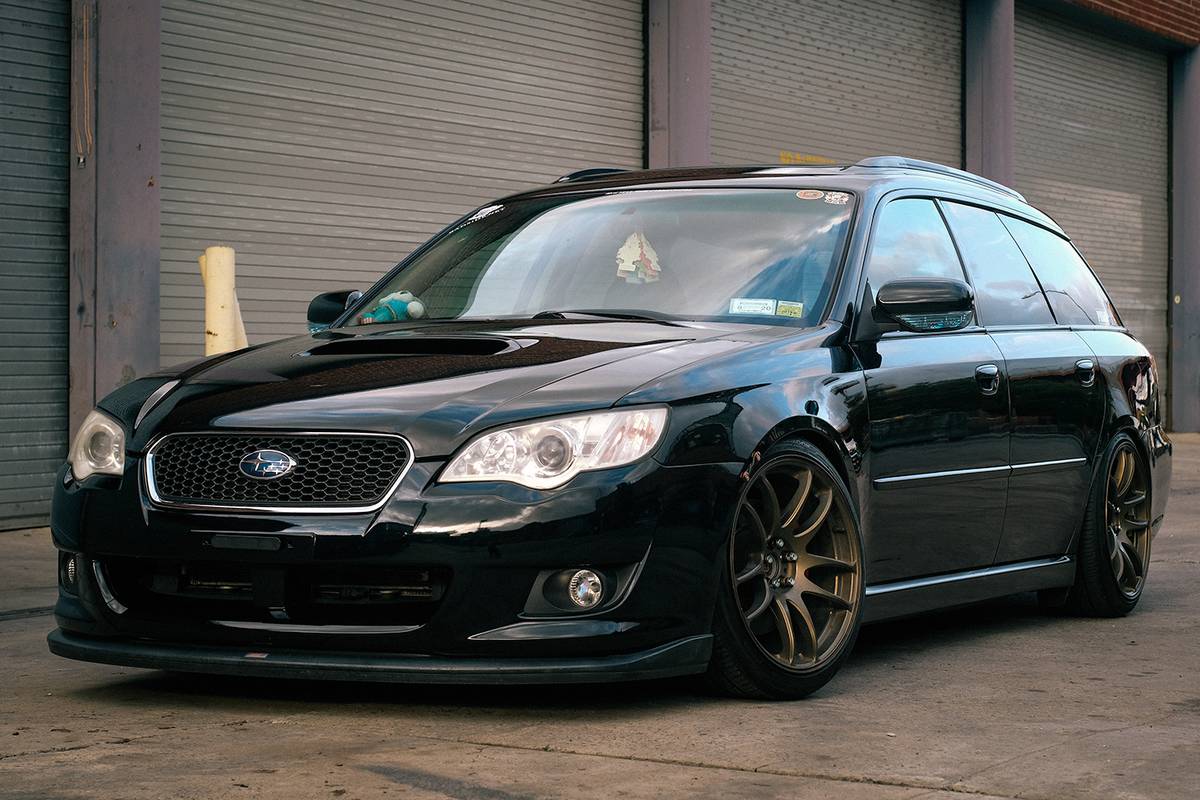
1. Subaru EJ25D (2.5L DOHC Phase I)
The EJ25D engine, which first appeared in Subaru’s mid-’90s lineup, is one of the most infamous boxer engines when it comes to head gasket problems. Found in the Legacy GT, Outback, and the early Forester, this dual overhead cam (DOHC) engine was an attempt to increase performance by enlarging the EJ22 platform.
However, in the process of bumping displacement and compression, Subaru created an engine that pushed the limits of the design without properly upgrading the materials needed to handle the added stress. The result was a powerplant that seemed almost destined to suffer gasket failures, often before 100,000 miles.
One of the biggest issues with the EJ25D is the location of the head gaskets in a boxer layout. Because the cylinders are horizontal, coolant and oil settle differently than in vertical engines. This makes the sealing of the head gaskets far more critical.
Subaru used a composite-style gasket in the early versions, which was not suited for the increased thermal expansion of the larger 2.5-liter engine. The gaskets would frequently begin to leak externally, causing coolant loss and oil seepage, or internally, leading to overheating and potential engine damage.
The DOHC design also made the engine more difficult and expensive to service. Timing belt jobs required more effort, and the narrow spacing between the heads and the engine bay added complexity to basic maintenance. Once gasket issues arose, many owners found that fixing the engine properly required removing it entirely from the vehicle, driving up labor costs. Some owners tried stopgap solutions or additives, but these only postponed the inevitable.
This engine’s reputation for unreliability isn’t based on anecdotal evidence, it’s backed by thousands of service records and complaints over a decade of production. Even Subaru acknowledged the problem, eventually moving to revised head gasket designs in later models.
While some mechanics could extend the life of the EJ25D with upgraded parts and strict maintenance, the underlying design flaws remained. For anyone considering a used Subaru from this era, the EJ25D is a red flag unless proof of a professional gasket replacement with updated materials is documented.

2. Porsche 2.5L M96 (Boxster and 996 911 Base)
Porsche’s early M96 2.5L flat-six engine, introduced in the late ’90s in the Boxster and base-model 996, is a cautionary tale about how complex engineering and cost-saving decisions can lead to widespread engine failures.
While it wasn’t known specifically for gasket failure alone, it suffered from a variety of problems, including cracked cylinder liners, failed intermediate shaft (IMS) bearings, and, yes, head gasket failures in some cases, that made it one of the most troubled engines in Porsche’s history. The M96 was the company’s first water-cooled flat-six and represented a major departure from the air-cooled engines Porsche had perfected for decades.
One of the most troubling issues with the early M96 was the porous engine block casting. Some engines developed cracks in the liners, allowing coolant to leak into the cylinders, resulting in overheating and warped cylinder heads. These problems inevitably led to head gasket damage, especially in engines that weren’t shut down quickly after overheating.
The cooling system layout also lacked redundancy, and the plastic coolant tanks and hoses were prone to early failure. Combine that with poor coolant circulation in the mid-engine Boxster layout, and you have a setup that stresses the engine’s thermal limits regularly.
The IMS bearing failure is more famous, but for many owners, the real headache came from overheating and coolant loss. Early gasket failures would often go unnoticed until it was too late, leading to hydrolock or severe engine warping.
The cost of repairing these engines was steep, often higher than the value of the car. Porsche later revised the M96 with improved block casting and better IMS components, but the early 2.5L versions have remained problematic.
Used market values reflect the stigma. Early Boxsters and 996 models equipped with this engine are the most affordable Porsches for a reason. Enthusiasts who take the plunge usually plan for a full engine rebuild or replacement at some point. While Porsche improved significantly with the later M97 and MA1 engines, the M96 2.5 remains a reminder that not all boxer engines from the brand are built to the same standard.
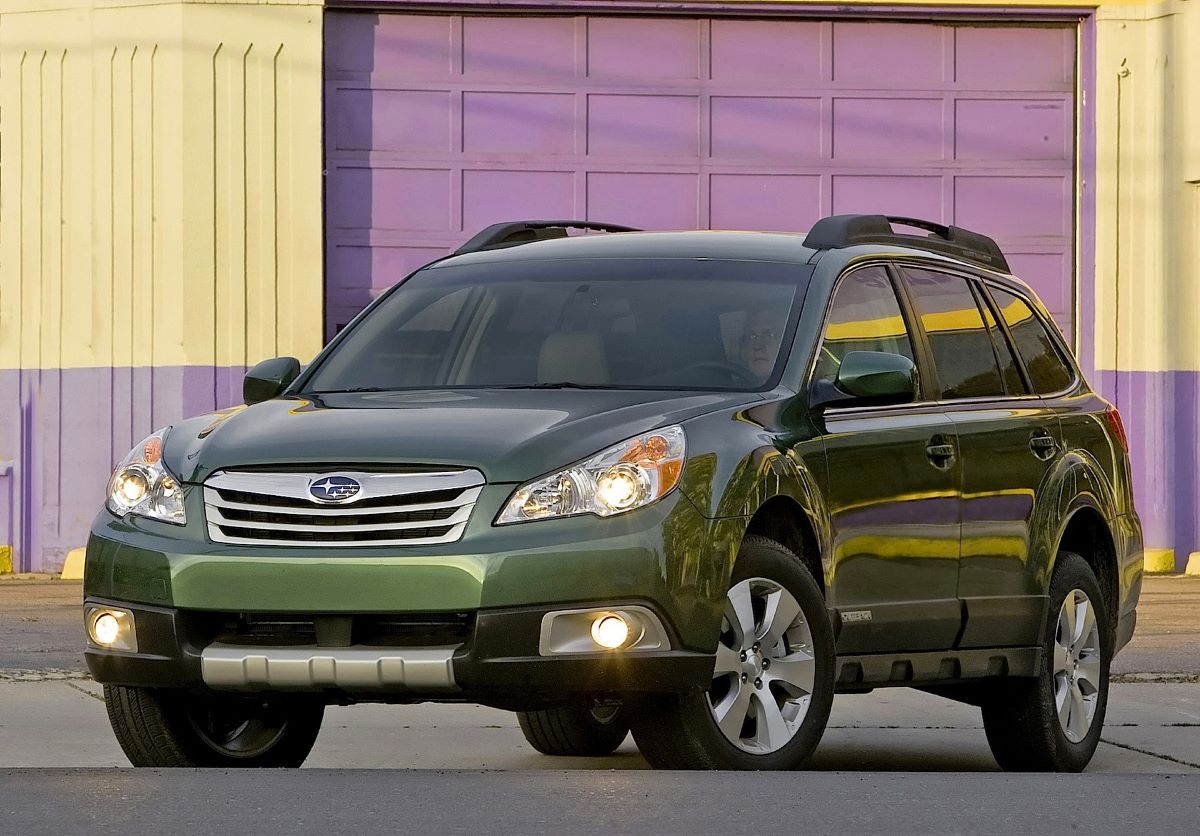
3. Subaru EJ253 (2.5L SOHC Phase II)
The EJ253 engine is perhaps the most widespread boxer engine to suffer from head gasket problems, simply because it was used in so many cars. Found in everything from base Imprezas to Outbacks and Foresters from the late 1990s through the mid-2000s, it became one of Subaru’s most mass-produced engines.
It used a single overhead cam (SOHC) layout instead of the more complex DOHC design of the EJ25D, but despite the simplified construction, it continued the tradition of unreliable head gaskets. Unlike the EJ25D, which had internal gasket failures, the EJ253 typically suffered from external leaks.
Coolant would often begin to seep from the bottom of the heads, leading to puddles under the car and the sweet smell of antifreeze. Oil seepage was also common. In many cases, the problem would start slowly and then escalate, leading to overheating if the coolant level wasn’t regularly checked. Subaru issued revised head gaskets midway through the 2000s, but not before millions of engines had already shown symptoms.
Owners of cars with this engine were often blindsided by the problem. Many believed they were getting a reliable, all-wheel-drive vehicle for a reasonable price. Unfortunately, without diligent maintenance and a good understanding of the early warning signs, gasket failures often led to warped heads or even cracked blocks.
This was particularly frustrating because the engine otherwise had decent longevity. If not for the gasket problem, many of these motors could have comfortably reached 250,000 miles. The repair cost of replacing head gaskets on a boxer engine is significantly higher than on an inline-four due to the flat layout. The engine typically has to be removed from the car, and labor times are long.
For budget-conscious owners, this turned minor leaks into major problems, often leading to the car being sold or scrapped. While the EJ253 was meant to be a dependable update to the earlier engines, it inherited one of the worst traits of its predecessors and carried it through another decade.

4. Subaru EJ20 Turbo (Early 2000s WRX and STI Models)
The EJ20 turbocharged engine from the early 2000s WRX and STI models represents a mixed legacy of performance and persistent mechanical headaches. On one hand, it powered Subaru’s rise in rallying and became beloved for its tunability and spirited character.
On the other hand, many owners experienced recurring head gasket failures, especially in models built before 2005. The combination of boost pressure, higher operating temperatures, and an aging head gasket design created a perfect storm for leaks and overheating.
This engine was a high-strung 2.0-liter turbocharged flat-four, pushing well over 250 horsepower in stock trim. The increased cylinder pressures demanded gaskets that could hold up to repeated thermal cycling and boost loads.
Unfortunately, Subaru initially used composite gaskets and head studs that didn’t provide adequate clamping force. Over time, the gasket material degraded, allowing coolant and oil to mix or escape. This was often exacerbated by the engine’s tendency to run hotter than naturally aspirated versions.
Additionally, many owners noted symptoms such as milky oil, overheating, and white smoke from the exhaust, classic signs of gasket failure. Repairing the engine required significant labor, including engine removal and complete gasket replacement.
Subaru responded to the issue by redesigning the gaskets, using multi-layer steel (MLS) versions in later models, and improving head bolt patterns. Models produced after 2005 showed improved reliability but still required careful maintenance to avoid problems.
Despite its flaws, the EJ20 turbo remains a cult favorite due to its performance potential. For enthusiasts willing to invest in upgraded gasket kits, stronger head studs, and regular maintenance, the engine can be made reliable.
However, for casual owners, the likelihood of gasket problems remains higher than with many other boxer engines. It serves as a cautionary example of how pushing performance without fully addressing mechanical durability can backfire in the long run.
5. Subaru FB20 (2.0L Naturally Aspirated Flat-Four, 2012–Present)
The FB20 engine, introduced in 2012 as part of Subaru’s move to more modern and efficient boxer designs, initially promised to fix many of the problems associated with older EJ engines.
It features an all-aluminum construction, direct injection, and a more efficient cooling system. However, despite these improvements, the FB20 has developed a reputation for its own set of reliability issues, particularly related to head gaskets and oil consumption.
Owners have reported early head gasket leaks, often appearing as coolant mixing with oil or visible seepage around the cylinder heads. The aluminum block and heads are designed to be lightweight and efficient, but they also seem to be more sensitive to heat cycles and torque specifications during assembly. Some garages have noted that the factory torque specs may not be sufficient to maintain gasket integrity over time, especially with the thinner MLS gaskets used.
Oil consumption is another concern, with some engines burning significant amounts of oil between changes. This increases the likelihood of carbon buildup on valves and creates additional thermal stress that can worsen gasket lifespan. While Subaru updated the engine with improved piston rings and revised gaskets in later model years, the damage to the FB20’s reputation was already set.
Maintenance on the FB20 is more involved than previous generations due to timing chain complexity and tighter engine bays. Head gasket repairs require extensive disassembly, making the process expensive. Although this engine is generally better than many EJ-series models in emissions and fuel economy, it hasn’t completely shaken the persistent gasket problems that have plagued Subaru’s boxer engines for decades.
Many owners still enjoy the FB20 for its smooth power delivery and fuel efficiency. However, anyone considering buying a used car with this engine should be prepared for the possibility of head gasket repairs or preventative maintenance to avoid costly failures. The FB20 stands as a reminder that even modern boxer engines are not immune to the challenges of sealing horizontally opposed cylinders under heat and pressure.
Also Read: 5 Forgotten SUVs That Grip vs 5 Bestsellers With Bad Suspension
Boxer engines have an unmistakable charm and engineering elegance, offering a unique blend of balance, performance, and a distinct sound. However, not all boxer engines are created equal when it comes to reliability, particularly with head gasket durability. The difference between engines that last forever and those that consistently blow gaskets often comes down to design decisions, materials, thermal management, and maintenance.
Subaru’s early EJ22 Phase I, Porsche’s air-cooled M64 and 2.7L Carrera RS engines, Subaru’s EZ36, and even Subaru’s FA20DIT turbo demonstrate how a well-engineered boxer can run smoothly and reliably for hundreds of thousands of miles. Their robust components, better gasket materials, and conservative operating parameters contribute to their longevity.
Conversely, engines like the Subaru EJ25D, EJ253, EJ20 turbo from the early 2000s, Porsche’s M96 2.5L, and Subaru’s FB20 show the risks when thermal stress, design compromises, and material shortcomings lead to persistent head gasket failures. These engines demand more careful maintenance, and many owners face expensive repairs or replacements.
For enthusiasts and owners alike, understanding these strengths and weaknesses can make all the difference in enjoying the boxer engine experience without constant headaches. Choosing the right engine, performing regular maintenance, and addressing issues early can ensure that the unique benefits of the boxer layout continue to be enjoyed for years to come.
