
When choosing a diesel-powered vehicle for towing or hauling, it’s crucial to understand that not all diesel cars are created equal. While diesel engines naturally offer more torque at lower RPMs than their gasoline counterparts, which can make them seem ideal for towing, the vehicle’s design also plays a big role in determining whether it can handle heavy loads safely and effectively.
Some diesel vehicles have been engineered from the ground up to tow, haul, and support significant weight over long distances. These models often include specialized transmission systems, heavy-duty suspensions, reinforced frames, upgraded cooling systems, and additional safety features to handle the added stress of pulling trailers or heavy loads.
Unfortunately, other diesel cars, though fuel-efficient and responsive in normal driving conditions, are not built for towing. These models may struggle due to limitations in their structural strength, drivetrain design, or braking capacity. Towing places considerable strain not only on the engine and transmission but also on the brakes, suspension, steering components, and even the cooling system.
When a vehicle isn’t properly equipped to distribute and manage the added weight, it can lead to mechanical failure, decreased safety, and a significantly reduced lifespan for certain parts. This makes it essential for buyers and drivers to understand the intended use of a diesel car before attempting to use it for towing.
Torque output, frame construction, and gross combined weight rating (GCWR) are among the key specifications that determine whether a vehicle is truly capable of heavy towing. It’s not uncommon for people to assume that high torque or horsepower alone is enough to tow significant loads, but real-world towing requires more than raw numbers.
The interaction between power delivery, braking stability, and vehicle balance becomes especially important when navigating steep grades, rough roads, or windy highways. Manufacturer-rated towing capacities exist for a reason, and pushing a car beyond its limit, even if it’s powered by a diesel engine, can compromise safety.
This article outlines five diesel cars that are well-equipped to tow heavy loads without strain, due to their robust engineering and purposeful design. It also covers five diesel vehicles that, while competent in other areas, struggle when used for towing and are better suited for light-duty driving or fuel-efficient commuting. The goal is to provide practical, straightforward insights for anyone considering a diesel car for towing or hauling purposes.
Also Read: 5 Forgotten SUVs That Grip vs 5 Bestsellers With Bad Suspension
5 Diesel Cars That Handle Heavy Loads Well
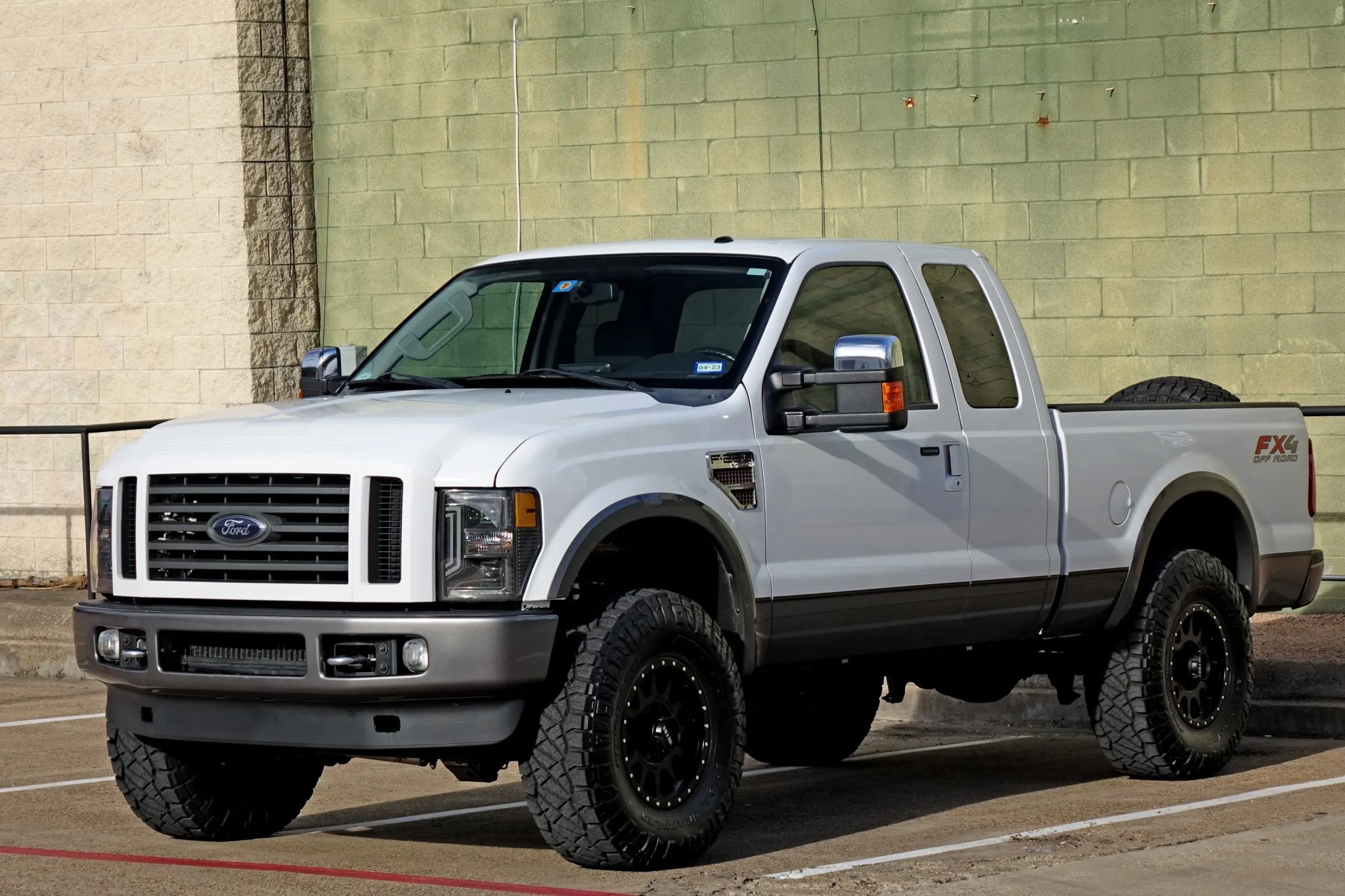
1. Ford F-250 Super Duty Diesel
The Ford F-250 Super Duty Diesel is widely recognized as one of the most capable and reliable towing vehicles in the diesel market. It is powered by the 6.7-liter Power Stroke V8 turbo diesel engine, which produces tremendous torque output, often over 1,000 lb-ft in newer models.
This torque is not just a statistic but translates directly into pulling power when it matters most. The F-250 is built on a ladder frame constructed from high-strength steel, which resists bending and twisting under load. This is especially important when towing large fifth-wheel trailers, horse trailers, or commercial loads over long distances.
The transmission system in the F-250 is specifically engineered to handle the diesel engine’s torque. The 10-speed TorqShift automatic gearbox is built to provide smooth gear changes even when the truck is under stress from hauling uphill or when launching from a stop with a full trailer.
Advanced tow/haul modes adjust shift patterns to reduce gear hunting and maintain optimal RPM ranges for heavy pulling. This allows drivers to maintain control in challenging towing environments, such as mountain passes or soft terrain, without placing unnecessary stress on the engine or brakes.
Beyond engine and transmission, the F-250 is fitted with heavy-duty axles, suspension systems, and cooling components. It also features an integrated trailer brake controller, trailer sway control, and various camera systems that make it easier to align and tow trailers of all sizes.
Some models even offer adaptive steering and blind spot monitoring with trailer coverage, further improving safety and control. The rear leaf springs and front coil springs are built to handle substantial weight without causing excessive sag or compromising ride quality. This engineering makes the truck feel stable and grounded even with a full load in tow.
What separates the F-250 from lesser diesel vehicles is the thought that goes into every aspect of its towing performance. The powertrain, braking, chassis, and safety systems are not just compatible with towing, they are designed with it as a core function. Whether used for recreational towing, worksite hauling, or long-distance transport, the F-250 consistently proves its reliability and capability under demanding conditions.
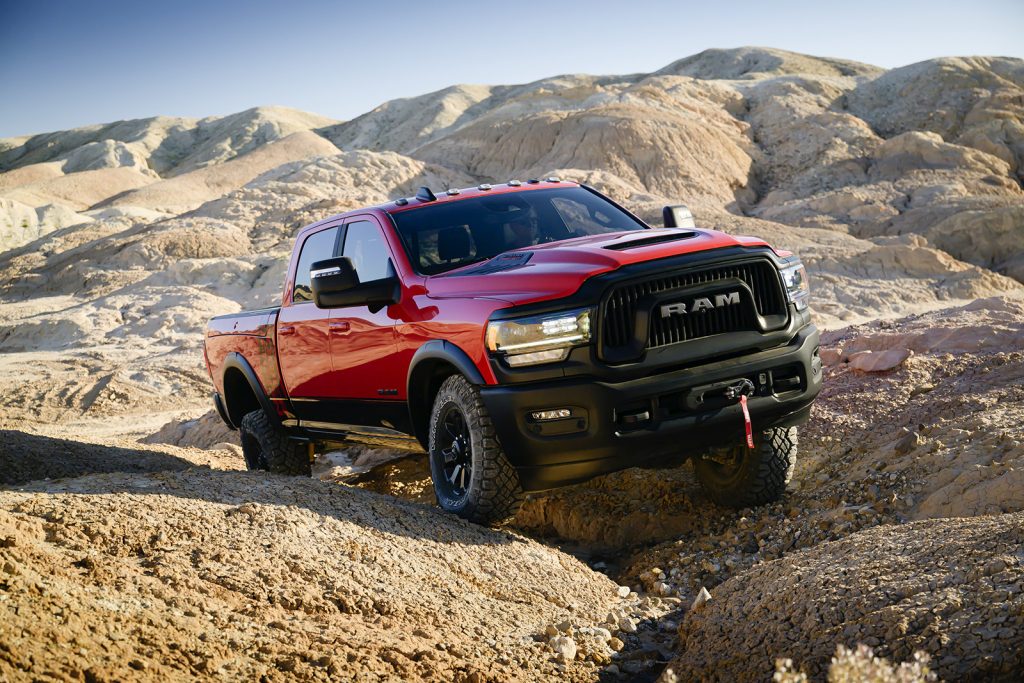
2. Ram 3500 Heavy Duty Diesel
The Ram 3500 Heavy Duty Diesel is another diesel workhorse built to handle the harshest towing environments. It comes equipped with the renowned 6.7-liter Cummins turbo diesel engine, which offers immense torque, especially when paired with the available high-output version that can exceed 1,000 lb-ft. This level of power allows the Ram 3500 to tow trailers weighing over 35,000 pounds when properly equipped, putting it in the upper tier of towing performance among all diesel vehicles.
The Ram 3500’s high-strength steel frame is designed to remain rigid under immense weight, preventing the flex that can cause instability or premature wear. In particular, the available dual rear-wheel (DRW) setup dramatically improves rear-end stability by spreading the load over a wider contact area.
This reduces rear-end sag, improves traction, and helps keep the trailer aligned with the vehicle, particularly under braking or while turning. These features are essential for hauling large campers, equipment trailers, or livestock carriers safely and efficiently.
One of the reasons the Ram 3500 performs so well under heavy loads is its suspension system. The rear suspension uses leaf springs that are designed for commercial-duty applications, and an optional auto-leveling rear air suspension helps maintain an even ride height regardless of the load.
This not only improves handling but also enhances braking and tire wear by maintaining consistent alignment. The exhaust brake, standard on the diesel engine, provides critical engine braking on descents, reducing reliance on the primary brake system and preventing overheating or fade during long downhill stretches.
Inside the Ram 3500, the focus on towing continues with available features like a 360-degree camera system, trailer reverse guidance, and electronic trailer brake controls integrated into the dashboard.
The truck also supports gooseneck and fifth-wheel towing options directly from the factory. Ram’s attention to detail, combined with the proven durability of the Cummins engine, makes the 3500 a favorite among commercial users, contractors, and long-distance haulers who need consistent performance and longevity under stress.
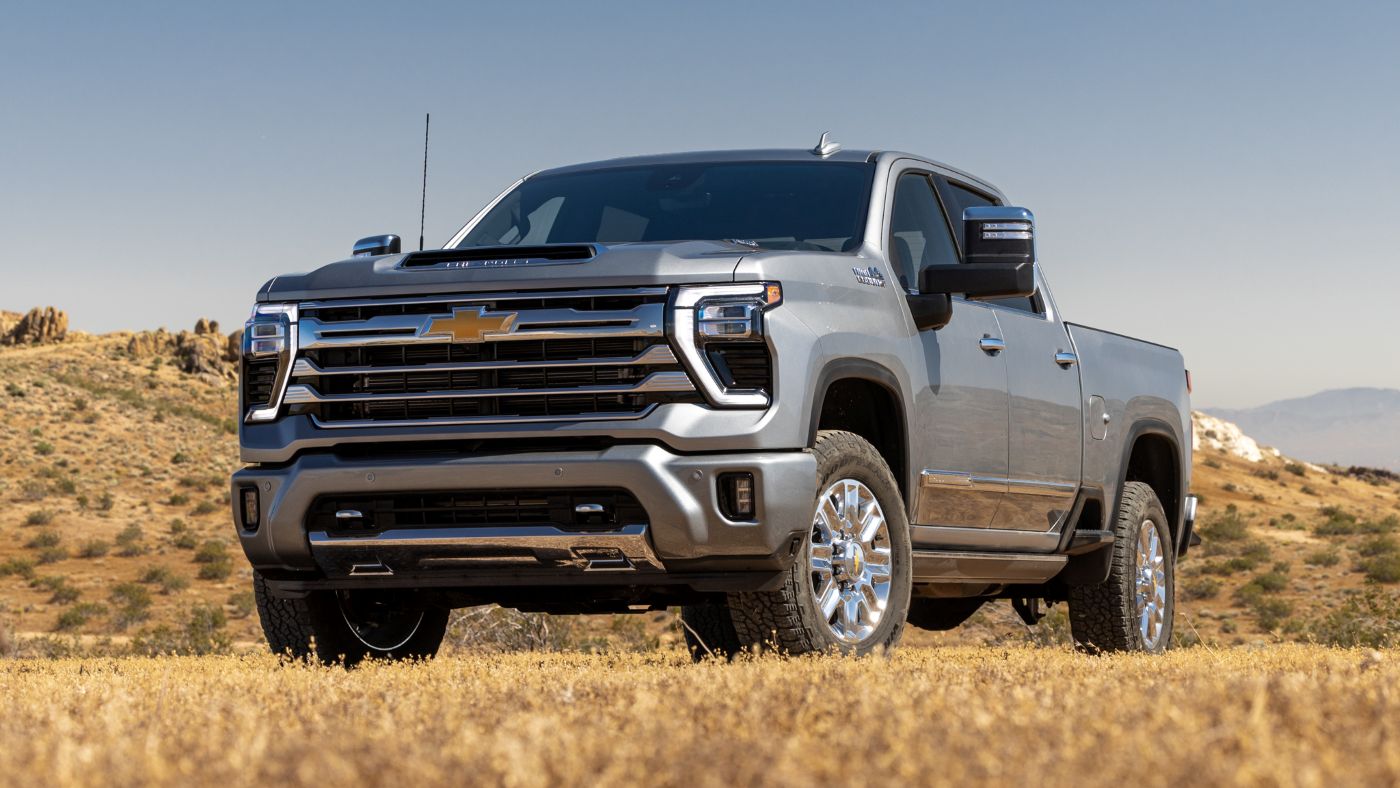
3. Chevrolet Silverado 3500HD Diesel
The Chevrolet Silverado 3500HD Diesel is a staple in the heavy-duty truck segment and is specifically designed to manage large towing jobs. Its 6.6-liter Duramax turbo diesel engine, paired with an Allison 10-speed automatic transmission, creates a smooth and powerful driving experience even when towing at the upper limits of its capacity.
The Duramax engine is known for its durability and torque output, often exceeding 900 lb-ft, which makes it suitable for pulling large trailers with ease and consistency.
The Silverado 3500HD benefits from a strong frame structure made of high-strength steel. This platform is purpose-built for high payload and towing ratings, offering minimal chassis flex under load. Chevrolet has also paid close attention to suspension tuning.
The truck features independent front suspension and rear leaf springs designed for commercial use, giving it stability without sacrificing comfort. Optional dual rear wheels enhance stability and load-bearing capacity, while heavy-duty shocks and stabilizer bars contribute to improved control when hauling over rough terrain.
To assist with towing, the Silverado 3500HD comes with integrated technology, such as a digital trailering system that includes multiple camera angles, a trailer length indicator, and pre-installed towing profiles. These features are not gimmicks; they add real convenience and safety when setting up or navigating with a trailer.
Trailer sway control, hill start assist, and exhaust braking are included to provide the driver with tools to manage the load safely on slopes, tight turns, and high-speed roads. The exhaust brake, in particular, provides extra stopping power, extends brake life, and improves downhill control.
Chevrolet has also equipped the Silverado 3500HD with options for fifth-wheel and gooseneck hitch installations directly from the factory. Combined with a well-appointed interior and comfortable ride quality, the Silverado is a practical yet powerful option for those needing serious towing capacity.
It’s particularly favored by those who use their trucks in both work and recreational environments, such as construction professionals, RV owners, and trailer haulers, who require strength without sacrificing comfort.
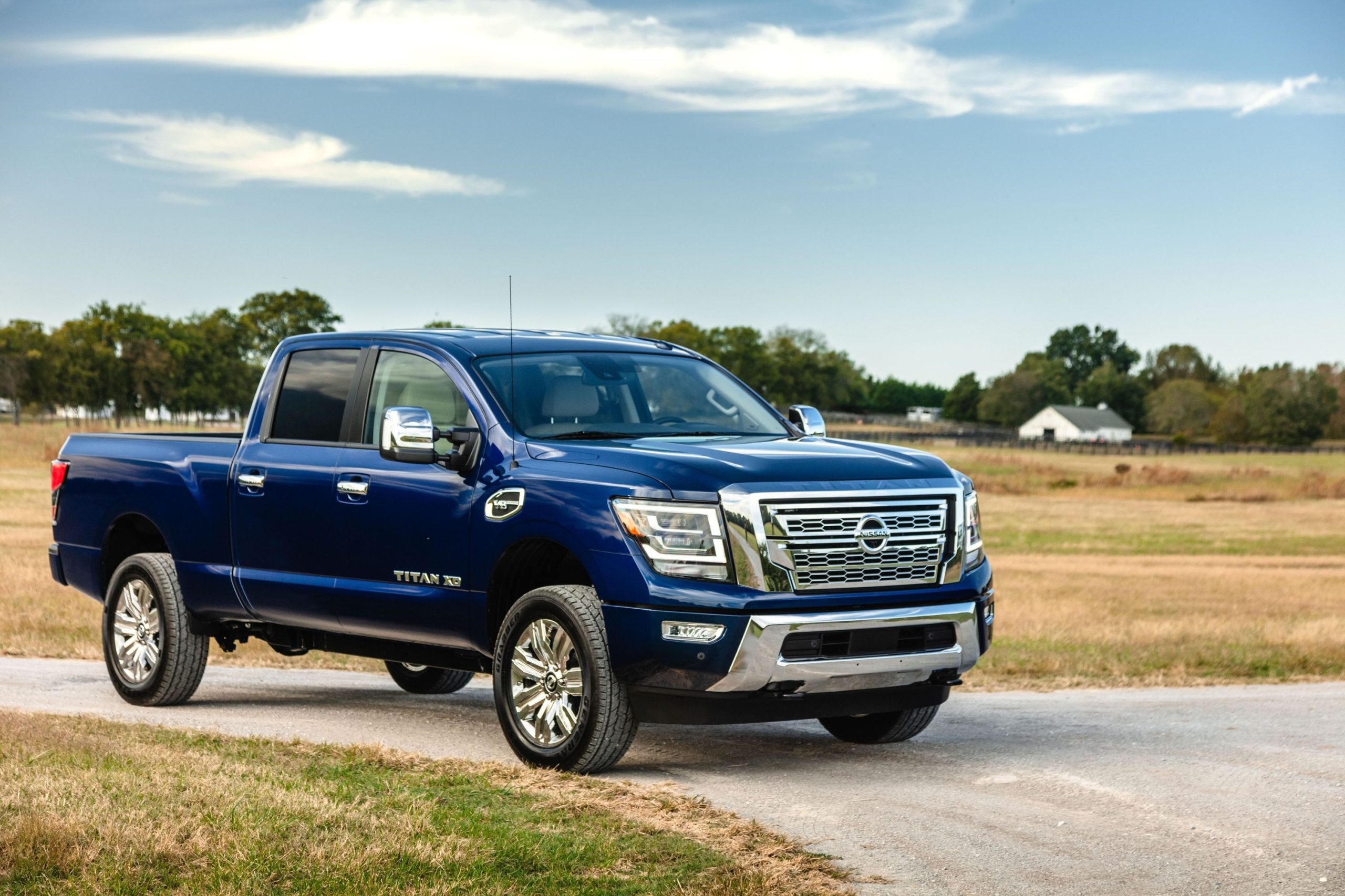
4. Nissan Titan XD Diesel
The Nissan Titan XD Diesel occupies a unique space in the pickup market by offering a middle ground between half-ton trucks and heavy-duty three-quarter-ton models.
Equipped with a 5.0-liter Cummins V8 turbo diesel engine, the Titan XD provides robust torque around 555 lb-ft, which allows it to tow significantly more than standard light-duty trucks, yet it remains more maneuverable and easier to drive daily.
While its maximum towing capacity is lower than that of full heavy-duty pickups, it still reaches impressive numbers around 12,000 pounds, making it suitable for most recreational towing, including boats, medium-sized campers, and work trailers.
The Titan XD’s frame is based on a commercial-grade chassis, which means it offers more strength and durability than typical consumer-focused trucks. Nissan engineered the frame with added crossmembers and reinforced steel to support heavier loads without compromising balance or stability.
This chassis design, combined with a specially tuned suspension that includes rear leaf springs and a larger axle, enables the Titan XD to distribute weight more effectively when under load. The result is a smoother and more controlled ride when towing, without the excessive rear sag or body sway that can plague lesser trucks.
What also makes the Titan XD diesel stand out is its attention to drivetrain tuning. The six-speed automatic transmission, while less advanced than some newer ten-speed units, is calibrated to deliver consistent performance when towing. Gear changes are deliberate and well-spaced, allowing the truck to stay within the engine’s torque band even when climbing hills or accelerating from a stop.
The integrated trailer brake controller, tow/haul mode, and rear-view camera system with trailer guidance assist the driver in safely maneuvering and stopping, reducing the stress that often comes with towing large items.
Although Nissan has since discontinued the diesel variant in some markets due to shifting consumer preferences and emissions regulations, used Titan XD diesels remain a solid option for those seeking a capable yet practical towing vehicle. Its balance of power, daily usability, and reinforced engineering make it a reliable choice for anyone who needs regular towing without stepping up to a more cumbersome full heavy-duty model.
5. Volkswagen Amarok V6 Diesel
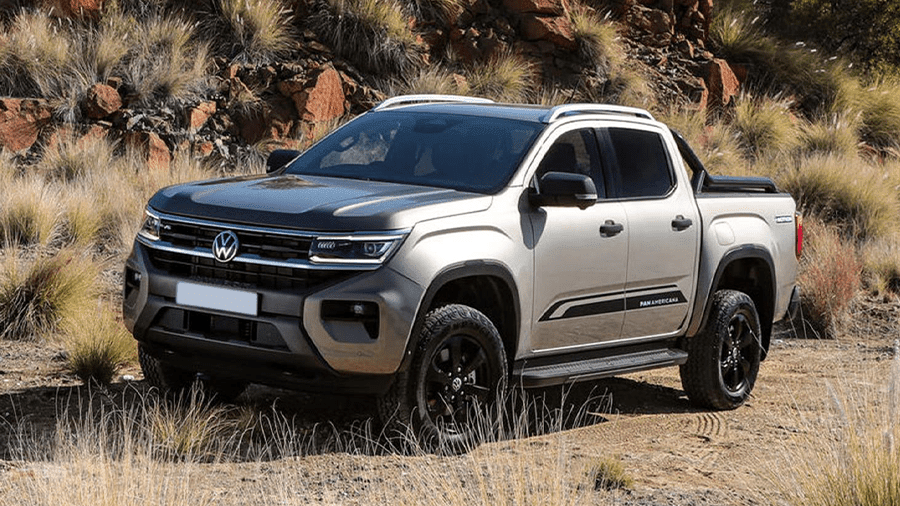
The Volkswagen Amarok V6 Diesel is one of the few midsize diesel pickups that offers serious towing potential without the bulk and size of full-size trucks. Under the hood, it houses a 3.0-liter turbocharged V6 diesel engine that produces over 400 lb-ft of torque, which is substantial for a vehicle of its size.
This torque output enables the Amarok to tow loads up to 7,700 pounds, putting it at the top of its class in the midsize pickup segment. It’s a popular choice in regions like Australia, Europe, and South America, where compact dimensions are often more practical than the bulkier trucks common in North America.
The Amarok benefits from a unibody construction with reinforced underpinnings that contribute to both strength and stability under load. Its suspension system uses a combination of coil springs and leaf springs that are specifically tuned to offer a balance between ride comfort and load-carrying capacity.
When towing, the vehicle remains composed and handles predictably, which is particularly useful on narrow roads, mountain passes, and unpaved surfaces. Unlike many smaller trucks, the Amarok does not feel overwhelmed when a trailer is attached, thanks to its low-end torque and smart weight distribution.
Volkswagen includes several standard and optional features that assist with towing, such as trailer stability control, hill descent control, and an intelligent all-wheel-drive system. These systems work together to ensure that traction is maintained and trailer sway is minimized, even in poor driving conditions.
The vehicle also includes multiple drive modes and a manually selectable low-range gearbox in certain trims, which is useful when towing off-road or over uneven ground. Combined with a strong braking system and precise steering, the Amarok offers a confident towing experience.
The Amarok V6 Diesel also offers a well-equipped interior, which includes supportive seating, sound insulation, and modern infotainment features that make long journeys more pleasant.
For drivers who need a capable yet compact diesel vehicle for moderate towing tasks, the Amarok stands out for its refinement, strength, and usability. It manages to blend the torque and economy of a diesel with the agility of a midsize pickup, making it a top performer in its category.
5 Diesel Cars That Struggle With Towing
1. Volkswagen Golf TDI
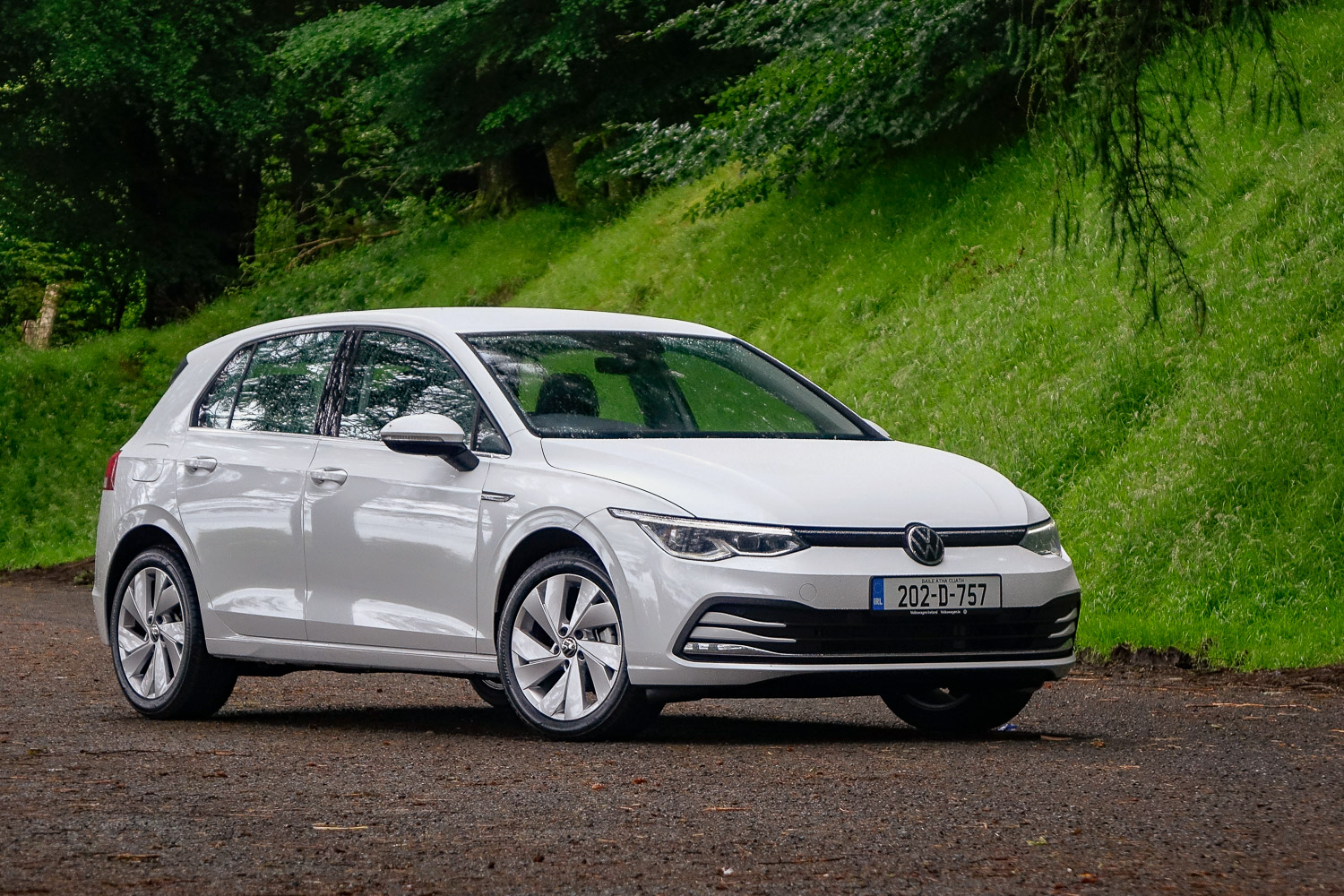
The Volkswagen Golf TDI is often praised for its impressive fuel economy and comfortable ride, but it is not designed to be a towing vehicle. Powered by a 2.0-liter turbocharged diesel engine, the Golf TDI produces modest torque levels, typically around 236 lb-ft, which may sound reasonable on paper but is not sufficient for managing heavy loads.
The vehicle’s compact size and lightweight construction also limit its ability to maintain stability when towing. It’s a hatchback primarily designed for efficiency and agility in urban environments, not for pulling trailers or boats.
The Golf TDI’s suspension is optimized for comfort and responsive handling, not for supporting additional rear weight from a trailer. When loaded, the rear suspension can easily become overwhelmed, leading to excessive rear sag and compromised handling.
The front-wheel-drive configuration, common in most Golf models, also means that traction can be limited when extra weight is placed on the rear. This can result in wheel slip, difficulty accelerating, and a lack of confidence during hill starts or wet conditions. Additionally, the braking system, while suitable for regular driving, lacks the power and heat resistance required for the demands of towing.
Moreover, the Golf TDI lacks towing-focused features entirely. There are no built-in trailer brake controllers, trailer sway mitigation systems, or reinforced hitches provided by the manufacturer. Even if a hitch is installed aftermarket, the vehicle’s low ground clearance and modest gross combined weight rating (GCWR) make it ill-suited for more than basic towing tasks.
While the car might be able to pull a small utility trailer or bike rack, any load exceeding 1,000–1,500 pounds would stretch its capabilities and potentially risk safety or damage to the powertrain.
Drivers who value fuel economy and nimble driving dynamics will find a lot to like in the Golf TDI. However, those expecting it to function as a part-time towing vehicle will be disappointed. Pushing the car beyond its intended capacity will result in rapid wear on the drivetrain and suspension, not to mention increased strain on the brakes and steering system.
2. BMW 3 Series Diesel
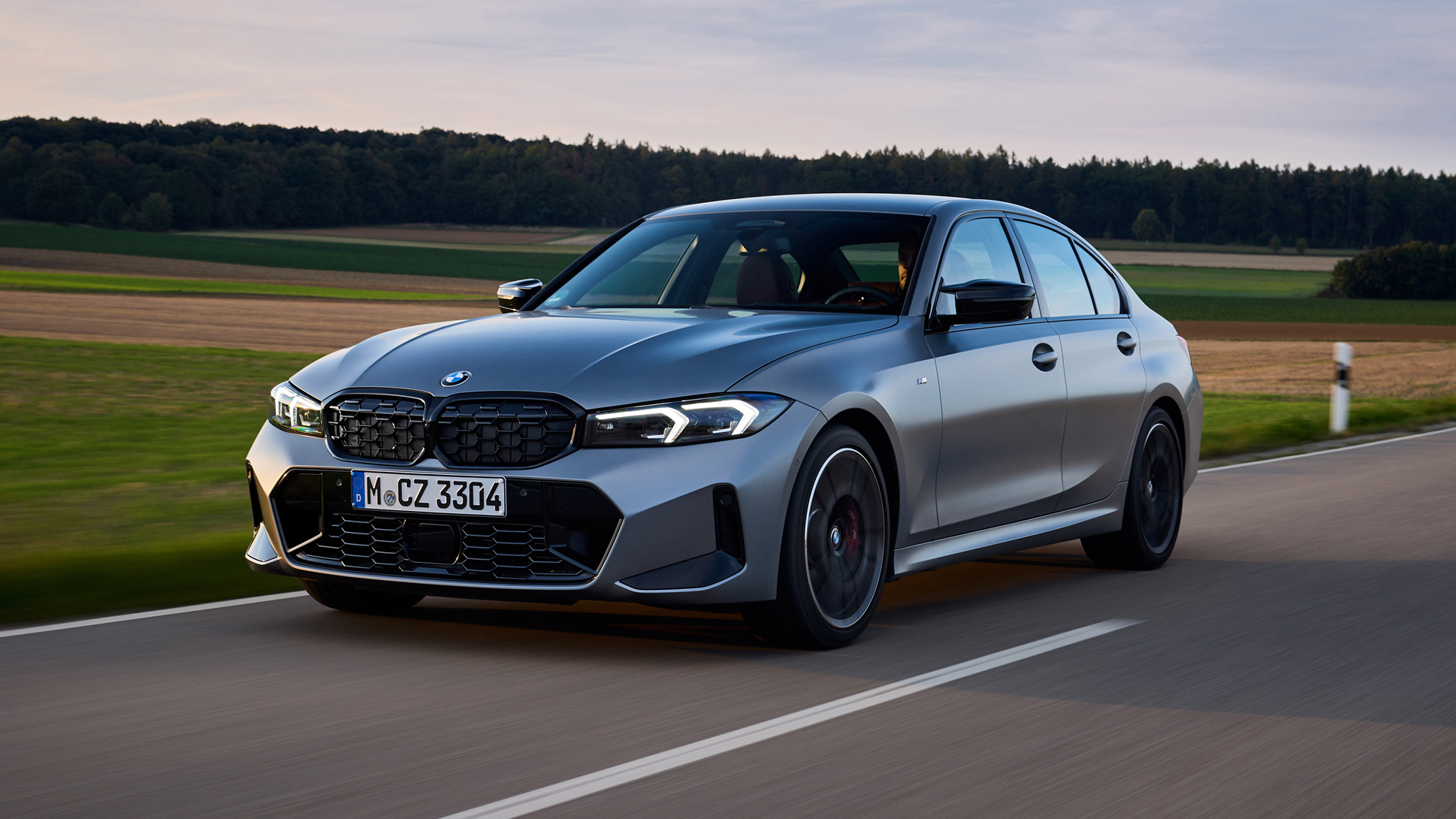
The BMW 3 Series Diesel is a vehicle built around the concepts of performance, luxury, and efficiency, particularly in the European market. Its diesel variants, such as the 320d or 330d, are equipped with either a 2.0-liter four-cylinder or 3.0-liter six-cylinder turbo diesel engine.
While these engines offer smooth power delivery and excellent fuel economy on highways, they are not configured for heavy towing tasks. The focus in this model is on balance, acceleration, and comfort, not hauling trailers or carrying excessive rear loads. As a result, the 3 Series lacks both the structural robustness and the mechanical reinforcements required to tow substantial weights safely.
The chassis of the 3 Series is built for agility and road feedback rather than load-bearing strength. Its suspension system, which includes independent multi-link components, is finely tuned for responsive driving and a comfortable ride, but it is not stiff enough to prevent sagging or swaying under the pressure of a trailer.
Even the larger six-cylinder diesel models, while offering respectable torque figures, are still limited in what they can tow due to these engineering constraints. The rear-wheel-drive setup, while excellent for balance and acceleration, can also make starting on inclines with a trailer especially difficult, increasing the chances of wheelspin or vehicle instability.
Towing also puts additional pressure on a vehicle’s braking system, and in the case of the 3 Series, the brakes are designed to match its performance driving goals, not the heavier loads associated with towing. There’s no trailer brake controller built into the system, and aftermarket installations can be limited by space and integration issues.
The stability systems on the car are not calibrated to compensate for the shifting dynamics that come with pulling a trailer, making high-speed towing riskier. These limitations all add up to make the BMW 3 Series a poor candidate for anything beyond very light-duty towing tasks.
For luxury commuters and long-distance drivers who value comfort, driving feel, and efficiency, the BMW 3 Series Diesel is a compelling option. But if your needs include regular towing, even at moderate levels, it is not the right tool for the job. Trying to force it into that role will not only shorten the lifespan of critical components but also compromise the driving experience and potentially create unsafe conditions.
3. Audi A4 TDI
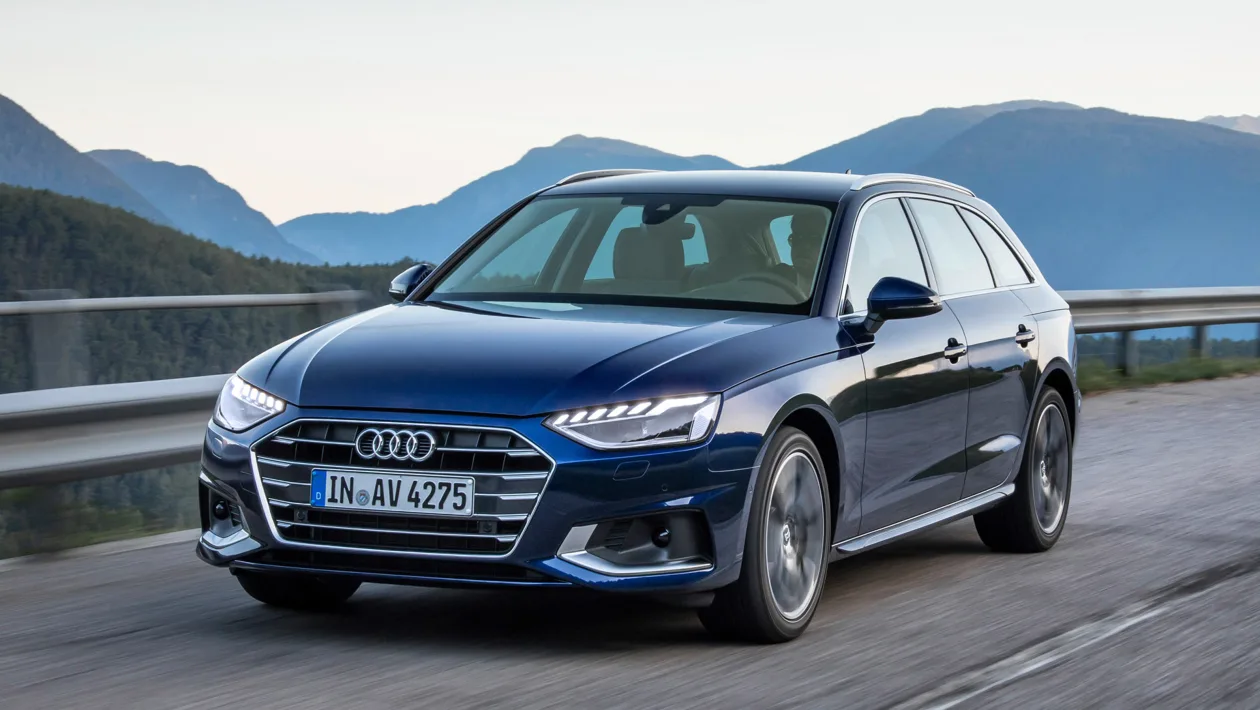
The Audi A4 TDI, like many compact executive sedans, was never intended to be a towing vehicle. While the diesel variants of the A4, especially those fitted with 2.0-liter or 3.0-liter TDI engines, offer decent torque and smooth acceleration for daily driving and highway cruising, their capabilities under load are quite limited.
Most models produce torque in the range of 280 to 450 lb-ft, which is suitable for pulling light trailers under ideal conditions, but not sufficient for regular or heavy-duty towing.
Audi engineers the A4 for driving refinement and safety in normal conditions rather than load management. The car’s suspension is tuned for a balanced, comfortable ride, not for handling added vertical pressure from a loaded hitch.
Even with quattro all-wheel drive, which improves traction and stability, the vehicle’s chassis does not distribute trailer weight well, nor does it accommodate aftermarket towing gear easily. The body structure and weight distribution are optimized for low center-of-gravity road holding, which actually becomes a disadvantage when extra vertical or horizontal load is applied behind the vehicle.
Moreover, the braking and cooling systems of the A4 TDI are designed to support high-speed, high-efficiency driving, not towing. When loaded with a trailer, the brakes can quickly overheat under repeated application, especially on downhill grades.
The lack of an engine braking system, common in larger diesel vehicles, makes it harder to control the vehicle under load without placing undue stress on the brake pads and rotors. This not only reduces safety but also increases wear and maintenance costs significantly.
The A4 TDI also lacks standard towing features such as trailer sway control, factory-installed hitches, or trailer-specific driver aids. Owners looking to retrofit these options often run into limitations with wiring harnesses and onboard systems not designed to interface with aftermarket equipment.
As a result, even though the engine might be theoretically capable of towing light trailers, the rest of the car isn’t designed to support that function. For Audi enthusiasts, the A4 TDI remains a fuel-efficient and enjoyable option for normal driving, but it should not be used regularly for towing anything beyond the most basic and lightweight loads.
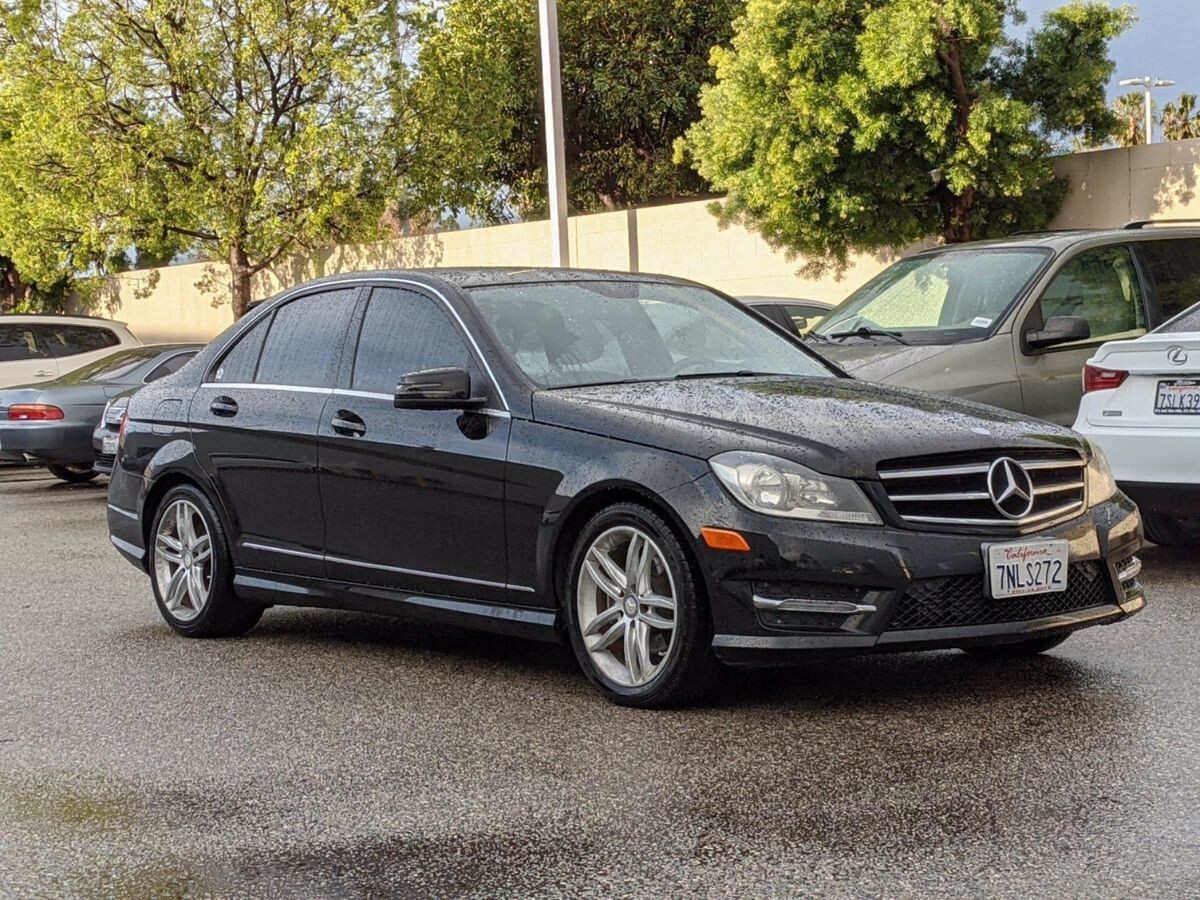
4. Mercedes-Benz C-Class Diesel
The Mercedes-Benz C-Class Diesel is engineered with precision and comfort in mind, offering a luxurious and quiet driving experience with excellent fuel efficiency. While the diesel engine variants like the C220d or C300d deliver smooth torque and are perfect for long-distance cruising, they are not equipped to handle towing responsibilities.
With maximum torque figures ranging between 295 to 369 lb-ft, these engines can move the vehicle with ease under normal conditions, but towing adds layers of stress that the C-Class platform was not designed to endure.
Structurally, the C-Class lacks the frame strength and suspension durability required for frequent towing. The lightweight aluminum and composite construction found in many newer models prioritizes weight savings for fuel economy, not durability for load-bearing.
The independent suspension system, though excellent for cornering and comfort, is prone to sagging when additional trailer weight is introduced. Furthermore, the ride quality degrades quickly under these conditions, making long hauls both uncomfortable and potentially unsafe, especially if the trailer shifts or bounces.
Additionally, the braking system on the C-Class diesel models is calibrated for sedan dynamics rather than trailer loads. Braking distances increase significantly when the car is towing, and the lack of features like trailer brake integration or sway control only worsens the problem. Cooling systems also tend to struggle when the car is pushed under stress, leading to potential overheating issues in both the transmission and engine if towing is sustained on long trips or in hot climates.
The car’s onboard electronics and driving aids, while sophisticated, are not tailored for towing. Parking sensors, lane-keeping assists, and blind spot systems do not account for trailers, which can lead to system confusion or driver alerts that don’t reflect real-world trailer conditions.
While the C-Class Diesel is a wonderful car for efficiency, luxury, and refinement, it is not built to tow. For drivers who need occasional light hauling, perhaps a bike rack or a very small trailer, it may work in a pinch, but anything more than that exposes the car to mechanical risks and degraded performance.
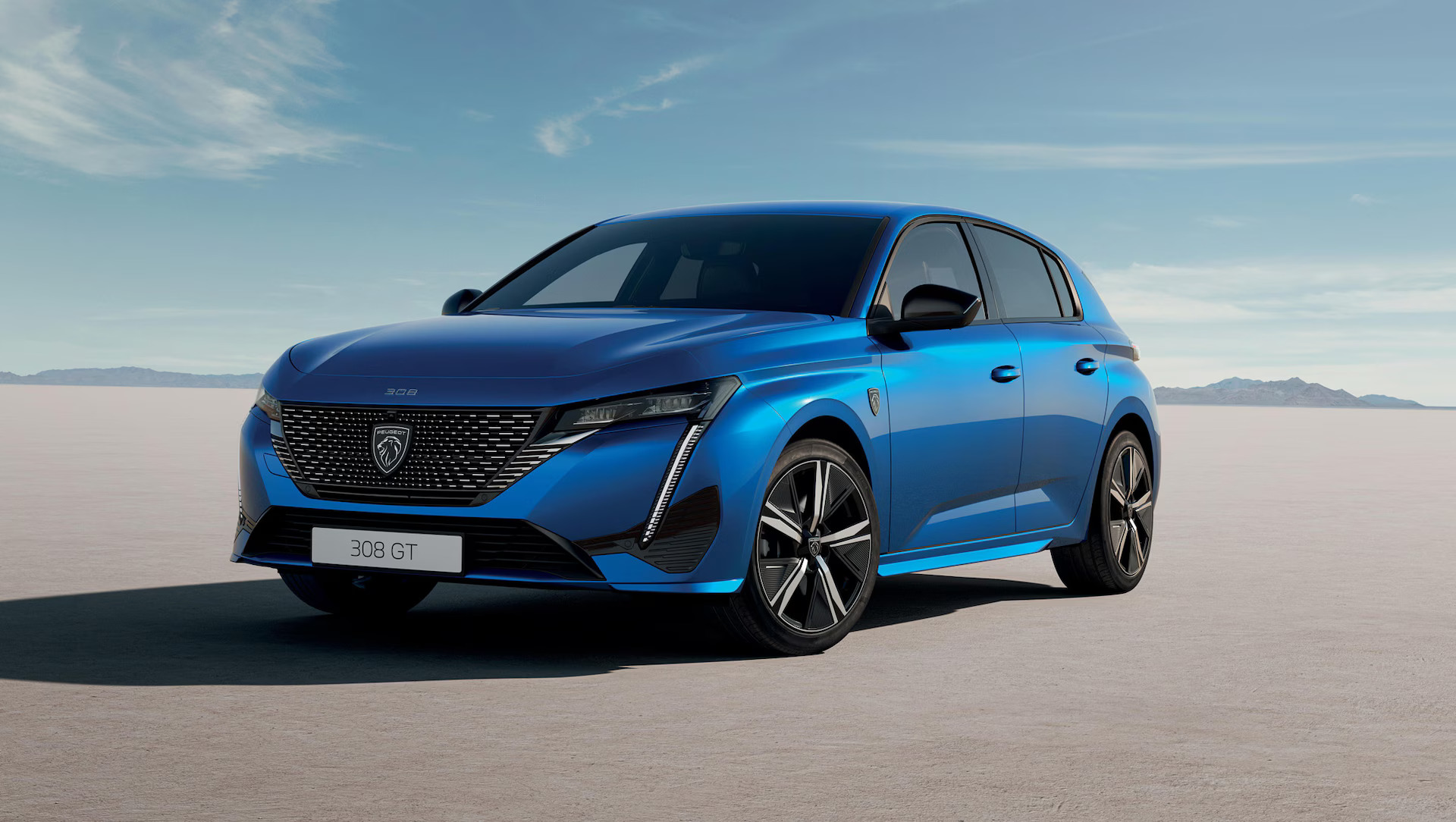
5. Peugeot 308 BlueHDi
The Peugeot 308 BlueHDi is a compact hatchback that is highly regarded for its fuel efficiency, light handling, and affordability, especially in European markets. It is equipped with small displacement diesel engines, typically 1.5-liter or 2.0-liter units, that deliver low-end torque in the range of 200 to 300 lb-ft, depending on the trim. While this makes the car excellent for stop-and-go traffic and long highway drives, it simply doesn’t have the mechanical or structural capacity to support serious towing.
The 308’s body is designed to be as lightweight as possible to maximize fuel efficiency, with soft suspension settings that favor comfort over stiffness. This suspension setup struggles even with heavy luggage in the rear, let alone a trailer hooked to the back.
The front-wheel-drive layout and compact wheelbase further limit its ability to maintain stability when pulling any significant load. Attempting to tow anything over 1,200 pounds not only taxes the engine and suspension but can drastically affect handling, braking, and fuel consumption.
One of the biggest concerns with the Peugeot 308 BlueHDi when towing is its limited braking power and lack of trailer-specific support systems. There is no trailer stability control, no integrated brake controller, and no drivetrain reinforcement for towing.
Even if the engine manages to pull the weight, the lack of a proper cooling system for the transmission and brakes makes long-haul towing or frequent trailer usage a serious mechanical risk. This can lead to overheating, transmission wear, or brake failure if not handled carefully.
For urban drivers or commuters, the 308 is a practical and economical choice. It performs admirably in the conditions it was built for: fuel-efficient daily use, light family travel, and navigating narrow city streets. However, the moment towing becomes a regular requirement, the car quickly reveals its limitations.
It simply wasn’t designed to function as a towing vehicle, and pushing it into that role can lead to more harm than it’s worth. Those who expect to tow even a few times a year should consider a different vehicle entirely.
