

Turbocharged engines have become increasingly common in modern cars, offering a blend of efficiency and performance that appeals to both everyday drivers and automotive enthusiasts. By forcing more air into the engine’s combustion chamber, turbochargers can increase horsepower without requiring a large engine displacement.
This innovation has led to smaller, more fuel-efficient engines that still deliver plenty of power on demand. But with that increase in complexity comes the potential for more wear, overheating, or even failure if not designed or maintained properly. While some turbo engines are built to withstand years of hard driving and high mileage, others begin to show signs of fatigue or even serious problems around the 70,000-mile mark.
The difference often comes down to build quality, engine management systems, cooling efficiency, and materials used in the turbo assembly. Some automakers put extensive research and development into making their turbocharged engines not only powerful but also durable under long-term use.
These engines can deliver consistent performance, maintain optimal temperatures, and avoid many of the pitfalls that plague less well-designed systems. On the other hand, certain models, especially those from earlier turbocharging trends or cost-cutting manufacturers, can develop problems once they reach moderate mileage. One of the more common issues is overheating, which can quickly spiral into head gasket failure, warped cylinder heads, or total engine breakdown.
This article presents a comparison of two sets of vehicles: first, five turbocharged cars that are known to hold their power and reliability well past the 70,000-mile mark, and second, five cars that have earned a reputation for overheating issues around that same mileage. This isn’t just about horsepower or acceleration figures.
It’s about how well these vehicles manage heat, how consistent they are in real-world use, and whether their turbocharging systems hold up over time. Each car listed here is judged not just by specs, but by a balance of performance, longevity, and owner experience. Let’s begin with the five vehicles that manage to maintain power, durability, and efficiency long after their warranty periods expire.
5 Turbo Engine Cars That Hold Power
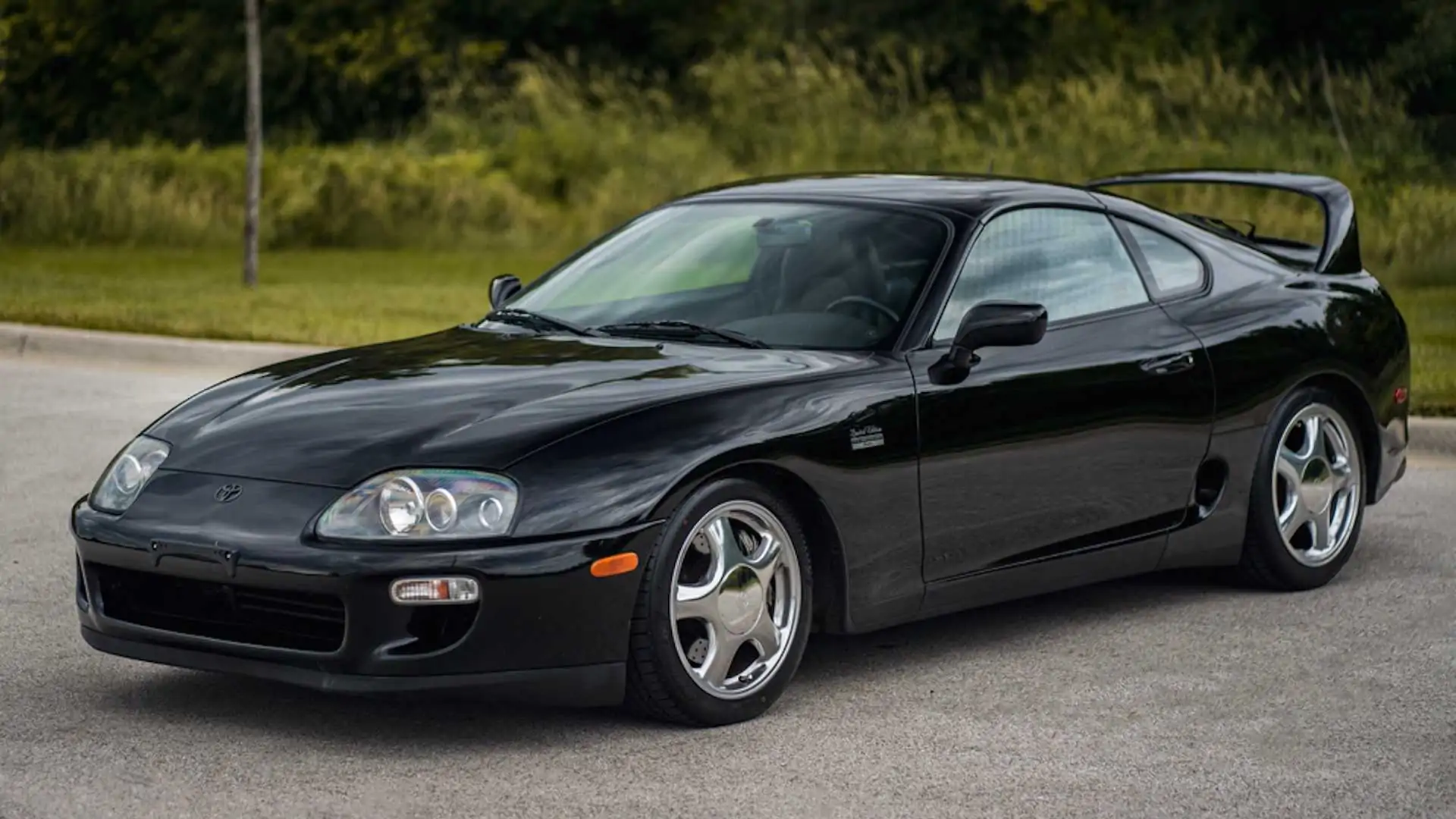
1. Toyota Supra 3.0 Turbo (A90 Generation)
The Toyota Supra has made a strong return in its fifth-generation form, especially the 3.0-liter inline-six turbocharged model co-developed with BMW. This car offers an excellent balance between raw performance and everyday usability, and that’s part of what makes it such a strong contender for long-term power retention.
The B58 engine under the hood has proven itself in multiple BMW and Toyota models, showing a strong track record for reliability beyond 70,000 miles. It’s not just about longevity; it’s about maintaining performance levels without suffering from lag, heat soaking, or detuned behavior over time.
What sets the Supra’s turbo engine apart is its advanced thermal management system. The B58 uses a closed-deck design, forged internals, and direct injection, all of which contribute to improved durability under high loads. Heat is one of the primary enemies of turbocharged performance, and Toyota has taken special care to implement an integrated cooling system that handles prolonged use.
Even after years of spirited driving or occasional track use, the Supra has shown few signs of power degradation or overheating. Unlike some performance cars that begin to feel tired after 60,000 miles, the Supra retains that aggressive edge well into higher mileage.
Routine maintenance plays a part, of course, but the platform is engineered to withstand abuse. Regular oil changes, proper coolant flushes, and occasional checks of the turbo seals are usually enough to keep this car running strong. There’s no widespread pattern of blown head gaskets or cracked blocks as seen in some competitors.
The turbocharger itself is water-cooled and integrated directly into the exhaust manifold, reducing thermal shock and improving reliability. These are not just design perk, they’re key reasons why owners report long-term satisfaction without losing the sharpness of performance.
For those considering a used sports coupe with real potential to last, the Supra 3.0 turbo is a smart pick. Even under aggressive use, it holds boost pressure consistently and resists heat-related fatigue. That makes it a standout in a world where many turbocharged cars begin to struggle once they pass their prime. When maintained properly, it’s not uncommon to see this car pushing hard at well over 100,000 miles, with minimal power loss and no overheating complaints.
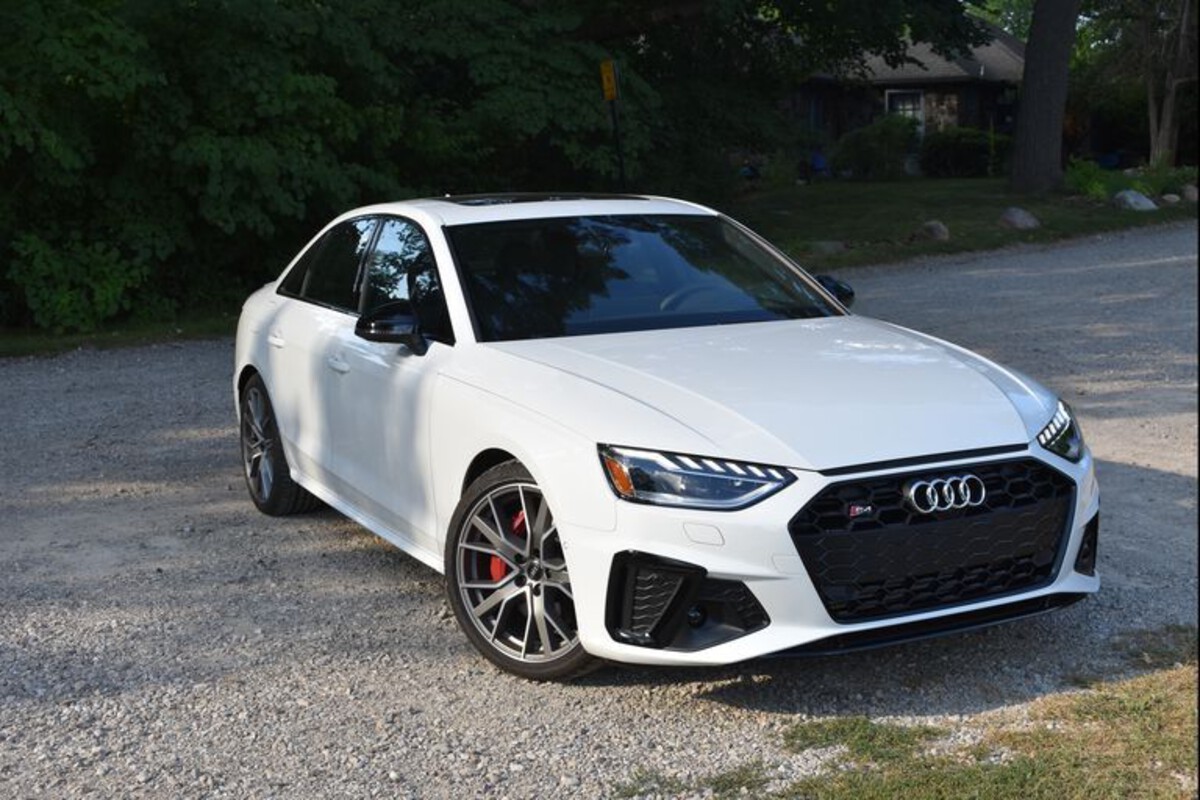
2. Audi S4 (B9 Generation 3.0T V6 Turbo)
The Audi S4’s 3.0-liter turbocharged V6 is a shining example of how to do forced induction right in a luxury-performance sedan. Known internally as the EA839 engine, this powerplant replaced the previous supercharged setup in earlier models. Despite being smaller in terms of mechanical complexity, it performs better in both output and thermal management.
The turbocharger is mounted inside the V of the engine, a design known as a “hot-vee,” which allows quicker spool times and better packaging. While this design can introduce heat stress in less refined systems, Audi engineered the B9 S4 to handle it gracefully.
The car’s thermal management system works exceptionally well for a performance-oriented daily driver. There’s a secondary water pump designed to cool the turbo even after the engine has been shut off. That’s a significant feature when it comes to preventing long-term heat damage.
Unlike earlier turbocharged models from various brands that suffered from heat soak and oil breakdown, the B9 S4 remains stable under pressure. Owners have praised its long-term reliability, especially past 70,000 miles, where other turbocharged sedans begin to show their flaws.
One of the strongest indicators of durability is how well an engine performs under repeated full-throttle applications. The S4 doesn’t hesitate or fall flat after a few hard runs. Its software is smart enough to adjust boost and fuel delivery in real time, maintaining a balance between performance and preservation.
Even when pushed hard, it resists knocks, avoids excessive oil consumption, and stays within safe temperature ranges. This kind of consistent behavior makes it a favorite among those looking for a performance vehicle that doesn’t require babying.
In the used market, the B9 S4 continues to rise in reputation as one of the most reliable luxury turbo sedans in its class. It doesn’t overheat, it doesn’t eat turbos, and it doesn’t suffer from chronic gasket failures. As long as basic maintenance is followed, including regular oil changes and coolant servicing, this engine keeps pulling strong well past the typical lifespan of many turbocharged competitors.

3. Mazda CX-5 2.5L Turbo
Mazda’s approach to turbocharging stands out in a crowded segment, especially in the compact SUV category. The 2.5-liter turbocharged inline-four used in the CX-5 isn’t tuned for track-ready performance, but instead for smooth torque delivery and everyday reliability.
It produces strong midrange power, thanks to a low-compression design that works well under boost without stressing the components. What makes this engine especially noteworthy is how well it retains performance across mileage. Even when approaching six figures on the odometer, the powertrain remains composed, responsive, and free of the kind of overheating problems that plague some of its peers.
One contributing factor is Mazda’s unique Dynamic Pressure Turbo (DPT) system, which improves low-end torque and reduces turbo lag without causing extra heat under load. This clever engineering means that the turbo doesn’t have to work as hard at higher speeds, thereby reducing the chance of excess heat generation.
Combined with a highly efficient cooling system and a thermally managed intercooler setup, the CX-5 manages heat incredibly well for a mass-market crossover. While not a performance SUV, its reliability is a strong selling point for families and commuters who want power without sacrificing long-term dependability.
Another benefit is the simple design philosophy. Mazda doesn’t rely on overly complicated electrical systems or fragile emissions equipment that can introduce weak points. The engine bay is well-organized, and access to key components is relatively easy, making maintenance less of a chore.
Accessibility means that potential problems are often addressed quickly, which contributes to its strong track record past 70,000 miles. There are few reports of overheating, cracked cylinder heads, or blown turbos within that mileage range.
As a practical turbocharged option that avoids many of the heat-related issues seen in other compact SUVs, the CX-5 turbo stands as a quiet achiever. It’s not flashy, but it gets the job done. It provides confident performance and doesn’t fall apart once it’s out of warranty.
In a category where many vehicles tend to degrade quickly under high load, the Mazda CX-5 2.5L turbo continues to deliver reliable, cool-running performance.
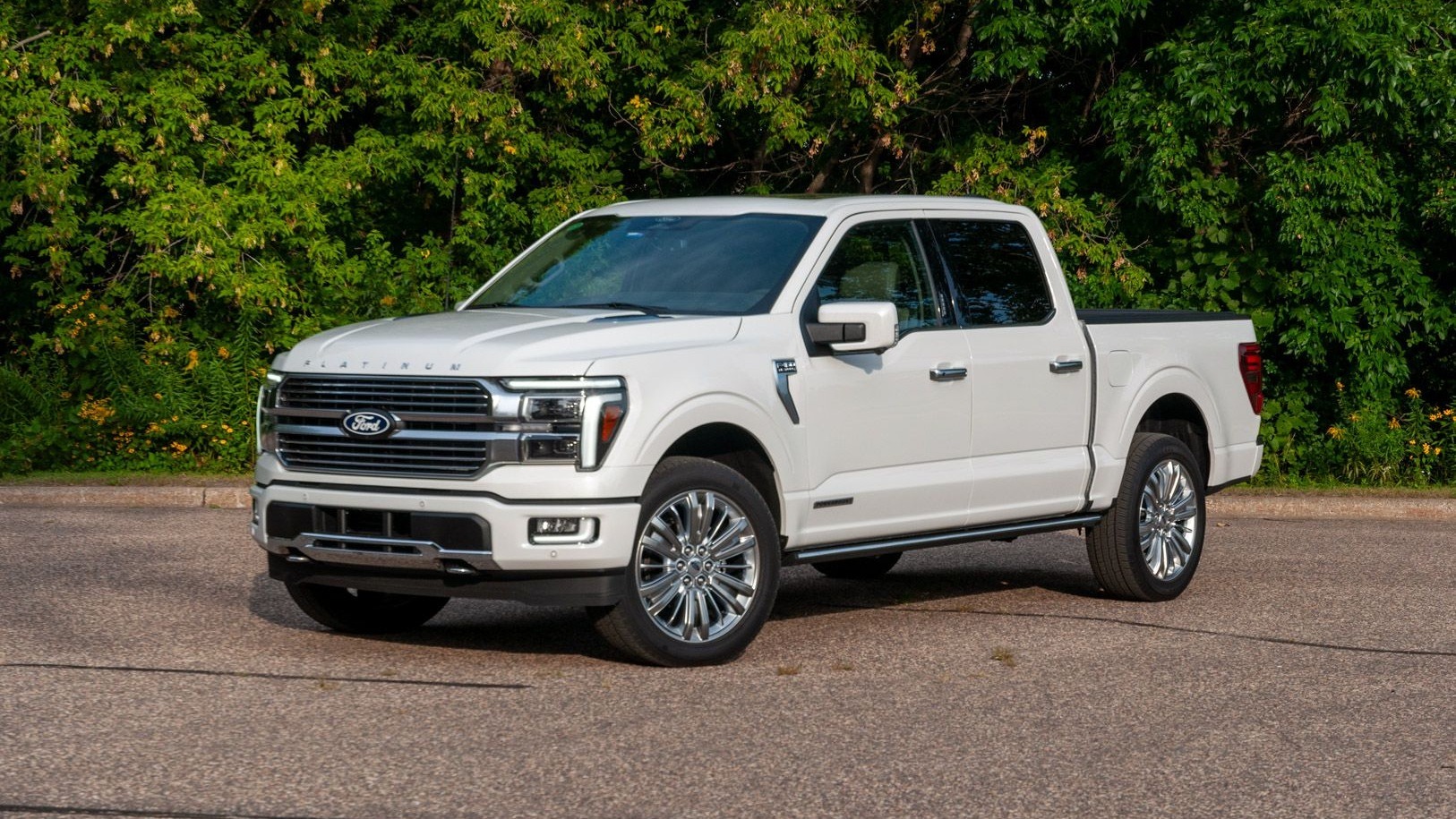
4. Ford F-150 3.5L EcoBoost (Second Generation)
The second-generation 3.5L EcoBoost V6 found in the Ford F-150 has built a solid reputation for blending utility, power, and long-term reliability. This engine, introduced with a redesigned twin-turbo system and updated fuel injection strategy, powers America’s best-selling truck with confidence.
What separates this EcoBoost from its earlier version is the improved cooling strategy and use of stronger internal components. These changes have led to better power retention and resistance to thermal stress, especially when towing or hauling heavy loads. Even past 70,000 miles, many owners report consistent performance without overheating issues.
Ford addressed early concerns from the first-generation EcoBoost by adding a dual-injection system, both direct and port injection, which reduces carbon buildup and manages cylinder temperatures more effectively. These updates significantly reduce the risk of pre-ignition or detonation, which can be deadly for turbo engines under load.
The intercooler design was also improved to prevent condensation buildup, a problem that occasionally plagued the first generation. All of these improvements result in a turbocharged truck engine that can handle serious work without losing its edge as it ages.
Truck engines are often subjected to extreme working conditions, and turbocharged ones even more so. Towing uphill, long highway hauls, and stop-start city driving put constant demands on the turbo and cooling systems. Despite that, the 3.5L EcoBoost has proven to be a strong performer under all conditions.
Cooling systems rarely fail prematurely, and head gasket issues are not common at 70,000 miles or even beyond. Unlike some competitors that see thermal fatigue or loss of boost pressure with age, this engine maintains its pulling power and efficiency.
This engine has been a hit among owners who need serious capability but don’t want to sacrifice efficiency. Its broad torque curve, quiet operation, and dependable behavior make it a smart choice for those who rely on their trucks every day. Whether used for family trips or construction sites, this turbo engine keeps its cool under pressure, and that’s exactly what sets it apart from other turbocharged units in the same class.

5. Porsche Macan S (3.0L Turbo V6)
The Porsche Macan S is often seen as the sports car of compact SUVs, and for good reason. Its 3.0-liter turbocharged V6 doesn’t just offer sharp throttle response and precision tuning; it’s built with endurance in mind. Unlike some performance SUVs that start to lose their edge with age, the Macan S shows remarkable consistency, even past the 70,000-mile mark.
Porsche’s engineering focus on long-term mechanical health is evident here. The engine’s high-pressure fuel system, aluminum construction, and well-integrated twin-scroll turbocharger allow it to maintain stable power delivery without overheating or reliability issues under load.
Heat management is critical for a turbocharged engine of this caliber, especially one housed in a smaller SUV platform. The Macan S features dual radiators, a secondary oil cooler, and a water-cooled turbocharger, all contributing to controlled engine temperatures.
Even during extended highway drives or back-to-back performance runs, the system keeps engine temperatures within a safe range. The turbo itself is placed for optimal airflow and cooling, with heat shielding in place to prevent surrounding components from absorbing excess thermal energy. This thoughtful setup prevents common problems like warped heads or oil coking that can occur in lesser designs.
Driver experience and owner reports consistently highlight how “fresh” the Macan S feels, even after years of use. That’s due in part to the ECU’s ability to adapt to wear and compensate accordingly, along with Porsche’s careful calibration of boost pressure and ignition timing.
Drivers don’t experience turbo lag worsening over time, nor do they encounter the drop-off in acceleration that’s often present in less reliable turbo engines. Even under spirited use, the turbo remains responsive, and oil and coolant temperatures remain stable and within target parameters. This allows the Macan to maintain its sporty character while still functioning as a reliable daily driver or long-distance cruiser.
Although maintenance on a Porsche can be more expensive, what you’re getting in return is a turbocharged engine that won’t leave you stranded or suffering through cooling issues. These engines are not frequently seen in repair shops for overheating problems, even at or beyond 70,000 miles.
With proper upkeep, they’re known to last well into the six-figure mileage range while maintaining performance and mechanical integrity. It’s not just about performance, it’s about how long that performance can last under real-world driving, and the Macan S checks that box thoroughly.
5 Turbo Engine Cars That Overheat at 70K
1. Chevrolet Cruze 1.4L Turbo (First Generation)
The first-generation Chevrolet Cruze with the 1.4-liter turbocharged engine was marketed as a fuel-efficient compact with enough punch for city and highway driving.
Unfortunately, this engine developed a reputation over time for premature overheating, often rearing its head around or just after the 70,000-mile mark. While it offered decent torque and acceleration for its size, the engine bay was cramped, and the cooling system was barely adequate under daily driving conditions. Small turbo engines like this are under constant stress, and in the case of the Cruze, it seems the design didn’t account for long-term heat management.
A frequent culprit of the overheating issue lies in the Cruze’s water pump and thermostat housing, both of which are prone to failure earlier than expected. Once either part begins to malfunction, the engine can quickly run hot without much warning.
Compounding the issue is the placement of the turbocharger, which sits close to the firewall, restricting airflow and making it more difficult for heat to escape. Owners have also reported issues with head gaskets and cracked cylinder heads once the engine begins running hot repeatedly. These problems often emerge once the vehicle exits its warranty period, leaving owners with expensive repairs.
The engine’s internal components aren’t particularly robust either. The pistons and valves are known to suffer damage when the engine gets too hot, and once detonation starts due to pre-ignition, it’s often too late to prevent major damage.
Add to that a less-than-stellar reputation for oil circulation at high temperatures, and the Cruze’s 1.4L turbo becomes a clear example of what happens when performance and cost-cutting collide. It’s one thing to suffer minor performance loss over time; it’s another to experience complete engine shutdown from overheating, which was not uncommon among these vehicles.
Even with careful maintenance, once a Cruze starts exhibiting early signs of a heat problem, coolant loss, random shutdowns, and high engine temperatures, there’s often a snowball effect. Owners trying to stay ahead of issues with upgraded hoses or aftermarket thermostats often find themselves chasing problems.
The core design simply doesn’t handle thermal stress well, especially in warmer climates or under stop-and-go driving conditions. While it had promise as an affordable turbocharged compact, the Cruze’s long-term reliability suffers heavily once it hits the critical 70,000-mile mark.
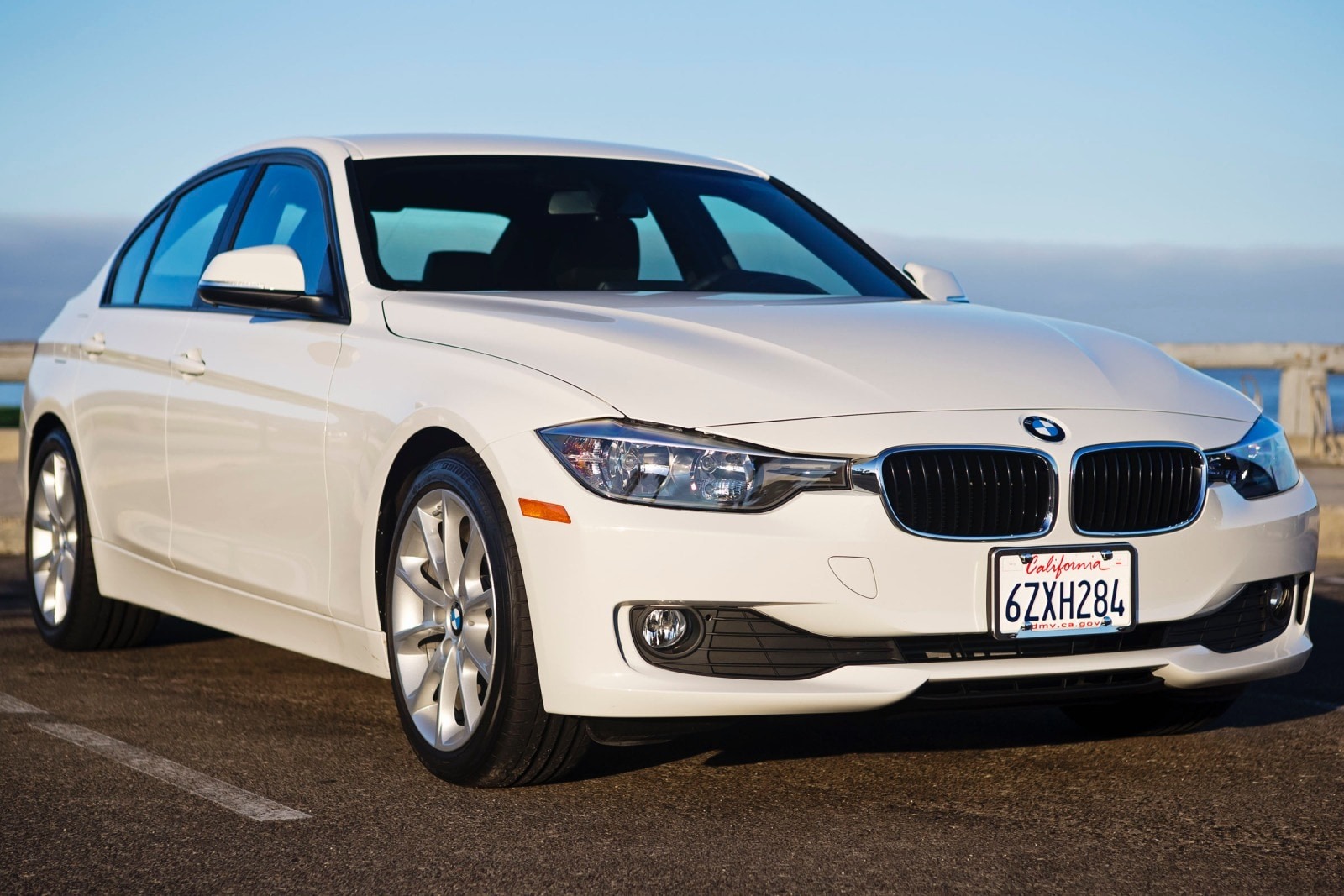
2. BMW 328i (F30, N20 2.0L Turbo Engine)
The F30-generation BMW 328i with the 2.0-liter N20 turbocharged engine was meant to replace the beloved inline-six engines of past generations with a smaller, more efficient design. While it did succeed in offering impressive low-end torque and better fuel economy, it introduced a series of long-term reliability issues that many owners didn’t anticipate.
One of the most serious among these was a tendency for the engine to overheat as it approached or exceeded 70,000 miles. The root causes are a mix of poor component design and a tightly packed engine bay that doesn’t allow for adequate cooling, particularly during extended drives or hot weather.
The N20 engine is notorious for its weak timing chain guides, which, when worn, can throw timing off and lead to misfires or catastrophic failure. But aside from mechanical timing problems, the more prevalent issue is thermal degradation of plastic cooling system parts like the water pump, thermostat, and expansion tank.
These components start failing after about five to six years, and once they do, coolant loss becomes a recurring issue. Overheating can happen suddenly, and in some cases, without a clear warning from the ECU until it’s too late. That’s especially dangerous for engines with high compression and tight tolerances like the N20.
Many owners also experience problems with the engine’s electric water pump, which is designed to run at variable speeds to regulate temperature more precisely. When it works, it’s effective. But failure is common after 60,000 miles, and when it does fail, the engine temperature rises rapidly.
What’s worse is that the failure can be intermittent, causing inconsistent engine cooling that masks the underlying issue. Add in a heat-sensitive turbocharger, and the whole system becomes vulnerable to cumulative thermal stress over time. Even those who follow BMW’s maintenance intervals strictly often face early water pump replacements and head gasket issues.
Those looking to buy a used F30 328i with this engine are strongly advised to review service records carefully and ensure cooling system components have already been addressed. While the car remains fun to drive and offers excellent handling, the risks associated with heat management are well-documented. Once these engines start overheating, recovery is difficult and often expensive. For drivers crossing the 70,000-mile threshold, the N20 engine often becomes a liability rather than a strength.
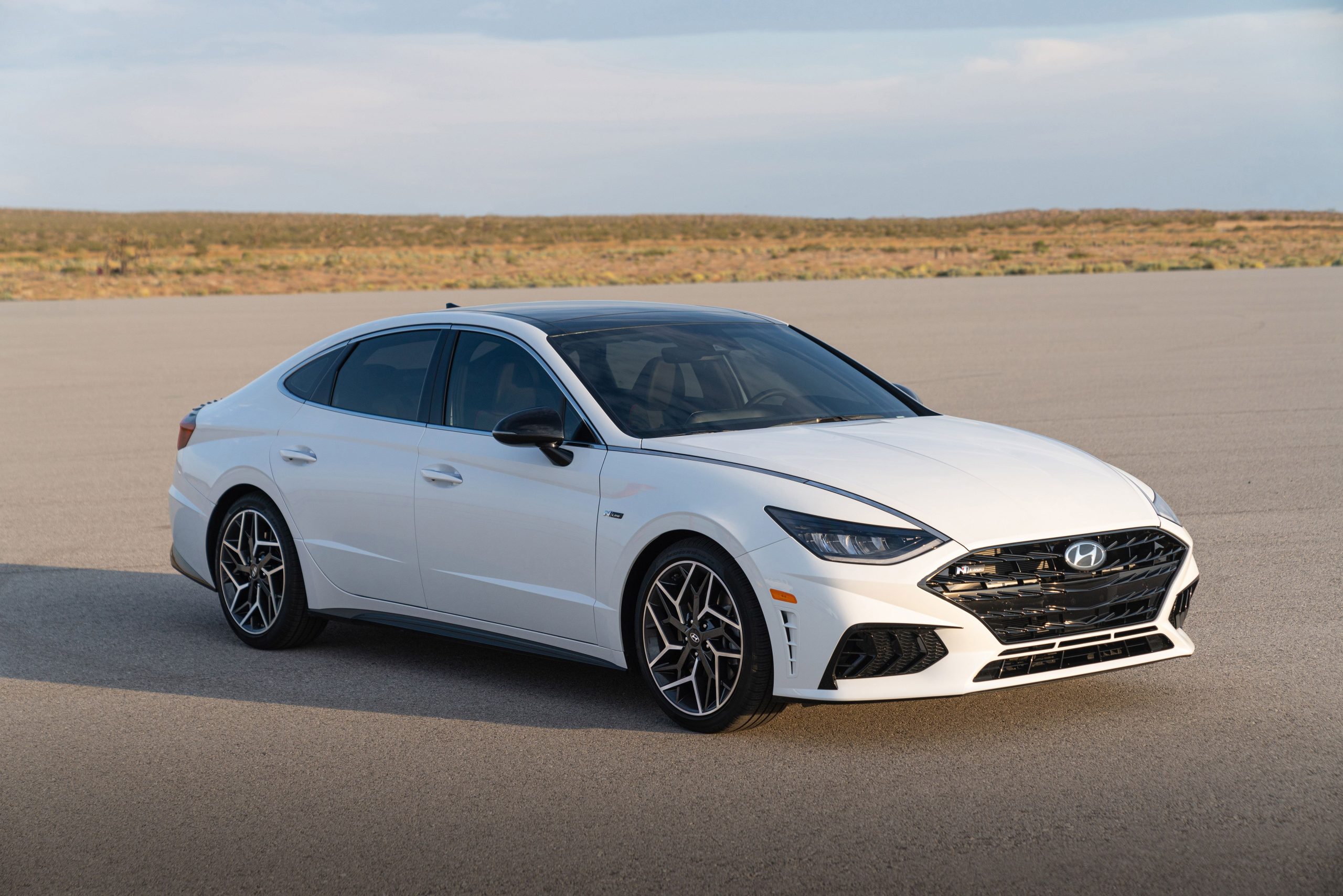
3. Hyundai Sonata 2.0T (2011–2014)
The early turbocharged Hyundai Sonata models from 2011 to 2014 offered a compelling blend of power and value at the time of release. With a 2.0-liter turbo engine that delivered quick acceleration and respectable fuel economy, it was marketed as an alternative to more expensive sedans from Europe and Japan.
Unfortunately, these models gained a reputation for reliability issues, especially related to engine overheating and premature wear. By the time they reached 70,000 miles, a significant number of owners began experiencing problems related to thermal breakdown and degraded engine performance.
The turbo engine in these models suffered from a cooling system that was barely adequate to handle prolonged heat buildup. Early signs often included a ticking noise, sluggish performance after long drives, and coolant levels mysteriously dropping without visible leaks.
The turbocharger itself was frequently overworked, especially under aggressive driving conditions. Its placement and lack of proper heat shielding led to nearby components being exposed to prolonged high temperatures. Over time, this contributed to failed gaskets, warped manifolds, and eventually overheating. Unlike some engines that tolerate heat spikes, the Sonata’s 2.0T unit showed signs of structural fatigue too early.
Compounding the issue was Hyundai’s use of thin oil passages and questionable material choices in critical engine parts. Engines were known to seize or go into limp mode without much prior warning, and overheating often preceded complete engine failure.
In several cases, owners reported needing full engine replacements before reaching 100,000 miles. Lawsuits and recalls eventually followed, but not all vehicles were covered under the extended warranty or received updated parts. Those who maintained their cars diligently still found themselves dealing with unexplained overheating and power loss after moderate use.
Even with upgraded parts and proactive servicing, many mechanics view this generation of Sonata turbo engines as high-risk beyond 70,000 miles. The engine control software wasn’t always accurate in detecting thermal issues either, making it difficult for owners to get ahead of the problem.
Unlike other turbocharged midsize sedans that might need a new water pump or sensor, the Sonata 2.0T often required more invasive and costly repairs to restore thermal stability. Despite its strong start in the market, this model is now commonly seen as an example of a turbo engine that simply wasn’t built for long-term endurance.
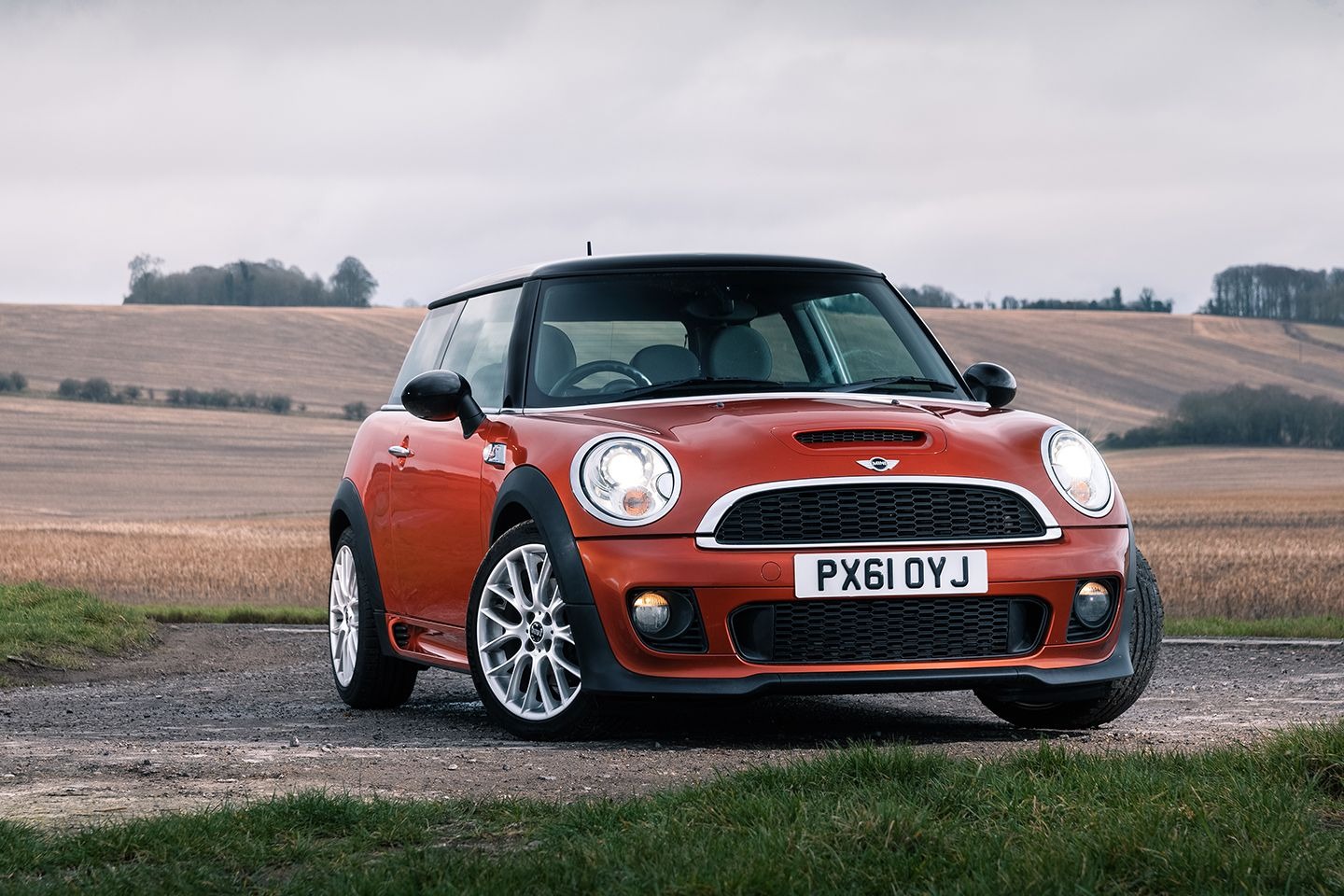
4. Mini Cooper S (R56 Generation, 1.6L Turbo)
The Mini Cooper S from the R56 generation, produced between 2007 and 2013, features a 1.6-liter turbocharged engine (designated the N14 in earlier years and N18 in later models). On paper, this engine was a gem, peppy, efficient, and fun to drive. In reality, however, it has gained a well-known reputation for a variety of issues, especially those related to overheating and engine reliability.
The primary concern arises once these vehicles pass 70,000 miles. Cooling system components begin to show wear, and the engine’s compact layout makes it extremely difficult for heat to dissipate properly. That tight packaging, while great for agility and space efficiency, becomes a liability over time.
One of the key contributors to overheating in the Mini Cooper S is the water pump and thermostat housing assembly, which frequently fails earlier than expected. The coolant reservoir is also known to crack or leak, leading to low coolant levels that exacerbate heat management issues.
Once coolant levels drop, the N14 engine is extremely sensitive and can quickly overheat. Furthermore, the engine’s timing chain tensioner has a known defect that, if left unresolved, can lead to catastrophic timing issues, something that is often triggered or worsened by prolonged overheating. Unlike some other engines that can tolerate higher temps for short periods, the Mini’s small turbo engine quickly degrades under such conditions.
Turbochargers in these vehicles are also vulnerable to heat damage. The location of the turbo, tightly tucked into a corner near the firewall, makes airflow inadequate during prolonged high-speed driving or even in traffic-heavy urban environments. Once heat soak sets in, performance drops noticeably, and the risk of oil coking inside the turbo increases.
If not addressed quickly, this can result in premature turbo failure, oil leaks, and burning smells from under the hood. While some owners have mitigated this by installing aftermarket heat shields or upgraded cooling components, the core issue remains rooted in the engine’s thermal inefficiency.
By the time a Mini Cooper S reaches the 70,000 to 90,000-mile range, many of the original cooling components have likely degraded. Preventative maintenance can extend engine life, but it’s often costly due to the labor-intensive layout of the engine bay. Owners who ignore early warning signs, fluctuating temperature gauges, coolant odors, or loss of power often face major repairs shortly after.
While the Mini Cooper S may be a joy to drive in its prime, it becomes a frustrating ownership experience if the overheating issues aren’t addressed with vigilance. For those considering a used model, especially one nearing 70,000 miles, a full service history and recent cooling system updates are almost a necessity.
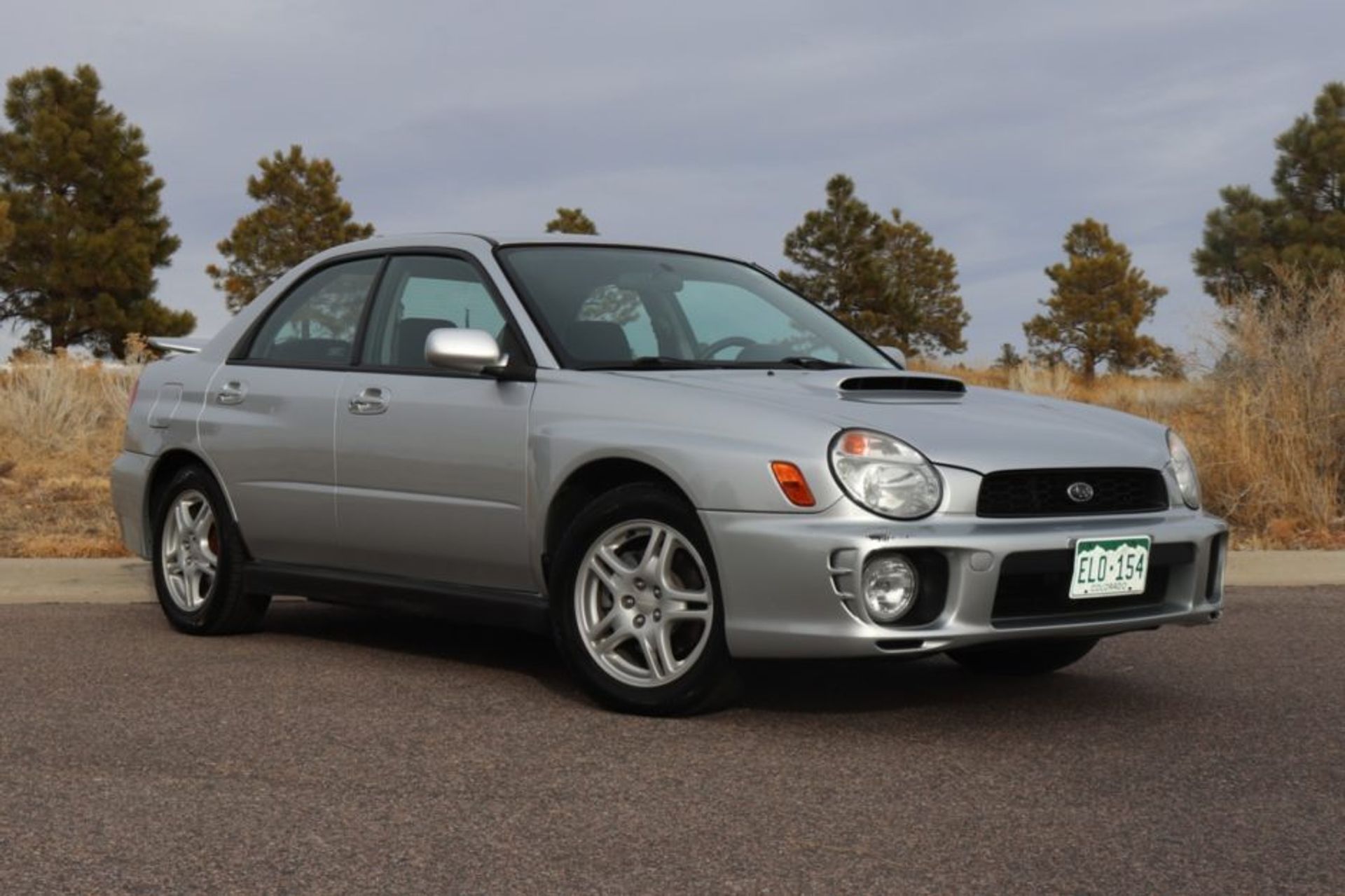
5. Subaru WRX (FA20DIT Turbo Engine, 2015–2021)
The Subaru WRX is often thought of as a rugged performance car with rally heritage, and in many ways, it lives up to that image. However, the FA20DIT turbocharged engine, which replaced the older EJ-series, introduced a new set of problems, one of the most notable being its tendency to overheat or suffer from thermal management issues as it approaches or surpasses the 70,000-mile range.
Unlike the EJ engines that were beloved for their mechanical simplicity and tuning potential (despite their issues), the FA20DIT was more complex and more thermally sensitive. While efficient on paper, real-world reliability has not met the expectations many long-time Subaru fans had.
One major concern is the FA20’s use of direct injection without a secondary port injection system, which results in increased carbon buildup over time. This buildup not only reduces performance but also contributes to hotter engine temperatures under load.
Combined with a relatively small intercooler and heat-retaining engine bay layout, the WRX’s engine is more prone to running hot, especially during spirited driving or in warm climates. Even daily driving in stop-and-go traffic can lead to elevated temps, with the radiator and fans working harder than they should for a vehicle of this class. While this doesn’t always lead to full-on overheating right away, it creates long-term stress on the engine and its seals.
The FA20 also has a reputation for weak ring lands and thin piston walls, which are more susceptible to failure if the engine experiences repeated heat cycling or runs hot for too long. This is particularly true for drivers who push the WRX hard or modify it for more boost without upgrading the cooling. Once detonation occurs, which is more likely with high intake temps and inadequate knock control, internal damage can follow quickly.
The turbocharger, placed in the engine bay with less heat shielding than some of its competitors, further contributes to the problem. Without careful tuning or supporting mods, the WRX can run into serious thermal stability problems just after hitting medium mileage.
Many WRX owners find themselves needing to replace or upgrade critical cooling components before hitting 100,000 miles. Radiators, turbo heat shields, intercoolers, and even engine mounts get swapped out to help with heat management. While enthusiasts are often willing to make these changes, the reality is that the stock FA20DIT turbo system simply doesn’t hold up as well as expected.
Reliability takes a back seat to performance, and as a result, overheating issues and engine stress become more prominent after 70,000 miles. For those buying a used WRX, especially from this generation, it’s crucial to confirm that maintenance has been thorough and that preventative upgrades have been done; otherwise, a fun ride can quickly turn into an expensive project.
