
When purchasing a sedan, one of the biggest considerations for many buyers is how well the vehicle will retain its value over time. Cars are known to depreciate quickly, with some models losing a significant portion of their price just within the first few years of ownership.
This depreciation affects not only the resale or trade-in value but also the cost of ownership. Understanding which sedans hold their value well and which lose a large chunk of their worth rapidly can help buyers make smarter financial decisions.
Depreciation rates vary widely between models, even within the same segment. Several factors influence how well a sedan retains value, including brand reputation, reliability, demand in the used car market, fuel efficiency, design, and available features.
Brands that have built strong reputations for quality and dependability tend to see their vehicles maintain value better. Similarly, sedans that remain popular in the used market tend to suffer less depreciation because there is consistent demand for them. Conversely, vehicles with known reliability issues, outdated designs, or diminishing consumer interest often lose value at a faster rate.
Sedans that hold their value well are often praised for their combination of reliability, fuel efficiency, safety, and modern features. These attributes make them appealing not only when new but also when they appear on the used car market years later.
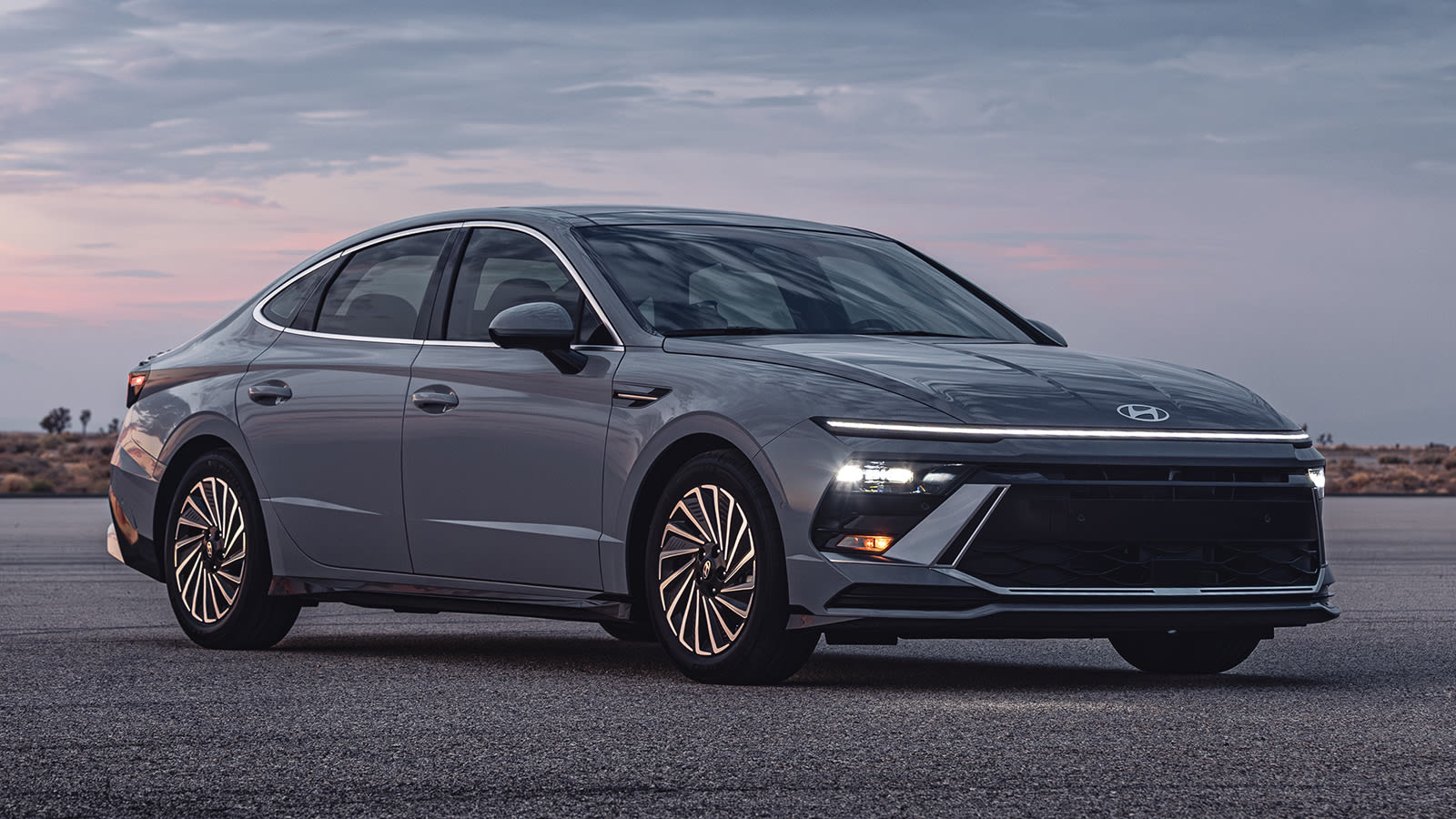
Models such as the Toyota Camry and Honda Accord have been able to maintain strong resale values due to their consistent performance, low maintenance costs, and widespread recognition. Other sedans like the Mazda6, Subaru Legacy, and Hyundai Sonata have also made significant strides in quality and desirability, helping them retain value better than many competitors.
On the other hand, some sedans depreciate much more rapidly. Vehicles like the Nissan Altima, Ford Fusion, Chevrolet Malibu, Volkswagen Passat, and Kia Optima often lose about half of their value within just two years of ownership. Reasons for this steep decline include reliability concerns, lower demand, outdated styling, or the manufacturer’s decision to discontinue a model.
Additionally, shifts in consumer preferences toward SUVs and crossovers have further decreased the appeal of many traditional sedans, contributing to their quick loss in value. This article will highlight five sedans that have proven to hold their value well and five that tend to lose a substantial portion of their worth in a short time.
Comparing these vehicles provides insights into what buyers should consider when aiming to make a financially sound purchase. By examining the reasons behind the differences in depreciation rates, prospective buyers can better understand how to select a sedan that balances initial cost with long-term value retention.
Also Read: 5 Forgotten Family Cars That Last vs 5 Bestseller Family Cars With Issues
5 Sedans That Hold Value Well
Toyota Camry
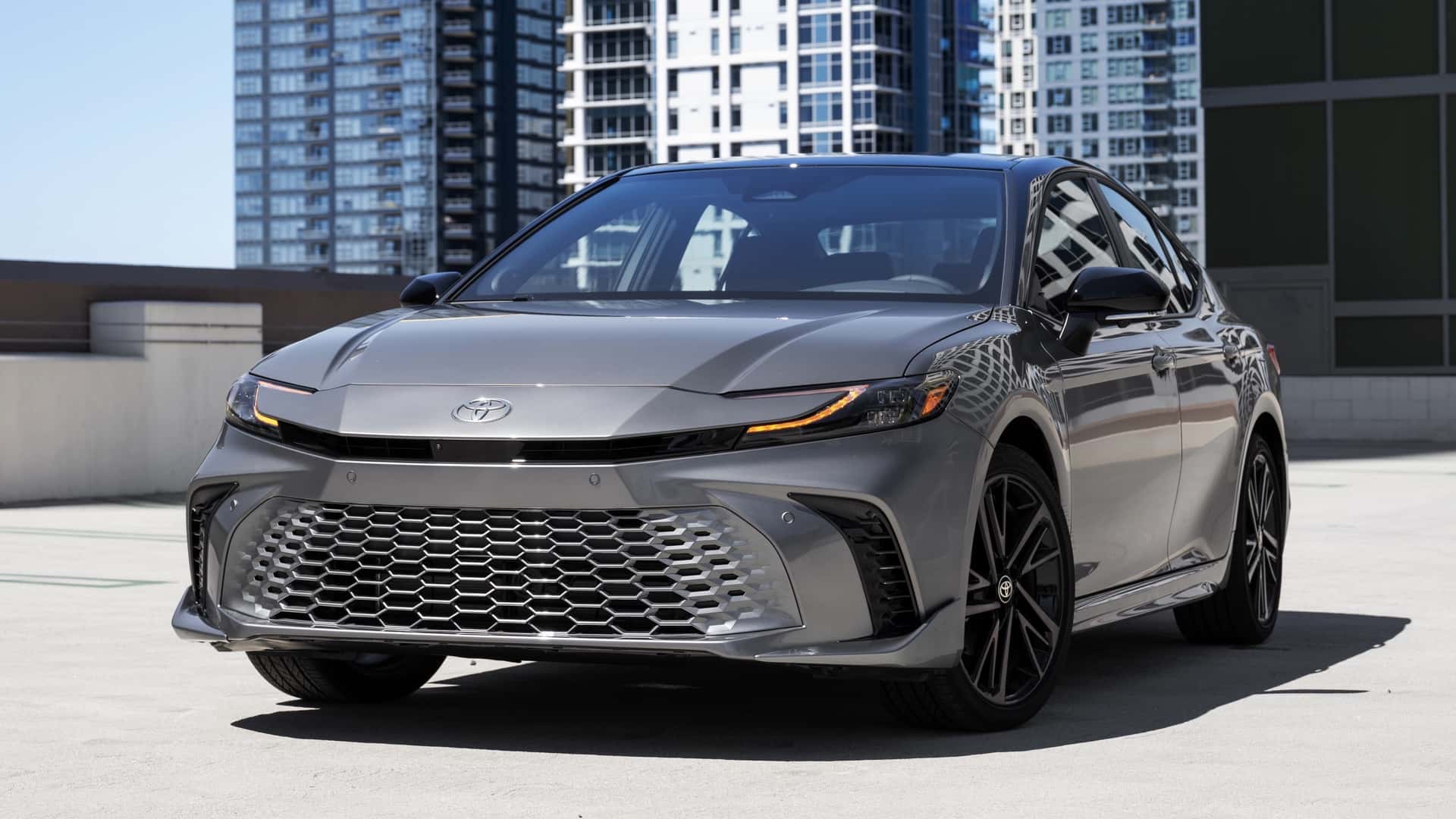
The Toyota Camry is widely regarded as one of the most reliable and practical sedans on the market, which directly translates into strong resale value. For decades, the Camry has built a reputation for durability and low maintenance costs, making it highly sought after in the used car market.
Even after years of ownership, Camrys tend to run smoothly and attract buyers looking for dependable transportation. The car’s fuel efficiency, combined with a comfortable ride and ample features, further boosts its appeal. These qualities create steady demand, which helps keep resale prices relatively high.
In addition to reliability, Toyota’s brand image plays a significant role. Toyota is known for producing vehicles that age well and hold up under regular use. The Camry’s consistent sales success means that there are plenty of buyers looking to purchase one secondhand, which supports strong trade-in values.
It’s not just the initial buyer who benefits; those looking to sell or trade in their Camry after a few years typically receive a good return compared to other sedans in the same segment.
Moreover, the Camry has evolved with changing consumer preferences without losing its core identity. The latest models include modern technology, enhanced safety features, and stylish design updates that keep it competitive.
Because it remains relevant and well-liked, the Camry’s resale value doesn’t suffer from becoming outdated quickly. This adaptability, combined with Toyota’s well-earned reputation for quality, keeps the Camry near the top of value retention charts.
Finally, the Camry’s affordability when new also contributes to its resale strength. It offers good value for the money, making it accessible to a broad range of buyers. This wide appeal increases demand in the used market, which in turn slows depreciation. For those looking to buy a sedan with strong resale value, the Toyota Camry is a reliable and smart choice.
Honda Accord
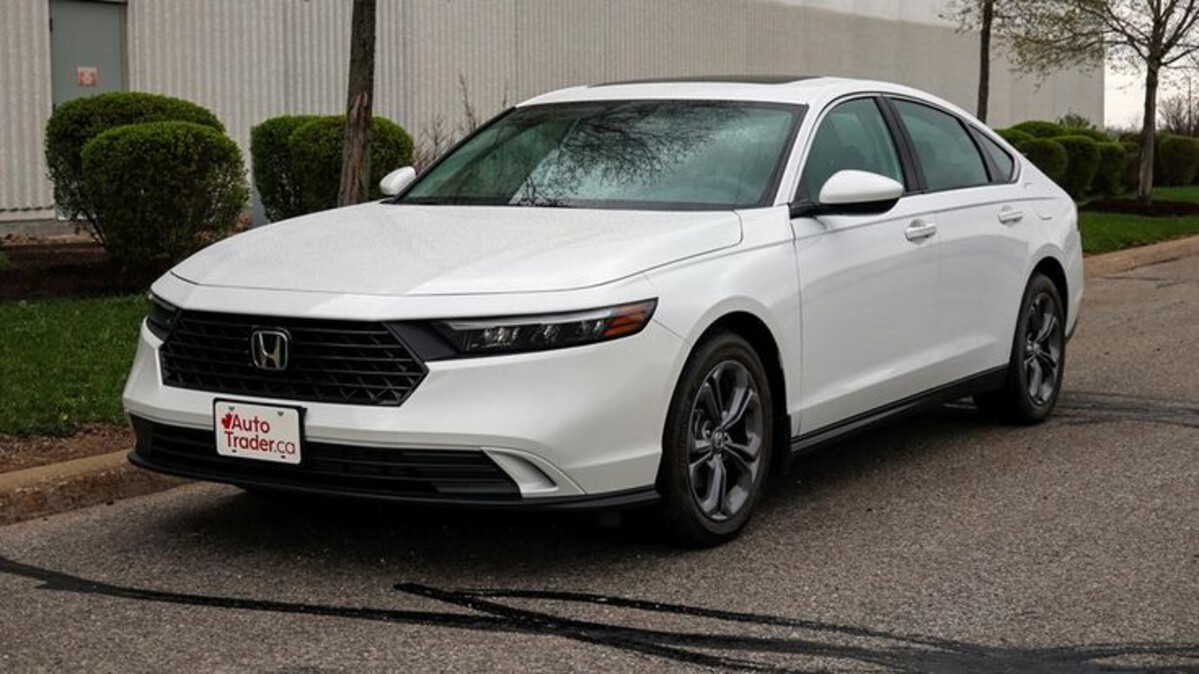
Like the Camry, the Honda Accord has long been a favorite in the midsize sedan category, known for its strong resale value and reliability. The Accord balances performance, comfort, and fuel economy, making it a practical daily driver.
Honda’s engineering prowess ensures that Accords maintain good condition even after years of use, which translates into a higher trade-in value and resale price. The combination of solid build quality and a smooth driving experience keeps demand high in the used car market.
Honda’s reputation for durability and owner satisfaction reinforces the Accord’s value retention. Buyers are confident that a used Accord will last for many years with minimal issues, which makes the model popular among both individual buyers and fleet operators.
The Accord’s consistent rankings in reliability studies and consumer reports further strengthen its resale prospects. Because of this, the Accord often ranks among the top vehicles in terms of depreciation rates.
Additionally, the Accord has benefited from a modern and attractive redesign in recent years, incorporating advanced technology, improved safety features, and efficient powertrains.
These updates keep it competitive against newer competitors, allowing owners to resell the car at a better price even after a couple of years. The vehicle’s fuel efficiency, including hybrid options, also appeals to a wide audience focused on reducing fuel costs.
The Honda Accord’s reputation, combined with its value for money and well-rounded performance, means it holds its value well. It is a solid option for buyers who want a dependable sedan that won’t lose too much of its worth shortly after purchase.
Mazda6
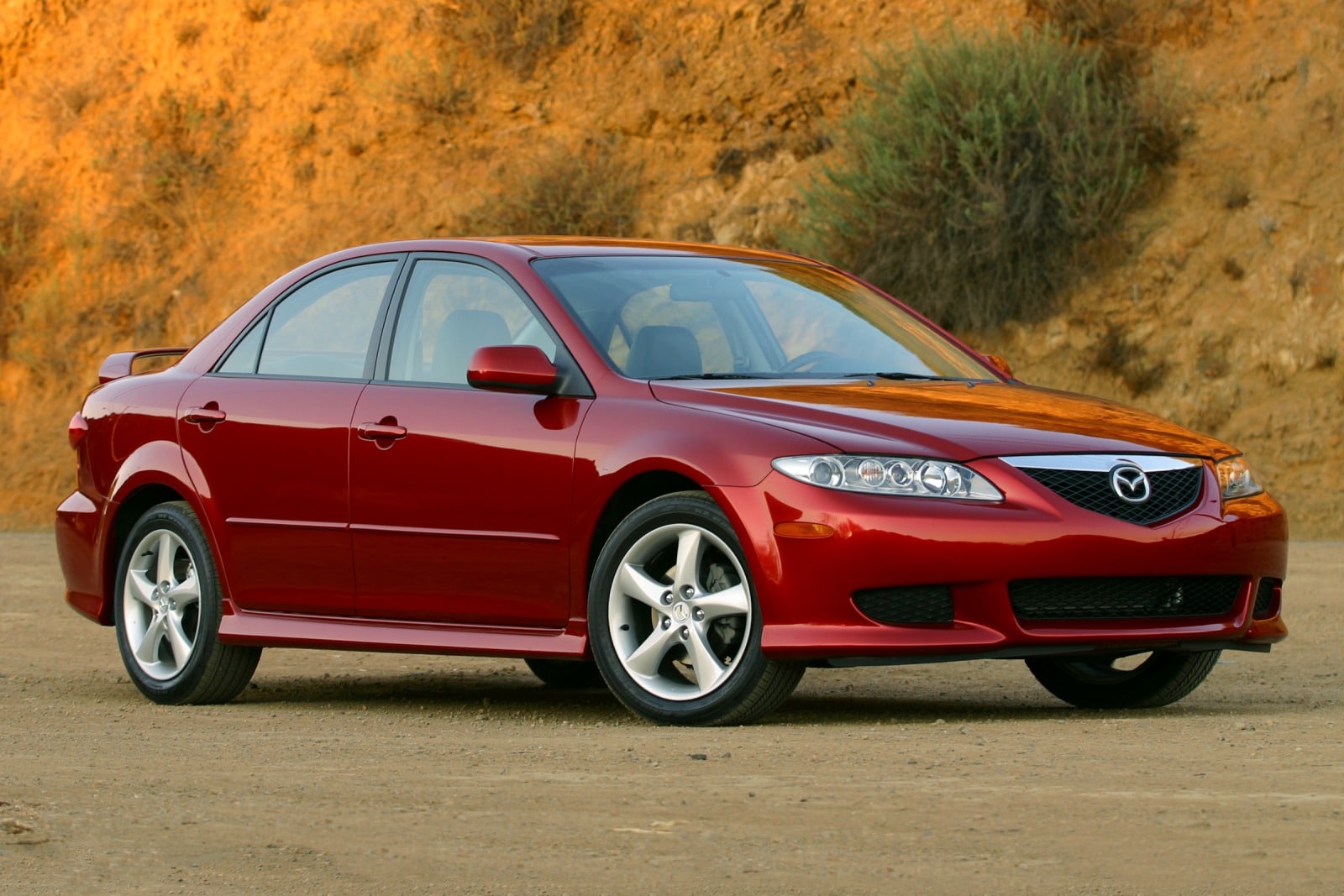
Mazda6 has made a name for itself as a sporty yet practical midsize sedan with good value retention. While not as universally popular as the Camry or Accord, Mazda’s commitment to quality materials, driving dynamics, and reliability has helped the Mazda6 carve out a loyal following.
Its engaging driving experience, combined with a stylish design, makes it stand out among other sedans in its class. This unique appeal helps maintain demand in the used car market and bolsters resale values.
Mazda has worked hard to build a reputation for craftsmanship and engineering excellence, which extends to the Mazda6. The vehicle is praised for its refined interior, responsive handling, and fuel-efficient engines.
These qualities contribute to an package that remains attractive even several years after purchase. Buyers looking for a sedan that is enjoyable to drive but also practical often turn to the Mazda6, creating steady demand.
Another factor supporting the Mazda6’s resale value is its competitive pricing when new. While it may not be as affordable as the Camry or Accord, the Mazda6 provides a premium feel without reaching luxury car prices. This balance encourages buyers who want style and substance but still want to keep ownership costs reasonable.
Lastly, Mazda’s recent focus on improving reliability and adding modern technology helps keep the Mazda6 relevant in a rapidly changing market. The presence of advanced safety systems and infotainment options in newer models helps maintain interest among buyers and supports stronger resale values compared to sedans that lag in these areas.
Subaru Legacy
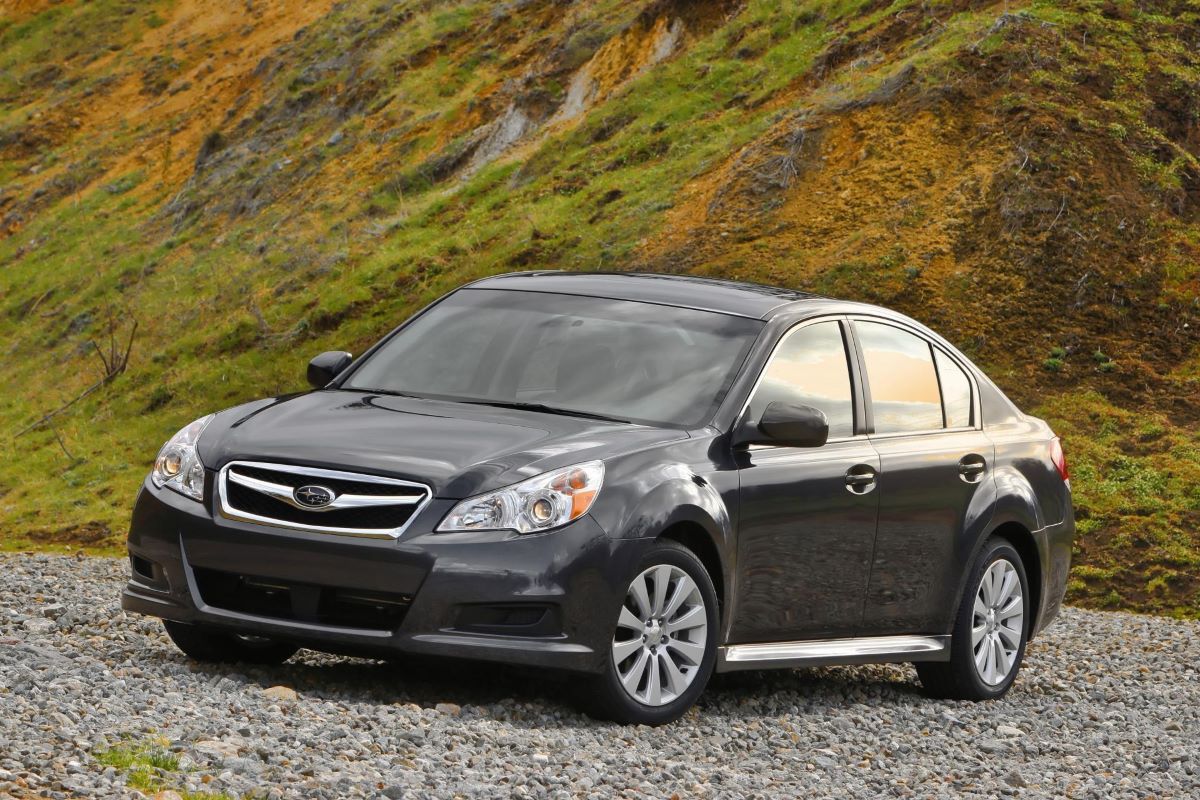
The Subaru Legacy stands out among midsize sedans due to its standard all-wheel-drive system, which is a rarity in this segment. This feature alone gives it a significant advantage in markets with challenging weather conditions, such as snow or heavy rain, boosting its appeal and resale value. Subaru’s brand is associated with outdoor lifestyles and safety, which adds to the Legacy’s desirability among used car buyers.
Subaru also enjoys a loyal customer base because of its strong emphasis on safety features and reliability. The Legacy is equipped with Subaru’s EyeSight driver assist technology, which has received positive reviews and adds value by improving driver confidence. Vehicles with advanced safety features often hold their value better because they attract buyers prioritizing security and accident prevention.
In terms of design and performance, the Legacy offers a comfortable ride with sufficient power and efficient fuel economy, making it a practical option for families and commuters alike. The blend of performance and utility, combined with all-wheel drive, allows the Legacy to maintain a distinct position in a crowded sedan market.
Additionally, Subaru’s reputation for reliability and the Legacy’s reasonable pricing contribute to its value retention. While it may not reach the resale highs of the Camry or Accord, the Legacy generally depreciates more slowly than many competitors. This makes it a solid choice for buyers in regions where all-wheel drive is particularly desirable.
Hyundai Sonata
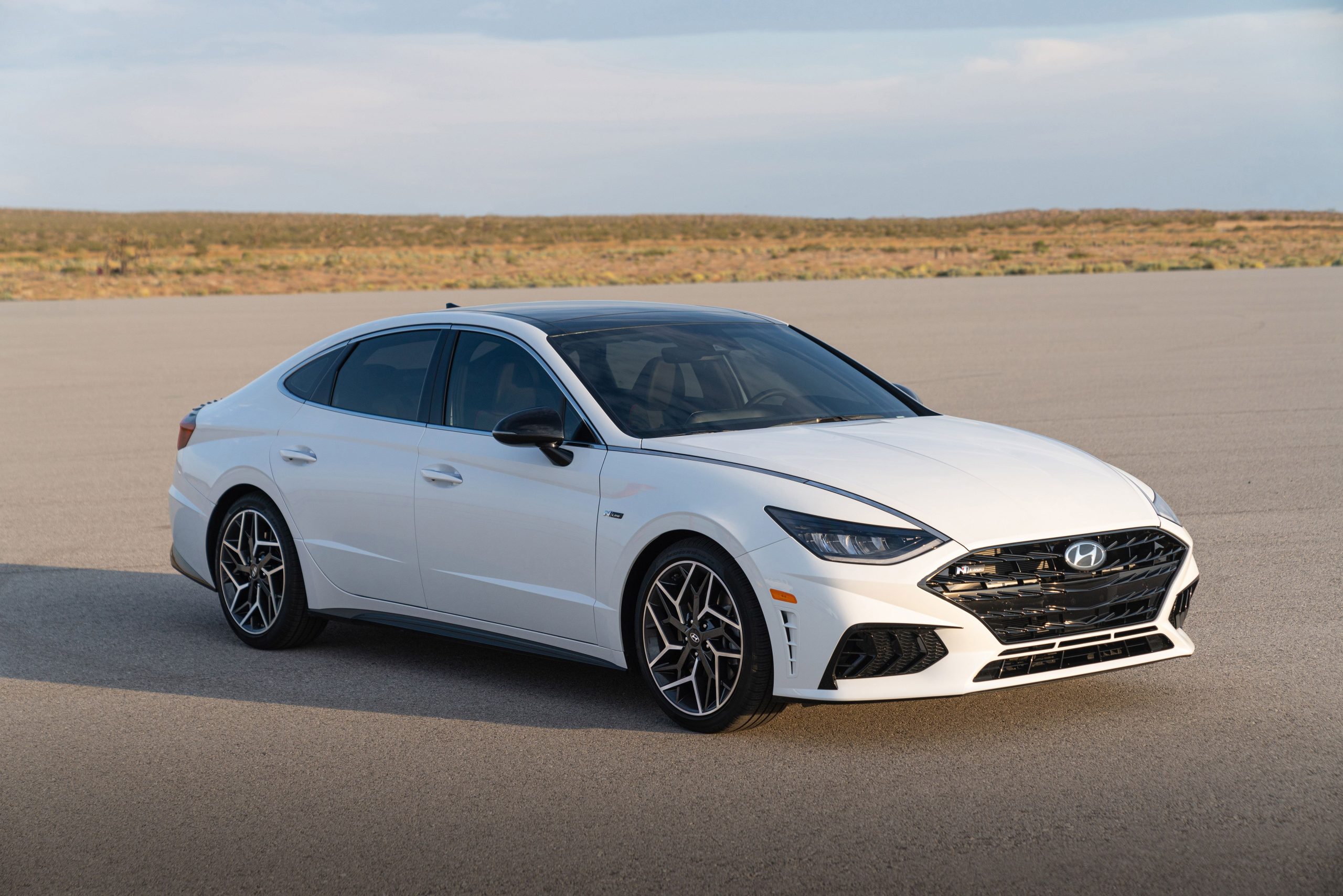
The Hyundai Sonata has dramatically improved over the years in terms of quality, design, and reliability, which has helped it retain value better than it once did.
Previously considered a budget-friendly option with higher depreciation, the Sonata’s recent generations have earned praise for their upscale interiors, advanced features, and improved build quality. These improvements have led to increased demand in the used market.
Hyundai’s strong warranty coverage and growing reputation for reliability have reassured buyers that the Sonata is a sensible purchase. The brand’s commitment to innovation and technology, including hybrid powertrain options and safety systems, has elevated the Sonata’s standing among midsize sedans. These features make the Sonata attractive not just as a new car but also as a used vehicle.
The Sonata’s pricing strategy also helps its resale value. While it remains affordable compared to luxury brands, it offers many features that appeal to buyers looking for a well-equipped sedan. This balance of value and quality creates steady demand, which helps the vehicle maintain its price over time.
Furthermore, Hyundai’s emphasis on design has led to eye-catching Sonatas that stand out on the road. This visual appeal combined with practical attributes makes the Sonata competitive in terms of depreciation rates. Buyers often find that Sonatas hold their value better than expected given their price point.
5 Sedans That Lose Half Their Value Within Two Years
Nissan Altima
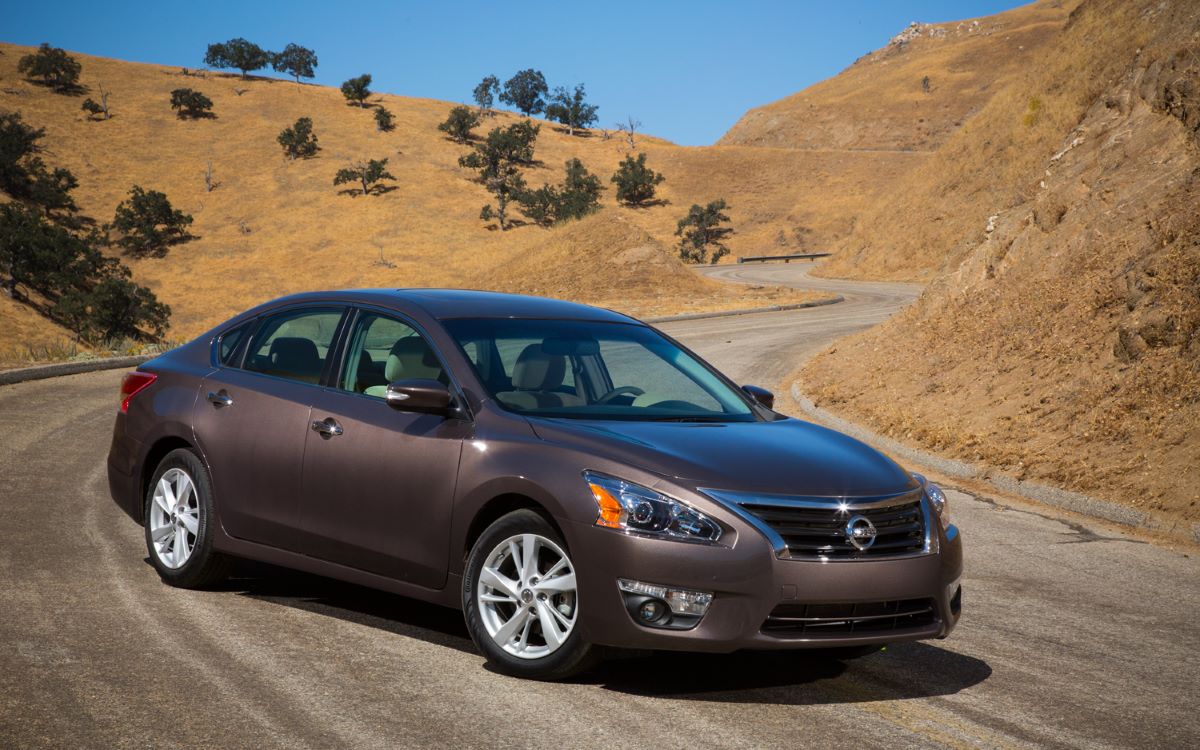
The Nissan Altima, once a popular choice in the midsize sedan market, has struggled in recent years to keep pace with its competitors in terms of value retention. While it offers some appealing features such as all-wheel drive and fuel-efficient engines, the Altima faces significant challenges when it comes to holding its resale price. One major factor is its inconsistent reliability record.
Several model years have been plagued by issues, particularly with the continuously variable transmission (CVT), which has experienced higher failure rates compared to rivals. This has created a perception among buyers that owning an Altima might lead to unexpected repair costs and inconvenience, making the car less attractive on the used market.
In addition, the Altima suffers from intense competition. Models like the Toyota Camry and Honda Accord have long dominated the segment due to their strong reputations for reliability and owner satisfaction. When consumers consider used sedans, these brands are often their first choice, which pushes down the demand for Altimas.
This reduced demand is directly linked to rapid depreciation. Furthermore, Nissan has not always kept the Altima’s styling and technology current, meaning it can quickly feel outdated compared to newer models offering advanced driver assistance systems and modern infotainment.
Another important consideration is that Nissan’s brand image has taken a hit in some markets due to recalls and past reliability concerns, which affects buyers’ confidence. Many shoppers tend to avoid models with histories of mechanical issues, especially when better alternatives exist.
This dynamic makes it hard for the Altima to maintain a strong resale value, despite its competitive pricing and sometimes attractive features like a spacious interior and comfortable ride.
Finally, buyers should also keep in mind that while the Altima might be priced competitively when new, the steep depreciation means the cost of ownership over the first two years can be relatively high. Insurance rates, maintenance, and repairs may offset the initial savings.
For those who plan to sell or trade in their Altima within a couple of years, the financial hit can be substantial, making it less appealing than more value-retentive sedans.

Ford Fusion
The Ford Fusion once enjoyed solid popularity in the midsize sedan segment but has seen a rapid decline in value over the past few years. A major reason for this steep depreciation is Ford’s decision to discontinue the Fusion, which was part of a broader shift away from sedans toward SUVs and trucks.
When a manufacturer ceases production of a model, potential buyers tend to become wary because they worry about the availability of replacement parts, future repairs, and resale potential. This drop in confidence leads to fewer buyers in the used market, which inevitably lowers the car’s resale price.
Reliability issues have also contributed to the Fusion’s decline. Several model years suffered from problems related to transmission performance and electronic components, causing dissatisfaction among owners.
Negative reports from consumer reviews and reliability surveys have harmed the Fusion’s reputation. When potential buyers research used sedans, they often choose vehicles with a proven track record of dependability, steering away from the Fusion because of its mixed history. This impacts the Fusion’s resale value severely.
The Fusion’s styling and technology have not aged well compared to newer sedans. While it once featured competitive looks and tech offerings, it now faces stiff competition from more recent models with advanced safety features, modern infotainment systems, and fuel-efficient powertrains.
Buyers looking for the latest technology often overlook the Fusion, further depressing its value. The sedans that offer more modern conveniences are usually able to command higher resale prices.
Finally, the decline in sedan popularity relative to SUVs and crossovers has hurt the Fusion disproportionately. The shift in consumer preference means fewer people are interested in midsize sedans, especially those that lack a strong brand or standout features. As a result, the Fusion has become less desirable, leading to faster depreciation and making it a poor choice for those concerned about holding value.
Chevrolet Malibu
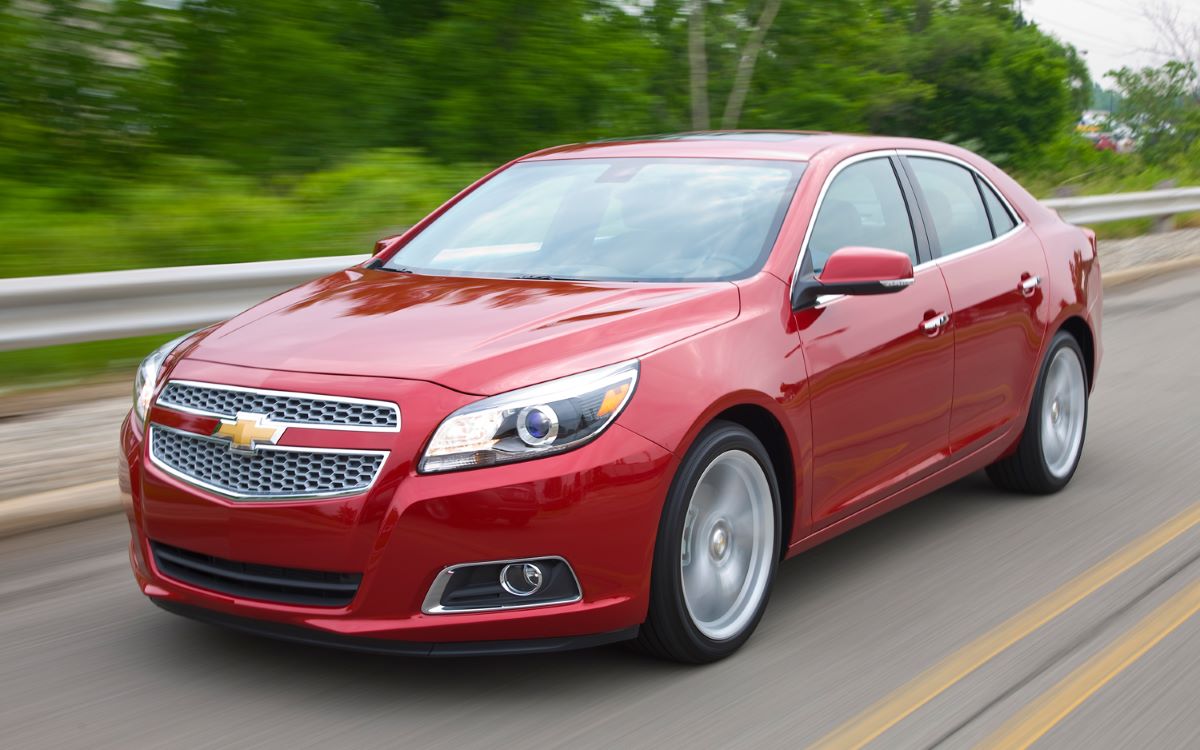
The Chevrolet Malibu is another sedan that tends to lose a significant portion of its value within the first two years. Despite its comfortable interior and respectable fuel economy, the Malibu suffers from a lack of consistent reliability and an uneven reputation in the marketplace.
Owners have reported issues particularly related to transmission failures and electrical malfunctions, which increases maintenance costs and reduces buyer confidence in used Malibus. These concerns cause a drop in demand when it comes time to resell or trade in the vehicle.
Chevrolet faces stiff competition in the midsize segment, especially from the Toyota Camry and Honda Accord, which have established themselves as reliable, long-lasting vehicles with strong resale values.
Because of this, many buyers gravitate towards these competitors when shopping for a used sedan, leaving the Malibu behind. This lower demand results in quicker depreciation. Furthermore, the brand’s inconsistent quality across its model range has sometimes left customers hesitant to invest in Chevrolets, especially compared to Japanese brands known for durability.
Styling and technology also play a significant role in the Malibu’s rapid depreciation. Although the Malibu was once praised for its sleek design, it has not kept pace with newer rivals in terms of advanced safety systems, infotainment, and refinement.
Buyers who want a modern driving experience often choose sedans with cutting-edge features, causing the Malibu to lose its appeal. This lack of technological competitiveness accelerates the decline in value as newer models enter the market.
Lastly, while the Malibu may be priced attractively when new, the fast depreciation means it quickly loses its financial advantage. Owners who purchase a new Malibu may find that after just a couple of years, their vehicle is worth far less than expected, making it less cost-effective in the long run. This makes the Malibu a riskier investment for those focused on resale value.
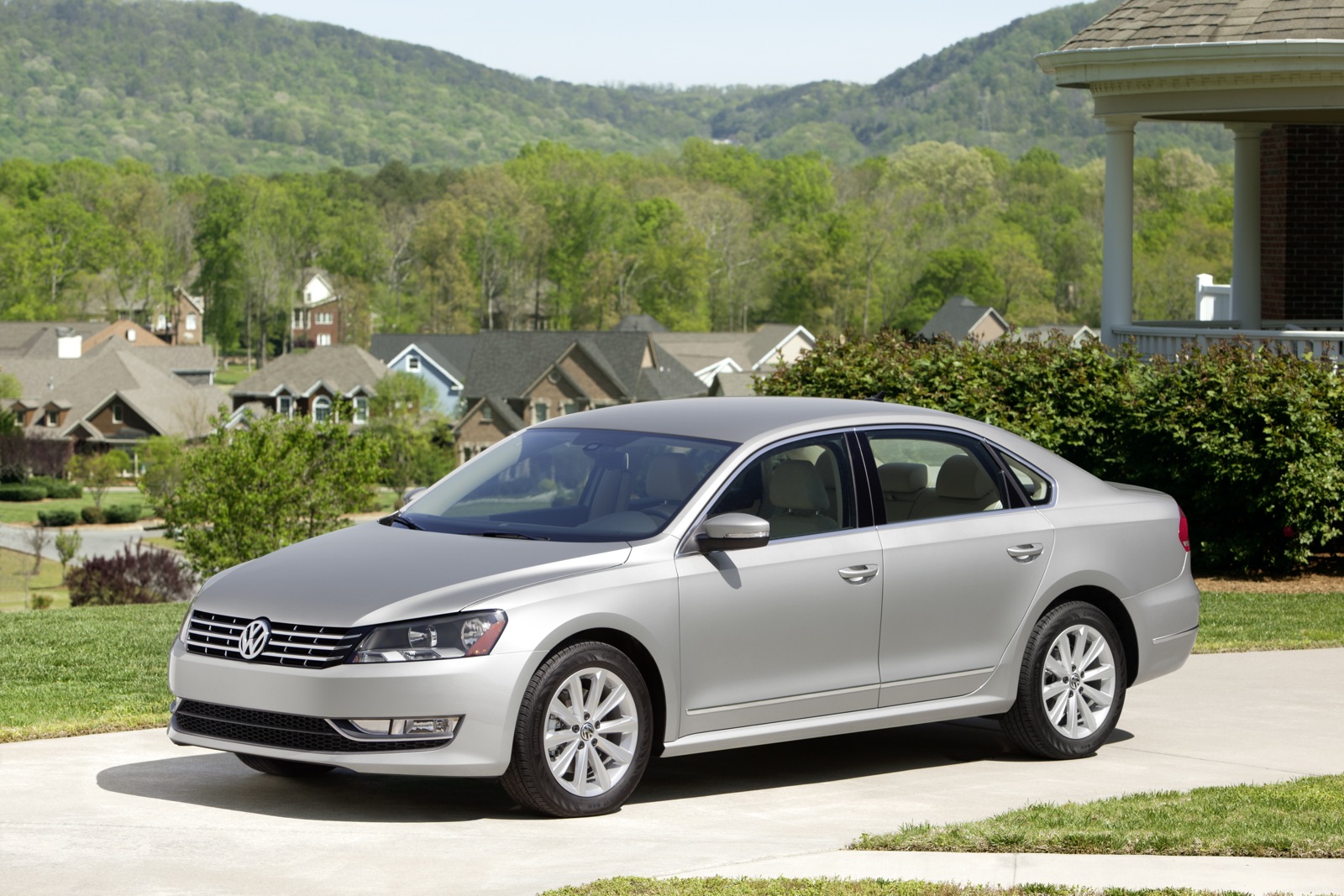
Volkswagen Passat
The Volkswagen Passat is known for its spacious interior and European styling, but it struggles with rapid depreciation after purchase. One key reason is the vehicle’s reliability and maintenance profile.
European cars, including Volkswagens, tend to have higher repair and maintenance costs compared to Japanese or American brands, which can scare off potential used car buyers. While the Passat offers a refined driving experience and quality materials inside, the increased cost of upkeep lowers its attractiveness in the resale market.
The Passat has also faced challenges related to certain powertrains and transmissions, which have been prone to mechanical issues in some model years. These problems have led to negative consumer feedback and higher repair expenses. As a result, buyers often hesitate to pay premium prices for used Passats, contributing to faster depreciation. Even though the car excels in comfort and interior space, reliability concerns weigh heavily on resale values.
Volkswagen’s brand image in the United States has taken a hit from past emissions scandals and ongoing questions about long-term reliability. These issues have eroded buyer confidence and affected resale values across the VW lineup. The Passat, despite its positive attributes, has been caught in this negative perception. Buyers often opt for alternatives perceived as more trustworthy, which drives down Passat prices quickly after purchase.
Moreover, the Passat has struggled to keep up with advances in fuel efficiency and technology compared to newer sedans. While it remains a solid, comfortable vehicle, it lacks some of the modern features and driver aids that many consumers expect today. The lack of these conveniences reduces its desirability in the used car market. Consequently, the Passat typically loses a significant amount of its value within the first two years.
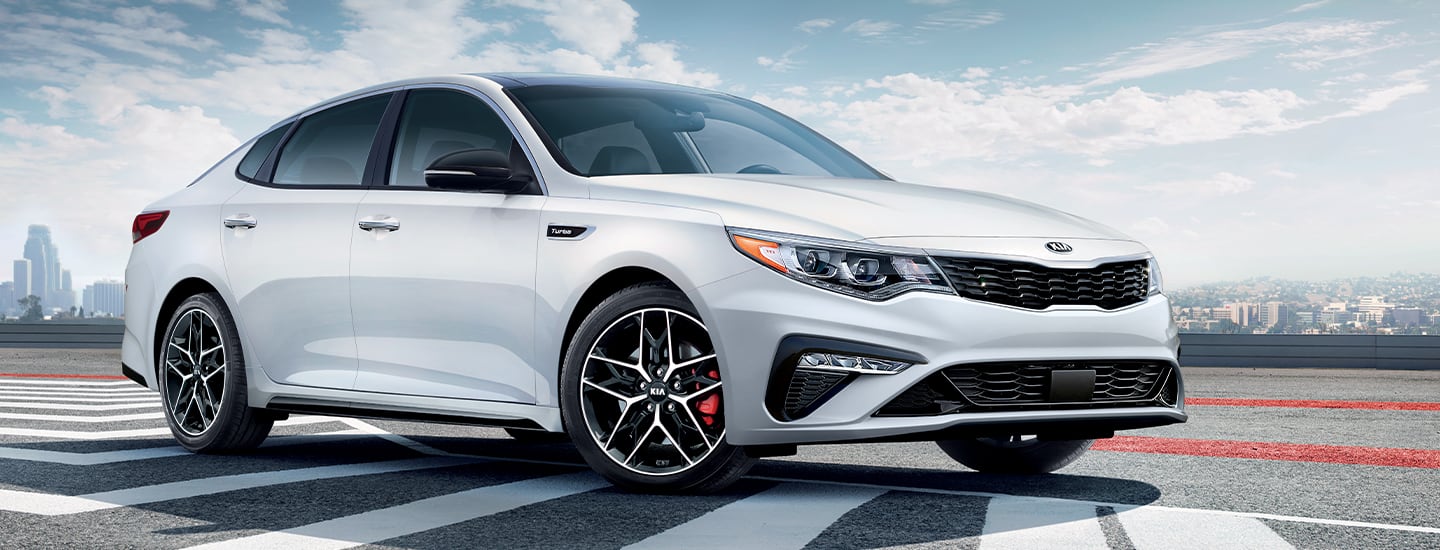
Kia Optima
The Kia Optima, which has recently been rebranded as the Kia K5, was once considered an affordable midsize sedan option, but it is known for depreciating rapidly. The Optima’s initial appeal was its aggressive pricing and long warranty, which attracted budget-conscious buyers.
However, these factors alone were not enough to ensure strong resale value. Early model Optimas, in particular, suffered from reliability issues such as transmission problems and electrical glitches, which damaged the brand’s reputation and slowed demand for used vehicles.
Kia, historically seen as a value brand rather than a premium automaker, struggled to shake this perception for many years. Buyers often viewed the Optima as less durable or refined compared to more established competitors like the Toyota Camry or Honda Accord. This perception made the Optima less attractive on the resale market, even as the vehicle itself improved. Lower resale demand translates directly into faster depreciation.
While newer Kia models have dramatically improved in terms of quality, design, and technology, the Optima nameplate still carries the baggage of its earlier iterations. Many consumers remain cautious when considering used Optimas, which depresses resale prices. In addition, the Optima’s styling and interior quality lagged behind some rivals for a time, which also hurt its appeal in the used car market.
Finally, the aggressive initial pricing strategy, while beneficial for new car sales, works against the Optima’s resale value. Buyers who purchase the car new often find that its value drops quickly, meaning the cost of ownership can be higher than expected once depreciation is factored in. For those prioritizing long-term value, this steep depreciation makes the Optima a less desirable choice.
Also Read: 5 Cars Rated Best for First-Time Buyers and 5 Giving New Drivers Fits
Understanding the depreciation characteristics of sedans is crucial for anyone planning to buy a vehicle, especially when considering the total cost of ownership over time. The difference between sedans that hold their value well and those that lose half their price within two years can be significant, often translating into thousands of dollars saved or lost.
The five sedans that retain value, the Toyota Camry, Honda Accord, Mazda6, Subaru Legacy, and Hyundai Sonata, share common traits that make them desirable in both new and used markets. Their strong reputations for reliability, quality construction, updated features, and steady demand create a positive cycle that keeps resale values higher.
The Toyota Camry and Honda Accord, in particular, have built long-standing reputations as dependable, efficient, and well-rounded vehicles. Their consistent performance over decades has created buyer confidence, making them among the safest bets for value retention.
The Mazda6 and Subaru Legacy provide added appeal with distinctive driving experiences and unique features such as all-wheel drive, respectively. Meanwhile, the Hyundai Sonata’s recent improvements in quality and design have helped it overcome its past reputation, positioning it as a solid contender in the resale market.
Conversely, the five sedans that depreciate rapidly, Nissan Altima, Ford Fusion, Chevrolet Malibu, Volkswagen Passat, and Kia Optima, highlight the risks of purchasing models that either struggle with reliability, have fallen out of favor with consumers, or suffer from outdated design and technology.
These vehicles often face tough competition from more popular and trusted brands, leading to decreased demand in the used market. Additionally, some have been discontinued or overshadowed by the growing preference for SUVs and crossovers, further accelerating their loss in value.
Reliability concerns, higher maintenance costs, and less modern technology are recurring themes among the rapidly depreciating sedans. These issues reduce buyer confidence and make it more challenging for owners to recoup their investment when selling or trading in their vehicle. Even attractive initial pricing cannot compensate for steep depreciation, which often results in higher ownership costs.
Buyers who prioritize value retention should focus on sedans with proven track records of durability, strong brand reputations, and continuous updates in safety and technology.
While upfront cost is important, considering long-term depreciation is equally essential for making a financially wise purchase. By choosing sedans known for holding their value, owners can reduce the impact of depreciation, enjoy better resale prices, and lower the total cost of ownership.
The industry of sedans continues to evolve, but the fundamental principles of reliability, demand, and brand strength remain critical to value retention. Whether purchasing new or used, understanding these factors helps buyers avoid costly mistakes and select sedans that provide both enjoyment and financial sense over the years.
