
Compact SUVs have become the go-to vehicle for drivers looking to balance efficiency, size, and everyday practicality. Whether used for commuting, road trips, or transporting the family, they sit in a sweet spot between full-size SUVs and smaller sedans.
With their elevated driving position, extra cargo space, and improved fuel economy compared to larger SUVs, it’s no surprise that compact crossovers dominate sales charts. However, not all compact SUVs are created with the same level of care or durability in mind. Some are designed to last well past 200,000 miles with minimal trouble, while others begin to fall apart long before that milestone is even close.
When it comes to buying a car, especially one you plan to keep for a long time, it’s critical to understand which models are engineered for long-term use and which ones carry hidden problems that only appear after a few years. Many vehicles look promising during a test drive.
The ride is smooth, the features are impressive, and the design is appealing. But time reveals what’s underneath. Years of real-world use start to expose issues in drivetrain design, material quality, electronics, and build consistency. These aren’t always obvious right away, but they have a major effect on ownership experience down the road.
Some compact SUVs hold up well to daily driving, bad weather, neglected maintenance, and thousands of stop-and-go miles. Their engines keep running smoothly, their transmissions shift reliably, and the interior materials age with grace. Other vehicles, however, begin to show wear much sooner.
They start with small inconveniences, flickering lights, loose trim, failed sensors, but can eventually lead to major mechanical failures. These problems don’t just create stress for the owner; they often result in a total loss of value, high repair bills, and a shortened lifespan for the vehicle.
This article compares five compact SUVs known for their ability to go the distance with five models that tend to wear out too soon. The list is based on general knowledge of ownership patterns, long-term cost of repairs, engine reliability, and build quality.
It’s not about which car has the most horsepower or best touchscreen; it’s about which models you can count on to perform day after day, year after year. Whether you’re buying new or used, the information here can help you avoid expensive mistakes and choose a compact SUV that fits not just your current lifestyle but your future needs as well.
Also Read: Top 10 Cars With Easy-to-Clean Floors and Accessible Interiors
5 Compact SUVs That Can Handle Years of Driving
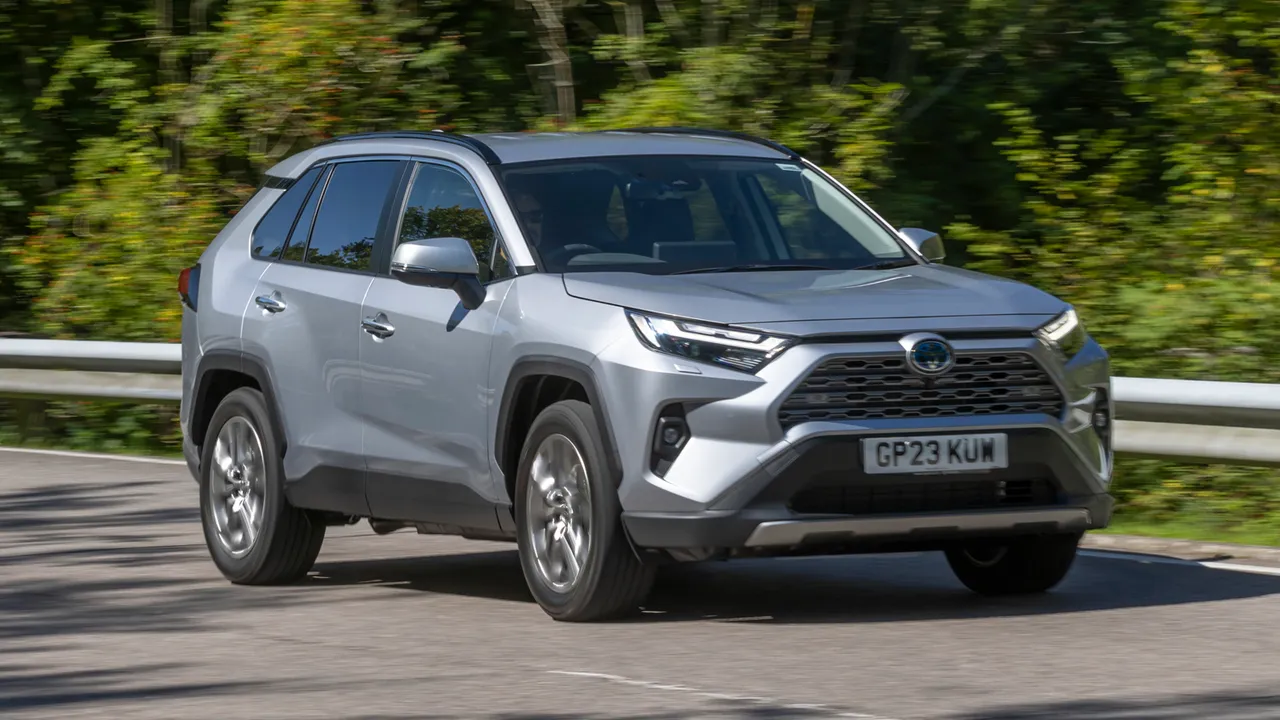
1. Toyota RAV4 – Built to Last
The Toyota RAV4 has built a strong reputation for longevity and reliability. Owners often report hitting 200,000 miles with few major repairs required, which speaks volumes about its engineering. The engine options, especially the naturally aspirated four-cylinder, are known for their balance of power and efficiency. Toyota has focused on building a vehicle that’s easy to maintain, making it a favorite among people who want to drive their car for over a decade without worrying about costly breakdowns.
One reason for the RAV4’s long-lasting performance is the conservative approach Toyota takes with design changes. Instead of pushing boundaries every year, the company prefers incremental improvements that preserve what already works. This has resulted in fewer recalls and lower long-term repair costs. Even older models from the early 2010s are still seen on the road in good condition. That kind of durability doesn’t happen by accident; it’s the result of consistent quality control.
The RAV4 also tends to age well when it comes to comfort and usability. The interior materials aren’t the flashiest, but they hold up better than some competitors, especially after years of daily use. Seats don’t wear out quickly, buttons and switches remain functional, and infotainment systems avoid the kind of bugs that plague other brands. This means owners aren’t just saving money on repairs but also enjoying a vehicle that feels solid even after a long time.
From a resale perspective, the RAV4 keeps its value longer than most compact SUVs. That’s not only a sign of buyer confidence but also an indication of how well these vehicles last. For people who want something they can trust year after year, the RAV4 remains a strong and safe bet.
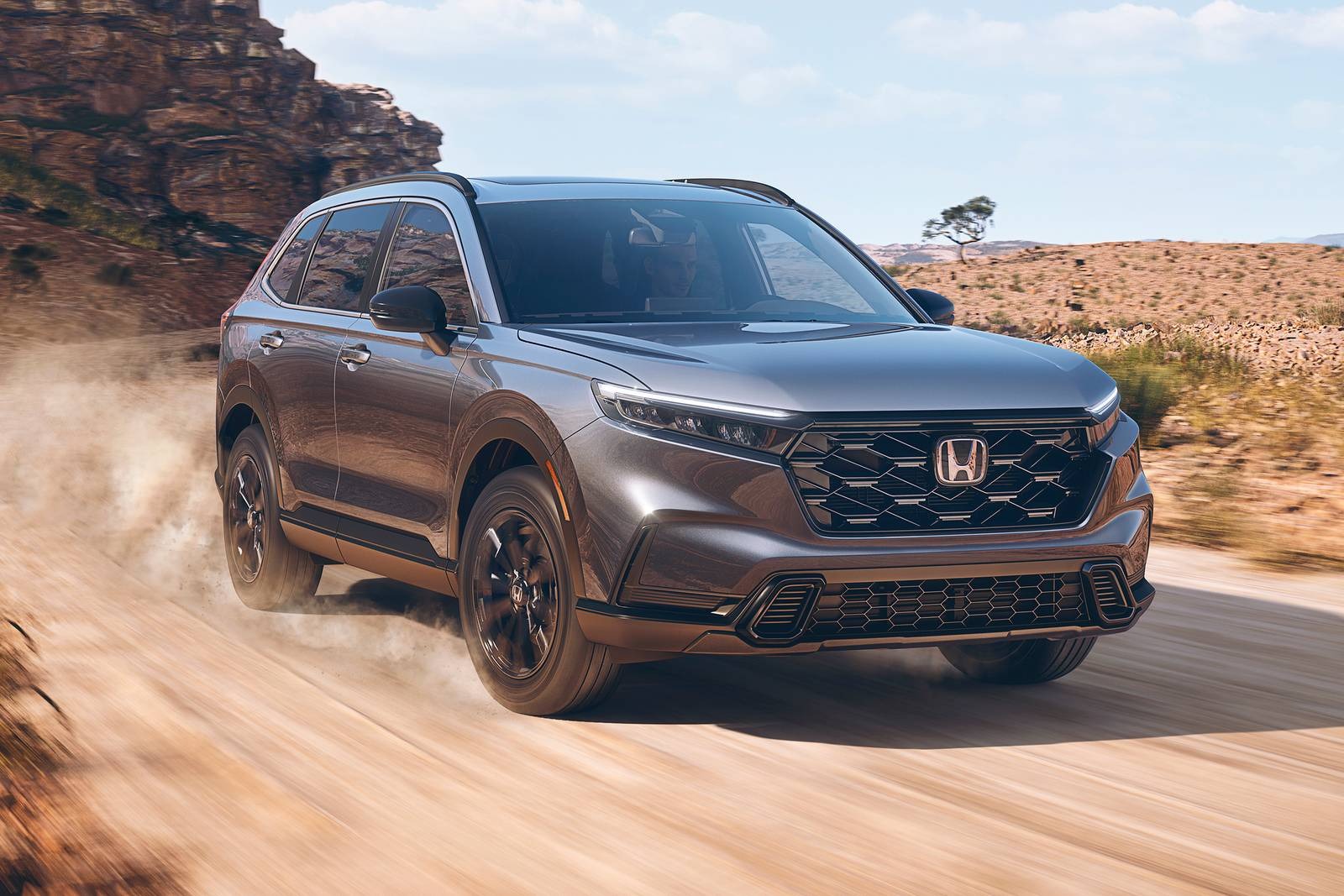
2. Honda CR-V – Consistently Reliable
The Honda CR-V has long been known for its dependable performance and low running costs. Many drivers report trouble-free ownership well past the 150,000-mile mark. Honda’s approach to engineering focuses on efficiency and simplicity, which pays off in the long term. The CR-V’s engines are refined, transmissions are smooth, and the suspension system handles wear and tear better than most competitors in its class.
Older CR-Vs, especially those from the 2012–2016 generation, are often still running strong today with minimal major issues. One of the keys to this reliability is Honda’s use of proven drivetrain components. The 2.4-liter engine, in particular, has a reputation for being nearly indestructible with regular maintenance. Combined with straightforward mechanics, it makes the vehicle relatively easy and inexpensive to service over the years.
Interior durability is another strength. While not as upscale as some rivals, the materials inside a CR-V are chosen for function and longevity. Soft plastics hold up well under heavy use, and even after years of driving, the cabin retains a neat and functional look. Electronics like the air conditioning and audio systems are known to last without requiring replacements every few years.
The CR-V also offers strong fuel economy, which helps reduce ownership costs over the long haul. Some compact SUVs lose their efficiency as they age, but CR-Vs tend to stay consistent if they are well-maintained. For those who prioritize long-term durability over flashy designs or cutting-edge features, the CR-V continues to be one of the top choices in the segment.
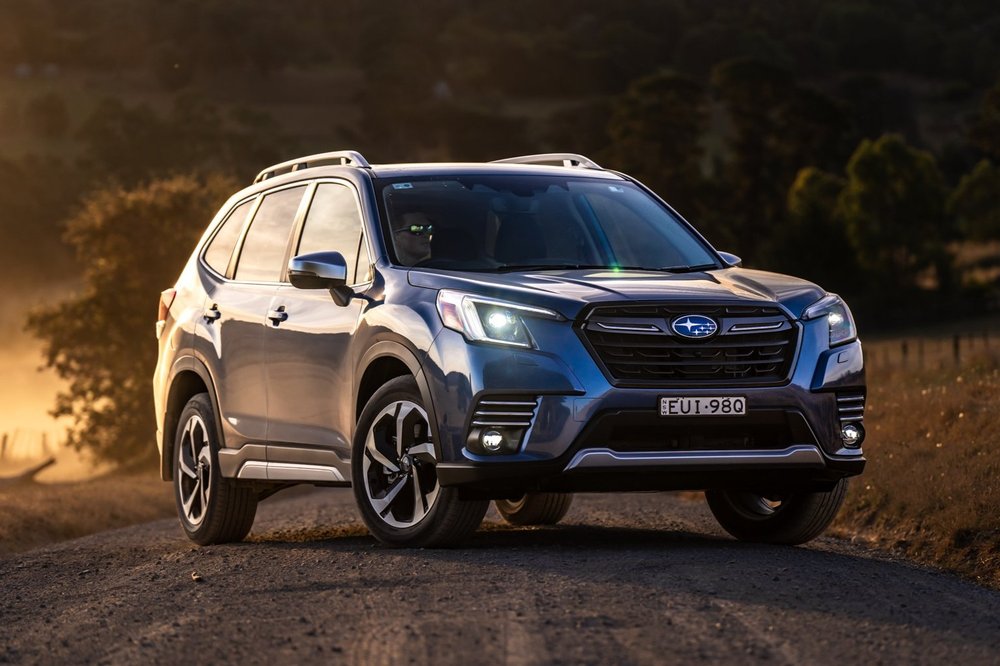
3. Subaru Forester – Tough in All Conditions
The Subaru Forester is often chosen for its all-wheel drive system and its ability to perform well in a wide range of weather conditions. However, it’s not just the AWD that makes this SUV a long-term performer. The Forester has a reputation for being structurally solid and mechanically dependable. Many older Foresters from the early 2000s and 2010s are still seen regularly on the road, often with 200,000 or more miles.
One standout feature is Subaru’s boxer engine, which provides a lower center of gravity and better balance on the road. Though some models in the past had head gasket issues, the company has worked to resolve these in newer versions. What remains is a vehicle that, when properly maintained, can handle long distances and rough roads without breaking down. The symmetrical all-wheel drive system also requires little maintenance, which contributes to its lasting appeal.
Owners often note that the Forester doesn’t feel worn out even after years of ownership. The driving experience remains stable and predictable, and the ride quality holds up better than many competitors, especially when the vehicle is used regularly on rough or unpaved roads. It’s not built for speed or luxury, but it’s built to survive.
Safety is another area where the Forester shines long-term. Structural integrity is strong even in older models, and the brand’s emphasis on passive and active safety features has helped these vehicles remain valuable long after their initial purchase. For those looking for a dependable SUV that won’t fall apart over time, the Forester continues to be a top option.
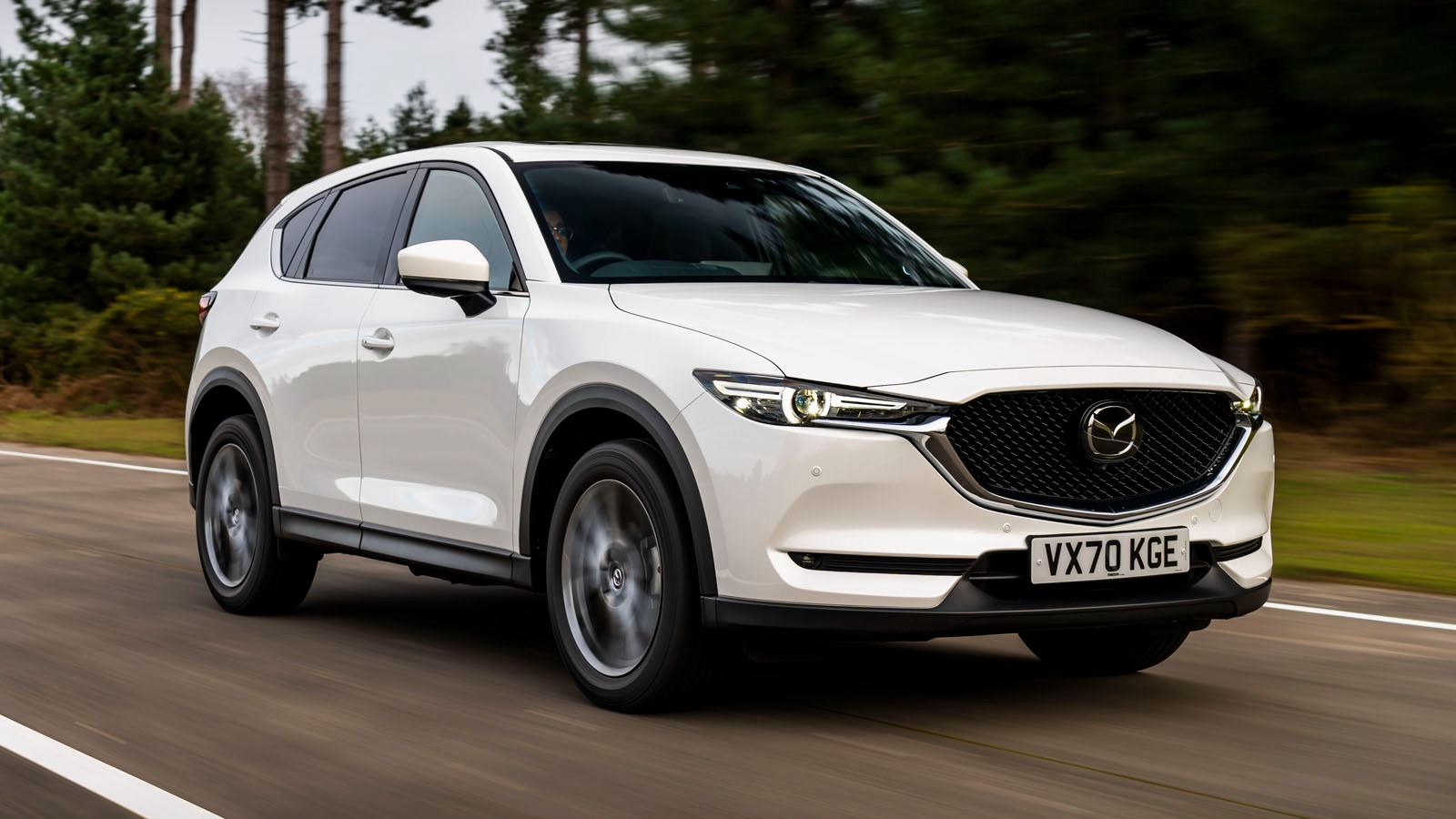
4. Mazda CX-5 – Reliable with Style
The Mazda CX-5 stands out for combining style and performance with long-term durability. While many stylish SUVs tend to compromise on reliability, the CX-5 bucks that trend. Mazda’s attention to detail, especially in how they tune their engines and transmissions, makes the CX-5 a strong choice for people looking for years of dependable driving without giving up on design or fun behind the wheel.
One of the strongest aspects of the CX-5 is its engine lineup. The naturally aspirated engines are especially resilient and tend to avoid the turbo-related issues seen in some competitors. Mazda has focused on improving engine longevity without over-complicating the design, resulting in fewer moving parts that could potentially fail. Regular oil changes and maintenance are usually all that’s needed to keep this SUV running strong for over 150,000 miles.
The build quality inside the CX-5 also deserves mention. Materials are higher-end than most compact SUVs, but they also resist wear surprisingly well. Unlike some competitors, where fake leather peels or buttons fade, the CX-5’s interior remains presentable after years of use. This quality extends to things like climate controls and touchscreen interfaces, which hold up even after extended exposure to daily use and weather changes.
Fuel economy and handling remain stable even as the car ages, which speaks to Mazda’s engineering consistency. Owners often remark that their vehicle “still drives like new” even after years of ownership. When you combine good handling, refined design, and long-term reliability, the CX-5 proves that you don’t need to sacrifice one to get the other.
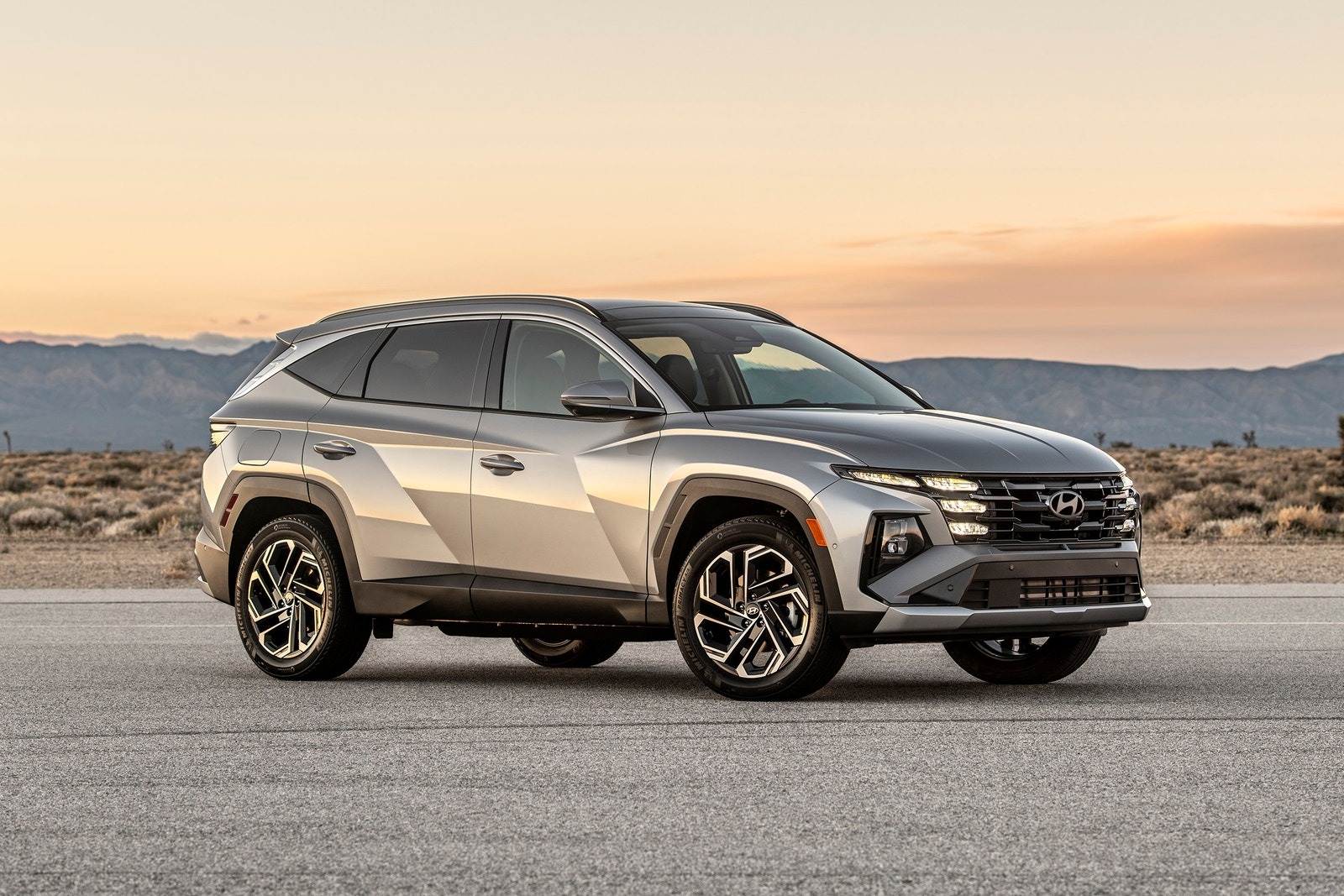
5. Hyundai Tucson (Post-2016) – Improved and Durable
Hyundai has made significant improvements over the years, and the post-2016 Tucson models show how far the brand has come in terms of build quality and reliability. Earlier generations had issues with transmissions and electrical systems, but the newer versions have earned respect for their dependability and thoughtful design. For buyers looking for a practical, reliable compact SUV with good warranty coverage, the Tucson has become a worthy option.
One major advantage of the Tucson is the simplified engine design in many of its models. While some automakers experiment with complicated turbocharged powertrains, Hyundai kept things relatively simple in their base models, which has resulted in fewer failures over time. The engines are responsive but not overworked, which is ideal for daily driving without accelerated wear.
Interior quality has also seen major improvements. The Tucson’s materials, stitching, and electronic systems are designed for ease of use and longevity. Dashboards don’t crack, screens don’t become unresponsive quickly, and the air conditioning system tends to remain strong even after years of operation. These seemingly small details matter a lot when trying to keep a vehicle in good condition over the long haul.
Hyundai’s long warranty also plays a role in encouraging better vehicle design. Knowing the company offers a 10-year powertrain warranty, many engineers had to make decisions that favored long-term performance. As a result, the post-2016 Tucson has become one of the better compact SUVs for buyers who want something they can count on year after year without a high cost of ownership.
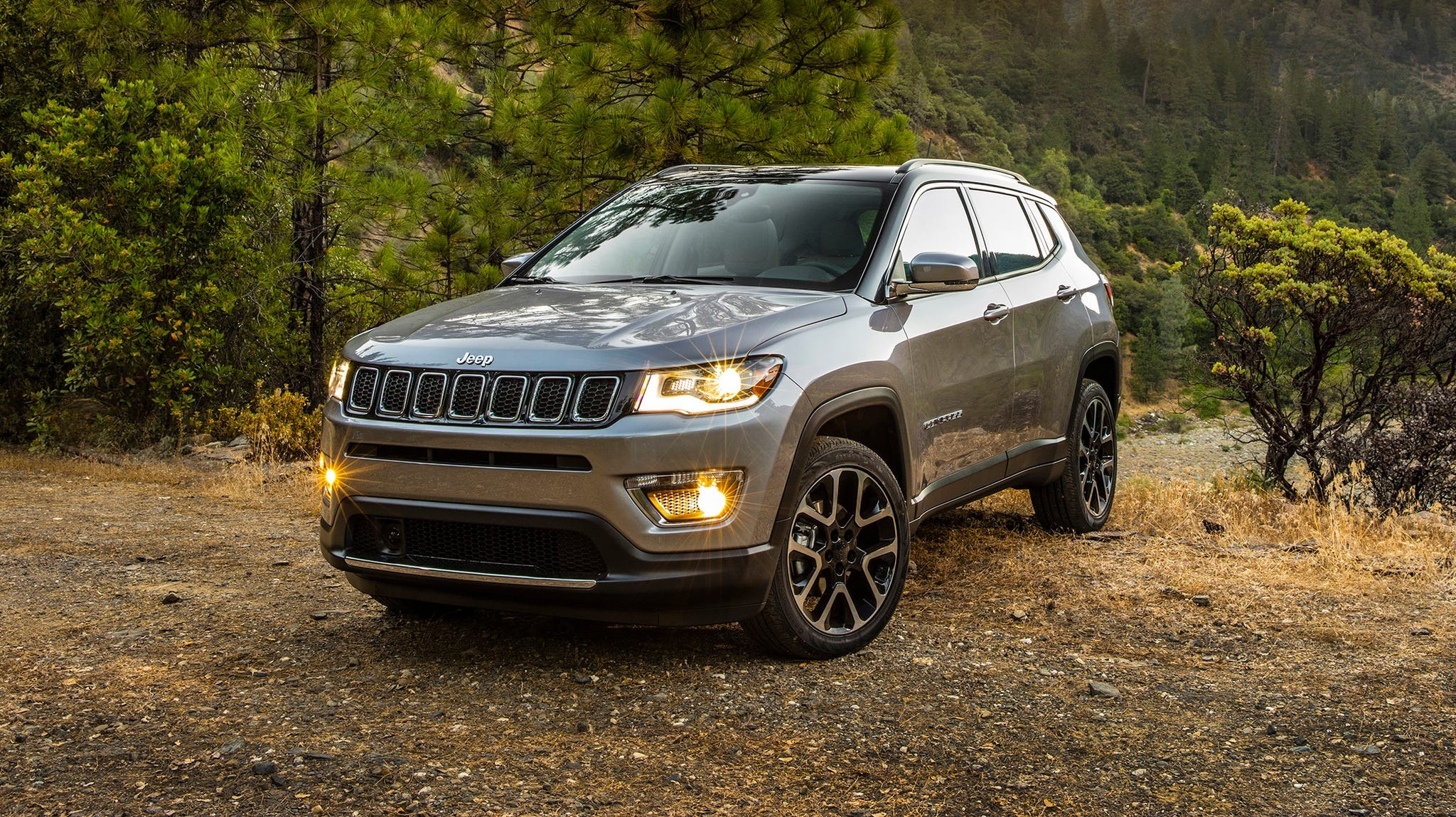
6. Jeep Compass – Attractive but Unreliable Long-Term
The Jeep Compass may look appealing at first glance, especially to those drawn to its rugged design and off-road branding. However, long-term ownership often reveals several problems that can turn into costly repairs. Transmission issues have been particularly common, especially with the CVT found in earlier models. Many owners report jerky gear shifts, hesitation, and full replacements before reaching 100,000 miles.
Another common problem is the interior quality. While the cabin design seems modern, the materials used are prone to early wear. Buttons wear out, screens glitch, and knobs may loosen or stop working altogether. These issues don’t prevent the car from driving, but they can become a nuisance over time and lower the quality of the ownership experience. Small problems like this tend to add up, leading to dissatisfaction even before major repairs arise.
Electronics and sensors also seem to fail more often than they should. Warning lights for engine or transmission faults can appear without a clear cause, which results in trips to the dealership and diagnostic fees. Some of these faults may be minor, but others result in expensive fixes that fall outside warranty coverage. This unpredictability makes it hard to trust the Compass as a long-term vehicle.
Even though the Compass has improved in recent years, the model’s history has created a shadow over its long-term reliability. Buyers looking for a compact SUV they can rely on past the 100,000-mile mark often find the Compass falling short, especially when compared to more proven competitors. Despite its looks and branding, the reliability just doesn’t hold up.
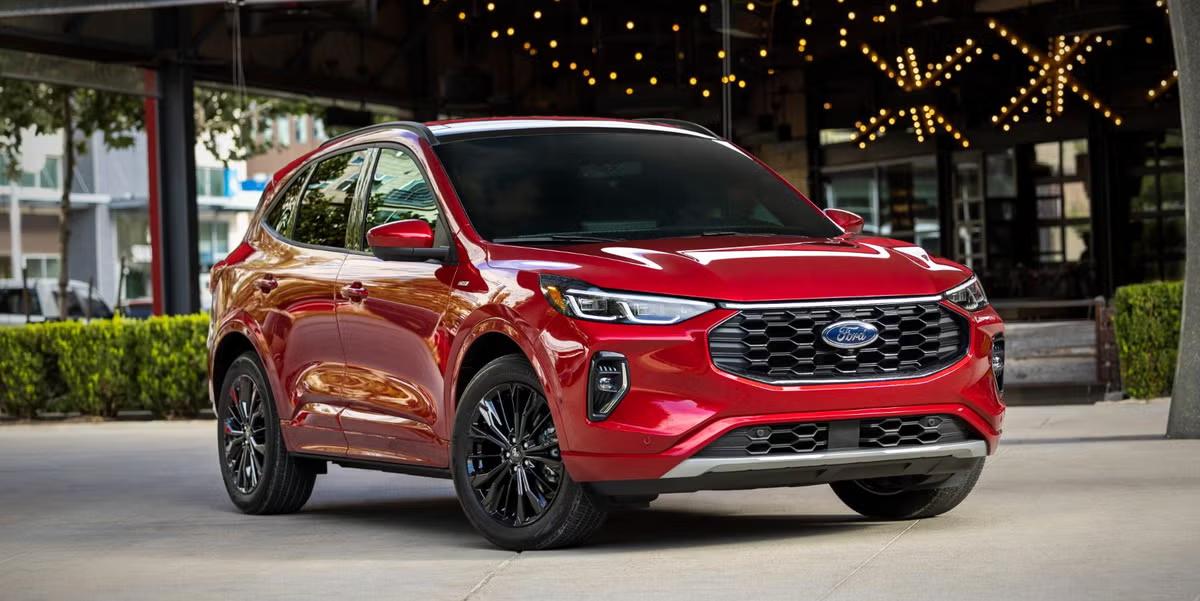
7. Ford Escape (2013–2019) – Plagued by Mechanical Issues
The Ford Escape went through a significant redesign in 2013, and while the styling and features were modernized, the reliability suffered in return. One of the most reported issues among owners is transmission failure, often occurring before the vehicle even reaches 100,000 miles.
Some drivers experienced rough shifting, slipping gears, and full transmission breakdowns that required expensive repairs or replacements. These kinds of failures can make long-term ownership difficult, especially for drivers who depend on their vehicle daily.
The EcoBoost engines introduced during this time were another selling point for the Escape, promising better fuel economy and performance. However, they also introduced a wave of complications. Coolant intrusion into the engine block, overheating, and turbocharger failures became common. These aren’t just minor inconveniences; they can lead to full engine replacements in some cases. For owners outside of warranty coverage, such repairs can cost more than the vehicle’s resale value, effectively forcing an early retirement.
Even beyond the drivetrain, other parts of the Escape tend to wear prematurely. Interior materials degrade quickly, especially in high-traffic areas like armrests and center consoles. Buttons on the dashboard may stop responding properly, and infotainment glitches are a common complaint.
Small things like broken air vents, malfunctioning sensors, or backup cameras can contribute to a sense that the car isn’t holding together well. These might not render the vehicle unusable, but they significantly affect user satisfaction and perception of value.
Another concern is the frequency of recalls and technical service bulletins released during these model years. The volume of post-sale fixes points to ongoing problems in design and manufacturing. While Ford made attempts to address many of the mechanical complaints, those fixes often arrived too late for owners who had already experienced costly breakdowns. For those planning to keep a compact SUV for more than a few years, the 2013–2019 Escape may present more risk than reward.
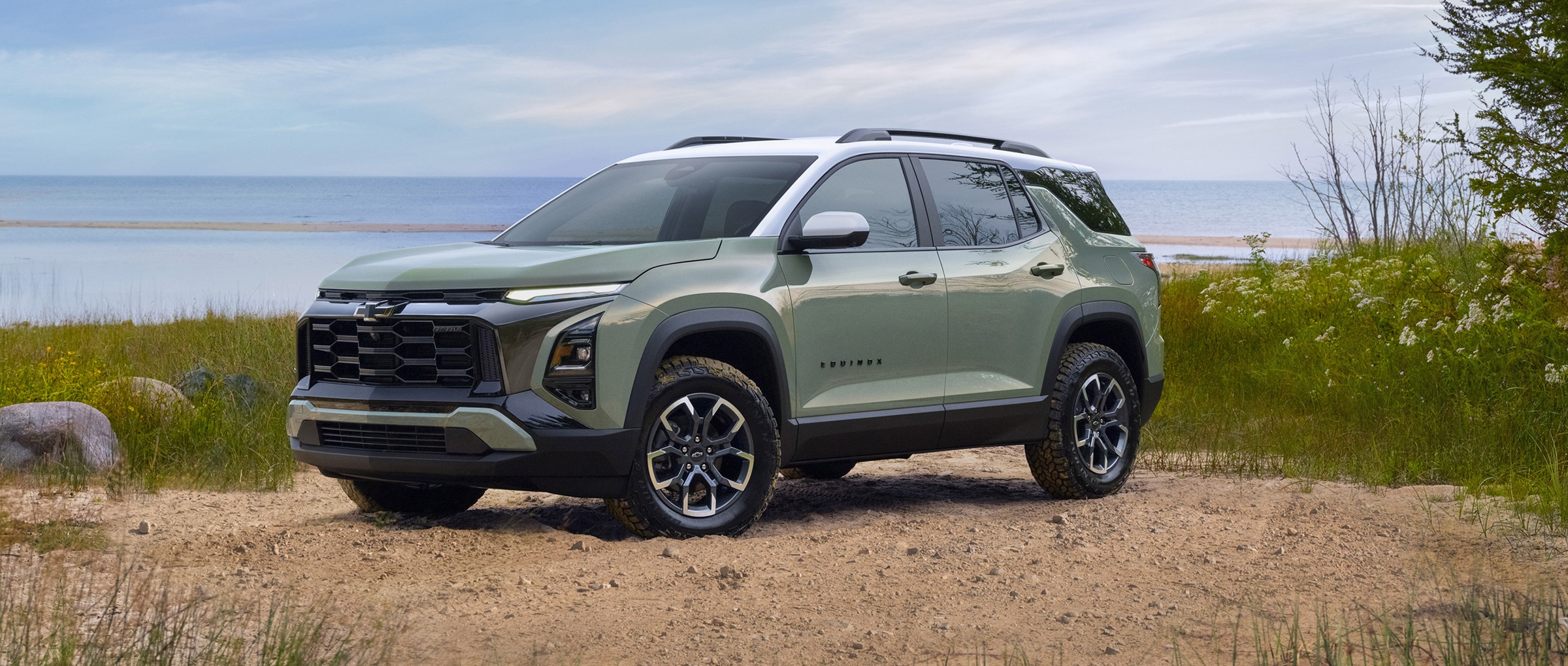
8. Chevrolet Equinox (2010–2017) – Engine Woes Are Common
The Chevrolet Equinox from the 2010–2017 model years has been widely criticized for its engine issues, especially the 2.4-liter four-cylinder engine found in many base models. Excessive oil consumption is one of the most prevalent problems, with some vehicles requiring a quart of oil every few hundred miles. If not caught in time, low oil levels can lead to complete engine failure, often without warning lights or prior symptoms. Many owners reported needing engine replacements before hitting 90,000 miles.
Another common mechanical problem involves the timing chain, which can stretch or fail prematurely. This often happens around the same time the vehicle begins to burn more oil, creating a perfect storm of mechanical failures. Unlike other components that wear slowly and give warning signs, timing chain issues can cause sudden engine damage. These types of failures not only result in high repair bills but also lower the confidence owners have in driving their vehicle long distances.
The six-speed automatic transmission in these Equinox models also poses a risk. Slipping, jerking, and slow shifting are recurring issues, especially in higher-mileage vehicles. In some cases, the transmission fails, adding yet another expensive item to the repair list.
Combined with the engine’s problems, the powertrain of this generation of Equinox is one of the weakest points of the vehicle. It may look like a budget-friendly option upfront, but long-term costs can quickly outpace the initial savings.
Cosmetic and comfort issues add to the vehicle’s decline in quality over time. Seat cushions wear flat quickly, dashboards develop rattles, and the touchscreens used in the infotainment systems often become unresponsive.
HVAC systems are known to malfunction, and some owners report complete A/C failure within a few years of ownership. All of this contributes to a vehicle that simply doesn’t age well. For a buyer looking to avoid major repairs and enjoy long-term use, the 2010–2017 Equinox falls short.
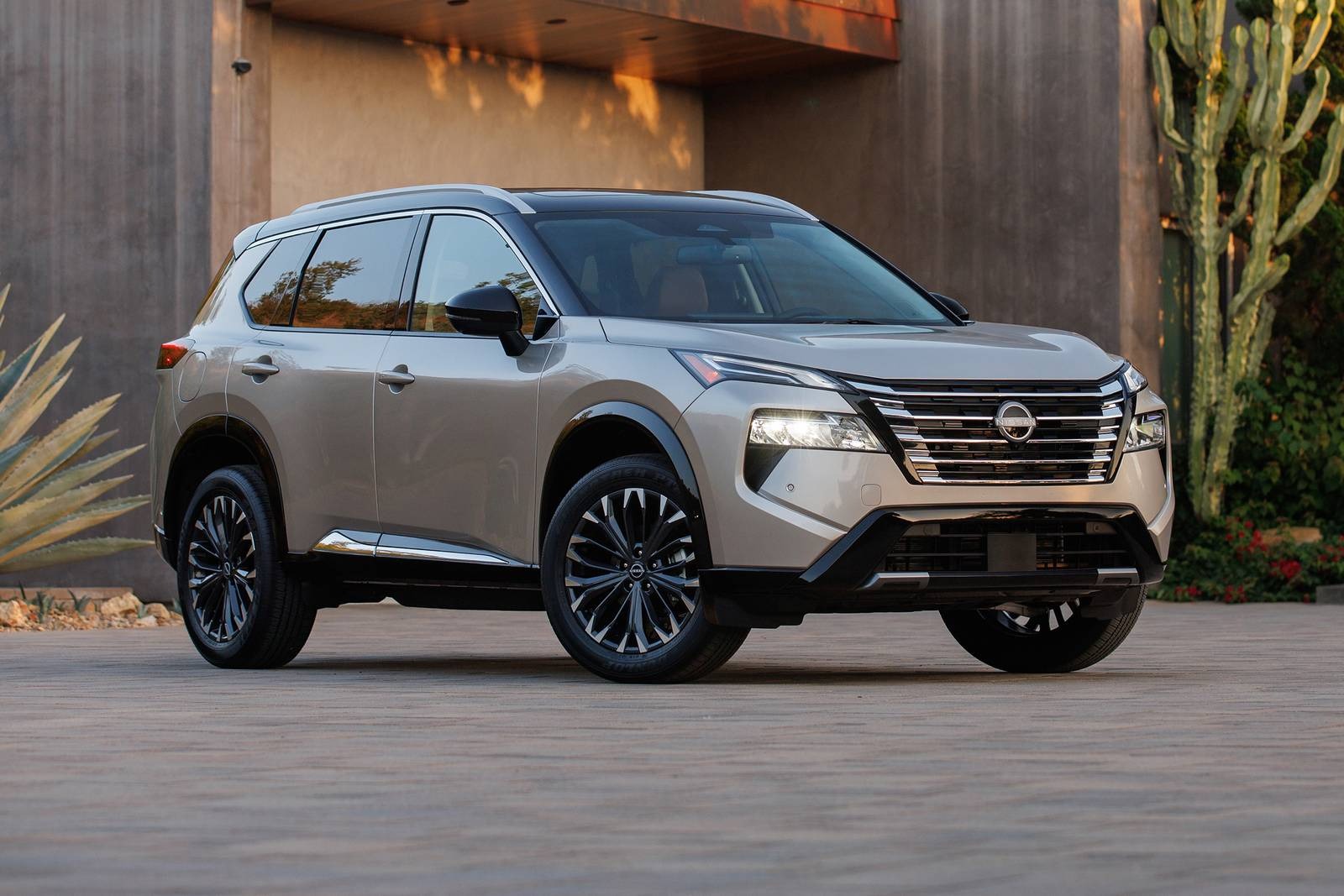
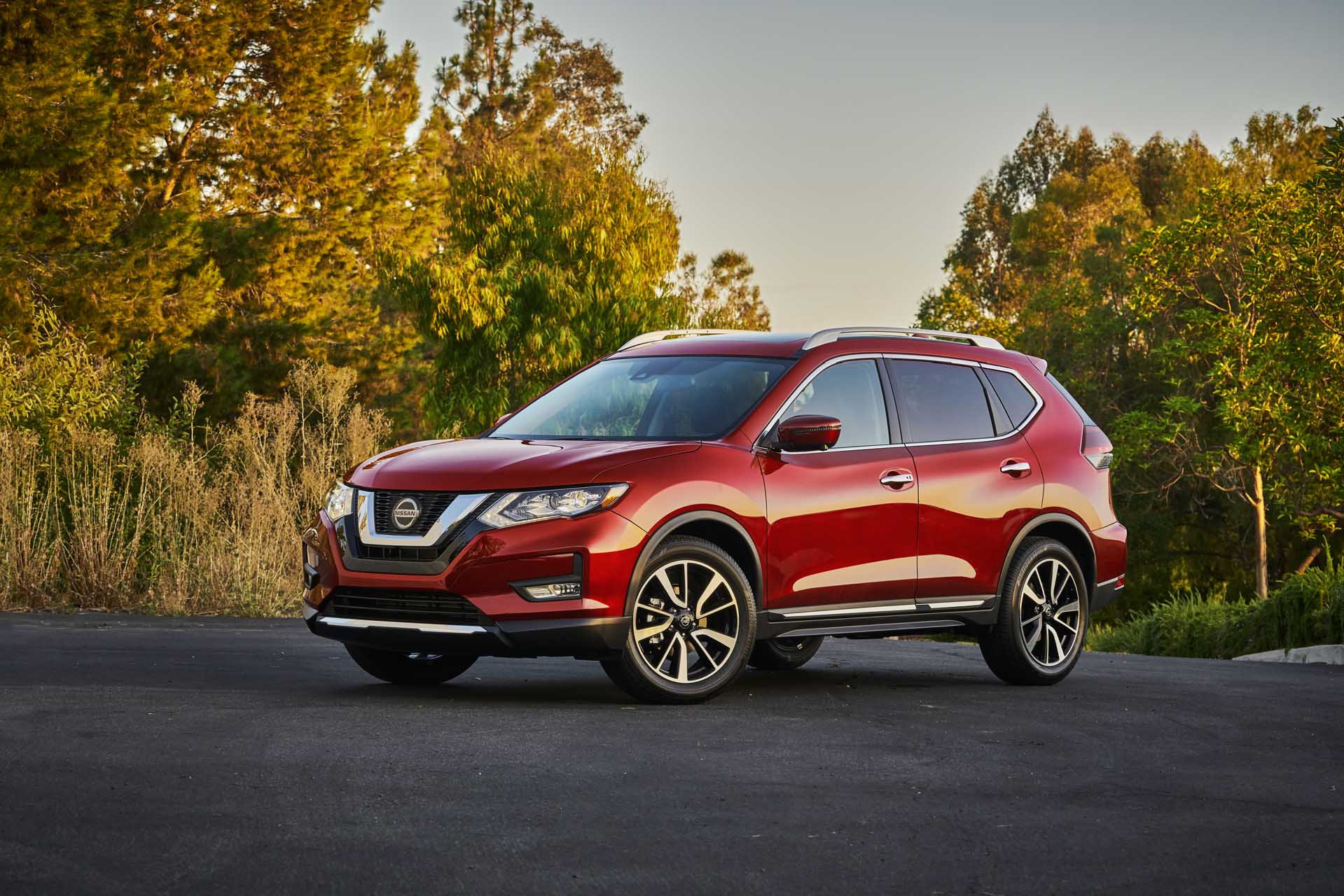
9. Nissan Rogue (Pre-2018) – CVT Problems Drag It Down
Nissan’s use of continuously variable transmissions (CVTs) in the Rogue was meant to improve fuel economy and reduce manufacturing complexity. Unfortunately, this move has backfired in earlier models, particularly those built before 2018.
The CVTs used in these vehicles are frequently cited for premature failure. Common symptoms include high-pitched whining, shuddering during acceleration, and sluggish gear response. Many drivers were forced to replace the transmission well before 100,000 miles, and some experienced issues even earlier.
The engine, while generally smooth and adequate in power, doesn’t offer much support in terms of long-term reliability either. With repeated strain from the underperforming CVT and a lack of refinement in power delivery, the drivetrain begins to feel sluggish as the miles increase. Fuel efficiency also starts to degrade as the system wears, which negates one of the car’s original selling points. For a vehicle marketed as practical and economical, that’s a serious drawback.
Beyond mechanical concerns, the build quality of early Rogues leaves a lot to be desired. Interior plastics scratch easily, seats lose their shape, and dashboards can rattle over rough roads. Electronics also begin to show signs of wear early. Infotainment systems may freeze, backup cameras go black, and warning sensors become unreliable. These issues aren’t just frustrating; they also reflect a broader lack of attention to long-term durability in the design and materials used.
Many buyers were initially drawn to the Rogue for its spacious cabin and value pricing, but those advantages wear thin when repairs become frequent and expensive. While Nissan made improvements to later models, the pre-2018 Rogue remains a cautionary tale. For buyers interested in keeping a vehicle for more than a few years without major headaches, this version of the Rogue may not be worth the risk.
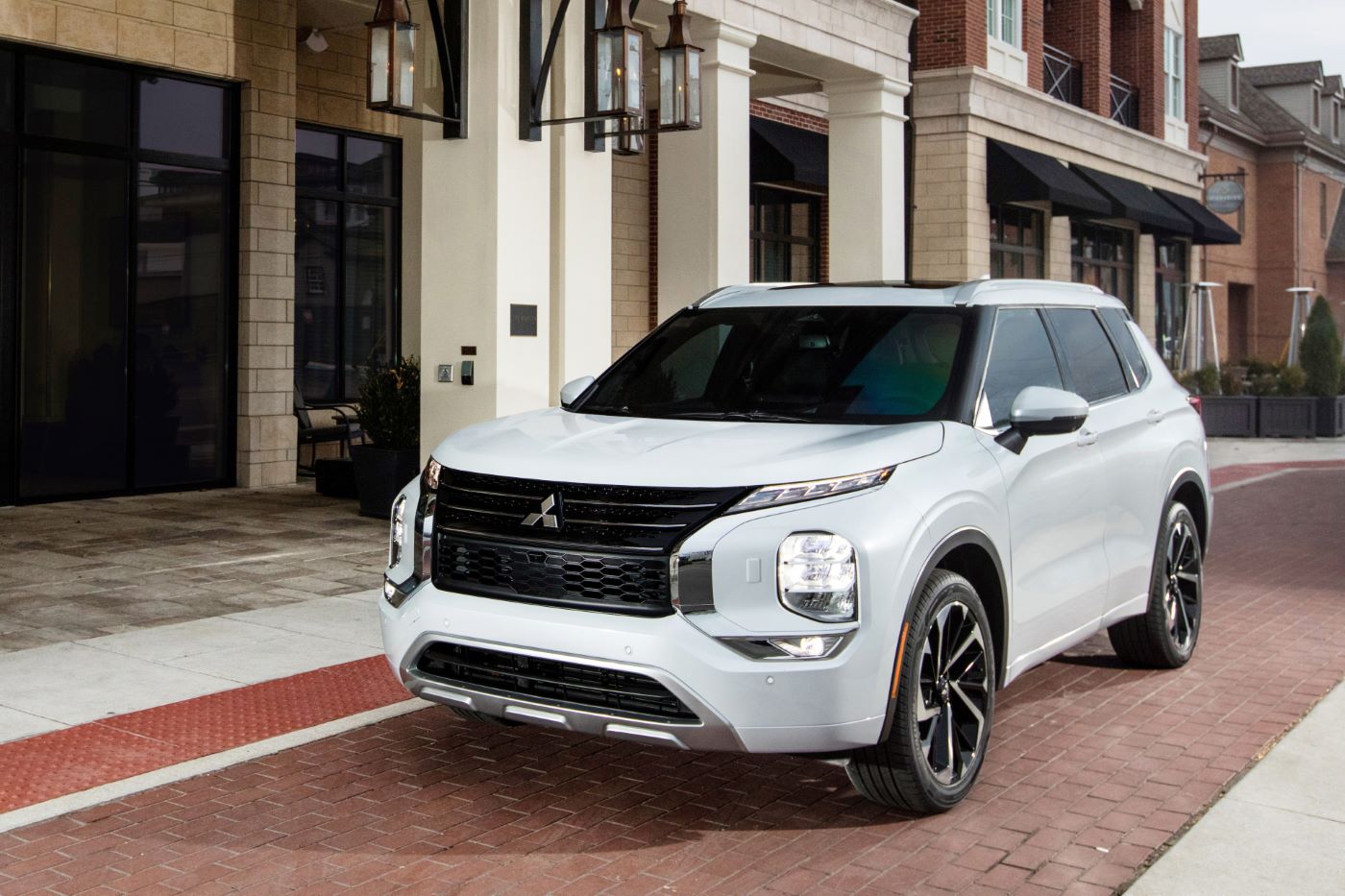
10. Mitsubishi Outlander Sport – Lacks the Durability to Go the Distance
The Mitsubishi Outlander Sport is often seen as a value-focused option in the compact SUV market, but that lower price point comes with trade-offs. The most significant of these is its long-term reliability. Owners frequently report CVT issues, which often appear as hesitation during acceleration, jerky shifting, or loud droning noises at highway speeds. These symptoms don’t just create a poor driving experience; they’re often early signs of costly transmission repairs or replacements.
Another major concern lies in the construction of the vehicle. While the exterior may seem rugged enough, the components underneath tell a different story. Suspension parts like control arms and bushings wear out earlier than they should, especially in regions with rough roads or variable climates. The ride quality, which may feel acceptable when new, tends to decline rapidly as these parts deteriorate. Once the suspension starts to go, the driving experience becomes noticeably harsher and less controlled.
Inside, the Outlander Sport struggles to offer a cabin that holds up to long-term use. Upholstery fades and tears, dashboard plastics become brittle, and electronic systems lose functionality over time. Even basic elements like the climate controls and power windows are known to have a shorter lifespan than in more established competitors. These issues may seem small in isolation, but together they add up and contribute to a vehicle that feels worn out sooner than expected.
Long-term ownership also suffers due to poor resale value and limited aftermarket support. Once the warranty expires, repairs can be harder to justify financially, especially since many mechanics are less familiar with Mitsubishi vehicles. The lack of consistent quality, combined with fading brand presence in some markets, makes the Outlander Sport a less attractive option for drivers who plan to keep their SUV for a decade or more. Reliability simply isn’t one of its strengths.
Also Read: 5 Chevrolets With Legendary Lifespans vs 5 That Are Money Pits
Choosing the right compact SUV is about more than finding a vehicle that looks good in the driveway or feels nice during a test drive. It’s about finding a car that continues to work for you after the novelty wears off, after the miles start piling up, and after the warranty has expired.
It’s about the long run, the unglamorous but important reality of owning a vehicle that will either serve you well for years or become a money pit. That’s why understanding the difference between models that endure and those that fade is such a valuable part of the car-buying process.
Models like the Toyota RAV4, Honda CR-V, Subaru Forester, Mazda CX-5, and the newer Hyundai Tucson are strong examples of vehicles built for longevity. They have fewer mechanical failures, better long-term performance, and more durable interiors. Many of them still feel and drive like new, even after several years and well over 100,000 miles.
Owners of these vehicles often report minimal repair costs, consistent reliability, and strong resale value. They aren’t necessarily the most luxurious or flashy, but they’re dependable and steady, which saves time, money, and frustration.
On the other hand, vehicles like the Jeep Compass, Ford Escape, Chevrolet Equinox, Nissan Rogue (especially older models), and Mitsubishi Outlander Sport often fall short when it comes to durability. Whether it’s weak transmissions, high oil consumption, or poor build quality, these issues tend to surface too early and too often.
While these models may appeal with aggressive pricing, flashy features, or bold styling, they often end up costing more in repairs, maintenance, and lost time. For anyone planning to keep a vehicle long-term, these flaws become more than just annoyances; they become financial liabilities.
It’s also worth noting that long-term reliability isn’t just a matter of engine strength or brand reputation. It’s the result of many smaller details: the choice of materials, the quality of assembly, the simplicity of the design, and the consistency in how the vehicle responds to real-world driving conditions. Some manufacturers put in the extra effort to get these details right, and it shows in how their vehicles age. Others cut corners in ways that don’t show up immediately, but cause problems a few years down the line.
In the end, the compact SUV you choose should be more than just a temporary solution. It should be a reliable companion, something that you can count on for years to come without constant visits to the mechanic. If you’re planning for the long haul, stick with models known for standing the test of time.
Avoid the ones that may offer early excitement but lead to early disappointment. A smart choice now can lead to peace of mind later, and that kind of value is hard to put a price on.
