
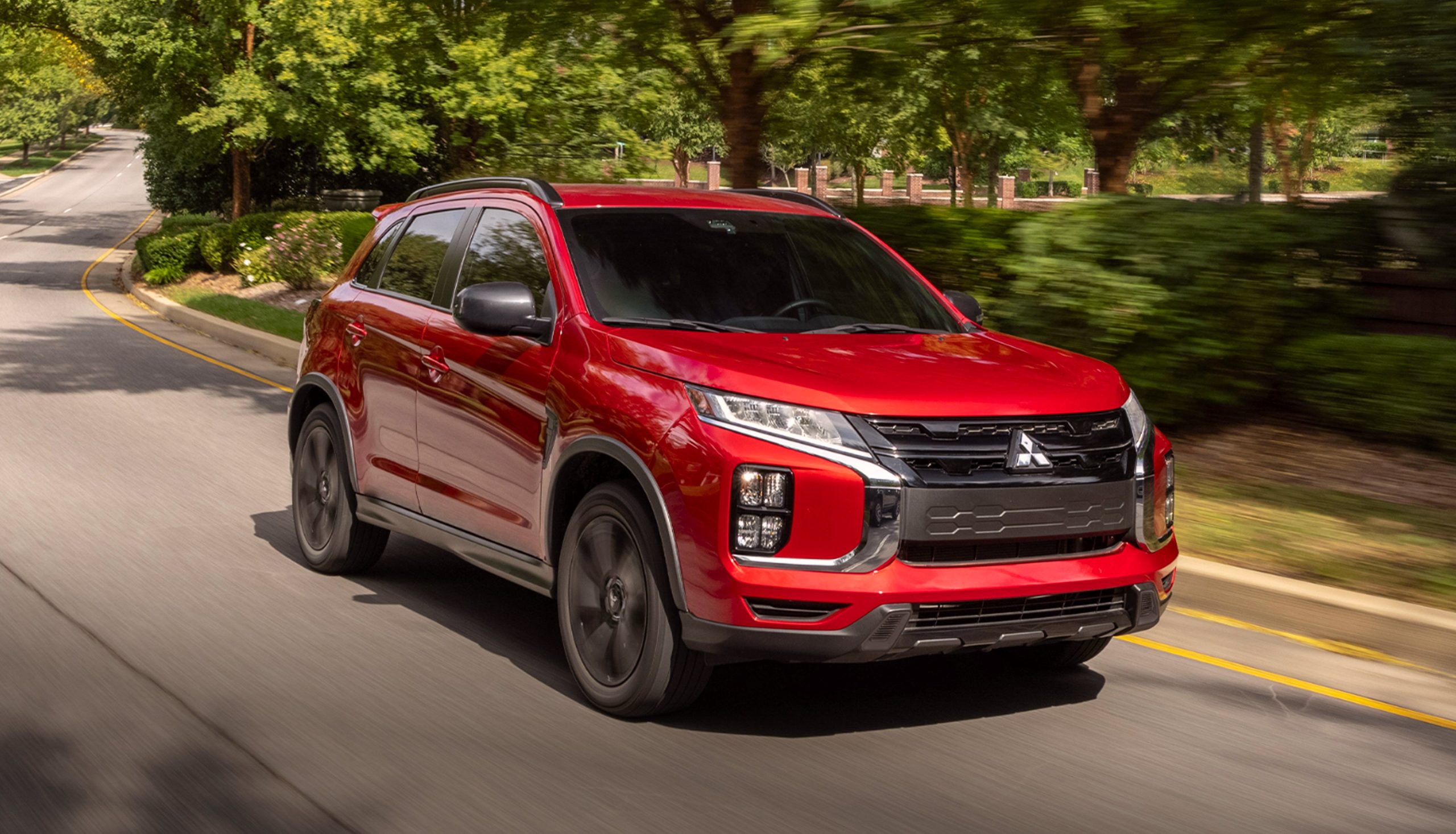
When it comes time to part ways with your SUV, one of the most important things many owners consider is trade-in value. The resale value of a vehicle can have a huge impact on your next purchase, especially when it comes to financing or negotiating at a dealership.
Some SUVs are known to retain much of their value even after several years of use, while others depreciate rapidly, making them far less attractive to dealers. This disparity often leaves owners either pleasantly surprised or thoroughly disappointed when they hear what their SUV is worth.
Trade-in value is shaped by more than just brand reputation. Reliability, maintenance costs, demand in the used market, fuel efficiency, and even how the vehicle looks after a few years on the road all play a role.
Some models age well and become trusted workhorses, while others show their wear too quickly or are associated with mechanical problems that dealers would rather avoid. Some SUVs hold their value so well that dealers are actively looking for them, even with higher mileage. Others are so hard to sell used that they’re almost treated like liabilities.
This difference can be frustrating for SUV owners who believed they were buying something long-lasting, only to find out that their vehicle is seen as undesirable in the resale market.
Whether you’re planning to trade your SUV in now or a few years down the road, knowing which models typically retain their value can help you make a better long-term decision. Similarly, being aware of which SUVs dealers tend to reject or underbid can help you avoid disappointment.
In this article, we’ll look at five SUVs that typically hold strong trade-in value and are still sought after in the used market. Then, we’ll take a look at five models that dealers are far less enthusiastic about accepting on trade, often due to reliability concerns, poor resale performance, or lack of consumer interest.
Each list is based on general market trends, not on internet searches, so it’s a useful guide even if exact figures may vary depending on region and dealership.
Also Read: 5 Trucks With the Best Storage Under Seats and 5 Wasting Space
5 SUVs That Hold Value on Trade-In
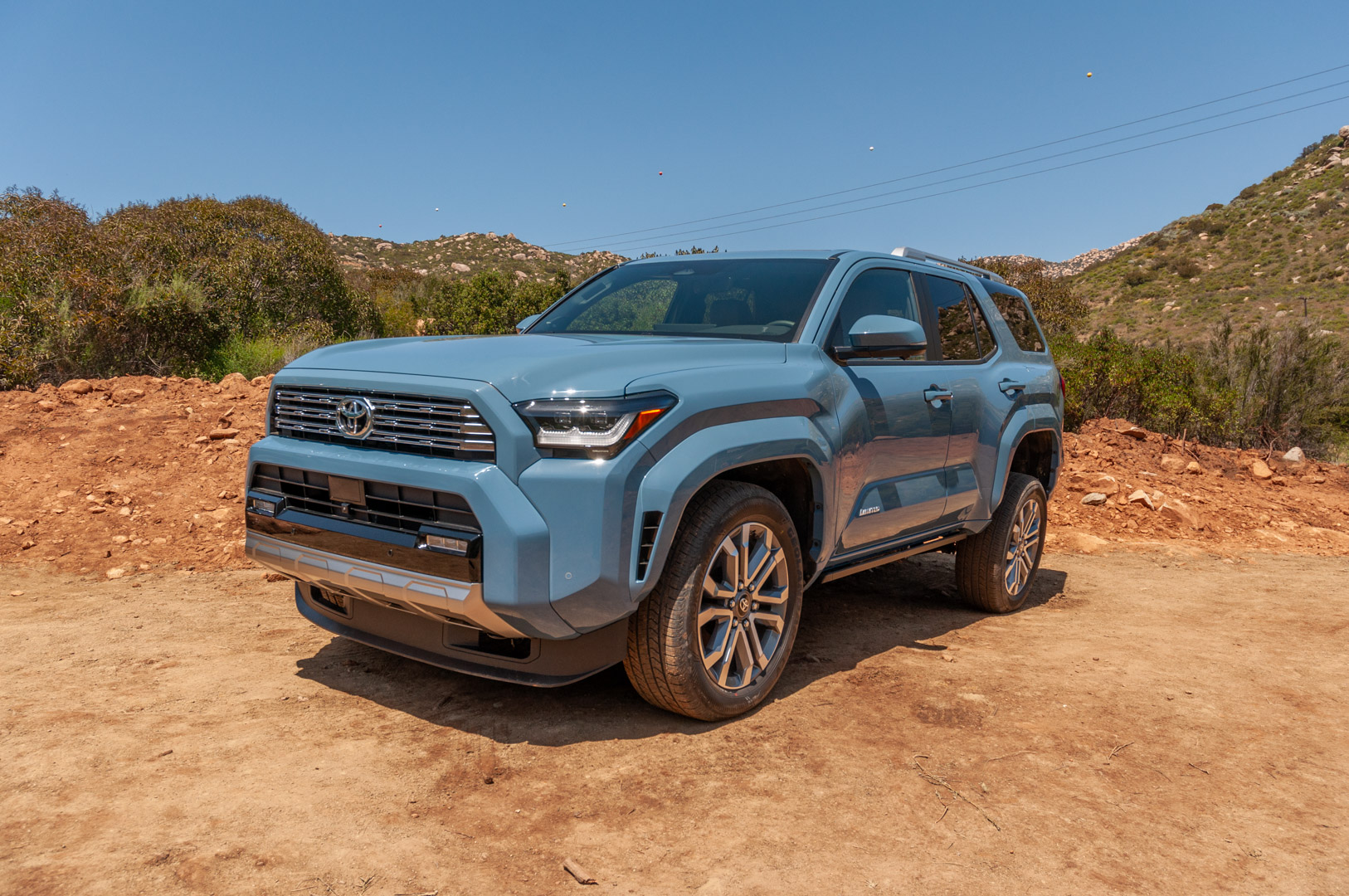
1. Toyota 4Runner
The Toyota 4Runner has built a reputation over the decades as one of the most durable SUVs available. Its design prioritizes longevity and off-road capability over luxury features, which means that it often remains mechanically solid well past 200,000 miles.
Many buyers in the used market are willing to pay more for a 4Runner, even an older one, simply because of the brand’s long-term reliability. This demand translates to higher trade-in values at dealerships.
Another reason for the strong trade-in value is the consistency in the 4Runner’s design. Toyota hasn’t drastically changed the look or mechanical foundation of the 4Runner in years. This means older models don’t feel outdated, and parts remain interchangeable and affordable.
The simplicity and dependability of the SUV attract a specific kind of buyer who is looking for minimal drama and long-term use. This group includes outdoor enthusiasts, off-road drivers, and families who want a solid vehicle that can take a beating.
Dealers like having 4Runners on their lots because they don’t sit unsold for long. Even with over 100,000 miles, these vehicles fetch competitive resale prices. They appeal to a wide demographic and tend to be in high demand regardless of the trim level.
This gives dealers more flexibility and less risk, which is exactly what they want in a trade-in. Because of this, they’re often willing to offer higher trade-in values compared to other SUVs in the same mileage range.
From a financial standpoint, trading in a Toyota 4Runner usually results in less depreciation than you’d expect from a vehicle that may be 5 or 6 years old. Whether you’re the original owner or someone who bought used, the value remains strong over time. Many 4Runner owners even find that after five years of ownership, their vehicle still holds over 60% of its original value, depending on condition and mileage.
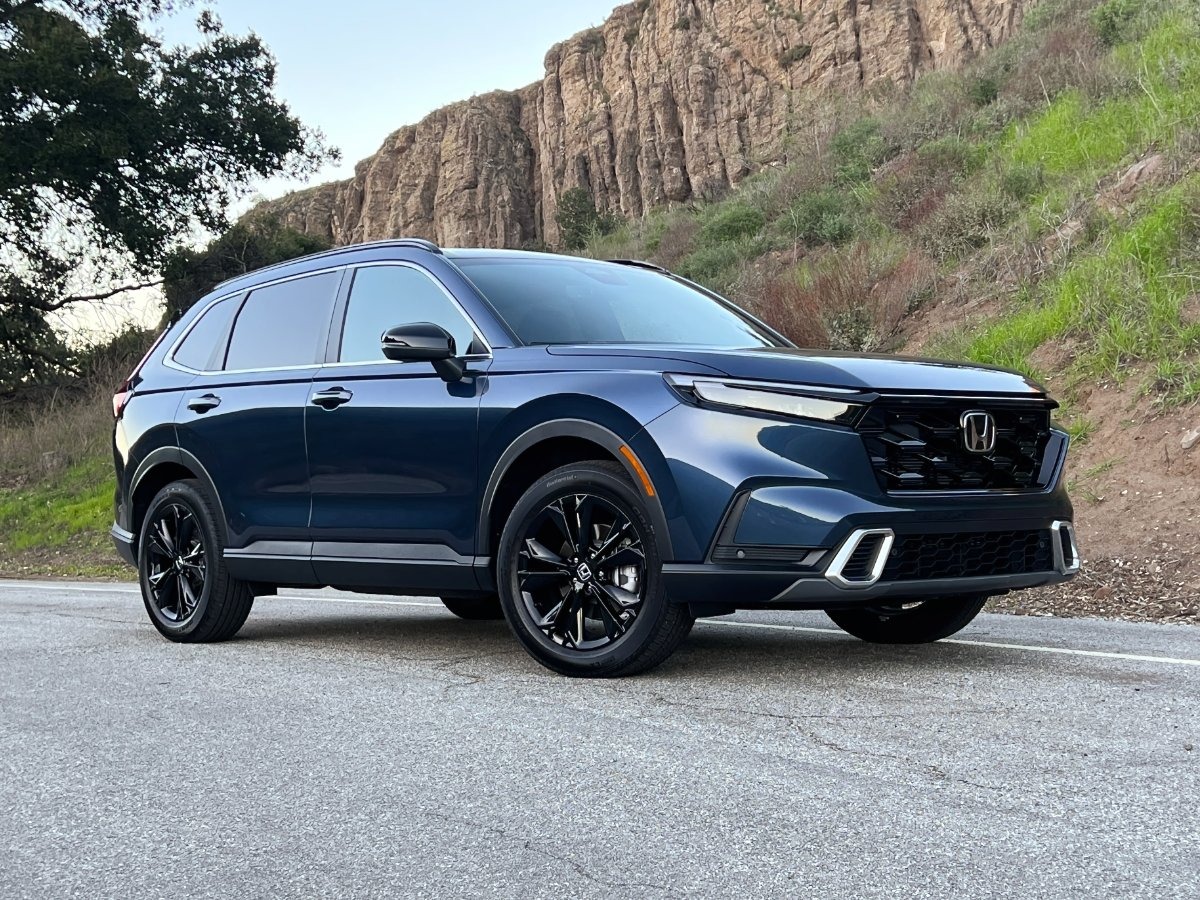
2. Honda CR-V
The Honda CR-V is a staple in the compact SUV segment and has consistently been a favorite among both new and used buyers. Its combination of practicality, fuel economy, and Honda’s reputation for reliability makes it an ideal choice for many drivers. As a result, the CR-V often sees strong resale value, and trade-in offers tend to be fair, even for older models.
A major reason dealers are happy to take CR-Vs on trade is that they are relatively easy to resell. Used car buyers often ask for them specifically, especially families and individuals who want an efficient but roomy SUV. The CR-V appeals to a broad market: from first-time car buyers to retirees. That broad appeal helps dealerships turn them around quickly and maintain consistent margins.
In terms of performance, the CR-V isn’t flashy, but it is efficient and predictable. The engines are generally low-maintenance, the CVT transmission is durable, and the interior remains functional even after years of use.
This consistency gives dealerships confidence that they won’t have to put a lot of work or money into making a used CR-V lot-ready. In the world of trade-ins, that reduces their risk significantly.
Another factor is that the CR-V tends to be well-maintained. Honda buyers often follow recommended service schedules, and that shows in the vehicle’s longevity. Many dealers see CR-Vs come in with complete service histories, clean interiors, and minimal wear.
All these elements contribute to strong trade-in offers. So, if you’re driving a Honda CR-V and considering trading it in, the odds are good that you’ll get a fair deal, especially if your model is from a more recent generation.
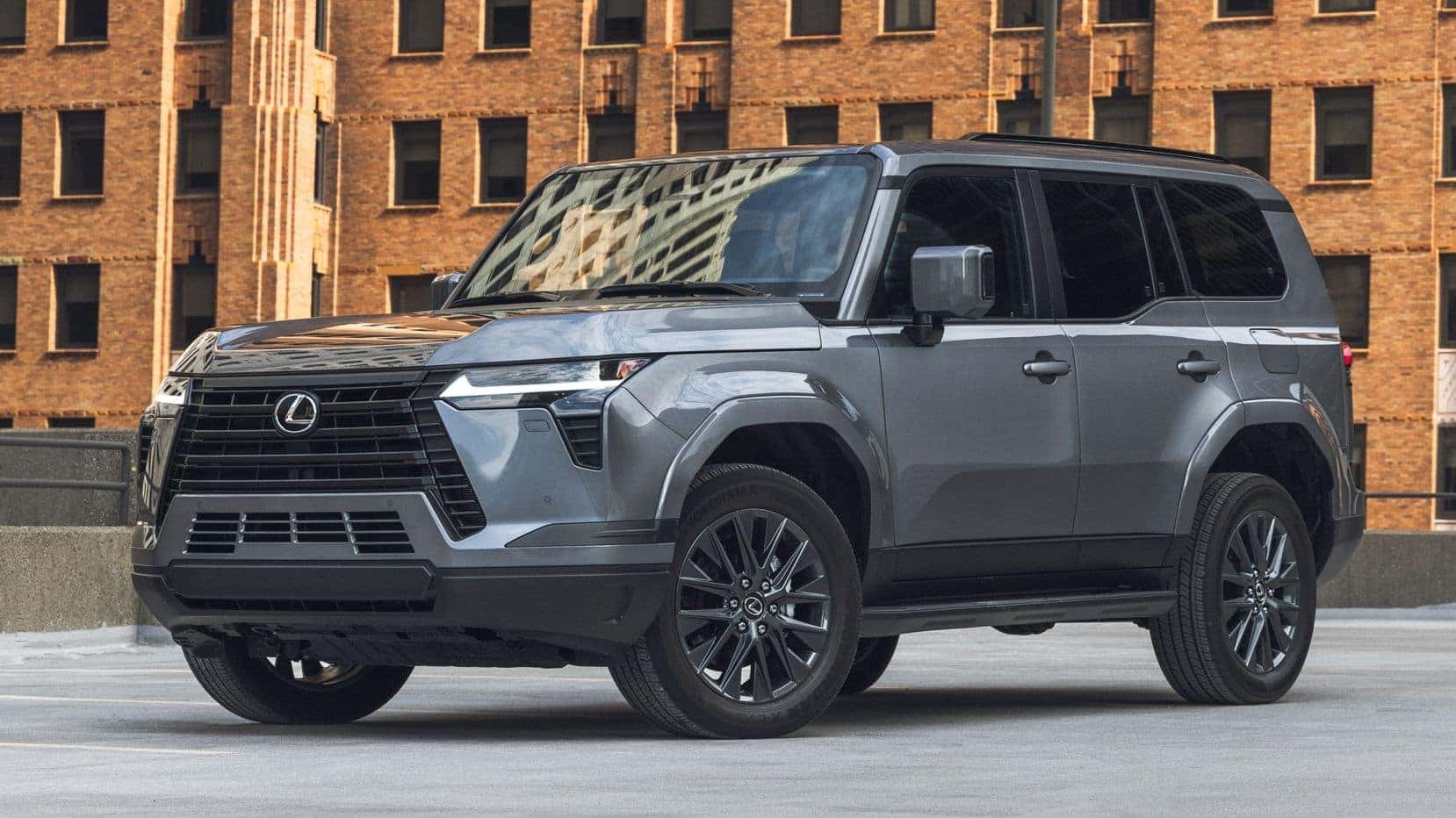
3. Lexus GX
The Lexus GX is one of those rare luxury SUVs that combines opulence with durability. While it’s not the most talked-about model in Lexus’s lineup, it enjoys a quiet popularity among those who know how reliable and capable it is. Because it’s essentially a more luxurious version of the Toyota Land Cruiser Prado, it inherits Toyota’s rugged underpinnings while offering a smoother, more refined experience.
What makes the GX stand out in terms of trade-in value is how well it ages. The interior materials are high-quality, the mechanical components are built to last, and the resale market sees it as a dependable luxury SUV rather than just a fancy car. This reputation gives dealers confidence that it will attract the right kind of buyer on their lot, even if it’s a bit older or has higher mileage.
While many luxury SUVs depreciate rapidly, the GX bucks that trend. It tends to hold its value remarkably well, especially if it has been properly maintained. Dealers are often willing to make competitive trade-in offers for GX models, knowing they can resell them with minimal effort. The demand for used GXs tends to be steady, particularly among buyers who want a solid SUV with a touch of luxury.
Owners who keep their GX in good condition can expect better-than-average trade-in value compared to similar luxury vehicles. Even after five or six years, it’s not uncommon for a well-maintained GX to still retain a substantial portion of its original sticker price. That kind of residual value is rare in the luxury segment and speaks volumes about the model’s build quality and long-term appeal.
4. Subaru Outback
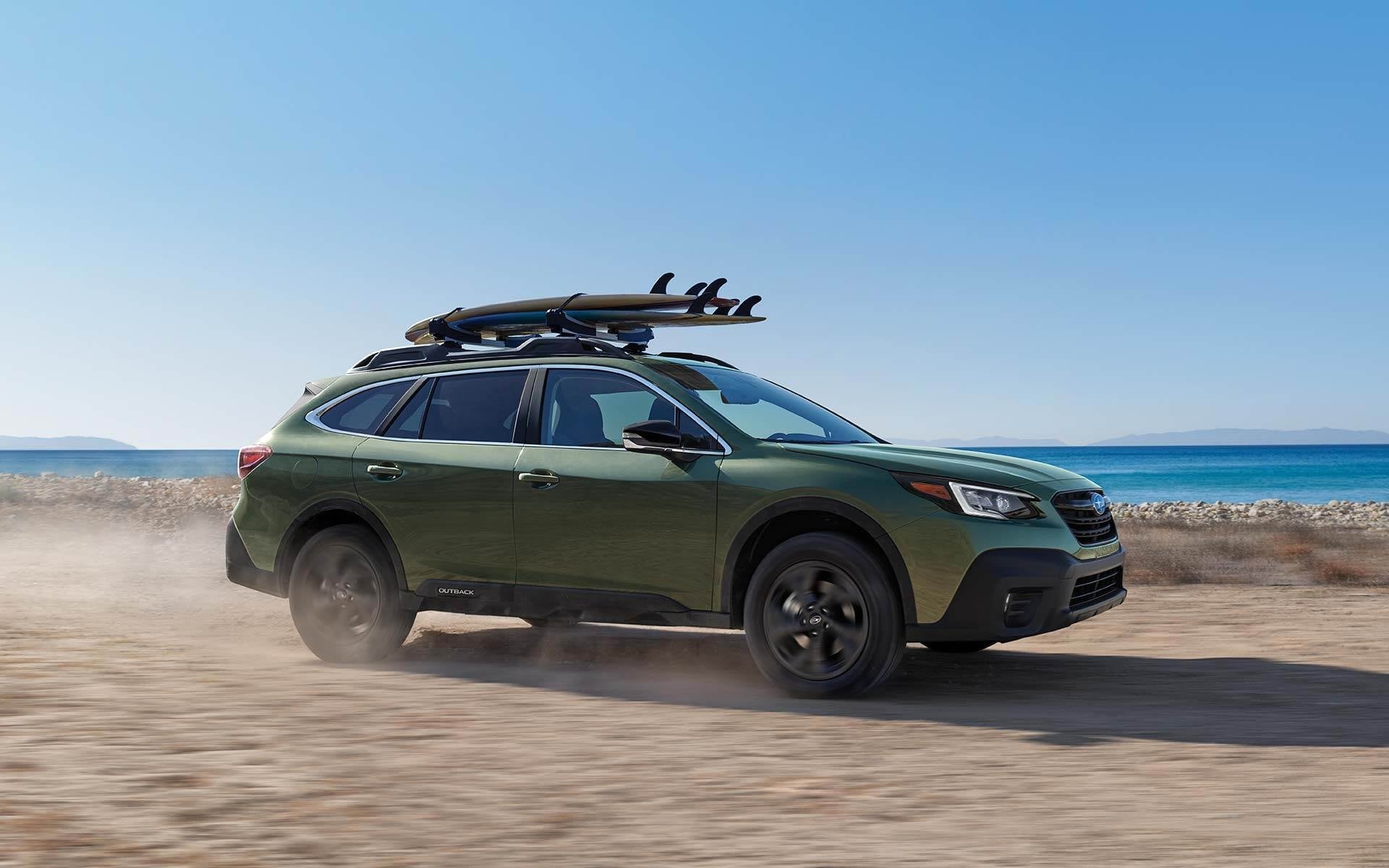
The Subaru Outback walks the line between a wagon and an SUV, but its popularity puts it squarely in the SUV category for most buyers. Known for its standard all-wheel drive, solid safety features, and reputation for reliability, the Outback holds its value surprisingly well. Dealers are often eager to take them in trade, especially in regions where AWD is a necessity due to weather or terrain.
What sets the Outback apart is the loyalty of its customer base. Subaru drivers tend to love the brand and often return to the same dealership for their next purchase. This cycle makes the Outback a valuable trade-in vehicle for dealers, who know it has a ready-made market. Whether the model is two years old or eight, a clean Outback can still bring in decent money at trade-in.
Used car shoppers tend to view the Outback as a safe bet. It’s not overly expensive to maintain, and its practical design means it appeals to a wide variety of lifestyles. From outdoor enthusiasts to small families, the Outback has a way of staying relevant year after year. That’s the kind of staying power dealers love, and they’ll reflect that in their trade-in pricing.
Even with moderate mileage, an Outback that has been well cared for will usually get a strong offer at trade-in. Subaru’s reputation for safety and durability adds extra weight to the deal. While other vehicles in its class may suffer from steep depreciation, the Outback remains a dependable choice that continues to punch above its weight in terms of resale and trade-in value.
5. Jeep Wrangler
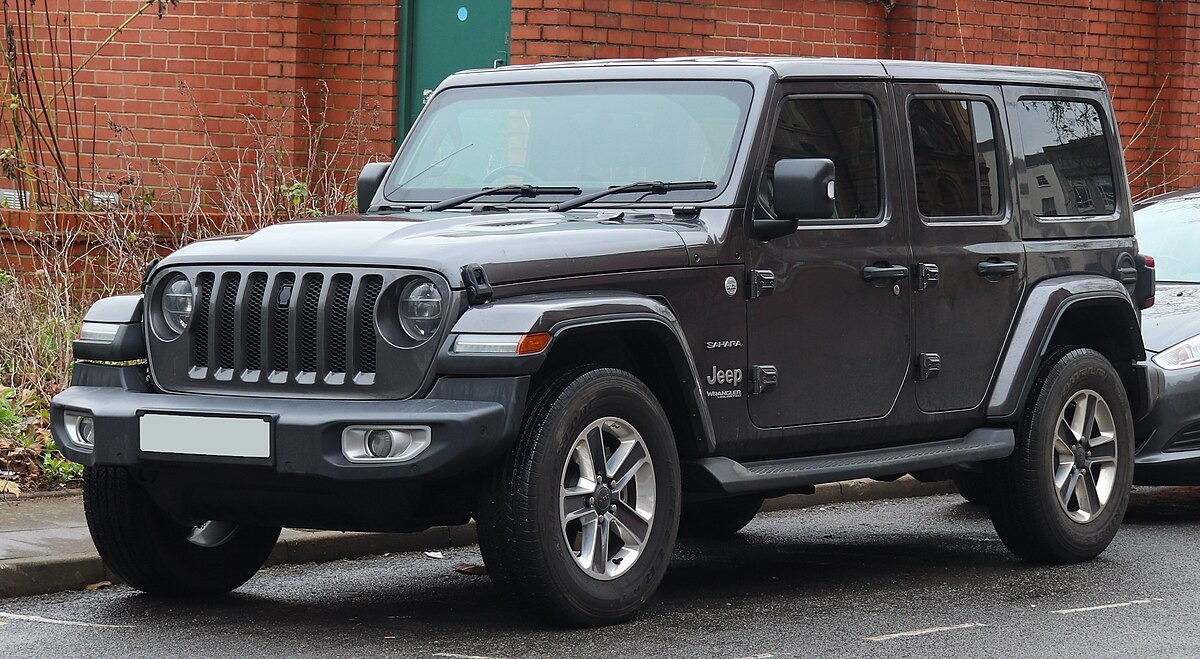
The Jeep Wrangler is one of the few vehicles where older models can sometimes be worth almost as much as newer ones, especially when they’ve been kept in good condition. Its iconic look and unmatched off-road capability have helped it develop a cult-like following. This loyalty translates directly into strong demand in the used market, which pushes up trade-in value.
Part of the Wrangler’s appeal is its simplicity. With fewer electronics and a more rugged design, there are fewer things that typically go wrong, and repairs are often affordable. Many owners choose to modify or customize their Wranglers, and even these modifications can add value if done properly. That’s a big reason why dealers are willing to offer more than expected during trade-ins.
Dealers know that Wranglers attract a very specific kind of buyer, one who isn’t necessarily looking for comfort but for freedom, trail readiness, and style. Because of that, even older models hold surprising value. A dealership might offer more for a 2015 Wrangler than for a 2018 SUV from a less desirable brand simply because they know the Wrangler will sell fast.
If you’re driving a Wrangler and it’s in good condition, it’s almost always worth bringing it in for a trade-in appraisal. Unlike many SUVs that fall off a value cliff after a few years, the Wrangler tends to hold steady or depreciate slowly. That kind of price stability is rare, and it makes it one of the best SUVs to own if you care about long-term value.
5 SUVs That Dealers Won’t Touch
1. Fiat 500X
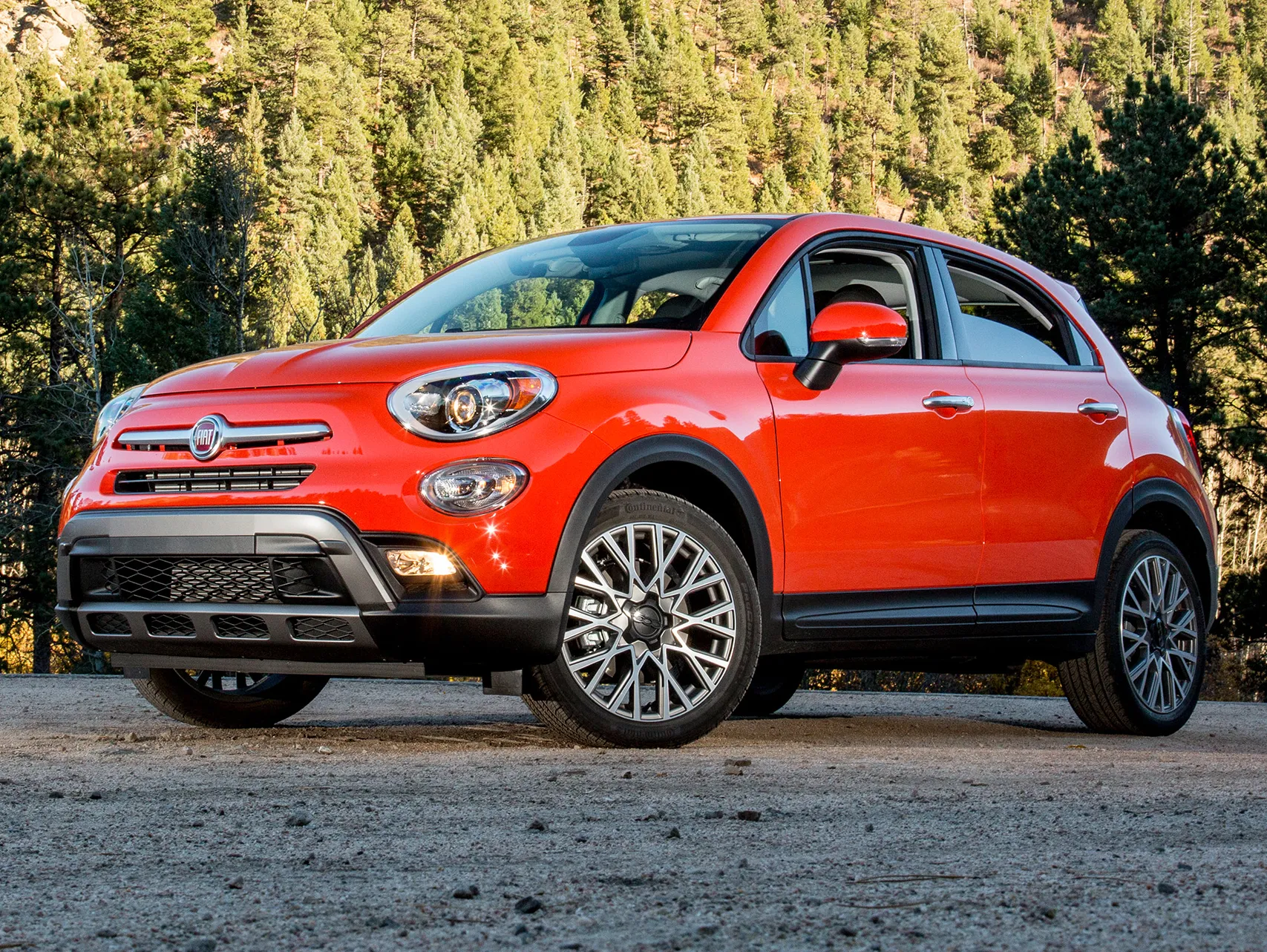
The Fiat 500X was introduced with hopes of blending European design with American SUV practicality, but the result didn’t quite hit the mark. While it had some charm in its styling and compact dimensions, the vehicle struggled to gain traction in a crowded segment.
Dealers quickly noticed that used versions of the 500X were slow to move off the lot, often lingering much longer than their competitors. This weak demand in the used market directly affects trade-in value, as dealers are cautious about accepting vehicles that tie up space without delivering a quick sale. For someone looking to trade in a 500X, the lack of interest translates into disappointing offers or outright rejections.
One of the key issues with the 500X is reliability, or the perception of it. Fiat, as a brand, has struggled with long-term dependability scores in several markets. Owners have reported issues ranging from transmission quirks to electrical glitches. Even if a specific vehicle has been well maintained, the brand’s reputation casts a shadow.
Dealers don’t want to take the risk of inheriting a vehicle that might need significant reconditioning before it’s sellable, especially when the profit margin is already slim. Combine that with the relatively expensive replacement parts (due to Fiat’s European roots), and it’s no surprise that dealers tend to avoid this model unless it’s nearly new and still under warranty.
Another strike against the 500X is its limited interior space compared to similarly sized SUVs. While the design is stylish, the cramped cabin and small cargo area make it less practical for families or anyone needing real SUV functionality. This reduces its appeal in the secondary market, where buyers are often looking for value and versatility.
If a vehicle can’t compete on either front, practicality or reliability, it’s hard to justify putting it on a used lot. Most dealerships that do accept the 500X on trade will do so to send it directly to auction, where they often bring in lower-than-expected bids.
Trade-in offers for the 500X are frequently far below what owners anticipate. Many are shocked when they find that a vehicle only a few years old has depreciated so quickly. While styling might win some fans on the showroom floor, it doesn’t hold weight when trying to get fair market value years later.
Unless a buyer finds a private party who specifically wants a Fiat 500X, they’re likely to face an uphill battle getting a dealer to make a worthwhile offer. It’s a case where market perception and resale data strongly influence how the vehicle is treated during trade-in discussions.
2. Mitsubishi Outlander (older base models)
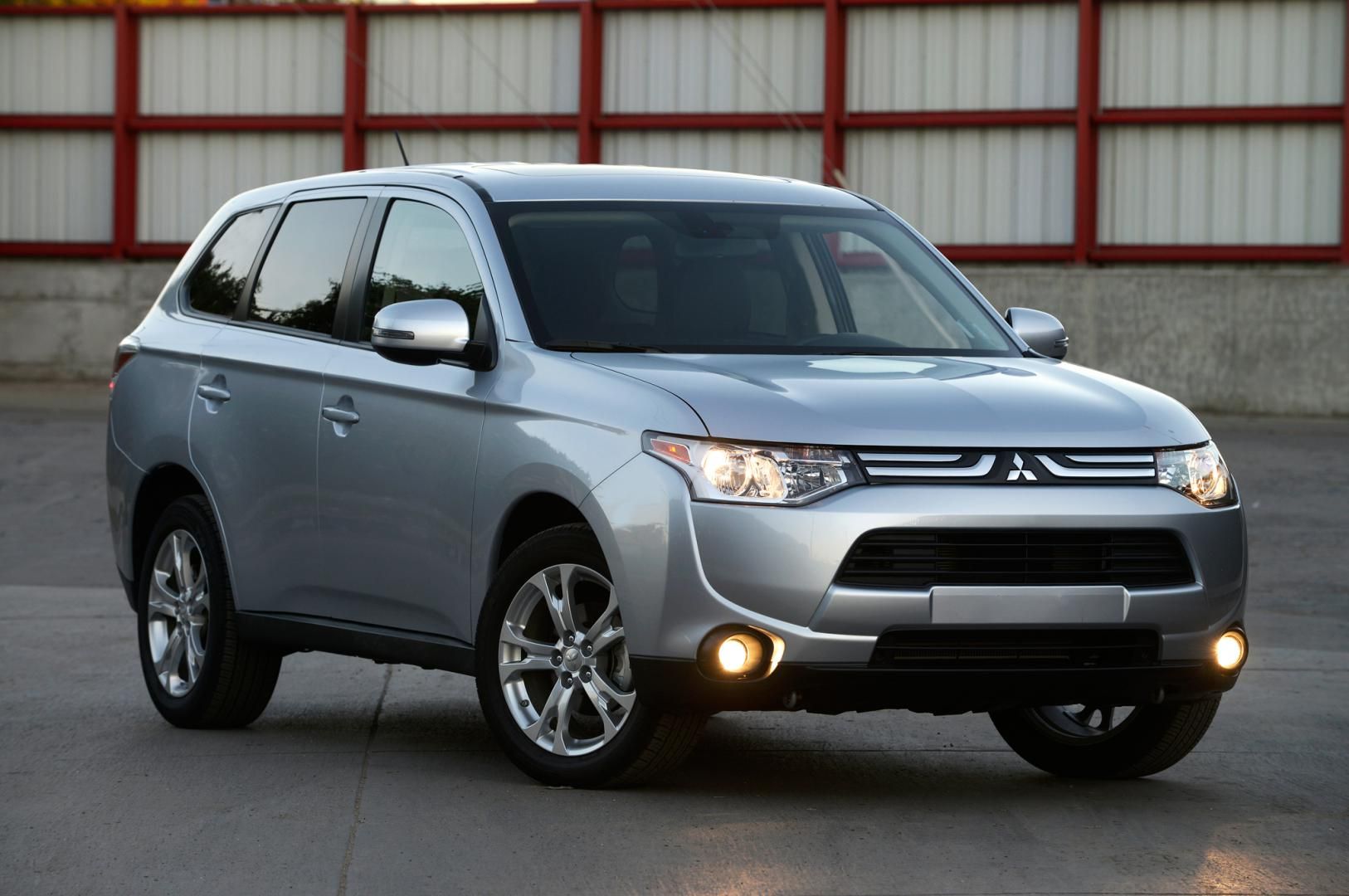
While the Mitsubishi Outlander has seen some improvements in recent years, older base models, especially those without the plug-in hybrid system or AWD, are often avoided by dealers. These base trims lack many of the features that today’s used car buyers expect, such as advanced safety systems, strong infotainment packages, or even decent cabin materials.
As a result, dealers see them as poor bets for resale. Vehicles without key selling points often wind up collecting dust on used lots, especially when competition from better-known brands is so strong.
The older Outlanders also suffer from the decline in Mitsubishi’s brand recognition in certain regions. Once a more competitive player, Mitsubishi has struggled to keep pace with rivals in terms of innovation and design. When someone trades in a base-model Outlander from several years back, the dealership has to weigh the time and cost it would take to sell it.
In many cases, they decide it’s not worth the effort. Even more frustrating for the vehicle owner is that, despite decent reliability in some cases, the Outlander’s image as a budget SUV weakens its desirability.
Another major factor affecting trade-in value is the resale data. Older Outlanders tend to depreciate quickly, even when they’ve been well maintained. Unlike brands like Toyota or Honda, which have established strong resale curves, Mitsubishi vehicles tend to lose value more steeply.
That’s especially true for models without AWD, as buyers in colder climates often skip over front-wheel-drive versions. This further reduces the pool of interested customers, leaving dealers with little incentive to accept such vehicles unless they’re nearly perfect or come with exceptionally low mileage.
Because of these challenges, owners trading in older Outlander base models should expect minimal trade-in offers. Dealers will often direct them toward wholesale options or auctions rather than accepting the vehicle for their own retail inventory. Even trading it in for another Mitsubishi may not result in a great deal.
While the plug-in hybrid or higher trims of newer models fare better, the older, stripped-down versions continue to be hard sells in the secondhand market. That reputation is tough to overcome once it’s been established.
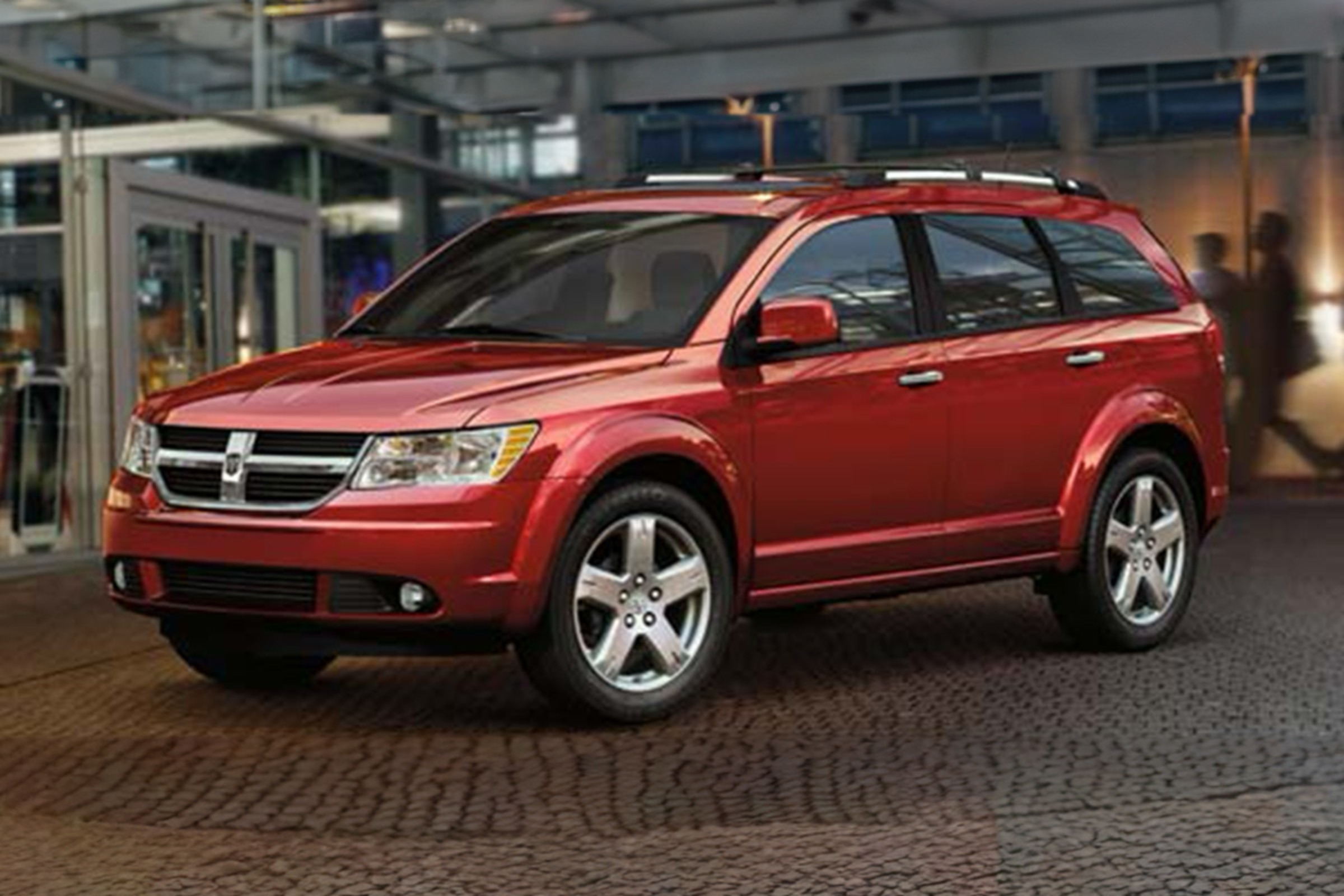
3. Dodge Journey
The Dodge Journey has long held the unfortunate title of being one of the most outdated SUVs in its class. Despite a lengthy production run, the model saw minimal updates over the years, leading to a vehicle that quickly felt obsolete.
Dealers have caught on to this and, as a result, are typically reluctant to accept Journeys on trade, especially older ones. While it may look fine at a glance, the underwhelming performance, aging design, and poor fuel economy make it a hard vehicle to move on the used market.
One of the biggest issues with the Journey is its reputation for poor build quality. Owners frequently report problems with electrical components, HVAC systems, and suspension parts. As trade-in vehicles, these issues become red flags for dealers who don’t want to deal with reconditioning costs that can quickly eat up any potential profit.
Even Journeys that seem clean on the surface often require attention under the hood or behind the dash. These additional costs make dealers hesitant to offer anything beyond rock-bottom prices or to make an offer at all.
The depreciation on the Journey is another major downside. It loses value faster than many competitors in the same class. While it may have appealed to budget-conscious families when new, that same market doesn’t often seek it out used.
Instead, shoppers tend to lean toward more modern or better-reviewed options like the Hyundai Santa Fe or Kia Sorento. The lack of strong consumer interest makes it a risky choice for dealers to stock, especially when considering the limited markup potential.
Trade-in values for the Dodge Journey tend to reflect all these concerns. In many cases, owners are disappointed to learn how little their SUV is worth, even if it has low miles or a clean title.
Some dealers may not even run the vehicle through their appraisal software, already knowing that it won’t cut for resale. While the Journey once held promise as an affordable three-row SUV, time and market reality have not been kind to its value proposition.
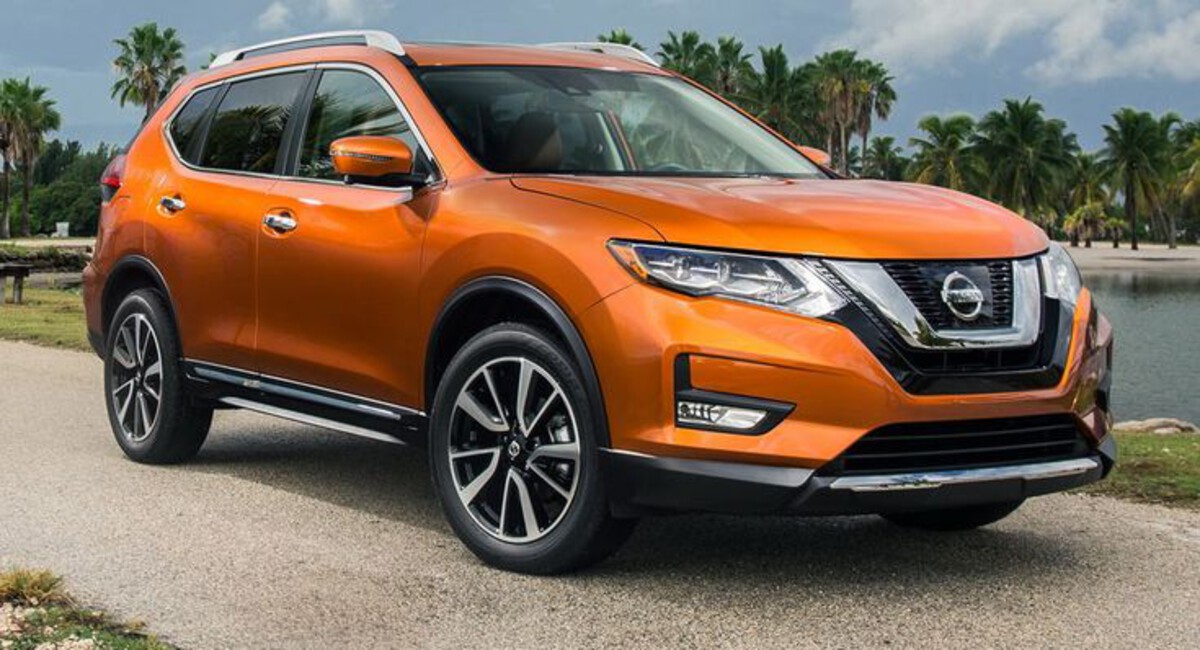
4. Nissan Rogue Select / Previous-Gen Rogue
The Nissan Rogue has been a top seller for years, but not every version of it holds value equally. In particular, the older Rogue Select or first-generation Rogue models are often treated as undesirable during trade-in evaluations.
These vehicles, especially those manufactured before major redesigns, are frequently associated with CVT transmission problems and build quality concerns. While newer Rogues have addressed some of these issues, the earlier ones carry a less favorable legacy, one that impacts trade-in values.
One of the most frequently cited concerns is the continuously variable transmission (CVT), which has been prone to early failure in earlier Rogue models. Many dealers are wary of inheriting vehicles that might require a costly transmission replacement soon after being traded in.
Even if the car currently runs well, its reputation precedes it. Since dealers rely on being able to stand behind their used vehicles, they’re less inclined to take in something that might come back with warranty claims or upset customers.
The design and feature set of the older Rogues also feel outdated by today’s standards. Touchscreens are small or nonexistent, safety features are limited, and interior quality leaves much to be desired. For dealerships that want to project a modern and appealing used inventory, these vehicles stand out for the wrong reasons.
Buyers who do test drive them often walk away unimpressed, leading to longer time-on-lot and more effort required to make a sale. That’s the kind of situation most dealers prefer to avoid, especially when there are better options available in the same price range.
Even when brought in as a trade toward a new Nissan, the Rogue Select and early models typically receive underwhelming offers. Dealers would rather steer buyers toward current-generation vehicles with better resale potential.
Unless the older Rogue is in pristine condition or comes with extremely low mileage, owners should not expect much in return. Some may be advised to sell privately rather than trade in at all, where they might find a buyer less concerned with the known issues.
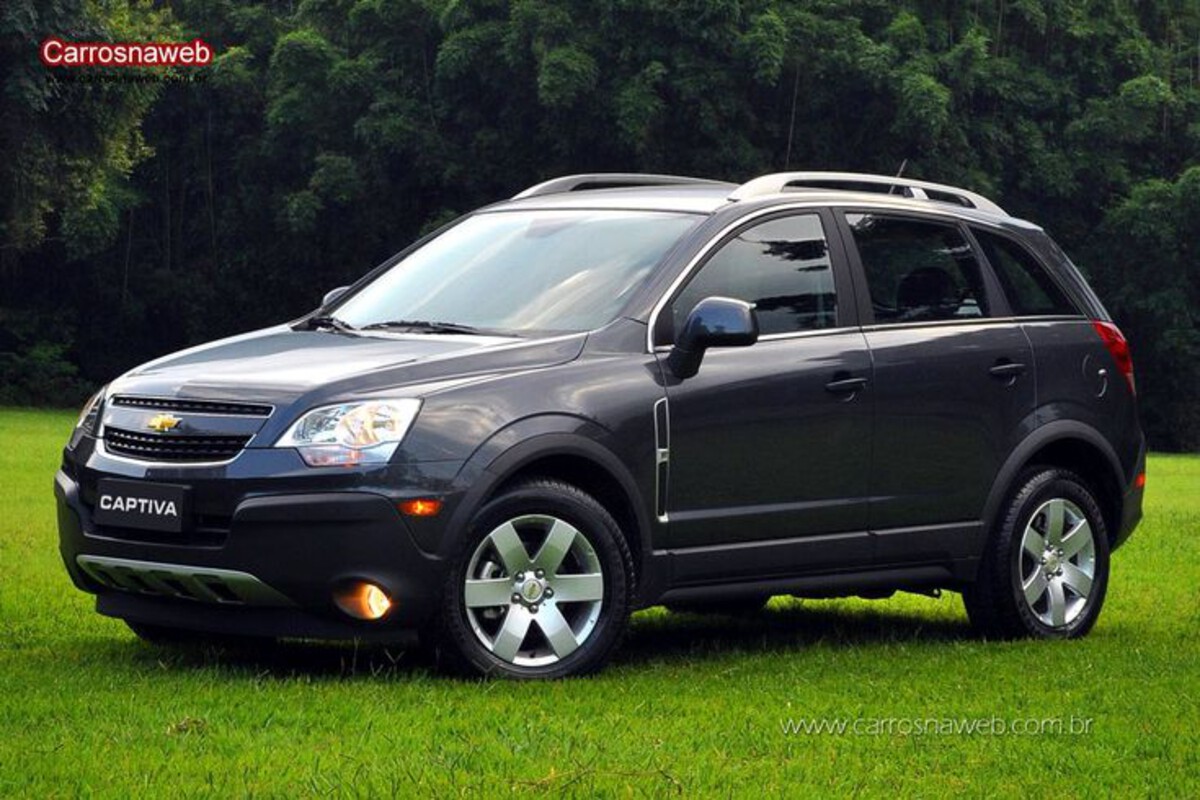
5. Chevrolet Captiva Sport
The Chevrolet Captiva Sport is a name that might not even ring a bell for many, and that in itself is part of the problem. Originally a fleet-only vehicle based on the Saturn Vue, it was never marketed heavily to retail consumers.
As a result, it has a strange standing in the used car world, often viewed as an oddity rather than a dependable SUV choice. Dealers tend to avoid them, knowing that many buyers won’t recognize the name or associate it with fleet use, which can carry negative implications.
Because most Captiva Sports came from rental fleets or corporate usage, they typically have higher mileage and more wear and tear than privately owned SUVs of the same age.
Dealers are often hesitant to accept vehicles that show signs of hard use, especially when they lack strong brand recognition. It’s hard to pitch a car to a customer if they’ve never heard of it, and harder still if it’s rough around the edges. That kind of inventory sits too long and ties up valuable space on the lot.
The Captiva Sport also suffers from mechanical issues that plague many fleet-based vehicles. Transmission wear, electrical problems, and interior component failures are commonly reported. Given that the vehicle was never intended to be a long-term consumer product, its parts and design reflect that short-term mindset.
Dealers know that even a low purchase price might not justify the potential reconditioning costs. These risks make the Captiva Sport a low-priority trade-in, often met with a polite pass.
Owners looking to trade in a Captiva Sport are typically disappointed by the lack of interest. Even Chevrolet dealerships don’t particularly want them unless they plan to wholesale them or send them straight to auction.
The name alone confuses, and confusion leads to hesitation in the retail market. For anyone holding onto this SUV, the best option may be a private sale or using it as a trade-in during promotional events where any car is accepted regardless of value.
Also Read: 10 Reliable Older Hybrids That You Can Count On
The trade-in process can be either a rewarding experience or a frustrating one, and much of that comes down to the vehicle you’re bringing to the table. SUVs are popular for a reason: versatility, size, and safety, but popularity doesn’t always guarantee value retention.
As we’ve seen, some models earn their place on the lot time and time again because they’ve proven themselves reliable, in demand, and easy to resell. Others, despite their initial appeal, fail to maintain interest and depreciate quickly, leaving dealers reluctant to even make an offer.
On the positive side, SUVs like the Toyota 4Runner, Honda CR-V, Lexus GX, Subaru Outback, and Jeep Wrangler have built reputations that hold strong in the secondhand market. Their trade-in values stay competitive thanks to a combination of reliability, loyal customer bases, and consistent resale performance.
These vehicles are often easy for dealers to move, and that confidence translates into stronger offers for sellers. Whether it’s the rugged dependability of the 4Runner or the wide market appeal of the CR-V, these SUVs offer a level of predictability that both buyers and sellers can appreciate.
In contrast, models like the Fiat 500X, older Mitsubishi Outlanders, Dodge Journey, first-generation Nissan Rogues, and Chevrolet Captiva Sport tend to struggle when it’s time to trade in. Poor resale reputation, mechanical concerns, limited demand, and outdated features work against them.
Even if the individual vehicle has been maintained well, the market perception is often too difficult to overcome. Dealers calculate risk with every vehicle they accept, and if there’s doubt about whether it will sell quickly or require expensive repairs, they’re likely to offer less or nothing at all.
Understanding where your SUV falls on this spectrum is essential. If you’re still shopping for a vehicle with long-term value in mind, prioritizing brands and models with strong resale history can make a noticeable difference in your ownership cost.
Even if the purchase price is a bit higher upfront, a strong trade-in offer down the road can offset that cost. On the other hand, if you already own one of the less desirable models, it’s worth considering a private sale or trade-in event where the dealership is offering above-market incentives.
Trade-in value isn’t just about age or mileage. It’s about how the market sees your vehicle and how confident a dealer feels that someone else will want to buy it. Factors like brand loyalty, part availability, regional demand, and even dealership inventory levels all play a role.
Knowing this in advance helps manage expectations and can even guide your next buying decision. In today’s market, where every dollar counts, getting the most out of your trade-in means more than just keeping it clean; it means understanding what makes your vehicle valuable, or not, in the eyes of those who need to resell it.
In short, the SUV you drive today can be an asset or a liability tomorrow. Making a smart choice at the start is the best way to ensure a smooth transition when you’re ready for something new.
