
Buying a budget sedan can be a smart decision, especially when it aligns with your financial goals and lifestyle needs. However, not every affordable car is created equal. Some budget sedans manage to retain their fresh feel, solid ride, and mechanical reliability for many years, making them seem almost new even after extended use.
Others, despite having attractive price tags or stylish features on the surface, begin to fall apart faster than you’d expect. Reliability, comfort, build quality, and ease of maintenance play a massive role in determining whether a sedan remains satisfying to own or quickly becomes a burden.
Car buyers often find themselves torn between initial affordability and long-term value. A car may look impressive on the dealership lot, but if it starts creaking, losing performance, or encountering frequent repair issues within a couple of years, the cost-saving decision quickly turns sour.
Budget sedans often have similar specifications on paper, front-wheel drive, 4-cylinder engines, basic tech, and modest interiors, but the difference lies in execution. It’s not just about engine power or fuel economy. Longevity comes from a combination of materials used, manufacturing quality, engineering consistency, and design decisions made for the long haul.
Some manufacturers have refined this balance over decades, while others still struggle to produce consistently durable vehicles at a low cost. What makes a sedan feel “like new” years after its purchase isn’t flashy design or a powerful engine. It’s about solid construction, quality materials that age well, predictable maintenance schedules, and the feeling that the car will still perform reliably during daily use long after the warranty expires.
This article compares five budget sedans that have earned a reputation for lasting durability and aging gracefully, with five that tend to show their weaknesses earlier than expected. Each of the cars mentioned here comes from real-world observations and long-term user experiences, rather than just test drives.
If you’re in the market for a reliable, low-cost car that won’t wear out its welcome quickly, this list will give you insight into what models are worth your investment, and which ones might be best avoided if you plan to keep your car beyond the first few years.
Also Read: 5 Trucks With the Best Storage Under Seats and 5 Wasting Space
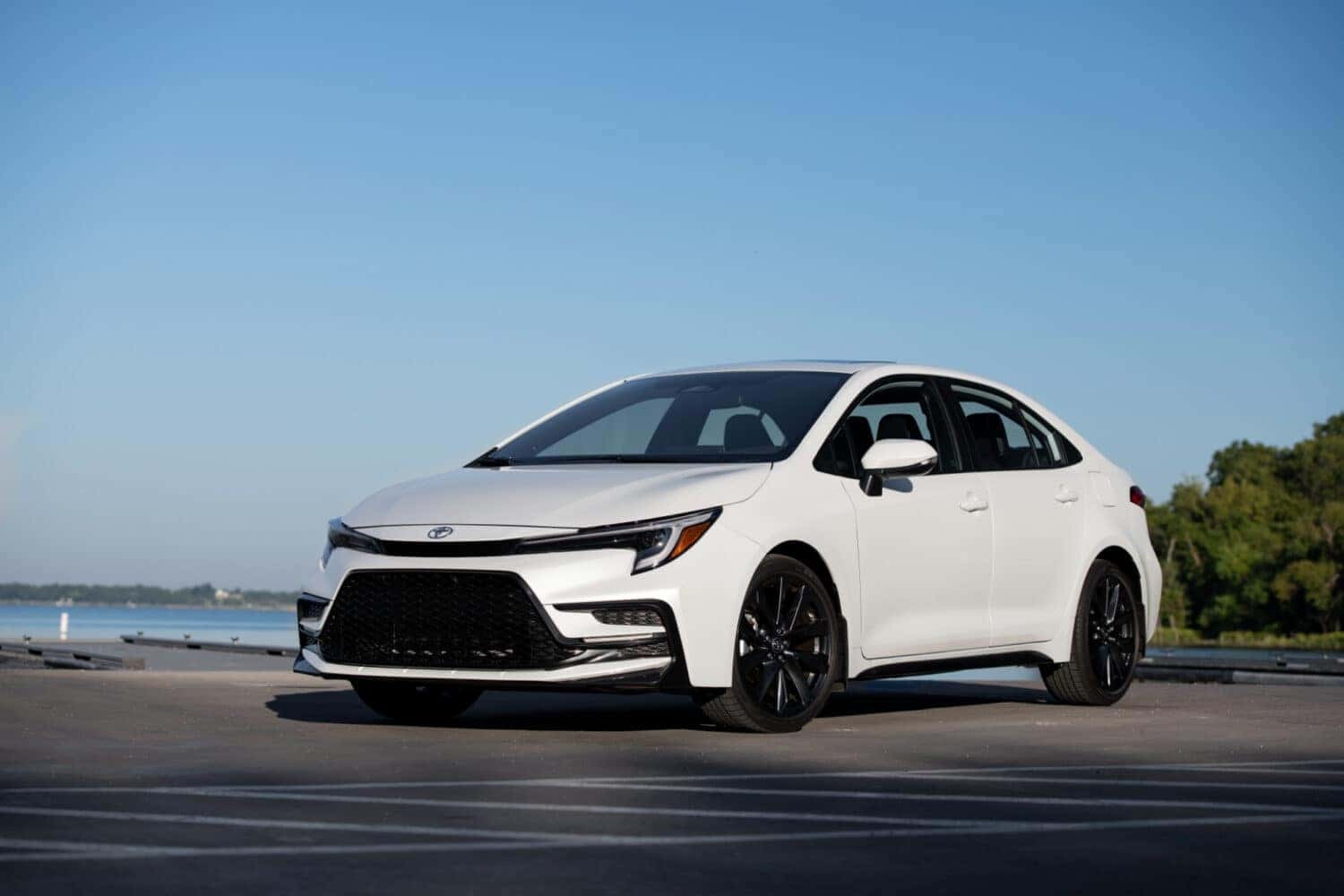
Feels Like New: Toyota Corolla
The Toyota Corolla has long been a benchmark in the budget sedan category. For decades, it has managed to maintain a reputation for unmatched reliability, and many drivers can attest to the fact that their Corollas still feel solid even after 100,000 miles. Its engineering focuses on simplicity, reliability, and low maintenance.
The materials used may not be luxurious, but they’re well-assembled and hold up over time. You rarely hear of Corollas developing dashboard rattles, sagging seats, or electrical gremlins in the early years. The paintwork and plastics also resist wear surprisingly well for a car in this price range.
Mechanically, the Corolla sticks with proven engine technology that prioritizes durability over cutting-edge performance. The naturally aspirated four-cylinder engine is tuned for reliability and paired with a continuously variable transmission that may not excite enthusiasts but rarely causes expensive issues.
Even after several years of driving, the car retains its quiet, composed feel on the road. Brakes and suspension parts are long-lasting, and replacements are widely available and affordable. Maintenance is straightforward and doesn’t require specialized tools or hard-to-find parts.
Another key factor in the Corolla’s ability to feel new for years is its resistance to rust and corrosion. Toyota has invested in good undercoating and paint protection, which helps the exterior hold up against road salt and moisture. This keeps the car looking presentable even in regions with tough winters.
The interior is also designed with longevity in mind, with buttons and knobs that continue working as intended years later, and upholstery that doesn’t degrade quickly under normal wear and tear.
Owners often report that their Corollas don’t require much more than oil changes and tire rotations for the first few years, and even after five to ten years of use, the cars still perform dependably. That makes it one of the few sedans in its class where the term “budget” doesn’t equate to “temporary.” If your goal is to drive a car that feels tight, smooth, and stress-free years after purchase, the Corolla continues to be a dependable choice that doesn’t demand a premium price tag.
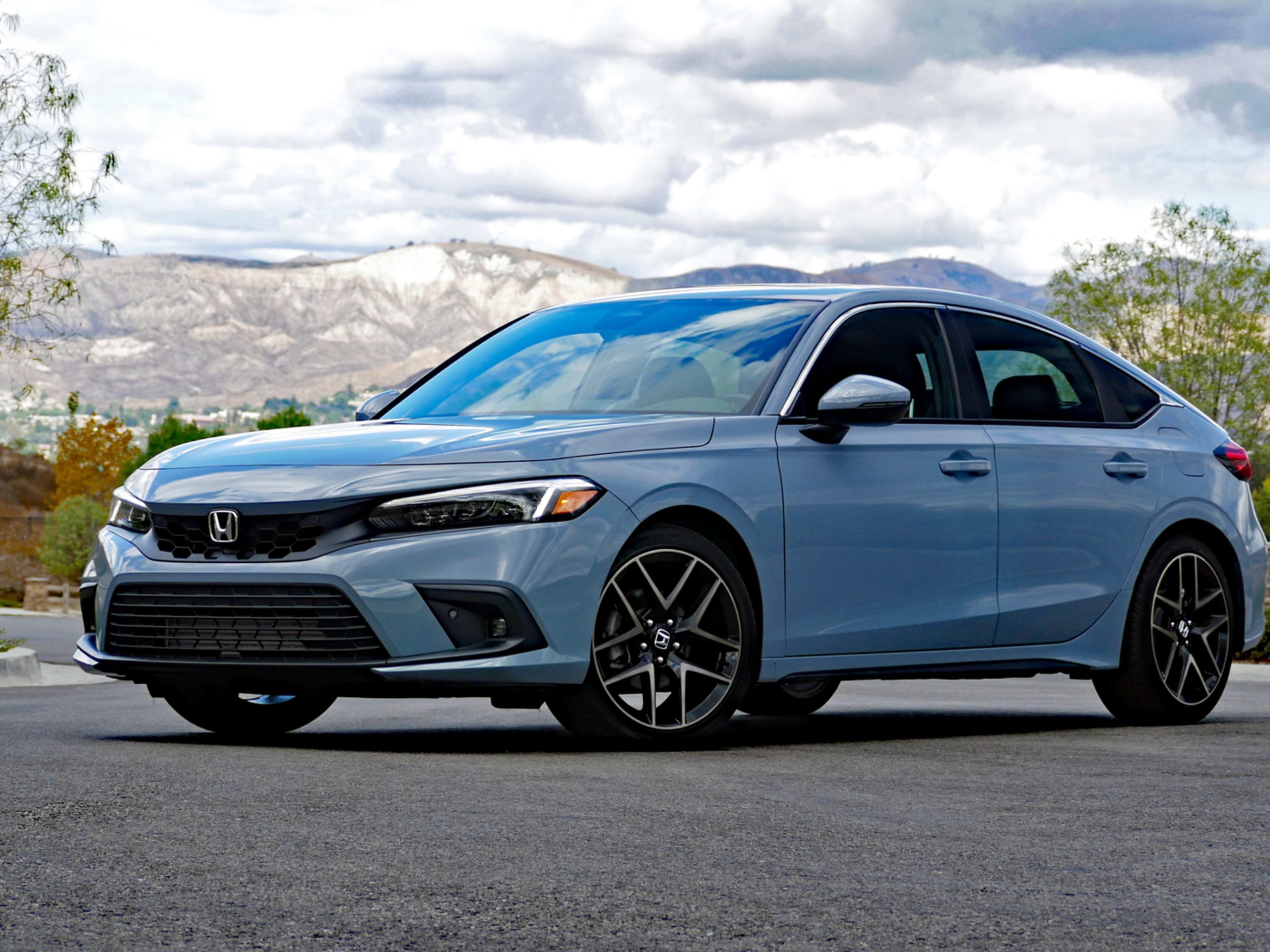
Feels Like New: Honda Civic
The Honda Civic has built its legacy on being more than just affordable; it’s a car that many people fall in love with and hold on to for a long time.
One of the reasons it continues to feel like new long after the initial purchase is the level of engineering attention Honda puts into the Civic. Everything from the engine to the seating materials is designed to stand up to the test of time. There’s a confidence in the build quality that makes the car feel more upscale than its price suggests.
From a mechanical standpoint, the Civic has a well-earned reputation for reliability. Its engines are smooth and efficient, but also robust. Whether you’re driving the base model or one of the sportier trims, the powertrain rarely feels overworked, even with long-term use.
Unlike many budget sedans that develop driveability quirks or inconsistent throttle response after a few years, the Civic tends to hold its original driving character. The CVT, while not universally loved for its feel, is tuned better than many competitors and proves durable under regular maintenance.
Interior durability is another area where the Civic shines. Honda uses quality plastics, solid switchgear, and materials that don’t easily fade or fray. Even the infotainment systems and dashboard screens remain responsive and clear after extended use, which can’t be said for many other sedans in this category.
Seat cushions maintain their shape, door handles don’t start sticking, and the overall cabin retains its tight fit and finish even as the miles climb. For owners who value a car that doesn’t feel worn out quickly, the Civic consistently impresses.
Another strength of the Civic is its ongoing aftermarket and OEM parts availability. Repairs are often easy and inexpensive, which allows even older Civics to be maintained in near-original condition. Drivers who take care of their Civic often comment that the car feels almost the same after six or seven years as it did in year one. The result is a sedan that not only stays on the road longer, but also maintains the sense of precision and usability that makes it enjoyable to drive every day.
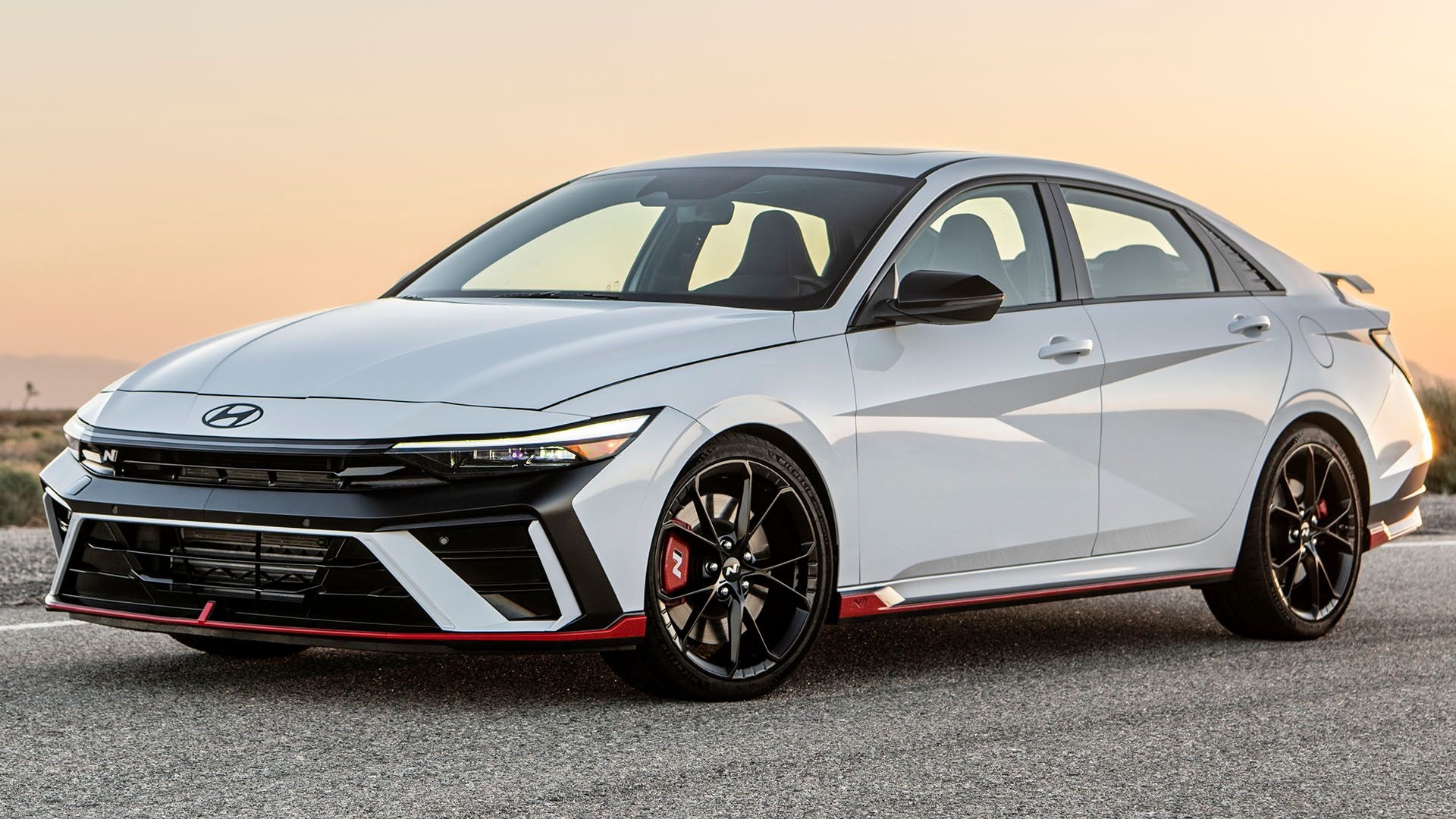
Feels Like New: Hyundai Elantra (Recent Models)
Hyundai has come a long way in terms of quality, and the recent Elantra models are proof that a well-built budget sedan doesn’t have to compromise on durability. While older Elantras were known for value rather than longevity, the latest generation has significantly raised the bar. Hyundai has put serious effort into ensuring that materials, engine performance, and cabin build hold up over time. As a result, newer Elantras feel fresher longer than many other sedans in the same price range.
One of the standout features of the Elantra is its solid ride quality. The suspension remains composed even after years of daily commuting. The steering doesn’t develop slack easily, and there’s very little rattling or body flex, which helps the car retain a “tight” feel. Even in base trims, Hyundai has improved noise insulation and structural rigidity, which contributes to a more refined experience over time. Owners frequently report that their Elantras continue to feel planted and composed well into high-mileage territory.
Interior quality has also improved significantly. Hyundai uses soft-touch materials in high-contact areas, and the infotainment systems are simple, responsive, and built to last. Knobs and buttons have a solid feel, and the upholstery is resistant to sagging and tearing. This matters over time because a car that looks and feels clean inside adds to the perception that it’s aging well. Even the dashboard and touchscreen controls hold up without fading or lagging.
Under the hood, the newer Elantras are powered by efficient but dependable engines that, while not high-performance, are easy to maintain and known to hold up well under regular use. Hyundai’s long warranty also encourages owners to stick with scheduled maintenance, which contributes to the vehicle’s longevity.
While it may not have the decades-long track record of the Civic or Corolla, the recent Elantras are proving that they can age gracefully, making them a smart option for buyers looking for a sedan that won’t feel worn out after a few years.
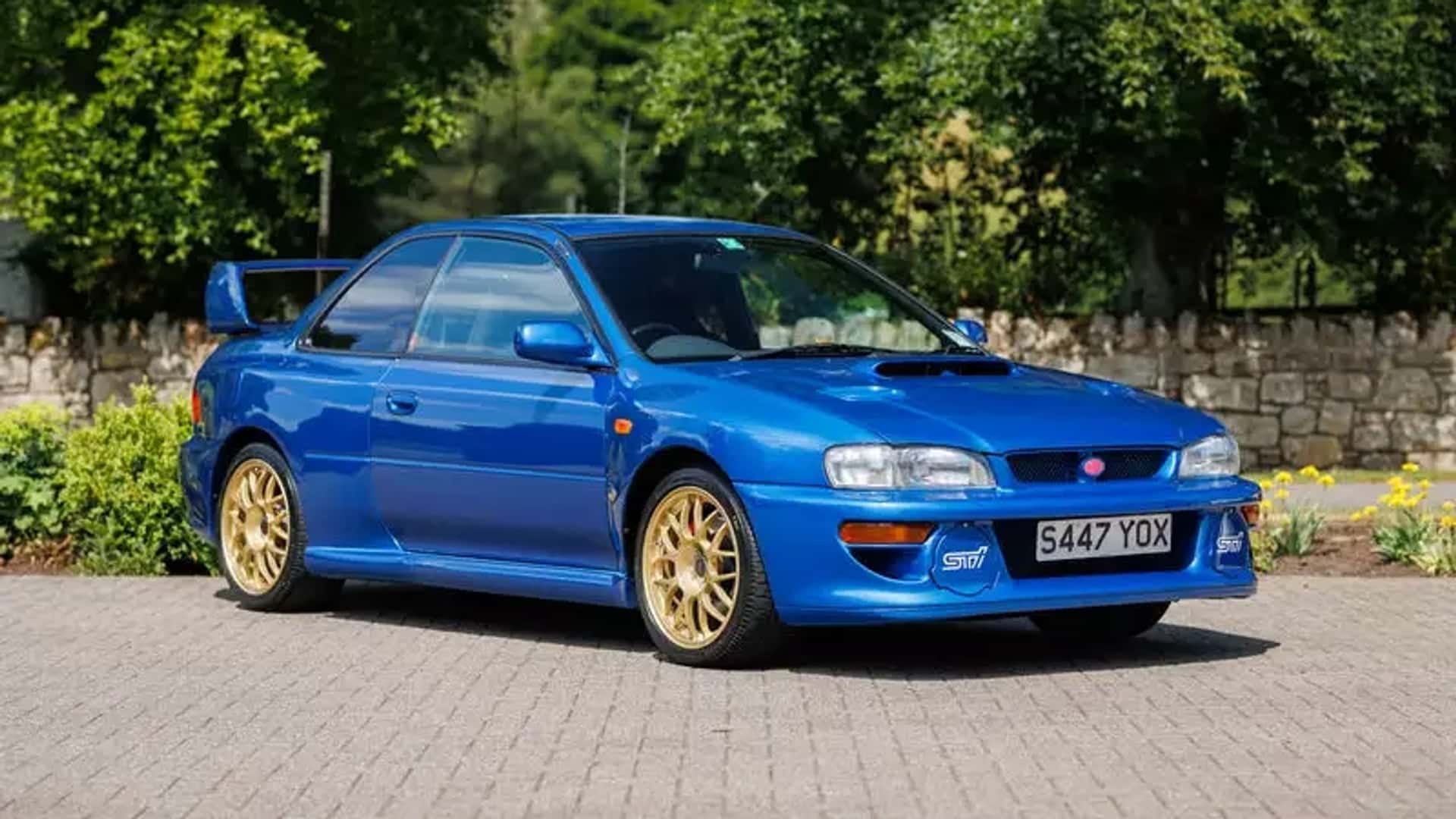
Feels Like New: Subaru Impreza
The Subaru Impreza rounds out the list of budget sedans that tend to stay solid and fresh-feeling for years. Its reputation is often associated with its symmetrical all-wheel-drive system, which is standard across all trims. But beyond drivetrain advantages, the Impreza benefits from a well-engineered body structure and interior that resists the common aging issues found in other sedans at this price level.
From the driver’s seat, the car doesn’t feel cheap or loosely assembled, even after several years of daily use. The cabin insulation remains consistent, and you don’t often hear about wind or road noise worsening over time, a common issue in cheaper sedans.
The mechanical components in the Impreza are built for consistency rather than excitement. The boxer engine layout is a signature of Subaru, and while it doesn’t offer thrilling acceleration, it delivers smooth and stable performance. What really stands out is that the drivetrain components hold up with minimal issues when regular maintenance is followed.
The CVT in the Impreza is more durable than earlier versions Subaru used, and many owners report little to no degradation in performance even past 100,000 miles. The car doesn’t develop erratic driving behavior or shifting problems like other budget sedans might, which contributes to its feeling of long-term solidity.
Interior design plays a big role in whether a sedan feels dated or worn after a few years. Subaru leans toward a practical, less trendy style, and this helps the Impreza avoid the quick-aging issues that come with cheaper, gimmicky interiors. The seats hold their shape well, and the controls, especially the physical knobs and switches, are sturdy and continue functioning properly over time.
There’s a balance between digital and analog elements in the cabin, so features don’t become obsolete or overly sensitive to wear. The climate controls, steering wheel buttons, and infotainment interface all remain functional without the lag or failure that some competitors face after a few years of use.
Rust resistance and exterior durability are also key factors. Subaru has improved its corrosion prevention over the years, and the Impreza shows fewer signs of premature rusting or clearcoat failure compared to older models or rivals in harsh climates.
Combined with the all-wheel drive making it viable year-round in snowier regions, the Impreza earns its place among sedans that age gracefully. For buyers looking for long-term ownership, minimal complaints, and a car that continues to feel intact after extensive use, the Impreza is a dependable choice that manages to punch above its class in overall endurance.
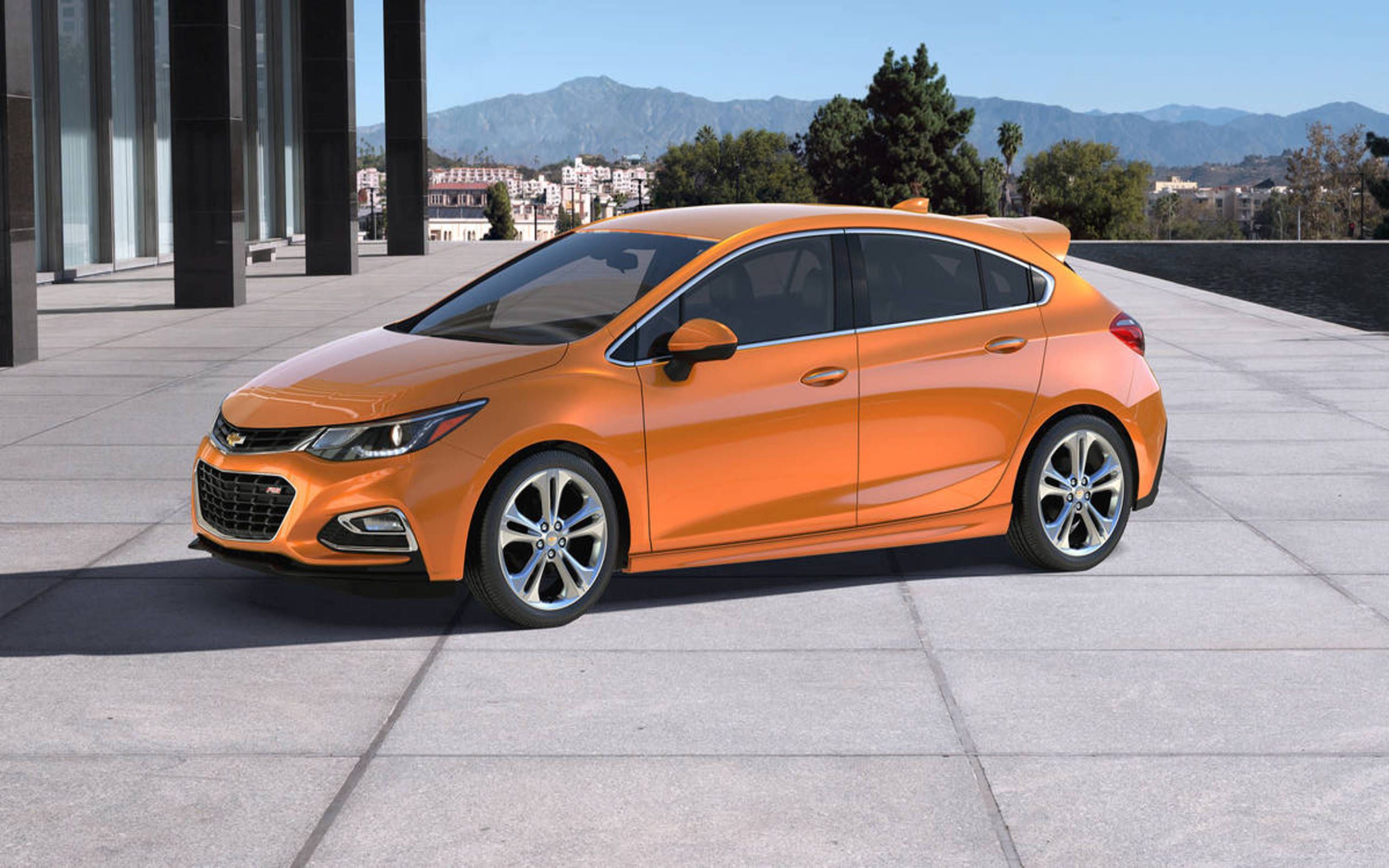
Doesn’t Last: Chevrolet Cruze
he Chevrolet Cruze was once marketed as a compact sedan that could challenge the best in the segment, but long-term ownership tells a different story. While it initially presents as a comfortable, smooth-driving car with decent features for the price, issues start to emerge sooner than they should.
Many owners report that the Cruze begins to lose its sense of solidity within just a few years of ownership. From creaky doors to glitchy electronics, it doesn’t take long before the car starts to feel worn, even with relatively low mileage. That early fade is one of the key reasons it doesn’t hold up well over time.
Mechanical reliability has been a weak point for the Cruze, especially for earlier models. Engine and transmission problems are commonly reported by long-term owners. The 1.4-liter turbocharged engine, while responsive, is known for coolant leaks, turbo failures, and sensor malfunctions.
The automatic transmission isn’t particularly durable either, often suffering from hard shifts or slipping as early as 60,000 to 80,000 miles. These issues not only affect how the car drives but also add unexpected maintenance costs that undermine its value as a budget choice. Drivers expecting low-cost ownership often find themselves frustrated by repeated visits to repair shops.
Interior aging is another significant issue. The Cruze’s cabin looks clean and functional when new, but doesn’t age well. The materials used tend to degrade quickly, especially in high-contact areas. Door panels, armrests, and center consoles often show wear prematurely.
Touchscreen controls and digital displays sometimes fail or slow down with time, and trim pieces may start to detach. These symptoms create an impression of a car that’s falling apart, even if it’s still running. A car that feels cheap after just a couple of years won’t be enjoyable to own, no matter how good it looked on the lot.
In harsher climates, rust and corrosion can also appear sooner than expected. Underbody coatings seem less effective, and paint can begin to fade or peel early. These exterior problems, combined with an already aging interior and unreliable mechanical systems, leave the Cruze feeling old well before it should.
It’s a sedan that initially looks like a smart value, but quickly shows its limitations once daily wear and mileage accumulate. For buyers planning to keep a car beyond five years, the Cruze often becomes more of a liability than a long-term solution.
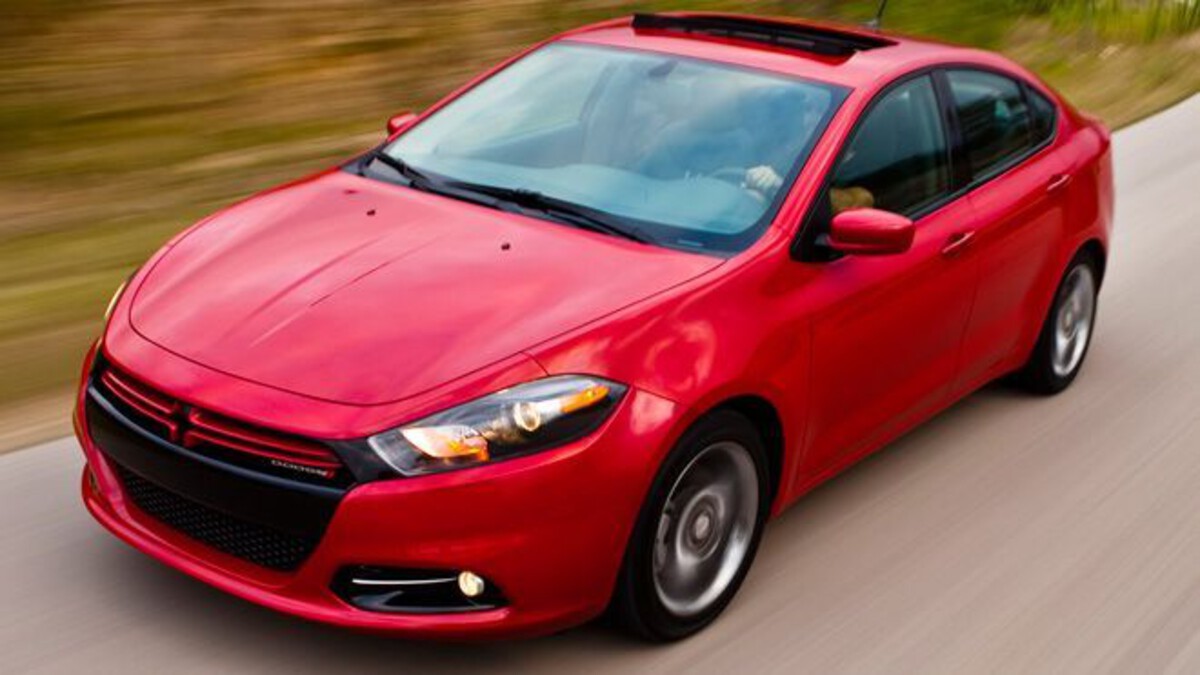
Doesn’t Last: Dodge Dart
The Dodge Dart made a splash when it first returned to the market, promising sporty design and modern features in a compact package. However, it quickly gained a reputation for being one of the more disappointing sedans in terms of durability. While the styling was aggressive and the technology offerings were competitive for its time, the Dart suffers from numerous build quality and mechanical issues that often show up early in ownership. That combination of fast aging and lack of refinement has pushed it out of favor for many buyers looking for lasting value.
Powertrain problems are among the most common complaints. The Dart was offered with several engine options, but none of them proved especially robust. The 1.4-liter turbo, in particular, is known for reliability problems, including oil leaks, cooling issues, and poor throttle response after just a few years.
Additionally, the dual-clutch transmission used in some trims has been criticized for jerky shifts and premature wear. For a car that was supposed to appeal to young, budget-conscious drivers, these mechanical troubles led to a lot of dissatisfaction once the initial shine wore off.
Interior aging is also a issue with the Dart. While it looks well-designed on the surface, the materials don’t hold up to years of use. Seats wear out quickly, plastics scratch and discolor, and many drivers report that panels and trim pieces start rattling or detaching far earlier than expected.
Even electronics such as the Uconnect system, which is usually a strength for Dodge, have been known to glitch or fail in the Dart. Small problems accumulate, and the driving experience feels less refined with time, which contributes to an overall feeling of cheapness.
Another downside is that parts availability and resale value are both poor. Since the Dart was discontinued, it has become harder to find affordable OEM parts, and resale values have dropped dramatically. This makes it even less attractive as a long-term ownership vehicle.
The car loses both its physical integrity and its financial value quickly, which is a tough combination for anyone trying to make a smart, budget-conscious choice. For drivers who care about having a car that stays solid and enjoyable year after year, the Dart tends to be a short-lived disappointment.
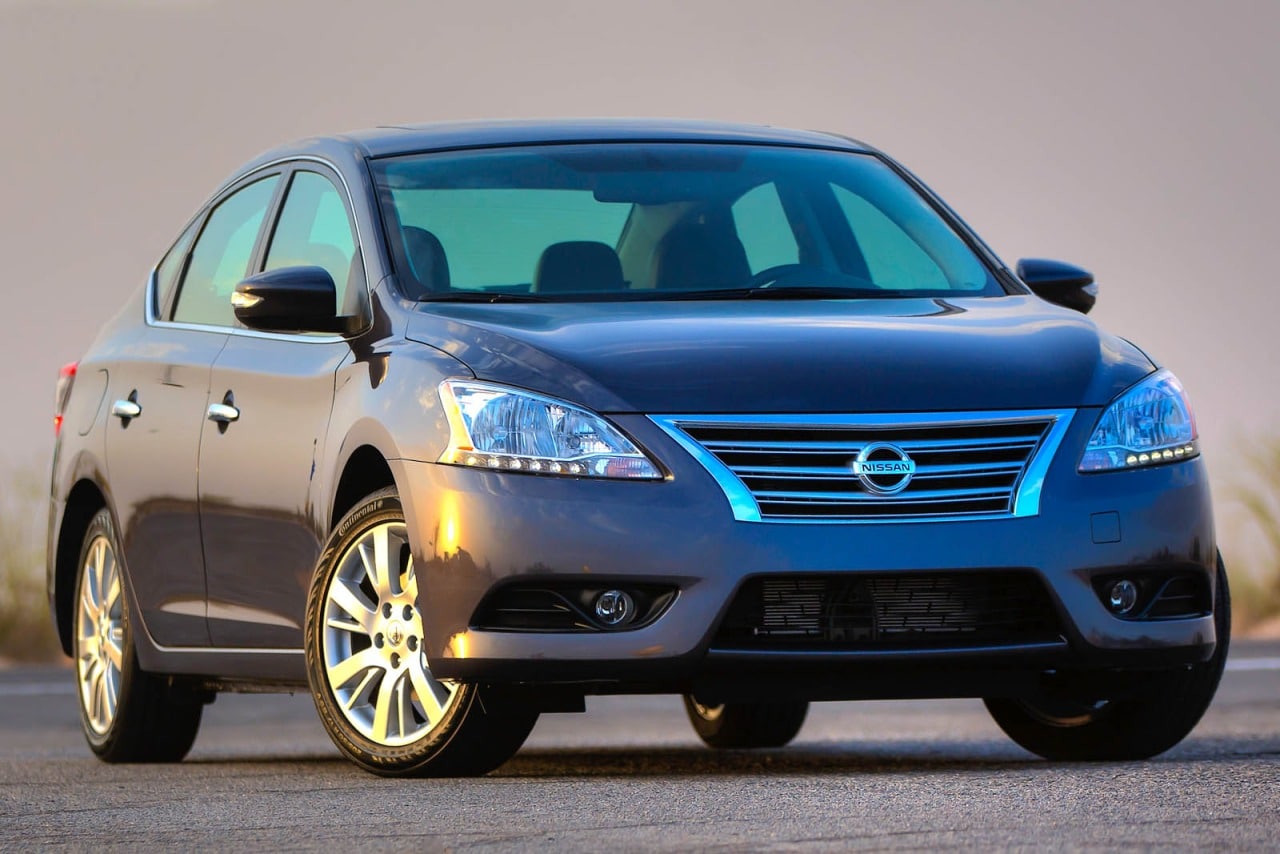
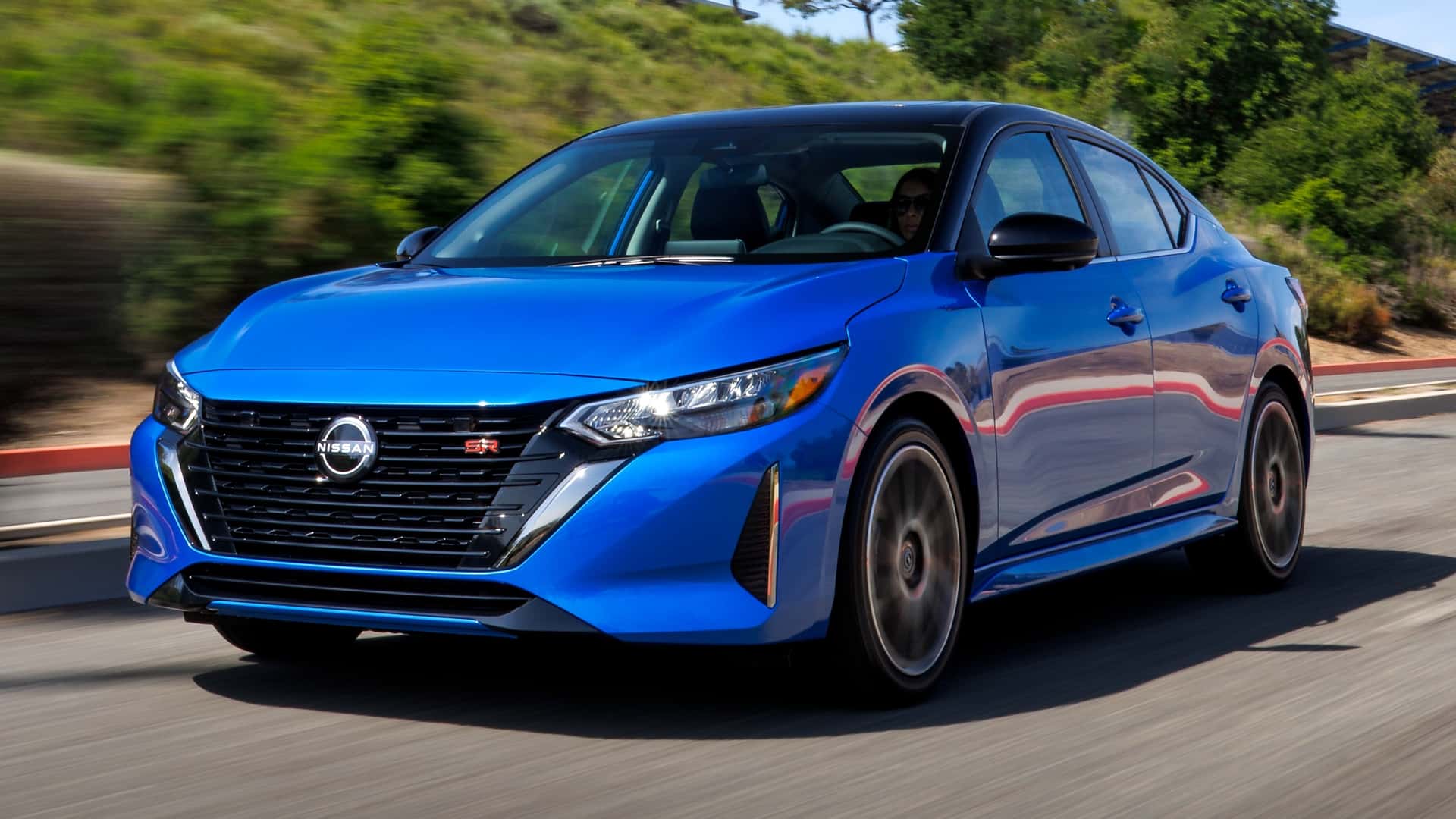
Doesn’t Last: Nissan Sentra (Older Generations)
The Nissan Sentra has been a common sight on roads for decades, often marketed as an affordable, dependable choice. However, several past generations, especially those from the late 2000s to mid-2010s, have suffered from quality issues that tarnish that image.
While newer versions have made strides in refinement, many drivers still associate the Sentra with rapid aging, unreliable performance, and a cabin that deteriorates quickly. In terms of long-term ownership satisfaction, these older Sentra models rarely hold up as well as competitors.
Transmission problems are the most notorious issue. Nissan’s use of continuously variable transmissions (CVTs) in the Sentra was plagued by early failure and inconsistent operation. Many owners experienced slipping, hesitation, or full transmission failure before hitting 100,000 miles.
While some later models improved marginally, the damage to reputation was already done. Costly repairs or replacements often wiped out any initial savings from the car’s low sticker price. For budget-minded drivers, this level of mechanical risk quickly made the Sentra an unreliable option.
Inside the cabin, build quality didn’t help the car’s case. Materials used in this era of Sentras were generally hard, thin plastics that faded and scratched easily. Seats lost their supportiveness early, and dashboards were prone to rattling or even cracking.
The climate controls, window switches, and infotainment systems also had high failure rates, contributing to a feeling of cheapness and inconsistency. Even basic daily use seemed to wear on the car faster than it should, giving drivers the impression that the car was aging in dog years.
Structurally, the Sentra didn’t perform much better. Road noise insulation was weak to begin with, and it often got worse with age. The chassis felt less rigid than competitors, which translated into a ride that became looser and less precise over time. Rust and paint issues also showed up early for many owners, especially in colder regions.
While the Sentra may have seemed like a decent deal up front, its long-term resilience was lacking. For those planning to drive a car into high mileage territory, older Sentras often became a frustrating and costly gamble.
Doesn’t Last: Ford Focus
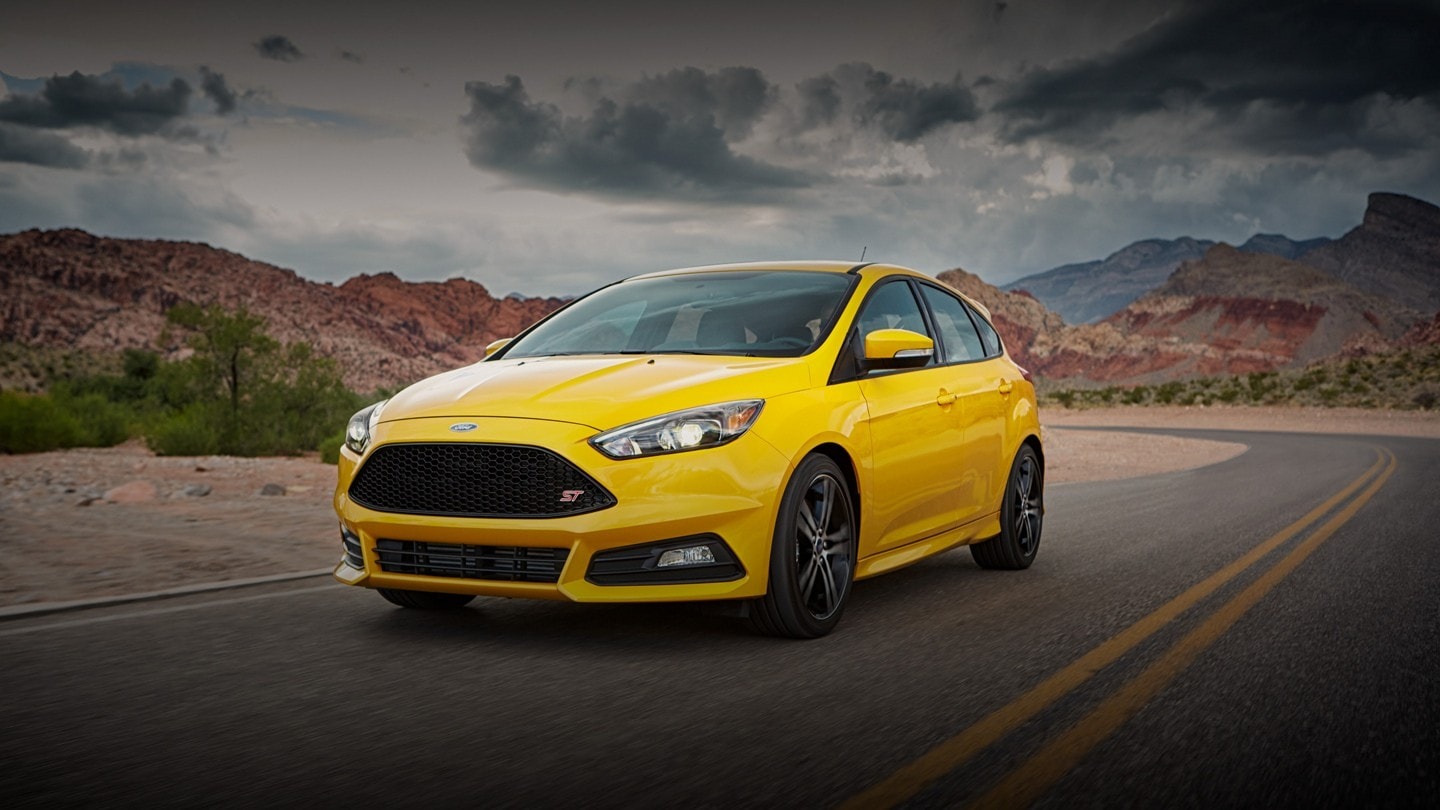
The Ford Focus was once a strong contender in the compact sedan market, known for its handling and modern features. But several model years, particularly between 2012 and 2016, have been plagued by reliability issues that deeply affected long-term ownership.
The most problematic area is the transmission. Ford’s PowerShift dual-clutch system was intended to improve fuel economy while providing a more engaging drive, but in reality, it became a nightmare for many owners. Frequent stalling, shuddering, and outright failures were reported, leading to multiple recalls and a loss of confidence in the vehicle’s durability.
Beyond the transmission, other parts of the car didn’t hold up well. The engine mounts were prone to early wear, causing vibration and noise, and the electrical systems, especially those controlling windows, locks, and sensors, frequently glitched or failed altogether.
Many drivers found themselves dealing with multiple minor but costly repairs that made the car feel old long before it should. While the ride remained relatively comfortable, the mechanical frustrations often made owners feel like they were constantly chasing problems rather than enjoying their car.
The interior of the Focus, while stylish when new, suffered from premature aging as well. The materials looked nice initially but didn’t wear well. Surfaces scratched easily, upholstery faded, and some trim pieces would loosen or fall off. Controls that once felt refined began to stick or become unresponsive.
Over time, the cabin developed creaks and rattles, especially in colder weather, and the infotainment system, which was already somewhat clunky, began to lag noticeably. These issues combined to make the car feel tired and dated faster than its rivals.
Rust and paint durability also came under scrutiny. Some owners noticed bubbling paint or rust near door sills and wheel wells just a few years into ownership. Ford made some improvements in later models, but for those with affected vehicles, the problems left a lasting impact on satisfaction.
For anyone hoping to own a budget sedan that stays fresh and reliable well past the initial years, the Focus often proved to be a frustrating experience, with a decline in performance and quality that felt more rapid than it should have been.
Doesn’t Last: Volkswagen Jetta (Older Generations)
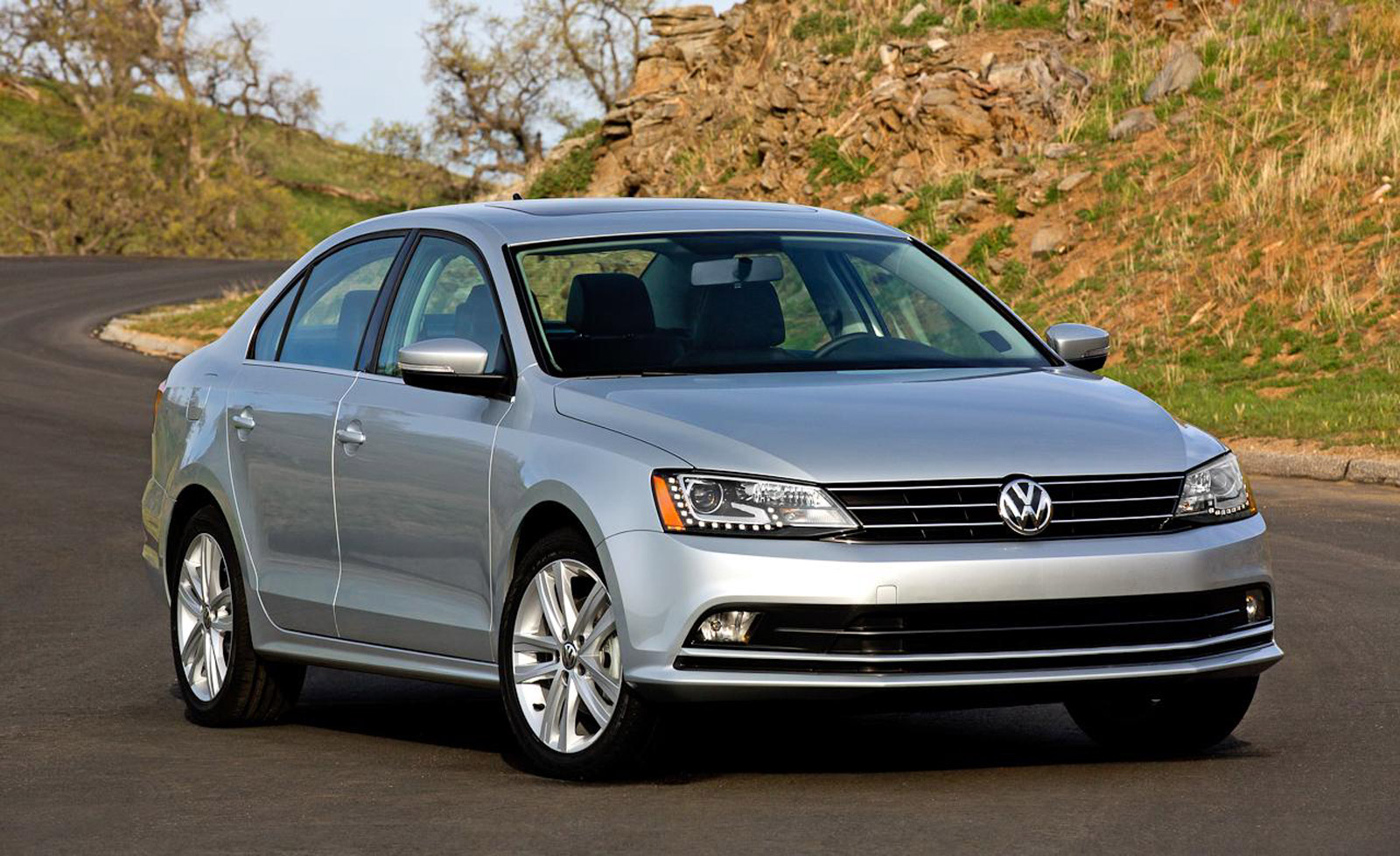
The Volkswagen Jetta has often been praised for its European styling and solid driving dynamics, but many older generations, especially those from the early 2000s through the mid-2010s, struggle with durability issues that prevent them from feeling fresh for long.
While the Jetta carries an air of refinement uncommon in many budget sedans, its mechanical and interior quality often do not live up to initial expectations. Owners frequently report that after just a few years, the car starts to lose its smoothness and reliability, resulting in a decline in overall ownership satisfaction.
One of the most problematic aspects of older Jettas is the reliability of the engine and transmission combinations offered. The turbocharged 2.0-liter engines, while praised for their power, are often susceptible to timing chain tensioner failures, oil leaks, and cooling system problems.
Repairs can be costly, and many owners find themselves facing expensive visits to the mechanic well before the car hits 100,000 miles. The transmissions, especially manual gearboxes, sometimes exhibit clutch issues or rough shifting that worsen over time. These issues detract significantly from the smooth, confident driving experience the Jetta promises when new.
The interior materials and build quality, though generally better than some budget competitors, do not age gracefully in older models. Leatherette seats tend to crack, plastic panels develop scratches, and electronic components, such as power windows and infotainment systems, become less reliable.
Many owners note that the car’s cabin starts to feel dated and worn within a few years, with common complaints about rattles and squeaks emerging after normal use. The once-premium feel diminishes quickly, leading to a sense that the vehicle is aging faster than its peers.
Rust and exterior durability also pose challenges for older Jettas. Due to thin paint layers and less-than-ideal rust protection on some models, corrosion near wheel wells, door bottoms, and undercarriage areas is common, particularly in climates with harsh winters or high humidity.
This visual degradation, combined with mechanical reliability issues, results in many older Jettas feeling far from new, sometimes making them more of a maintenance headache than a joy to own. For those seeking a budget sedan that remains tight, clean, and dependable for years, older Jettas often fall short.
Also Read: 10 Reliable Older Hybrids That You Can Count On
Understanding why some budget sedans maintain their fresh feel while others deteriorate quickly requires looking beyond just price tags or initial appeal. The models that stay reliable and tight over time do so because they emphasize solid engineering, proven mechanical components, quality materials, and practical design choices.
Cars like the Toyota Corolla and Honda Civic have earned their reputations by delivering dependable performance and interiors that hold up under years of wear and tear. These vehicles prioritize long-term usability over flashiness, which results in owners experiencing fewer surprises and less frustration.
Manufacturers who succeed at building budget sedans that age well also invest in corrosion protection and structural durability. This helps cars maintain their appearance and road manners even in challenging environments.
Meanwhile, models like the Hyundai Elantra and Mazda3 illustrate that newer budget sedans can combine affordability with refinement and resilience, proving that long-lasting value doesn’t have to be compromised by cost. Subaru’s Impreza, with its all-wheel-drive capability and rugged construction, offers another angle of durability, especially in climates where road conditions are tougher.
On the other hand, budget sedans that fail to live up to long-term expectations tend to share common weaknesses: problematic transmissions, premature interior wear, and underwhelming build quality. The Chevrolet Cruze and Dodge Dart both show how early mechanical failures and cheap materials can quickly turn a seemingly good deal into an expensive burden.
Similarly, older Nissan Sentras, Ford Focus models, and Volkswagen Jettas highlight the pitfalls of electronic glitches, corrosion, and maintenance challenges that many budget buyers face when looking to keep a vehicle for several years.
Choosing a budget sedan that feels new for years means looking for proven track records of durability, well-engineered mechanical systems, and an interior that stands up to daily use. Prioritizing these factors often leads to a more satisfying ownership experience, fewer repair headaches, and a car that continues to feel like a smart purchase long after the initial deal is done.
Whether your focus is on maintenance costs, comfort, or peace of mind, investing in a budget sedan known for lasting quality pays off in the end.
