
Luxury sedans often represent the pinnacle of automotive engineering, blending powerful performance, supreme comfort, and advanced technology. For many buyers, these vehicles are not only status symbols but also a testament to quality and reliability.
However, despite their high price tags and impressive features, some luxury sedans earn a reputation for persistent electronic issues, which can turn the ownership experience into a frustrating ordeal.
Conversely, other models within the same category maintain consistent reliability, particularly in their electronic systems, providing owners with peace of mind and lasting satisfaction. This article looks at five luxury sedans known for their solid electronic reliability and contrasts them with five models notorious for frequent electronic failures and glitches.
The rise of digital controls and infotainment systems in luxury vehicles has revolutionized how drivers interact with their cars. Touchscreen interfaces, adaptive climate controls, driver assistance features, and smartphone connectivity have become expected amenities.
However, this increasing dependence on electronics also raises the complexity and vulnerability of these systems. Electronic malfunctions can range from minor annoyances like a frozen display screen or inconsistent Bluetooth connectivity to more severe problems such as malfunctioning safety sensors or failing engine management systems. When these issues become frequent or severe, they can significantly undermine the luxury experience and lead to costly repairs.
Buying a luxury sedan is often a long-term investment, and buyers expect a seamless integration of technology with performance and comfort. Therefore, understanding which models deliver consistent electronic reliability is critical for making an informed decision.
While automotive manufacturers continue to push technological boundaries, their success varies widely across different brands and even specific models. Some brands have built reputations for robust engineering and dependable electronic systems, while others struggle with software bugs, hardware failures, and poor system integration that results in repeated problems.
This article aims to provide a clear comparison between luxury sedans that maintain solid electronic reliability and those with recurrent electronic failures. We will discuss the strengths of the most dependable models and identify the common electronic shortcomings of others.
By highlighting specific examples, owners and prospective buyers can better navigate the complexities of luxury sedans’ electronic systems. Whether you prioritize advanced technology or a hassle-free driving experience, knowing which vehicles tend to break down less frequently can be a valuable guide in the luxury car market.
Also Read: 5 Trucks With the Best Storage Under Seats and 5 Wasting Space
5 Luxury Sedans That Stay Solid
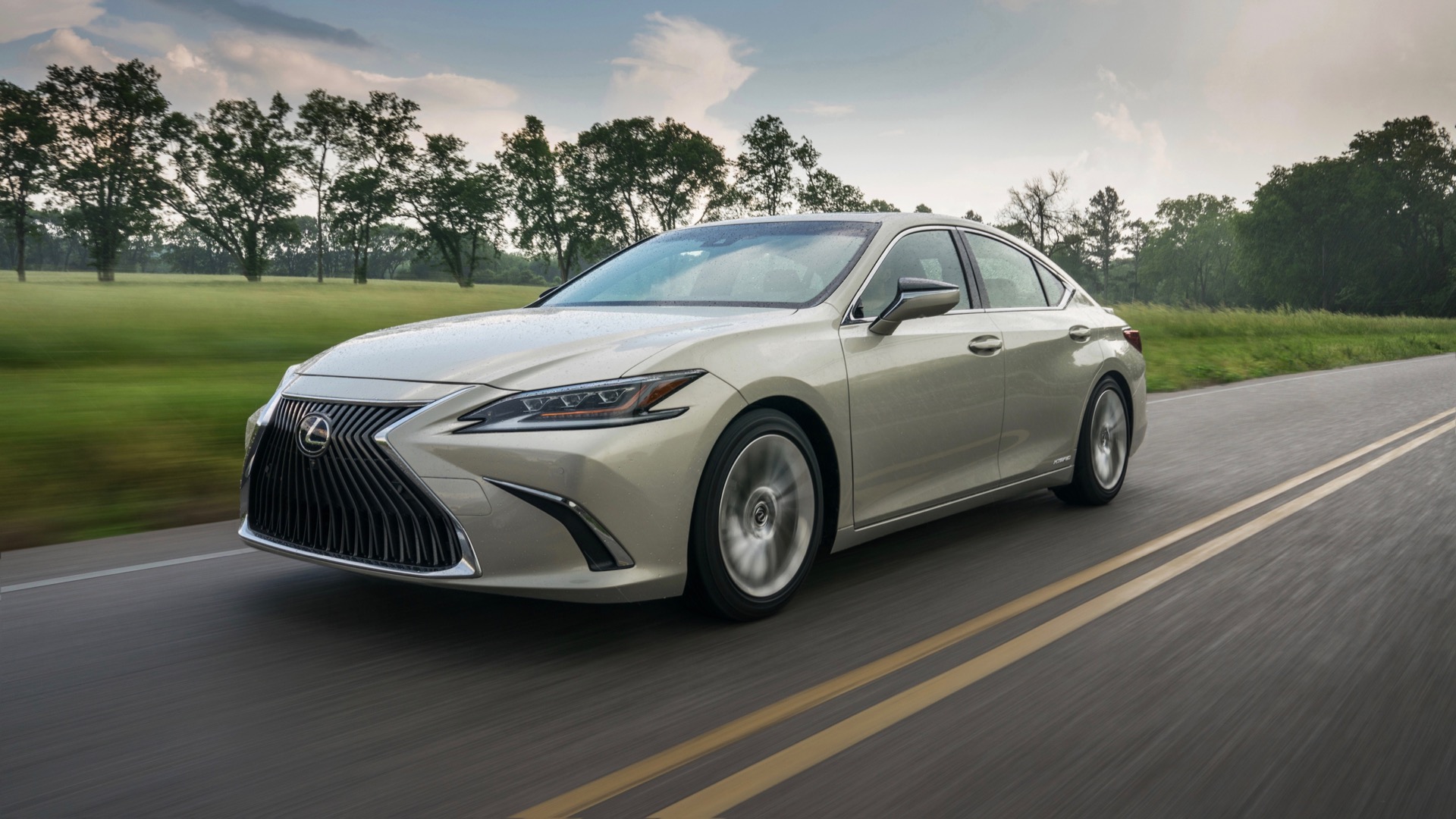
1. Lexus ES
The Lexus ES has long been known for its blend of comfort, refinement, and impressive reliability. One of the key factors behind its reputation is the solid state of its electronics. Lexus has a history of using proven, well-tested technology rather than chasing every new gadget trend. This conservative approach has allowed the ES to maintain electronic systems that rarely malfunction.
The infotainment system, though not the flashiest on the market, is straightforward and responsive. Owners report few issues with Bluetooth connectivity, navigation, or audio controls. Even the advanced driver-assistance systems, such as adaptive cruise control and lane-keeping assist, perform consistently with minimal glitches.
In addition to user-friendly interfaces, Lexus also benefits from a strong dealer support network. Software updates and system recalibrations are often efficiently handled during regular service visits, preventing minor problems from escalating.
The ES does not overwhelm drivers with excessive tech options, which can sometimes create more opportunities for failure. Instead, the focus is on delivering essential, well-integrated features that improve safety and convenience. This pragmatic philosophy underpins the ES’s electronic reliability and contributes to its high owner satisfaction rates.
Another factor that helps the Lexus ES avoid electronic breakdowns is its solid build quality and attention to detail during assembly. The electrical wiring harnesses and connectors used in the ES undergo rigorous testing, reducing the risk of loose connections or corrosion over time.
Lexus engineers prioritize reliability in hardware choices, opting for components that withstand heat, vibration, and long-term use. This results in fewer intermittent faults that plague many luxury cars as they age. Many owners report that their ES vehicles remain electronically stable well past 100,000 miles, a milestone that highlights Lexus’s commitment to quality.
Finally, Lexus’s reputation for reliability extends beyond just the electronics. The entire ES package, including its hybrid powertrain option, is designed for longevity and minimal downtime. When the electronic systems do require attention, repairs tend to be straightforward and reasonably priced compared to competitors.
This combination of dependable hardware, sensible technology integration, and strong dealer support makes the Lexus ES one of the most trustworthy luxury sedans in terms of electronics. It remains a favorite choice for buyers seeking peace of mind alongside luxury.

2. Audi A6
Audi’s A6 has earned a reputation for striking a balance between luxury, performance, and cutting-edge technology. Among luxury sedans, it stands out for the solid reliability of its electronic systems, especially in recent model years. Audi’s MMI (Multi Media Interface) infotainment system has evolved to become highly intuitive, responsive, and stable, which contributes to a positive owner experience.
The system integrates navigation, media, and vehicle settings into a cohesive interface that generally works without major bugs or crashes. Audi’s attention to software development and testing shows through the minimal complaints about system freezes or failures.
Safety and driver assistance electronics are another strong suit for the A6. Systems such as adaptive cruise control, automatic emergency braking, and parking sensors perform reliably, with well-calibrated sensors and fast response times.
These technologies are not only sophisticated but also robust enough to handle everyday driving conditions without frequent recalibration or error messages. Audi’s rigorous quality control ensures that sensor calibration and electronic connections are maintained, reducing the likelihood of false alarms or system shutdowns that annoy owners of other luxury vehicles.
Audi also emphasizes over-the-air software updates in newer A6 models, allowing owners to keep their systems current without the need for dealer visits. This approach helps address minor bugs and improve system performance quickly, adding to the perception of reliability.
Furthermore, Audi’s hardware components for electronics—such as high-quality displays, processors, and wiring—are built to endure harsh environmental factors and long-term use. This results in fewer electronic breakdowns as the vehicle ages, a significant advantage in the luxury market where technology integration is extensive.
Beyond electronics, the A6 delivers strong mechanical reliability and comfortable ride quality. Audi’s reputation for engineering precision means that electronic malfunctions are often exceptions rather than the rule.
The A6’s combination of responsive, reliable tech and solid mechanical components ensures that owners enjoy a refined, trouble-free ownership experience. For buyers wanting a luxury sedan that incorporates advanced features without constant electronic headaches, the Audi A6 remains a compelling choice.

3. Mercedes-Benz E-Class
Mercedes-Benz has historically set the standard for luxury sedans, and the E-Class is one of the brand’s flagship models. In recent years, the E-Class has earned praise for its electronic reliability, standing out in a segment often criticized for tech-related headaches.
Mercedes’s approach to electronics in the E-Class emphasizes robust hardware and carefully vetted software, reducing the incidence of glitches that can frustrate owners. The COMAND infotainment system, though complex, functions smoothly for the majority of users, providing access to navigation, entertainment, and vehicle settings without frequent crashes or freezing.
The advanced driver assistance features on the E-Class also demonstrate Mercedes’s commitment to solid electronic performance. Adaptive cruise control, lane-keeping assist, blind-spot monitoring, and automated parking all work with high accuracy and consistency.
Many owners report these systems enhance safety without becoming a source of stress or malfunction. Mercedes invests heavily in sensor accuracy, data processing speed, and system redundancy to ensure reliability, especially for safety-critical features. This focus helps the E-Class maintain its luxury promise with minimal electronic disruptions.
Moreover, the E-Class benefits from thorough diagnostics and software update protocols that allow dealers to quickly identify and fix any emerging electronic issues. Preventive maintenance on electronic systems is well integrated into the service schedule, further reducing the risk of unexpected failures.
Mercedes-Benz’s attention to manufacturing quality, including soldering quality and protective casing for electronic modules, plays a key role in long-term durability. These factors combine to minimize the number of electronic faults reported by owners over the life of the vehicle.
Finally, the E-Class’s electronics are designed to work harmoniously with the vehicle’s mechanical systems, ensuring a smooth driving experience. Engine management, suspension controls, and climate systems all benefit from this integration.
While the E-Class offers a wealth of technological features, its engineering teams have prioritized reliability to avoid overwhelming owners with system breakdowns. This balanced approach has contributed to the E-Class’s status as a dependable luxury sedan that owners can enjoy without worrying about frequent electronic malfunctions.
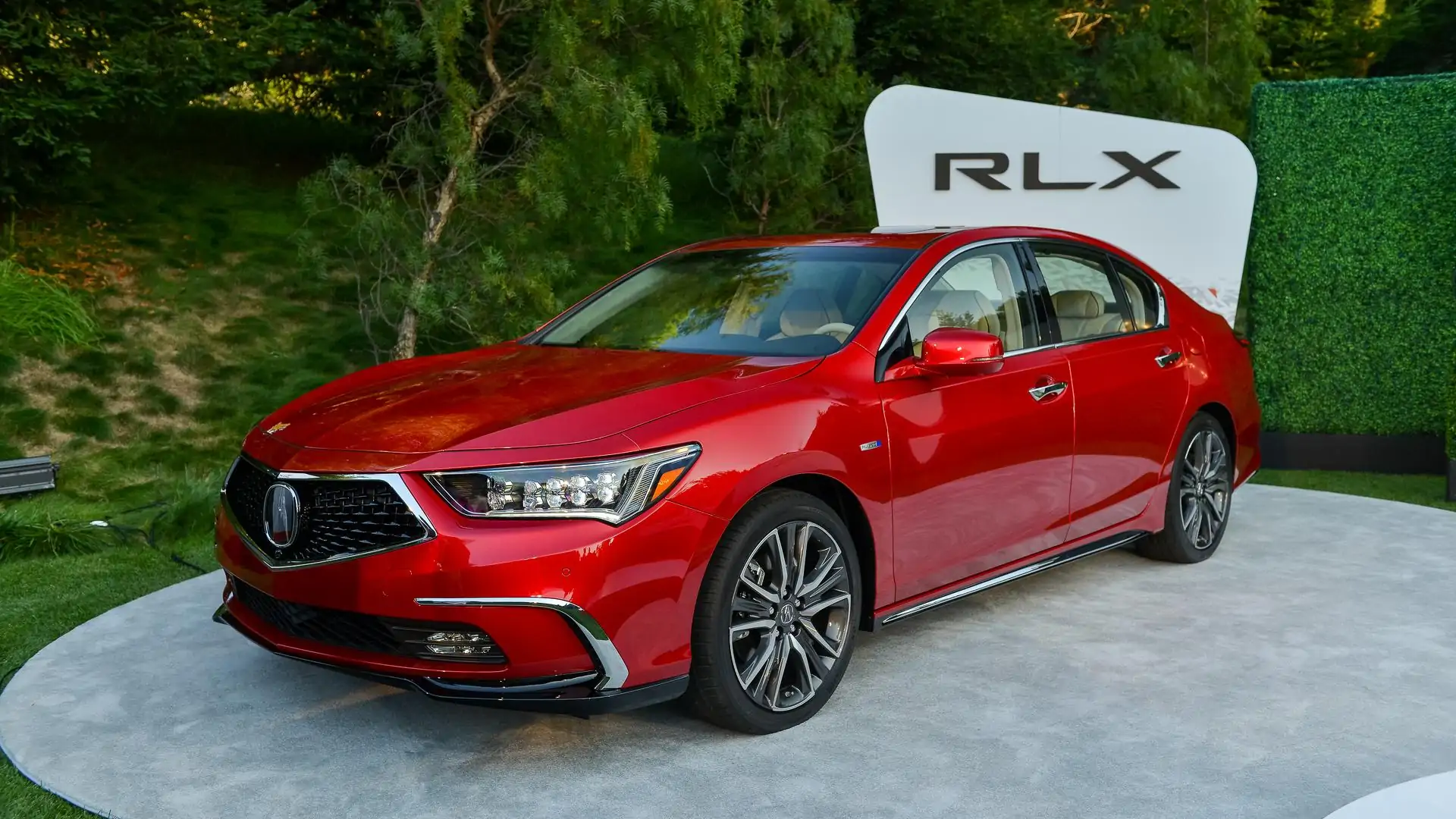
4. Acura RLX
Acura’s RLX is often overlooked in the luxury sedan segment but deserves recognition for its solid reliability, especially concerning its electronics. The RLX uses a relatively straightforward infotainment system that avoids excessive complexity, contributing to fewer electronic issues.
While the interface may not be as flashy or feature-packed as some competitors, it performs consistently well with responsive touch controls and minimal lag. Bluetooth and smartphone integration are dependable, and owners rarely report connectivity dropouts or audio glitches.
Acura’s approach to driver-assistance technology in the RLX focuses on delivering useful features without pushing the limits of unproven systems. Adaptive cruise control, collision mitigation braking, and lane-keeping assist work reliably and are calibrated to minimize false alerts.
This practical deployment of technology ensures that safety electronics are supportive rather than distracting. Acura also maintains strict quality control on sensor installation and system software, which helps keep these electronics functional over time.
The build quality and engineering of the RLX’s electronic components play a significant role in its reliability. Wiring harnesses are routed and secured carefully to prevent damage, and the modules controlling various functions are designed for easy replacement if necessary.
Additionally, Acura benefits from its parent company Honda’s, reputation for dependable electronics and mechanical systems. This pedigree extends to the RLX, making it a solid choice for buyers who want a luxury sedan that won’t frequently break down electronically.
Lastly, Acura’s commitment to regular software updates and diagnostics through its dealer network ensures that any emerging electronic issues are promptly addressed. The RLX’s relatively low ownership costs and good warranty coverage also contribute to a worry-free ownership experience. For customers prioritizing reliability over flashy tech, the RLX offers a solid, understated luxury sedan option that stays reliable well into its lifespan.
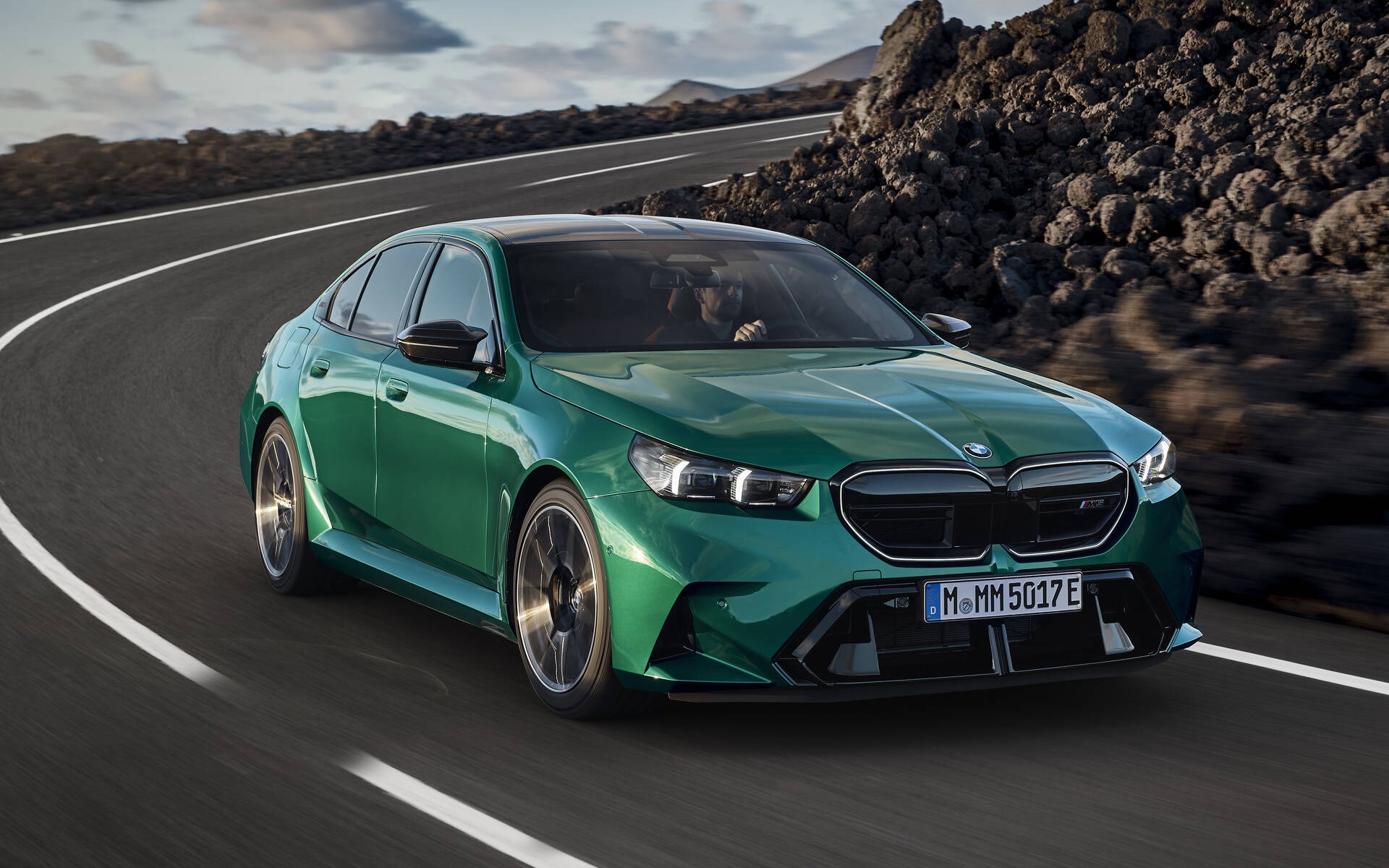
5. BMW 5 Series (Recent Models)
The BMW 5 Series is often praised for its driving dynamics, but its recent models have also made significant improvements in electronic reliability. Earlier generations of the 5 Series struggled with infotainment bugs and electronic glitches, but the latest iterations have addressed many of these issues through more stable software and better hardware components.
The iDrive system, now in its updated versions, operates smoothly with quick response times and fewer crashes or freezes than in the past. Owners appreciate the improved interface, which integrates navigation, media, and vehicle settings more effectively.
BMW has also refined the electronics behind its driver-assistance systems in the 5 Series. Features like adaptive cruise control, lane-keeping assist, and collision warning work more reliably and provide consistent performance during everyday driving. Advances in sensor technology and improved data processing contribute to reduced error rates and false alarms. BMW’s rigorous testing protocols ensure that these systems perform well in various driving conditions without frequent recalibration.
In addition to software stability, BMW’s quality control over hardware is evident in the 5 Series. Electronic components, connectors, and wiring harnesses are selected and assembled to withstand typical automotive stresses, minimizing premature failure.
The improved reliability of electronic modules reflects BMW’s commitment to customer satisfaction, especially in a segment where buyers expect cutting-edge technology to function flawlessly. Warranty programs and dealer support also help keep any electronic repairs efficient and affordable.
Finally, the 5 Series integrates its electronic and mechanical systems smoothly, enhancing vehicle performance and driver confidence. The car’s electronic stability control, adaptive suspension, and engine management systems all benefit from improved reliability.
This harmony reduces the risk of unexpected electronic malfunctions disrupting the driving experience. The newer BMW 5 Series models offer a solid option for luxury buyers who want the latest technology without the frustration of constant electronic problems.
5 Luxury Sedans That Constantly Break Electronics
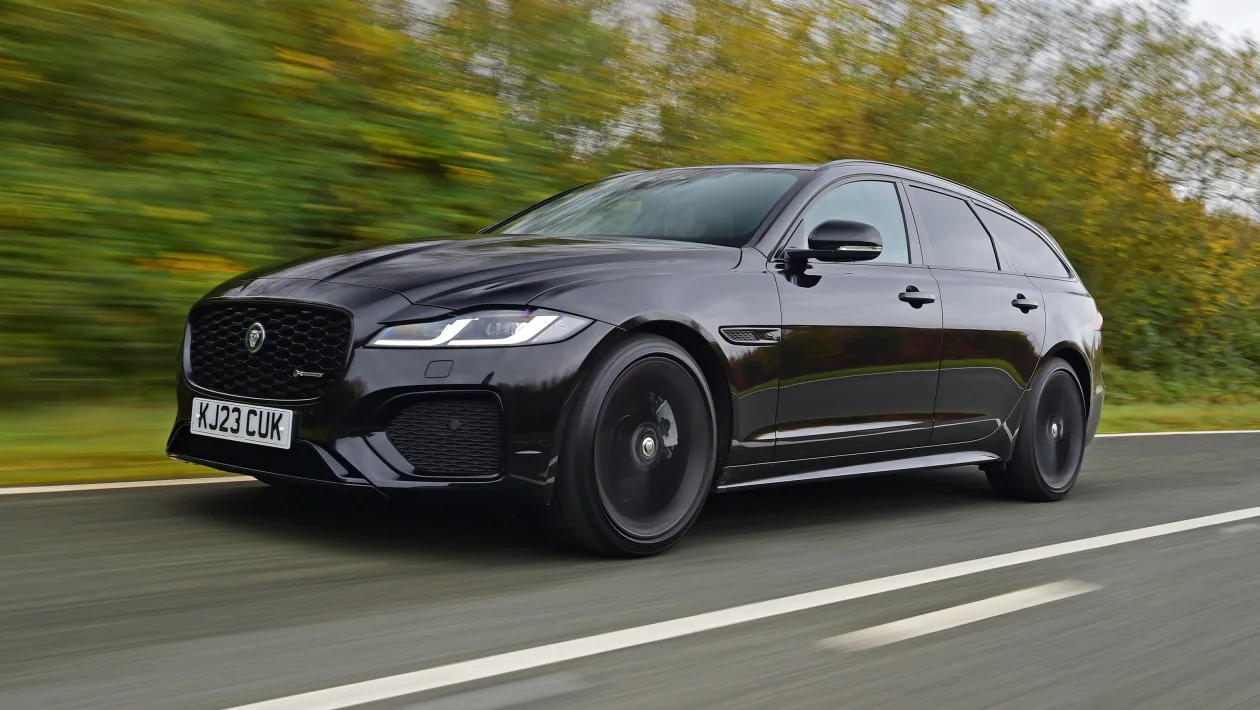
1. Jaguar XF
Jaguar’s XF sedan, while admired for its style and driving dynamics, has struggled with electronic reliability for many years. Owners frequently report issues with the infotainment system freezing, Bluetooth connectivity dropping, and navigation glitches.
The InControl Touch Pro system, meant to be Jaguar’s flagship tech feature, has faced criticism for slow responses, random crashes, and unresponsiveness to touch inputs. These problems are not only inconvenient but also undermine the luxurious experience expected from a vehicle in this class.
In addition to infotainment woes, Jaguar’s driver assistance and electronic control modules in the XF often malfunction. Adaptive cruise control sensors may fail to engage properly or produce false alerts. Parking sensors and backup cameras sometimes provide inaccurate readings or stop working altogether.
These issues stem partly from subpar software integration and quality control lapses in hardware assembly. The result is a vehicle whose advanced electronics cause more headaches than help, frustrating owners who expect a premium experience.
Jaguar’s electronic reliability issues are exacerbated by inconsistent dealer support for software updates and repairs. Many owners report delays in receiving necessary fixes or difficulty scheduling service appointments to address electronic problems.
Moreover, replacement parts for electronic modules tend to be expensive and may require lengthy wait times. This combination of persistent issues and costly repairs makes the Jaguar XF a less attractive option for buyers prioritizing electronic durability in their luxury sedans.
Finally, the XF’s electronic malfunctions extend beyond infotainment and driver assistance systems to include climate controls, instrument cluster displays, and keyless entry modules. Intermittent faults with these systems can cause significant inconvenience, such as a sudden loss of climate control or dashboard warning lights without a clear cause.
Such problems undermine confidence in the vehicle’s reliability and add to ownership stress. Despite its style and performance, the Jaguar XF’s reputation for breaking electronics weighs heavily on its desirability.
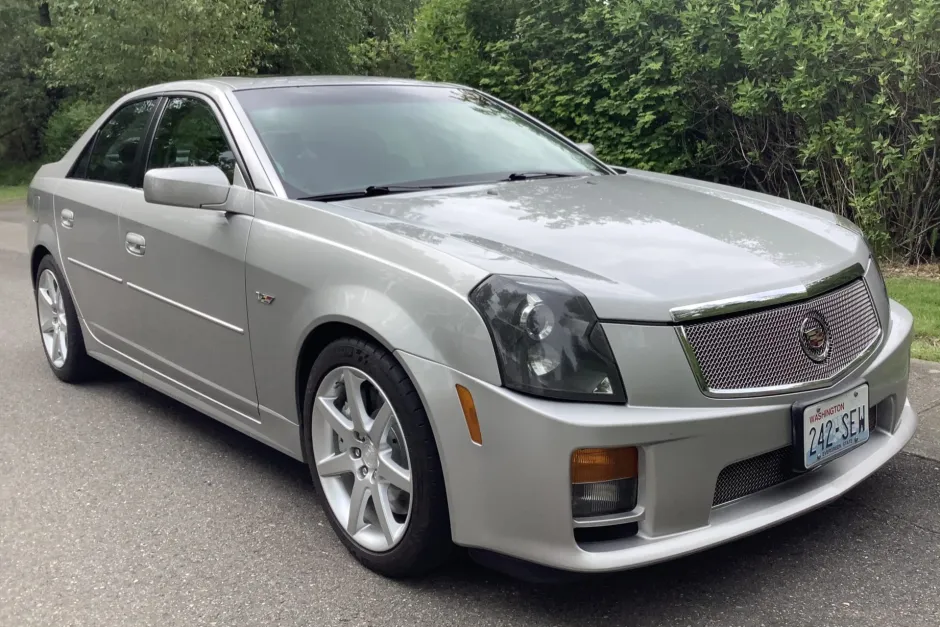
2. Cadillac CTS (Older Generations)
The Cadillac CTS, particularly older models from the late 2000s to early 2010s, has a well-documented history of electronic problems. Infotainment systems often freeze or reboot unexpectedly, and touchscreen responsiveness can degrade over time.
Cadillac’s CUE (Cadillac User Experience) system, designed to control most in-car functions, is frequently cited as a major source of frustration due to its laggy interface and confusing menu structures. Many owners report connectivity issues with Bluetooth and frequent failures in voice recognition features.
Beyond infotainment, the CTS suffers from unreliable electronic modules controlling various vehicle functions. Electronic throttle controls, instrument clusters, and electronic stability control systems have been known to fail or provide inconsistent feedback.
Owners have experienced warning lights triggered without cause and random sensor errors, which sometimes disable important safety features. These recurring electronic glitches undermine the vehicle’s luxury credentials and add significant maintenance costs.
Dealerships sometimes struggle to diagnose and resolve these electronic problems because of their complexity and the proprietary nature of Cadillac’s software. Software patches and updates are not always effective, leading to repeated visits and unresolved issues.
Additionally, the CTS’s electronic components have shown vulnerability to heat and moisture damage, accelerating failure rates. Replacement parts can be costly, further burdening owners with expensive repairs.
The CTS’s electronic problems also affect convenience features such as keyless entry, power seats, and climate control. Malfunctions in these areas detract from the vehicle’s comfort and ease of use, diminishing the appeal of a luxury sedan. While Cadillac has made improvements in later generations, the legacy of electronic unreliability continues to impact the reputation of older CTS models, making them a risky choice for buyers concerned about electronics.

3. Infiniti Q50
Infiniti’s Q50 is often praised for its performance and styling but has struggled with electronic reliability since its introduction. Owners frequently report problems with the dual touchscreen infotainment system, which can be slow to respond, freeze, or reboot unexpectedly.
The complexity of controlling many functions through two screens creates more points of failure and user frustration. Bluetooth connectivity issues and occasional loss of smartphone integration also plague Q50 drivers.
Electronic control modules in the Q50 exhibit inconsistencies, with some owners experiencing intermittent failures in systems like traction control, adaptive cruise control, and blind-spot monitoring. These malfunctions can cause warning lights to illuminate unnecessarily or temporarily disable certain safety features.
Infiniti’s software updates and dealer fixes often provide only temporary relief, with many problems recurring after a short period. This cycle of failure and repair creates ongoing concerns about the vehicle’s electronics.
The build quality of electronic hardware in the Q50 has been criticized for using components that do not hold up well to vibrations, temperature fluctuations, or moisture exposure. Wiring harnesses and connectors are reportedly prone to loosening or corrosion, leading to electrical shorts or signal loss. These hardware issues compound the software problems and contribute to frequent electronic breakdowns that frustrate owners and complicate repairs.
Convenience features like keyless entry, power windows, and seat memory settings are also known to malfunction sporadically in the Q50. These minor but persistent electronic faults degrade the ownership experience. While Infiniti has worked to improve its systems in newer models, the Q50’s electronic reliability issues remain a significant concern for potential buyers looking for a dependable luxury sedan.
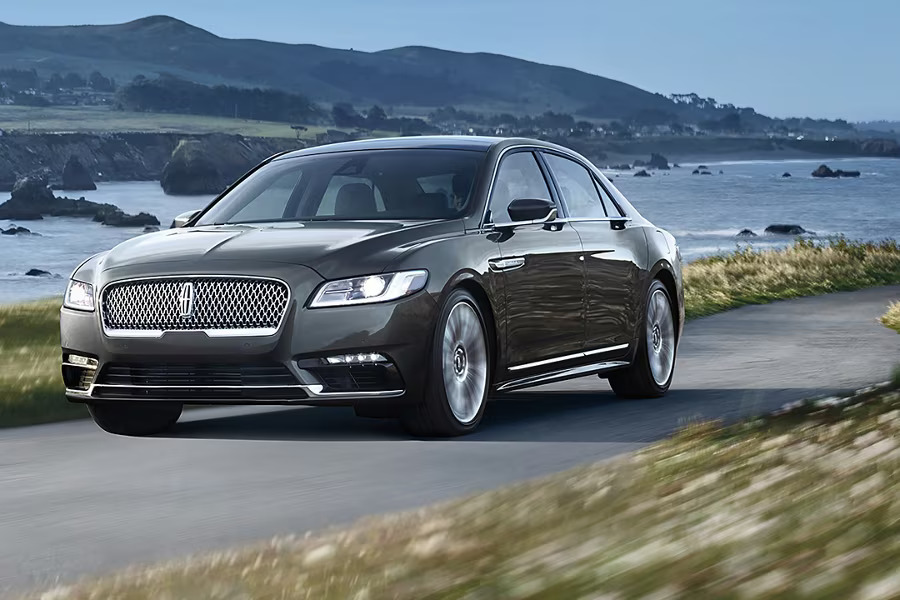
4. Lincoln Continental
The Lincoln Continental, despite its elegant design and spacious interior, has struggled with electronic reliability since its reintroduction in the mid-2010s. The SYNC 3 infotainment system, intended to be user-friendly and feature-rich, has been plagued by bugs, system crashes, and slow response times. Users frequently complain about unresponsive touchscreens and inconsistent Bluetooth performance. Navigation updates and software patches sometimes fail to fully resolve these issues, leading to ongoing frustration.
In addition to infotainment problems, Lincoln Continental owners report frequent electronic glitches in other vehicle systems. Adaptive cruise control sensors and collision warning systems may fail or generate false alarms, undermining trust in the vehicle’s safety technology. Electronic climate controls sometimes malfunction, resulting in uneven heating or cooling and loss of automatic mode functionality. These problems point to a lack of thorough system integration and quality control during production.
Dealer support for electronic repairs on the Continental has been inconsistent, with some owners experiencing long wait times for parts and software updates. Replacement electronic modules can be expensive and sometimes require multiple attempts to resolve persistent faults. These challenges increase the cost and inconvenience of ownership, detracting from the Continental’s luxury appeal.
Moreover, convenience electronics like power seats, memory functions, and keyless entry systems have demonstrated reliability issues. Malfunctions in these areas reduce comfort and user satisfaction. While the Lincoln Continental remains a stylish option in the luxury sedan market, its ongoing electronic problems make it a less reliable choice for buyers who expect seamless technology integration in their vehicles.
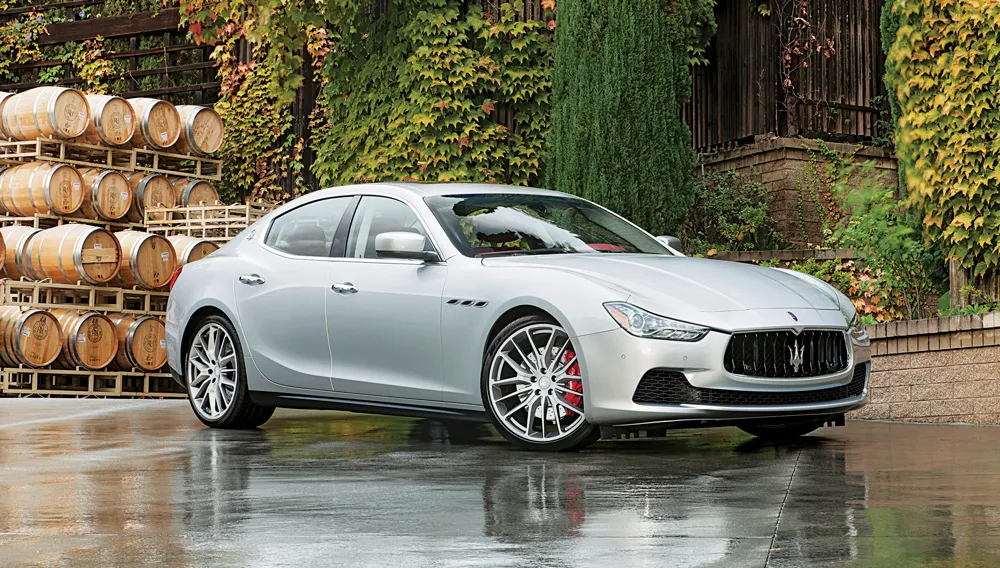
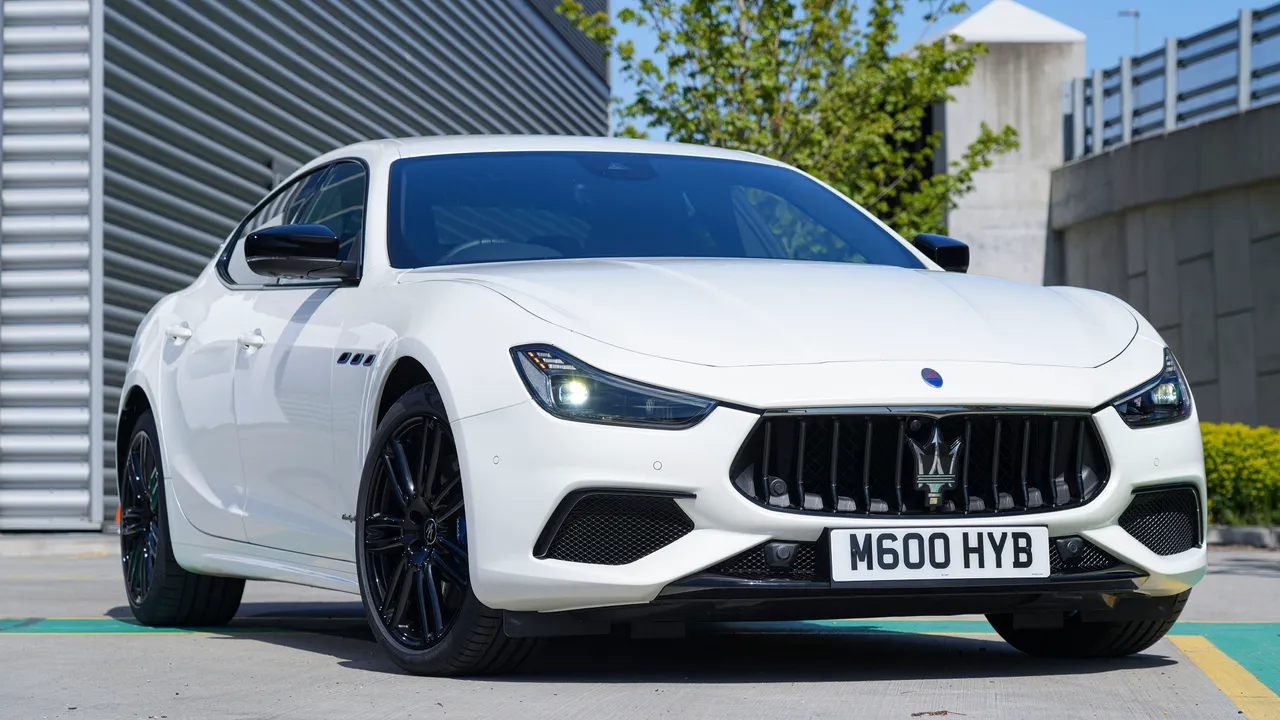
5. Maserati Ghibli
The Maserati Ghibli offers Italian flair and sporty performance, but it has a troubled reputation regarding electronic reliability. Owners frequently report issues with the infotainment system freezing or shutting down unexpectedly.
The touchscreen controls can be slow to respond or completely unresponsive at times. Bluetooth connectivity problems and inconsistent smartphone integration further complicate the user experience. Maserati’s proprietary systems often lag behind competitors in terms of software stability and user-friendliness.
Driver assistance electronics in the Ghibli are also prone to failure. Adaptive cruise control, blind-spot detection, and parking sensors sometimes malfunction or provide inaccurate data. Owners have noted false warnings and sensor misalignments that reduce the effectiveness of safety systems. The electronic control units often require recalibration or replacement within a few years of ownership, leading to costly repairs.
The Ghibli’s electronic hardware quality is inconsistent, with reports of loose connectors, wiring issues, and fragile components that are vulnerable to wear and environmental factors. Maserati’s after-sales service for electronic issues is also limited compared to mainstream luxury brands, leading to longer repair times and higher costs. These factors combine to make Ghibli’s electronics a weak point in an otherwise attractive luxury sedan.
Finally, convenience features such as keyless entry, climate control, and instrument cluster displays also show reliability problems. Owners experience sporadic failures that impact everyday usability. Despite Ghibli’s strong performance and design, its frequent electronic breakdowns make it a risky choice for buyers prioritizing dependability in luxury sedans.
Also Read: 5 Trucks With the Best Storage Under Seats and 5 Wasting Space
When choosing a luxury sedan, electronic reliability often proves to be as important as performance, comfort, and style. The growing complexity of vehicle technology has made advanced electronics an integral part of the driving experience, yet it also introduces new challenges for manufacturers and owners alike.
This is especially true in the luxury segment, where buyers expect cutting-edge features to work flawlessly, enhancing convenience, safety, and enjoyment without frequent interruptions or costly repairs. The contrast between luxury sedans that maintain solid electronic reliability and those that struggle with persistent failures highlights how critical the integration of dependable technology is to vehicle satisfaction.
The models that stand out for their electronic reliability, such as the Lexus ES, Audi A6, Mercedes-Benz E-Class, Acura RLX, and recent BMW 5 Series, demonstrate that high-tech features can be both sophisticated and stable. These vehicles show a balance between adopting new technologies and maintaining robust, well-tested systems.
They prioritize quality hardware, thorough software development, and rigorous testing, resulting in electronics that rarely malfunction or cause owner frustration. For example, Lexus’s conservative but effective approach ensures that infotainment and safety systems work smoothly, supported by efficient dealer maintenance.
Audi and Mercedes-Benz combine innovative features with solid sensor calibration and over-the-air updates, further enhancing reliability. Acura and BMW also focus on hardware durability and software stability to minimize glitches. These sedans embody how luxury can be paired with dependable technology, reassuring buyers that their investment will last without constant electronic troubles.
On the other hand, luxury sedans such as the Jaguar XF, older Cadillac CTS, Infiniti Q50, Lincoln Continental, and Maserati Ghibli exemplify the challenges that arise when electronic systems are not as reliable. These vehicles are frequently plagued by software bugs, hardware failures, and poor integration of complex systems.
Owners face frozen infotainment screens, inconsistent Bluetooth connectivity, malfunctioning driver assistance features, and erratic sensor behavior. The issues extend beyond mere inconvenience; they often result in safety system errors, unpredictable behavior, and costly repairs.
Additionally, dealer support and software update mechanisms in some of these brands do not always keep pace with the problems, compounding owners’ frustrations. These electronic shortcomings detract significantly from the luxury experience, undermining the vehicles’ premium positioning and leaving buyers dissatisfied.
This stark contrast between luxury sedans that stay solid and those that break down electronics points to several important factors. First, the choice of technology must be matched by careful development, testing, and quality control. Second, manufacturers that provide efficient support through software updates and accessible repairs create a better long-term ownership experience.
Third, simplicity and proven technology sometimes outperform the allure of cutting-edge but unstable systems. Buyers benefit from vehicles that integrate advanced electronics seamlessly without overwhelming the driver with complexity prone to failure.
For those considering a luxury sedan purchase, electronic reliability should be a major consideration. It can directly impact daily usability, safety, and ownership costs. Choosing a model known for solid electronics often translates into fewer service visits, less downtime, and greater peace of mind. Conversely, sedans with frequent electronic problems may offer impressive features on paper but risk turning ownership into a stressful experience.
In conclusion, as technology continues to shape the future of luxury vehicles, reliability will remain a critical benchmark. The luxury sedans that combine innovation with steadfast electronic performance set the standard for what buyers should expect.
By paying close attention to reliability records and understanding the strengths and weaknesses of each model, buyers can make smarter choices that align with their priorities. Whether the goal is seamless integration, safety, or lasting durability, selecting a luxury sedan with solid electronics ensures the ownership experience lives up to the luxury promise.
