
Electric vehicles have become more than just a shift in how cars are powered; they represent a transformation in how vehicles operate, communicate, and adapt to the driver’s needs.
The software running inside electric cars today is a complex system that controls everything from the fundamental operation of the battery pack to the advanced driver-assistance systems and infotainment features that drivers interact with daily.
Because of this, the reliability and performance of software in these vehicles are crucial not only for convenience but also for safety and efficiency. Cars with strong, well-designed software provide a seamless driving experience, consistent updates that enhance functionality, and systems that actively monitor and improve vehicle health.
In contrast, electric cars plagued with buggy or poorly optimized software can become sources of frustration, reduce safety due to unexpected system failures, and cause trust issues among users. With the rise of electric vehicles, the software that powers them is becoming as important as the hardware, and in many cases, more critical to the user experience.
The industry has seen an interesting split between manufacturers that have managed to develop robust software ecosystems and those still struggling to achieve stability.
The software in electric cars governs key areas such as battery management, ensuring efficient energy use and protecting battery health, driver-assist functions that support safe highway cruising and parking, and infotainment systems that provide navigation and entertainment.
Cars with strong software architecture often offer over-the-air updates, enabling manufacturers to fix issues or add new features without inconvenience to the driver.
This approach fosters continuous improvement and helps avoid the need for costly recalls or service visits. Conversely, cars with problematic software suffer from system crashes, interface freezes, and sometimes even failures of essential safety functions.
This article compares five electric vehicles that have earned reputations for strong, reliable software with five that have struggled with persistent software crashes and related problems. Understanding this distinction offers insight into how software quality shapes the future of electric mobility.
The five electric cars recognized for strong software systems showcase how innovation, careful engineering, and responsive customer service can combine to create exceptional electric vehicles. These models excel in delivering smooth user interfaces, dependable driver assistance, and precise battery management.
Their software systems are supported by frequent updates that enhance performance and add functionality, even years after the cars are purchased. On the other hand, the five cars with frequent crashes highlight the challenges that automakers face when transitioning from traditional vehicles to software-driven electric platforms.
These vehicles exhibit various issues ranging from infotainment crashes to malfunctioning safety systems, which can sometimes impact driver confidence and safety.
This article will provide detailed examples and explanations for each, offering a comprehensive picture of where the industry currently stands in software development for electric cars. By focusing on software performance, we can better appreciate how technology and software engineering play pivotal roles in the success or failure of today’s electric vehicles.
Also Read: 5 Volkswagens That Run Forever and 5 That Constantly Stall
5 Electric Cars With Strong Software
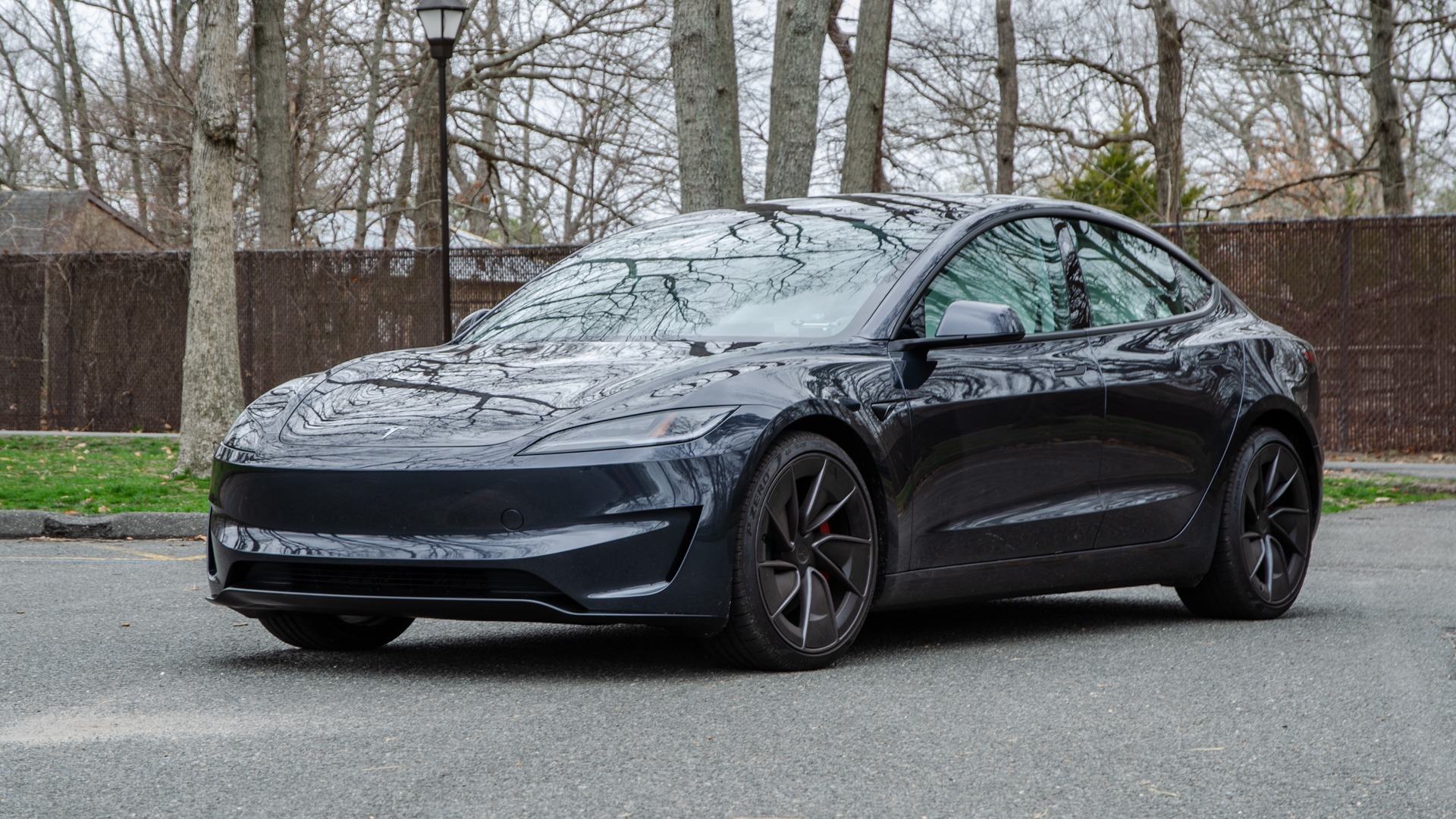
Tesla Model 3
Tesla’s Model 3 is often regarded as the gold standard in electric vehicle software due to its seamless integration of hardware and software. One of the most features of the Model 3 is Tesla’s over-the-air update system, which continuously refines the vehicle’s capabilities long after it leaves the factory.
This allows Tesla to improve Autopilot algorithms, enhance battery efficiency, and introduce new user interface features without the customer needing to visit a service center. This constant stream of updates means the Model 3 evolves with the user, addressing bugs, improving responsiveness, and even unlocking new capabilities over time.
The car’s self-driving software relies on extensive data collection from Tesla’s global fleet, creating a learning loop that enhances the vehicle’s perception and decision-making abilities with every mile driven.
The vehicle’s user interface centers around a large touchscreen that controls most aspects of the car, from navigation and media to climate control and vehicle settings. Tesla’s software team has focused heavily on designing an interface that is both visually appealing and highly functional, with smooth transitions and minimal lag.
Unlike many other vehicles where multiple physical buttons clutter the dashboard, the Model 3’s software allows drivers to accomplish almost everything via the screen or voice commands, reducing distractions.
Moreover, Tesla’s mobile app integration adds a layer of convenience, letting users remotely monitor charging status, precondition the cabin, and even summon the vehicle in some scenarios, all managed through software connectivity.
Battery management is another area where Tesla’s software shines. The system constantly monitors cell temperatures, charge rates, and power output to maximize the battery’s lifespan and efficiency. This intelligent management supports long driving ranges and fast charging while minimizing degradation.
The Model 3’s software also optimizes energy use through regenerative braking controls and driving modes that adjust power delivery. This focus on energy management results in consistent real-world range, an area where other EVs sometimes fall short due to less sophisticated software.
Tesla’s constant software improvements have made the Model 3 one of the safest cars on the road. The company’s ability to push updates that refine collision avoidance, lane-keeping assist, and emergency braking systems has helped reduce accidents and improve reliability.
While Tesla vehicles have occasionally faced criticisms for software bugs or sudden system reboots, these incidents are relatively infrequent and typically resolved quickly via software patches. The Model 3’s software ecosystem represents a new model of automotive innovation, where a car’s performance and features can be continuously improved, creating a dynamic relationship between the vehicle and the user.

Porsche Taycan
Porsche’s Taycan combines the brand’s legacy of performance with a modern approach to software integration. Porsche has invested heavily in ensuring that the Taycan’s software not only supports its impressive hardware but enhances it by providing precise control and intuitive user experiences.
The infotainment system, for example, is designed to be fast and responsive, featuring multiple touchscreens with crisp graphics and clear layouts. The vehicle also supports over-the-air updates, which Porsche uses to regularly introduce improvements in user interface functionality, connectivity, and driving dynamics, keeping the Taycan current without requiring dealership visits.
Battery and thermal management software in the Taycan is a standout feature, expertly balancing performance and efficiency. The car’s software continuously monitors battery temperature and adjusts charging rates accordingly, allowing for ultra-fast charging speeds while preserving battery health.
Porsche has implemented advanced algorithms to optimize energy use in real-time, adapting regenerative braking and power delivery to the driving situation. This approach helps maximize range without sacrificing the sporty driving characteristics expected from a Porsche.
The sophisticated energy management also ensures consistent performance even under demanding conditions such as high-speed driving or aggressive acceleration.
The Taycan is also equipped with a comprehensive suite of driver-assistance features powered by reliable software systems. Adaptive cruise control, lane-keeping assist, and parking assist technologies work together to make driving safer and less stressful.
Porsche’s software team conducts extensive validation to ensure these systems react predictably and reliably, avoiding the erratic behaviors sometimes seen in other vehicles. Additionally, the infotainment system integrates smoothly with smartphones and voice assistants, providing easy access to navigation, music, and communication tools without distracting the driver.
Porsche’s emphasis on combining high-performance driving with robust software systems has allowed the Taycan to carve out a strong position in the luxury electric market. The software supports a driving experience that is both exhilarating and practical, with reliable systems that deliver confidence behind the wheel.
The Taycan’s software is an example of how traditional automotive craftsmanship can coexist with modern digital innovation, resulting in a vehicle that meets the high expectations of Porsche enthusiasts.
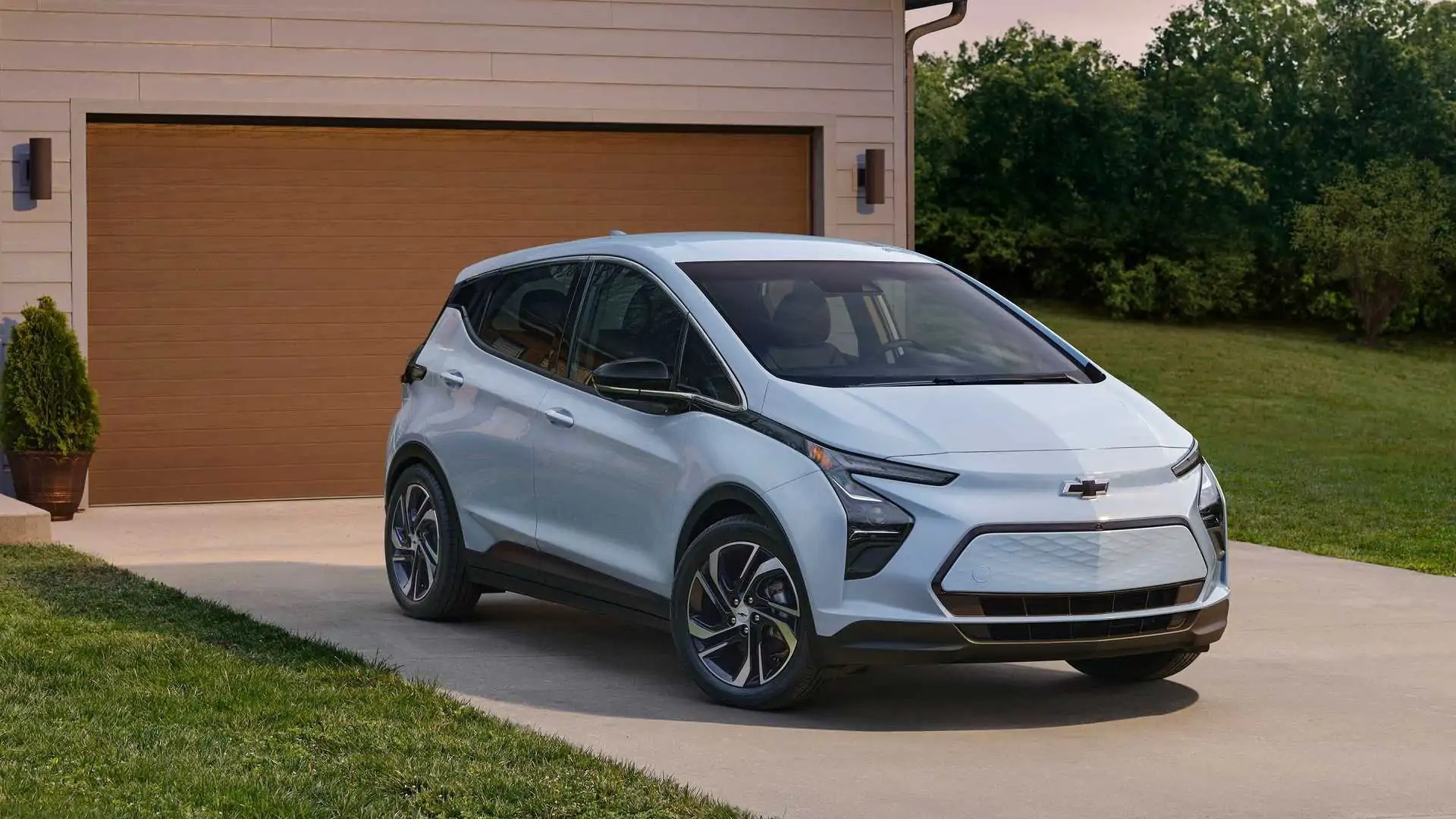
Chevrolet Bolt EV
The Chevrolet Bolt EV demonstrates how automakers can successfully create dependable software platforms for affordable electric vehicles. Chevrolet has invested in creating software that prioritizes stability and ease of use, ensuring that drivers have access to essential features without the frustration of frequent bugs or crashes.
The Bolt supports over-the-air updates, which allows the company to roll out fixes and enhancements over time, although not as extensively as some higher-end competitors. This balance of cost and functionality has helped the Bolt remain a popular choice among consumers looking for a reliable EV without a premium price tag.
Battery management software in the Bolt EV is for its accuracy in predicting range and monitoring energy consumption. The system provides drivers with detailed feedback about how driving habits and environmental conditions affect battery life.
It also manages charging processes to protect the battery from excessive wear while allowing fast charging when available. These features contribute to a dependable and stress-free driving experience where range anxiety is minimized. Chevrolet’s software also supports efficient regenerative braking that helps recover energy during deceleration, extending driving range in everyday use.
The Bolt’s infotainment interface is straightforward, featuring responsive touchscreens and physical controls that minimize driver distraction. The software integrates well with Apple CarPlay and Android Auto, offering seamless smartphone connectivity and access to popular apps.
Unlike some other electric cars where software freezes or crashes are common, the Bolt’s system remains generally stable and easy to use. Safety software also performs reliably, with features such as automatic emergency braking, lane departure warning, and pedestrian detection working consistently to protect occupants and other road users.
While Chevrolet has had to address some battery-related recalls, these were primarily hardware concerns rather than software failures. The company’s software team has been proactive in providing patches and updates that maintain system integrity and improve user experience.
The Bolt EV exemplifies how solid software development and regular maintenance can create a dependable electric car that appeals to a broad audience without sacrificing quality.
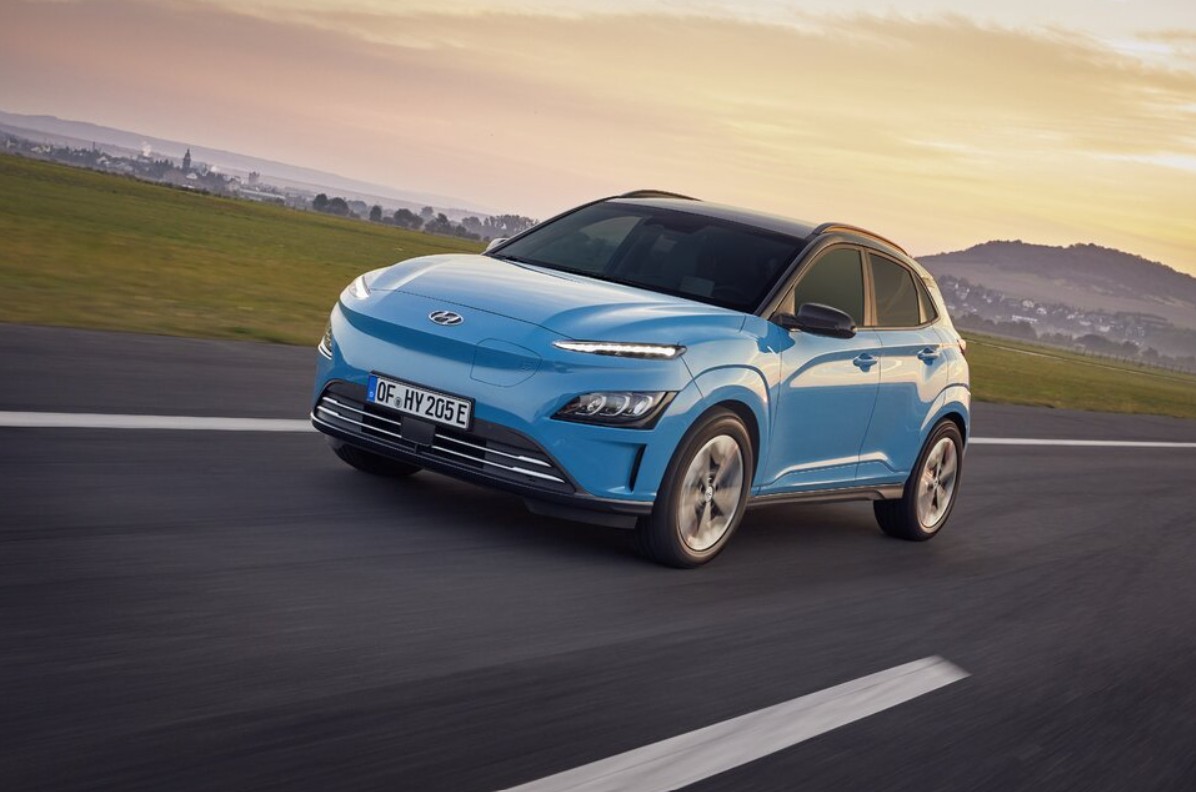
Hyundai Kona Electric
Hyundai’s Kona Electric offers an impressive combination of affordability and reliable software performance. The company has focused on delivering a software platform that balances functionality with user-friendliness, providing drivers with intuitive controls and consistent system stability.
Hyundai regularly releases software updates aimed at improving system responsiveness, fixing minor bugs, and enhancing features, ensuring that Kona Electric owners benefit from ongoing improvements throughout the life of their vehicle.
The Kona’s battery management software is sophisticated in its ability to monitor charge and discharge cycles, thermal conditions, and energy consumption. This ensures that the battery remains in optimal condition, with software algorithms that intelligently regulate charging speeds to prevent overheating or undue stress.
Drivers receive accurate range estimates that adapt based on driving style and environmental conditions, helping to build confidence in the vehicle’s capabilities. Hyundai also provides a mobile app with remote features like climate control and vehicle diagnostics, which are seamlessly integrated with the car’s software systems.
Hyundai’s safety suite on the Kona Electric includes features powered by reliable software such as blind-spot detection, lane-keeping assist, and adaptive cruise control. These systems are designed to be responsive and dependable, enhancing safety without overwhelming the driver with false alerts.
The infotainment system itself is smooth and responsive, with clear menus and minimal lag or freezing, which contrasts favorably with many competitors facing software instability. This makes the Kona Electric an appealing choice for drivers who want a no-nonsense electric car experience supported by solid software.
The combination of consistent updates, effective energy management, and dependable driver assistance makes the Kona Electric stand out in the growing compact EV market. Hyundai’s software approach prioritizes reliability and ease of use, which helps reduce common frustrations associated with technology in cars. This balance allows the Kona Electric to offer a dependable and enjoyable electric driving experience.
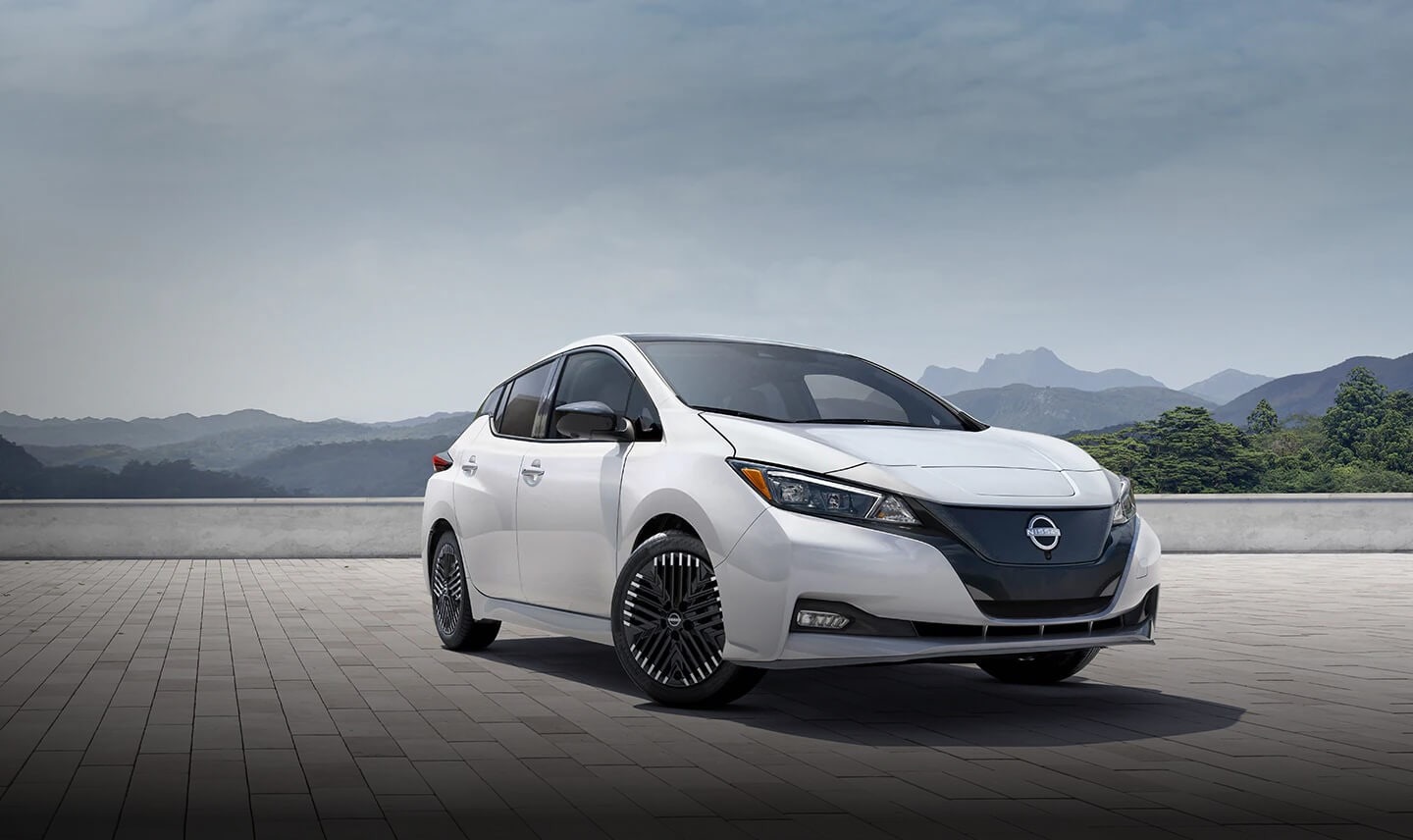
Nissan Leaf
The Nissan Leaf has played a pioneering role in the electric vehicle market and has progressively enhanced its software capabilities across multiple generations.
Nissan’s software ecosystem supports battery management, infotainment, and safety features, making the Leaf a solid and stable electric car option. Over-the-air updates have become more common with recent Leaf models, enabling Nissan to fix software issues and introduce improvements without inconvenience to drivers.
The Leaf’s battery management software is engineered to maximize both range and longevity. It carefully monitors battery temperatures and usage patterns, adapting thermal management to different climates to protect battery health.
Drivers benefit from detailed feedback on energy consumption, regenerative braking, and state-of-charge, which encourages efficient driving habits. The infotainment system is simple yet effective, with responsive touchscreens and smartphone connectivity through Apple CarPlay and Android Auto, providing drivers with familiar interfaces and reliable performance.
Nissan’s safety software includes well-integrated features like automatic emergency braking, blind-spot monitoring, and driver alertness warnings. These systems have improved significantly over the years, offering reliable protection and consistent operation during everyday driving.
Earlier versions of the Leaf did experience occasional software glitches, but continuous updates and refinements have greatly improved system stability in newer models. Nissan actively gathers user feedback to prioritize software improvements that enhance usability and safety.
As one of the most accessible electric cars on the market, the Nissan Leaf offers a combination of affordability, range, and dependable software that appeals to a wide range of buyers.
Its software platform continues to evolve in response to industry advances and consumer needs, helping it maintain relevance in a competitive market. Nissan’s commitment to software refinement ensures that the Leaf remains a trusted choice for those entering the electric vehicle space.
5 Electric Cars That Constantly Crash Due to Software Issues
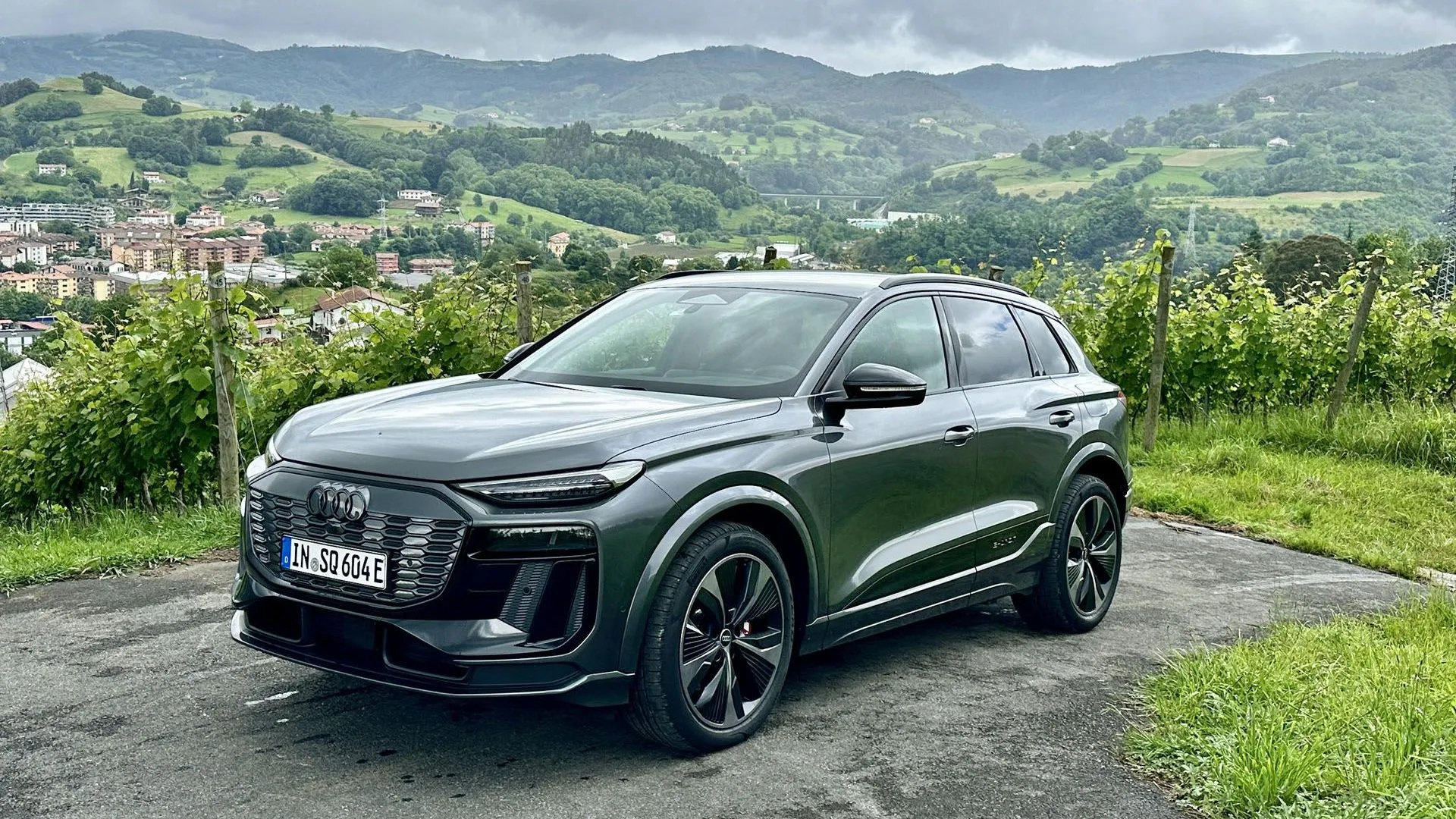
Audi e-tron
The Audi e-tron, despite being a technically advanced electric SUV, has experienced significant software stability issues that have affected user satisfaction and safety perception. Many owners have reported persistent problems with the infotainment system, which can freeze or reboot unexpectedly, sometimes multiple times during a single drive.
These interruptions cause frustration, especially when critical functions such as navigation or climate controls become temporarily inaccessible. The software glitches often result from a lack of optimization or integration between hardware components and the digital interface, causing the system to become overwhelmed during complex tasks.
Beyond infotainment troubles, the e-tron’s driver assistance features have shown inconsistent performance attributed to software bugs. Adaptive cruise control and lane-keeping assist systems have been known to disengage without warning or react unpredictably to road conditions.
These malfunctions create safety concerns because drivers may become overly reliant on the systems, only to find them unavailable when needed. Audi has released several patches aimed at stabilizing these features, but some owners still report occasional issues, which indicates that the software still needs significant refinement.
The e-tron’s battery management software has also been criticized for its lack of precision in managing charging speeds and range calculations. Some users have experienced slower-than-expected charging rates or discrepancies between displayed and actual driving range.
These inconsistencies undermine the confidence drivers place in their electric vehicles, where knowing the remaining range is essential for trip planning. The combined effect of infotainment crashes, unreliable driver assistance, and battery management shortcomings paints a picture of software that is not yet mature enough to provide a seamless experience.
Despite Audi’s strong engineering background and luxury market positioning, the e-tron’s software challenges reflect the difficulties legacy automakers face in shifting towards software-centric electric vehicles. While improvements are ongoing, early adopters have been affected by these issues, which have influenced the model’s reputation and customer satisfaction.
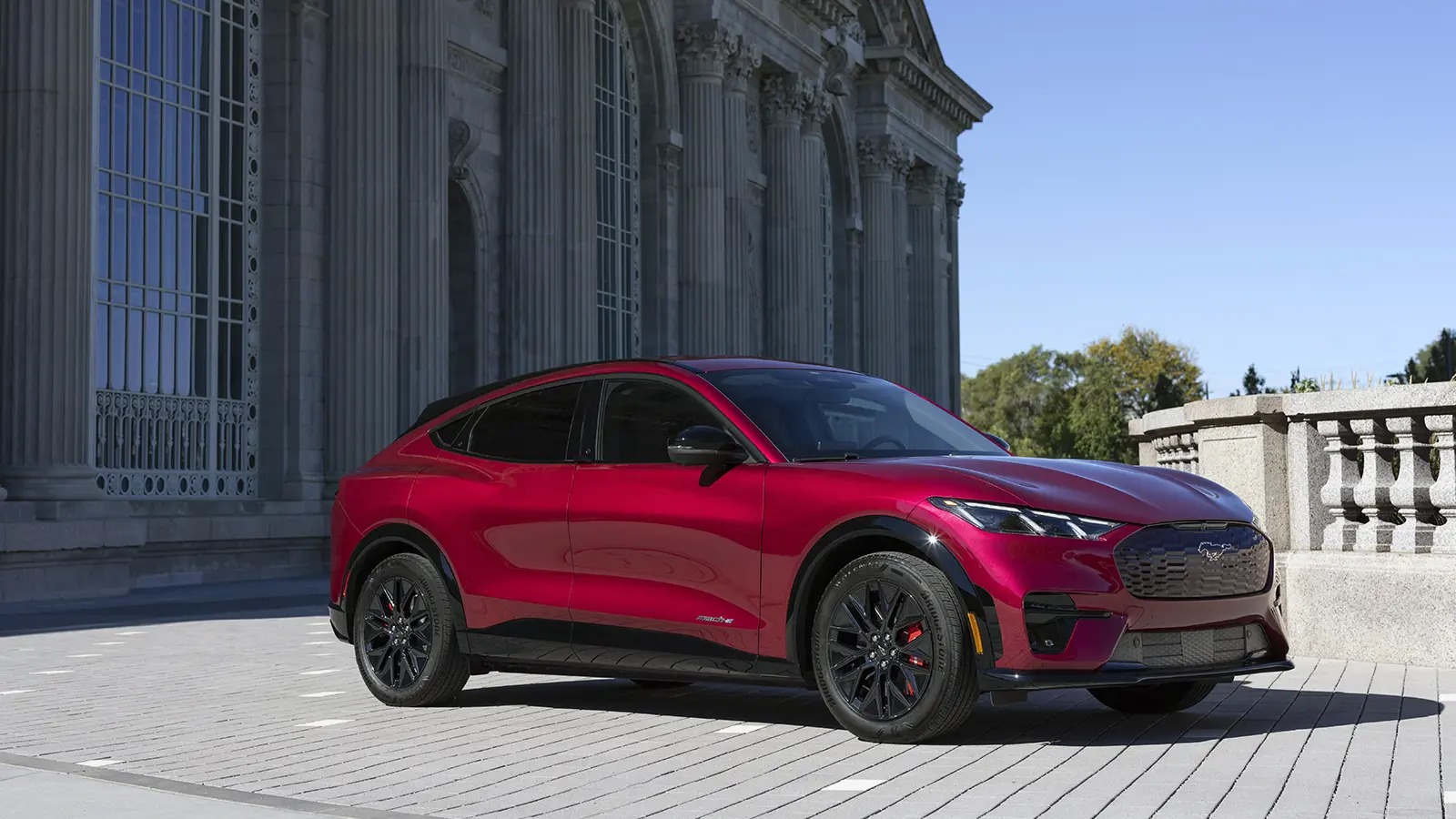
Ford Mustang Mach-E
The Mustang Mach-E has been a highly anticipated electric SUV from Ford, but its early production models were plagued with software reliability problems that detracted from its promising start. Owners frequently encountered crashes and freezes in the central touchscreen and infotainment software, which often forced the system to restart during use.
These interruptions not only caused inconvenience but also raised safety concerns by distracting drivers or limiting access to essential vehicle functions like navigation and climate control. The software appeared to be rushed into production without sufficient real-world testing, which contributed to the instability.
In addition to infotainment issues, the Mach-E’s driver assistance systems exhibited erratic behavior attributed to software bugs. Some users reported sudden, unexpected braking or loss of lane-keeping functionality while driving on highways. These unpredictable reactions erode trust in the system’s ability to assist safely.
Ford issued multiple software patches and updates to address these issues, but some early adopters continued to experience problems well after the vehicle was delivered. The complexity of integrating advanced driver assistance software into a new electric vehicle platform presented challenges that took time to overcome.
Battery management software in the Mach-E was another area of concern. Some owners noticed inaccurate state-of-charge displays that confused the vehicle’s remaining range, leading to range anxiety.
Charging behaviors were sometimes inconsistent, further undermining user confidence. While Ford has since improved the software through updates and customer support, these early software shortcomings created a perception of unreliability that took time to repair.
The initial software difficulties of the Mustang Mach-E illustrate the challenges automakers face when launching new electric vehicles with sophisticated digital systems. While Ford’s commitment to fixing these issues has shown positive results, the early problems have left a lasting impression on some customers and delayed the model’s broader acceptance.
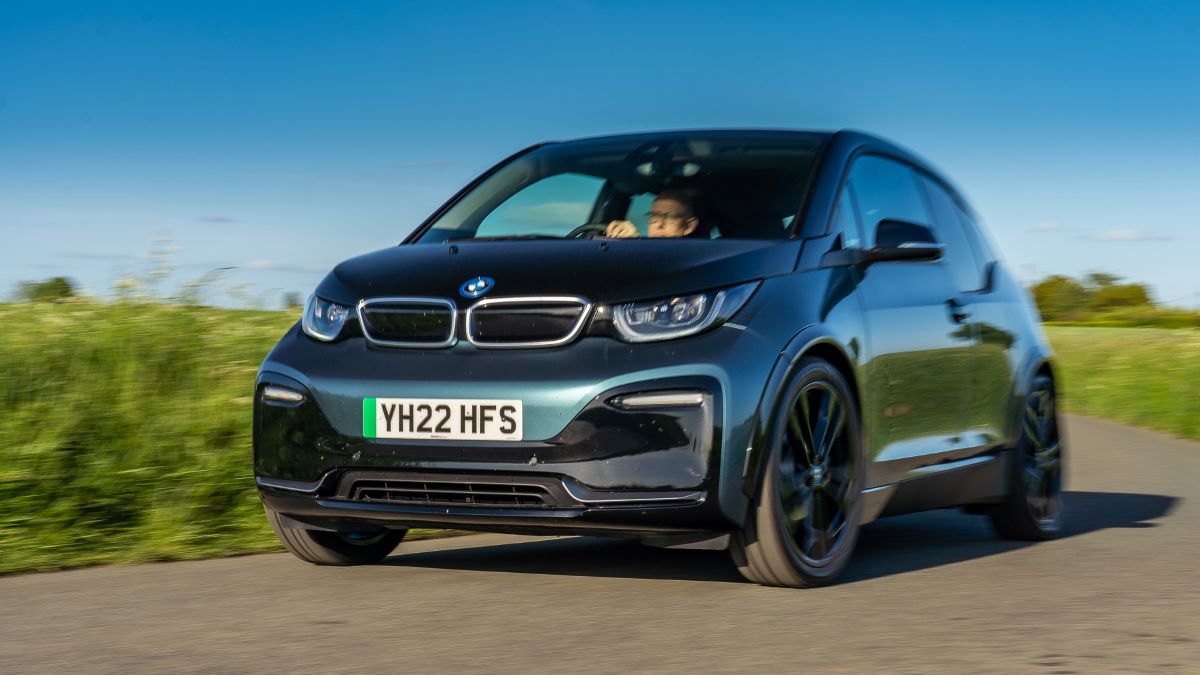
BMW i3
The BMW i3, an early electric vehicle from the luxury automaker, has long struggled with software-related problems that affect multiple aspects of the vehicle’s functionality. One of the most common complaints involves the iDrive infotainment system, which frequently crashes or freezes.
Since iDrive controls essential functions such as navigation, media, and vehicle settings, these disruptions are especially troublesome for drivers. When the system crashes, it often requires a reboot, which takes time and distracts from the driving experience. The software’s stability issues indicate that the integration between the iDrive software and hardware has room for improvement.
Driver assistance software on the i3 has also suffered from bugs and glitches. Features such as collision warnings and lane departure alerts can trigger false alarms or fail to activate when necessary. These problems stem from shortcomings in sensor data processing and software logic, leading to inconsistent performance.
While BMW has issued software updates intended to mitigate these issues, the persistence of occasional malfunctions has frustrated owners. In some cases, software errors have even affected vehicle systems beyond driver assistance, such as climate control responsiveness.
Battery management software in the i3, particularly in earlier models, has at times delivered inaccurate range estimates or failed to optimize charging performance.
These inconsistencies reduce confidence in the vehicle’s energy capabilities and require owners to adjust expectations. While hardware improvements and newer software versions have addressed some concerns, the i3’s reputation for software stability remains mixed.
Despite the i3’s innovative design and driving feel, its software struggles have limited its appeal among tech-savvy buyers who expect seamless digital experiences. The ongoing issues with infotainment and safety software highlight the importance of software quality in electric vehicles, especially in the premium segment.

Rivian R1T (Early Production)
Rivian’s R1T electric pickup truck entered the market with high expectations as a rugged, tech-focused vehicle for outdoor enthusiasts. However, early production models revealed several software problems that affected the user experience and raised safety concerns.
Infotainment systems in the R1T were prone to frequent crashes, causing the touchscreen to freeze or restart unexpectedly. These glitches interfered with navigation, media controls, and vehicle settings, frustrating users who expected a modern, reliable interface. The connectivity between the vehicle and mobile apps also suffered from dropouts and inconsistencies, limiting remote control functions.
Driver assistance features on the R1T, which are crucial for off-road safety and convenience, exhibited erratic behavior due to software bugs. Systems designed to detect obstacles, assist with parking, or maintain lane position sometimes disengage without warning or fail to respond appropriately to environmental conditions.
These malfunctions necessitated multiple software updates from Rivian aimed at patching critical flaws, but early customers often had to cope with unstable performance during daily driving. The complexity of integrating new hardware with unproven software architectures was a significant challenge for Rivian’s engineering team.
Battery management software glitches further complicated the ownership experience. Drivers reported inconsistent range readings and inefficient charging cycles that did not align with expectations for a premium electric truck.
These issues detracted from the R1T’s appeal as a reliable vehicle for long adventures. While Rivian has continued to improve its software through iterative updates, the initial instability highlighted the difficulties faced by new automakers trying to compete with more established players.
The R1T’s early software problems serve as a reminder that building a reliable electric vehicle requires not only innovative hardware but also mature and tested software systems. Rivian’s ongoing efforts to stabilize the software ecosystem are promising, but the rough start slowed its momentum in a competitive market.
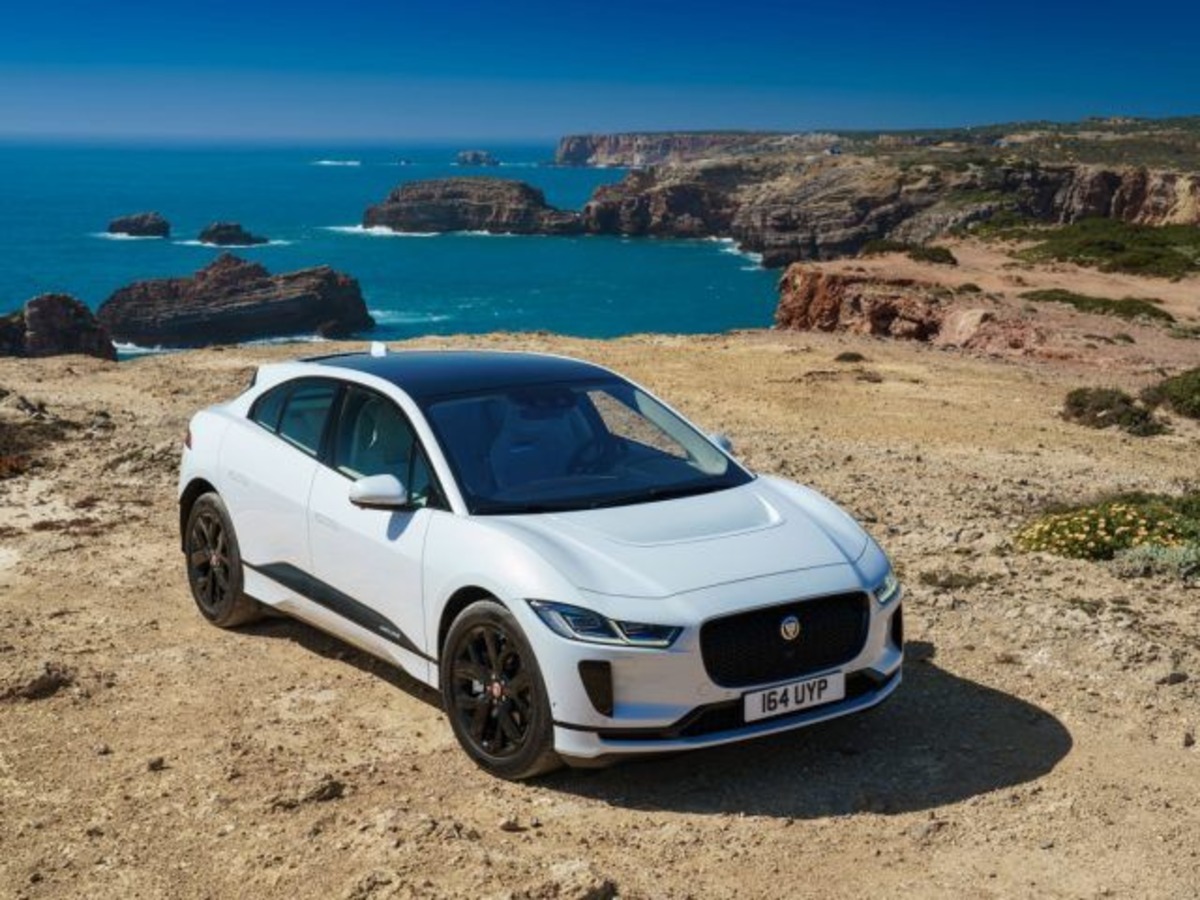
Jaguar I-PACE
The Jaguar I-PACE, Jaguar’s first fully electric SUV, has faced ongoing criticism related to software stability and reliability. Users have frequently reported problems with the infotainment system freezing, rebooting, or becoming unresponsive, especially when interacting with navigation or multimedia features.
These interruptions disrupt the driving experience and have led to customer dissatisfaction. The complexity of the I-PACE’s touchscreen interface, combined with occasional software bugs, results in a system that sometimes struggles to keep up with user inputs or environmental changes.
Driver assistance features in the I-PACE have also suffered from erratic performance linked to software deficiencies. Adaptive cruise control and lane assist functions occasionally disengage without driver input or provide inconsistent alerts.
This unpredictable behavior undermines driver confidence in the safety systems designed to aid in traffic or highway conditions. Jaguar has issued updates aimed at improving these features, but users report that issues persist, indicating ongoing challenges in achieving stable and reliable software performance.
Battery management and range estimation software in the I-PACE has similarly experienced glitches. Some owners have noted inaccurate range displays and inefficient charging profiles, which can create uncertainty about vehicle endurance.
These problems reduce the usability of the vehicle for longer trips, especially in regions with fewer charging stations. Jaguar’s software teams continue to work on patches and refinements, but the I-PACE’s reputation has been affected by these persistent issues.
Despite the vehicle’s attractive design and driving dynamics, the software shortcomings have held back the I-PACE’s potential in the luxury electric segment. Jaguar’s experience underscores the importance of investing heavily in software quality assurance and integration to meet the expectations of discerning electric vehicle customers.
The comparison between electric vehicles with strong software systems and those plagued by frequent crashes highlights just how critical software quality has become in the automotive industry’s ongoing transformation.
As electric vehicles increasingly rely on complex software to manage everything from battery health and energy efficiency to driver assistance and infotainment, the reliability and sophistication of that software directly impact the driver’s experience, safety, and trust in the vehicle.
Cars like the Tesla Model 3, Porsche Taycan, and Hyundai Kona Electric exemplify what can be achieved when manufacturers invest heavily in software development, rigorous testing, and continuous improvement. These vehicles demonstrate that with robust software architecture and frequent updates, electric cars can deliver not only excellent performance but also peace of mind and convenience for their owners.
In contrast, models such as the Audi e-tron, early Ford Mustang Mach-E, and Rivian R1T reveal the significant challenges automakers face when software systems are rushed or insufficiently refined before reaching customers. Software crashes, infotainment freezes, and unreliable driver assistance features create frustration and, in some cases, safety risks that can tarnish a vehicle’s reputation.
These problems often stem from the difficulty of integrating new digital technologies with traditional automotive hardware and meeting the high standards of user experience expected by modern consumers.
The early struggles of these vehicles serve as cautionary tales for the industry, underscoring the necessity of prioritizing software quality, comprehensive validation, and seamless hardware-software integration in electric vehicle development.
Furthermore, the presence of over-the-air updates has emerged as a game-changer for those electric cars with strong software. This capability allows manufacturers to respond quickly to bugs and security vulnerabilities while continuously enhancing vehicle features, which traditional combustion engine cars simply cannot match.
It reflects a shift toward vehicles as evolving platforms rather than static products, where the customer relationship extends beyond the initial sale. On the flip side, vehicles with unstable software often face delays in delivering critical fixes and may require costly dealership visits, further inconveniencing owners and reducing customer satisfaction.
The divide between electric cars with reliable, well-designed software and those hindered by frequent crashes reveals that software quality is no longer an optional feature but a fundamental pillar of success in the electric vehicle market.
The future of mobility depends on the ability of automakers to develop and maintain robust, secure, and user-friendly software ecosystems. Consumers should carefully consider software performance alongside traditional factors such as range and price when choosing an electric vehicle. The cars that master their software will lead the way in shaping the future of transportation.
