
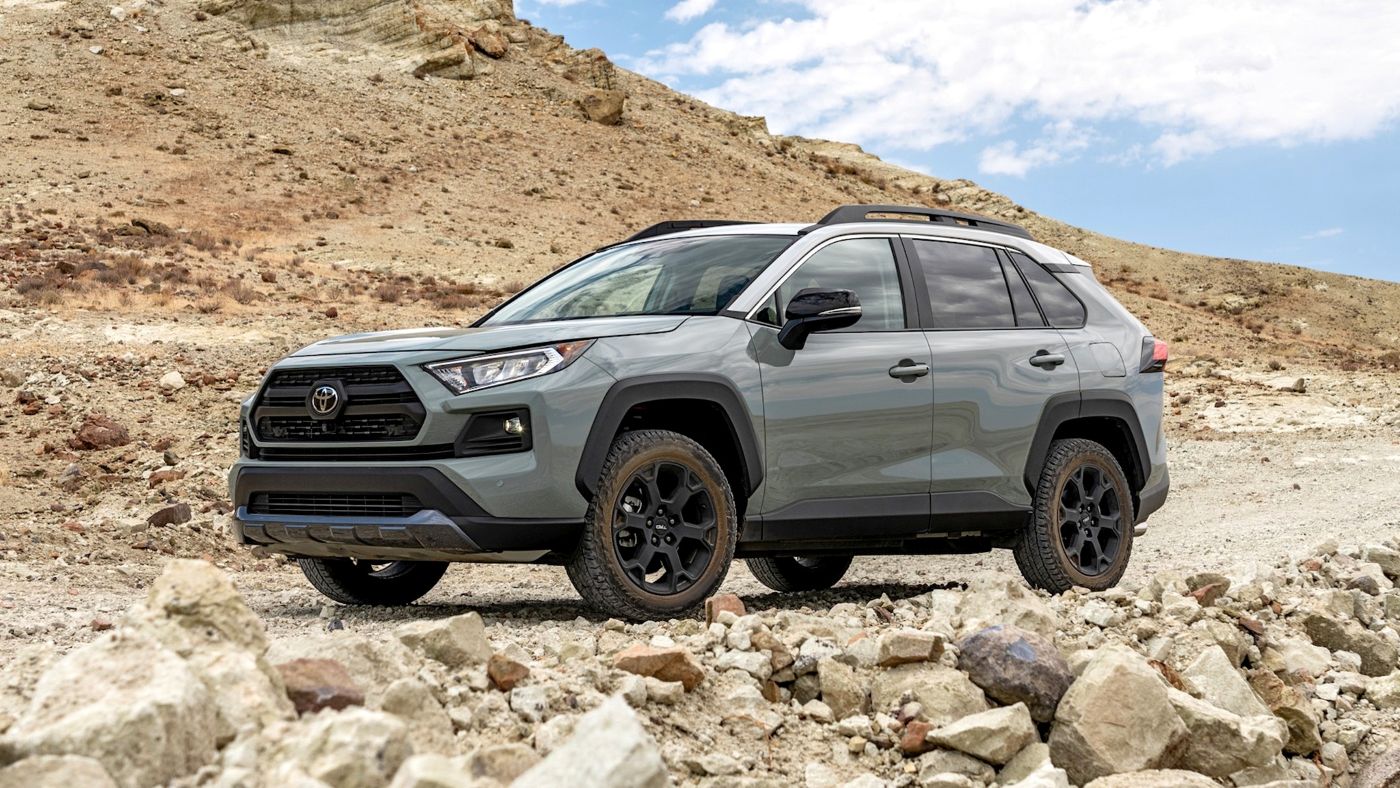
Dashboard cracking is a frustrating and often costly issue for car owners. It can appear as early as a few years into ownership or might take decades to show up, depending on the vehicle’s design, materials, and exposure to environmental conditions.
While many factors contribute to this problem, such as UV exposure, interior temperature fluctuations, and maintenance habits, some vehicles seem to resist cracking far better than others. This difference often comes down to the quality of materials used in the dashboard construction, as well as the underlying engineering that either prevents or fails to manage thermal expansion, brittleness, or adhesive failure over time.
For some drivers, dashboard cracks are just cosmetic concerns, while for others, they can signal deeper issues with interior durability and longevity. On certain models, cracks tend to start small and spread gradually, while on others, they may appear suddenly and dramatically.
The issue is especially common in regions with high heat and intense sunlight, but poor interior plastics can cause cracking in almost any environment. Auto manufacturers often adjust their materials and designs over the years, but reputations stick, and some models remain infamous or celebrated for how well they hold up.
There are vehicles that are known for long-lasting, durable interiors. Their dashboards stay intact even after years of direct sun exposure or after the car reaches high mileage. These cars typically use softer, higher-quality plastics or have dashboards designed to resist UV degradation.
On the other hand, some makes and models, especially those from certain periods or production batches, develop widespread cracking despite careful upkeep by their owners. Some cracks are so common in specific vehicles that owners report them as nearly inevitable, regardless of maintenance or sunshade use.
This article compares five vehicles with dashboards that hold up exceptionally well and five that frequently show signs of wear, cracking, and sun damage. Each model is discussed based on known durability, typical usage reports, and general trends among owners. This can help potential buyers, current owners, or car enthusiasts understand what to expect from these cars as they age, especially if long-term durability is a priority.
Also Read: 5 Mercedes Models That Rarely Have Recalls vs 5 That Constantly Do
5 Cars That Rarely See Dashboard Cracks
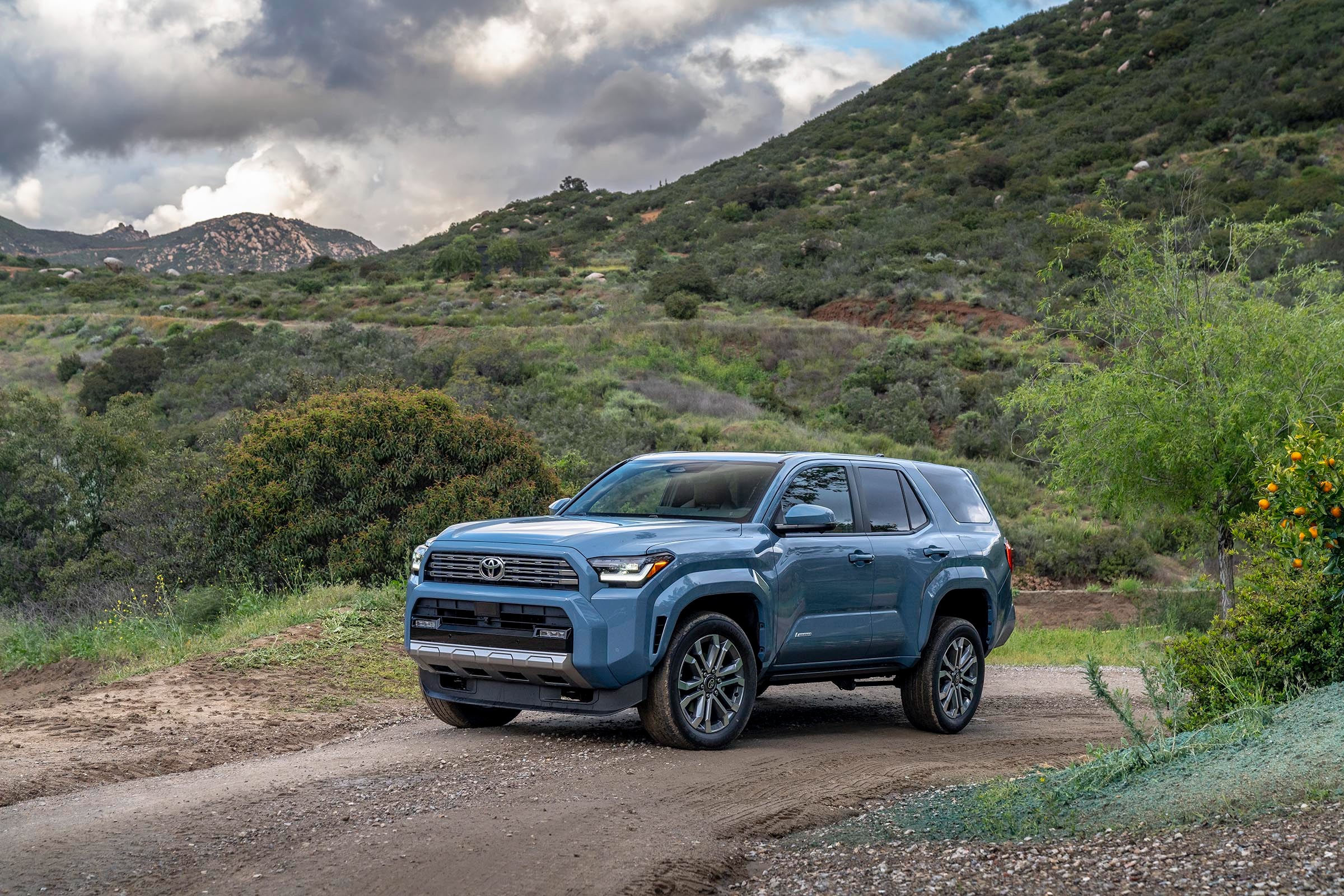
1. Toyota 4Runner (Especially 2010 and newer)
The Toyota 4Runner has earned a reputation for longevity, not just in mechanical terms but also in interior resilience. The dashboards in 4Runners, particularly from the fifth generation onward, have proven to be among the more durable in SUVs.
Owners consistently report that even after high mileage and years of use in hot climates, the dashboard materials stay intact without splitting or cracking. The plastics used in these models seem to resist the warping and brittleness that plague other vehicles under similar conditions.
Another contributing factor is the dashboard layout itself. The 4Runner’s design avoids excessive curves or thin sections that are prone to stress fractures over time. The material is thick, slightly rubberized, and well-integrated into the design of the interior.
Toyota appears to have taken dashboard durability seriously with this model, especially given earlier issues in some of its other vehicles. With routine care, such as sunshade use or mild interior cleaners, many owners report their dashboards look almost new even after a decade.
The climate control and other dashboard components are also well-designed, reducing unnecessary heat buildup from the electronics, which can contribute to interior damage. With fewer hotspots forming under the surface, the material stays evenly conditioned, avoiding the stress that leads to cracking.
This seems especially effective in desert environments, where sun exposure is relentless. When compared to similar SUVs of its class and age, the 4Runner stands out as one of the few with interiors that age gracefully.
Toyota’s choice of materials during the late 2000s and 2010s aimed to balance aesthetics and function. While the 4Runner doesn’t have the softest dashboard in the business, its material is dense, UV-resistant, and robust. As a result, the dashboard tends to last as long as the rest of the vehicle, which, in the case of the 4Runner, is often hundreds of thousands of miles.
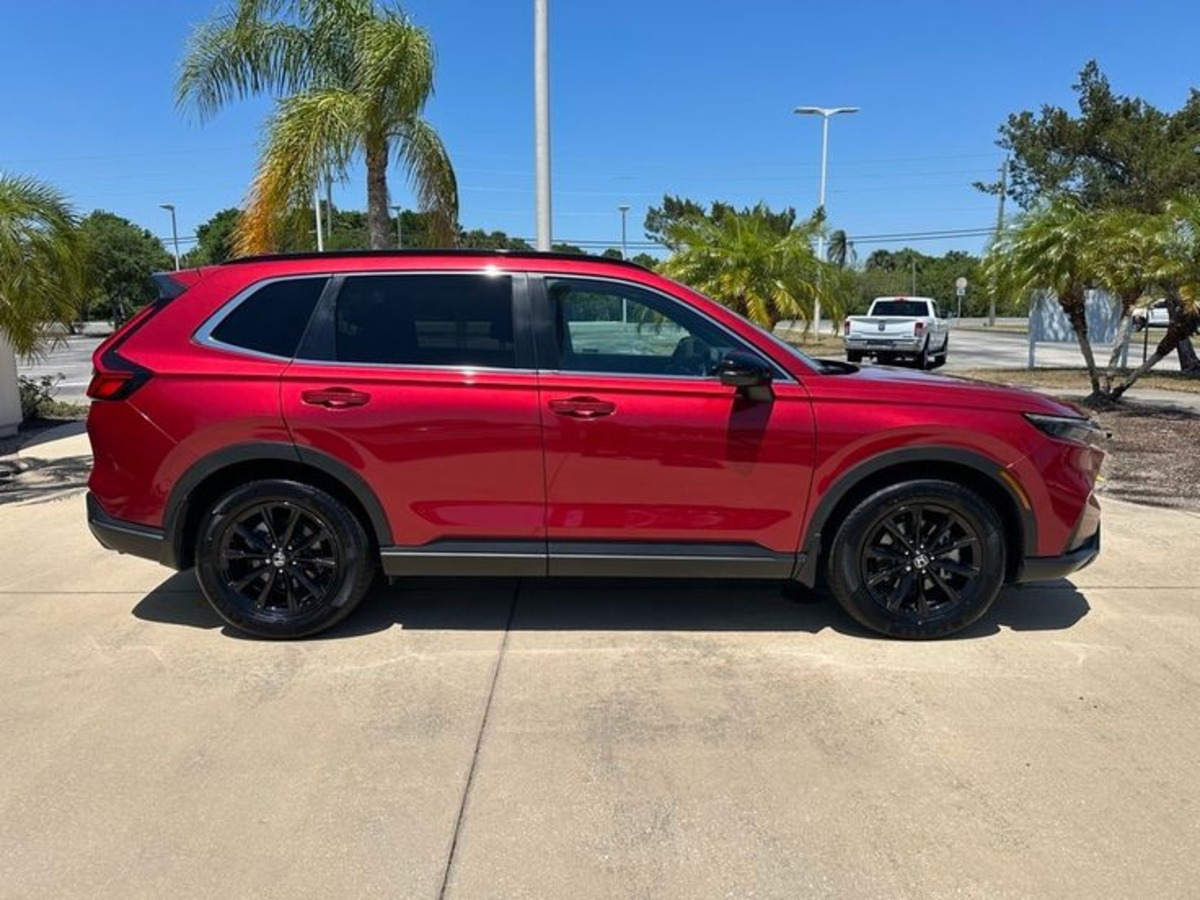
2. Honda CR-V (2012–Present)
The Honda CR-V, particularly in models produced after 2012, features dashboards made of higher-grade plastics and softer-touch materials that have withstood the test of time. While earlier models of the CR-V had more rigid, scratch-prone interiors, the later generations introduced improvements in both design and material quality. Many owners report that their dashboards remain free of cracks and warping even after prolonged sun exposure and extended use in warmer climates.
This improvement aligns with Honda’s direction toward better interior quality across its lineup during the 2010s. The CR-V’s dash design incorporates thicker materials and avoids hard corners and thin sections that often lead to stress-related cracks.
The layered construction helps absorb thermal expansion, reducing the chance of material fatigue. Honda also added more surface coatings and UV inhibitors in the plastic blend, which appears to have made a noticeable difference in durability.
The air circulation in the CR-V’s cabin helps manage interior temperatures more evenly. Vents are well-placed, and the airflow across the dashboard surface helps reduce the concentration of heat in one area.
Combined with the vehicle’s generally good insulation and climate control efficiency, this keeps the dashboard in a more stable state. Owners in areas like Florida and Texas have reported dashboard longevity that compares favorably with other compact SUVs of the same age.
Maintenance practices like using dashboard protectants or sunshades can help any car, but CR-Vs from this period seem to require less intensive care to maintain their interiors. The dashboards aren’t just holding up; they often show no visible wear at all, even in older units with high mileage. This consistency makes the CR-V a dependable choice for buyers concerned about long-term interior condition.
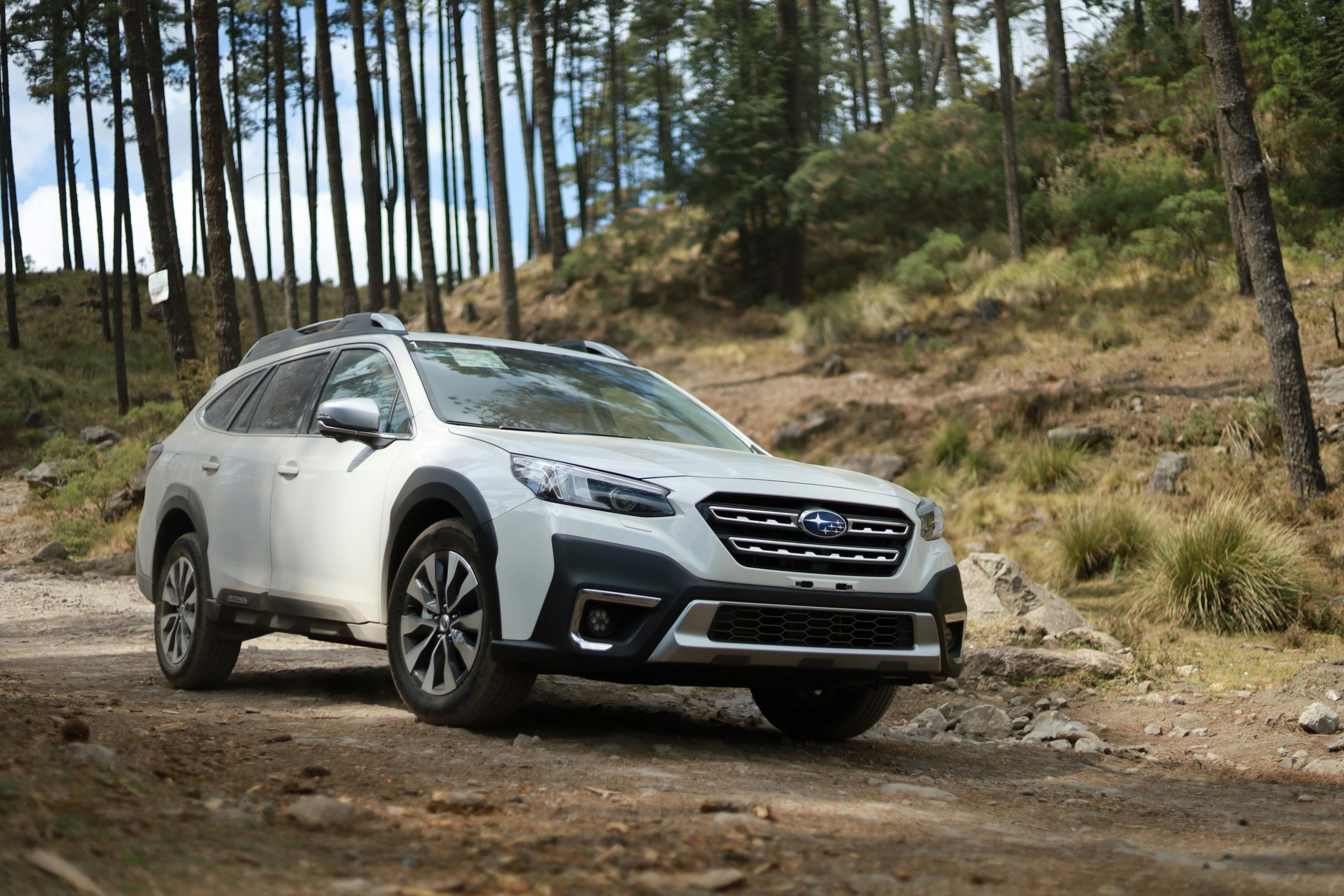
3. Subaru Outback (2015–Present)
The Subaru Outback has gained popularity for its blend of ruggedness and comfort, and this includes its durable interior materials. Since the 2015 redesign, Subaru has equipped the Outback with better dashboard materials that are soft to the touch yet resistant to cracking and sun damage. Owners of these models often praise the vehicle not just for reliability on the road, but also for how well the cabin holds up over time.
Unlike earlier versions that featured harder plastics, newer Outbacks use a blend of materials that include UV stabilizers and textured surfaces. These additions have a big impact on how well the dashboard stands up to direct sunlight and high interior temperatures.
Even in parked cars exposed to summer sun for hours, dashboards tend to show minimal signs of degradation. This is a significant improvement from older Subaru interiors, which were sometimes criticized for early wear.
The Outback also benefits from a windshield design that reduces glare and UV penetration into the cabin. Combined with factory tinting and optional sunshades, this design choice minimizes the dashboard’s exposure to damaging rays. The material itself has a matte finish that hides small surface flaws, making wear even less noticeable over time. These features contribute to a more resilient and longer-lasting dashboard.
Another factor is Subaru’s attention to practical cabin use. The dashboard is made for regular interaction—whether it’s cleaning, adjusting settings, or handling accessories.
Subaru seems to have designed it with real-world use in mind, making sure that the materials could withstand not only the elements but also repeated touch and use. This mindset is what helps the Outback stay crack-free for many years, even in active, outdoor-oriented households.
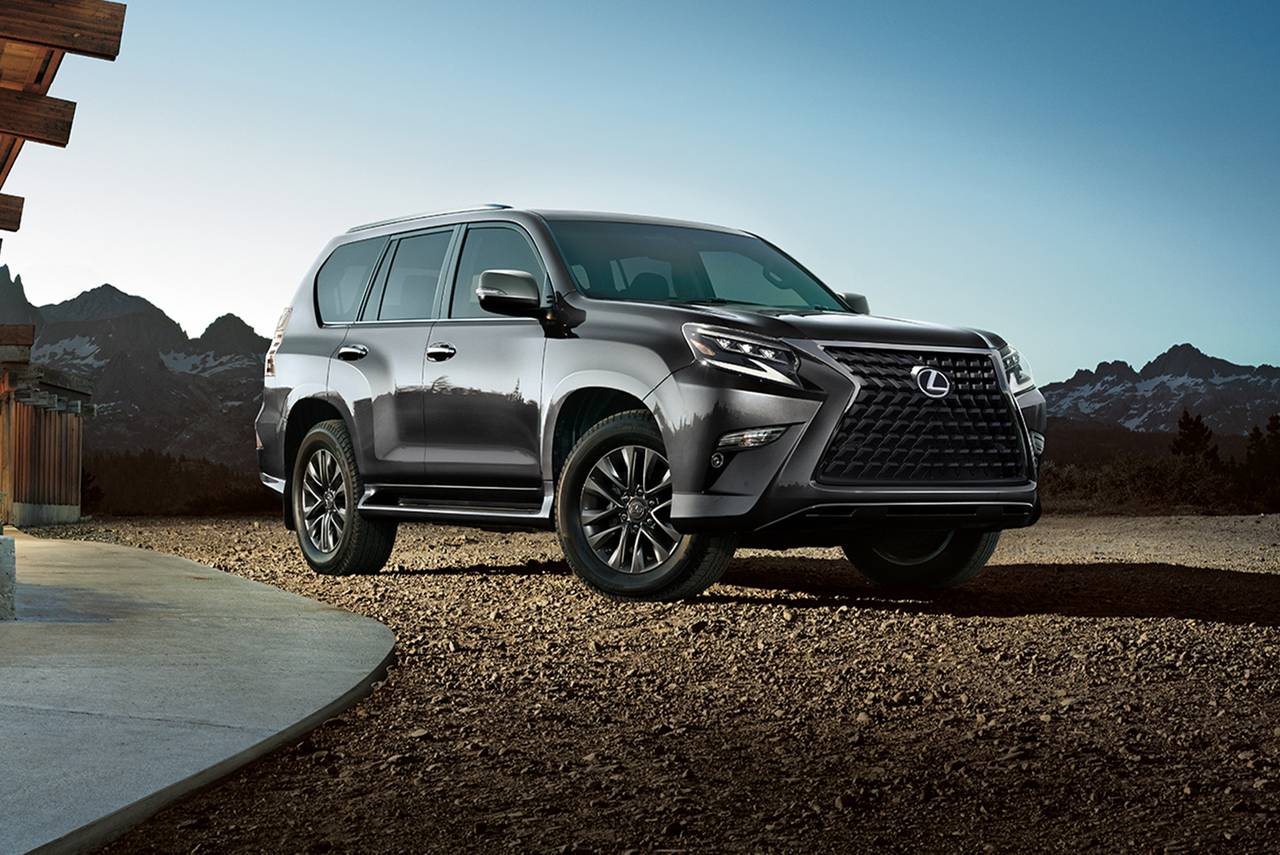
4. Lexus GX (2010–Present)
Luxury SUVs are expected to have higher-quality interiors, but not all meet this expectation when it comes to dashboard durability. The Lexus GX, however, sets a solid example.
Known for both its off-road prowess and plush cabin, the GX boasts a dashboard that holds up impressively over time. From the 2010s onward, Lexus used soft-touch materials with deep padding and strong adhesives that resist both sun damage and cracking.
Unlike some other premium vehicles that favor aesthetics over function, the GX finds a balance. The dashboard is stylish but also engineered for real-world conditions, especially since the GX shares its roots with the rugged Toyota Land Cruiser Prado.
The leather-like texture and thickness of the dash give it a cushiony feel, which not only enhances comfort but also prevents brittle aging. It’s a combination that results in dashboards that look fresh even in high-mileage, sun-exposed examples.
Owners frequently report that even in extremely hot areas like Arizona or Nevada, their GX dashboards remain unblemished. The vehicle’s high-end materials, combined with a more advanced UV-resistant coating, allow the dashboard to maintain its appearance without needing regular treatment. The dashboard’s contours are also smooth and broad, avoiding design features that typically weaken structural integrity over time.
Another contributing factor is the cabin’s insulation and climate control precision. The Lexus GX is built to maintain cabin temperature at a stable level regardless of outside conditions.
This environmental stability keeps the dashboard from expanding and contracting too rapidly, one of the leading causes of cracks in lesser vehicles. As a result, GX owners typically enjoy long-lasting interiors that look and feel as luxurious as they did on day one.
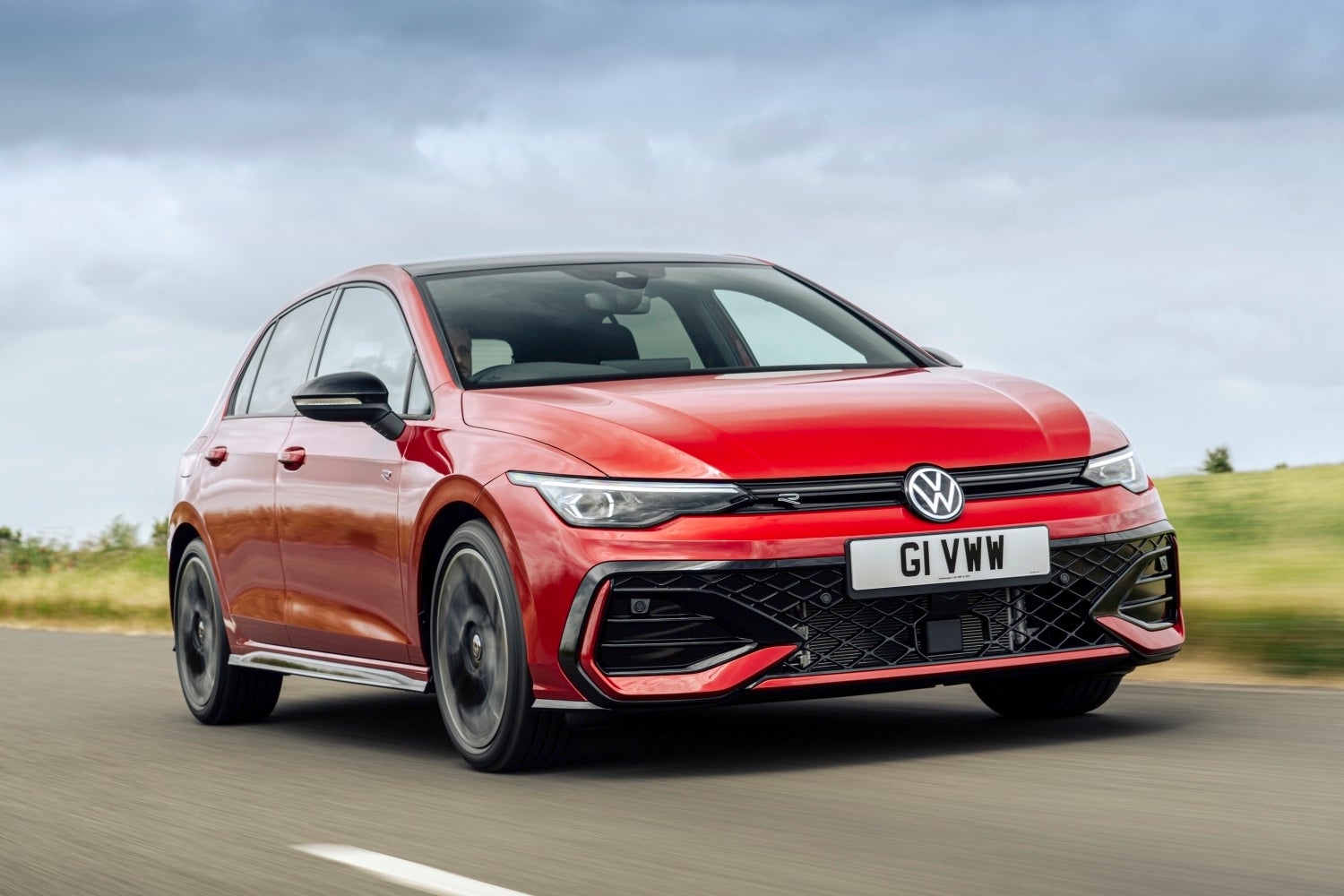
5. Volkswagen Golf (2015–Present)
Volkswagen’s Golf lineup, particularly from the 2015 generation forward, is known for its refined interior and quality materials. The dashboard is one area where the Golf consistently outperforms many of its peers in the compact car segment.
Despite being a relatively affordable vehicle, the materials used in the dashboard are soft-touch, UV-resistant, and textured in a way that hides fingerprints, minor scratches, and early signs of aging.
The Golf’s dashboard has a simple yet effective design. There are no unnecessarily complex curves or cuts that could weaken structural integrity, and the material is laid out in large, solid pieces that maintain stability.
This reduces the number of seams or thin spots where cracking usually begins. Volkswagen also integrated a dense foam base layer underneath the surface plastic, which provides additional support and helps absorb heat rather than letting it build up on the surface.
Drivers in hot climates have noted that the Golf’s interior stands up surprisingly well to direct sunlight. Even when parked for extended periods, the dash rarely shows signs of damage.
The UV-resistant polymers used in the surface layer help prevent discoloration and surface fatigue, and while protective treatments always help, the car doesn’t demand them as much as other models might. Owners often comment on the clean, like-new appearance of their dashboards years into ownership.
Volkswagen has a track record of producing vehicles with above-average interior quality for their class, and the Golf is no exception. Whether it’s driven daily in the city or used on long highway trips, the Golf’s dashboard resists common forms of wear and damage with consistent results. It’s one of those vehicles where the build quality shows up in the small things, including how well the dash holds up over time.
5 Cars That Always Seem to Get Dashboard Cracks
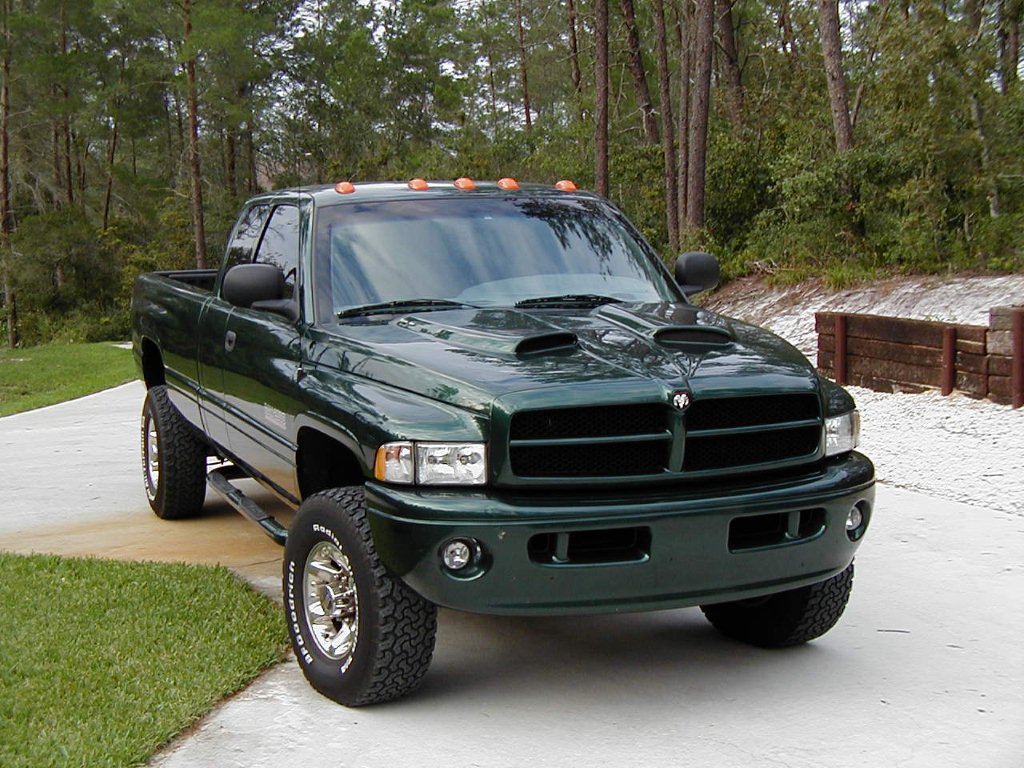
1. Dodge Ram 1500 (1998–2005)
The second-generation Dodge Ram 1500 is almost legendary for its dashboard cracking issues. Many owners report that cracks began appearing within just a few years of ownership, even in relatively mild climates.
Over time, the problem became so widespread that forums and owner groups are filled with photos showing dashboards that have not just cracked, but collapsed entirely. These failures are not cosmetic alone; the structural integrity of the dashboard degrades to the point where pieces fall inside the dash cavity, exposing wiring and vents.
One of the main reasons behind the problem is the extremely brittle plastic used during manufacturing. The surface material lacked any real flexibility, and it wasn’t properly treated for UV resistance.
The result was a dashboard that couldn’t expand and contract without stressing itself into fractures. Heat buildup inside the cabin, especially in the southern U.S., accelerated the process. Once small cracks formed, they quickly spread across the dash like a spiderweb.
Even modest attempts to preserve these dashboards often fail. Owners who used sunshades, garage storage, or plastic conditioners still saw cracks appear, sometimes under areas that received minimal sun.
The underlying material was simply not suited to the demands of a truck that’s often used in outdoor, work-heavy environments. The situation was so bad that the Ram’s cracked dashboard became one of its defining visual flaws, especially in used models.
Replacement dashboards were often of the same poor quality, meaning even after spending money to fix the problem, it could reappear within a few years. Some owners turned to aftermarket solutions, including full dash covers or custom upholstery to mask the problem.
In more extreme cases, people left the cracks exposed because they considered it inevitable. Despite the truck’s strengths in powertrain and utility, the dashboard remains a major disappointment in these model years.
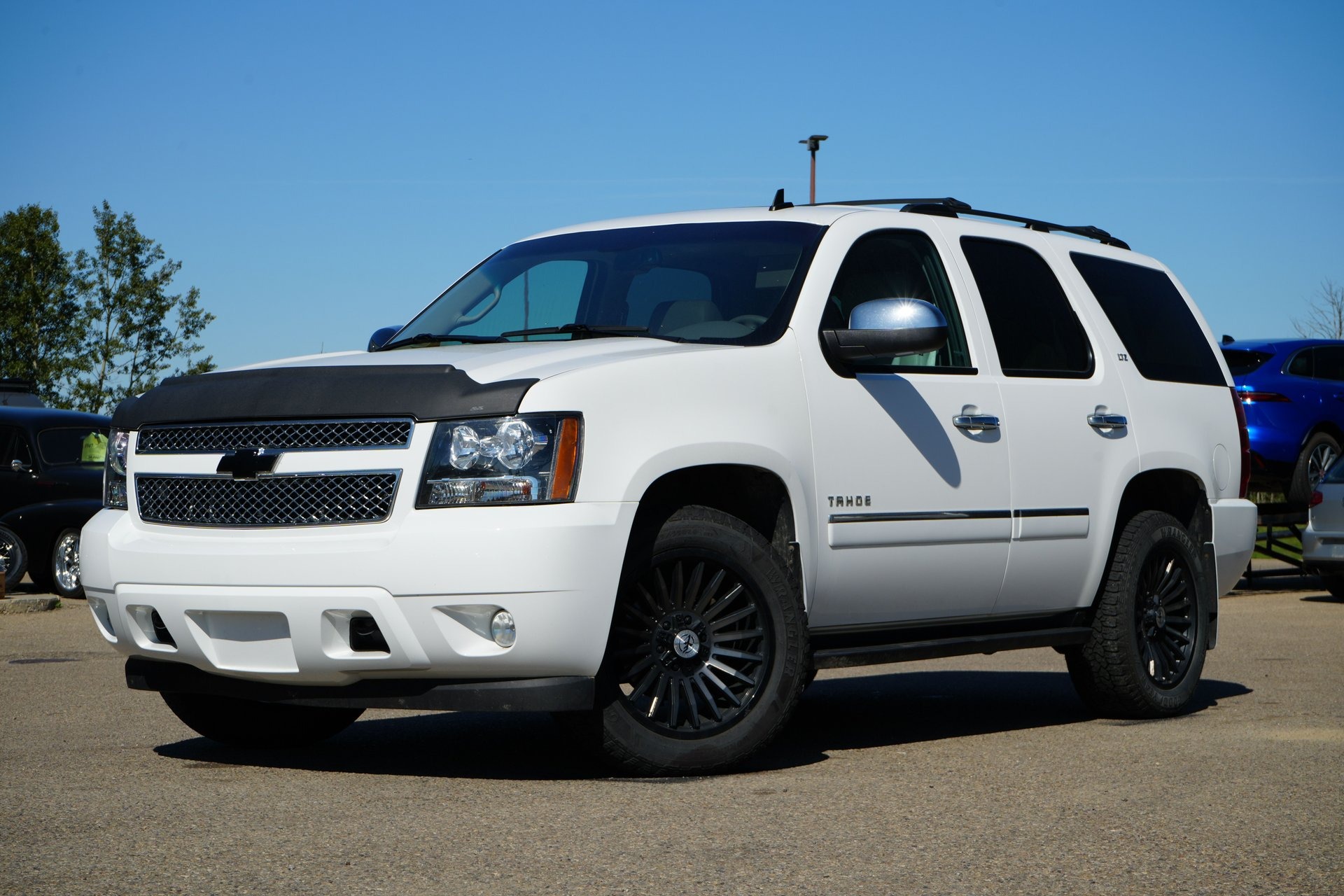
2. Chevrolet Tahoe/Suburban (2007–2014)
The full-size Chevrolet Tahoe and Suburban SUVs from the late 2000s and early 2010s are well-known for dashboard issues. These vehicles featured a large, single-piece dashboard design with hard plastic that was prone to cracking, especially around the airbag area and instrument cluster.
Many owners noticed the first signs of damage after just a few summers, even in vehicles that were otherwise well-maintained. Over time, the cracks spread and deepened, with no practical way to stop or reverse the damage.
One of the most frustrating aspects for owners was the location and pattern of the cracking. The most common area for failure was right above the passenger airbag. The plastic there was thin and unsupported underneath, meaning even small amounts of heat-related expansion or vibration could cause a split.
From there, the cracks often traveled toward the defroster vents or down toward the radio controls. The result was not just unsightly but could affect resale value significantly.
Chevrolet did not initially issue a widespread recall, which added to owner frustration. While some limited coverage was offered under warranty in certain cases, many people found themselves responsible for the cost of repair or replacement.
And even when they opted for OEM replacements, the new dashboards had the same material weaknesses as the originals. This made it hard to justify the repair, especially with labor costs being high due to the complexity of removing the dash.
The issue was so common that a large secondary market formed around aftermarket dashboard solutions, including ABS plastic covers, upholstery work, and textured overlays. While some of these options were effective at covering the damage, they couldn’t fully replicate the look of the original design.
The dashboard cracking on these models remains one of the most visible signs of GM’s cost-cutting decisions during this era, and it’s something many used vehicle buyers are warned about when shopping for one of these SUVs.
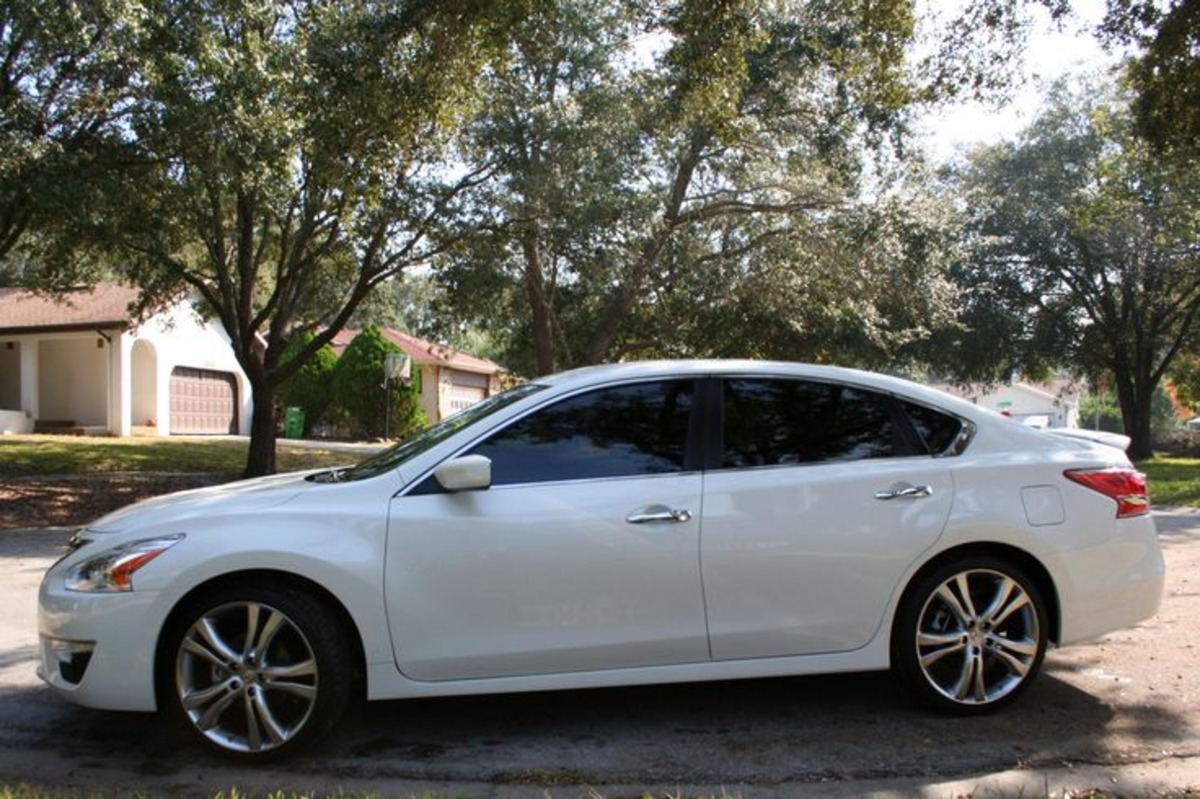
3. Nissan Altima (2007–2012)
The fourth-generation Nissan Altima faced a range of interior quality issues, but one of the most persistent was dashboard cracking and melting. This wasn’t just a case of hard plastic turning brittle.
In hot climates, particularly in states like Florida, Texas, and Arizona, the dashboards on these vehicles actually began to melt or become tacky to the touch. Once this happened, cracks would often form alongside bubbling or discolored sections of the surface.
What made the Altima’s problem different from others was the strange texture and finish of the dashboard material. It was glossy and soft when new, but it didn’t handle heat or UV exposure well at all.
Over time, the combination of sun exposure and cabin heat caused the surface to become sticky. Drivers reported that it would collect dust, fingerprints, and even fabric lint, and it was extremely difficult to clean. Eventually, the heat would cause fissures to form, and full cracks would follow shortly after.
Nissan responded slowly to the growing complaints. Although some limited coverage was offered under warranty extensions or class action settlements in certain states, many owners were left with dashboards that were unsightly and unpleasant to touch.
The cost of repair or replacement often exceeded what owners were willing to spend on a car in this price range, especially if they were no longer under warranty. As a result, many Altimas from this generation on the used market have dashboards in poor condition.
Aftermarket options were limited and sometimes ineffective. Dash covers could help with aesthetics, but they didn’t address the sticky texture underneath. In extreme cases, the dash would deform enough to affect the mounting of accessories or reflect light onto the windshield, posing a visibility hazard.
The Altima’s dashboard issues remain one of the most significant design flaws of this generation, and it serves as a cautionary tale about experimenting with untested interior materials.
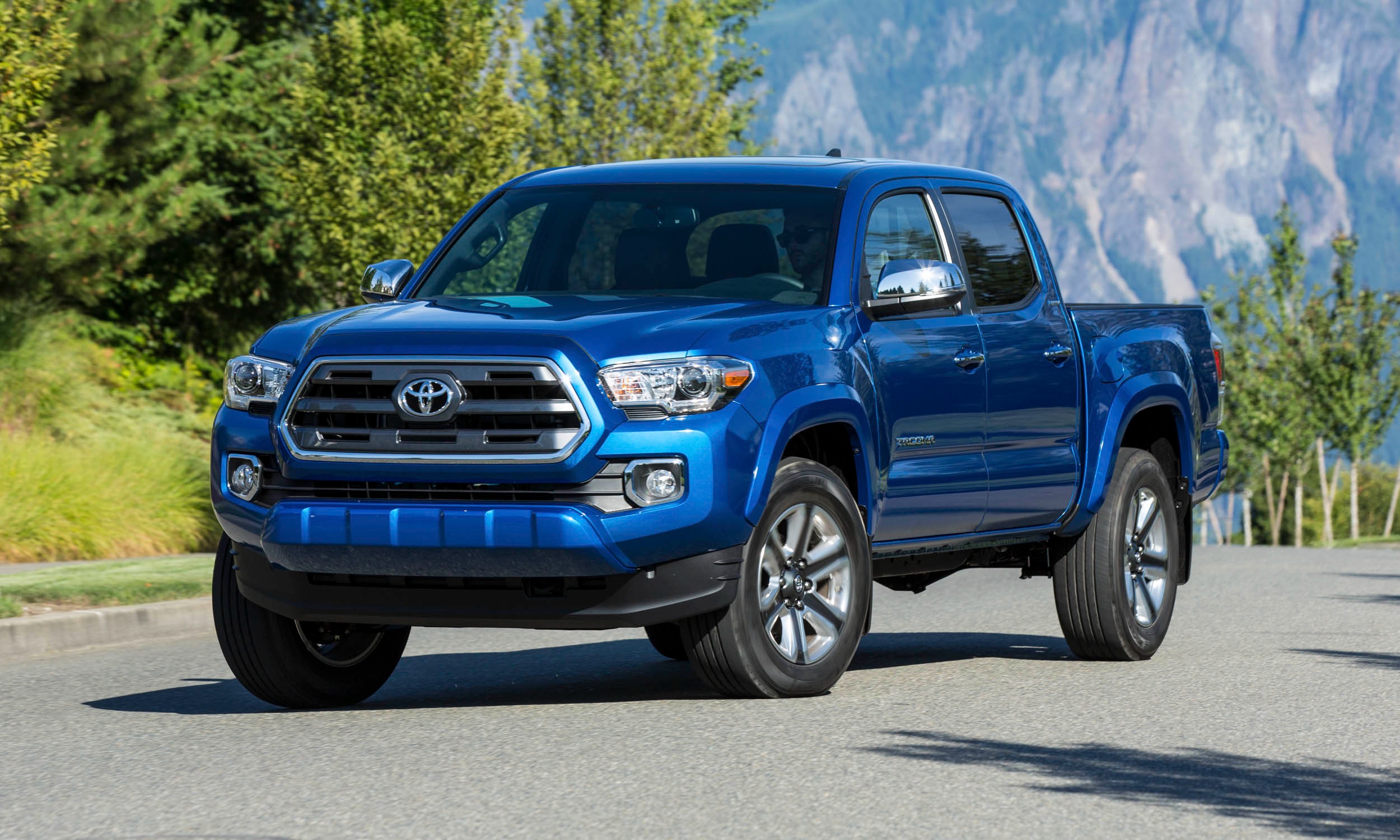
4. Toyota Tacoma (2005–2011)
Although Toyota generally has a strong reputation for interior durability, the second-generation Tacoma from 2005 to 2011 had a dashboard issue that became common enough to draw widespread attention.
Many owners reported cracks forming near the defrost vents, airbag cutout, and radio housing, often starting with hairline fractures and spreading rapidly. This was surprising for a vehicle known for its reliability and solid resale value.
One theory among owners is that the problem stems from the use of a more rigid dashboard plastic during this period. Unlike other Toyota models that used padded or rubberized finishes, the Tacoma’s dash was noticeably harder.
When subjected to daily temperature changes and the vibration common in trucks, this made the material more likely to develop fractures over time. The desert states, in particular, saw the highest rate of cracking, but the problem wasn’t limited to warm regions.
Toyota acknowledged some of the dashboard issues by offering limited coverage for cracked dashboards under warranty in select cases. However, the solution wasn’t consistent.
Many owners were told their trucks were no longer eligible, while others had the dashboard replaced only to experience the same problem a few years later. Aftermarket companies stepped in with overlays and custom-fit covers, but these didn’t always solve the underlying issue of brittleness.
Despite these flaws, many Tacoma owners have held onto their trucks because of the strong mechanical reputation. Still, the interior aging poorly, especially the dash, has been a sore point.
For buyers looking at used Tacomas, dashboard condition has become one of the first things to inspect. This generation of Tacoma serves as an example that even otherwise reliable vehicles can have very specific, recurring issues when it comes to material choices.
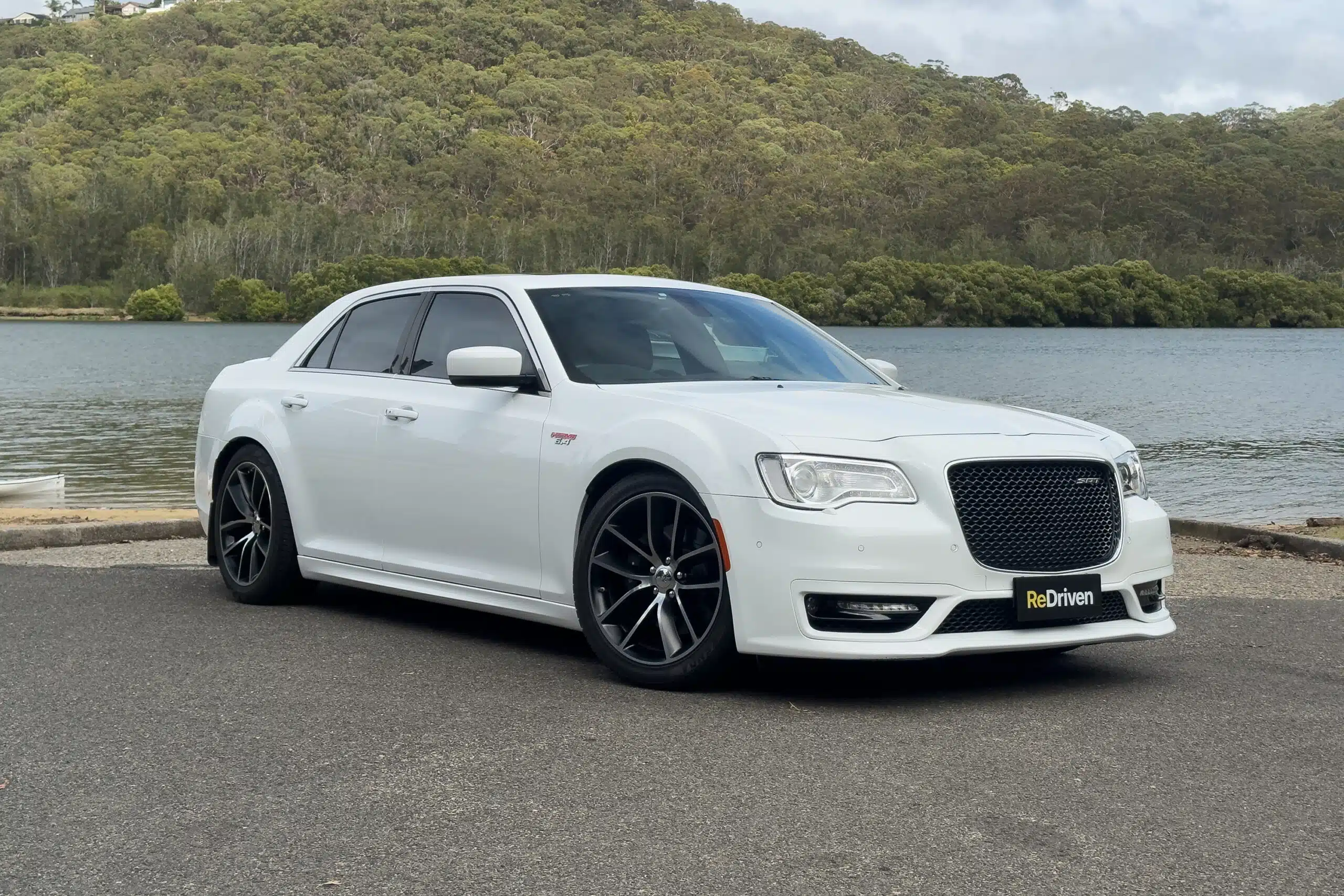
5. Chrysler 300/Dodge Charger (2005–2010)
The Chrysler 300 and Dodge Charger, both built on the LX platform in the mid to late 2000s, suffered from a variety of interior quality problems, and the dashboard was no exception. Owners began to notice cracking and fading on their dashboards as early as five years into ownership.
These issues were especially pronounced in vehicles exposed to hot climates, but even those in moderate weather zones weren’t immune. The material used was hard, dark plastic that absorbed heat quickly and showed little resilience to UV damage.
The dashboard design featured sharp edges and corners that created natural stress points. Over time, these areas gave way first, forming the start of long horizontal and diagonal cracks that spread across the dash.
The seams near the windshield and around the instrument cluster were particularly prone to damage. Many owners who tried to protect their dashboards with conditioners or covers still experienced cracking, which suggested a deeper flaw in the materials or production process.
Chrysler’s response was limited and frustrating for many customers. Even though the problem was widespread, the manufacturer did not provide much in the way of warranty support unless it occurred during the basic coverage period.
Some owners attempted to replace the entire dashboard panel, but the cost was prohibitive, and the new parts were made of the same materials, making long-term improvement unlikely. Others resorted to full dash mat covers or hard plastic overlays to keep the cracks from getting worse.
While these models offered strong engines and aggressive styling, the interior quality often failed to match the car’s bold exterior. The dashboards, in particular, aged quickly and poorly.
For anyone considering a used Charger or 300 from this era, dashboard condition is a major point of consideration. Even well-maintained cars frequently show the same symptoms, making it one of the most consistent flaws in this generation of Chrysler vehicles.
Also Read: 5 Nissans That Stay Comfortable for Families vs 5 That Feel Cheap
Dashboard cracking may seem like a purely cosmetic issue at first, but its impact extends well beyond mere aesthetics. A cracked dashboard can significantly diminish the experience of owning and driving a vehicle.
It not only detracts from the interior’s visual appeal but can also reduce resale value, cause distractions while driving, and in extreme cases, interfere with the proper functioning of safety features like airbags. The durability of a car’s dashboard is an important but often overlooked aspect of vehicle quality and long-term satisfaction.
Through the examples of the five vehicles that rarely experience dashboard cracks, it becomes clear how thoughtful design and quality materials contribute to long-lasting interiors. These cars, such as the Toyota 4Runner and Honda CR-V, demonstrate that using UV-resistant plastics, reinforced dashboard structures, and proper manufacturing techniques pays off.
They maintain their shape, color, and integrity even after years of exposure to sunlight, heat, and daily wear. For owners, this means less worry about expensive repairs, fewer distractions from unsightly damage, and a more pleasant cabin environment over the lifespan of the vehicle. These models serve as benchmarks for what automotive interiors should strive to achieve in terms of durability.
On the other hand, the five cars notorious for dashboard cracking highlight the consequences of cost-cutting, poor material choices, or design oversights. Vehicles like the Dodge Ram 1500 from the early 2000s or the Nissan Altima of the late 2000s show how dashboards made from brittle plastics and lacking adequate UV protection can fail prematurely.
The resulting cracks often appear sooner than expected and may spread rapidly, frustrating owners and complicating repairs. In many cases, attempts to fix or replace dashboards simply postpone the inevitable, especially when replacement parts use the same flawed materials.
This leads to ongoing dissatisfaction and sometimes forces owners to live with covers or other aftermarket solutions that detract from the vehicle’s original design.
One common thread in vehicles that crack easily is exposure to heat and sunlight, which accelerates the aging process of plastic materials. Owners in hotter climates are often the hardest hit, but even moderate climates do not guarantee immunity.
This reinforces the importance of protective measures, such as using sunshades, parking in shaded or covered areas, and applying quality interior protectants. However, these steps can only do so much if the base materials and design are not up to standard.
Buyers and owners alike should remain vigilant and consider dashboard condition carefully, especially when purchasing used vehicles known to have these problems.
The difference in dashboard durability is a reminder that not all interiors age the same way. Investing in cars with proven interior quality can lead to greater long-term satisfaction and fewer maintenance headaches.
For manufacturers, it’s a call to prioritize materials and designs that withstand the test of time and environmental stress. For consumers, it’s an opportunity to make informed choices by researching model histories and owner feedback before making a purchase.
In the end, dashboards are more than just surfaces; they are central to the driver’s daily interaction with the car. A solid, crack-free dashboard adds to comfort, safety, and pride of ownership.
While no vehicle is immune to wear and tear, understanding which cars have better interior resilience can help drivers avoid one of the most common frustrations in automotive ownership. Whether you’re buying new or used, taking care of your dashboard and selecting a vehicle with a durable interior are essential steps toward maintaining a car that looks and feels good for many years to come.
