
When considering the longevity and driving experience of a car, many factors come into play. People often expect their vehicles to maintain not just mechanical reliability but also a sense of comfort and refinement as the miles accumulate. However, not all cars age gracefully.
Some maintain a smooth, comfortable ride and solid performance even after 100,000 miles or more, while others begin to show signs of wear, degradation, and diminished driving quality much sooner.
This is not just about how many miles the car can run, but also about how well it holds up to the physical demands of daily driving and the passage of time. From suspension wear and engine durability to interior comfort and noise insulation, every component’s ability to resist aging affects the driving experience.
Many car buyers focus on new or near-new vehicles, but in reality, a significant portion of the market consists of used cars. Understanding which models tend to stay smooth and enjoyable beyond the 100,000-mile mark can make a huge difference for those who plan to keep a vehicle for the long haul or buy used with confidence.
This knowledge helps avoid frustration caused by rattling interiors, rough suspensions, declining engine performance, or increasingly noisy cabins. Longevity in cars is influenced by engineering choices, quality of materials, design philosophy, and even the manufacturer’s approach to maintenance and serviceability.
Some brands and models have built their reputations on these long-term qualities, offering owners peace of mind that their vehicles will continue to drive comfortably and reliably well into high mileage. Conversely, other cars may start to feel “old” too quickly, developing issues that make them uncomfortable, noisy, or less responsive.
These differences can be particularly noticeable after the 100,000-mile milestone, when many components begin to experience wear, and subtle issues can snowball into more obvious problems. For drivers who want a car that feels as good at 150,000 miles as it did when new, choosing the right model is crucial.
This article will examine five vehicles known for maintaining a smooth ride and driving refinement after 100,000 miles, highlighting what makes them age well. It will also look at five models that tend to deteriorate in comfort and performance prematurely, explaining the common issues that contribute to this early decline.
Whether you are shopping for a reliable used car or curious about vehicle durability, these insights aim to guide your understanding of how different cars hold up over time. A car’s longevity is about more than just mechanical function; it’s about the quality of the driving experience as the years and miles pass.
Also Read: 5 Cars That Keep Their Steering Tight vs 5 That Get Sloppy Fast
5 Cars That Stay Smooth After 100K
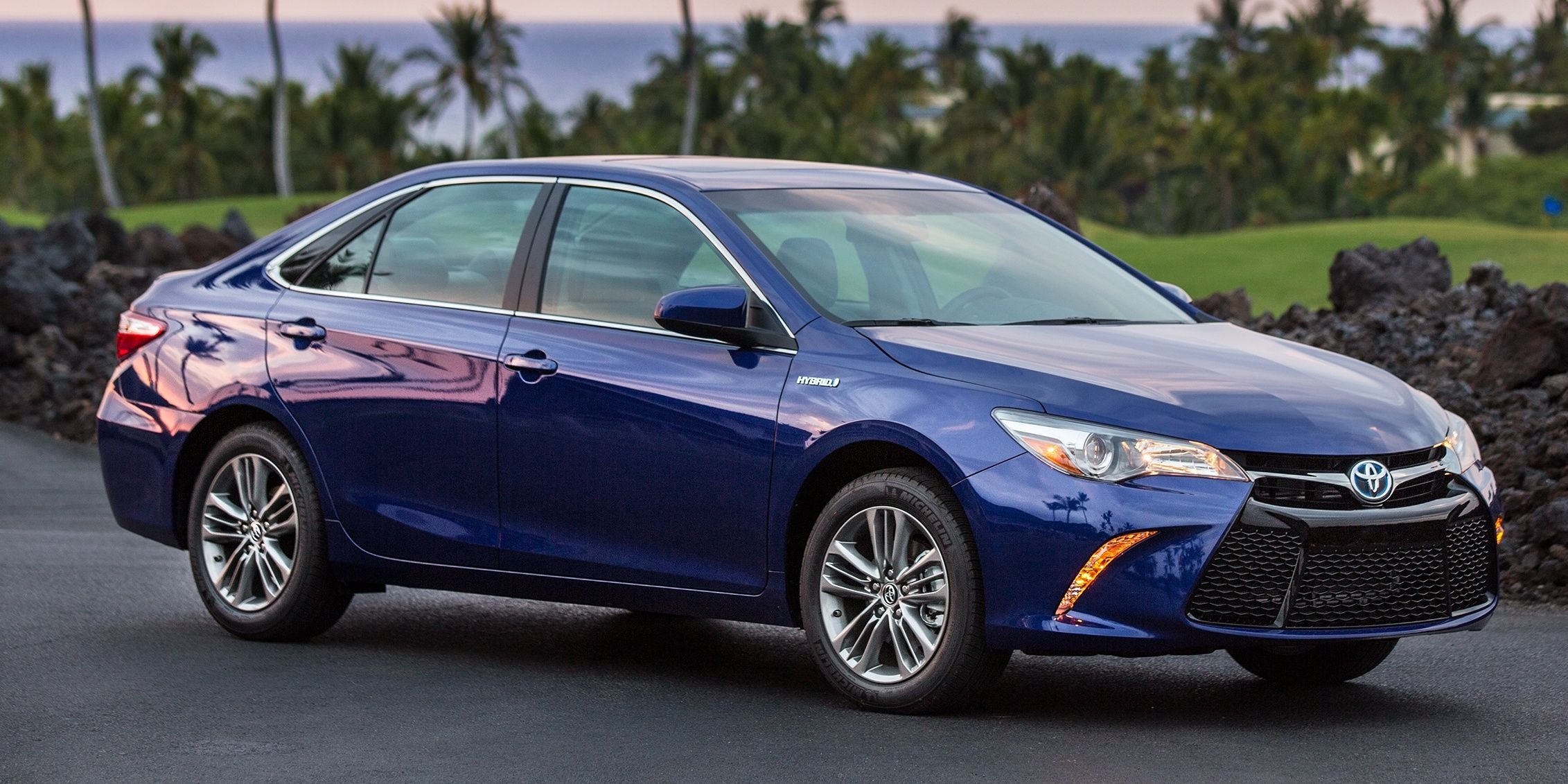
1. Toyota Camry
The Toyota Camry is widely recognized as a symbol of reliability and long-term comfort, consistently proving its ability to remain smooth and dependable well beyond 100,000 miles. Its reputation is built on a foundation of precise engineering and quality manufacturing standards that prioritize longevity.
The Camry’s suspension system is engineered to offer a near-perfect balance between ride comfort and responsive handling. Unlike vehicles that become stiff or harsh as suspension components age, the Camry uses durable shock absorbers and well-designed springs that maintain their ability to absorb road imperfections, providing a ride that feels refined even on rougher roads.
Powertrain durability is another significant factor in the Camry’s lasting smoothness. Toyota engines are known for their robustness, often running strong with minimal issues for hundreds of thousands of miles when serviced correctly.
The company’s attention to detail in engine design helps minimize vibrations, rattling, or loss of power that can make older cars feel tired or worn out. Additionally, Toyota’s transmissions are reliable and typically shift smoothly, avoiding the roughness or jerks seen in some other brands as mileage accumulates.
Inside the cabin, the Camry benefits from the use of high-quality materials that resist fading, cracking, or excessive wear. Many owners report that the interior remains quiet and free of annoying rattles or squeaks, which can be a common complaint in older vehicles.
The ergonomic design of seats and controls also contributes to a driving environment that feels fresh and well-maintained, even after years of use. This attention to comfort and quietness enhances the perception of smoothness on every journey.
Maintenance and serviceability are key reasons why the Camry stays smooth over the long term. Its popularity means parts are widely available, and repairs or replacements tend to be affordable and straightforward.
This encourages owners to keep up with regular maintenance schedules, ensuring that the suspension, engine, and transmission components remain in good working order. Toyota Camry’s combination of engineering excellence, durable materials, and ease of upkeep creates a vehicle that drivers can count on to remain smooth and comfortable well past 100,000 miles.
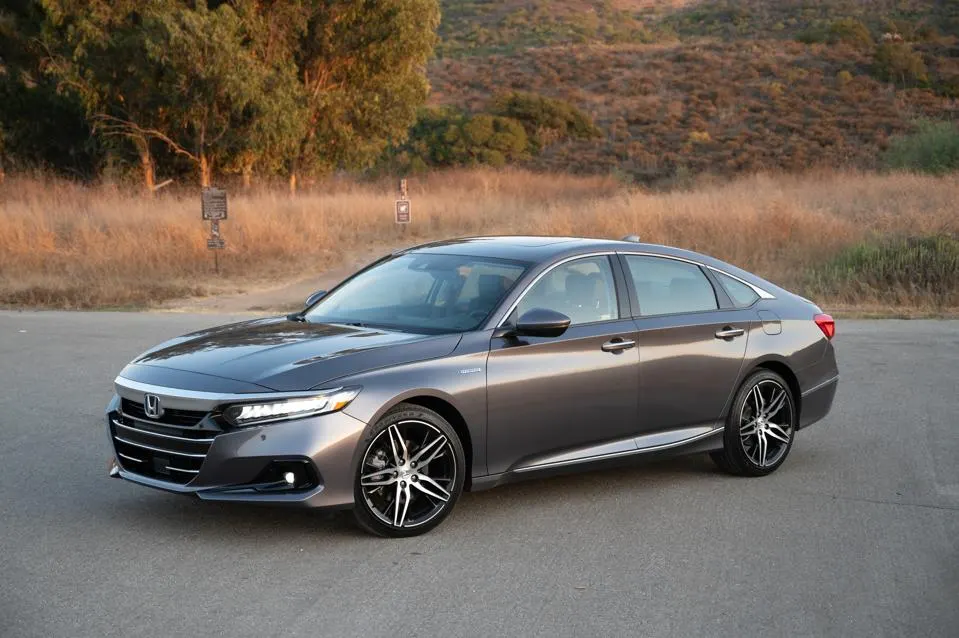
2. Honda Accord
Much like the Camry, the Honda Accord has carved out a reputation for reliability and smooth driving that stands the test of time. The Accord offers a slightly sportier feel than the Camry but does not sacrifice comfort, making it popular among drivers who want a sedan that remains engaging yet smooth even after extensive use.
Its suspension is tuned to strike a balance between responsive handling and a supple ride, helping the car stay composed over rough surfaces and through corners without introducing excessive harshness.
The longevity of the Accord’s smoothness is rooted in the durability of its powertrain components. Honda engines are praised for their robust construction and ability to deliver consistent power without roughness or knocking, even after many miles.
Transmissions, especially the CVT and automatic versions introduced in more recent models, generally maintain smooth shifts and prevent jerky acceleration that would otherwise make the car feel older and less refined. This reliability means that the Accord can keep up a responsive, comfortable drive for a very long time.
The interior of the Accord is another strong point in terms of aging. Its materials, while not luxurious, tend to be durable and resist the kind of cracking, fading, or loosening that can cause creaks and rattles.
The cabin remains quiet and insulated from road and wind noise, which helps maintain a peaceful driving experience even after years of wear. The supportive seating also retains its shape and cushioning, reducing driver fatigue and maintaining comfort on long trips.
Regular upkeep is crucial for preserving the Accord’s smooth driving characteristics, and fortunately, it’s a relatively easy car to maintain. Replacement parts for suspension, engine, and drivetrain components are widely available and reasonably priced, encouraging owners to perform the necessary maintenance that prevents wear from affecting the ride quality.
The combination of strong engineering, quality materials, and owner attention makes the Honda Accord a vehicle that continues to feel well-tuned and smooth long after crossing the 100,000-mile threshold.
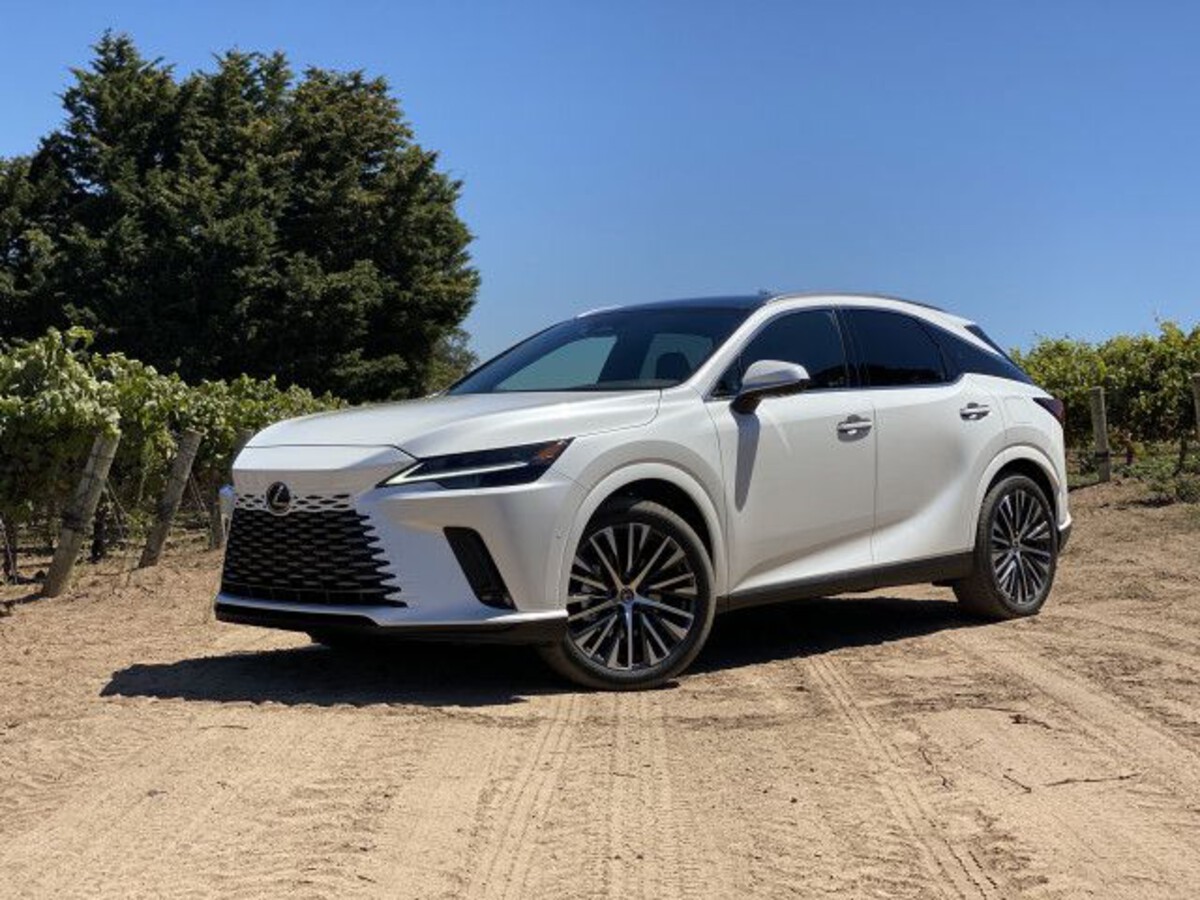
3. Lexus RX
The Lexus RX is a standout among luxury SUVs for its ability to maintain a smooth, quiet, and comfortable ride well into high mileage territory. This vehicle embodies the luxury brand’s focus on refined driving dynamics and premium craftsmanship.
The RX’s suspension is carefully engineered to absorb road irregularities with a plushness that belies its size and capabilities. Even after extensive use, the suspension components tend to remain effective at cushioning impacts and providing a serene driving experience, which is essential in an SUV expected to offer luxury rather than just utility.
The powertrain of the Lexus RX is built for durability and smooth power delivery. Most RX models feature reliable V6 engines paired with advanced automatic transmissions that deliver power seamlessly without the harshness or clunkiness that older vehicles sometimes develop.
This smoothness is especially noticeable in stop-and-go driving or highway cruising, where vibrations or rough shifting can otherwise diminish driver comfort. The strong build quality and attention to detail in mechanical components ensure that the RX continues to operate with a feeling of refinement.
Inside, the Lexus RX cabin exemplifies luxury that holds up well over time. High-grade materials such as genuine leather, wood trim, and soft-touch plastics resist wear, fading, and deterioration better than many competitors.
The soundproofing and insulation used in the RX are also top-notch, preventing road noise from intruding and preserving a quiet, composed environment even after many miles. The ergonomic design and supportive seating help maintain comfort on long drives, further enhancing the sense that the vehicle remains smooth and well-maintained.
Owners of Lexus RX models who follow recommended maintenance schedules often find that their SUVs retain the luxury feel and smooth driving experience well past the 100,000-mile mark. The availability of skilled service technicians and genuine parts contributes to the longevity of this experience, allowing the RX to remain a compelling option for buyers who want a durable yet refined luxury SUV.
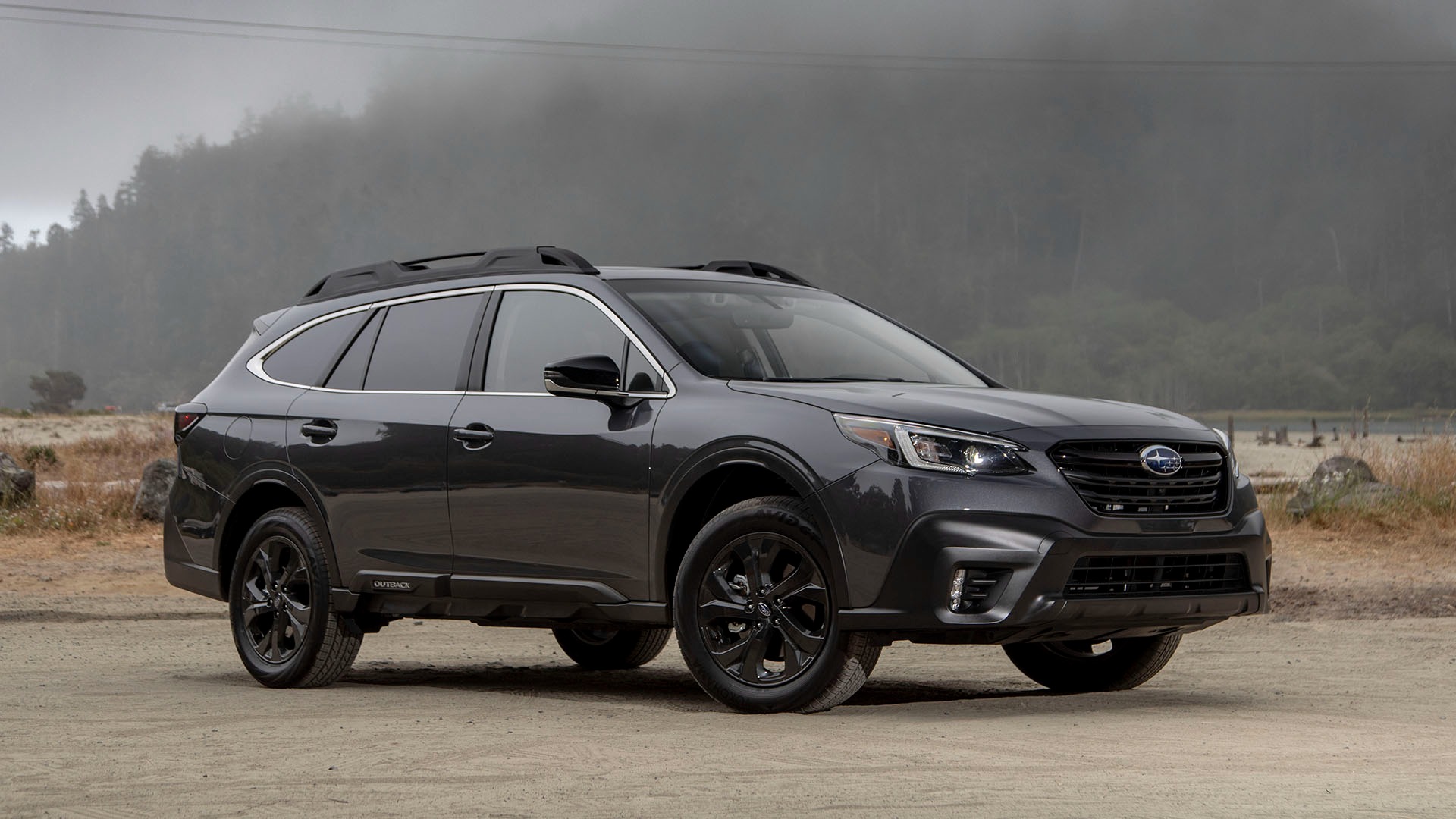
4. Subaru Outback
The Subaru Outback is known for its versatility and rugged capabilities, but it also surprises many owners with its ability to provide a smooth and comfortable ride even as mileage climbs.
While often used in rougher conditions and off-road settings, the Outback’s suspension is engineered to deliver a balanced ride that softens road imperfections without sacrificing control or stability. This makes it stand out as a vehicle that can handle various terrains while remaining comfortable on everyday drives.
A key element in the Outback’s smoothness is the horizontally opposed “boxer” engine design. This engine layout contributes to a lower center of gravity and better balance, which reduces vibrations and enhances stability.
The durability of Subaru’s all-wheel-drive system also plays a role, offering consistent traction and smooth power delivery that avoids the jolts or roughness experienced in some aging vehicles. This engineering helps keep the Outback feeling planted and composed through diverse driving conditions and over time.
The interior of the Outback is designed with durability in mind, using materials that hold up well against wear and environmental changes. While not ultra-luxurious, the cabin offers good noise insulation and well-padded seats that retain their support after years of use.
The construction limits rattles and creaks that can make other aging vehicles feel rough or cheap. This quality interior experience contributes significantly to the perception of smoothness on longer trips.
Subaru owners tend to be diligent about maintenance, and with proper care, the Outback maintains its smoothness and reliability well beyond 100,000 miles. The availability of parts and straightforward repair processes make it easier to address wear-related issues before they affect ride quality. Taken together, the Outback’s engineering, design, and owner care help it age gracefully as a smooth and dependable vehicle.
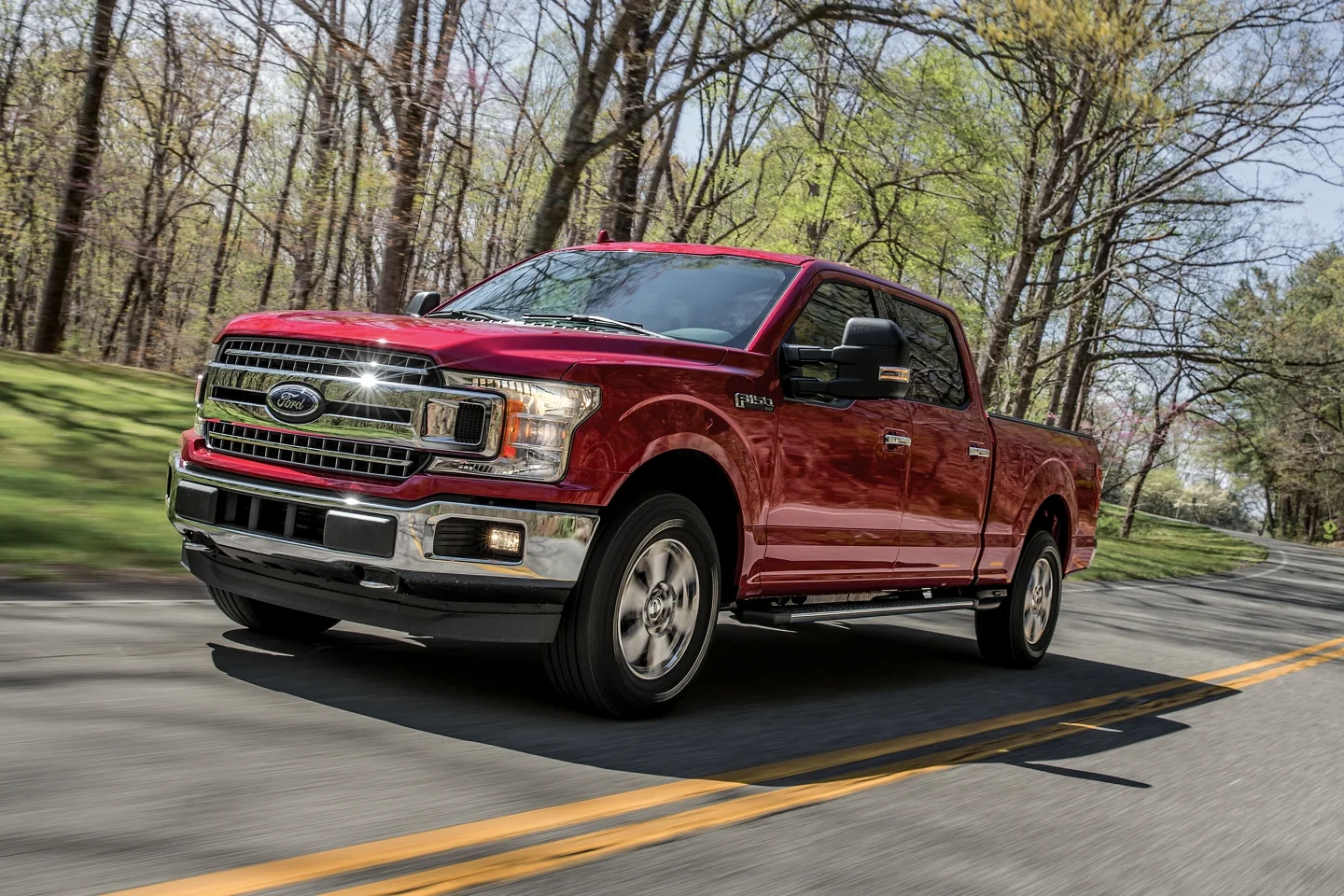
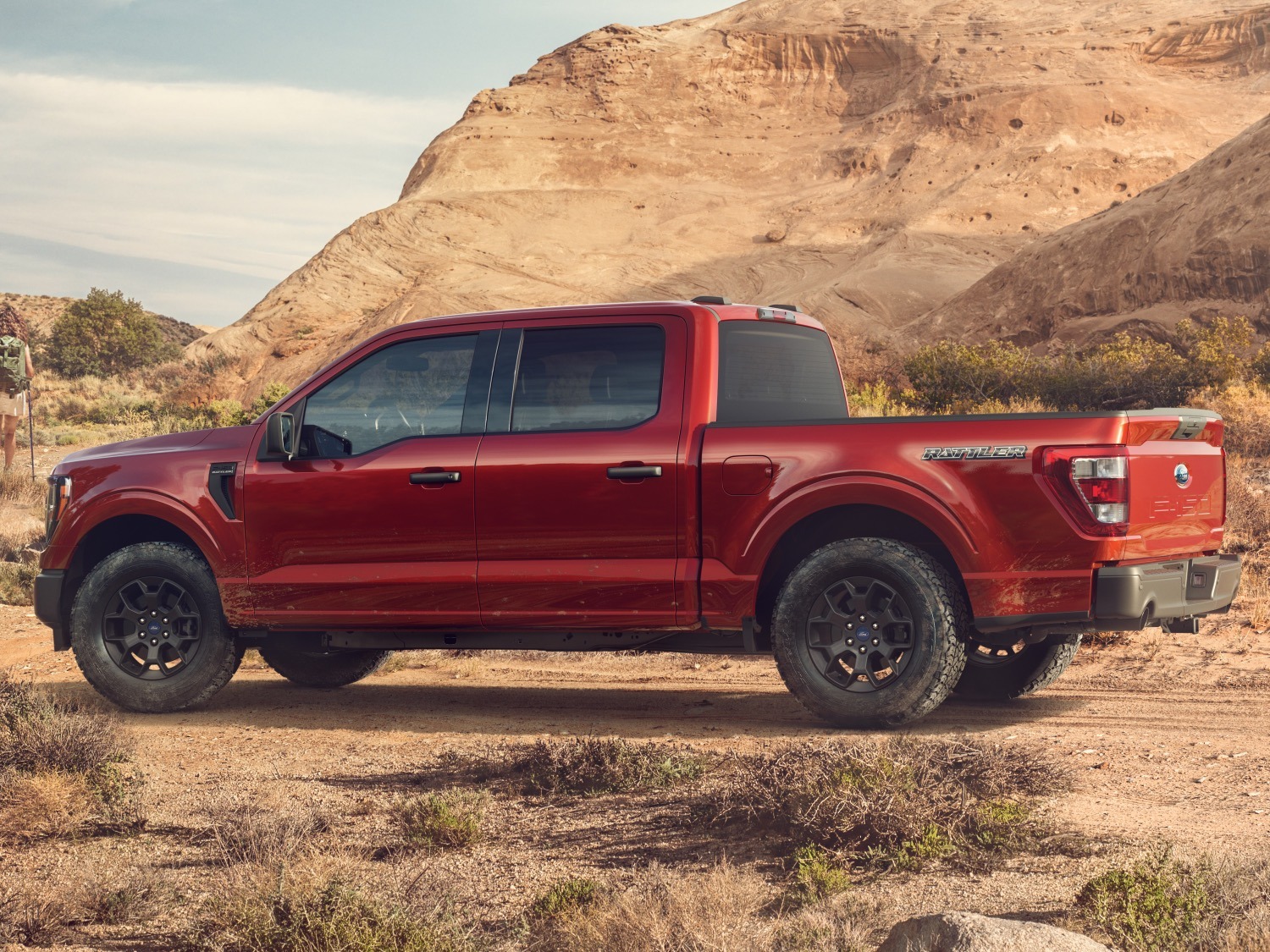
5. Ford F-150
The Ford F-150 is a prime example of a truck that combines rugged capability with a smooth and comfortable ride that lasts through high mileage. This model has been America’s best-selling vehicle for decades, largely due to its versatility and ability to serve as both a workhorse and a daily driver.
Unlike many trucks that prioritize toughness at the expense of comfort, the F-150’s suspension system is designed to deliver a surprisingly smooth ride, absorbing road shocks while maintaining stability whether unloaded or carrying heavy cargo.
The powertrain options available in the F-150, particularly the V6 and V8 engines, have a reputation for durability and smooth operation. Many owners report that their trucks continue to run quietly and accelerate smoothly after extensive use, without the engine roughness or transmission jerks that can make an older vehicle feel tired. The automatic transmissions are generally well-tuned to provide seamless shifts that preserve the sense of smooth driving.
Inside the cabin, Ford has invested in materials and design that age well for a truck. The seats offer good support and comfort, and the interior plastics resist cracking or fading, maintaining an attractive and functional space even after years of use. Noise reduction techniques used in newer models help keep road and engine noise at bay, making the driving experience more pleasant and less fatiguing, particularly on long journeys.
Routine maintenance and the wide availability of parts and service contribute to the F-150’s ability to stay smooth. The truck’s popularity ensures that replacement components for suspension, drivetrain, and interior upkeep are easy to find and relatively affordable.
When properly maintained, the Ford F-150 continues to deliver a comfortable and smooth driving experience well beyond the 100,000-mile mark, making it a reliable choice for those who want durability without compromising comfort.
5 Cars That Feel Old Too Soon
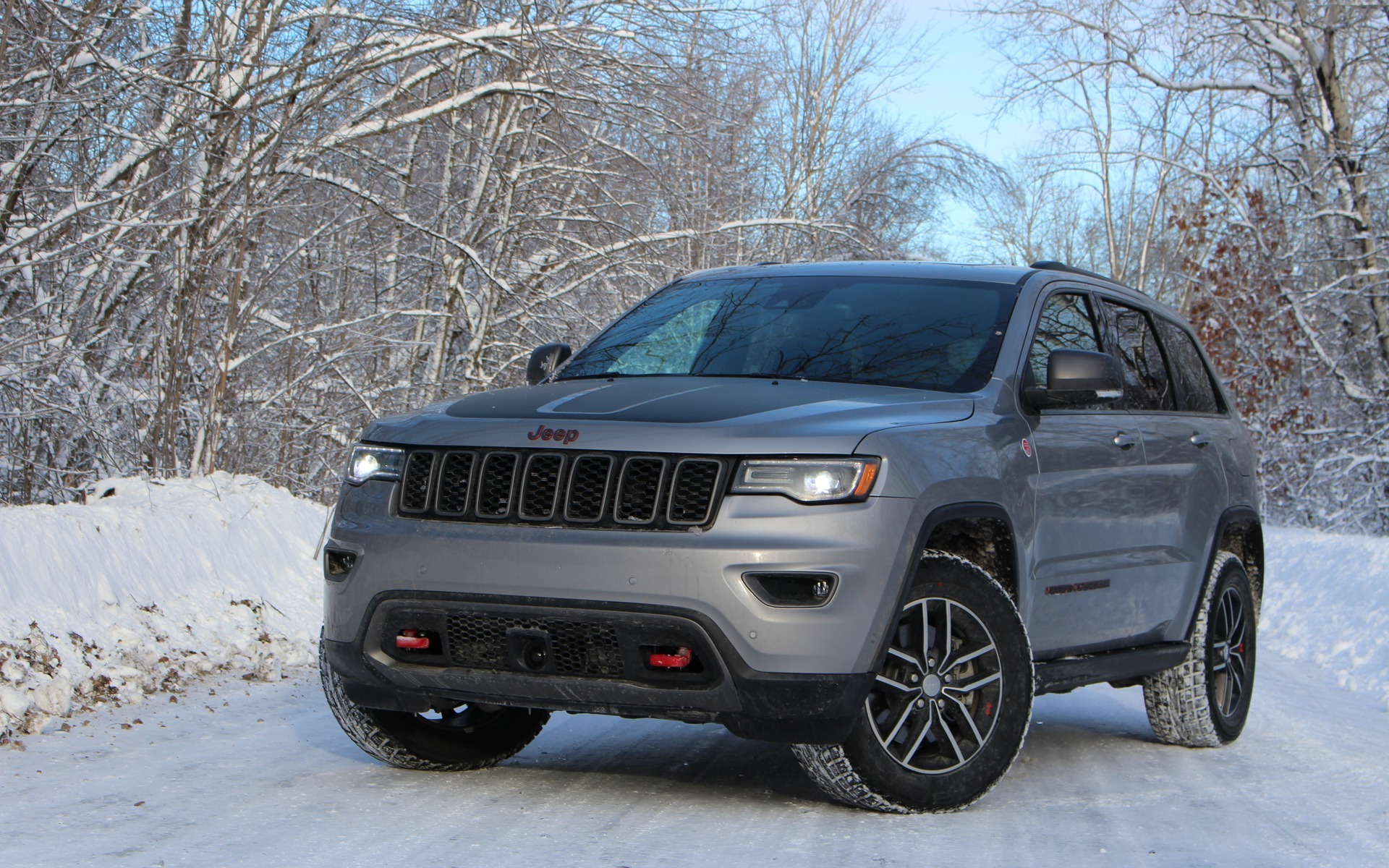
1. Jeep Cherokee (Older Models)
Older Jeep Cherokee models are often associated with rugged off-road performance, but many owners find that these vehicles begin to feel old and rough much sooner than they would like.
The suspension system in these models is primarily designed for off-road durability rather than smoothness, and this trade-off becomes more apparent as mileage increases. As shocks, springs, and bushings wear out, the ride becomes noticeably harsher, transmitting more bumps and vibrations into the cabin. This roughness can make everyday driving uncomfortable and fatiguing.
The powertrains in older Cherokees often exacerbate this aging sensation. Engines may develop rough idle conditions or inconsistent power delivery, particularly if maintenance has been neglected or if the vehicle has seen demanding use.
Some of these models are known for transmission problems that cause jerky shifts, slipping, or delayed response, all of which detract from the smooth driving experience expected from a modern vehicle. These mechanical shortcomings contribute to a feeling that the Cherokee is aging prematurely.
Inside, the quality of interior materials in older Cherokees often leaves much to be desired. Hard plastics can crack or become brittle, and panels may loosen over time, creating annoying rattles and squeaks.
The cabin noise level tends to increase with age, making the vehicle feel less refined and more worn. These factors combine with mechanical roughness to create a driving environment that feels outdated and uncomfortable far earlier than with many competitors.
Additionally, corrosion and wear in key structural areas are common complaints among older Cherokee owners. Rust or weakened suspension mounts can lead to decreased ride quality and even safety concerns. While the Jeep Cherokee offers off-road prowess, its ability to maintain a smooth and comfortable ride on paved roads diminishes quickly, making it a vehicle that often feels old too soon for many drivers.
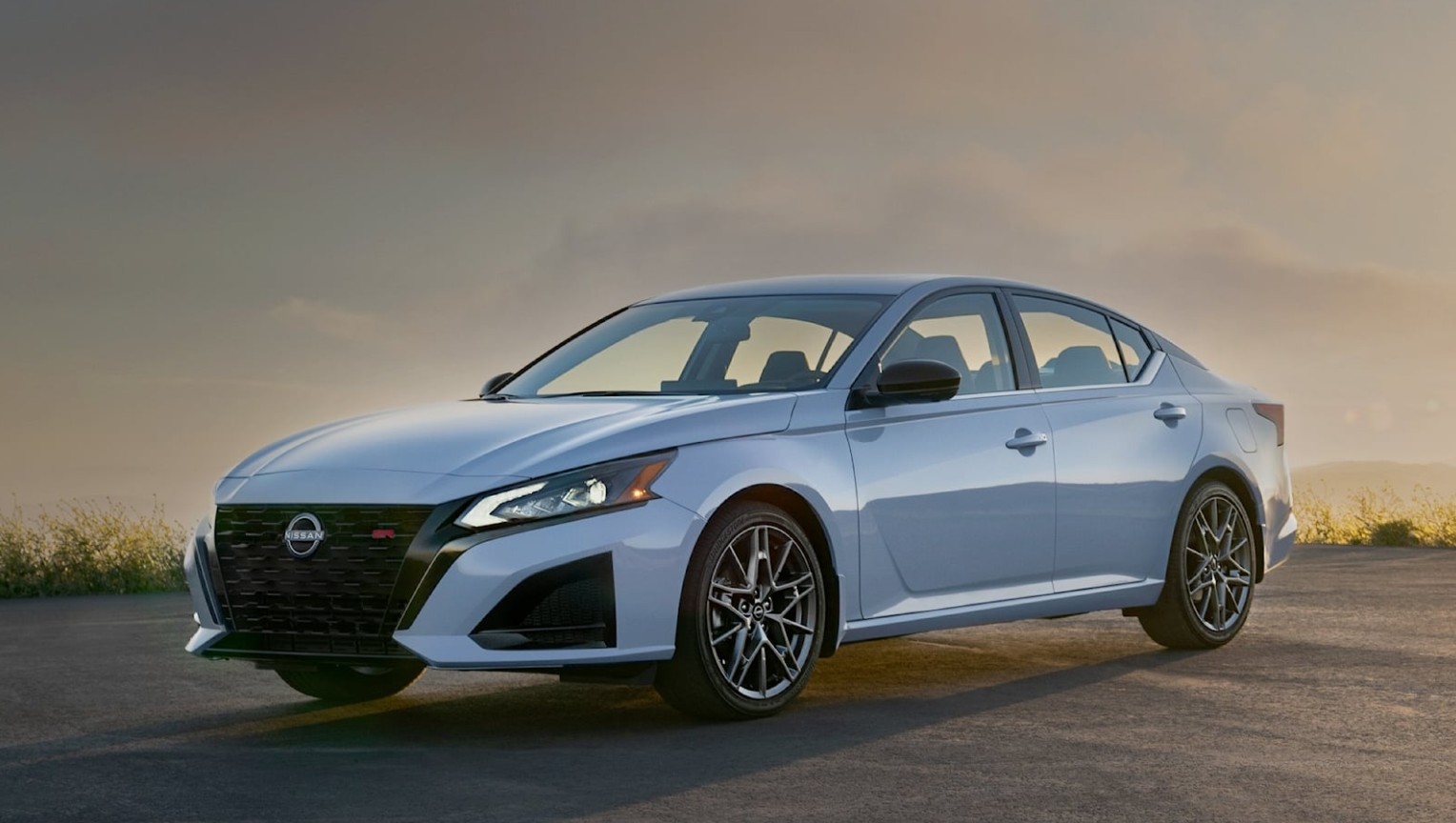
2. Nissan Altima (Early 2010s Models)
The early 2010s Nissan Altima, once praised for its style and fuel efficiency, has developed a reputation for aging poorly, especially in terms of ride quality and mechanical reliability.
Many owners report that by the time these vehicles reach around 100,000 miles, the suspension starts to feel noisy and harsh. Worn shocks and bushings contribute to a bouncy or unsettled ride, which can make the car feel less stable and comfortable on a variety of road surfaces.
Engine issues further contribute to this feeling of premature aging. Some Altima models from this era experience excessive oil consumption, which can lead to engine knocking or rough running conditions if not addressed promptly.
The variable valve timing systems in these engines sometimes fail, causing jerky throttle response or hesitation. Transmission problems are also common, with reports of slipping gears and rough shifts that degrade the driving experience and add to the sense of a car that feels older than its years.
Inside, the early 2010s Altima often falls short in terms of interior durability. Plastics can become scratched, faded, or cracked, while seat cushions lose support and comfort more rapidly than in comparable models. The cabin noise level tends to increase as insulation and seals deteriorate, which adds to the perception of a vehicle that has aged quickly and lost its initial refinement.
Together, these issues make the early 2010s Nissan Altima a car that often feels old too soon. Buyers looking for a midsize sedan that maintains smoothness and comfort over the long term may want to consider other options or newer models with improved reliability and ride quality.
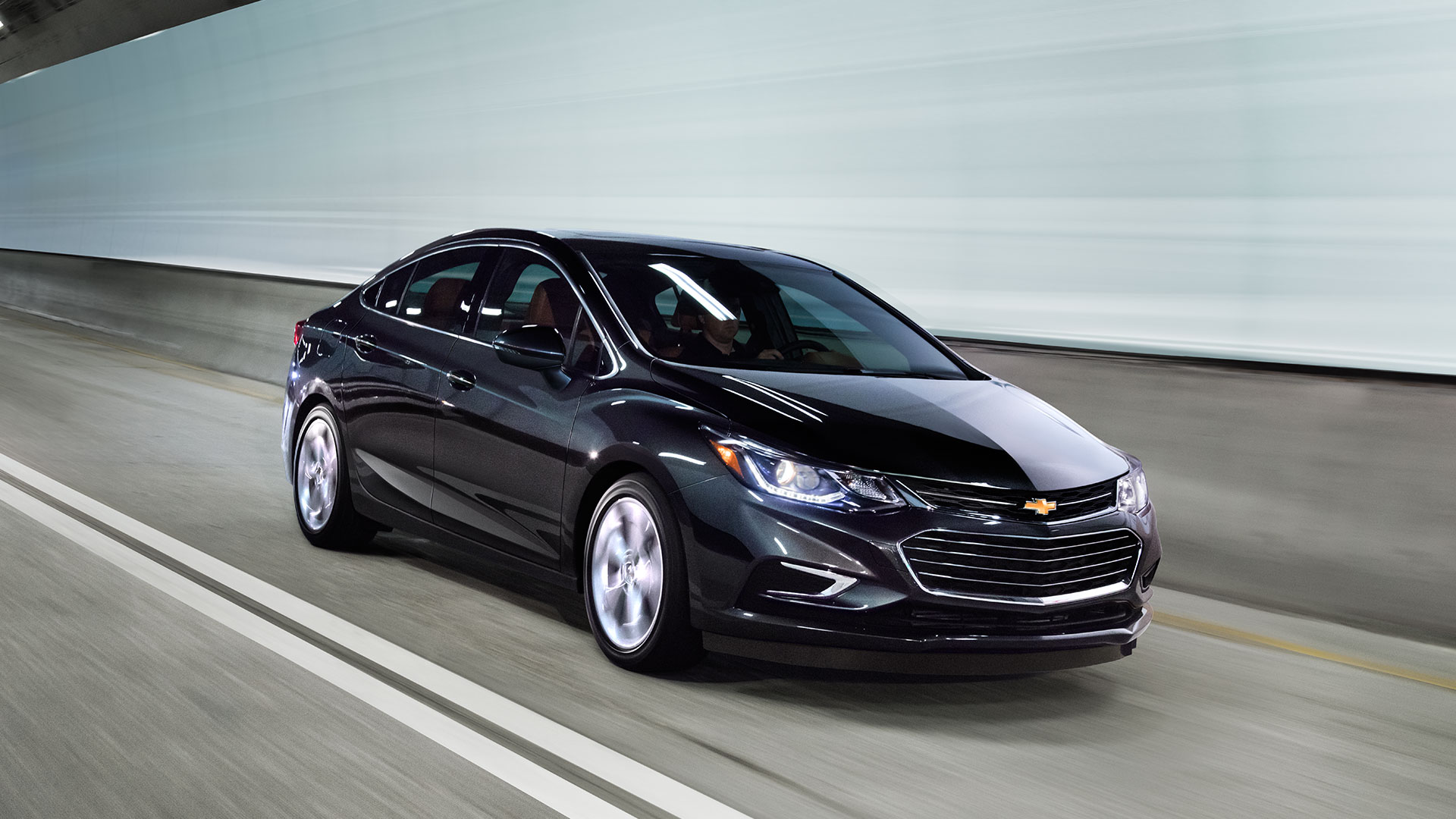
3. Chevrolet Cruze
The Chevrolet Cruze has been popular for its affordability and fuel efficiency, but it has often faced criticism regarding its ability to maintain a smooth and comfortable ride over time.
Many Cruze owners find that by the time their vehicle approaches 100,000 miles, the suspension begins to deteriorate quickly, resulting in a harsh and noisy ride. Worn shocks, struts, and bushings cause the car to feel unsettled over bumps and rough pavement, detracting significantly from driving enjoyment.
Mechanically, the Cruze has had a number of issues that contribute to the feeling that the car ages prematurely. Some engine variants suffer from timing chain problems that lead to engine noise or failure if not addressed.
Coolant leaks and other engine-related faults can cause rough running conditions that impact smoothness. Transmission problems, including slipping or delayed shifting, are reported frequently, further diminishing the sense of refinement and making the car feel worn out sooner than expected.
The interior quality in the Cruze also leaves something to be desired in terms of durability. Plastics are prone to fading and cracking, and upholstery materials may wear quickly, especially with heavier use. This results in a cabin that feels cheap and dated, with increased rattles and squeaks contributing to a perception that the vehicle has aged beyond its years.
While the Chevrolet Cruze may be an economical choice initially, its inability to maintain smoothness and comfort over time limits its appeal for those seeking a long-lasting, comfortable driving experience.
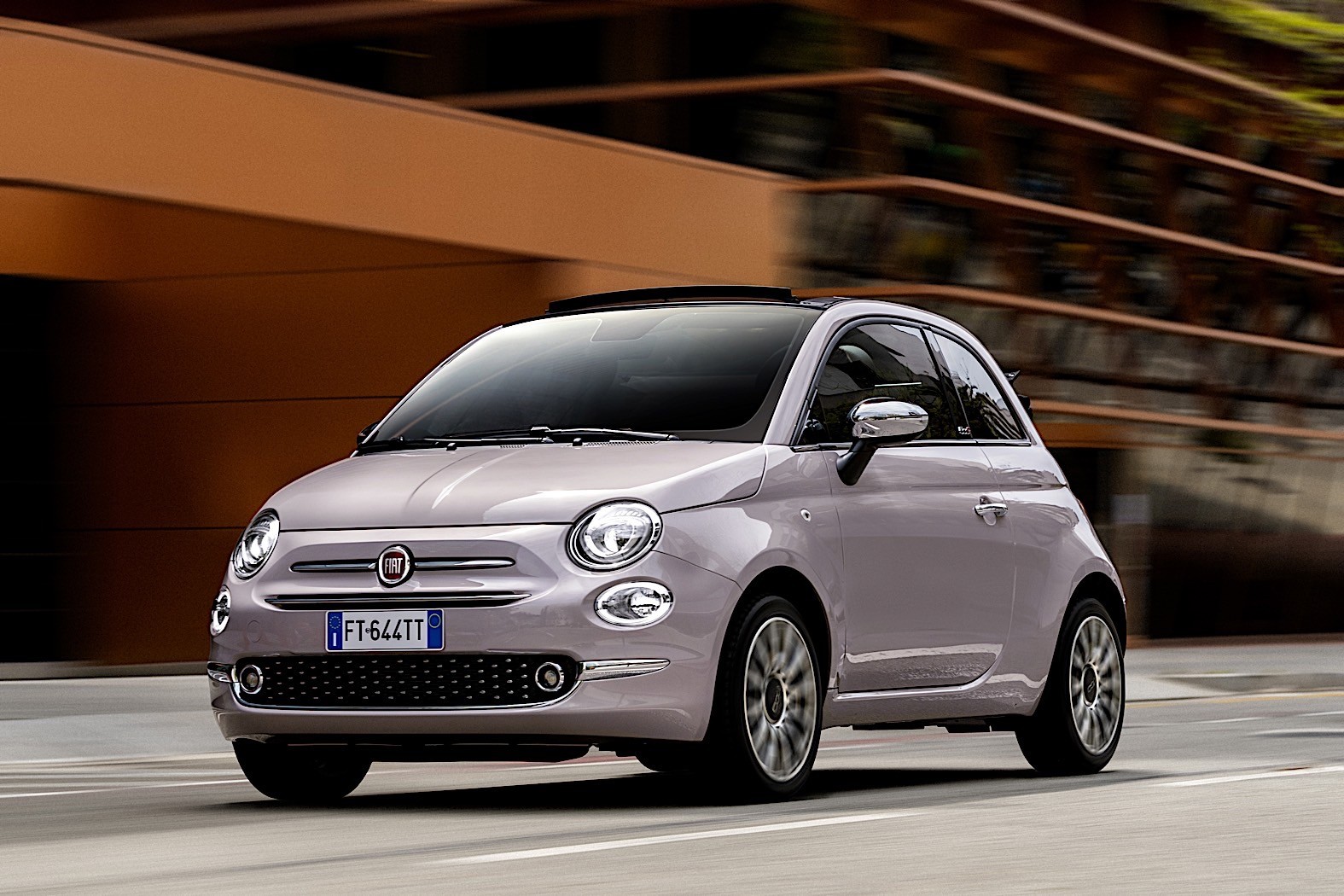
4. Fiat 500
The Fiat 500 is a compact and stylish car that has attracted many urban drivers for its size and retro appeal. However, its ride quality and comfort tend to suffer as the miles add up, making it a vehicle that feels old and rough sooner than many of its competitors.
The suspension is tuned for nimble handling rather than comfort, and as suspension components wear, the car can become jittery and harsh over uneven roads. This results in a driving experience that becomes uncomfortable and noisy as the vehicle ages.
The powertrain, particularly in early Fiat 500 models, has been prone to issues affecting smoothness. Problems with turbochargers, engine mounts, and transmissions have led to increased vibrations, engine noise, and jerky acceleration.
These mechanical concerns are more common as mileage increases and can create a feeling that the vehicle is less reliable and refined than expected for its class.
Inside, the Fiat 500’s interior materials often lack the durability found in similarly priced cars. Plastics may become brittle, and seats show signs of wear quickly, leading to a cabin that feels cramped, less comfortable, and less luxurious as time goes on. Additionally, noise insulation is limited, allowing more road and engine noise to intrude, which contributes to the impression of the car aging prematurely.
Despite its charm and maneuverability, the Fiat 500’s tendency to feel worn and rough early in its lifespan makes it less suitable for drivers who prioritize comfort and longevity in their vehicles.
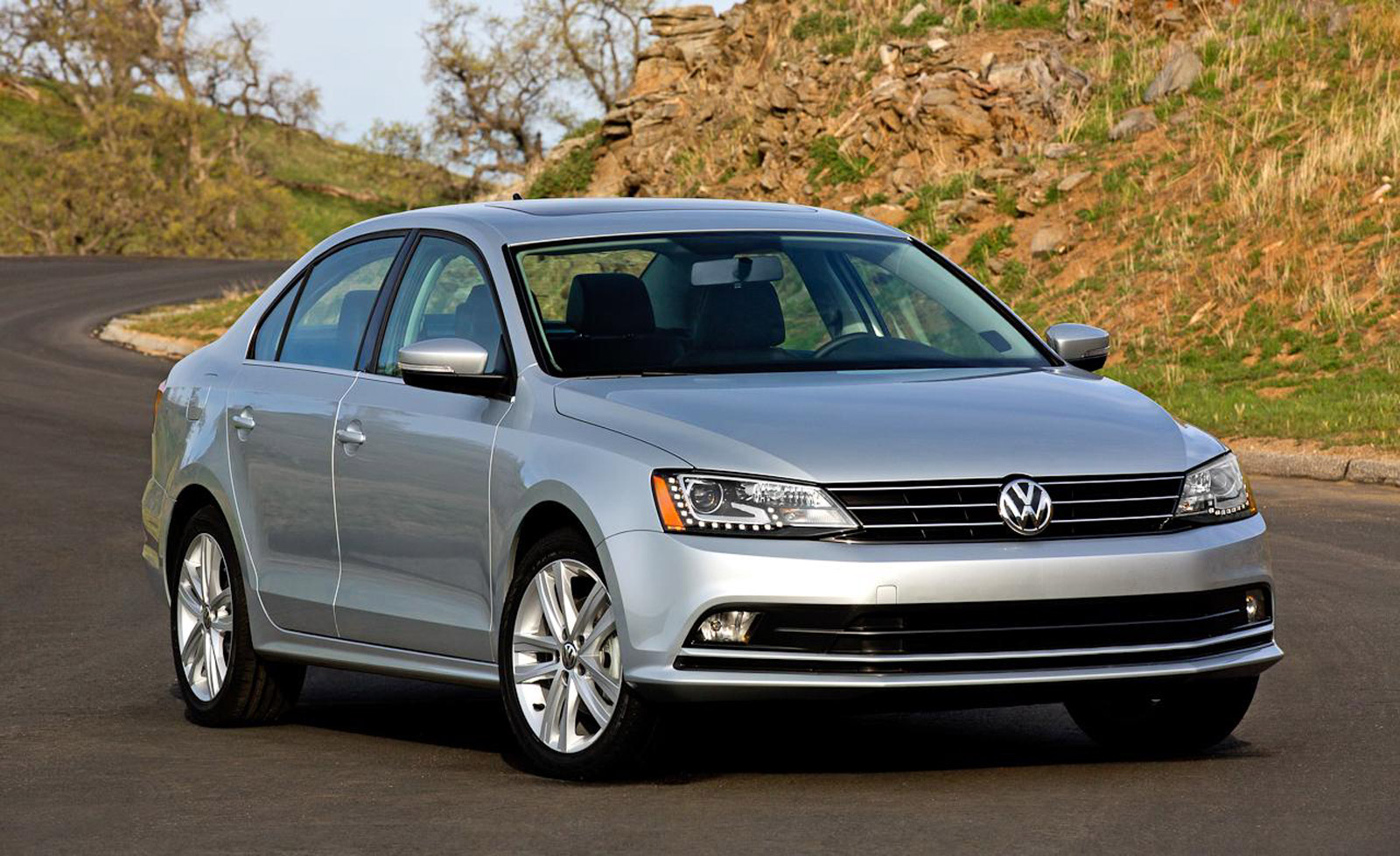
5. Volkswagen Jetta (Early Models)
Early Volkswagen Jetta models, especially those from the late 2000s and early 2010s, have been known to develop issues that cause them to feel old and less refined relatively quickly.
The suspension design, while competent initially, tends to suffer from premature wear, leading to a harsher ride and increased cabin noise. Shocks, struts, and suspension bushings wear out and are sometimes expensive to replace, which discourages some owners from performing timely maintenance that could preserve smoothness.
Engine reliability has also been a concern for these models. Issues such as carbon buildup, turbo failures, and oil leaks can cause rough engine performance, reduced power, and increased noise.
Transmissions, particularly manual versions, may develop problems with clutch wear or shifting precision, making the driving experience less smooth and more fatiguing. These mechanical shortcomings contribute to a vehicle that loses its youthful refinement sooner than anticipated.
The interior quality of early Jettas is somewhat better than some economy cars, but wear and tear on seat fabric, trim, and controls can make the cabin feel less polished over time.
Noise insulation is adequate but not exceptional, allowing more road and engine noise to penetrate, which contributes to a sense of the car aging prematurely. These issues combine to create a driving experience that feels less smooth and more worn out well before the car has reached high mileage.
Also Read: 10 Cars Americans Drive the Most Miles Each Year (and Why They Rack Up the Miles)
When it comes to selecting a vehicle that will remain smooth and enjoyable well past the 100,000-mile mark, the differences between models become very clear over time. The distinction is not simply about whether a car runs or breaks down; it is about how the entire driving experience holds up as wear and tear accumulate.
Cars that maintain their smoothness deliver a consistent ride quality, minimal noise intrusion, reliable powertrain performance, and interiors that retain comfort and quietness. Conversely, cars that age poorly start to lose these qualities early, often causing discomfort, mechanical frustrations, and a sense of diminished value long before they reach what many would consider “old” mileage.
One of the key takeaways is the importance of solid engineering fundamentals paired with the use of quality materials. Vehicles like the Toyota Camry and Honda Accord exemplify this combination by employing durable suspension components and powertrains designed for longevity, which help preserve a smooth and composed ride.
Their interiors typically use resilient materials that resist cracking, rattling, and noise infiltration, allowing owners to enjoy a pleasant cabin environment even after years of use.
Additionally, these vehicles often benefit from their widespread popularity, which translates to easier maintenance, affordable parts, and knowledgeable service professionals. This makes it simpler for owners to keep their cars in optimal condition and address wear-related issues before they degrade ride quality.
Luxury models such as the Lexus RX take this durability and refinement to another level by incorporating advanced suspension designs, superior sound insulation, and premium materials that further enhance longevity in comfort.
SUVs like the Subaru Outback demonstrate that smoothness need not be sacrificed for capability; their thoughtfully engineered drivetrains and well-tuned suspensions deliver a balanced experience that stays comfortable over time and terrain. Meanwhile, trucks such as the Ford F-150 combine robust build quality with surprisingly refined ride characteristics, defying the notion that ruggedness must come at the cost of smoothness.
On the other side of the spectrum, certain cars tend to lose their initial appeal and comfort too soon. Models such as the older Jeep Cherokee and early 2010s Nissan Altima are often plagued by suspension wear, mechanical inconsistencies, and interior material degradation that turn driving from a pleasure into a chore.
These issues commonly manifest as rough rides, noisy cabins, jerky transmissions, and uncomfortable seating. Such early deterioration not only diminishes driver satisfaction but can also lead to costly repairs and greater depreciation.
Similarly, vehicles like the Chevrolet Cruze and Fiat 500, while attractive and economical choices at first, frequently reveal shortcomings in durability and refinement that make them feel worn out well before they reach high mileage.
Early Volkswagen Jettas also suffer from premature aging symptoms, including suspension and engine troubles that impair smoothness and reduce driver enjoyment.
Maintaining smoothness over the long haul is about more than just avoiding breakdowns. It requires thoughtful design, reliable mechanical components, and quality materials that resist wear and noise. It also depends heavily on how well a vehicle is maintained throughout its life.
Even the best-engineered cars can develop issues if neglected, while regular servicing can extend the comfort and performance of many models. This means that potential buyers should consider both the vehicle’s inherent qualities and the anticipated cost and ease of upkeep.
Selecting a car that stays smooth after 100,000 miles involves choosing models known for their long-term comfort, reliability, and refinement. Doing so can lead to years of enjoyable driving with fewer distractions and maintenance headaches. On the other hand, being aware of cars prone to feeling old too soon can help buyers avoid frustration and unexpected expenses.
By focusing on these factors, drivers can make more informed decisions, enhancing their ownership experience and ensuring that their vehicle remains a source of satisfaction rather than stress as the miles add up.
