
Sedans have long been a staple in the automotive world, providing drivers with a blend of comfort, practicality, and style. Their appeal often extends beyond just the initial purchase; how well a sedan holds up over time can be just as important. Some models seem to improve with age, developing a kind of classic charm while continuing to run smoothly and reliably.
These cars maintain their structural integrity, performance, and even aesthetic appeal, making them favorites among enthusiasts and everyday drivers alike. On the other hand, some sedans don’t quite manage to keep up as the years go by.
They may suffer from frequent mechanical issues, poor build quality, or design flaws that cause them to deteriorate quickly. These vehicles can become costly headaches, losing value rapidly and requiring more maintenance than expected. Understanding which sedans age gracefully and which ones tend to fall apart fast can help buyers make smarter decisions and avoid regretful purchases.
The longevity of a sedan depends on several factors, including engineering quality, maintenance, driving conditions, and the materials used in manufacturing. Brands with a reputation for reliability often produce models that stand the test of time, while others struggle to maintain their reputation due to recurring problems.
Many enthusiasts look for sedans with proven track records, supported by positive owner experiences and strong reliability ratings. In contrast, some sedans are known for issues like rust, electrical faults, or engine failures that crop up early and become costly to fix.
The financial aspect is significant as well; a sedan that remains reliable over many years can save owners thousands of dollars compared to one that requires frequent repairs. Beyond pure mechanics, sedans that age well also tend to maintain interior comfort and exterior styling that doesn’t feel outdated or cheap over time.
The appeal of a sedan that ages gracefully isn’t just practical, it’s emotional as well. Drivers often develop attachments to vehicles that serve them well for years, appreciating the way the car feels more “broken in” rather than worn out. These sedans become dependable companions on daily commutes, family trips, and long road journeys.
They also tend to hold their resale value better, making them a better investment in the long run. Conversely, sedans that fall apart fast can cause frustration, stress, and financial strain. Owners may find themselves frequently at the mechanic, worrying about reliability before every trip, or dealing with a car that just doesn’t feel safe or enjoyable anymore. Knowing which models fit into each category can help consumers avoid these pitfalls.
In the following sections, we will look at five sedans that have proven themselves over time, known for their durability and timeless appeal. We will then contrast those with five sedans that have developed a reputation for falling apart quickly due to various mechanical and design issues.
The aim is to provide insight based on common knowledge and trends within the automotive community, helping readers make informed choices when considering a sedan for their next purchase.
Also Read: 5 Performance Cars That Stay Valuable And 5 That Become Worthless
5 Sedans That Age Gracefully
1. Toyota Camry
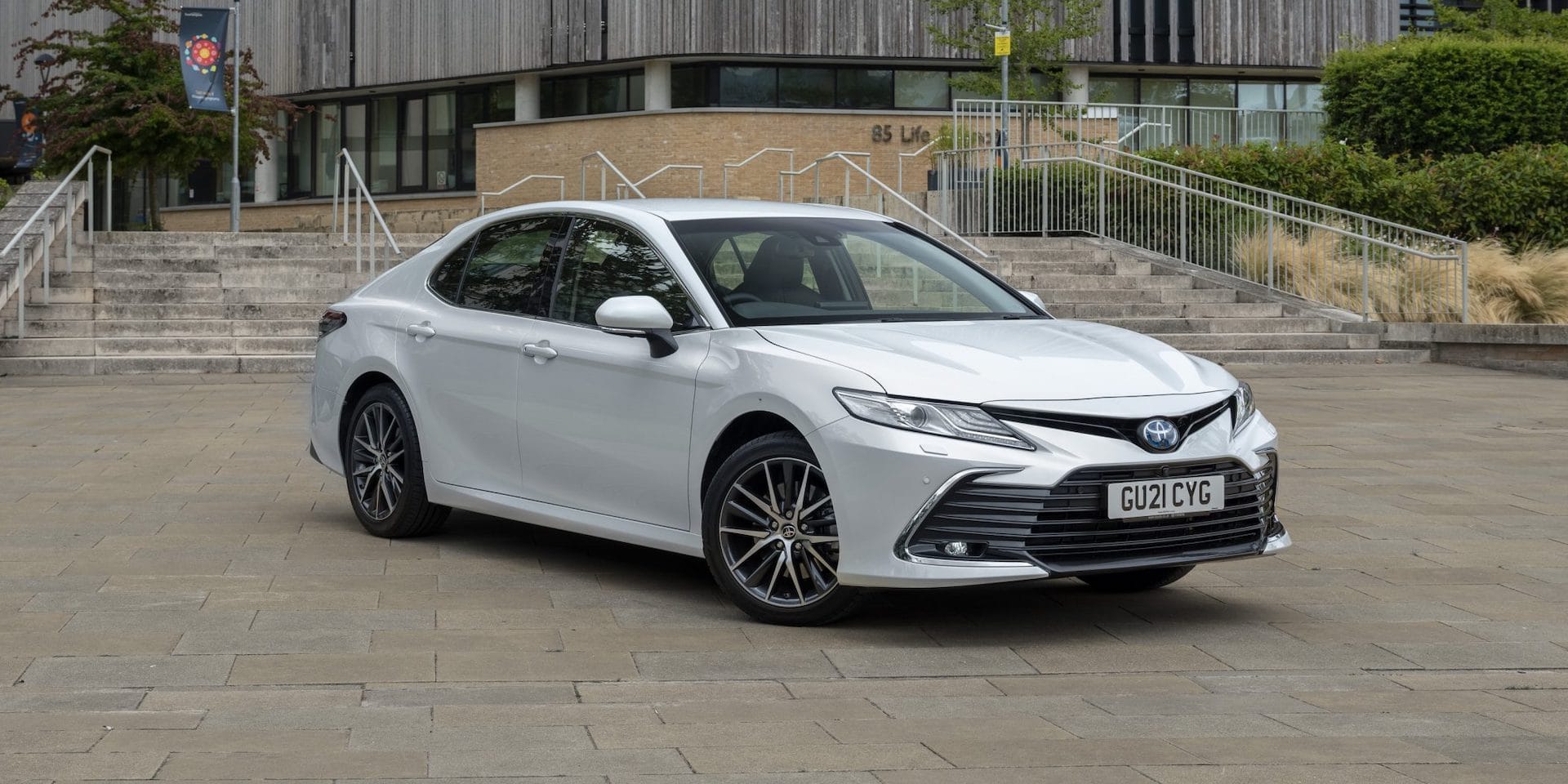
The Toyota Camry has earned its reputation as one of the most reliable sedans ever produced. Known for its solid engineering and consistent performance, the Camry remains a top choice for drivers who want a vehicle that can easily last well beyond 200,000 miles with routine maintenance.
One of the keys to its longevity is Toyota’s commitment to quality control and simplicity in design. The engines are robust, parts are widely available, and the Camry avoids overly complicated technology that could fail prematurely. This balance of advanced features and mechanical reliability has made the Camry a household name for decades.
Owners of older Camrys often report few major problems, especially with models built from the early 2000s onward. Routine oil changes, brake servicing, and minor repairs are usually enough to keep the car running smoothly.
The interiors tend to hold up well, with materials that don’t degrade quickly, and the exterior maintains its structural integrity without excessive rusting in most climates. The design, while conservative, ages with dignity, appealing to buyers who want a clean, timeless look rather than something flashy that might look dated in a few years.
Another advantage of the Camry is its resale value, which remains strong precisely because of its reliability. Buyers in the used car market often seek out Camrys, knowing they can trust the brand and the specific model. This demand keeps prices stable and makes owning a Camry a smart financial decision.
Additionally, the Camry offers a comfortable ride with practical interior space, making it an excellent family car that doesn’t lose its charm or functionality with time.
Toyota’s commitment to continuous improvement also means newer generations of the Camry have better safety features, improved fuel efficiency, and more modern amenities without sacrificing reliability. This ensures that the Camry will likely continue aging gracefully for years to come, holding its position as a benchmark in the midsize sedan segment.
2. Honda Accord
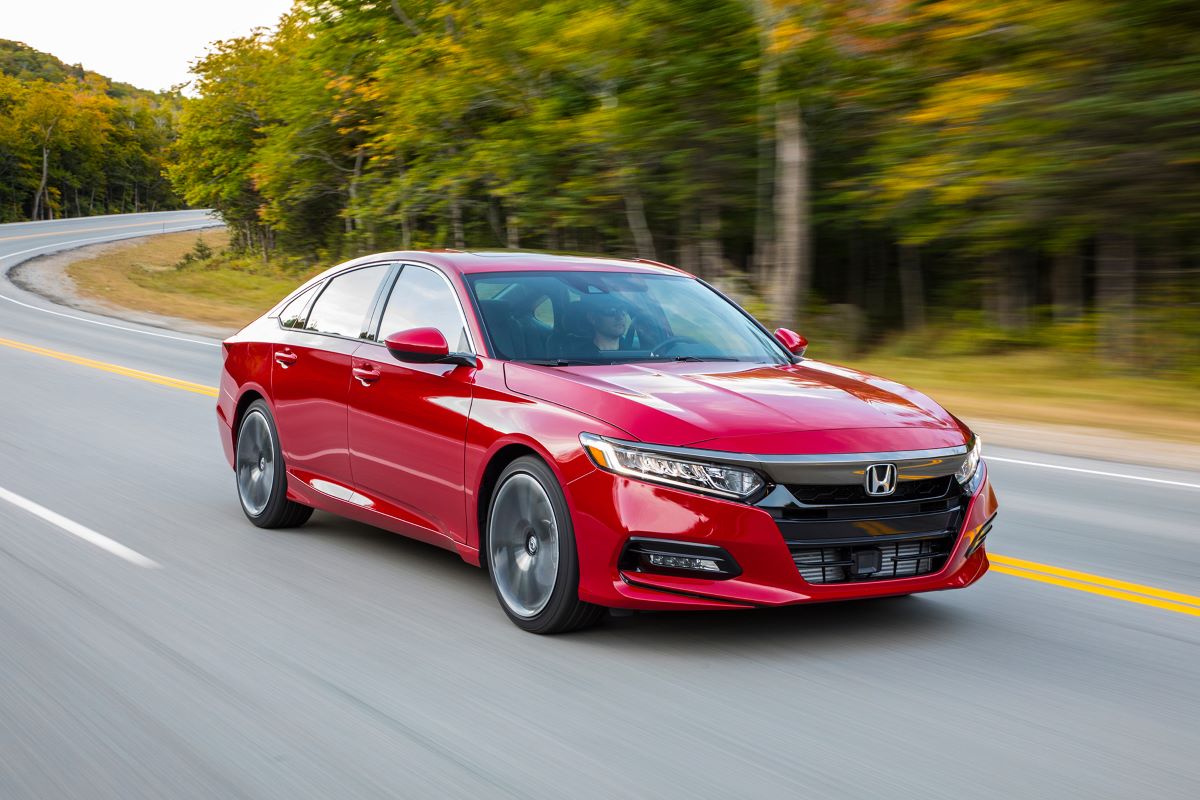
The Honda Accord is another sedan renowned for its ability to age well. Much like the Camry, the Accord combines solid build quality, efficient engines, and a comfortable driving experience that stands the test of time.
One reason the Accord remains a favorite is Honda’s engineering philosophy focused on durability and simplicity. Early Accords, especially those from the late 1990s and early 2000s, are known for running smoothly with minimal issues, often reaching very high mileage with regular upkeep.
The interior of the Accord generally retains its quality over the years of use. Seats don’t wear out easily, plastics resist cracking, and the dashboard layout is functional without being overly complex.
The exterior also ages well, with a design that has evolved thoughtfully over generations to stay modern without being trendy. While newer models include advanced tech features, Honda carefully integrates them to minimize reliability risks.
Fuel efficiency and engine performance are other factors that contribute to the Accord’s longevity. The engines typically require minimal major repairs, and many owners report their cars running strong past the 200,000-mile mark.
The suspension and braking systems also hold up well, providing a comfortable and safe ride even as the car ages. These qualities have contributed to the Accord’s strong reputation in the used car market, where demand remains high for well-maintained examples.
Honda’s attention to detail and consistent updates have kept the Accord relevant in a competitive market. While some competitors focus on flashier designs or cutting-edge technology, the Accord focuses on being a dependable, well-rounded sedan that can serve its owner faithfully for years. Its blend of comfort, reliability, and solid engineering make it one of the best sedans when it comes to aging gracefully.
3. Lexus ES
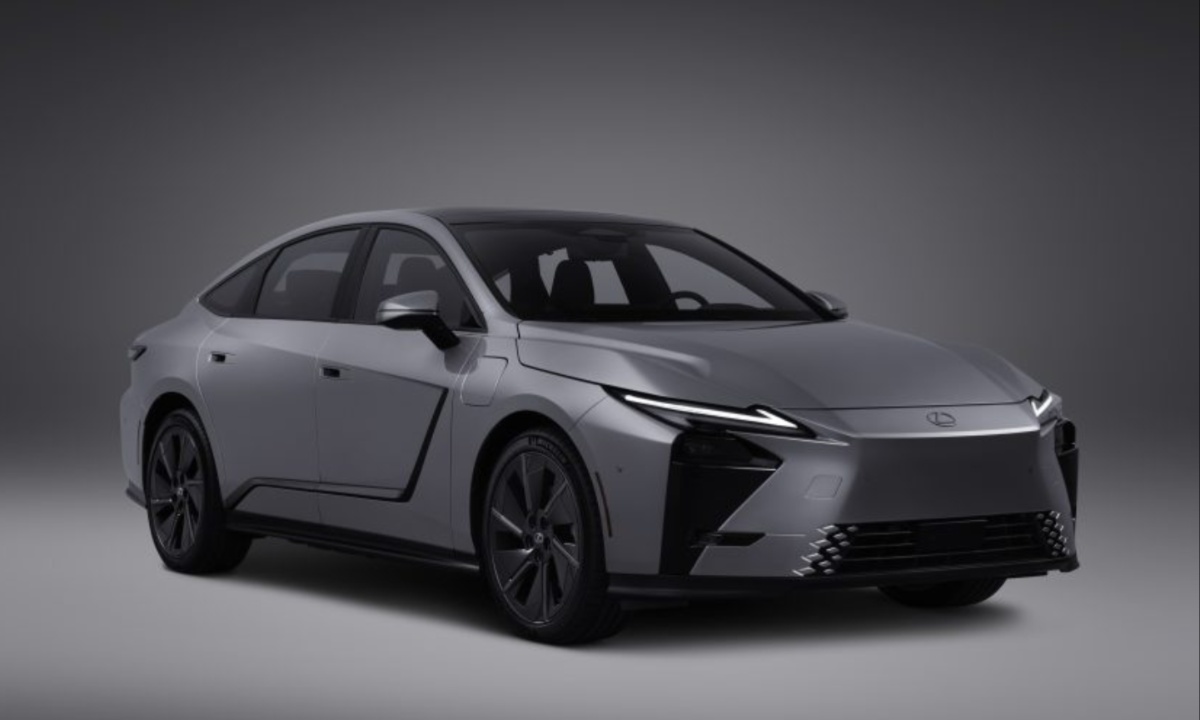
The Lexus ES, a luxury sedan derived from the Toyota Camry platform, offers the benefit of Toyota’s reliability combined with premium materials and a more refined driving experience.
Lexus vehicles, in general, are known for their exceptional build quality and longevity, and the ES is no exception. Owners frequently report that their ES sedans remain comfortable, quiet, and mechanically sound even after many years on the road.
A major reason for the ES’s durability is its meticulous craftsmanship and high-quality materials used in the cabin. Leather seats, soft-touch surfaces, and wood trim typically age well, maintaining a sense of luxury rather than showing wear and tear. The ride quality is smooth and stable, with suspension components designed to endure rough roads without transmitting excessive noise or vibration.
Mechanically, the ES benefits from the tried-and-tested Toyota powertrains, which are known for reliability and ease of maintenance. The engines and transmissions in the ES tend to require fewer repairs and maintain fuel efficiency better than many other luxury sedans. Lexus also places a strong emphasis on safety and technology that integrates seamlessly without causing reliability issues.
The ES has earned a loyal following among those who want a premium sedan that doesn’t lose value quickly or become a burden in maintenance costs. It is often praised for its ability to provide a long-lasting, high-quality driving experience, making it one of the few luxury sedans that truly age gracefully without significant depreciation or mechanical headaches.
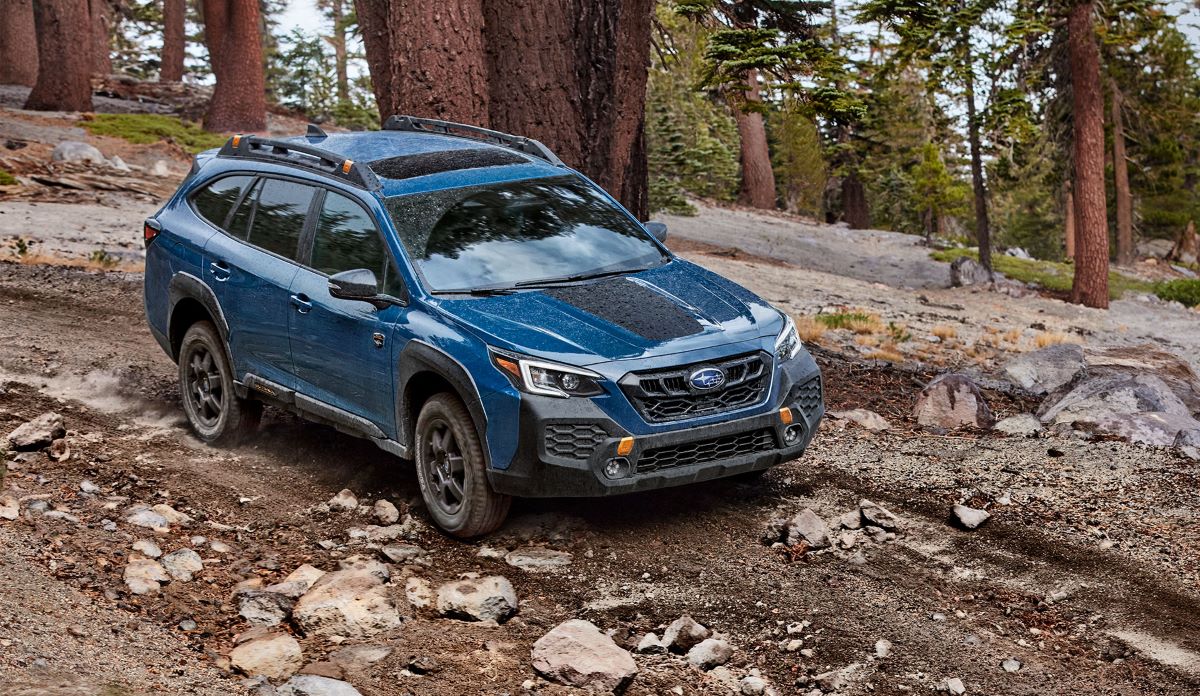
4. Subaru Legacy
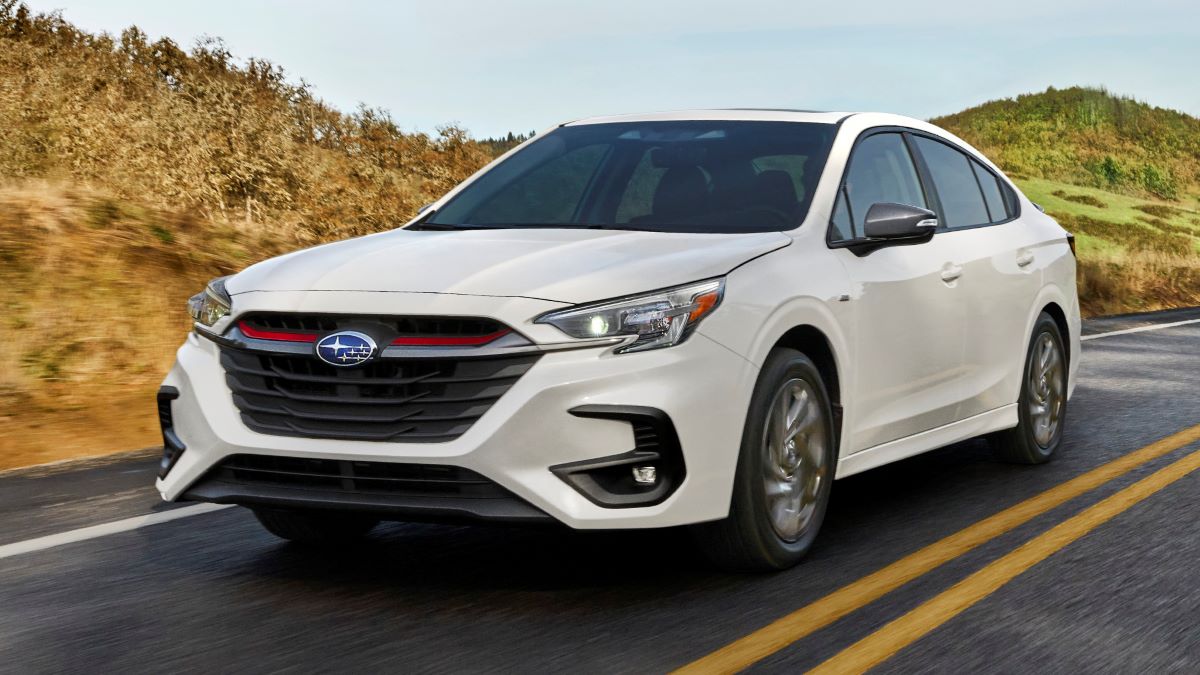
Subaru’s Legacy sedan offers a unique appeal due to its standard all-wheel-drive system, which enhances stability and handling in various driving conditions. This feature, combined with Subaru’s reputation for durability, makes the Legacy a sedan that tends to age well, especially in regions with harsh weather. The robust drivetrain components and reliable boxer engines used in the Legacy contribute to its longevity.
Owners often highlight the Legacy’s capability to handle long-term use with relatively low maintenance costs. The all-wheel-drive system, while adding some complexity, is engineered to be durable and well-supported by Subaru’s service network. Interiors in the Legacy also tend to hold up well, with comfortable seating and quality materials that resist wear over time.
The Legacy’s exterior styling has evolved to be more modern and aerodynamic, but without sacrificing practicality or durability. Paint and body panels often resist corrosion better than many competitors, helping the car maintain its appearance through years of use. The car’s suspension is tuned for comfort but remains reliable even after extended mileage.
Subaru’s focus on safety and practical features adds to the Legacy’s appeal as a sedan that ages gracefully. The combination of dependable mechanics, all-weather capability, and thoughtful design make the Legacy a wise choice for drivers looking for longevity and consistent performance.
5. Mazda6
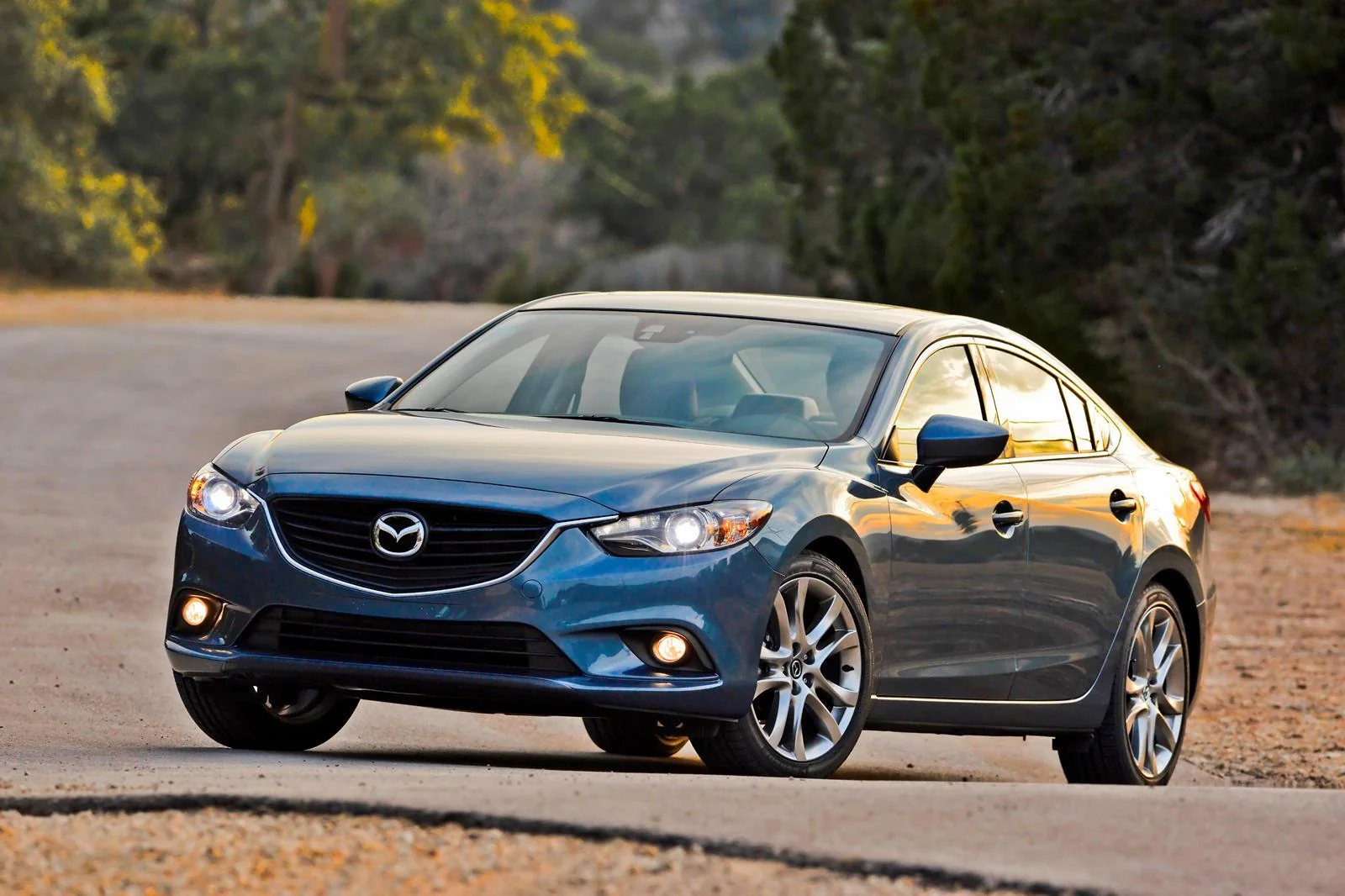
The Mazda6 stands out among midsize sedans for its driving dynamics and stylish design, but it also has a reputation for aging well thanks to Mazda’s focus on quality and engineering. The Mazda6 offers a sportier alternative to more conservative sedans, but this doesn’t come at the expense of durability. Owners often report few major issues, with the car maintaining performance and aesthetic appeal well into high mileage.
Mazda’s attention to detail is evident in the Mazda6’s interior materials and build quality. The cabin often retains its refined feel over time, with seats and trim resisting fading and damage. Mazda’s design philosophy focuses on blending style with practicality, which means the Mazda6 continues to look modern and attractive as it ages.
The engines available in the Mazda6 are generally reliable and fuel-efficient, with many owners achieving long-term use without significant mechanical problems. The suspension system balances sporty handling with comfort, holding up well over years of driving. Regular maintenance and timely repairs keep the Mazda6 running smoothly without unexpected breakdowns.
Mazda also emphasizes driver engagement, which encourages owners to care for their cars and maintain them well. This cultural aspect, combined with solid engineering, results in a sedan that many find to age gracefully both mechanically and stylistically.
5 Sedans That Fall Apart Fast
1. Chrysler Sebring
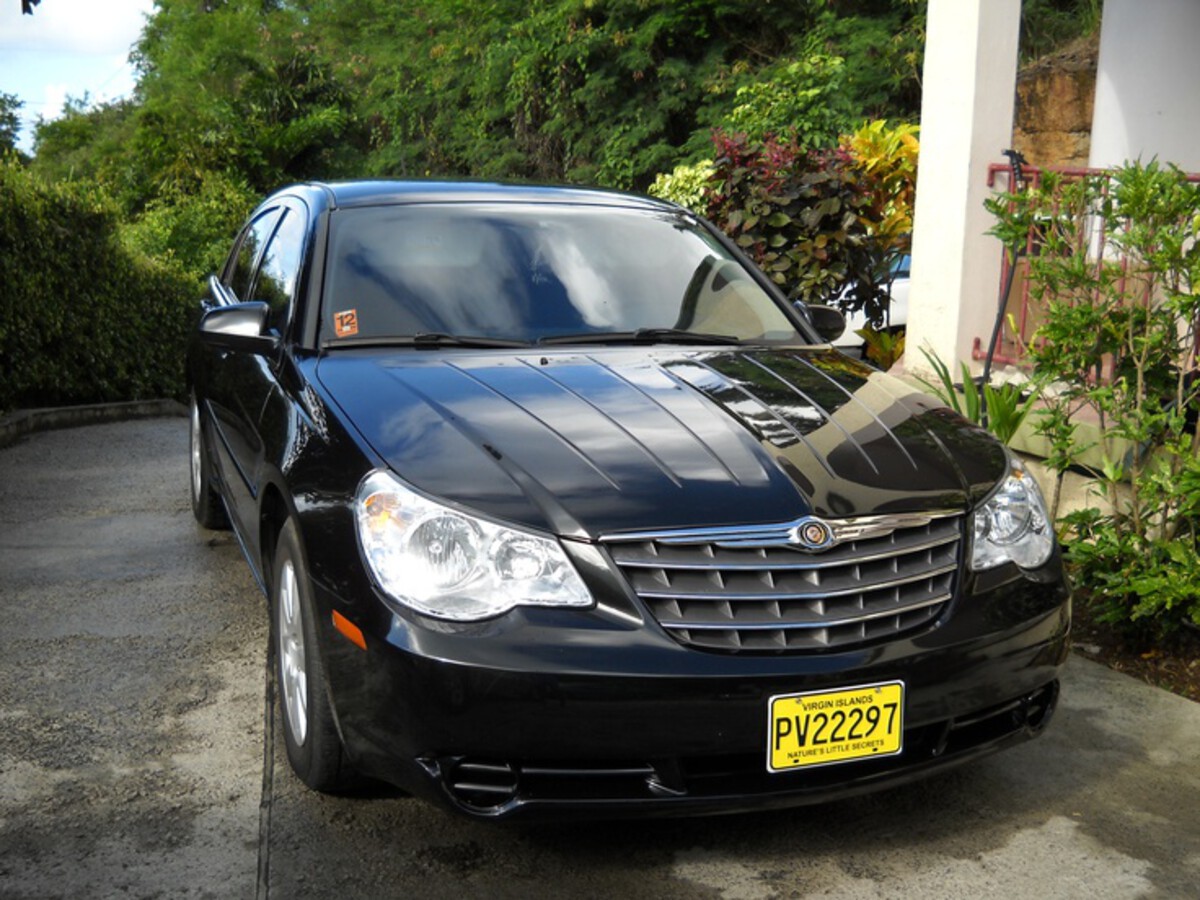
The Chrysler Sebring has long struggled with a reputation for poor reliability and rapid deterioration, especially models produced during the early to mid-2000s. Many owners found themselves frustrated by an array of mechanical and electrical issues that cropped up seemingly out of nowhere.
The engine was often plagued with overheating problems, sometimes leading to warped heads or blown gaskets, while the transmission was another weak link, prone to slipping, hesitation, or outright failure after moderate mileage. These issues made Sebring a headache for drivers who expected a dependable daily commuter but instead faced frequent trips to the mechanic.
Compounding these mechanical failures, the Sebring’s electrical system was unreliable, with problems ranging from malfunctioning power windows to faulty instrument clusters, further reducing the vehicle’s usability and comfort.
On the inside, the Chrysler Sebring’s cabin materials did little to inspire confidence in its longevity. The plastics used throughout the interior were often brittle and prone to cracking, while the fabric or leather seating materials wore out quickly, leaving drivers with sagging or uncomfortable seats after just a few years.
Owners also reported problems with rattling noises and loose interior panels, which not only made the ride less enjoyable but also suggested poor assembly quality. The build quality was lacking when compared to competitors in the same class, contributing to the Sebring’s reputation for aging poorly. The wear and tear inside the vehicle gave the impression of a car that was cheaply made and not intended to last.
The exterior of the Sebring did not fare much better. Body panels were prone to rust, especially in areas exposed to road salt or moisture, and the paint was known to chip and fade prematurely. This caused many Sebrings to look far older than they were after only a few years of use.
The design itself, while somewhat stylish in its era, quickly became dated and lacked the timelessness that might have helped the car maintain its appeal in the used market. When combined with the mechanical and interior flaws, the impression was one of a vehicle that was simply not built to endure over the long term, and that rapidly lost value as a result.
Financially, the Chrysler Sebring was a poor investment. Its depreciated value sank fast because of its tarnished reliability record and visible wear and tear. Resale values plummeted, making it difficult for owners to recover much of their initial investment when selling the car.
Furthermore, insurance premiums and repair costs tended to be higher than average due to the frequency and severity of mechanical failures. This made owning a Sebring a costly experience that few buyers were willing to repeat, contributing to its poor standing in both the new and used car markets.
2. Ford Fusion (Early Models)
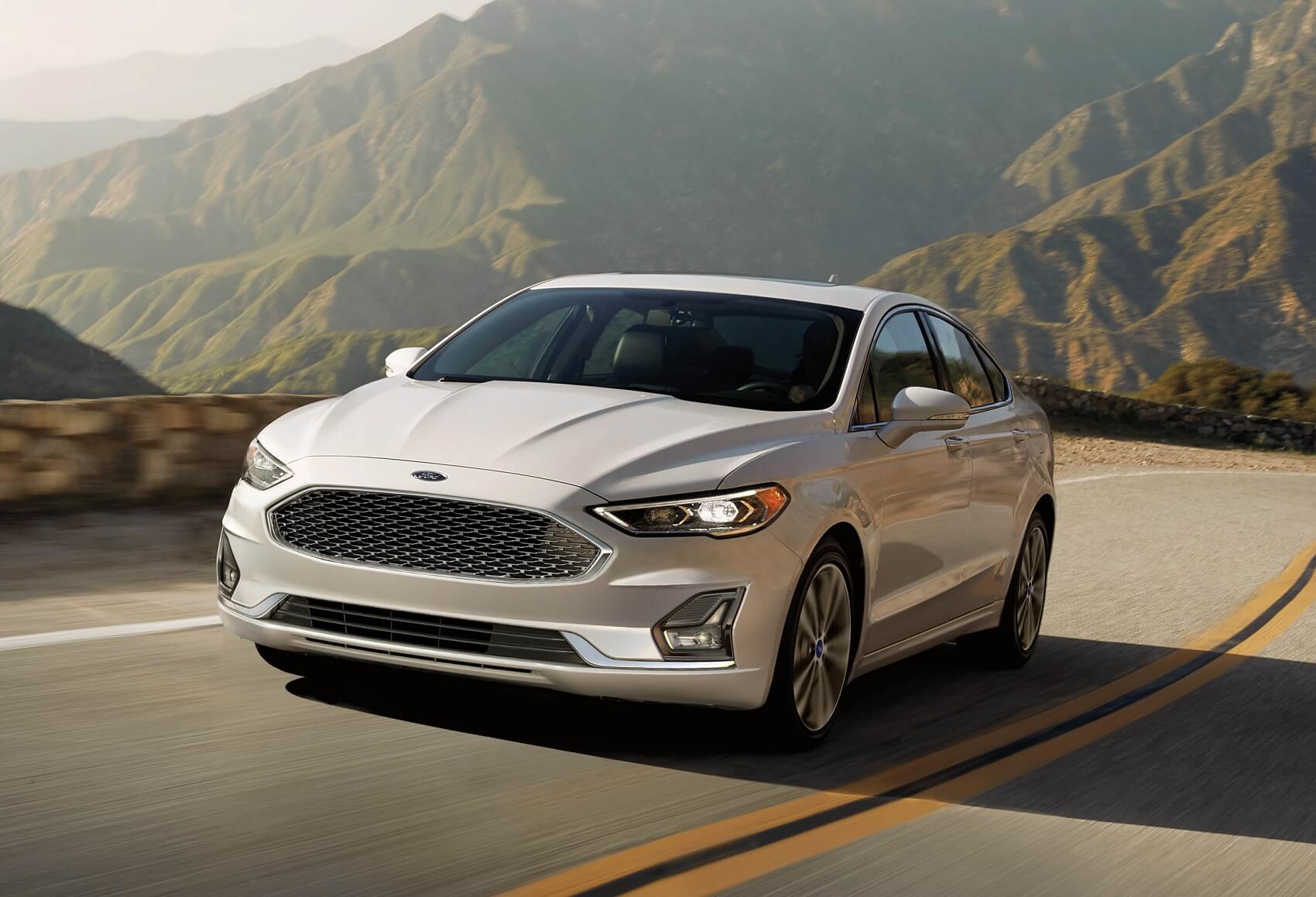
The early generations of the Ford Fusion, especially those produced between 2006 and 2012, faced significant issues that led many owners to consider these sedans unreliable and prone to rapid deterioration. While initially praised for their attractive styling and wide range of features, the Fusion soon developed a series of mechanical flaws that overshadowed these benefits.
One of the most common complaints involved the transmission system, which often failed prematurely or displayed erratic behavior such as hard shifting, slipping, or hesitation. These transmission problems were not only inconvenient but also expensive to repair, sometimes necessitating complete replacements or costly rebuilds.
Additionally, the engines in these models occasionally suffered from overheating issues, oil leaks, and faulty sensors, all of which contributed to unexpected breakdowns and reduced engine life.
Inside the cabin, the quality of materials and fit and finish in early Ford Fusions left much to be desired. The plastics used in the dashboard and door panels became brittle over time, leading to cracking and an cheap feel. Buttons and switches frequently malfunctioned or fell off entirely, frustrating drivers and detracting from the car’s usability.
Seat cushions also tended to lose their firmness quickly, making long drives uncomfortable and less enjoyable. The Fusion’s interior design lacked refinement, and many owners felt that the cabin aged poorly compared to rivals, detracting from the ownership experience as the vehicle got older.
The exterior styling of the early Fusion was initially a strong selling point, but over time, the car’s body panels showed signs of wear and susceptibility to rust, especially in areas where road salt was common during winter months. Paint peeling and fading were also reported frequently, giving the car an aged and neglected look after only a few years.
This cosmetic deterioration further lowered the car’s value on the used market and contributed to the perception that the Fusion did not stand the test of time. The suspension and steering components also wore out faster than expected, leading to a degraded ride quality and handling performance that made the car less pleasant and less safe to drive over time.
Financially, the early Ford Fusion was not a wise purchase for those seeking long-term reliability. High maintenance and repair costs, coupled with poor resale values, made owning one a costly and often frustrating experience.
Despite Ford’s efforts to improve subsequent generations of the Fusion, the early models remain notorious for their durability problems and are often avoided by buyers in the used car market who want dependable transportation.
3. Dodge Avenger
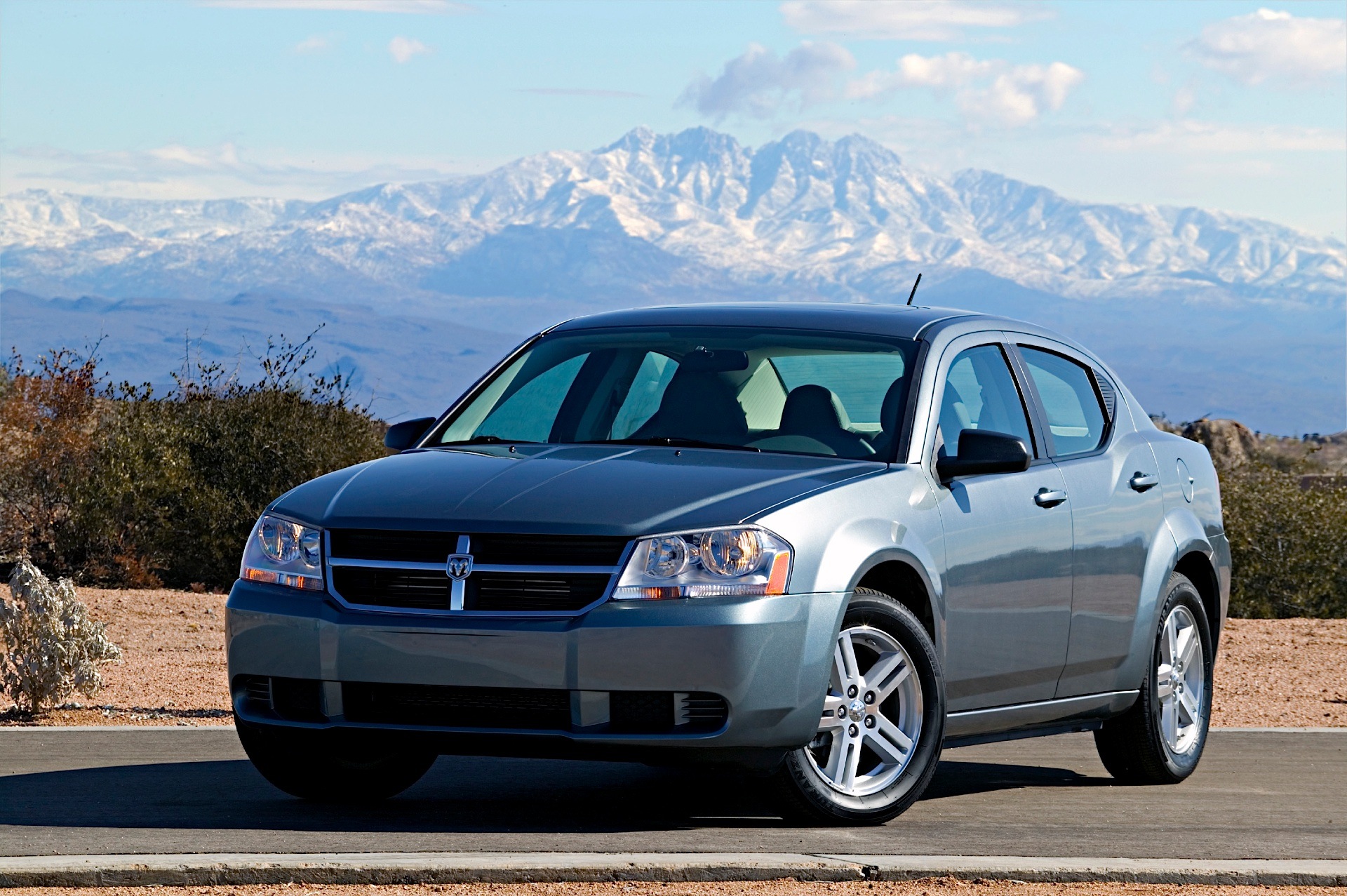
The Dodge Avenger, produced primarily between 2007 and 2014, quickly earned a reputation as a sedan that struggled to maintain its quality and reliability over time. From the outset, owners frequently reported a host of mechanical problems, including engine stalling, misfires, and transmission failures.
The engines used in the Avenger often exhibited issues such as rough idling, oil consumption, and unexpected power loss, which made for a frustrating driving experience.
The automatic transmissions, particularly in earlier models, were prone to slipping and harsh shifting, and in many cases, they failed well before the vehicle reached what should have been midlife. These frequent and costly mechanical issues contributed to the Avenger’s image as a vehicle that fell apart too soon.
The interior of the Dodge Avenger also suffered from poor build quality and inferior materials. The cabin was often criticized for its cheap plastics that cracked or warped under heat, seats that quickly lost cushioning, and poorly fitting panels that rattled or came loose.
The design lacked cohesion, with controls that felt awkward to use and an uninspired dashboard layout. Owners reported that these interior flaws detracted significantly from comfort and convenience, especially as the vehicle aged. Many found that the Avenger’s interior felt tired and worn out far earlier than competing sedans in the same segment.
On the outside, the Avenger’s styling was not particularly timeless and didn’t fare well against the elements. Paint degradation and surface rust were common complaints, especially in regions with harsh winters or humid climates. Body panels were susceptible to dents and scratches, and the fit and finish were not up to par with more reputable sedans.
The suspension components also wore out more quickly than expected, contributing to a harsher ride and compromised handling over time. These external factors made the Avenger look older and less cared for than its actual age, further hurting its resale value.
From a financial perspective, the Dodge Avenger did not hold its value well due to its numerous issues. Repair costs mounted quickly for owners who wanted to keep their cars running, and the frequency of problems deterred potential buyers in the used car market.
The combination of mechanical unreliability, poor interior quality, and lackluster styling contributed to its reputation as one of the sedans that fall apart fast, making it a less-than-ideal choice for anyone seeking a long-lasting vehicle.
4. Chevrolet Malibu (Early Models)
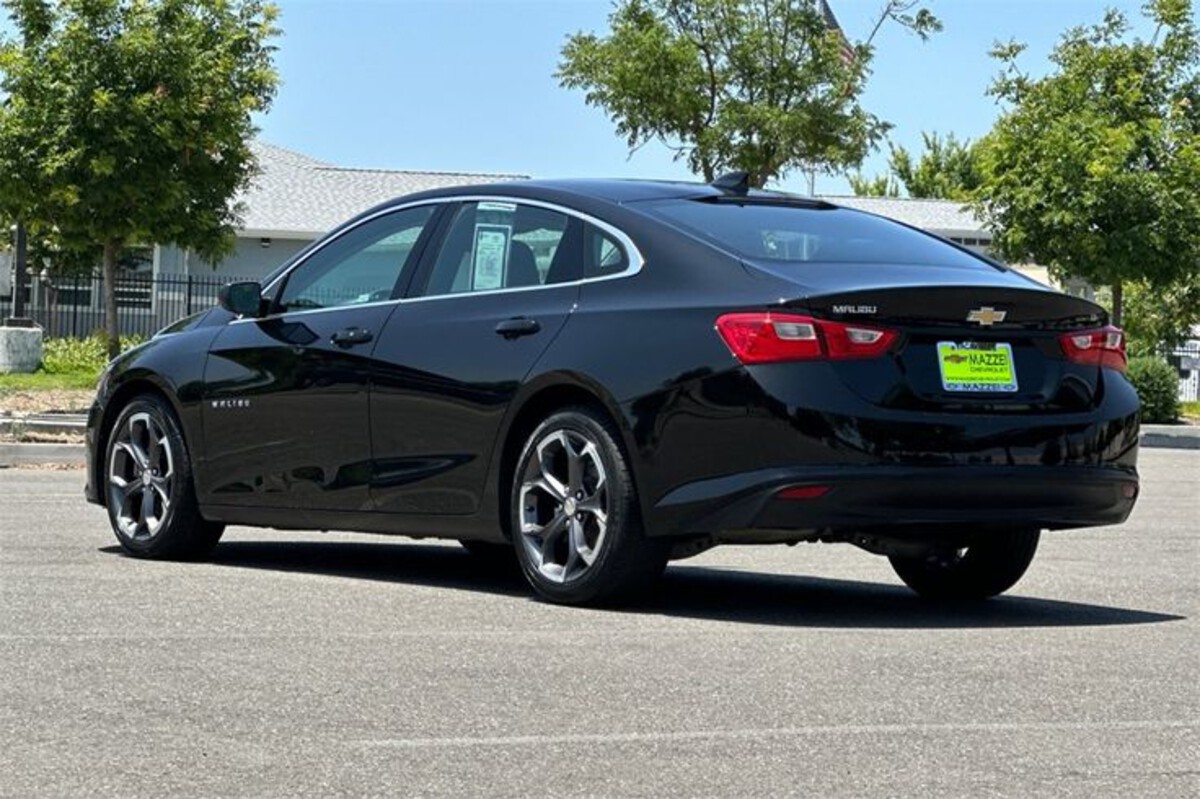
The Chevrolet Malibu, particularly those from the early 2000s up to the early 2010s, was frequently criticized for its inability to maintain reliability and quality over time. These models were plagued by a variety of mechanical troubles, including engine overheating, transmission malfunctions, and electrical system failures.
Many owners experienced issues with the cooling system, such as radiator leaks or thermostat failures, which led to overheating and potential engine damage if not addressed promptly. Transmission problems ranged from rough shifting to complete failure, which often required costly repairs or replacements. Additionally, the electrical systems were prone to faults that affected everything from power windows to the car’s lighting system.
The interior of the early Malibu was another weak point. The quality of materials was generally poor, with plastics that scratched and faded easily and upholstery that wore down quickly. Many owners reported that door handles and switches broke or became loose, and the general fit and finish felt substandard compared to other midsize sedans of the time.
This lack of interior durability contributed to an impression of cheapness and neglect, making the car feel older and less comfortable as the years went by. The cabin also suffered from rattles and squeaks that made for a less enjoyable driving environment.
From an exterior perspective, the Malibu struggled to hold its aesthetic appeal as well. Paint chipping, fading, and susceptibility to rust were common complaints, particularly in areas exposed to salt and moisture. Body panels are sometimes misaligned or suffer minor dents easily, further reducing the car’s attractiveness and perceived value.
The suspension system wore out relatively quickly as well, leading to decreased ride comfort and less precise handling. These factors combined to make the Malibu look and feel worn out faster than many of its competitors.
Financially, the early Chevrolet Malibu was not a smart choice for long-term ownership. Frequent repairs and maintenance costs added up, and the car’s resale value dropped rapidly as buyers shied away from models with a history of issues. Although later generations of the Malibu improved in quality and reliability, the early models remain infamous for falling apart fast and causing headaches for their owners.
5. Nissan Altima (Early 2000s)
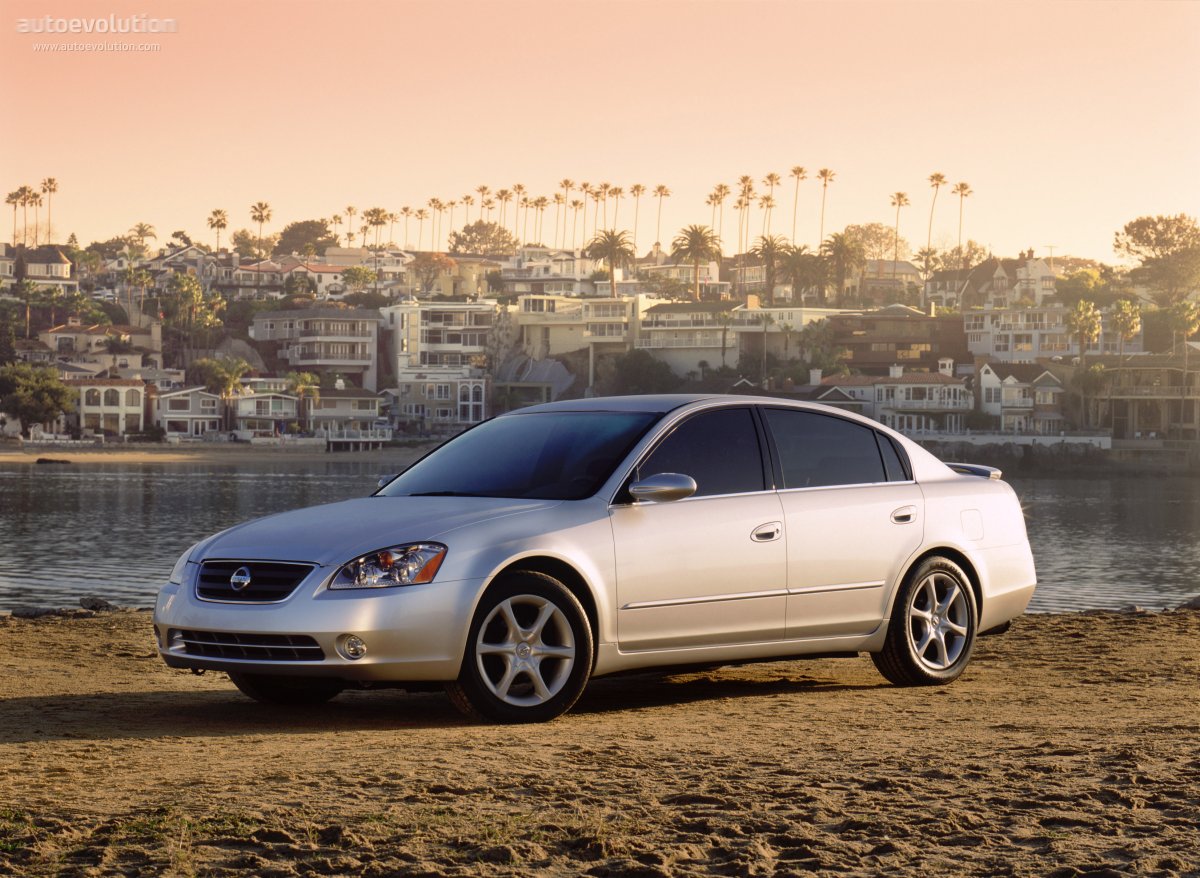
The early 2000s Nissan Altima, especially models produced between 2000 and 2006, developed a strong reputation for mechanical and build quality problems that resulted in a rapid decline in reliability as mileage increased.
One of the most significant issues reported by owners was head gasket failure, which is a serious engine problem leading to coolant leaks, overheating, and potentially catastrophic engine damage. The engines also suffered from excessive oil consumption, valve cover gasket leaks, and timing chain issues in some cases, all of which contributed to increased maintenance costs and reduced engine longevity.
Additionally, the automatic transmissions in these models were prone to slipping, harsh shifting, and premature failure, which required expensive repairs or replacements to keep the car operational.
The interior of these Altimas did not age well either. Seats often lost their shape and cushioning after only a few years, and the fabric or leather upholstery was susceptible to tears and staining. Plastics used in the dashboard and door panels were prone to cracking or warping, especially when exposed to sunlight and heat over time.
The cabin build quality felt cheap compared to rivals, with loose trim pieces and rattles becoming common complaints. Drivers found that the interior environment became less comfortable and less visually appealing as the car aged, further reducing its desirability.
From an exterior standpoint, the Altima was vulnerable to rust in certain regions, particularly on the wheel arches and undercarriage. Paint fading and chipping were also reported, which gave the car a neglected appearance well before its actual age would warrant such deterioration.
Suspension components wore out relatively quickly as well, leading to a harsher ride and diminished handling characteristics. These physical signs of wear combined with mechanical issues to create a vehicle that many owners felt deteriorated faster than expected.
In terms of financial impact, the early 2000s Altima is known for its poor resale value and high maintenance costs. The frequent need for major repairs discouraged many buyers, both in the used car market and among those looking to keep their vehicles long term.
While later Altima models showed marked improvements, these early versions are often avoided by those who want a sedan that can stand the test of time without turning into a money pit.
