

Buying a used car can be a smart financial move, but it’s also a decision that requires careful thought and research. Not every vehicle ages the same way, and what looks like a bargain at first glance can turn into a financial burden down the road. While some cars maintain their reliability and performance well past 100,000 miles, others are prone to problems not long after they leave the dealership lot.
The differences often come down to the quality of engineering, the consistency of manufacturing, how well the car was maintained, and how it was treated by previous owners. However, certain models have earned a reputation for holding up well over time, even with minimal issues, while others have proven to be problematic regardless of how well they’re cared for.
The used car market is filled with options that can either give you peace of mind or constant trips to the mechanic. Some vehicles manage to stay solid and trustworthy through years of driving, becoming known for their durability.
Others, unfortunately, are notorious for transmission failures, electrical problems, or expensive repairs soon after purchase. These issues can pop up even if the car appears to be in good shape on the surface. The challenge lies in distinguishing between the vehicles that offer long-term value and those that turn into regrettable purchases.
When considering a used car, it’s important to look at long-term ownership data, repair frequency, and how well the car ages in different conditions. Brand loyalty and popularity don’t always translate to reliability.
A shiny badge or a stylish design might mask serious underlying flaws that don’t become apparent until thousands of miles later. Some cars that were reliable when new don’t hold up as well once they accumulate mileage, and others become money pits because of the high cost of parts or poor build quality.
This article breaks down five used cars that are known for their lasting dependability, and five that have a track record of falling apart too soon. Each vehicle is discussed in depth based on reliability, common mechanical issues, and long-term ownership experiences.
While this list isn’t meant to be exhaustive, it provides a grounded comparison that can help buyers make a more informed decision before putting their money into a used car.
Also Read: 5 Cars That Stay Smooth After 100K and 5 That Feel Old Too Soon
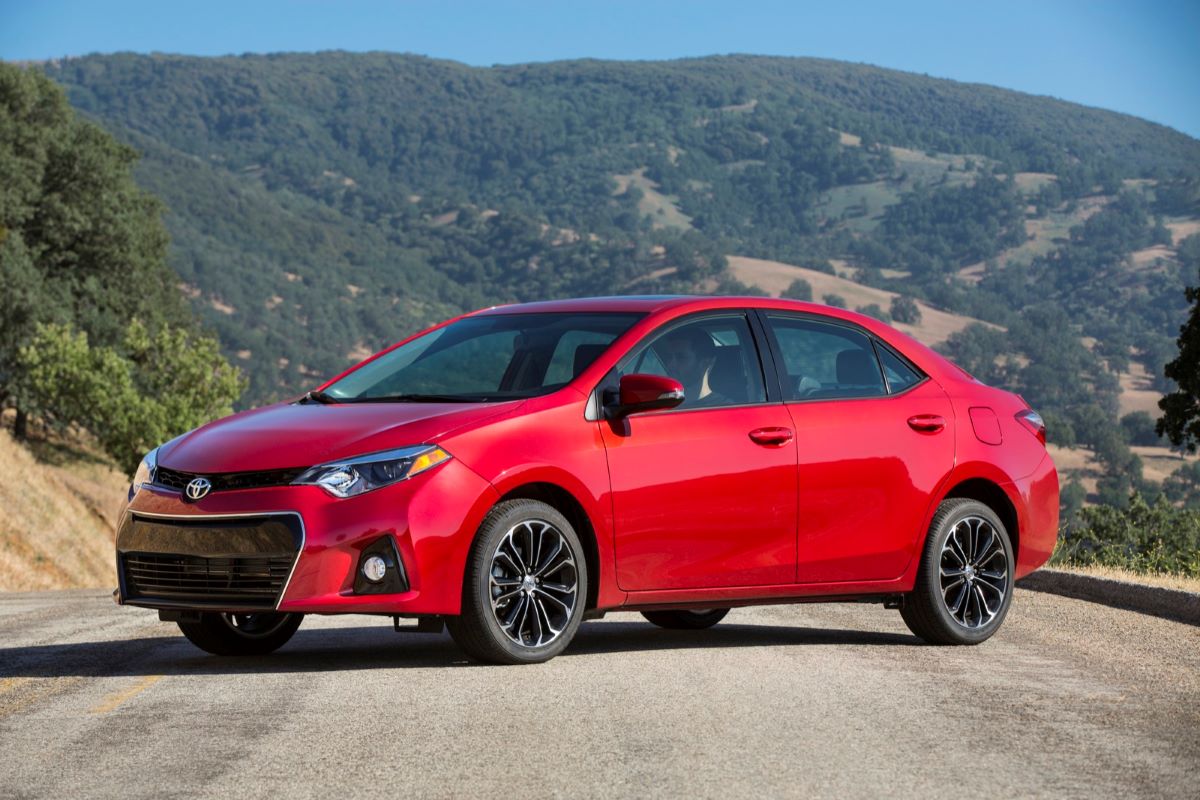
Toyota Corolla
The Toyota Corolla has long held a reputation for being one of the most dependable compact cars available. It consistently ranks high in reliability surveys, and for good reason. The engineering behind the Corolla emphasizes simplicity, proven components, and consistency in manufacturing.
This approach results in a vehicle that holds up well over time and doesn’t suffer from many of the electronic or mechanical problems that plague more complex cars. Used Corollas, even those with high mileage, often continue running smoothly with basic maintenance.
One of the key factors contributing to the Corolla’s longevity is its engine. The standard 1.8-liter four-cylinder engine used in many generations of the car is known for its durability and low maintenance costs. It’s not designed for high performance, but that’s exactly why it lasts so long. There’s less strain on the components, and fewer things that can go wrong.
The transmission, especially the older automatic and manual versions, is also quite resilient. Unlike some modern CVTs, these older setups are easier and cheaper to repair.
Another strength of the Corolla is its relatively low cost of ownership. Parts are widely available, mechanics are familiar with the car, and it doesn’t require specialized equipment for most repairs.
Fuel economy remains strong even on older models, making it a favorite for commuters and budget-conscious drivers. The simplicity of the vehicle means there are fewer systems to fail, especially when compared to more tech-heavy alternatives.
The interior of the Corolla may not be flashy, but it tends to age well. Toyota uses decent materials that hold up over time, and the layout remains functional and user-friendly. While some newer cars emphasize large touchscreens and complicated controls, the Corolla’s straightforward design is part of its charm.
It’s the kind of car that keeps doing its job without drama, making it a smart choice for those who want a dependable used vehicle that won’t surprise them with big repair bills.
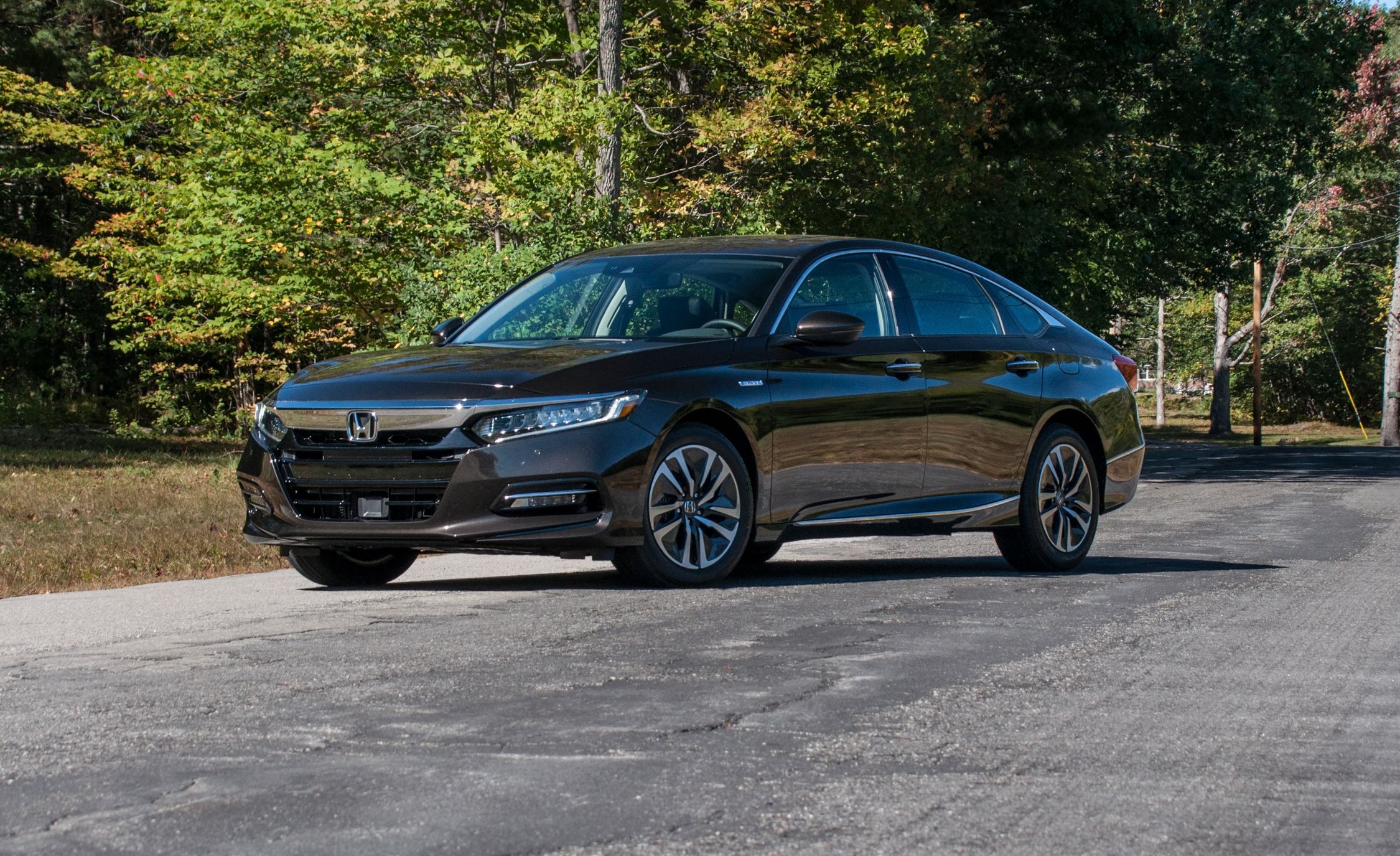
Honda Accord
The Honda Accord is another standout in the world of dependable used cars. Known for its balanced combination of performance, comfort, and longevity, it has earned its place as a go-to recommendation for used car buyers.
The Accord has been around for decades, and with each generation, Honda has managed to refine and improve its core qualities without compromising reliability. Whether you’re looking at a ten-year-old model or something more recent, the Accord tends to be a safe bet.
One reason the Accord remains dependable is the quality of its drivetrain. The four-cylinder engines, in particular, have a long track record of reliability. They’re efficient, durable, and less prone to major issues than turbocharged or overly complicated powertrains.
Some V6 models are also known for their strength, although they can be more expensive to maintain. Transmission issues have occasionally appeared in older models, but these problems are often well-documented and manageable if addressed early.
Beyond the engine and transmission, the Accord’s suspension and steering components are generally robust. The ride quality remains solid even as the car ages, and the handling is still sharp compared to other sedans in the same category.
Electrical systems, while not perfect, have fewer issues than some competitors, and interior electronics are typically less prone to failure. In short, it’s a car that seems to be engineered with long-term ownership in mind.
Inside, the Accord is comfortable and well-made. The materials used in the cabin are often better than those found in similar vehicles, and many owners report minimal wear even after years of use. Seats remain supportive, and controls are logically placed.
When you put all these qualities together, it’s easy to see why the Honda Accord continues to be one of the most reliable and well-rounded used cars you can buy. It doesn’t just survive over time; it continues to feel like a solid, well-built vehicle for years.
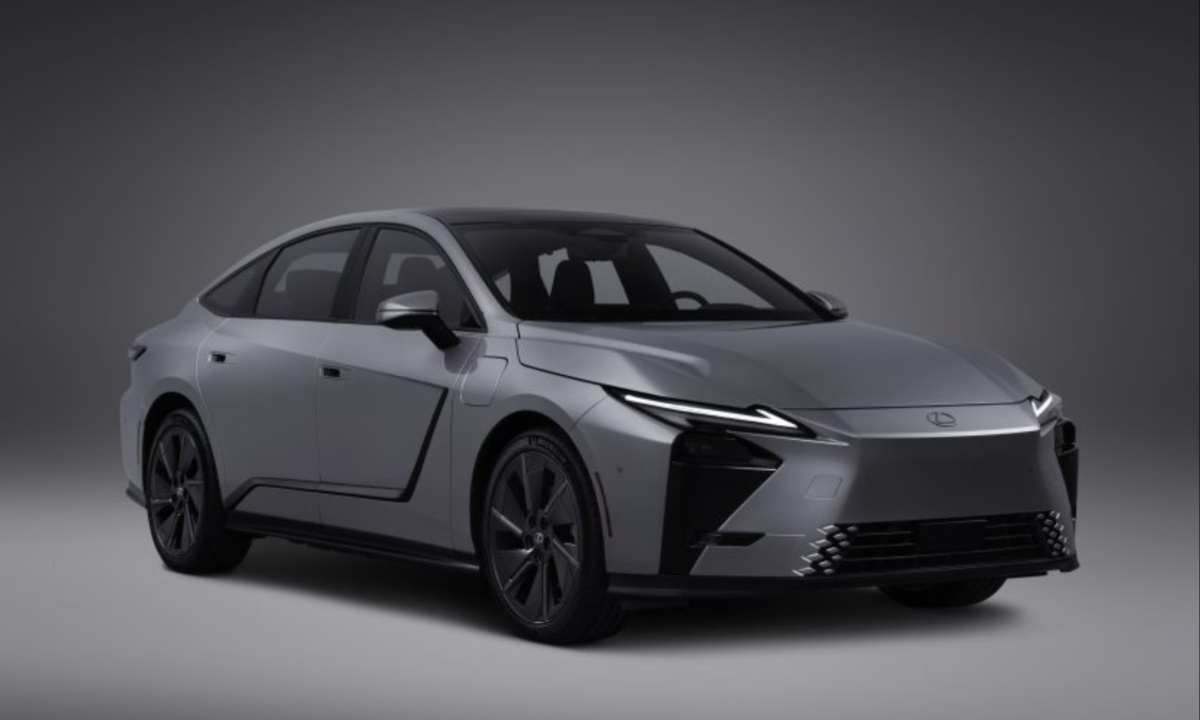
Lexus ES
The Lexus ES is a standout in the luxury sedan market not just for its comfort and quiet ride, but for its incredible reliability. Based on the same platform as the Toyota Camry, the ES benefits from Toyota’s approach to durability while adding premium features and better materials.
As a result, you get the refinement of a luxury car with the long-term dependability of a mainstream vehicle. For buyers looking at used luxury options, the ES is often one of the few models that combine comfort and low maintenance.
The V6 engine used in many ES models is particularly noteworthy. It delivers smooth power and tends to be free of major issues even at high mileage. While some luxury cars come with turbochargers or high-performance parts that wear down quickly, the Lexus ES opts for proven technology that favors long-term performance.
The transmission also contributes to the vehicle’s reliability, operating smoothly and holding up well with age. This combination of predictable, robust components makes the ES a smart choice.
Another aspect that sets the Lexus ES apart is its interior quality. The materials are upscale without being flashy, and the design is focused on function and durability. Many used ES models still have interiors that look and feel new, even after a decade. Features like heated seats, quality leather, and quiet cabins enhance the ownership experience without introducing too many complex systems that might fail over time.
From a cost-of-ownership standpoint, the Lexus ES is also favorable. While it’s a luxury car, its parts are often shared with Toyota models, which helps keep repair costs lower than those of German rivals.
Mechanics familiar with Toyota can usually work on the ES without issue, and many repairs are straightforward. It’s this blend of refinement, durability, and affordability that makes the ES one of the most dependable luxury vehicles available on the used market.
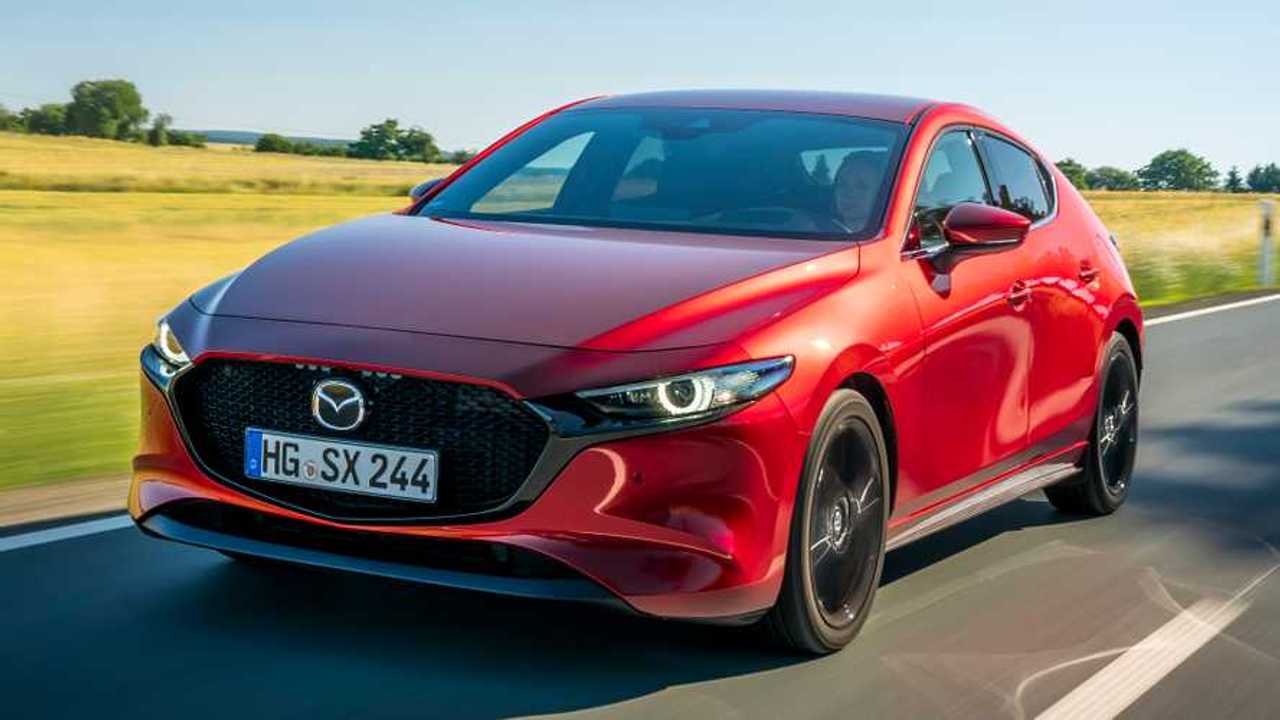
Mazda3
The Mazda3 is often overlooked in discussions about reliability, but it deserves more attention. Known for its engaging driving dynamics and solid build quality, the Mazda3 also holds up well over time.
It combines sporty handling with a practical design, and used examples often continue to perform reliably with regular maintenance. This makes it a great option for someone who wants a bit of fun in their daily drive without sacrificing dependability.
One of the reasons the Mazda3 remains reliable is its relatively simple yet well-tuned powertrain. The naturally aspirated four-cylinder engines used in most models are dependable and not overly complicated.
They deliver enough power for daily driving and tend to avoid the common issues that plague more complex engines. The manual and automatic transmissions, particularly those found in earlier generations, are also known for their reliability and smooth operation.
The car’s suspension and steering systems are built to provide a sporty feel, and they continue to perform well even after years of use. While the Mazda3 may not have the softest ride in its class, it strikes a good balance between comfort and performance.
This means fewer suspension issues and a chassis that remains tight and responsive. In addition, the braking system is usually strong and doesn’t wear out prematurely.
Mazda also does a good job with interior quality. Earlier models used more basic materials, but they tend to hold up well, and newer models introduced higher-end finishes without adding complexity. The design is clean, user-friendly, and less prone to the kind of electronic failures seen in some rivals.
While some models may have minor rust issues in regions with harsh winters, these problems are typically cosmetic and manageable. The Mazda3 is a dependable choice that remains enjoyable to drive long after many of its competitors have started showing their age.
Subaru Outback
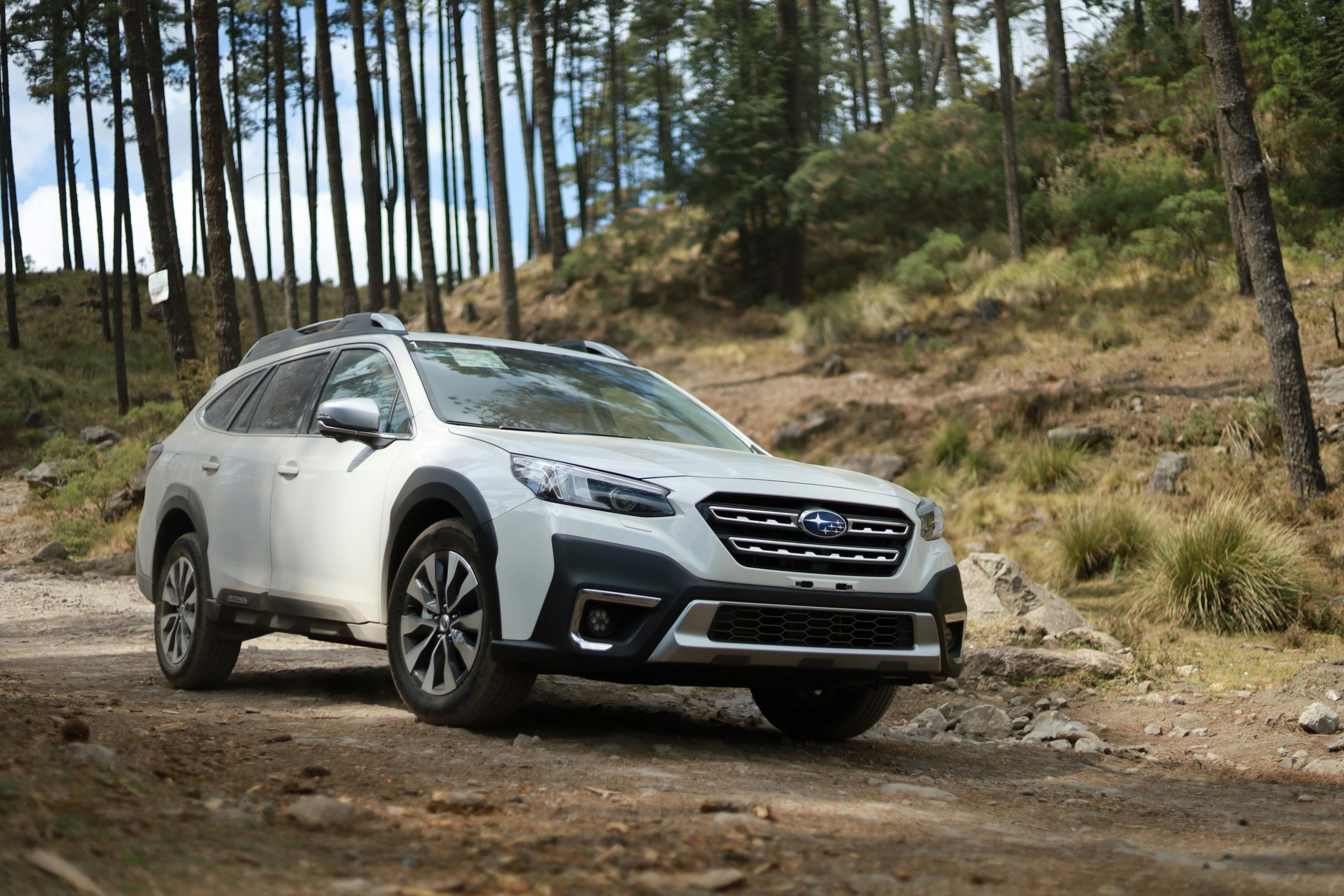
The Subaru Outback has earned a loyal following thanks to its practical design, standard all-wheel drive, and solid reputation for reliability in certain generations. When well-maintained, many older Outbacks continue to function reliably for years, especially those equipped with the naturally aspirated 2.5-liter engine.
The car is often praised for its rugged utility, especially in regions with snow and rough weather. It’s a common sight in colder climates, where the combination of comfort, cargo space, and drivability makes it an ideal all-purpose vehicle.
What makes the Outback a dependable used buy, at least in specific model years, is its mechanical simplicity compared to some crossovers. Earlier generations, particularly those from the mid-2000s to early 2010s, avoided over-complicating the drivetrain.
The boxer engine, while different in layout from most, provides a low center of gravity and decent durability when maintained properly. However, timing is important. Certain models had known head gasket issues, but once those are repaired, they often go another 100,000 miles without major issues.
The transmission is also part of the equation. Some buyers prefer the manual versions for their simplicity and fewer issues over time, while the automatic transmissions, particularly the older non-CVT ones, have proven quite tough.
The newer CVTs in later models have a mixed reputation, but regular fluid changes and careful driving habits can prolong their life. Subaru owners often speak about their cars with a sense of long-term pride because these vehicles often rack up miles without catastrophic failures, provided they’re not neglected.
Interior build quality is utilitarian but durable. The cabin might not be luxurious, but the materials are chosen to endure daily use and abuse. Cloth seats, rubberized mats, and logically arranged controls give the Outback a workhorse feel.
It’s not a glamorous ride, but if you’re after a car that can handle tough conditions and last a long time, the Outback stands out as one of the more dependable used options, as long as you’re aware of the known problem years and choose wisely.
BMW 5 Series (Early 2010s)
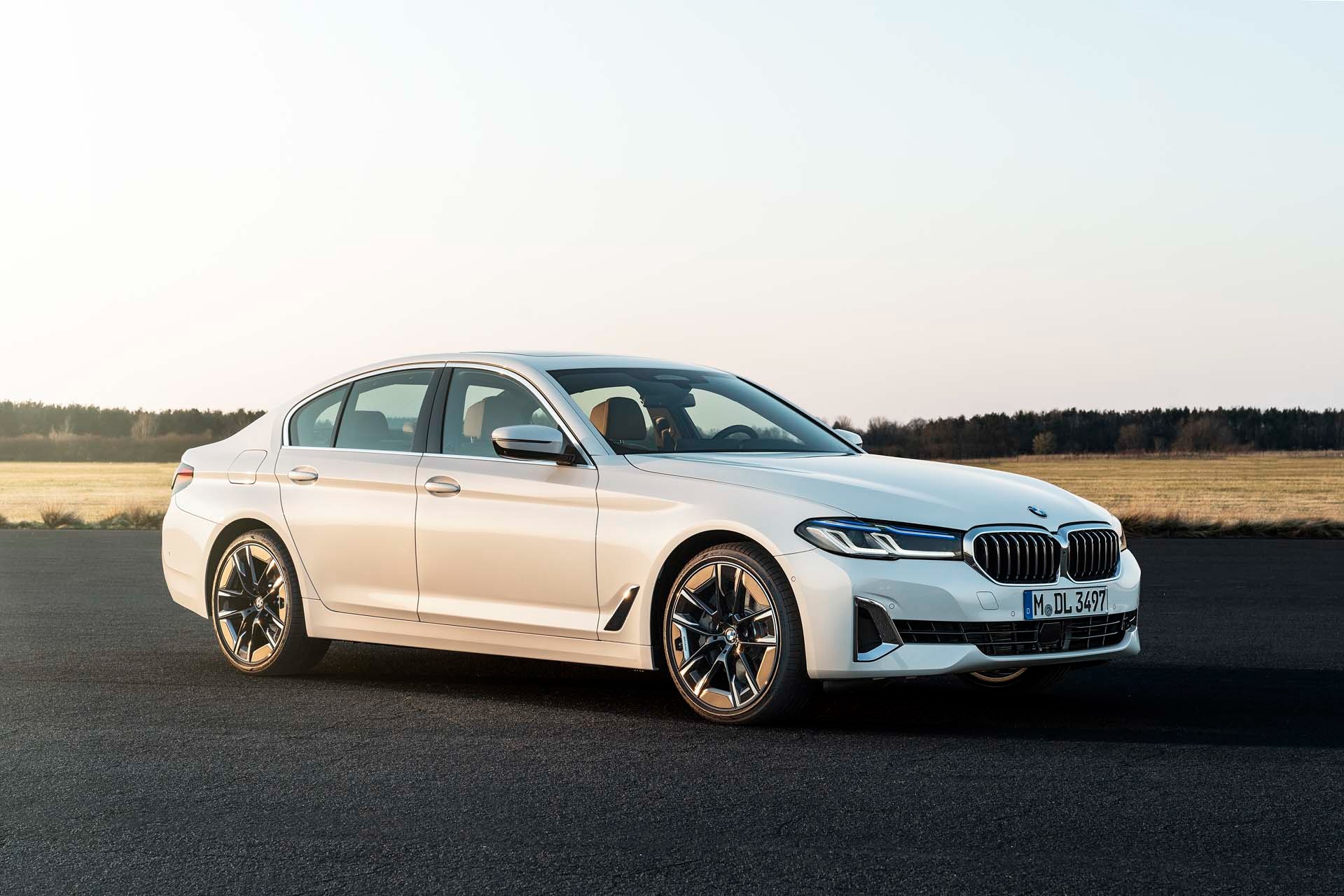
The BMW 5 Series from the early 2010s might seem like a dream deal on the used market, especially considering how far the price drops from new. However, that low cost is often for a reason.
While BMW engineering is impressive when everything is working properly, these vehicles can become overwhelming from a maintenance perspective as they age. The complexity of the systems, combined with premium part costs and finicky electronics, often results in repeated visits to the mechanic.
One of the main trouble spots in this generation of the 5 Series lies under the hood. Many models from these years are equipped with turbocharged engines that suffer from high failure rates. Problems such as leaking valve cover gaskets, failing high-pressure fuel pumps, and faulty turbochargers are not uncommon.
These are not only expensive to repair but also time-consuming. It’s not rare for owners to spend several thousand dollars in repairs before hitting 100,000 miles. Engine cooling systems are also known as weak points, with water pumps and thermostats often giving out prematurely.
Beyond the engine, the electronic systems in these cars are a major source of frustration. BMW packed the 5 Series with technology that was cutting-edge at the time, but many of these features tend to break as the vehicle ages.
Malfunctions in the iDrive system, door lock modules, and even basic functions like headlights and windows can become common annoyances. What’s worse is that repairs often require proprietary diagnostic tools, meaning even minor issues require dealer visits, which raises costs substantially.
Inside, the 5 Series still feels luxurious, but that polish fades quickly when you start adding up the repair bills. Leather seats and fine materials don’t do much to mask the fact that the ownership experience is often stressful and expensive once the warranty has expired.
Even with regular maintenance, these cars tend to have too many systems that can fail. For those without deep pockets or a personal mechanic, buying a used 5 Series from this era is a gamble that often ends in regret.
Dodge Journey
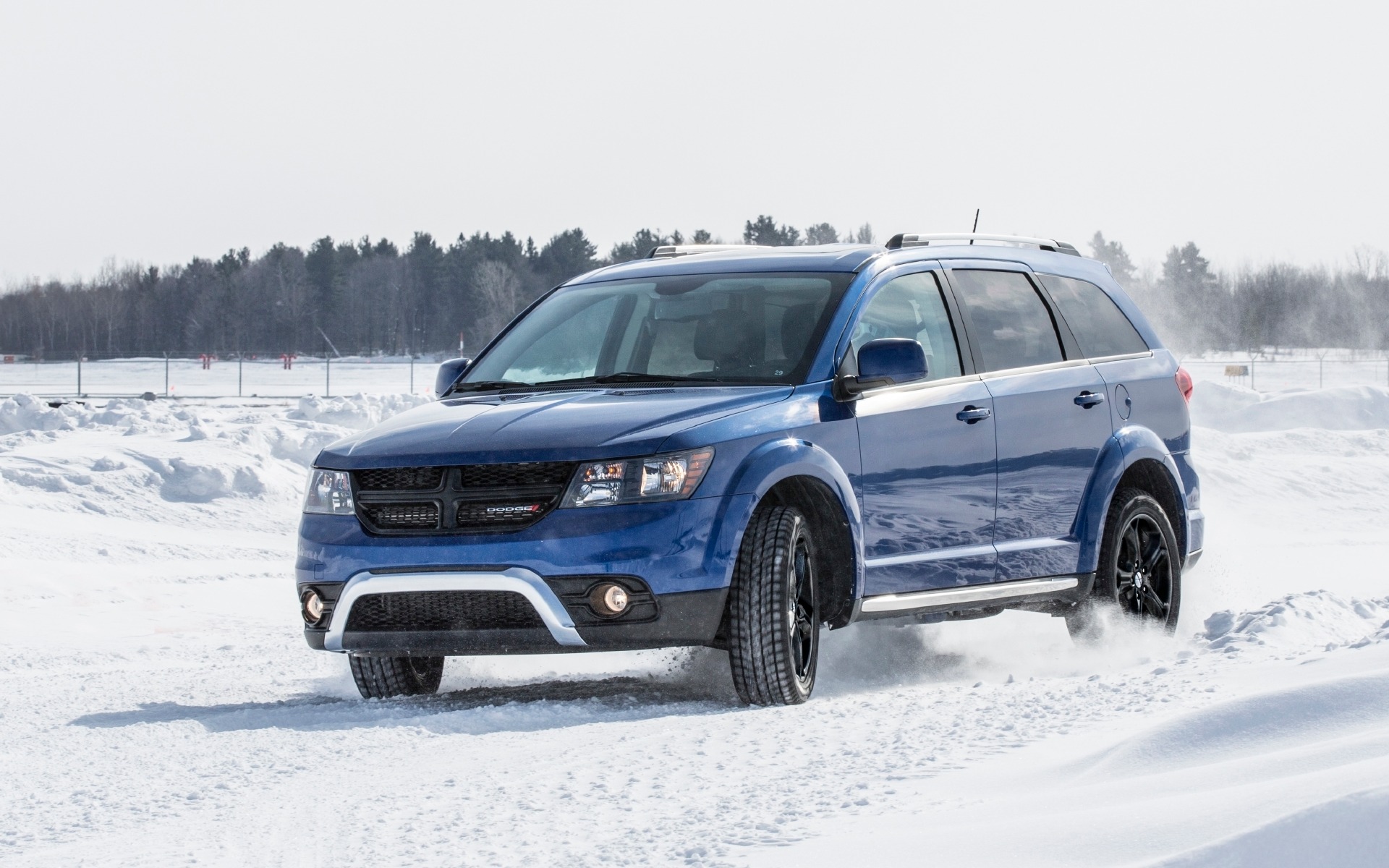
The Dodge Journey is one of those vehicles that might look appealing on the surface, spacious, modern-looking, and often sold at a steep discount on the used market. But its track record for long-term dependability is one of the weakest in its class.
Many owners report a wide range of problems that start showing up soon after the vehicle crosses the 60,000-mile mark. While it was positioned as a budget-friendly midsize crossover, the trade-off came in the form of poor quality control and subpar component design.
One of the most common issues with the Journey is its underwhelming and unreliable powertrain. The base engine, a 2.4-liter four-cylinder, is often described as sluggish and overworked, and it tends to develop oil leaks and engine noise as it ages.
The optional V6 provides better performance but comes with its own set of problems, particularly transmission failures and cooling system issues. The automatic transmissions used in the Journey have a reputation for poor shifting quality, and many fail prematurely, especially if fluid changes are ignored.
Another weak point is the interior electronics and build quality. From malfunctioning touchscreens to intermittent power windows and door locks, the Journey’s cabin is filled with technology that ages poorly.
The materials used are also noticeably cheap, with hard plastics and weak stitching that show wear early. Many owners find themselves dealing with rattles, squeaks, and broken trim pieces far earlier than they should on a car that isn’t even that old. These issues contribute to a general sense that the car wasn’t built to last.
Safety and handling are also underwhelming, particularly in older models. While the Journey comes with basic features like airbags and stability control, its crash test ratings have often lagged behind competitors.
Steering feels vague, the ride is unrefined, and the suspension doesn’t absorb road imperfections well. All of this adds up to a vehicle that doesn’t hold up over time and often leaves its second or third owners frustrated and searching for something better within just a few years.
Mini Cooper (Especially 2007–2013)
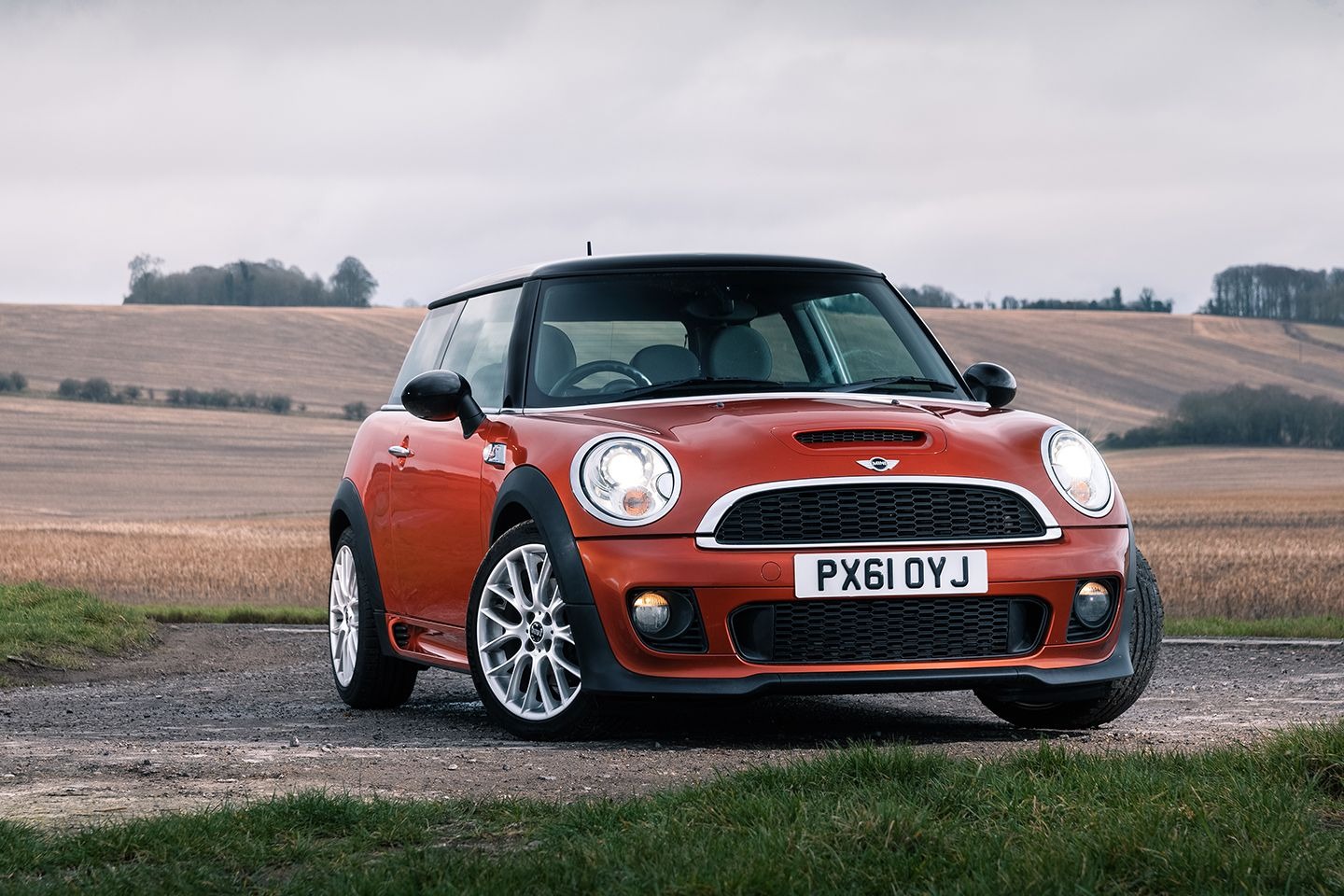
The Mini Cooper is a car that attracts attention with its quirky styling and go-kart handling, but unfortunately, those charming traits don’t compensate for its poor reliability record, particularly models produced from 2007 to 2013.
These cars are often plagued by a wide array of mechanical and electrical issues that become very expensive to fix, especially once the car has passed 50,000 or 60,000 miles. Many buyers are drawn in by the car’s personality and design, only to be surprised by the maintenance nightmare that often follows.
The biggest concern for used Mini Cooper owners from this era is engine reliability. Turbocharged versions, particularly in the Cooper S, suffer from serious carbon buildup, timing chain issues, and turbo failure.
The timing chain tensioner is a well-known problem, and when it fails, it can lead to catastrophic engine damage. Even non-turbocharged versions have their share of problems, including coolant leaks and premature clutch wear. These aren’t just minor annoyances; repair costs can easily skyrocket into the thousands.
Electrical issues are another recurring theme. Problems with the central locking system, power windows, dashboard lights, and sensors often occur and are difficult to diagnose.
Due to the tight packaging of the Mini’s design, even simple fixes like replacing a headlight or a fuse can require more labor than expected. Dealerships and repair shops often charge a premium to work on Minis due to the complexity and the limited access under the hood.
Even the interior, which looks high-end and full of personality, tends to deteriorate quickly. Switches and knobs break, upholstery wears fast, and many owners report a gradual decline in fit and finish.
It’s a frustrating experience when a car that looks premium behaves more like a budget hatchback in terms of reliability. For those who are charmed by its style and uniqueness, the Mini Cooper may still hold appeal, but it’s important to go into the purchase with realistic expectations and a sizable repair budget set aside.
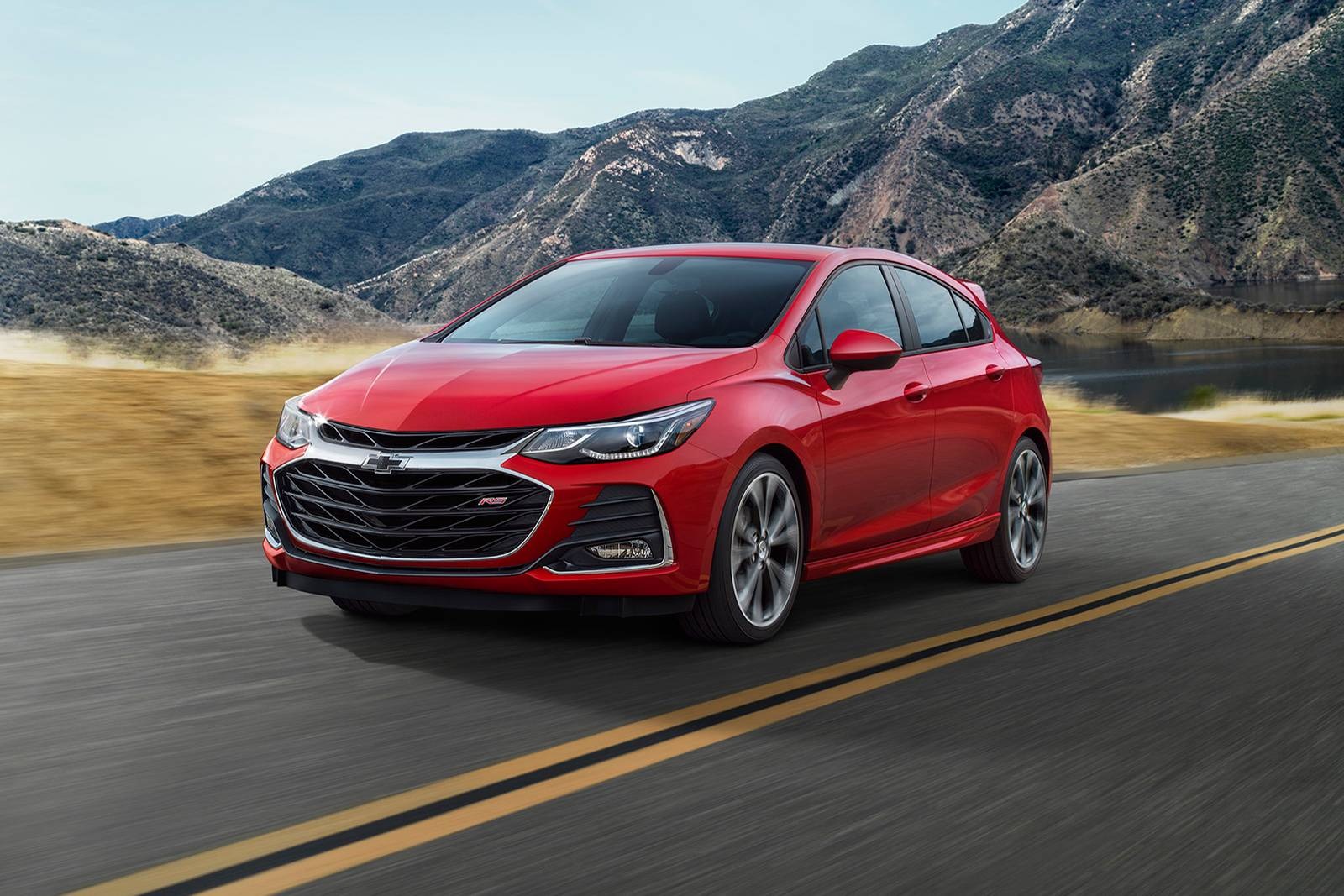
Chevrolet Cruze (First Generation, 2011–2015)
The Chevrolet Cruze, particularly the first-generation models produced between 2011 and 2015, has proven to be a disappointment for many used car buyers. While it was marketed as a compact car that could compete with stalwarts like the Toyota Corolla and Honda Civic, it simply didn’t live up to the promise.
Although it offered a relatively quiet cabin and decent fuel economy, the car’s long-term durability has been a consistent weak point. As these vehicles age, their flaws become more pronounced, especially in areas related to the engine, cooling system, and electronics.
One of the most common and troublesome issues with the Cruze involves its engine cooling system. The 1.4-liter turbocharged engine, in particular, suffers from frequent coolant leaks due to faulty water pumps, radiator hoses, and thermostat housings.
These problems aren’t just a minor inconvenience; when left untreated, they can lead to engine overheating and more significant damage. Even after repairs are made, these components often fail again within a relatively short period. Many owners report having to replace the same parts multiple times, a frustrating experience that adds up quickly in terms of cost and downtime.
Beyond the cooling system, the Cruze also struggles with electronic problems that crop up early in its life. The infotainment systems are prone to freezing or shutting down, sensors often malfunction, and dashboard warning lights frequently illuminate without any clear cause.
Owners report recurring electrical glitches, particularly related to the ignition switch, climate control, and traction control system. These types of issues tend to be difficult to trace and repair, which only compounds the frustration of owning the vehicle. It gives the impression of a car that was rushed through development without thorough testing.
The build quality inside the cabin doesn’t inspire much confidence either. Although the Cruze was designed to feel slightly more upscale than the average compact sedan, the interior materials wear out faster than expected. Seats lose support, trim pieces rattle or come loose, and buttons stop working.
Over time, the car feels less refined, even though its appearance might still be relatively modern. Combined with its unreliable mechanical systems, the Cruze is a risky bet in the used market, and many buyers who hoped for a budget-friendly, trouble-free car ended up dealing with a long list of problems.
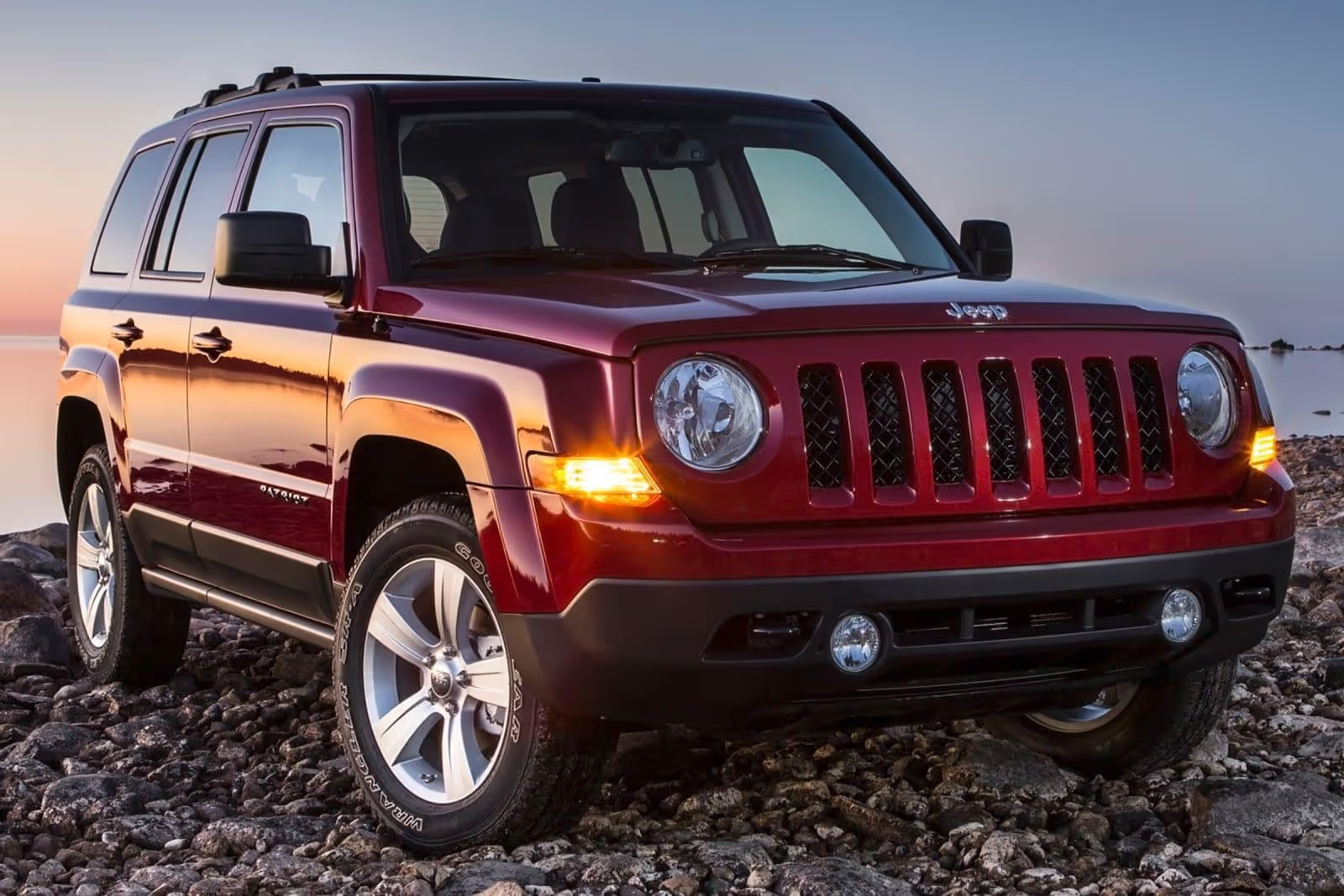
Jeep Patriot
The Jeep Patriot is another used vehicle that frequently leaves buyers disappointed after the initial shine wears off. Positioned as an affordable entry point into the Jeep lineup, the Patriot seemed like a good idea on paper, with rugged looks, available four-wheel drive, and a trusted name in off-road utility.
However, its reputation in the real world has been tarnished by widespread reports of reliability problems and low long-term value. Even though it’s often priced attractively on the used market, the hidden costs in repairs and upkeep tend to make it a poor investment.
One of the biggest issues with the Patriot is its engine and transmission performance. The base 2.0- and 2.4-liter four-cylinder engines are underpowered and lack refinement. While not necessarily catastrophic on their own, these engines often suffer from persistent oil consumption, engine knocking, and stalling.
Even more troubling is the vehicle’s use of the continuously variable transmission (CVT), which has been the source of numerous owner complaints. These transmissions are known to overheat, make whining noises, and fail in some cases. Unfortunately, CVT repairs or replacements can be incredibly expensive, sometimes more than the car is worth.
The Patriot’s interior doesn’t fare much better. While some versions offered leather and upgraded infotainment systems, the majority of models featured low-cost plastics, weak upholstery, and outdated controls. As the vehicle ages, these materials wear poorly.
Dashboards crack, seat cushions flatten, and switches begin to stick or stop working altogether. The feel is cheap, and this sense of low quality becomes more apparent with every year that passes. For a car that markets itself with a rugged, adventurous image, the Patriot struggles to deliver even basic daily comfort without annoyance.
Handling and road manners are also problematic. The steering is vague, and the suspension is stiff without providing much control or feedback. It doesn’t drive with the confidence of a well-engineered SUV, and despite the Jeep badge, it lacks the off-road capability that buyers often expect.
Unless equipped with the optional Freedom Drive II off-road package, it’s more of a soft-roader in name only. As a result, it ends up being neither a great commuter nor a dependable off-road vehicle. When all these weaknesses are considered together, the Jeep Patriot becomes an easy car to avoid in the used market, particularly for buyers seeking long-term peace of mind.
Also Read: 5 Cars That Stay Smooth After 100K and 5 That Feel Old Too Soon
Choosing a used car should always be approached with caution, and while price and features are important, long-term reliability matters even more. A vehicle that constantly needs repairs not only drains your wallet but also undermines your confidence and safety on the road.
This comparison between five reliable and five unreliable used cars shows just how important it is to look beyond the surface when buying secondhand. Cars like the Toyota Corolla, Honda Accord, Lexus ES, Mazda3, and Subaru Outback continue to earn trust because they’re built with lasting quality in mind. They may not always be the most exciting or feature-packed options, but their ability to keep running well after 100,000 miles makes them smart, dependable choices.
On the other hand, models like the BMW 5 Series (the early 2010s), Dodge Journey, Mini Cooper (2007–2013), Chevrolet Cruze (2011–2015), and Jeep Patriot often fall short in areas that count.
Whether it’s due to overcomplicated engineering, poor manufacturing standards, or just unreliable components, these cars tend to generate higher repair costs, more downtime, and greater frustration. They might look tempting on a used car lot due to lower prices or appealing features, but the long-term ownership experience is rarely worth the initial savings.
Used car buyers can save themselves a lot of trouble by researching a vehicle’s repair history, understanding its common failure points, and prioritizing brands and models with a strong reputation for quality over time. No used car is perfect, but some are far more likely to offer a trouble-free experience than others.
In the end, reliability isn’t about perfection; it’s about consistency. The dependable vehicles listed here are proof that some manufacturers focus on building cars that can be trusted long after their factory warranties expire, while others leave owners feeling like they bought into a short-term promise that never held up.
