
When people shop for sedans, they often prioritize engine performance, fuel economy, safety features, and exterior styling. These are all logical points of consideration, especially for buyers looking for a dependable daily driver or a comfortable family vehicle.
However, one key aspect that often gets overlooked is interior durability, specifically, how well the materials inside the car, such as the dashboard, hold up over time.
The dashboard plays a major role in both aesthetics and functionality. It’s the first thing you see when you sit behind the wheel, and it’s one of the most exposed parts of any vehicle interior.
After years of sun, heat, cold, and wear, dashboards can either remain intact and solid or they can crack, fade, bubble, and even melt, depending on the vehicle’s design and material choices.
This difference can be more than just cosmetic. A cracked dashboard can make even a mechanically sound vehicle feel old and worn. It can also lower resale value, make cleaning more difficult, and in some extreme cases, interfere with visibility due to glare or create issues with airbag deployment.
On the other hand, a well-made dashboard that resists aging helps keep the entire cabin looking fresh and comfortable. This makes a noticeable difference in daily driving satisfaction, especially for those who plan to keep their vehicles for many years or live in climates with extreme temperatures.
Some sedans are known for lasting a long time without showing significant wear inside the cabin. These models use materials that handle UV rays better, resist shrinking or warping, and maintain their shape and color even after years of use. Meanwhile, other sedans fall short.
Certain dashboards are known to crack prematurely, bubble under heat, or become sticky and unpleasant to the touch. In many cases, these issues show up before the vehicle even hits 100,000 miles. Unfortunately, dashboard replacement is often an expensive and time-consuming fix, so many owners are left to live with the damage or use covers and patches to hide it.
This article outlines two very different groups of sedans. The first group includes five sedans that are known for having durable interiors and dashboards that don’t fade or crack easily, even with heavy use. The second group highlights five sedans that tend to experience dashboard deterioration far earlier than expected.
These cars have developed a reputation for poor material choices or weak construction when it comes to their dashboards. This comparison is valuable for buyers who want to make a smart long-term investment, especially those purchasing used vehicles where wear and tear are already present.
Understanding how well a sedan holds up inside can save time, money, and frustration in the years ahead. Whether you’re planning to drive your car for a decade or want to preserve resale value, the condition of the dashboard is something worth thinking about, right from the beginning.
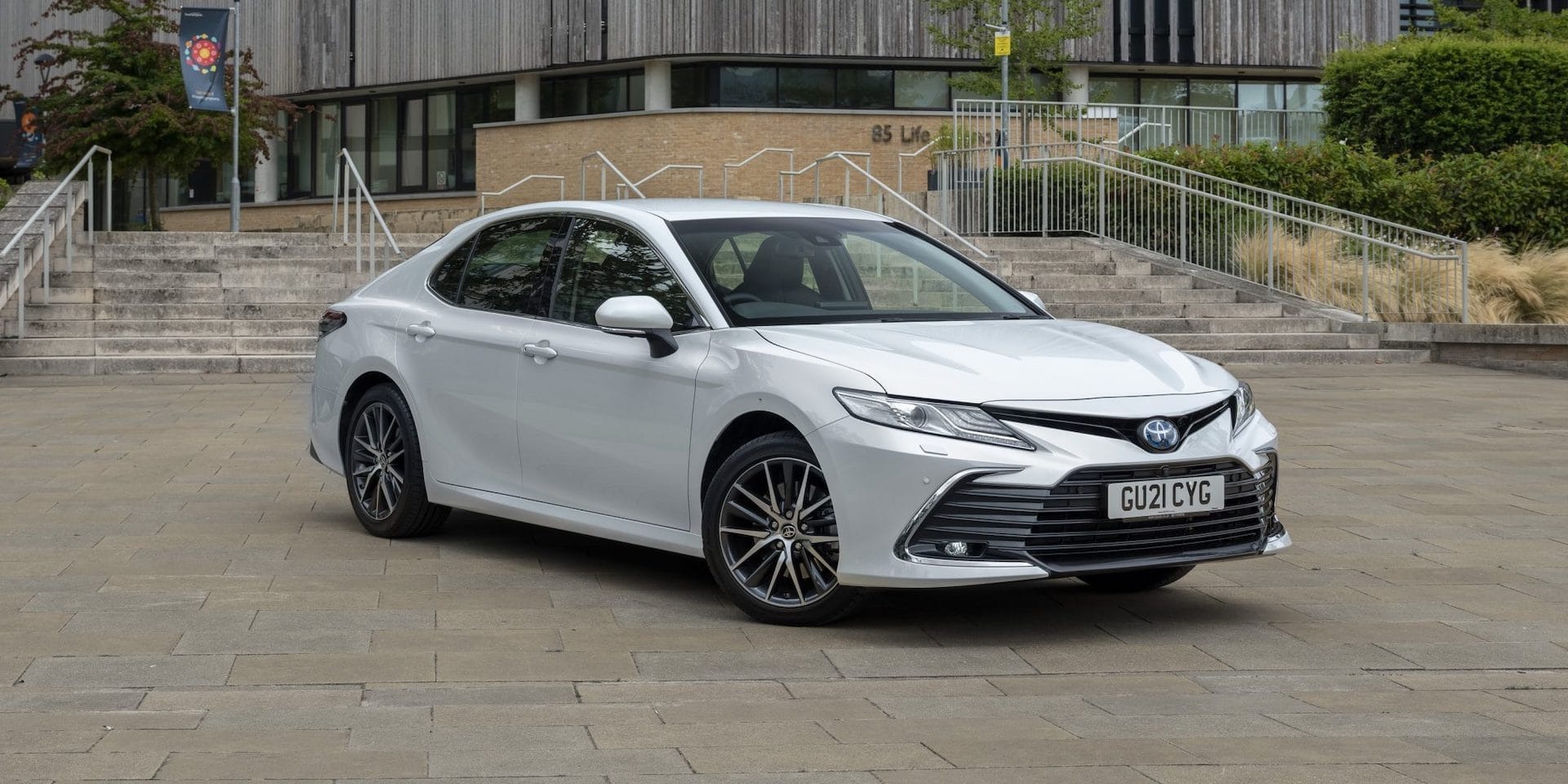
1. Toyota Camry (Interior Holds Up Exceptionally Well)
The Toyota Camry has long been a staple in the midsize sedan category, and one of the reasons it retains such a loyal following is the quality of its interior materials. Owners regularly report that even after a decade of use, the dashboard remains largely unchanged, with minimal signs of cracking or fading.
Toyota has made consistency a top priority, and this extends beyond just reliability under the hood. The use of UV-resistant plastics and better heat-dissipating dashboard textures plays a major role in the Camry’s interior staying power.
Toyota also benefits from a conservative approach to design. Instead of choosing high-gloss finishes or soft-touch materials that look great on showroom floors but deteriorate quickly, the Camry often features more durable, slightly textured surfaces.
These materials don’t peel or bubble under high heat and rarely get sticky or faded. For those living in hotter climates or parking outdoors, this makes a major difference over time. The dashboards in these sedans don’t suffer the same kind of drying or hardening that leads to deep cracks.
Another factor is Toyota’s understanding of long-term customer satisfaction. Many Camry buyers keep their cars well past the 100,000-mile mark. The company knows that a vehicle that falls apart inside after five or six years won’t inspire the same customer loyalty.
That understanding is reflected in the material choices and assembly quality found inside Camrys from almost any generation after the early 2000s. Even on lower trims, the dashboard doesn’t feel cheap, and the resilience of the design pays off in used markets as well.
The Camry may not be the flashiest choice in the midsize segment, but its ability to resist interior aging has helped it maintain strong resale values and high owner satisfaction. It’s one of those sedans that quietly earns its reputation not through bold statements but through steady, solid performance in areas many drivers come to appreciate only after years of ownership.
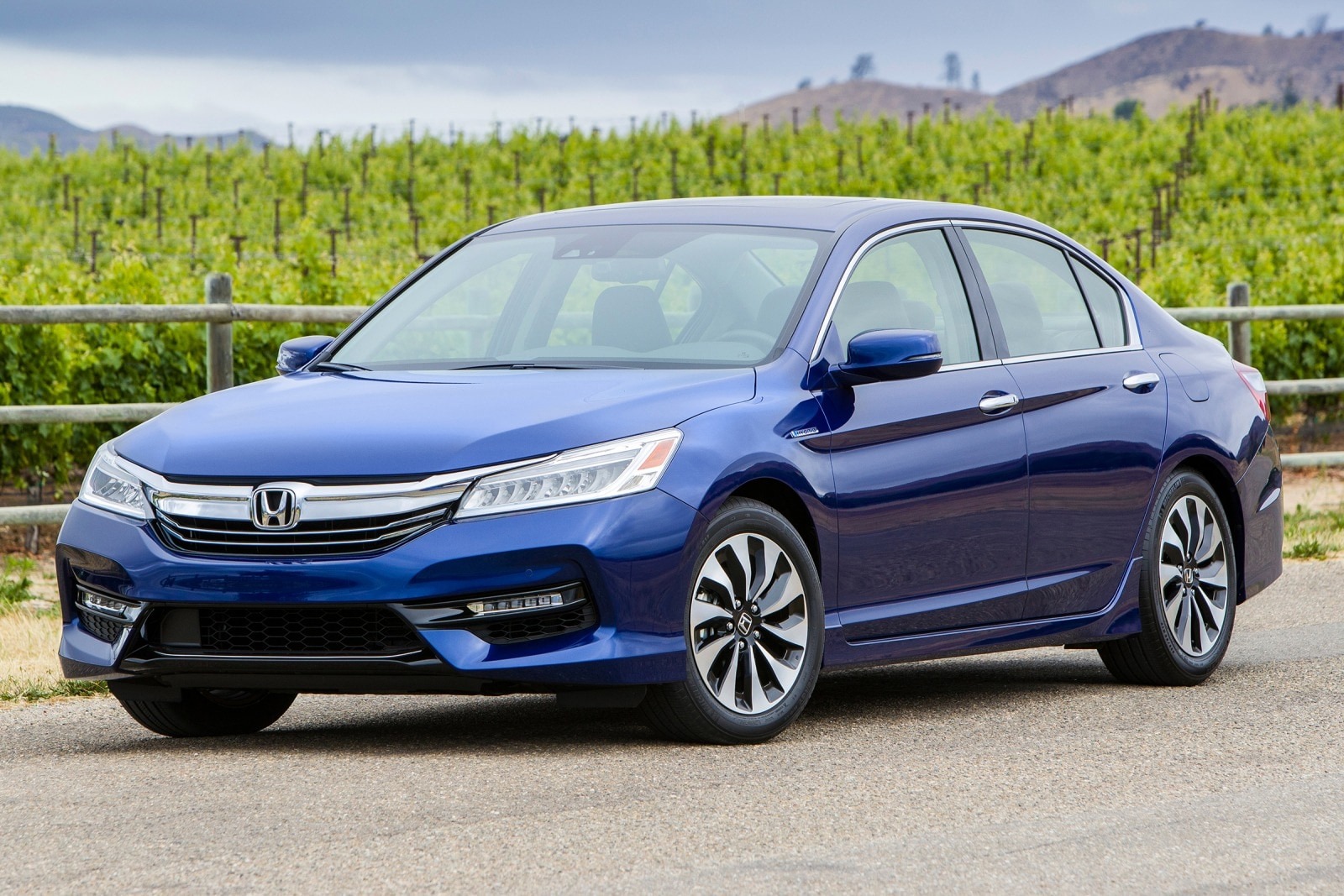
2. Honda Accord (Interior Holds Up Exceptionally Well)
The Honda Accord, much like its rival, the Toyota Camry, is known for longevity in both performance and appearance. Many Accord dashboards, especially those made from the late 2000s onwards, have shown excellent resistance to cracking, fading, or warping, even when left in the sun for extended periods.
Honda’s approach to dashboard design seems focused on minimalism and structural integrity, rather than flashy finishes that deteriorate with age. This functional design ethos translates into strong performance in the longevity department.
One major strength of the Accord’s interior is the blend of hard plastics and soft-touch materials that don’t degrade as easily as leatherette coatings found in less durable models.
Even older models with higher mileage tend to show relatively little wear on the dashboard. The texture used on many Accord dashes resists dust buildup and doesn’t become tacky with heat. Over time, this results in a cleaner look and fewer maintenance headaches for the owner.
Honda also seems to have paid close attention to UV-resistance and temperature expansion issues. Even under direct sunlight or in colder climates, where some materials shrink and crack, the Accord’s interior remains stable.
This is especially appreciated in states with strong seasonal extremes. A car that looks and feels just as comfortable and intact after a harsh winter or hot summer is a testament to its engineering and quality control.
For buyers looking into the used sedan market, the Accord is often a safe bet when it comes to interior condition. While other vehicles may require dashboard replacements or repairs, the Accord typically needs little more than basic cleaning to keep things looking good.
It’s not a perfect car, and every generation has its quirks, but when it comes to dashboard durability, the Accord consistently ranks among the most reliable.
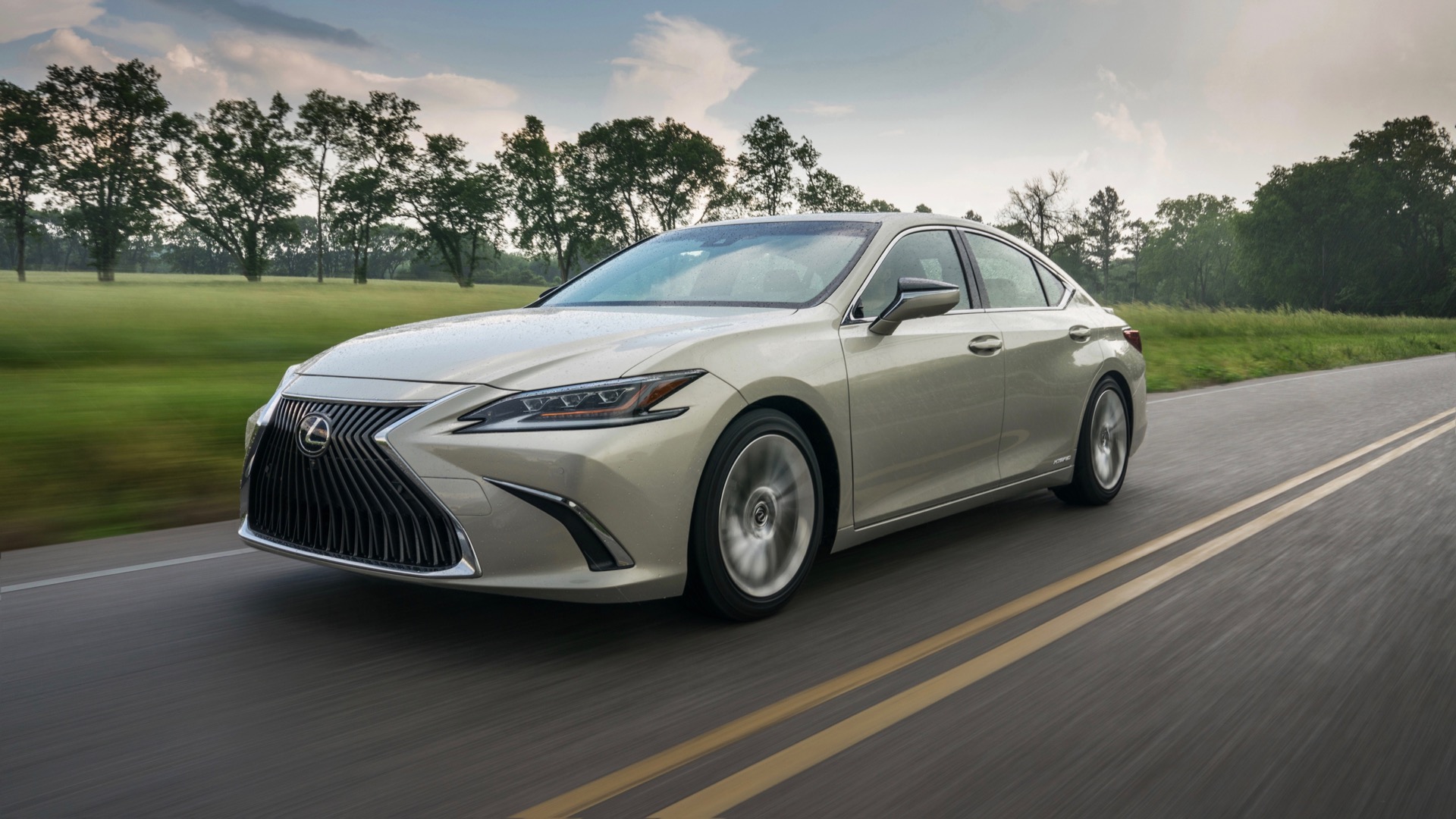
3. Lexus ES (Interior Holds Up Exceptionally Well)
The Lexus ES represents the more luxurious side of Toyota’s lineup, and it’s evident that the brand has invested extra care into ensuring long-term quality, especially inside the cabin.
Lexus uses higher-grade plastics and synthetic leather that manage to retain their appearance even after prolonged sun exposure. Many owners of ten- to fifteen-year-old ES models report that their dashboards are still free from cracks or major fading, even in vehicles that have spent most of their lives outdoors.
One reason the ES holds up so well is the brand’s attention to the finer details of material science. Lexus doesn’t just choose materials for their initial appearance, they focus on how those materials perform under real-world conditions.
That includes accounting for heat buildup through the windshield, the chemical reaction of sunlight with dashboard finishes, and the expansion and contraction of different layers. The result is an interior that stays together longer, without the bubbling, discoloration, or peeling seen in many other brands.
Another strength of the ES lies in its manufacturing consistency. Lexus vehicles go through tighter quality control standards than many mainstream sedans, and it shows in areas like stitching, dashboard alignment, and surface protection.
There’s a feeling of solidity in the cabin that translates into long-term durability. You don’t get the impression that parts are going to warp or rattle over time. The dashboard remains tightly integrated with the rest of the interior, and the materials maintain their color and texture.
Many Lexus ES owners buy these cars with long-term ownership in mind, and Lexus seems to support that goal with an interior that ages gracefully. While maintenance plays a role in any car’s lifespan, the ES doesn’t require constant upkeep to avoid dashboard issues. It’s a sedan that combines comfort, quietness, and a strong sense of lasting quality, especially inside the cabin.

4. Subaru Legacy (Interior Holds Up Exceptionally Well)
The Subaru Legacy has a reputation for being practical, reliable, and built for all-weather use, but it also deserves recognition for the durability of its interior components, particularly the dashboard.
Despite being more of a functional vehicle than a premium one, the Legacy’s dashboard design is surprisingly resistant to cracking and fading. Owners in regions with cold winters and hot summers praise the Legacy for maintaining an intact and visually appealing interior, even after years of exposure.
One of the key reasons the Legacy performs well in this area is Subaru’s choice of materials. While not luxurious, they are selected for endurance. The dashboard typically features matte finishes that are less prone to UV damage and don’t show dust or scratches easily.
This makes the interior easier to keep clean and prevents the common problem of surface breakdown seen in glossier finishes. Subaru’s designers prioritized function over form, which often works better for longevity.
There’s also a benefit to the simplicity of Subaru’s cabin layout. Without overly complex or delicate components on the dash, there are fewer areas prone to separation, warping, or cracking. The vents, screens, and buttons are integrated in a way that reduces stress on any one material. Combined with strong build quality and reliable manufacturing, the result is a sedan that doesn’t fall apart internally even after extended use.
Another factor is the customer base. Subaru drivers often keep their cars for a long time, which motivates the company to support longevity. Interiors in these sedans are built with utility and lasting appeal in mind, not just the short-term aesthetic. For used car buyers and families alike, the Legacy stands out as a solid option for those who want a sedan that won’t fall apart inside after a few years.

5. Mazda6 (Interior Holds Up Exceptionally Well)
The Mazda6 is often recognized for its sporty handling and stylish exterior, but one of its lesser-known strengths is the longevity of its interior, particularly the dashboard.
Unlike some other midsize sedans that rely on glossy plastics or faux-leather coatings that crack over time, the Mazda6 dashboard is typically composed of dense, UV-resistant polymers that age gracefully even with prolonged sun exposure. Owners of older Mazda6 models frequently comment on the cabin’s ability to maintain its clean, cohesive look after years of use.
Mazda takes a more design-focused approach compared to some other automakers, and this attention to detail extends to material choices that balance form and function. The company’s emphasis on driving enjoyment doesn’t come at the expense of durability.
The soft-touch dash surfaces used in newer generations of the Mazda6 are designed not to peel or fade, and their subtle textures mask wear and tear better than smoother surfaces. Even high-mileage models can look well-preserved with minimal upkeep.
Another aspect contributing to the longevity of the Mazda6’s interior is how it manages temperature shifts. The dashboard and interior panels don’t become overly brittle in cold conditions or overly soft in extreme heat, a problem that often precedes cracking.
Mazda seems to have considered thermal expansion and stress on components more carefully than some competitors, which results in fewer reports of dashboard defects from long-term owners.
While the Mazda6 may not be as universally known for reliability as the Camry or Accord, it quietly delivers a premium interior experience without many of the aging issues seen in other sedans.
Its combination of visual appeal and solid interior resilience gives it an edge, especially in the used market where dashboard condition often plays a role in perceived value. For drivers who want a sedan that feels upscale and stays that way, the Mazda6 is an underappreciated gem.
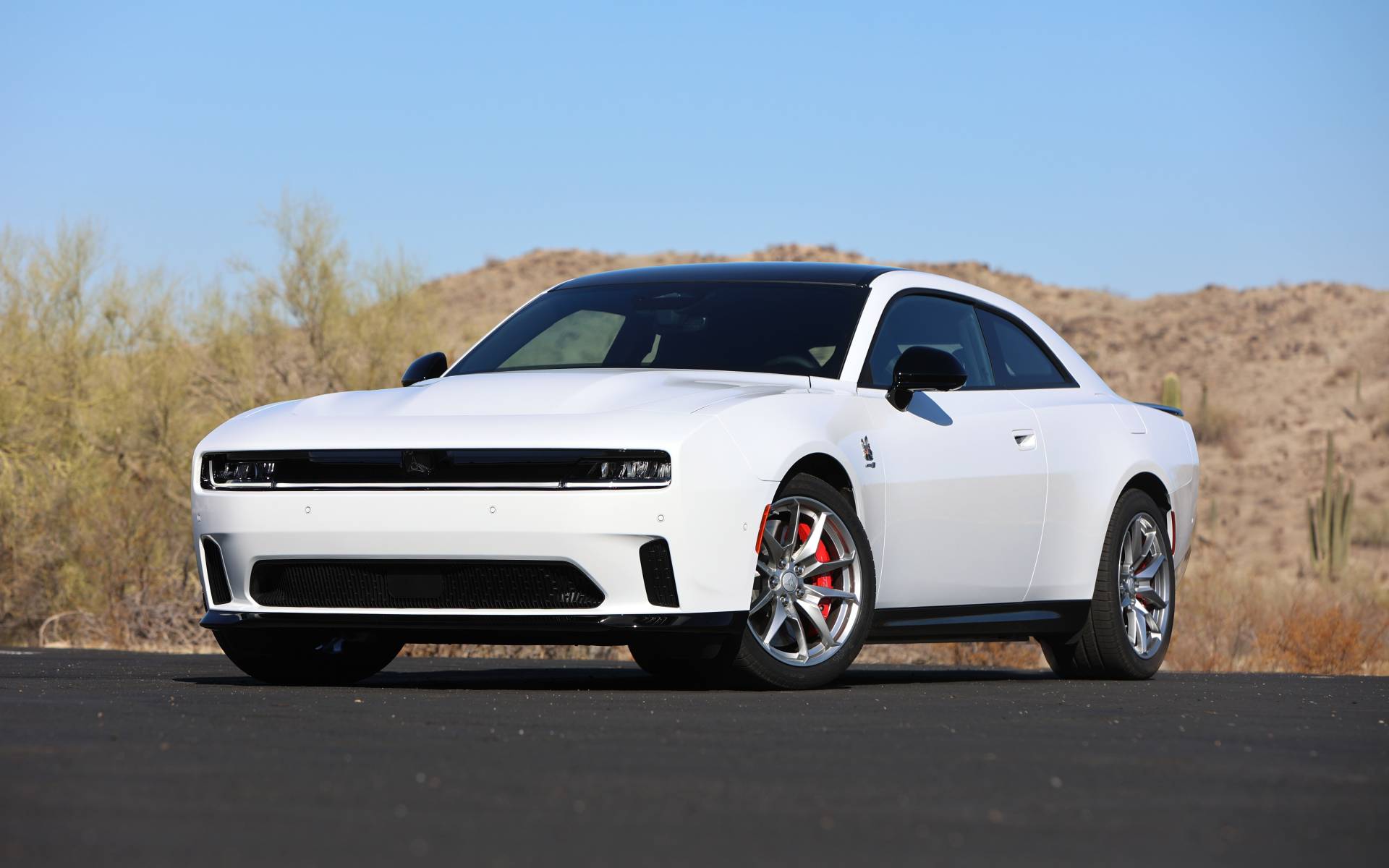
6. Dodge Charger (Dashboard Known to Crack Prematurely)
The Dodge Charger, especially in older models from the mid-2000s, has gained a notorious reputation for dashboard issues. Many owners have reported that even within a few years of ownership, the dashboard begins to crack, peel, or warp, often in highly visible and frustrating ways.
The problem appears to be most severe in hotter climates where UV exposure accelerates material breakdown, but even in milder areas, premature interior aging has been a recurring complaint.
One of the main issues seems to be the type of plastic used in earlier Charger models. Instead of using UV-stabilized materials, Dodge appeared to opt for cost-saving plastics that become brittle with heat exposure.
As the dashboard dries out and shrinks, it begins to crack along seams or near the windshield, where sunlight is most intense. These cracks often worsen over time, leading to gaping holes or entire panels becoming detached from the underlying structure.
There are also design factors that may contribute to the issue. The slope of the dashboard and its exposure angle mean it absorbs a great deal of sunlight. Combined with the use of dark-colored materials in many Charger trims, the heat buildup can be significant. Unfortunately, without adequate material reinforcement or a well-designed cooling strategy, the plastic simply can’t withstand the stress.
For Charger owners, this issue isn’t just cosmetic; it affects resale value and interior comfort. Replacing a dashboard is both costly and labor-intensive, and many aftermarket fixes don’t restore the factory appearance. As a result, many vehicles on the used market show obvious signs of wear, even if they’re mechanically sound. For those considering a used Charger, the dashboard is one of the first things to inspect carefully.
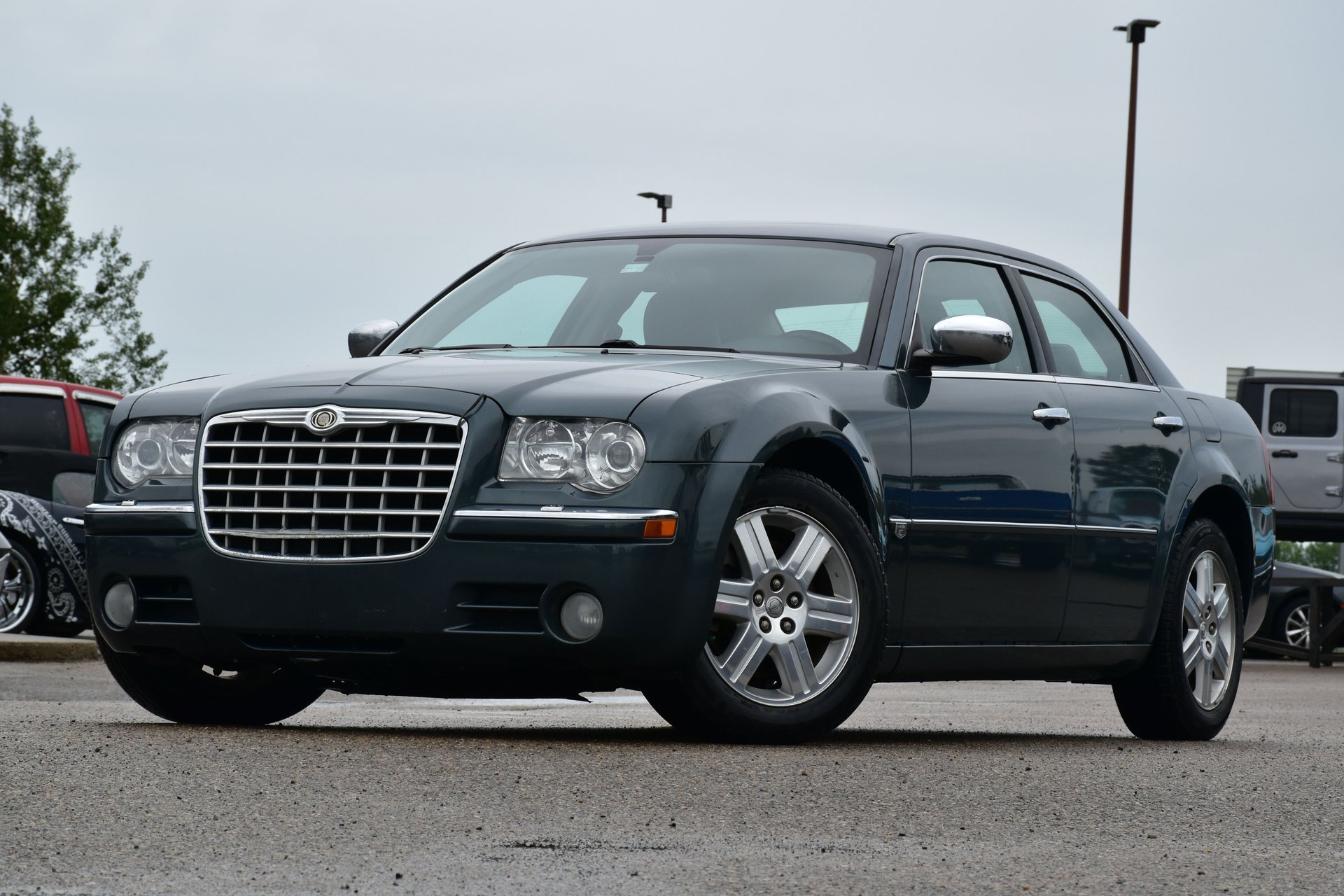
7. Chrysler 300 (Dashboard Known to Crack Prematurely)
Much like its platform cousin the Dodge Charger, the Chrysler 300 has also struggled with dashboard durability in several of its production years. Owners of early to mid-2000s models have repeatedly reported cracking, fading, and warping of the dash, sometimes after only a few years of use. In some cases, cracks spread across the dashboard like spider webs, and pieces begin to flake off, leaving unsightly gaps that are difficult to repair properly.
The issue appears to stem from a combination of subpar materials and poor environmental resistance. Chrysler, during this time, faced criticism for cutting costs across its vehicle interiors.
The dashboards were often made with plastics that lacked proper UV inhibitors, making them vulnerable to sun damage. As these materials are exposed to sunlight day after day, the chemical bonds weaken, and the dashboard becomes increasingly brittle.
Additionally, the design of the Chrysler 300’s dashboard, with its wide and flat layout, exposes a large surface area to direct sunlight through the windshield. This design, while sleek in appearance, unfortunately creates a greenhouse effect that accelerates dashboard breakdown. As the materials dry and lose flexibility, cracks begin to form, especially near air vents and seams where stress is naturally higher.
While newer versions of the 300 have addressed many of these issues by improving material quality and introducing better UV protection, earlier models still carry the stigma.
Used car shoppers often look closely at the condition of the dashboard before making a decision. A cracked or warped dashboard can knock significant value off an otherwise well-maintained Chrysler 300. It serves as a reminder that interior quality plays a major role in long-term satisfaction.
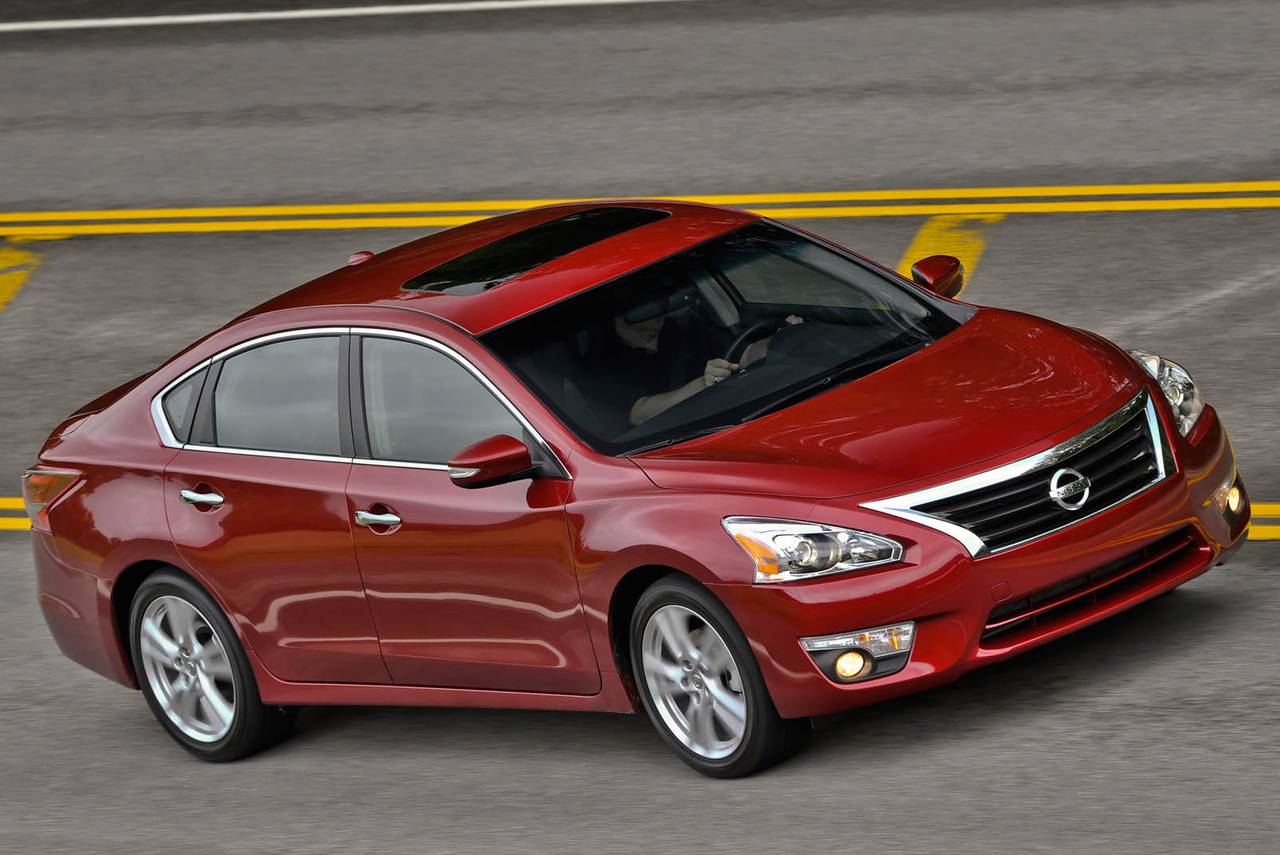
8. Nissan Altima (Dashboard Known to Crack Prematurely)
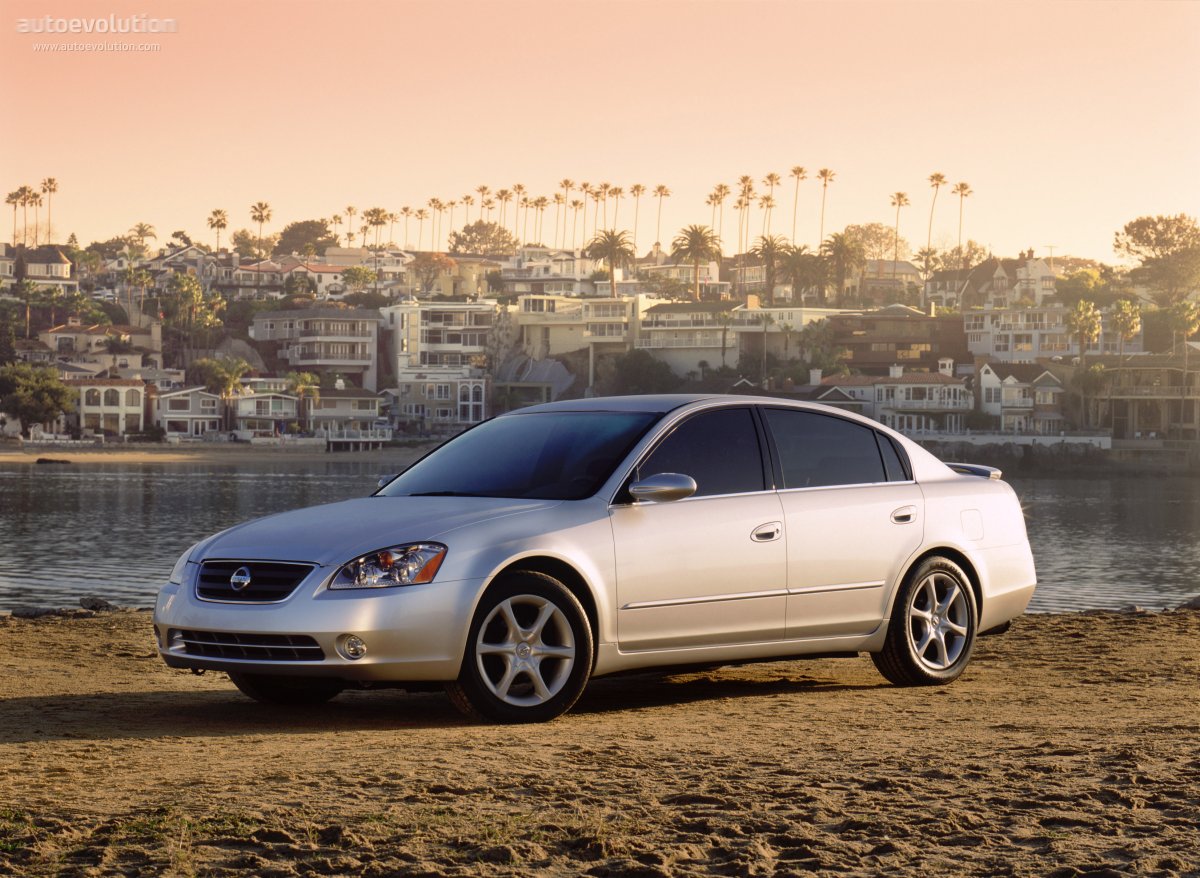
The Nissan Altima, particularly models produced in the late 2000s and early 2010s, has been known to suffer from dashboard issues, including cracking, bubbling, and melting.
Many reports have surfaced from owners, especially those in warm or humid climates, indicating that the dashboard becomes soft to the touch, sticky, and eventually begins to deform. In extreme cases, the damage interferes with visibility due to reflection and can become a hazard.
A significant part of the problem is the type of finish applied to the dashboard. In an attempt to give the cabin a more upscale look, Nissan used a glossy, rubberized coating on many Altima dashboards. This coating, while attractive when new, doesn’t hold up well under heat. Over time, it begins to break down, becoming tacky or reflective. As the material degrades, it loses structure and eventually cracks or blisters.
This issue has led to widespread frustration among owners, with some seeking class-action remedies. In response, Nissan has made improvements in newer models, phasing out the problematic materials and opting for more durable, matte finishes that don’t deteriorate as quickly. However, the reputation lingers, particularly for certain generations that are now common in the used market.
When buying a used Altima, especially from those problem years, inspecting the dashboard is essential. Repairs are not simple or cheap, and dashboard replacements can run into thousands of dollars. Even minor cracks or sticky areas can worsen rapidly. The experience with the Altima shows how aesthetic choices can backfire when durability is not properly considered.
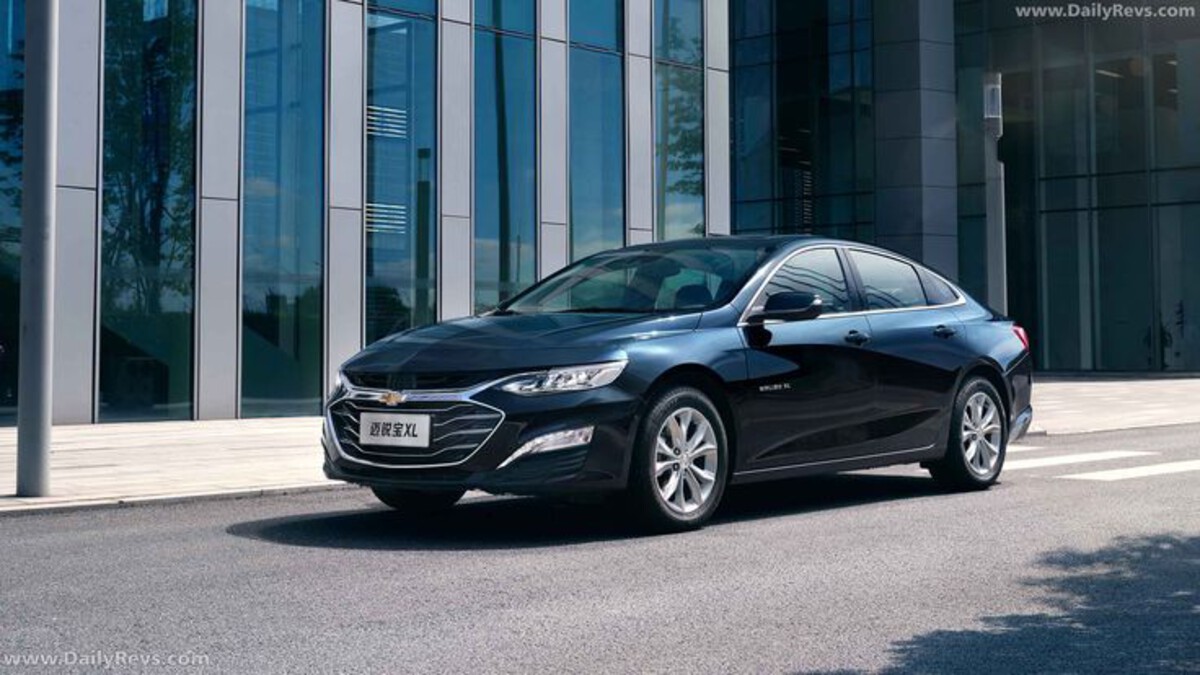
9. Chevrolet Malibu (Dashboard Known to Crack Prematurely)
The Chevrolet Malibu has seen various redesigns over the years, but several generations, especially from the early 2000s to early 2010s, have been known to suffer from dashboard problems.
Cracks tend to form near defroster vents and across flat portions of the dash, often expanding quickly after appearing. Even though these cars were marketed as practical, family-friendly sedans, their interiors sometimes couldn’t handle long-term exposure to heat and sunlight.
The materials used during these production years were often hard plastics without sufficient UV protection. While durable in the short term, these materials became brittle over time, especially in regions with hot summers. Cracks usually start as hairline splits but can spread rapidly, creating deep fissures that are both unsightly and impossible to ignore. Once started, the deterioration is hard to stop.
Another contributing factor is how the Malibu dashboard components were assembled. Gaps between panels and poor bonding between layers may allow heat to concentrate in specific areas, weakening the plastic unevenly. This leads to stress points that eventually crack. Owners often complain that even well-maintained vehicles with low mileage can suffer from this issue, making it feel like an unavoidable flaw.
While Chevrolet has worked to improve interior quality in newer models, these earlier Malibus continue to appear on the used market, many of them with visible dashboard damage. For those considering a purchase, it’s a good idea to check for any dashboard covers or panel repairs, which might be masking deeper damage. A cracked dash, even if minor, affects not just appearance but the integrity of the cabin.
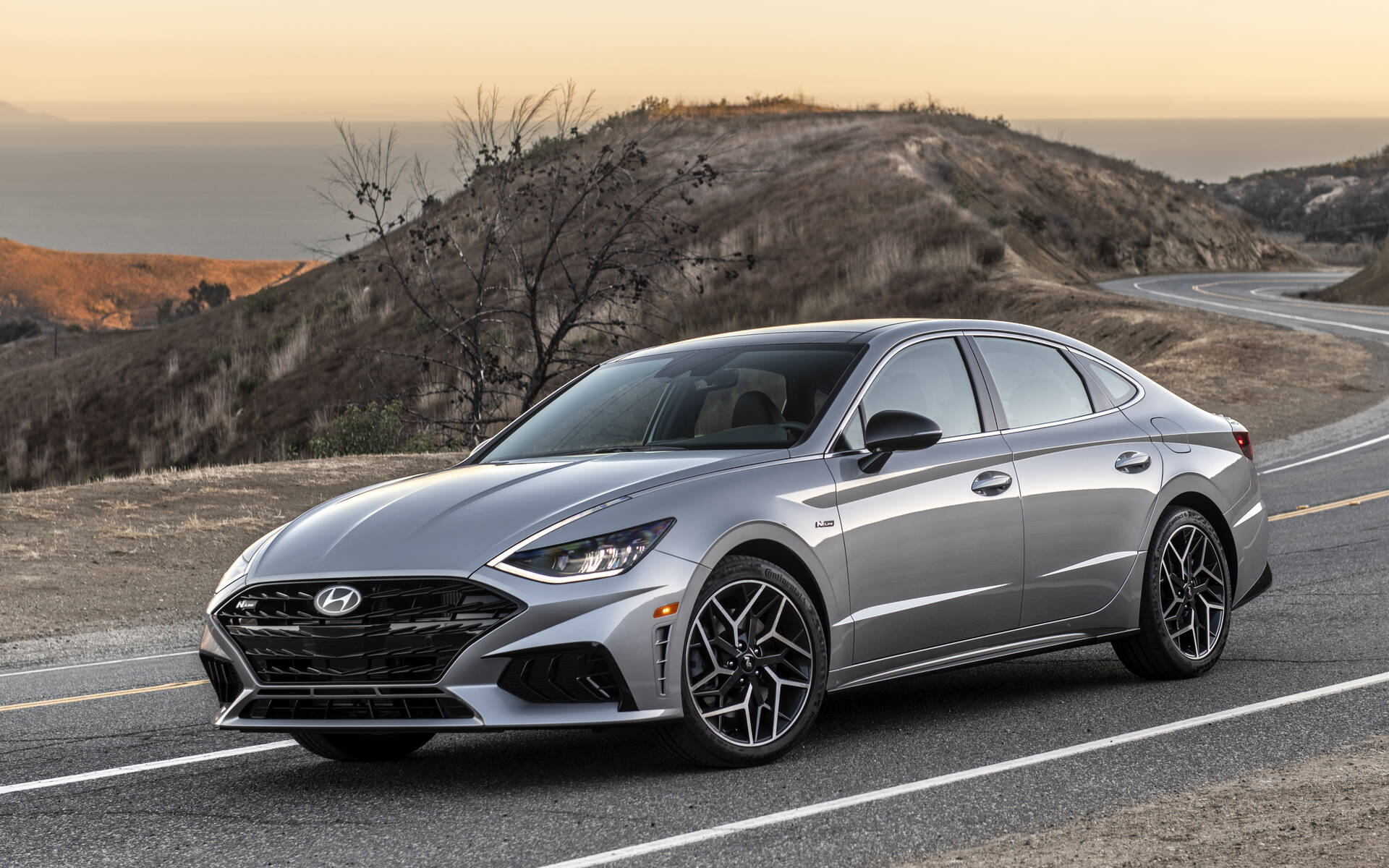
10. Hyundai Sonata (Dashboard Known to Crack Prematurely)
The Hyundai Sonata, particularly in models produced before 2012, has been flagged by many owners for dashboard quality issues. Problems range from surface cracks to bubbling and discoloration, often within a few years of regular use.
While Hyundai made significant improvements in later years, certain early generations still carry a reputation for dashboard problems that can affect the entire cabin experience. Part of the issue lies in the rapid expansion Hyundai underwent during the late 2000s.
While they made major strides in styling and performance, interior materials didn’t always receive the same level of refinement. The dashboard plastics used in these vehicles were prone to hardening and cracking over time, especially in sunny climates where the dashboard was constantly exposed to direct UV light through the windshield.
Compounding the issue was the use of bonded surfaces that didn’t expand and contract well with temperature changes. As these layers reacted differently to heat, they often separated or bubbled.
Once that process began, it was only a matter of time before visible cracks appeared. Many Sonata owners were left with a warped or splitting dashboard long before reaching high mileage.
To Hyundai’s credit, the company has greatly improved in recent years. Modern Sonatas use better materials, more advanced bonding techniques, and protective coatings that withstand sunlight more effectively.
However, the dashboard problems of earlier generations still affect buyer confidence in the used market. Anyone considering a used Sonata should carefully inspect the dash for even minor signs of aging, which can quickly worsen if left unchecked.
Also Read: 10 Cars Americans Drive the Most Miles Each Year (and Why They Rack Up the Miles)
After years of ownership, it becomes clear that the interior of a sedan, particularly the dashboard, is not just a surface; it’s part of the long-term driving experience. While engine life and fuel efficiency are critical to vehicle longevity, a cracked or faded dashboard can quickly undermine the comfort and pride a driver takes in their car.
A dashboard that holds its shape and finish not only adds to the vehicle’s aesthetic value but also supports functional integrity. Controls remain in place, vents work properly, and the look remains consistent, which can make an older vehicle still feel relatively new. It becomes obvious that quality dashboard construction is a reflection of the manufacturer’s commitment to long-term ownership satisfaction.
Among the sedans that stood out for their dashboard durability, the Toyota Camry, Honda Accord, Lexus ES, Subaru Legacy, and Mazda6, a pattern becomes clear.
These vehicles benefit from thoughtful engineering, proven material choices, and consistent manufacturing standards. Instead of over-designing with delicate finishes or soft, fragile plastics, these automakers leaned into practicality without sacrificing visual appeal.
Owners of these models often report clean, crack-free dashboards even after a decade or more, which contributes to strong resale value and a more pleasant daily driving experience. For budget-conscious families, long-distance commuters, or buyers in hot regions, that kind of endurance is invaluable.
In contrast, sedans such as the Dodge Charger, Chrysler 300, Nissan Altima, Chevrolet Malibu, and older Hyundai Sonata models have had ongoing issues with dashboard quality. While these vehicles may perform well mechanically or offer attractive pricing, many owners are caught off guard when cracks begin to appear, often early in the vehicle’s life.
These dashboards may suffer from poor-quality plastics, inadequate UV protection, or flawed design that allows heat to concentrate in ways that destroy material stability. The results are visible, sometimes extreme, cracks, peeling, bubbling, and even dashboard melting. In some cases, it’s so severe that it impacts visibility or the safety of airbag deployment areas.
The good news is that many automakers have taken steps to correct these issues in recent model years, learning from customer feedback and improving their interior materials. However, for used car buyers or current owners of older vehicles, the reality of a cracked or deteriorated dashboard still presents a challenge.
Knowing which sedans have a reputation for holding up better allows for smarter decision-making when buying, especially in private sales or auctions where visual inspection is critical. It also helps prospective buyers set realistic expectations for future upkeep.
While dashboard condition might not seem like the most important factor when buying a sedan, it quickly becomes one of the most visible indicators of age and quality. Choosing a vehicle with a durable interior can make a big difference in daily enjoyment and long-term value.
It’s not just about how a car drives today; it’s about how it will look and feel after thousands of miles, changing seasons, and years of sunlight through the windshield. Paying attention to dashboard quality is one simple step toward owning a car that truly lasts inside and out.
